
Last update: 12 Oct 2026
* We earn a commission from some links on this page.
Australia Summary
These place ratings give you a quick overview of how well a destination matches different types of trips.
‘Best for’ scores:
The specific interest scores show where this place really shines – whether it's ideal for hiking, food & drink experiences, museums or other activities. These highlights help you understand what makes the destination special at a glance.
‘Your personal’ scores:
This reflects how well a place matches your personal preferences. You can adjust the importances of travel topics or other personal requirements categories in your account settings.
‘Suited for’ badges:
These give you a quick overview of how well a destination suits specific types of travellers, to help you find the places that match your lifestyle, preferences or travel situation.
Suited for
Australia – Quick facts
| Power Grid: |
230 V, 50 Hz Plug: Type I
Type I:
 Read about power adapters |
|---|---|
| Currency: |
Australian Dollar (AUD) £1 ≈ A$1.89 |
| Cashless info: |
Rating 5/5
Cashless payment is widely accepted, even in rural areas. Digital wallets are commonly used.
Save with a travel credit card |
| eSIM providers: |
Best value: Saily Flexibility: Airalo Read our in-depth comparison |
| Tipping: | Tipping is not mandatory in Australia. Rounding up or 10% is appreciated in high-end restaurants. |
|---|---|
| Public drinking: | Public drinking is regulated and often prohibited, except in designated areas. |
| Public smoking: | Smoking is banned in public indoor spaces and most outdoor public areas. |
| Australia Day (January) |
Public events and celebrations occur nationwide. |
|---|---|
| ANZAC Day (April) |
Commemorations and closures happen. |
| Christmas (December) |
Festive events and closures occur. |
| Emergency contact: | Emergency Number: 000 (Police, Fire, Ambulance) |
|---|---|
| Taxi apps: | Uber, 13cabs, Ola |
| Other: | Australia's vast size requires careful planning for travel between regions. Be aware of wildlife and sun exposure. |
Best times to travel
The best times to travel section shows how the months compare for a visit, so you can find the time of year that fits what you want to do.
Background colours of the months:
The colour shows the typical temperature: yellow (hot), green (mild) and blue (cold). How strong the colour is shows the travel season: full colour means high season, soft colour means shoulder season and soft-striped means off season.
Weather symbols:
Each month has one symbol showing what the weather is typically like, such as hot and sunny, freezing or a rainy or snowy season. Use them to quickly spot months that match the weather you want, or to avoid the ones that don't.
Crowdedness:
The people icon shows how busy the place usually is. The more people, the more crowded it gets.
Additional notes:
The grey info boxes point out special things worth knowing, like recurring weather issues or seasonal events.
for Australia, Australia
The seasons are reversed compared to the Northern Hemisphere and differ by region: the tropical north is best May to October (dry season), the south and Sydney, Melbourne and Perth best October to April, the Red Centre best April to September
Wet season November to April in the north: cyclones, flooded roads and closed national park areas
Box jellyfish stinger season November to May in tropical waters: swim only in netted areas or in a stinger suit
Don't miss
- 🐠 Snorkel or dive the Great Barrier Reef’s coral gardens
- 🌅 Watch the sunrise over Uluru in the Red Centre
- 🌉 Climb Sydney Harbour Bridge for panoramic harbor views
- 🌳 Explore ancient rainforests in Daintree National Park
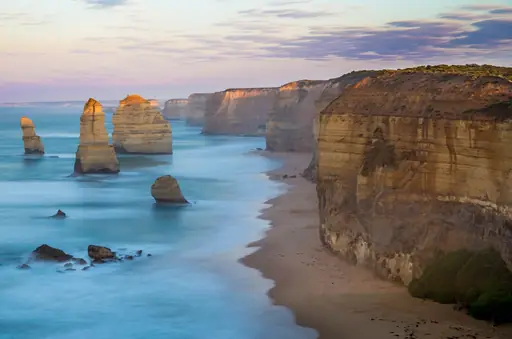
- 🚗 Drive the scenic Great Ocean Road to Twelve Apostles
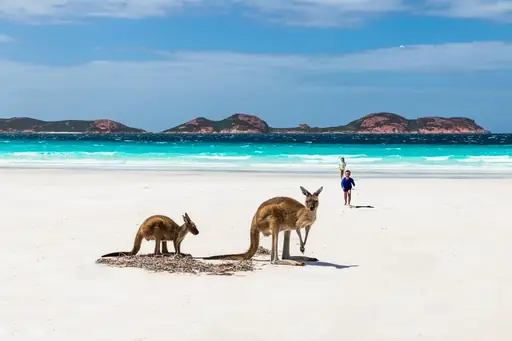
- 🦘 Meet kangaroos and koalas in their natural habitat
You've been here?
Log in to manage your own bucket list! Why travel to Australia?
Australia's appeal lies in its incredible diversity of experiences. The Great Barrier Reef offers world-class diving and snorkeling, while the ancient Uluru-Kata Tjuta National Park provides a spiritual connection to the land. Cities like Sydney and Melbourne burst with cultural attractions, while the vast outback offers a glimpse into Australia's rugged heart. The unique wildlife - from kangaroos and koalas to platypuses and wombats - can't be found anywhere else on Earth. However, travelers should be prepared for some challenges. Australia is expensive compared to many destinations, with accommodation, food and activities commanding premium prices. Distances between attractions can be vast, requiring careful planning. The climate can be extreme, with scorching summers in the outback and tropical wet seasons in the north. And while the famous Australian sun is a draw, it also means visitors need to take serious precautions against UV exposure.
🏙️Cities & Regions
-
1
Sydney
One of Australia's premier cities, Sydney features the iconic Opera House and Harbour Bridge. While crowded near Circular Quay, visitors should explore the quieter Eastern Suburbs for a more authentic coastal experience away from the main tourist throngs. -
2
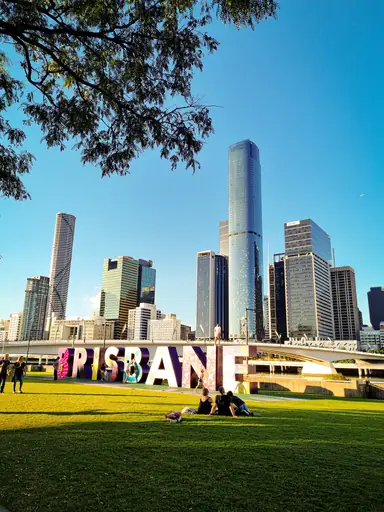
Brisbane
A vibrant gateway to Queensland’s coast, this city offers a mix of modern architecture and natural beauty. Visitors enjoy riverfront parks, cultural festivals, nearby beaches and easy access to the Great Barrier Reef and hinterland adventures. -
3
Melbourne
One of Australia's most vibrant cities, Melbourne features iconic laneways and the Yarra River. While often crowded, its true charm lies in exploring quieter cafes away from tourist hubs. This cosmopolitan capital offers a sophisticated blend of culture and relaxed coastal living. -
4
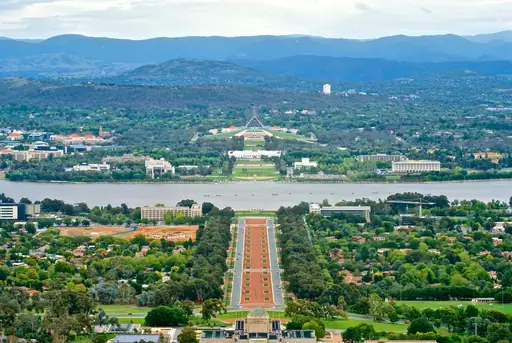
Canberra
Capital city of Australia, Canberra sits in a valley surrounded by forested hills and Lake Burley Griffin. It hosts national institutions like Parliament House, the Australian War Memorial and extensive parks for cultural events and museums. -
5
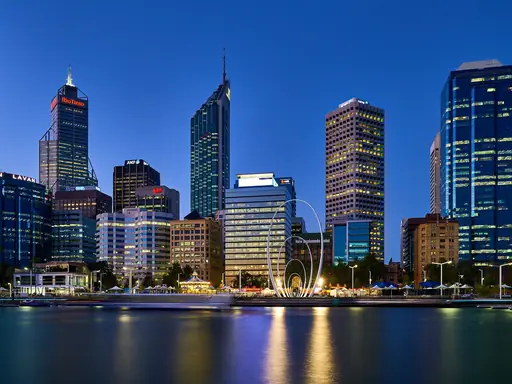
Perth
Capital city on Australia’s west coast offers a mix of modern architecture and natural beauty. The Swan River runs through downtown, while nearby beaches and parks provide outdoor recreation. A gateway to the region’s wine country and rugged coastline. -
6
Adelaide
Capital of South Australia, Adelaide offers a blend of historic architecture and modern culture. The city hosts world‑class festivals, a thriving food scene and easy access to nearby wine regions, beaches and national parks for. -
7
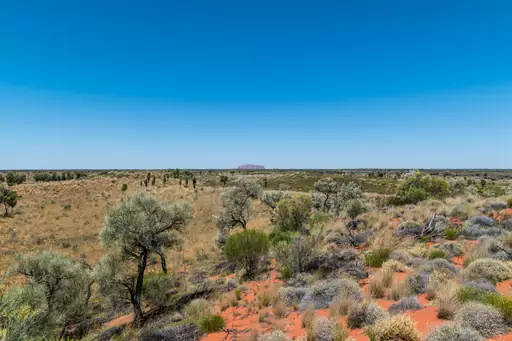
Uluṟu-Kata Tjuṯa National Park
This vast national park features dramatic red rock formations and ancient Aboriginal heritage. The iconic Kata-Tjuta domes rise majestically against the sky, offering breathtaking views from the surrounding plains and rugged terrain. -
8
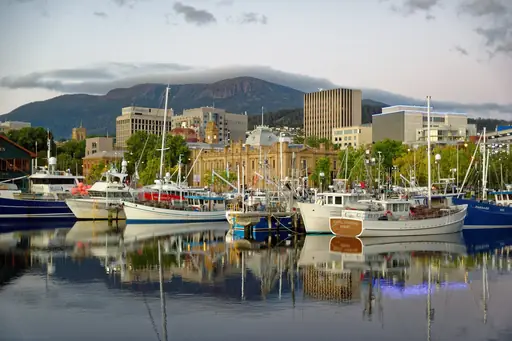
Hobart
Capital city on Tasmania’s southern coast offers a mix of historic architecture and modern culture. Visitors enjoy waterfront promenades, vibrant markets and nearby natural parks featuring rugged coastline, wildlife and scenic hiking trails in Tasmania. -
9
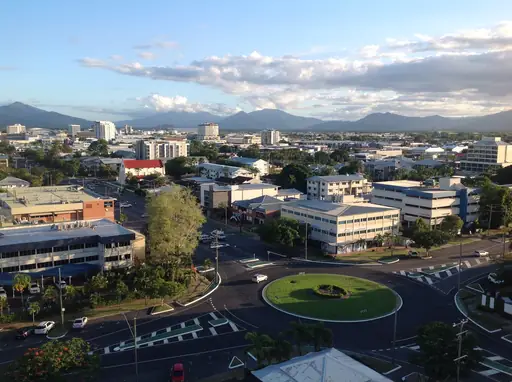
Cairns
Gateway to the Great Barrier Reef and Daintree Rainforest, Cairns offers tropical beaches, lush hinterland adventures, vibrant markets and easy access to world-class diving and snorkeling experiences in Queensland's north. -
10
Gold Coast
This vibrant Australian city on the Gold Coast features stunning beaches, modern architecture and lively nightlife. The area boasts world-class surfing spots, theme parks and a relaxed atmosphere perfect for travelers seeking sun, sand and entertainment along the Pacific Ocean.
🏯Places worth seeing
🎡Places for activities
🏞️Natural landmarks
🛍️Shopping
🎈Events
-
Sydney New Year's Eve Fireworks
-
Melbourne Cup (November)
-
Vivid Sydney (May-June)
-
Adelaide Fringe Festival (February-March)
-
Australian Open (January)
-
Byron Bay Bluesfest (Easter)
-
Tamworth Country Music Festival (January)
-
Parkes Elvis Festival (January)
-
Darwin Festival (August)
-
Perth Festival (February)


Knowledge before you go
- Book domestic flights; vast distances make driving time-consuming.
- Slather on sunscreen and stay hydrated; intense UV rays even on cloudy days year-round.
- Check for jellyfish stingers at beaches; wear suits or swim at patrolled nets during season.
- Join a guided Outback tour from Alice Springs to Uluru for safe access to sacred Indigenous sites.
How to travel to Australia
Most international visitors arrive by air at major gateway airports in Sydney, Melbourne, Brisbane or Perth. Direct flights are available from many global hubs, though flights from Europe and the Americas can be long (14-24 hours). Australia requires all visitors to have a valid visa or electronic travel authorization before arrival. For cruise enthusiasts, several international cruise lines include Australian ports in their South Pacific itineraries.
Access summary
- Sydney: Fly into Sydney Kingsford Smith (SYD) from Asia, Europe, Americas.
- Melbourne/Great Ocean Road: Fly to Melbourne (MEL), connect by road or tours.
- Queensland (Brisbane/Cairns): Fly to BNE or CNS; Qantas hub in oneworld.
Check your route from anywhere
Where to stay in Australia
Australia offers accommodation for all budgets, from luxury resorts to backpacker hostels. Major cities have international hotel chains, while unique options include outback stations, eco-lodges in natural settings and beachfront apartments. For budget travelers, hostels and holiday parks provide affordable options. In popular tourist destinations like Sydney, the Gold Coast and tropical north Queensland, booking well in advance is essential, especially during peak season (December-February).
Hotel recommendations
*by rating and popularity. Commissions have no influence on the rankings.


How to get around Australia
Australia's major cities have efficient public transportation systems, including trains, buses and ferries. However, to explore beyond urban centers, renting a car is often necessary due to vast distances. For longer journeys between cities, domestic flights are popular and time-saving. The country also has scenic train routes like The Ghan (Adelaide to Darwin) and the Indian Pacific (Sydney to Perth) that offer unique perspectives of the landscape.
Budget snapshot
Costs compared to home
We calculate the average costs when travelling to destinations and compare those with the living costs at your home. With this you can get an estimate of how expensive or cheap the destination is for you.
To customise this, you can set up which location and price level are used for the calculations in your account settings.
Daily expenses in Australia are around 4% higher than the average across United States. That means you'll spend around the same on meals and getting around.
Exchange rate trend
The exchange rate price factor shows how expensive or cheap a currency currently is compared to its historical average. It's a quick way to see if a country is currently more or less affordable due to exchange rate changes.
Your exchange rate (GBP to AUD) is 2% better than in recent years. That means travelling now costs around the same compared to the past.
Travel costs
To help you plan your trip, we provide estimated daily costs per person (when travelling as a pair) for different travel styles. These numbers give you an idea of what you might spend each day at this destination, including accommodation, food, transport and activities.
Additionally, we also provide average hotel costs for different travel styles to give you an estimate for the accommodation only.
Please note that these are only estimates. The real costs depend on booking times, season and other factors.
Daily cost summary
Travel style categories explained:
Backpacker:
Staying in hostels or budget hotels, cooking your own meals or eating cheap and choosing low-cost activities.
Mid-range:
Staying in mid-range hotels, eating at a mix of restaurants and casual spots and enjoying a variety of activities.
Luxury:
Staying in luxury hotels, dining out at high-end restaurants and enjoying premium experiences without worrying about the price.
| Backpacker | Mid-range | Luxury | |
|---|---|---|---|
| 💵 Total costs per day, including accommodation | |||
| 🏨 Accommodation per night, per person | |||
| 🍝 Food per day | |||
| 🚕 Transportation per day |
Food & Drink
| 🍽️ Restaurant Dinner, per person | |
|---|---|
| 🍛 Lunch Set, per person | |
| 🍟 Fast food combo | |
| 🍝 Preparing your own food, per day | |
| ☕ Cappuccino | |
| 🍺 Beer in a restaurant, 0.5 l |
Transportation
| 🚌 Public transport ticket | |
|---|---|
| 🚕 Taxi Ride, 10 km / 6 mi | |
| ⛽ Petrol, 1 l |
Other
| 🎞️ Cinema ticket | |
|---|---|
| 👩⚕️ Doctor's consult | |
| 🤧 Cold medication | |
| 💇 Basic haircut |
Safety information overview
General safety
Australia is generally very safe for tourists with low crime rates. The main concerns are natural hazards rather than crime. Be aware of dangerous marine creatures at beaches, follow bushfire warnings in summer and respect wildlife by maintaining safe distances.
Health & Medical
Australia has excellent healthcare facilities and services, particularly in major cities. Medical care is high quality but can be expensive for visitors. Travel insurance is essential. Be cautious of extreme heat and sun exposure, which can cause serious health issues.
Accessibility
Major cities and tourist attractions offer good accessibility with ramps, accessible facilities and transportation options for people with mobility challenges. However, some natural attractions and remote areas may have limited accessibility due to rugged terrain.
Tap water
Tap water is safe to drink throughout Australia and meets high quality standards. Public drinking fountains are common in cities and parks. In remote outback areas, always carry sufficient water as sources may be limited.
Packing recommendations for Australia
Log in to add this place to a travel list and get a summary of all recommended items for your whole trip.
📷
Camera
👟
Comfortable walking shoes
🌞
Sun cream
🚰
Reusable water bottle
👕
Light, breathable clothing
🕶️
Sunglasses
🪰
Insect repellent
🩱
Swimwear
🔋
Power bank
🩹
Basic first aid kit
👒
Sun hat
📃
Travel insurance
🪪
Copies of passport and important documents
🧥
Fleece mid-layer
📱
Travel eSIM
🔌
Universal travel adaptor
Type I
🩺
Prescription medicines
💳
Credit card with no foreign transaction fees
🛂
Passport


Related articles & guides for Australia



Nearby recommended places



Looking for inspiration?

Discover
Best destinations for first-time travellers
A first trip abroad works best somewhere that eases you in, rather than throwing every possible culture shock and logistical headache at you at once. Some first-time travellers…
Read more

Discover
Best couple holiday destinations
Travelling as a couple sounds simple enough, yet the best couple holiday destinations mean something different to almost every pair. What feels romantic to one couple can feel like…
Read more

Discover
Best travel destinations for seniors
Senior travel covers a wide range, from slow, low effort trips built around comfort to more independent trips for travellers who still want to cover plenty of ground. Some…
Read more

Discover
Top digital nomad destinations and remote work hubs in 2026
Working from anywhere in the world sounds simple until you actually try it and the best digital nomad destinations look different depending on what kind of remote worker you are.…
Read more

Discover
Best travel destinations for food allergies
Travelling with a food allergy adds a layer of planning most people never have to think about and the right destination can make that planning a lot easier. Some travellers…
Read more

Discover
Top solo travel destinations and safe hubs
Travelling alone sounds like a bigger deal than it is. The first day feels strange – eating dinner by yourself, navigating without someone to double-check the map with, making…
Read more
Discover
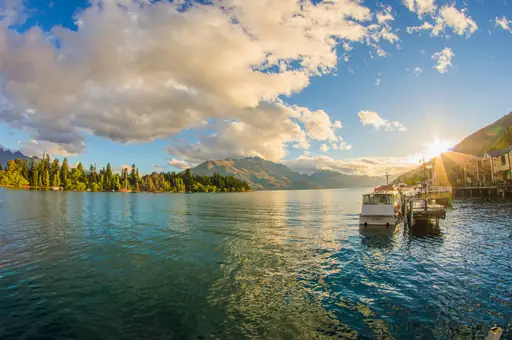
Best destinations for first-time travelers in Oceania
Oceania asks first-time travelers to commit to a long flight, but the payoff is a destination that stays easy to navigate once you actually arrive. Australia and New Zealand are…
Read more
Discover
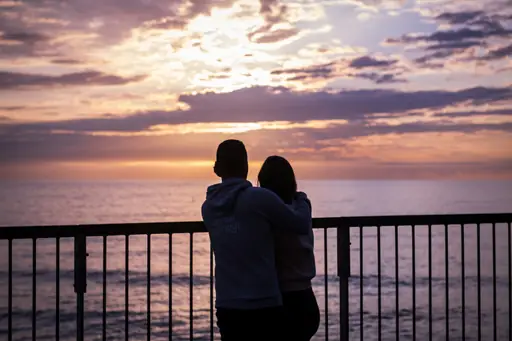
Best couple vacation destinations in Oceania
Oceania asks (most) couples for a long flight and repays them with the feeling of having reached the far edge of the map together, which can be a romance all of its own. The…
Read more

Discover
Most beautiful beaches and coastal escapes
For a lot of people, a beach is the whole point of a holiday, but what makes a beach day perfect really depends on personal taste. Some travellers want isolation and the feeling…
Read more
Discover
Best travel destinations for seniors in Oceania
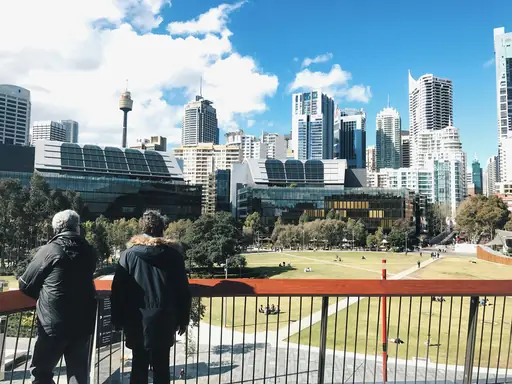
Oceania asks older travelers to commit to a long flight, but many find the comfortable infrastructure on the other end makes it worthwhile. Australia and New Zealand both offer…
Read more
Discover
Extraordinary natural wonders and scenic landscapes
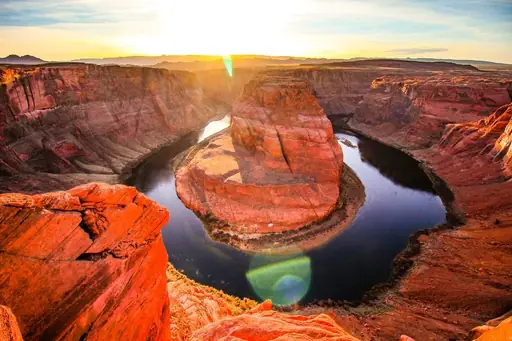
Natural wonders occupy a different category from other travel destinations. They are places where the scale, the geology, the light or the sheer improbability of what exists there…
Read more

Discover
Top digital nomad destinations and remote work hubs in Oceania
Oceania asks remote workers to plan around long flights and tricky time zones, but for many the lifestyle on offer makes it worth the extra effort. Some nomads are drawn to laid…
Read more

Discover
Amazing wildlife encounters and natural habitats
Wildlife encounters of real quality are becoming rarer and finding them requires more intention than it once did. The destinations that still offer genuine, undisturbed wildlife in…
Read more
Discover
Best travel destinations for food allergies in Oceania
Australia and New Zealand share some of the clearest food allergen laws anywhere, which makes Oceania a fairly reassuring region for allergy conscious travelers. Packaged food…
Read more

Discover
Most beautiful gardens and parks worldwide
Some places are worth visiting just to stand still for a while. Gardens and parks don't always make it onto the classic travel itineraries, but they're often where a city's…
Read more
What other users say about travelfilters
“travelfilters made it easy for me to find ski areas and compare what else they offer, so that I could find the best place for my personal travel style.”

Chris
Snowboarding & Onsen trip to Japan
“I love how transparent the data feels. There is no pushy upsell, just honest information and settings I can tune to my own travel style.”

Maria
After booking her 2027 winter escape
“The level of detail for each destination and how well those are displayed, make planning feel confident instead of overwhelming.”

Mina
Planned a week in New York City
“We used travelfilters for our planning from start to end. The trip turned out even better than expected, thanks to all their tools and customisation options.”

Allan & Etienne
Trip to Japan to see autumn foliage
“Thanks to travelfilters, I found some hidden gems to see. Being able to filter for exactly your interests is a game changer for my travel planning.”

Michael
Tour through the old cities of Northern Italy
“The customizable filters helped me find a quiet beach town with good wifi and low season crowds in under five minutes.”

Diego
Weekend Escape to Llanes, Spain
“The airport connection map saved me hours by showing good flight options from my home airport to lesser-known cities.”

Nguyen
Planning a 2027 trip to France
“The website is clean, fast and focused on the search itself, which makes travelfilters feel more like a professional tool than an ad-heavy booking site.”

Hassan
Christmas Market trip, Germany
