



Oceania › Australia › Kakadu National Park

Kakadu National Park

Scroll
Ancient Rock Art and Wild Wetlands

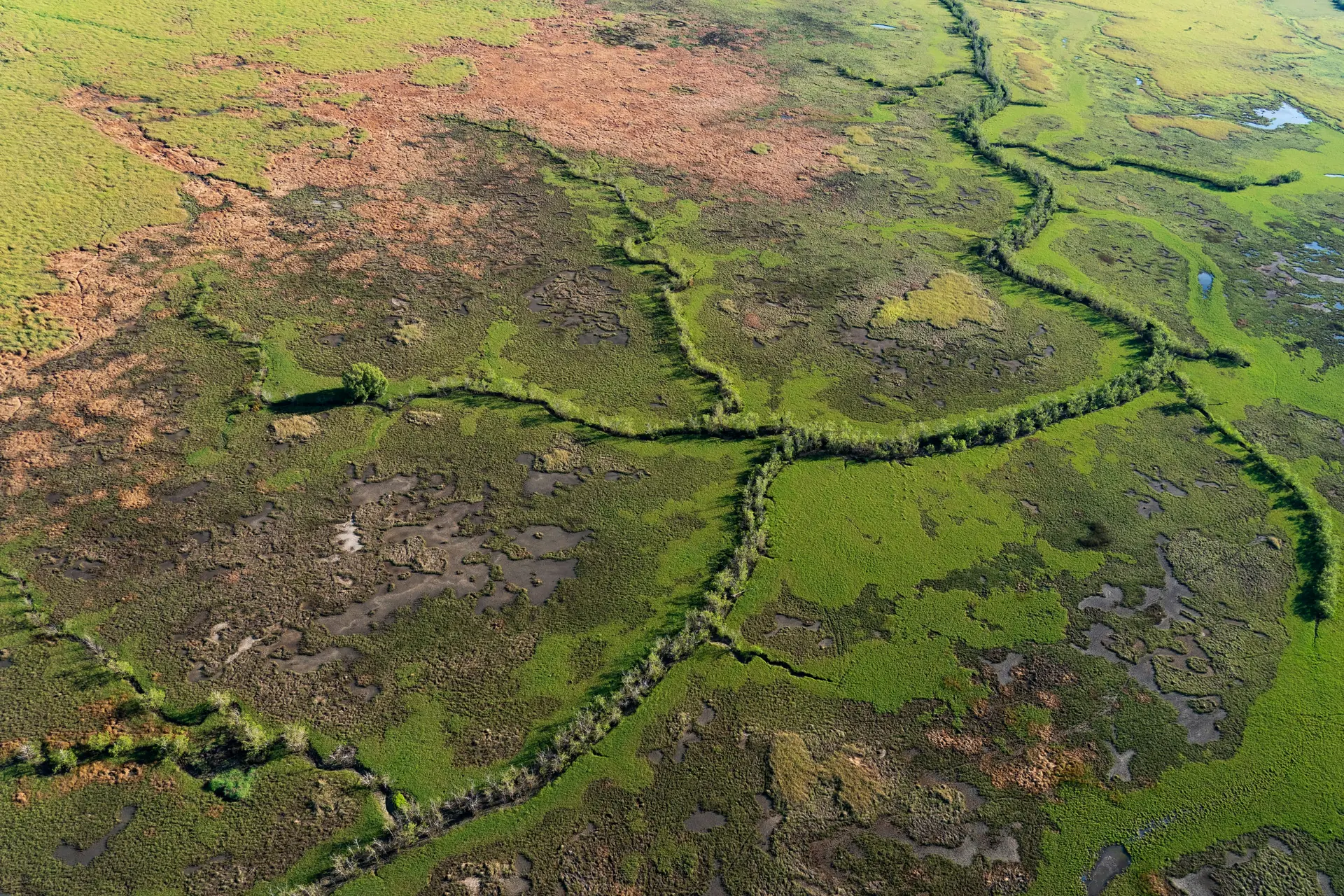
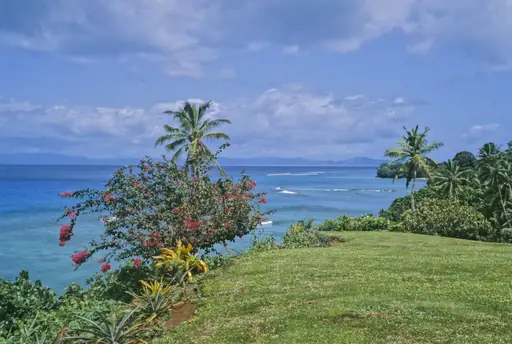
Kakadu National Park spans over 20,000 square kilometers in Australia’s Northern Territory. It contains ancient rock art sites that show human history stretching back thousands of years. Wetlands flood each year during the rainy season, supporting diverse wildlife like crocodiles and migratory birds. Visitors can explore walking trails or take boat trips to see waterfalls and Aboriginal paintings. The park works with Indigenous custodians to protect both nature and culture while providing guided tours that share traditional knowledge about plants and animals found in this unique landscape.

National Park in Australia
Climate zone: Tropical savanna

Tropical savanna: Tropical climates with distinct wet and dry seasons, warm year-round, featuring grasslands with scattered trees and shrubs.

See climate table
Price level: $$$
$Cheap
$$Medium
$$$Expensive, upscale
$$$+Very expensive, luxury
See price details
Safety: 5.9
General Safety:7
Health & medical:4
Accessibility:3
Tap water:7
Read details
Tourist English: 5/5
English is spoken everywhere in Kakadu National Park, including by rangers, guides, and accommodation staff. All signage and visitor information is in English, making it easy for international visitors to get around.
Last update: 24 Oct 2026
* We earn a commission from some links on this page.
Kakadu National Park Summary

These place ratings give you a quick overview of how well a destination matches different types of trips.

‘Best for’ scores:
The specific interest scores show where this place really shines – whether it's ideal for hiking, food & drink experiences, museums or other activities. These highlights help you understand what makes the destination special at a glance.

‘Your personal’ scores:
This reflects how well a place matches your personal preferences. You can adjust the importances of travel topics or other personal requirements categories in your account settings.

‘Suited for’ badges:
These give you a quick overview of how well a destination suits specific types of travellers, to help you find the places that match your lifestyle, preferences or travel situation.

Read how our scores work
Outstanding for wildlife and wetlands. Join boat safaris to spot crocodiles and birds, walk to waterfalls, view Aboriginal rock art and explore vast tropical landscapes.
Place score
8.3
Best at:
Secluded
9
Natural sites
9
Stargazing
9
Wildlife
9
Birdwatching
9
Personal score
?
Log in to see how this place matches your personal travel interests.
Suited for
👶 6
Families
🧓 4
Seniors
♻️ 8
Sustainability
❤️ 6
Couples
Australia – Quick facts
Power Grid: 230 V, 50 Hz
Plug: Type I
Type I:
Diagram of a Type I power plug

Read about power adapters
Currency: Australian Dollar (AUD)
£1 ≈ A$1.89
Cashless info: Rating 5/5
Cashless payment is widely accepted, even in rural areas. Digital wallets are commonly used.

Save with a travel credit card
eSIM providers: Best value: Saily
Flexibility: Airalo
Read our in-depth comparison
Tipping: Tipping is not mandatory in Australia. Rounding up or 10% is appreciated in high-end restaurants.
Public drinking: Public drinking is regulated and often prohibited, except in designated areas.
Public smoking: Smoking is banned in public indoor spaces and most outdoor public areas.
Australia Day
(January)
Public events and celebrations occur nationwide.
ANZAC Day
(April)
Commemorations and closures happen.
Christmas
(December)
Festive events and closures occur.
Emergency contact: Emergency Number: 000 (Police, Fire, Ambulance)
Taxi apps: Uber, 13cabs, Ola
Other: Australia's vast size requires careful planning for travel between regions. Be aware of wildlife and sun exposure.
Best times to travel

The best times to travel section shows how the months compare for a visit, so you can find the time of year that fits what you want to do.

Background colours of the months:
The colour shows the typical temperature: yellow (hot), green (mild) and blue (cold). How strong the colour is shows the travel season: full colour means high season, soft colour means shoulder season and soft-striped means off season.

Weather symbols:
Each month has one symbol showing what the weather is typically like, such as hot and sunny, freezing or a rainy or snowy season. Use them to quickly spot months that match the weather you want, or to avoid the ones that don't.

Crowdedness:
The people icon shows how busy the place usually is. The more people, the more crowded it gets.

Additional notes:
The grey info boxes point out special things worth knowing, like recurring weather issues or seasonal events.

for Kakadu National Park, Australia
⛈️
Jan
⛈️
Feb
⛈️
Mar
🔥
Apr
🔥
May
🔥
Jun
🔥
Jul
🔥
Aug
🔥
Sep
🔥
Oct
🔥
Nov
🌦️
Dec
High season: June - Aug.
Shoulder season: May, Sep.
Crowdedness: 4 (Moderate tourist numbers)
Tap on a month for more info Hover over a month for more info
Wet season November to April: Kakadu's main roads and many sites, including Jim Jim and Twin Falls, are often flooded and closed
Jim Jim and Twin Falls tracks usually open only from about May or June to October, 4WD required
Saltwater crocodiles present year-round: swim only in designated safe pools, never in rivers or billabongs

Why travel to Kakadu National Park?

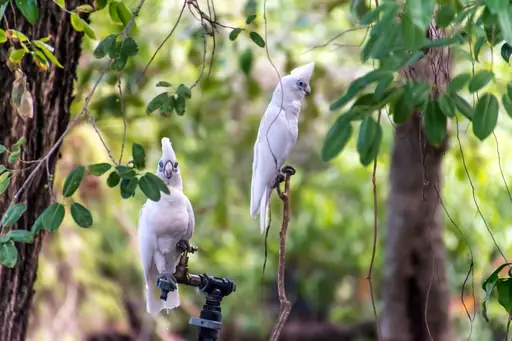
Kakadu is a dream for adventurers and nature lovers. You can cruise through crocodile-filled billabongs, hike to panoramic lookouts and marvel at some of the world’s oldest rock art at Ubirr and Nourlangie. The park’s birdlife is incredible and sunrise or sunset over the wetlands is unforgettable. Cultural experiences led by traditional owners add real depth to your visit. But be prepared: the park is huge, with long drives between sights and some areas are only accessible by 4WD or are closed in the wet season due to flooding or cultural reasons. Always check road conditions and closures and never swim in waterholes unless signs say it’s safe – saltwater crocodiles are a real risk.

🏯Places worth seeing
  • 1 Bowali Visitor's Centre
  • 2 Warradjan Aboriginal Cultural Centre
  • 3 Twin Falls
  • 4 Gunlom Falls (Udp Falls)
  • 5 Anbangbang Shelter
  • 6 Jim-Jim Falls Road
  • 7 Cahill's Crossing
🎡Places for activities
  • 1 Ubirr
  • 2 Yellow Water Cruises
  • 3 Nourlangie
  • 4 Yurmikmik (Motor Car) Falls
  • 5 Jarrangbarnmi
  • 6 Twin Falls Plateau Walk
🏞️Natural landmarks
  • 1 Twin Falls
  • 2 Jim Jim Falls
  • 3 Maguk
  • 4 Mount Cahill
  • 5 Yellow Water Billabong
  • 6 South Alligator River
  • 7 Anbangbang Billabong
  • 8 East Alligator River
🎈Events
  • Kakadu Bird Week (October)
  • Mahbilil Festival (Jabiru, August/September)
  • Wet Season Festival
  • Guided ranger walks (dry season)
  • Cultural workshops at Warradjan Centre
  • Barramundi fishing competitions
  • Traditional owner talks (seasonal)
  • Art exhibitions at Injalak Arts
  • Bush food tasting events
  • Photography competitions

Knowledge before you go

  • Buy a park pass and check seasonal road closures.
  • Join a ranger talk or Traditional Owner tour for rock art context and etiquette.
  • Keep distance from crocodile waters; swim only where signs explicitly allow it.
  • Do a Yellow Water cruise at sunrise or sunset for best wildlife and light.

How to travel to Kakadu National Park

Most visitors arrive via Darwin (about 2–3 hours by car). Hire a car or join a guided tour from Darwin or Katherine. There’s no public transport within the park. The nearest airport is in Darwin, with car rentals and coach tour options available.

Access summary

  • From Darwin Airport (DRW): Rental car or tour, roughly 3-hour drive.
  • From Darwin city: Self-drive or guided tour via Arnhem Highway, about 3 hours.
  • From Katherine: Drive via Stuart and Kakadu Highways, usually around 3 hours.

Where to stay in Kakadu National Park

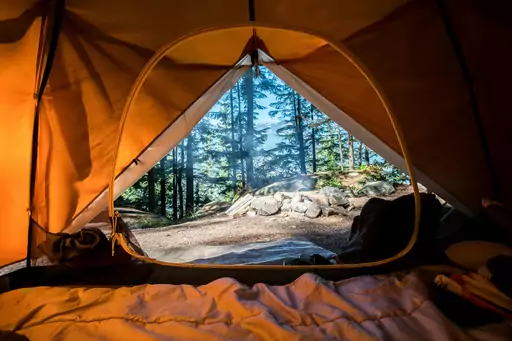
Accommodation ranges from campgrounds and caravan parks to lodges and motels in Jabiru and Cooinda. Book ahead in peak season. Camping is popular, but facilities vary-some sites are very basic, so check what’s available before you go.

How to get around Kakadu National Park

A car (preferably 4WD) is essential for exploring the park, as distances are vast and many attractions are off sealed roads. There are coach tours and some shuttle services, but self-driving gives you the most freedom. Check in at visitor centres for up-to-date road and safety info.
Budget snapshot
Costs compared to home

We calculate the average costs when travelling to destinations and compare those with the living costs at your home. With this you can get an estimate of how expensive or cheap the destination is for you.

To customise this, you can set up which location and price level are used for the calculations in your account settings.

-22 %
Daily expenses in the region are around 22% lower than the average across United States. That means you'll spend considerably less on meals and getting around.
Exchange rate trend

The exchange rate price factor shows how expensive or cheap a currency currently is compared to its historical average. It's a quick way to see if a country is currently more or less affordable due to exchange rate changes.

-2 %
Your exchange rate (GBP to AUD) is 2% better than in recent years. That means travelling now costs around the same compared to the past.

Travel costs (Data for Darwin, Australia - 194 km away)

To help you plan your trip, we provide estimated daily costs per person (when travelling as a pair) for different travel styles. These numbers give you an idea of what you might spend each day at this destination, including accommodation, food, transport and activities.

Additionally, we also provide average hotel costs for different travel styles to give you an estimate for the accommodation only.

Please note that these are only estimates. The real costs depend on booking times, season and other factors.

Daily cost summary

Travel style categories explained:

Backpacker:
Staying in hostels or budget hotels, cooking your own meals or eating cheap and choosing low-cost activities.

Mid-range:
Staying in mid-range hotels, eating at a mix of restaurants and casual spots and enjoying a variety of activities.

Luxury:
Staying in luxury hotels, dining out at high-end restaurants and enjoying premium experiences without worrying about the price.

Backpacker Mid-range Luxury
💵 Total costs per day, including accommodation
£70
£142
£369
🏨 Accommodation per night, per person
£38
£83
£180
🍝 Food per day
£24
£51
£165
🚕 Transportation per day
£8
£8
£23
Food & Drink
🍽️ Restaurant Dinner, per person
£18
🍛 Lunch Set, per person
£7
🍟 Fast food combo
£7
🍝 Preparing your own food, per day
£8.50
☕ Cappuccino
£3
🍺 Beer in a restaurant, 0.5 l
£4.90
Transportation
🚌 Public transport ticket
£1.90
🚕 Taxi Ride, 10 km / 6 mi
£13
⛽ Petrol, 1 l
£1.30
Other
🎞️ Cinema ticket
£11.50
👩‍⚕️ Doctor's consult
£40
🤧 Cold medication
£8.50
💇 Basic haircut
£14

Safety information overview

General safety
7
Kakadu is generally safe but wild: watch for saltwater crocodiles, obey all warning signs and avoid swimming outside designated areas. Roads can be rough or flooded — drive carefully and check conditions. Wildlife (including snakes) is common.
Health & Medical
4
Medical facilities are limited — basic clinics in Jabiru and Cooinda, with serious cases evacuated to Darwin. Carry a first aid kit, plenty of water and medications. Heatstroke, dehydration and insect bites are the main risks; take care in the sun.
Accessi­bility
3
Some main attractions and visitor centres are accessible, but many natural sites require walking on uneven or rocky ground. Remote areas may not be suitable for those with limited mobility — check accessibility before visiting specific sites.
Tap water
7
Tap water is safe to drink at main centres (Jabiru, Cooinda), but not always available at remote sites. Always carry extra water, especially when hiking or camping, as dehydration is a real risk in the heat.

Nearby recommended places

Looking for inspiration?

Discover
Stunning national parks and wilderness areas
National parks exist because someone decided that certain landscapes were too important to lose. The best of them protect ecosystems, wildlife and natural processes that would…
Read more
Discover
Best rural retreat destinations in Oceania
Oceania's rural retreat offer is anchored by the agricultural hinterlands, wine regions and coastal farmland of Australia and New Zealand, where a strong tradition of farm stays…
Read more
Discover
Top adventure destinations and outdoor activities
Adventure travel covers an enormous range of activities and risk tolerances, from multi-day wilderness trekking and white water rafting to technical climbing, polar expeditions and…
Read more
Discover
Best destinations to visit in August in Oceania
August still counts as one of the better months for winter sports across Oceania, even as the tropical north holds onto its dry season. Ski season remains strong across the…
Read more
Discover
Best birdwatching destinations in Oceania
Oceania is one of the most compelling regions on earth for birdwatching, largely because of the extraordinary levels of endemism produced by millions of years of island isolation.…
Read more
Discover
Best adventure destinations in Oceania
Oceania's adventure offer combines the alpine wilderness and white water rivers of New Zealand's South Island with the surf coastlines of Australia, the jungle trekking of Papua…
Read more
Discover
Best travel destinations for food allergies
Travelling with a food allergy adds a layer of planning most people never have to think about and the right destination can make that planning a lot easier. Some travellers…
Read more
Discover
Top camping destinations and outdoor escapes
Camping travel spans an enormous range of experiences from wild backcountry camping in remote wilderness to well-serviced campsite networks with full amenity infrastructure that…
Read more
Discover
Top spiritual travel destinations and wellness retreats
Spiritual travel works best at destinations with a genuine, long-standing tradition behind the practice on offer: places where meditation, ritual or retreat has been part of local…
Read more
Discover
Best traditional destinations in Oceania
Oceania's traditional destinations are defined by the indigenous cultures of Australia, New Zealand and the Pacific island groups, where some of the world's oldest continuous…
Read more
Discover
Best destinations to visit in September in Oceania
September brings spring to Oceania, easing the region out of winter just as wildflowers and warmer days start to return. Western Australia's wildflower season reaches its peak…
Read more
Discover
Best camping destinations in Oceania
Oceania's camping offer ranges from the well-developed campsite networks and freedom camping traditions of Australia and New Zealand to the basic and largely informal camping…
Read more
Discover
Best stargazing destinations in Oceania
Oceania's dark sky options span an extraordinary range of settings, from the remote desert interior of Australia and its southern coastal ranges to the mountain zones of New…
Read more
Discover
Top hiking destinations and famous trails
Hiking at its best is one of the most direct ways to engage with a landscape. The pace forces a relationship with terrain, weather and distance that faster forms of travel rarely…
Read more
Discover
Top traditional destinations and cultural heritage sites
Traditional destinations are those where cultural practices, craftsmanship, ceremony and ways of life that predate industrialisation and mass tourism remain visible and active…
Read more
Was this page helpful?
Feedback