
Last update: 26 Oct 2026
* We earn a commission from some links on this page.
Papua New Guinea Summary
These place ratings give you a quick overview of how well a destination matches different types of trips.
‘Best for’ scores:
The specific interest scores show where this place really shines – whether it's ideal for hiking, food & drink experiences, museums or other activities. These highlights help you understand what makes the destination special at a glance.
‘Your personal’ scores:
This reflects how well a place matches your personal preferences. You can adjust the importances of travel topics or other personal requirements categories in your account settings.
‘Suited for’ badges:
These give you a quick overview of how well a destination suits specific types of travellers, to help you find the places that match your lifestyle, preferences or travel situation.
Suited for
Papua New Guinea – Quick facts
| Power Grid: |
240 V, 50 Hz Plug: Type I
Type I:
 Read about power adapters |
|---|---|
| Currency: |
Papua New Guinean Kina (PGK) £1 ≈ PGK 5.97 |
| Cashless info: |
Rating 2/5
Cashless payments are not widely accepted in Papua New Guinea, especially outside of Port Moresby. Cash is preferred in most places.
Save with a travel credit card |
| eSIM providers: |
Best value: Saily Flexibility: Airalo Read our in-depth comparison |
| Tipping: | Tipping is not widely practised in Papua New Guinea, but small tips may be appreciated by hotel staff and taxi drivers. |
|---|---|
| Public drinking: | Public drinking is generally prohibited in Papua New Guinea, and alcohol consumption is regulated in licensed venues. |
| Public smoking: | Smoking is allowed in designated areas, but smoking in public spaces is regulated. |
| Independence Day (16 September) |
Celebrating Papua New Guinea’s independence from Australia |
|---|
| Emergency contact: | Emergency Numbers: 000 or 112 (Police), 111 (Ambulance), 110 (Fire) |
|---|---|
| Taxi apps: | None |
| Other: | Papua New Guinea offers a rich cultural experience and stunning natural landscapes, though travelling can be challenging due to the country’s infrastructure and security situation. |
Best times to travel
The best times to travel section shows how the months compare for a visit, so you can find the time of year that fits what you want to do.
Background colours of the months:
The colour shows the typical temperature: yellow (hot), green (mild) and blue (cold). How strong the colour is shows the travel season: full colour means high season, soft colour means shoulder season and soft-striped means off season.
Weather symbols:
Each month has one symbol showing what the weather is typically like, such as hot and sunny, freezing or a rainy or snowy season. Use them to quickly spot months that match the weather you want, or to avoid the ones that don't.
Crowdedness:
The people icon shows how busy the place usually is. The more people, the more crowded it gets.
Additional notes:
The grey info boxes point out special things worth knowing, like recurring weather issues or seasonal events.
for Papua New Guinea, Papua New Guinea
Climate varies by region: most areas are driest May to October, but parts of the south coast and Port Moresby stay dry into November, while some southern and highland areas stay wet year-round
Kokoda Track trekking is best in the dry season, May to October; the trail is muddy and often closed in the wet months
Highland cultural shows: Mount Hagen Show in early August, Goroka Show in mid September
Don't miss
- 🤿 Dive among WWII wrecks in Rabaul’s volcanic waters
- 🎭 Meet the colorful tribes at the Mount Hagen Festival
- 🥾 Trek the historic Kokoda Track through dense rainforest
- 🐠 Snorkel coral reefs around the remote Tufi fjords
- 🌋 Witness volcanic activity at Tavurvur near Rabaul
- 🎨 Explore Port Moresby’s cultural villages and handicraft markets
You've been here?
Log in to manage your own bucket list! Why travel to Papua New Guinea?
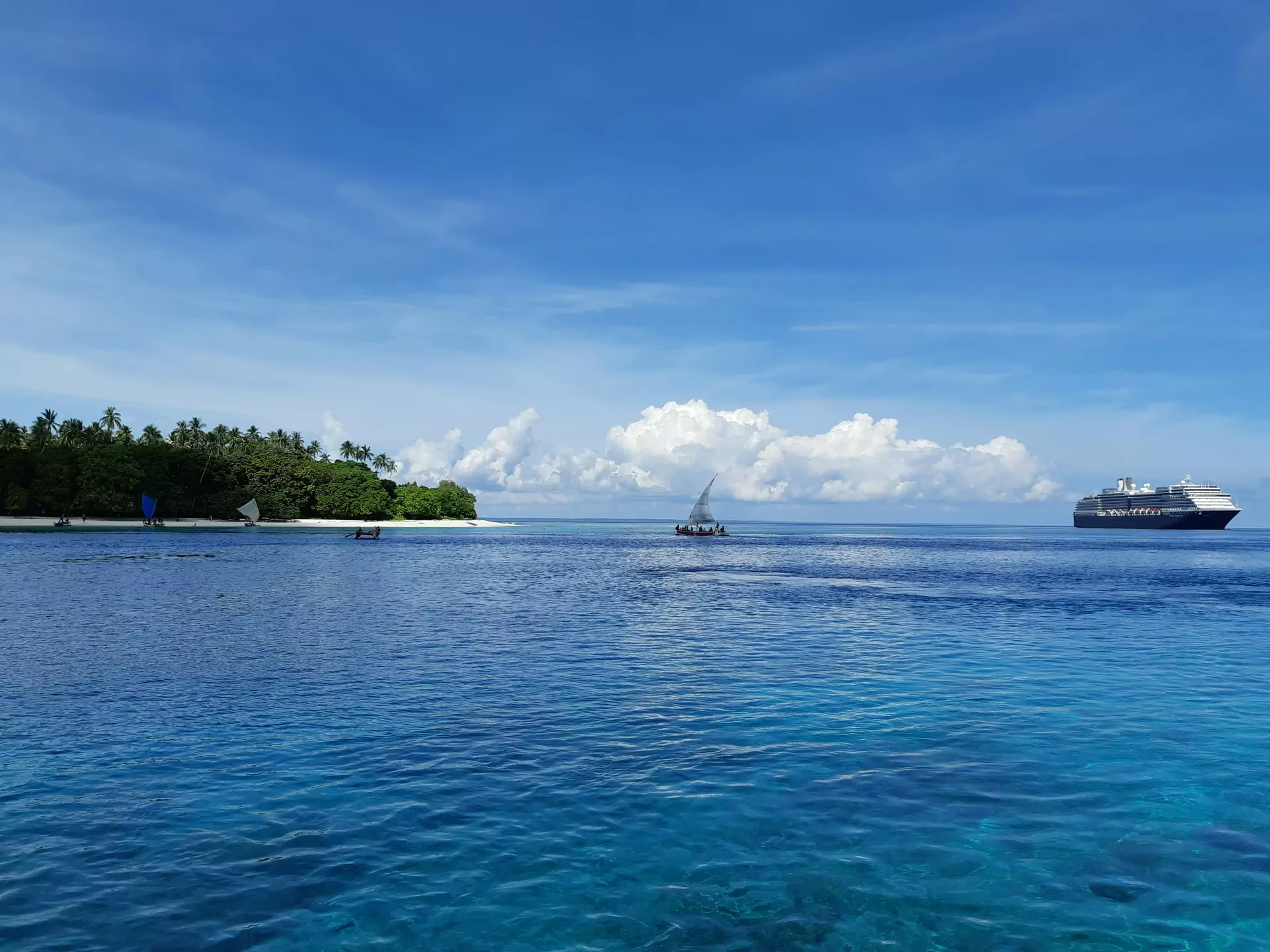
What makes Papua New Guinea truly special is its remarkable preservation of indigenous cultures in a world that's increasingly homogenized. Here, you can witness vibrant 'Sing Sing' festivals where tribes gather in elaborate traditional dress, visit villages where ancient customs are still practiced daily and connect with people whose way of life has remained largely untouched by outside influence. The country's cultural diversity is matched only by its natural wonders, from the challenging Kokoda Track to the bird-watching paradise of Varirata National Park where you might spot some of the 38 species of Birds of Paradise. Beyond the cultural experiences, Papua New Guinea offers world-class diving that rivals the Great Barrier Reef but without the crowds. The waters surrounding Alotau and other coastal areas feature vibrant coral gardens, WWII wrecks and an abundance of marine life. For hikers and adventure seekers, the country's dramatic landscapes provide endless opportunities, from scaling Mount Wilhelm to exploring the Sepik River's unique ecosystems. While tourism infrastructure remains limited, this is precisely what makes PNG so appealing – the chance to experience a place that feels genuinely undiscovered.
🏯Places worth seeing
🎡Places for activities
🏞️Natural landmarks
🛍️Shopping
🎈Events
-
Independence Day (September 16)
-
Goroka Show
-
Mount Hagen Cultural Show
-
Morobe Show
-
Mask Festival
-
Crocodile Festival
-
Canoe Festival
-
Hiri Moale Festival
-
National Mask Festival
-
Kundu and Canoe Festival
Knowledge before you go
- Never travel alone. Always use licensed guides and escorts.
- High crime risk in Port Moresby; avoid walking after dark and use secure transport.
- Get comprehensive travel insurance covering medical evacuation; hospitals lack facilities.
- Respect 800+ tribes' customs; ask permission before photographing people or villages.
How to travel to Papua New Guinea
Most international visitors arrive in Papua New Guinea through Jacksons International Airport in Port Moresby, which has connections to Australia, Singapore, Hong Kong, Manila and other Pacific destinations. The national carrier, Air Niugini, operates most international flights, along with Qantas and a few other airlines. Upon arrival, you'll need to clear customs and immigration, which typically runs smoothly if your documentation is in order. As of March 2025, a 60-day tourist visa is available upon arrival for nationals of many countries including the USA and Canada. However, visa requirements can change, so it's advisable to check the latest information before traveling. The country can also be accessed by cruise ships that dock at ports in Alotau, Rabaul and Madang during the Pacific cruise season.
Access summary
- Port Moresby: Fly to Jacksons (POM) from Brisbane, Cairns, Singapore, Manila.
- New Britain (Rabaul/Kokopo): Fly via Port Moresby to Tokua (RAB) domestic airport.
- Highlands (Mount Hagen/Goroka): Connect via Port Moresby to HGU or GKA flights.
Check your route from anywhere
Where to stay in Papua New Guinea
Accommodation in Papua New Guinea ranges from international-standard hotels in Port Moresby and major provincial centers to basic guesthouses and eco-lodges in more remote areas. Prices tend to be higher than in neighboring countries, with budget options starting around US$90 – 130 (£67.29 – 97.20) per night and luxury accommodations exceeding US$300 (£224.31). In remote areas and during cultural festivals, accommodation can be extremely limited, so booking well in advance is essential. Some tour operators offer homestays in villages, providing a more authentic cultural experience.
Hotel recommendations
*by rating and popularity. Commissions have no influence on the rankings.


How to get around Papua New Guinea
Getting around Papua New Guinea can be challenging due to limited infrastructure and rugged terrain. Domestic flights are the most practical way to travel between major destinations, as road networks are often poorly maintained or nonexistent between regions. Within cities like Port Moresby, taxis are available but should be arranged through hotels for safety reasons. For exploring remote areas, organized tours with experienced guides are strongly recommended. Water transportation is common along coastal areas and rivers, with boat services connecting some islands and riverside communities. When planning your itinerary, allow extra time for potential delays and be prepared for last-minute changes due to weather conditions or operational issues with local transportation.
Budget snapshot
Costs compared to home
We calculate the average costs when travelling to destinations and compare those with the living costs at your home. With this you can get an estimate of how expensive or cheap the destination is for you.
To customise this, you can set up which location and price level are used for the calculations in your account settings.
Daily expenses in Papua New Guinea are around 68% lower than the average across United States. That means you'll spend a lot less on meals and getting around.
Exchange rate trend
The exchange rate price factor shows how expensive or cheap a currency currently is compared to its historical average. It's a quick way to see if a country is currently more or less affordable due to exchange rate changes.
Your exchange rate (GBP to PGK) is 23% better than in recent years. That means travelling now is considerably cheaper compared to the past.
Travel costs
To help you plan your trip, we provide estimated daily costs per person (when travelling as a pair) for different travel styles. These numbers give you an idea of what you might spend each day at this destination, including accommodation, food, transport and activities.
Additionally, we also provide average hotel costs for different travel styles to give you an estimate for the accommodation only.
Please note that these are only estimates. The real costs depend on booking times, season and other factors.
Daily cost summary
Travel style categories explained:
Backpacker:
Staying in hostels or budget hotels, cooking your own meals or eating cheap and choosing low-cost activities.
Mid-range:
Staying in mid-range hotels, eating at a mix of restaurants and casual spots and enjoying a variety of activities.
Luxury:
Staying in luxury hotels, dining out at high-end restaurants and enjoying premium experiences without worrying about the price.
| Backpacker | Mid-range | Luxury | |
|---|---|---|---|
| 💵 Total costs per day, including accommodation | |||
| 🏨 Accommodation per night, per person | |||
| 🍝 Food per day | |||
| 🚕 Transportation per day |
Food & Drink
| 🍽️ Restaurant Dinner, per person | |
|---|---|
| 🍛 Lunch Set, per person | |
| 🍟 Fast food combo | |
| 🍝 Preparing your own food, per day | |
| ☕ Cappuccino | |
| 🍺 Beer in a restaurant, 0.5 l |
Transportation
| 🚌 Public transport ticket | |
|---|---|
| 🚕 Taxi Ride, 10 km / 6 mi | |
| ⛽ Petrol, 1 l |
Other
| 🎞️ Cinema ticket | |
|---|---|
| 👩⚕️ Doctor's consult | |
| 🤧 Cold medication | |
| 💇 Basic haircut |
Safety information overview
General safety
Exercise a high degree of caution in Papua New Guinea, particularly in Port Moresby and other urban areas where crime rates are high. Avoid walking alone, especially after dark and use reputable transportation arranged through hotels. Tribal conflicts can flare up unexpectedly in highland regions.
Health & Medical
Medical facilities are limited outside Port Moresby and often below Western standards. Comprehensive travel insurance with evacuation coverage is essential. Malaria is endemic throughout the country and other mosquito-borne diseases like dengue fever are common. Bring necessary medications as supplies are limited.
Accessibility
Papua New Guinea presents significant challenges for travelers with mobility issues. Infrastructure for accessibility is virtually non-existent, with rough terrain, limited paved roads and few accommodations for wheelchair users. Even major hotels may lack proper accessibility features.
Tap water
Tap water is unsafe to drink throughout Papua New Guinea. Bottled water is available in major towns but may be hard to find in remote areas. Always carry water purification tablets or a portable filter when traveling outside urban centers.
Packing recommendations for Papua New Guinea
Log in to add this place to a travel list and get a summary of all recommended items for your whole trip.
🥾
Walking boots
📷
Camera
🌞
Sun cream
hat, sunglasses, sun cream
👕
Light, breathable clothing
🧥
Waterproof jacket
🕶️
Sunglasses
hat, sunglasses, sun cream
🪰
Insect repellent
👛
Cash in small denominations
few cash machines outside cities
🧪
Water purification tablets
🔋
Power bank
🩹
Basic first aid kit
👒
Sun hat
hat, sunglasses, sun cream
📃
Travel insurance
🪪
Copies of passport and important documents
💊
Anti-malarial medication
🛁
Quick-dry travel towel
📱
Travel eSIM
🔌
Universal travel adaptor
🩺
Prescription medicines
💳
Credit card with no foreign transaction fees
🛂
Passport
Related articles & guides for Papua New Guinea



Nearby recommended places

Looking for inspiration?
Discover
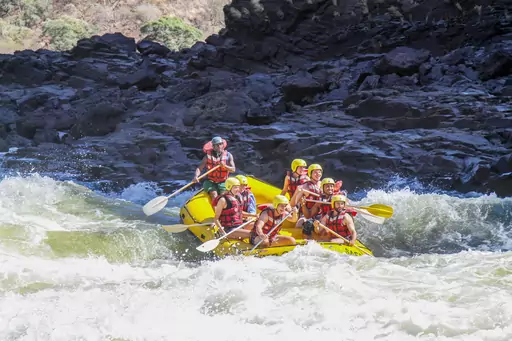
Top adventure destinations and outdoor activities
Adventure travel covers an enormous range of activities and risk tolerances, from multi-day wilderness trekking and white water rafting to technical climbing, polar expeditions and…
Read more
Discover
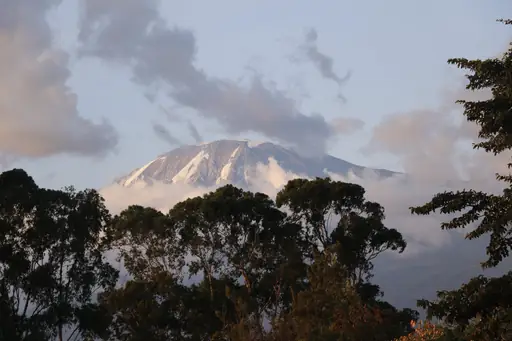
Volcano destinations and volcanic landscapes
Volcanic destinations offer a category of landscape experience unavailable anywhere else, with the combination of raw geological drama, active crater environments and the…
Read more
Discover
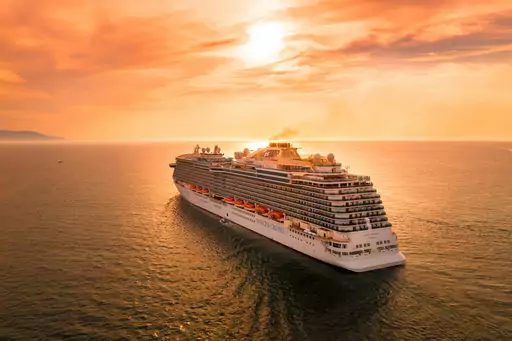
Top cruise destinations and major routes
Cruise travel has evolved considerably beyond its traditional demographic and now encompasses everything from large resort ships carrying thousands of passengers to small…
Read more
Discover
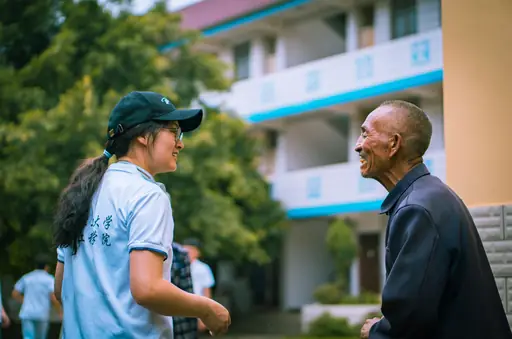
Top volunteering destinations and ethical travel programmes
The best volunteer travel destinations are the ones where the programme actually meets a need the community has identified, rather than one built mainly around the experience for…
Read more

Discover
Top hiking destinations and famous trails
Hiking at its best is one of the most direct ways to engage with a landscape. The pace forces a relationship with terrain, weather and distance that faster forms of travel rarely…
Read more
Discover
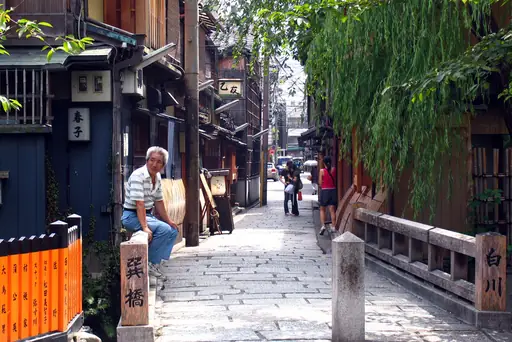
Top traditional destinations and cultural heritage sites
Traditional destinations are those where cultural practices, craftsmanship, ceremony and ways of life that predate industrialisation and mass tourism remain visible and active…
Read more
Discover
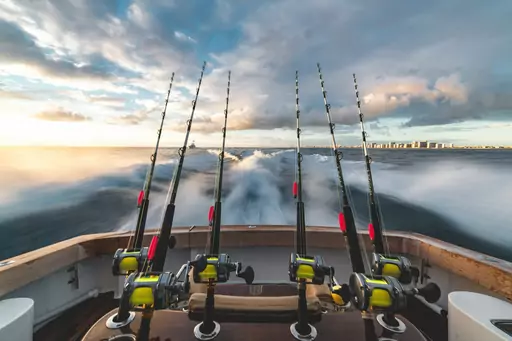
Top fishing destinations and angling hotspots
Fishing travel has developed a dedicated circuit built around the world's most significant game fishing destinations, fly fishing rivers and deep sea charter operations that draw…
Read more
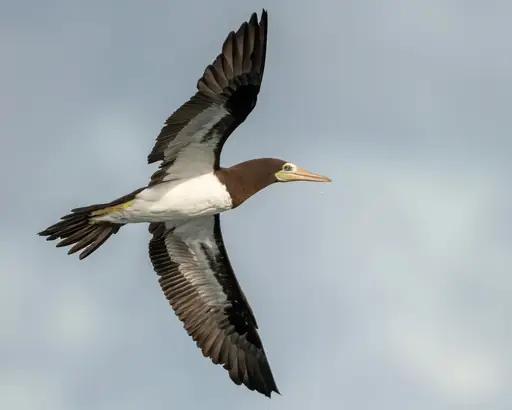
Discover
Top birdwatching destinations and avian hotspots
Birdwatching has a way of changing how you travel. Once you start paying attention to what's flying, perching and calling overhead, a destination opens up in ways that a standard…
Read more

Discover
Best value travel destinations
The best value destinations aren't necessarily the cheapest: they're the ones where money goes furthest relative to what's actually on offer, whether that's food, accommodation or…
Read more
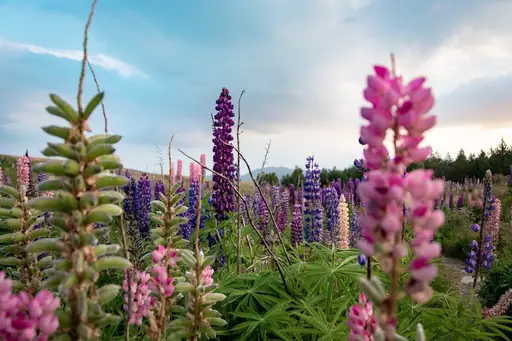
Discover
Top flower destinations and botanical gardens
Flower travel has developed a dedicated following built around the world's most significant wildflower seasons, bulb field landscapes and botanical garden collections that offer…
Read more
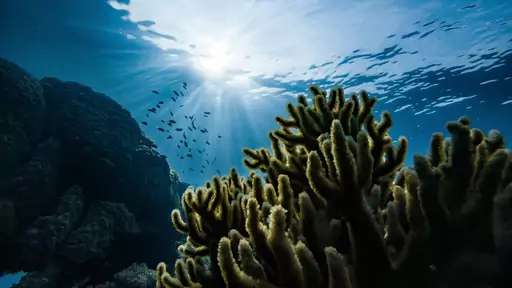
Discover
Top scuba diving destinations and coral reefs
The world's best diving destinations share a few things in common: visibility, healthy reef structure and enough marine biodiversity to reward repeated dives in the same spot.…
Read more
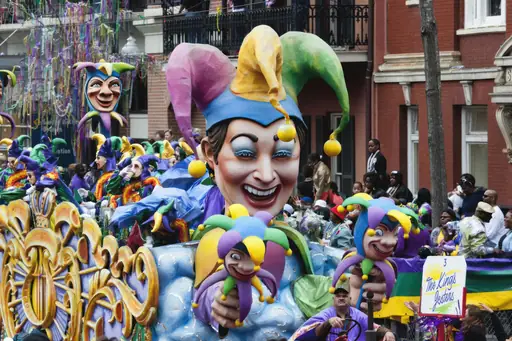
Discover
Top festivals and major cultural events
A great festival compresses a place's culture into a few days of concentrated intensity: music, ritual, food and crowds that reveal more about a destination than weeks of ordinary…
Read more
Discover
Top craft destinations and artisan workshops
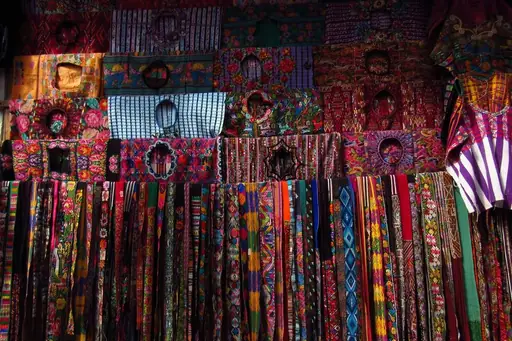
Craft travel has developed a dedicated following built around the world's great making traditions, artisan communities and the places where specific skills, materials and cultural…
Read more
Discover
Top rural retreat destinations and countryside getaways
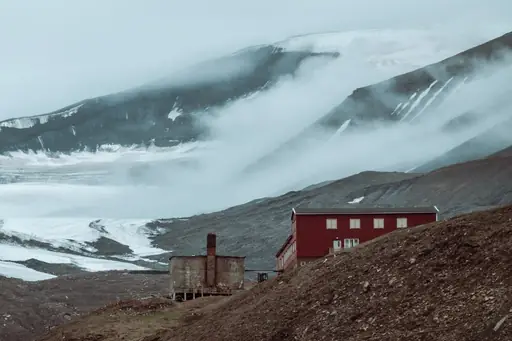
Rural retreat travel is defined by the deliberate removal from urban pace and density, with landscape immersion, slower rhythms and direct engagement with food, nature and local…
Read more
Discover
Extraordinary natural wonders and scenic landscapes
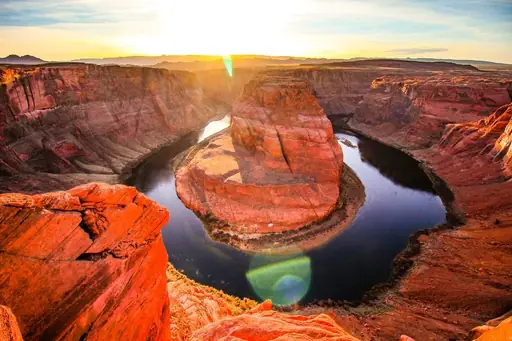
Natural wonders occupy a different category from other travel destinations. They are places where the scale, the geology, the light or the sheer improbability of what exists there…
Read more
What other users say about travelfilters
“travelfilters made it easy for me to find ski areas and compare what else they offer, so that I could find the best place for my personal travel style.”

Chris
Snowboarding & Onsen trip to Japan
“I love how transparent the data feels. There is no pushy upsell, just honest information and settings I can tune to my own travel style.”

Maria
After booking her 2027 winter escape
“The level of detail for each destination and how well those are displayed, make planning feel confident instead of overwhelming.”

Mina
Planned a week in New York City
“We used travelfilters for our planning from start to end. The trip turned out even better than expected, thanks to all their tools and customisation options.”

Allan & Etienne
Trip to Japan to see autumn foliage
“Thanks to travelfilters, I found some hidden gems to see. Being able to filter for exactly your interests is a game changer for my travel planning.”

Michael
Tour through the old cities of Northern Italy
“The customizable filters helped me find a quiet beach town with good wifi and low season crowds in under five minutes.”

Diego
Weekend Escape to Llanes, Spain
“The airport connection map saved me hours by showing good flight options from my home airport to lesser-known cities.”

Nguyen
Planning a 2027 trip to France
“The website is clean, fast and focused on the search itself, which makes travelfilters feel more like a professional tool than an ad-heavy booking site.”

Hassan
Christmas Market trip, Germany
