
Top museum destinations and cultural institutions
Top museum destinations and cultural institutions
World-class cultural institutions and historic collections
Museum travel has developed a dedicated following built around the world's great permanent collections, blockbuster exhibition programmes and the architecturally significant buildings that house them. The most rewarding museum destinations are those where a single institution repays multiple visits across a lifetime alongside a broader ecosystem of smaller specialist collections, contemporary galleries and historic house museums that reward extended exploration beyond the flagship offer.
The international exhibition circuit has created a parallel programme of time-specific reasons to visit cities whose permanent collections alone might not justify a dedicated trip. Major travelling shows represent the best opportunity to see significant works and objects outside their home institutions and planning travel around the exhibition calendar consistently delivers more than an unresearched visit. Permanent collections remain the most reliable foundation for any museum-focused itinerary.
Advance booking for the most visited institutions is increasingly essential year-round rather than just at peak times, with timed entry now standard at major collections globally. Many of the world's greatest museums remain free to enter, keeping serious museum travel accessible across a wide range of budgets. Late opening programmes at major institutions offer a significantly different atmosphere to daytime visits and are worth building into any dedicated museum itinerary.
Lists by region
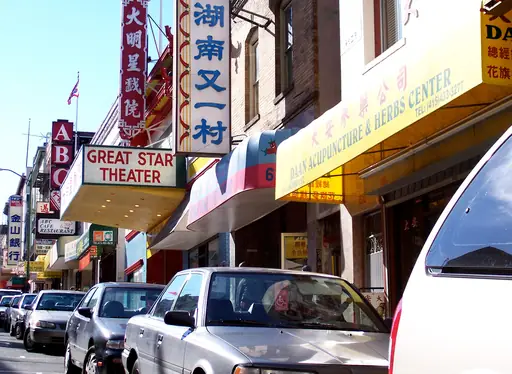
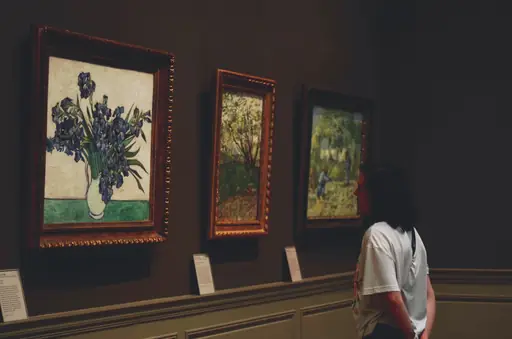
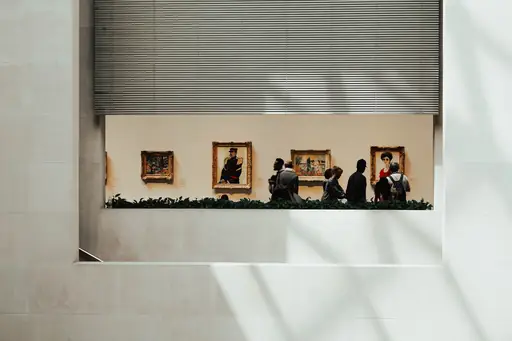
City in United States
New York City
Five boroughs of skyline, food and museums
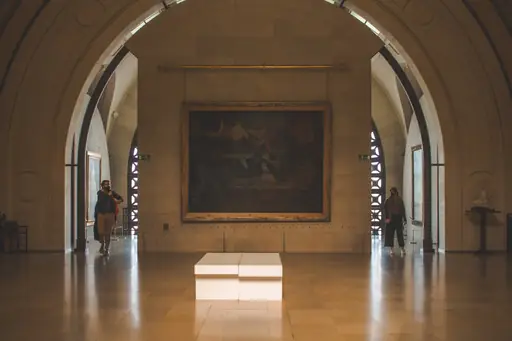
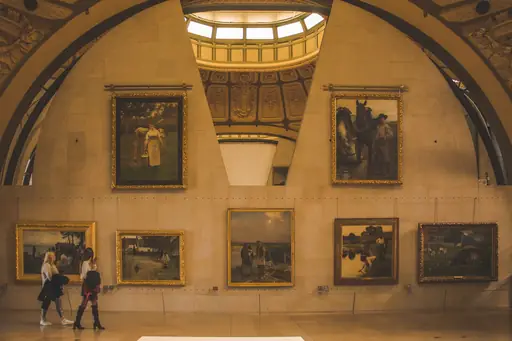
Museum Mile runs along Central Park, gathering nine major institutions within one stretch. The Metropolitan Museum sits at one end, with the Guggenheim's spiral ramp a short walk north. Visitors can spend a full day moving between galleries without leaving Fifth Avenue. MoMA sits farther south, holding Van Gogh's Starry Night among its modern collection.
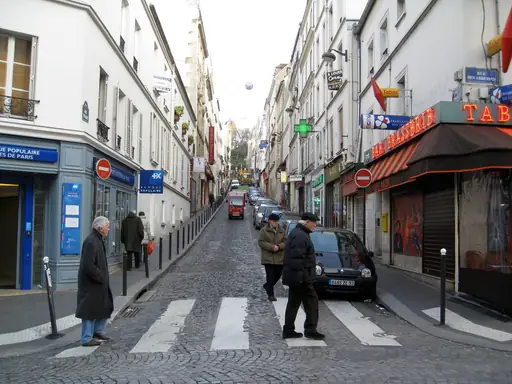
City in France
Paris
The city of love, art and history
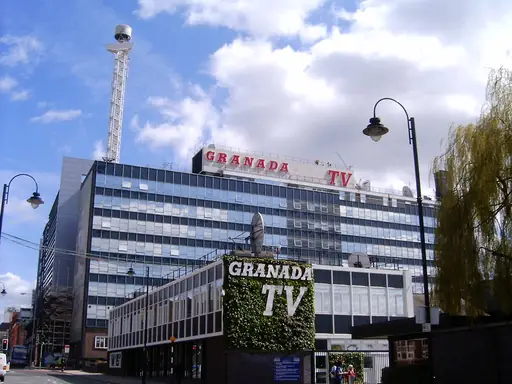
The royal palace at the Louvre became a public museum after the French Revolution. Its glass pyramid entrance, added two centuries later, now welcomes millions each year. Visitors can view the Mona Lisa alongside Egyptian and Greek collections nearby. The Musee d'Orsay adds Impressionist painting inside a converted railway station.
City in United Kingdom
Manchester
Music, Football and Urban Cool
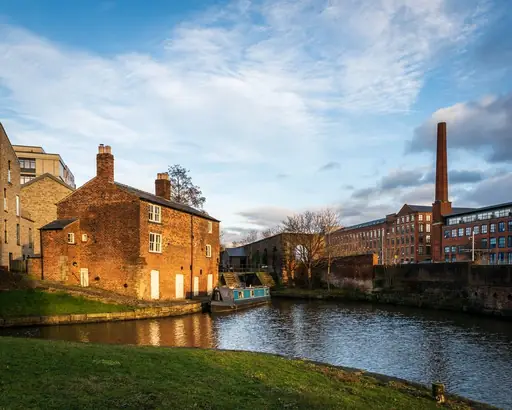
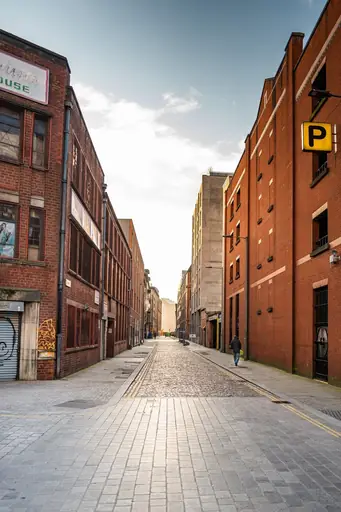
The Science and Industry Museum occupies the world's oldest surviving passenger railway station. Working steam engines and early computers trace the city's role in the industrial revolution. Visitors can watch demonstrations of textile machinery that once powered the cotton trade. The Manchester Art Gallery nearby adds Pre-Raphaelite paintings across its Victorian halls.
City in China
Beijing
Ancient history meets modern dynamism
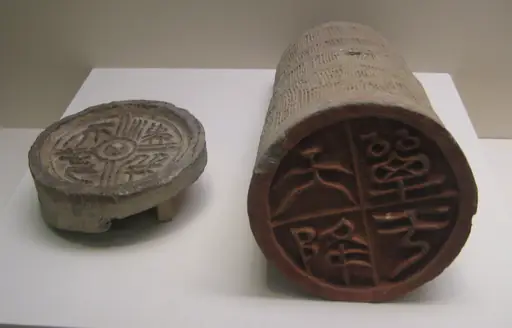
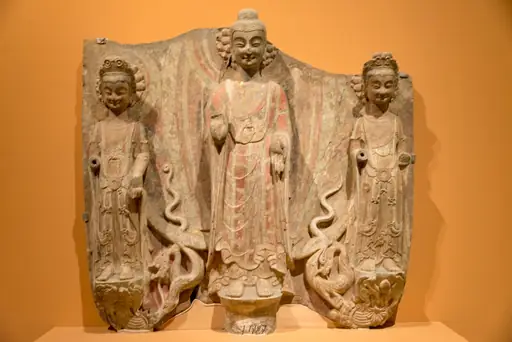
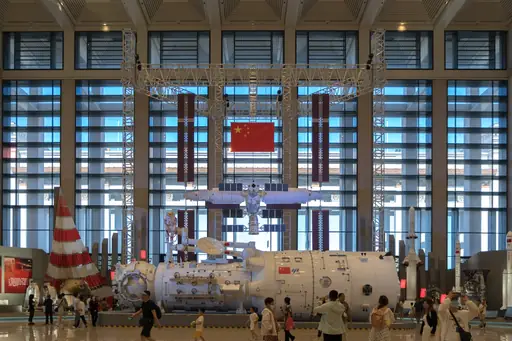
The Forbidden City's nearly one thousand buildings once housed China's imperial court. The National Museum of China nearby holds artefacts spanning the bronze age to today. Visitors can walk between both sites, which sit across from each other at Tiananmen Square. The Capital Museum adds exhibits on the city's own architectural history.
City in Germany
Leipzig
Creative energy meets rich history
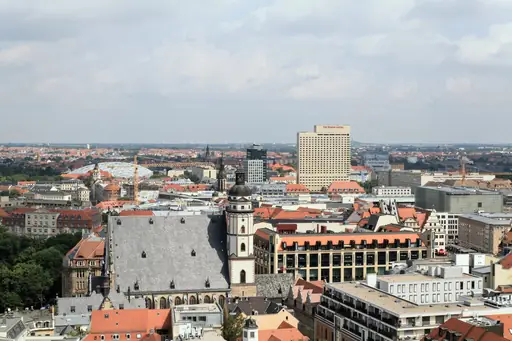
The Bach Museum sits directly across from the church where the composer worked. Visitors can listen to organ recordings and view manuscripts in his own handwriting. The Museum of Fine Arts nearby holds German painting from medieval times to today. A runde Ecke museum documents the former East German secret police headquarters.
City in Spain
Barcelona
Vibrant City of Art and Beaches
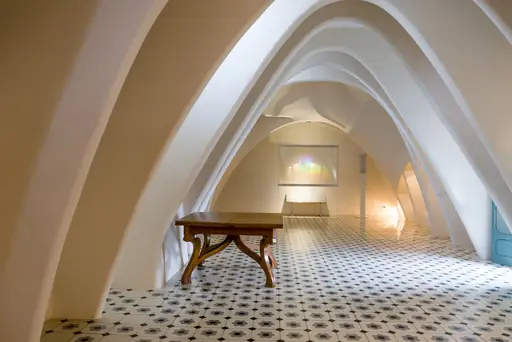
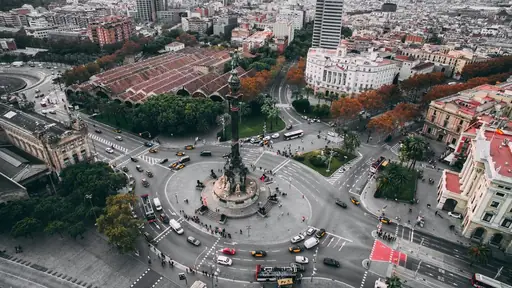
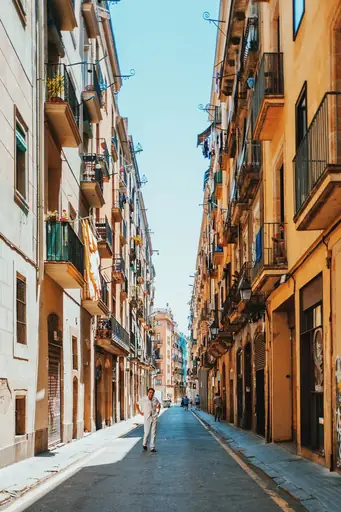
The Picasso Museum traces the artist's early development across five medieval mansions. Gaudi's unfinished Sagrada Familia doubles as both an active church and a museum draw. Visitors can tour the National Art Museum of Catalonia for regional art history. The Joan Miro Foundation nearby adds a dedicated collection of the surrealist's work.
City in United States
Boston
Historic charm meets modern innovation
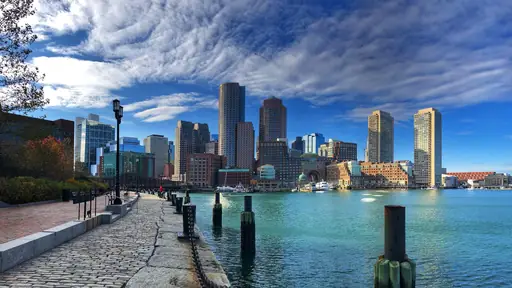
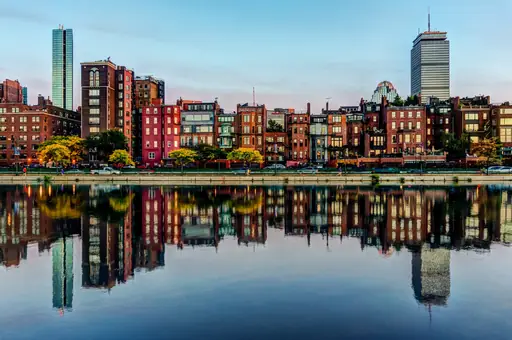
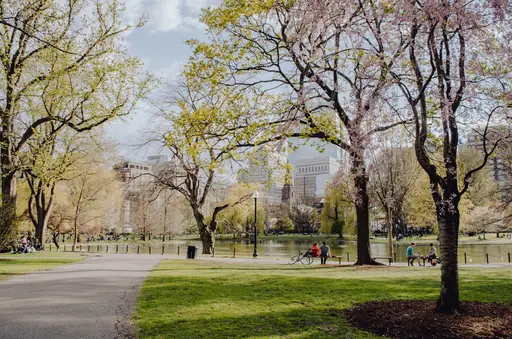
The Museum of Fine Arts holds a collection spanning ancient Egypt through contemporary art. The Isabella Stewart Gardner Museum displays its collection inside a Venetian style palazzo. Visitors can still see empty frames marking a 1990 art heist that remains unsolved. The Freedom Trail links several colonial era historic sites across the city.
Town in Pakistan
Taxila
Ancient Buddhist university frozen in time
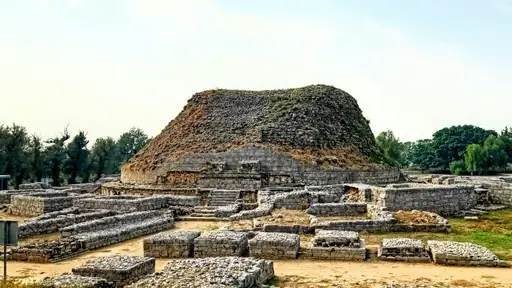
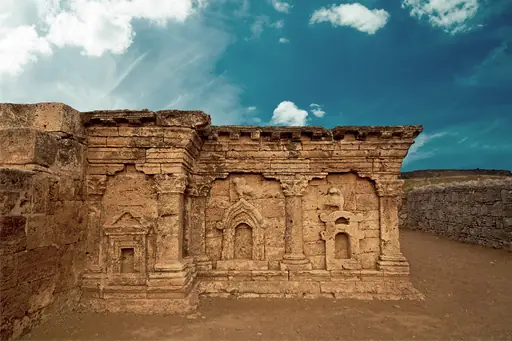
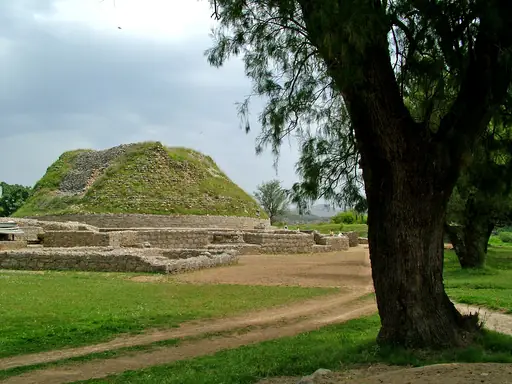
Buddhist monks once studied at a university here considered among the ancient world's earliest centres of learning. Ruins of monasteries and stupas spread across several connected archaeological sites nearby. Visitors can walk between excavated foundations dating back more than two thousand years. The Taxila Museum displays Gandharan sculpture blending Greek and Buddhist artistic traditions.

City in United States
Chicago
Skyline, Deep-Dish and Jazz Nights
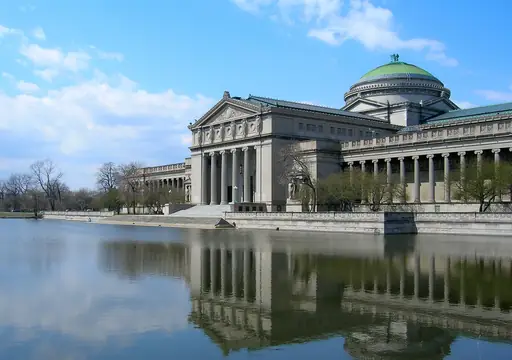
The Art Institute holds Georges Seurat's pointillist masterpiece among a vast collection. The Field Museum nearby displays Sue, one of the most complete T. rex skeletons found. Visitors can tour both museums along the city's lakefront museum campus in a day. The Museum of Science and Industry adds a captured German submarine to its halls.
City in Spain
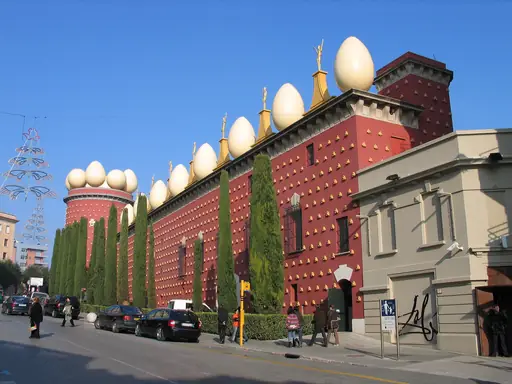
Figueres
Dalí Surrealism, Castles and Catalan Charm
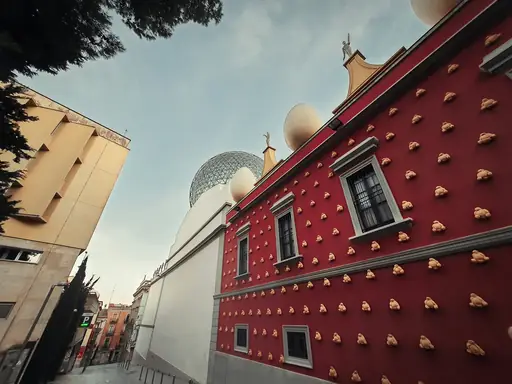
Salvador Dali designed this museum himself, topping it with giant eggs and a glass dome. His remains lie buried in a crypt beneath the museum's central stage area. Visitors can view a room that forms Mae West's face from a specific angle. The building itself counts among Dali's largest and most personal works.

City in Czech Republic
Prague
A fairy-tale city with rich history
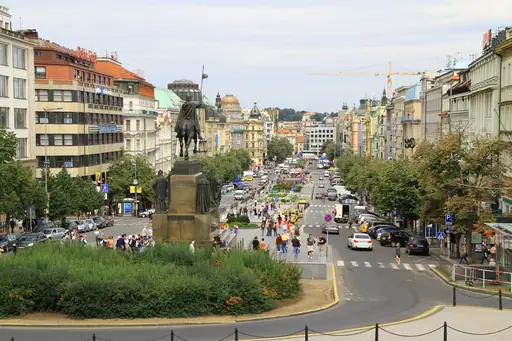
Astronomers still gather each hour to watch the medieval astronomical clock's figures perform on cue. Its dial tracks zodiac signs, planetary positions and the time since the clock's construction. Visitors can climb the tower for close views of the mechanism and city rooftops. The National Gallery nearby holds Czech art across several separate historic buildings.
City in United States
Charlottesville
History, Vineyards and Blue Ridge Views
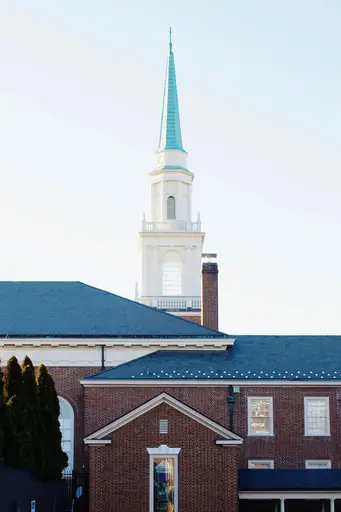
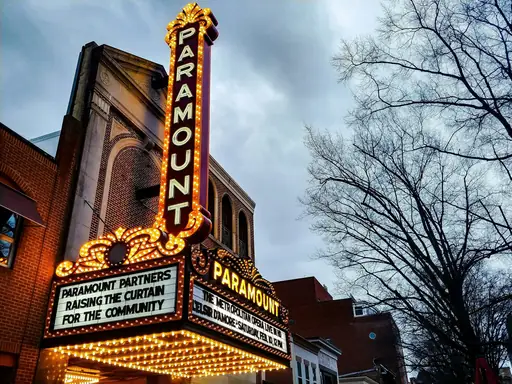
Thomas Jefferson designed Monticello, his estate here, incorporating inventions and architectural experiments throughout. The University of Virginia's grounds, also designed by Jefferson, remain a UNESCO listed heritage site. Visitors can tour Monticello's rooms filled with the third president's personal library and inventions. Enslaved workers' quarters nearby offer a fuller account of the plantation's history.
Town in Poland
Wieliczka
Salt Mine Wonders Beneath the Surface
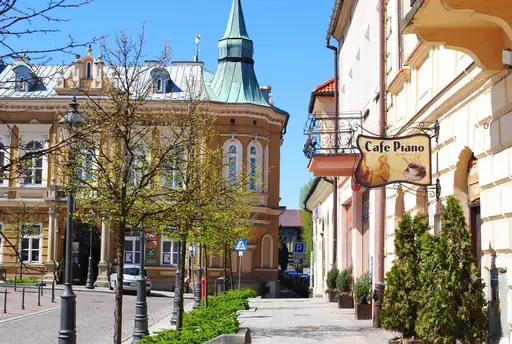
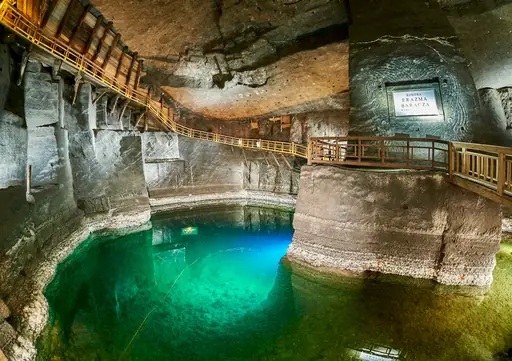
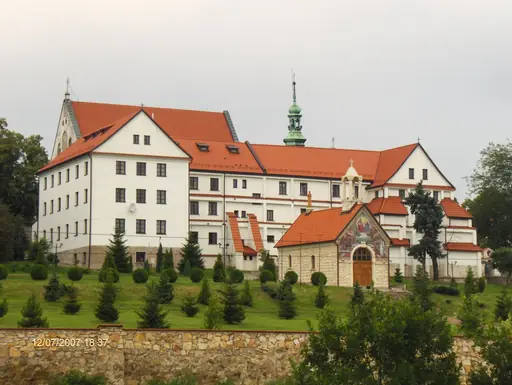
Miners here carved an underground cathedral, chandeliers and sculptures from solid rock salt. Centuries of extraction left tunnels stretching more than a hundred miles beneath the surface. Visitors can descend hundreds of feet to view a chapel with salt carved altarpieces. Salt crystal chandeliers hang from ceilings shaped by generations of mining families.
City in Turkey
Ankara
Modern capital with ancient roots
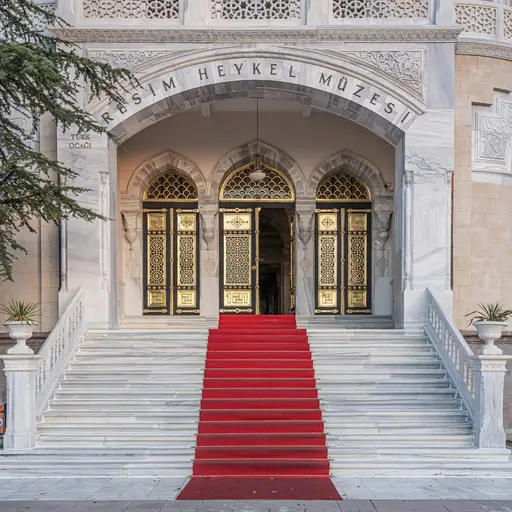
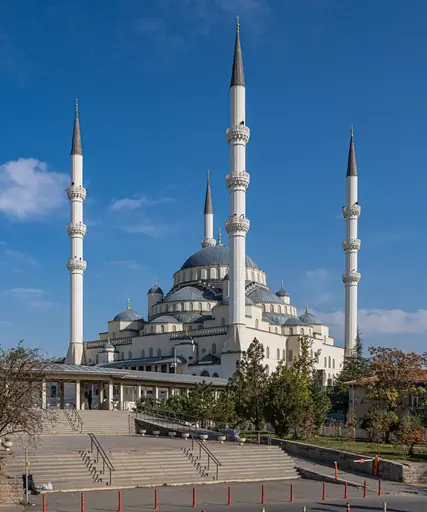
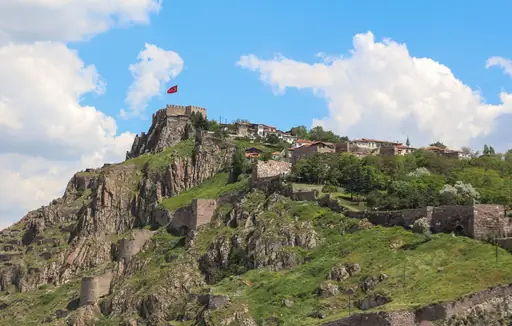
The Museum of Anatolian Civilizations displays artefacts spanning the Hittite empire through Roman rule. Its collection traces Anatolia's history through pottery, seals and stone reliefs recovered across Turkey. Visitors can view Hittite sun disks alongside neolithic finds from Catalhoyuk. Ataturk's mausoleum, a massive complex honouring modern Turkey's founder, also draws visitors nearby.
City in Taiwan
Taipei
A vibrant blend of old and new
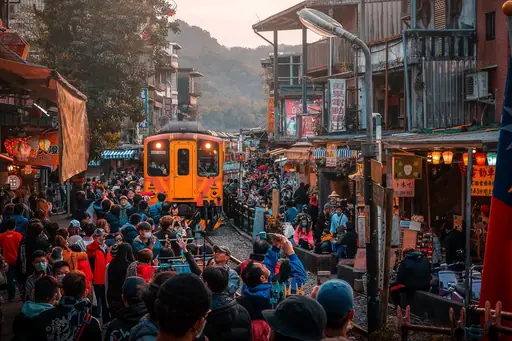
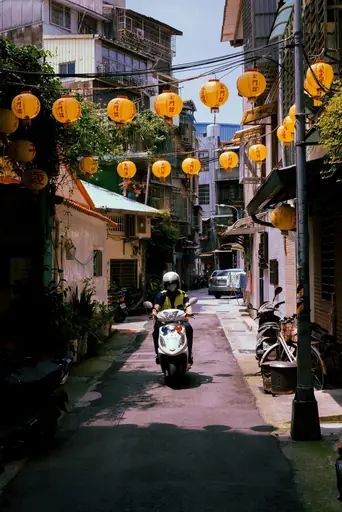
The National Palace Museum holds artefacts nationalists carried from Beijing in 1949. Its collection includes a jade cabbage carving so detailed it draws crowds alone. Visitors can view bronze vessels and porcelain spanning nearly eight thousand years. Only a small fraction of the massive collection sits on display at any time.
City in India
Delhi
A Kaleidoscope of History and Culture
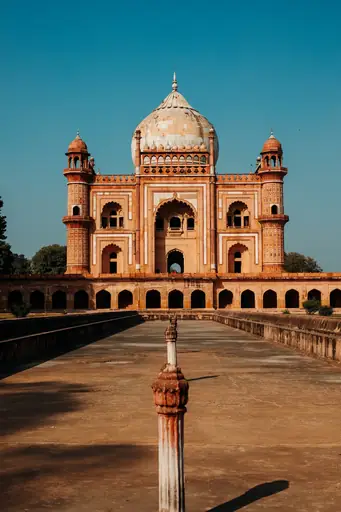
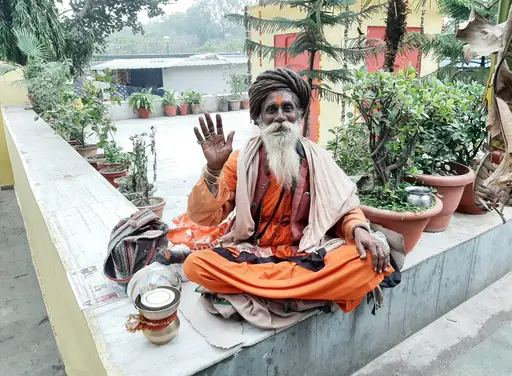
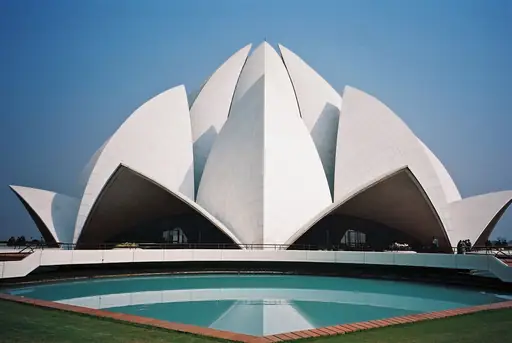
The National Museum holds artefacts spanning the Indus Valley civilisation through the Mughal empire. Its collection includes miniature paintings, sculpture and one of the world's finest textile holdings. Visitors can view ancient bronzes alongside jewellery recovered from royal tombs and temples. Humayun's Tomb nearby, a precursor to the Taj Mahal, doubles as a heritage site.
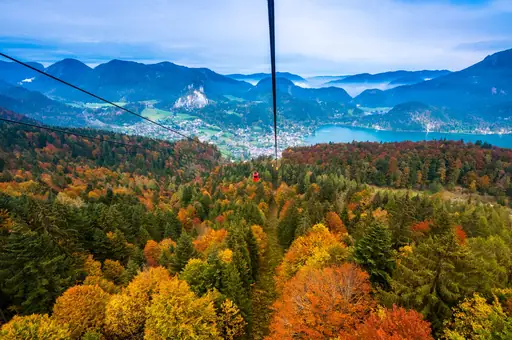
City in Austria
Salzburg
Baroque Beauty and Musical Magic
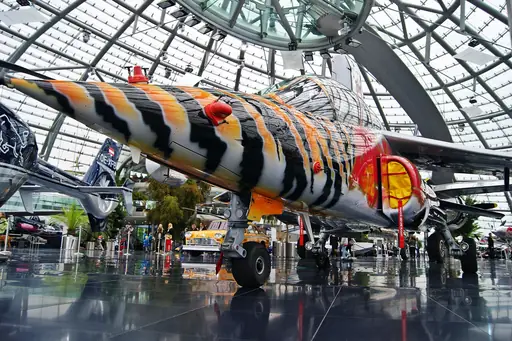
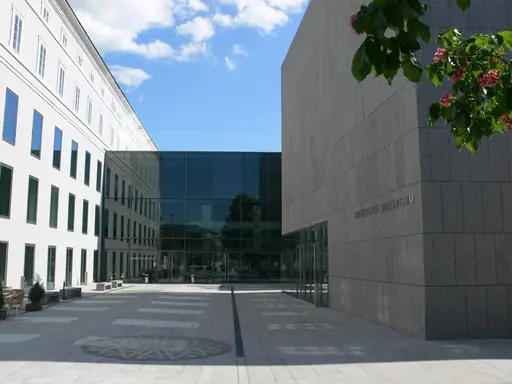
Each summer, the Salzburg Festival fills concert halls tied to the city's musical legacy. Mozart's birthplace, preserved as a museum, displays his childhood violin and letters. Visitors can tour rooms furnished as they appeared during the composer's early years. The Hohensalzburg Fortress nearby adds a museum inside one of Europe's largest hilltop castles.

City in Italy
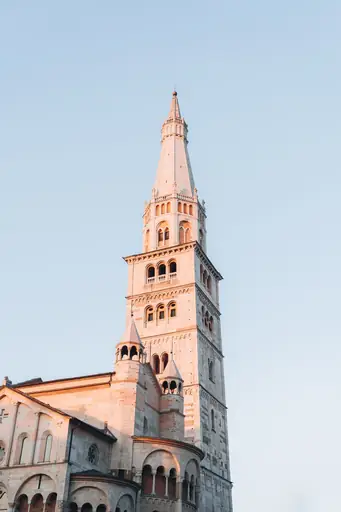
Modena
Motors, Music and Balsamic Magic
The Ferrari Museum sits beside the factory where the company's founder was born. Vintage race cars line galleries tracing the brand's history on both road and track. Visitors can sit inside current model Ferraris displayed alongside championship winning vehicles. The Enzo Ferrari Museum nearby adds exhibits inside his family's restored childhood home.
City in Sweden
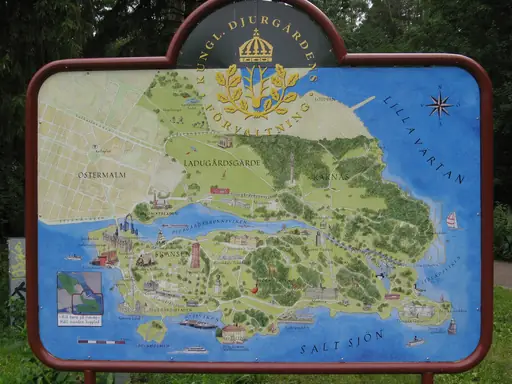
Stockholm
Where islands, history and modernity meet
A seventeenth century warship sank on its maiden voyage, then sat preserved in mud. Salvaged in 1961, the Vasa remains remarkably intact, with most of its original wood. Visitors can walk around the full sized vessel across several viewing levels. The Nordic Museum nearby adds folk costumes and furniture spanning Swedish history.
City in Belgium
Bruges
Medieval Charm and Chocolate Bliss
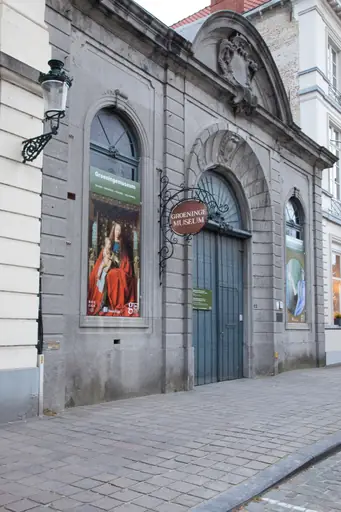
The Groeningemuseum holds an important collection of Flemish primitive paintings from the 1400s. The Basilica of the Holy Blood claims to house a relic collected during the Crusades. Visitors can climb the Belfry tower for views over the city's canals and rooftops. The Choco-Story museum nearby traces the history of chocolate making in Belgium.
City in Japan
Nagoya
Castle, car makers and miso-rich food
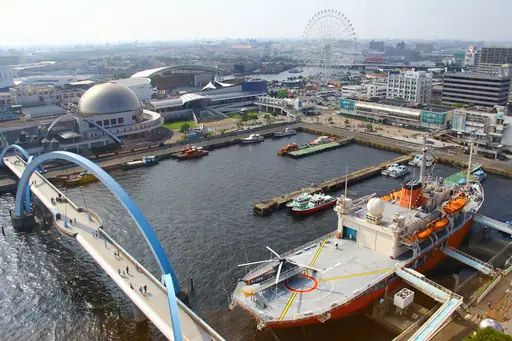
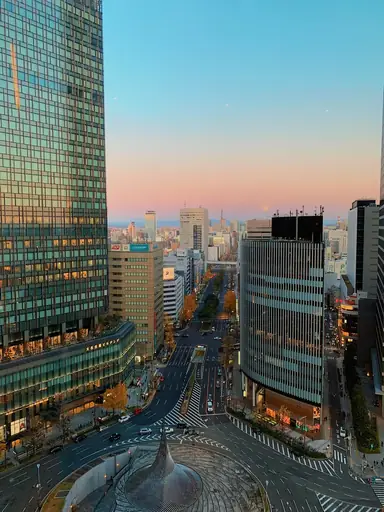
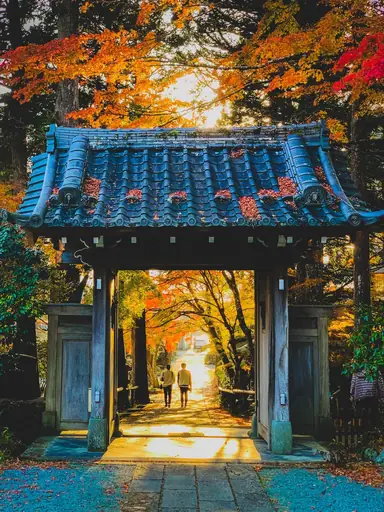
The Toyota Commemorative Museum traces the company's roots from textile looms to automobiles. Working machinery demonstrations show how early spinning technology evolved into car manufacturing. Visitors can watch looms and engines operate on the museum's working factory floor. Nagoya Castle nearby adds a reconstructed keep topped with golden dolphin shaped ornaments.

City in Japan
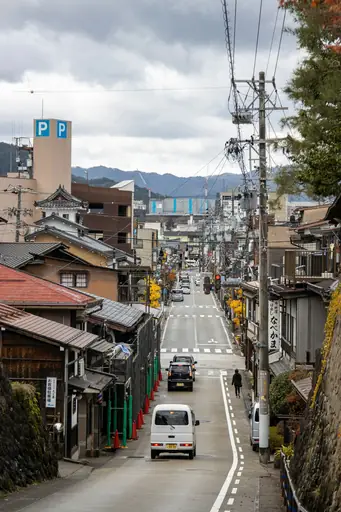
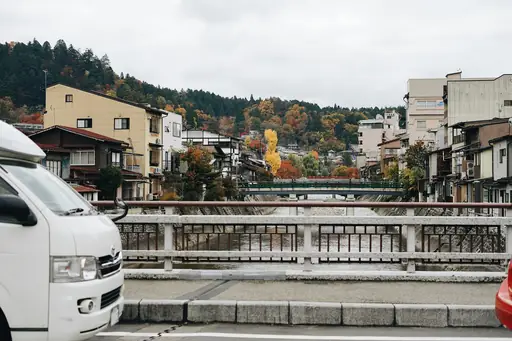
Takayama
Old town, morning markets and Hida beef
The Takayama Festival Floats Museum displays ornate wooden floats used in a biannual festival. Carved and gilded, the floats normally parade through town only twice each year. Visitors can view a rotating selection of floats up close inside the climate controlled hall. The nearby Hida Folk Village preserves thatched roof farmhouses from the mountains.
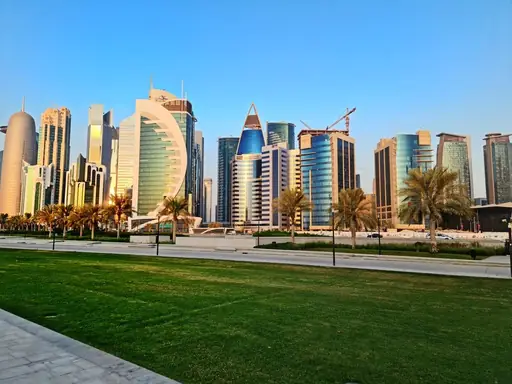
City in Qatar
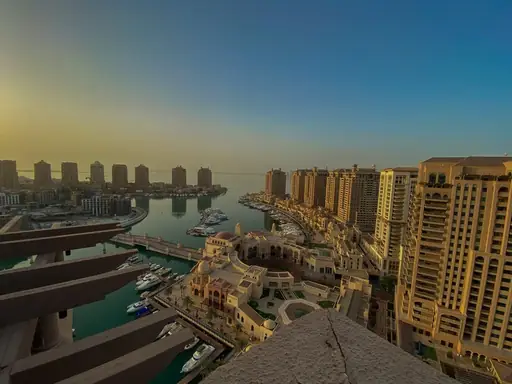
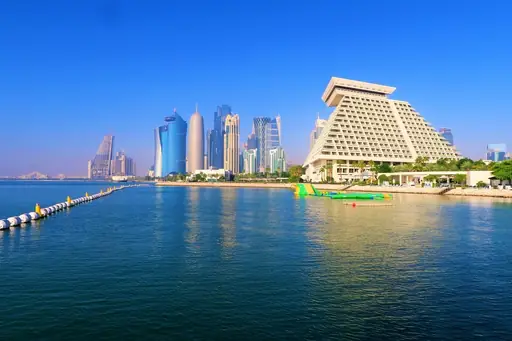
Doha
Where modern luxury meets tradition
Curved interlocking discs shaped like a desert rose form this Doha museum's building. Galleries inside trace the country's history from its geology to the discovery of oil. Visitors can walk a timeline moving from Bedouin heritage through modern Qatar. The Museum of Islamic Art nearby adds a separate collection housed on its own island.
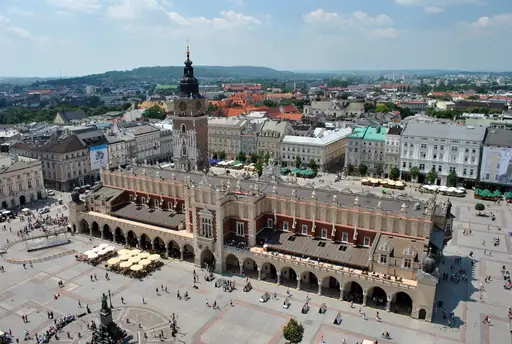
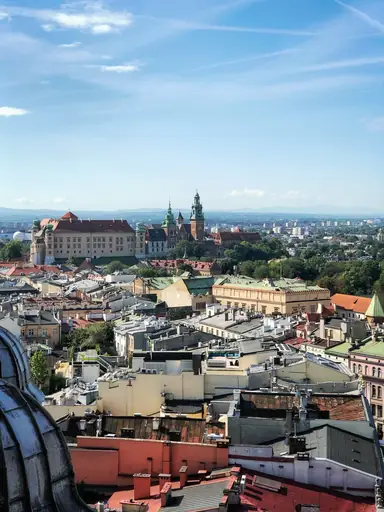
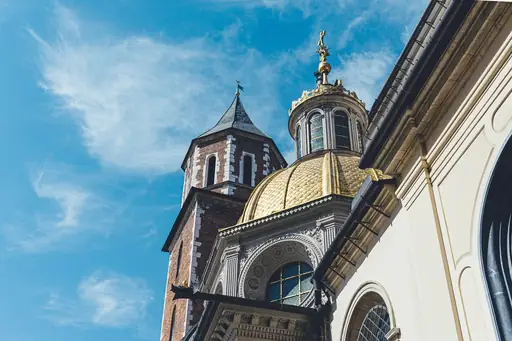
City in Poland
Kraków
Timeless Charm and Rich History
The Wieliczka Salt Mine holds chapels, chandeliers and sculptures carved from rock salt. Miners created the underground artwork over centuries while extracting salt from tunnels. Visitors can descend hundreds of feet to view an entire church carved from salt. The Schindler Factory Museum nearby documents the city's wartime occupation.

City in United States
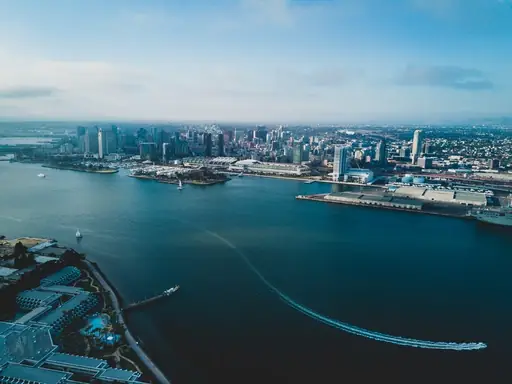
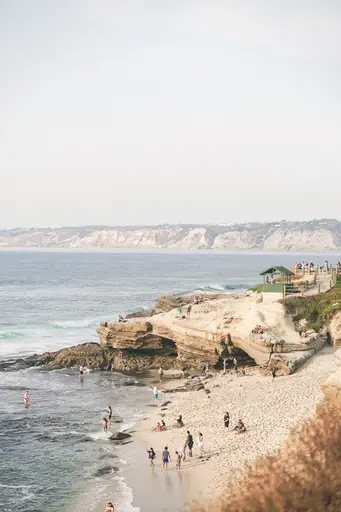
San Diego
California's perfect weather playground
Balboa Park gathers more than a dozen museums inside buildings dating to 1915. Locals still stroll the same promenade built for a world's fair over a century ago. Visitors can tour the Natural History Museum before crossing to the Air and Space Museum. The zoo shares the same park grounds as the museum cluster.

Town in Portugal
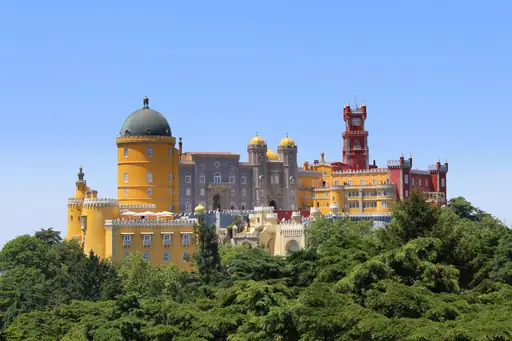
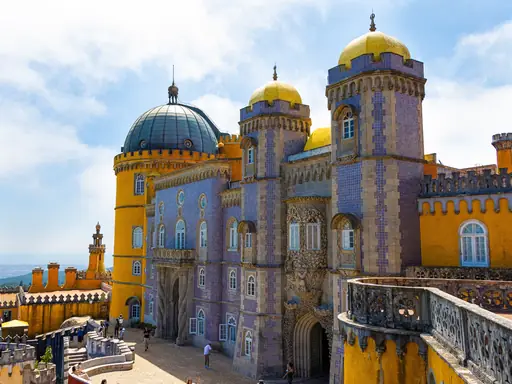
Sintra
Fairytale Palaces in Misty Hills
The Pena Palace rises above this hill town, painted in red and yellow. Its design mixes Gothic, Moorish and Renaissance styles into one fantastical building. Visitors can wander gardens filled with exotic trees planted by a nineteenth century king. The Moorish Castle nearby adds ruined ramparts overlooking the coastal valley.
City in Netherlands
The Hague
Royal Palaces, Art and North Sea
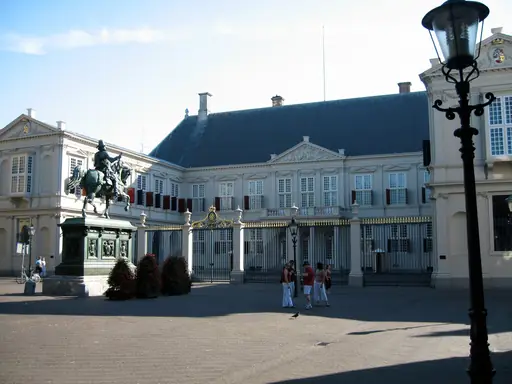
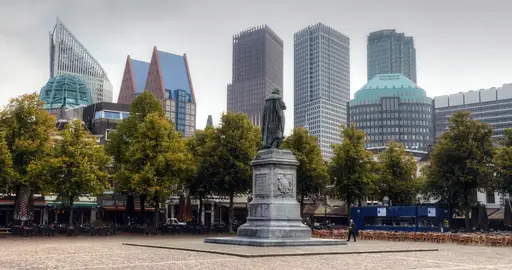
The Mauritshuis holds Vermeer's Girl with a Pearl Earring inside a compact former townhouse. Its collection focuses tightly on Dutch Golden Age painting across a handful of rooms. Visitors can view Rembrandt's anatomy lesson painting alongside other seventeenth century masterworks. The Peace Palace nearby houses international courts inside a neo-Renaissance building.

City in United Kingdom
London
A Tapestry of History and Modernity
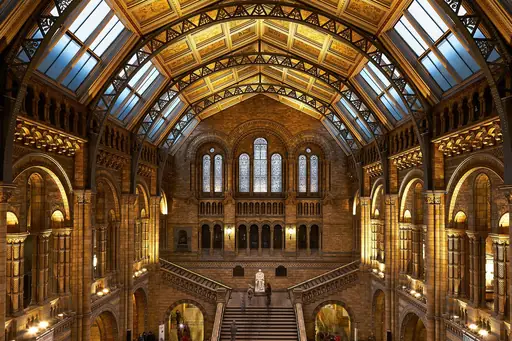
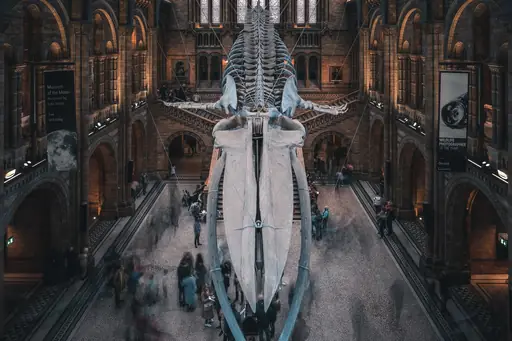
The British Museum holds the Rosetta Stone among artefacts spanning two million years. The National Gallery nearby displays European paintings from medieval times to the 1900s. Visitors can walk between both free museums within a stroll of Trafalgar Square. The Natural History Museum adds a blue whale skeleton above its entrance hall.
City in Germany
Nuremberg
Medieval Charm Meets Living History
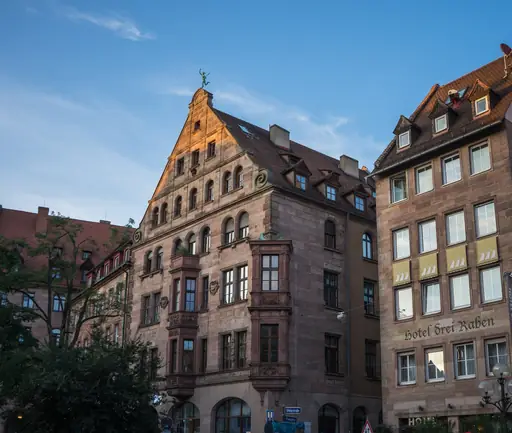
Courtroom 600, where Nazi leaders once stood trial, occasionally still hosts real cases today. A memorial museum upstairs documents the postwar trials through original transcripts and photographs. Visitors can view the actual dock where defendants sat during the historic proceedings. The Germanisches National Museum nearby adds centuries of broader German art and history.

City in Peru
Lima
Historic Charm Meets Coastal Vibes
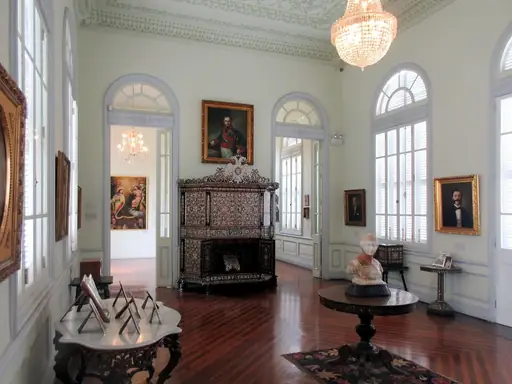
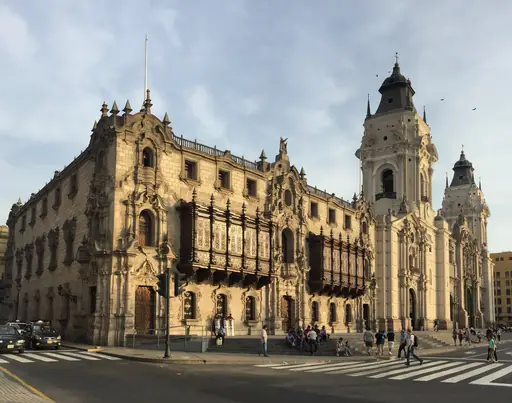
The Larco Museum displays pre-Columbian pottery inside an eighteenth century colonial vice-royal building. Its erotic gallery, housed in a separate pavilion, draws curious visitors alongside scholars. Visitors can walk through gardens filled with bougainvillea before touring ceramic filled galleries. The National Museum nearby adds textiles and gold work from across ancient Peru.
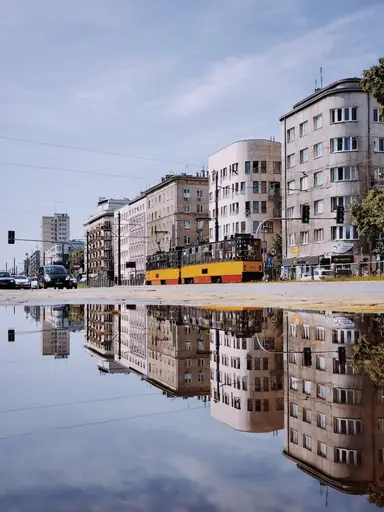
City in Poland
Warsaw
Where history meets modern vibrance
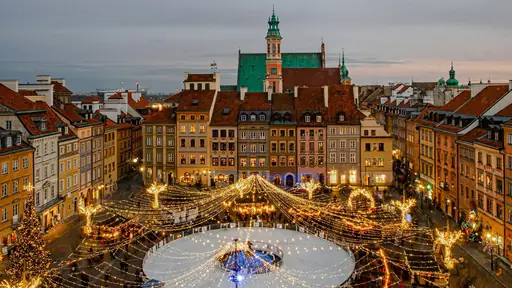
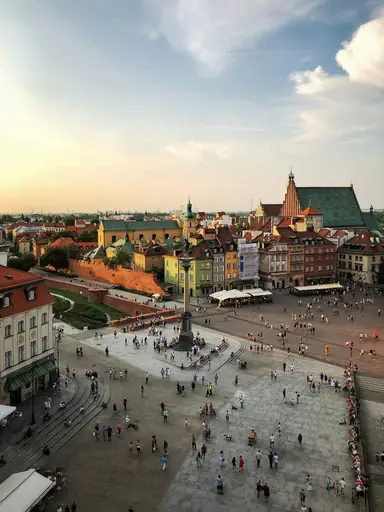
This city rebuilt its entire historic centre from rubble and old paintings after wartime destruction. The Warsaw Uprising Museum documents the 1944 resistance through recreated sewers and radio broadcasts. Visitors can walk through exhibits pairing photographs with recordings from the uprising itself. The National Museum nearby adds centuries of Polish and European painting.
City in Spain
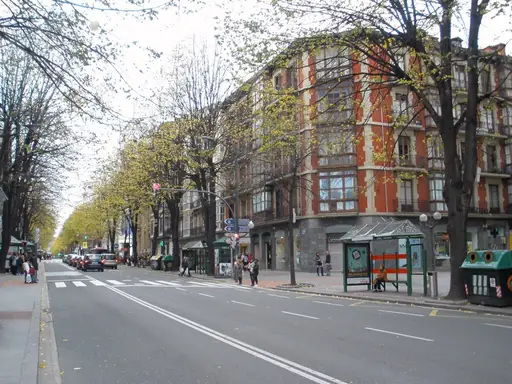
Bilbao
Basque culture meets bold design
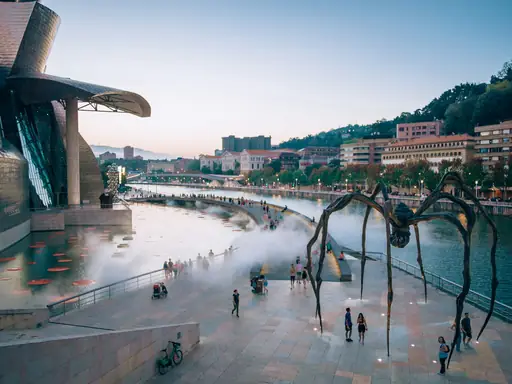
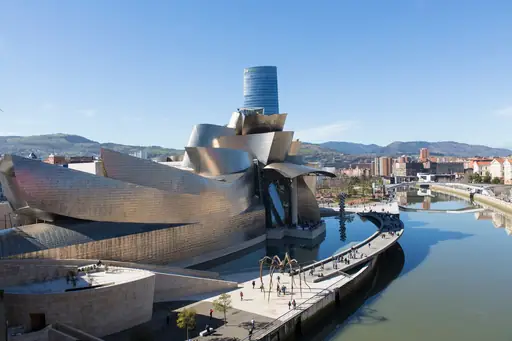
The Guggenheim Bilbao's titanium curves transformed this industrial city into a destination. Frank Gehry designed the building, completed in 1997, to resemble a rippling ship's hull. Visitors can view a giant flower covered puppy sculpture guarding the entrance. The Fine Arts Museum nearby adds a traditional collection of Basque and Spanish painting.
Region in Egypt
Valley of the Kings
Ancient tombs in Egypt's desert
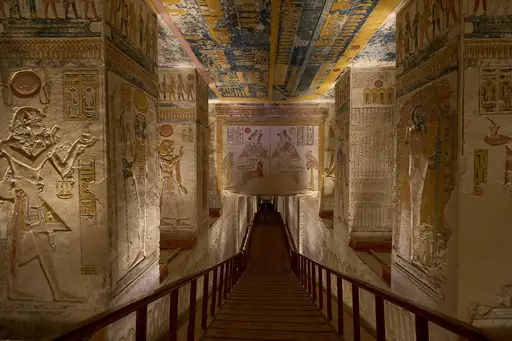
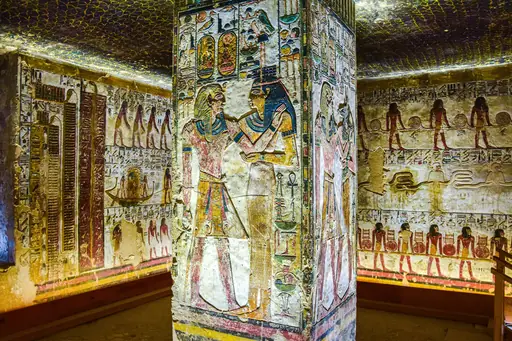
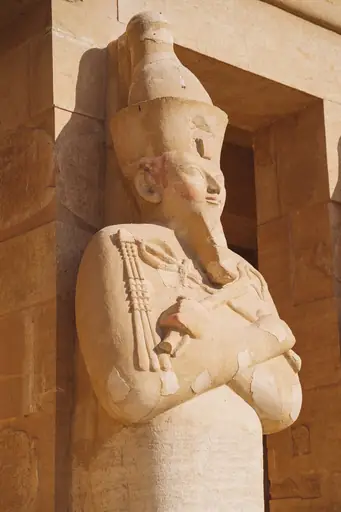
Pharaohs were buried in rock cut tombs hidden across this valley for centuries. Tutankhamun's tomb, discovered nearly intact in 1922, remains the valley's most famous find. Visitors can descend into painted burial chambers decorated with afterlife scenes. Only a rotating selection of tombs stays open at any time to limit wear.

National Park in Turkey
Göreme National Park
Fairy chimneys and cave wonders
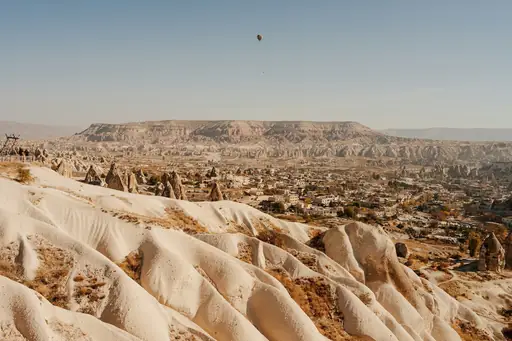
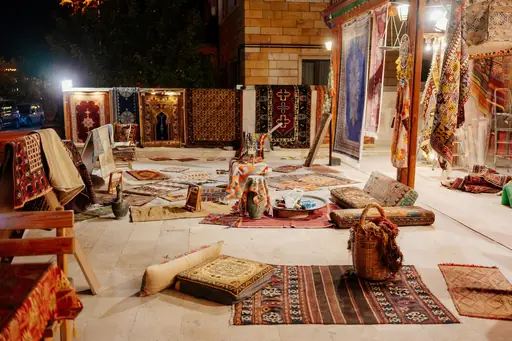
Cone shaped rock formations called fairy chimneys rise across this valley's eroded volcanic landscape. Byzantine Christians carved churches directly into the soft rock, decorating walls with frescoes. Visitors can walk through an open air museum holding dozens of these painted cave churches. Hot air balloons drift over the valley each morning at sunrise.
City in Greece
Thessaloniki
History, Seaside Charm and Lively Vibes
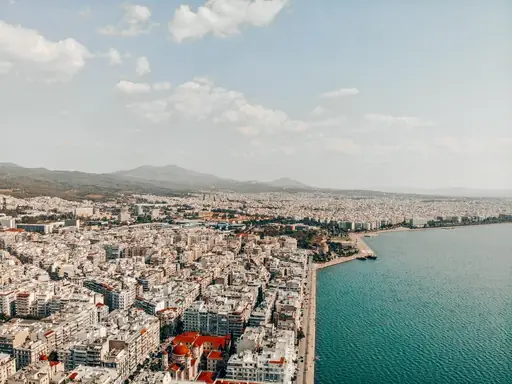
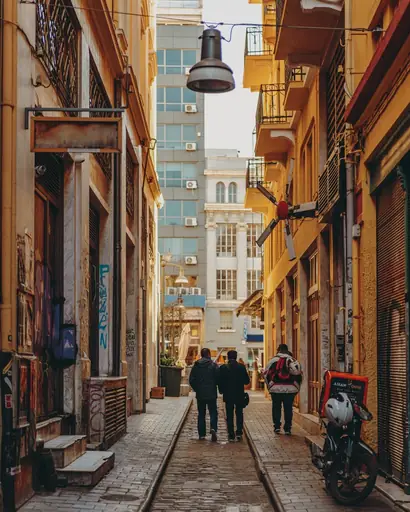
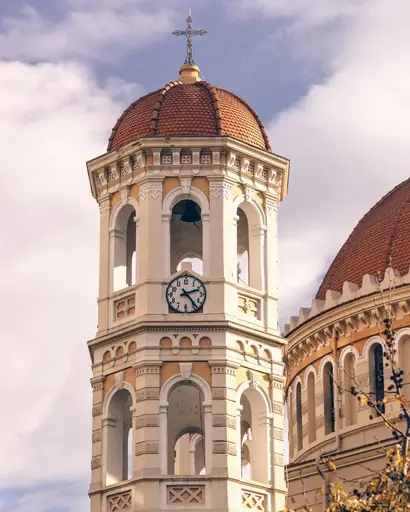
Ottoman rule here lasted nearly five centuries, shaping much of the city's surviving architecture. The Museum of Byzantine Culture traces the era between ancient Greece and Ottoman conquest. Visitors can view mosaics, icons and jewellery recovered from early Christian burial sites nearby. The Archaeological Museum adds gold artefacts unearthed from royal Macedonian tombs.
City in Sweden
Gothenburg
Where coastal charm meets cool culture
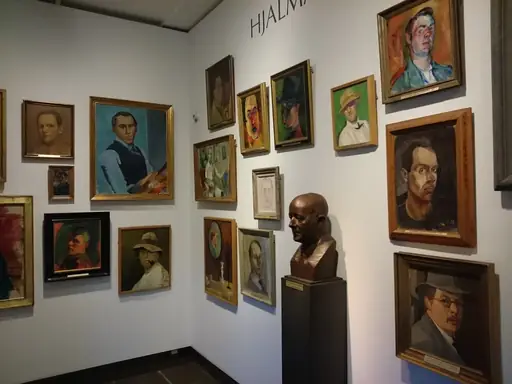
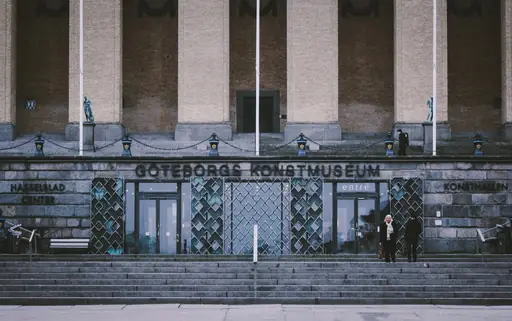
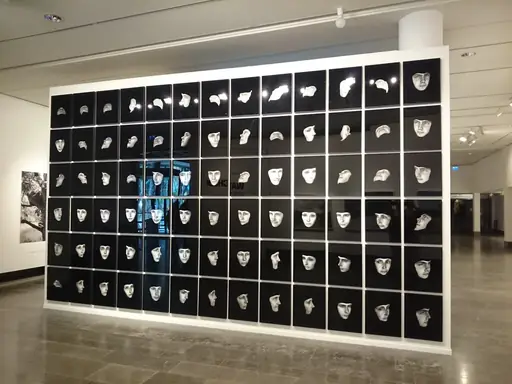
The Gothenburg Museum of Art holds one of the largest collections of Nordic art from the 1800s. The Maritiman floating museum lets visitors board historic ships docked along the harbour. Visitors can tour a preserved submarine before browsing paintings by Edvard Munch nearby. The Universeum science centre adds a rainforest and aquarium under one roof.
City in China
Shanghai
A dazzling mix of modernity and tradition
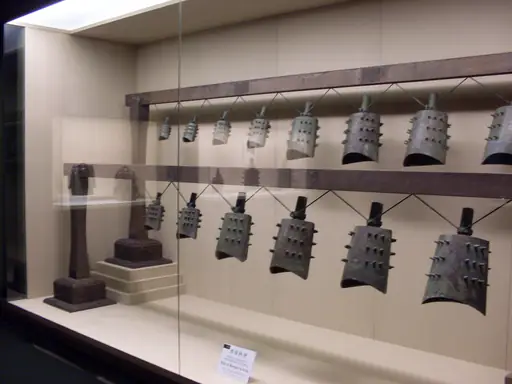
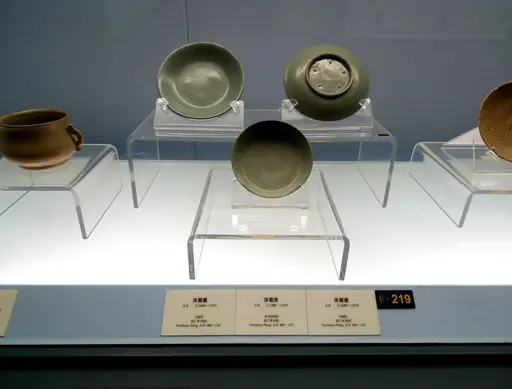
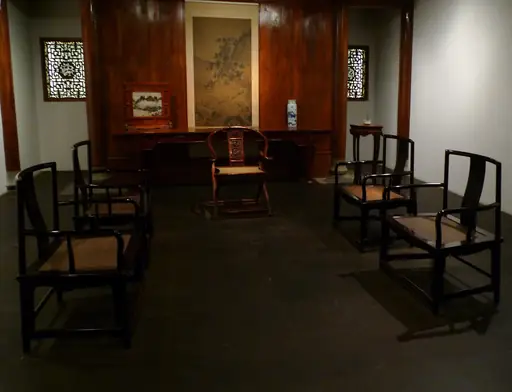
The Shanghai Museum sits inside a building shaped like an ancient bronze vessel. Its collection spans bronze artefacts, ceramics and calligraphy across Chinese history. Visitors can view jade carvings and painted scrolls organised by dynasty. The Power Station of Art nearby adds contemporary work in a converted power plant.

City in South Korea
Gyeongju
Ancient Treasures in a Modern World
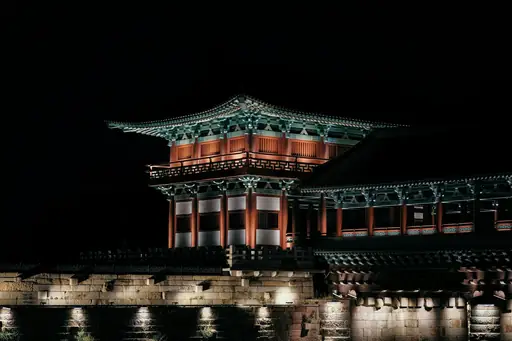
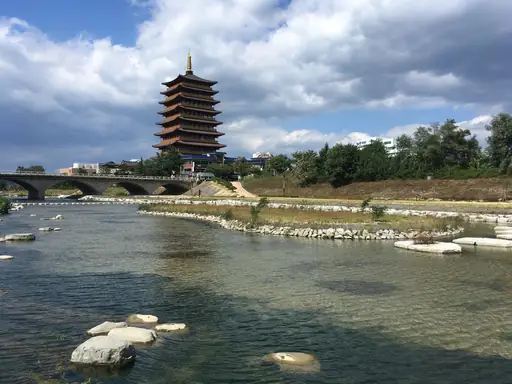
Royal tombs shaped like grassy mounds sit scattered across this former Silla capital. Cheomseongdae, an ancient stone observatory, remains one of the oldest such structures in Asia. Visitors can enter Cheonmachong tomb to view royal treasures found during excavation. The Gyeongju National Museum nearby displays gold crowns and Buddhist artefacts.
City in Australia
Sydney
Where urban life meets stunning beaches
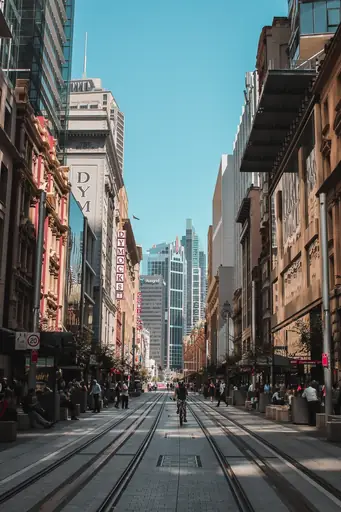
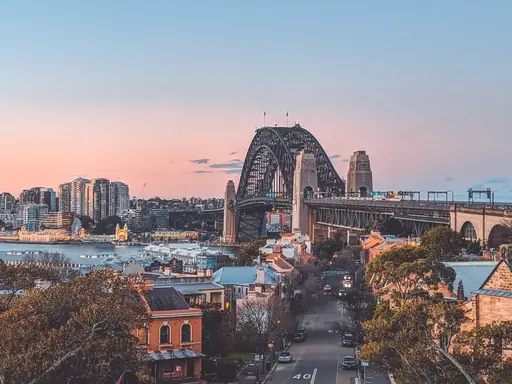
The Australian Museum holds the country's oldest natural history collection, founded in 1827. Fossils, minerals and Indigenous cultural artefacts fill galleries across several connected wings. Visitors can view a full sized whale skeleton suspended above the museum's main hall. The Museum of Contemporary Art nearby overlooks the harbour near Circular Quay.
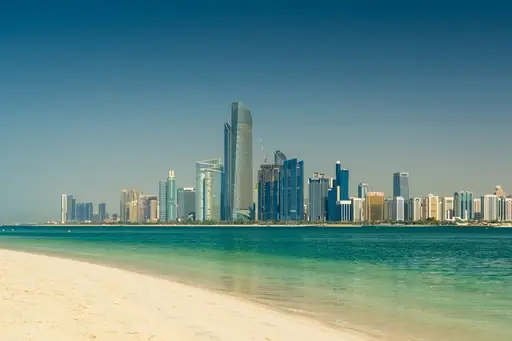
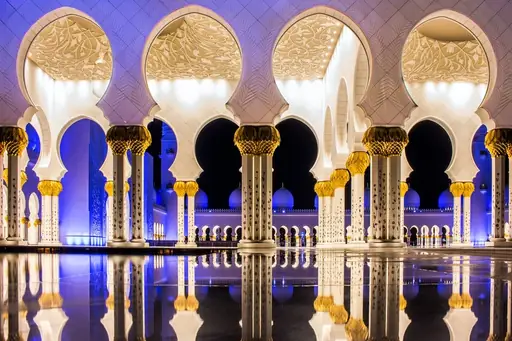
City in United Arab Emirates
Abu Dhabi
Modern luxury meets rich traditions
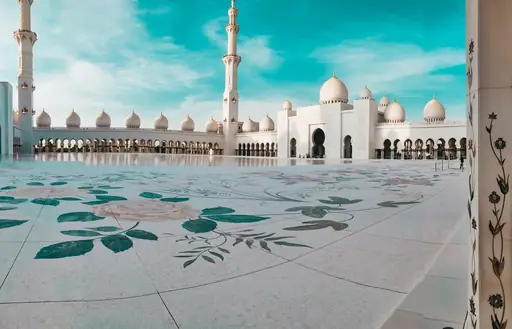
The Louvre Abu Dhabi's dome scatters sunlight through thousands of perforated geometric patterns. Its collection spans global art and artefacts, drawing loans from museums across France. Visitors can walk beneath the dome's shifting light before browsing galleries organised by theme. Qasr Al Hosn, the city's oldest stone building, now operates as a heritage museum nearby.
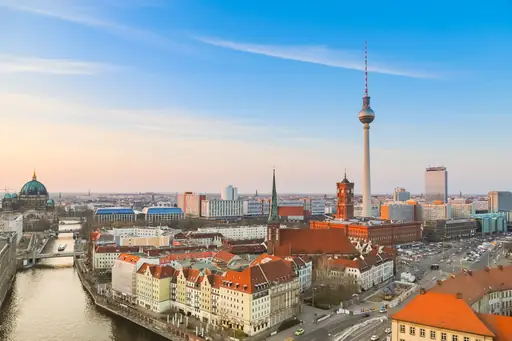
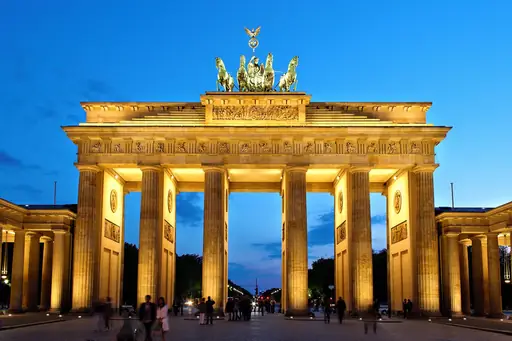
City in Germany
Berlin
Wall history, Museum Island and all-night clubs
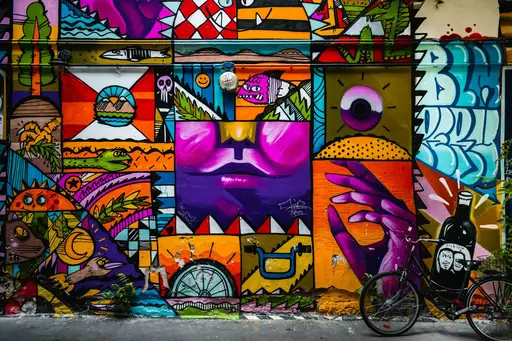
Museum Island holds five major museums clustered on a river island downtown. The Pergamon Museum, though partly closed for renovation, houses reconstructed ancient monuments. Visitors can view Nefertiti's bust at the Neues Museum nearby. The East Side Gallery adds a very different, open air stretch of painted wall.
City in China
Suzhou
Gardens, canals and silk dreams
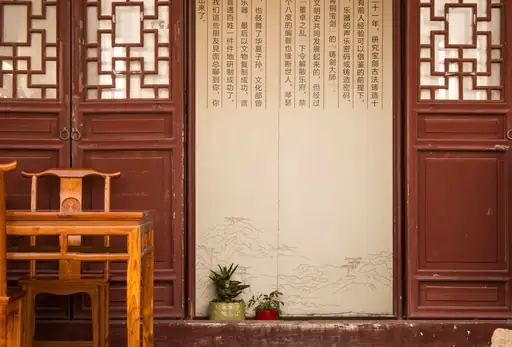
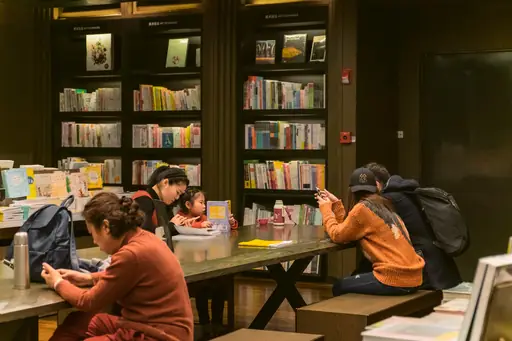
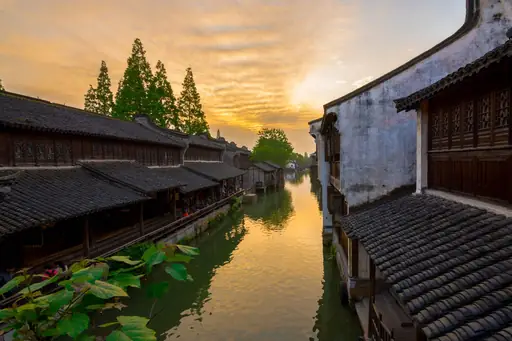
Classical gardens here inspired landscape design across China for nearly a thousand years. The Humble Administrator's Garden alone covers thirteen acres of ponds, pavilions and covered walkways. Visitors can walk winding paths designed to reveal a new view around every corner. The Suzhou Museum nearby, designed by I. M. Pei, displays regional art and antiques.
City in France
Metz
Gothic Glory on the Moselle
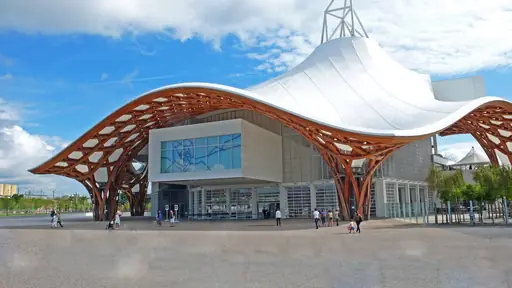
The Centre Pompidou-Metz's undulating white roof was inspired by the shape of a woven hat. This branch of the Paris museum hosts rotating exhibitions drawn from the main collection. Visitors can walk through galleries beneath the building's distinctive wave shaped canopy. The Golden Courtyard Museum nearby traces the city's Roman and medieval origins.
City in Belgium
Brussels
Europe's cozy capital of culture
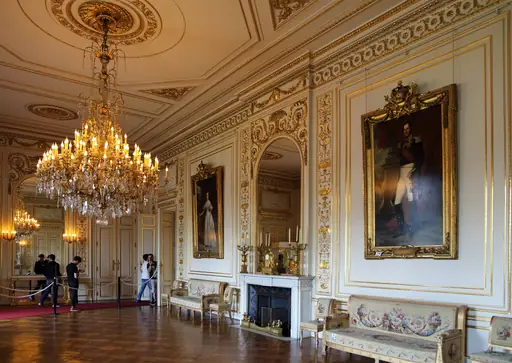
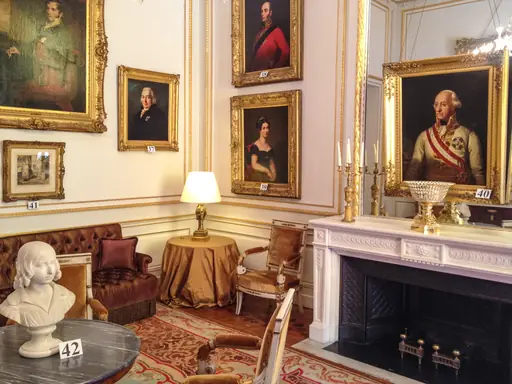
The Royal Museums of Fine Arts hold major works by Bruegel, Rubens and Magritte across connected buildings. A dedicated Magritte Museum nearby traces the surrealist painter's career in a townhouse setting. Visitors can view Bruegel's detailed peasant scenes alongside modern Belgian comic art elsewhere. The Atomium's spheres also hold rotating exhibitions inside their connected structure.
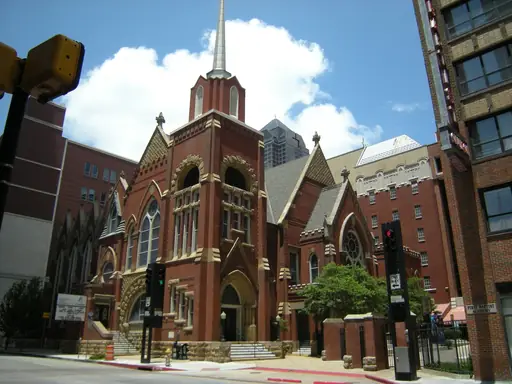
City in United States
Dallas
Big City Vibes, Southern Charm
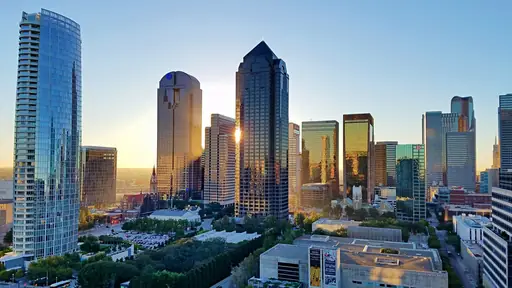
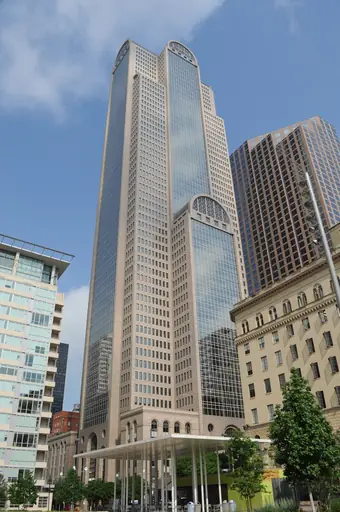
The Sixth Floor Museum occupies the former depository overlooking JFK's assassination site. Exhibits trace the events of November 1963 through photographs and personal artefacts. Visitors can view the corner window from which the fatal shots were reportedly fired. The Dallas Museum of Art nearby adds a broad collection of ancient to contemporary work.
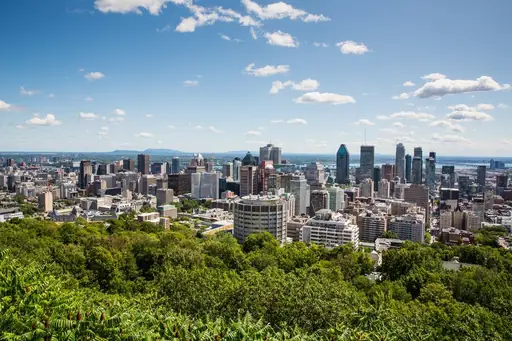
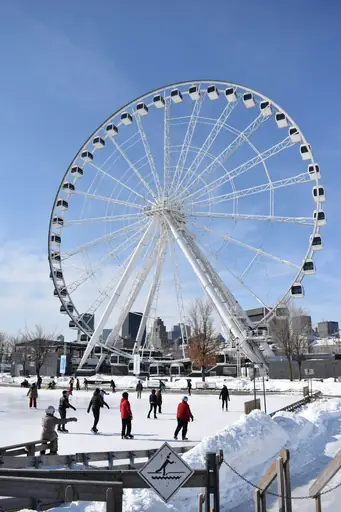
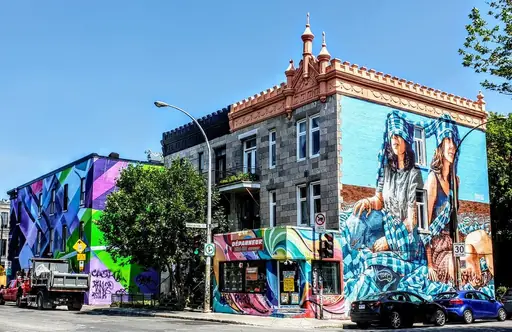
City in Canada
Montreal
A city of festivals, food and culture
The Montreal Museum of Fine Arts holds Canada's oldest art museum collection, founded in 1860. Its galleries span Canadian, Quebecois and international art across several connected pavilions. Visitors can view Inuit sculpture alongside European old masters in adjoining wings. The Pointe-a-Calliere Museum nearby sits atop the city's original archaeological foundations.
City in United States
Houston
Space City with Southern Charm
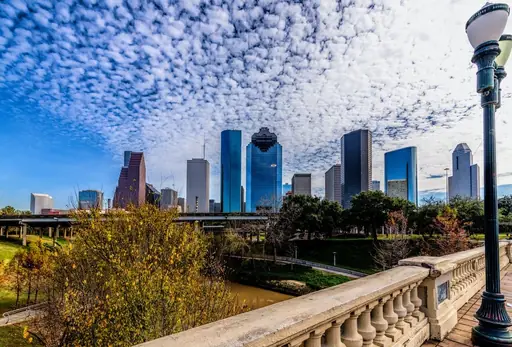
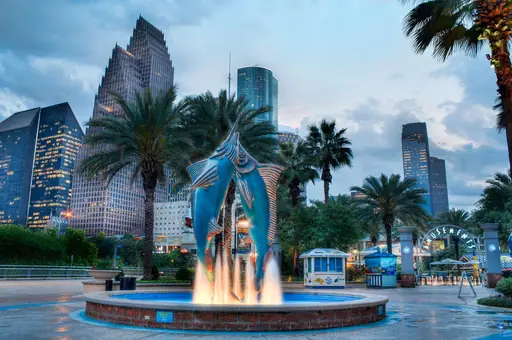
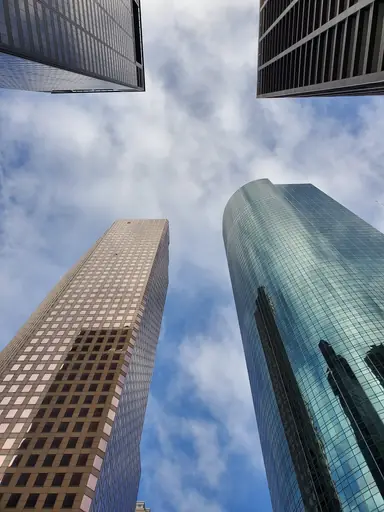
The Museum of Fine Arts here holds a collection spanning ancient artefacts through contemporary installations. Space Center Houston nearby displays actual mission control consoles used during NASA's Apollo programme. Visitors can view a real lunar rover alongside spacecraft flown on past missions. The Menil Collection adds Surrealist and modern art inside a quiet, understated building.
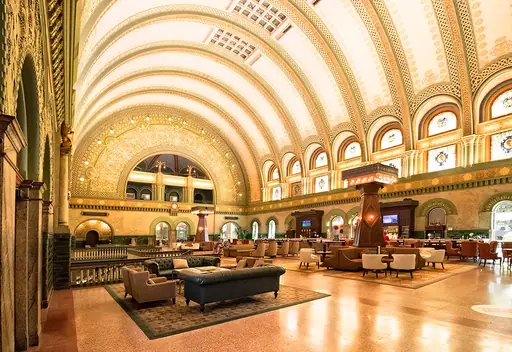
City in United States
St. Louis
Gateway to the West's Soul
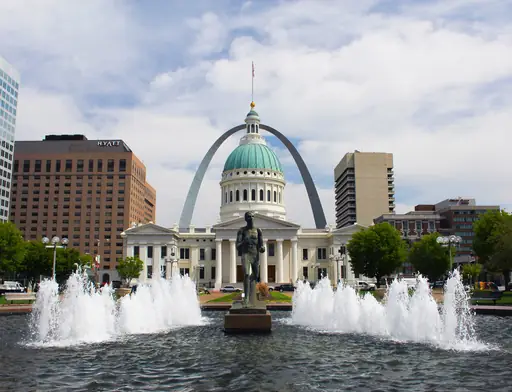
The City Museum here repurposes salvaged architecture into a climbable indoor playground. Visitors can crawl through recycled aeroplane fuselages, caves and tunnels made from scraps. The Gateway Arch nearby adds a museum tracing westward expansion beneath its steel arch. A tram inside carries visitors up to an observation deck at the top.
City in United States
Santa Fe (New Mexico)
Ancient adobe charm meets artistic soul
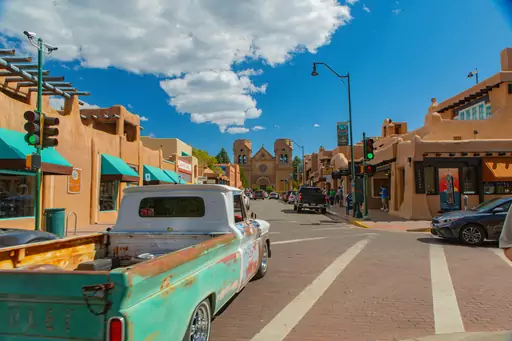
Unlike most American cities, this one requires new buildings to follow an adobe style. Georgia O'Keeffe lived and painted here for decades, honoured by a museum downtown. Visitors can view her southwestern landscapes alongside personal objects from her studio. The Museum of Indian Arts and Culture nearby adds Pueblo pottery and Navajo weaving.
City in Germany
Stuttgart
Vineyards, Cars and Urban Surprises
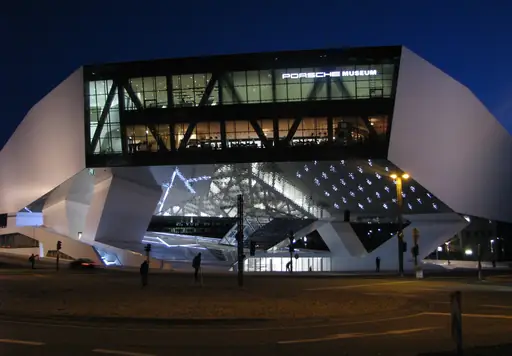
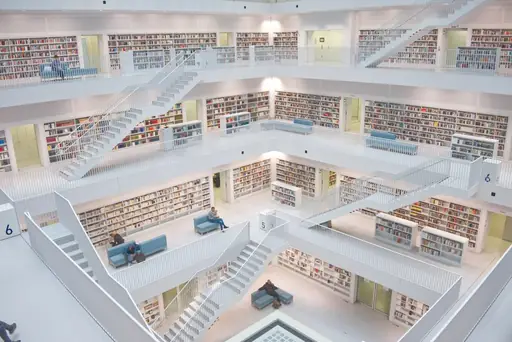
The Mercedes-Benz Museum spirals visitors through more than a century of automotive history. Its double helix ramp takes guests from early carriages down to modern concept cars. Visitors can view a Benz Patent Motor Car, widely regarded as the earliest automobile. The Porsche Museum nearby adds a similar deep dive into a rival German brand.
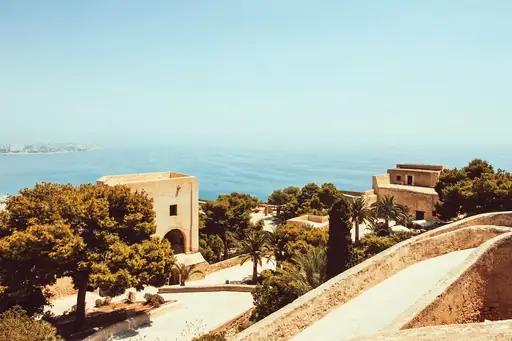
City in Spain
Málaga
Sun, Art and Andalusian Spirit
Pablo Picasso was born here, honoured today by a museum near his childhood home. Its collection traces his career through works donated by family after his death. Visitors can view ceramics, sketches and paintings spanning nearly his artistic life. The Centre Pompidou Malaga nearby adds a branch of the Paris museum's collection.
City in Egypt
Luxor
Ancient wonders on the Nile
Karnak Temple's hypostyle hall holds more than a hundred massive columns carved with hieroglyphs. Luxor Temple nearby once connected to Karnak by a mile long avenue lined with sphinxes. Visitors can walk the restored avenue between both temple complexes at sunset. The Luxor Museum adds statues and artefacts recovered from tombs across the surrounding valley.
City in Netherlands
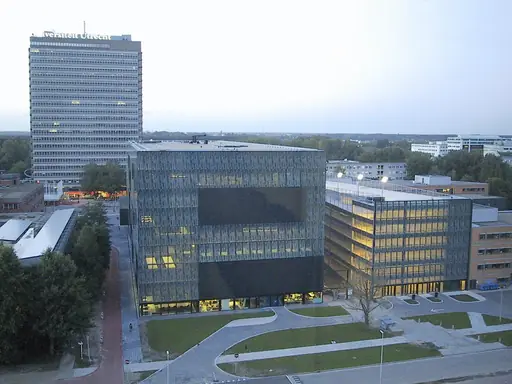
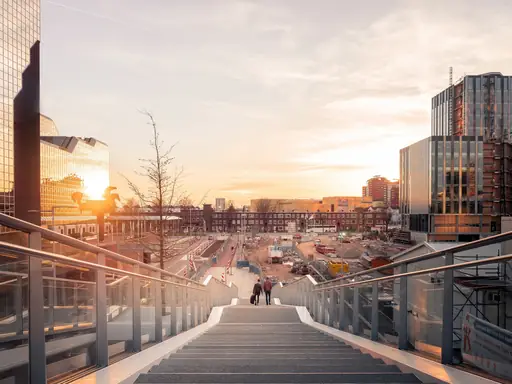
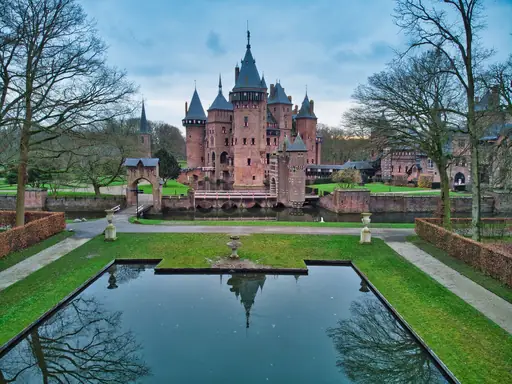
Utrecht
Medieval Canals, Modern Dutch Cool
The Dom Tower rises above this city's centre, visible from nearly every surrounding street. Museum Catharijneconvent occupies a former convent, displaying centuries of Dutch religious art and manuscripts. Visitors can climb the tower's spiral stairs for panoramic views across the flat countryside. The Centraal Museum nearby adds Golden Age painting alongside a preserved Miffy exhibit.
City in Mexico
Mexico City
Vibrant Culture, History and Street Food
The National Museum of Anthropology holds the Aztec Sun Stone among artefacts from across Mesoamerica. Its central courtyard features a massive umbrella shaped fountain visible from every wing. Visitors can walk through galleries devoted to the Maya, Aztec and other ancient civilisations. Frida Kahlo's Blue House nearby preserves the painter's studio and personal belongings.
City in Russia
Saint Petersburg
Where history and elegance meet
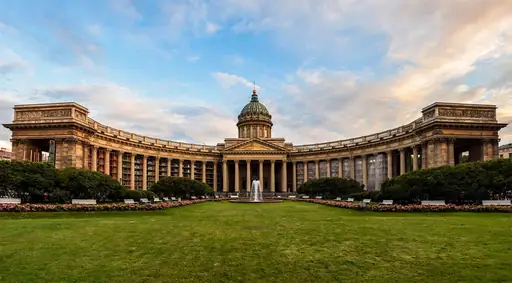
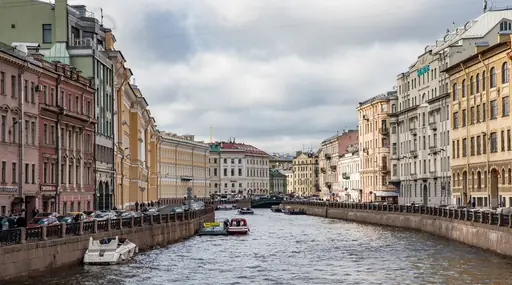
The Hermitage Museum spreads across six connected buildings along the Neva River embankment. Catherine the Great began the collection, buying entire private galleries from European nobility. Visitors can walk through the Winter Palace's gilded rooms before reaching modern art wings. Its holdings include more than three million objects spanning nearly every era of art.
City in United Kingdom
Bath
Historic Charm and Natural Hot Springs
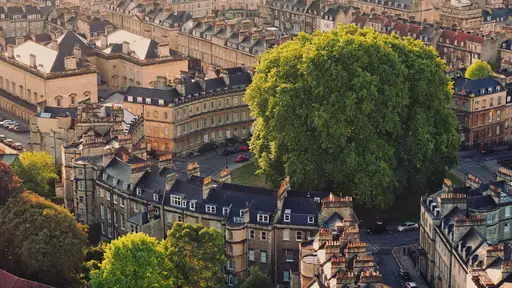
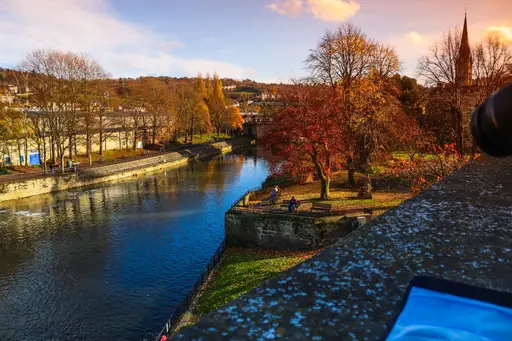
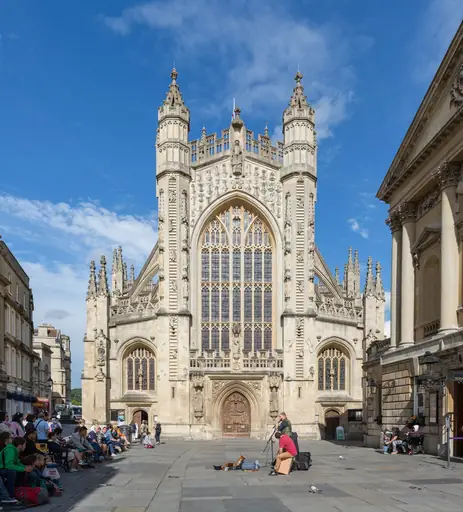
The Roman Baths preserve an ancient bathing complex fed by natural hot springs. Steam still rises from the original Roman era pools along the museum route. Visitors can taste the mineral rich spring water at a fountain inside the complex. The Jane Austen Centre nearby explores the author's time in this Georgian city.
City in Russia
Kazan
Where Europe Meets Asia
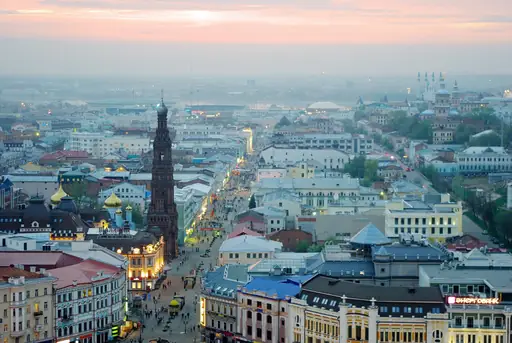
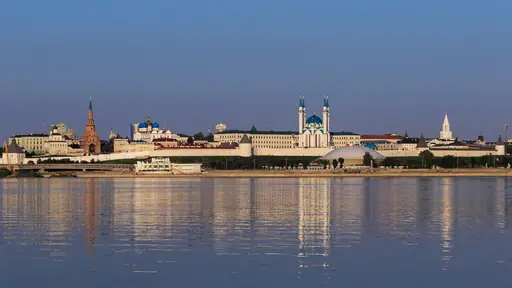
The Kazan Kremlin holds both a mosque and a cathedral within the same walls. Its museum complex traces Tatar and Russian history layered across centuries. Visitors can climb the leaning Soyembika Tower before touring regional archaeology galleries. The National Museum of Tatarstan nearby adds artefacts from the Volga region's past.
City in Australia
Canberra
A cultural hub surrounded by nature
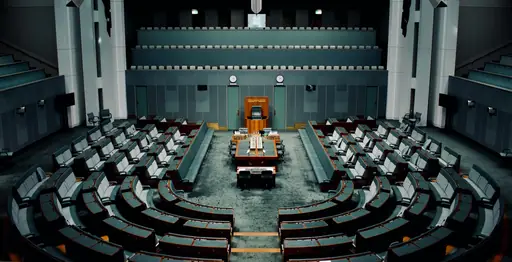
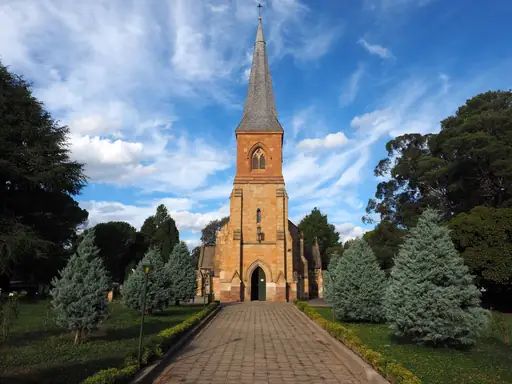
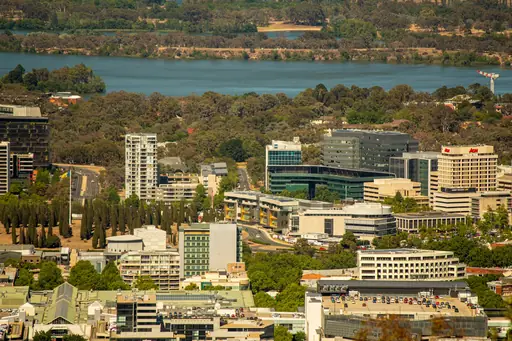
The Australian War Memorial combines a museum, shrine and archive of military history. Its Hall of Memory holds the tomb of an unknown soldier beneath a domed mosaic. Visitors can view a Sunset Ceremony held each evening honouring fallen service members. The National Gallery of Australia nearby adds Indigenous and international art.
City in Nigeria
Lagos
Buzzing Metropolis with Coastal Charm
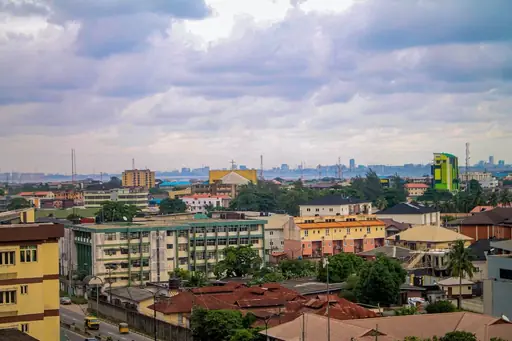
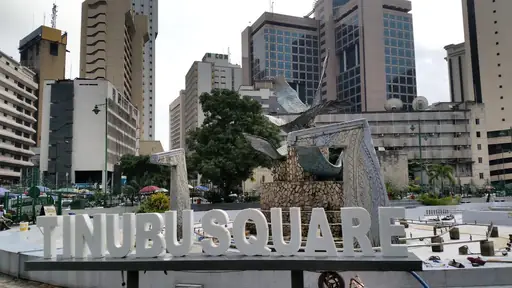
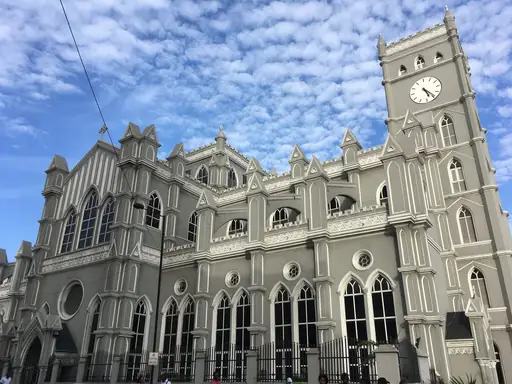
The Nike Art Gallery displays thousands of paintings and textiles across four floors. Its founder collected work from artists across Nigeria over several decades. Visitors can browse batik, adire cloth and carved sculpture through the gallery's rooms. The National Museum nearby adds archaeological finds tied to precolonial kingdoms.

City in Finland
Helsinki
Nordic charm by the Baltic Sea
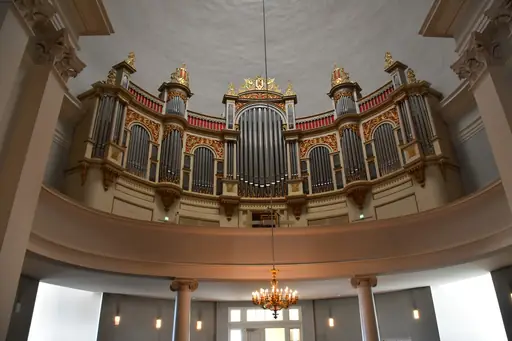
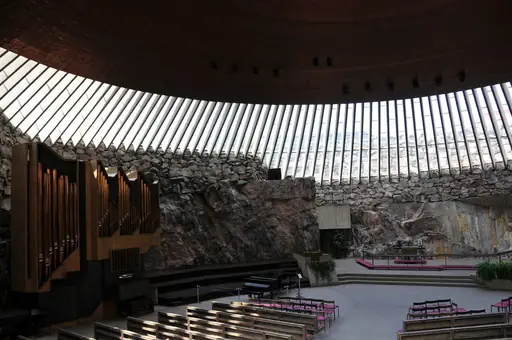
The Ateneum holds the country's most significant collection of Finnish art from the 1800s. Its neoclassical building has served as the national gallery since first opening in 1887. Visitors can view Golden Age Finnish landscapes alongside international modernist paintings. Design Museum Helsinki nearby covers a century of Finnish furniture and industrial design.
City in Canada
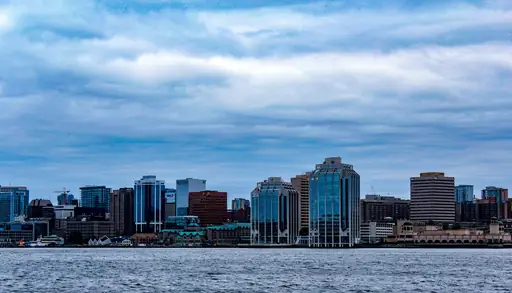
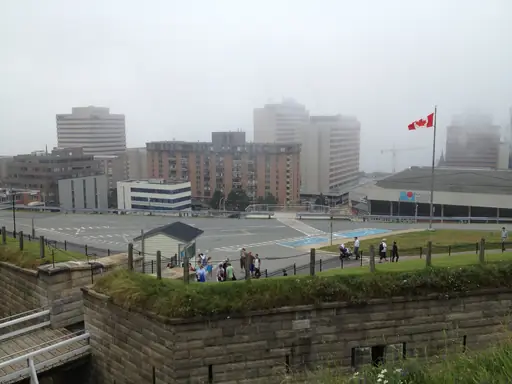
Halifax
Seaside history and lively culture
The Maritime Museum of the Atlantic holds artefacts from the Titanic and 1917 harbour explosion. Deck chairs and other objects salvaged from the wreck sit displayed inside one gallery. Visitors can view exhibits on the disaster that levelled much of the city. Pier 21, a former immigration hall, documents the arrival of newcomers to Canada.
City in Japan
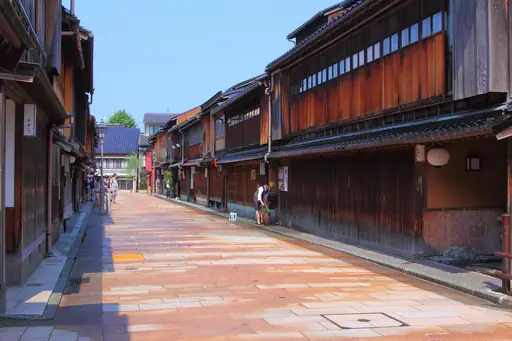
Kanazawa
Samurai streets, gold leaf and Kenrokuen garden
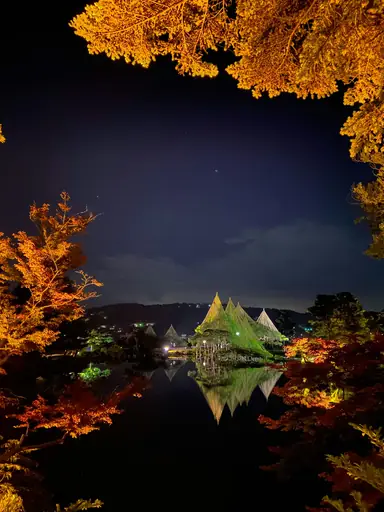
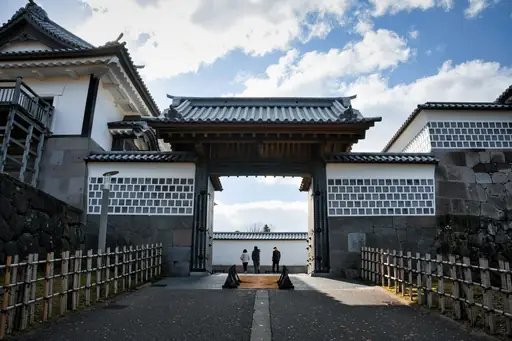
The 21st Century Museum of Contemporary Art displays work inside a circular, glass walled building. A swimming pool installation here lets visitors appear submerged when viewed from below. Visitors can walk freely between indoor galleries and outdoor sculpture without buying a ticket. Kenrokuen Garden nearby ranks among Japan's most celebrated traditional landscaped gardens.
City in Portugal
Lisbon
Sun-soaked streets and rich history
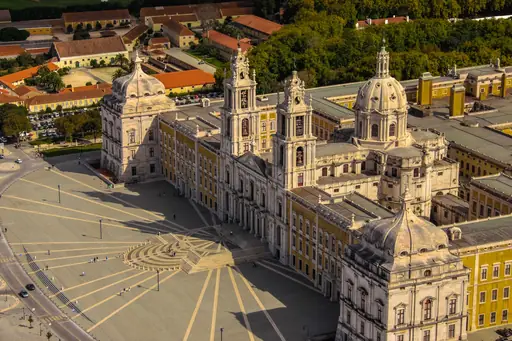
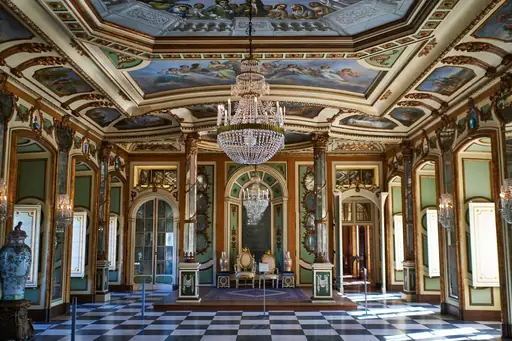
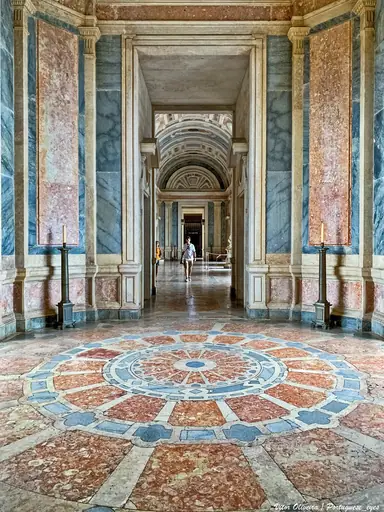
The National Tile Museum traces centuries of Portuguese ceramic tilework inside a former convent. A panoramic tile panel depicting the pre-earthquake city stretches across an entire gallery wall. Visitors can view tile patterns ranging from Moorish geometric designs to modern abstract work. The Gulbenkian Museum nearby adds a private collector's global art collection.
City in United Kingdom
Cambridge
Punts, Spires and Timeless Colleges
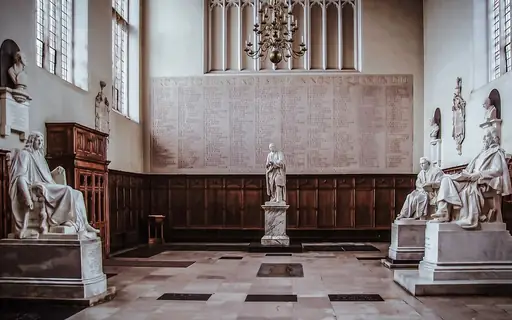
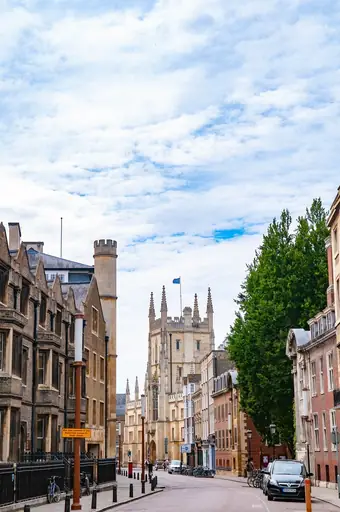
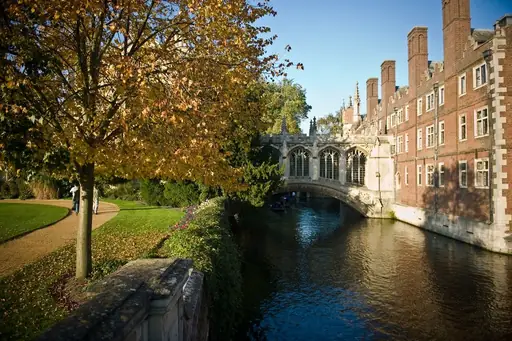
The Fitzwilliam Museum holds antiquities, manuscripts and paintings spread across grand neoclassical galleries. Its collection includes work by Titian, Rembrandt and a strong holding of Egyptian artefacts. Visitors can view illuminated medieval manuscripts alongside armour and ceramics in adjoining rooms. The Polar Museum nearby traces expeditions led by explorers trained at the university.
City in Italy
Florence
The cradle of the Renaissance
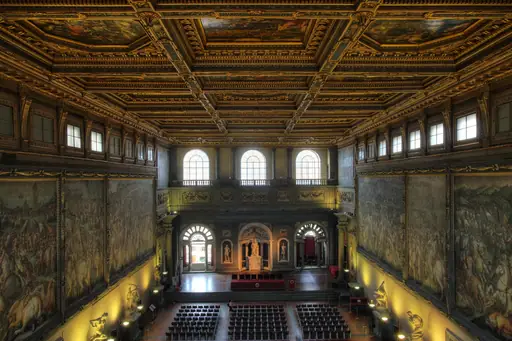
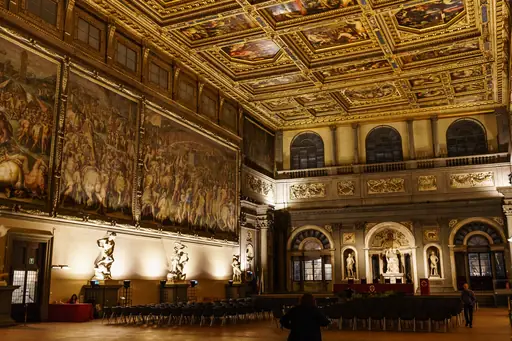
The Uffizi Gallery holds Botticelli's Birth of Venus among its collection of Renaissance masterworks. Michelangelo's David stands inside the Academy Gallery, carved from a single block of marble. Visitors can walk between both museums along streets lined with more Renaissance architecture. The Bargello Museum nearby adds early sculpture by Donatello and other period artists.
City in Italy
Bolzano
Where Alpine peaks meet Italian soul
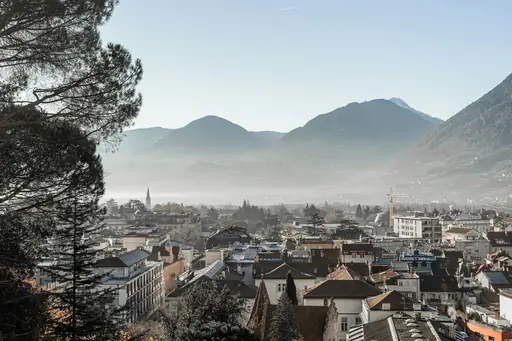
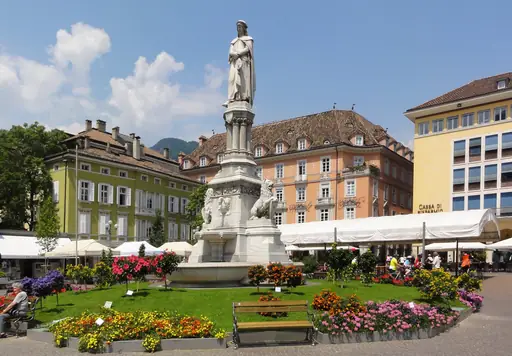
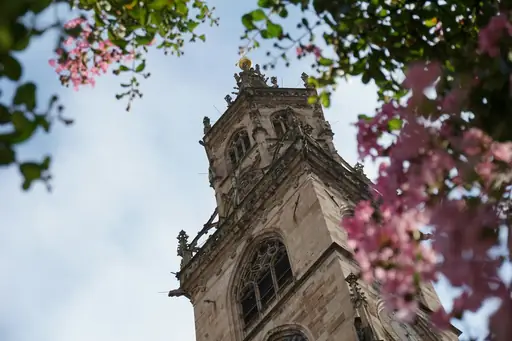
This museum holds Otzi, a naturally mummified iceman found frozen in a nearby glacier. His tattooed skin, clothing and tools remain preserved behind a small viewing window. Visitors can view a reconstruction of how Otzi looked more than five thousand years ago. Exhibits explain the forensic methods used to study his death and daily life.
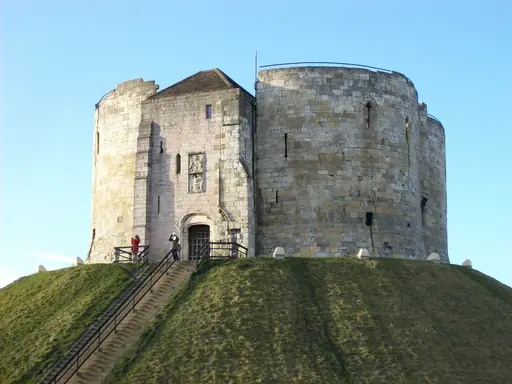
City in United Kingdom
York
Medieval Streets, Viking History and Grand Cathedrals
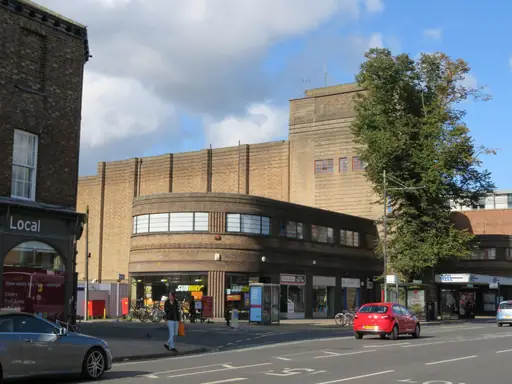
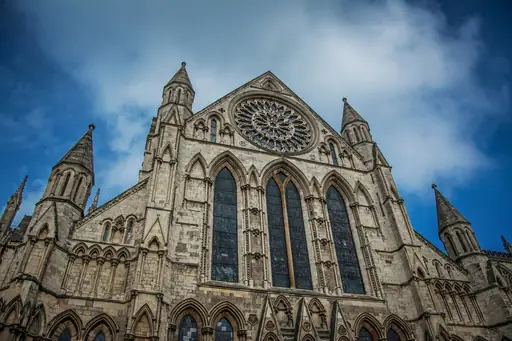
Vikings once ruled this English city, leaving behind artefacts now displayed at a dedicated centre. Actors in period costume greet visitors as they ride a small cart through recreated streets. Visitors can smell recreated Viking era scents piped through the underground exhibit halls. The York Castle Museum nearby recreates entire Victorian streets inside its galleries.
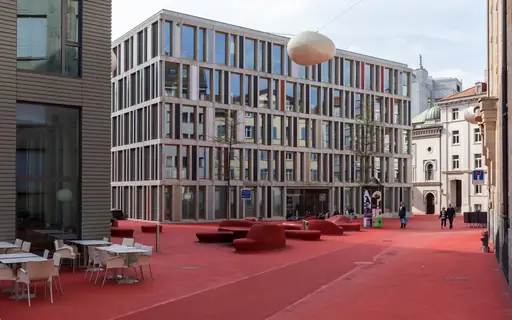
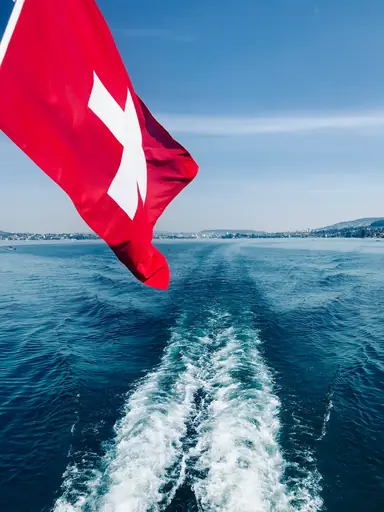
City in Switzerland
Saint Gallen
UNESCO heritage meets textile history
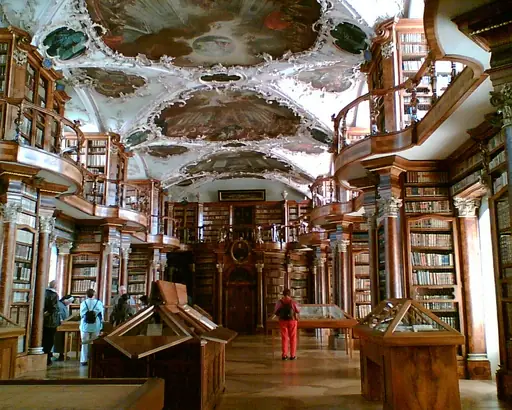
Frescoed ceilings and carved wooden shelves fill this town's baroque abbey library. Visitors must wear oversized felt slippers to protect the library's inlaid wood floor. The collection includes manuscripts dating back more than a thousand years. A mummy from ancient Egypt sits among the library's more unusual holdings.
City in Netherlands
Delft
Canals, blue pottery, Vermeer’s legacy
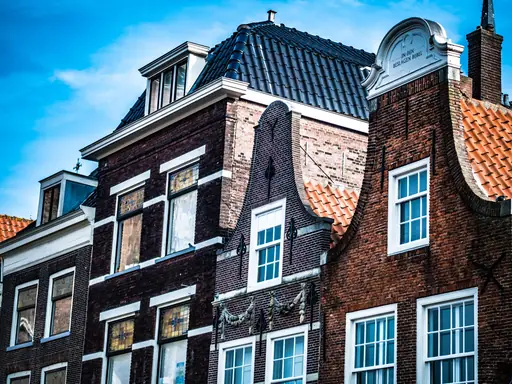
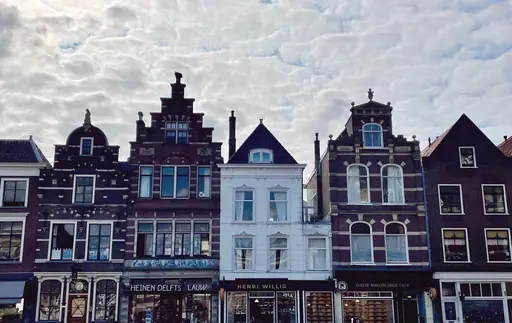
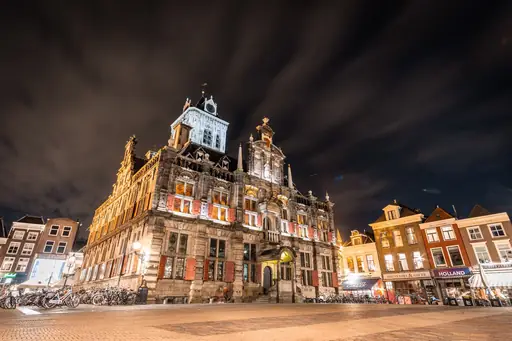
The Royal Delft factory has produced hand painted pottery since the 1600s. Visitors can watch painters apply detailed designs by hand before pieces are fired. A museum on site traces the pottery's rise as a Dutch export during the golden age. Vermeer, born in this city, is honoured at a separate centre nearby.
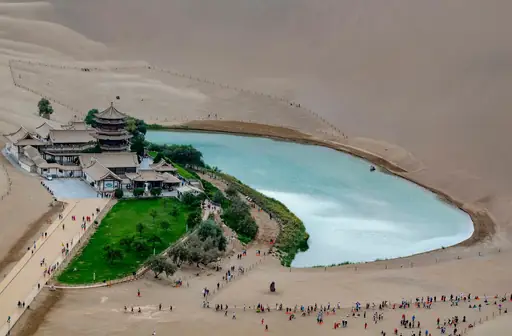
Town in China
Dunhuang
Desert Wonders and Ancient Art
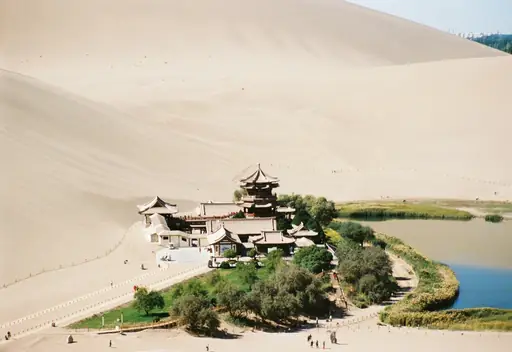
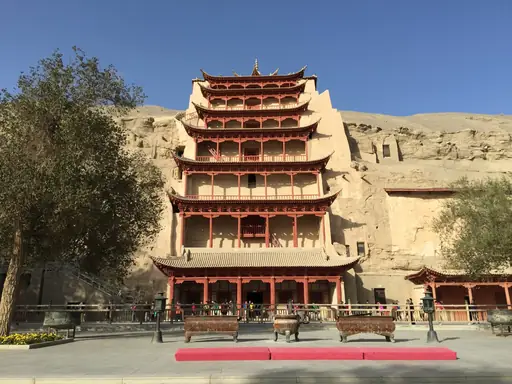
The Mogao Caves hold Buddhist murals and sculptures made across a thousand years. More than seven hundred caves line a cliff face along a former Silk Road crossing. Visitors can tour a rotating selection of caves each day, limiting wear. A research centre nearby explains manuscripts once hidden inside a sealed library cave.
City in Spain
Mérida
Roman Ruins and Timeless Drama
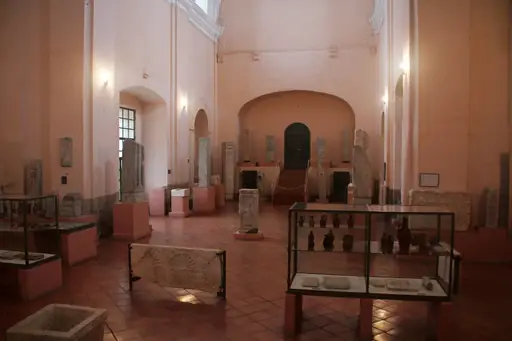
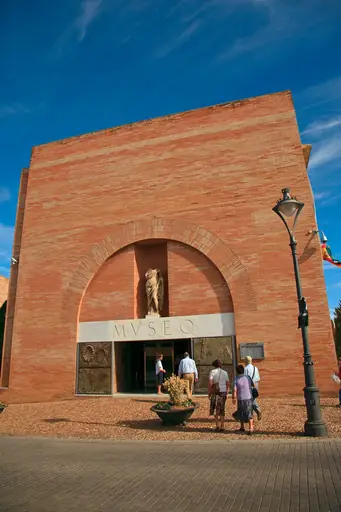
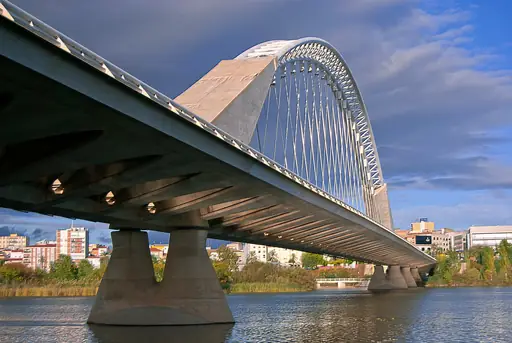
This Spanish city preserves one of the most complete Roman theatres outside Italy. Its amphitheatre once staged gladiator contests and mock naval battles for Roman crowds. Visitors can walk the same stone seating tiers still used for performances each summer. The National Museum of Roman Art nearby displays mosaics and statues from the site.
City in Italy
Milan
Fashion, Art and Historic Splendor
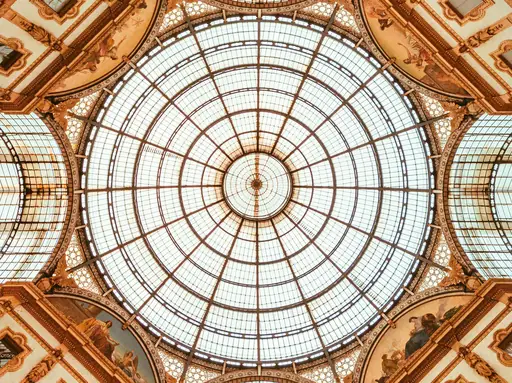
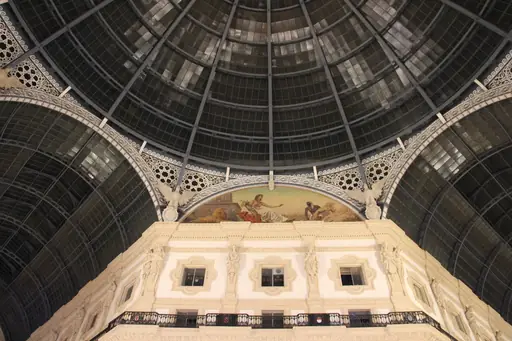
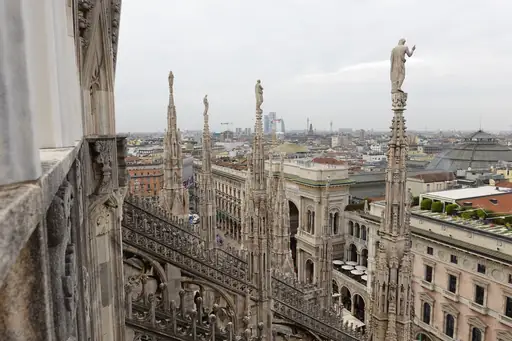
The Pinacoteca di Brera holds Italian Renaissance painting inside a former Jesuit college. Leonardo da Vinci's Last Supper hangs nearby in a refectory requiring timed tickets. Visitors can view the fragile mural in small groups given a short viewing window. The Duomo Museum adds statues and stained glass removed from the cathedral.
Country
Vatican City
World's smallest sovereign art treasury
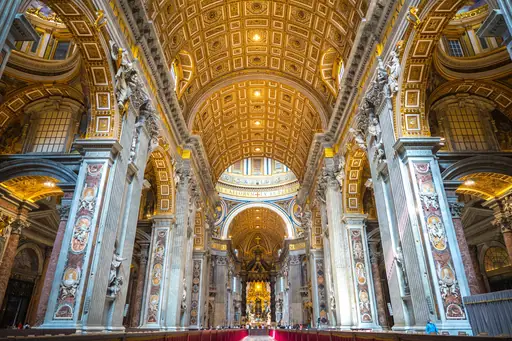
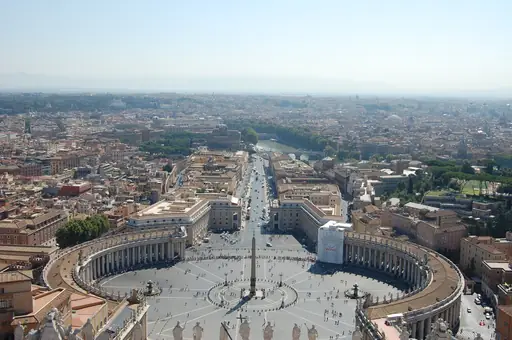
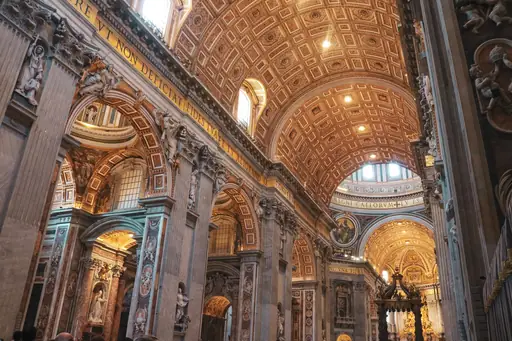
Michelangelo's ceiling frescoes inside the Sistine Chapel draw crowds through miles of connected galleries. Cardinals still gather beneath these same painted scenes to elect each new pope. Visitors can walk spiral staircases and long hallways lined with maps, tapestries and sculpture. St. Peter's Basilica next door adds Michelangelo's Pieta sculpture near its main entrance.
City in Denmark
Elsinore
Hamlet’s Castle, Harbor and History
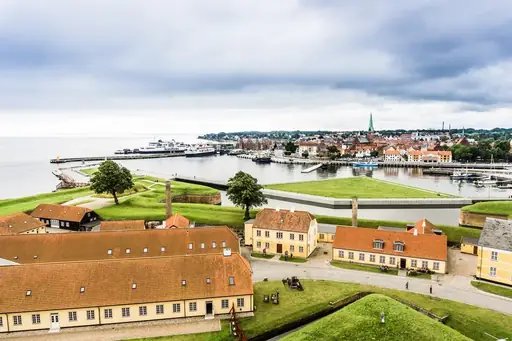
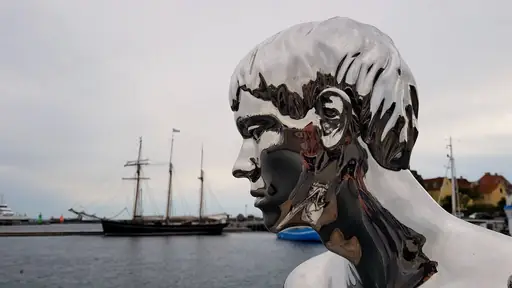
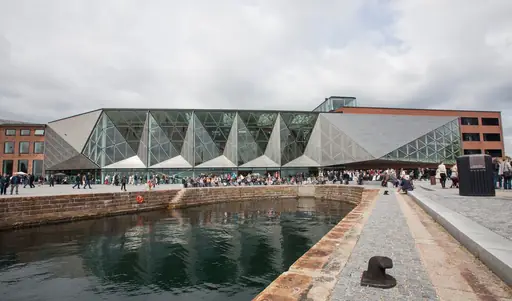
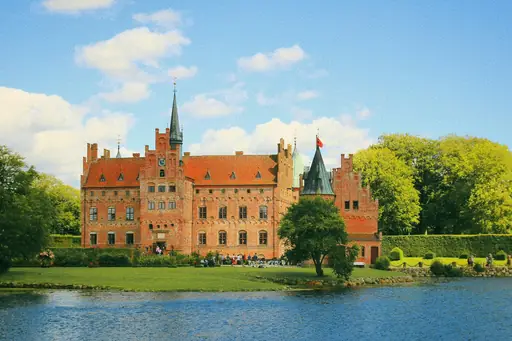
Kronborg Castle here inspired the setting for Shakespeare's Hamlet, though he never visited. Its casemates hold a statue of the legendary hero Holger Danske, said to awaken in crisis. Visitors can tour royal apartments before descending into dark underground passages. The Maritime Museum of Denmark sits nearby inside a converted dry dock.
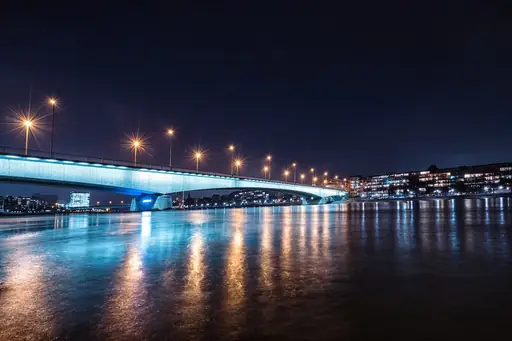
City in Switzerland
Basel
Art, history and Rhine views
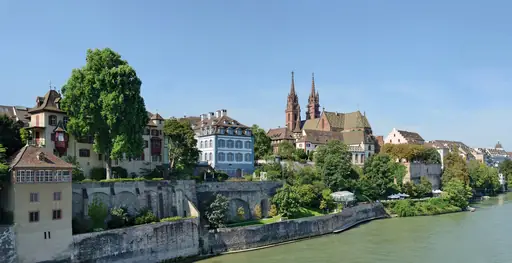
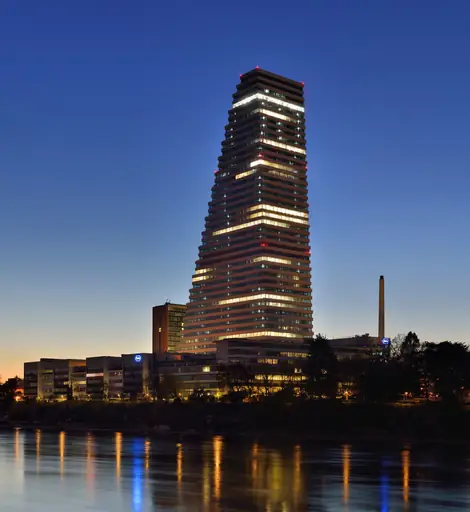
The Kunstmuseum here holds one of the oldest public art collections, dating to 1661. Fondation Beyeler, just outside the city, adds a major collection of modern masters. Visitors can tour the Tinguely Museum, devoted to kinetic sculpture by the Swiss artist. Art Basel, held each June, remains one of the art world's most watched fairs.
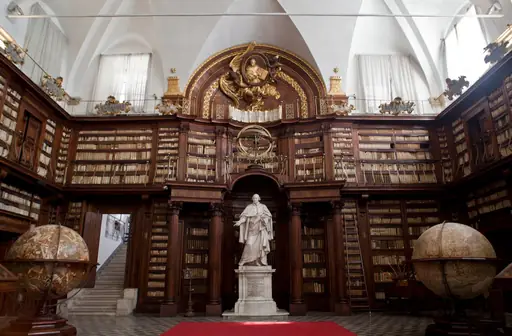
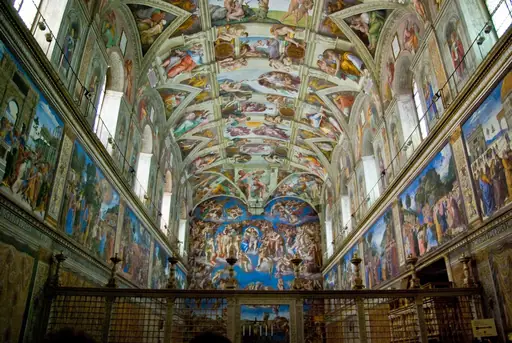
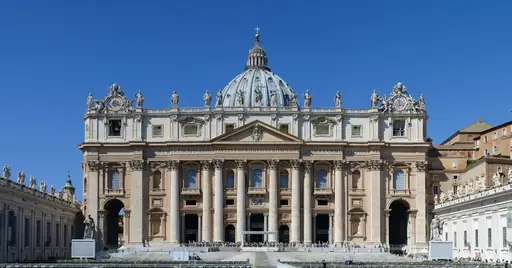
City in Italy
Rome
The Eternal City of history and charm
Gladiators once fought inside the Colosseum, an amphitheatre that could seat fifty thousand spectators. Beneath its floor, a maze of tunnels once raised animals and fighters into the arena. Visitors can walk through the underground chambers on a specially ticketed guided tour. The Capitoline Museums nearby hold ancient sculpture inside buildings designed by Michelangelo.
City in Belgium
Ghent
Medieval Canals, Art and Hip Vibes
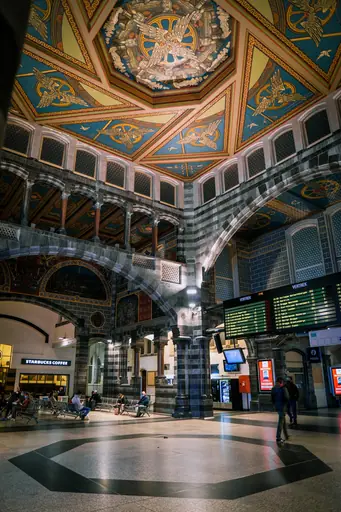
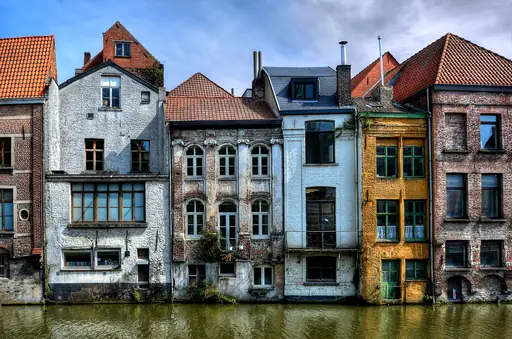
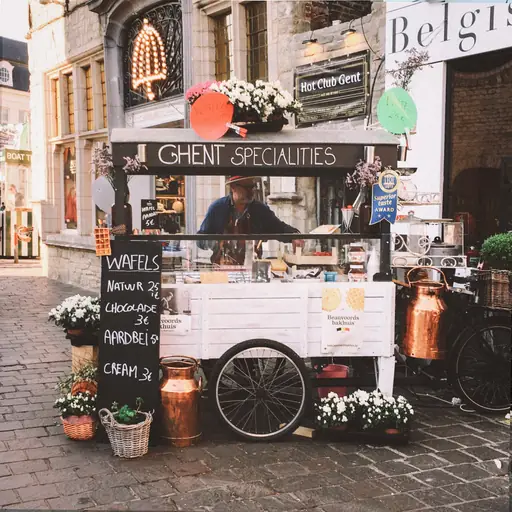
Saint Bavo's Cathedral holds the Ghent Altarpiece, painted by the van Eyck brothers. The panel has survived theft, wartime looting and a still unsolved 1934 disappearance. Visitors can view the restored panels through a visitor centre inside the cathedral. The Design Museum Gent nearby covers decorative arts from the 1600s to today.

City in Netherlands
Amsterdam
Canals, culture and a vibrant spirit
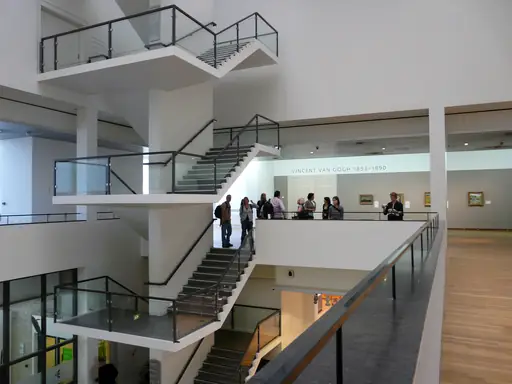
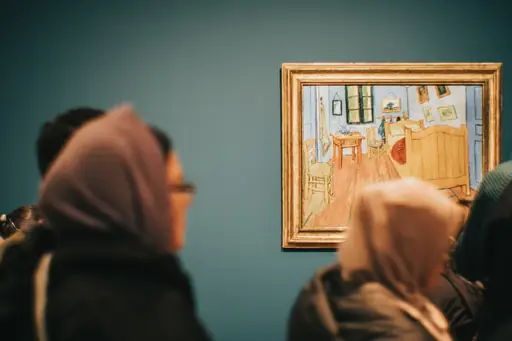
The Rijksmuseum and Van Gogh Museum sit within walking distance near Museumplein. Anne Frank House draws visitors to the building where a family hid during the war. Visitors can buy a combined ticket covering several major museums in the district. The Stedelijk Museum nearby adds a strong collection of modern and contemporary art.
City in Colombia
Bogotá
Vibrant Culture in the Andean Highlands
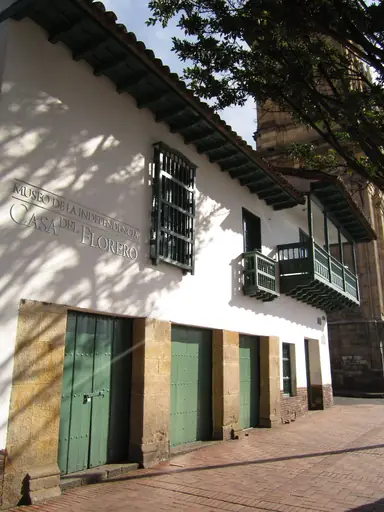
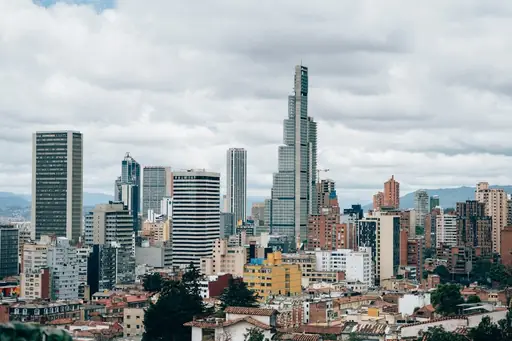
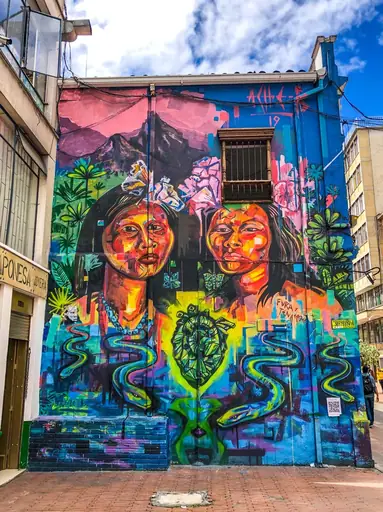
The Gold Museum displays thousands of pre-Columbian metalwork pieces by indigenous goldsmiths. A dramatic final room dims the lights around a suspended raft covered in gold figures. Visitors can view ceremonial masks and jewellery from across ancient Colombian cultures. The Botero Museum nearby holds works by the country's famous volumetric painter.
City in Denmark
Copenhagen
Scandi-cool vibes and world-class food
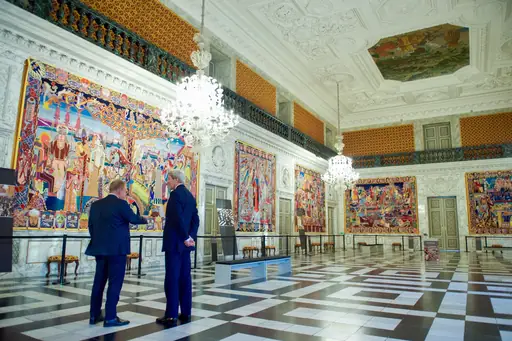
Viking artefacts through modern design trace Danish history at this Copenhagen museum. Nearby, the Glyptotek holds ancient Egyptian, Greek and Roman sculpture inside a domed winter garden. Visitors can view a well preserved Viking ship alongside Bronze Age relics in one hall. The Design Museum adds Danish furniture and industrial design spanning the twentieth century.

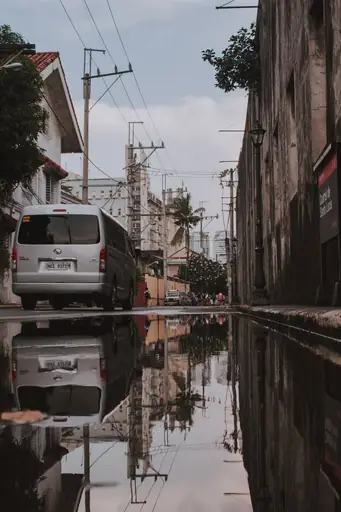
District in Manila
Intramuros
Historic Walled City of Manila
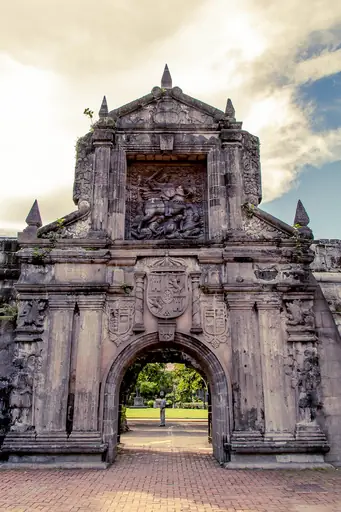
Spanish colonisers built this walled district inside Manila, encircled by stone fortifications centuries ago. Fort Santiago, a former military stronghold, held prisoners during both Spanish and Japanese occupation. Visitors can walk atop the remaining ramparts circling the old city's cobbled streets. Horse drawn carriages called calesas still carry passengers past colonial era churches and plazas.

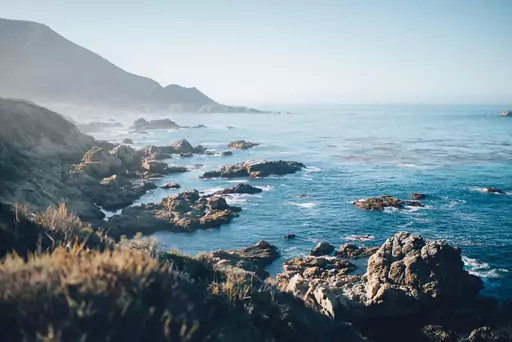
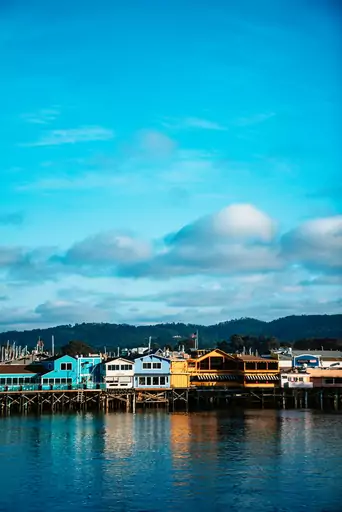
City in United States
Monterey (California)
Where Land, Sea and History Meet
The Monterey Bay Aquarium sits on the site of a former sardine cannery. Its kelp forest tank rises three stories, visible from multiple levels inside. Visitors can watch sea otters and jellyfish alongside a massive open ocean tuna tank. John Steinbeck once wrote about the same cannery row now home to the aquarium.
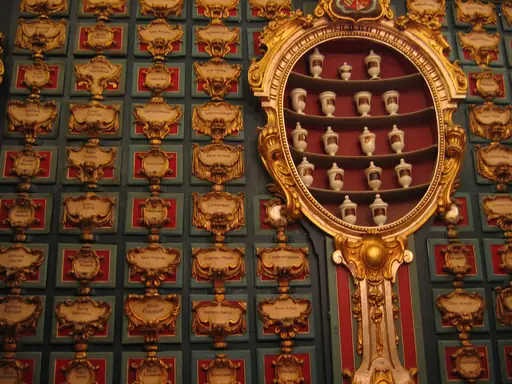
City in Spain
Madrid
A vibrant mix of culture and nightlife
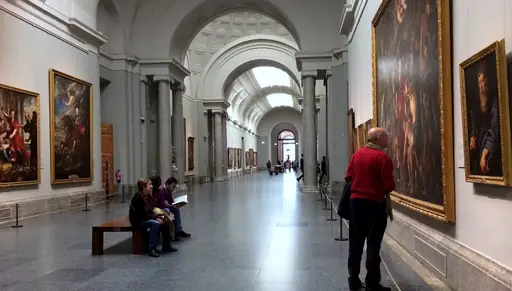
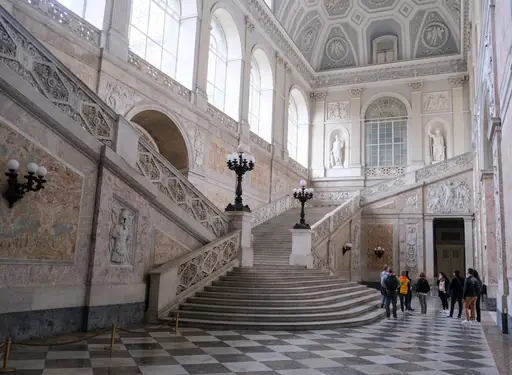
The Prado Museum holds Velazquez's Las Meninas among centuries of Spanish royal painting. The Reina Sofia nearby displays Picasso's Guernica inside a converted eighteenth century hospital. Visitors can walk the Golden Triangle of Art connecting three major museums within one district. The Thyssen-Bornemisza rounds out the trio with a private collection spanning eight centuries.
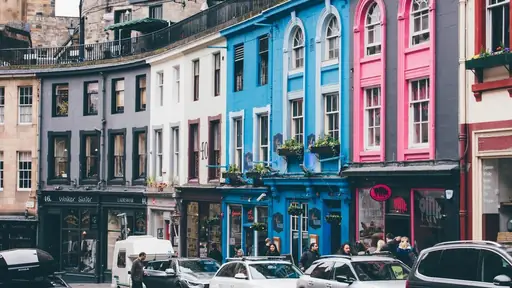
City in United Kingdom
Edinburgh
History, Culture and Festival Fever
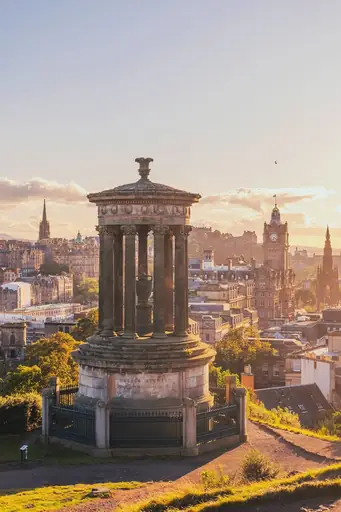
The National Museum of Scotland traces the country's history from prehistory to today. Dolly the Sheep, cloned from an adult cell in 1996, stands taxidermied on display inside. Visitors can view the Lewis Chessmen, medieval carved walrus ivory pieces, in a case. The Scottish National Gallery nearby adds works by Titian, Rembrandt and Scottish painters.
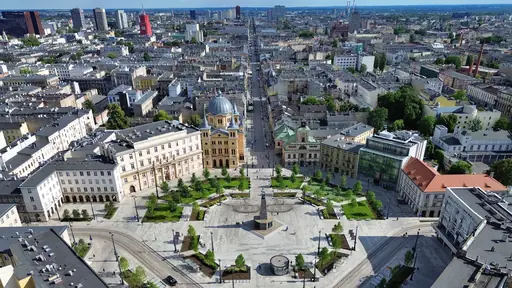
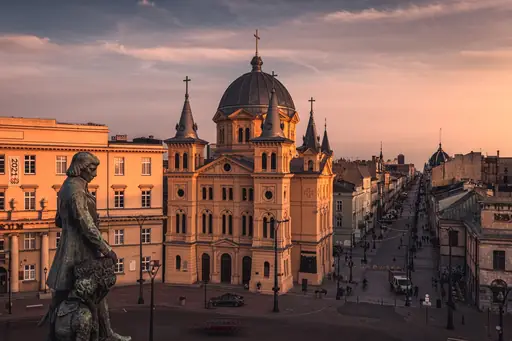
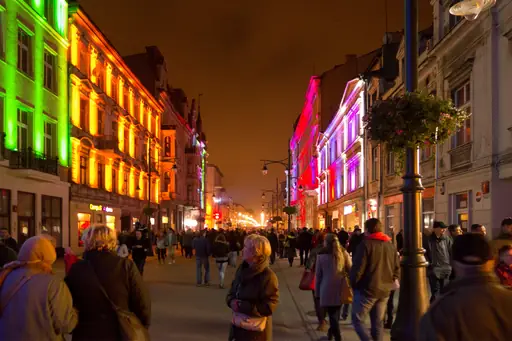
City in Poland
Łódź
Industrial heritage meets vibrant cultural scene
A former textile magnate's opulent palace now houses this Lodz city museum. Its interiors preserve gilded ceilings and grand staircases from the industrial era's wealthiest families. Visitors can tour rooms furnished as they appeared under the Poznanski family's ownership. The nearby Central Museum of Textiles traces the industry that once defined this city.
Country in United Kingdom
England
Historic Nation of Timeless Charm
The British Museum in London holds artefacts spanning two million years of history. Oxford and Cambridge each hold university museums filled with antiquities and art. Visitors can tour countless free museums across English cities, funded by donors. Regional museums in York, Liverpool and Manchester add maritime and industrial history.
City in Canada
Ottawa
Canada's green and cultural capital
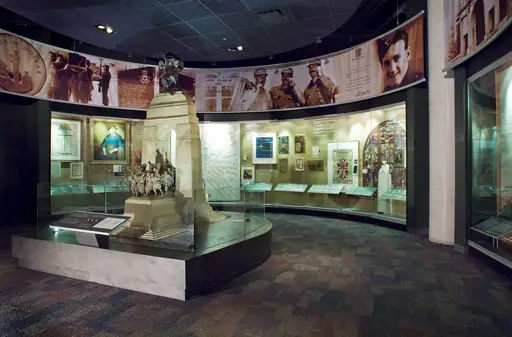
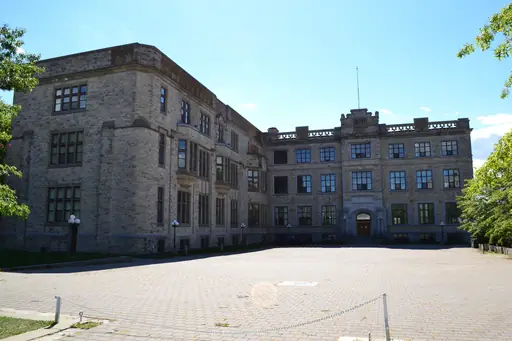
Canada moved its national museums here after the city became the capital in 1867. The National Gallery's glass tower rises beside a giant bronze spider sculpture at its entrance. Visitors can view Indigenous Canadian art alongside European masterworks across connected galleries. The Canadian War Museum nearby uses sloped concrete walls to evoke wartime history.
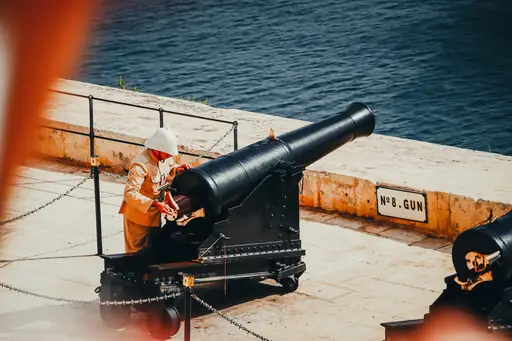
City in Malta
Valletta
A historic gem by the sea
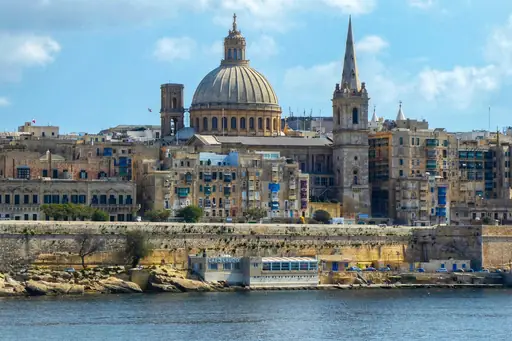
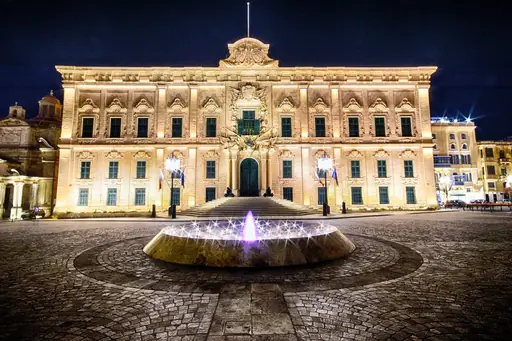
Knights of Malta built this fortified capital after surviving an Ottoman siege in 1565. St. John's Co-Cathedral holds a Caravaggio painting, one of his few signed works. Visitors can view his beheading of John the Baptist inside a side chapel. The National Museum of Archaeology nearby displays temple carvings older than Stonehenge.
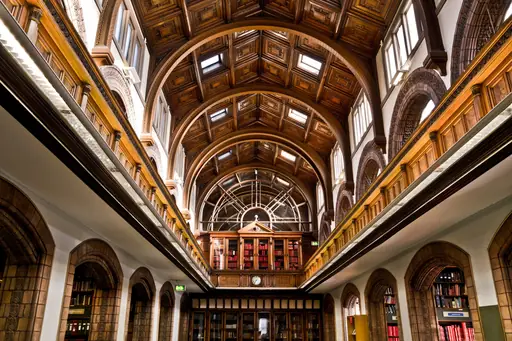
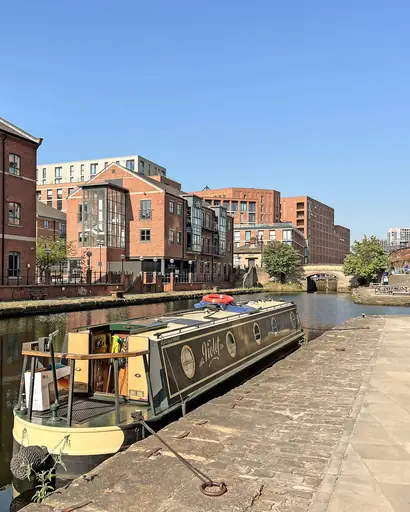
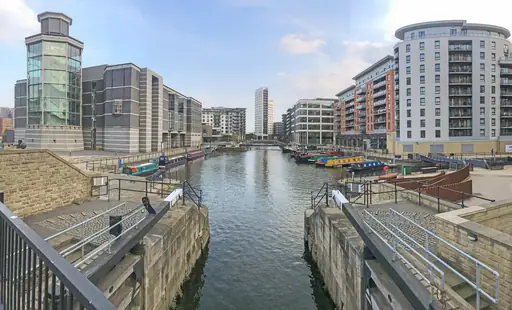
City in United Kingdom
Leeds
Northern England's Dynamic Cultural Hub
The Royal Armouries houses one of the country's largest collections of arms and armour. Its galleries organise weapons by theme, from tournament jousting gear to Asian martial traditions. Visitors can watch live jousting and combat demonstrations staged in an outdoor tiltyard. Leeds Art Gallery nearby adds a strong collection of English sculpture and painting.
City in Germany
Bremerhaven
Maritime Charm on the North Sea
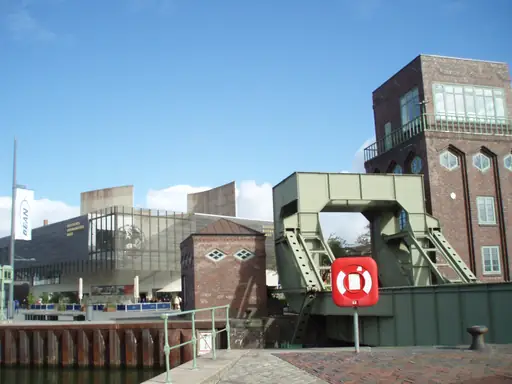
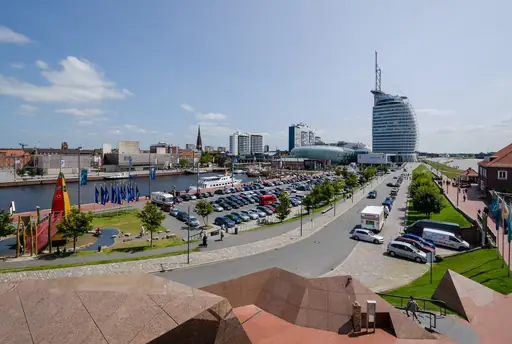
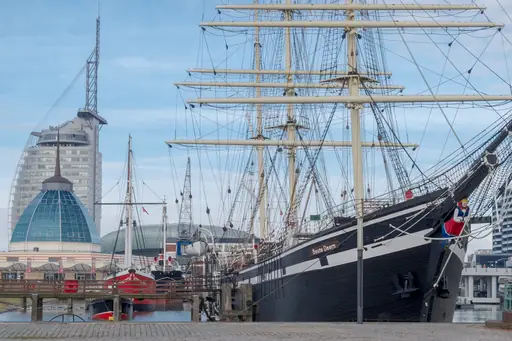
The German Emigration Center traces the journeys of millions who departed from this port. Visitors follow the story of a specific historical emigrant chosen at the entrance. A reconstructed ship's steerage deck lets guests feel the cramped conditions of the crossing. The nearby Climate House simulates ecosystems along a single line of longitude.

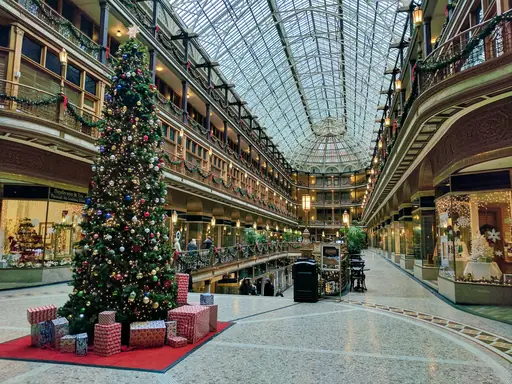
City in United States
Cleveland
Rock Legends, Lake Views, Local Grit
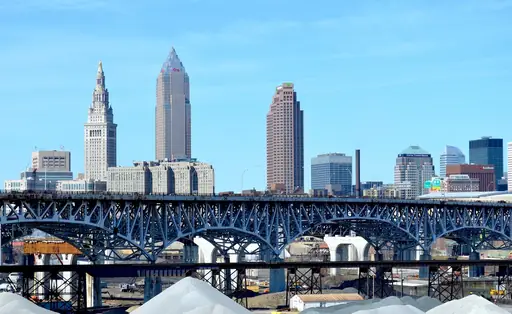
The Cleveland Museum of Art offers free admission to a collection spanning centuries. Its armour court displays suits of medieval plate armour alongside historic edged weapons. Visitors can view Caravaggio and Monet paintings across galleries by region and period. The Rock and Roll Hall of Fame nearby honours musicians through instruments and memorabilia.
City in United States
Philadelphia
History, art and cheesesteaks collide
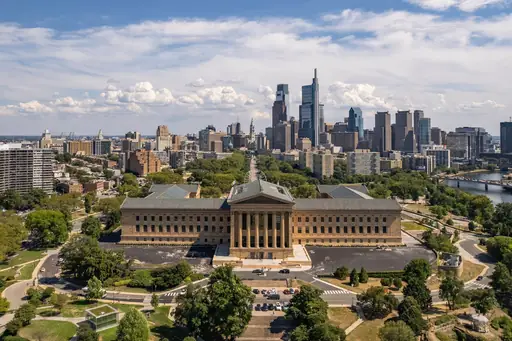
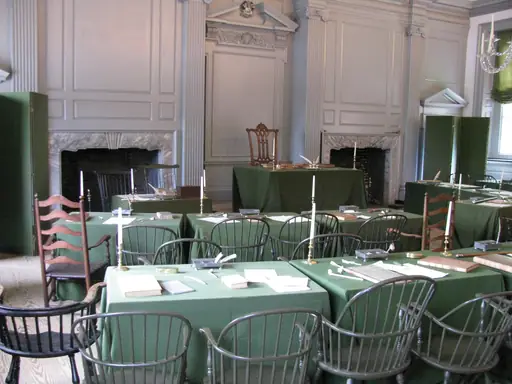
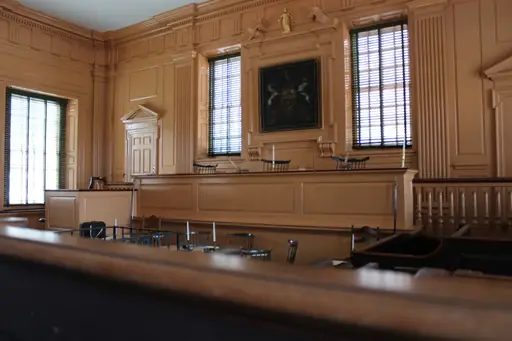
A cracked bell sits on display steps from where delegates signed the Declaration. Independence Hall's assembly room later hosted the drafting of the Constitution. Visitors can join a ranger led tour through the chamber where both documents formed. The Philadelphia Museum of Art nearby adds steps made famous by the film Rocky.
City in France
Toulouse
Pink-brick beauty on the Garonne
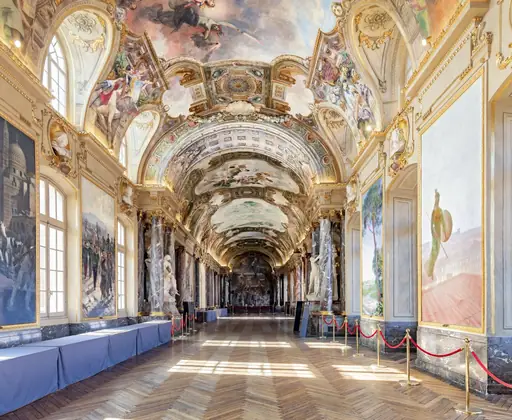
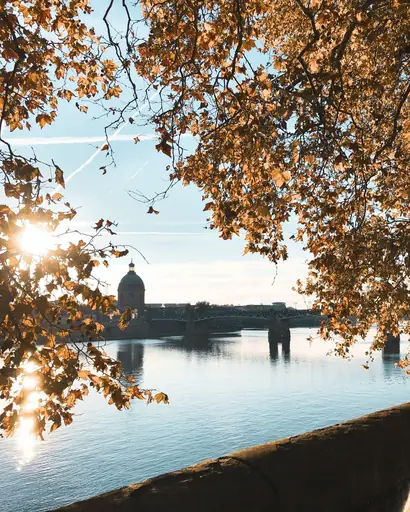
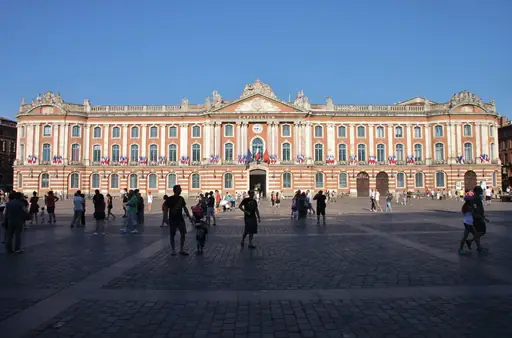
Pink brick buildings across this city give it the nickname La Ville Rose locally. The Augustins Museum occupies a former monastery, displaying sculpture inside its Gothic cloister gardens. Visitors can walk past gargoyles and carved capitals salvaged from demolished medieval churches. The Aeroscopia museum nearby traces the city's role in French aviation history.
City in France
Lille
French-Flemish flair and foodie fun
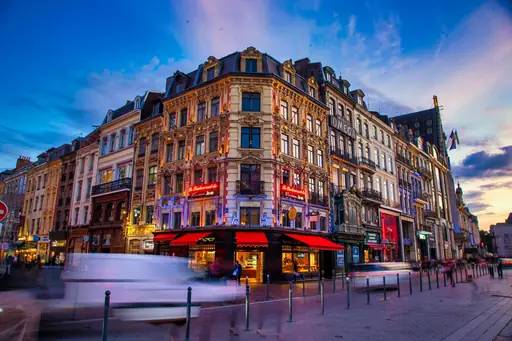
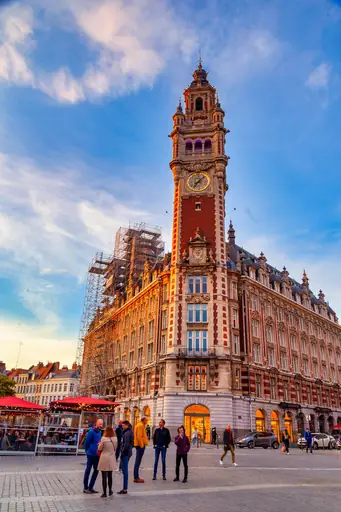
The Palais des Beaux-Arts holds France's second largest art collection outside Paris itself. Its galleries display Flemish, Dutch and French painting across grand nineteenth century halls. Visitors can view Rubens and Goya works alongside a strong collection of ceramics. LaM nearby adds modern, contemporary and outsider art inside a purpose built complex.
City in Egypt
Giza
Timeless Pyramids on Cairo’s Edge
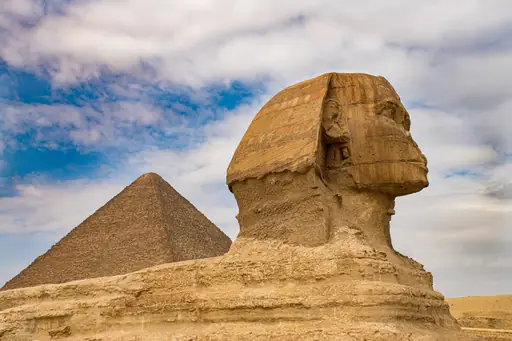
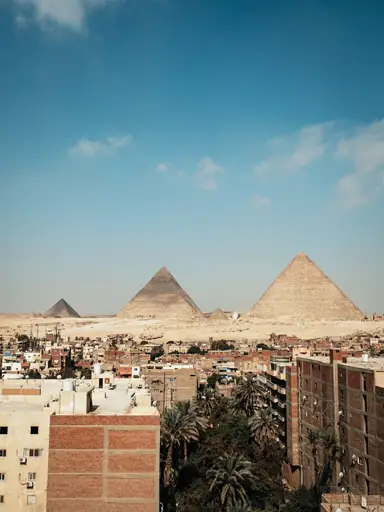
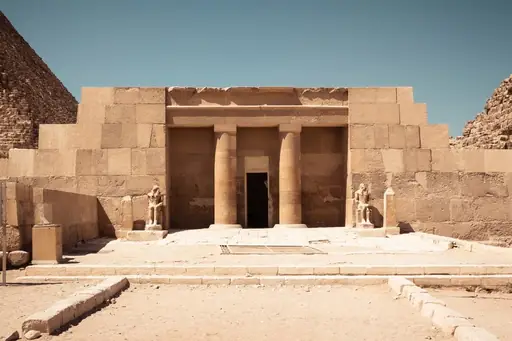
The Grand Egyptian Museum sits within view of the pyramids it was built to complement. Tutankhamun's full collection of treasures now reunites here under a single roof. Visitors can view a monumental statue of Ramesses II inside the museum's soaring atrium. Escalators offer a direct sightline towards the pyramids through the museum's glass facade.

City in United States
Denver
Sunshine, Culture and Rocky Peaks
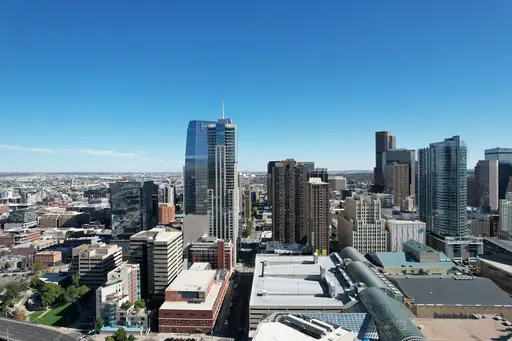
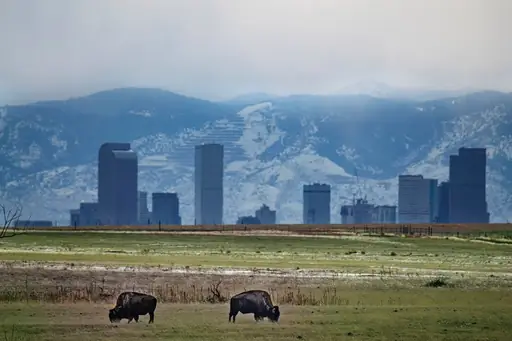
The Denver Art Museum's angular titanium building looks unlike its neighbouring architecture. Its collection holds one of the largest gatherings of Native American art in the country. Visitors can view Indigenous pottery and textiles alongside a growing contemporary wing. The nearby History Colorado Center traces the state's mining and ranching past.
City in Egypt
Cairo
Where ancient history meets bustling life
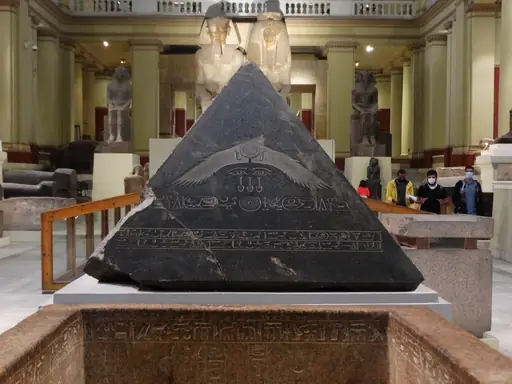
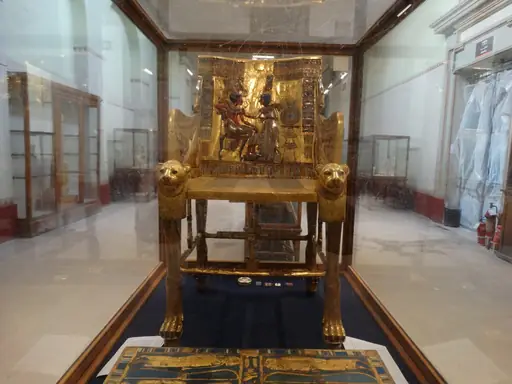
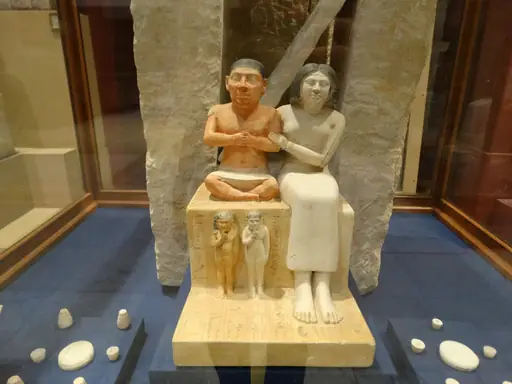
The Egyptian Museum holds treasures from Tutankhamun's tomb, including his golden burial mask. A newer museum near the Giza pyramids has taken over much of its larger collection. Visitors can view royal mummies in a dedicated hall requiring a separate ticket. The Museum of Islamic Art nearby adds artefacts spanning more than a thousand years.
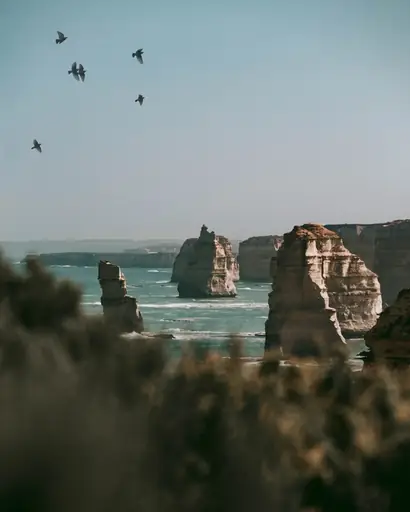
City in Australia
Melbourne
The heart of culture and coffee
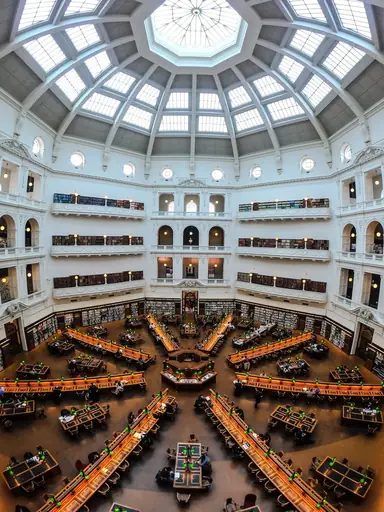
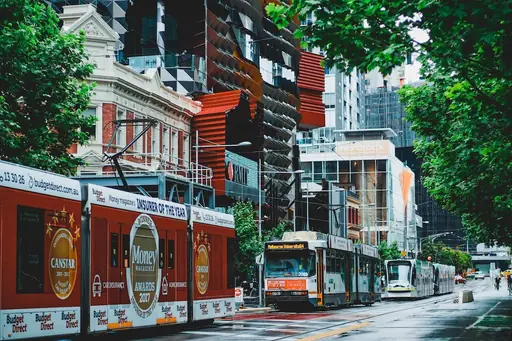
The National Gallery of Victoria holds Australia's oldest and largest public art collection. Its stained glass ceiling above the Great Hall creates a colourful, shifting light display. Visitors can view Indigenous Australian art alongside European masters across separate connected buildings. The Melbourne Museum nearby adds natural history and a full sized blue whale skeleton.
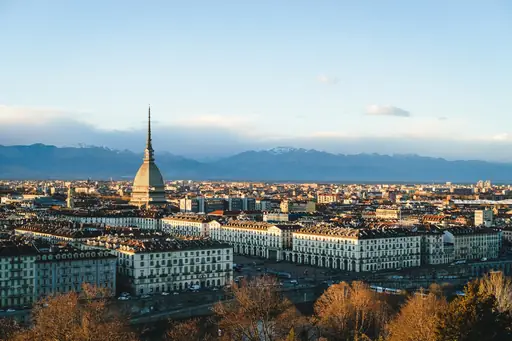
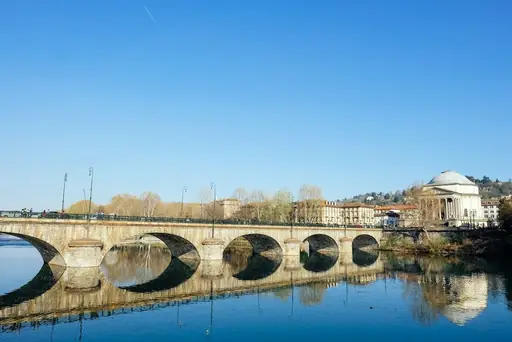
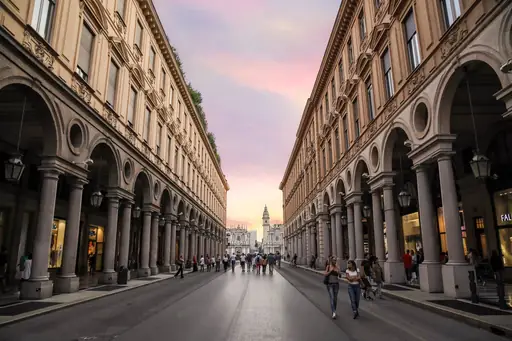
City in Italy
Turin
Baroque Grandeur, Chocolate and Alps
The Egyptian Museum here holds the world's largest collection of Egyptian artefacts outside Cairo itself. Its holdings began with a purchase made by a Savoy king in the 1820s. Visitors can view sarcophagi and papyri across galleries considered among Europe's finest Egyptology displays. The National Automobile Museum nearby traces Italy's long history of car manufacturing.
City in France
Marseille
Grit, grandeur and Mediterranean soul
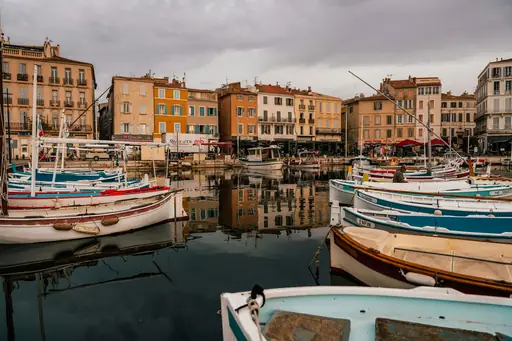
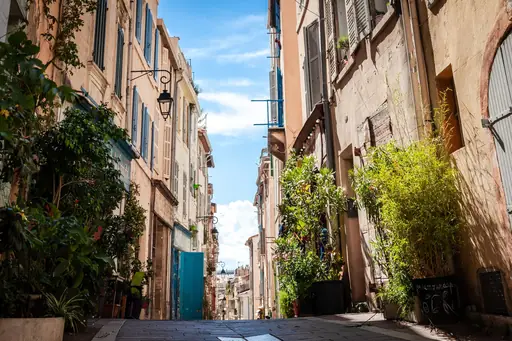
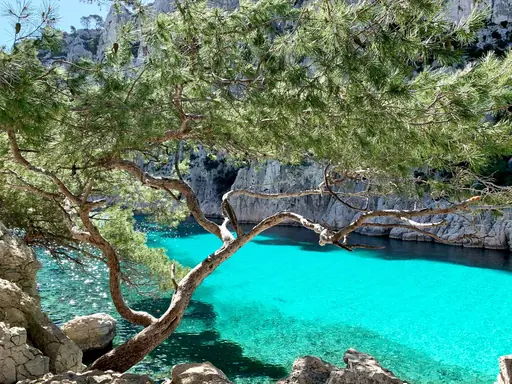
The MuCEM sits on the harbour, connected to a historic fort by a footbridge. Its collection covers Mediterranean civilisations from ancient trade routes to modern migration. Visitors can walk the rooftop bridge for views over the port and old town. The Regards de Provence museum nearby occupies a former quarantine station.
Town in Greece
Delphi
The legendary oracle of Greece
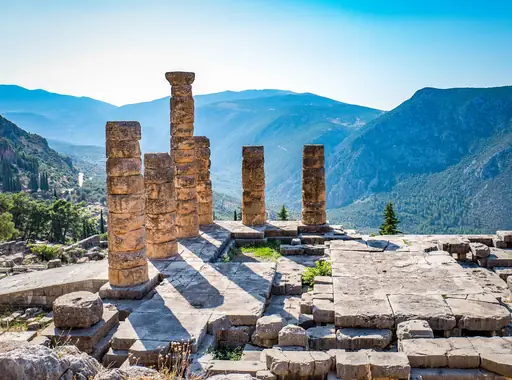
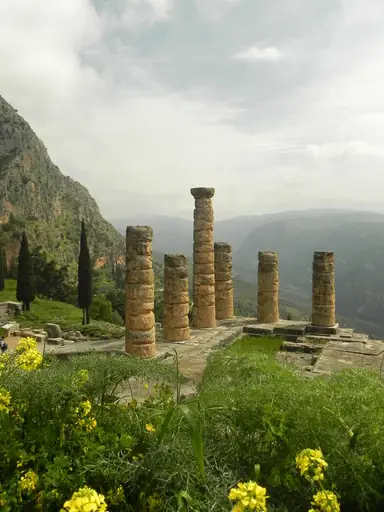
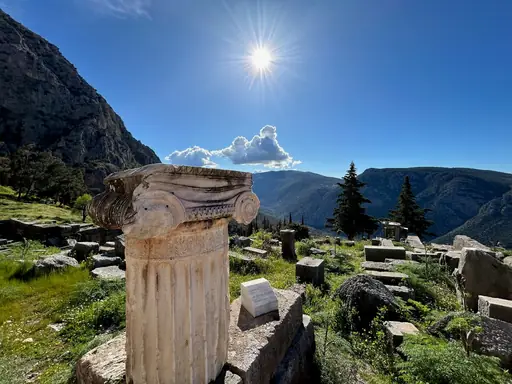
Ancient Greeks travelled here to consult an oracle believed to speak for Apollo. Ruins of a temple, theatre and stadium climb Mount Parnassus above the valley. Visitors can view a museum displaying bronze statues and friezes recovered from the site. The Sphinx of Naxos, an ancient votive offering, stands among the museum's finest pieces.
City in Germany
Cologne
Where history meets a vibrant lifestyle
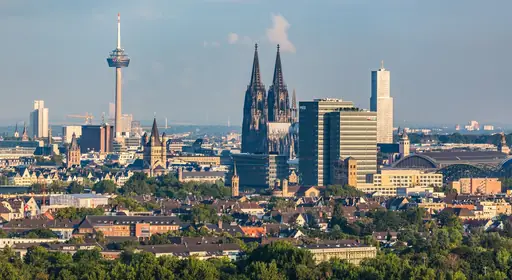
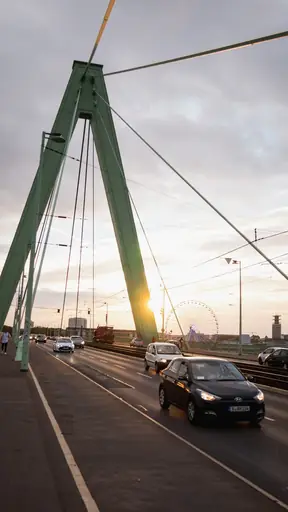
The Ludwig Museum holds one of Europe's largest collections of American pop art. Its holdings include major Picasso works alongside a strong collection of Russian avant garde art. Visitors can tour the Roman-Germanic Museum next door for artefacts from the city's founding. Cologne Cathedral towers above both museums, visible from galleries throughout.
City in Norway
Oslo
Scandinavia’s modern capital in nature’s embrace
The Viking Ship Museum displays three original ships pulled from nearby burial mounds. Wooden carvings and grave goods buried with the vessels sit preserved in cases. Visitors can walk around each hull, still largely intact after nearly a thousand years. The Fram Museum nearby adds a polar vessel used in Arctic expeditions.
City in South Korea
Seoul
Where Tradition Meets High-Tech Marvels
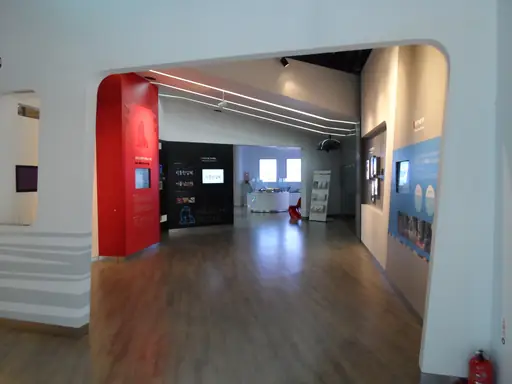
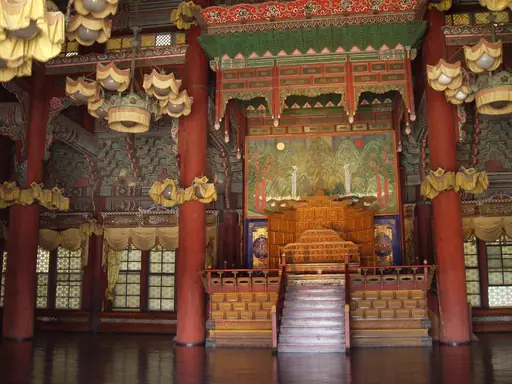
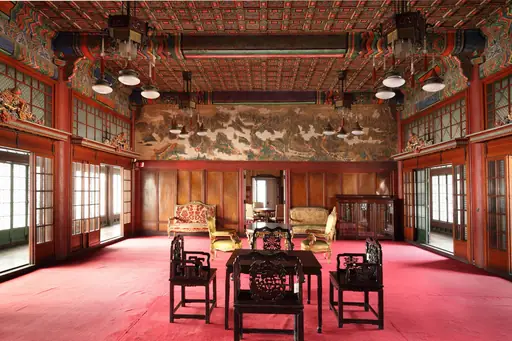
The National Museum of Korea holds a ten story pagoda carved from marble centuries ago. Its collection spans Bronze Age pottery through Joseon dynasty court paintings and calligraphy. Visitors can view celadon ceramics prized for a jade tinted glaze unique to Korea. The War Memorial of Korea nearby documents the conflict that divided the peninsula.

City in Japan
Nara
Giant Buddha, tame deer and ancient temples
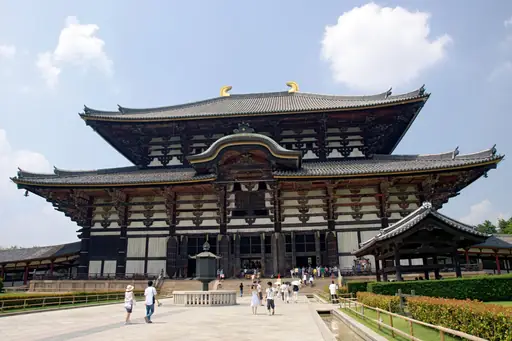
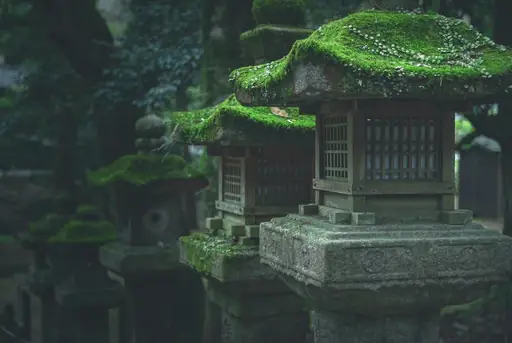
Nara served as Japan's first permanent capital, starting in the year 710. Todai-ji temple from that era still houses one of the country's largest bronze Buddhas. Visitors can feed the sacred deer that roam freely through the park grounds. The Nara National Museum nearby adds Buddhist sculpture tied to the city's founding.
City in United States
Washington, D.C.
Capital of History and Culture
Nineteen museums fall under the Smithsonian Institution, most offering free admission year round. Its collections range from the Wright brothers' plane to Dorothy's ruby slippers from Oz. Visitors can spend days moving between buildings covering art, history, air and space. The National Gallery of Art nearby adds a rare Leonardo da Vinci painting.
City in South Africa
Cape Town
Mountains, Beaches and a Vibrant Culture
The Zeitz Museum of Contemporary Art Africa occupies a converted grain silo on the harbour. Its carved atrium, hollowed from a single grain corn, spirals up through the building's core. Visitors can view rotating exhibitions of contemporary African art across gallery floors. The District Six Museum nearby documents a neighbourhood destroyed under apartheid.
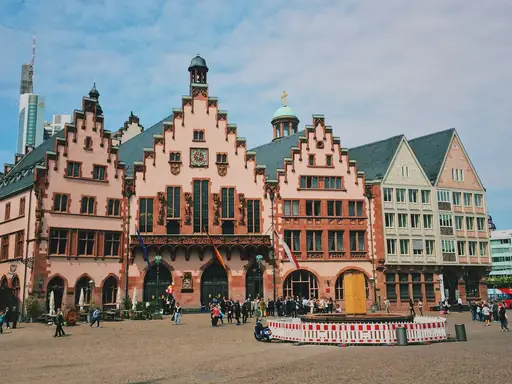
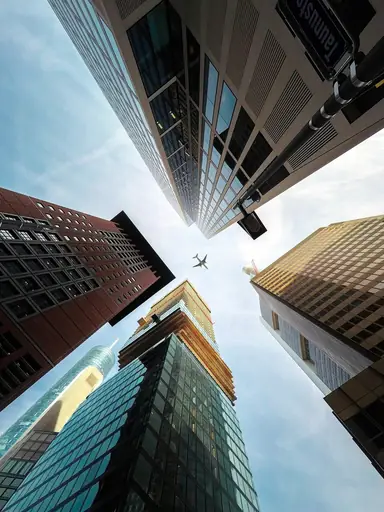
City in Germany
Frankfurt am Main
Skylines, history and cider culture
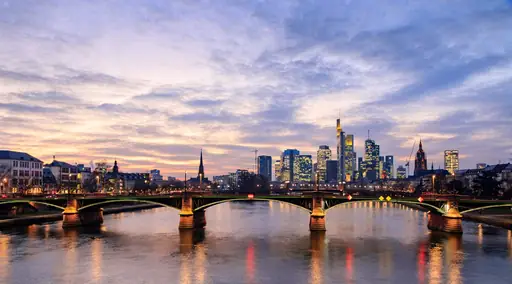
The Stadel Museum holds a collection spanning seven centuries of painting and sculpture. Its riverside Museumsufer district gathers more than a dozen museums along one stretch. Visitors can tour the Goethe House, the writer's birthplace, furnished in period style. The Senckenberg Natural History Museum nearby displays dinosaur skeletons and fossils.
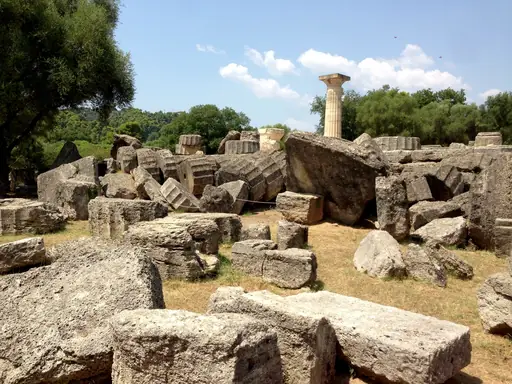
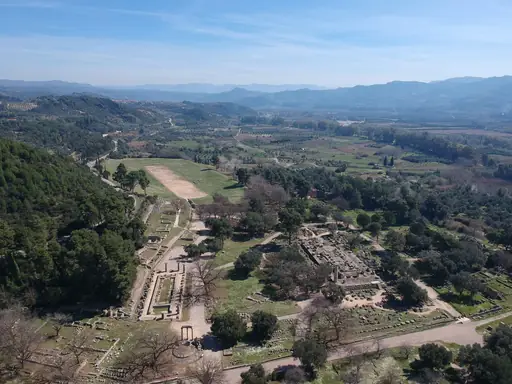
Town in Greece
Olympia
Birthplace of the Olympic Games
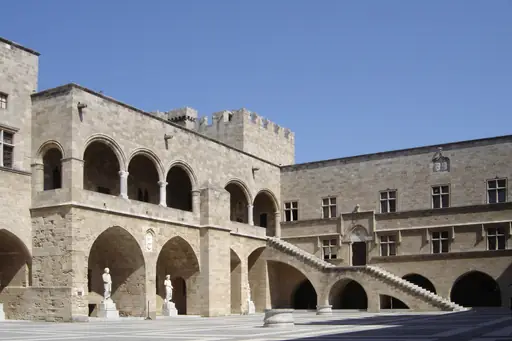
Unlike Delphi's oracle, this site venerated athletes, hosting the earliest recorded Olympic Games. Ruins of a stadium and gymnasium still mark where ancient competitors trained. Visitors can walk the same track runners used more than two thousand years ago. The site museum displays a statue of Hermes carved by the sculptor Praxiteles.
City in Netherlands
Rotterdam
A modern city with a creative soul
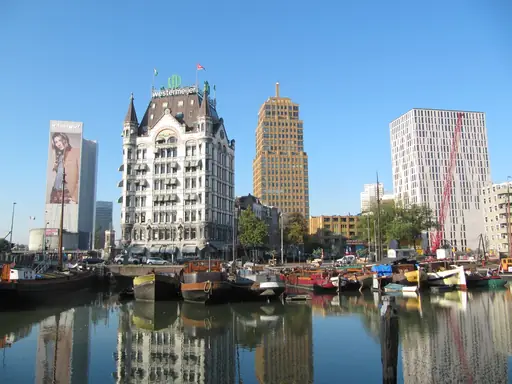
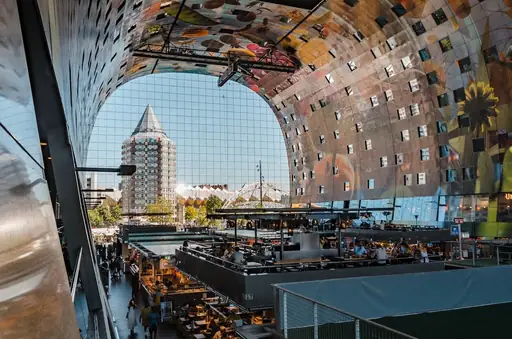
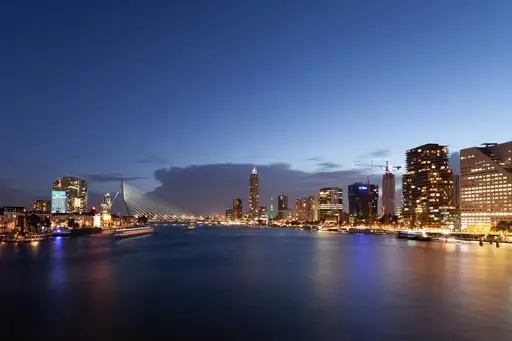
Allied bombing levelled much of this city's centre in 1940. Kunsthal Rotterdam later rose among the rebuilt architecture, hosting rotating exhibitions. Visitors can view the Cube Houses nearby, tilted apartments built as an experiment. The Boijmans Van Beuningen museum adds Old Masters and surrealist painting.
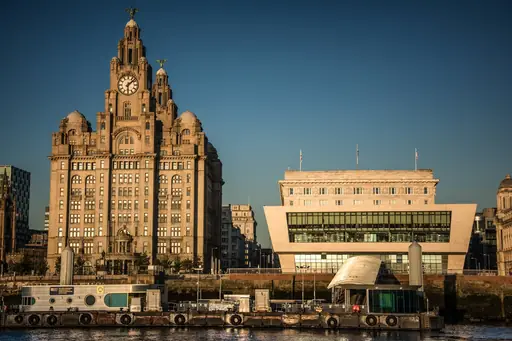
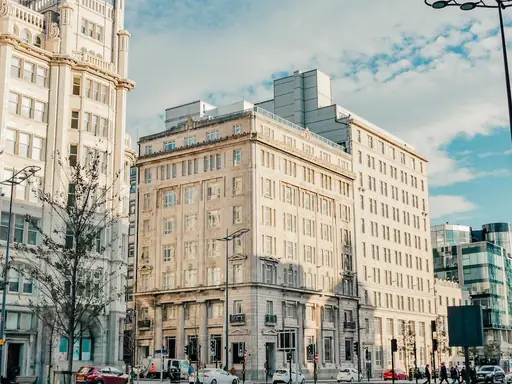
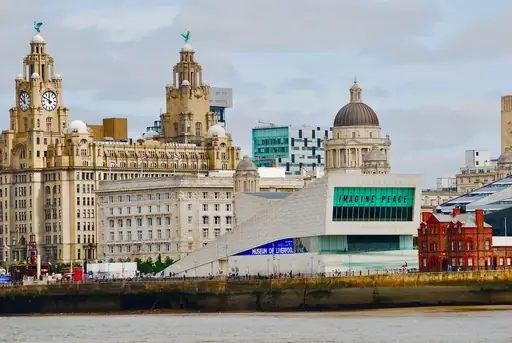
City in United Kingdom
Liverpool
Music Legends, Waterfront Wonders, Culture
The British Music Experience traces popular music history inside a converted dockside warehouse complex. The Beatles Story nearby recreates the band's rise through recreated sets and memorabilia. Visitors can walk through a replica Cavern Club where the band performed early shows. Tate Liverpool adds modern and contemporary art inside the same waterfront Albert Dock complex.
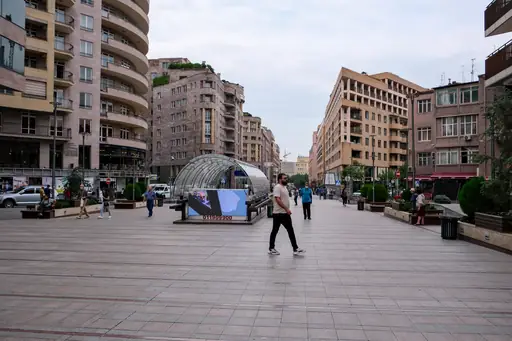
City in Armenia
Yerevan
Soviet Grandeur, Pink Stone, Lively Soul
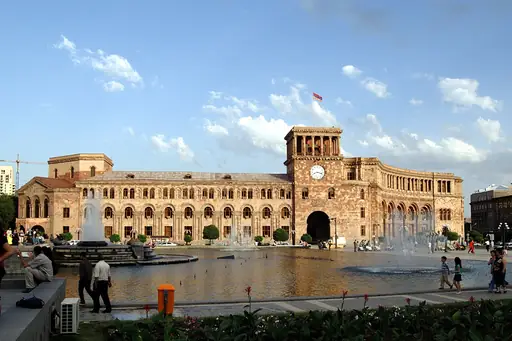
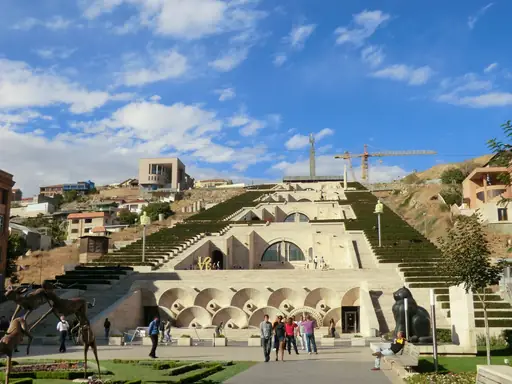
The Matenadaran holds one of the world's largest collections of ancient Armenian manuscripts. Illuminated gospels and scientific texts survive here from as early as the fifth century. Visitors can view manuscripts written in Armenia's own distinct alphabet, created for religious translation. The Armenian Genocide Museum nearby documents the atrocities committed during World War I.
City in Greece
Heraklion
Ancient Wonders Meet Mediterranean Charm
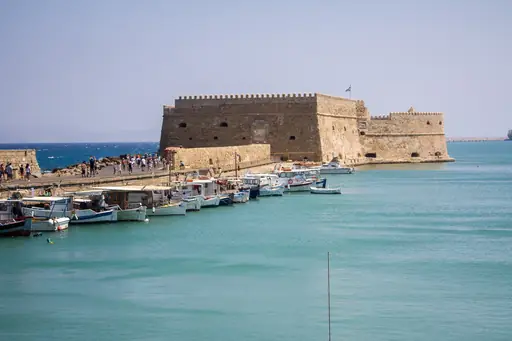
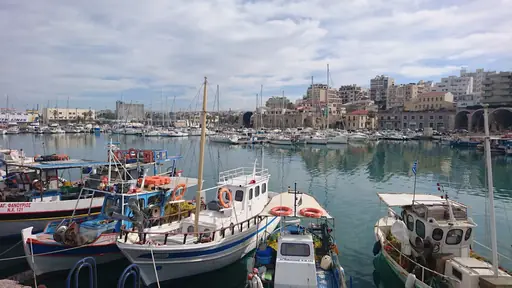
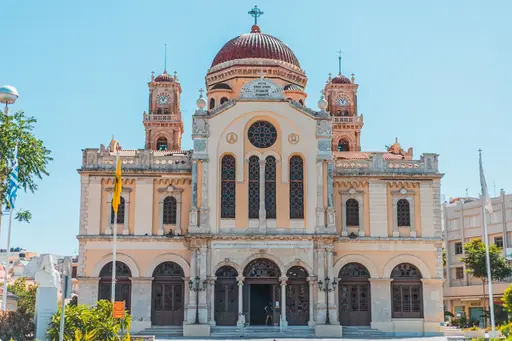
The Archaeological Museum here holds the world's finest collection of Minoan civilisation artefacts. Frescoes recovered from the nearby Knossos palace ruins fill several of its main galleries. Visitors can view painted bull leaping scenes alongside gold jewellery from Bronze Age tombs. Knossos itself, a short drive away, adds reconstructed ruins tied to the museum's collection.
City in Austria
Vienna
A Symphony of Culture and Elegance
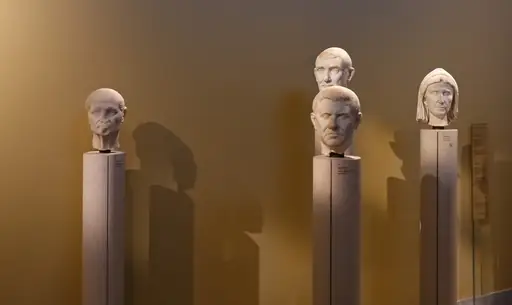
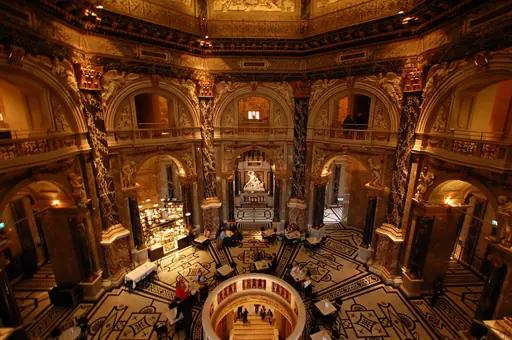
Habsburg emperors ruled from this city's Hofburg Palace complex for more than six centuries. The Museum of Art History holds one of the world's most significant Habsburg imperial collections. Visitors can view works by Bruegel, Vermeer and Raphael across the museum's picture galleries. The Belvedere Palace nearby displays Gustav Klimt's painting The Kiss.
City in Germany
Bonn
Beethoven’s Birthplace on the Rhine
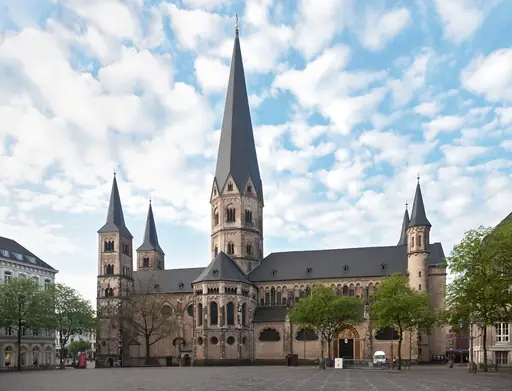
The Beethoven House preserves the composer's birthplace, filled with instruments and original manuscripts. A dedicated concert hall nearby hosts recitals tied to the composer's legacy each year. Visitors can view Beethoven's ear trumpets and other personal objects from his later, deaf years. The Bundeskunsthalle adds rotating exhibitions on art, history and science across its galleries.
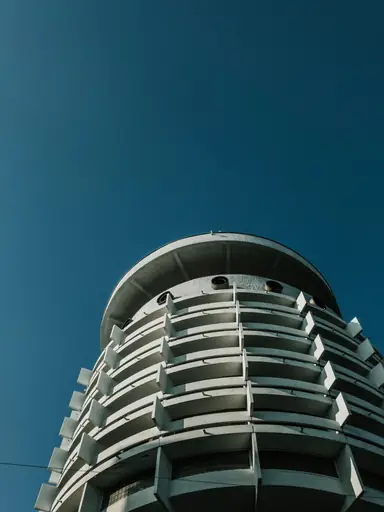
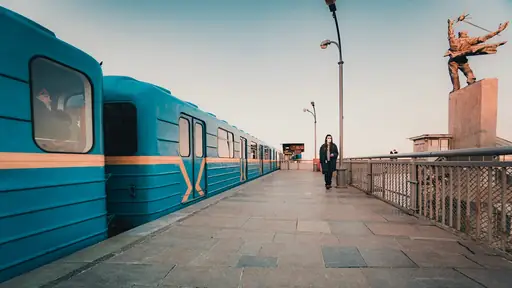
City in Ukraine
Kyiv
A city of golden domes
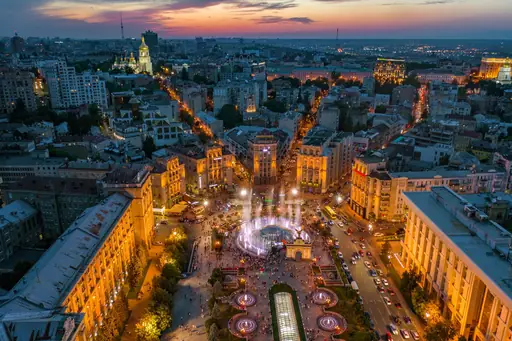
The Pechersk Lavra monastery complex holds underground catacombs lined with preserved monks' remains. Its golden domes rise above a hillside overlooking the Dnieper River below. Visitors can descend into candlelit tunnels connecting centuries old chapels and burial chambers. The National Art Museum of Ukraine nearby covers the country's painting from icons to modern work.
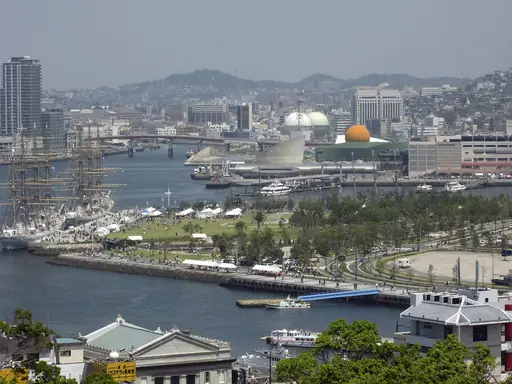
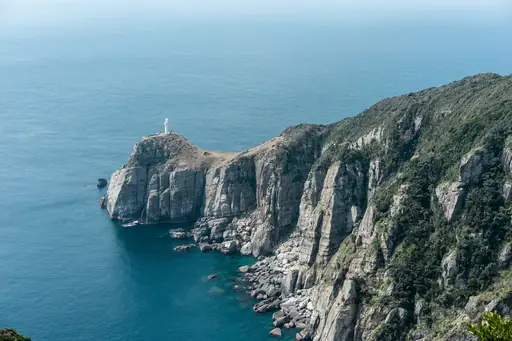
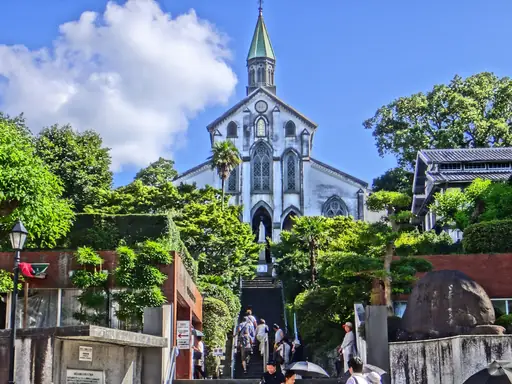
City in Japan
Nagasaki
Peace memorials, trade history and harbour views
The Atomic Bomb Museum documents the 1945 bombing through photographs, artefacts and survivor accounts. A stopped clock recovered from the blast site marks the exact moment of detonation. Visitors can walk through exhibits tracing the city's recovery in the decades that followed. Peace Park nearby holds sculptures donated by countries advocating for nuclear disarmament.
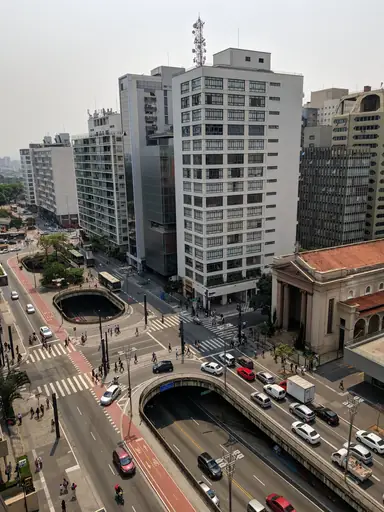
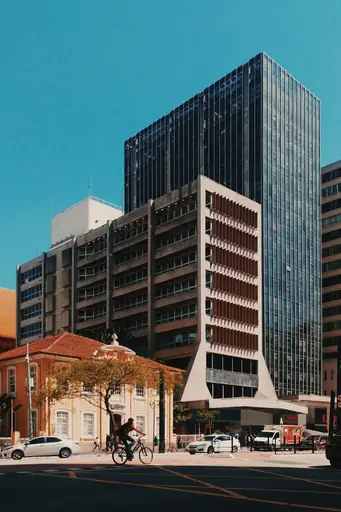
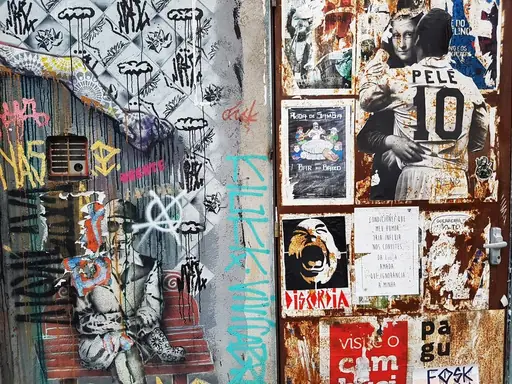
City in Brazil
São Paulo
A vibrant mix of culture and cuisine
Brazil's largest city built its main art museum on stilts above open plaza space. Concrete pillars hold the red glass structure eight stories above the ground below. Visitors can view European paintings displayed on freestanding glass panels, not walls. The Ipiranga Museum nearby traces the country's declaration of independence from Portugal.
City in China
Nanjing
Where Ancient History Meets Modern Charm
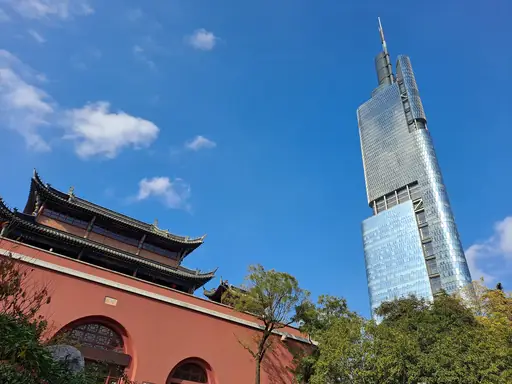
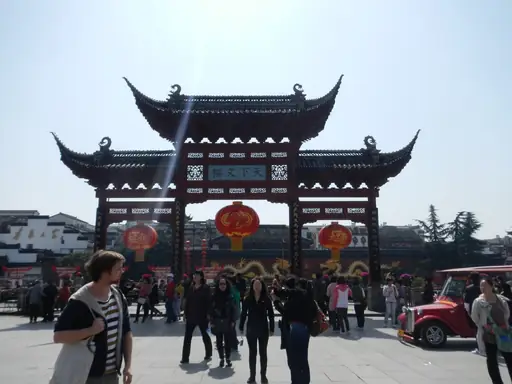
The Nanjing Massacre Memorial Hall documents the 1937 atrocities committed during the Japanese occupation. Its design includes a sombre courtyard lined with pebbles representing victims of the massacre. Visitors can walk through galleries pairing photographs with survivor testimony and recovered artefacts. The Presidential Palace nearby traces the city's role as a former Chinese capital.

City in United States
Los Angeles
The city of stars, beaches and dreams
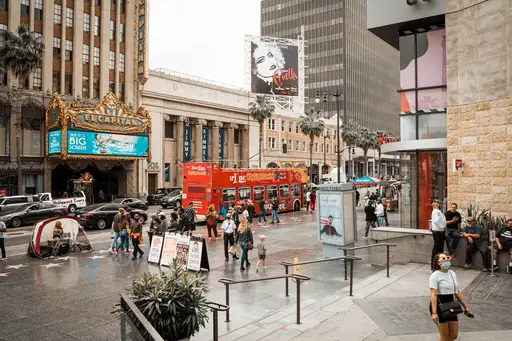
The Getty Center sits atop a hilltop tram ride, its buildings framing city views. LACMA's Urban Light installation of vintage street lamps greets visitors at the entrance. Visitors can tour both museums free, spanning ancient to contemporary art. The La Brea Tar Pits nearby still trap ice age fossils in asphalt pools.
City in France
Versailles
Royal grandeur just outside Paris
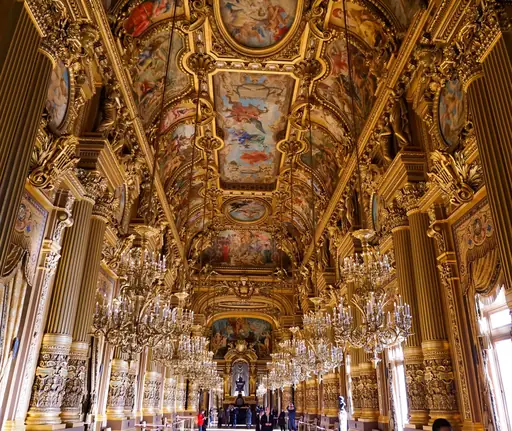
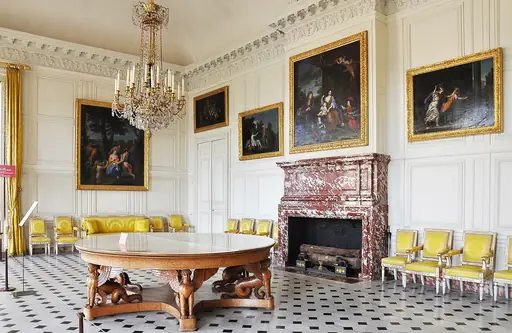
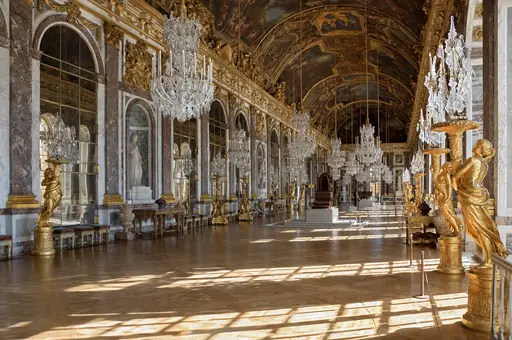
Louis XIV moved his royal court to this palace, away from unrest in Paris. The Hall of Mirrors reflects light from seventeen arched windows facing the gardens. Visitors can rent a rowboat on the Grand Canal after touring the palace. Marie Antoinette's private estate sits on the grounds, a short walk from the palace.
Country
Qatar
Desert luxury meets coastal charm
Unlike its neighbours, this country shaped its national museum like a desert rose crystal. Curved interlocking discs form galleries tracing the country's history from geology to oil. Visitors can walk a timeline moving from Bedouin heritage through recent growth. The Museum of Islamic Art nearby adds a separate collection on its own island.
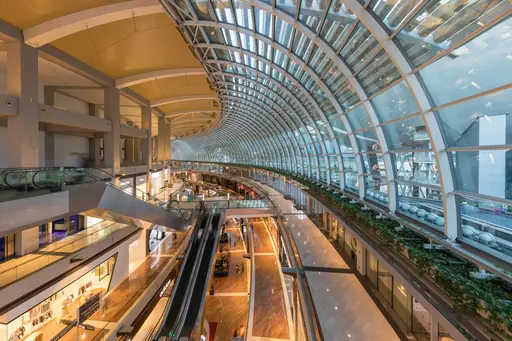
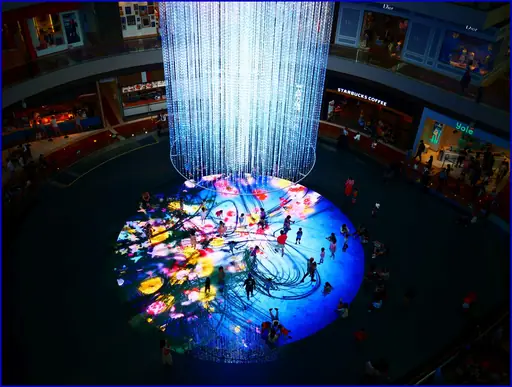
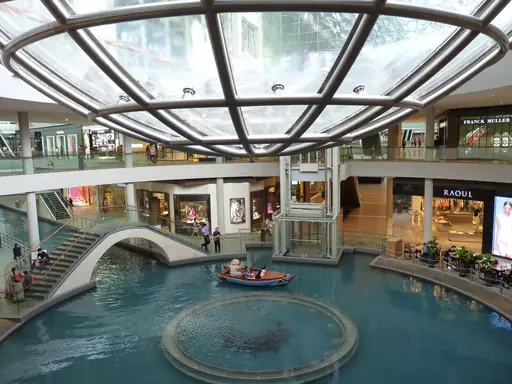
Country
Singapore
Tropical city-state of hawker food and gardens
Unlike many national museums, this one occupies a neoclassical building with a stained glass dome overhead. Its collection traces the country's path from colonial trading post to modern city state. Visitors can view dioramas and artefacts covering four centuries of Singapore's history. The ArtScience Museum nearby adds a lotus shaped building hosting rotating international exhibitions.

City in Nepal
Kathmandu
Temples, chaos and Himalayan magic
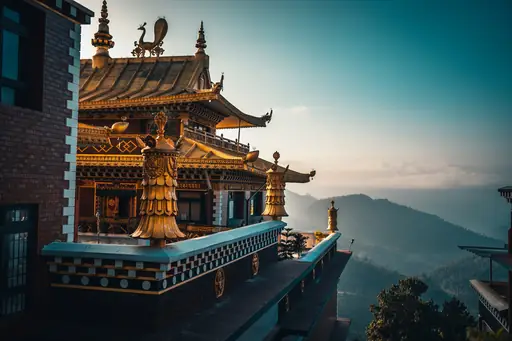
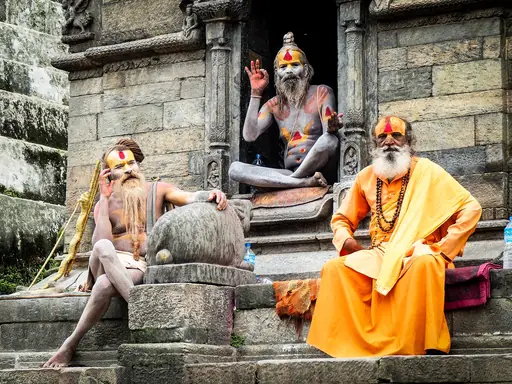
The National Museum here displays weapons, art and artefacts tied to Nepal's royal history. Its grounds sit near Swayambhunath, an ancient hilltop stupa overlooking the surrounding valley. Visitors can view Buddhist and Hindu sculpture spanning more than a thousand years of craftsmanship. The Patan Museum nearby occupies a former royal palace filled with bronze statues.
City in United Kingdom
Belfast
Titanic tales and creative spirit
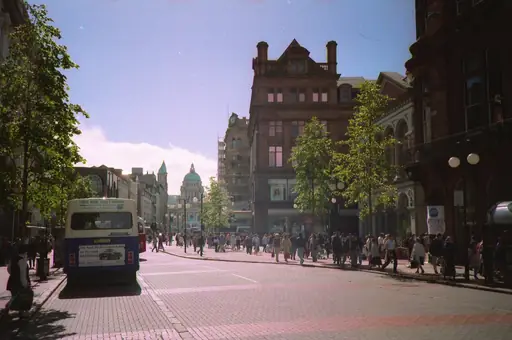
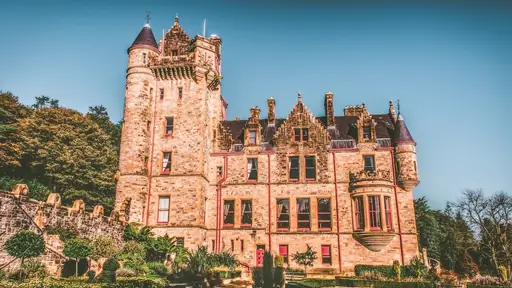
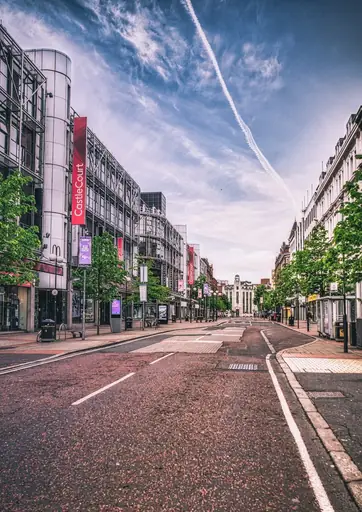
The Titanic Belfast museum stands on the shipyard where the doomed liner was originally built. Interactive galleries recreate the ship's construction, launch and eventual sinking through immersive exhibits. Visitors can ride a simulated shipyard journey before viewing recovered artefacts from the wreck. The Ulster Museum nearby covers the region's natural history and political troubles.
City in Denmark
Odense
Fairy Tales, Green Parks and Danish Charm
Locals still read Hans Christian Andersen's fairy tales aloud each August during his birthday festival. A museum here traces the writer's childhood in this city through recreated rooms. Visitors can walk through a garden designed around scenes from his best known stories. The building's spiralling architecture was designed to evoke pages of an open book.

City in United States
Miami
Vibrant City of Sun and Fun
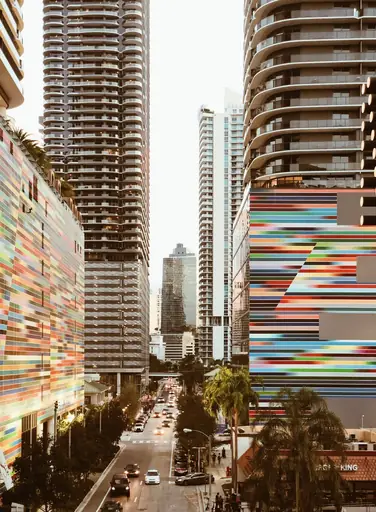
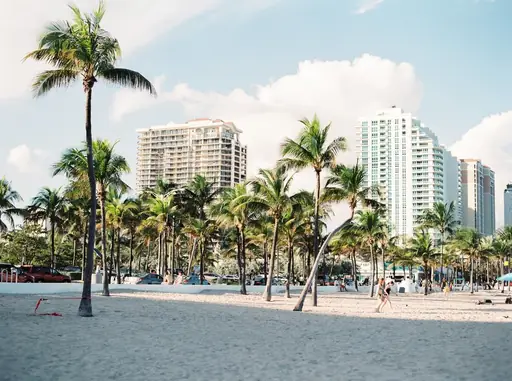
The Perez Art Museum sits on the bay, its gardens draping from an elevated walkway. Vizcaya, a preserved Gilded Age estate, adds Italian Renaissance gardens on the waterfront. Visitors can tour Vizcaya's mansion before browsing contemporary art at the Perez. The Bass Museum on Miami Beach adds exhibitions inside an Art Deco building.
City in United States
Williamsburg
Colonial History Comes Alive Daily
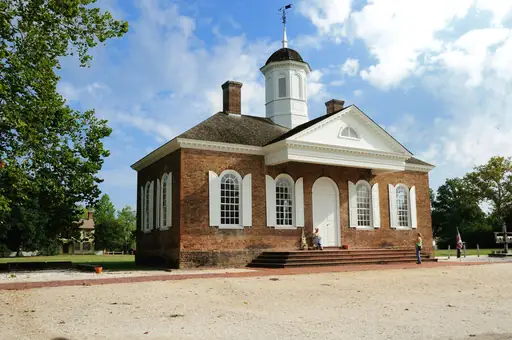
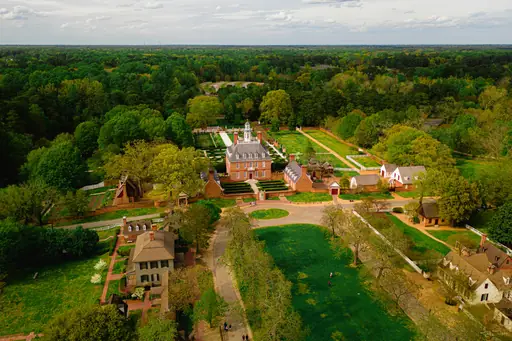
Costumed interpreters recreate daily life inside this restored eighteenth century colonial capital each day. Blacksmiths, printers and cabinetmakers demonstrate trades using tools and techniques from the period. Visitors can watch a reenacted town meeting or courtroom trial staged throughout the grounds. The Governor's Palace nearby was rebuilt using the colonial era's original foundations.
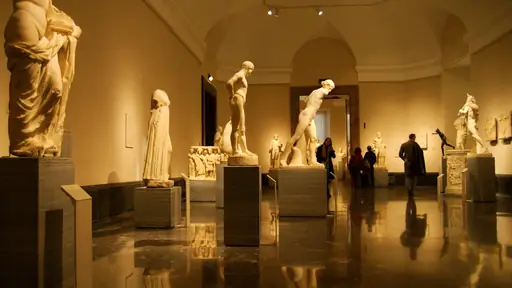

Art Museum in Madrid
Prado Museum
Masterpieces of European Art
Velazquez's Las Meninas hangs inside this Madrid museum's collection of Spanish royal painting. Goya's darker later works, painted directly onto walls, were later transferred onto canvas here. Visitors can walk through galleries tracing Spanish art from medieval altarpieces to the 1800s. Bosch's surreal triptych also draws crowds to one of the museum's most visited rooms.
Village in Egypt
Abu Simbel
Majestic Temples by the Nile
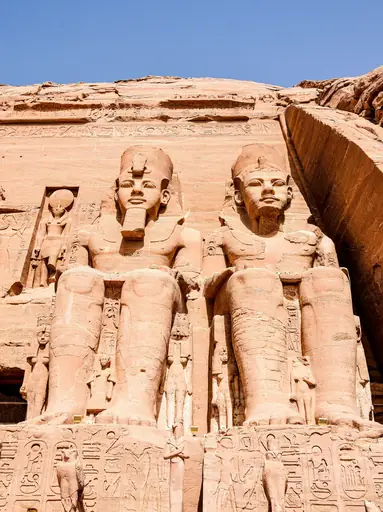
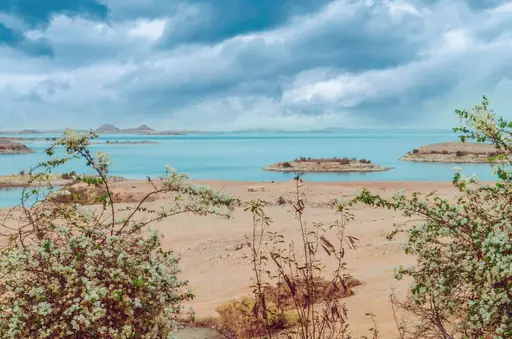
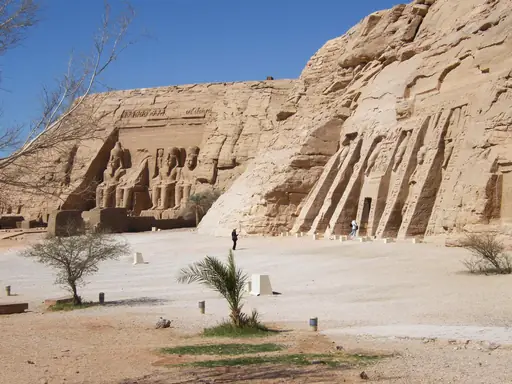
Four colossal statues of Ramesses II guard this rock cut temple complex. Engineers relocated the entire site in the 1960s to save it from a rising reservoir. Visitors can witness a biannual event when sunlight aligns to illuminate statues inside. A smaller nearby temple honours Ramesses' wife Nefertari alongside the goddess Hathor.

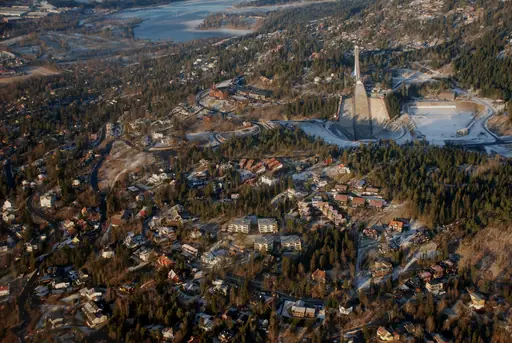

Landmark in Oslo
Holmenkollen National Ski Arena
Norway’s iconic ski jumping landmark
A ski jump tower here has hosted competitions since the early 1900s. Its museum traces the history of skiing back more than four thousand years. Visitors can ride a zip line or simulator mimicking the jump's steep descent. An observation deck at the top offers wide views across Oslo and the fjord.
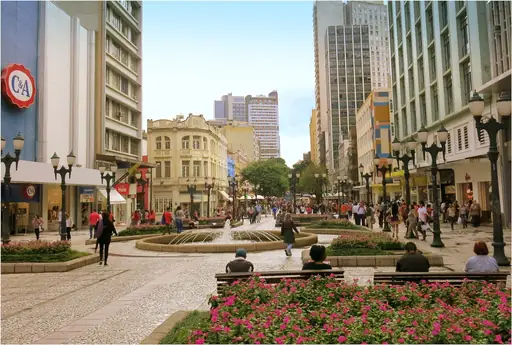
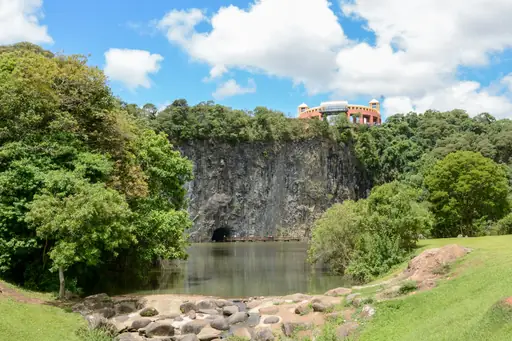
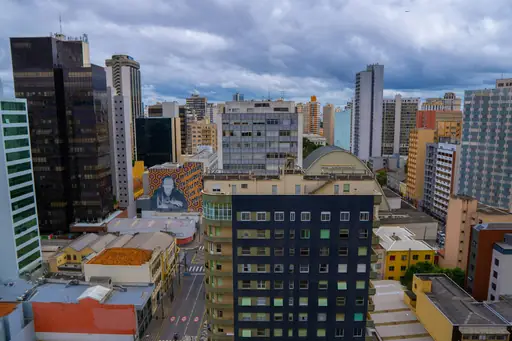
City in Brazil
Curitiba
Green City of Urban Innovation
The Oscar Niemeyer Museum's curved white building is nicknamed the Eye for its distinctive shape. Its collection spans Brazilian modern art alongside architectural drawings by the museum's namesake designer. Visitors can walk through the eye shaped annex before browsing the main gallery wings. Botanical Garden greenhouses nearby add a different kind of living, structured display.
City in Japan
Hiroshima
Peace Park, okonomiyaki and Miyajima ferry
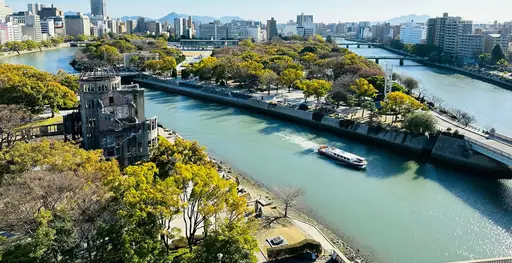
The Peace Memorial Museum documents the 1945 atomic bombing through photographs and testimony. The nearby Atomic Bomb Dome, a skeletal ruin, remains preserved as the blast left it. Visitors can walk through Peace Memorial Park before touring the museum's exhibits. Origami cranes, folded by visitors worldwide, pile up near a monument to a young victim.
City in Turkey
Istanbul
Where East meets West in stunning contrast
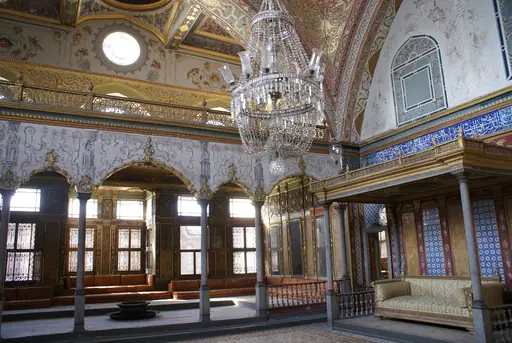
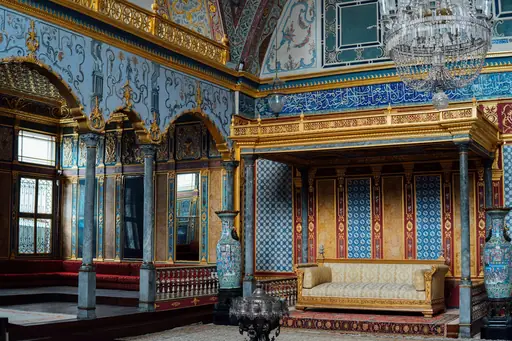
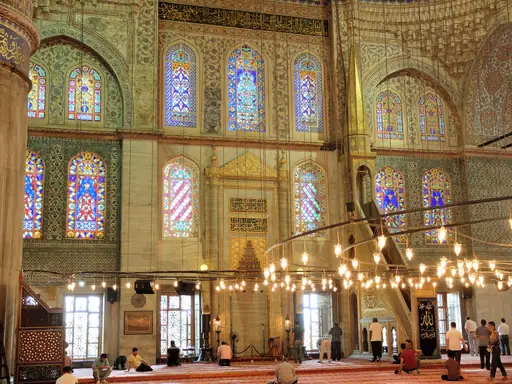
Topkapi Palace once housed Ottoman sultans, its treasury displaying jewelled daggers. Hagia Sophia nearby has served as cathedral, mosque and museum across fifteen centuries. Visitors can tour both sites within walking distance in the old city. The Istanbul Archaeology Museums add sarcophagi and artefacts from the former empire.
Museum in Tel Aviv
Tel Aviv Museum of Art
Vibrant hub of modern creativity
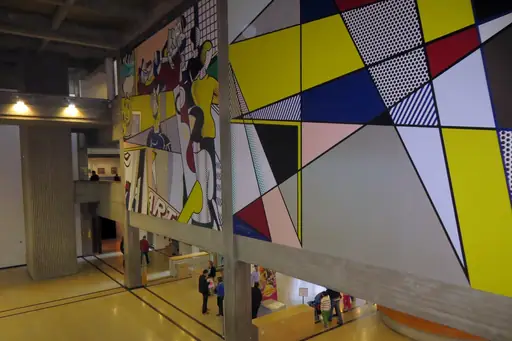
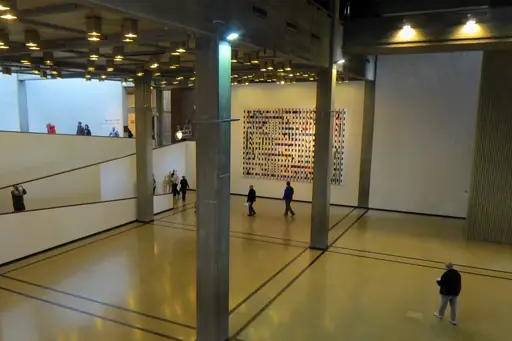
This museum's angular white wing, designed by Preston Scott Cohen, opened in 2011. Its collection spans Israeli art alongside international modern and contemporary painting and sculpture. Visitors can walk through galleries devoted to Impressionist works before newer installation pieces. A sculpture garden outside displays large scale works within the museum's surrounding plaza.
City in United Kingdom
Oxford
Dreaming Spires, History and Punts
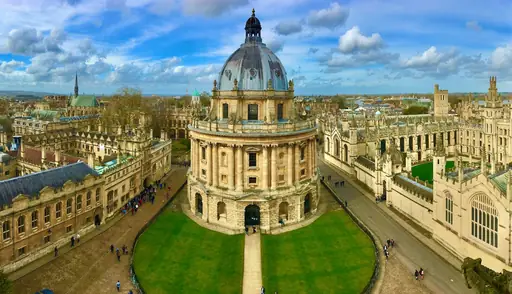
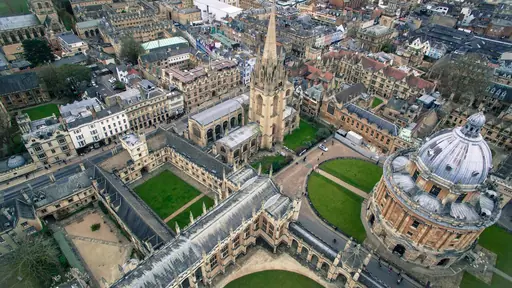
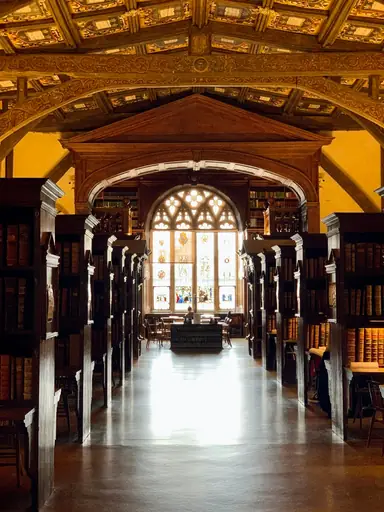
The Ashmolean Museum holds the country's oldest public museum collection, founded in 1683. Its galleries span Egyptian mummies, Raphael drawings and a famous composer's violin. Visitors can view the Alfred Jewel, a Saxon artefact tied to a Wessex king. The Pitt Rivers Museum nearby packs anthropological objects floor to ceiling in cases.
City in United States
Nashville
Music, hot chicken and honky tonks
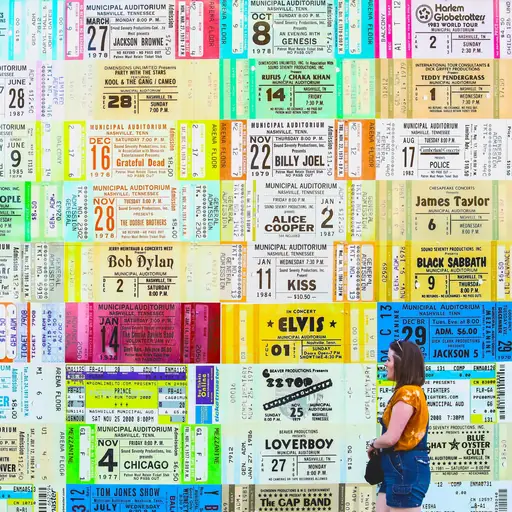
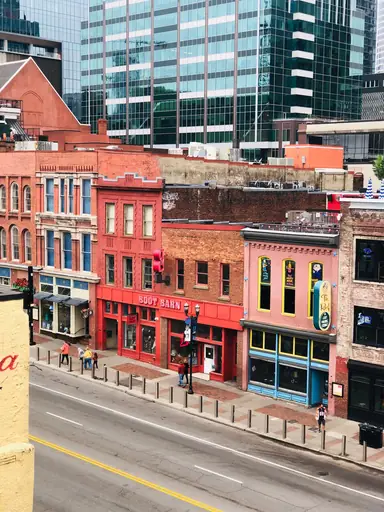
Gold and platinum records line entire walls inside the Country Music Hall of Fame. Handwritten lyrics by songwriters like Dolly Parton sit displayed alongside stage worn costumes. Visitors can walk through a rotunda engraved with names of every hall of fame inductee. The nearby Ryman Auditorium adds a former gospel tabernacle turned legendary concert venue.
City in Poland
Gdańsk
Poland’s Baltic Gem Reborn
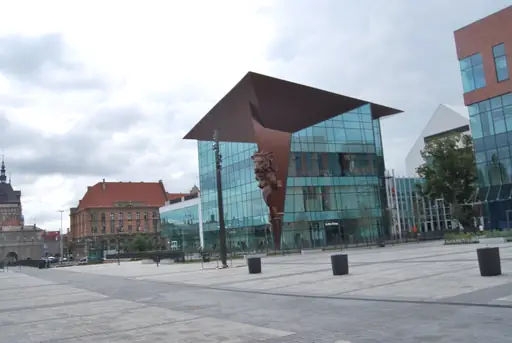
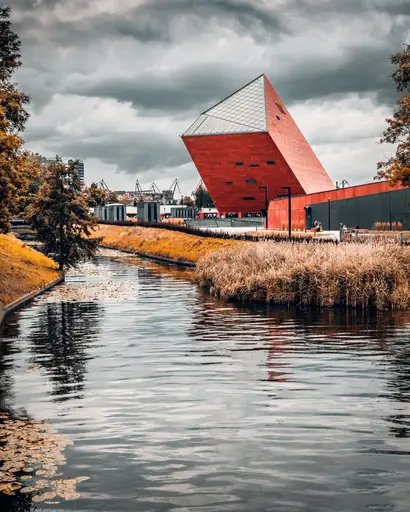
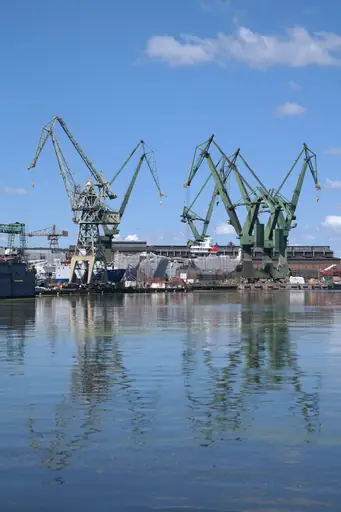
The European Solidarity Centre documents the shipyard movement that helped end communist rule. Its building sits beside the actual shipyard gates where the movement first organised. Visitors can view Lech Walesa's original strike documents alongside protest banners. The nearby Museum of the Second World War covers the conflict's outbreak here.

City in Kenya
Nairobi
Where urban life meets wild adventures
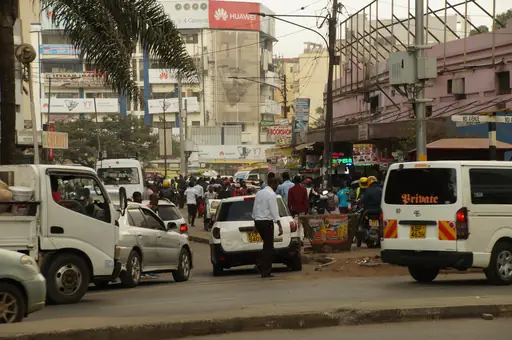
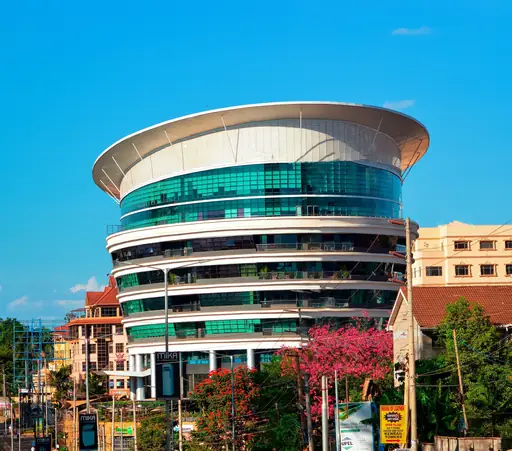
The Nairobi National Museum displays taxidermy, fossils and cultural artefacts from across Kenya. Its collection includes hominid fossils tied to early human evolution research in the region. Visitors can view traditional dress representing dozens of the country's ethnic communities. The Karen Blixen Museum nearby preserves the farmhouse featured in her memoir Out of Africa.
Museum in Reykjavík
National Museum of Iceland
Iceland’s Cultural Time Capsule
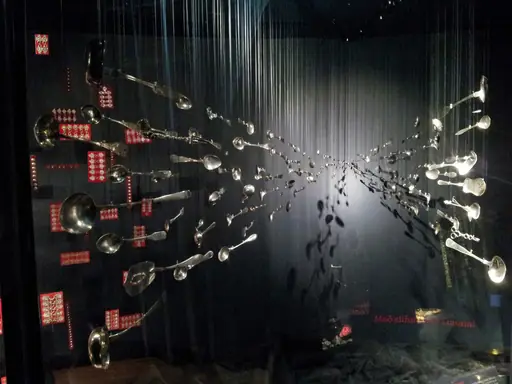
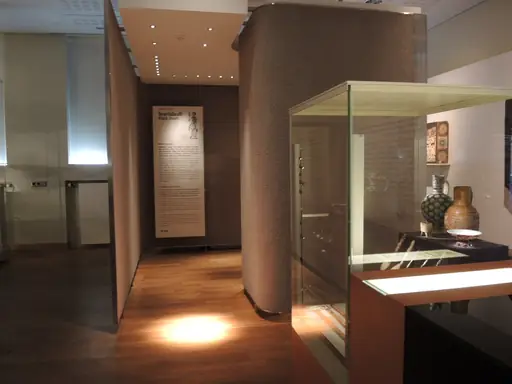
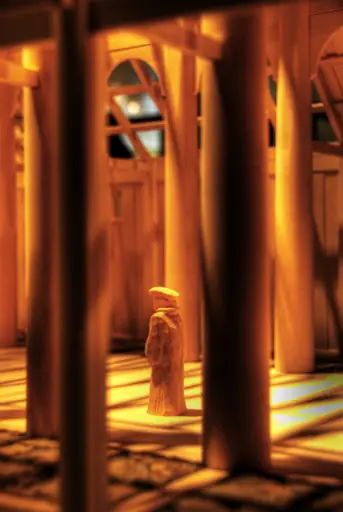
This museum traces Icelandic history from Viking settlement through the country's path to independence. Viking swords, carved church doors and farming tools fill galleries organised by historical period. Visitors can view a silver hoard buried centuries ago and rediscovered by chance. Photography exhibits upstairs document daily life across the island through the twentieth century.
City in Israel
Jerusalem
Ancient History Meets Modern Culture
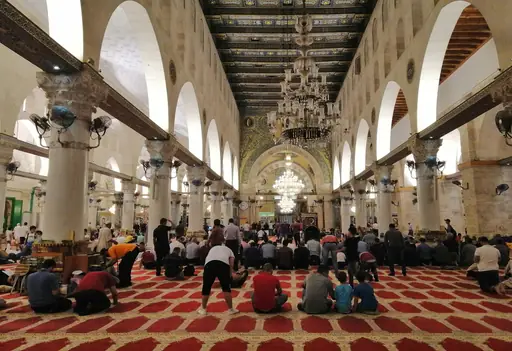
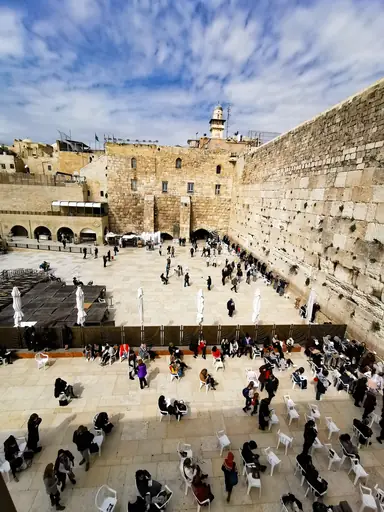
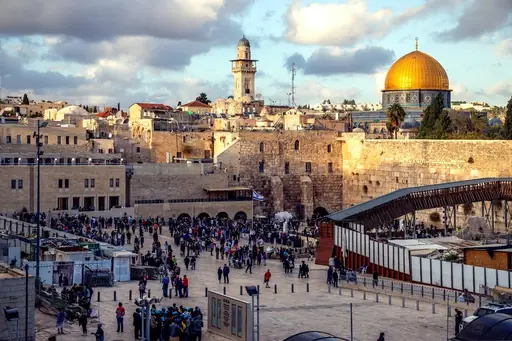
The Israel Museum holds the Dead Sea Scrolls inside a building shaped like clay jars. Yad Vashem nearby documents the Holocaust through survivor testimony and artefacts. Visitors can view ancient manuscripts alongside a large scale model of ancient Jerusalem. The Tower of David Museum adds exhibits inside a restored citadel near the Old City.
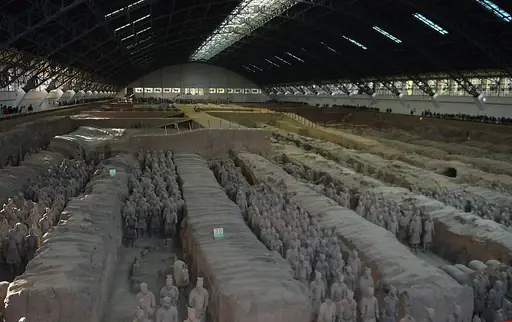
City in China
Xi'an
Where history whispers through time
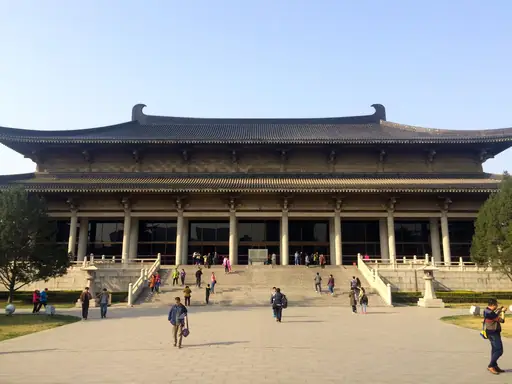
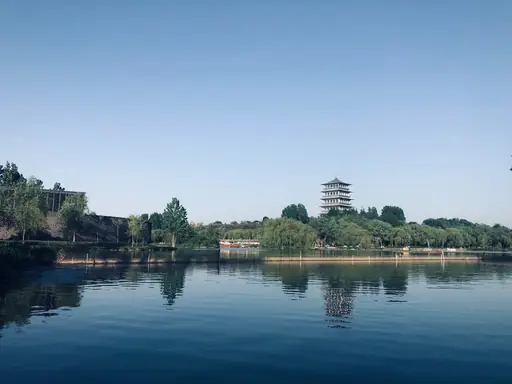
Farmers digging a well in 1974 uncovered an army of life sized terracotta soldiers. Thousands of individually crafted figures once guarded the tomb of China's first emperor. Visitors can view rows of warriors, horses and chariots still being excavated. The Shaanxi History Museum nearby adds bronze vessels and gold artefacts from the era.
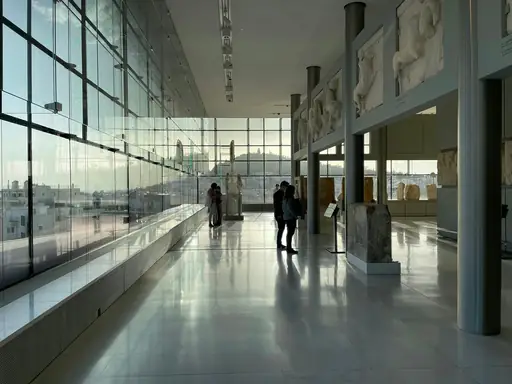
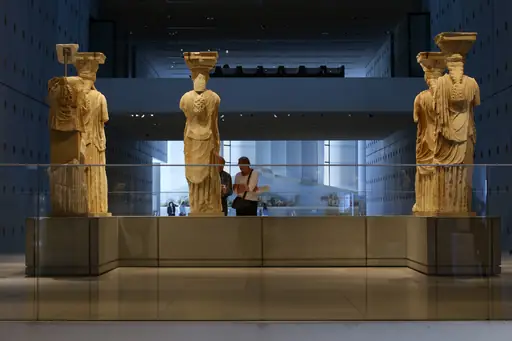
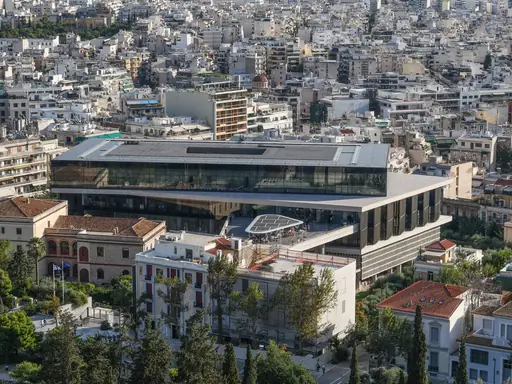
Museum in Athens
Acropolis Museum
Modern Home to Ancient Treasures
Glass floors here let visitors look down at ancient ruins excavated beneath the building. A top floor gallery, angled to match the Parthenon's orientation, displays its marble friezes. Visitors can view artefacts recovered directly from the Acropolis hill nearby. Empty spaces mark where sculptures removed to London remain a point of dispute.
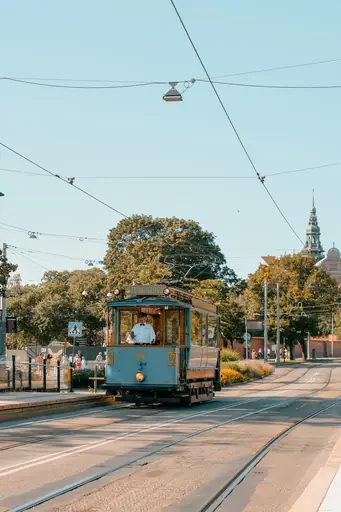
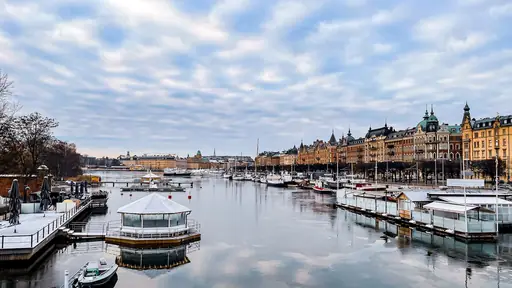
Park in Stockholm
Djurgården
Stockholm’s Serene Cultural Island
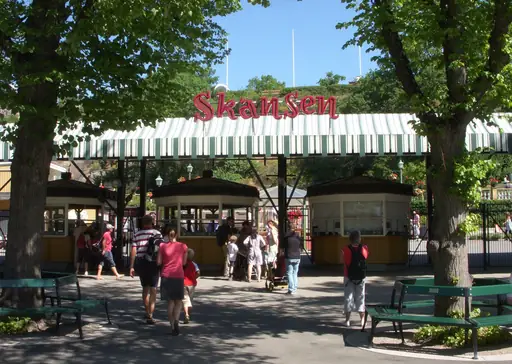
This Stockholm island holds several museums clustered within walking distance. The Vasa Museum and an open air folk museum called Skansen both sit on its grounds. Visitors can walk between exhibits covering maritime history, wildlife and royal parkland. Ferries connect the island to central Stockholm for an easy half day trip.
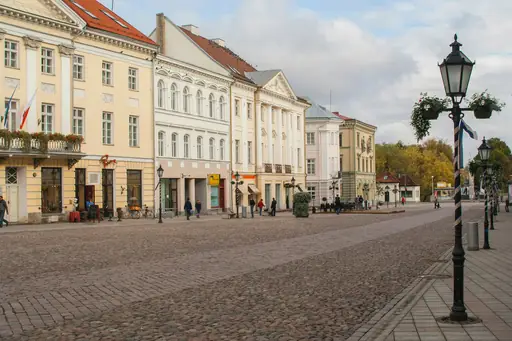
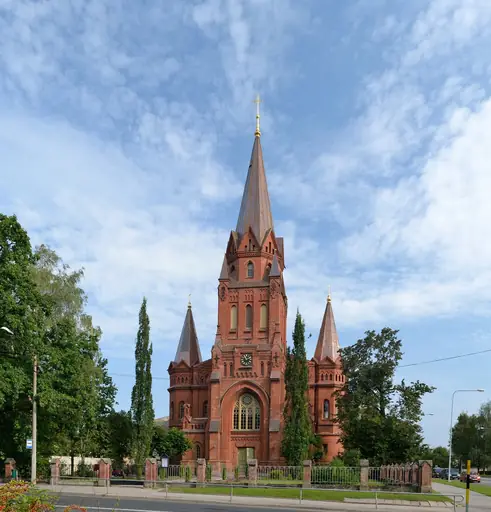
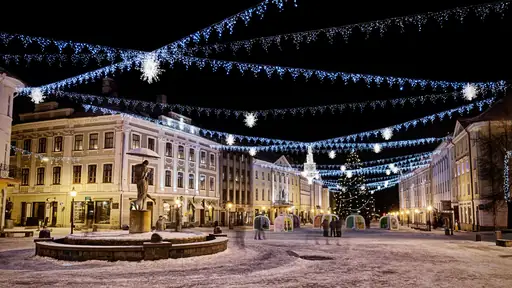
City in Estonia
Tartu
Estonia’s Lively University Heart
Estonia's oldest university sits at this city's centre, tying its identity to academic life. The University of Tartu Art Museum displays plaster casts of sculpture in a domed hall. Visitors can view the collection beneath a ceiling painted like open sky. The Estonian National Museum nearby traces the country's folk culture and Soviet history.
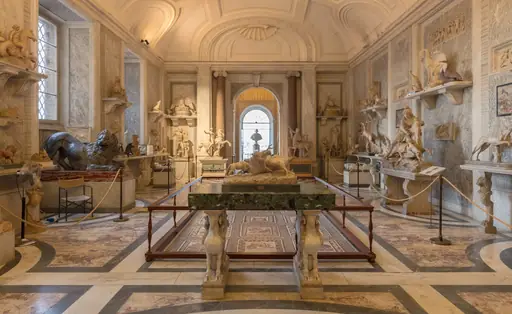
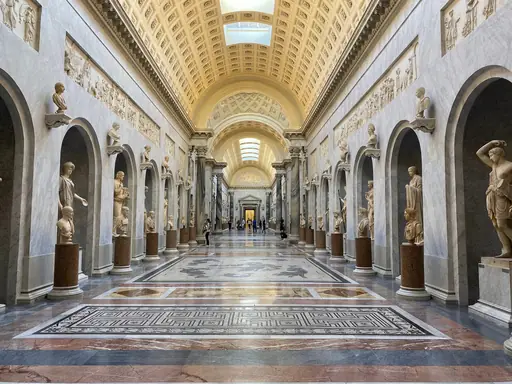
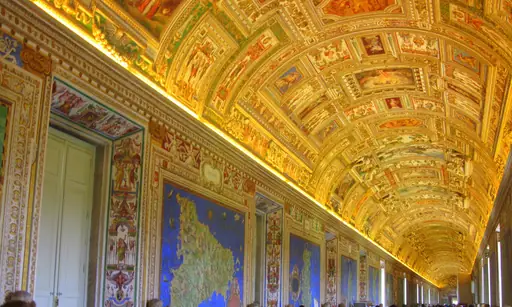
Museum in Rome
Vatican Museums
A Maze of Art and History
Michelangelo's ceiling frescoes inside the Sistine Chapel draw crowds through miles of galleries. Raphael's Rooms, painted for a Renaissance pope, sit along the route to the chapel. Visitors can walk staircases and hallways lined with maps, tapestries and sculpture. Crowds here can be dense, making early or late entry times worth booking.
City in Belgium
Antwerp
Europe’s Hidden Gem of Culture & Style
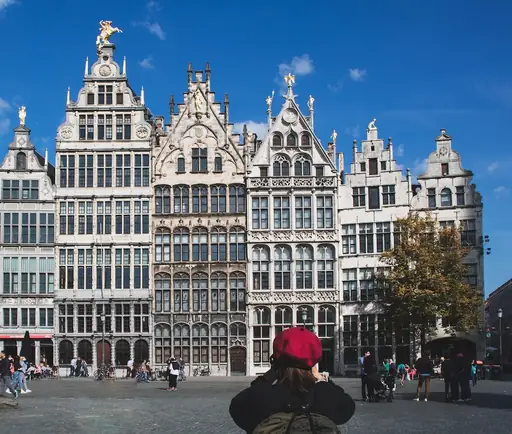
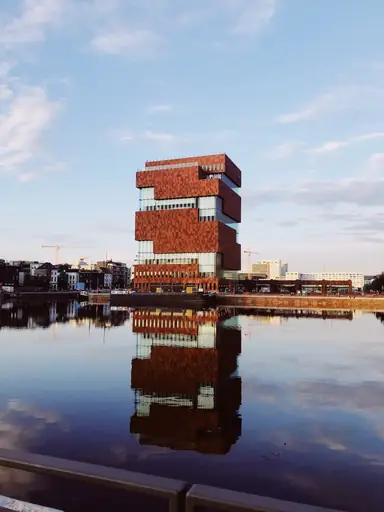
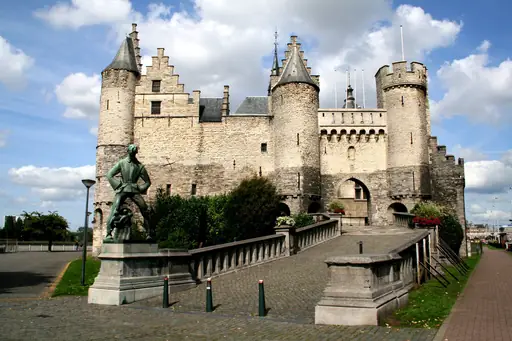
The Royal Museum of Fine Arts holds major works by Rubens and Van Dyck. Rubens' own house, preserved as a museum, displays his studio and art collection. Visitors can tour the diamond district's museum tracing the industry's history. The MAS museum tower offers panoramic views over the city's harbour and rooftops.
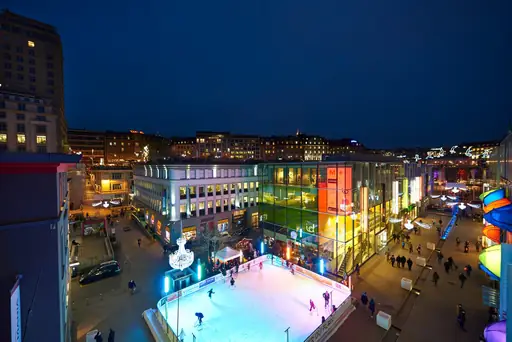

City in Switzerland
Lausanne
Lake views, vineyards and Olympic spirit
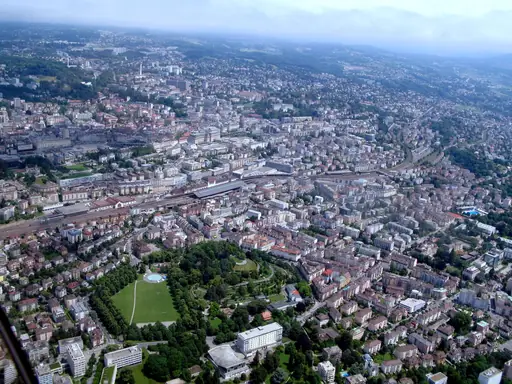
The Olympic Museum traces the modern Games from their 1896 revival through recent competitions. Torches carried during past relays sit displayed alongside medals and athlete uniforms. Visitors can walk through interactive exhibits covering the history of individual Olympic sports. Terraced gardens outside overlook Lake Geneva and the mountains across the water.
Museum in Beijing
National Museum of China
China’s vast cultural treasury
This Beijing museum's collection spans bronze age artefacts through recent twentieth century history. Its galleries sit inside one of the largest museum buildings anywhere in the world. Visitors can view ancient ceramics and calligraphy alongside exhibits on modern Chinese history. A bronze ding vessel here counts among the heaviest ancient bronzes ever excavated.

Town in Japan
Hakone
Onsen town with Fuji views and lake cruises
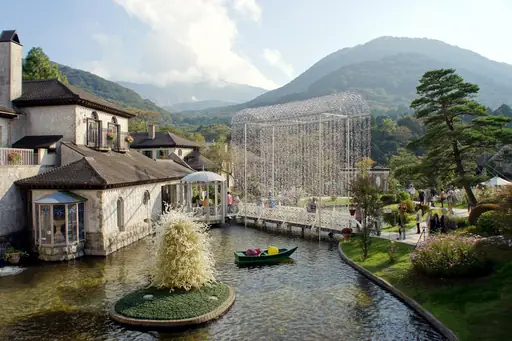
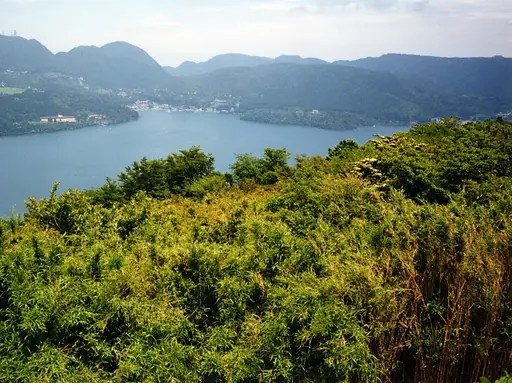
The Hakone Open-Air Museum displays sculpture across landscaped grounds with mountain views nearby. A dedicated Picasso pavilion holds ceramics and paintings within the broader outdoor collection. Visitors can soak tired feet in a foot bath while viewing large scale sculptures. The Hakone Museum of Art adds a traditional moss garden alongside its ceramics collection.
Museum in Gothenburg
Maritiman
Floating Maritime Adventure in Gothenburg
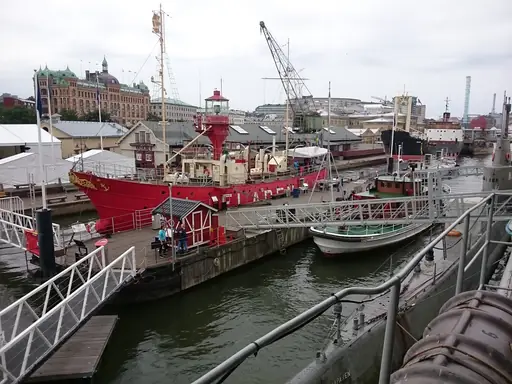
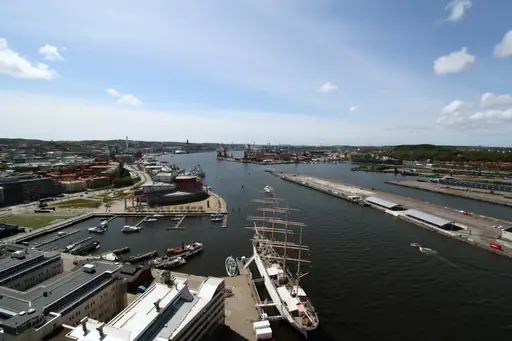
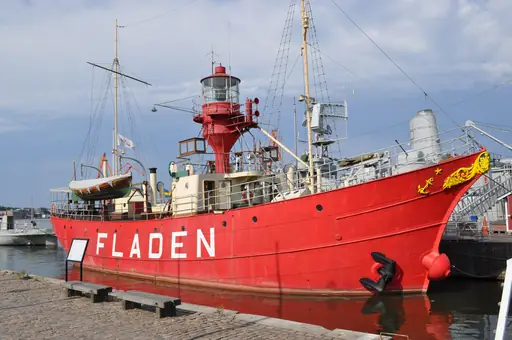
This floating museum lets visitors board nineteen historic ships docked along Gothenburg's harbour. A submarine among the fleet offers a rare look inside its cramped, mechanical interior. Visitors can climb through engine rooms, bridges and crew quarters across multiple vessels. A lighthouse ship and a destroyer round out the collection moored along the pier.
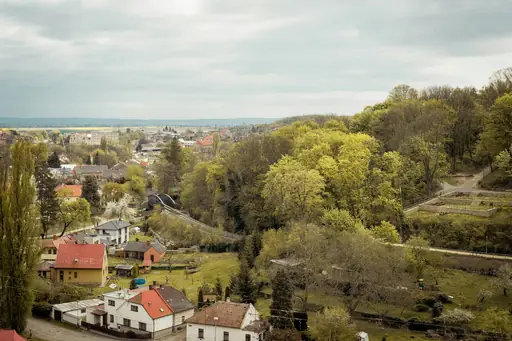
City in Czech Republic
Kutná Hora
Silver Mines, Gothic Spires, Bone Church
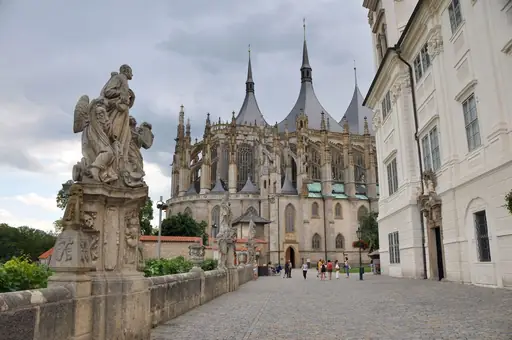
The Sedlec Ossuary decorates its chapel with the bones of roughly forty thousand people. A woodcarver arranged the remains into chandeliers and garlands in the 1870s. Visitors can view a bone chandelier said to contain every bone in the body. The town's silver mining museum nearby traces the wealth that built its churches.
Museum in Toronto
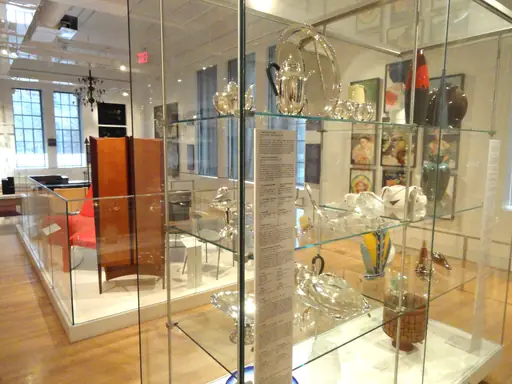
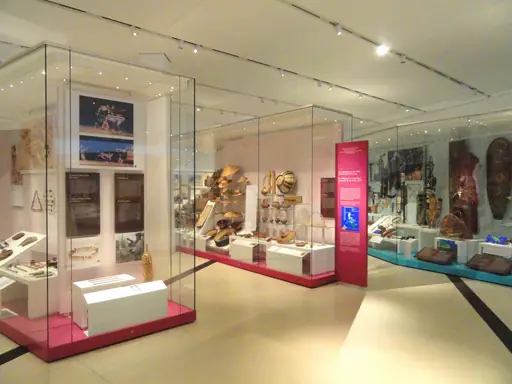
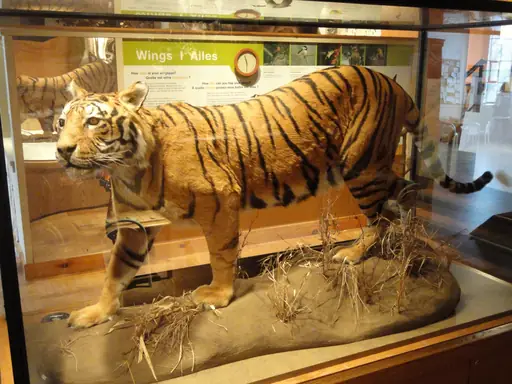
Royal Ontario Museum
Fusion of history and art
A crystalline glass structure juts out from this museum's original heritage building in Toronto. Collections here span dinosaur fossils, ancient Egyptian artefacts and Canadian natural history. Visitors can walk beneath a full sized dinosaur skeleton in the museum's fossil gallery. Rotating exhibitions often pair global art with pieces from the museum's permanent collection.

Museum in Chicago
Griffin Museum of Science and Industry
Chicago’s Interactive Science Playground
A captured German U-boat sits on permanent display inside this museum's largest exhibit hall. Visitors can walk through a coal mine replica descending beneath the main exhibit floor. Interactive exhibits let guests experiment with static electricity, tornadoes and other physical phenomena. A model railway depicts the journey between Chicago and Seattle across a miniature landscape.
City in United States
Pittsburgh
Steel City Reborn with Culture & Views
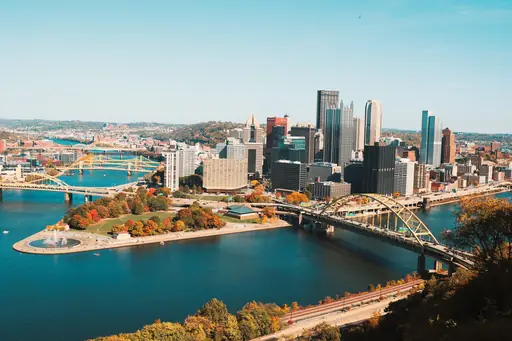
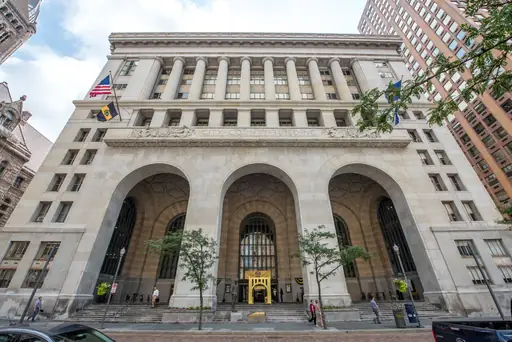
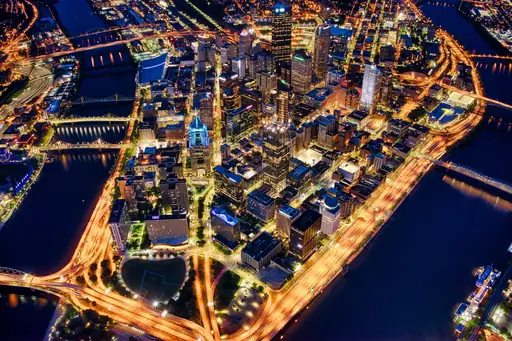
Three rivers meet at this city's point, framed by a fountain and an old fort. The Andy Warhol Museum sits across the water, devoted to the pop artist's work. Visitors can view screen prints, films and belongings across seven gallery floors. The Carnegie Museum of Natural History nearby adds a huge dinosaur fossil collection.


Aquarium in Lisbon
Oceanário de Lisboa
Europe’s Stunning Marine Wonderland
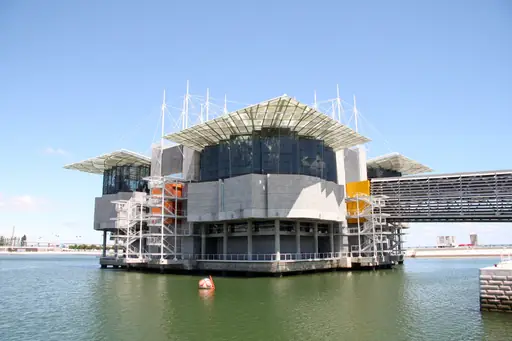
This aquarium's central tank holds sharks, rays and fish visible from four habitat zones. Sea otters and puffins occupy separate tanks representing different ocean ecosystems nearby. Visitors can walk a circular route that returns repeatedly to views of the main tank. Built for a 1998 world exposition, it remains one of Europe's largest aquariums.


National Park in Japan
Fuji-Hakone-Izu National Park
Fuji, Hakone, Izu and volcanic islands
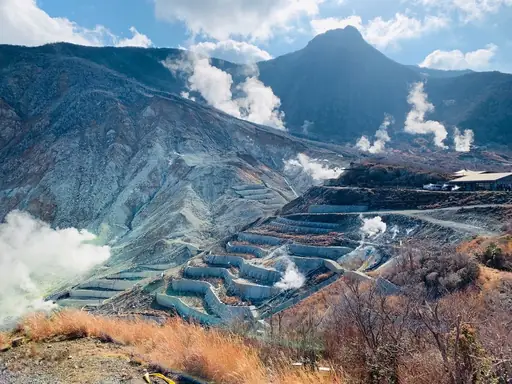
The Hakone Open-Air Museum displays sculpture across landscaped grounds with Mount Fuji visible beyond. Picasso's ceramics fill an indoor pavilion within the museum's broader outdoor collection. Visitors can soak in a foot bath while viewing large scale sculptures scattered across the hillside. The Pola Museum of Art nearby adds Impressionist paintings inside a forested setting.
City in Malaysia
Kuala Lumpur
A fusion of cultures and skyscrapers
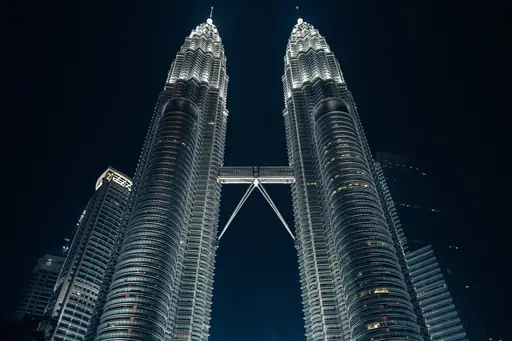
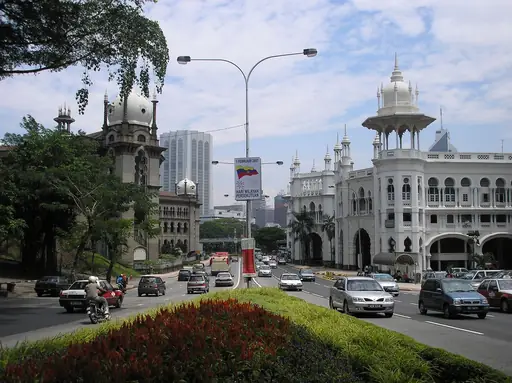
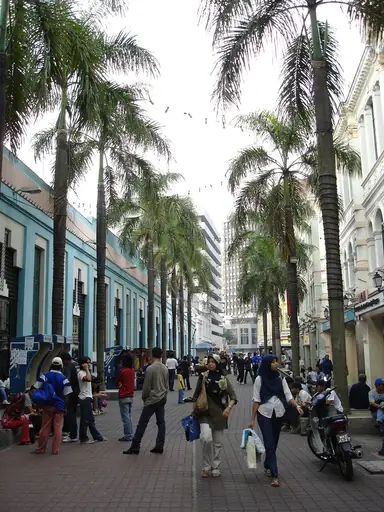
The Islamic Arts Museum holds one of Southeast Asia's largest collections of Islamic art and artefacts. Its galleries display scale models of famous mosques alongside manuscripts, textiles and ceramics. Visitors can view finely woven prayer rugs from across the Islamic world in one wing. The National Museum nearby traces Malaysia's history from prehistory through independence.
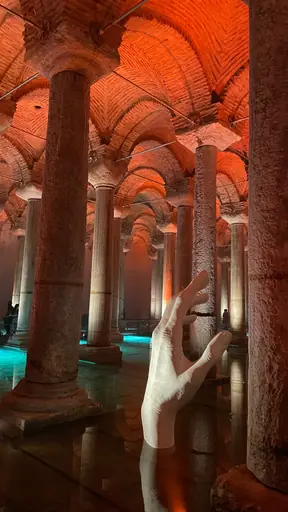
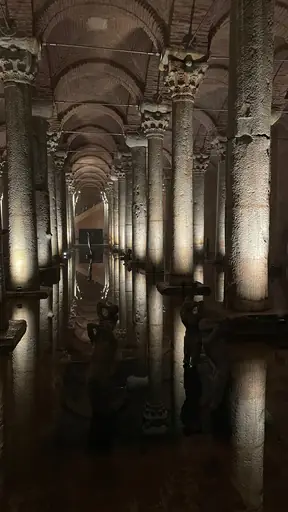
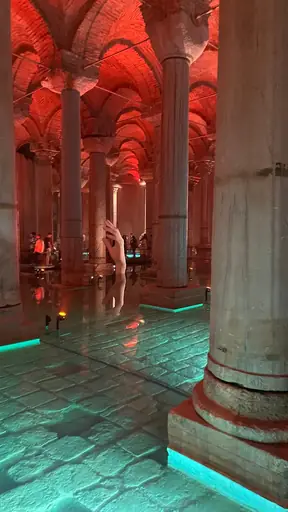
Museum in Istanbul
Basilica Cistern
Mystical Underground Byzantine Wonder
This underground cistern once stored water for Istanbul's Byzantine palace through hundreds of stone columns. Two carved Medusa heads support columns in a far corner of the chamber. Visitors can walk raised platforms above shallow water lit by dim, atmospheric lighting. Carp swim through the water beneath columns that have stood since the sixth century.
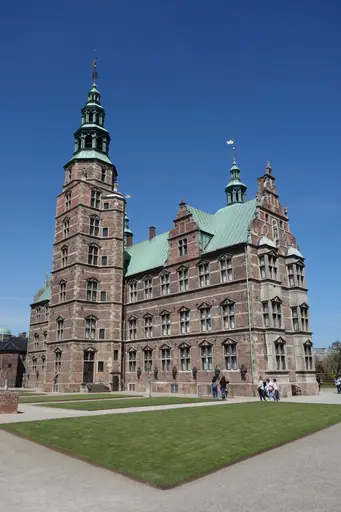
Castle in Copenhagen
Rosenborg Castle
Copenhagen’s Royal Renaissance Gem
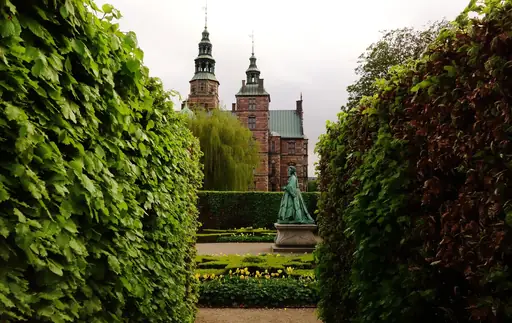
Danish crown jewels sit locked inside this castle's basement treasury, guarded closely. Built as a summer house for King Christian IV, the castle later became a museum. Visitors can walk through royal apartments furnished much as they appeared centuries ago. Gardens surrounding the castle remain a popular public park for locals and visitors.
Museum in London
Natural History Museum
London’s Gateway to the Natural World
A blue whale skeleton hangs suspended above this London museum's entrance hall. Dinosaur fossils, meteorites and a vast insect collection fill galleries across the building. Visitors can walk beneath the whale before browsing exhibits on evolution. The building's terracotta facade is carved with sculptures of plants and animals.
City in Canada
Toronto
A vibrant mix of cultures and skyline
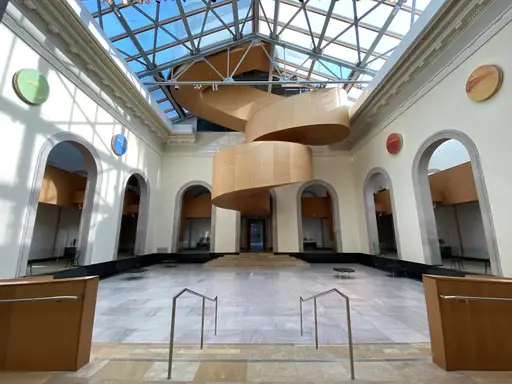
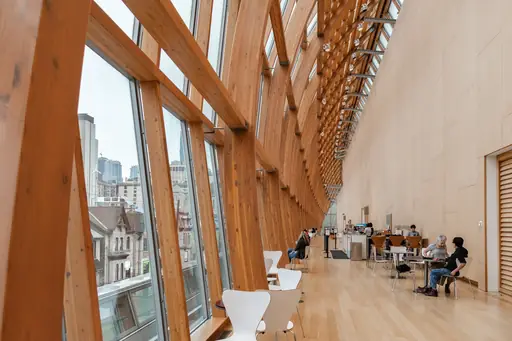
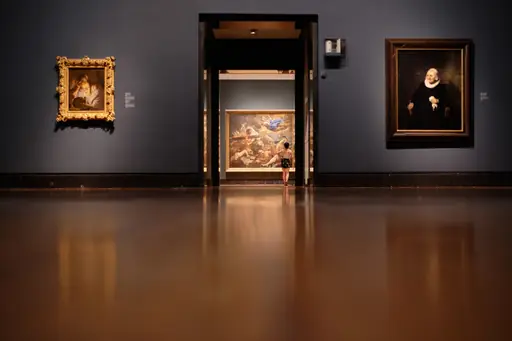
A crystalline glass structure juts out from this museum's original heritage building. The Royal Ontario Museum's collection spans fossils, Egyptian artefacts and natural history. Visitors can walk beneath a full sized dinosaur skeleton in the fossil gallery. The Art Gallery of Ontario nearby holds a huge public collection of Henry Moore sculpture.
Museum in Honolulu
Bernice Pauahi Bishop Museum
Windows to Hawaiian Heritage
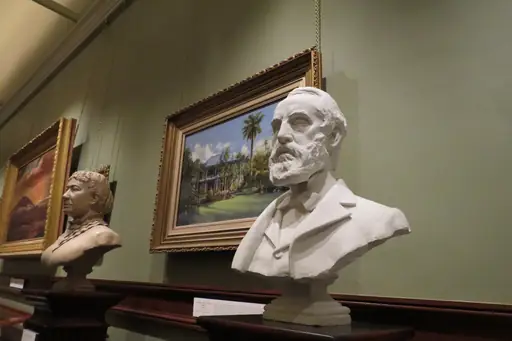
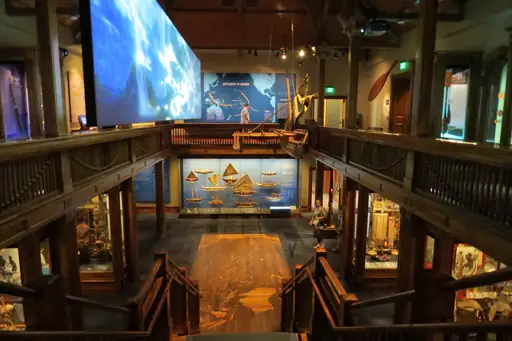
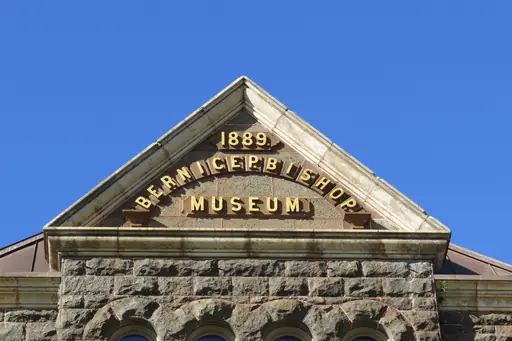
This Honolulu museum holds one of the world's largest collections of Pacific Islander cultural artefacts. Feathered capes once worn by Hawaiian royalty sit displayed in dedicated climate controlled galleries. Visitors can walk through a hall housing whale skeletons suspended from the ceiling. Planetarium shows here connect traditional Polynesian wayfinding to modern astronomy.
City in Switzerland
Bern
Medieval charm on the Aare
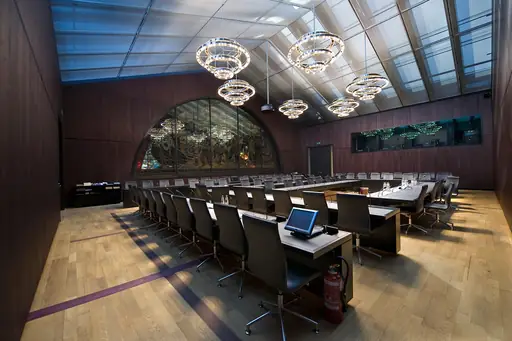
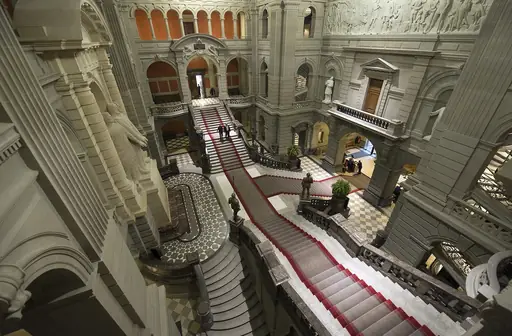
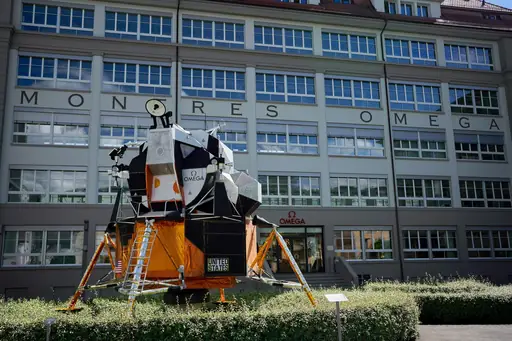
The Zentrum Paul Klee, designed by Renzo Piano, holds the largest collection of his work. Its undulating rooftop rises and dips like waves across the museum's exterior. Visitors can view Klee's colourful abstract paintings across the sloped galleries. The Bern Historical Museum nearby covers the city's founding and Swiss history.
City in Germany
Potsdam
Prussian Palaces Amidst Lakes & Parks
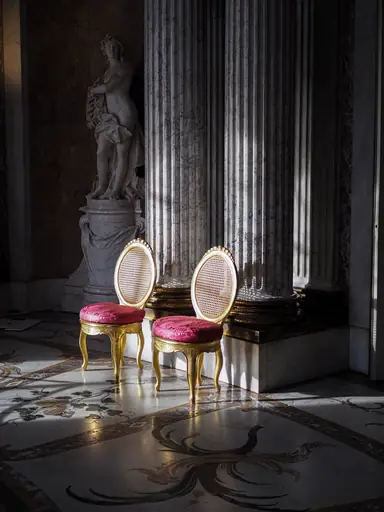
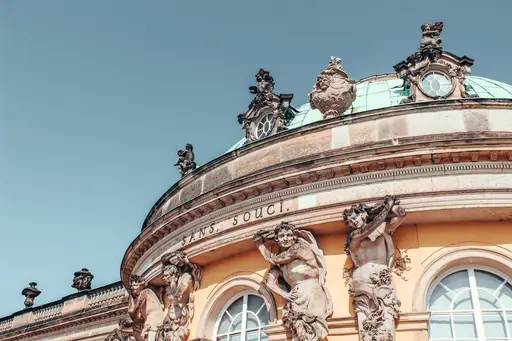
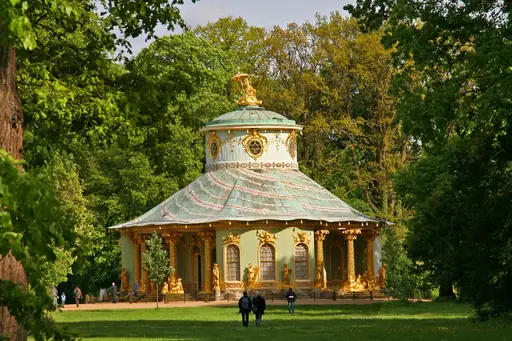
Prussian kings built Sanssouci Palace here as a retreat away from Berlin's formal court life. Its terraced vineyard gardens step down in curved tiers below the palace's yellow facade. Visitors can tour rooms decorated for Frederick the Great's private gatherings and concerts. The Cecilienhof Palace nearby hosted the 1945 conference that redrew postwar Europe's borders.

Town in France
Carnac
Ancient Stones and Sunny Beaches
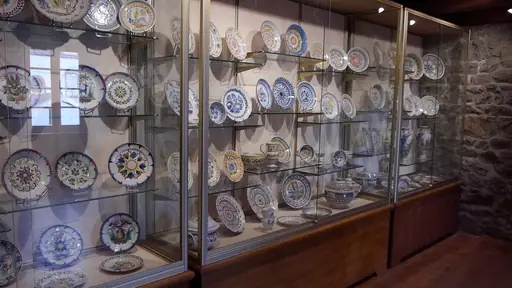
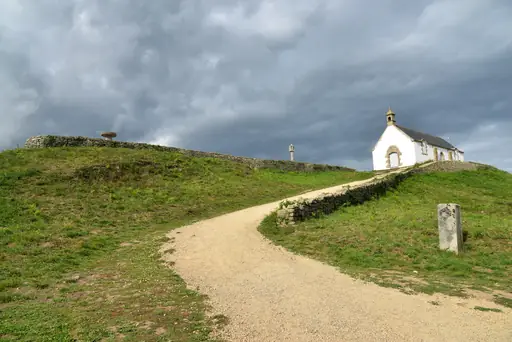
More than three thousand standing stones stretch across this countryside in straight rows. No one knows for certain why prehistoric people arranged them this way. Visitors can walk marked paths around the alignments during set hours each season. The Museum of Prehistory nearby displays tools and artefacts from the surrounding region.
City in Italy
Venice
A floating city of romance and history
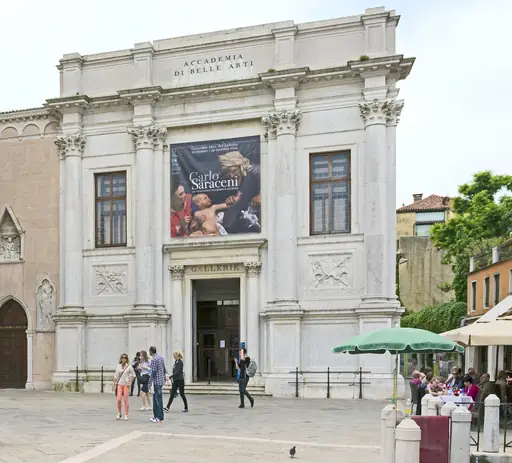
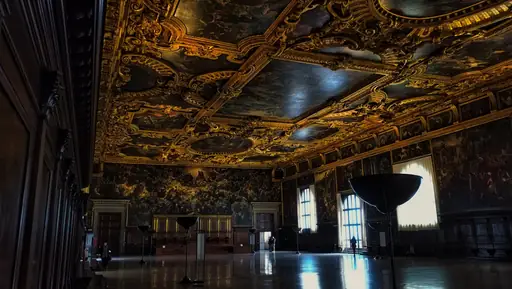
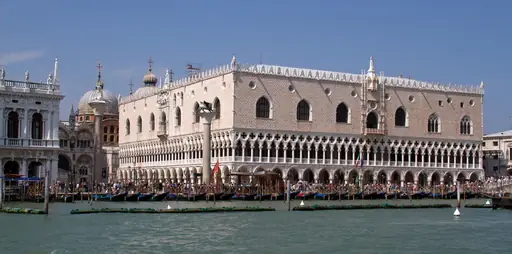
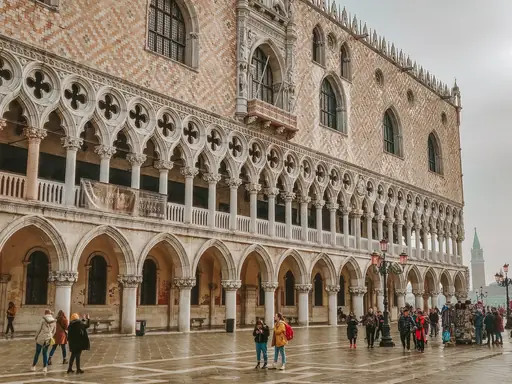
The Doge's Palace once housed the elected rulers who governed this maritime republic for centuries. Its Bridge of Sighs connected the palace to a prison across a narrow canal. Visitors can walk through opulent council chambers before crossing the same covered bridge. The Accademia Gallery nearby holds paintings spanning the city's Gothic through Renaissance periods.
Museum in Los Angeles
La Brea Tar Pits
A Window into the Ice Age
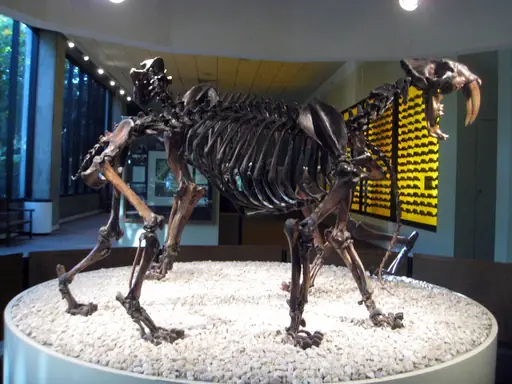
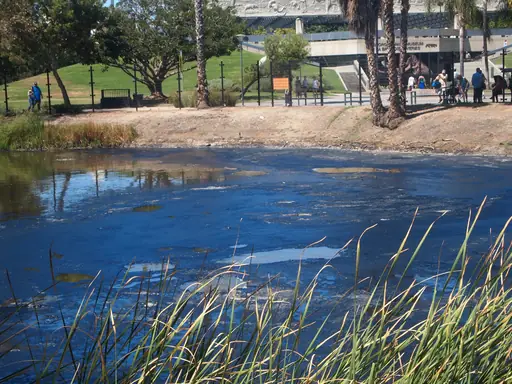
Ice age fossils still seep up through asphalt pools in the middle of this park. Sabre toothed cats and mammoths trapped here thousands of years ago left rich fossil beds. Visitors can watch paleontologists clean and catalogue bones through a working lab window. The adjacent museum displays skeletons reconstructed from fossils pulled from the pits.
City in South Africa
Johannesburg
Vibrant city life meets rich history
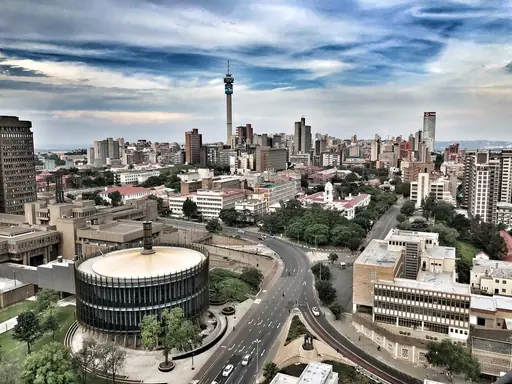
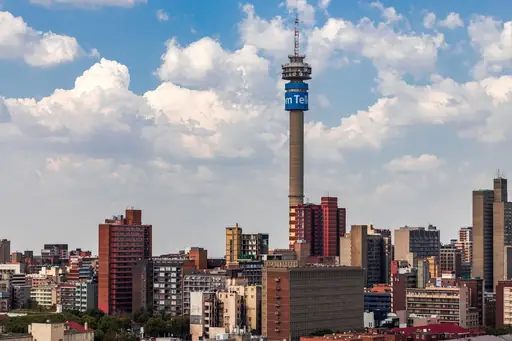
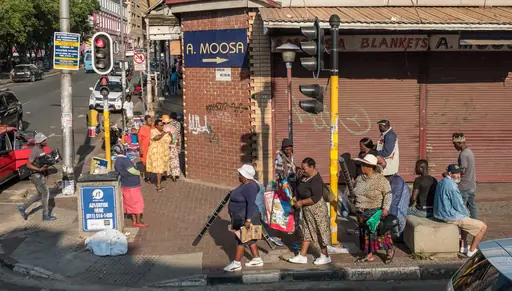
The Apartheid Museum uses separate entrances marked by race to recreate the system. Photographs, film footage and personal testimony trace the era from origins to end. Visitors can walk through exhibits on resistance movements and the path to democracy. Constitution Hill nearby occupies a former prison that once held Nelson Mandela.
City in Austria
Linz
Media Arts, Danube Views, Modern Vibe
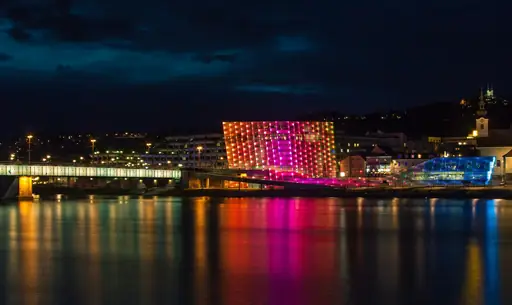
The Ars Electronica Center focuses on digital art, robotics and emerging technology. Its glass facade changes colour at night, lit by thousands of programmable LED panels. Visitors can interact with virtual reality and robotic art across several floors. The Lentos Art Museum nearby adds Austrian modern art along the Danube.
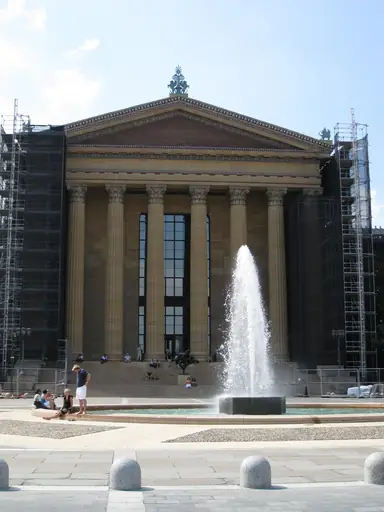
Art Museum in Philadelphia
Philadelphia Museum of Art
Epic art and iconic steps
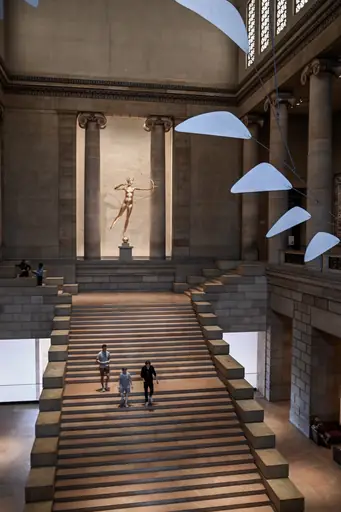
A set of stone steps leading to this museum's entrance gained fame after Rocky. Runners still jog up the steps daily, arms raised like the film's finale. Visitors can view the collection before posing beside a bronze statue at the base. Galleries here span European painting, arms and armour, plus decorative art.
City in Greece
Athens
Where ancient ruins meet urban energy
The Acropolis Museum displays sculptures recovered from the hill visible through glass walls. The National Archaeological Museum nearby holds a rich collection of ancient Greek artefacts. Visitors can walk between both museums and the Acropolis itself in a single day. The Benaki Museum adds Greek folk art and Byzantine artefacts to the mix.
City in Chile
Santiago
A vibrant city between mountains
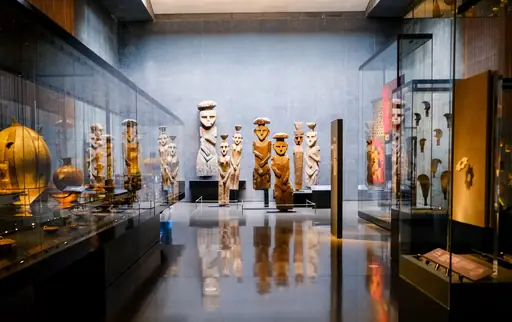
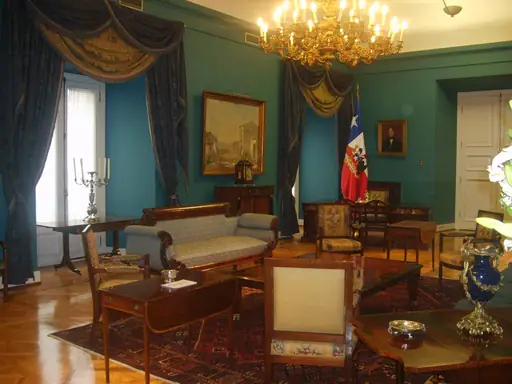
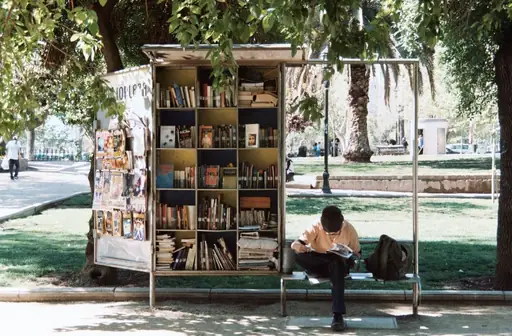
The Museum of Memory and Human Rights sits inside a building designed to contrast with the era it documents. Photographs, testimonies and personal belongings trace Chile's years under military dictatorship. Visitors can walk through a timeline covering the coup, repression and return to democracy. The Museum of Precolombian Art nearby occupies a former colonial courthouse.
Library in Washington, D.C.
Library of Congress
Vast Treasury of Knowledge and History
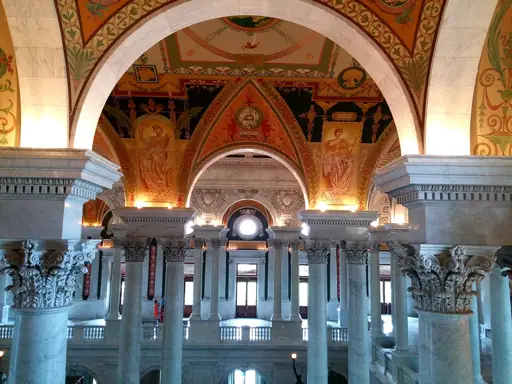
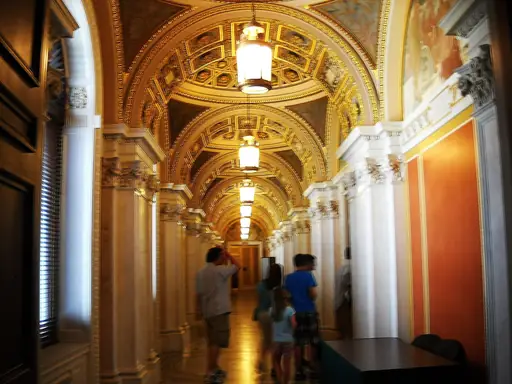
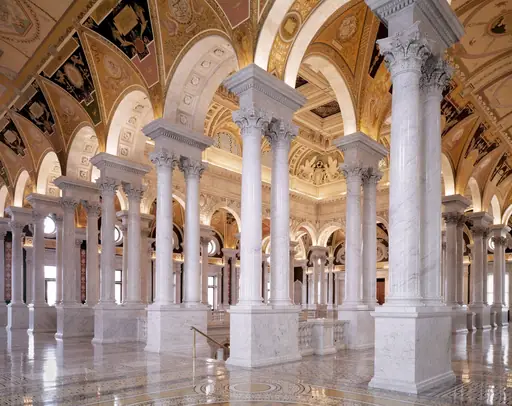
This library holds more than 170 million items across its storage system. A Gutenberg Bible, one of few surviving complete copies, sits on permanent display. Visitors can view the Main Reading Room's ornate dome from an upper balcony. Thomas Jefferson's personal library formed the seed collection after 1815.

City in Tunisia
Tunis
Where Ancient Meets Vibrant Modernity
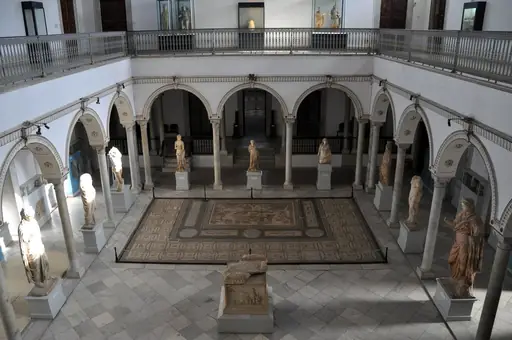
The Bardo Museum occupies a former royal palace filled with fine Roman mosaics. Detailed floor panels depicting myths and daily life once decorated wealthy Roman villas. Visitors can walk through palace rooms still decorated with painted tile and plaster. The medina outside adds old souks selling textiles, leather and metalwork.
City in United Kingdom
Cardiff
Castles, culture and waterfront buzz
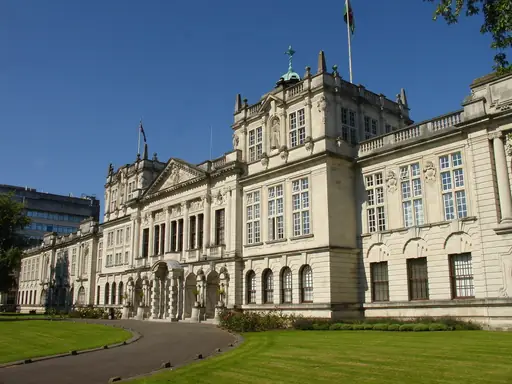
The National Museum Cardiff holds Welsh art alongside a significant collection of Impressionist paintings. Its natural history galleries display a life sized model of a blue whale overhead. Visitors can view Monet and Renoir works donated by a single generous local collector. Cardiff Castle nearby adds Roman ruins layered beneath a Victorian gothic revival mansion.
City in United Kingdom
Bristol
Creative Energy on the River Avon
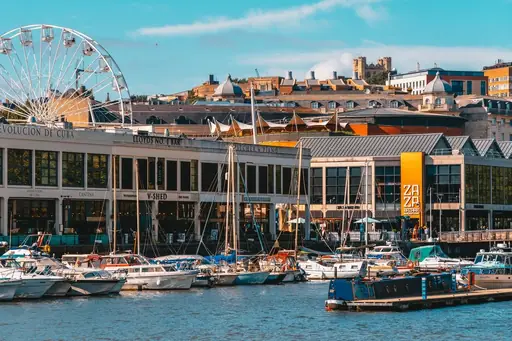
The SS Great Britain, a pioneering steamship, sits preserved in the dry dock where it was built. Visitors can walk the decks and cabins restored to their Victorian era look. M Shed nearby traces the city's industrial, maritime and cultural history. Bristol Museum and Art Gallery adds natural history displays and an Egyptology collection.
City in Austria
Graz
Courtyards, Culinary Delights, Creative Vibes
The Kunsthaus Graz's biomorphic blue exterior earned it the nickname Friendly Alien. Its bulging glass and steel shell contrasts sharply with the baroque old town nearby. Visitors can view rotating contemporary art inside the building's curved galleries. The Armory Museum nearby displays one of the world's largest historic weapon collections.
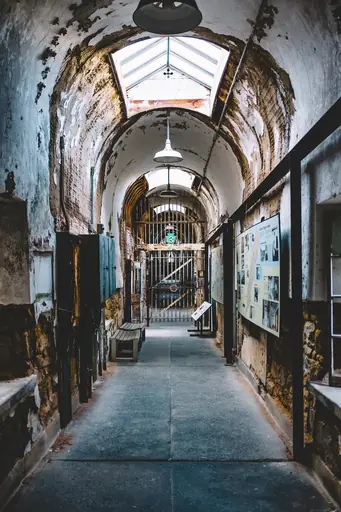
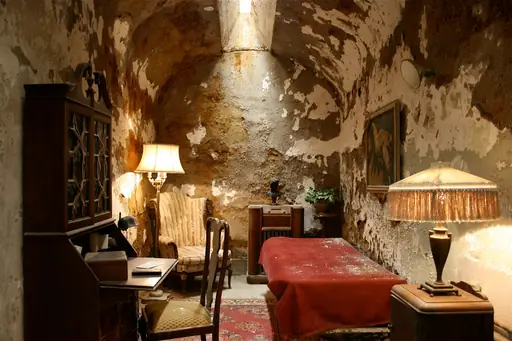
Historic Site in Philadelphia
Eastern State Penitentiary
Haunting historic prison experience
This former prison pioneered solitary confinement when it opened in 1829. Crumbling cell blocks radiate outward from a central hub in a wheel shaped design. Visitors can walk through decaying corridors with an audio tour narrated by a guard. Al Capone once served time here, his cell now restored as part of the exhibit.


City in Ghana
Accra
Vibrant Culture and Coastal Charm
Ghana's National Museum displays artefacts spanning precolonial kingdoms and the independence movement. Kwame Nkrumah Memorial Park honours the country's first president with a mausoleum and museum. Visitors can view royal Ashanti regalia alongside exhibits on the transatlantic slave trade. Contemporary galleries nearby display work by a growing generation of Ghanaian artists.
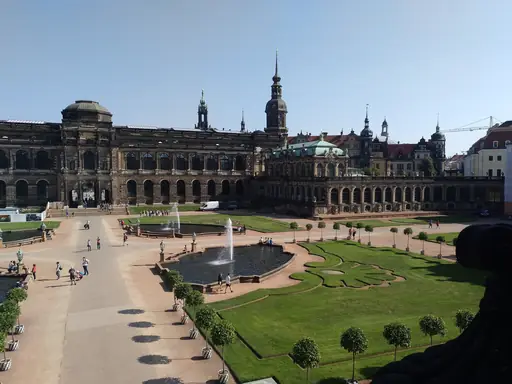
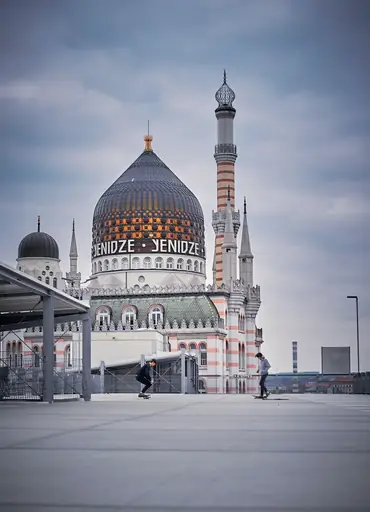
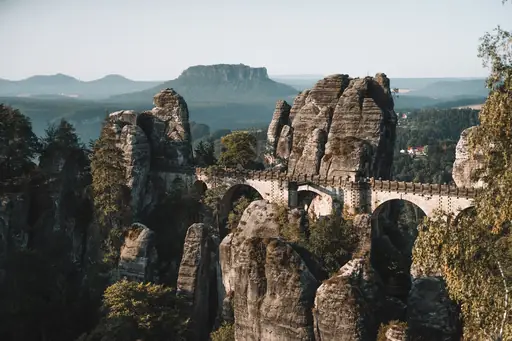
City in Germany
Dresden
A Baroque Beauty with a Modern Soul
The Zwinger Palace holds porcelain, old master paintings and a physics instrument collection. Raphael's Sistine Madonna hangs inside its Old Masters Gallery, a highlight for visitors. Visitors can tour the Green Vault's treasury, packed with jewelled objects from Saxon rulers. Rebuilt after wartime bombing, the baroque courtyard now hosts concerts each summer.
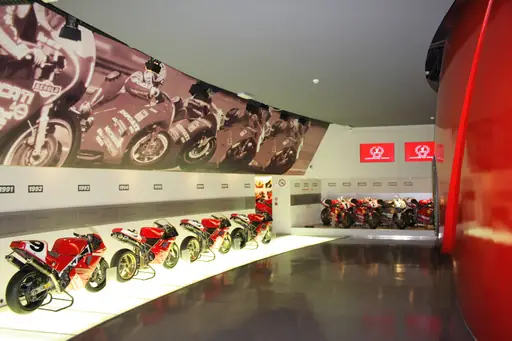
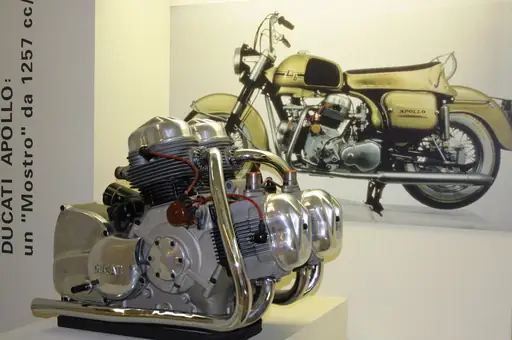

Museum in Bologna
Ducati Museum
Legendary Italian Motorcycle History
Racing motorcycles spanning nearly a century of competition fill this Bologna factory's exhibit halls. Championship winning bikes ridden by famous racers hang suspended above the showroom floor. Visitors can tour the adjoining factory to watch engines assembled on the production line. Vintage advertisements and racing leathers round out the museum's collection of motorsport history.
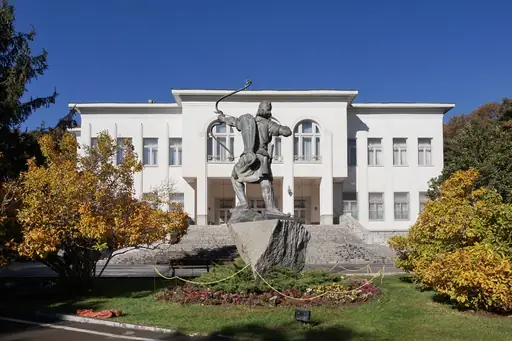
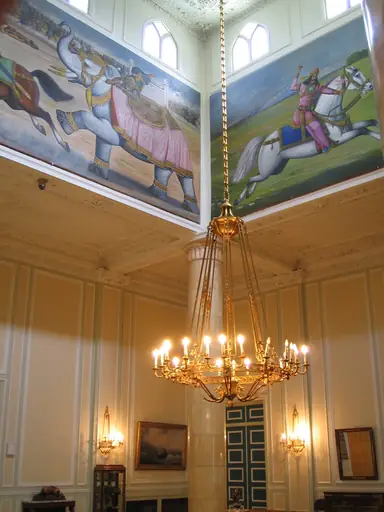
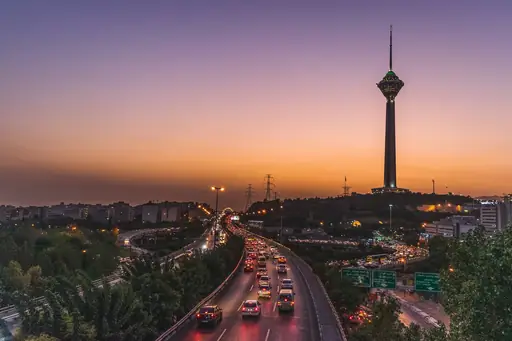
City in Iran
Tehran
A vibrant city with rich history
The National Museum here displays Lucy, a cast of a 3.2 million year old hominid skeleton. Its ethnological wing traces the customs of dozens of Iran's ethnic and religious groups. Visitors can view Persian ceramics and manuscripts spanning several pre-Islamic and Islamic dynasties. The Glassware and Ceramics Museum nearby occupies a former Qajar era mansion.
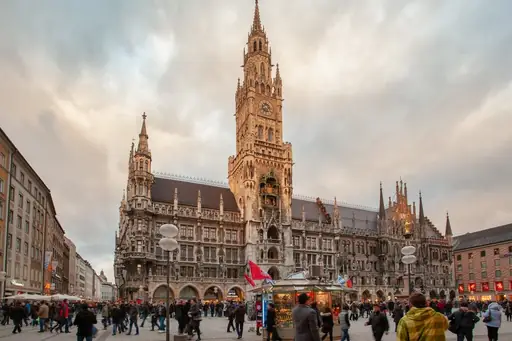
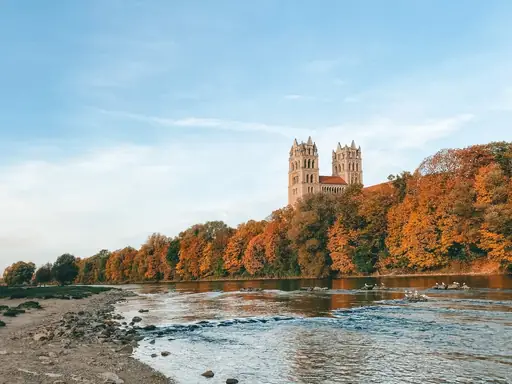
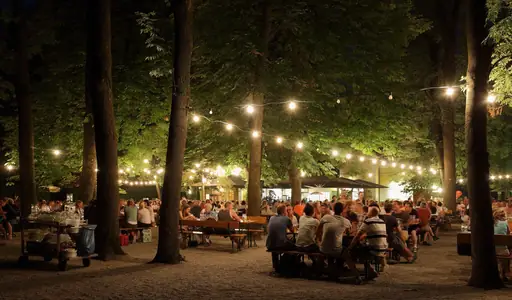
City in Germany
Munich
Bavarian Tradition Meets Modern Flair
The Deutsches Museum holds one of the world's largest collections of science and technology exhibits. Visitors can walk through a real submarine cutaway and early aircraft suspended overhead. The Alte Pinakothek nearby displays European old masters spanning five centuries of painting. BMW Welt adds a museum tracing the automaker's history beside its modern showroom.

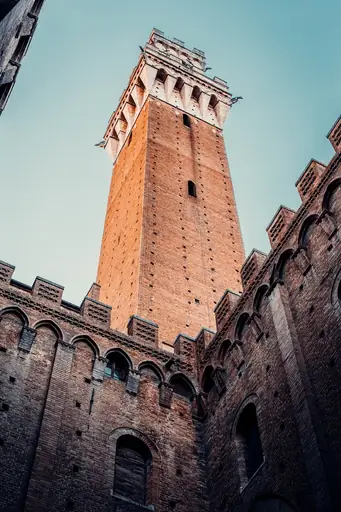
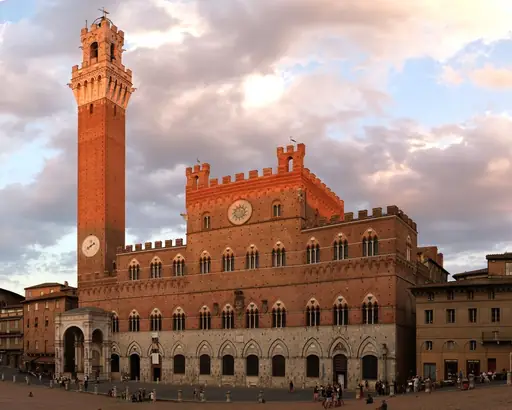
Town in Italy
Siena
Timeless Charm in Tuscany
Twice each summer, horses race bareback around this city's shell shaped square. The cathedral museum nearby displays sculpture and glass removed from the building. Visitors can climb a narrow tower for views over the square below. Its striped black and white marble facade remains among Italy's most photographed churches.
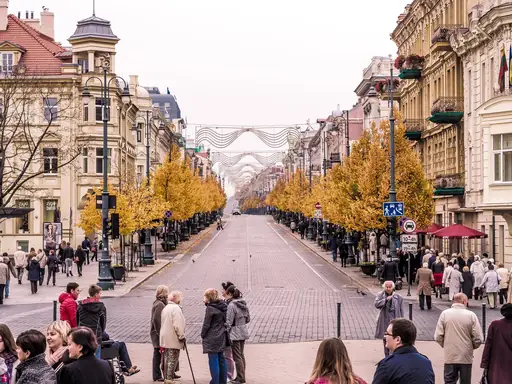
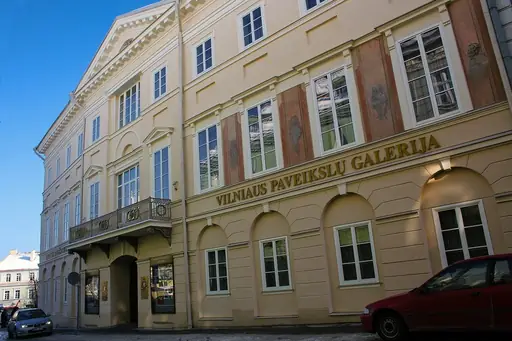
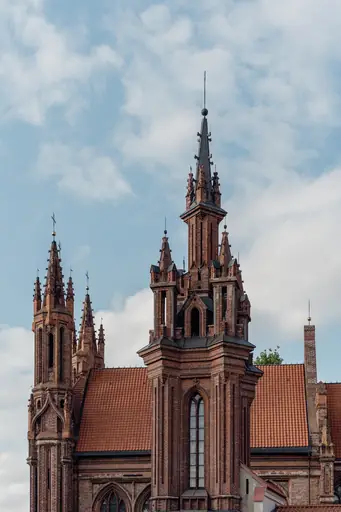
City in Lithuania
Vilnius
Medieval Charm Meets Modern Vibes
Soviet occupation left this city with a genocide museum inside a former KGB headquarters. Basement cells once used for interrogation and execution remain preserved in the exhibit. Visitors can walk through the same corridors where prisoners were held and questioned. The National Museum of Lithuania nearby traces the country's medieval and pagan history.
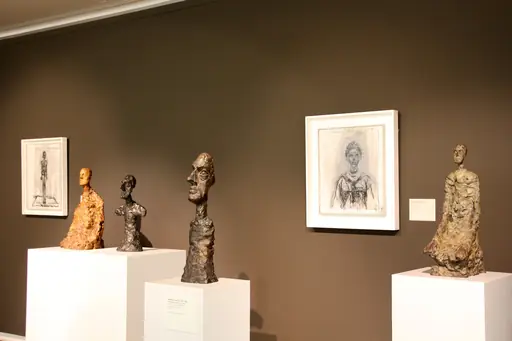
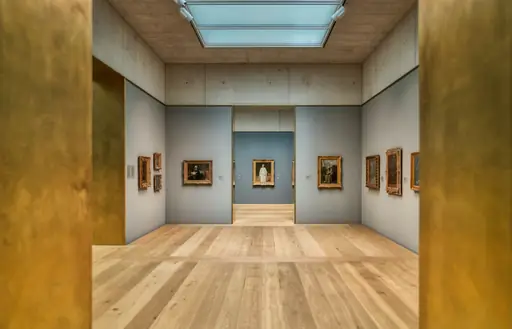
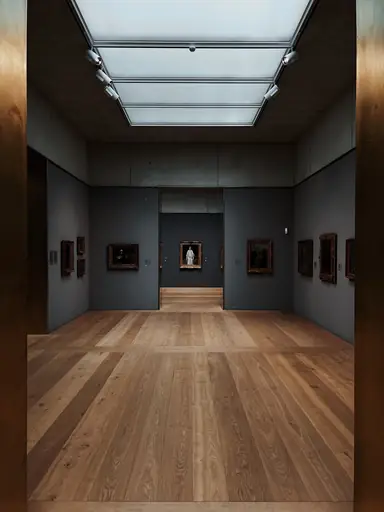
Art Museum in Zurich
Kunsthaus Zürich
Switzerland's Largest Art Museum
This museum holds Switzerland's largest collection of work by sculptor Alberto Giacometti. An extension designed by David Chipperfield doubled the museum's exhibition space in 2021. Visitors can view Munch, Monet and Chagall alongside major Swiss modernist painters. Rotating exhibitions often pair historical collections with contemporary international artists.
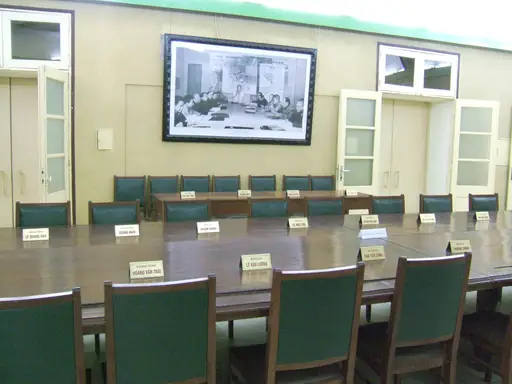
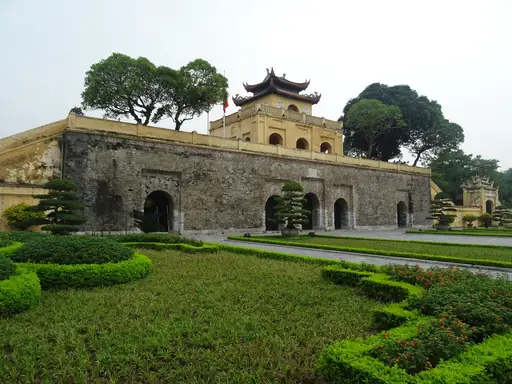
Castle in Hanoi
Thăng Long Imperial Citadel
Vietnam’s Ancient Political Heart
Vietnamese emperors ruled from this Hanoi citadel for nearly a thousand years across multiple dynasties. Archaeological excavations beneath the site have uncovered layers of foundations from successive royal palaces. Visitors can descend into an underground bunker used during the Vietnam War era. Artefacts on display range from imperial ceramics to French colonial military relics.
Village in France
Giverny
Monet's living canvas of inspiration
Claude Monet lived and painted in this village's gardens for more than four decades. His water lily pond and Japanese bridge appear repeatedly throughout his later Impressionist paintings. Visitors can walk the same paths and flower beds that inspired his canvases. The artist's restored house nearby displays his collection of Japanese woodblock prints.
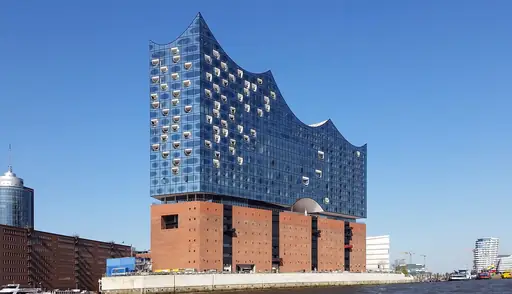
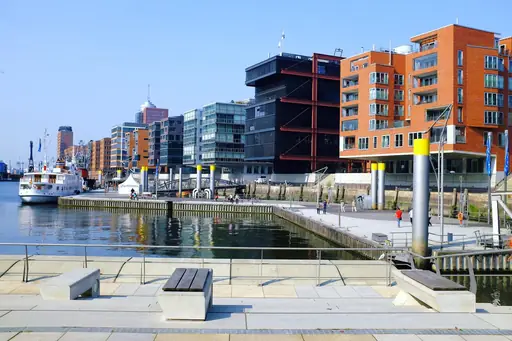

City in Germany
Hamburg
A Port City with Endless Charm
The International Maritime Museum traces seafaring history across nine floors inside a converted warehouse. Its ship model collection ranks among the largest of its kind found anywhere. Visitors can walk through galleries covering navigation, naval warfare and commercial shipping history. Miniatur Wunderland nearby holds the world's largest model railway across themed rooms.
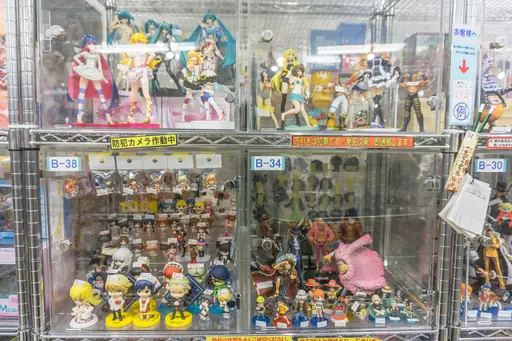
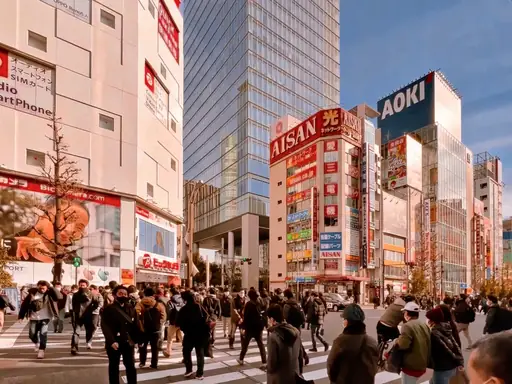
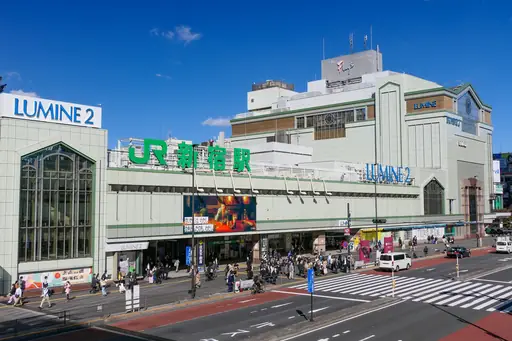
City in Japan
Tokyo
Japan's capital of temples, towers and food
The Edo-Tokyo Museum recreates the city's feudal era through full scale replica buildings and bridges. Its main hall sits raised on stilts, modelled after an old rice storehouse design. Visitors can walk across a reconstructed Nihonbashi bridge inside the museum's main gallery. The Tokyo National Museum nearby adds samurai armour and centuries of Japanese art.
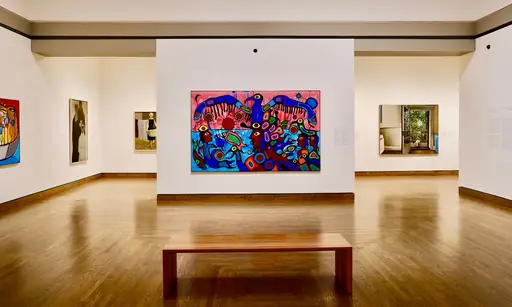
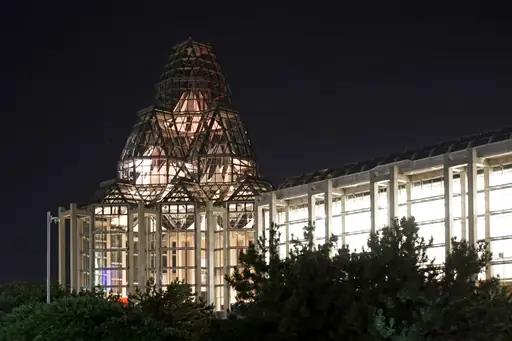

Art Gallery in Ottawa
National Gallery of Canada
Canada's Premier Art Destination
A giant bronze spider sculpture called Maman guards the entrance to this glass walled museum. Its collection spans Indigenous Canadian art alongside European masterworks and contemporary pieces. Visitors can walk through a reconstructed nineteenth century chapel relocated inside the building. Large windows throughout the galleries frame views of the nearby Ottawa River and Parliament.
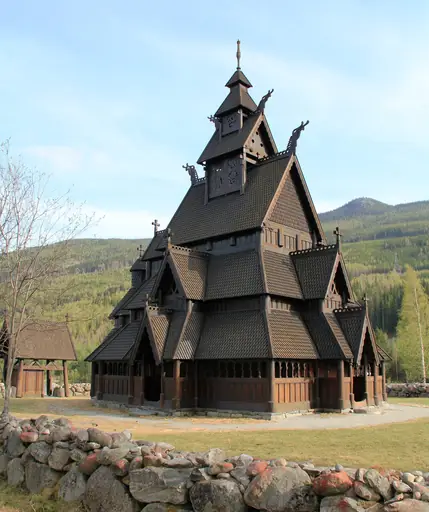
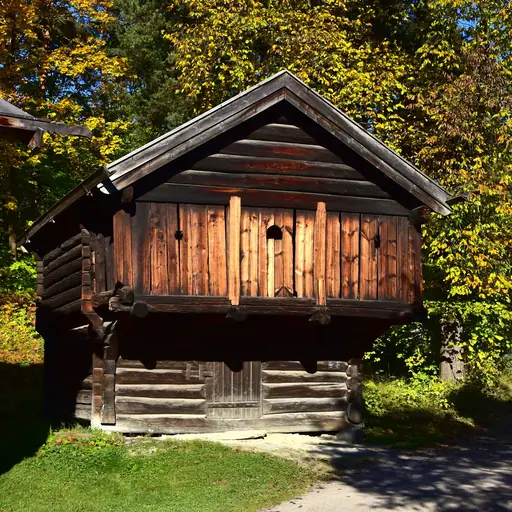
Museum in Oslo
The Norwegian Museum of Cultural History
Norway's Living Heritage Experience
More than a hundred and sixty historic buildings sit relocated across this open air museum. Structures range from medieval stave churches to farmhouses moved from across rural Norway. Visitors can watch craftspeople demonstrate traditional weaving, baking and woodworking throughout the grounds. Folk dance performances take place regularly in the museum's central square during summer.
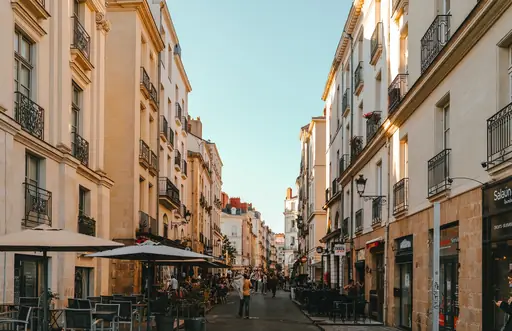
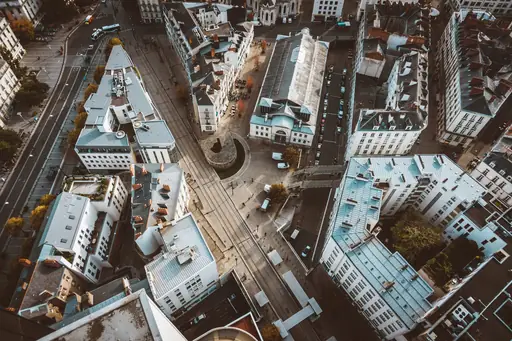
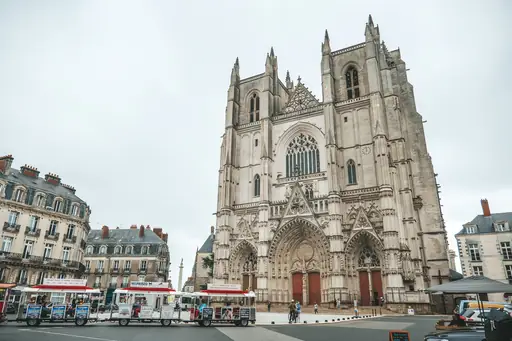
City in France
Nantes
Art, History and River Surprises
Les Machines de l'Ile displays giant mechanical animals on old shipyard grounds. A twelve meter tall mechanical elephant carries passengers on rides around the site. Visitors can climb aboard the elephant or explore a carousel of sea creatures. The Nantes History Museum nearby traces the city's past as a trading port.
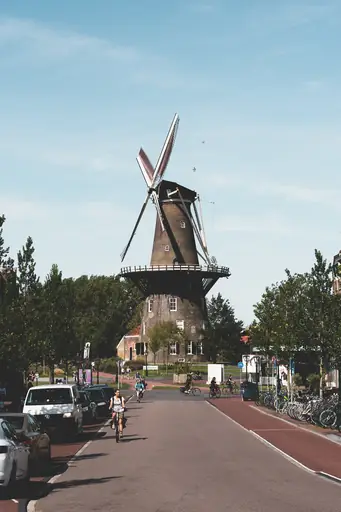
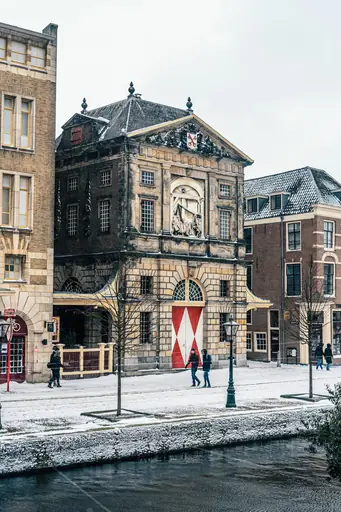
City in Netherlands
Leiden
Canals, courtyards and student spirit
The National Museum of Antiquities holds an Egyptian temple gifted to the Netherlands in the 1960s. Rembrandt was born in this city, honoured at a small dedicated information centre downtown. Visitors can walk through the reconstructed temple's stone gateway inside the museum's atrium. Naturalis, a natural history museum nearby, displays a real Tyrannosaurus rex skeleton.
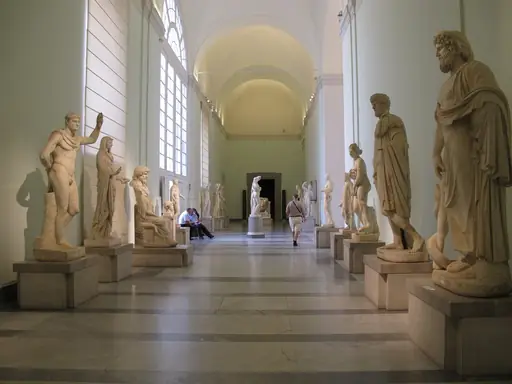
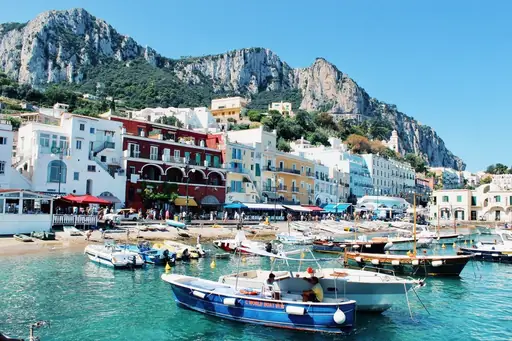
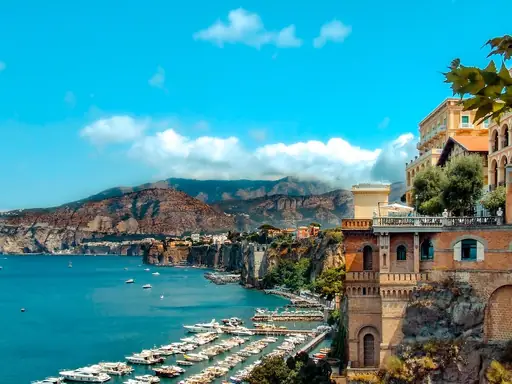
City in Italy
Naples
Where history and passion converge
The National Archaeological Museum here holds treasures excavated from Pompeii and Herculaneum. Roman mosaics, bronze statues and wall paintings survived intact under centuries of ash. Visitors can view a mosaic of Alexander the Great pulled from a buried villa floor. A separate erotic art gallery displays pieces once considered too scandalous to show.
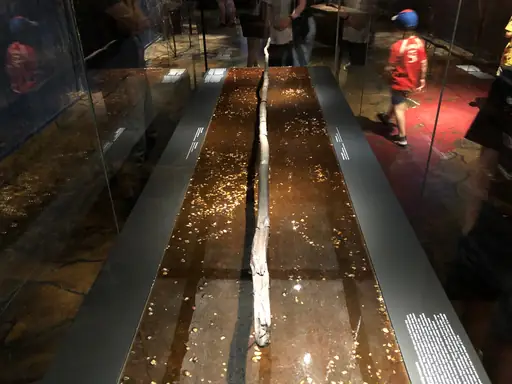
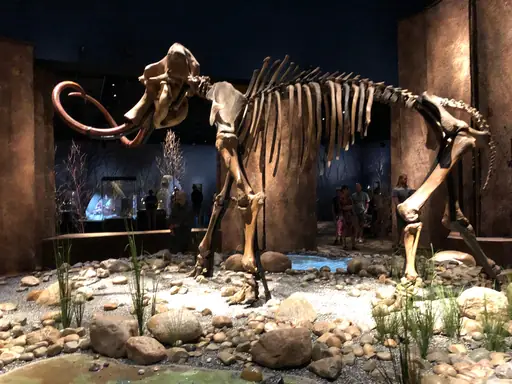
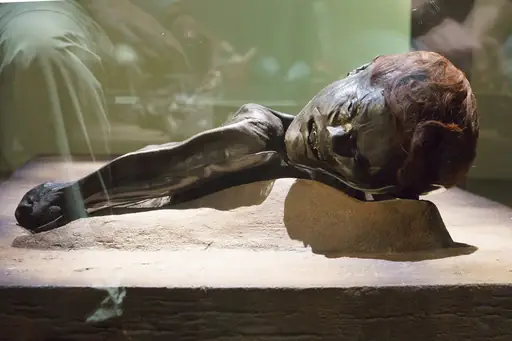
Museum in Aarhus
Moesgaard Museum
Living History in Modern Architecture
A grass covered roof lets visitors walk up and over this Aarhus museum's sloped exterior. Inside, exhibits trace Danish prehistory through Viking era artefacts and preserved bog bodies. Visitors can view Grauballe Man, a naturally mummified body found in a nearby peat bog. Interactive displays recreate Iron Age village life alongside the museum's archaeological collection.
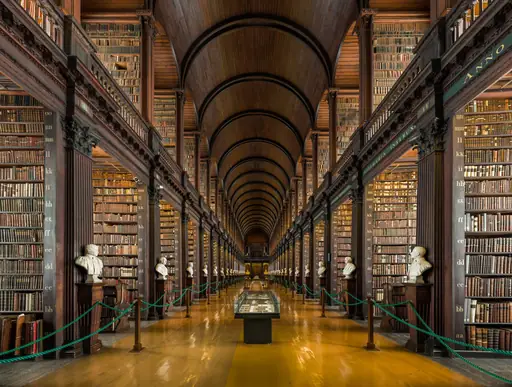
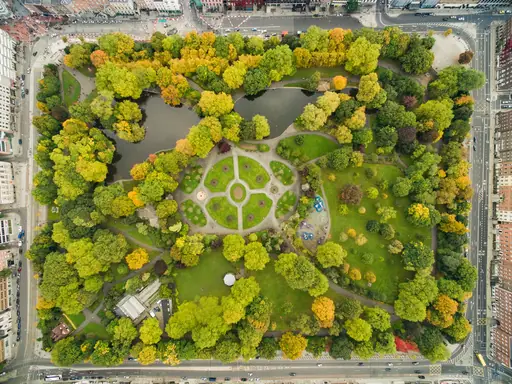

City in Ireland
Dublin
Where History, Pubs and Culture Collide
Trinity College's Old Library holds the Book of Kells, an illuminated gospel. Its Long Room displays fifteen thousand of the library's oldest books beneath a vaulted ceiling. Visitors can view the manuscript's detailed Celtic artwork through glass in a dim gallery. The National Museum of Ireland nearby adds Bronze Age gold artefacts and Viking finds.
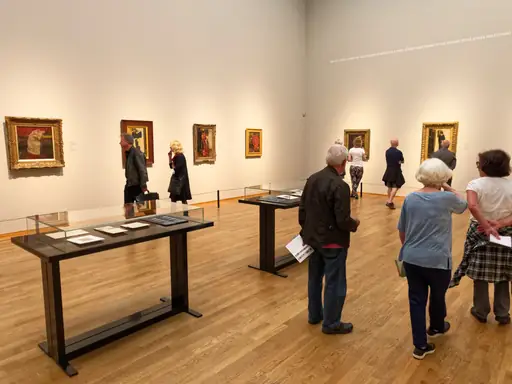
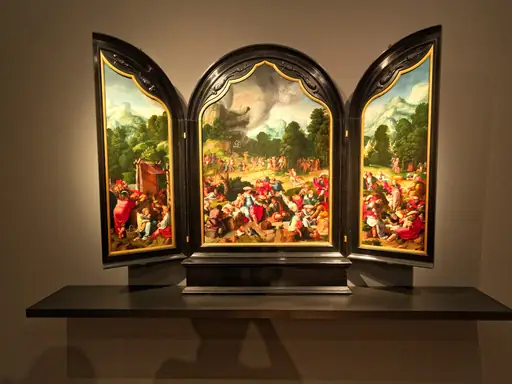
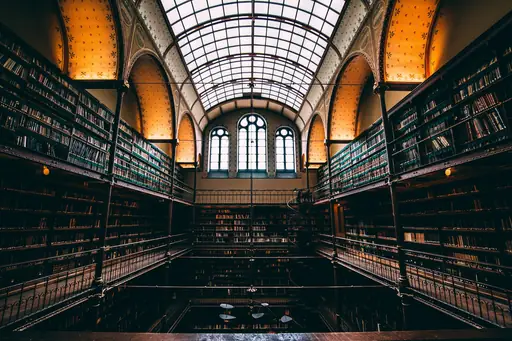
Museum in Amsterdam
Rijksmuseum
Dutch Golden Age Art Marvel
Rembrandt's The Night Watch hangs in a gallery built to display the massive canvas. This museum's collection traces Dutch art and history from medieval times to today. Visitors can walk through the Gallery of Honor, lined with celebrated Dutch paintings. A library inside the building holds one of Europe's largest art history collections.

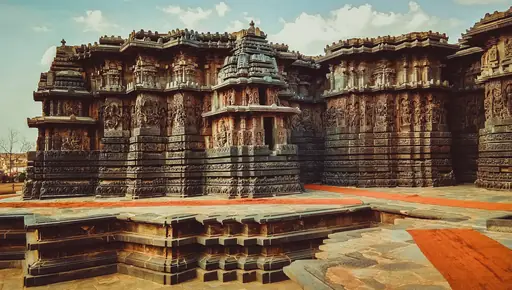
City in India
Bangalore
India’s Green and Tech Capital
The Visvesvaraya Industrial and Technological Museum lets visitors interact with hands on science exhibits. HAL Aerospace Museum nearby displays vintage aircraft tied to India's aviation history. Visitors can walk through exhibits on electricity, biotechnology and space exploration across several floors. The National Gallery of Modern Art adds Indian painting spanning the colonial era to today.
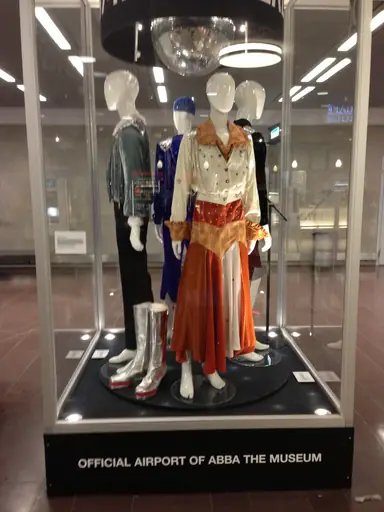
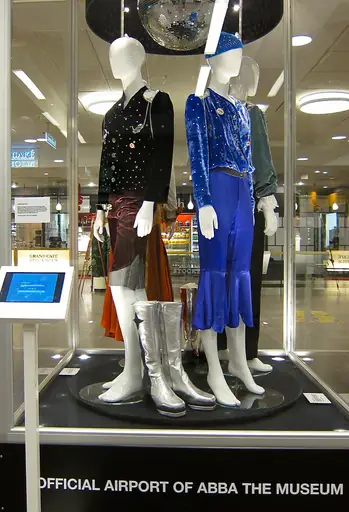
Museum in Stockholm
ABBA The Museum
Interactive Pop Music Experience
Costumes worn during the band's biggest performances fill display cases across this Stockholm museum. Interactive exhibits let visitors sing and dance alongside holographic versions of the band members. Visitors can step inside a recreated studio booth to record their own vocal track. A replica of the band's isolated songwriting cottage sits within one gallery.
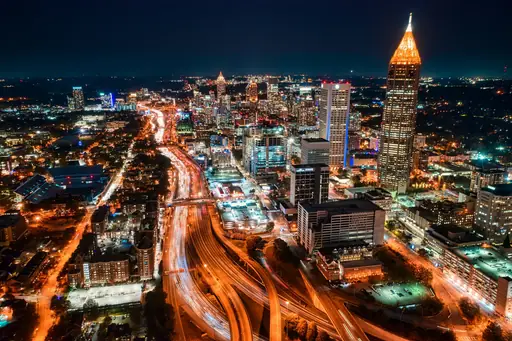
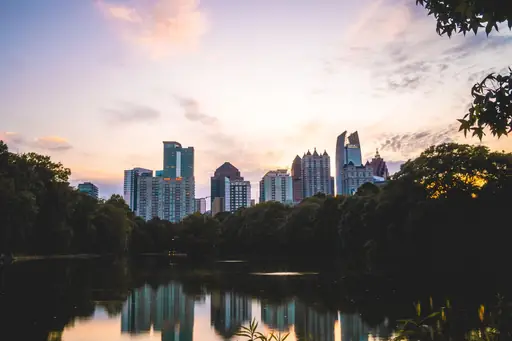
City in United States
Atlanta
A City of Southern Charm and Surprises
The Center for Civil and Human Rights documents the movement's history through interactive exhibits. The High Museum of Art holds a growing collection of American, European and contemporary work. Visitors can tour the childhood home of Martin Luther King Jr. in Sweet Auburn. The World of Coca-Cola nearby traces the beverage's history through tastings.

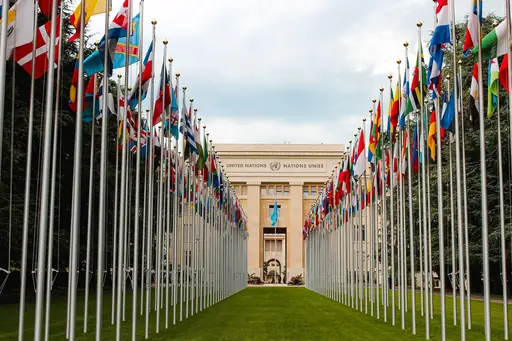
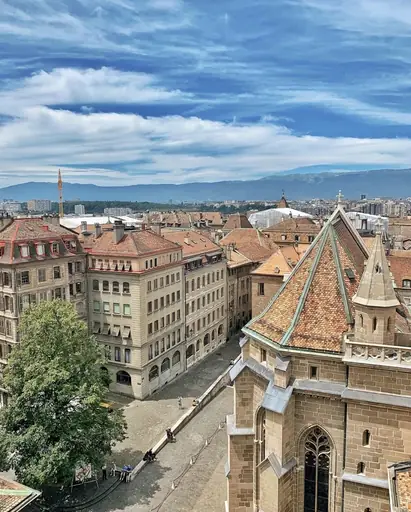
City in Switzerland
Geneva
Where nature meets international flair
The International Red Cross Museum documents humanitarian work through wartime photographs and personal testimonies. Its collection includes original Geneva Convention documents tied to the organisation's founding here. Visitors can walk through exhibits on conflict, disaster relief and prisoner of war camps. The Patek Philippe Museum nearby traces centuries of Swiss watchmaking craftsmanship.
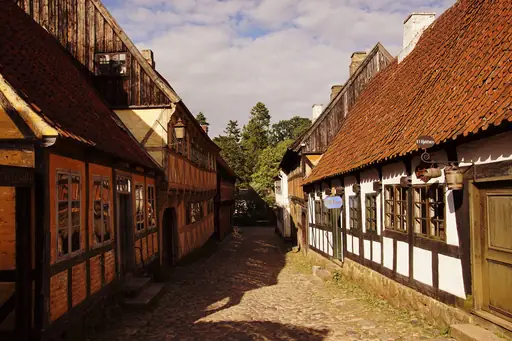
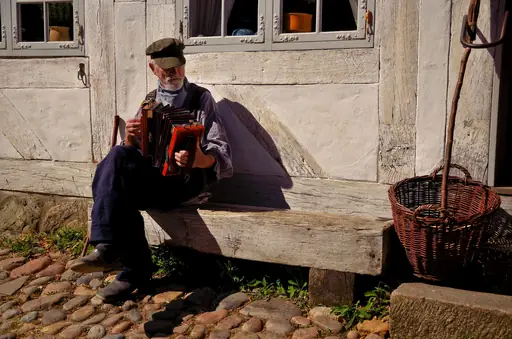
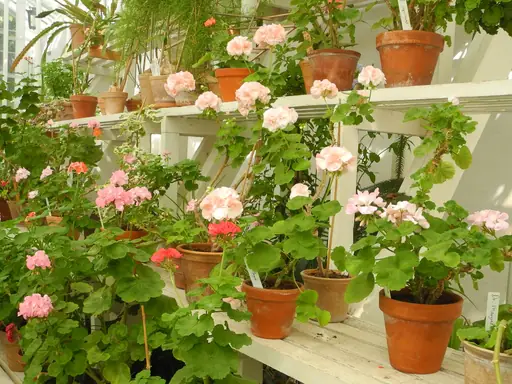
Museum in Aarhus
Den Gamle By
Living History of Danish Cities
This open air museum reassembles historic buildings moved here from towns across Denmark. Streets are arranged to recreate specific decades, from the 1800s through the 1970s. Visitors can walk into shops, homes and workplaces staffed by costumed interpreters in character. A working printing press and grocery store let guests handle period appropriate goods firsthand.

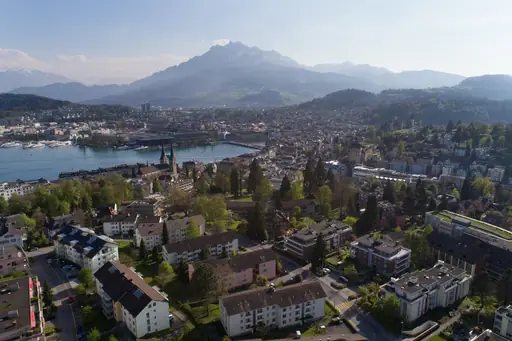
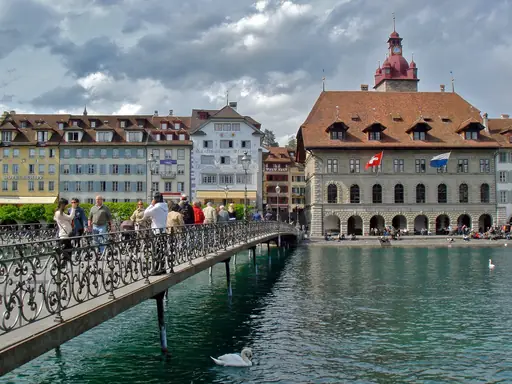
City in Switzerland
Lucerne
Alpine Beauty Meets Medieval Charm
The Swiss Museum of Transport displays locomotives, aircraft and vintage automobiles. A planetarium and a large relief map of Switzerland round out its exhibits. Visitors can climb into a real aircraft cockpit or ride a small scale railway. The Rosengart Collection nearby holds Picasso and Klee works from a single dealer.
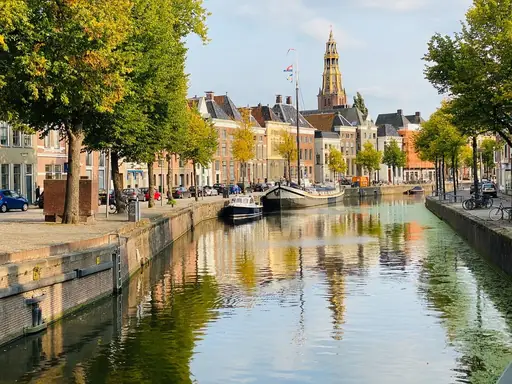
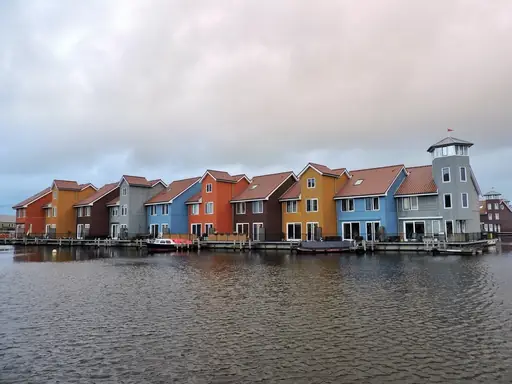
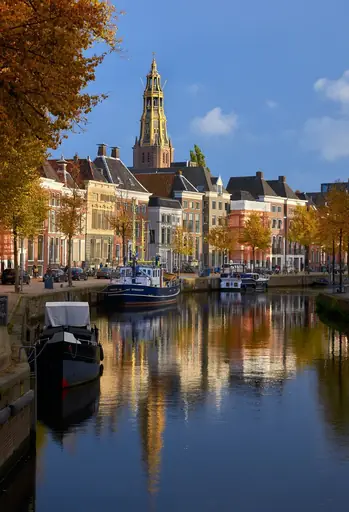
City in Netherlands
Groningen
Youthful Energy, Dutch Tradition Combined
The Groninger Museum's colourful, angular building sits on an island in the city's central canal. Its design brought together several international architects, each responsible for a different section. Visitors can view Chinese porcelain recovered from a historic shipwreck inside one wing. Rotating exhibitions elsewhere cover fashion, design and contemporary regional art.
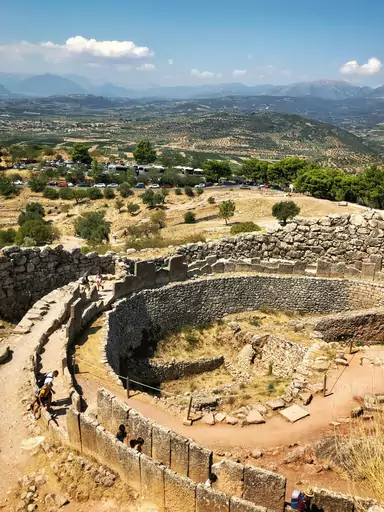
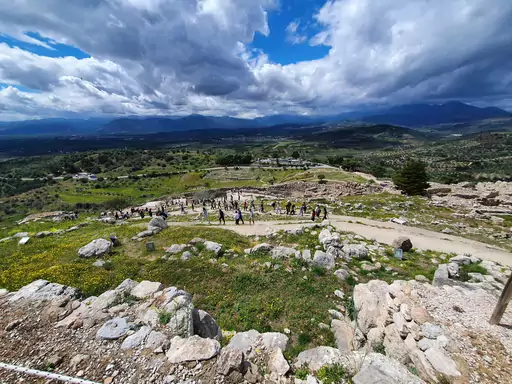
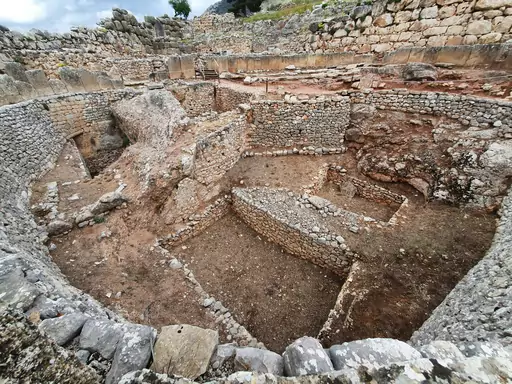
Town in Greece
Mycenae
Ancient citadel of legendary kings
This Bronze Age citadel gave its name to an entire ancient Greek civilisation. Its Lion Gate entrance, carved with two facing lions, has stood for three thousand years. Visitors can walk through royal tombs where archaeologists found gold masks. The on site museum displays replicas of artefacts too fragile to leave storage.
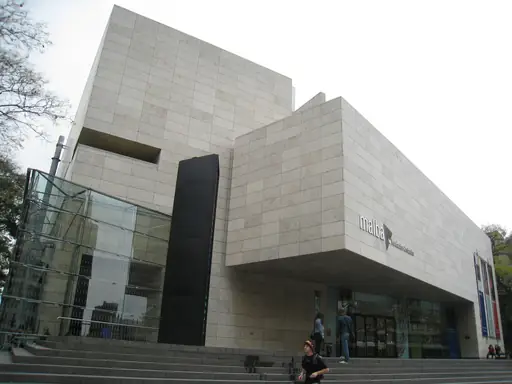
Art Museum in Buenos Aires
Museo de Arte Latinoamericano de Buenos Aires
Dynamic showcase of Latin art
This museum, known locally as MALBA, holds a major Latin American art collection. Works by Frida Kahlo and Diego Rivera hang alongside Argentine modernists here. Visitors can watch films at an on site cinema dedicated to Latin American releases. A rotating exhibition space regularly hosts contemporary artists from across the continent.
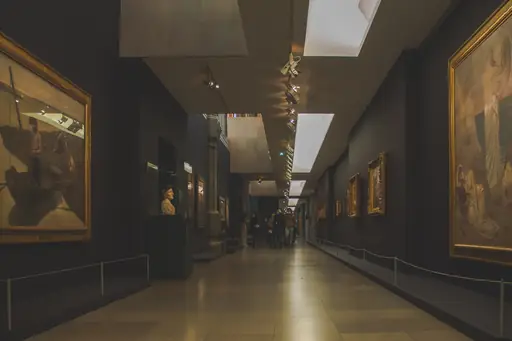
Museum in Paris
Museum of Orsay
Impressionist Masterpieces in Historic Station
A former Beaux-Arts railway station overlooking the Seine now houses this museum. The collection focuses on Impressionist and Post-Impressionist painting from the late 1800s. Visitors can view works by Monet, Van Gogh and Degas beneath the original glass roof. A large clock face, preserved from the building's railway days, still overlooks the hall.
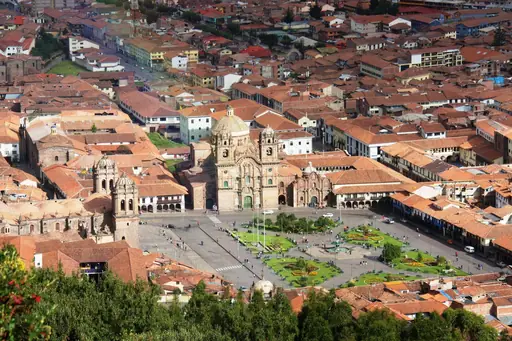
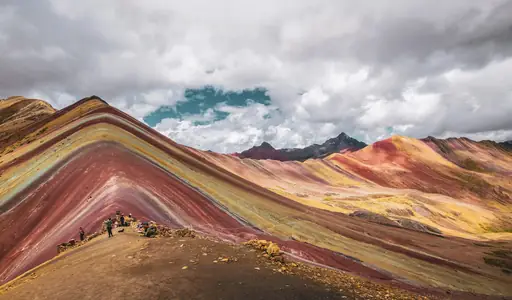

City in Peru
Cusco
Gateway to the Incan Empire's Heart
Qorikancha, once the Inca empire's most sacred temple, now sits beneath a colonial church built atop its walls. Inca stonework, fitted without mortar, remains visible beneath later Spanish additions. Visitors can view both layers of construction in the same building's foundations. The Inca Museum nearby displays mummies, textiles and metalwork from the empire's height.
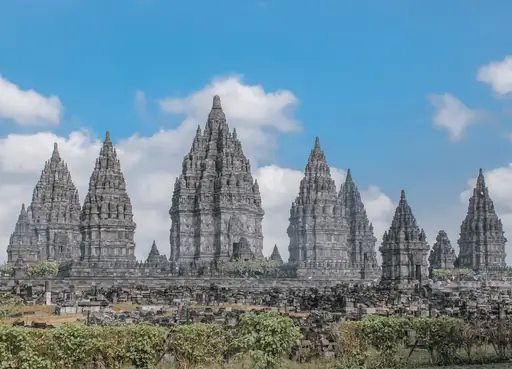
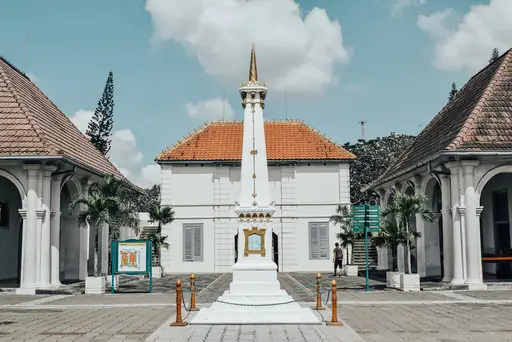
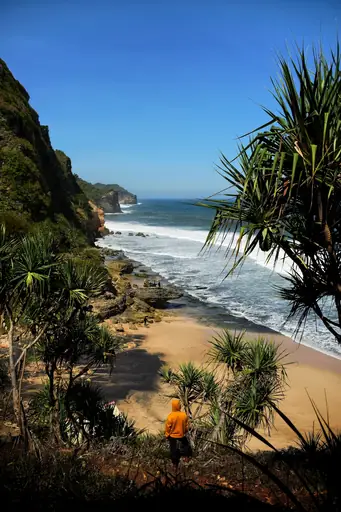
City in Indonesia
Yogyakarta
Java’s soul: temples, art, street eats
Borobudur, the world's largest Buddhist temple, rises from the plains just outside this city. Nine stacked platforms lead pilgrims past carved reliefs towards bell shaped stupas at the summit. Visitors can climb the temple at sunrise before mist clears from the surrounding volcanoes. The Sultan's Palace nearby still houses Yogyakarta's living royal family today.
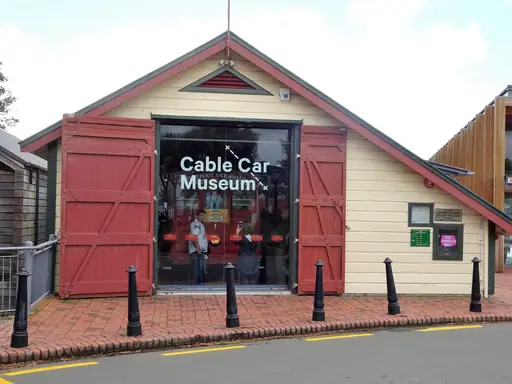
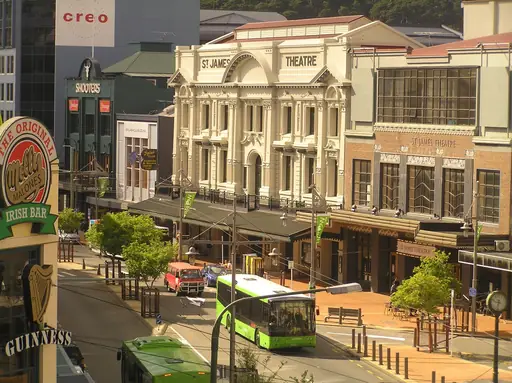
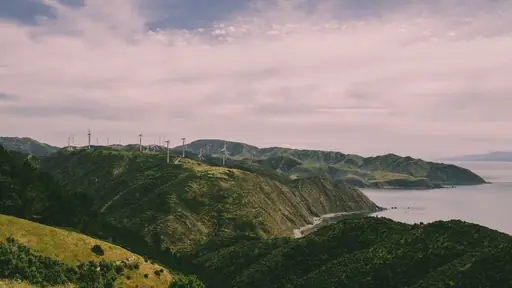
City in New Zealand
Wellington
Creative capital by wild seas
Te Papa sits on the harbour, its name meaning our place in the Maori language. A full sized replica of a giant colossal squid floats preserved inside one gallery. Visitors can experience a simulated earthquake designed to explain New Zealand's seismic activity. The museum's marae, a traditional meeting house, hosts cultural ceremonies throughout the year.
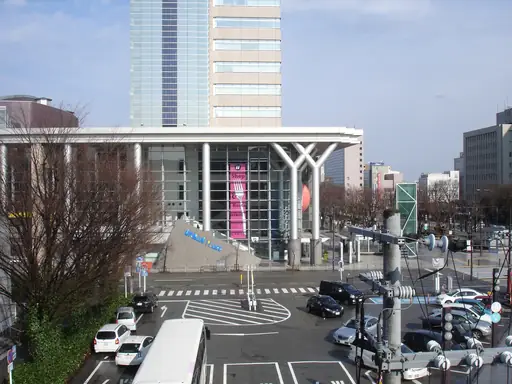

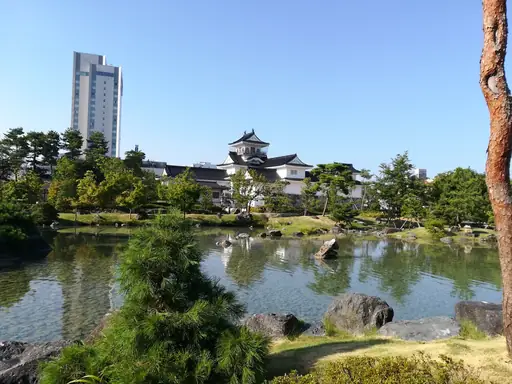
City in Japan
Toyama
Bay sushi, glass art and Tateyama views
Each spring, melting snow feeds waterfalls visible from this city's glass museum grounds. The Toyama Glass Art Museum occupies floors inside a building designed by architect Kengo Kuma. Visitors can view Dale Chihuly's colourful glass sculptures across several connected gallery spaces. The Toyama Kiban Craft Center nearby lets visitors try traditional local craft techniques.
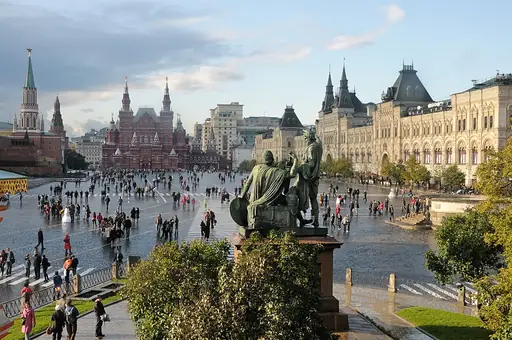
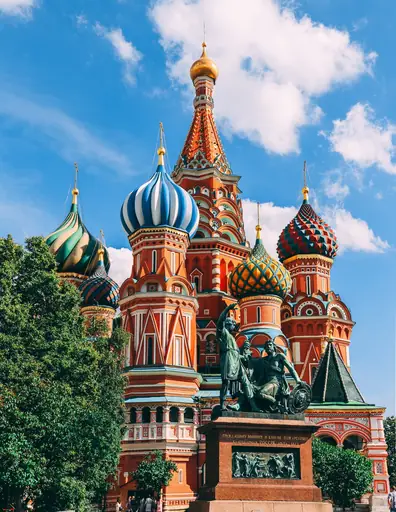
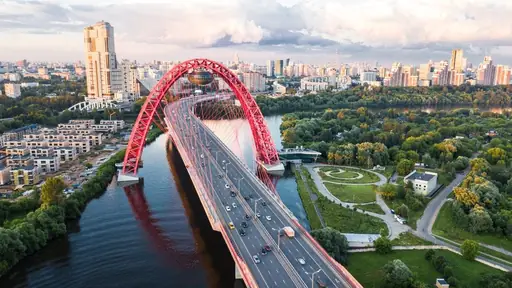
City in Russia
Moscow
A grand city of history and power
The State Tretyakov Gallery holds the definitive collection of Russian art from icons to avant garde. Its galleries trace centuries of religious painting through Soviet era socialist realism. Visitors can view Andrei Rublev's icons alongside later works by Repin and Kandinsky. The Kremlin Armoury nearby displays Faberge eggs and imperial coronation regalia.
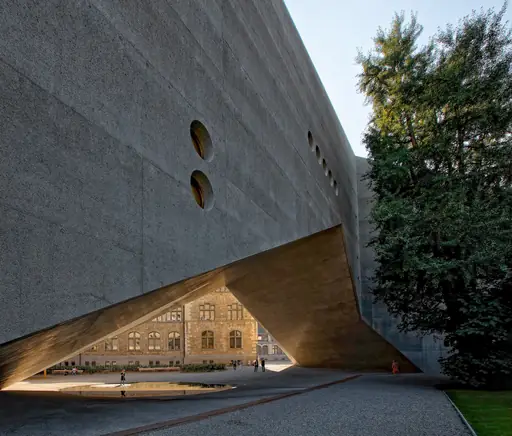
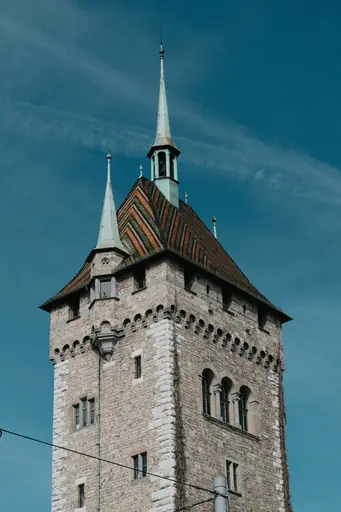
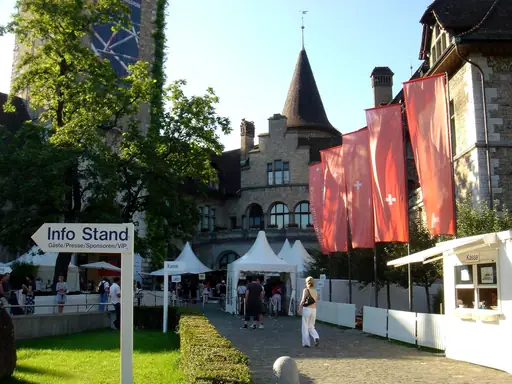
Museum in Zurich
Swiss National Museum
Switzerland’s Cultural History Hub
This Zurich museum occupies a castle like building resembling a French Renaissance chateau. Its collection spans Swiss history from prehistoric artefacts through modern design and culture. Visitors can view historic weapons, coins and folk costumes across period furnished rooms. A rooftop terrace offers views over the river and the museum's turreted exterior.
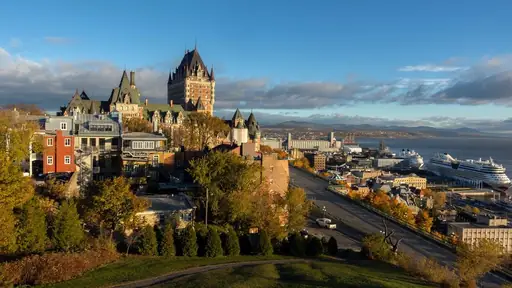
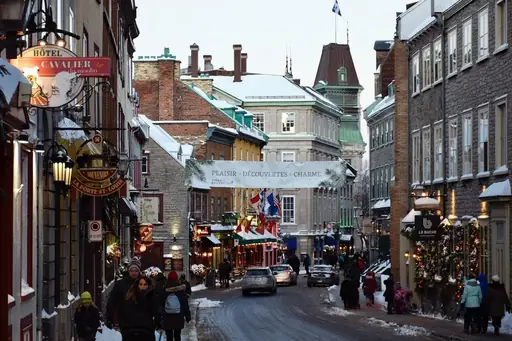
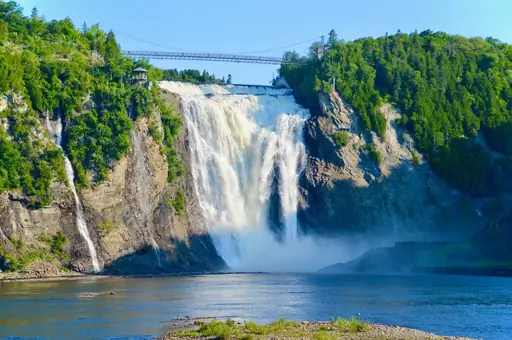
City in Canada
Quebec City
Old World Charm in North America
The Museum of Civilization traces four centuries of settlement inside the old walled city. Its galleries cover Indigenous history, French colonisation and the province's cultural identity. Visitors can walk the ramparts outside before touring exhibits on colonial life. The Plains of Abraham nearby mark the site of a major battle for control of Canada.
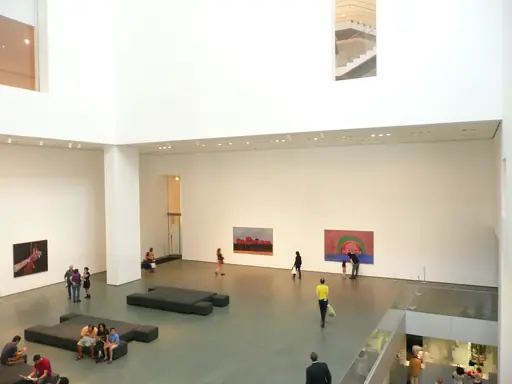
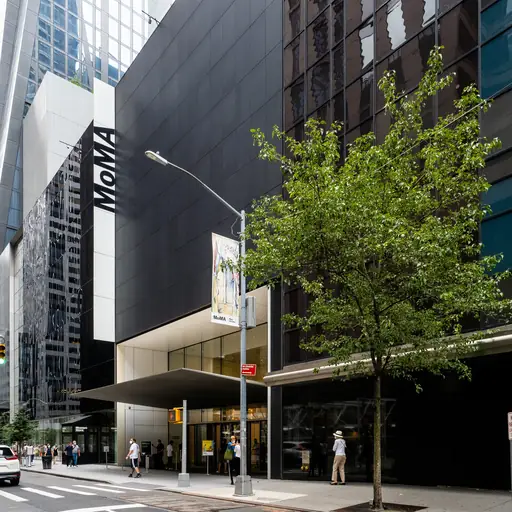
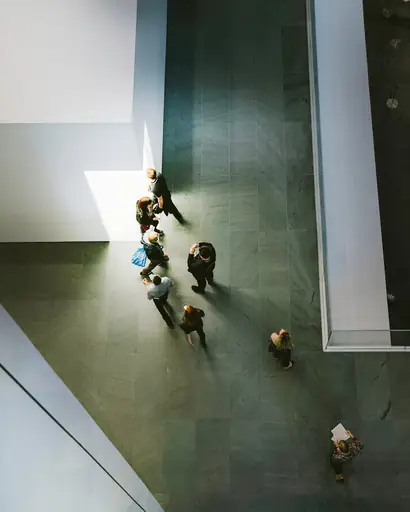
Art Museum in New York City
MoMA
Modern Art's New York Landmark
Van Gogh's The Starry Night hangs among a collection spanning painting, sculpture and design. The museum's collection traces modern art from the late 1800s through work made this decade. Visitors can walk through a sculpture garden before galleries devoted to photography and film. Special exhibitions rotate frequently, often drawing lines that wrap around the block.
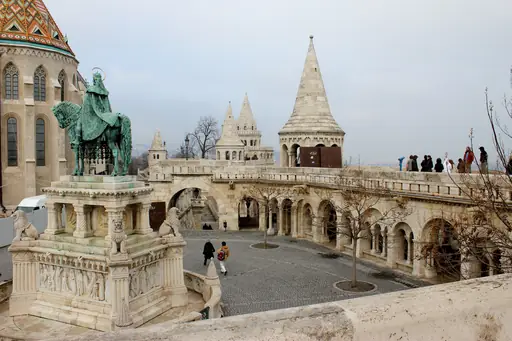
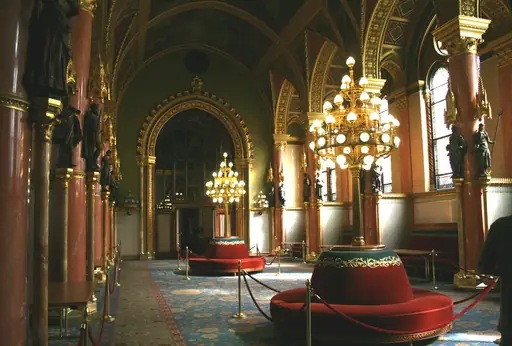
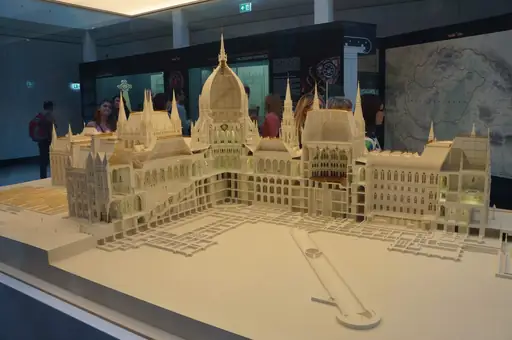
City in Hungary
Budapest
A stunning mix of history and nightlife
The Hungarian Parliament Building displays the country's crown jewels beneath its dome. Buda Castle's National Gallery holds Hungarian art from the medieval period to the 1900s. Visitors can tour both sites on opposite sides of the Danube in a single day. The House of Terror documents the country's fascist and communist occupations.

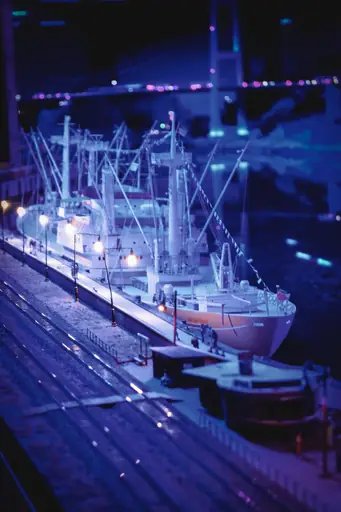
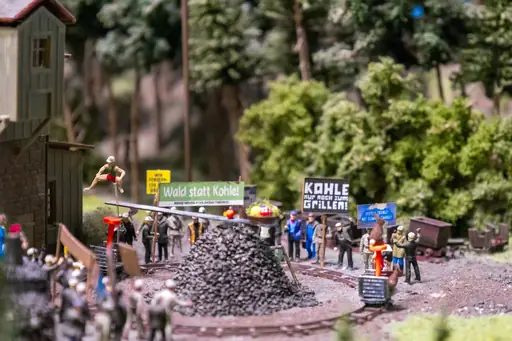
Landmark in Hamburg
Miniature Wonderland
World's largest model railway marvel
This Hamburg attraction holds the world's largest model railway across themed rooms. Tiny trains run past miniature versions of Las Vegas, Scandinavia and a working airport. Visitors can watch day turn to night every fifteen minutes as lighting shifts. Thousands of hand painted figures populate scenes built at a tiny scale.
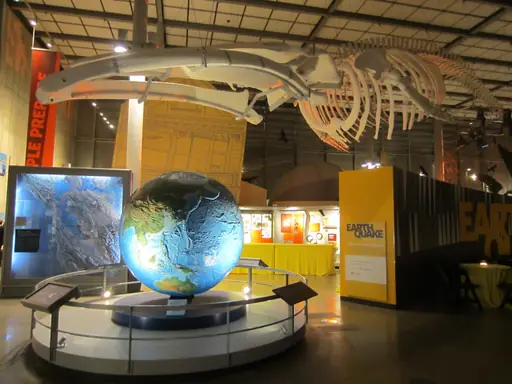
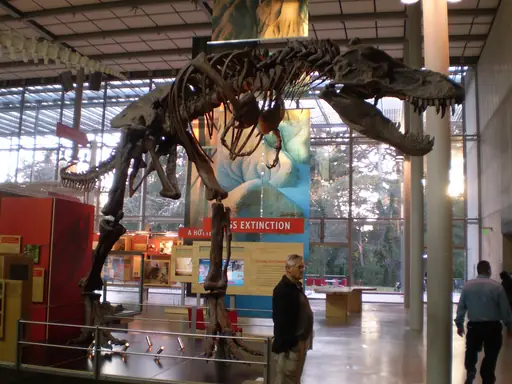
City in United States
San Francisco
Iconic bridges, rolling hills and vibrant culture
Alcatraz Island once held federal prisoners, including Al Capone, before closing in 1963. Ferries depart regularly for guided audio tours through the cell blocks and dining hall. Visitors can walk the same corridors patrolled by guards for nearly three decades. The de Young Museum nearby adds American art inside a copper building in the park.
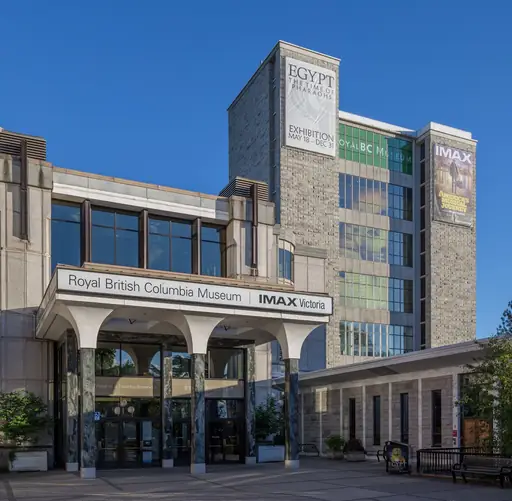

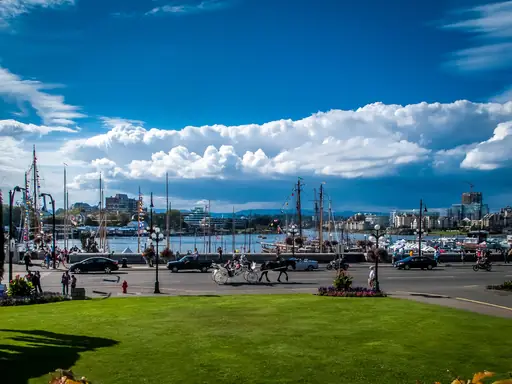
City in Canada
Victoria
Garden city by the Pacific
The Royal BC Museum traces the province's natural and human history across several floors. A recreated Ice Age landscape sits beside exhibits on Indigenous Pacific Northwest cultures. Visitors can walk through galleries covering the province's colonial founding and gold rush era. The nearby Parliament Buildings add tours through the seat of British Columbia's government.
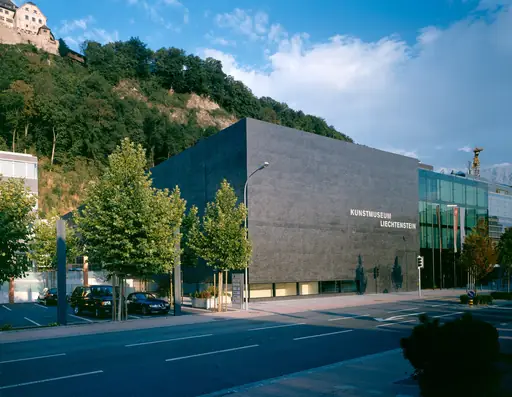
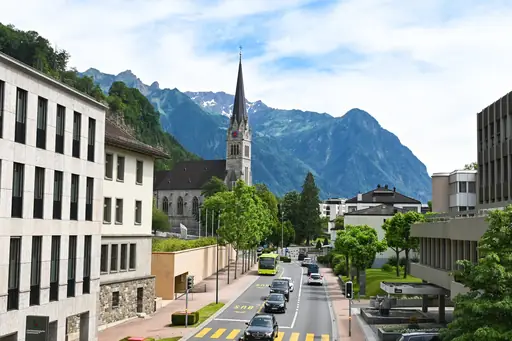

City in Liechtenstein
Vaduz
Castles, Vineyards and Alpine Charm
This tiny principality's national museum traces Liechtenstein's history inside a former customs building. Its art collection includes work once owned personally by the ruling princely family. Visitors can view Rubens and Van Dyck paintings inside a country smaller than many cities. The Postage Stamp Museum nearby celebrates a currency once vital to the country's economy.
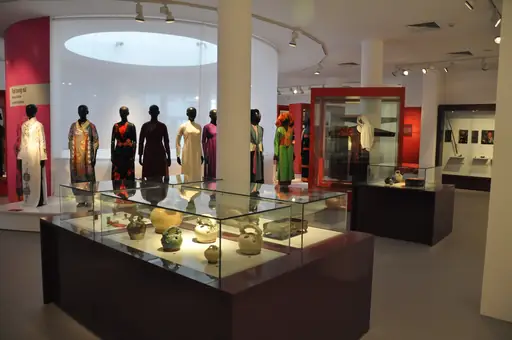
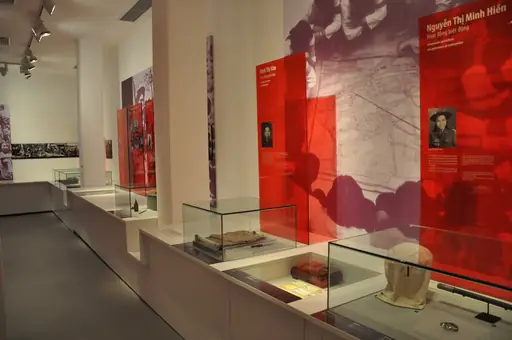
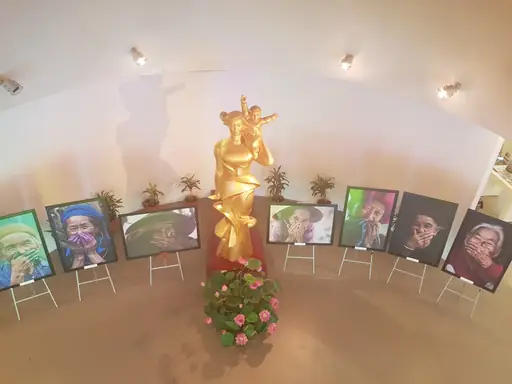
Museum in Hanoi
Vietnamese Women's Museum
Celebrating Vietnam's Women's Spirit
This Hanoi museum documents the roles Vietnamese women have played across history and daily life. Exhibits cover wartime contributions, traditional dress and customs tied to marriage and motherhood. Visitors can view textiles and jewellery representing dozens of the country's ethnic minority groups. Oral history recordings let visitors hear firsthand accounts from women across generations.
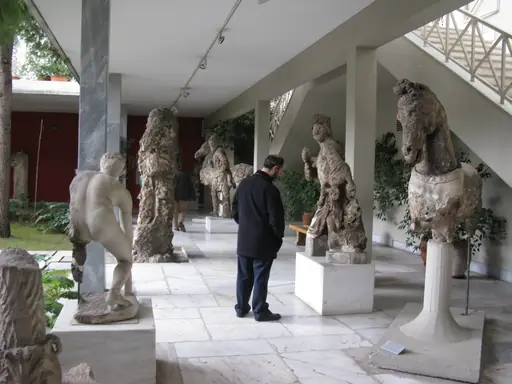
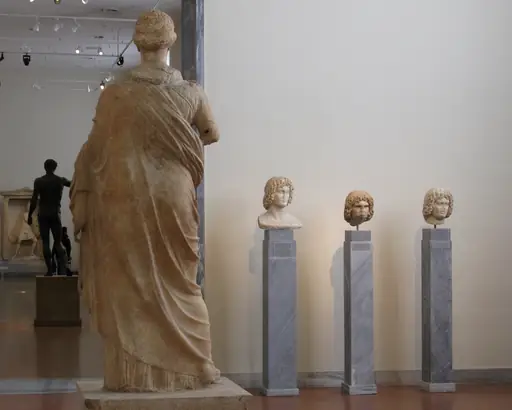
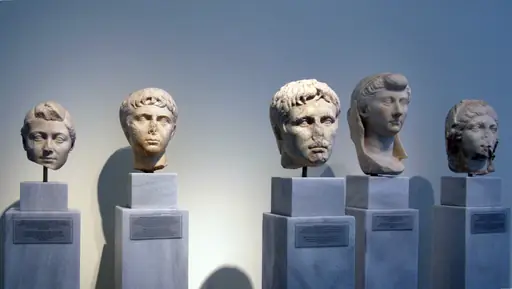
Museum in Athens
National Archaeological Museum
Gateway to Ancient Greek Civilization
This Athens museum holds the richest collection of ancient Greek artefacts found anywhere. The Mask of Agamemnon, a gold funerary mask, remains among its most recognised pieces. Visitors can view bronze statues recovered from ancient shipwrecks off the Greek coastline. Pottery, jewellery and sculpture here span the Bronze Age through the Roman period.
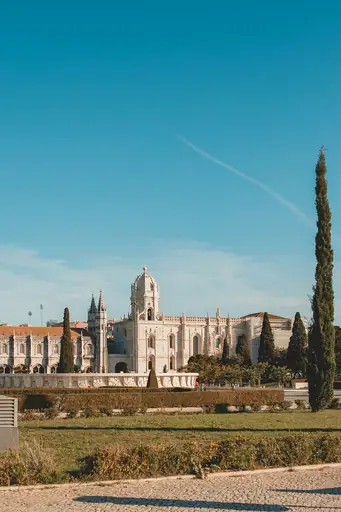
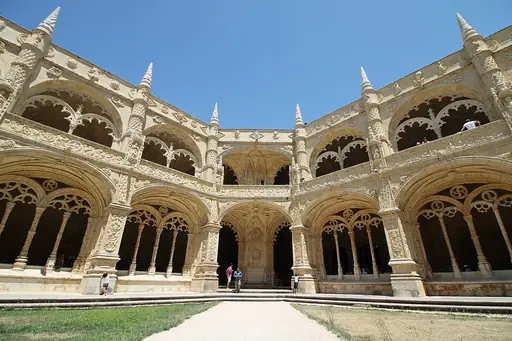
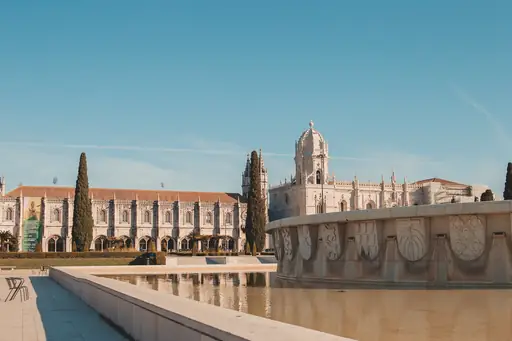
Monastery in Lisbon
Jerónimos Monastery
Portugal's Gothic Maritime Masterpiece
Portuguese sailors prayed here before departing on voyages during the country's age of exploration. Vasco da Gama's tomb sits inside the monastery's church, near the main entrance. Visitors can walk through ornate cloisters carved with maritime motifs like ropes and coral. Funded partly by spice trade profits, the building reflects Portugal's wealth during that era.
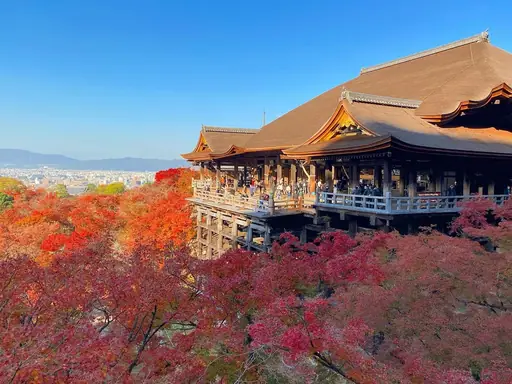
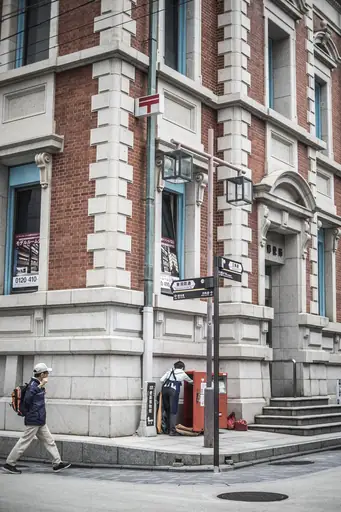
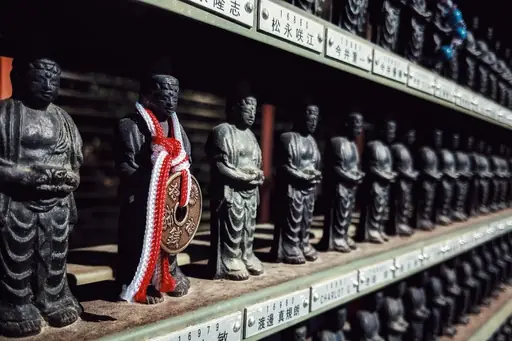
City in Japan
Kyoto
Temples, geisha districts and kaiseki dining
The Kyoto National Museum holds artefacts spanning centuries of Japanese art, textiles and ceramics. Its collection includes temple treasures once used in religious ceremonies across the region. Visitors can view samurai armour alongside delicate hanging scrolls in adjoining galleries. Nijo Castle nearby adds squeaking nightingale floors designed to warn of approaching intruders.
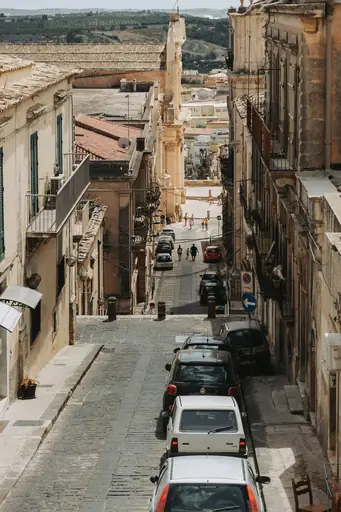
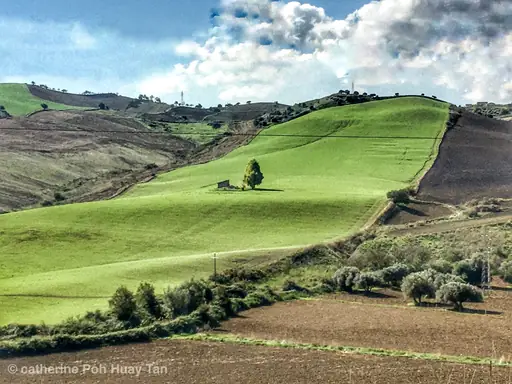
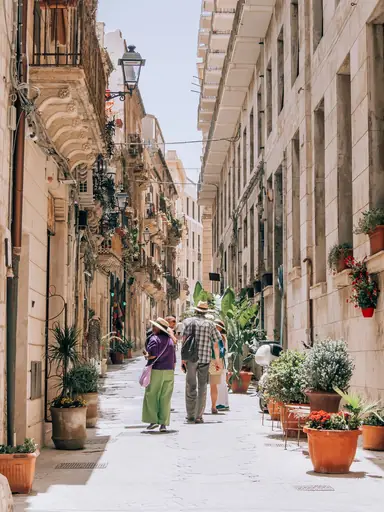
City in Italy
Syracuse
Ancient ruins by the sea
Archimedes reportedly used mirrors here to set enemy ships ablaze during a siege. A Greek theatre carved into the hillside still stages classical plays each summer. Visitors can walk through the Ear of Dionysius, a cave known for its acoustics. The nearby archaeological museum displays artefacts from the city's Greek and Roman ruins.
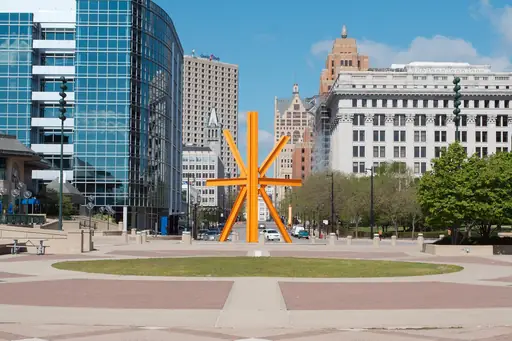
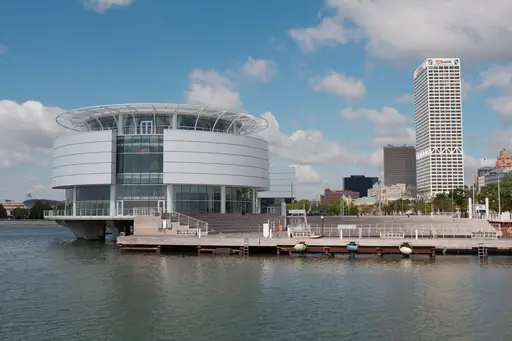
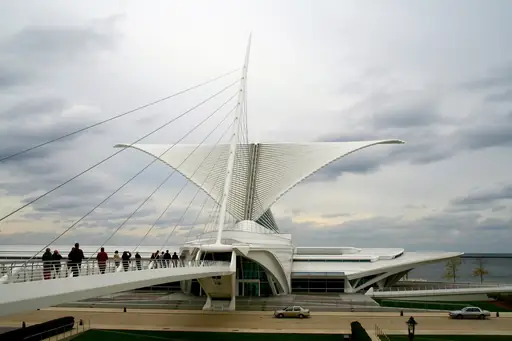
City in United States
Milwaukee
Beer, bikes and Lake Michigan vibes
The Milwaukee Art Museum's Quadracci Pavilion features wings that open and close like a bird. Designed by Santiago Calatrava, the movable sun cream spans the building's glass entrance hall. Visitors can watch the wings unfurl at set times throughout the day. The Harley-Davidson Museum nearby traces the motorcycle company's history through vintage models.
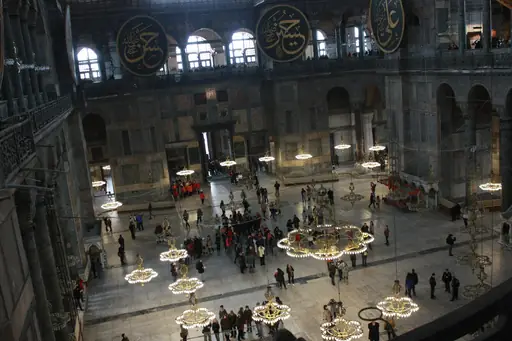
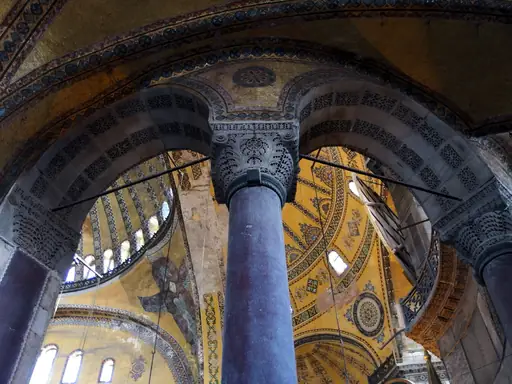
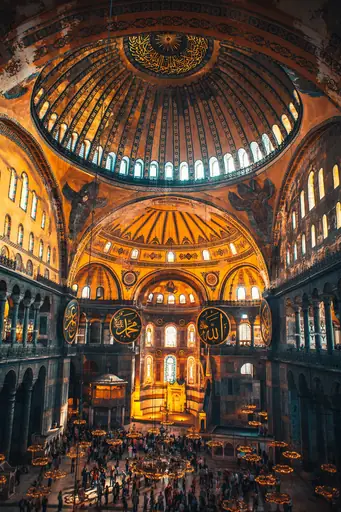
Church in Istanbul
Hagia Sophia
Architectural Wonder of Istanbul
This building has served as a cathedral, mosque and museum across nearly fifteen centuries. Its dome, once the largest in the world, still dominates Istanbul's historic skyline. Visitors can view Christian mosaics alongside Islamic calligraphy panels inside the same soaring interior. Scaffolding sometimes obscures parts of the dome during ongoing restoration work.
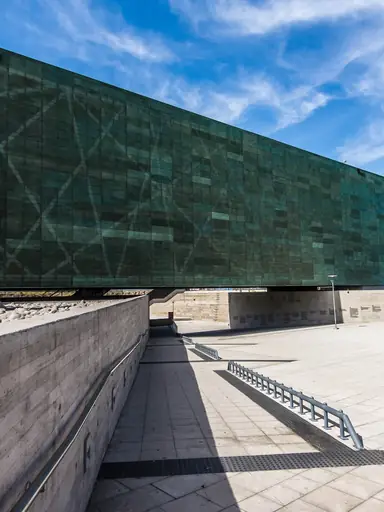
Museum in Santiago
Museum of Memory & Human Rights
Reflection on Chile's Past
This Santiago museum documents human rights violations committed during Chile's military dictatorship. Photographs, testimonies and personal belongings trace the experiences of those affected. Visitors can walk through a timeline covering the coup, repression and eventual return to democracy. The building's design uses light and open space to contrast with the era it documents.
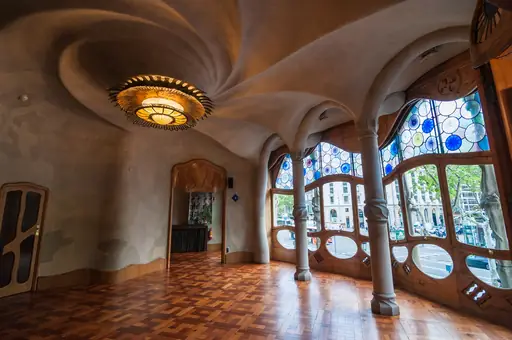
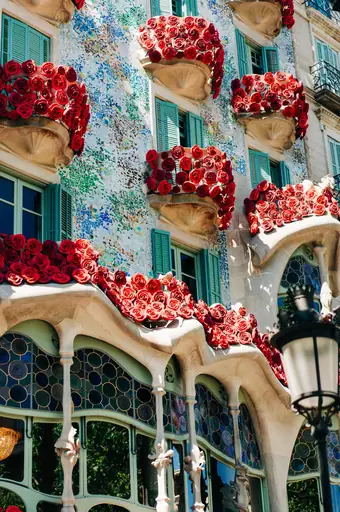
Landmark in Barcelona
Batlló House
Gaudí's Whimsical Modernist Masterpiece
Antoni Gaudi redesigned this Barcelona building's facade using curved lines and colourful broken tile. Locals nicknamed it the House of Bones for its skeletal balconies and organic shapes. Visitors can tour interiors where almost no straight walls or right angles appear. A rooftop terrace shaped like a dragon's back offers views across the surrounding district.
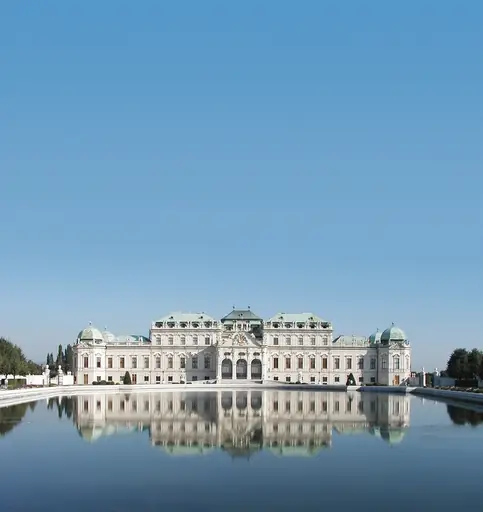
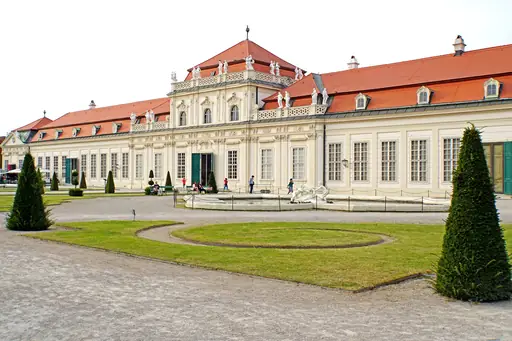
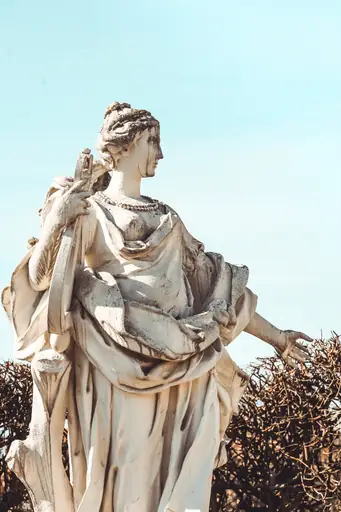
Art Museum in Vienna
Belvedere Palace
Vienna’s Baroque Art and Garden Gem
Gustav Klimt's The Kiss hangs inside this former summer palace built for a Habsburg prince. Two baroque buildings sit connected by formal gardens overlooking the Vienna skyline. Visitors can view Austrian art spanning medieval altarpieces through early twentieth century modernism. A reflecting pool in the gardens mirrors the palace's ornate facade on calm days.
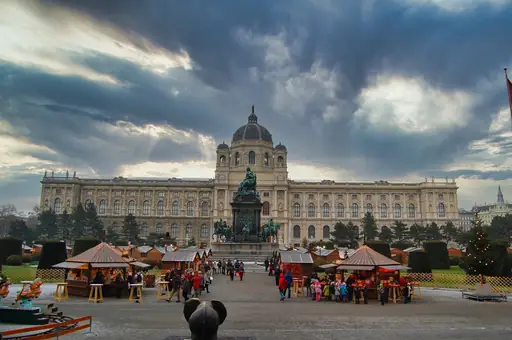
Art Museum in Vienna
Museum of Art History
Vienna’s Grand Art Treasury
This Vienna museum holds one of the world's most significant collections of Habsburg imperial art. Its domed entrance hall features marble columns and painted ceilings by Gustav Klimt. Visitors can view works by Bruegel, Vermeer and Raphael across the museum's picture galleries. An Egyptian and classical antiquities wing rounds out the collection's imperial holdings.
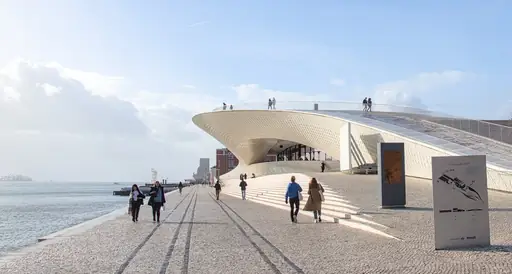
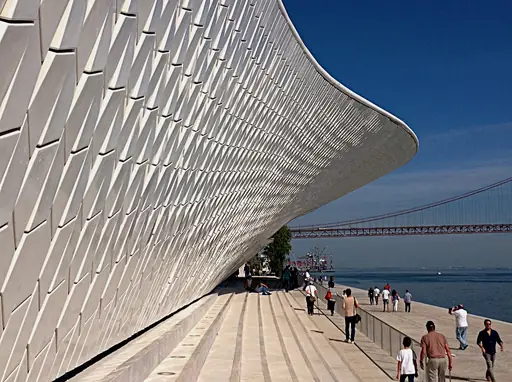
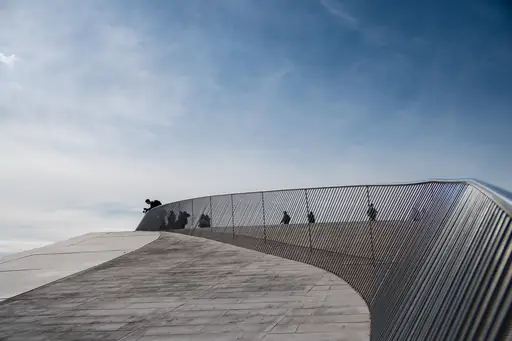
Museum in Lisbon
Museum of Art, Architecture and Technology (MAAT)
Lisbon's Iconic Contemporary Museum
This Lisbon museum's curved white building resembles a wave frozen along the riverfront. Its roof doubles as a public walkway, offering views across the Tagus River. Visitors can walk inside brick lined tunnels that once carried steam from a former power station. Rotating exhibitions here focus on design, architecture and digital art.

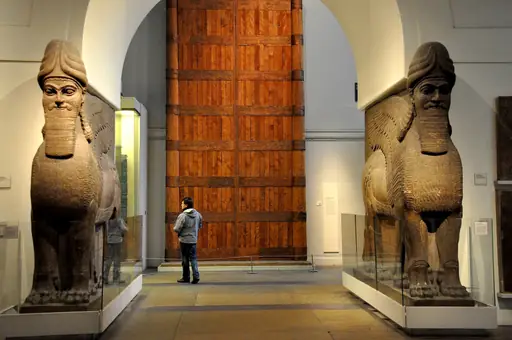
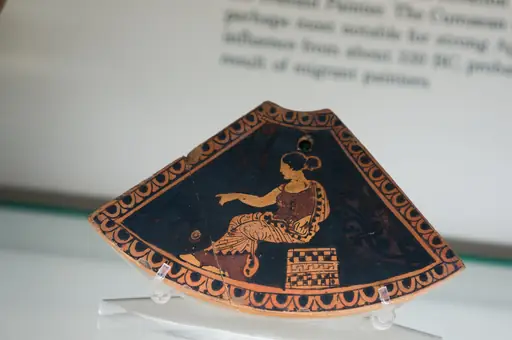
Museum in London
British Museum
World's treasure trove of history
The Rosetta Stone, key to deciphering Egyptian hieroglyphs, sits inside this museum's Egyptian galleries. Collections here span two million years of human history across nearly every continent. Visitors can walk beneath the Great Court's glass roof, one of Europe's largest covered squares. Admission remains free, funded instead through donations and special exhibition ticket sales.
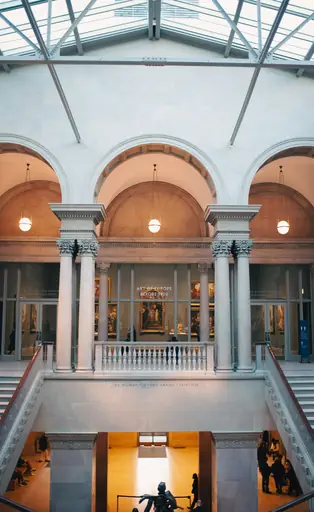
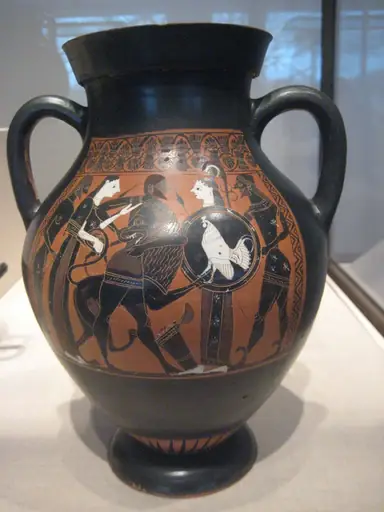
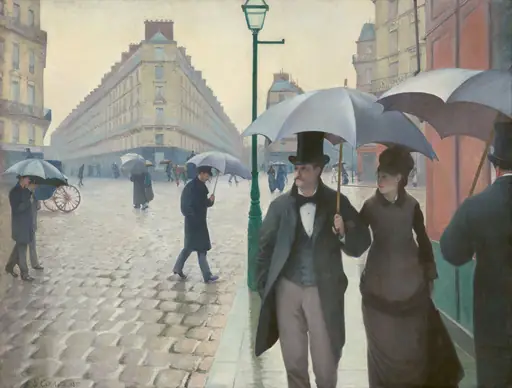
Museum in Chicago
The Art Institute of Chicago
A Treasure Trove of Artistic Masterpieces
Bronze lion statues have guarded this museum's entrance since shortly after it opened in 1893. Georges Seurat's pointillist masterpiece hangs among a collection spanning ancient to contemporary art. Visitors can view Grant Wood's American Gothic in a gallery devoted to American painting. A modern glass wing added in 2009 expanded space for contemporary exhibitions.
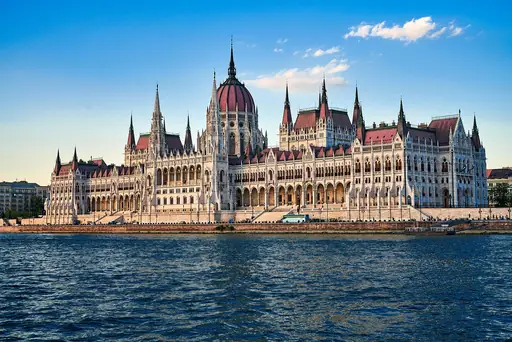
Government Building in Budapest
Hungarian Parliament Building
Budapest’s Neo-Gothic Masterpiece
This building held the world's largest parliament building title when it was completed in 1904. Its gothic revival spires and dome rise directly above the Danube's riverbank. Visitors can view the Hungarian crown jewels displayed beneath the central dome's mosaic ceiling. Guided tours cover the ornate stairways and chambers, some still used for government sessions.
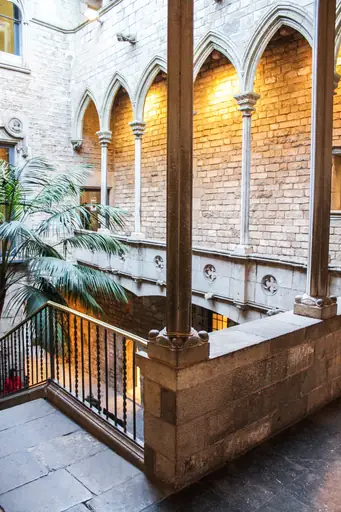
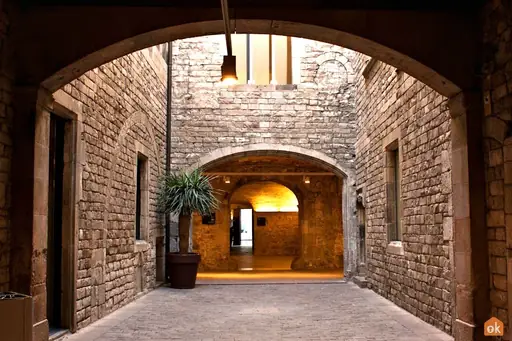
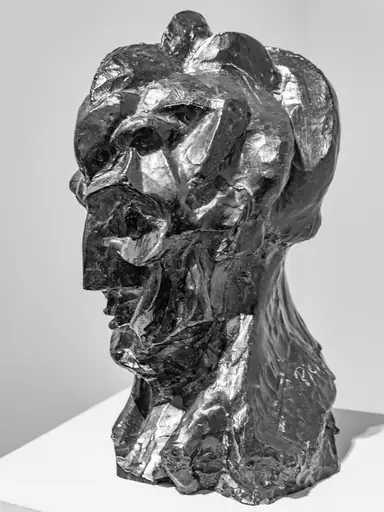
Museum in Barcelona
Picasso Museum
Barcelona’s artistic Picasso treasure
This Barcelona museum traces Picasso's early development through paintings made during his teenage years. Five connected medieval mansions house the collection across a warren of small galleries. Visitors can see how his style shifted before he arrived at his mature cubist work. A dedicated room displays his variations on Velazquez's painting Las Meninas.
Art Museum in Amsterdam
Van Gogh Museum
Masterpieces of a Tormented Genius
This museum holds the largest collection of Van Gogh's paintings and letters anywhere. His brother Theo's correspondence traces the artist's struggles and creative development. Visitors can view self portraits and sunflower paintings displayed in chronological order. Letters exchanged between the brothers offer insight into Van Gogh's mental state.
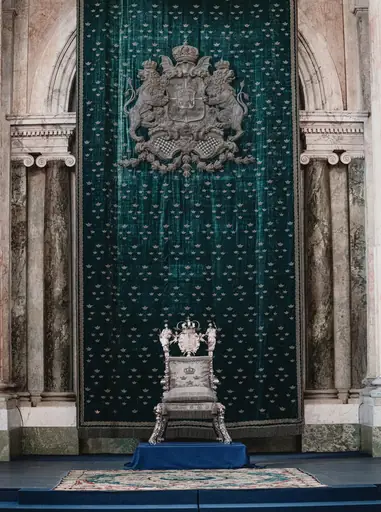
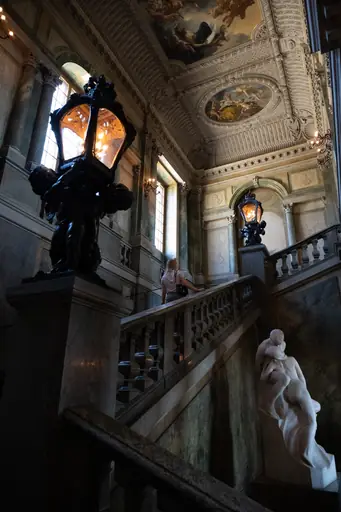
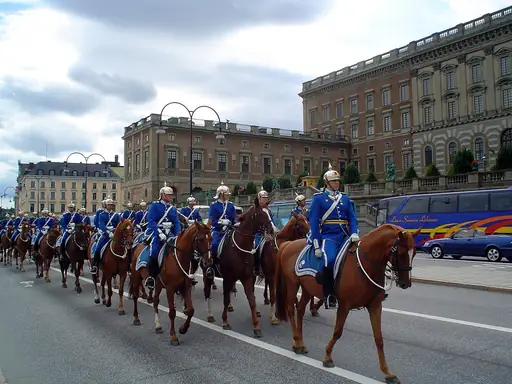
Palace in Stockholm
Stockholm Palace
Sweden’s Majestic Royal Residence
This palace serves as the official residence of the Swedish monarch, though he lives elsewhere. More than six hundred rooms make it one of Europe's largest royal palaces. Visitors can watch the changing of the guard ceremony held daily outside. Museum rooms inside display royal treasures, armour and gowns worn by past monarchs.
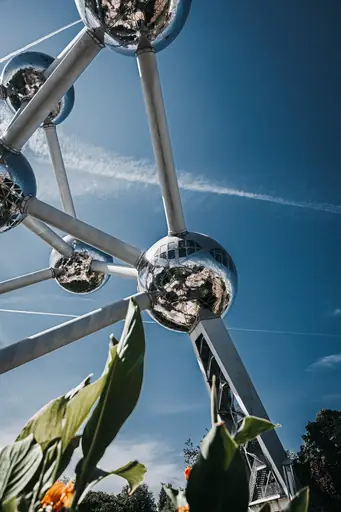
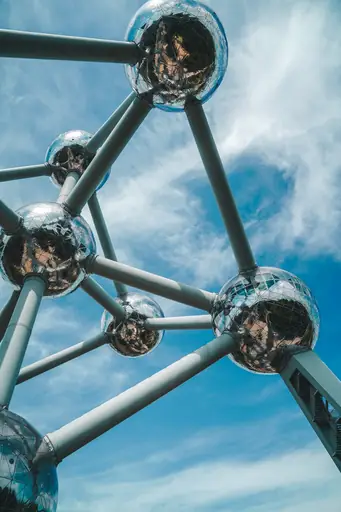
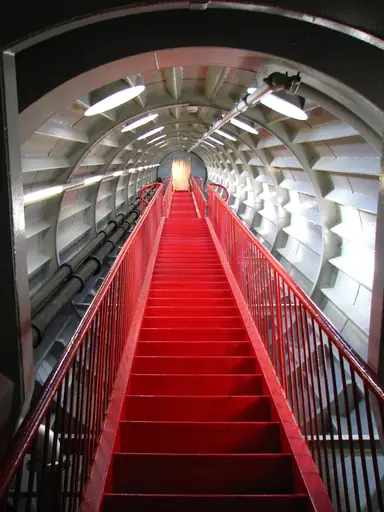
Landmark in Brussels
Atomium
Belgium’s Futuristic Atomic Icon
Nine steel spheres connected by tubes form this structure, built for the 1958 World's Fair. Its design represents an iron crystal magnified 165 billion times its actual size. Visitors can ride an escalator through connecting tubes between spheres holding exhibits and a restaurant. The top sphere offers panoramic views across Brussels from an observation deck.
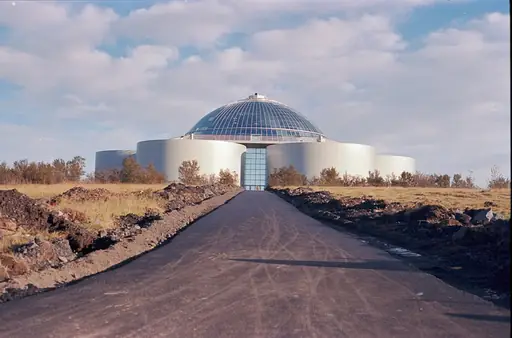
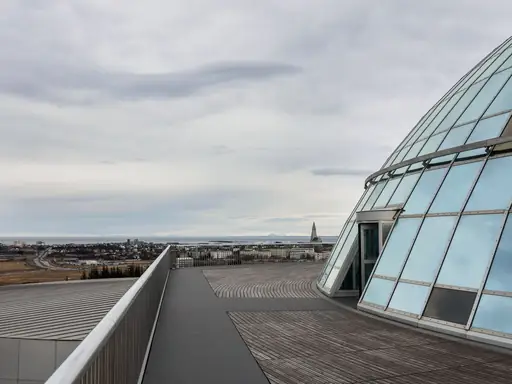
Museum in Reykjavík
Perlan
Iceland’s Interactive Nature Jewel
Six geothermal water tanks form the base of this building, topped with a glass dome. An indoor ice cave inside recreates the blue tinted tunnels found in real glaciers. Visitors can watch a planetarium show projected onto the dome's curved ceiling. An observation deck circling the outside offers panoramic views across the city.
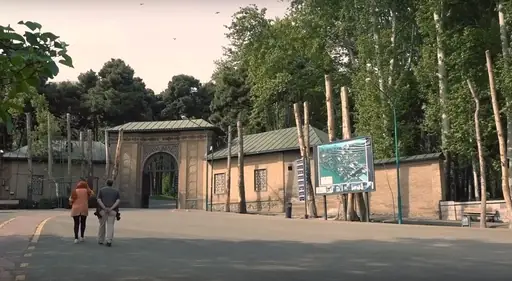
Historic Site in Tehran
Sa'd Abad Museum Complex
Royal Palaces and Cultural Gardens
This Tehran complex holds eighteen former royal palaces spread across landscaped gardens. Qajar and Pahlavi monarchs used the grounds as a summer retreat before the 1979 revolution. Visitors can tour the White Palace, once home to the last Shah and his family. Smaller museums nearby display calligraphy, royal costumes and fine art collections.
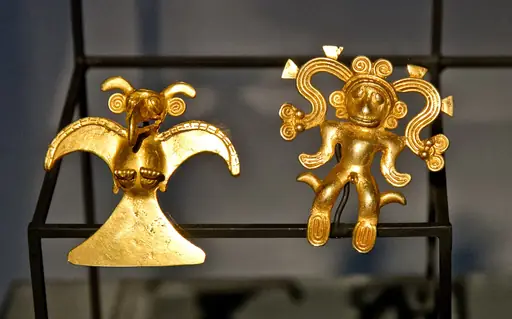
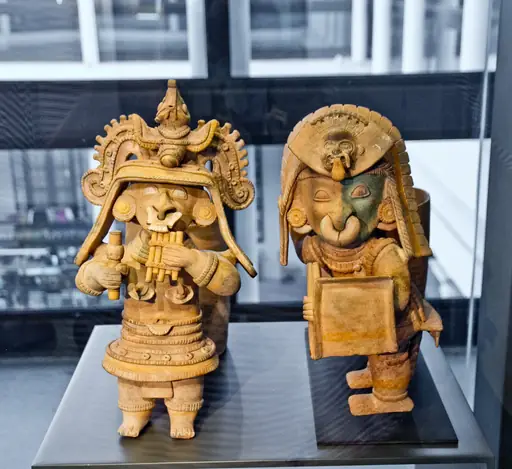
Museum in Santiago
Museum of Precolombian Art
Ancient Americas' Artistic Treasures
A former colonial courthouse near Santiago's central plaza now holds this pre-Columbian art collection. Its holdings span pottery, textiles and metalwork from cultures across the Americas before European contact. Visitors can view Moche ceramics alongside Mapuche silverwork in adjoining galleries. Rotating exhibitions often highlight a single ancient culture's artistic and technical achievements.
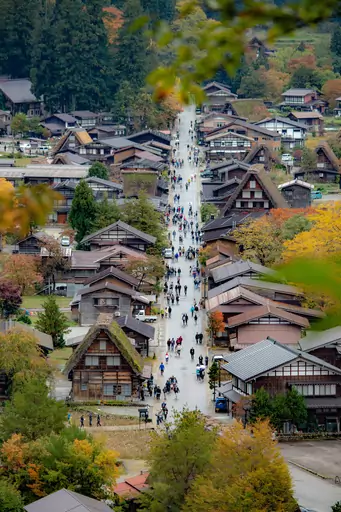
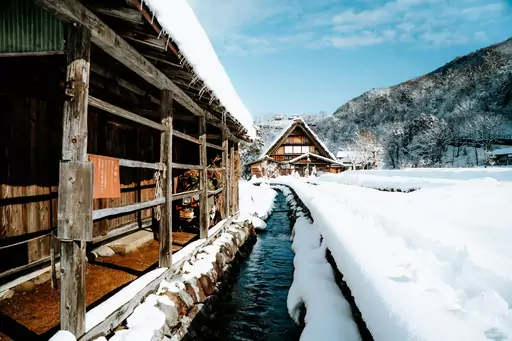
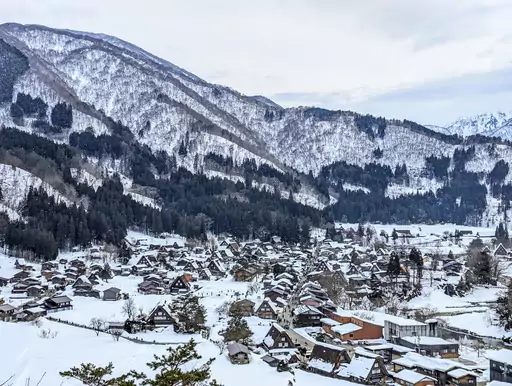
Village in Japan
Shirakawa-go
Thatched gassho farmhouses in the Hida mountains
Snow can bury this village's steep thatched roofs under feet each winter. Farmhouses built in a style called gassho zukuri were designed to shed heavy snow. Visitors can tour a preserved home showing how families once lived under one roof. The village's open air museum relocates historic buildings threatened by demolition.

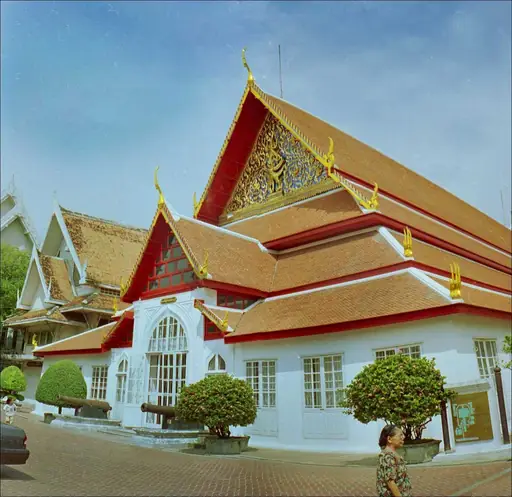

Historical Building in Bangkok
Jim Thompson House
Thai Art and Architecture Showcase
An American silk entrepreneur built this house from six teak structures in the 1950s. Thompson vanished mysteriously in Malaysia in 1967, adding intrigue to the property's history. Visitors can tour rooms filled with Southeast Asian art collected during his years here. A garden around the house sits along a canal in the city's centre.
Museum in Ottawa
Canadian War Museum
Canada's Premier Military History Museum
This museum's Regeneration Hall uses sloped concrete walls to evoke the weight of wartime history. Exhibits trace Canadian military history from early colonial conflicts through modern peacekeeping missions. Visitors can walk through a recreated trench displaying artefacts from World War I. A memorial hall each 11 November lets sunlight strike a single carved headstone.
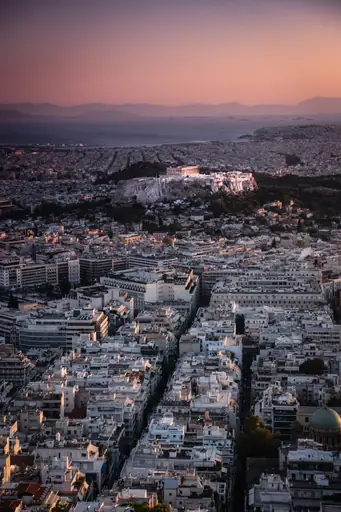
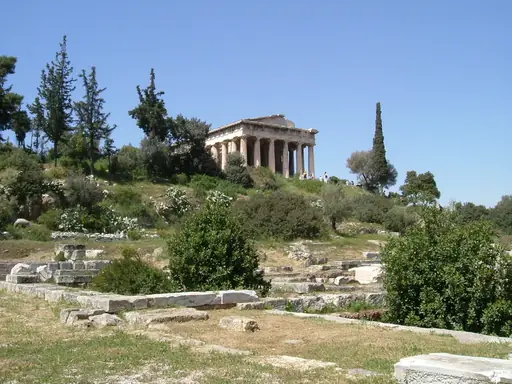
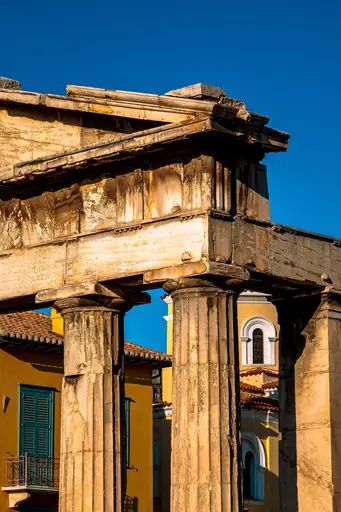
Historic Site in Athens
Ancient Agora of Athens
Heart of Ancient Athenian Life
This site once served as ancient Athens' central marketplace and civic meeting ground. Philosophers including Socrates are said to have debated ideas among its colonnaded walkways. Visitors can walk through a reconstructed stoa now housing a small museum of artefacts. The Temple of Hephaestus nearby remains one of the most intact surviving ancient Greek temples.
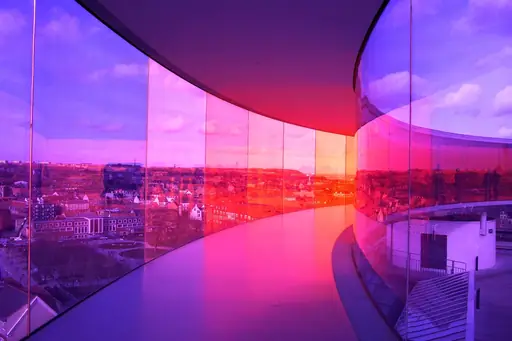
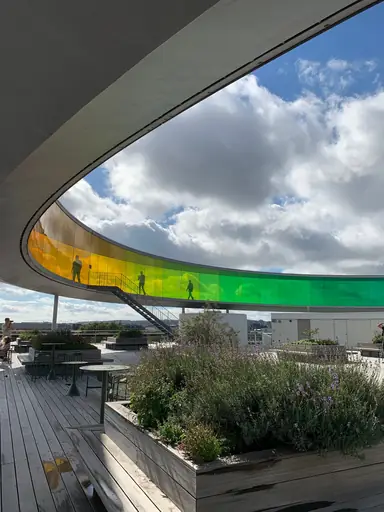
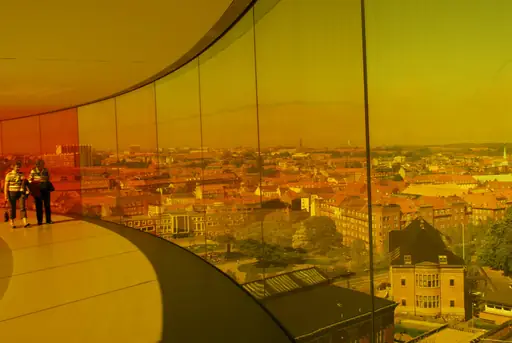
Art Museum in Aarhus
ARoS Art Museum
Innovative Art in Northern Europe
A circular rainbow walkway by artist Olafur Eliasson crowns this Aarhus museum's roof. The glass loop offers 360 degree views of the city in shifting spectrum colours. Visitors can ride an lift through the dark basement galleries before reaching daylight. Ron Mueck's oversized sculpture of a crouching boy also draws crowds inside.
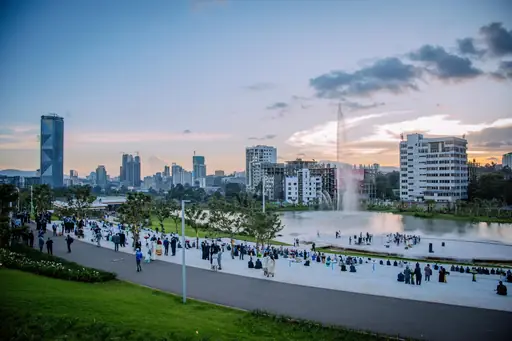
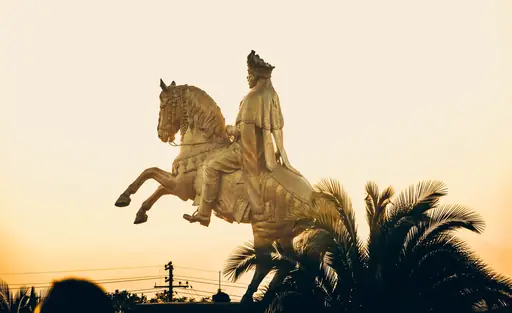
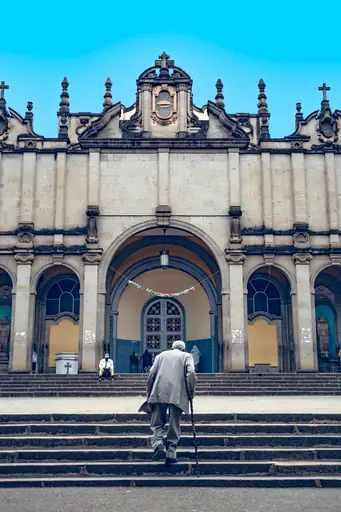
City in Ethiopia
Addis Ababa
Vibrant capital where history meets modernity
The National Museum here displays Lucy, a 3.2 million year old hominid fossil skeleton. Ethnological exhibits upstairs trace the customs of dozens of the country's ethnic groups. Visitors can view Lucy's cast alongside other early human ancestor fossils found nearby. The Red Terror Martyrs Museum documents a violent period of the country's more recent history.
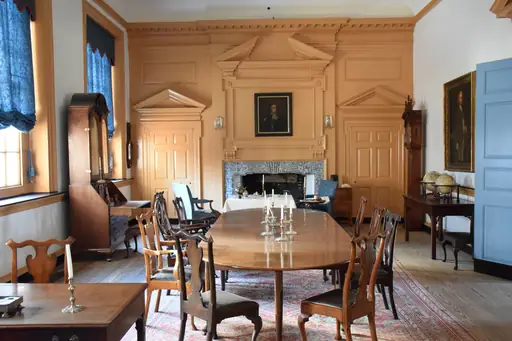
Historic Building in Philadelphia
Independence Hall
Birthplace of American freedom
Delegates signed the Declaration of Independence inside this building's assembly room. The Constitution was later drafted here during a convention in the same room. Visitors can join a ranger led tour through the chamber where both documents formed. The Liberty Bell, cracked and retired, sits on display in a pavilion outside.
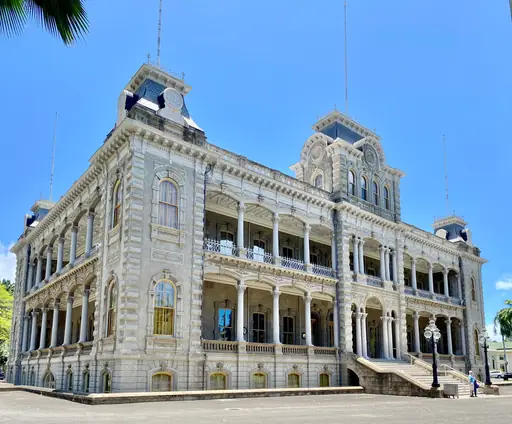
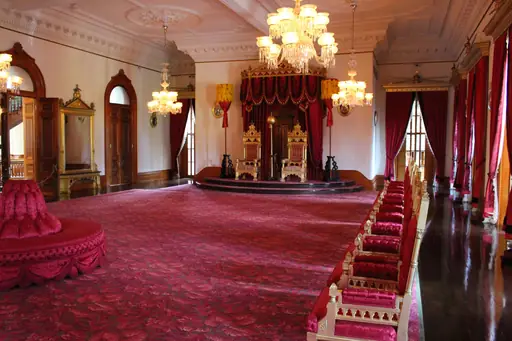
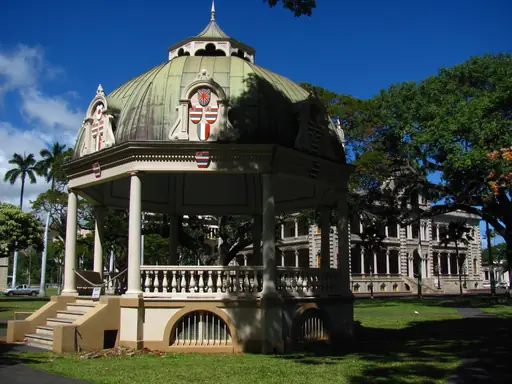
Historical Building in Honolulu
Iolani Palace
Royal Legacy in Hawaiian Heart
This Honolulu palace served as the official residence of Hawaii's last reigning monarchs. Electric lighting and telephones were installed here before they reached the White House. Visitors can tour royal chambers furnished with portraits, thrones and period Victorian decor. The palace basement now displays crown jewels and artefacts from the kingdom's final years.
Museum in Shanghai
Shanghai Museum
Gateway to China's Art and History
This museum's collection spans bronze vessels, ceramics and calligraphy from across Chinese history. Its building was designed in the shape of an ancient bronze cooking vessel. Visitors can view jade carvings and painted scrolls across galleries organised by dynasty. Rotating exhibitions often bring in loaned pieces from museums across mainland China.
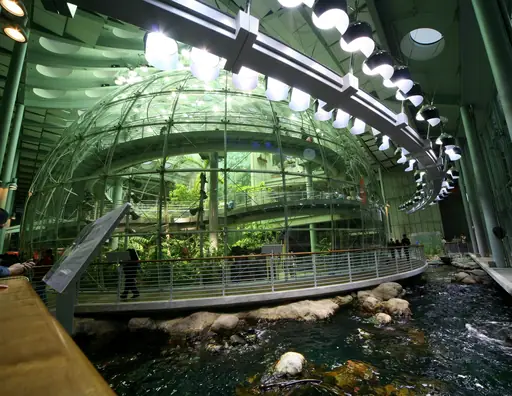
Museum in San Francisco
California Academy of Sciences
Earth’s wonders under one roof
A living roof covered in native plants tops this museum's aquarium, planetarium and rainforest dome. Visitors can walk through a four story rainforest enclosure housing butterflies, birds and reptiles. An aquarium beneath the building displays coral reefs alongside a colony of African penguins. Planetarium shows here project simulations of the universe onto a domed ceiling.
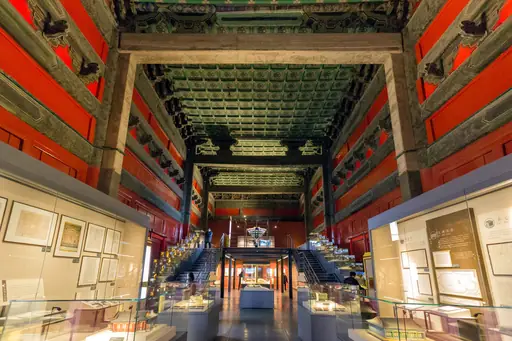
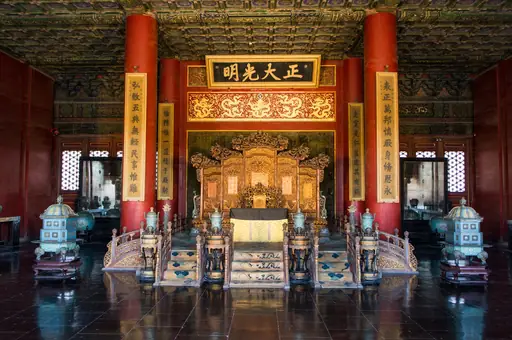
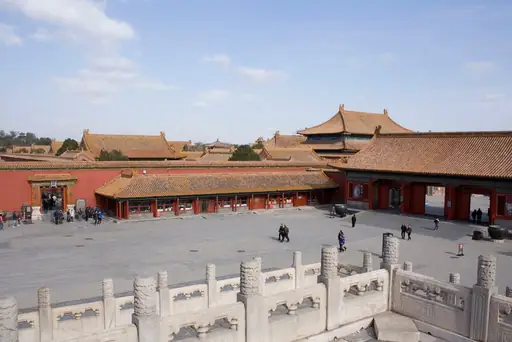
Palace in Beijing
Forbidden City
Ancient Imperial Majesty Center
Chinese emperors ruled from this palace complex for nearly five centuries. Nearly a thousand buildings sit arranged within walls that once barred entry to commoners. Visitors can walk through courtyards leading towards the throne room at the centre. Roof tiles here use a specific shade of yellow once reserved for imperial use.
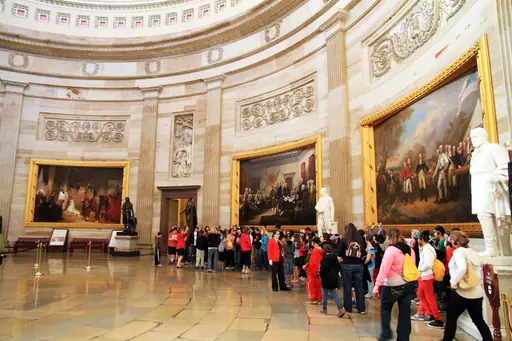
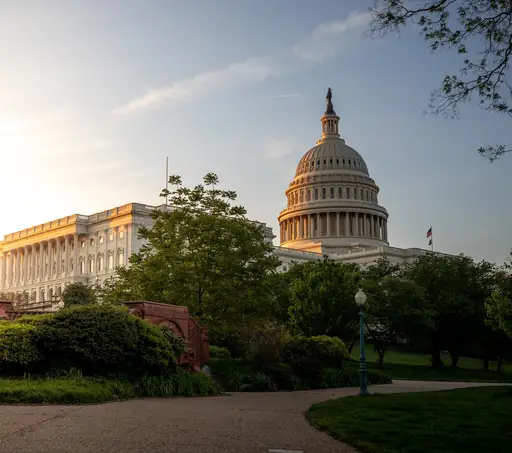
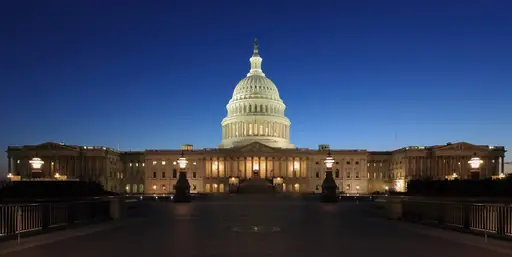
Government Building in Washington, D.C.
United States Capitol
Heart of American Democracy
This building's dome rises above a rotunda where presidents have lain in state. Congress has met inside its chambers since the earliest wings were completed in 1800. Visitors can join a free guided tour through statuary hall and the painted rotunda. An underground visitor centre displays historical documents tied to the building.
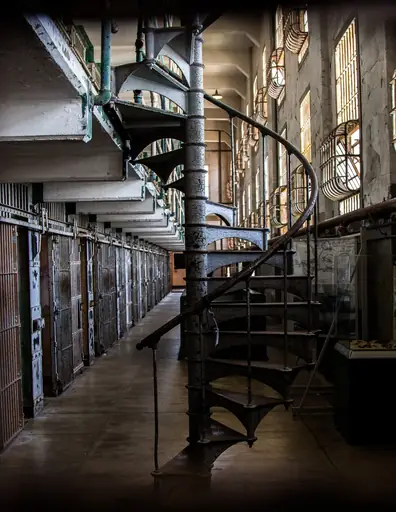
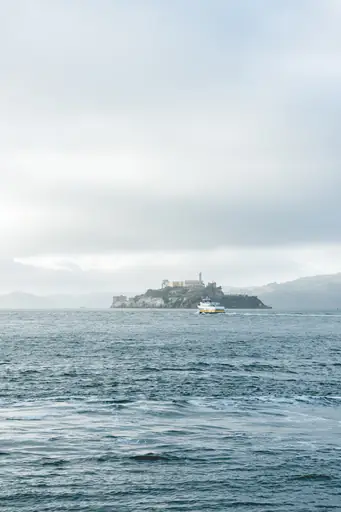
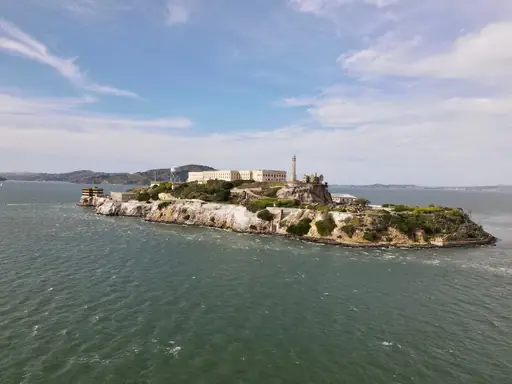
Landmark in San Francisco
Alcatraz Island
San Francisco’s Infamous Prison Island
This former federal prison held inmates including Al Capone before closing in 1963. Ferries depart regularly for the island, where audio tours narrate daily prison routines. Visitors can walk through cell blocks and the dining hall with the audio guide. Seabirds now nest across much of the island, reclaiming space once held by inmates.
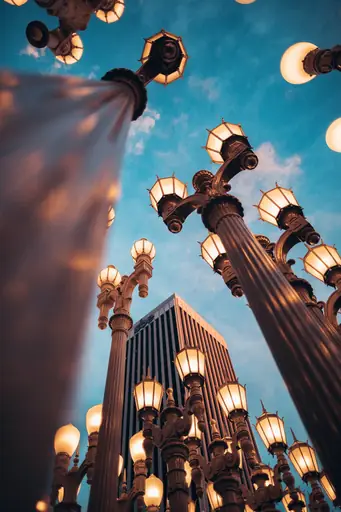
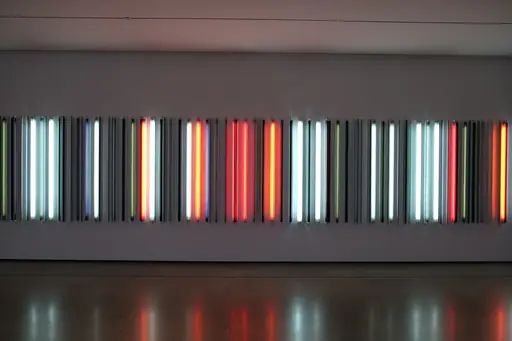
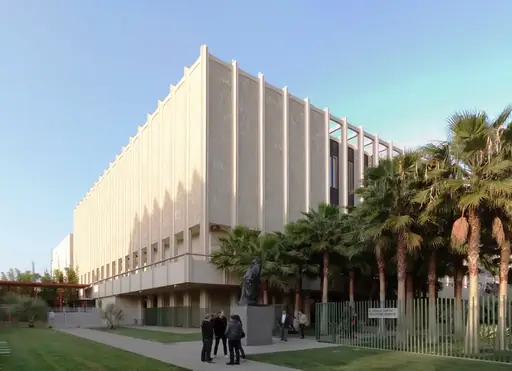
Art Museum in Los Angeles
Los Angeles County Museum of Art
West Coast's Premier Art Museum
Urban Light, a installation of vintage street lamps, greets visitors at the museum's main entrance. Collections here span ancient artefacts through contemporary installations across several connected buildings. Visitors can walk beneath the illuminated lamp posts after dark for a striking photo. Rotating exhibitions often pair historical works with newly commissioned contemporary pieces.
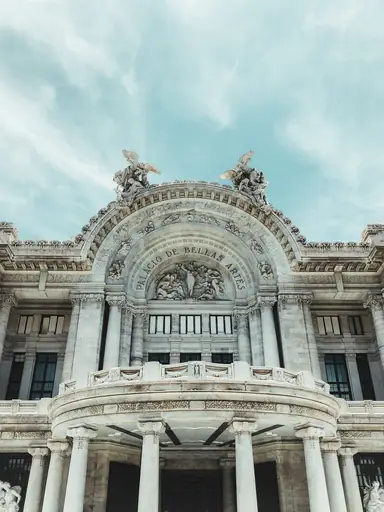
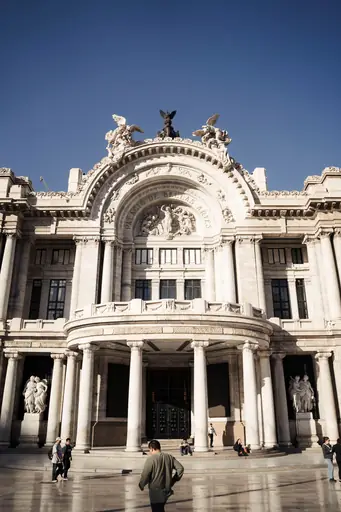
Museum in Mexico City
Palacio de Bellas Artes
Mexico's Cultural and Artistic Jewel
Murals by Diego Rivera and other Mexican artists cover walls inside this theatre. Its Art Nouveau exterior contrasts with an Art Deco interior completed decades later. Visitors can attend a folkloric dance performance beneath a stained glass stage curtain. The building sank several feet over the decades due to the city's soft soil.
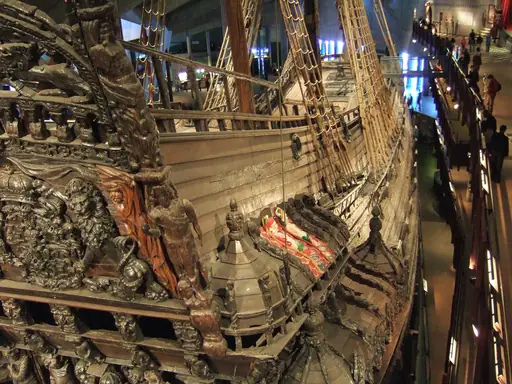
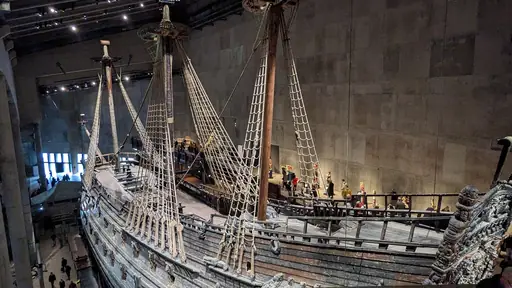
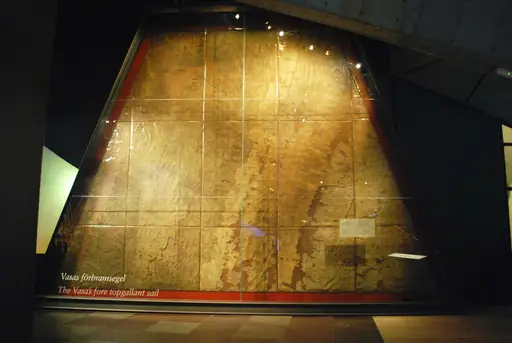
Museum in Stockholm
Vasa Museum
Stockholm’s Preserved 17th Century Warship
A seventeenth century warship sank on its maiden voyage, then sat preserved in mud. Salvaged in 1961, the ship remains remarkably intact, with most of its original wood. Visitors can walk around the full sized vessel across several viewing levels. Carved wooden sculptures along the hull depict biblical and mythological figures.
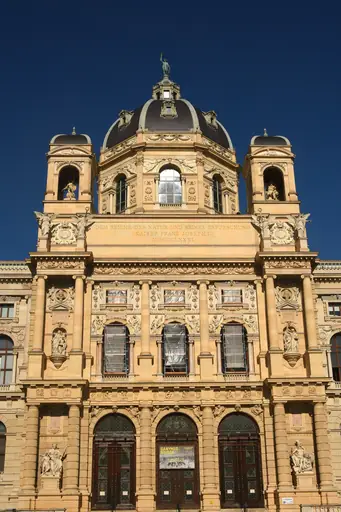
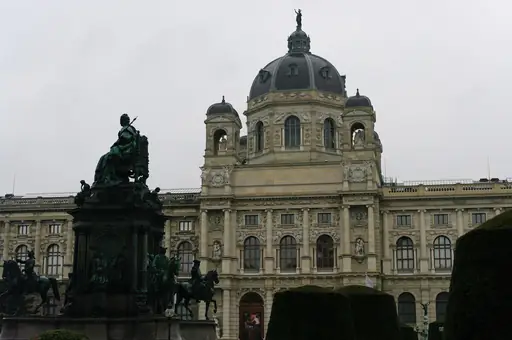

Palace in Vienna
Hofburg Palace
Imperial Vienna's Historic Heart
Habsburg emperors ruled from this sprawling palace complex for more than six centuries. Its grounds now hold several museums alongside the offices of Austria's federal president. Visitors can tour the Imperial Apartments, furnished much as they were under Emperor Franz Joseph. A collection of royal carriages and riding gear rounds out the complex's historical exhibits.
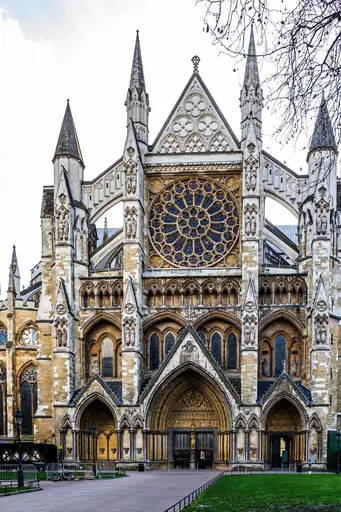
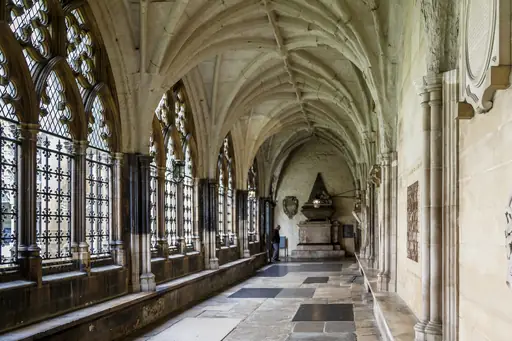
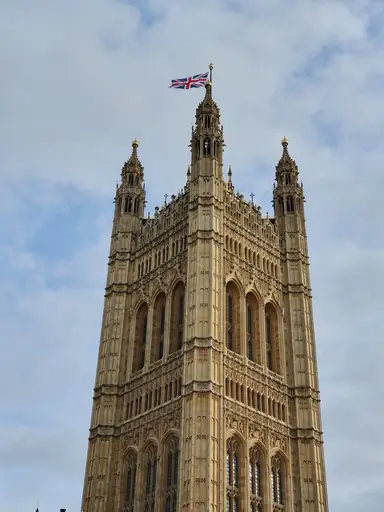
Church in London
Westminster Abbey
The Coronation Church of Monarchs
Coronations have taken place inside this abbey since William the Conqueror's in 1066. Poets' Corner holds memorials to writers including Chaucer, Dickens and Austen among its tombs. Visitors can walk past the graves of kings, queens and scientists buried within the nave. Royal weddings, including recent ones, have also been staged beneath its Gothic arches.
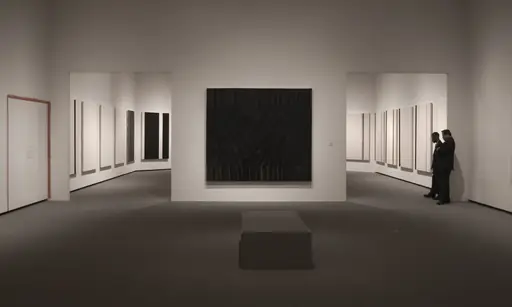
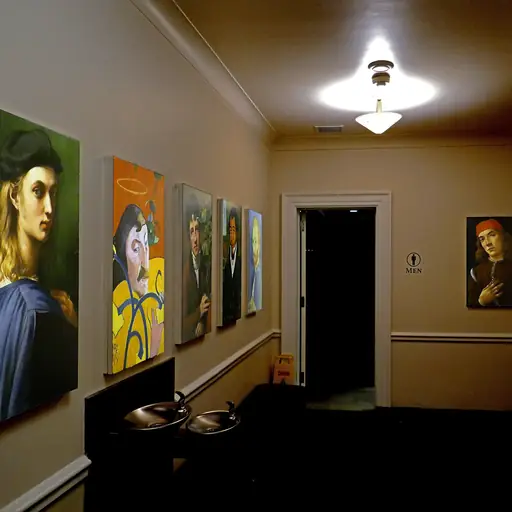
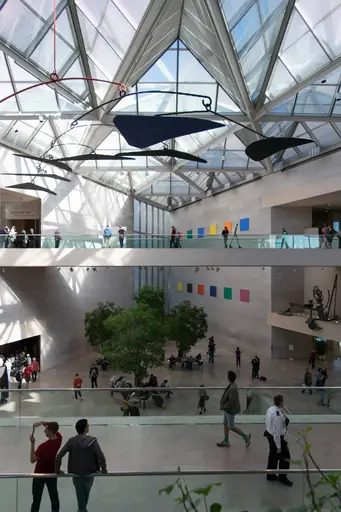
Art Museum in Washington, D.C.
National Gallery of Art
Masterpieces Across Centuries
Ginevra de' Benci, painted by Leonardo da Vinci, remains a highlight here. East and West buildings, connected underground, hold works spanning medieval to contemporary art. Visitors can walk through a sculpture garden that doubles as an ice rink in winter. Admission remains free, a policy that has held since the museum opened in 1941.
Art Gallery in Toronto
Art Gallery of Ontario
Toronto’s Artistic Treasure Trove
Frank Gehry redesigned this museum's facade, adding a sweeping glass and wood staircase. Its collection includes the world's largest public holding of work by sculptor Henry Moore. Visitors can walk through galleries spanning Canadian, European and contemporary art. A rooftop sculpture garden offers views over the surrounding downtown neighbourhood.
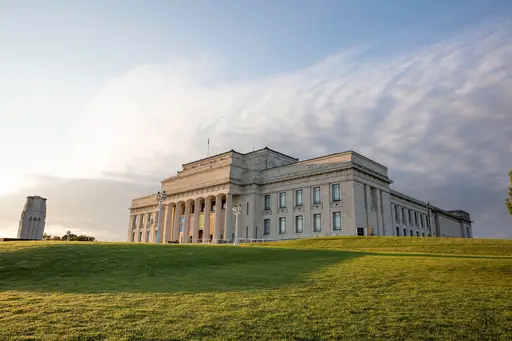
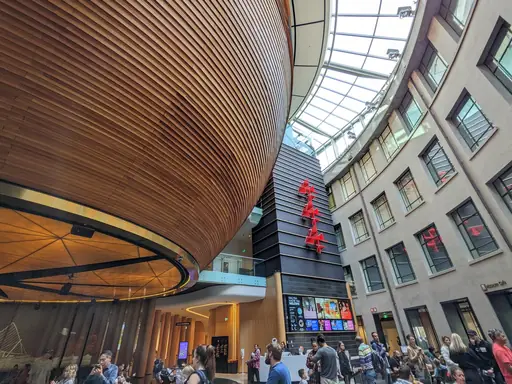
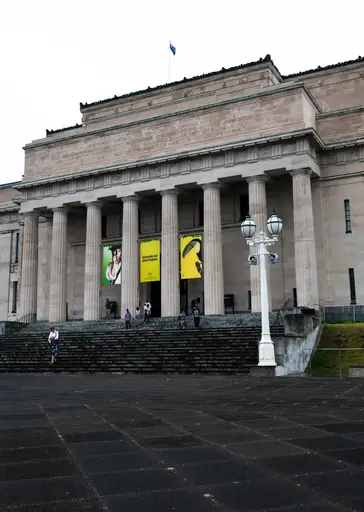
Museum in Auckland
Auckland War Memorial Museum
Cultural Heart of Auckland City
This museum sits atop a hill inside a park overlooking Auckland's harbour and skyline. Its collection includes one of the world's largest holdings of Maori and Pacific artefacts. Visitors can watch a traditional Maori cultural performance staged inside the museum's marae. War memorial galleries upstairs honour New Zealanders who served in past conflicts.
Museum in Cairo
Egyptian Museum
World’s Premier Egyptian Artifact Collection
This Cairo museum holds treasures recovered from Tutankhamun's tomb, including his golden burial mask. Mummified pharaohs lie inside a separate hall requiring a supplemental ticket to view. Visitors can walk through galleries packed floor to ceiling with statues, sarcophagi and jewellery. Many artefacts have since moved to a newer museum near the Giza pyramids.
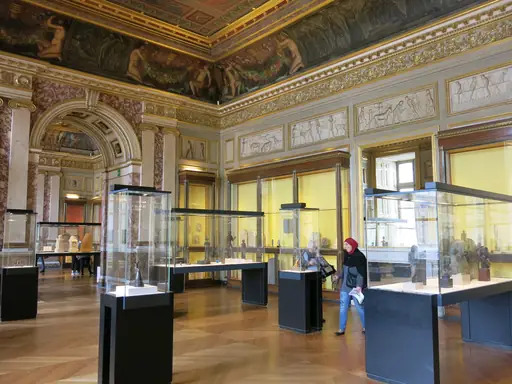
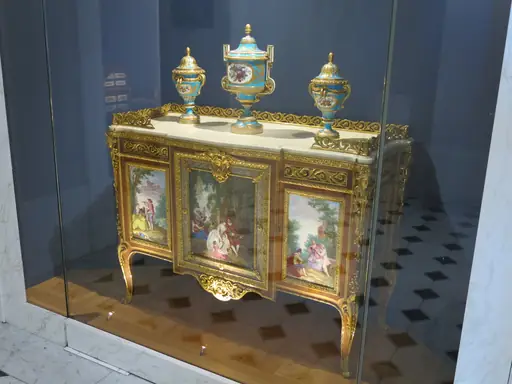
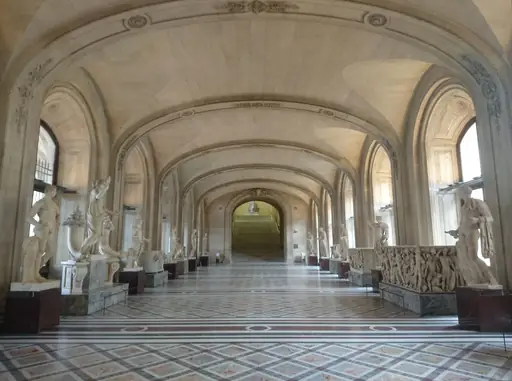
Museum in Paris
Louvre Museum
World's Largest Art Museum
The Mona Lisa draws crowds inside this museum's largest gallery, behind reinforced glass. A glass pyramid designed by I. M. Pei now serves as the main entrance. Visitors can spend days moving between wings of ancient Egypt, Greek and European art. This former royal palace has housed a museum since shortly after the Revolution.
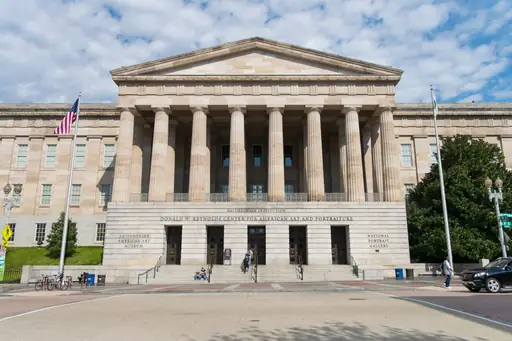
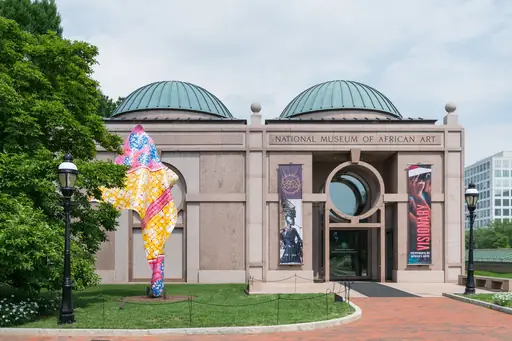
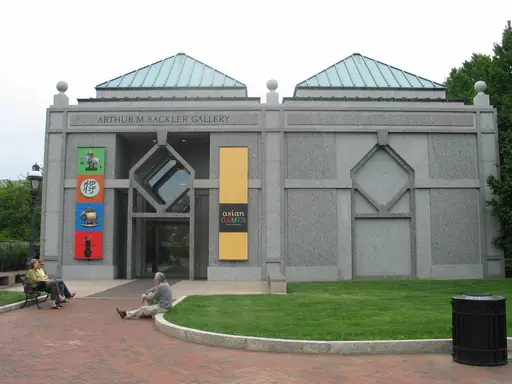
Museum in Washington, D.C.
Smithsonian Institution
World's Largest Museum Complex
Nineteen separate museums fall under this institution, most offering free admission year round. Its collections range from the Wright brothers' plane to Dorothy's ruby slippers from Oz. Visitors can spend days moving between buildings covering art, history, air and space. A castle style building on the National Mall now serves as the institution's visitor centre.
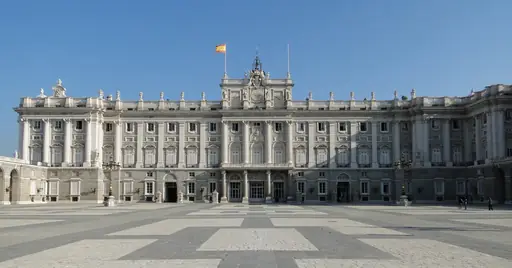
Palace in Madrid
Royal Palace
Majestic heart of Spanish royalty
This Madrid palace holds more rooms than Buckingham Palace, though the family lives elsewhere. Ceremonial state rooms display frescoed ceilings, tapestries and a collection of armour. Visitors can tour the throne room and armoury before walking the formal gardens. A pharmacy preserved from the eighteenth century displays jars once used for remedies.
Museum in Chicago
Field Museum
Chicago’s Natural History Wonder
Sue, one of the most complete Tyrannosaurus rex skeletons found, greets visitors near the entrance. Collections here span dinosaur fossils, Egyptian mummies and artefacts from across the globe. Visitors can walk through a recreated Egyptian tomb with painted burial chambers. Taxidermy dioramas nearby recreate habitats from African plains to Arctic tundra.
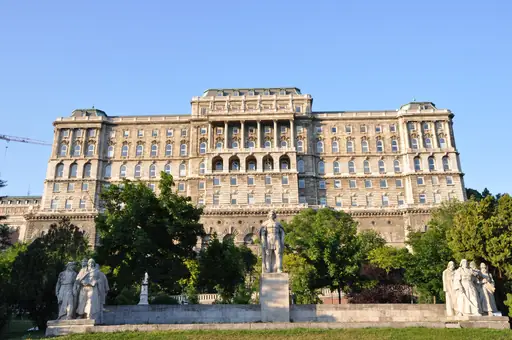
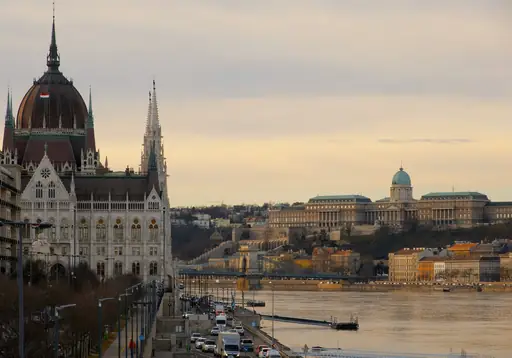
Castle in Budapest
Buda Castle
Budapest’s Majestic Historic Fortress
This hilltop palace complex has served Hungarian kings and later Habsburg rulers for centuries. A funicular railway carries visitors up from the Danube to the castle grounds. Visitors can tour the National Gallery housed inside the palace's restored royal wings. Views from the castle terrace stretch across the river towards Budapest's parliament building.
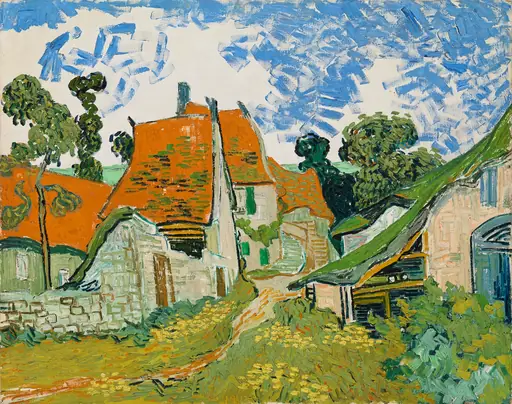

Art Museum in Helsinki
Ateneum
Finland’s Premier Art Museum
This Helsinki museum holds the country's most significant collection of Finnish art from the 1800s. Its neoclassical building has served as the national gallery since first opening in 1887. Visitors can view Golden Age Finnish landscape paintings alongside international modernist works. Rotating exhibitions often bring loaned pieces from museums across the rest of Europe.
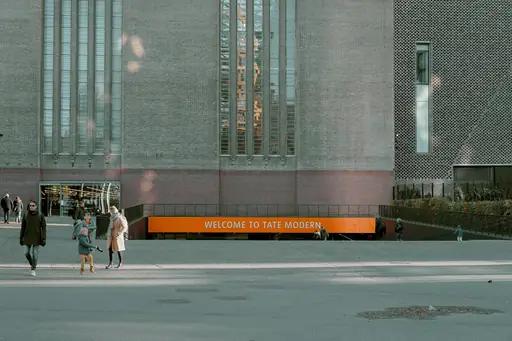
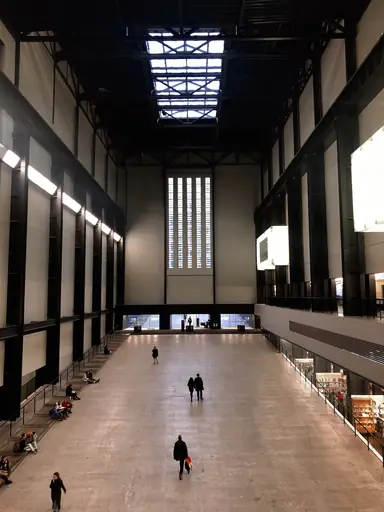
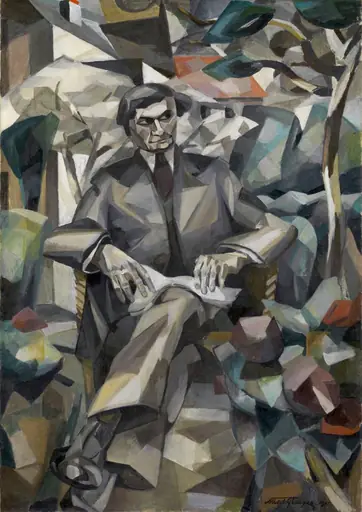
Art Gallery in London
Tate Modern
World’s Leading Modern Art Museum
Housed in a former power station, this museum's turbine hall now hosts large scale installations. Collections span international modern and contemporary art from 1900 to the present. Visitors can ride escalators past brick walls recalling the building's industrial past. A rooftop terrace on the newer wing offers wide views across the Thames.
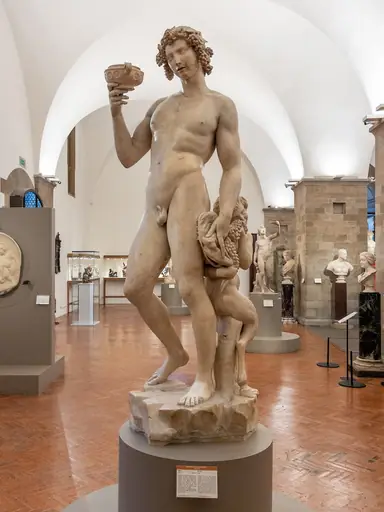
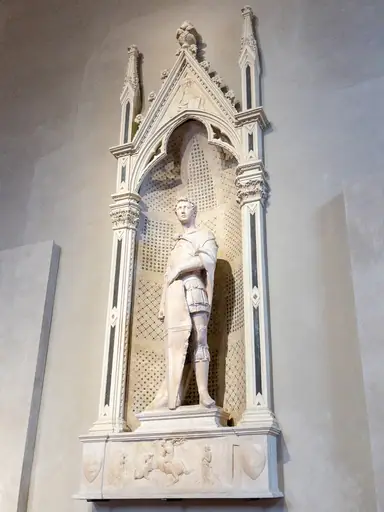
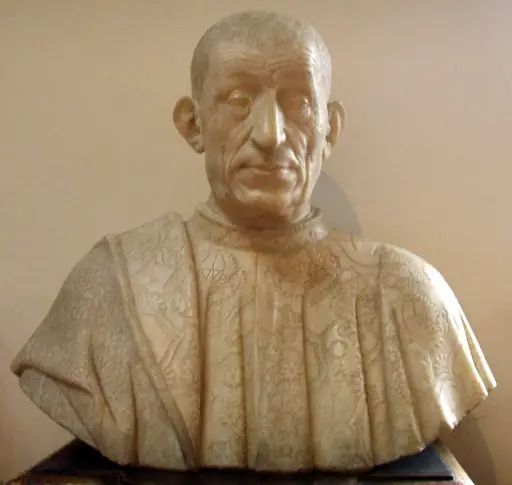
Art Museum in Florence
Bargello Museum
Renaissance Sculpture in a Medieval Palace
This former medieval fortress now displays Renaissance sculpture inside its stone courtyard and halls. Donatello's bronze David, one of the period's most significant sculptures, stands in a central gallery. Visitors can view early competition entries submitted for Florence's baptistery door commission. The building once served as a police headquarters and prison before its museum conversion.

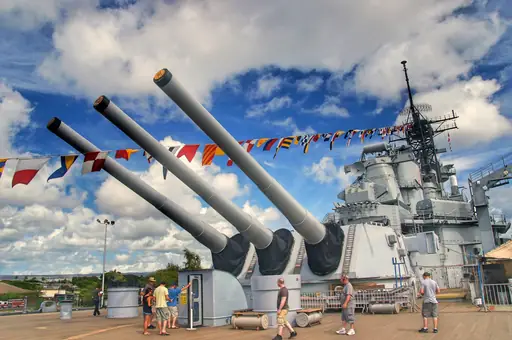

Historic Site in United States
Pearl Harbor
Historic WWII Memorial and Tribute
The USS Arizona Memorial floats above the sunken battleship where sailors remain entombed. Oil still rises to the surface from the wreck, decades after the 1941 attack. Visitors can ride a boat out to the memorial as part of a guided tour. A visitor centre nearby displays artefacts and film footage from the attack.
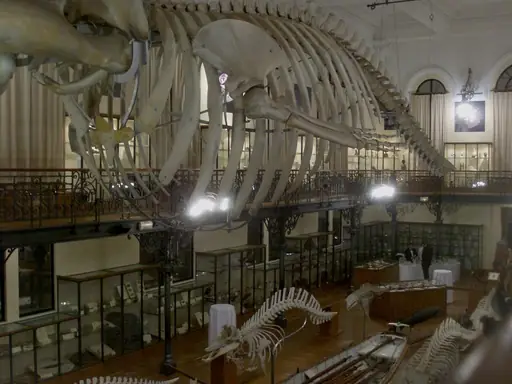
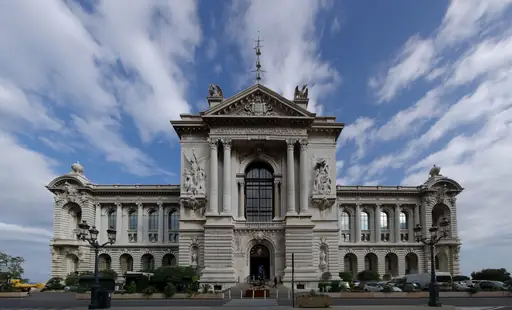
Museum in Monaco
Oceanographic Museum of Monaco
Marine Wonders Clifftop Museum
This museum perches on a cliff edge above the Mediterranean, its foundations dropping straight into the sea. Jacques Cousteau once directed the institute housed inside this building for decades. Visitors can walk through aquarium tanks holding sharks, coral and tropical reef fish. A rooftop terrace offers views across the harbour towards Monaco's palace.
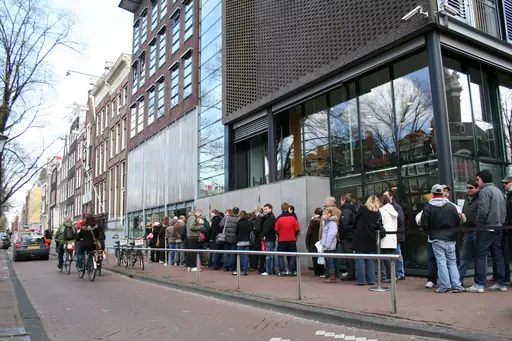
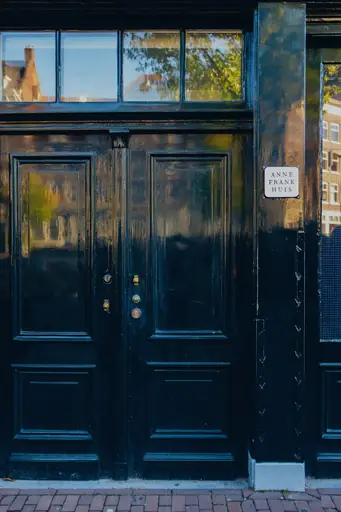
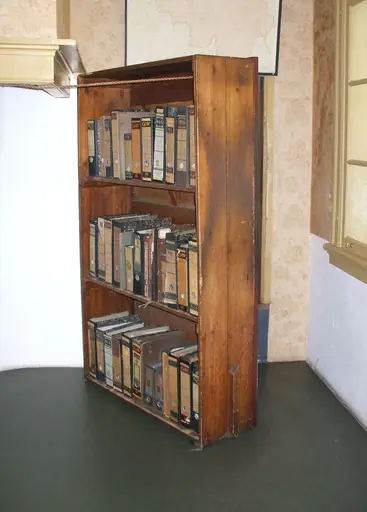
Museum in Amsterdam
Anne Frank House
Powerful Story in Historic Hiding Place
Anne Frank and her family hid inside this building's secret annex for two years. Her diary, written during that time, has since been translated into dozens of languages. Visitors can climb the same narrow staircase hidden behind a rotating bookcase. Original pages from her diary appear alongside photographs of the family's life before hiding.
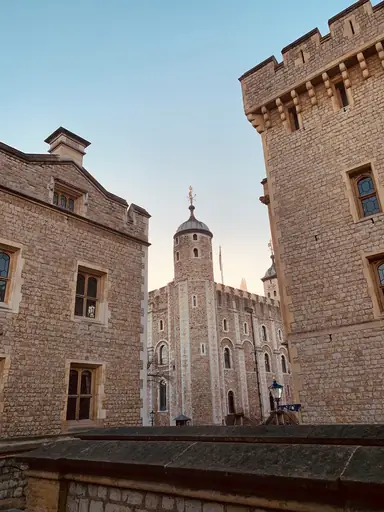
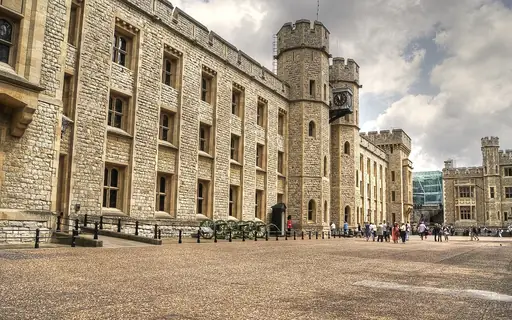
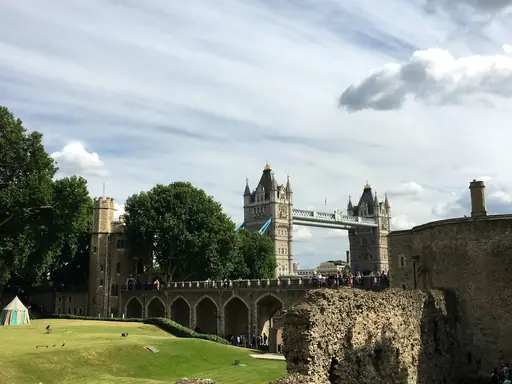
Castle in London
Tower of London
Iconic Fortress of British History
The Crown Jewels sit inside this fortress, guarded around the clock by armed soldiers. Ravens have been kept on the grounds for centuries, tied to a legend about the monarchy. Visitors can join a tour led by a Yeoman Warder in Tudor uniform. Prisoners including Anne Boleyn were once held and executed within these walls.
Museum in Gothenburg
Gothenburg Museum of Art
Nordic Art Treasures and Classics
Nordic art from the 1800s and 1900s fills one of this museum's largest collections. Works by Edvard Munch hang alongside Swedish painters of the same period. Visitors can view a hall built specifically to display large scale Nordic paintings. Rotating exhibitions often bring contemporary Scandinavian artists into conversation with history.
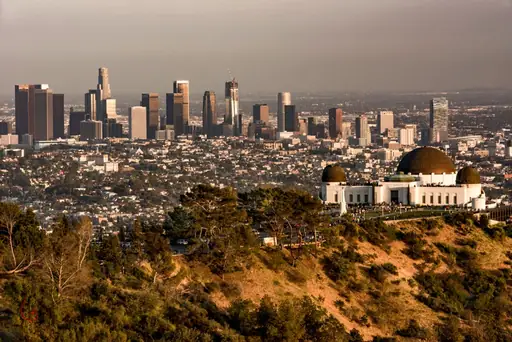
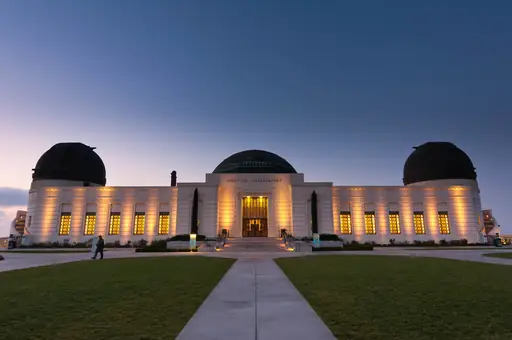
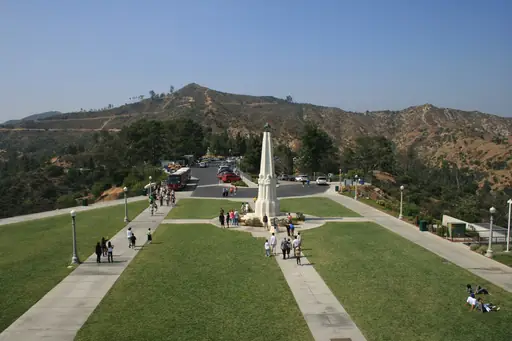
Museum in Los Angeles
Griffith Observatory
Gateway to the Cosmos & Views
This hilltop observatory offers free public telescopes pointed at planets most evenings. A Foucault pendulum in the lobby demonstrates the Earth's rotation as it swings. Visitors can watch a planetarium show beneath an advanced star projector. The building's art deco design has appeared in numerous films shot across the city.
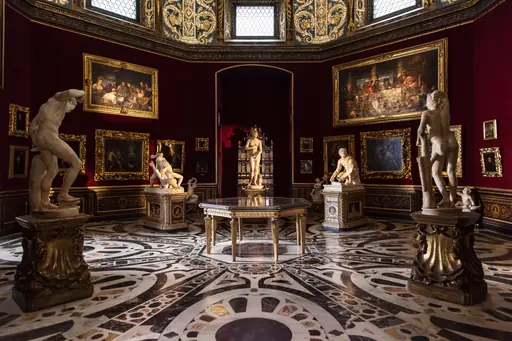
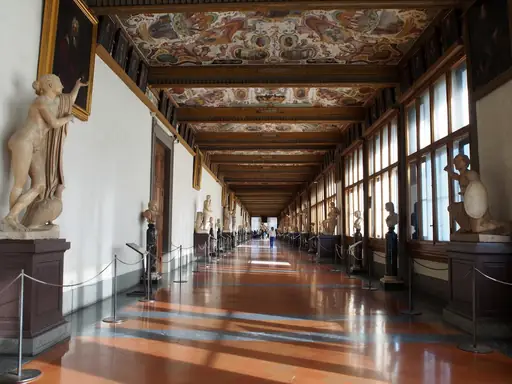
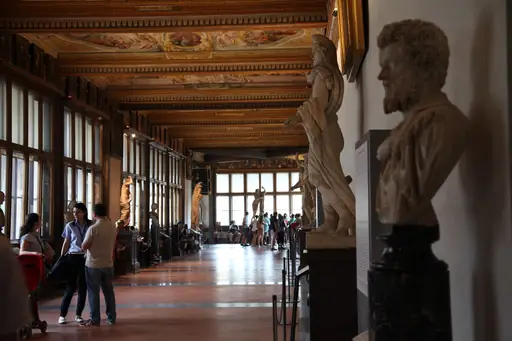
Art Museum in Florence
Uffizi Gallery
Florence's Renaissance Art Treasure
Botticelli's The Birth of Venus hangs inside this Florence museum's painting galleries. Originally built as offices for the ruling Medici family, the building became an art museum. Visitors can walk a long corridor of classical sculpture connecting the museum's wings. A rooftop terrace café offers views over the Arno River and city rooftops.
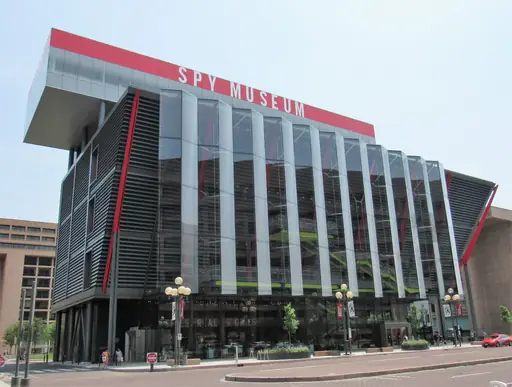
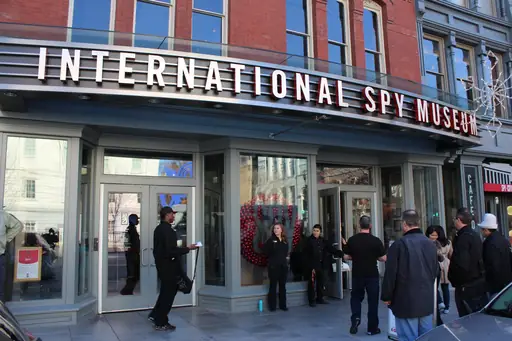

Museum in Washington, D.C.
International Spy Museum
Dive Into Espionage History
Actual espionage tools once used by intelligence agencies fill display cases across this museum. Visitors take on a cover identity at the entrance, tested against quizzes throughout the exhibits. Spy gadgets on display include lipstick pistols and cameras hidden inside everyday objects. Interactive missions let guests attempt code breaking and surveillance exercises during their visit.
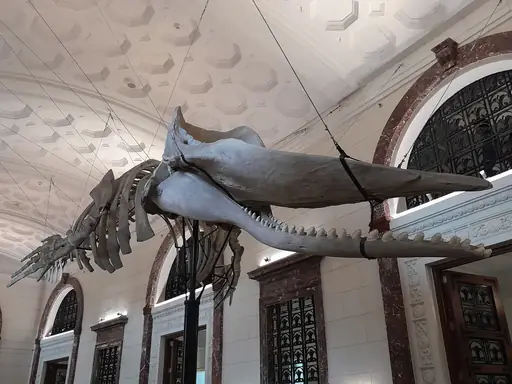
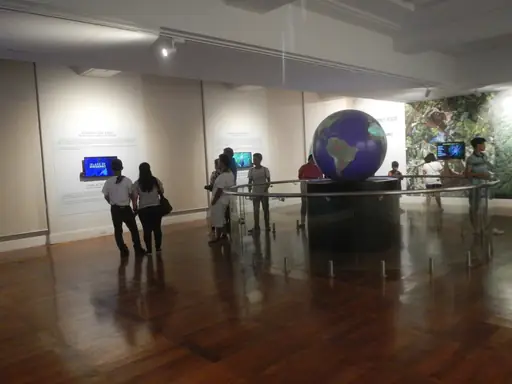
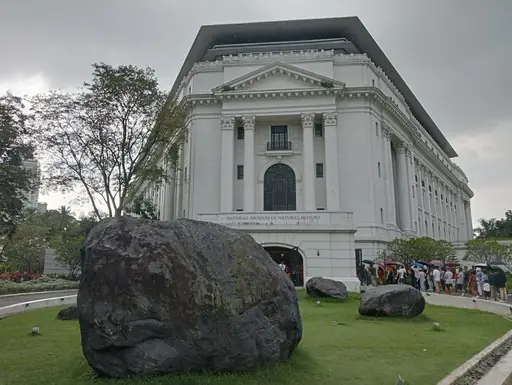
Museum in Manila
National Museum of Natural History
Philippines' Biodiversity Showcase
This Manila museum occupies a former legislative building topped with a distinctive dome shaped skylight. A spiral ramp called the Tree of Life winds up through the building's central atrium. Visitors can view exhibits on Philippine biodiversity, geology and marine ecosystems across several floors. The dome above the ramp floods the atrium with natural daylight.
Castle in Copenhagen
Christiansborg Palace
Denmark’s Political and Royal Hub
This Copenhagen palace houses Denmark's parliament, supreme court and prime minister's office under one roof. Ruins of two earlier castles sit preserved beneath the current building's foundations. Visitors can tour royal reception rooms before descending into the medieval ruins below. A tower here offers the highest public viewpoint over the Danish capital.
Art Museum in Bruges
Groeningemuseum
Flemish art masterworks hub
This Bruges museum holds an important collection of Flemish primitive paintings. Jan van Eyck's detailed portraiture appears alongside work by later Flemish artists. Visitors can view panel paintings rich with religious symbolism in small galleries. The museum's compact size makes it possible to see the full collection in an hour.
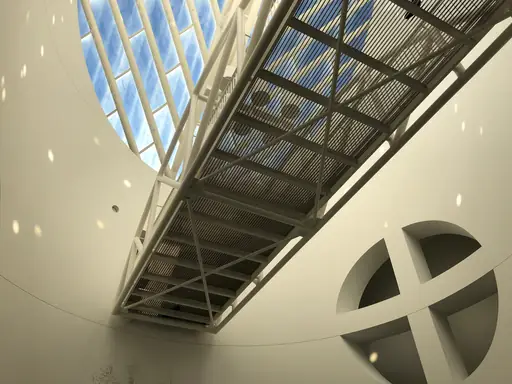
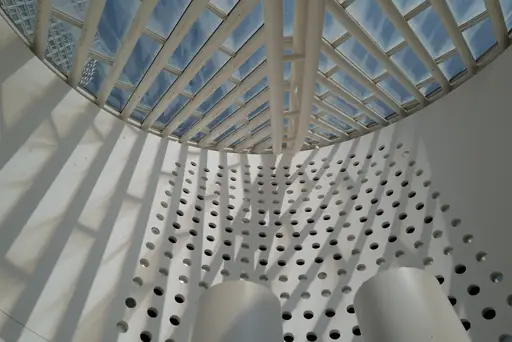
Museum in San Francisco
San Francisco Museum of Modern Art
West Coast’s modern art powerhouse
A soaring atrium designed by Snohetta connects galleries of painting, sculpture and photography. The museum holds one of the country's largest collections of work by Diego Rivera. Visitors can ride an escalator past a living wall of plants in the atrium. Free galleries on the ground floor let passersby view select works without a ticket.
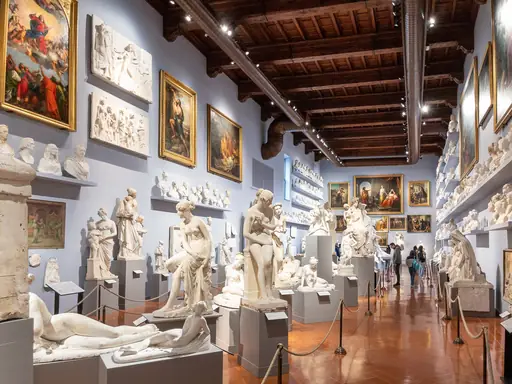
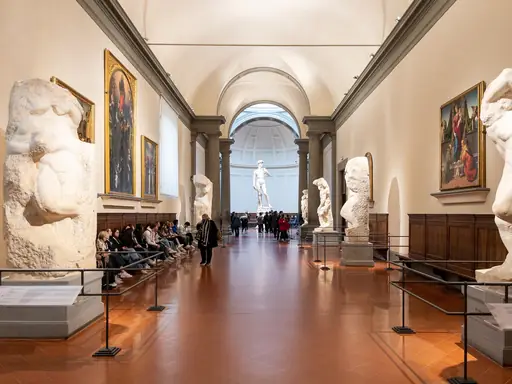
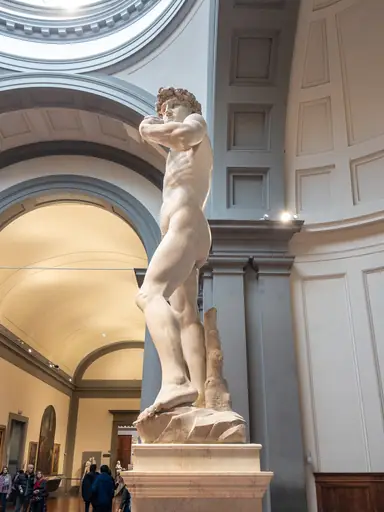
Art Museum in Venice
Accademia Gallery
Home of Michelangelo's David
This Venice gallery holds paintings spanning the city's Gothic through Renaissance artistic periods. Titian, Tintoretto and Bellini all have major works displayed across its converted convent halls. Visitors can view a ceiling once removed from a demolished church, reinstalled overhead. The building itself, a former religious complex, adds Gothic architecture to the visit.
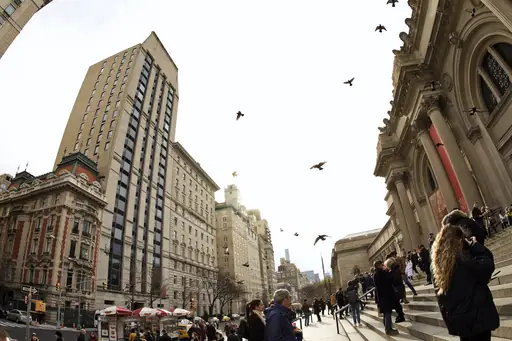
Art Museum in New York City
The Metropolitan Museum of Art
World's Premier Art Collection
Egyptian temples and contemporary installations sit within a collection spanning five thousand years. A reconstructed Egyptian temple occupies its own wing, donated to the museum in 1965. Visitors can climb to the rooftop garden for skyline views above Central Park. The Costume Institute stages a major fashion exhibition each spring, tied to the annual gala.
Art Museum in Florence
Academy Gallery
Home of Michelangelo's David
Michelangelo's David, carved from a single block of marble, stands beneath this gallery's domed rotunda. Unfinished sculptures called the Prisoners line the hallway leading towards the famous statue. Visitors can view the David's exaggerated proportions, designed to be seen from below. Musical instrument collections nearby include early violins made by the Stradivari workshop.

Archaeological Site in Pakistan
Mohenjo-daro
Ancient Indus Valley civilization revealed
Archaeologists uncovered a Bronze Age city here with plumbing more advanced than many modern towns. Its grid planned streets and covered drains served a population that vanished centuries later. Visitors can walk through excavated house foundations and a large public bathing structure. The on site museum displays seals, pottery and jewellery recovered from the ruins.
Other lists you may like
Discover
Best museum destinations in Africa
Africa's museum offer spans an extraordinary chronological range, from the ancient civilisation collections of north Africa and the ethnographic institutions of the colonial era to…
Read more
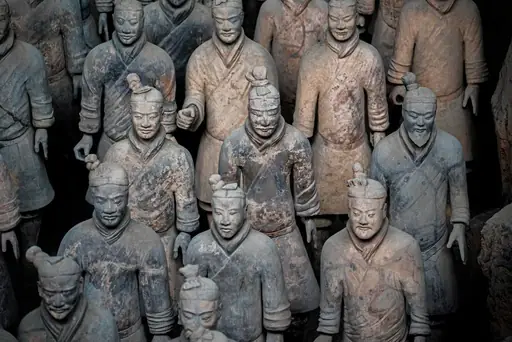
Discover
Best museum destinations in Asia
Asia's museum offer encompasses one of the world's most diverse ranges of cultural traditions, artistic languages and historical periods, with institutions across the continent…
Read more
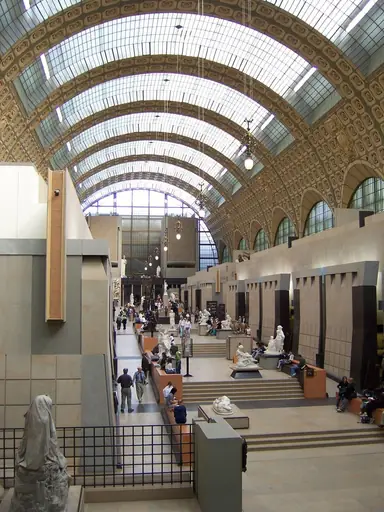
Discover
Best museum destinations in Europe
Europe holds the world's greatest concentration of significant museum collections, accumulated over centuries of patronage, scientific inquiry and in many cases imperial…
Read more
Discover
Best museum destinations in North America
North America's museum offer is anchored by some of the world's most significant permanent collections, built during periods of concentrated private philanthropy and institutional…
Read more
Discover
Best museum destinations in Oceania
Oceania's museum offer is shaped by the extraordinary depth of its indigenous cultural collections, with Australian and New Zealand institutions holding material that documents…
Read more
Discover
Best museum destinations in South America
South America's best known museums lean heavily toward art and pre Columbian history, with a handful of standouts spread across the continent's major cities. Sao Paulo's MASP is…
Read more
What other users say about travelfilters
“travelfilters made it easy for me to find ski areas and compare what else they offer, so that I could find the best place for my personal travel style.”

Chris
Snowboarding & Onsen trip to Japan
“I love how transparent the data feels. There is no pushy upsell, just honest information and settings I can tune to my own travel style.”

Maria
After booking her 2027 winter escape
“The level of detail for each destination and how well those are displayed, make planning feel confident instead of overwhelming.”

Mina
Planned a week in New York City
“We used travelfilters for our planning from start to end. The trip turned out even better than expected, thanks to all their tools and customisation options.”

Allan & Etienne
Trip to Japan to see autumn foliage
“Thanks to travelfilters, I found some hidden gems to see. Being able to filter for exactly your interests is a game changer for my travel planning.”

Michael
Tour through the old cities of Northern Italy
“The customizable filters helped me find a quiet beach town with good wifi and low season crowds in under five minutes.”

Diego
Weekend Escape to Llanes, Spain
“The airport connection map saved me hours by showing good flight options from my home airport to lesser-known cities.”

Nguyen
Planning a 2027 trip to France
“The website is clean, fast and focused on the search itself, which makes travelfilters feel more like a professional tool than an ad-heavy booking site.”

Hassan
Christmas Market trip, Germany
