









Was this page helpful?

| Opening hours: |
|
||||
|---|---|---|---|---|---|
| Public website: | museo.precolombino.cl |
| Power Grid: |
220 V, 50 Hz Plug: Type C , Type L
Type C:
  Read about power adapters |
|---|---|
| Currency: |
Chilean Peso (CLP) £1 ≈ CLP 1,306 |
| Cashless info: |
Rating 5/5
Cashless payments are widely accepted in Chile, particularly in cities and tourist areas. Credit and debit cards are commonly used.
Save with a travel credit card |
| eSIM providers: |
Best value: Saily Flexibility: Airalo Read our in-depth comparison |
| Tipping: | Tipping is appreciated in Chile but not mandatory. A 10% tip is typical in restaurants. Taxi drivers and hotel staff also appreciate small tips for good service. |
|---|---|
| Public drinking: | Public drinking is generally allowed in designated areas, but it is illegal to drink alcohol on the streets in some cities. It is best to consume alcohol in licensed venues. |
| Public smoking: | Smoking is prohibited in indoor public spaces, including restaurants, bars, and public transport. |
| Fiestas Patrias (18–19 September) |
National holiday celebrating Chile's independence with parades and festivities |
|---|---|
| Christmas (25 December) |
Celebrated with family gatherings and festive meals |
| Emergency contact: | Emergency Numbers: 133 (Police), 131 (Ambulance), 132 (Fire) |
|---|---|
| Taxi apps: | Uber, Cabify |
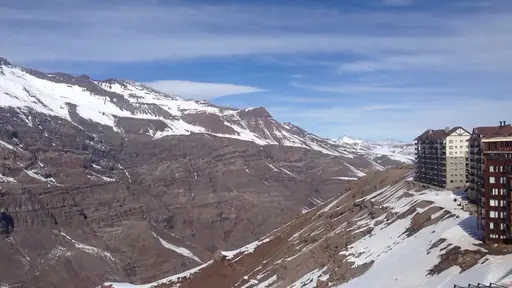
| Other: | Chile is famous for its natural beauty, including the Andes mountains, Atacama Desert, and Patagonia. It is a top destination for adventure tourism and outdoor activities. |
The best times to travel section shows how the months compare for a visit, so you can find the time of year that fits what you want to do.
Background colours of the months:
The colour shows the typical temperature: yellow (hot), green (mild) and blue (cold). How strong the colour is shows the travel season: full colour means high season, soft colour means shoulder season and soft-striped means off season.
Weather symbols:
Each month has one symbol showing what the weather is typically like, such as hot and sunny, freezing or a rainy or snowy season. Use them to quickly spot months that match the weather you want, or to avoid the ones that don't.
Crowdedness:
The people icon shows how busy the place usually is. The more people, the more crowded it gets.
Additional notes:
The grey info boxes point out special things worth knowing, like recurring weather issues or seasonal events.
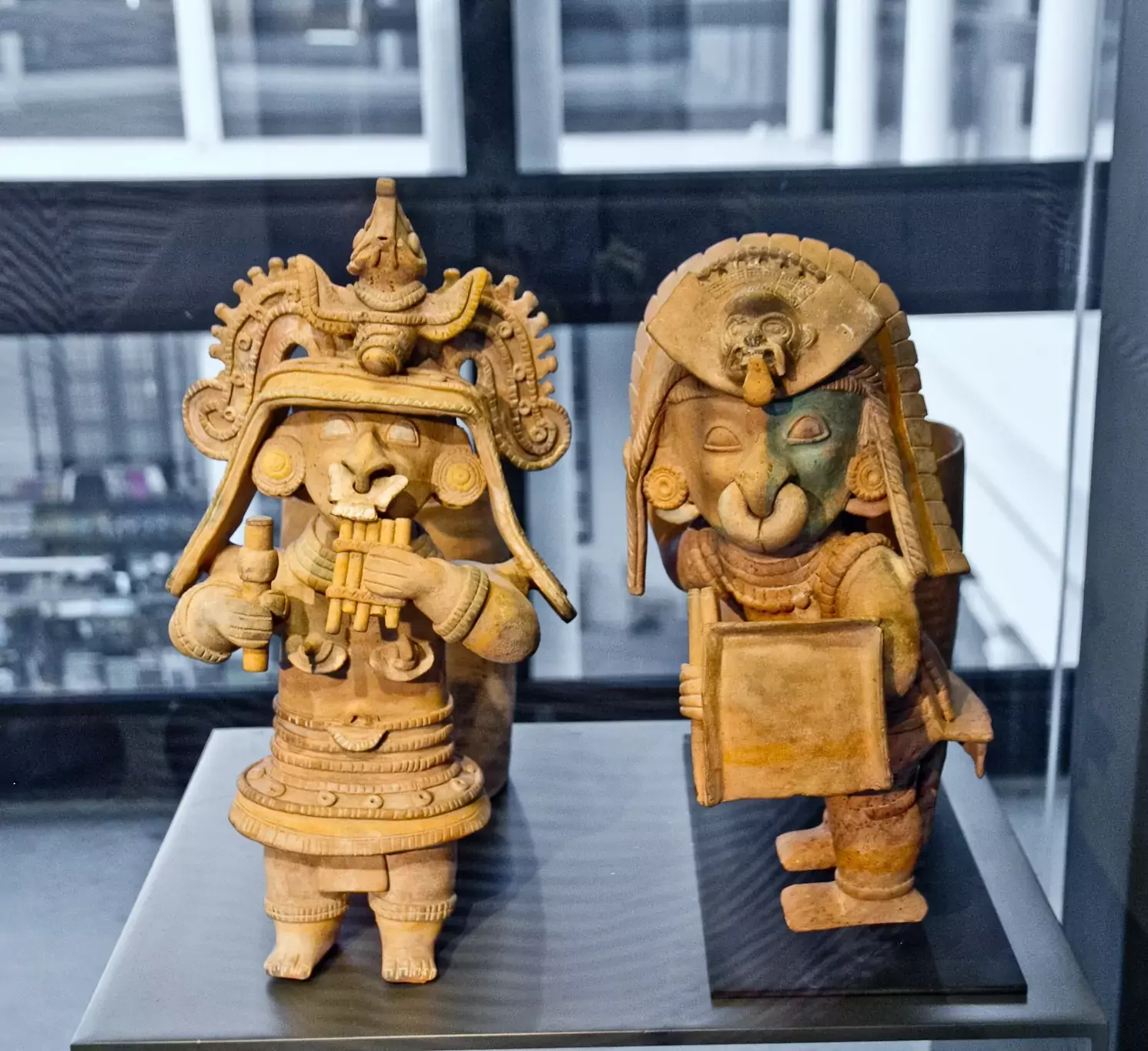
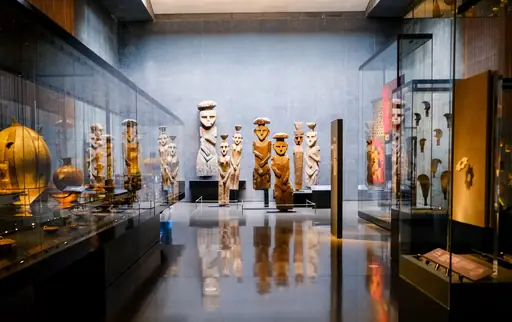
The Museum of Precolombian Art offers visitors a deep dive into the fascinating world of the Americas before European contact. Its collection spans thousands of years and diverse cultures, including the Olmec, Maya, Aztec, Inca and indigenous groups from Chile and neighboring countries.
The museum is thoughtfully arranged to highlight the artistic achievements of these civilizations, with displays of intricate ceramics, textiles, metalwork and ritual objects. The spacious galleries allow for both visual appreciation and contextual understanding, often supplemented by bilingual information in Spanish and English.
While the museum is a cultural gem, some visitors note that parts of the English translations on exhibit texts can be incomplete or hard to read due to lighting. The museum is relatively small, so it won't take many hours to explore, but its quality makes it a must-visit in Santiago for history and art enthusiasts.
Events and temporary exhibitions occasionally supplement the permanent collection, offering fresh perspectives on Precolombian art and culture. The museum also offers educational workshops and guided tours that enrich the visitor experience, making it both informative and engaging.
The museum is located in downtown Santiago, accessible via public transport such as the Santiago Metro (universidad de Chile station nearby) and local buses. Visitors usually arrive in Chile via Santiago International Airport, which is about 20 kilometers from the city center. From the airport, taxis, rideshares or airport shuttles can take you to downtown Santiago quickly and comfortably.
Downtown Santiago provides a variety of accommodation options ranging from boutique hotels to international chains, making it easy to stay close to the museum and explore the vibrant city atmosphere.
Log in to add this place to a travel list and get a summary of all recommended items for your whole trip.
We calculate the average costs when travelling to destinations and compare those with the living costs at your home. With this you can get an estimate of how expensive or cheap the destination is for you.
To customise this, you can set up which location and price level are used for the calculations in your account settings.
The exchange rate price factor shows how expensive or cheap a currency currently is compared to its historical average. It's a quick way to see if a country is currently more or less affordable due to exchange rate changes.
