
Some things about a trip can be booked and some things can’t be bought with money. The flights, the accommodation, the day trips and event tickets are all just a swipe of your credit card away and conveniently accessible as long as you have the funds. There is another layer to any trip to a foreign country, though, that shapes your experience and impacts the memories you will make there. Knowing how to say hello, goodbye, thank you and excuse me or being aware of how you should behave in a temple are just two examples of these small things that are worth the tiny amount of effort you have to put into them.
None of this requires serious studying. A few hours of the right preparation are enough to make a noticeable difference and locals everywhere react the same way to it. They don't expect you to arrive fluent or flawless, but they notice whether you tried. Here are the four areas that cover the basics, with links to our detailed guides for each of them.
Learn the basics of the language
The language barrier is one of the most overestimated obstacles in travel. You don't need to be fluent to get around, order food or have friendly interactions with locals. A small amount of preparation goes a long way and the right tools cover the rest. In our guide on navigating foreign languages while travelling, we show you how to prepare for a destination where you don't speak the language.
Get familiar with the local customs
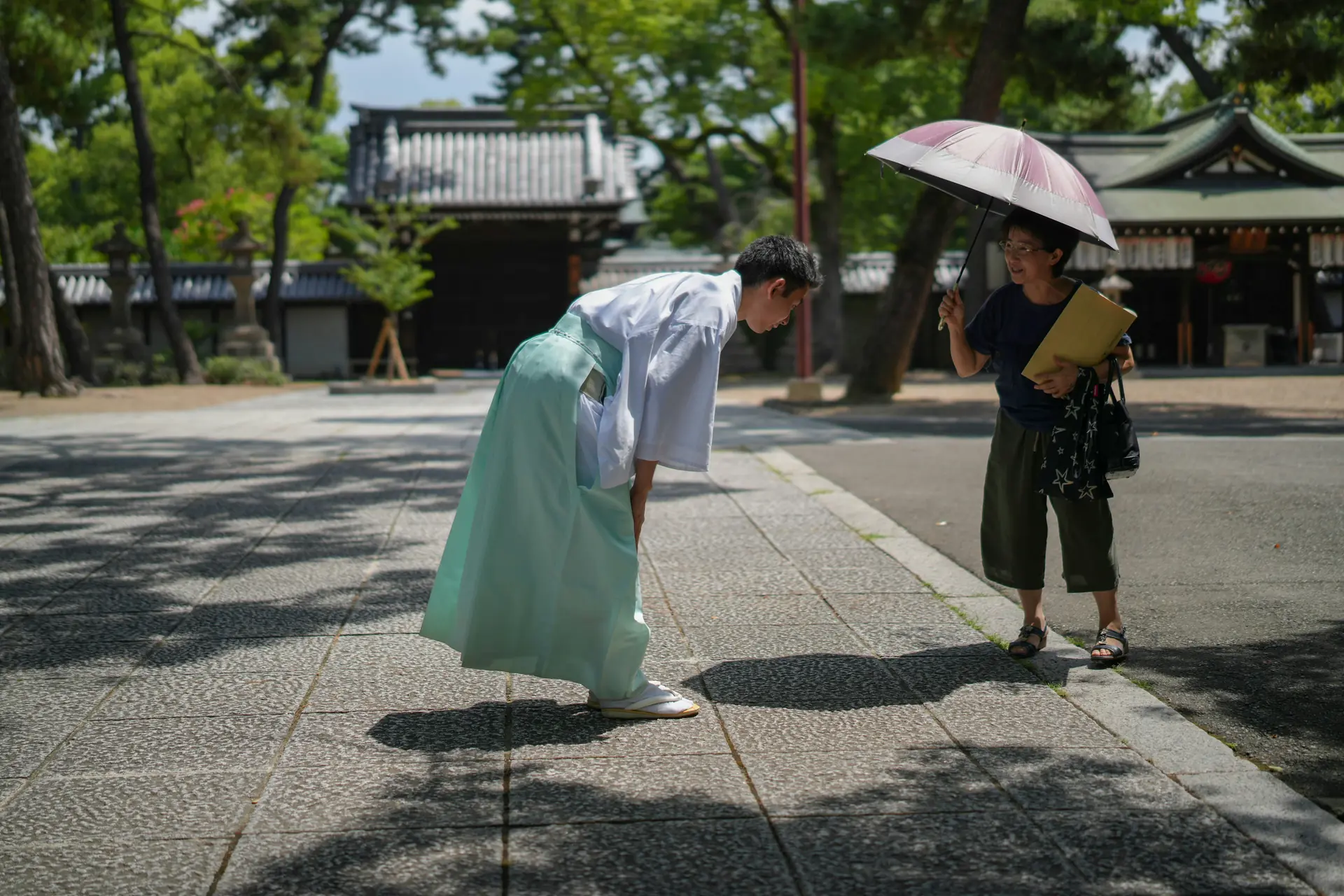
Customs are the rules a place runs on and most of them are invisible until you break one. Every country has its own way of doing things and what is perfectly normal at home can be inappropriate somewhere else. Knowing the most important dos and don'ts before you arrive saves you from awkward moments and shows respect for the place you're visiting. Our guide on handling local customs helps you prepare for the customs of your destination.
Brush up on your travel etiquette
While customs are about being a good guest of the place, etiquette is about being a good fellow traveller. Trips are full of shared spaces and they only stay pleasant if most people follow a few unwritten rules. Knowing them makes you a better travel companion and usually improves your own trip too. Our travel etiquette guide covers how to travel considerately, from the plane to the hotel.
Learn about the history and religion of your destination
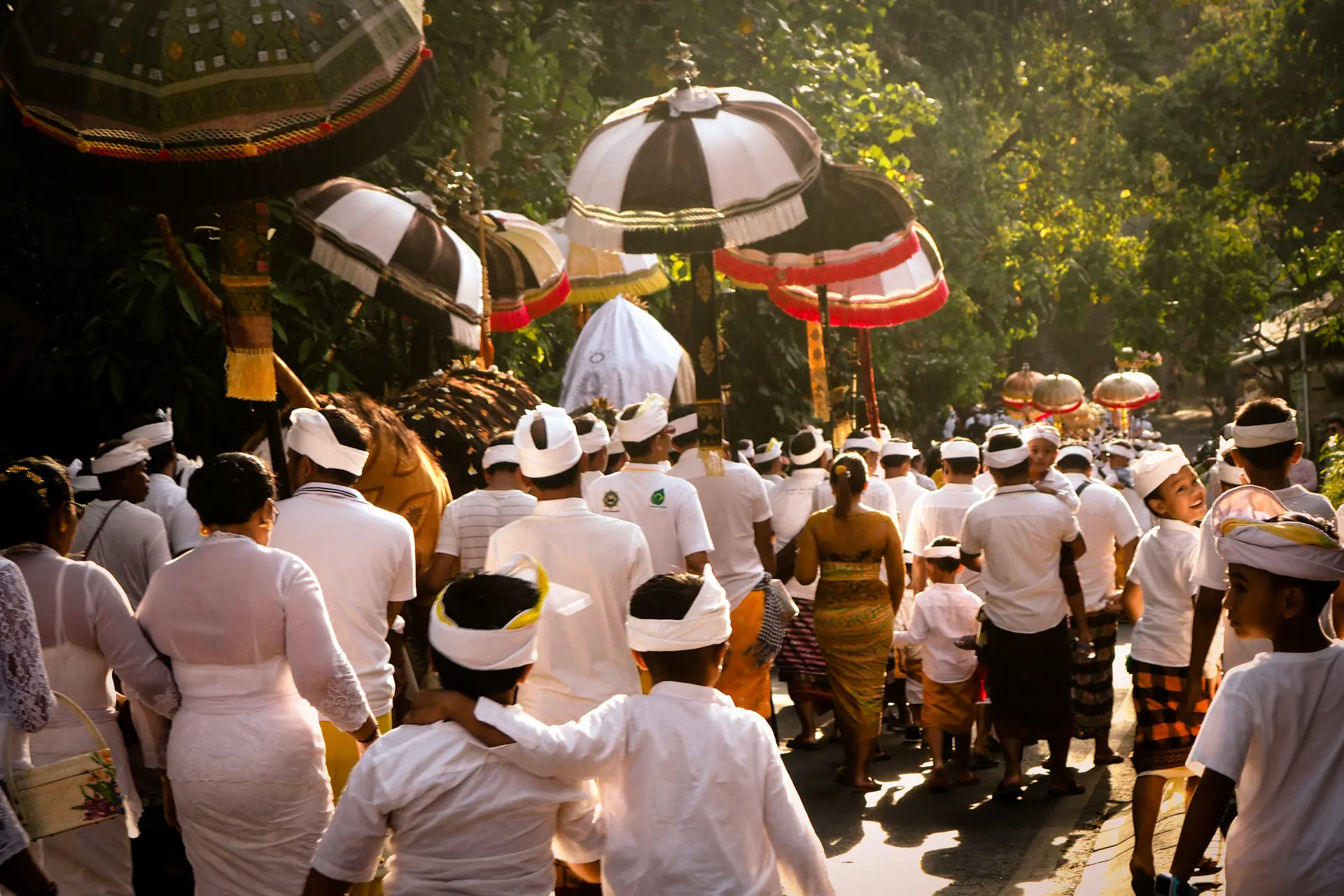
This is the area with the biggest payoff and the one most travellers skip. The difference between looking at a famous sight and actually understanding it is enormous. A bit of background knowledge makes the whole destination more interesting, from the architecture to the food and the whole vibe of a place. Our guide on learning about history and religion before travelling shows you how to build that knowledge without it feeling like homework.
One evening per topic is enough
A realistic preparation for a normal trip is one evening for the language basics, one for customs and etiquette combined and one or two for the history and background. You can also just pick the topics that matter most for your destination. A trip to a neighbouring country might need very little of this, while a trip to a completely different culture makes putting in the effort absolutely worth it.
Where you go decides how much there is to learn. Culture, history and food are among the many filters in our Trip Finder, so if learning about a place is part of why you travel, you can make it a criterion for picking the destination in the first place. However you choose, the pattern stays the same. A little curiosity before the trip pays off the moment you reach your destination.