
Top cave destinations and underground wonders
Top cave destinations and underground wonders
Imposing caverns and underground exploration spots
Cave travel encompasses an extraordinary range of experiences from show cave visits with guided walking tours to serious caving expeditions through undeveloped systems requiring technical equipment and considerable physical commitment. The most rewarding destinations combine genuinely exceptional geological formations with enough visitor infrastructure to make access practical, with stalactite and stalagmite systems, underground rivers and vast cathedral chambers delivering environments of considerable drama and scale.
The distinction between developed show caves and wild caving environments defines the experience considerably, with show caves delivering accessibility and interpretation alongside formations of considerable beauty while undeveloped systems reward the additional effort and skill required with a rawness and sense of discovery that managed environments cannot replicate. Several destinations have developed adventure caving programmes that bridge the gap between the two extremes.
Safety standards vary considerably between operators and destinations and researching guide qualifications and equipment standards before booking is essential at undeveloped caving destinations. Claustrophobia and physical fitness requirements vary significantly by cave system and are worth checking in advance. Several of the world's most significant cave systems require advance permit booking with limited daily visitor numbers that sell out well ahead of peak season.
Lists by region
State/Prefecture in United States
New Mexico
Land of Enchantment’s Rich Heritage
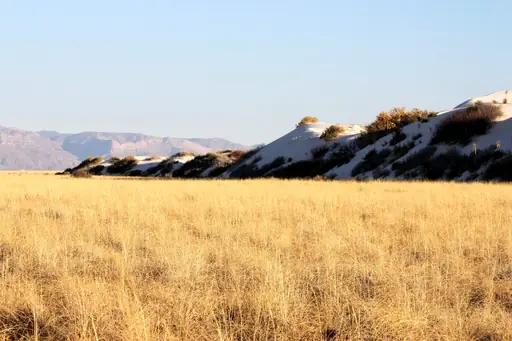
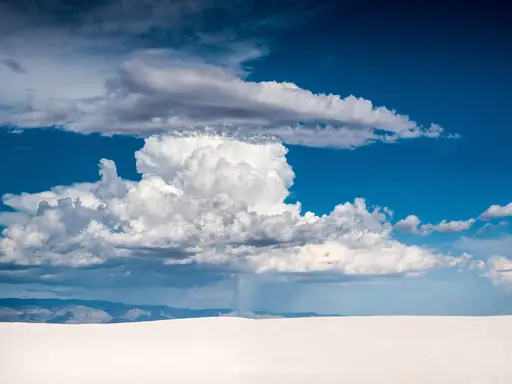
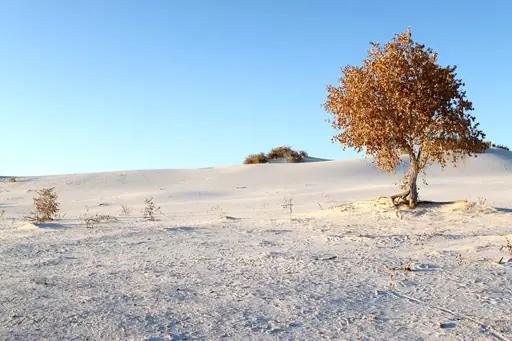
Carlsbad Caverns drops visitors more than 750 feet below the New Mexico desert surface. Bats stream out of the entrance in a swirling cloud each summer evening. Visitors can walk a paved trail past the cavern's massive Big Room chamber. Lifts also carry visitors directly down from the surface visitor centre.
State/Prefecture in United States
Kentucky
Bluegrass Beauty and Bourbon Heritage
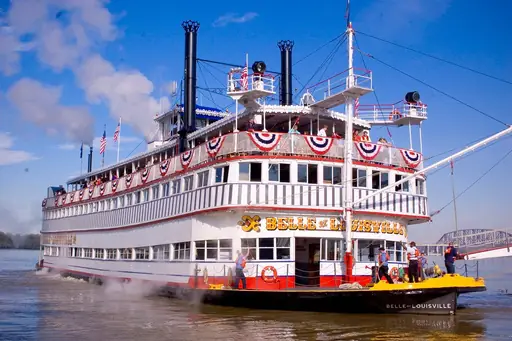
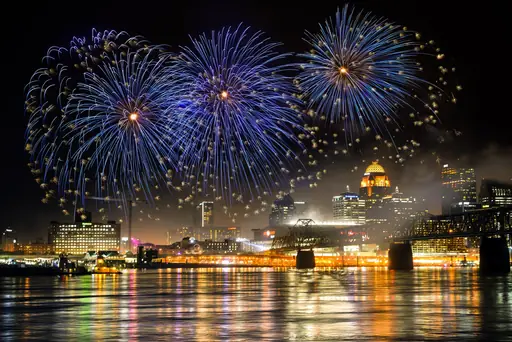
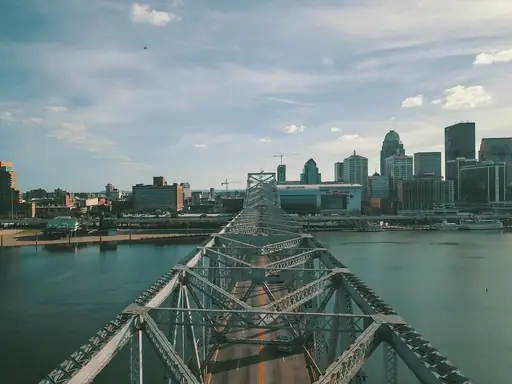
Lost River Cave carries an underground river beneath Bowling Green, Kentucky. Visitors can take a boat ride through the cave's largest known underground river passage. A butterfly habitat and walking trails sit above the cave's sinking entrance. Outlaw Jesse James is said to have hidden in the cave during the 1800s.
Town in Slovenia
Postojna
Caves, Castles and Karst Wonders
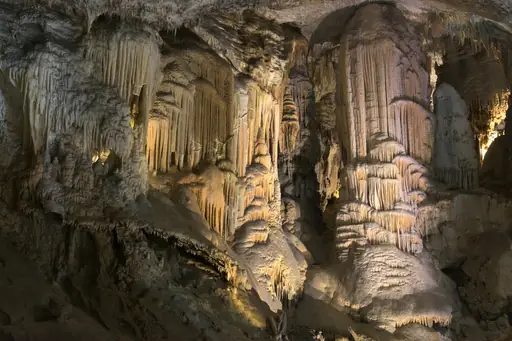
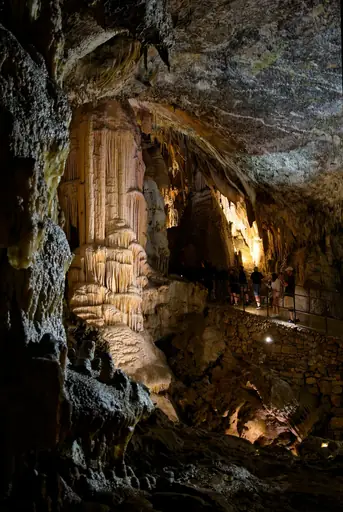
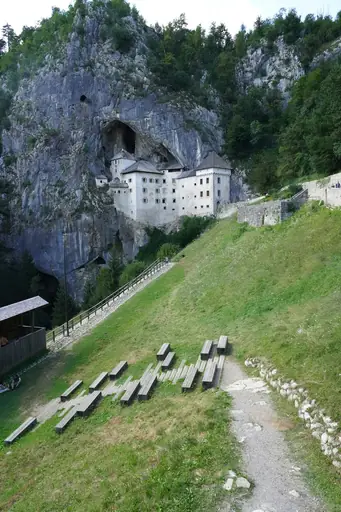
Postojna Cave carries visitors nearly two miles inside aboard an open electric train. Blind cave salamanders called olms live in the cave's underground pools for decades at a time. Visitors can walk illuminated galleries past towering stalagmites after the train ride ends. A concert hall inside the cave has hosted performances for over a century.

Country
China
Great Wall, ancient cities and sweeping landscapes
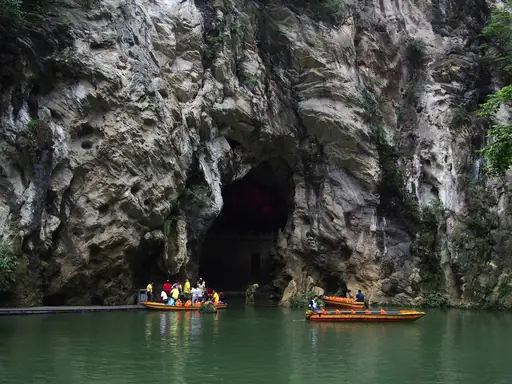
Reed Flute Cave's colourful lit formations have drawn visitors to Guilin, China for more than 1,200 years. Stalactites and stalagmites fill the cave in shapes said to resemble animals and plants. Visitors can walk illuminated paths past a reflecting underground pool. Ink inscriptions left by past visitors still mark the cave's walls.
Region in Mexico
Yucatán
Gateway to the Mayan world
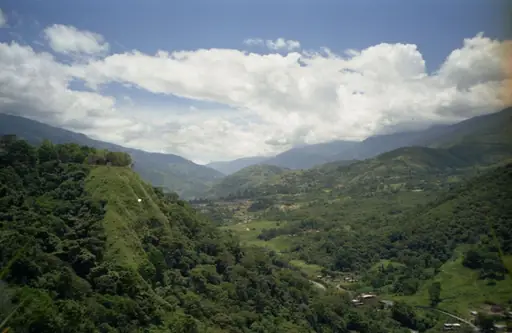
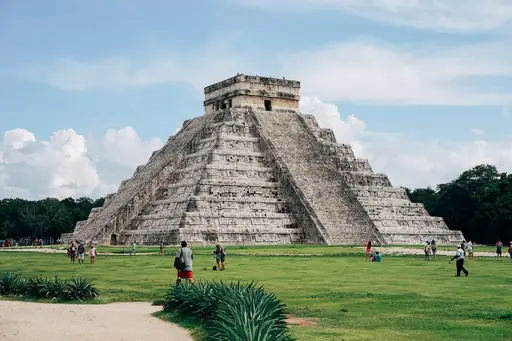
Thousands of limestone sinkholes called cenotes dot the Yucatan Peninsula's porous bedrock. Ancient Maya considered these water filled caves sacred portals to the underworld. Visitors can snorkel or dive through cenotes lit by shafts of sunlight from above. Stalactites hang from ceilings in cenotes that once sat fully dry above sea level.
Region in Turkey
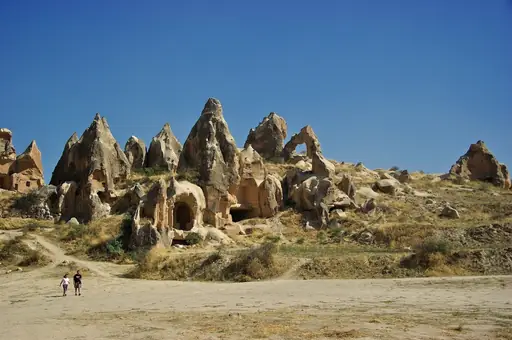
Cappadocia
A surreal land of fairy chimneys
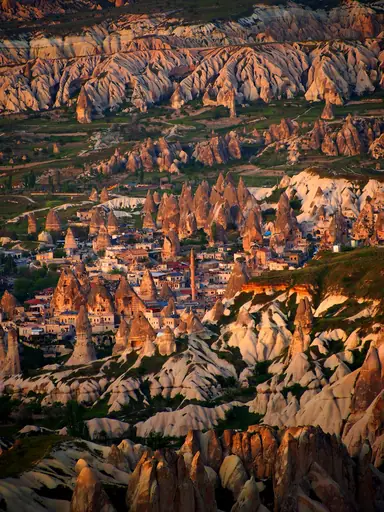
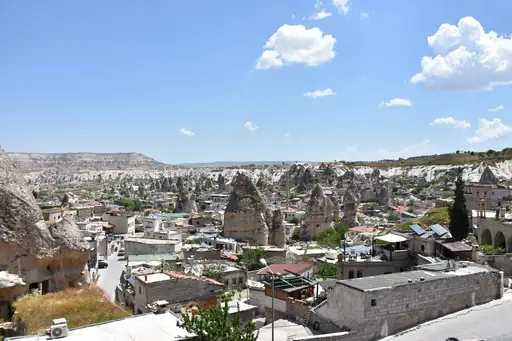
Derinkuyu's underground city once sheltered thousands of people across eighteen levels beneath Cappadocia. Ventilation shafts carried air down through the tunnels carved from soft volcanic rock. Visitors can walk through chapels, stables and kitchens hollowed into the underground levels. Stone doors could be rolled shut to seal off sections during attacks.
Country
Brazil
Vibrant diversity meets natural wonder
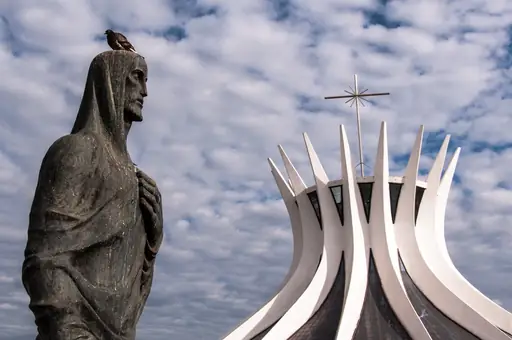
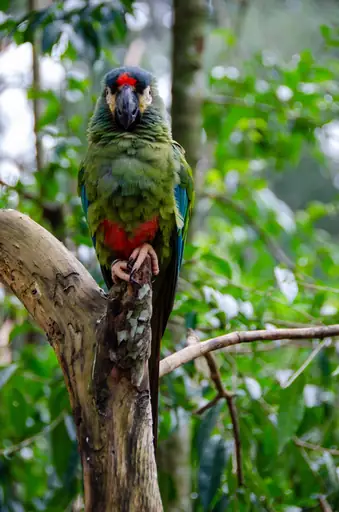
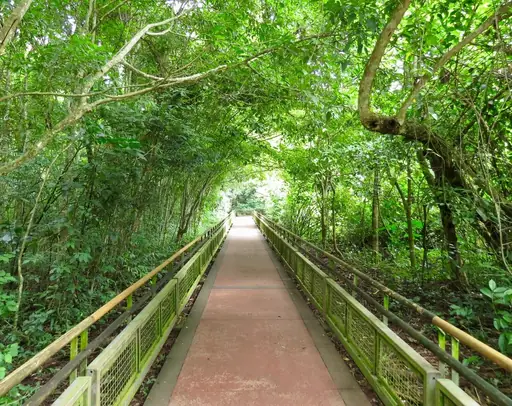
Terra Ronca holds one of South America's largest cave systems within a Brazilian state park. Underground rivers carved more than 15 miles of connected passages through the limestone. Visitors can tour illuminated chambers past towering stalagmite formations. Bats roost by the thousands in several of the deeper galleries.
Country
Argentina
Land of diverse natural wonders
Cueva de las Manos holds hundreds of stencilled hand prints painted onto a canyon wall in Argentina. Artists made these images by blowing pigment around their hands nearly 9,000 years ago. Visitors can view the painted cliff face along a marked walking path. A visitor centre nearby explains the site's ancient hunting scenes.


Country
Malaysia
Where tropical diversity meets culture
Deer Cave in Malaysia's Gunung Mulu National Park ranks among the largest cave passages by volume. Millions of bats stream out of the entrance each evening in a spiralling cloud. Visitors can watch the bat exodus from a viewing platform near the cave mouth. A rainforest canopy walkway nearby offers another angle on the park.
Country
Philippines
7,641 islands of tropical wonder
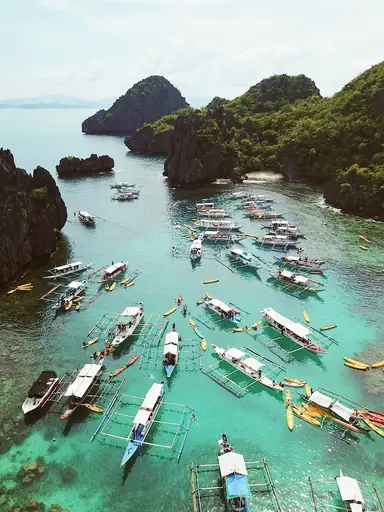
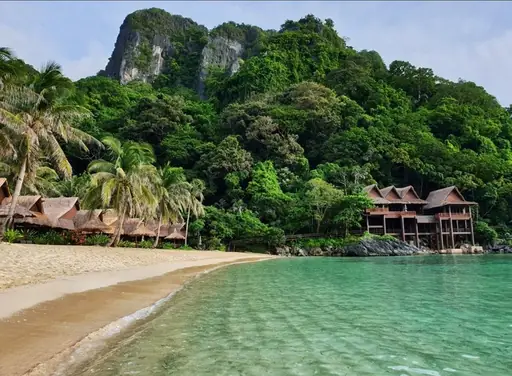
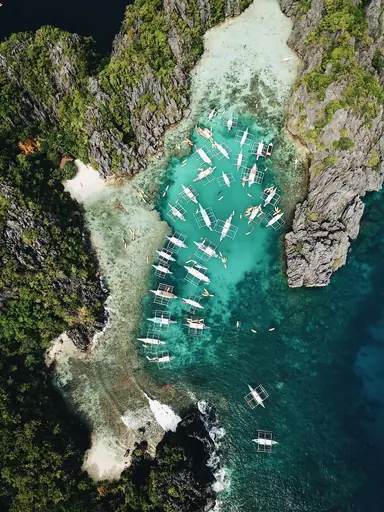
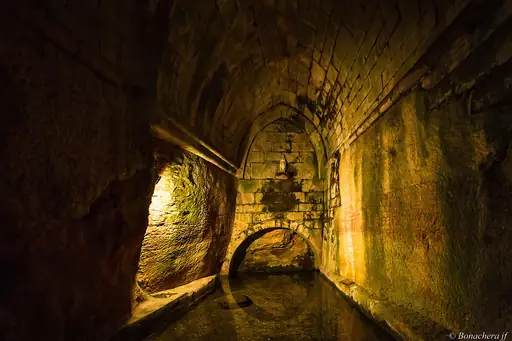
Puerto Princesa's underground river flows for five miles beneath Palawan's limestone karst. Boats paddle visitors past stalactite formations lit only by handheld lamps. Visitors can spot swiftlets nesting in the cave's ceiling as the boat glides past. The river empties directly into the sea at the cave's far end.
Country
France
Where culture meets natural diversity
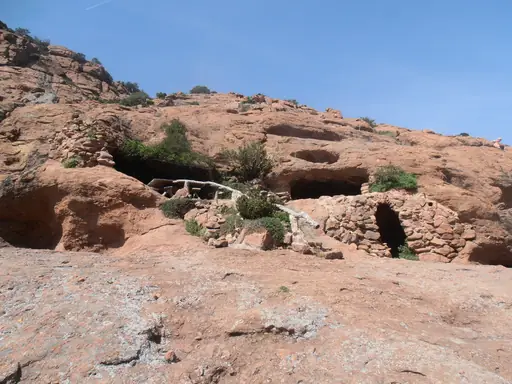
Lascaux's painted caverns hold prehistoric artwork discovered by teenagers chasing a dog in 1940. Artists painted horses, bulls and deer across the walls roughly 17,000 years ago. Visitors can tour a detailed replica built nearby since the original closed to protect the art. The real cave stays sealed to prevent damage from breath and light.
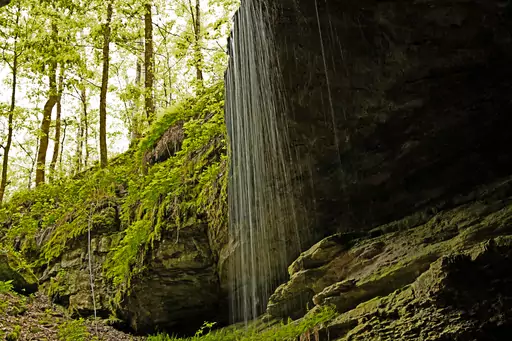
National Park in United States
Mammoth Cave National Park
World's Longest Known Cave System
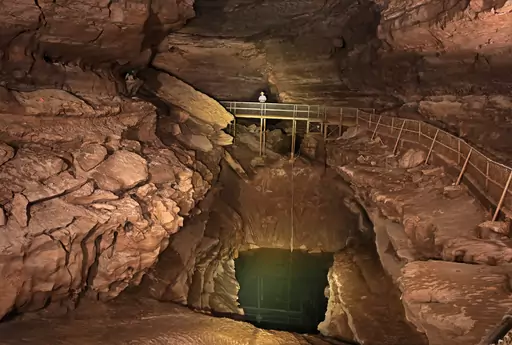
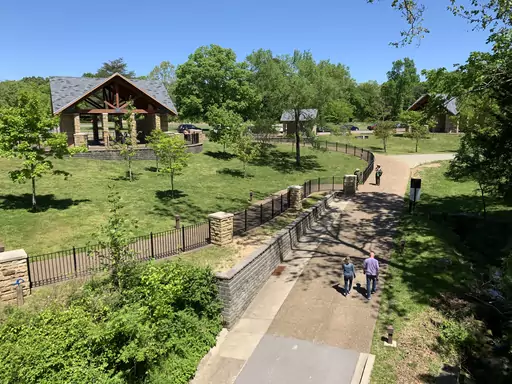
Mammoth Cave holds more than 420 mapped miles, the longest known cave system on Earth. Explorers have mapped new passages here for close to two centuries. Visitors can tour lantern lit routes past towering underground gypsum formations. Blind cave fish and eyeless crickets live in the cave's deepest, darkest sections.

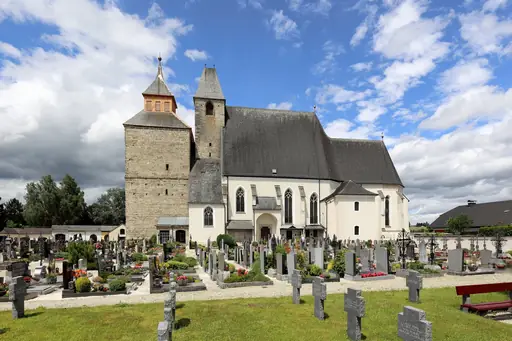

Country
Austria
Alpine beauty meets imperial grandeur
Austria's Lurgrotte cave system stretches for more than five miles beneath the Alps. Guides once used only oil lamps to lead visitors through the cavern's dark passages. Visitors can walk past dripstone formations built up over thousands of years. A cable car nearby reaches one of the cave's two entrances.
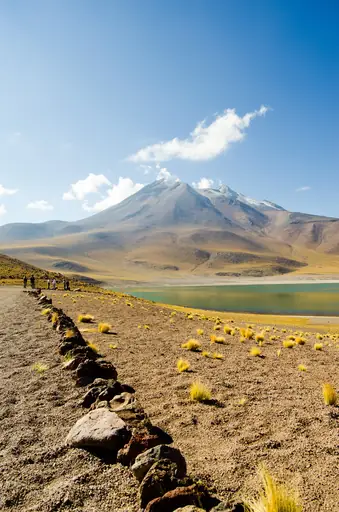
Country
Chile
Land of dramatic climate contrasts
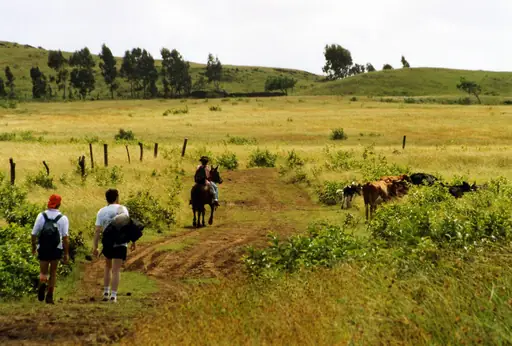
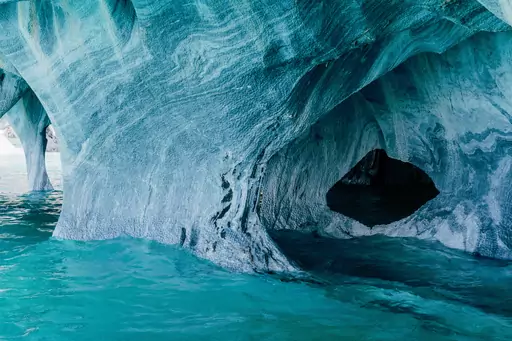
Marble Caves' swirled blue and white walls sit carved into a peninsula on Chile's General Carrera Lake. Waves polished the marble into smooth curved chambers over thousands of years. Visitors can kayak or boat into the caves when the lake is calm. Water levels shift the caves' colour between turquoise and deep blue.

District in New Zealand
Waitomo
Underground wonders beneath rolling farmland
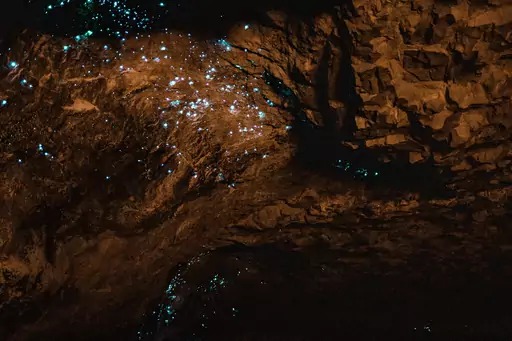
Waitomo's glowworms light the cave ceiling with thousands of tiny bioluminescent dots. These larvae dangle sticky threads to trap insects drawn towards their glow. Visitors can drift beneath the display by boat through a dark underground river. Guides once used only candlelight to lead early tours through the caves.
Country
Belize
Tropical paradise with diverse ecosystems
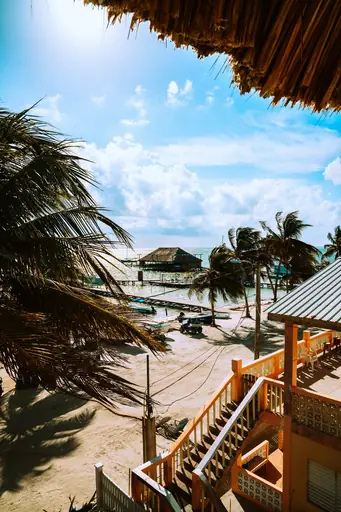
Belize's Great Blue Hole formed as a limestone cave whose roof collapsed beneath the sea. Divers descend past ancient stalactites hanging inside the submerged sinkhole's walls. Visitors can explore the site on a diving or snorkelling trip from nearby cayes. The hole drops more than 400 feet from the surface.
Historic Site in India
Ellora
Three faiths carved in stone
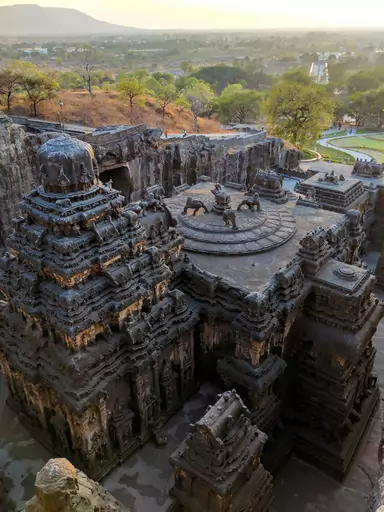
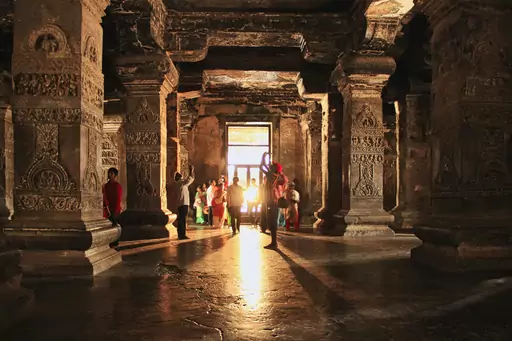
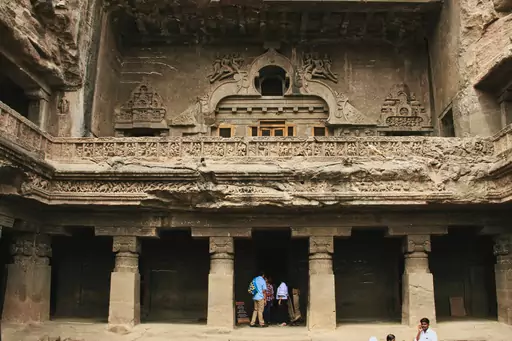
Ellora's Kailasa temple was carved downward from a single basalt hillside rather than built up. Workers removed an estimated 200,000 tons of rock to shape the temple by hand. Visitors can explore 34 caves representing Hindu, Buddhist and Jain traditions side by side. Carved elephants appear to support the temple's base along its outer walls.
Island in South Korea
Jeju Island
Nature's Island Paradise
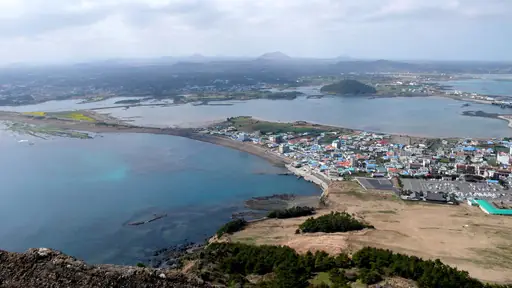
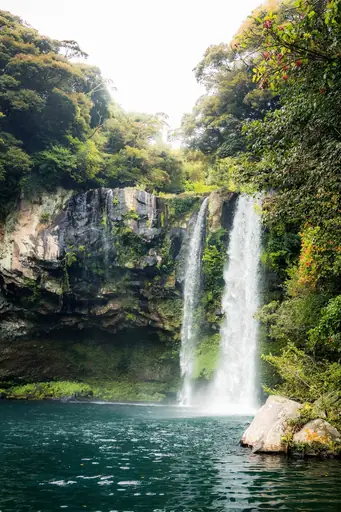
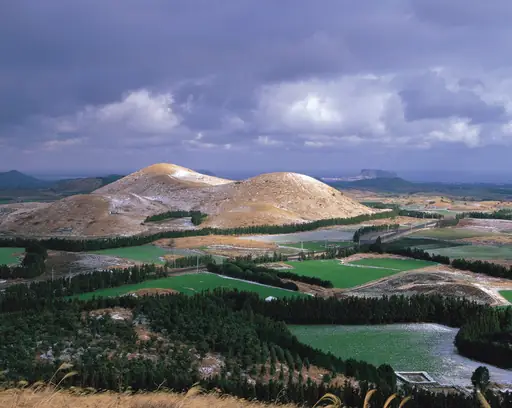
Manjanggul lava tube stretches for miles beneath Jeju Island, formed by flowing volcanic lava. A 20 metre lava column stands inside one of the cave's widest chambers. Visitors can walk nearly a mile of the tunnel before reaching a barrier protecting bats further in. Ridged lava flow patterns still mark the tunnel's floor and walls.
National Park in Malaysia
Mulu National Park
Lush limestone canyons echo ancient wildlife
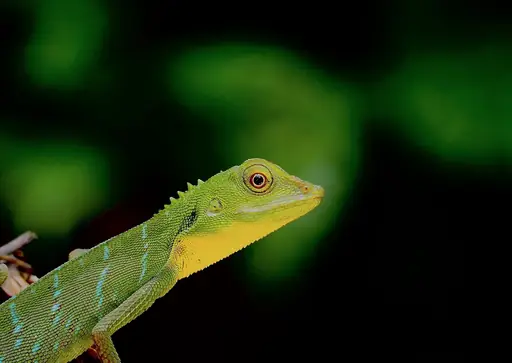
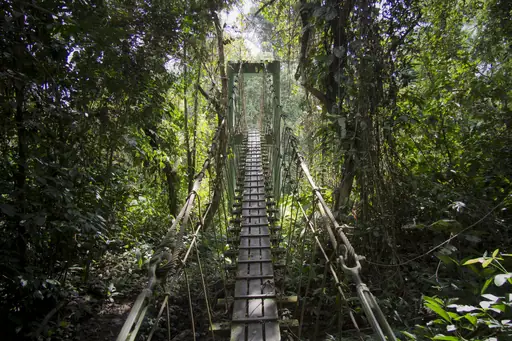
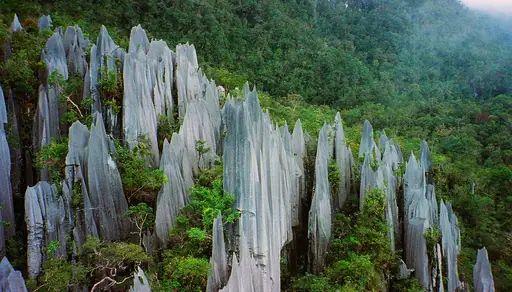
Sarawak Chamber inside Mulu National Park ranks as the largest known cave chamber by floor area. Cavers only mapped its full size after a 1981 expedition pushed past the entrance passage. Visitors can trek through Clearwater Cave's long river passages on a guided tour. Limestone pinnacles rise sharply above the park's dense rainforest canopy.

State/Prefecture in United States
Oregon
Diverse Landscapes and Outdoor Wonders
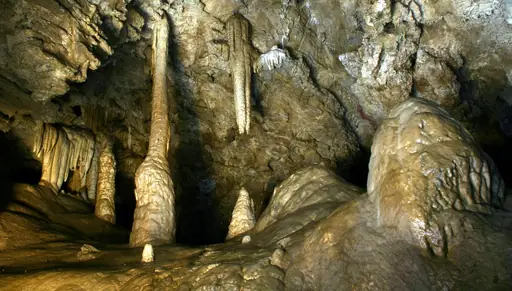
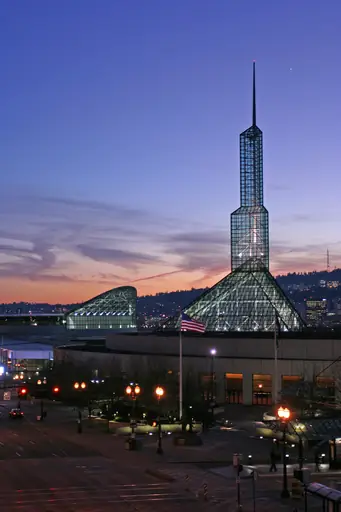
Oregon Caves formed inside marble rather than the limestone typical of most show caves. Guided tours wind through narrow passages carved by an underground stream over millions of years. Visitors can duck through tight sections while following the cave's twisting original route. Old growth forest covers the mountainside above the cave's single entrance.
Town in China
Dunhuang
Desert Wonders and Ancient Art
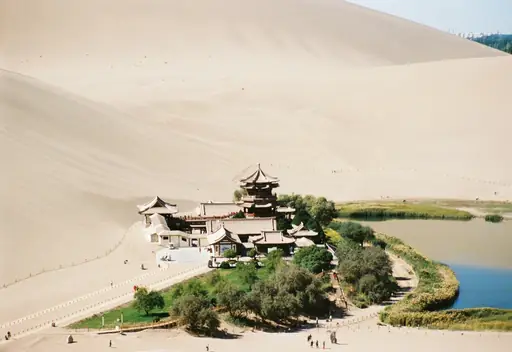
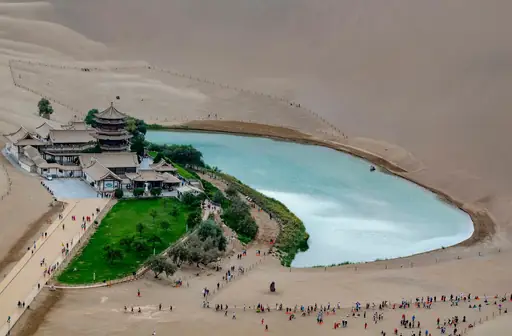
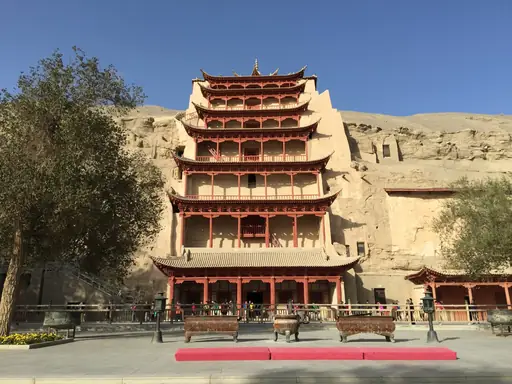
Dunhuang's Mogao Caves hold Buddhist murals and manuscripts painted across nearly a thousand years. Monks carved these nearly 500 grottoes into a desert cliff along the old Silk Road. Visitors can view painted sculptures and ceiling murals inside a rotating selection of caves. A vast desert library of scrolls was discovered sealed inside one chamber.
Region in Belize
Cayo District
Jungle adventures and ancient Maya ruins
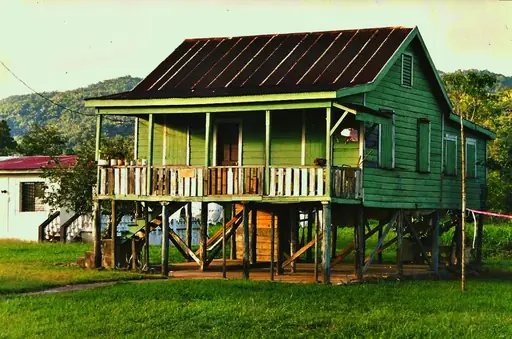
Actun Tunichil Muknal holds a calcified Maya skeleton known as the Crystal Maiden. Ancient Maya used this Belize cave for ritual sacrifice more than a thousand years ago. Visitors can wade and swim through the cave's river before reaching the remains. Cameras are banned inside after a visitor once dropped one on an artefact.

Country
Portugal
Where history meets coastal charm
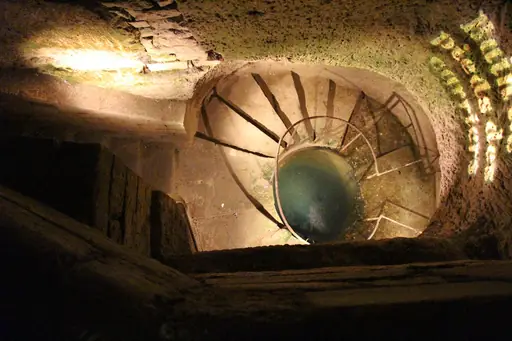
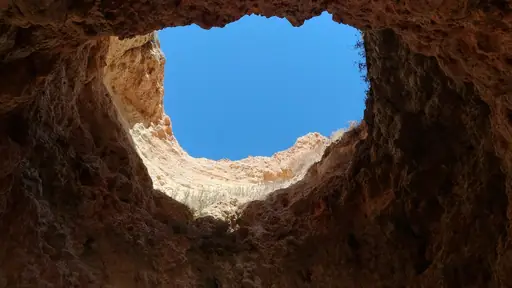
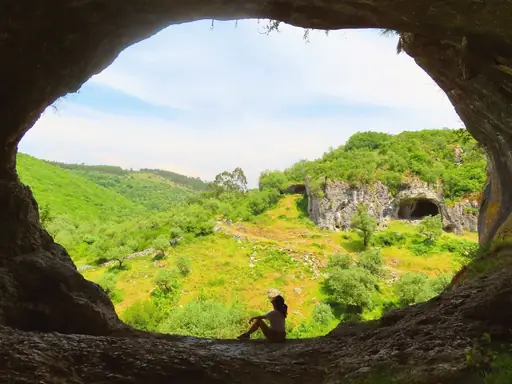
Algar do Carvao drops through a volcanic chimney into a cave on Portugal's Terceira Island. A small lake sits at the bottom, reflecting light from the open shaft above. Visitors can descend a staircase past walls streaked with mineral colours. Rare stalactites made of silica rather than limestone line the cave's upper walls.
Region in United Kingdom
Scotland
Mystic Highlands and Historic Castles
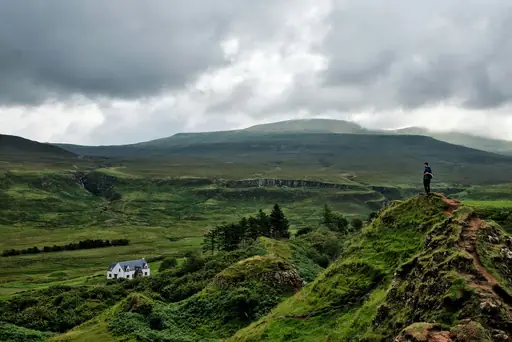
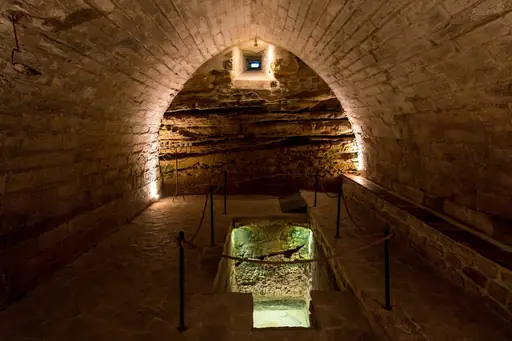
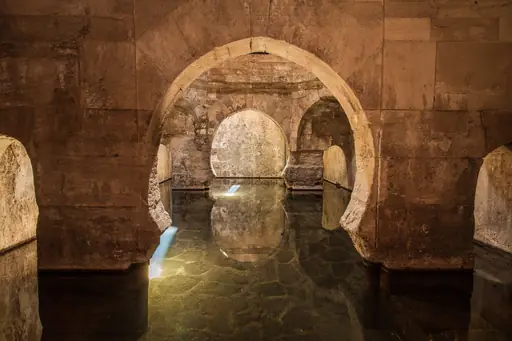
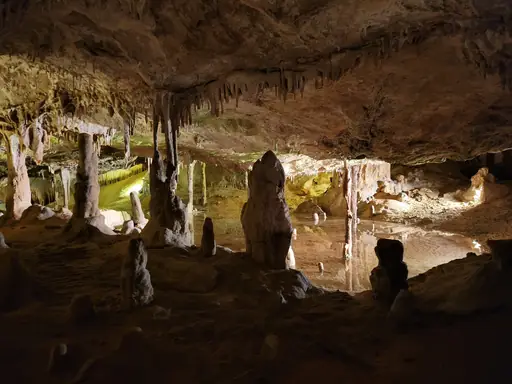
Fingal's Cave was formed from hexagonal basalt columns on Scotland's remote Isle of Staffa. Waves echo through the cave's chamber, inspiring a famous piece of classical music. Visitors can reach the cave only by boat during calm weather conditions. The columns closely resemble those found across the sea at Giant's Causeway.
Country
Spain
Where history meets Mediterranean charm
Altamira's ceiling holds polychrome bison paintings made roughly 36,000 years ago in northern Spain. Discovery of the cave in 1879 helped prove prehistoric humans created sophisticated art. Visitors can tour a detailed replica cave since the original closed to preserve the paintings. A museum next door displays casts of the original painted ceiling.
Country
Lesotho
Mountain kingdom in the sky
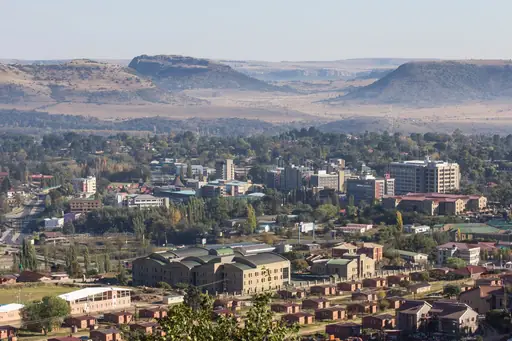
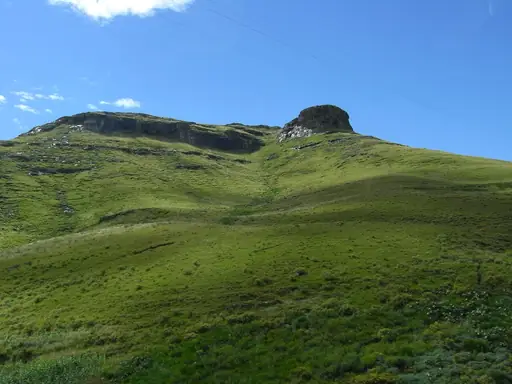
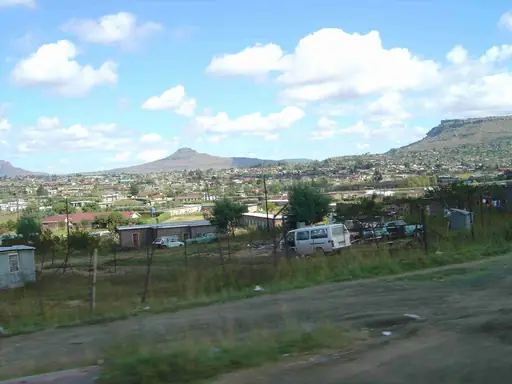
Kome Cave village holds sandstone dwellings built into a rock overhang in Lesotho's highlands. Basotho families sought shelter here from tribal raids during the 1800s. Visitors can tour huts still occupied by descendants of the original builders. Thatched roofs and mud walls fill the space beneath the overhanging cliff.
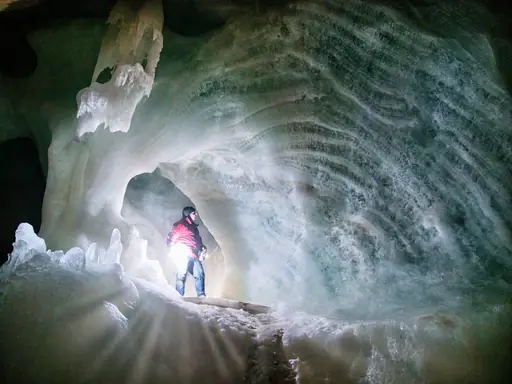
Cave in Salzburg
Eisriesenwelt
Underground wonder beneath alpine peaks
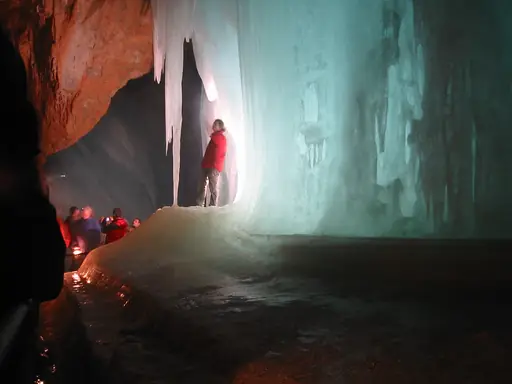
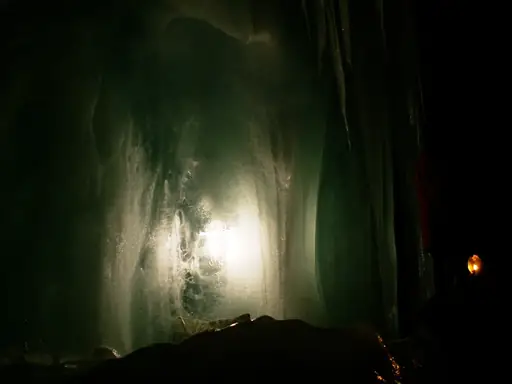
Eisriesenwelt holds the largest known ice cave system on Earth inside an Austrian mountain. Wind driven ice formations glisten across the cave's first several hundred metres. Visitors can carry carbide lamps while touring ice covered galleries carved from limestone. Deeper sections of the cave stay unexplored despite more than a century of mapping.
Region
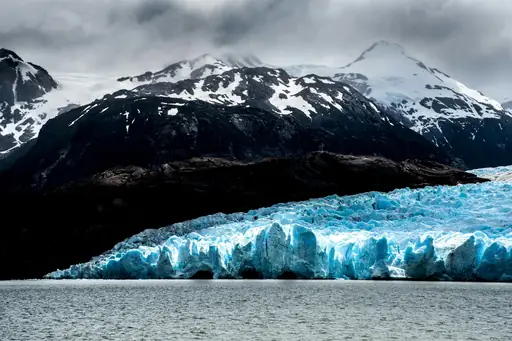
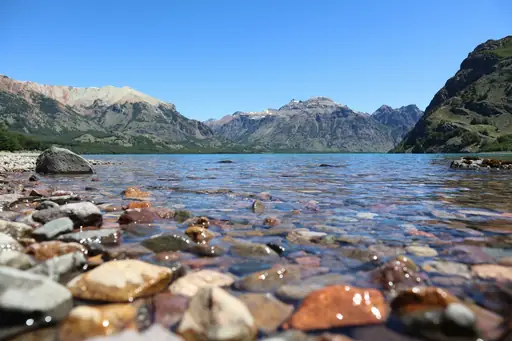
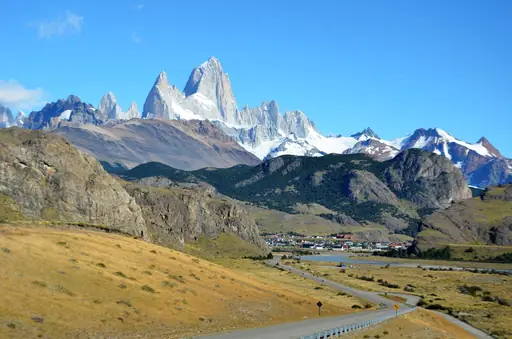
Patagonia
Untamed Beauty at the End of the World
Ice caves form each summer inside the slowly shifting ice of Argentina's Perito Moreno Glacier. Meltwater carves new tunnels through the glacier's blue interior nearly every season. Visitors can view the caves from tour boats since walking inside is unsafe. Chunks of ice occasionally break free and crash into the lake below.
Cave in Vietnam
Phong Nha cave
Majestic Underground Wonder
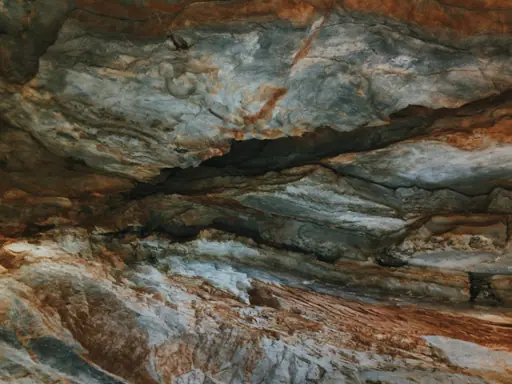
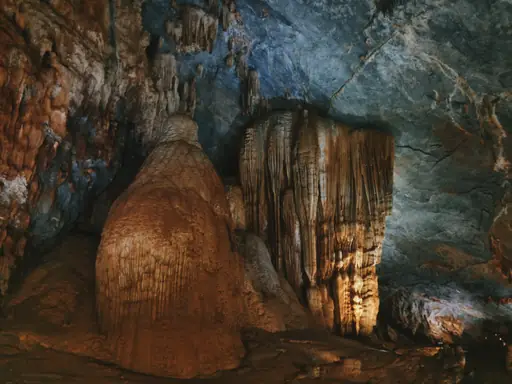
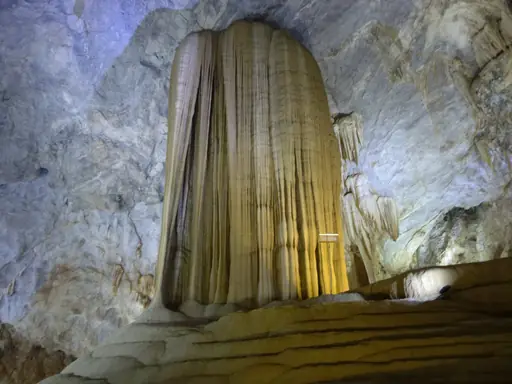
Phong Nha Cave stretches for miles through Vietnam's Phong Nha-Ke Bang National Park. Boats carry visitors along an underground river deep into the limestone chambers. Visitors can drift past stalactites lit by strings of soft lighting. Son Doong, the world's largest cave passage, sits nearby within the same park.
Island
Borneo
Wild rainforests meet unique wildlife
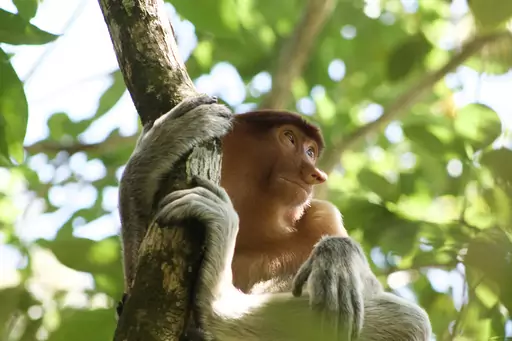
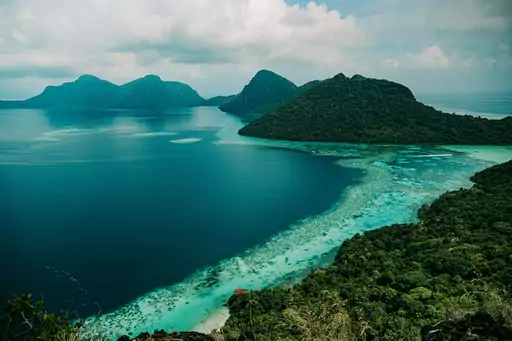
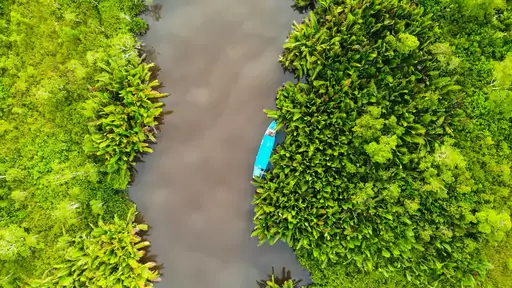
Cave art found in Borneo's Sangkulirang Mangkalihat karst dates back at least 40,000 years. Researchers consider these hand stencils among the oldest known figurative art on Earth. Visitors can reach some caves only by boat through remote Kalimantan rainforest. Limestone towers rise steeply above the dense surrounding jungle.
Country
Madagascar
Unique biodiversity meets diverse landscapes
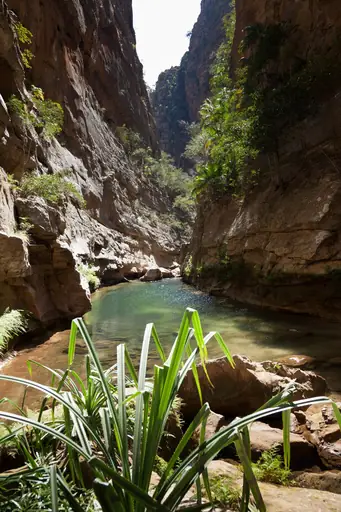
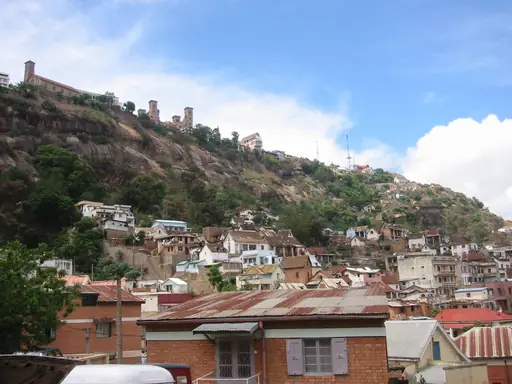
Ankarana's limestone tsingy hides a network of caves carved beneath razor sharp stone pinnacles. Rivers here vanish underground for miles before resurfacing through hidden cave mouths. Visitors can explore chambers home to bats and blind cave fish found nowhere else. Lemurs move along canyon rims formed by collapsed cave sections above.
Country
Italy
Where history meets dolce vita
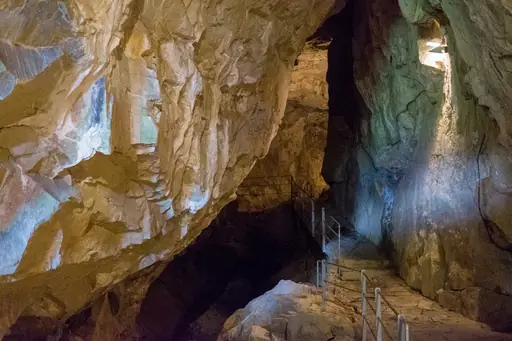
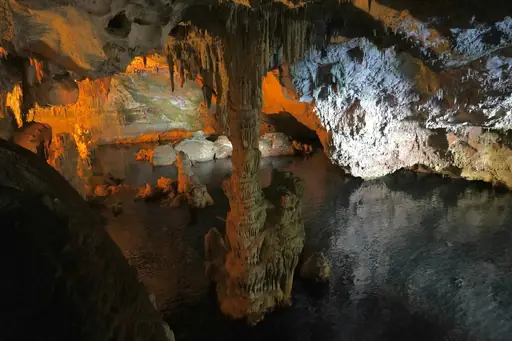
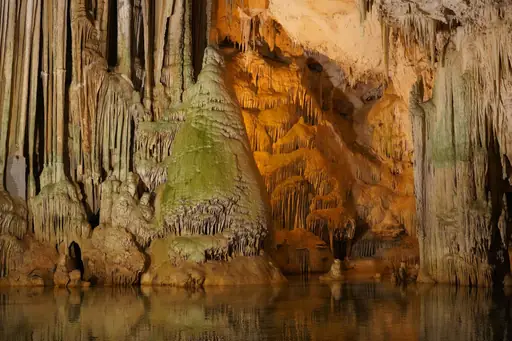
Capri's Blue Grotto glows an intense blue when sunlight passes through an underwater opening. Boatmen row small skiffs through a low entrance visitors must duck to pass. Visitors can watch the water shift colour as the boat drifts through the cavern. Roman ruins nearby suggest emperors once used the grotto as a bathing pool.
Country
Australia
Land of savage beauty
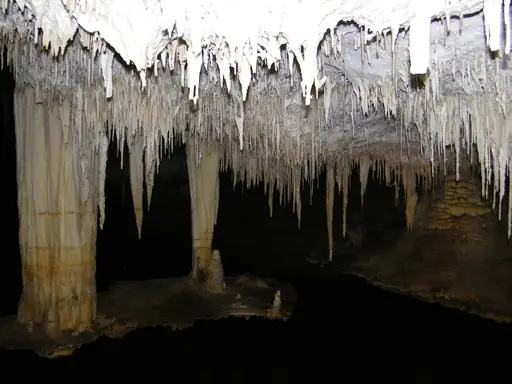
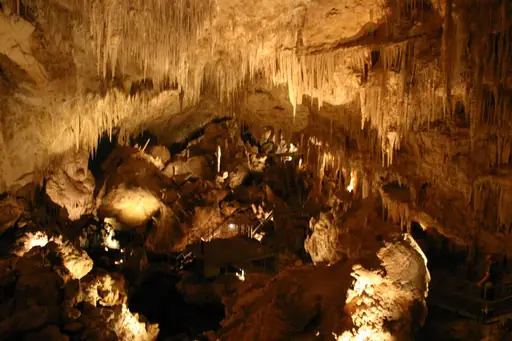
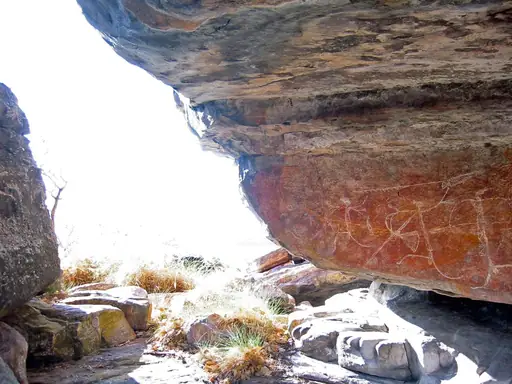
Jenolan Caves rank among the oldest open caves discovered anywhere on Earth. Underground rivers carved these limestone chambers over 340 million years in the Blue Mountains. Visitors can tour illuminated passages past towering stalagmite columns. A natural stone arch marks the entrance early explorers once used.
Cave in South Africa
Cango Caves
Echoing depths reveal ancient stalactite artistry
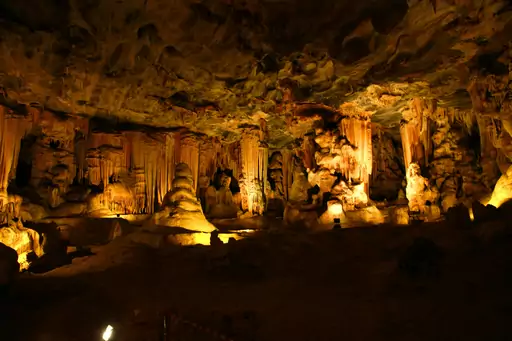
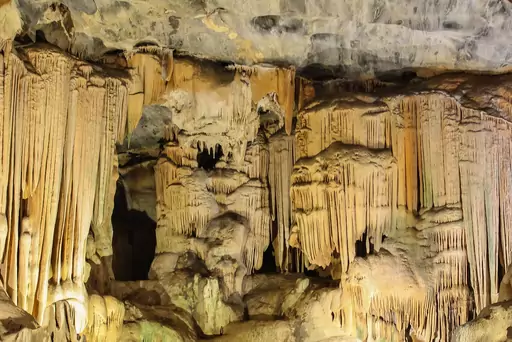
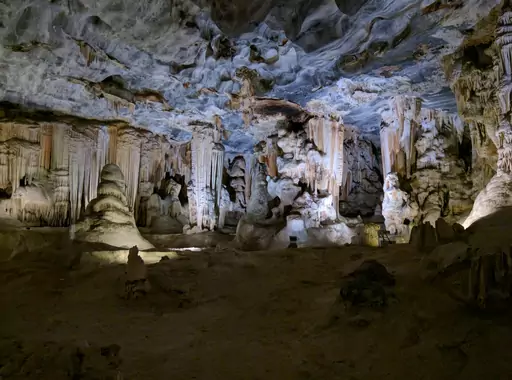
Cango Caves rank among Africa's oldest tourist caves, first opened to visitors in 1780. Dripstone columns here have grown inside the Swartberg foothills for millions of years. Visitors can choose a standard tour or a tighter adventure route through narrow passages. San rock art found near the entrance predates the cave's tourism history.
Country
Ecuador
Compact country, immense biodiversity
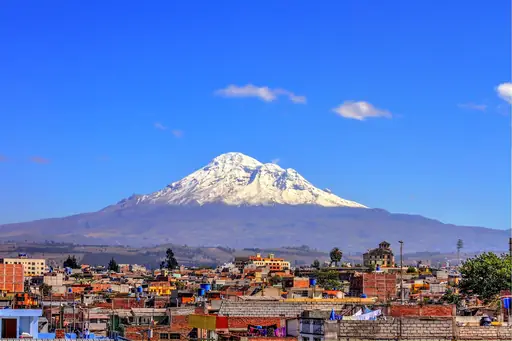
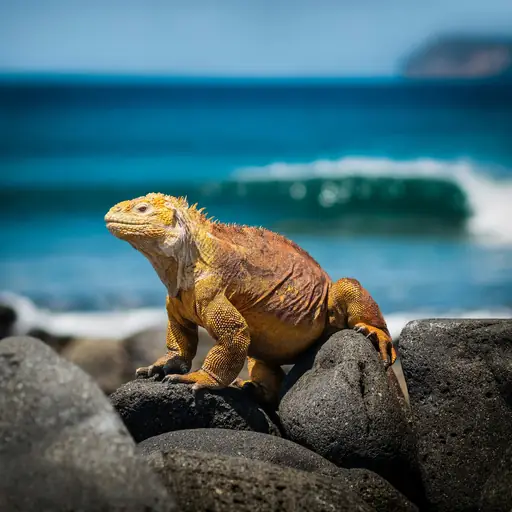
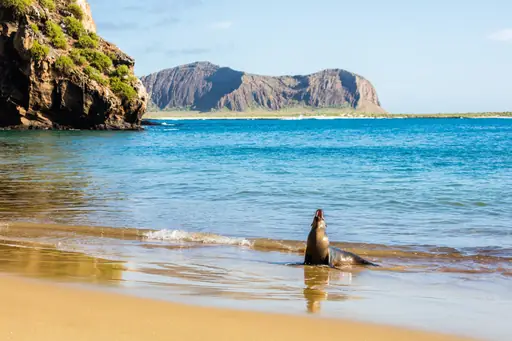
Cueva de los Tayos winds deep beneath Ecuador's Amazon foothills, named for the oilbirds nesting inside. Explorers have searched these caverns for decades chasing local legends of hidden treasure. Visitors can join guided tours through chambers reachable only by rope and ladder. Oilbirds navigate the total darkness using a form of echolocation.
Cave in India
Ajanta Caves
Echoes of ancient artistry carved in stone
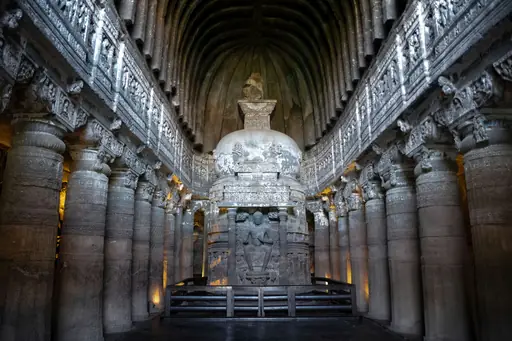
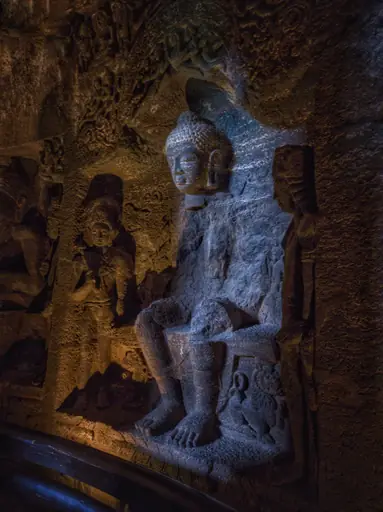
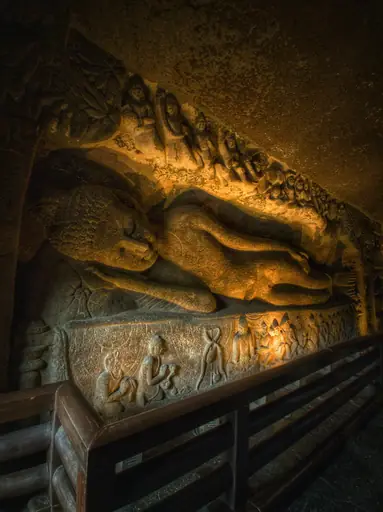
Ajanta's 30 rock cut caves curve along a horseshoe shaped cliff above a gorge. Buddhist monks painted and carved these caves between the second century BC and 600 AD. Visitors can view faded murals depicting the Buddha's past lives inside several chambers. Jungle growth hid the caves until a hunting party rediscovered them in 1819.
Country
Morocco
Where desert meets Mediterranean magic
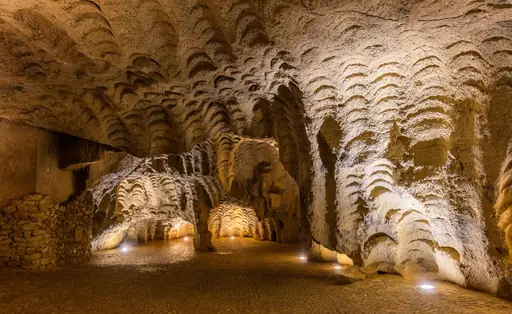
Friouato Cave drops through a series of chambers ranked among the deepest caves in North Africa. A steep staircase carries visitors down more than 500 steps into the cave's main hall. Visitors can view stalactites and an underground lake deep within the limestone. Berber legend says the cave once hid forty thieves.

Cave in Slovenia
Škocjan Caves
Majestic underground cathedral of Slovenia
Skocjan Caves hold one of the largest known underground canyons carved by the Reka River. A footbridge crosses the chasm more than 150 feet above the roaring water below. Visitors can walk narrow paths cut into the canyon walls past towering stalagmites. UNESCO listed the cave system as a World Heritage Site in 1986.
Cave in United States
Luray Caverns
Hidden limestone wonder beneath rolling hills
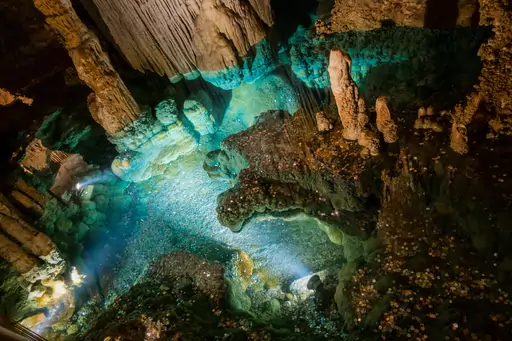
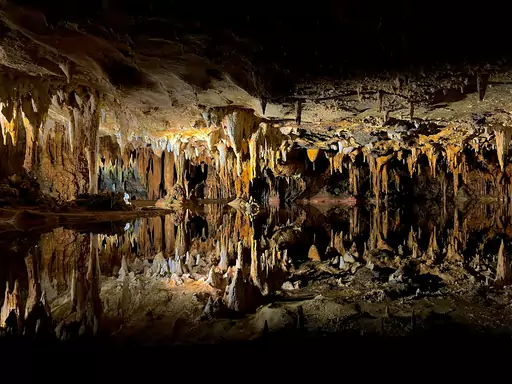
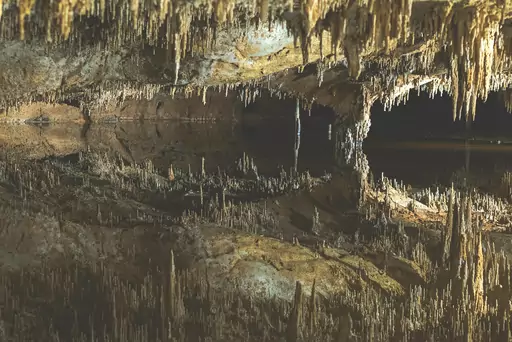
Luray Caverns holds the Great Stalacpipe Organ, the world's largest musical instrument by area. Rubber mallets tap stalactites tuned to strike notes across the cave's chambers. Visitors can hear the organ play automatically at set points during cave tours. A shallow reflecting pool nearby doubles the cave's ceiling in its still water.
Other lists you may like
Discover
Best cave destinations in Africa
Africa's cave systems range from the ancient limestone formations of the southern interior and the lava tubes of the east African volcanic zones to the archaeological cave sites of…
Read more
Discover
Best cave destinations in Asia
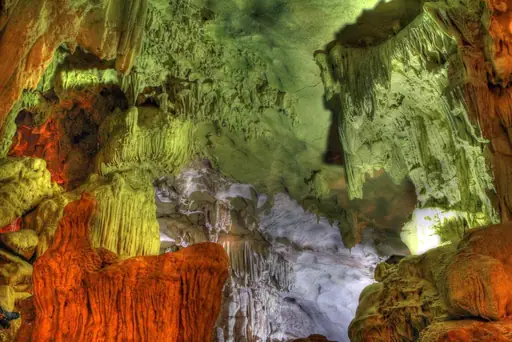
Asia's cave systems are among the most spectacular on earth, with the continent's karst limestone landscapes producing cave networks of extraordinary scale and geological…
Read more
Discover
Best cave destinations in Europe
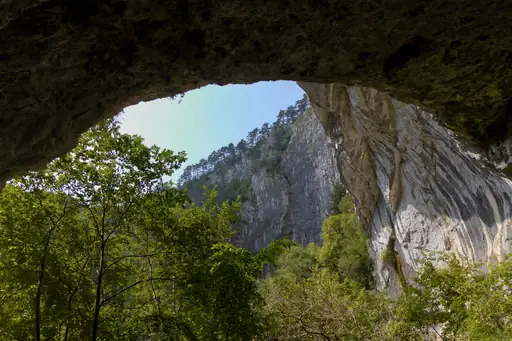
Europe's cave systems range from the decorated prehistoric caves of the southwest and the vast karst networks of the central mountain zones to the lava tubes of the Atlantic…
Read more
Discover
Best cave destinations in North America
North America's cave systems range from the vast limestone caverns of the eastern and southwestern interior and the lava tube networks of the volcanic west to the ice caves of the…
Read more
Discover
Best cave destinations in Oceania
Oceania's cave systems range from the extensive limestone karst networks and glowworm cave systems of the southern island groups to the lava tubes of the volcanic Pacific islands…
Read more
Discover
Best cave destinations in South America
South America's cave systems range from the vast limestone karst networks of the tropical interior and the quartzite cave systems of the ancient highland plateaus to the lava tubes…
Read more
What other users say about travelfilters
“travelfilters made it easy for me to find ski areas and compare what else they offer, so that I could find the best place for my personal travel style.”

Chris
Snowboarding & Onsen trip to Japan
“I love how transparent the data feels. There is no pushy upsell, just honest information and settings I can tune to my own travel style.”

Maria
After booking her 2027 winter escape
“The level of detail for each destination and how well those are displayed, make planning feel confident instead of overwhelming.”

Mina
Planned a week in New York City
“We used travelfilters for our planning from start to end. The trip turned out even better than expected, thanks to all their tools and customisation options.”

Allan & Etienne
Trip to Japan to see autumn foliage
“Thanks to travelfilters, I found some hidden gems to see. Being able to filter for exactly your interests is a game changer for my travel planning.”

Michael
Tour through the old cities of Northern Italy
“The customizable filters helped me find a quiet beach town with good wifi and low season crowds in under five minutes.”

Diego
Weekend Escape to Llanes, Spain
“The airport connection map saved me hours by showing good flight options from my home airport to lesser-known cities.”

Nguyen
Planning a 2027 trip to France
“The website is clean, fast and focused on the search itself, which makes travelfilters feel more like a professional tool than an ad-heavy booking site.”

Hassan
Christmas Market trip, Germany
