
Last update: 12 Oct 2026
* We earn a commission from some links on this page.
Austria Summary
These place ratings give you a quick overview of how well a destination matches different types of trips.
‘Best for’ scores:
The specific interest scores show where this place really shines – whether it's ideal for hiking, food & drink experiences, museums or other activities. These highlights help you understand what makes the destination special at a glance.
‘Your personal’ scores:
This reflects how well a place matches your personal preferences. You can adjust the importances of travel topics or other personal requirements categories in your account settings.
‘Suited for’ badges:
These give you a quick overview of how well a destination suits specific types of travellers, to help you find the places that match your lifestyle, preferences or travel situation.
Suited for
Austria – Quick facts
| Power Grid: |
230 V, 50 Hz Plug: Type C , Type F
Type C:
  Read about power adapters |
|---|---|
| Currency: |
Euro (EUR) £1 ≈ €1.19 |
| Cashless info: |
Rating 5/5
Austria is a highly cashless society, particularly in urban areas. Credit and debit cards are widely accepted, and mobile payment services such as Apple Pay and Google Pay are increasingly popular.
Save with a travel credit card |
| eSIM providers: |
Best value: Saily Flexibility: Airalo Read our in-depth comparison |
| Tipping: | Tipping is customary in Austria. In restaurants, it is common to leave a 5-10% tip, though rounding up to the nearest euro is also acceptable. Taxi drivers typically expect a small tip, around 10% of the fare. Hotel staff and tour guides appreciate small gratuities. |
|---|---|
| Public drinking: | Public drinking is generally permitted in Austria, though some areas may have restrictions. Drinking in public spaces such as parks and squares is socially accepted but may be subject to local laws in specific municipalities. |
| Public smoking: | Smoking is prohibited in most indoor public spaces, including restaurants, bars, and public transport. Designated smoking areas are available in many locations. |
| National Day (October) |
A national holiday with many closures, celebrations, and increased domestic tourism. |
|---|---|
| Christmas (December) |
Festive celebrations across the country, with crowded tourist spots and higher prices for accommodation. |
| Austrian Wine Harvest Festival (September) |
Celebration of local wines, especially in wine-producing regions, with festivals and events. |
| Emergency contact: | Emergency Number: 112 (Police, Fire, Ambulance) |
|---|---|
| Taxi apps: | Bolt, Uber |
| Other: | Austria is known for its rich cultural heritage, with historical sites, museums, and nature reserves. Its well-developed infrastructure, particularly in transport, makes it a comfortable destination for travellers. |
Best times to travel
The best times to travel section shows how the months compare for a visit, so you can find the time of year that fits what you want to do.
Background colours of the months:
The colour shows the typical temperature: yellow (hot), green (mild) and blue (cold). How strong the colour is shows the travel season: full colour means high season, soft colour means shoulder season and soft-striped means off season.
Weather symbols:
Each month has one symbol showing what the weather is typically like, such as hot and sunny, freezing or a rainy or snowy season. Use them to quickly spot months that match the weather you want, or to avoid the ones that don't.
Crowdedness:
The people icon shows how busy the place usually is. The more people, the more crowded it gets.
Additional notes:
The grey info boxes point out special things worth knowing, like recurring weather issues or seasonal events.
for Austria, Austria
Climate and season vary by region: Alps best for skiing December to March and hiking June to September, cities like Vienna and Salzburg good in spring and autumn, Christmas markets late November to December
Many mountain hotels, cable cars and restaurants close April to May and late October to November
Salzburg Festival late July to end of August; hotels book out and prices rise
Don't miss
- 🎻 Attend a classical concert at Vienna’s Musikverein
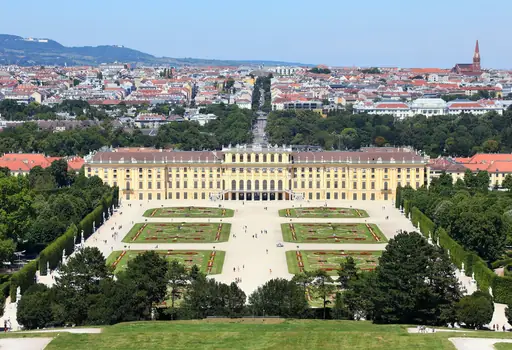
- 🏰 Explore the baroque gardens and palace of Schönbrunn
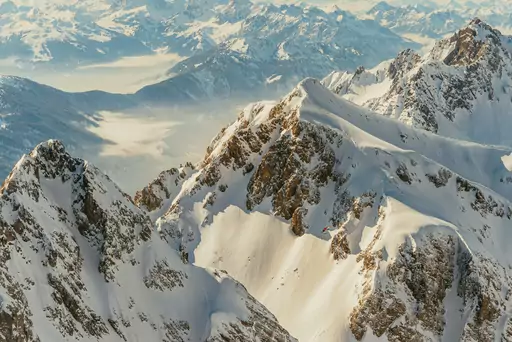
- 🚠 Ride the alpine cable car to Innsbruck’s Nordkette peaks
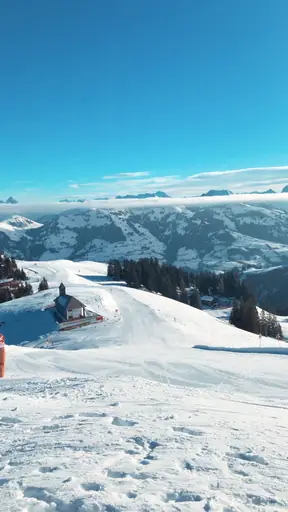
- 🎿 Ski or snowboard the slopes of Tyrol in winter
- 🚢 Cruise the scenic Danube River through Wachau Valley
- ☕ Sip coffee and taste Sachertorte at a Viennese café
You've been here?
Log in to manage your own bucket list! Why travel to Austria?
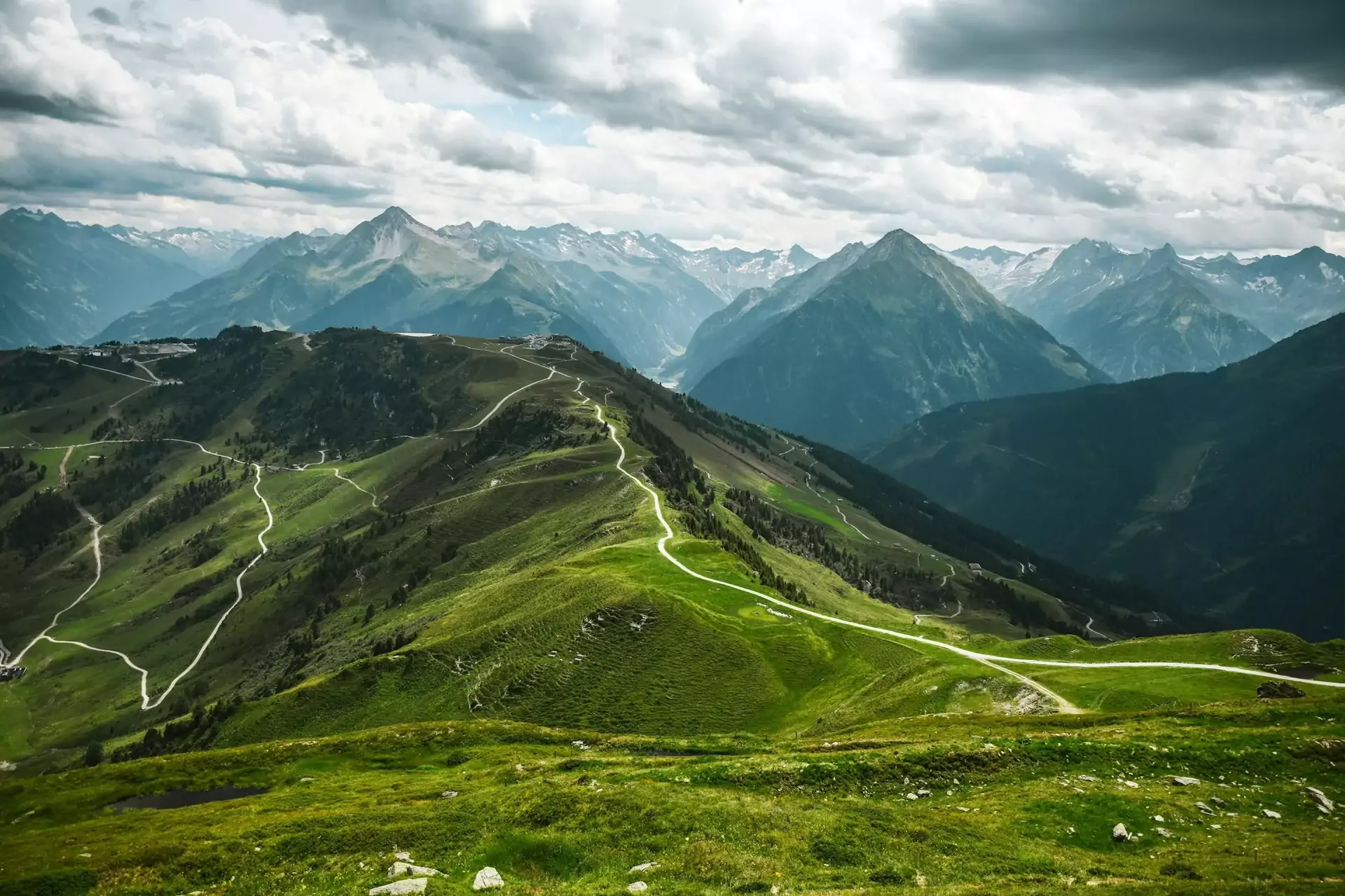
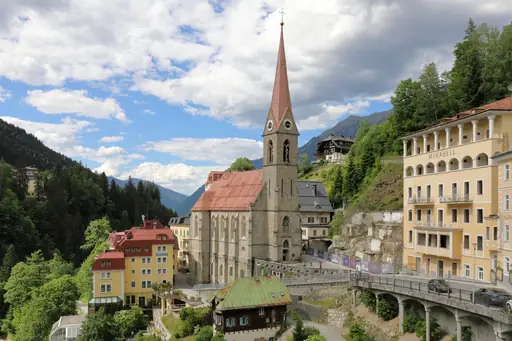
Austria's appeal lies in its remarkable diversity packed into a relatively small country. It boasts stunning natural landscapes dominated by the Alps, alongside historic cities filled with imperial architecture, world-class museums and a rich musical heritage. The cultural experience is enhanced by excellent cuisine, famous coffee house culture and a well-preserved traditional rural lifestyle in alpine villages. Whether you're seeking outdoor adventures in pristine mountain settings or cultural immersion in elegant cities, Austria delivers both with exceptional quality and charm. However, travelers should be prepared for certain challenges. Austria can be relatively expensive, especially in popular tourist destinations and during peak seasons. The weather can be unpredictable, with fog and low clouds common in valleys during winter months. While major tourist areas have excellent infrastructure, some remote alpine regions may have limited accessibility during heavy snowfall. Despite these considerations, Austria's natural beauty, cultural richness and excellent transportation system make it a rewarding destination year-round.
🏙️Cities & Regions
-
1
Vienna
Capital city known for classical music heritage, imperial architecture and vibrant café culture. Home to Schönbrunn Palace, Hofburg and world‑class museums. The Ringstraße showcases grand buildings, while the Danube offers scenic river walks and historic. -
2
Salzburg
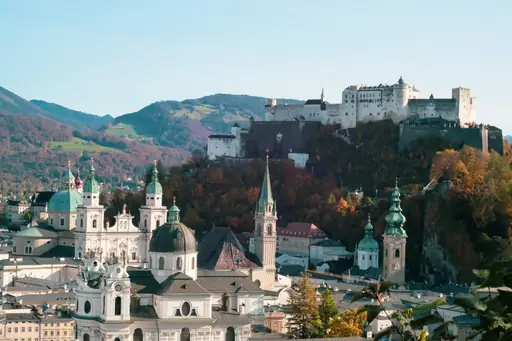
The historic capital of Austria's Salzburg region features baroque architecture, mountain views and riverfront promenades. Its old town is a UNESCO site filled with cobblestone streets, classical music heritage and charming cafes that define this alpine city's timeless appeal. -
3
Innsbruck
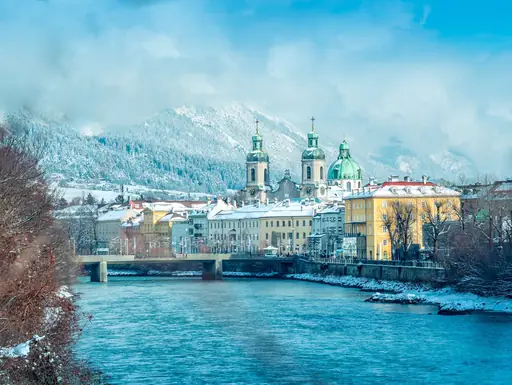
A gateway to the Alps, this city offers world‑class skiing, historic architecture and vibrant cultural events. Its alpine setting provides year‑round outdoor activities, while museums showcase art from the Baroque era to contemporary design in. -
4
Graz
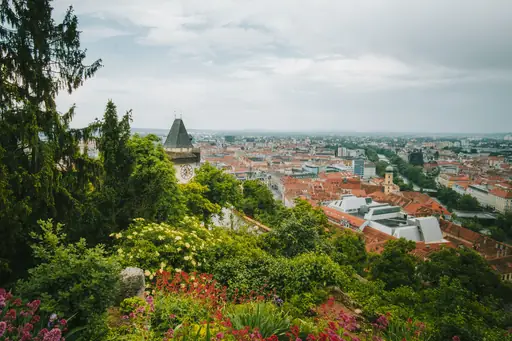
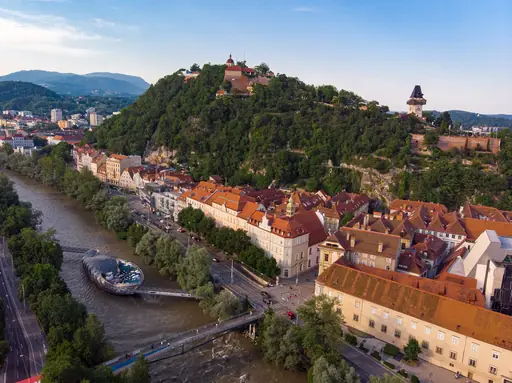
A vibrant university city in southeastern Austria, known for its mix of historic architecture and modern culture. The old town features Baroque churches, a Renaissance castle and cobblestone streets, while contemporary art galleries and cafés thrive alongside traditional Styrian cuisine. -
5
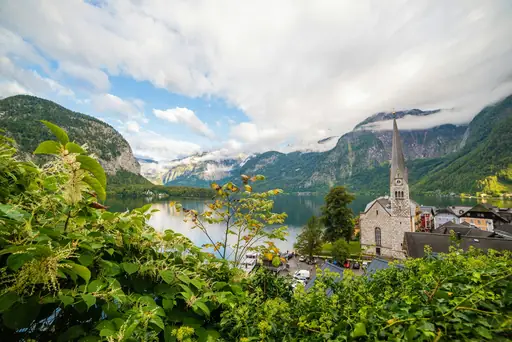
Hallstatt
Set on a lake’s edge in the Austrian Alps, this village offers crystal‑clear waters, historic salt mines and alpine architecture that reflects centuries of mining heritage. Visitors enjoy scenic hikes, boat tours and traditional crafts. -
6
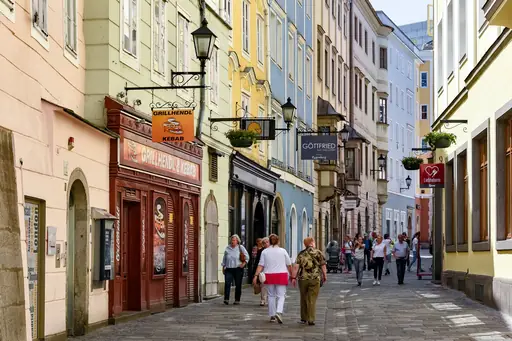
Linz
A vibrant river city on the Danube, Linz offers modern art museums, historic architecture and a lively music scene. The Lentos Museum showcases contemporary works, while the old town features Baroque churches and cobblestone streets. -
7
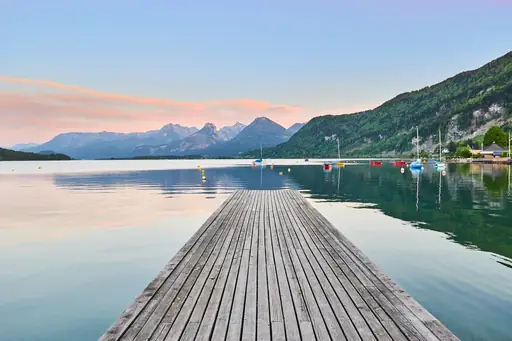
Sankt Gilgen
This picturesque village in Austria's Salzkammergut region boasts over 100 bakeries, colorful facades and a charming atmosphere. It sits near Lake Wolfgang, offering scenic views and a delightful culinary experience for visitors exploring the area. -
8
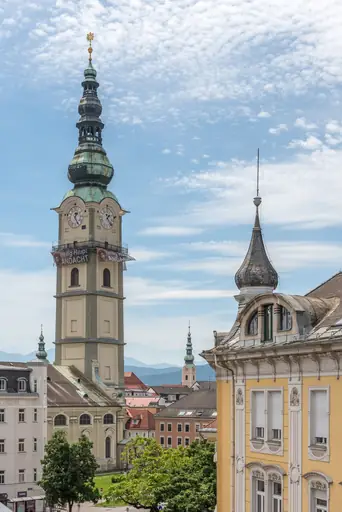
Klagenfurt
Situated on the northern shore of Lake Wörthersee, this Austrian city offers a mix of historic architecture and modern amenities. Visitors can explore the old town, enjoy lakeside walks and experience local cuisine in a relaxed setting. -
9
Melk
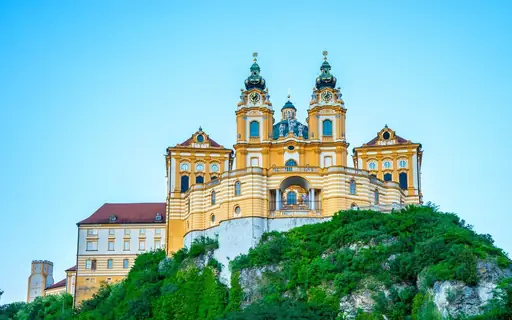
The Melk Abbey dominates the Wachau valley, its Baroque architecture rising above the Danube. Visitors explore golden halls and cloisters while enjoying river views. The town offers historic charm, wine tasting and scenic walks along the banks of this picturesque Austrian region. -
10
Zell am See
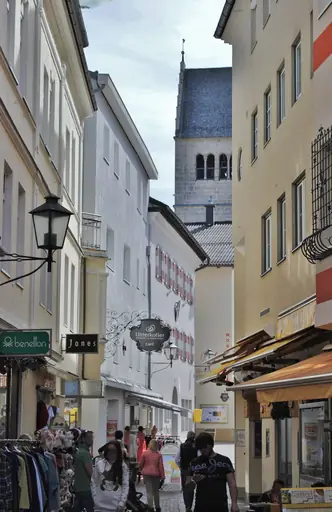
This charming lakeside village offers serene mountain views and easy access to Zell am See's alpine attractions. Visitors can enjoy peaceful walks along the shore, explore historic local architecture or take a boat ride on the crystal-clear water for a relaxing day trip experience.
🏯Places worth seeing
🎡Places for activities
🏞️Natural landmarks
🛍️Shopping
🎈Events
-
Vienna New Year's Concert
-
Salzburg Festival
-
Vienna Opera Ball
-
Christmas Markets
-
Innsbruck Bergisel Ski Jump Tournament
-
Hahnenkamm Races (Kitzbühel)
-
Bregenzer Festspiele
-
Vienna Film Festival
-
Styrian Autumn Festival
-
Vienna Marathon

Knowledge before you go
- Carry some cash; smaller shops and mountain huts may refuse cards.
- Trains and buses are punctual and efficient, making rail passes useful if visiting multiple cities and Alpine regions.
- Winters are cold with snow in the Alps; pack layers, sturdy shoes and check seasonal opening times for sights.
- Plan at least one traditional café or Heuriger wine-tavern evening to experience local pastries, schnitzel, music and relaxed Austrian hospitality.
How to travel to Austria
Most international visitors arrive in Austria through Vienna International Airport, with additional international airports in Salzburg, Innsbruck, Graz and Linz. Austria is well-connected to neighboring European countries by an extensive rail network, with direct high-speed trains from cities like Munich, Zurich, Budapest and Prague. For EU citizens, only an ID card is required for entry, while most non-EU visitors need a passport and possibly a Schengen visa. When planning your trip, consider that summer (June-August) and winter (December-February) are peak tourist seasons with higher prices.
Access summary
- Vienna: Fly into Vienna International Airport (VIE) from major European hubs.
- Salzburg/Tyrol Alps: Fly to Salzburg (SZG) or Innsbruck (INN) from Europe.
- Austrian Airlines hub at VIE; member of Star Alliance for global links.
Check your route from anywhere
Where to stay in Austria
Austria offers accommodations for every budget, from luxury hotels in major cities to charming family-run guesthouses in alpine villages. In Vienna and Salzburg, you'll find international hotel chains alongside boutique hotels in historic buildings. For authentic experiences, consider staying in traditional alpine lodges or farm stays in rural areas. Wellness hotels with extensive spa facilities are popular, especially in mountain regions. During peak seasons (summer months and ski season), accommodations in popular destinations should be booked well in advance, as prices can increase significantly.
Hotel recommendations
*by rating and popularity. Commissions have no influence on the rankings.


How to get around Austria
Austria has an excellent public transportation system that makes getting around efficient and convenient. In cities like Vienna, Salzburg and Innsbruck, well-developed networks of trams, buses and in Vienna, an extensive metro system, provide comprehensive coverage. For intercity travel, Austria's rail network is exceptional, with frequent, punctual trains connecting major destinations. The ÖBB (Austrian Federal Railways) offers scenic routes through the Alps and high-speed connections between cities. For exploring remote alpine regions, renting a car provides the most flexibility, though mountain roads can be challenging in winter conditions.
Budget snapshot
Costs compared to home
We calculate the average costs when travelling to destinations and compare those with the living costs at your home. With this you can get an estimate of how expensive or cheap the destination is for you.
To customise this, you can set up which location and price level are used for the calculations in your account settings.
Daily expenses in Austria are around 7% higher than the average across United States. That means you'll spend more on meals and getting around.
Exchange rate trend
The exchange rate price factor shows how expensive or cheap a currency currently is compared to its historical average. It's a quick way to see if a country is currently more or less affordable due to exchange rate changes.
Your exchange rate (GBP to EUR) is 3% better than in recent years. That means travelling now costs around the same compared to the past.
Travel costs
To help you plan your trip, we provide estimated daily costs per person (when travelling as a pair) for different travel styles. These numbers give you an idea of what you might spend each day at this destination, including accommodation, food, transport and activities.
Additionally, we also provide average hotel costs for different travel styles to give you an estimate for the accommodation only.
Please note that these are only estimates. The real costs depend on booking times, season and other factors.
Daily cost summary
Travel style categories explained:
Backpacker:
Staying in hostels or budget hotels, cooking your own meals or eating cheap and choosing low-cost activities.
Mid-range:
Staying in mid-range hotels, eating at a mix of restaurants and casual spots and enjoying a variety of activities.
Luxury:
Staying in luxury hotels, dining out at high-end restaurants and enjoying premium experiences without worrying about the price.
| Backpacker | Mid-range | Luxury | |
|---|---|---|---|
| 💵 Total costs per day, including accommodation | |||
| 🏨 Accommodation per night, per person | |||
| 🍝 Food per day | |||
| 🚕 Transportation per day |
Food & Drink
| 🍽️ Restaurant Dinner, per person | |
|---|---|
| 🍛 Lunch Set, per person | |
| 🍟 Fast food combo | |
| 🍝 Preparing your own food, per day | |
| ☕ Cappuccino | |
| 🍺 Beer in a restaurant, 0.5 l |
Transportation
| 🚌 Public transport ticket | |
|---|---|
| 🚕 Taxi Ride, 10 km / 6 mi | |
| ⛽ Petrol, 1 l |
Other
| 🎞️ Cinema ticket | |
|---|---|
| 👩⚕️ Doctor's consult | |
| 🤧 Cold medication | |
| 💇 Basic haircut |
Safety information overview
General safety
Austria is one of the safest countries in Europe with very low crime rates. Exercise normal precautions in tourist areas where pickpocketing can occasionally occur. The main safety concerns are related to mountain activities and winter sports in alpine regions.
Health & Medical
Austria has excellent healthcare facilities with high-quality medical services throughout the country. EU citizens can use the European Health Insurance Card, while others should have comprehensive travel insurance. Pharmacies are widely available for minor health issues.
Accessibility
Major cities and newer tourist facilities offer good accessibility, though historical sites and alpine regions may present challenges. Public transportation in cities is increasingly wheelchair-friendly, but some older buildings and mountain areas have limited accessibility.
Tap water
Tap water is excellent throughout Austria and safe to drink. The country is known for its high-quality mountain spring water. Public drinking fountains are common in cities and towns, offering refreshing water, especially during summer months.
Packing recommendations for Austria
Log in to add this place to a travel list and get a summary of all recommended items for your whole trip.
🥾
Walking boots
📷
Camera
for landscapes
👟
Comfortable walking shoes
🌞
Sun cream
🧥
Waterproof jacket
🧥
Warm winter coat
if visiting November–March
🩱
Swimwear
🔋
Power bank
🩹
Basic first aid kit
👔
Formal wear
📃
Travel insurance
🪪
Copies of passport and important documents
🥾
Winter boots
if visiting November–March
🧥
Fleece mid-layer
even in summer
📱
Travel eSIM
🔌
Universal travel adaptor
Type F plugs
🩺
Prescription medicines
💳
Credit card with no foreign transaction fees
🛂
Passport
Related articles & guides for Austria



Nearby recommended places
Looking for inspiration?

Discover
Best couple holiday destinations
Travelling as a couple sounds simple enough, yet the best couple holiday destinations mean something different to almost every pair. What feels romantic to one couple can feel like…
Read more

Discover
Best destinations for first-time travellers
A first trip abroad works best somewhere that eases you in, rather than throwing every possible culture shock and logistical headache at you at once. Some first-time travellers…
Read more

Discover
Best travel destinations for seniors
Senior travel covers a wide range, from slow, low effort trips built around comfort to more independent trips for travellers who still want to cover plenty of ground. Some…
Read more

Discover
Best travel destinations for food allergies
Travelling with a food allergy adds a layer of planning most people never have to think about and the right destination can make that planning a lot easier. Some travellers…
Read more

Discover
Top solo travel destinations and safe hubs
Travelling alone sounds like a bigger deal than it is. The first day feels strange – eating dinner by yourself, navigating without someone to double-check the map with, making…
Read more

Discover
Top digital nomad destinations and remote work hubs in 2026
Working from anywhere in the world sounds simple until you actually try it and the best digital nomad destinations look different depending on what kind of remote worker you are.…
Read more
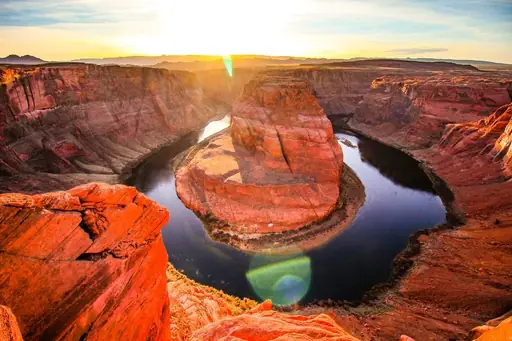
Discover
Extraordinary natural wonders and scenic landscapes
Natural wonders occupy a different category from other travel destinations. They are places where the scale, the geology, the light or the sheer improbability of what exists there…
Read more
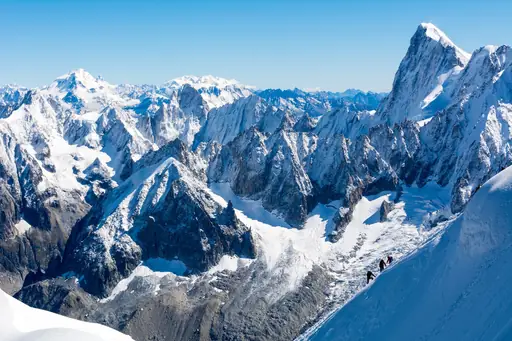
Discover
Top mountain destinations and famous peaks
Mountain travel spans an enormous range of experience, from high-altitude expeditions and multi-day trekking circuits to accessible alpine day walks and scenic drives through…
Read more
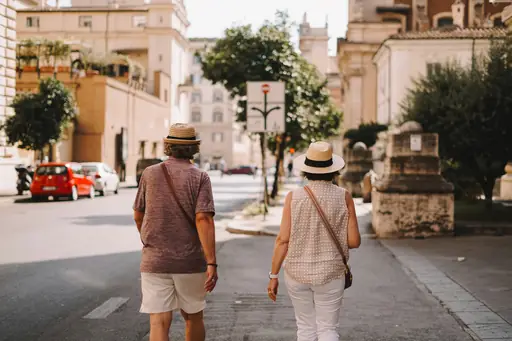
Discover
Best couple vacation destinations in Europe
Europe has been the backdrop for love stories for centuries, and for couples it remains one of the easiest continents to feel romantic in without even trying. The choice of…
Read more
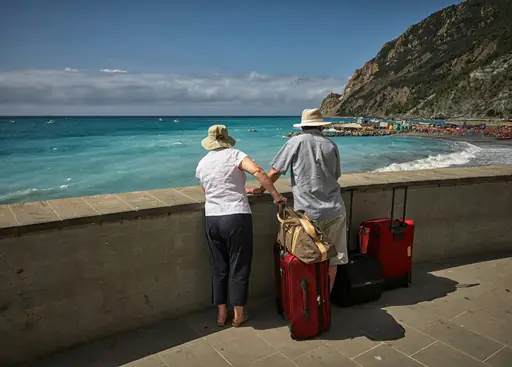
Discover
Best travel destinations for seniors in Europe
Europe remains one of the easiest continents for older travelers, thanks to excellent trains, reliable healthcare and cities built for walking rather than driving. River cruises…
Read more
Discover
Best destinations for first-time travelers in Europe
Europe is often the easiest continent to start with, thanks to short distances between countries and infrastructure built for travelers of every experience level. Trains connect…
Read more

Discover
Top hiking destinations and famous trails
Hiking at its best is one of the most direct ways to engage with a landscape. The pace forces a relationship with terrain, weather and distance that faster forms of travel rarely…
Read more

Discover
Top historical destinations and historic sites
The most compelling history destinations are places where the past is still physically present and legible in the landscape, the architecture and the daily life of the people who…
Read more
Discover
Best travel destinations for food allergies in Europe
Europe is one of the more manageable continents for allergy conscious travelers, thanks to strict food labeling rules that apply across the entire European Union. Restaurants…
Read more

Discover
Top family friendly destinations and holidays
Family travel asks for different things than a solo or couples trip, with safety, ease of getting around and the ability to keep different ages happy mattering just as much as any…
Read more
What other users say about travelfilters
“travelfilters made it easy for me to find ski areas and compare what else they offer, so that I could find the best place for my personal travel style.”

Chris
Snowboarding & Onsen trip to Japan
“I love how transparent the data feels. There is no pushy upsell, just honest information and settings I can tune to my own travel style.”

Maria
After booking her 2027 winter escape
“The level of detail for each destination and how well those are displayed, make planning feel confident instead of overwhelming.”

Mina
Planned a week in New York City
“We used travelfilters for our planning from start to end. The trip turned out even better than expected, thanks to all their tools and customisation options.”

Allan & Etienne
Trip to Japan to see autumn foliage
“Thanks to travelfilters, I found some hidden gems to see. Being able to filter for exactly your interests is a game changer for my travel planning.”

Michael
Tour through the old cities of Northern Italy
“The customizable filters helped me find a quiet beach town with good wifi and low season crowds in under five minutes.”

Diego
Weekend Escape to Llanes, Spain
“The airport connection map saved me hours by showing good flight options from my home airport to lesser-known cities.”

Nguyen
Planning a 2027 trip to France
“The website is clean, fast and focused on the search itself, which makes travelfilters feel more like a professional tool than an ad-heavy booking site.”

Hassan
Christmas Market trip, Germany
