



Europe › Austria › Tyrol

Tyrol

Scroll
Alpine paradise in all seasons

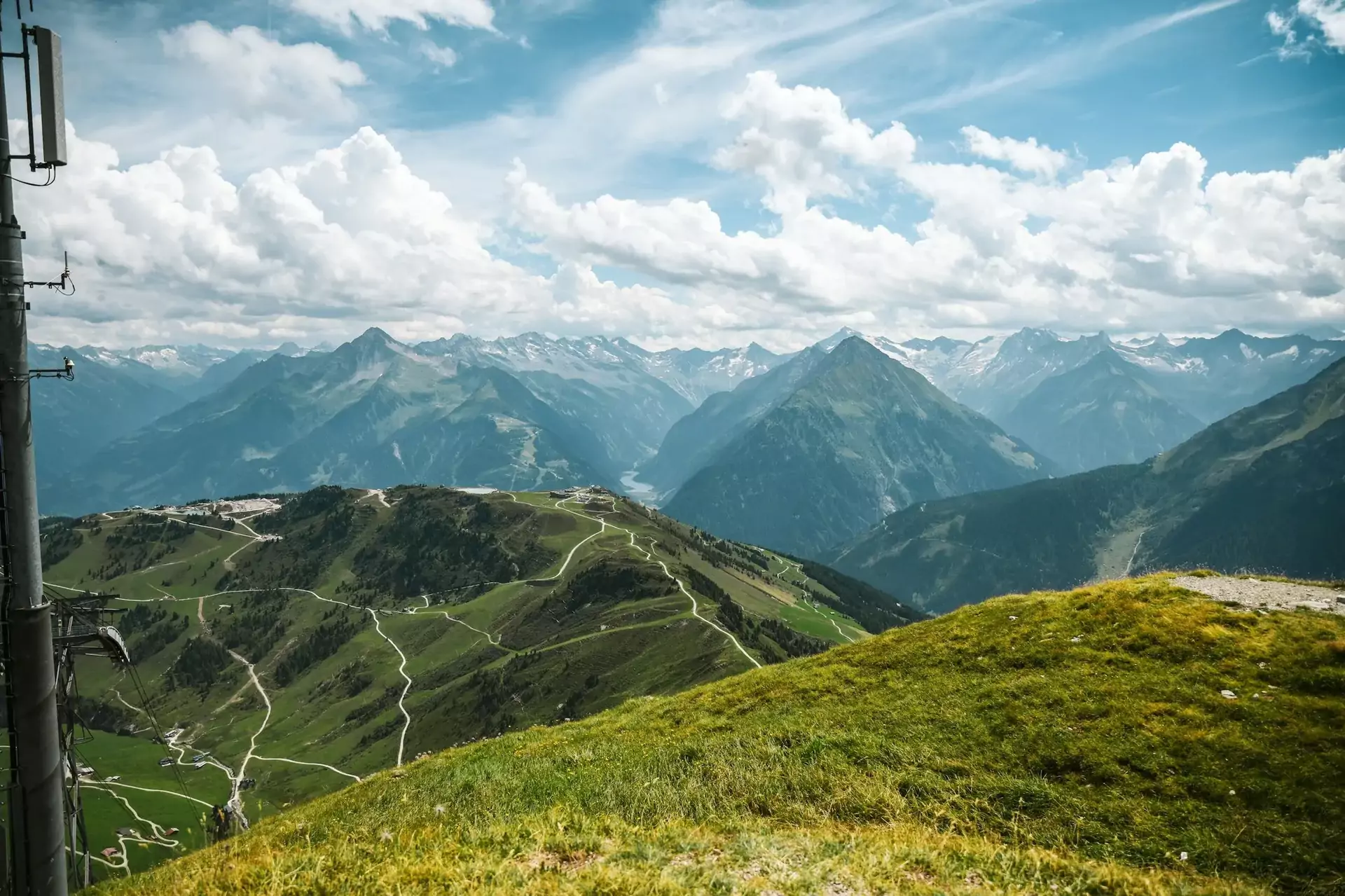
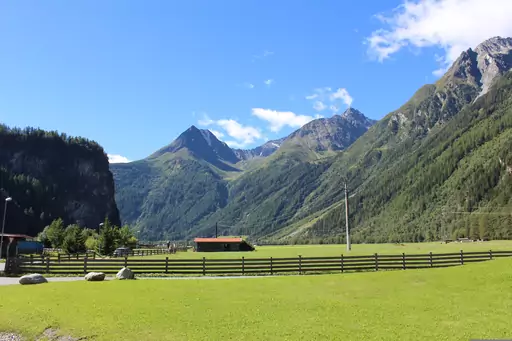
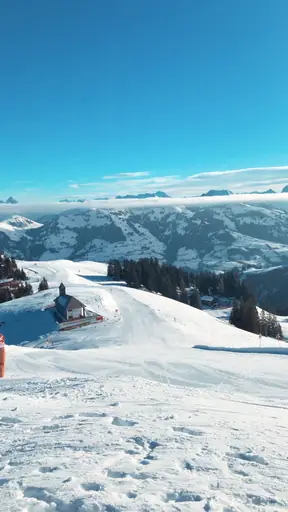
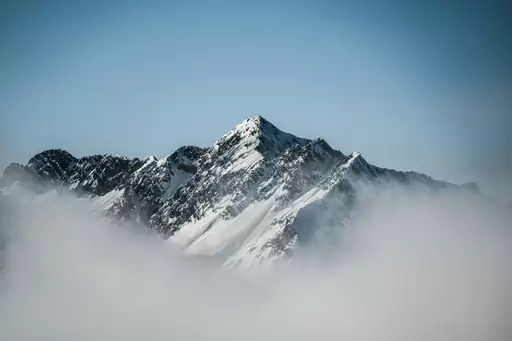
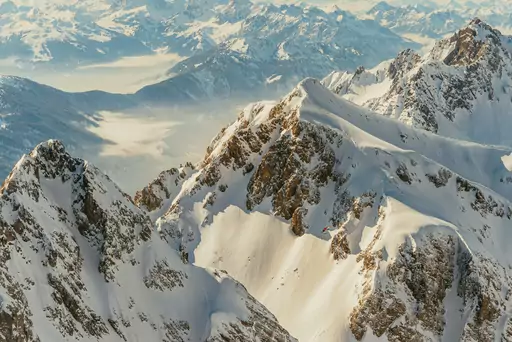
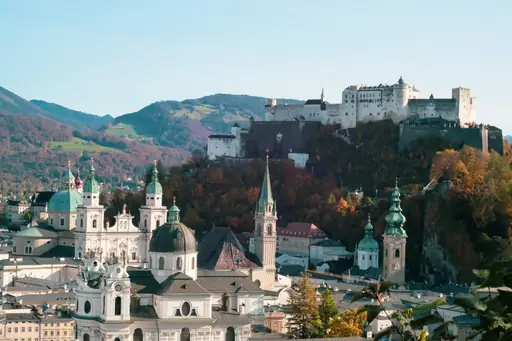
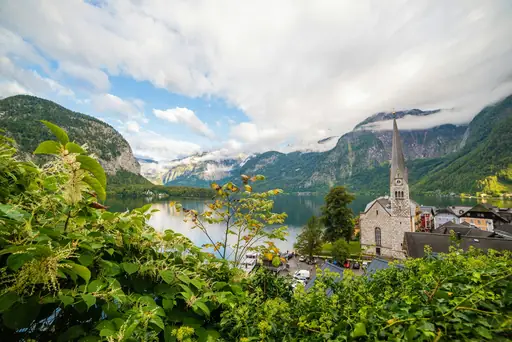
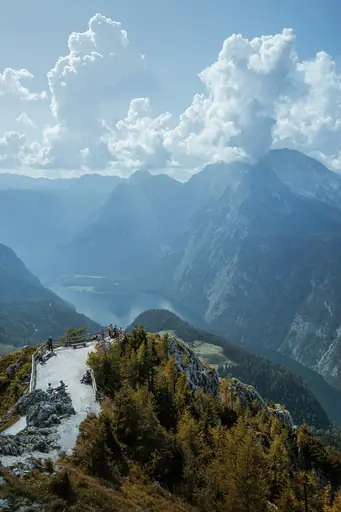
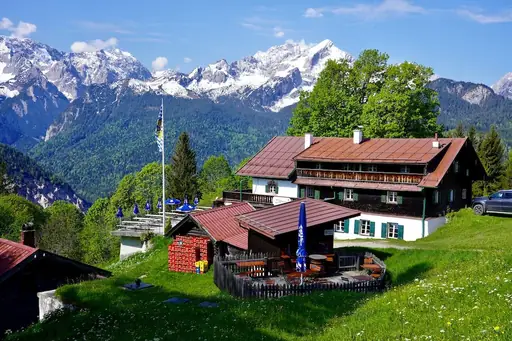
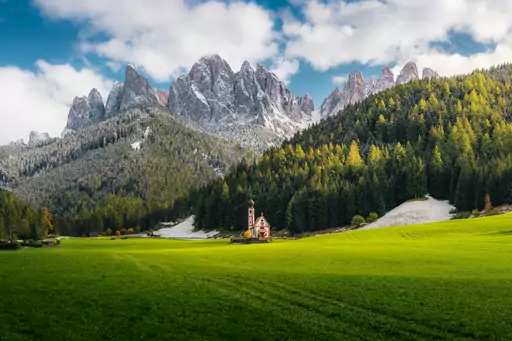
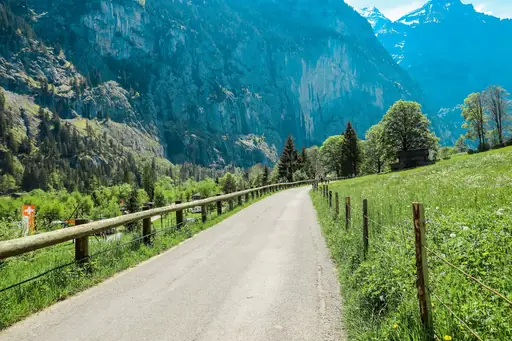
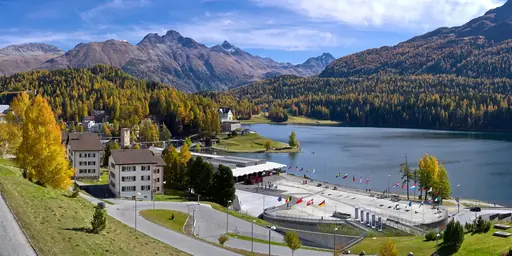
Tyrol in Austria stands out for its clear mountain air and wide valleys filled with pine forests. The region has many small towns connected by quiet roads where you can hear the sound of streams running through stone channels. Ski slopes are common during winter, but summer brings long hikes along paths that follow old trade routes. Local farms sell fresh cheese and bread and villages host weekly markets in open squares. In Tyrol, daily life moves at a slower pace while still providing easy access to outdoor activities year-round.

Region in Austria
Climate zone: Warm continental

Warm continental: Humid continental climates with warm summers, cold winters and evenly distributed precipitation, typical of northern interior mid-latitudes.

See climate table
Price level: $$$
$Cheap
$$Medium
$$$Expensive, upscale
$$$+Very expensive, luxury
See price details
Safety: 8.9
General Safety:9
Health & medical:9
Accessibility:7
Tap water:10
Read details
Tourist English: 4/5
English is widely spoken in tourist areas, hotels, restaurants, and ski schools throughout Tyrol. Most service staff in tourism-related businesses have good to excellent English skills, though you may encounter language barriers in more remote villages or
Last update: 12 Oct 2026
* We earn a commission from some links on this page.
Tyrol Summary

These place ratings give you a quick overview of how well a destination matches different types of trips.

‘Best for’ scores:
The specific interest scores show where this place really shines – whether it's ideal for hiking, food & drink experiences, museums or other activities. These highlights help you understand what makes the destination special at a glance.

‘Your personal’ scores:
This reflects how well a place matches your personal preferences. You can adjust the importances of travel topics or other personal requirements categories in your account settings.

‘Suited for’ badges:
These give you a quick overview of how well a destination suits specific types of travellers, to help you find the places that match your lifestyle, preferences or travel situation.

Read how our scores work
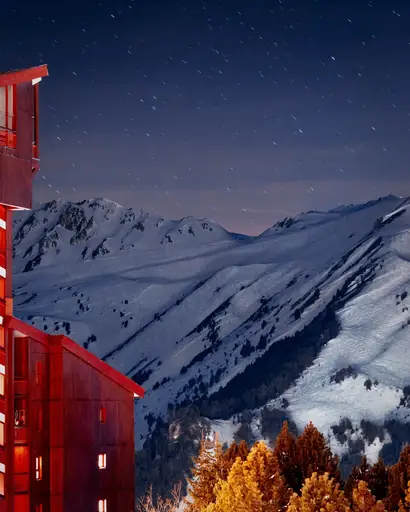
World-class for alpine sports and mountain scenery. Ski famous resorts in winter, hike high alpine trails in summer and enjoy traditional villages.
Place score
8.9
Best at:
Mountains
10
Skiing
10
Snow
9
Spotless
9
Natural sites
9
Personal score
?
Log in to see how this place matches your personal travel interests.
Suited for
👶 9
Families
🧓 8
Seniors
🛡️ 9
Travel Beginners
❤️ 9
Couples
Austria – Quick facts
Power Grid: 230 V, 50 Hz
Plug: Type C , Type F
Type C:
Diagram of a Type C power plug
Type F:
Diagram of a Type F power plug

Read about power adapters
Currency: Euro (EUR)
£1 ≈ €1.19
Cashless info: Rating 5/5
Austria is a highly cashless society, particularly in urban areas. Credit and debit cards are widely accepted, and mobile payment services such as Apple Pay and Google Pay are increasingly popular.

Save with a travel credit card
eSIM providers: Best value: Saily
Flexibility: Airalo
Read our in-depth comparison
Tipping: Tipping is customary in Austria. In restaurants, it is common to leave a 5-10% tip, though rounding up to the nearest euro is also acceptable. Taxi drivers typically expect a small tip, around 10% of the fare. Hotel staff and tour guides appreciate small gratuities.
Public drinking: Public drinking is generally permitted in Austria, though some areas may have restrictions. Drinking in public spaces such as parks and squares is socially accepted but may be subject to local laws in specific municipalities.
Public smoking: Smoking is prohibited in most indoor public spaces, including restaurants, bars, and public transport. Designated smoking areas are available in many locations.
National Day
(October)
A national holiday with many closures, celebrations, and increased domestic tourism.
Christmas
(December)
Festive celebrations across the country, with crowded tourist spots and higher prices for accommodation.
Austrian Wine Harvest Festival
(September)
Celebration of local wines, especially in wine-producing regions, with festivals and events.
Emergency contact: Emergency Number: 112 (Police, Fire, Ambulance)
Taxi apps: Bolt, Uber
Other: Austria is known for its rich cultural heritage, with historical sites, museums, and nature reserves. Its well-developed infrastructure, particularly in transport, makes it a comfortable destination for travellers.
Best times to travel

The best times to travel section shows how the months compare for a visit, so you can find the time of year that fits what you want to do.

Background colours of the months:
The colour shows the typical temperature: yellow (hot), green (mild) and blue (cold). How strong the colour is shows the travel season: full colour means high season, soft colour means shoulder season and soft-striped means off season.

Weather symbols:
Each month has one symbol showing what the weather is typically like, such as hot and sunny, freezing or a rainy or snowy season. Use them to quickly spot months that match the weather you want, or to avoid the ones that don't.

Crowdedness:
The people icon shows how busy the place usually is. The more people, the more crowded it gets.

Additional notes:
The grey info boxes point out special things worth knowing, like recurring weather issues or seasonal events.

for Tyrol, Austria
🌨️
Jan
🌨️
Feb
🌨️
Mar
🌤️
Apr
🌦️
May
🌦️
Jun
🌦️
Jul
🌦️
Aug
🌤️
Sep
🌤️
Oct
🌤️
Nov
🌨️
Dec
High season: Jan. - March, July - Sep., Dec.
Shoulder season: June, Oct.
Crowdedness: 6 (Many tourists)
Tap on a month for more info Hover over a month for more info
Ski season December to April depending on altitude, glacier skiing year-round, hiking best July to September
Many lifts, mountain huts and hotels close mid-April to late May and again October to early December

Why travel to Tyrol?

Tyrol rewards visitors with an exceptional blend of natural beauty and outdoor adventure that few European destinations can match. The region transforms dramatically with the seasons, offering world-class skiing across more than 100 resorts in winter, while summer unveils nearly 24,000 kilometers of marked hiking trails and 5,600 kilometers of mountain biking routes through breathtaking alpine scenery. The five glacier ski areas ensure skiing is possible even outside the main winter season, making Tyrol a year-round destination for outdoor enthusiasts. Beyond the adrenaline-pumping activities, Tyrol's cultural richness adds another dimension to your visit. Centuries-old traditions remain vibrant in daily life, from folk music and dances to distinctive architecture and culinary specialties. The region's 1,400 mountain huts offer authentic food and drinks amid spectacular settings, while historic towns like Innsbruck blend medieval charm with alpine innovation. What makes Tyrol special is the genuine hospitality of locals who maintain their traditions while welcoming visitors to experience their mountain paradise. Just be aware that premium experiences come with premium prices and the most popular areas can get crowded during peak winter and summer seasons.

🏙️Cities & Regions
  • 1 Innsbruck
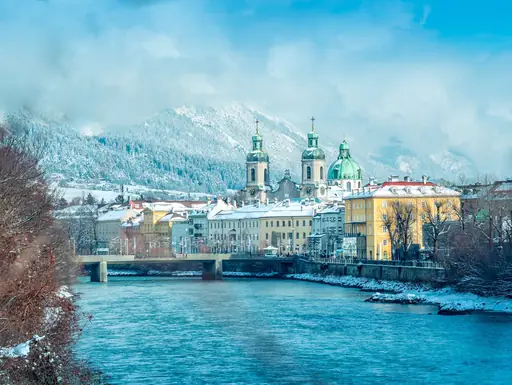
    A gateway to the Alps, this city offers world‑class skiing, historic architecture and vibrant cultural events. Its alpine setting provides year‑round outdoor activities, while museums showcase art from the Baroque era to contemporary design in.
  • 2 Kitzbühel
    One of Austria's premier ski hubs, Kitzbühel features the legendary Hahnenkamm downhill course and expansive alpine slopes. While winter crowds pack the pistes, summer offers serene hiking trails through pristine forests away from the main lifts.
  • 3 Ischgl
    A high‑alpine town in the Ötztal valley offers year‑round skiing, historic churches and a lively après‑ski scene. Its central square hosts markets and festivals, while nearby trails provide hiking, mountain biking and scenic views of the Alps.
  • 4 Lech and Zürs am Arlberg
    A mountainous region in Austria's Tyrol, known for its ski resorts and charming villages. The landscape features dramatic peaks, deep valleys and traditional alpine architecture that defines this popular winter destination.
  • 5 St. Anton am Arlberg
    A charming alpine village in Tyrol, Austria, nestled between mountains and valleys. Known for its ski slopes, traditional architecture and cozy atmosphere, it offers a perfect blend of winter sports and cultural heritage for visitors seeking mountain tranquility.
  • 6 Ötztal
    This Austrian valley in Tyrol offers world-class skiing, charming alpine villages and pristine mountain lakes. Visitors can explore historic castles, hike scenic trails or relax by crystal-clear waters. The region balances bustling resort towns with quiet, untouched nature for a perfect getaway.
🏯Places worth seeing
  • 1 Schloss Ambras
  • 2 Kufstein fortress
  • 3 Schloss Bruck
  • 4 Großglockner
🎡Places for activities
  • 1 Eben am Achensee
  • 2 Sölden
  • 3 Life in the Glacier Region
  • 4 Wilder Kaiser
  • 5 Zillertal
🏞️Natural landmarks
  • 1 High Tauern National Park
  • 2 Stubai Alps
  • 3 Stubaier Wildspitze
  • 4 Zillertal Alps
  • 5 Großglockner
  • 6 Ötztal Alps
🛍️Shopping
  • 1 Kaufhaus Tyrol
  • 2 Maria-Theresien-Straße
  • 3 Anichstraße/Rathausgalerien
🎈Events
  • Gauderfest (Spring)
  • Almabtrieb (Autumn)
  • Christmas Markets (December)
  • Hahnenkamm Race (January)
  • Innsbruck Festival of Early Music
  • Kitzbühel Music Festival
  • Tyrolean Folk Festivals
  • Air & Style Snowboard Contest
  • Innsbruck Promenade Concerts
  • Harvest Festivals (Autumn)

Knowledge before you go

  • Buy Tyrol vignette for highways; day passes available now.
  • Base in Innsbruck for easy access to Nordkette cable car and old town sights.
  • Book ski passes early for Kitzbühel or Ischgl; summer hiking trails peak June-September.
  • Ride Innsbruck Card for free public transport, cable cars and discounts on attractions.

How to travel to Tyrol

Tyrol is easily accessible by various means of transportation. By air, Innsbruck Airport offers direct flights from many European cities, especially during winter season. For international travelers, larger airports in Munich, Salzburg or Vienna provide connections with onward train or bus service to Tyrol. The region is well-connected by rail, with direct trains from major cities in Austria, Germany, Switzerland and Italy. If traveling by car, the A12 Inntal motorway is the main route through Tyrol, connecting to German and Italian highways. The well-developed road network makes driving comfortable, though mountain passes may close in winter.

Access summary

  • From Innsbruck Airport (INN): Bus or taxi to city, about 15–25 min.
  • From Munich: Direct trains or driving into Tyrol, typically 2–3 hours.
  • From Salzburg: Regional trains or car via alpine routes, around 2–3 hours.

Where to stay in Tyrol

Tyrol offers diverse accommodation options ranging from luxury hotels to cozy family-run guesthouses and mountain huts. Traditional Austrian hospitality is a hallmark across all price ranges. Many ski resorts feature ski-in/ski-out hotels, while summer destinations offer properties with stunning mountain views. Farm stays (Bauernhof) provide an authentic rural experience and mountain huts (Hütten) offer unique overnight options for hikers. Prices vary significantly by season, with premium rates during winter ski season and summer peak periods. Booking well in advance is essential for these times, especially in popular destinations like Kitzbühel, St. Anton and Ischgl.

How to get around Tyrol

Public transportation in Tyrol is excellent, with an extensive network of trains and buses connecting most towns and villages. Many tourist regions offer guest cards that include free use of local public transport, making it easy to explore without a car. The main railway line runs through the Inn Valley, connecting major towns, while bus services reach more remote areas and mountain villages. For accessing higher elevations, numerous cable cars and gondolas operate year-round, though some close during shoulder seasons (typically November and April/May).
Budget snapshot
Costs compared to home

We calculate the average costs when travelling to destinations and compare those with the living costs at your home. With this you can get an estimate of how expensive or cheap the destination is for you.

To customise this, you can set up which location and price level are used for the calculations in your account settings.

-3 %
Daily expenses in the region are around 3% lower than the average across United States. That means you'll spend around the same on meals and getting around.
Exchange rate trend

The exchange rate price factor shows how expensive or cheap a currency currently is compared to its historical average. It's a quick way to see if a country is currently more or less affordable due to exchange rate changes.

-3 %
Your exchange rate (GBP to EUR) is 3% better than in recent years. That means travelling now costs around the same compared to the past.

Travel costs

To help you plan your trip, we provide estimated daily costs per person (when travelling as a pair) for different travel styles. These numbers give you an idea of what you might spend each day at this destination, including accommodation, food, transport and activities.

Additionally, we also provide average hotel costs for different travel styles to give you an estimate for the accommodation only.

Please note that these are only estimates. The real costs depend on booking times, season and other factors.

Daily cost summary

Travel style categories explained:

Backpacker:
Staying in hostels or budget hotels, cooking your own meals or eating cheap and choosing low-cost activities.

Mid-range:
Staying in mid-range hotels, eating at a mix of restaurants and casual spots and enjoying a variety of activities.

Luxury:
Staying in luxury hotels, dining out at high-end restaurants and enjoying premium experiences without worrying about the price.

Backpacker Mid-range Luxury
💵 Total costs per day, including accommodation
£66
£139
£358
🏨 Accommodation per night, per person
£26
£62
£126
🍝 Food per day
£29
£66
£189
🚕 Transportation per day
£11
£12
£43
Food & Drink
🍽️ Restaurant Dinner, per person
£28
🍛 Lunch Set, per person
£12
🍟 Fast food combo
£9
🍝 Preparing your own food, per day
£10
☕ Cappuccino
£3.40
🍺 Beer in a restaurant, 0.5 l
£4
Transportation
🚌 Public transport ticket
£2.70
🚕 Taxi Ride, 10 km / 6 mi
£25
⛽ Petrol, 1 l
£1.40
Other
🎞️ Cinema ticket
£10.50
👩‍⚕️ Doctor's consult
£65
🤧 Cold medication
£8
💇 Basic haircut
£13

Safety information overview

General safety
9
Tyrol is extremely safe with very low crime rates. The main safety concerns relate to mountain activities rather than crime. Always check weather forecasts before hiking or skiing, follow marked trails and respect alpine safety guidelines, especially regarding avalanche risks in winter.
Health & Medical
9
Healthcare in Tyrol is excellent, with good hospitals in major towns and specialized clinics in tourist areas. Mountain rescue services are highly professional but expensive if needed, so comprehensive travel insurance is essential. Altitude sickness can affect some visitors, particularly when ascending quickly to high elevations.
Accessi­bility
7
Accessibility varies across Tyrol. Major towns and newer facilities are generally accessible, but the mountainous terrain presents natural challenges. Many cable cars can accommodate wheelchairs, but alpine trails and historic buildings often have limited accessibility. Some hotels and restaurants have made significant efforts to provide accessible options.
Tap water
10
Tap water in Tyrol is excellent quality, coming directly from alpine springs. It's perfectly safe to drink and very refreshing. Public water fountains are common in towns and along some hiking routes. The mountain water is one of the region's natural treasures.

Popular districts of Tyrol

Looking for inspiration?

Discover
Top adventure destinations and outdoor activities
Adventure travel covers an enormous range of activities and risk tolerances, from multi-day wilderness trekking and white water rafting to technical climbing, polar expeditions and…
Read more
Discover
Best travel destinations for food allergies in Europe
Europe is one of the more manageable continents for allergy conscious travelers, thanks to strict food labeling rules that apply across the entire European Union. Restaurants…
Read more
Discover
Best family friendly destinations in Europe
Europe might be the easiest continent for family travel, with strong infrastructure, dependable healthcare and safe food and water almost everywhere you go. There is enough variety…
Read more
Discover
Top motorcycling destinations and scenic routes
A great motorcycle route asks for more than scenery: it needs road surface, corner sequencing and enough remoteness to make the ride itself the point rather than simply transport…
Read more
Discover
Best cycling destinations in Europe
Europe is one of the world's great cycling continents, with a infrastructure and culture around the activity that few regions can match. From Alpine climbs that have defined…
Read more
Discover
Best hiking destinations in Europe
Europe has one of the most developed long distance hiking cultures in the world, with a network of waymarked trails covering everything from high alpine routes and coastal paths to…
Read more
Discover
Best travel destinations for food allergies
Travelling with a food allergy adds a layer of planning most people never have to think about and the right destination can make that planning a lot easier. Some travellers…
Read more
Discover
Best adventure destinations in Europe
Europe's adventure offer is built around the accessibility of its mountain ranges, white water rivers and coastal environments, with a well-regulated outdoor industry and dense…
Read more
Discover
Top digital nomad destinations and remote work hubs in Europe
Europe offers remote workers a level of infrastructure that is hard to beat, along with enough cultural variety to keep even a long stay interesting. City based nomads can hop…
Read more
Discover
Top hiking destinations and famous trails
Hiking at its best is one of the most direct ways to engage with a landscape. The pace forces a relationship with terrain, weather and distance that faster forms of travel rarely…
Read more
Discover
Top traditional destinations and cultural heritage sites
Traditional destinations are those where cultural practices, craftsmanship, ceremony and ways of life that predate industrialisation and mass tourism remain visible and active…
Read more
Discover
Best rural retreat destinations in Europe
Europe's rural landscapes offer some of the most accessible and varied retreat experiences in the world, with working agricultural regions, coastal hinterlands and forested uplands…
Read more
Discover
Best solo travel destinations in Europe
Europe is where most people start, and for good reason. The trains connect cities across borders, the hostels have been running for decades, and the distances between completely…
Read more
Discover
Top solo travel destinations and safe hubs
Travelling alone sounds like a bigger deal than it is. The first day feels strange – eating dinner by yourself, navigating without someone to double-check the map with, making…
Read more
Discover
Top digital nomad destinations and remote work hubs in 2026
Working from anywhere in the world sounds simple until you actually try it and the best digital nomad destinations look different depending on what kind of remote worker you are.…
Read more
Was this page helpful?
Feedback

