
Last update: 20 Oct 2026
* We earn a commission from some links on this page.
Sri Lanka Summary
These place ratings give you a quick overview of how well a destination matches different types of trips.
‘Best for’ scores:
The specific interest scores show where this place really shines – whether it's ideal for hiking, food & drink experiences, museums or other activities. These highlights help you understand what makes the destination special at a glance.
‘Your personal’ scores:
This reflects how well a place matches your personal preferences. You can adjust the importances of travel topics or other personal requirements categories in your account settings.
‘Suited for’ badges:
These give you a quick overview of how well a destination suits specific types of travellers, to help you find the places that match your lifestyle, preferences or travel situation.
Suited for
Sri Lanka – Quick facts
| Power Grid: |
230 V, 50 Hz Plug: Type D , Type M
Type D:
  Read about power adapters |
|---|---|
| Currency: |
Sri Lankan Rupee (LKR) £1 ≈ LKR 442.31 |
| Cashless info: |
Rating 3/5
Cashless payments are becoming more common in Sri Lanka, especially in larger cities, but cash is still widely used in rural areas.
Save with a travel credit card |
| eSIM providers: |
Best value: Saily Flexibility: Airalo Read our in-depth comparison |
| Tipping: | Tipping is not mandatory in Sri Lanka, but small tips are appreciated for good service in restaurants, hotels, and taxis. |
|---|---|
| Public drinking: | Public drinking is generally not allowed in Sri Lanka. Alcohol is typically consumed in licensed venues such as bars and restaurants. |
| Public smoking: | Smoking is prohibited in indoor public spaces, including restaurants, bars, and public transport. |
| Sinhala and Tamil New Year (13–14 April) |
Celebrated with family gatherings |
|---|---|
| Independence Day (4 February) |
Commemorates Sri Lanka's independence from British rule |
| Emergency contact: | Emergency Numbers: 119 (Police), 1990 (Ambulance), 110 (Fire) |
|---|---|
| Taxi apps: | PickMe, Uber |
| Other: | Sri Lanka is known for its stunning beaches, ancient temples, and rich cultural heritage. It is a popular destination for nature lovers and history enthusiasts. |
Best times to travel
The best times to travel section shows how the months compare for a visit, so you can find the time of year that fits what you want to do.
Background colours of the months:
The colour shows the typical temperature: yellow (hot), green (mild) and blue (cold). How strong the colour is shows the travel season: full colour means high season, soft colour means shoulder season and soft-striped means off season.
Weather symbols:
Each month has one symbol showing what the weather is typically like, such as hot and sunny, freezing or a rainy or snowy season. Use them to quickly spot months that match the weather you want, or to avoid the ones that don't.
Crowdedness:
The people icon shows how busy the place usually is. The more people, the more crowded it gets.
Additional notes:
The grey info boxes point out special things worth knowing, like recurring weather issues or seasonal events.
for Sri Lanka, Sri Lanka
Two monsoons: west, south coasts and hill country wettest May to September, east and north wettest October to January; east coast beaches best May to September
Kandy Esala Perahera (grand procession with decorated elephants) runs ten nights around the July or August full moon
Yala National Park closes September to mid-October; wildlife viewing best February to July
Don't miss
- 🪨 Climb Sigiriya Rock Fortress and admire its ancient frescoes
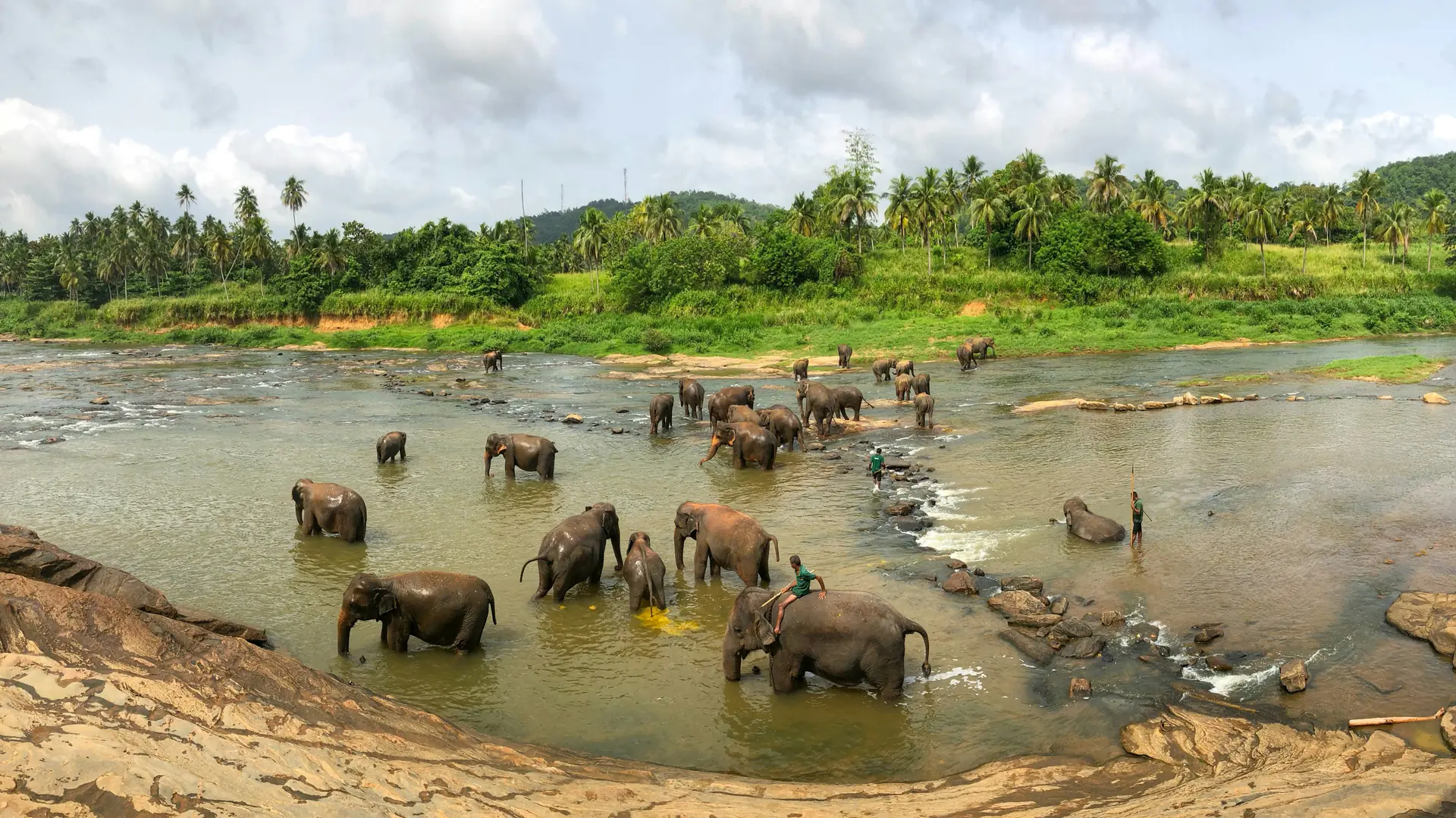
- 🐘 Spot elephants on safari in Minneriya National Park
- 🚂 Take a scenic train ride through the tea plantations to Ella
- 🐋 Relax on the golden beaches of Mirissa and watch whales
- 🛕 Visit the sacred Temple of the Tooth in Kandy
- 🏰 Wander through colonial streets and ramparts in Galle Fort
You've been here?
Log in to manage your own bucket list! Why travel to Sri Lanka?
Sri Lanka has ancient sites, mountains and coast on one compact island. Eight places are on the UNESCO World Heritage List, including the rock fortress of Sigiriya, the cave temples of Dambulla and the ruined capitals of Anuradhapura and Polonnaruwa. Together with Kandy these form the cultural heartland in the centre of the island. Kandy's Temple of the Tooth is a major Buddhist pilgrimage site and the city hosts a large procession called the Esala Perahera in the summer. The highlands are a different trip. Tea estates cover the hills around Nuwara Eliya and Ella and the Central Highlands are a UNESCO natural site. The train from Kandy toward Ella runs through cloud forest and tea country and is a trip in itself, taking around 6 to 7 hours. Wildlife is another reason to come. Yala National Park is known for leopards and Udawalawe and Minneriya for elephants. Sinharaja is a rainforest reserve with many endemic birds. Off Mirissa, whale watching trips go out for blue whales during the season. The coast has beaches such as Unawatuna, Tangalle and Arugam Bay, where surfers go. Beach conditions change by side of the island because the monsoons arrive at different times, so the south and west coast and the east coast peak in different months. Two weeks covers a loop of the highlights without rushing. If you only have a week, pick the south coast and the highlands or the cultural triangle and the hill country rather than trying all of it.
🏙️Cities & Regions
-
1
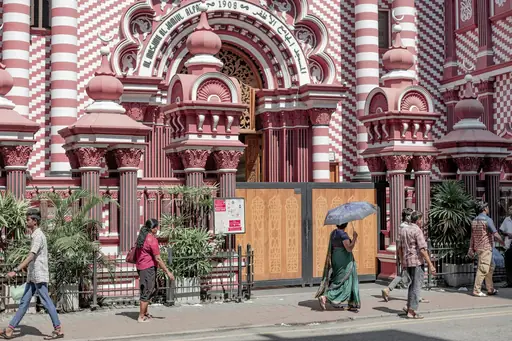
Colombo
A bustling commercial hub on Sri Lanka's western coast, it offers a mix of colonial architecture, modern shopping centers and vibrant street markets. The city’s waterfront promenade provides scenic views of the Indian Ocean year‑round. -
2
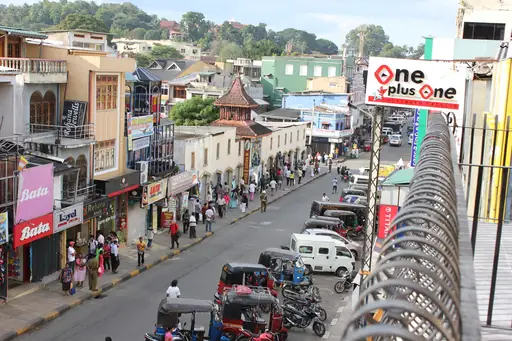
Kandy
Surrounded by lush hills and tea plantations, this historic city hosts the Temple of the Sacred Tooth Relic, a UNESCO site. Its colonial architecture, vibrant markets and annual Esala Perahera festival draw visitors for culture enthusiasts year‑round. -
3
Nuwara Eliya
Perched in Sri Lanka's central highlands, Nuwara Eliya offers cool mountain air and rolling tea plantations. This colonial hill station features charming streets, misty landscapes and nearby waterfalls that create a serene, refreshing escape from the tropical heat below. -
4
Yala National Park
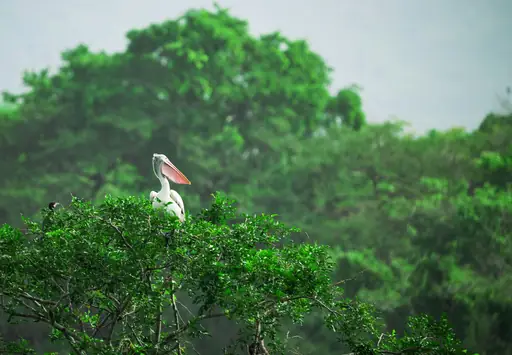
This Sri Lankan national park is renowned for its wild elephant herds and diverse wildlife. Visitors often spot leopards, sloth bears and exotic birds in this lush landscape. It offers unforgettable safari experiences deep within the island's rich biodiversity. -
5
Arugam Bay
A coastal town on Sri Lanka’s southeastern coast offers a quiet retreat from larger cities. Known for its long sandy beach, calm lagoon and nearby wildlife sanctuary, it provides easy access to historic temples and lush tea plantations. -
6
Hikkaduwa
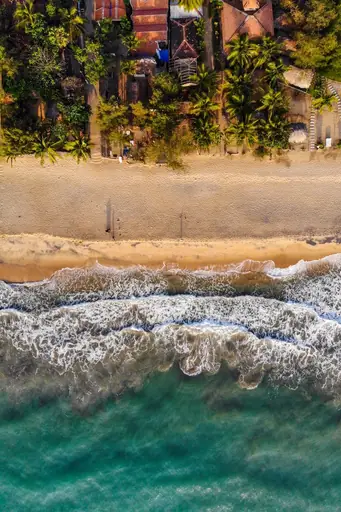
Vibrant beach town on Sri Lanka’s southwestern coast offers clear coral reefs, surfing spots and a lively nightlife scene. Visitors can explore nearby turtle nesting beaches, historic forts and local markets for fresh seafood and crafts. -
7
Minneriya National Park
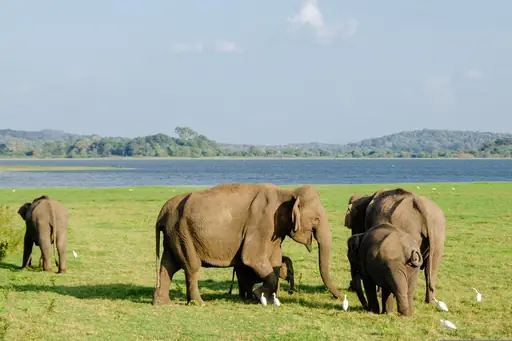
Home to thousands of wild elephants and lush landscapes, this national park offers serene jeep safaris through grasslands teeming with wildlife. Visitors can spot leopards and deer while enjoying tranquil views of the Minneriya reservoir under the Sri Lankan sky.
🏯Places worth seeing
-
1
Sigiriya
This ancient rock fortress dominates Sigiriya's landscape, featuring a massive lion statue gateway and panoramic views from its summit. The site includes lush gardens, water tanks and ruins of a medieval palace complex. -
2
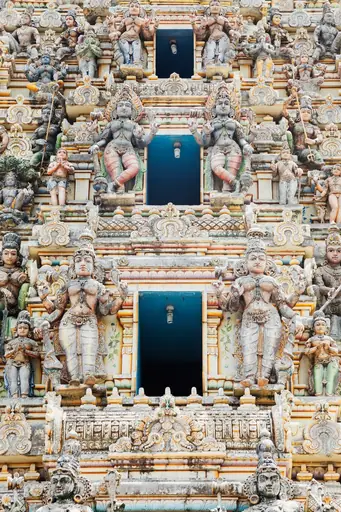
Temple of the Sacred Tooth Relic
-
3
Colombo Fort
-
4
Eth Vehara
-
5
Mihintale Sacred City
-
6
Galle Fort
-
7
Dambulla Cave Temple
🎡Places for activities
🏞️Natural landmarks
-
1
Sri Pada / Adam's Peak
A high‑altitude trek in Sri Lanka's central hills offers panoramic views of cloud forests and tea plantations. The route passes through traditional villages, ancient rock inscriptions and the summit’s dramatic cliff faces. -
2
Sinharaja Forest Reserve
A lush, biodiverse sanctuary in Sri Lanka's central highlands, renowned for its dense canopy and rich wildlife. The reserve offers serene trekking trails through ancient forests, providing a peaceful escape from the island's bustling coastal life. -
3
Little Adam's Peak
-
4
Pidurangala Rock
-
5
Udawalawe National Park
-
6
Horton Plains National Park
-
7
Ella Rock
-
8
Upper Bambarakanda Falls
-
9
Ravana Falls
🛍️Shopping
🎈Events
-
Kandy Esala Perahera
-
Sinhala and Tamil New Year
-
Vesak Festival
-
Poson Festival
-
Kataragama Festival
-
Nallur Festival
-
Adam's Peak Pilgrimage Season
-
Colombo International Film Festival
-
Galle Literary Festival
-
Thai Pongal
Popular travel destinations in Sri Lanka
Knowledge before you go
- Apply for your ETA only on the official eta.gov.lk site before flying.
- Cover shoulders and knees at temples and take off shoes and hats before entering.
- On monthly Poya full-moon holidays alcohol isn't sold and some shops and restaurants close.
- At Sigiriya the climb is quietest right at opening or in the late afternoon, when the heat is also easier.
How to travel to Sri Lanka
Nearly everyone arrives by air at Bandaranaike International Airport (CMB) in Katunayake, about 32 km north of central Colombo. It has flights from the Gulf, South and Southeast Asia and Europe. Many connect through hubs such as Dubai, Doha, Singapore or Istanbul. A second international airport at Mattala in the south sees only a few flights. From the airport an expressway reaches Colombo in around 30 minutes by taxi or car, longer in heavy traffic. Taxis wait outside and there's a counter in the arrivals hall. Bus 187 runs to central Colombo and takes about 45 minutes, which is cheap but slow if you have luggage. Many hotels and tour operators arrange transfers. Several car hire companies have counters in arrivals. Negombo, a beach town about 10 km from the airport, makes an easy first or last night. The island has no land borders. Cruise ships call at Colombo and Galle. Ferry links to southern India have run on and off, so check the current situation before planning around one.
Access summary
- Colombo/Negombo: Fly into CMB from Asia, Middle East, Europe, Australasia.
- Southern beaches (Galle, Mirissa, Ella): From CMB by train, bus or taxi.
- Cultural triangle (Kandy, Sigiriya): From CMB by train, buses or private driver.
Check your route from anywhere
Where to stay in Sri Lanka
Sri Lanka has a wide range of places to stay, from family-run guesthouses and homestays to boutique villas, tea estate bungalows and beach resorts. Bases are chosen by region more than by a single city. Most travellers stay in several places. Colombo has the largest hotels and is a practical stop at the start or end. Negombo is close to the airport. Kandy suits the cultural heartland and the hill-country railway, while Sigiriya and Dambulla are near the ancient sites. Ella and Nuwara Eliya are the main highland bases and can be cold at night. Galle, Unawatuna and Mirissa form the busiest stretch of south coast, with beach stays from budget to luxury. Arugam Bay on the east coast is the surf base. Book well ahead for peak months and festivals, because the best small places fill quickly. Prices vary a lot between a simple guesthouse and a resort. Check that rooms in highland areas have hot water and blankets.
Hotel recommendations
*by rating and popularity. Commissions have no influence on the rankings.


How to get around Sri Lanka
Distances in Sri Lanka look short on a map but roads are slow and often crowded, so a 100 km trip can take three hours or more. Trains, buses, tuk-tuks and a hired car with a driver are the main options. Expressways link Colombo to the airport and go along the south coast, which makes those trips much quicker.
Trains:
Sri Lanka Railways runs the main lines from Colombo to Kandy, the hill country and the south coast. The stretch up to Ella is the best-known scenic ride. Seats on the popular daytime trains are reserved and sell out, so book ahead through the railway or a local agent.
Buses and tuk-tuks:
Buses reach almost everywhere, are cheap and tend to be crowded and fast. Tuk-tuks cover short hops. Agreeing on a price or using a meter before you get in avoids arguments. Ride-hailing apps such as PickMe and Uber work in Colombo and some other cities.
Car with driver:
Many visitors hire a car with a driver for a few days or the whole trip, which often costs less than expected and takes the stress out of the roads. Self-driving is possible but traffic and road habits are demanding.
Food in Sri Lanka
Food is mostly rice and curry, with fresh seafood along the coast and highland tea served almost everywhere. Meals are spicy but you can ask for less heat.
Rice and curry:
A plate of rice with several small curries of vegetables, lentils, fish or chicken and sambols. Many dishes are vegetarian or vegan by default since vegetable curries are standard.
Breakfast:
Breakfast often means hoppers (bowl-shaped pancakes, sometimes with an egg), string hoppers (steamed rice noodle nests) or kiribath (milk rice) with pol sambol, a coconut and chilli relish.
Kottu roti, chopped flatbread stir-fried with vegetables or meat, is a popular evening street food. Restaurants, small local eateries and street stalls all work for travellers. In tourist areas menus often include Western options too. Supermarkets and corner shops sell snacks and bottled water as well.
Budget snapshot
Costs compared to home
We calculate the average costs when travelling to destinations and compare those with the living costs at your home. With this you can get an estimate of how expensive or cheap the destination is for you.
To customise this, you can set up which location and price level are used for the calculations in your account settings.
Daily expenses in Sri Lanka are around 68% lower than the average across United States. That means you'll spend a lot less on meals and getting around.
Exchange rate trend
The exchange rate price factor shows how expensive or cheap a currency currently is compared to its historical average. It's a quick way to see if a country is currently more or less affordable due to exchange rate changes.
Your exchange rate (GBP to LKR) is 18% better than in recent years. That means travelling now is considerably cheaper compared to the past.
Travel costs
To help you plan your trip, we provide estimated daily costs per person (when travelling as a pair) for different travel styles. These numbers give you an idea of what you might spend each day at this destination, including accommodation, food, transport and activities.
Additionally, we also provide average hotel costs for different travel styles to give you an estimate for the accommodation only.
Please note that these are only estimates. The real costs depend on booking times, season and other factors.
Daily cost summary
Travel style categories explained:
Backpacker:
Staying in hostels or budget hotels, cooking your own meals or eating cheap and choosing low-cost activities.
Mid-range:
Staying in mid-range hotels, eating at a mix of restaurants and casual spots and enjoying a variety of activities.
Luxury:
Staying in luxury hotels, dining out at high-end restaurants and enjoying premium experiences without worrying about the price.
| Backpacker | Mid-range | Luxury | |
|---|---|---|---|
| 💵 Total costs per day, including accommodation | |||
| 🏨 Accommodation per night, per person | |||
| 🍝 Food per day | |||
| 🚕 Transportation per day |
Food & Drink
| 🍽️ Restaurant Dinner, per person | |
|---|---|
| 🍛 Lunch Set, per person | |
| 🍟 Fast food combo | |
| 🍝 Preparing your own food, per day | |
| ☕ Cappuccino | |
| 🍺 Beer in a restaurant, 0.5 l |
Transportation
| 🚌 Public transport ticket | |
|---|---|
| 🚕 Taxi Ride, 10 km / 6 mi | |
| ⛽ Petrol, 1 l |
Other
| 🎞️ Cinema ticket | |
|---|---|
| 👩⚕️ Doctor's consult | |
| 🤧 Cold medication | |
| 💇 Basic haircut |
Safety information overview
General safety
Sri Lanka is generally safe for travellers and most problems are petty. Tuk-tuk overcharging, fake jewellery deals and touts at big sights are common. Traffic is the bigger physical risk. Strong currents on many beaches and wild elephants near rural roads call for care.
Health & Medical
Private hospitals in Colombo, Kandy and Galle are well equipped but care is limited in rural areas and ambulances can be slow. Dengue occurs year-round and peaks in the rains. Hepatitis A and typhoid vaccines are often advised. Travel insurance with evacuation cover helps.
Accessibility
Accessibility is limited. Pavements are uneven or missing, many temples and sights have steps and Sigiriya involves more than a thousand of them. Trains and buses are crowded with high steps. Private transport with a driver and resorts with ramps help older or disabled travellers.
Tap water
Tap water isn't recommended for drinking, even in Colombo, so use bottled or filtered water. Bottled water is sold everywhere and many hotels provide filtered water. Ice in tourist restaurants is usually made from purified water, but it's worth asking in smaller places.
Packing recommendations for Sri Lanka
Log in to add this place to a travel list and get a summary of all recommended items for your whole trip.
📷
Camera
👟
Comfortable walking shoes
🌞
Sun cream
🚰
Reusable water bottle
👕
Light, breathable clothing
🧥
Waterproof jacket
☂️
Folding umbrella
🪰
Insect repellent
🧼
Hand sanitiser
🩱
Swimwear
🧕
Modest clothing covering shoulders and knees
for temple visits
🧶
Light jumper
🔋
Power bank
🩹
Basic first aid kit
📃
Travel insurance
🪪
Copies of passport and important documents
📱
Travel eSIM
🔌
Universal travel adaptor
🩺
Prescription medicines
💳
Credit card with no foreign transaction fees
🛂
Passport
Destinations in Sri Lanka
Related articles & guides for Sri Lanka




Looking for inspiration?

Discover
Best couple holiday destinations
Travelling as a couple sounds simple enough, yet the best couple holiday destinations mean something different to almost every pair. What feels romantic to one couple can feel like…
Read more

Discover
Best destinations for first-time travellers
A first trip abroad works best somewhere that eases you in, rather than throwing every possible culture shock and logistical headache at you at once. Some first-time travellers…
Read more

Discover
Most beautiful beaches and coastal escapes
For a lot of people, a beach is the whole point of a holiday, but what makes a beach day perfect really depends on personal taste. Some travellers want isolation and the feeling…
Read more

Discover
Top digital nomad destinations and remote work hubs in 2026
Working from anywhere in the world sounds simple until you actually try it and the best digital nomad destinations look different depending on what kind of remote worker you are.…
Read more
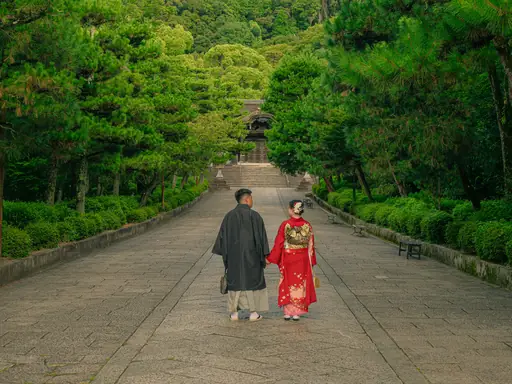
Discover
Best couple vacation destinations in Asia
Asia is perfect for couples who want their holiday to feel like a shared adventure rather than just a change of scenery. Few continents offer so many ways to be amazed together.…
Read more
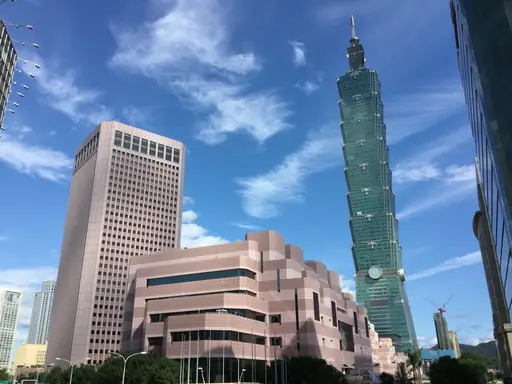
Discover
Best destinations for first-time travelers in Asia
Asia has one of the best established beginner travel routes anywhere, largely because so many first time travelers have worn the path before you. Southeast Asia in particular…
Read more

Discover
Amazing wildlife encounters and natural habitats
Wildlife encounters of real quality are becoming rarer and finding them requires more intention than it once did. The destinations that still offer genuine, undisturbed wildlife in…
Read more
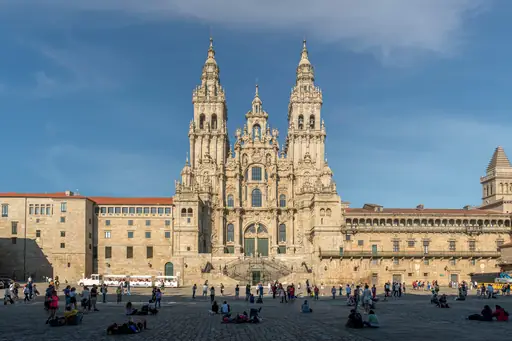
Discover
Pilgrimage destinations and sacred sites
Pilgrimage travel is among the oldest forms of purposeful journey, with sacred routes, shrine destinations and holy cities drawing millions of travellers annually across every…
Read more
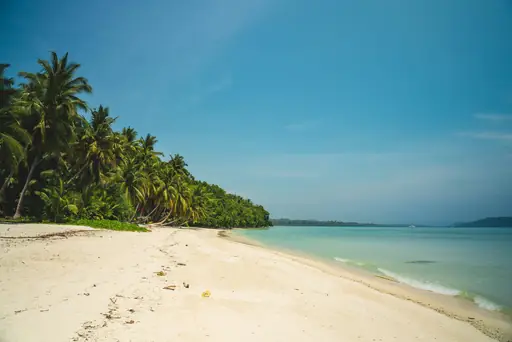
Discover
Asia's best beach destinations and coastal escapes
Asia's beaches range from some of the most visited in the world to stretches of coast that see almost no tourism at all. The region has enough variety that generalisations don't…
Read more

Discover
Most beautiful gardens and parks worldwide
Some places are worth visiting just to stand still for a while. Gardens and parks don't always make it onto the classic travel itineraries, but they're often where a city's…
Read more

Discover
Top religious sites and sacred destinations
For a lot of people, visiting a famous religious site is one of the most memorable parts of a trip, whether they are believers or just curious about how other people live and pray.…
Read more

Discover
Best travel destinations for seniors
Senior travel covers a wide range, from slow, low effort trips built around comfort to more independent trips for travellers who still want to cover plenty of ground. Some…
Read more
Discover
Top volunteering destinations and ethical travel programmes
The best volunteer travel destinations are the ones where the programme actually meets a need the community has identified, rather than one built mainly around the experience for…
Read more
Discover
Top birdwatching destinations and avian hotspots
Birdwatching has a way of changing how you travel. Once you start paying attention to what's flying, perching and calling overhead, a destination opens up in ways that a standard…
Read more

Discover
Top digital nomad destinations and remote work hubs in Asia
Asia has quietly become one of the most popular continents for remote work, and it is easy to see why once you look past the obvious hubs. Some remote workers gravitate toward…
Read more
What other users say about travelfilters
“travelfilters made it easy for me to find ski areas and compare what else they offer, so that I could find the best place for my personal travel style.”

Chris
Snowboarding & Onsen trip to Japan
“I love how transparent the data feels. There is no pushy upsell, just honest information and settings I can tune to my own travel style.”

Maria
After booking her 2027 winter escape
“The level of detail for each destination and how well those are displayed, make planning feel confident instead of overwhelming.”

Mina
Planned a week in New York City
“We used travelfilters for our planning from start to end. The trip turned out even better than expected, thanks to all their tools and customisation options.”

Allan & Etienne
Trip to Japan to see autumn foliage
“Thanks to travelfilters, I found some hidden gems to see. Being able to filter for exactly your interests is a game changer for my travel planning.”

Michael
Tour through the old cities of Northern Italy
“The customizable filters helped me find a quiet beach town with good wifi and low season crowds in under five minutes.”

Diego
Weekend Escape to Llanes, Spain
“The airport connection map saved me hours by showing good flight options from my home airport to lesser-known cities.”

Nguyen
Planning a 2027 trip to France
“The website is clean, fast and focused on the search itself, which makes travelfilters feel more like a professional tool than an ad-heavy booking site.”

Hassan
Christmas Market trip, Germany
