
Last update: 20 Oct 2026
* We earn a commission from some links on this page.
Indonesia Summary
These place ratings give you a quick overview of how well a destination matches different types of trips.
‘Best for’ scores:
The specific interest scores show where this place really shines – whether it's ideal for hiking, food & drink experiences, museums or other activities. These highlights help you understand what makes the destination special at a glance.
‘Your personal’ scores:
This reflects how well a place matches your personal preferences. You can adjust the importances of travel topics or other personal requirements categories in your account settings.
‘Suited for’ badges:
These give you a quick overview of how well a destination suits specific types of travellers, to help you find the places that match your lifestyle, preferences or travel situation.
Suited for
Indonesia – Quick facts
| Power Grid: |
230 V, 50 Hz Plug: Type C , Type F
Type C:
  Read about power adapters |
|---|---|
| Currency: |
Indonesian Rupiah (IDR) £1 ≈ IDR 24,141.20 |
| Cashless info: |
Rating 4/5
Cashless payments are becoming more common in urban areas of Indonesia, particularly in larger cities. Credit cards and mobile payment apps like GoPay and OVO are widely accepted in many establishments.
Save with a travel credit card |
| eSIM providers: |
Best value: Saily Flexibility: Airalo Read our in-depth comparison |
| Tipping: | Tipping is appreciated but not mandatory in Indonesia. A 5-10% tip is common in restaurants, and taxi drivers may expect small tips for good service. |
|---|---|
| Public drinking: | Public drinking is not commonly seen in Indonesia. Alcohol is consumed mainly in licensed establishments such as bars, restaurants, and hotels. |
| Public smoking: | Smoking is prohibited in many indoor public spaces, including restaurants, shopping centres, and public transport. |
| Independence Day (17 August) |
A national holiday with celebrations and ceremonies |
|---|---|
| Nyepi (March/April) |
The Balinese Day of Silence, celebrated with unique rituals and festivities |
| Emergency contact: | Emergency Number: 112 |
|---|---|
| Taxi apps: | GoJek, Grab |
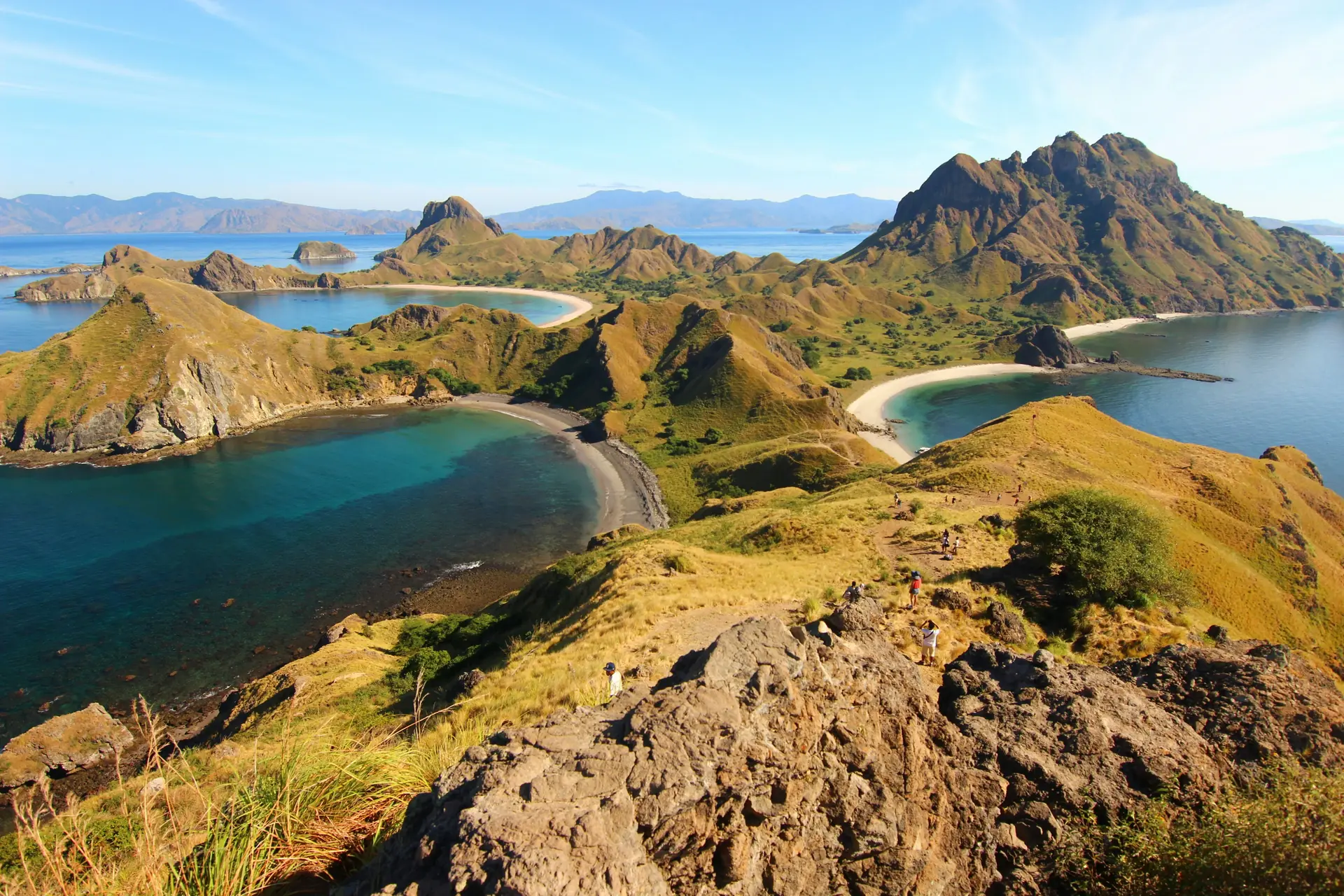
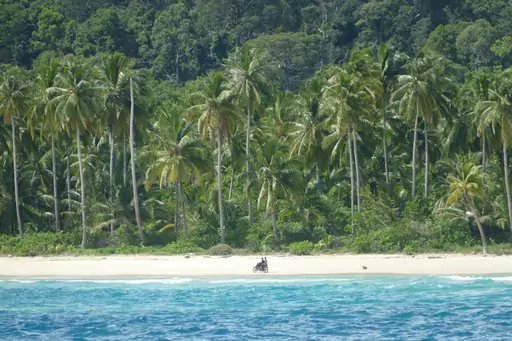
| Other: | Indonesia is known for its stunning natural landscapes, including beaches, volcanoes, and jungles. It is a great destination for nature lovers and adventure seekers. |
Best times to travel
The best times to travel section shows how the months compare for a visit, so you can find the time of year that fits what you want to do.
Background colours of the months:
The colour shows the typical temperature: yellow (hot), green (mild) and blue (cold). How strong the colour is shows the travel season: full colour means high season, soft colour means shoulder season and soft-striped means off season.
Weather symbols:
Each month has one symbol showing what the weather is typically like, such as hot and sunny, freezing or a rainy or snowy season. Use them to quickly spot months that match the weather you want, or to avoid the ones that don't.
Crowdedness:
The people icon shows how busy the place usually is. The more people, the more crowded it gets.
Additional notes:
The grey info boxes point out special things worth knowing, like recurring weather issues or seasonal events.
for Indonesia, Indonesia
Climate and season vary by region: Java, Bali and Lombok best April to October, Maluku and parts of Sulawesi have the opposite pattern, Sumatra and Kalimantan are wet most of the year
Ramadan: daytime food options limited in Muslim-majority areas, Eid al-Fitr brings mass domestic travel and many closures
Komodo and Raja Ampat diving best April to November and October to April respectively
Don't miss
- 🌋 Watch the sunrise over Mount Bromo’s smoking crater
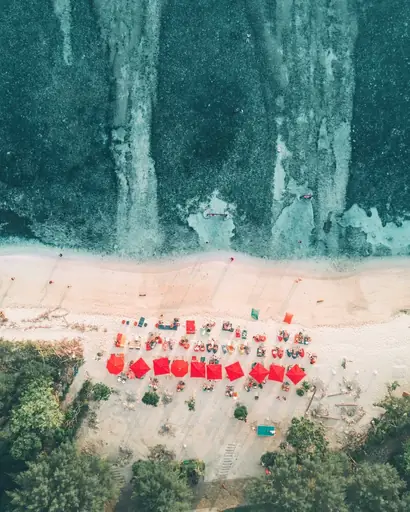
- 🏄♀️ Relax on Bali’s white-sand beaches and surf perfect waves
- 🐠 Snorkel with manta rays around Nusa Penida
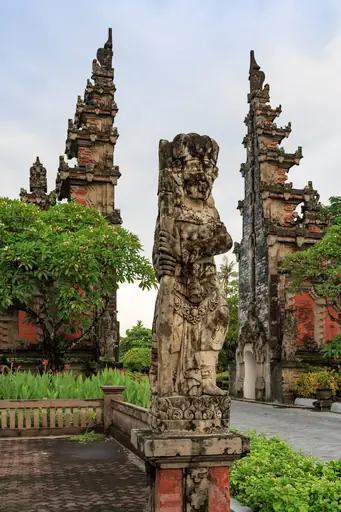
- 🛕 Explore the ancient temples of Borobudur at dawn
- 🐉 Visit the Komodo Islands and encounter giant dragons
- 🌾 Trek through lush rice terraces in Ubud
You've been here?
Log in to manage your own bucket list! Why travel to Indonesia?
Indonesia has variety on a huge scale. Java is the cultural heart, with Jakarta, the Hindu and Buddhist monuments of Borobudur and Prambanan and the royal city of Yogyakarta. Bali is the best known island, with surf beaches, rice terraces, temples and a busy food and nightlife scene. Komodo National Park is home to the Komodo dragon, the world's largest living reptile. Lombok and the Gili Islands have beaches and diving. Indonesia has ten UNESCO World Heritage properties. They include Borobudur, Prambanan, Komodo National Park, the Bali rice terrace landscape known as the subak system, the Cosmological Axis of Yogyakarta and the rainforests of Sumatra. Beyond these are volcano treks, orangutan forests in Sumatra and Borneo and reefs rich in marine life. Indonesia needs planning. Distances are large, flights are the best way between islands and weather changes by region. The rainy season usually runs from October to March in much of the country, while eastern Indonesia is wettest from April to August. Wildfire haze can affect air quality in the dry season. Allow two weeks for Bali plus one or two islands and longer for remote areas. Respect temple and dress rules and take care with alcohol quality.
🏙️Cities & Regions
-
1
Bali
Sprawling volcanic islands offer lush rice terraces, ancient temples and vibrant arts scenes. The archipelago features world‑class surf spots, pristine beaches and a mix of traditional ceremonies alongside modern resorts and bustling night markets that showcase local cuisine. -
2
Ubud
A cultural heartland where terraced rice paddies meet ancient temples and vibrant arts scenes. Visitors find yoga retreats, traditional markets and lush forests offering hiking, cycling and meditation in a serene tropical setting and spiritual atmosphere. -
3
Jakarta
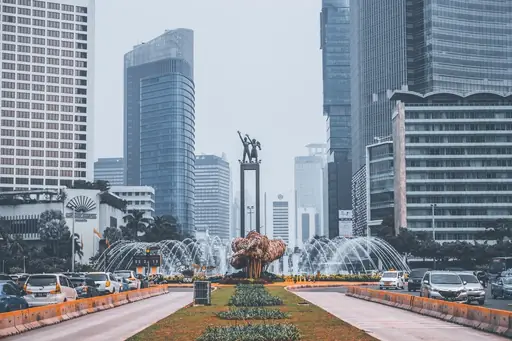
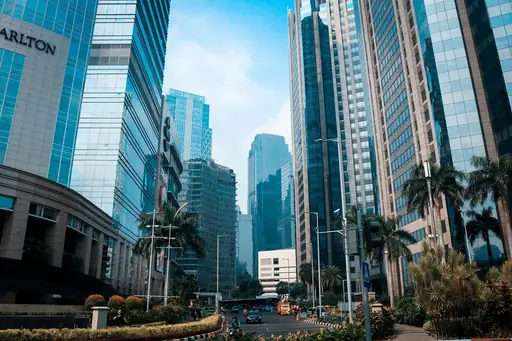
A bustling metropolis where colonial architecture meets modern skyscrapers, Jakarta offers vibrant street markets, historic forts and a gateway to Indonesia’s cultural diversity. The city’s riverside promenade, diverse cuisine and extensive public transport make it an essential urban hub. -
4
Yogyakarta
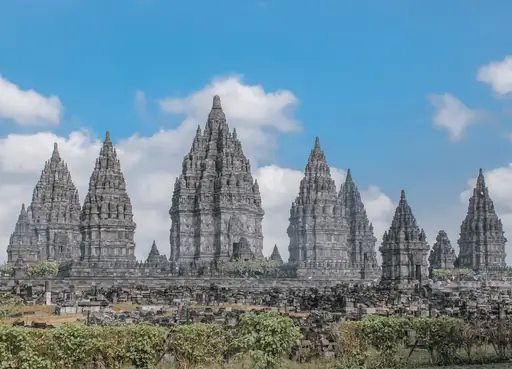
Known for its vibrant culture and historic temples, this city offers a blend of traditional Javanese architecture and modern amenities. Highlights include Borobudur, Prambanan and bustling markets that showcase local crafts, cuisine and souvenirs. -
5
Lombok
A dry, sunny island off the coast of Bali with consistent trade winds and beaches that stay warm year-round. The landscape is more desert than tropical, with cactus-covered terrain and dramatic rock formations along the northern coast. -
6
Gili Trawangan
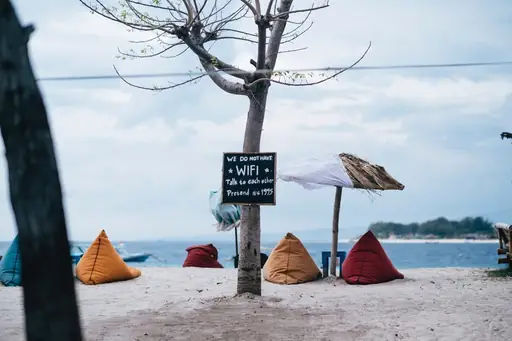
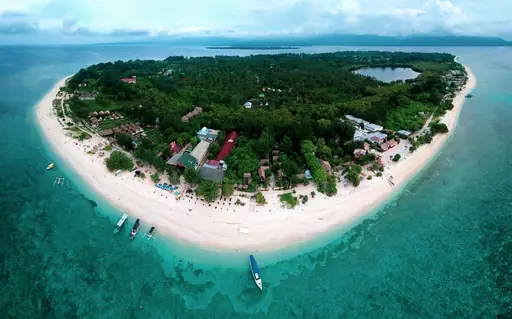
A tropical paradise off Lombok's coast, Gili Trawangan features white-sand beaches and calm waters. This car-free island offers vibrant nightlife, diving spots and a relaxed atmosphere that attracts travelers seeking sun, sea and a unique cultural experience in Indonesia. -
7
Denpasar
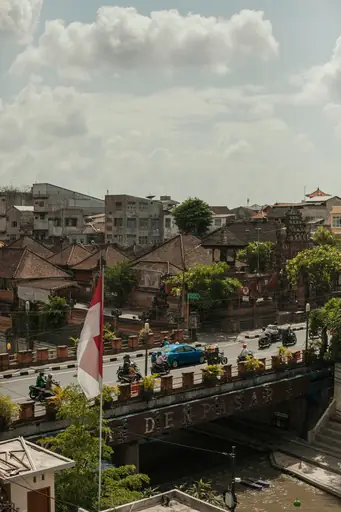
A vibrant hub on Bali’s southern coast, Denpasar offers a mix of traditional markets, colonial architecture and modern amenities. The city serves as the main gateway to nearby beaches, cultural sites and the island’s bustling nightlife. -
8
Nusa Dua
An island off Bali's southern coast, Nusa Dua offers pristine white-sand beaches and luxury resorts. The area features well-maintained promenades, golf courses and a calm marine environment ideal for snorkeling and family‑friendly activities and. -
9
Seminyak
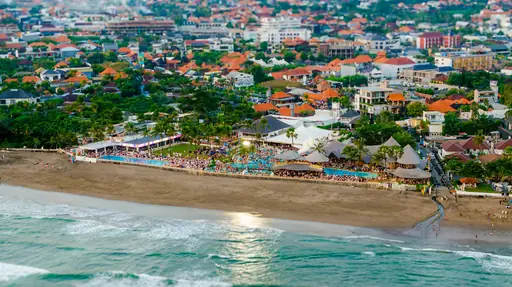
A former oil refinery turned eco‑resort, this coastal enclave offers quiet beaches, lush mangroves and a relaxed atmosphere. Visitors can explore nearby coral reefs, enjoy fresh seafood or unwind in boutique accommodations overlooking the Indian Ocean. -
10
Komodo National Park
A dry, sunny island off the coast of Indonesia with consistent trade winds and beaches that stay warm year-round. The landscape is more desert than tropical, with cactus-covered terrain and dramatic rock formations along the northern coast.
🏯Places worth seeing
🎡Places for activities
🏞️Natural landmarks
🛍️Shopping
🎈Events
-
Nyepi (Balinese New Year, March 29, 2025)
-
Jember Fashion Carnival (January 15, 2025)
-
Baliem Valley Festival (August 7-9, 2025)
-
Sekaten (September 23, 2025)
-
Lampung Krakatau Festival (August 21-25, 2025)
-
Yadnya Kasada (July 6-7, 2025)
-
Rambu Solo Ceremony (December 2024-January 2025)
-
Waisak (May 2025)
-
Galungan (May 2025)
-
Independence Day (August 17, 2025)
Popular travel destinations in Indonesia


Knowledge before you go
- Complete the free All Indonesia declaration online within 72 hours before arrival.
- Use only licensed money changers with the Bank of Indonesia logo and watch for card fraud at ATMs.
- Get an International Driving Permit before you travel because a UK licence isn't valid here.
- Dress modestly and use a sash or sarong at temples, especially when you visit during religious ceremonies.
How to travel to Indonesia
Most international visitors arrive by air at Denpasar Ngurah Rai Airport in Bali or Jakarta Soekarno-Hatta International Airport. Both have flights from Asia, Australia, the Gulf and Europe. Bali's airport closes for a day during Nyepi, the Balinese New Year. Flooding can affect the toll road to Jakarta's airport. Other airports on Java, Sumatra and Lombok also receive international flights. By sea, ferries link Indonesia with Singapore, Malaysia and nearby islands. By land, it shares borders with Malaysia on Borneo, Papua New Guinea and Timor-Leste. Check border rules before planning an overland route. Many nationalities can get a 30-day visa on arrival for IDR 500,000 (£20.82) with proof of onward travel. You can also apply for an e-VOA online at least a week before. Complete the free All Indonesia declaration within 72 hours of arrival. Your passport should be valid for six months with two blank pages. Foreign visitors to Bali also pay a tourist levy of IDR 150,000 (£6.25).
Access summary
- Bali: Fly to Ngurah Rai (DPS) from Asia-Pacific, Middle East, Europe.
- Jakarta/Java: Fly to Soekarno-Hatta (CGK), main international gateway for Indonesia.
- Komodo/Labuan Bajo, Lombok, other isles: Connect via domestic flights from CGK/DPS. Garuda Indonesia hub airline, SkyTeam member.
Check your route from anywhere
Where to stay in Indonesia
Bali has the widest choice, from hostels and homestays to villas, boutique hotels and luxury resorts. Seminyak and Canggu have beach clubs and restaurants. Ubud is among rice fields and temples and suits those who want culture and yoga. Uluwatu has cliff-top villas and surf. Kuta is the busiest and cheapest beach area. On Java, Yogyakarta has guesthouses and hotels near the old city and the Sultan's palace, which makes it the best base for Borobudur and Prambanan. Jakarta has large hotels in the business districts. Lombok and the Gili Islands have beach bungalows and resorts. Labuan Bajo is the main base for Komodo and has hotels, dive centres and boats for liveaboard trips. Staying in private accommodation requires you to register with the local police and hotels do this for you. Book ahead for the dry season from about May to September and for holidays. Check reviews of boat operators and dive centres before you book a package.
Hotel recommendations
*by rating and popularity. Commissions have no influence on the rankings.


How to get around Indonesia
Getting around Indonesia means choosing between planes, ferries and road transport.
Planes and ferries:
Domestic flights link the main islands quickly and are the best way across long distances. Ferries run between nearer islands but safety standards vary, so check for life jackets, avoid overcrowded boats and don't travel at night unless the vessel is well equipped.
Java and cities:
On Java, trains between Jakarta, Yogyakarta and Surabaya are comfortable and scenic. In cities, ride-hailing apps are widely used. If you take a taxi, use a registered company and check the driver's identity. In Bali, many visitors hire a car with a driver by the day, while others hire scooters.
Driving:
A UK licence isn't valid in Indonesia and you need an International Driving Permit. Traffic discipline is poor and motorbike accidents are common in Bali, so wear a good helmet. After an accident, wait for the police at the scene. Allow extra time for travel because traffic in Jakarta is heavy and flooding can block roads.
Food in Indonesia
Indonesian food is rich, spicy and varied. Nasi goreng (fried rice with an egg) and mie goreng (fried noodles) are everyday staples. Satay is grilled skewered meat with peanut sauce and gado-gado is a vegetable salad with peanut dressing. Rendang is slow-cooked beef in coconut and spices and comes from Sumatra. In Bali, babi guling is roast suckling pig and bebek betutu is slow-cooked duck.
Warungs, which are small family restaurants, give the best value and local food. Fresh tropical fruit, coconut water and strong coffee are everywhere. Tempeh and tofu make vegetarian eating easy.
Alcohol is available in tourist areas but methanol poisoning from counterfeit drinks has caused deaths. Stick to reputable venues and bottled brands. Tap water isn't safe to drink. Drink spiking is reported in Bali, Lombok and the Gilis, so watch your glass. Muslim-majority areas are quieter during Ramadan.
Budget snapshot
Costs compared to home
We calculate the average costs when travelling to destinations and compare those with the living costs at your home. With this you can get an estimate of how expensive or cheap the destination is for you.
To customise this, you can set up which location and price level are used for the calculations in your account settings.
Daily expenses in Indonesia are around 73% lower than the average across United States. That means you'll spend a lot less on meals and getting around.
Exchange rate trend
The exchange rate price factor shows how expensive or cheap a currency currently is compared to its historical average. It's a quick way to see if a country is currently more or less affordable due to exchange rate changes.
Your exchange rate (GBP to IDR) is 20% better than in recent years. That means travelling now is considerably cheaper compared to the past.
Travel costs
To help you plan your trip, we provide estimated daily costs per person (when travelling as a pair) for different travel styles. These numbers give you an idea of what you might spend each day at this destination, including accommodation, food, transport and activities.
Additionally, we also provide average hotel costs for different travel styles to give you an estimate for the accommodation only.
Please note that these are only estimates. The real costs depend on booking times, season and other factors.
Daily cost summary
Travel style categories explained:
Backpacker:
Staying in hostels or budget hotels, cooking your own meals or eating cheap and choosing low-cost activities.
Mid-range:
Staying in mid-range hotels, eating at a mix of restaurants and casual spots and enjoying a variety of activities.
Luxury:
Staying in luxury hotels, dining out at high-end restaurants and enjoying premium experiences without worrying about the price.
| Backpacker | Mid-range | Luxury | |
|---|---|---|---|
| 💵 Total costs per day, including accommodation | |||
| 🏨 Accommodation per night, per person | |||
| 🍝 Food per day | |||
| 🚕 Transportation per day |
Food & Drink
| 🍽️ Restaurant Dinner, per person | |
|---|---|
| 🍛 Lunch Set, per person | |
| 🍟 Fast food combo | |
| 🍝 Preparing your own food, per day | |
| ☕ Cappuccino | |
| 🍺 Beer in a restaurant, 0.5 l |
Transportation
| 🚌 Public transport ticket | |
|---|---|
| 🚕 Taxi Ride, 10 km / 6 mi | |
| ⛽ Petrol, 1 l |
Other
| 🎞️ Cinema ticket | |
|---|---|
| 👩⚕️ Doctor's consult | |
| 🤧 Cold medication | |
| 💇 Basic haircut |
Safety information overview
General safety
Indonesia is generally welcoming but has risks. Bag snatching and card fraud occur in tourist areas, drink spiking and counterfeit alcohol have caused harm. Motorbike accidents are common. Volcanoes, earthquakes and floods can strike. Drug penalties are severe. Terrorism is a risk.
Health & Medical
Care is good in private hospitals in Jakarta and Bali but poor in remote areas. Dengue, malaria and rabies occur and haze can affect air quality in the dry season. Insurance with evacuation cover is essential. Call 118 for an ambulance.
Accessibility
Accessibility is limited. Pavements are narrow, broken or blocked. Temples, volcano paths and boats have steps. Newer airports, malls and big hotels have lifts and ramps. Travellers with reduced mobility should travel by private car with a driver and choose sights with care.
Tap water
Tap water isn't safe to drink in Indonesia. Use sealed bottled water or filtered water for drinking and brushing teeth. Avoid ice from street stalls and choose busy restaurants. Bottled water is cheap and sold everywhere including small towns.
Packing recommendations for Indonesia
Log in to add this place to a travel list and get a summary of all recommended items for your whole trip.
📷
Camera
👟
Comfortable walking shoes
🌞
Sun cream
🚰
Reusable water bottle
👕
Light, breathable clothing
🧥
Waterproof jacket
☂️
Folding umbrella
🪰
Insect repellent
🩱
Swimwear
🧕
Modest clothing covering shoulders and knees
for temple visits
🔋
Power bank
🩹
Basic first aid kit
📃
Travel insurance
🪪
Copies of passport and important documents
📱
Travel eSIM
🔌
Universal travel adaptor
🩺
Prescription medicines
💳
Credit card with no foreign transaction fees
🛂
Passport

Related articles & guides for Indonesia



Nearby recommended places


Looking for inspiration?

Discover
Best couple holiday destinations
Travelling as a couple sounds simple enough, yet the best couple holiday destinations mean something different to almost every pair. What feels romantic to one couple can feel like…
Read more

Discover
Best destinations for first-time travellers
A first trip abroad works best somewhere that eases you in, rather than throwing every possible culture shock and logistical headache at you at once. Some first-time travellers…
Read more

Discover
Top island destinations and tropical getaways
Island travel offers a self-contained quality that few other destination types match, with defined geography, distinct local culture and the particular atmosphere that comes from…
Read more

Discover
Top digital nomad destinations and remote work hubs in 2026
Working from anywhere in the world sounds simple until you actually try it and the best digital nomad destinations look different depending on what kind of remote worker you are.…
Read more
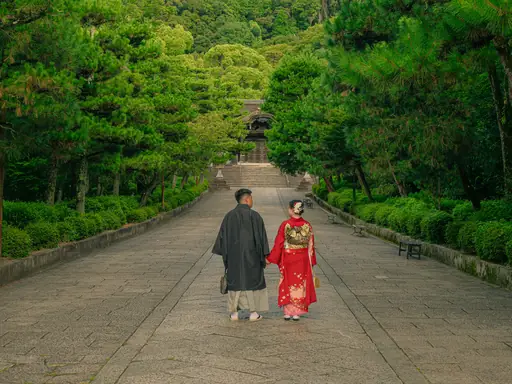
Discover
Best couple vacation destinations in Asia
Asia is perfect for couples who want their holiday to feel like a shared adventure rather than just a change of scenery. Few continents offer so many ways to be amazed together.…
Read more

Discover
Best travel destinations for seniors
Senior travel covers a wide range, from slow, low effort trips built around comfort to more independent trips for travellers who still want to cover plenty of ground. Some…
Read more
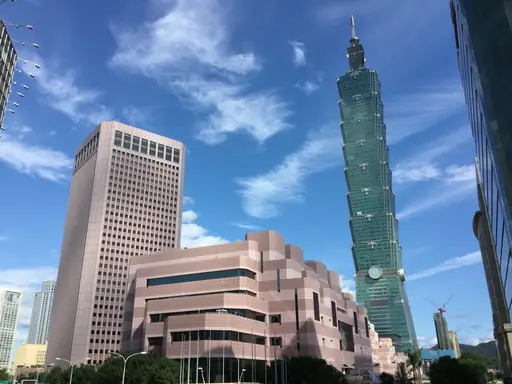
Discover
Best destinations for first-time travelers in Asia
Asia has one of the best established beginner travel routes anywhere, largely because so many first time travelers have worn the path before you. Southeast Asia in particular…
Read more

Discover
Top street food cities and local culinary markets
The best street food destinations treat the cart, stall or hawker counter as a serious culinary format rather than a budget substitute for a real meal. In cities with strong street…
Read more
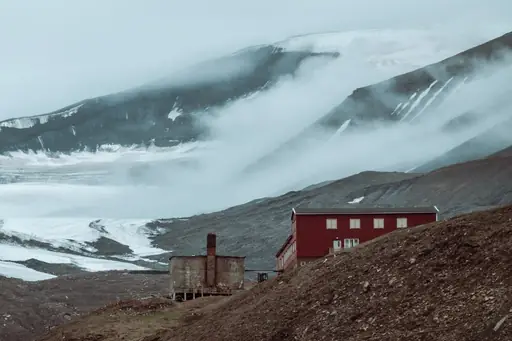
Discover
Top rural retreat destinations and countryside getaways
Rural retreat travel is defined by the deliberate removal from urban pace and density, with landscape immersion, slower rhythms and direct engagement with food, nature and local…
Read more
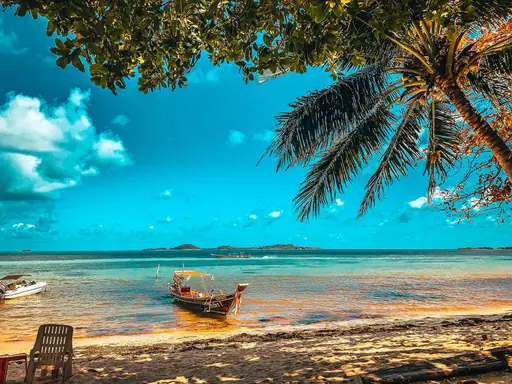
Discover
Best island getaway destinations in Asia
Asia's island destinations span an extraordinary range, from the densely developed resort islands of Southeast Asia and the volcanic archipelagos of the Pacific rim to the remote…
Read more

Discover
Top digital nomad destinations and remote work hubs in Asia
Asia has quietly become one of the most popular continents for remote work, and it is easy to see why once you look past the obvious hubs. Some remote workers gravitate toward…
Read more
Discover
Extraordinary natural wonders and scenic landscapes
Natural wonders occupy a different category from other travel destinations. They are places where the scale, the geology, the light or the sheer improbability of what exists there…
Read more

Discover
Most beautiful beaches and coastal escapes
For a lot of people, a beach is the whole point of a holiday, but what makes a beach day perfect really depends on personal taste. Some travellers want isolation and the feeling…
Read more
Discover
Top adventure destinations and outdoor activities
Adventure travel covers an enormous range of activities and risk tolerances, from multi-day wilderness trekking and white water rafting to technical climbing, polar expeditions and…
Read more
Discover
Top traditional destinations and cultural heritage sites
Traditional destinations are those where cultural practices, craftsmanship, ceremony and ways of life that predate industrialisation and mass tourism remain visible and active…
Read more
What other users say about travelfilters
“travelfilters made it easy for me to find ski areas and compare what else they offer, so that I could find the best place for my personal travel style.”

Chris
Snowboarding & Onsen trip to Japan
“I love how transparent the data feels. There is no pushy upsell, just honest information and settings I can tune to my own travel style.”

Maria
After booking her 2027 winter escape
“The level of detail for each destination and how well those are displayed, make planning feel confident instead of overwhelming.”

Mina
Planned a week in New York City
“We used travelfilters for our planning from start to end. The trip turned out even better than expected, thanks to all their tools and customisation options.”

Allan & Etienne
Trip to Japan to see autumn foliage
“Thanks to travelfilters, I found some hidden gems to see. Being able to filter for exactly your interests is a game changer for my travel planning.”

Michael
Tour through the old cities of Northern Italy
“The customizable filters helped me find a quiet beach town with good wifi and low season crowds in under five minutes.”

Diego
Weekend Escape to Llanes, Spain
“The airport connection map saved me hours by showing good flight options from my home airport to lesser-known cities.”

Nguyen
Planning a 2027 trip to France
“The website is clean, fast and focused on the search itself, which makes travelfilters feel more like a professional tool than an ad-heavy booking site.”

Hassan
Christmas Market trip, Germany
