
Last update: 12 Oct 2026
* We earn a commission from some links on this page.
South Korea Summary
These place ratings give you a quick overview of how well a destination matches different types of trips.
‘Best for’ scores:
The specific interest scores show where this place really shines – whether it's ideal for hiking, food & drink experiences, museums or other activities. These highlights help you understand what makes the destination special at a glance.
‘Your personal’ scores:
This reflects how well a place matches your personal preferences. You can adjust the importances of travel topics or other personal requirements categories in your account settings.
‘Suited for’ badges:
These give you a quick overview of how well a destination suits specific types of travellers, to help you find the places that match your lifestyle, preferences or travel situation.
Suited for
South Korea – Quick facts
| Power Grid: |
220 V, 60 Hz Plug: Type C , Type F
Type C:
  Read about power adapters |
|---|---|
| Currency: |
South Korean Won (KRW) £1 ≈ ₩1,788 |
| Cashless info: |
Rating 5/5
Cashless payments are widely accepted in South Korea. Credit cards are commonly used in most establishments, including smaller businesses.
Save with a travel credit card |
| eSIM providers: |
Best value: Saily Flexibility: Airalo Read our in-depth comparison |
| Tipping: | Tipping is not customary in South Korea. However, small tips are appreciated in hotels and for exceptional service. |
|---|---|
| Public drinking: | Public drinking is allowed in South Korea, though drinking in public spaces like parks and streets may attract attention. Alcohol is also served in many convenience stores. |
| Public smoking: | Smoking is prohibited in indoor public spaces, but designated smoking areas are available in some outdoor locations. |
| Seollal (January/February) |
Celebrated in January or February with family gatherings |
|---|---|
| Chuseok (September/October) |
Celebrated in September or October |
| Emergency contact: | Emergency Numbers: 112 (Police), 119 (Fire, Ambulance) |
|---|---|
| Taxi apps: | Kakao T, T Map Taxi |
| Other: | South Korea offers a blend of traditional culture and modern technology, with historical sites, vibrant cities, and stunning landscapes. |
Best times to travel
The best times to travel section shows how the months compare for a visit, so you can find the time of year that fits what you want to do.
Background colours of the months:
The colour shows the typical temperature: yellow (hot), green (mild) and blue (cold). How strong the colour is shows the travel season: full colour means high season, soft colour means shoulder season and soft-striped means off season.
Weather symbols:
Each month has one symbol showing what the weather is typically like, such as hot and sunny, freezing or a rainy or snowy season. Use them to quickly spot months that match the weather you want, or to avoid the ones that don't.
Crowdedness:
The people icon shows how busy the place usually is. The more people, the more crowded it gets.
Additional notes:
The grey info boxes point out special things worth knowing, like recurring weather issues or seasonal events.
for South Korea, South Korea
Climate and season vary by region: spring and autumn best for sightseeing and hiking, Gangwon mountains for skiing December to March, Busan and the east coast beaches for swimming July to August, Jeju best April to June and September to October
Rainy season (jangma) late June to late July, typhoon risk August to September, mainly affecting the south coast and Jeju
Seollal (Lunar New Year) and Chuseok: many shops and restaurants closed, trains and domestic flights sold out for several days
Don't miss
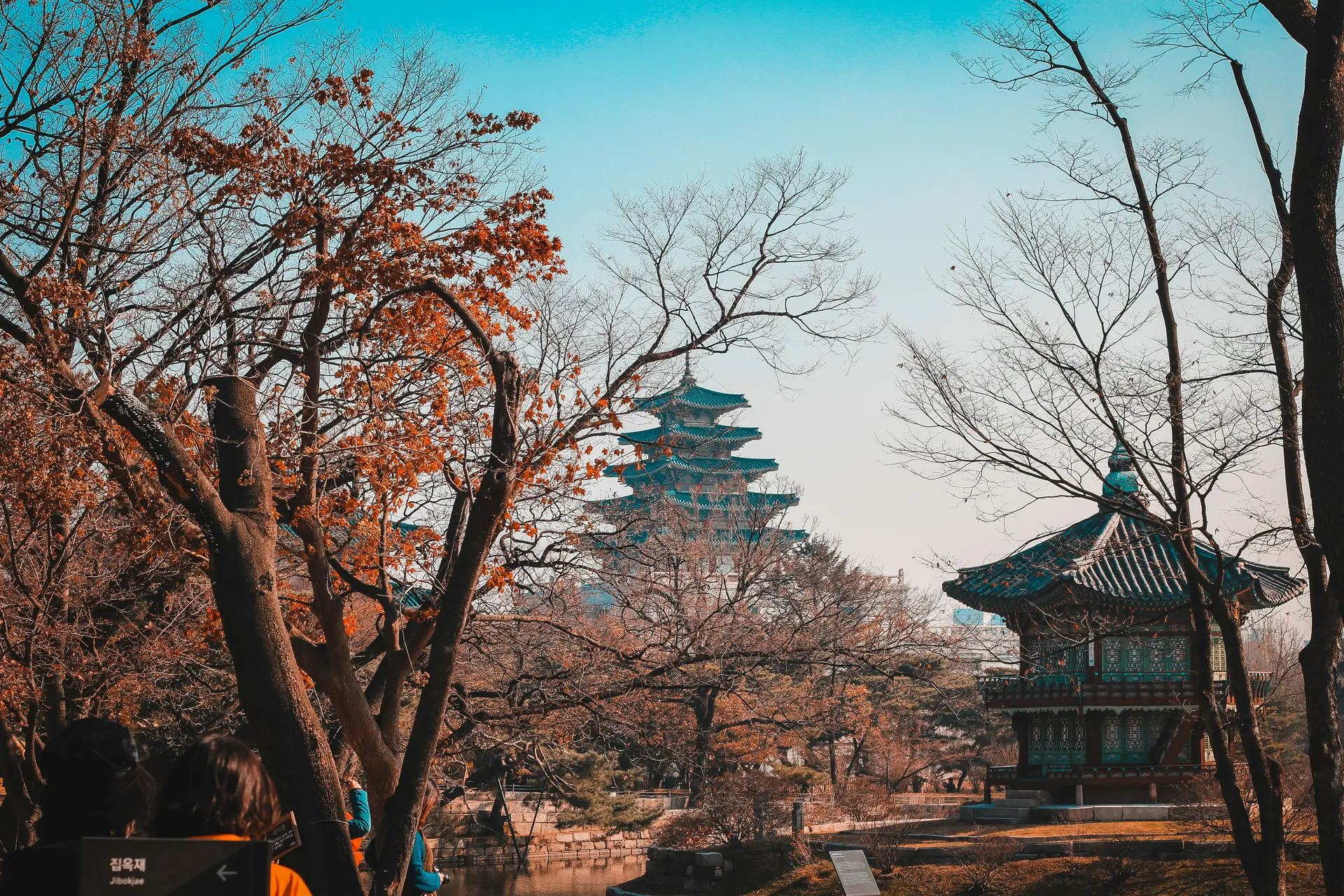
- 🏯 Visit the historical Gyeongbokgung Palace in Seoul
- 🌇 Climb N Seoul Tower for panoramic city views
- 🛍️ Explore vibrant Myeongdong shopping and street food
- 🥾 Hike trails in Bukhansan National Park near Seoul
- 🏘️ Tour the traditional Bukchon Hanok Village
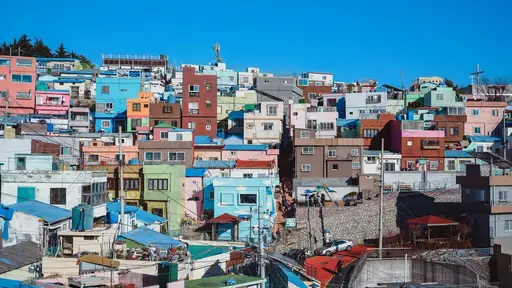
- 🎨 Discover the artistic Gamcheon Culture Village in Busan
You've been here?
Log in to manage your own bucket list! Why travel to South Korea?
South Korea's appeal lies in its remarkable diversity of experiences. History buffs will be mesmerized by UNESCO World Heritage sites like Gyeongbokgung Palace and Bulguksa Temple, while nature lovers can explore spectacular national parks such as Seoraksan with its mountain peaks and scenic hiking trails. The country's rich cultural heritage is evident in traditional performances, temple stays and the opportunity to try on hanbok (traditional clothing). And let's not forget the food scene – from sizzling Korean BBQ to street food markets, the cuisine alone is worth the journey. However, travelers should be aware of certain challenges. Political demonstrations occasionally occur in Seoul, particularly around the National Assembly. While crime rates are generally low, women should exercise caution in nightlife areas like Itaewon and Hongdae. Language barriers can be significant outside major tourist areas and some visitors find the reconstructed historical sites less authentic than expected. The summer monsoon season (June-August) brings heavy rainfall, while winter can be quite cold with temperatures dropping below freezing.
🏙️Cities & Regions
-
1
Seoul
A dynamic metropolis where cutting‑edge technology meets centuries of tradition. From historic palaces and bustling markets to modern skyscrapers and vibrant nightlife, the city offers a blend of cultural depth and contemporary energy and innovation. -
2
Busan
South Korea's second-largest city offers a vibrant mix of modern skyscrapers and historic Hanok villages. Its bustling harbor features iconic lighthouses, while nearby islands provide serene beaches and dramatic coastal cliffs perfect for exploration. -
3
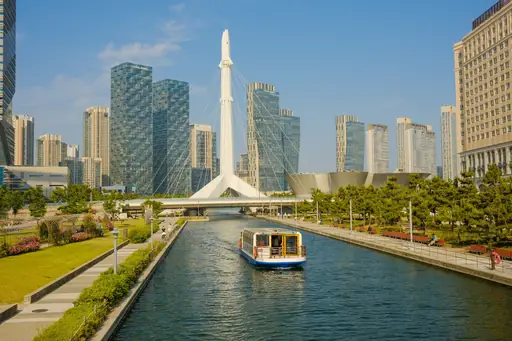
Incheon
A major gateway to South Korea, Incheon offers a mix of modern infrastructure and cultural sites. The city hosts an international airport, a historic Chinatown, the futuristic Songdo district and nearby beaches for quick coastal escapes. -
4
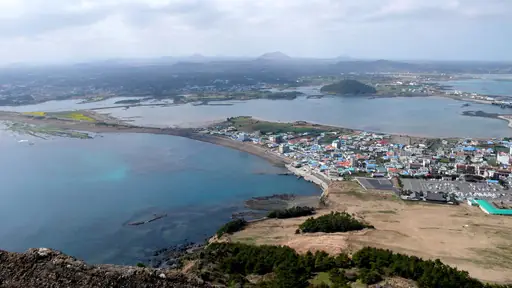
Jeju Island
This volcanic island off South Korea’s southern coast boasts Hallasan’s towering peak and the ethereal Manjanggul lava tube, drawing hikers and history buffs alike. While summer crowds swell, early‑morning trails offer quiet reflection amid lush pine groves. -
5
Gyeongju
Known as Korea’s ancient capital, Gyeongju preserves royal tombs, Buddhist temples and historic murals across its plains. The city offers a blend of archaeological sites, traditional markets and scenic river walks that showcase the nation’s heritage. -
6
Jeonju
This South Korean culinary hub rivals Seoul's buzz but offers a relaxed, historic atmosphere centered on Hanok alleys and savory bibimbap. Visitors should explore the night market for authentic street food while avoiding peak weekend crowds to enjoy the quiet streets.
🏯Places worth seeing
-
1
Changdeokgung Palace
This historic royal palace features beautiful gardens, traditional architecture and serene courtyards. It offers a peaceful escape from the bustling city, showcasing centuries of Korean heritage and stunning seasonal landscapes. -
2
Gyeongbokgung Palace
This historic palace complex features traditional architecture and serene gardens within a bustling city center. It offers cultural depth away from crowded tourist spots, providing quiet contemplation amidst Seoul's vibrant energy and historical significance. -
3
N Seoul Tower
Perched on Namsan Mountain, this observation tower offers panoramic views of Seoul’s skyline and historic sites. Visitors can enjoy restaurants, a digital observatory, seasonal light displays, year‑round attractions for tourists. -
4
Bulguksa Temple
-
5
Seokguram Grotto
-
6
Bukchon Hanok Village
-
7
N Seoul Tower Gift Shop
-
8
DMZ Peace Culture Square
-
9
Haeundae Beach
-
10
Gamcheon Culture Village.
🎡Places for activities
🏞️Natural landmarks
🛍️Shopping
-
1
Insadong Cultural Street
One of Seoul's historic cultural hubs, Insadong features traditional hanok houses and antique shops near Bukchon Palace. While often crowded with tourists seeking souvenirs, venture deeper to find quiet tea houses offering authentic calm away from the main thoroughfare. -
2
Lotte Department Store
-
3
Dongdaemun Market
-
4
Gwangjang Market
-
5
Myeongdong Shopping Street
-
6
COEX Mall
-
7
Hoenam-myeon Green Market
-
8
Shinsegae Department Store
-
9
Hongdae Shopping Street
-
10
Gangnam Station Underground Shopping Center
🎈Events
-
Seoul Lantern Festival
-
Busan International Film Festival
-
Jinhae Cherry Blossom Festival
-
Boryeong Mud Festival
-
Seoul International Fireworks Festival
-
Jeju Fire Festival
-
Andong Mask Dance Festival
-
Jinju Lantern Festival
-
Lotus Lantern Festival
-
Hwacheon Sancheoneo Ice Festival
Popular travel destinations in South Korea

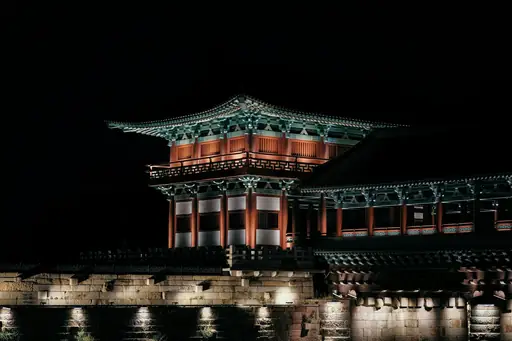
Knowledge before you go
- Carry a transit card; subways and buses are fast.
- Install Naver Map or KakaoMap; some global map apps can be less reliable for navigation.
- Bring a translation app; outside major districts, English signage and menus may be limited.
- Book popular experiences early (like coastal capsule trains or seasonal events); same-day tickets often sell out quickly.
How to travel to South Korea
Most international visitors arrive via Incheon International Airport near Seoul or Gimhae International Airport in Busan. Both airports have excellent connections to city centers via train, bus or taxi. From neighboring countries, ferries connect South Korea with Japan and China. As of March 2025, many nationalities can enter visa-free for short visits, but check current requirements before traveling. The country is well-connected with direct flights from major cities across Asia, North America, Europe and Australia.
Access summary
- Seoul: Fly to Incheon ICN; KTX trains to Busan.
- Jeju Island: Fly to CJU from ICN/GMP; ferries from Busan.
- Busan: Fly to PUS; KTX from Seoul.
Check your route from anywhere
Where to stay in South Korea
South Korea offers accommodations for every budget, from luxury hotels in major cities to traditional hanok guesthouses for a more authentic experience. In Seoul and Busan, international hotel chains provide familiar comforts, while love motels offer quirky but affordable options for budget travelers. For a unique cultural experience, consider temple stays at Buddhist monasteries or traditional hanok guesthouses in historic districts like Bukchon in Seoul. Book well in advance during cherry blossom season (late March to early April) and autumn foliage (October).
Hotel recommendations
*by rating and popularity. Commissions have no influence on the rankings.


How to get around South Korea
South Korea has an excellent public transportation system. In major cities like Seoul and Busan, the subway systems are extensive, efficient and have English signage. Buses connect most areas within cities and between towns, though route information may be limited in English. High-speed KTX trains link major cities quickly and comfortably. For areas not accessible by public transport, taxis are plentiful but drivers may have limited English skills, so having your destination written in Korean is helpful.
Budget snapshot
Costs compared to home
We calculate the average costs when travelling to destinations and compare those with the living costs at your home. With this you can get an estimate of how expensive or cheap the destination is for you.
To customise this, you can set up which location and price level are used for the calculations in your account settings.
Daily expenses in South Korea are around 49% lower than the average across United States. That means you'll spend a lot less on meals and getting around.
Exchange rate trend
The exchange rate price factor shows how expensive or cheap a currency currently is compared to its historical average. It's a quick way to see if a country is currently more or less affordable due to exchange rate changes.
Your exchange rate (GBP to KRW) is 9% better than in recent years. That means travelling now is cheaper compared to the past.
Travel costs
To help you plan your trip, we provide estimated daily costs per person (when travelling as a pair) for different travel styles. These numbers give you an idea of what you might spend each day at this destination, including accommodation, food, transport and activities.
Additionally, we also provide average hotel costs for different travel styles to give you an estimate for the accommodation only.
Please note that these are only estimates. The real costs depend on booking times, season and other factors.
Daily cost summary
Travel style categories explained:
Backpacker:
Staying in hostels or budget hotels, cooking your own meals or eating cheap and choosing low-cost activities.
Mid-range:
Staying in mid-range hotels, eating at a mix of restaurants and casual spots and enjoying a variety of activities.
Luxury:
Staying in luxury hotels, dining out at high-end restaurants and enjoying premium experiences without worrying about the price.
| Backpacker | Mid-range | Luxury | |
|---|---|---|---|
| 💵 Total costs per day, including accommodation | |||
| 🏨 Accommodation per night, per person | |||
| 🍝 Food per day | |||
| 🚕 Transportation per day |
Food & Drink
| 🍽️ Restaurant Dinner, per person | |
|---|---|
| 🍛 Lunch Set, per person | |
| 🍟 Fast food combo | |
| 🍝 Preparing your own food, per day | |
| ☕ Cappuccino | |
| 🍺 Beer in a restaurant, 0.5 l |
Transportation
| 🚌 Public transport ticket | |
|---|---|
| 🚕 Taxi Ride, 10 km / 6 mi | |
| ⛽ Petrol, 1 l |
Other
| 🎞️ Cinema ticket | |
|---|---|
| 👩⚕️ Doctor's consult | |
| 🤧 Cold medication | |
| 💇 Basic haircut |
Safety information overview
General safety
South Korea is generally very safe with low crime rates. Exercise normal precautions in tourist areas. Women should be cautious in nightlife districts like Itaewon and Hongdae. Political demonstrations occasionally occur in Seoul but rarely affect tourists.
Health & Medical
South Korea has excellent healthcare facilities with modern hospitals in major cities. Medical staff at international clinics speak English. Costs can be high for foreigners, so comprehensive travel insurance is recommended. Air pollution can be an issue, particularly in spring.
Accessibility
Major cities have improved accessibility with elevators in newer subway stations and some accommodations for mobility-impaired travelers. However, older areas, temples and rural regions may present challenges with steep hills, stairs and limited facilities.
Tap water
Tap water is technically safe to drink in most areas but has a different taste. Most locals and visitors prefer bottled water, which is inexpensive and widely available. Public drinking fountains can be found in some tourist areas and parks.
Packing recommendations for South Korea
Log in to add this place to a travel list and get a summary of all recommended items for your whole trip.
📷
Camera
👟
Comfortable walking shoes
🌞
Sun cream
🧥
Waterproof jacket
☂️
Folding umbrella
🧼
Hand sanitiser
👛
Cash in small denominations
🧕
Modest clothing covering shoulders and knees
for temple visits
🔋
Power bank
🩹
Basic first aid kit
📃
Travel insurance
🪪
Copies of passport and important documents
📱
Translation app or phrasebook
📱
Travel eSIM
🔌
Universal travel adaptor
Type C/F plugs
🩺
Prescription medicines
💳
Credit card with no foreign transaction fees
🛂
Passport
Related articles & guides for South Korea





Looking for inspiration?

Discover
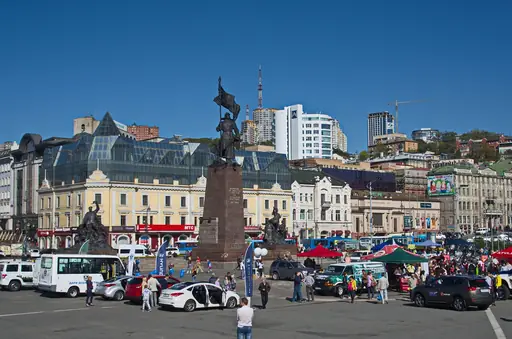
Top digital nomad destinations and remote work hubs in 2026
Working from anywhere in the world sounds simple until you actually try it and the best digital nomad destinations look different depending on what kind of remote worker you are.…
Read more

Discover
Best destinations for first-time travellers
A first trip abroad works best somewhere that eases you in, rather than throwing every possible culture shock and logistical headache at you at once. Some first-time travellers…
Read more

Discover
Best travel destinations for seniors
Senior travel covers a wide range, from slow, low effort trips built around comfort to more independent trips for travellers who still want to cover plenty of ground. Some…
Read more

Discover
Best couple holiday destinations
Travelling as a couple sounds simple enough, yet the best couple holiday destinations mean something different to almost every pair. What feels romantic to one couple can feel like…
Read more

Discover
Top street food cities and local culinary markets
The best street food destinations treat the cart, stall or hawker counter as a serious culinary format rather than a budget substitute for a real meal. In cities with strong street…
Read more
Discover
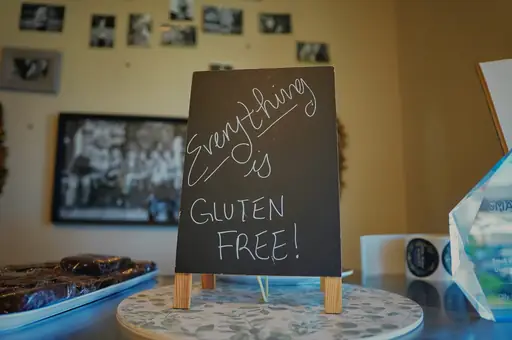
Best travel destinations for food allergies
Travelling with a food allergy adds a layer of planning most people never have to think about and the right destination can make that planning a lot easier. Some travellers…
Read more

Discover
Top historical destinations and historic sites
The most compelling history destinations are places where the past is still physically present and legible in the landscape, the architecture and the daily life of the people who…
Read more
Discover
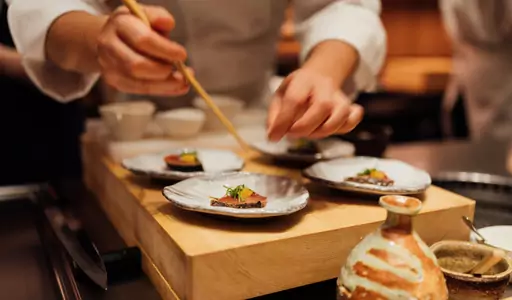
Top food destinations and culinary hotspots
Food travel has matured into a sophisticated circuit built around the world's great culinary traditions, restaurant destinations and producer landscapes that offer experiences…
Read more
Discover
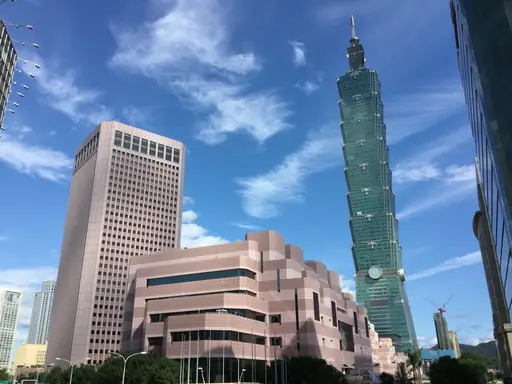
Best destinations for first-time travelers in Asia
Asia has one of the best established beginner travel routes anywhere, largely because so many first time travelers have worn the path before you. Southeast Asia in particular…
Read more
Discover
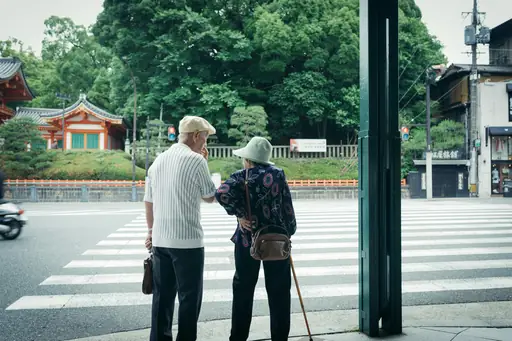
Best travel destinations for seniors in Asia
Asia offers some of the most senior friendly infrastructure anywhere, alongside destinations that still call for a bit more independence and stamina. Japan in particular stands…
Read more
Discover
Top digital nomad destinations and remote work hubs in Asia
Asia has quietly become one of the most popular continents for remote work, and it is easy to see why once you look past the obvious hubs. Some remote workers gravitate toward…
Read more

Discover
Best couple vacation destinations in Asia
Asia is perfect for couples who want their holiday to feel like a shared adventure rather than just a change of scenery. Few continents offer so many ways to be amazed together.…
Read more
Discover
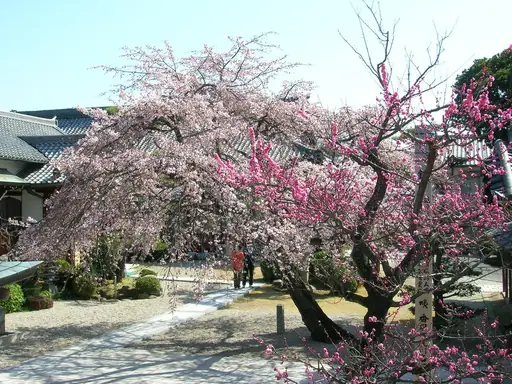
Top cherry blossom destinations and spring blooms
Cherry blossom season is brief and weather-dependent almost everywhere it happens, which is part of why it draws so much dedicated travel. The bloom typically lasts only a week or…
Read more

Discover
Top solo travel destinations and safe hubs
Travelling alone sounds like a bigger deal than it is. The first day feels strange – eating dinner by yourself, navigating without someone to double-check the map with, making…
Read more

Discover
Top theme park destinations and amusement parks
Theme park travel has developed into a sophisticated category of its own, with the world's leading destinations offering multi-day immersive experiences, resort infrastructure and…
Read more
What other users say about travelfilters
“travelfilters made it easy for me to find ski areas and compare what else they offer, so that I could find the best place for my personal travel style.”

Chris
Snowboarding & Onsen trip to Japan
“I love how transparent the data feels. There is no pushy upsell, just honest information and settings I can tune to my own travel style.”

Maria
After booking her 2027 winter escape
“The level of detail for each destination and how well those are displayed, make planning feel confident instead of overwhelming.”

Mina
Planned a week in New York City
“We used travelfilters for our planning from start to end. The trip turned out even better than expected, thanks to all their tools and customisation options.”

Allan & Etienne
Trip to Japan to see autumn foliage
“Thanks to travelfilters, I found some hidden gems to see. Being able to filter for exactly your interests is a game changer for my travel planning.”

Michael
Tour through the old cities of Northern Italy
“The customizable filters helped me find a quiet beach town with good wifi and low season crowds in under five minutes.”

Diego
Weekend Escape to Llanes, Spain
“The airport connection map saved me hours by showing good flight options from my home airport to lesser-known cities.”

Nguyen
Planning a 2027 trip to France
“The website is clean, fast and focused on the search itself, which makes travelfilters feel more like a professional tool than an ad-heavy booking site.”

Hassan
Christmas Market trip, Germany
