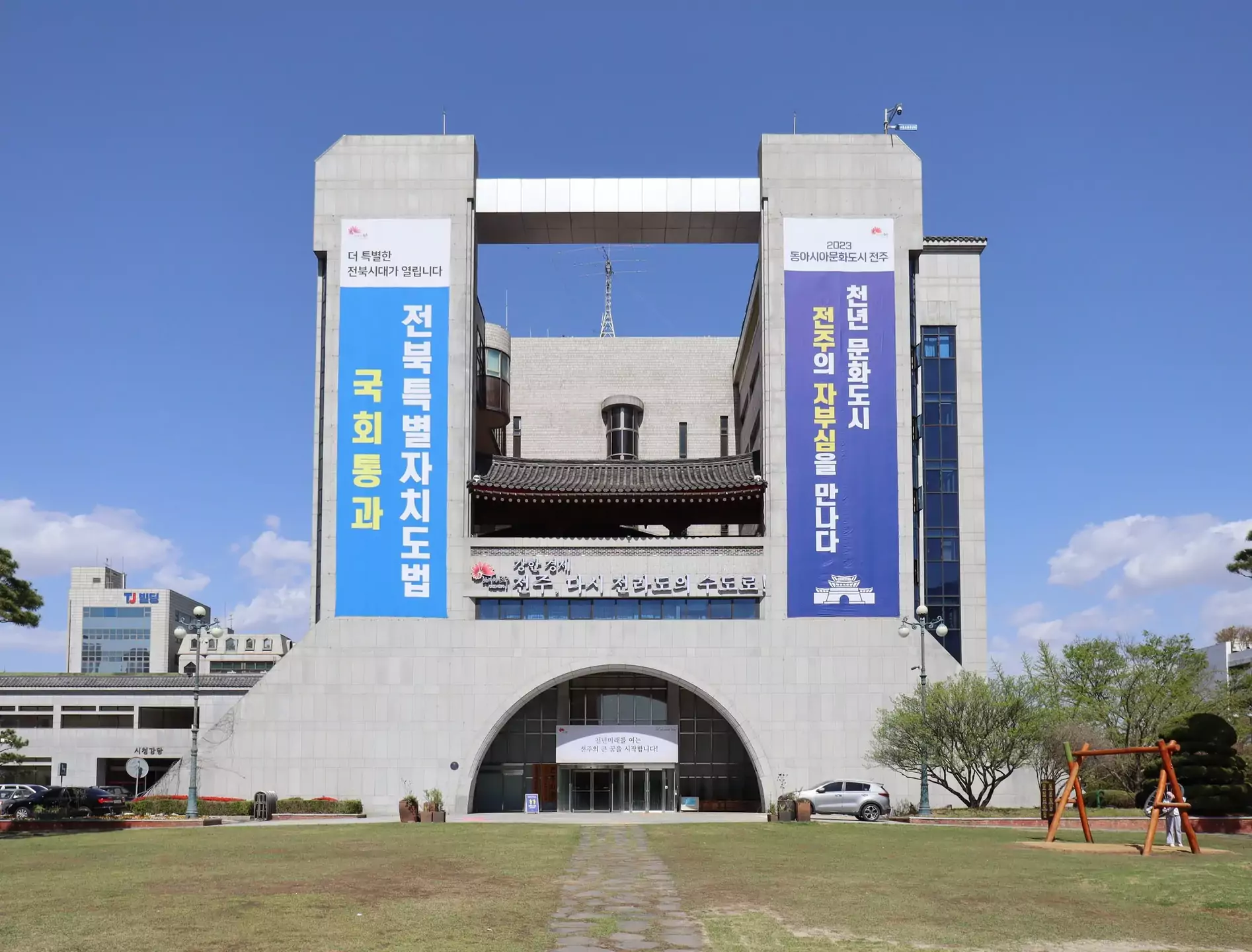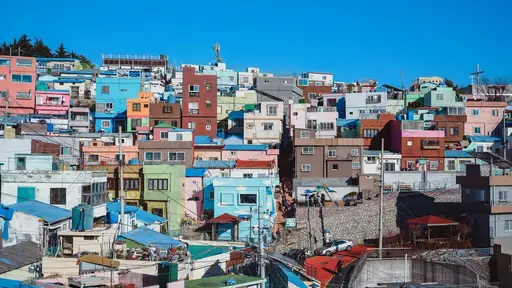
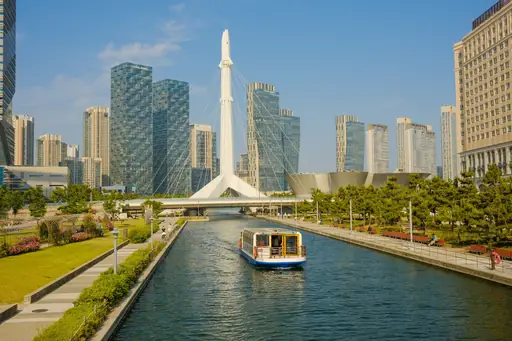
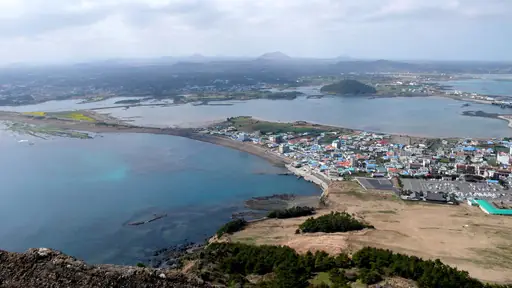



Mobius6, CC BY-SA 4.0, via Wikimedia Commons
Asia › South Korea › Jeonju

Jeonju

Scroll
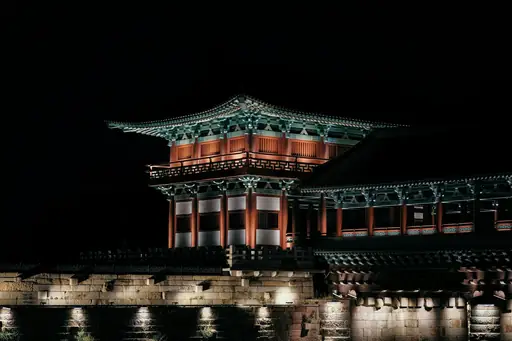
Historic Hanok villages echo timeless Korean charm

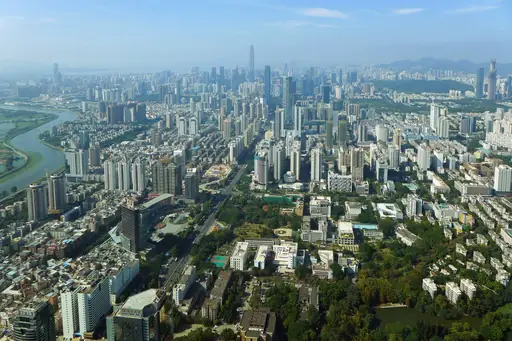
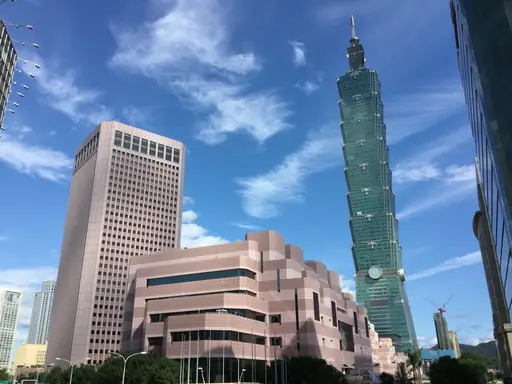
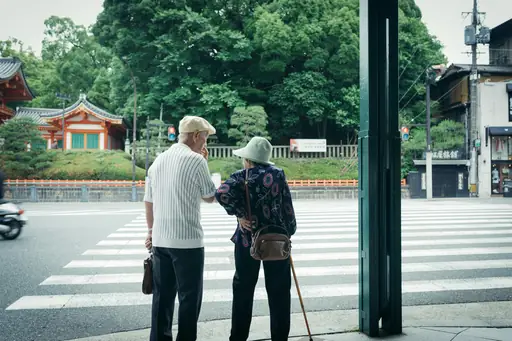
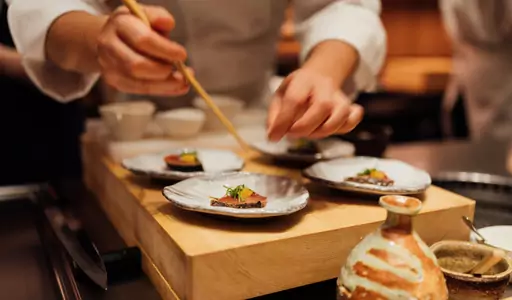
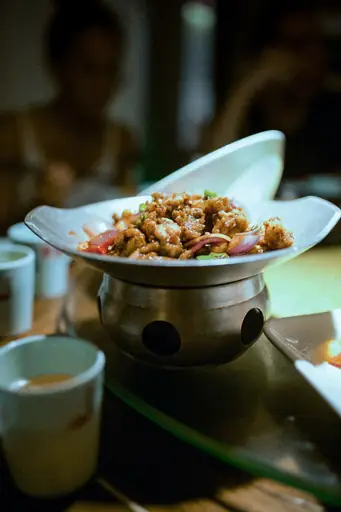
Jeonju is a city in South Korea known for its traditional hanok houses and rich food culture. The streets are lined with centuries-old buildings that give visitors a sense of stepping back in time while still enjoying modern life. Local dishes like bibimbap and makgeolli have been made here for generations, drawing travelers interested in authentic Korean experiences. Markets sell handmade crafts alongside fresh produce from nearby farms. Jeonju balances heritage with everyday living, creating an environment where history feels present but not overwhelming.

City in South Korea
Climate zone: Humid subtropical

Humid subtropical: Subtropical climates with hot, humid summers, dry or cooler winters and strong monsoonal rainfall peak during warmer months.

See climate table
Price level: $$$
$Cheap
$$Medium
$$$Expensive, upscale
$$$+Very expensive, luxury
See price details
Safety: 8.5
General Safety:9
Health & medical:8
Accessibility:6
Tap water:9
Read details
Tourist English: 3/5
In Jeonju, English communication is moderate – many young locals and tourist spots offer basic English, but overall fluency varies; travelers may need simple phrases or a translation app for smoother interactions.
Last update: 12 Oct 2026
* We earn a commission from some links on this page.
Jeonju Summary

These place ratings give you a quick overview of how well a destination matches different types of trips.

‘Best for’ scores:
The specific interest scores show where this place really shines – whether it's ideal for hiking, food & drink experiences, museums or other activities. These highlights help you understand what makes the destination special at a glance.

‘Your personal’ scores:
This reflects how well a place matches your personal preferences. You can adjust the importances of travel topics or other personal requirements categories in your account settings.

‘Suited for’ badges:
These give you a quick overview of how well a destination suits specific types of travellers, to help you find the places that match your lifestyle, preferences or travel situation.

Read how our scores work
Excellent for traditional culture and cuisine. Walk historic hanok villages, try famous bibimbap, visit museums and enjoy cultural performances.
Place score
8.8
Best at:
Mountains
9
Walkable
9
Spotless
9
Historic sites
9
Traditional culture
9
Personal score
?
Log in to see how this place matches your personal travel interests.
Suited for
👶 8
Families
🧓 8
Seniors
🛡️ 9
Travel Beginners
👩 9
Solo
South Korea – Quick facts
Power Grid: 220 V, 60 Hz
Plug: Type C , Type F
Type C:
Diagram of a Type C power plug
Type F:
Diagram of a Type F power plug

Read about power adapters
Currency: South Korean Won (KRW)
£1 ≈ ₩1,766
Cashless info: Rating 5/5
Cashless payments are widely accepted in South Korea. Credit cards are commonly used in most establishments, including smaller businesses.

Save with a travel credit card
eSIM providers: Best value: Saily
Flexibility: Airalo
Read our in-depth comparison
Tipping: Tipping is not customary in South Korea. However, small tips are appreciated in hotels and for exceptional service.
Public drinking: Public drinking is allowed in South Korea, though drinking in public spaces like parks and streets may attract attention. Alcohol is also served in many convenience stores.
Public smoking: Smoking is prohibited in indoor public spaces, but designated smoking areas are available in some outdoor locations.
Seollal
(January/February)
Celebrated in January or February with family gatherings
Chuseok
(September/October)
Celebrated in September or October
Emergency contact: Emergency Numbers: 112 (Police), 119 (Fire, Ambulance)
Taxi apps: Kakao T, T Map Taxi
Other: South Korea offers a blend of traditional culture and modern technology, with historical sites, vibrant cities, and stunning landscapes.
Best times to travel

The best times to travel section shows how the months compare for a visit, so you can find the time of year that fits what you want to do.

Background colours of the months:
The colour shows the typical temperature: yellow (hot), green (mild) and blue (cold). How strong the colour is shows the travel season: full colour means high season, soft colour means shoulder season and soft-striped means off season.

Weather symbols:
Each month has one symbol showing what the weather is typically like, such as hot and sunny, freezing or a rainy or snowy season. Use them to quickly spot months that match the weather you want, or to avoid the ones that don't.

Crowdedness:
The people icon shows how busy the place usually is. The more people, the more crowded it gets.

Additional notes:
The grey info boxes point out special things worth knowing, like recurring weather issues or seasonal events.

for Jeonju, South Korea
❄️
Jan
🌤️
Feb
🌤️
Mar
🌤️
Apr
🌤️
May
🌦️
Jun
⛈️
Jul
⛈️
Aug
🌤️
Sep
🌤️
Oct
🌤️
Nov
🌤️
Dec
High season: April - May, Oct. - Nov.
Shoulder season: March, June, Sep.
Crowdedness: 3 (Few tourists)
Tap on a month for more info Hover over a month for more info
Jeonju International Film Festival late April to early May, one of Korea's main film events
Hanok Village is busiest at weekends and holidays, especially during Chuseok in September or October and Lunar New Year in January or February
Rainy season (jangma) late June to July, heavy downpours make walking around the old town unpleasant

Why travel to Jeonju?

Jeonju is a city that offers a balanced blend of history, culture and everyday life in South Korea. The most recognizable feature is its well-preserved Hanok Village, where traditional Korean houses line cobblestone streets. Visitors can walk through the village to see authentic architecture, sample local street food and even stay overnight in a hanok for an immersive experience. Beyond the village, Jeonju’s culinary reputation extends to its famous bibimbap, which is considered one of Korea’s national dishes. The city hosts several food festivals that showcase regional specialties, giving travelers a chance to taste fresh ingredients prepared by local chefs. The city also has a growing arts scene. Museums such as the Jeonju National Museum and contemporary galleries highlight both historical artifacts and modern Korean art. Cultural events, including traditional music performances and craft workshops, provide insight into Korea’s heritage while allowing interaction with residents. For those interested in nature, nearby Gyeonggijeon Shrine and the surrounding hills offer easy hikes and scenic views. Jeonju’s transportation links are convenient; it is connected by train to Seoul and other major cities, making it an accessible day trip or a short stay. The city’s blend of preserved tradition, culinary excellence and contemporary culture makes it a worthwhile destination for travelers seeking an authentic Korean experience without the bustle of larger metropolises.

🏯Places worth seeing
  • 1 Jeonju Hanok Village History Hall
🎡Places for activities
  • 1 Jeonju World Cup Stadium
🏞️Natural landmarks
  • 1 Baekdusan Oriental Medicine Clinic
🛍️Shopping
  • 1 Jeonju Nambu Market

Knowledge before you go

  • Try bibimbap at a local restaurant; it's a must-try dish in Jeonju.
  • Rent a bike to explore the Hanok Village, allowing flexible sightseeing and avoiding crowds during peak hours.
  • Purchase a Jeonju City Pass for discounted entry to museums, temples and public transport, saving time and money on your trip.
  • Visit the Gyeonggijeon Shrine early in the morning to experience traditional Korean rituals and enjoy quiet, scenic surroundings.

How to travel to Jeonju

Jeonju, a historic city in South Korea’s North Jeolla Province, is accessible via multiple transportation networks. The nearest major airport is Jeonju Airport (Paju), though it primarily serves domestic flights; international travelers often fly into Gwangju International Airport or Seoul’s Incheon and Gimpo Airports before continuing by train or bus. High-speed KTX trains connect Jeonju to Seoul in approximately 1 hour, with frequent departures from Seoul Station. Buses operate between Seoul and Jeonju, offering scenic routes through rural landscapes. For local transit, taxis and public buses cover the city efficiently. The city’s compact size makes walking a viable option for exploring its well-preserved hanok villages and cultural sites.

Access summary

  • From Incheon (ICN): KTX to Jeonju (≈1h30m); local bus 20–25min.
  • From Busan (PUS): KTX to Jeonju (≈1h15m); bus 45–55min.
  • By bus from Seoul (ICN/SEO): 2h30m; direct express buses available.

Where to stay in Jeonju

Jeonju offers a mix of traditional hanok inns and modern boutique hotels that cater to both budget travelers and those seeking luxury. Hanok stays in the historic Hanok Village provide authentic Korean architecture, often with private tea rooms and local cuisine, ranging from ₩30,000 (£16.93) to ₩80,000 (£45.14) per night. Contemporary guesthouses near the city center offer stylish rooms, free Wi‑Fi and communal kitchens for around ₩50,000 (£28.21) to ₩120,000 (£67.71). For higher-end options, upscale hotels feature spa services, panoramic city views and fine dining, with rates between ₩150,000 (£84.63) and ₩300,000 (£169.27). Many accommodations highlight local crafts or offer cooking classes, making Jeonju a hub for cultural immersion through lodging.

How to get around Jeonju

Jeonju, a historic city in South Korea, offers efficient and accessible transportation options for getting around. The most convenient method is using the Jeonju Subway Line 1, which connects key areas like the city center, traditional hanok villages and local markets. For shorter distances, taxis are affordable and widely available, while buses provide access to surrounding neighborhoods and rural areas. Renting a bicycle is also popular for exploring the city’s bike-friendly streets and nearby scenic spots like Jeonju Hanok Village. Ride‑sharing apps like KakaoTaxi work well in urban zones, though traffic can be heavy during peak hours. For intercity travel, buses link Jeonju to major cities such as Seoul and Busan. Public transit is reliable, cost‑effective and ideal for navigating the city’s blend of modernity and tradition.
Budget snapshot
Costs compared to home

We calculate the average costs when travelling to destinations and compare those with the living costs at your home. With this you can get an estimate of how expensive or cheap the destination is for you.

To customise this, you can set up which location and price level are used for the calculations in your account settings.

-61 %
Daily expenses in Jeonju are around 61% lower than the average across United States. That means you'll spend a lot less on meals and getting around.
Exchange rate trend

The exchange rate price factor shows how expensive or cheap a currency currently is compared to its historical average. It's a quick way to see if a country is currently more or less affordable due to exchange rate changes.

-8 %
Your exchange rate (GBP to KRW) is 8% better than in recent years. That means travelling now is cheaper compared to the past.

Travel costs

To help you plan your trip, we provide estimated daily costs per person (when travelling as a pair) for different travel styles. These numbers give you an idea of what you might spend each day at this destination, including accommodation, food, transport and activities.

Additionally, we also provide average hotel costs for different travel styles to give you an estimate for the accommodation only.

Please note that these are only estimates. The real costs depend on booking times, season and other factors.

Daily cost summary

Travel style categories explained:

Backpacker:
Staying in hostels or budget hotels, cooking your own meals or eating cheap and choosing low-cost activities.

Mid-range:
Staying in mid-range hotels, eating at a mix of restaurants and casual spots and enjoying a variety of activities.

Luxury:
Staying in luxury hotels, dining out at high-end restaurants and enjoying premium experiences without worrying about the price.

Backpacker Mid-range Luxury
💵 Total costs per day, including accommodation
£44
£83
£223
🏨 Accommodation per night, per person
£23
£53
£135
🍝 Food per day
£17
£26
£75
🚕 Transportation per day
£4
£5
£13
Food & Drink
🍽️ Restaurant Dinner, per person
£6
🍛 Lunch Set, per person
£5
🍟 Fast food combo
£3.60
🍝 Preparing your own food, per day
£7.50
☕ Cappuccino
£2.60
🍺 Beer in a restaurant, 0.5 l
£2
Transportation
🚌 Public transport ticket
£0.80
🚕 Taxi Ride, 10 km / 6 mi
£7.50
⛽ Petrol, 1 l
£0.90
Other
🎞️ Cinema ticket
£6.50
👩‍⚕️ Doctor's consult
£32
🤧 Cold medication
£3.80
💇 Basic haircut
£5.50

Safety information overview

General safety
9
Jeonju is generally safe, with low crime rates and friendly locals. Tourists rarely encounter serious incidents; petty theft can occur in crowded markets, so keep valuables secure. Follow basic precautions – stay aware of surroundings, avoid isolated areas at night and respect local customs.
Health & Medical
8
Jeonju offers reliable, affordable medical care with modern hospitals and clinics staffed by Korean-trained doctors. Public health standards are high, vaccination coverage is excellent and air quality is moderate. Travelers should watch for seasonal allergies and carry basic medications.
Accessi­bility
6
Jeonju offers mixed accessibility: many historic streets are uneven, but newer districts have ramps and elevators. Public transport includes accessible buses, though signage can be limited. Taxis often lack wheelchair access; planning ahead and using mobility apps helps.
Tap water
9
Jeonju’s tap water meets strict Korean safety standards, offering clean, soft water suitable for drinking straight from the faucet. Public fountains are common in parks and near tourist sites, ensuring easy access to fresh hydration throughout the city.

Looking for inspiration?

Discover
Best couple vacation destinations in Asia
Asia is perfect for couples who want their holiday to feel like a shared adventure rather than just a change of scenery. Few continents offer so many ways to be amazed together.…
Read more
Discover
Best destinations for first-time travelers in Asia
Asia has one of the best established beginner travel routes anywhere, largely because so many first time travelers have worn the path before you. Southeast Asia in particular…
Read more
Discover
Top digital nomad destinations and remote work hubs in 2026
Working from anywhere in the world sounds simple until you actually try it and the best digital nomad destinations look different depending on what kind of remote worker you are.…
Read more
Discover
Best couple holiday destinations
Travelling as a couple sounds simple enough, yet the best couple holiday destinations mean something different to almost every pair. What feels romantic to one couple can feel like…
Read more
Discover
Best travel destinations for seniors in Asia
Asia offers some of the most senior friendly infrastructure anywhere, alongside destinations that still call for a bit more independence and stamina. Japan in particular stands…
Read more
Discover
Top digital nomad destinations and remote work hubs in Asia
Asia has quietly become one of the most popular continents for remote work, and it is easy to see why once you look past the obvious hubs. Some remote workers gravitate toward…
Read more
Discover
Best destinations for first-time travellers
A first trip abroad works best somewhere that eases you in, rather than throwing every possible culture shock and logistical headache at you at once. Some first-time travellers…
Read more
Discover
Top food destinations and culinary hotspots
Food travel has matured into a sophisticated circuit built around the world's great culinary traditions, restaurant destinations and producer landscapes that offer experiences…
Read more
Discover
Best travel destinations for seniors
Senior travel covers a wide range, from slow, low effort trips built around comfort to more independent trips for travellers who still want to cover plenty of ground. Some…
Read more
Discover
Best food destinations in Asia
Asia's food cultures are among the most diverse and sophisticated on earth, with distinct culinary traditions across dozens of regional cuisines that developed largely…
Read more
Discover
Most beautiful beaches and coastal escapes
For a lot of people, a beach is the whole point of a holiday, but what makes a beach day perfect really depends on personal taste. Some travellers want isolation and the feeling…
Read more
Discover
Stunning national parks and wilderness areas
National parks exist because someone decided that certain landscapes were too important to lose. The best of them protect ecosystems, wildlife and natural processes that would…
Read more
Discover
Intimate escapes and romantic getaways
The most memorable trips for couples tend to have less to do with luxury and more to do with the quality of shared experience. A place that slows you down, removes the usual…
Read more
Was this page helpful?
Feedback