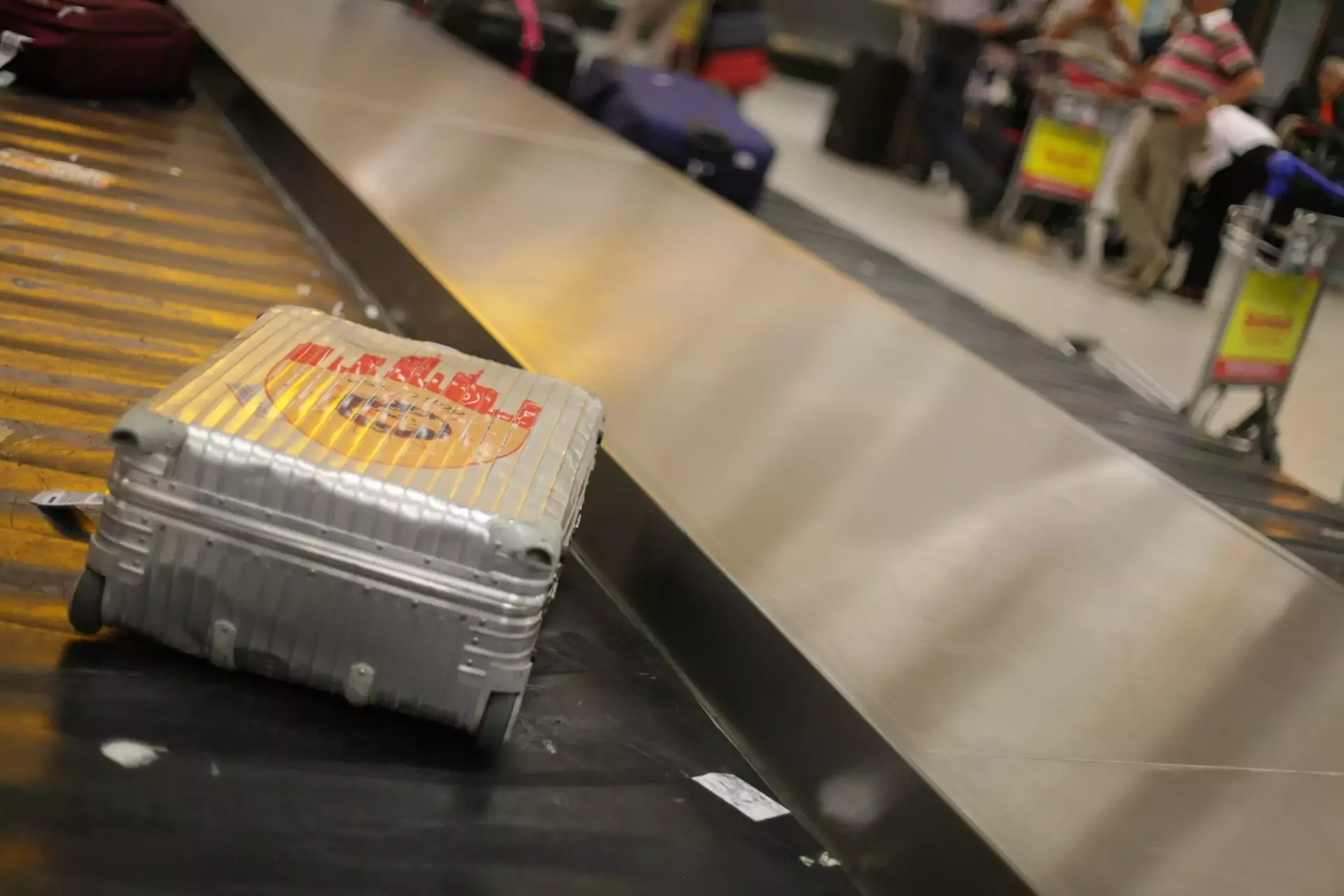

A suitcase faces many challenges from being dragged over cobblestones to being thrown around by baggage handlers and squeezed into overhead lockers that are already full. Whatever specific type you go for, you want at least decent quality because a wheel breaking or a zip giving up halfway through a trip can get stressful and expensive very quickly. The right luggage also depends on how and where you travel, since an all-inclusive trip to a resort where you unpack your things once is a completely different story than a multi-month backpacking adventure in Southeast Asia. On top of that, airline allowances have changed a lot in recent years. Many fares only include the tiniest personal items that don't allow you to pack nearly enough even for a weekend trip unless you're willing to embrace a minimalist lifestyle to the extreme. In this guide we go through the things that you should consider before you buy luggage, from the material and the wheels to the carry-on rules and a few handy extras.
Why carry-on only has become such a trend
A checked bag used to be included in most international tickets. In 2026 that's often no longer the case. Airlines have moved towards 'unbundled' fares, which means you pay separately for things that used to be part of the price. Budget carriers started this a while ago. Today even traditional airlines often leave out checked baggage in their Basic Economy or Light fares. It's a good idea to look at the details when booking a flight because having to pay extra for a suitcase on a flight with layovers can add up extremely quickly and an alternative flight that includes luggage might actually be the better option.
Adding a suitcase at the airport counter can cost around US$60 – 100 (£45.09 – 75.15) each way, while adding it in advance is usually cheaper. Over a whole trip that adds up fast. Travelling with carry-on saves time at the baggage carousel. It can also save you a few hundred dollars, which is probably better spent on experiences than on getting your clothes from A to B.
Hard shell or soft shell suitcases
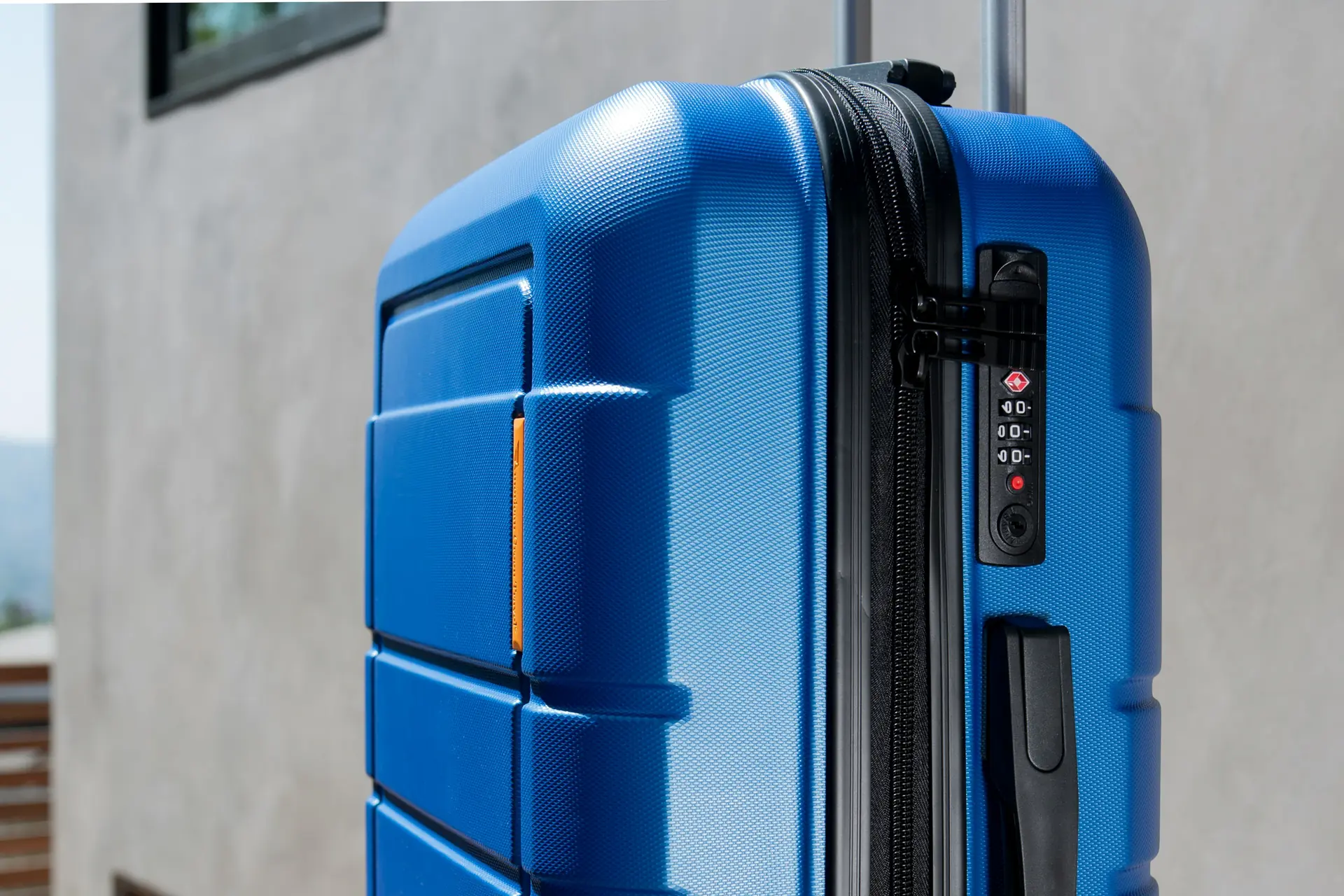
If you go for a traditional suitcase, the first decision is the material. Hard shell cases are usually made of polycarbonate, which is light and quite durable. They protect fragile items well, are water-resistant and stack nicely. The downside is that they don't give. If you overpack a hard shell it simply won't close. They also scuff easily.
Aluminium suitcases are the premium version of the hard shell. They're very sturdy and the ribbed metal design that Rimowa made famous has become a bit of a status symbol. The downside is that they're heavy and expensive. They also pick up dents quite easily, although some travellers actually like that worn look.
Soft shell cases are made of nylon or polyester. Their big advantage is flexibility. Many have expandable zips and outside pockets, which is handy for documents or a jacket you want to grab quickly. They're also easier to squeeze into a tight overhead locker or a car boot.
Why some travellers skip the wheels
If you're travelling somewhere with cobblestone streets or unpaved roads, like parts of Europe or Southeast Asia, wheels can be more of a hassle than a help. A lot of travellers skip them completely and go for a backpack instead.
Not every backpack is a good choice though. Hiking backpacks are top-loaders, which means you open them from the top and dig down. They're made for camping gear. Finding a clean pair of socks at the bottom usually means unpacking everything else first. Travel backpacks open like a suitcase instead with the zip running around the sides, so you can lay the bag flat and see everything at once. Many also have straps that tuck away, which protects them on conveyor belts.
If you can't decide between wheels and straps, a convertible rolling backpack has both. You can roll it through the airport and carry it on your back when you reach a staircase or a dirt road. The trade-off is that the wheel mechanism adds weight and takes up space inside. The frame also rests against your back, so many people find these bags uncomfortable to wear for a longer time.
Spinners or rollers
It's easy to overlook how mobile your luggage is until you're running for a connection. Four-wheel spinners have become the standard. You can roll them upright next to you, which is easy on your wrist. They're great on smooth airport floors, but on uneven pavement the small wheels can get stuck or even snap off.
Two-wheel rollers are the traditional option. The wheels are larger and recessed, a bit like rollerblade wheels. They're more durable and cope better with kerbs, stairs and rough ground. You do have to drag the weight behind you, though, which can tire your arm over longer distances.
Carry-on rules change with every ticket
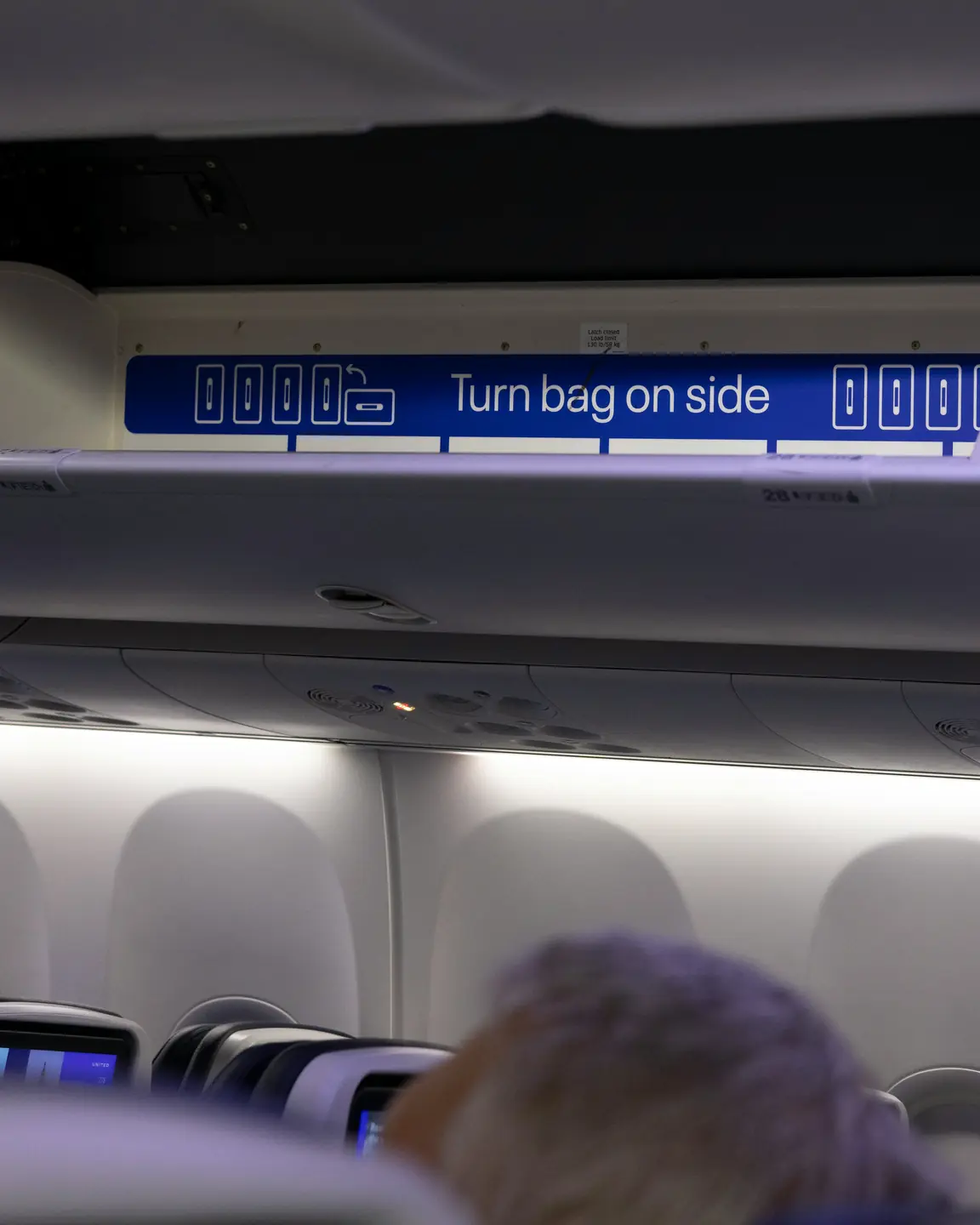
It's easy to assume that carry-on means the same thing on every ticket, but it really doesn't. There's no universal standard size for cabin luggage anymore. A bag that fits perfectly on a major US airline might get rejected by a European budget airline or a regional carrier in Asia. Some of them are notorious for charging passengers extra at the gate when their bags don't fit into the metal frames they use to check whether the luggage is within the airline's limits. Personal items like a small backpack or a purse need to fit under the seat in front of you. If yours is too stuffed to slide under and has to go into the overhead locker, that's another potential fee right there.
The weight limit is another potential catch. Some airlines don't have one for carry-on bags as long as you can lift them yourself. Others cap it at around 7 kg (15 lbs) or 10 kg (22 lbs). An aluminium suitcase can weigh 5 kg when it's empty, which leaves very little for your clothes. It's worth checking the exact size and weight limits for every single flight, since gate-check fees can be steep.
Smart luggage and lithium batteries
Smart luggage with built-in chargers, GPS and electronic locks has become quite popular, but there's a catch with the lithium-ion batteries inside them. Airline safety rules generally don't allow these batteries in the cargo hold because of the fire risk. If you check a smart bag (or have to gate-check it because the cabin is full), the battery needs to be removable. If you can't take it out, the airline may refuse to carry the bag. The exact rules can differ a bit, so it's worth looking at the airline's website before your flight.
Tracking tags are worth it
Lost luggage still happens. Relying on the barcode tag from the airline alone isn't great. A lot of travellers now put a Bluetooth tracker like an AirTag or a Tile in every bag, so they can see where it is on their phone. A tracker can't stop a bag from getting lost. It does give you something to show when the airline says the bag is still in the system and it's actually sitting in a different terminal, though.
Packing cubes and compression bags
Dumping clothes straight into a suitcase wastes space and gets messy quickly. Packing cubes work like small drawers inside the bag. They keep clean clothes apart from dirty laundry. At the hotel you can just toss the cubes into a drawer.
Compression bags are useful for bulky things like a winter coat. They push out the extra air, which can shrink the volume a lot (sometimes by up to half). Just keep an eye on the weight because you can fit a lot more into a compressed bag than the airline might allow.
Picking a bag that suits whatever trip you're going on
The right luggage is a balance between durability, weight and how easily you can move around with it. It should also meet your personal preferences and style. Fortunately, we have a lot of options these days, so go with whatever option fits your travel style and offers you the most flexibility. Once you've bought your new luggage, a tracking tag is definitely worth the extra investment, so that you know where your things are at all times.
In 2026 baggage fees keep rising and weight limits differ a lot between airlines. Checking the fine print before every flight and packing a bit lighter is a good general practice to keep costs under control.