
Top rock climbing destinations and bouldering spots
Top rock climbing destinations and bouldering spots
Famous bouldering areas and natural rock climbing spots
Climbing means something different to almost everyone who does it and the best climbing destinations reflect that, since no single place suits every style or skill level.
Some climbers want big walls that take an entire day and a strong head for exposure. Others prefer short, sunny sport routes with a good meal waiting nearby once the ropes are packed away. Beginners often look for a friendly crag with easy access and a guide close by, while experienced climbers are drawn to remote peaks that ask for real commitment. Weather, altitude and rock type all shape what a trip actually feels like on the ground.
The destinations on our list cover that whole spread, from legendary areas that shaped the sport to quieter spots that fewer climbers have discovered. Wherever you fall on that scale, there is a wall or peak here worth seeking out.
Lists by region
City in United States
Moab
Red rock canyons echo adventure seekers' dreams
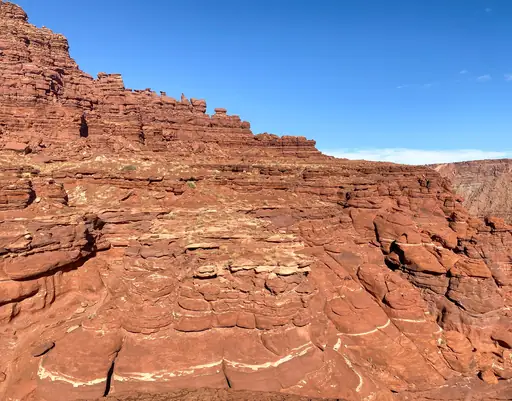
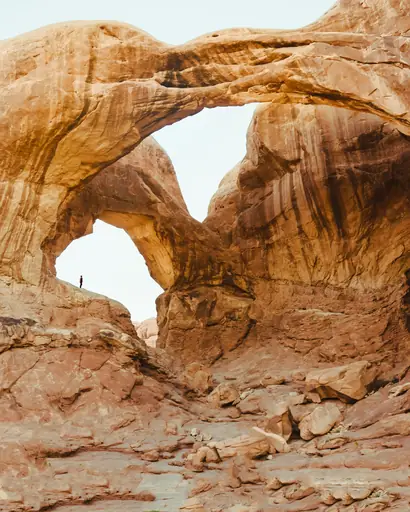
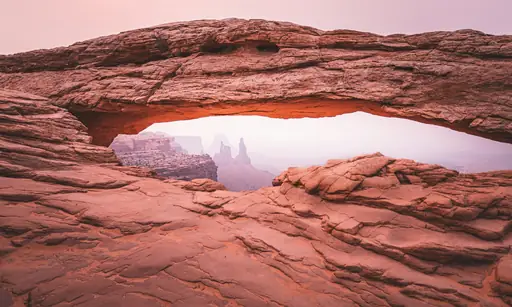
Indian Creek near Moab holds parallel sided sandstone cracks considered some of the finest crack climbing terrain around. Climbers wedge hands, fists and limbs into cracks using a technique specific to this rock. Visitors can also attempt free standing desert towers like Castleton Tower nearby. Dry desert conditions keep the sandstone climbable most months.
Nature Reserve in Jordan
Wadi Rum
Valley of the moon's timeless magic
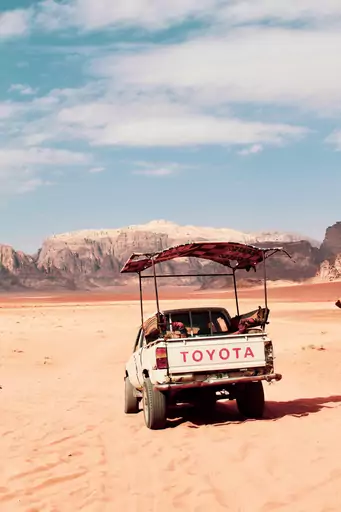
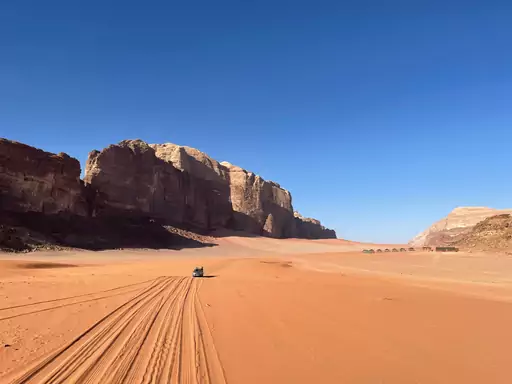
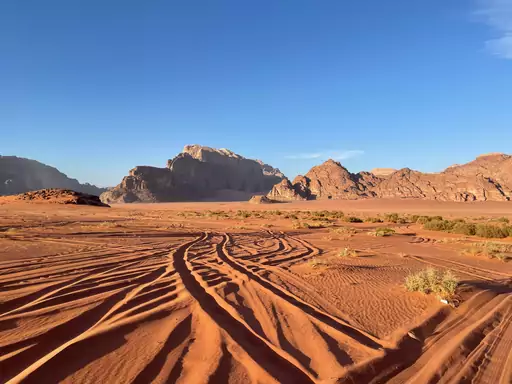
Sandstone towers rise from Wadi Rum's desert floor, offering multi-pitch trad routes built up over decades. Local Bedouin guides lead many routes, drawing on generations of knowledge about the terrain. Visitors can climb established lines or tour the valley by jeep without gear. Camps among the dunes let climbers stay close to routes overnight.
City in Nepal
Pokhara
Lakeside Calm, Himalayan Adventure Gateway
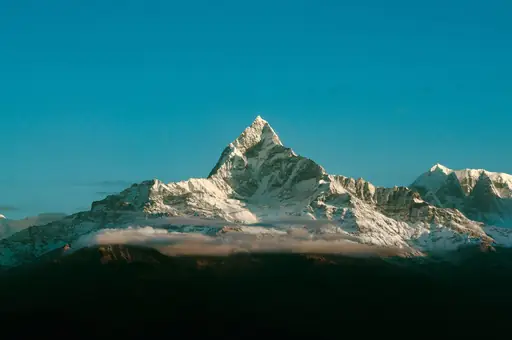
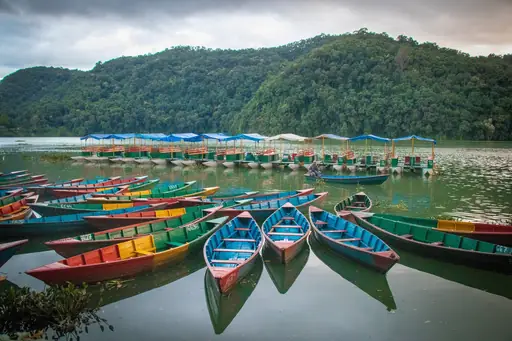
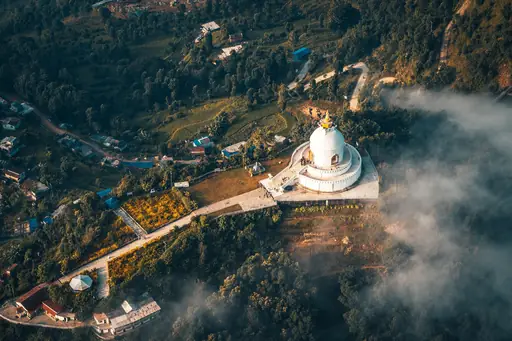
Pokhara serves as the main gateway for treks into the Annapurna range, with sport climbing crags scattered nearby. Climbers can spend a day at local limestone crags before or after a trekking trip. Visitors can also paraglide above the city for mountain views without climbing. Lakeside guesthouses make Pokhara a comfortable base for either activity.
City in France
Chamonix-Mont-Blanc
Alpine thrills beneath Mont Blanc
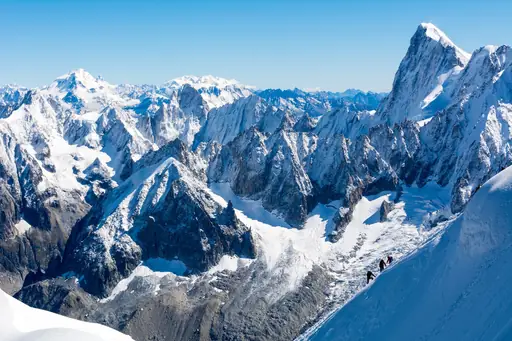
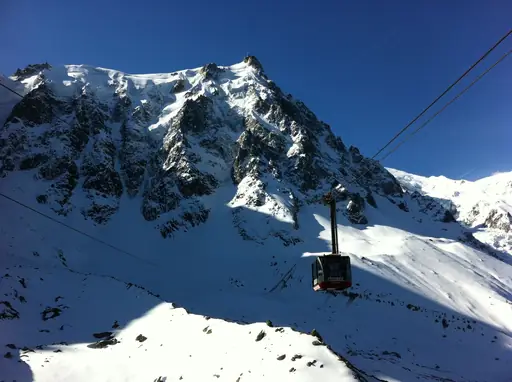
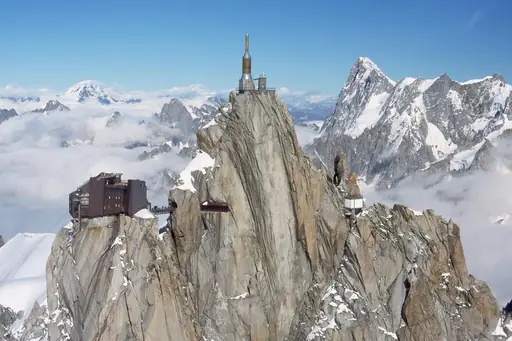
Chamonix sits beneath Mont Blanc, long considered the birthplace of alpinism. A cable car to the Aiguille du Midi lets climbers skip hours of approach. Visitors can ride the cable car for views alone or continue on to attempt technical routes. Guides based in town lead climbs across the Mont Blanc massif.
Mountain in Tajikistan
Pamir Mountains
The Remote Roof of the World
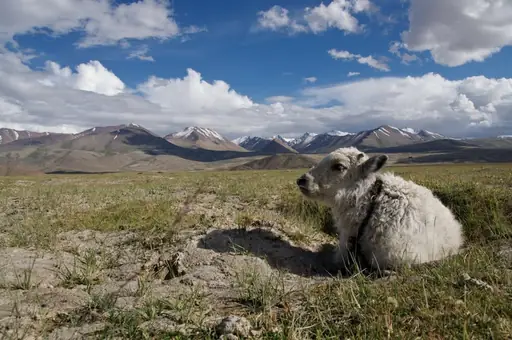
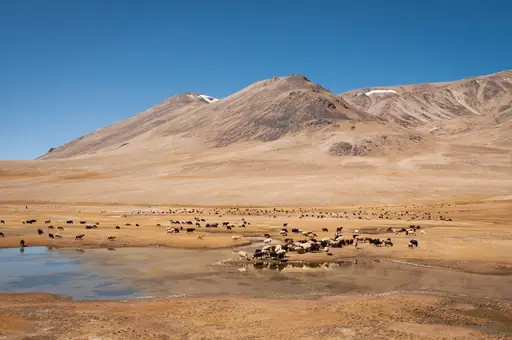
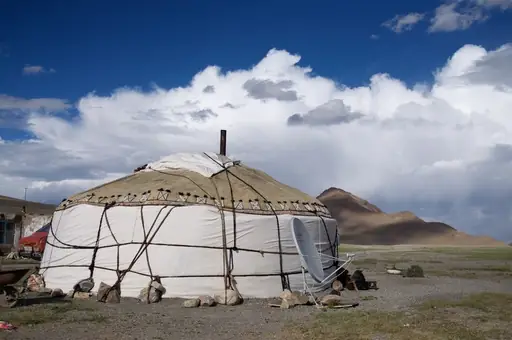
The Pamir Mountains hold several peaks above 7,000 metres, drawing mountaineers during a short summer climbing season. Soviet era climbers developed much of the region's mountaineering infrastructure before independence changed access. Visitors can trek towards base camps without attempting the technical peaks. Remote logistics and permits keep the range less crowded than better known ranges.
City in Thailand
Krabi
Paradise of Cliffs and Crystal Waters
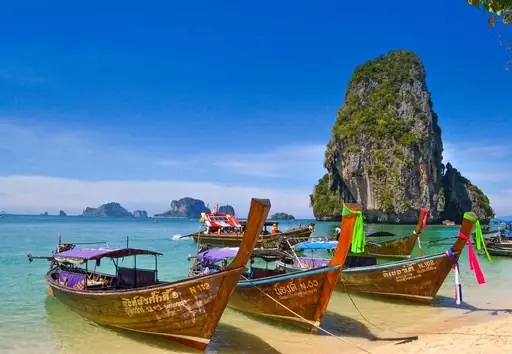
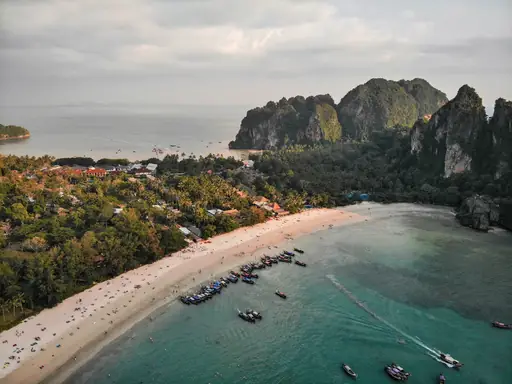
Limestone cliffs at Railay Beach rise directly from the sand, some dropping into the sea at high tide. Deep water soloing lets climbers attempt routes without ropes, falling into the water if they slip. Visitors can rent gear and book guided sessions from beach operators. Longtail boats provide the main way to reach Railay.
State/Prefecture in United States
Alaska
Land of superlatives and adventure
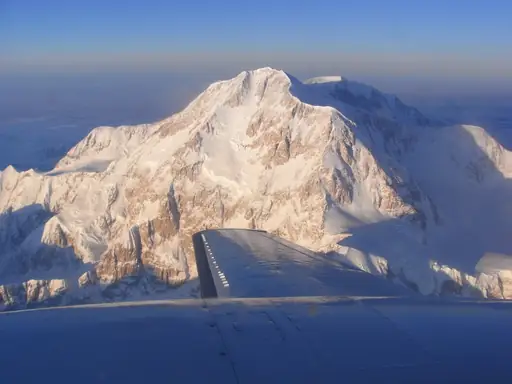
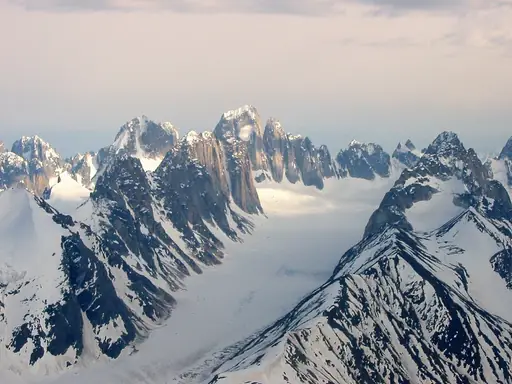
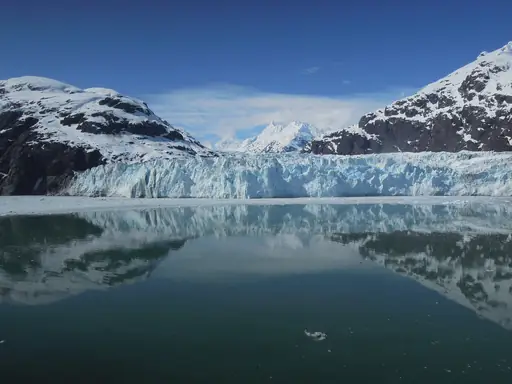
Alaska's Ruth Gorge holds granite walls thousands of feet tall, reachable only by ski plane onto the glacier. Climbers camp on ice for days or weeks while attempting routes on the peaks. Visitors can charter flights for a scenic look at the walls. Extreme cold and shifting weather make the range demanding.
National Park in New Zealand
Mount Cook National Park
New Zealand’s alpine wonderland
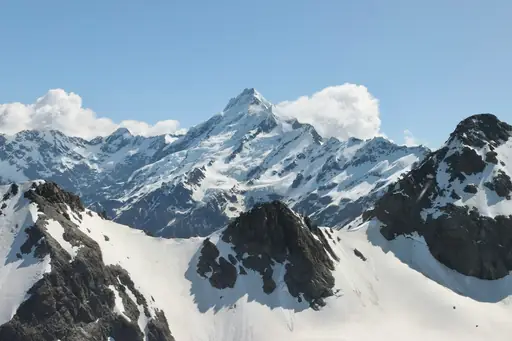
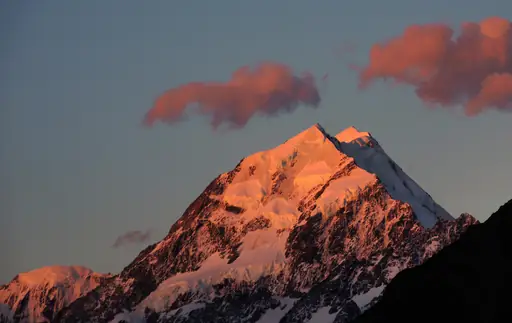
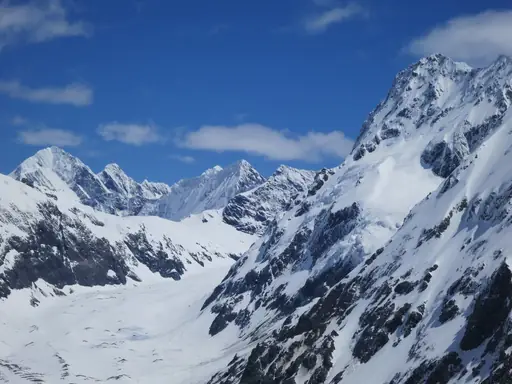
Aoraki Mount Cook stands as New Zealand's tallest peak, its routes demanding skill on rock, ice and snow. Weather here can shift rapidly, turning a clear morning into a storm within hours. Visitors can hire guides for standard routes or attempt harder lines with experience. The park holds several other technical peaks.
Island in Greece
Kalymnos
Crystal waters and ancient sponge‑harbor charm
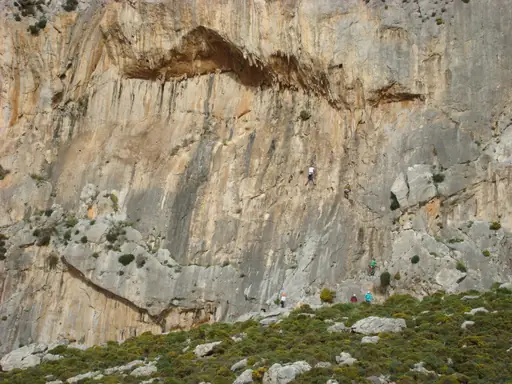
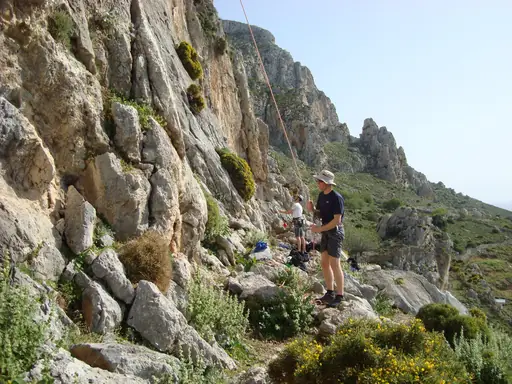
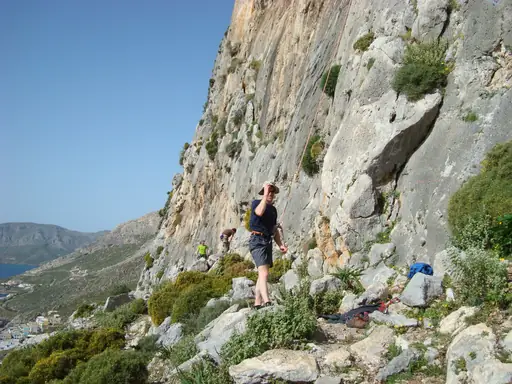
Kalymnos transformed from a sponge diving island into a top European sport climbing destination within a couple of decades. Limestone cliffs riddled with tufa formations create routes winding through overhanging stalactites. Visitors can choose from thousands of bolted routes across cliffs around the island. Many climbers base themselves in coastal towns near the crags.
Village in Switzerland
Wengen
Car-Free Alpine Bliss and Epic Views
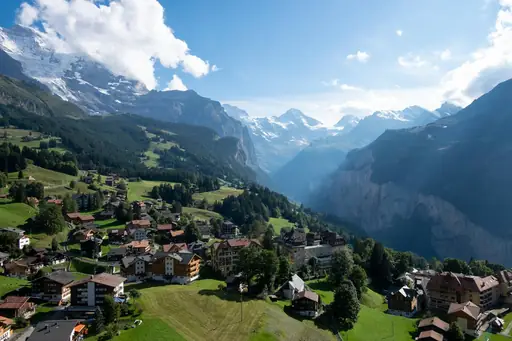
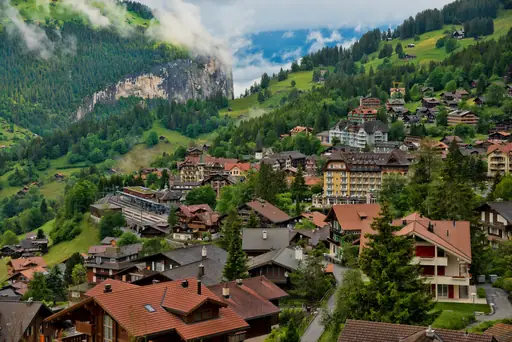
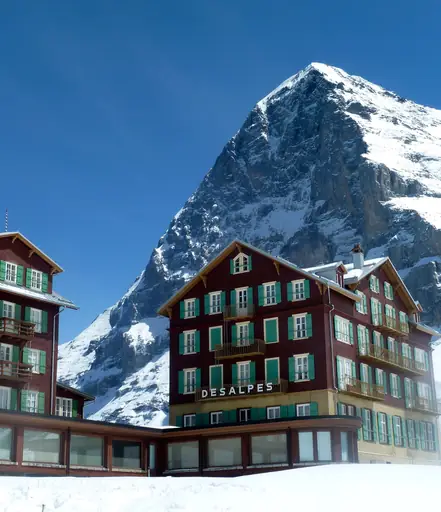
Wengen sits car free above the Lauterbrunnen valley, reachable only by train or cable car. Trails and via ferrata routes head from town towards the Mannlichen ridge and nearby peaks. Visitors can hike or climb protected routes with views down towards the valley's waterfalls. The village keeps a quieter pace than larger resort towns nearby.

State/Prefecture in United States
Kentucky
Bluegrass Beauty and Bourbon Heritage
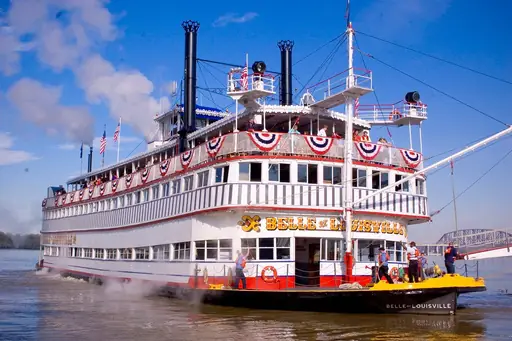
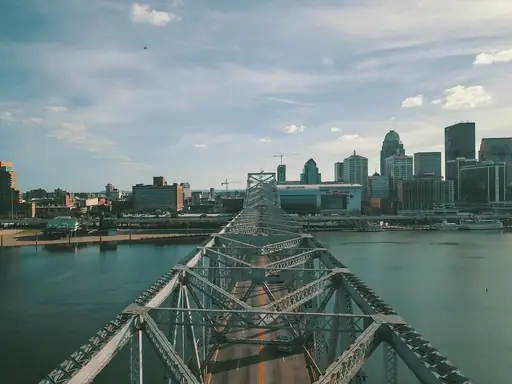
The Red River Gorge in Kentucky holds sandstone cliffs packed with thousands of bolted routes. Steep, pocketed rock here suits climbers who enjoy powerful, technical movement on overhanging terrain. Visitors can camp at nearby campsites built for the climbing community. The gorge draws climbers from across the country despite its small size.
Town in United States
Bishop
High desert oasis with towering granite cliffs
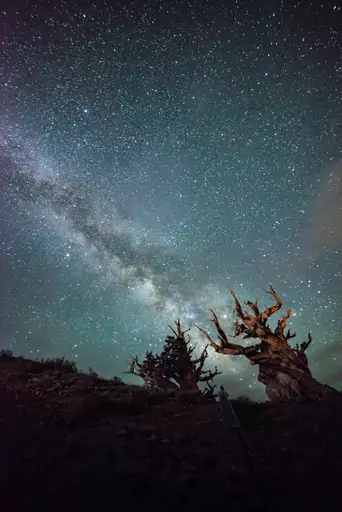
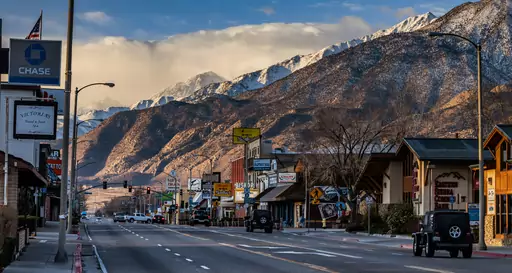
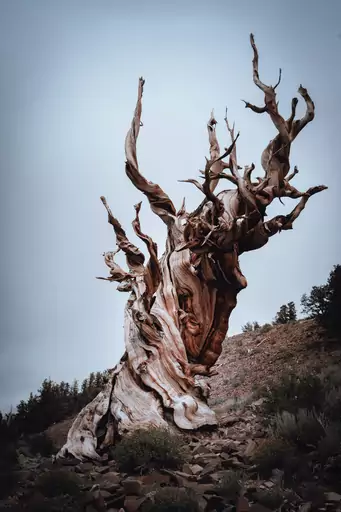
Bishop's Buttermilks boulder field scatters granite boulders across high desert at the base of the Sierra Nevada. Climbers travel worldwide to attempt highball problems rising well above typical bouldering height. Visitors can pad up and try problems or hike among the boulders. Nearby Happy Boulders offer a second concentration of climbs in volcanic rock.
Region in Switzerland
Graubünden
Alpine wonderland with pristine lakes and trails
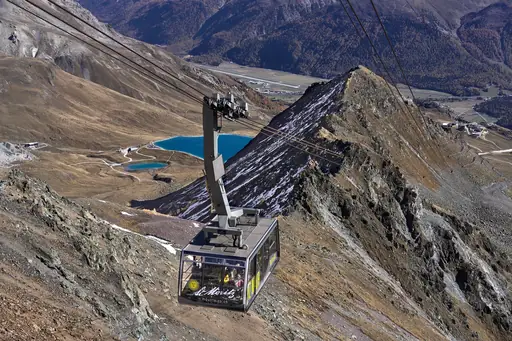
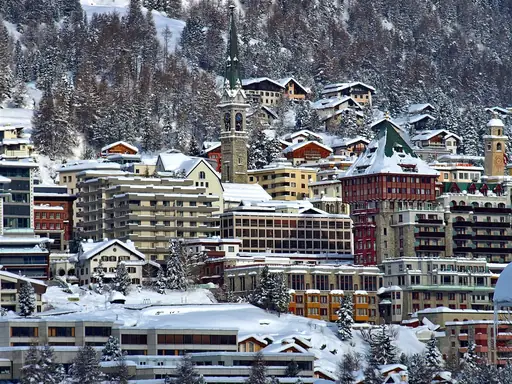
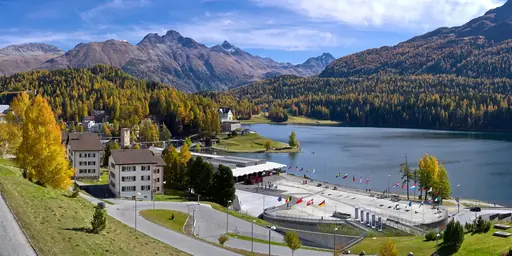
Piz Badile in Graubunden draws climbers to its long granite ridge. It ranks among the Alps' classic alpine rock routes. The canton's terrain also includes lower elevation sport crags suited to less experienced climbers. Visitors can base in local villages and choose routes by skill level.
National Park in United States
Sequoia and Kings Canyon National Parks
Home of the Giant Sequoias
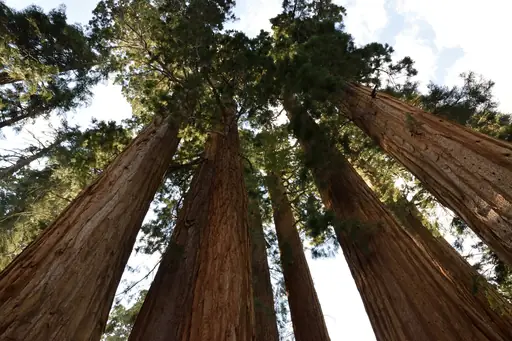
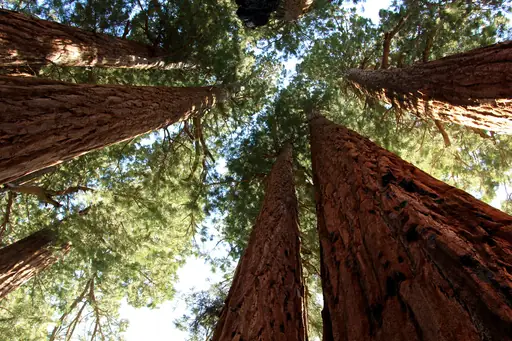
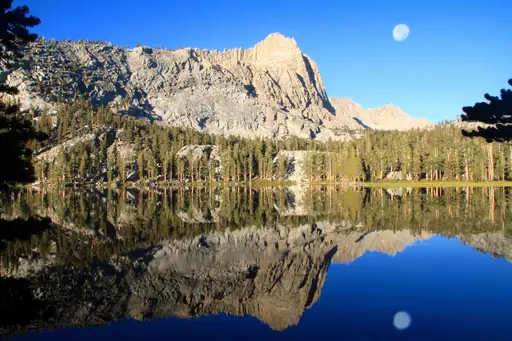
Sequoia and Kings Canyon hold remote granite peaks deep in the Sierra Nevada backcountry. Mount Whitney, the tallest peak in the lower 48, rises along the parks' eastern edge. Visitors can access some climbs after a multi-day backcountry approach rather than a short hike. Permits limit how many climbers attempt certain routes each season.
National Park in Canada
Banff National Park
Majestic Peaks and Turquoise Lakes
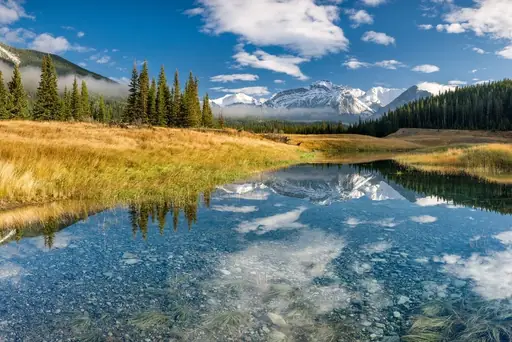
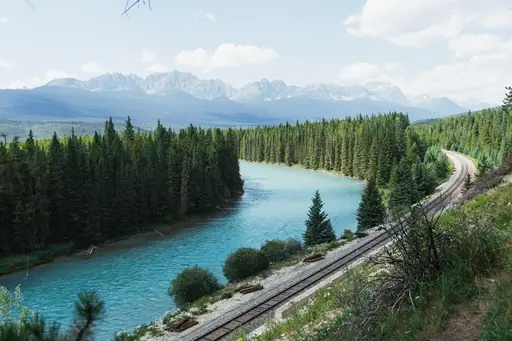
Mount Rundle above Banff offers multi-pitch limestone routes visible from town, drawing climbers from local trailheads. The Canadian Rockies around Banff hold a mix of sport climbing, trad routes and alpine objectives. Visitors can climb single pitch crags near town or venture deeper into the park. Loose rock in places demands caution.
Region in Italy
South Tyrol
Alpine culture where worlds collide
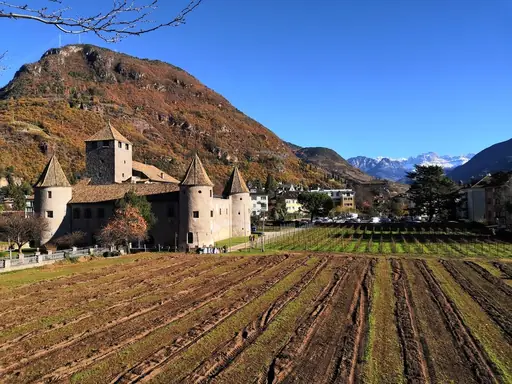
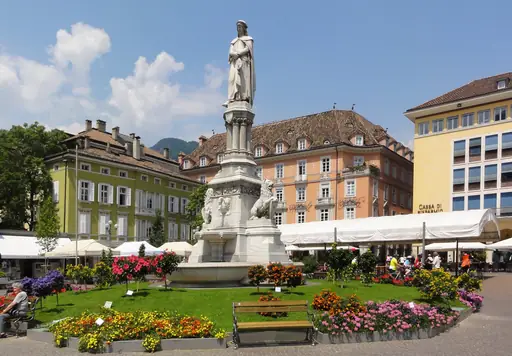
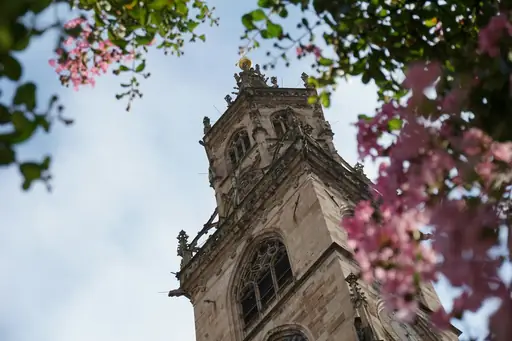
The Sella Towers in South Tyrol form a cluster of distinct rock spires within the Dolomites. Climbers can link several towers in a day using ridges between summits. Visitors can also ride cable cars nearby for views of the towers without climbing. Alpe di Siusi's meadows offer a scenic base for exploring nearby crags.
Region
Patagonia
Untamed Beauty at the End of the World
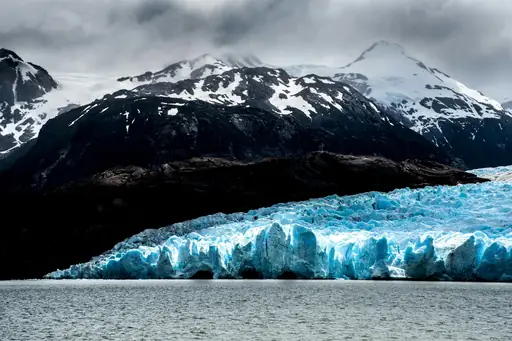
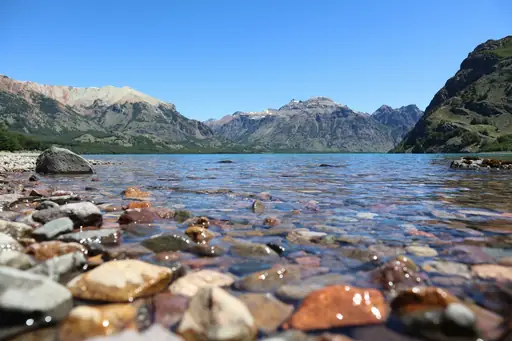
Patagonia's shared ice cap feeds glaciers that carve the granite spires climbers travel from around the world to attempt. Ferocious, unpredictable wind here has ended countless summit attempts partway up. Visitors can base in towns on the Argentine or Chilean side. Climbers often plan extra weeks to wait out the weather.
Town in Canada
Squamish
Mountain‑coast escape with breathtaking vistas
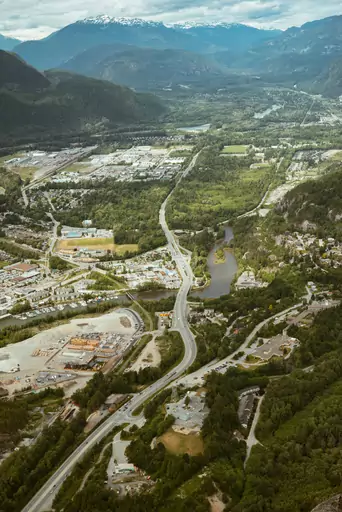
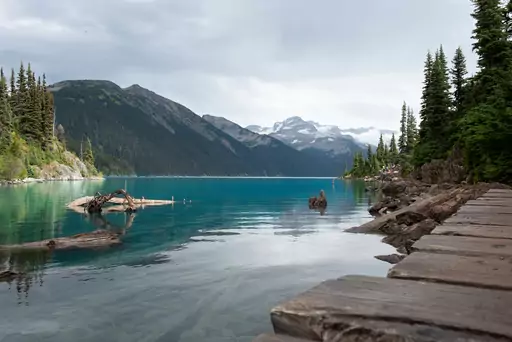
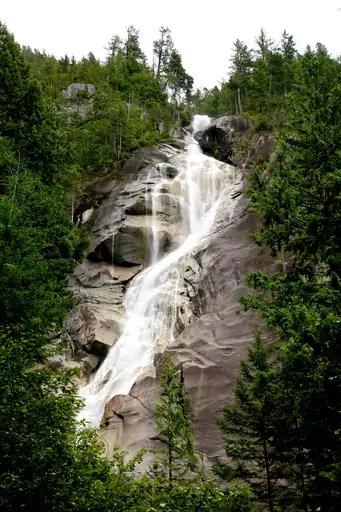
The Stawamus Chief looms over Squamish as a granite monolith drawing climbers on day trips from Vancouver. Multi-pitch routes on the Chief range from moderate climbs to serious big wall commitments. Visitors can hike to the summit or attempt technical routes with proper gear. The town has grown around the climbers drawn to the rock.
Town in Argentina
El Chalten
Hiking Capital of Argentina
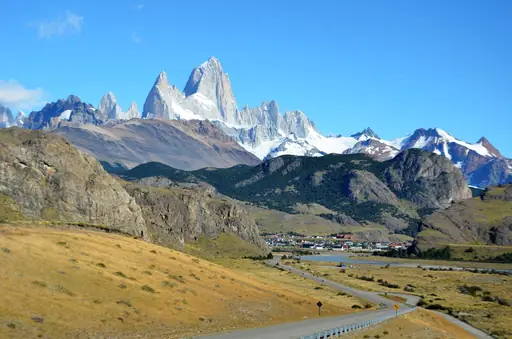
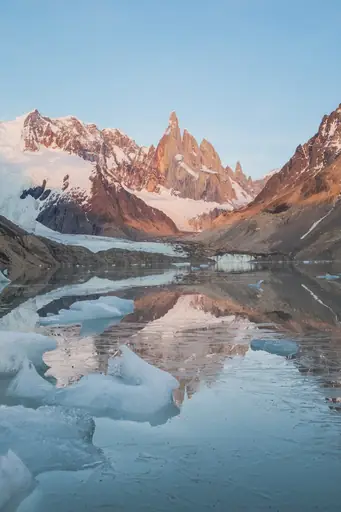
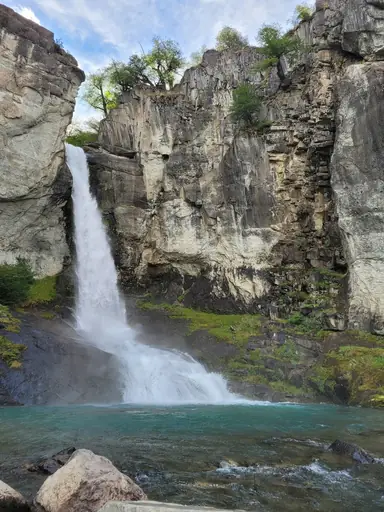
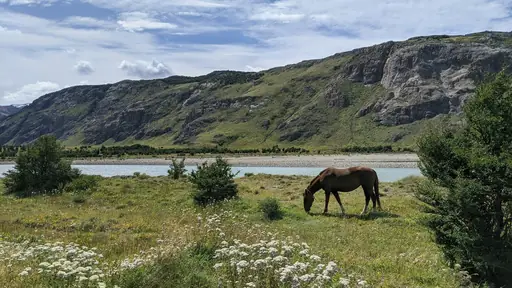
El Chalten grew up as Argentina's climbing hub beneath the granite spires of Fitz Roy and Cerro Torre. Fierce winds off the Patagonian ice cap can pin climbers down for days. Visitors can hike close to the spires without attempting technical routes. Climbers here often wait weeks for a short enough weather window to summit.
Town in United States
Telluride
Breathtaking box canyon mountain paradise
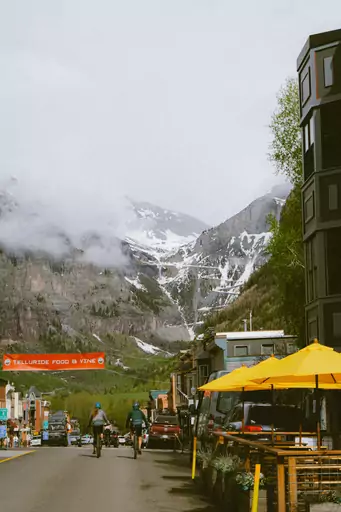
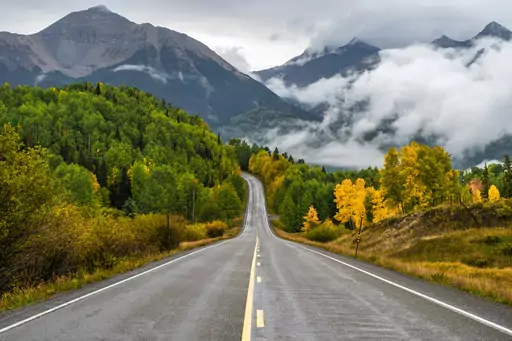
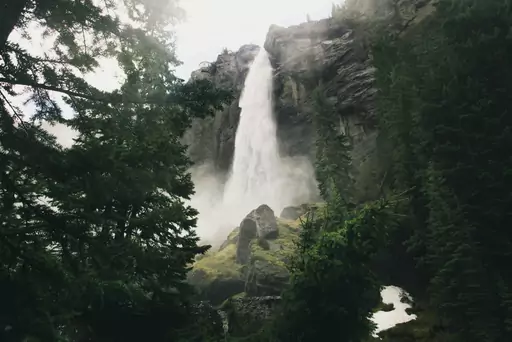
Telluride's box canyon fills with frozen waterfalls each winter, drawing ice climbers to routes outside town. An annual ice festival brings clinics and demonstrations for climbers at every skill level. Visitors can watch climbers work the frozen falls from viewing areas without gear. Warmer months bring rock climbing to the same walls once ice melts.
Region in France
Northern Catalonia
Sunlit vineyards and historic Mediterranean charm
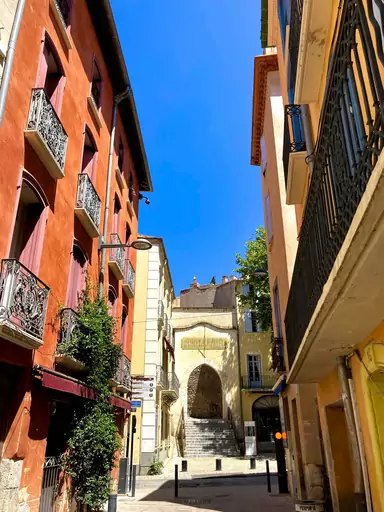
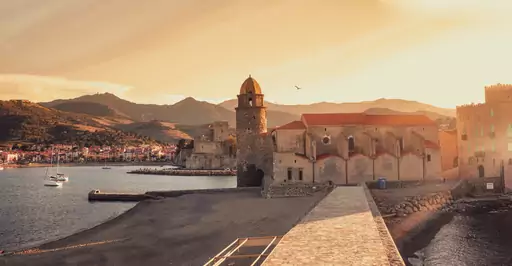
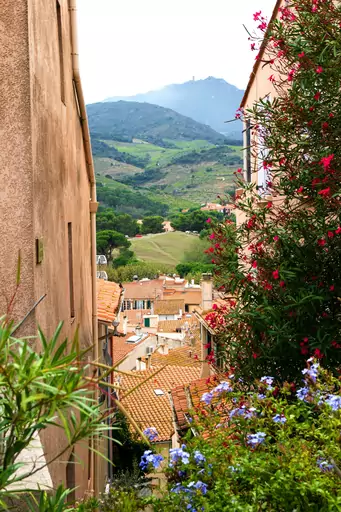
Limestone cliffs throughout French Catalonia offer sport climbing routes a short drive from the Mediterranean coast. Mild winters make the region popular with climbers escaping colder conditions further north. Visitors can choose crags suited to a range of skill levels across the area. Nearby coastal towns provide a base for combining climbing with beach time.
City in Canada
Whistler
Alpine Adventure, Epic Views, Year-Round Fun
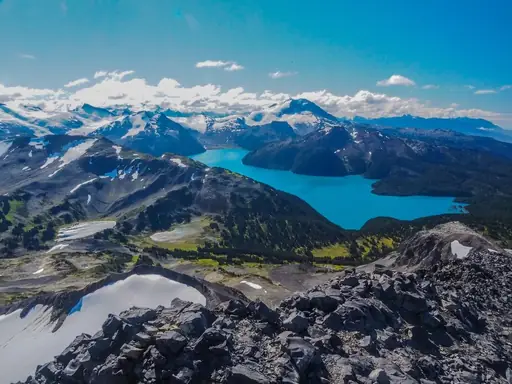
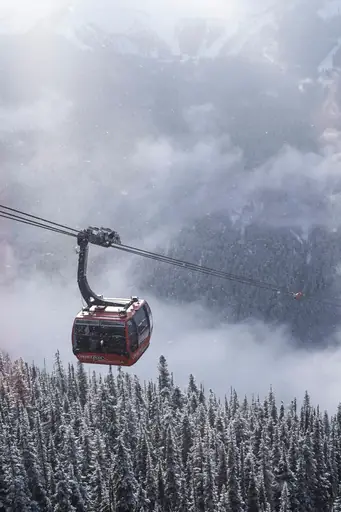
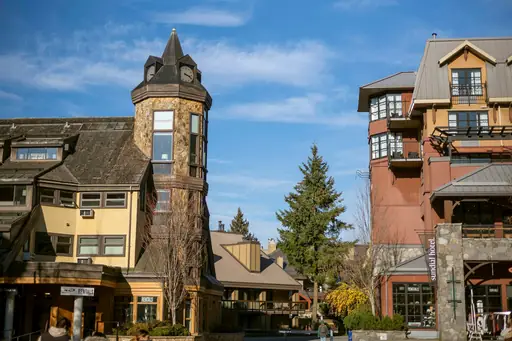
Black Tusk, a volcanic plug near Whistler, offers a scramble and moderate climb to its jagged summit. Granite peaks throughout the surrounding coast mountains provide alpine climbing beyond the resort's ski runs. Visitors can hike towards Black Tusk on established trails before attempting technical sections. Backcountry huts support longer multi-day trips deeper into the range.
Nature Reserve in Greece
Meteora
Monasteries Suspended in the Sky
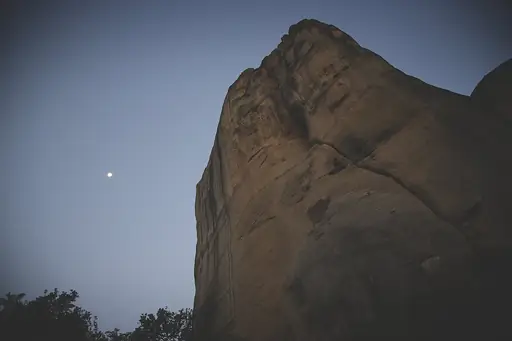
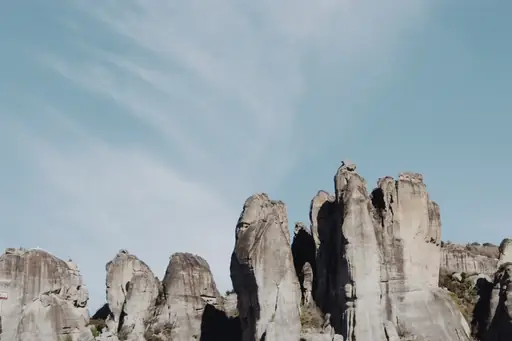
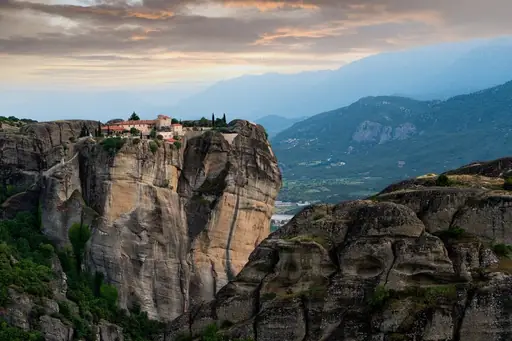
Monasteries perched atop Meteora's sandstone pillars were once reached only by rope baskets hauled up from below. Climbers now use the same formations for sport routes winding past the monastery walls. Visitors can climb the pillars or tour the monasteries by road and stairway instead. Local guides know which routes stay clear of active grounds.
Town in Switzerland
Zermatt
Alpine Magic and the Matterhorn
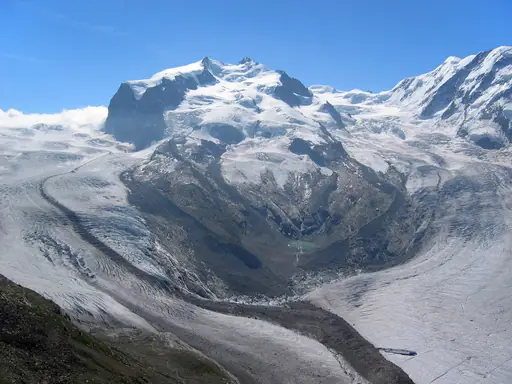
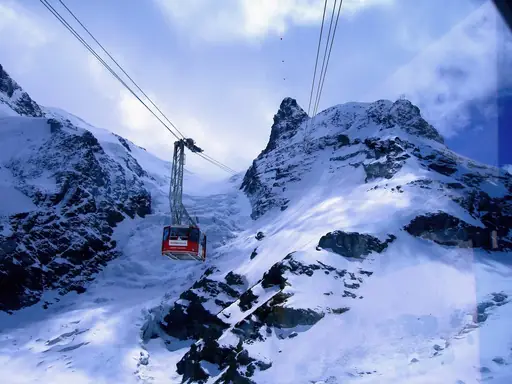
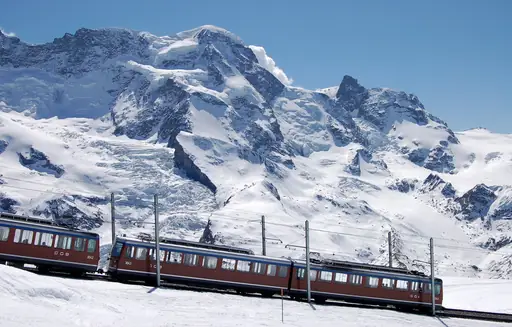
The Matterhorn towers above Zermatt, its pyramid shape drawing climbers since its 1865 ascent. That climb ended in tragedy when four descending team members fell to their deaths. Visitors can view the peak from town or attempt the classic Hornli Ridge with a guide. Weather and rockfall remain serious hazards on the upper mountain.
National Park in Chile
Torres del Paine National Park
Epic Landscapes and Untamed Wilderness
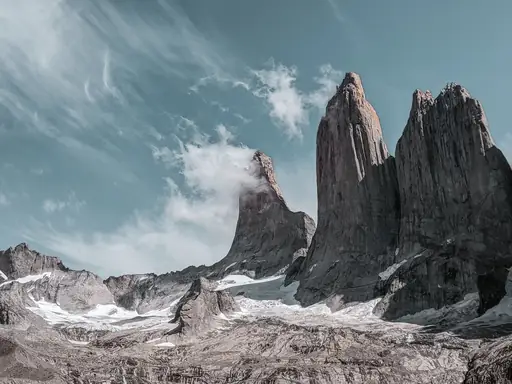
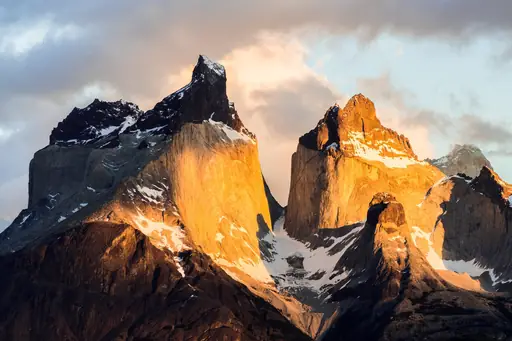
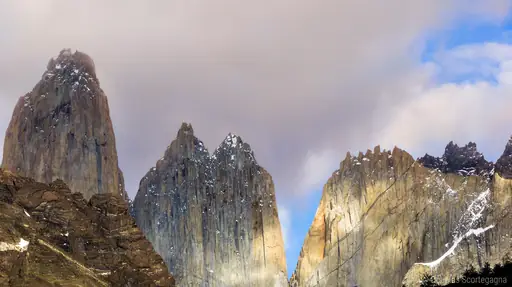
Torres del Paine's granite towers rise abruptly from the Patagonian steppe, forming the backdrop for the region's famous treks. Technical climbers attempt the towers, while most visitors view them from trails circling the base. Visitors can hike the popular W circuit without climbing experience. Strong winds create challenges similar to those found near El Chalten.
Nature Reserve in South Africa
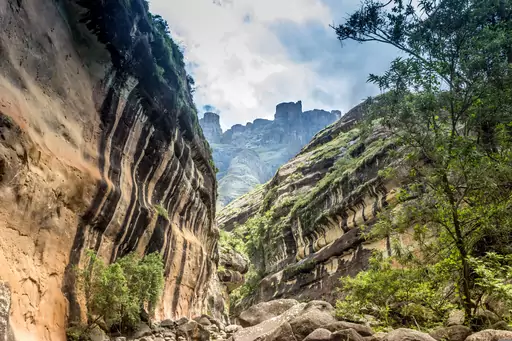
Ukhahlamba Drakensberg Park
Barrier of spears touching sky
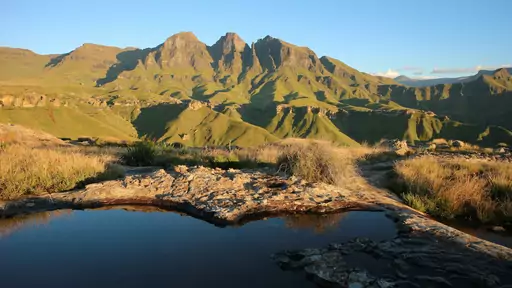
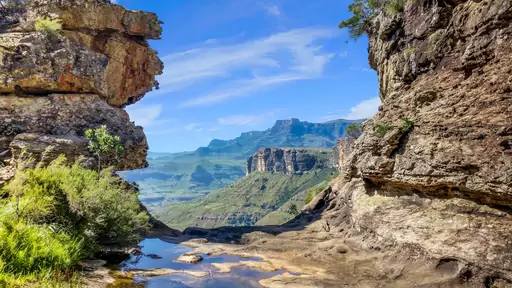
The Amphitheatre wall in the Drakensberg ranks among the tallest rock faces on Earth. It stretches for miles along the escarpment. A chain ladder route near the Sentinel peak lets hikers reach the top without technical gear. Visitors can attempt traditional rock routes on the basalt and sandstone cliffs with proper experience.
Island in Norway
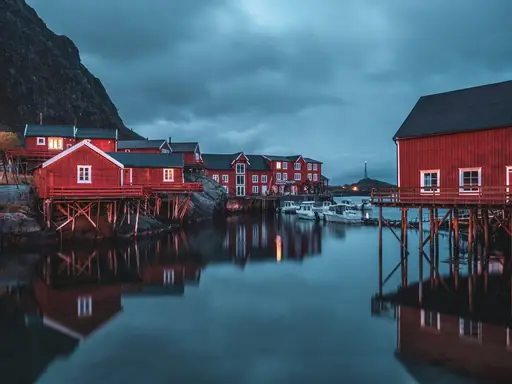
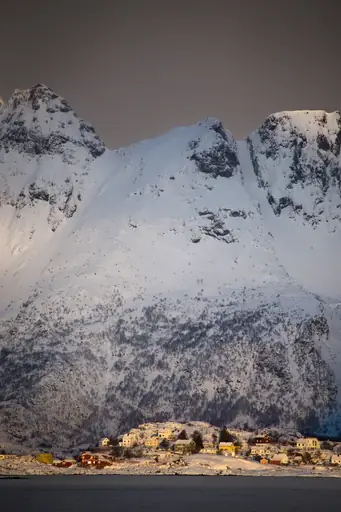
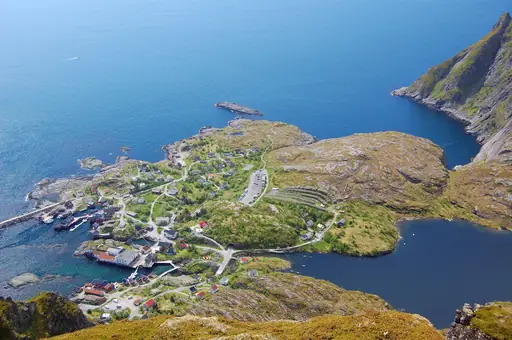
Lofoten
Dramatic Peaks and Northern Lights
Granite peaks in Lofoten rise almost directly from the sea, giving climbers ocean views partway up the rock. The Svolvaergeita spire draws climbers who leap between its two summit points, a local tradition. Visitors can climb under nearly constant daylight during the midnight sun. Fishing villages below provide a base for exploring the surrounding peaks.
Country
Tajikistan
Dramatic mountains meet ancient cultures
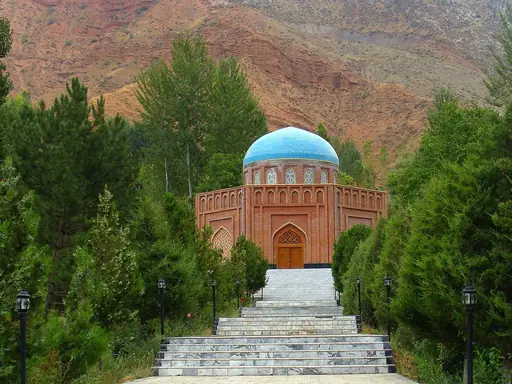
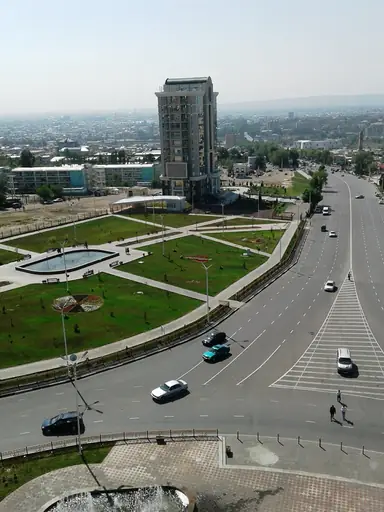
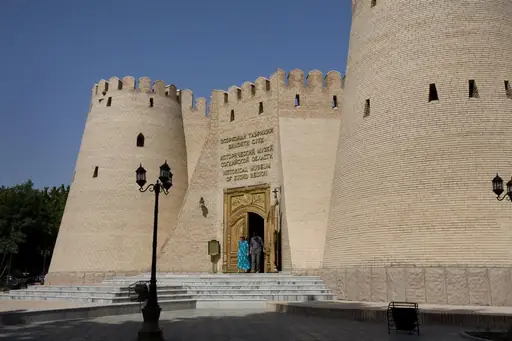
The Fann Mountains in Tajikistan offer granite walls and alpine lakes more accessible than the higher Pamirs. Climbers reach base camps within a day or two of trekking rather than longer approaches elsewhere. Visitors can combine climbing with treks past turquoise lakes through the range. The shorter approach has made the Fanns popular with climbers.
Village in Switzerland
Lauterbrunnen
Valley of 72 waterfalls
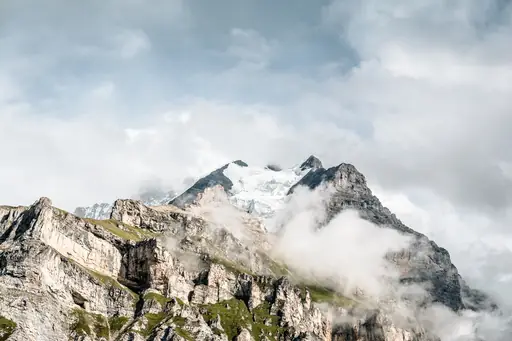
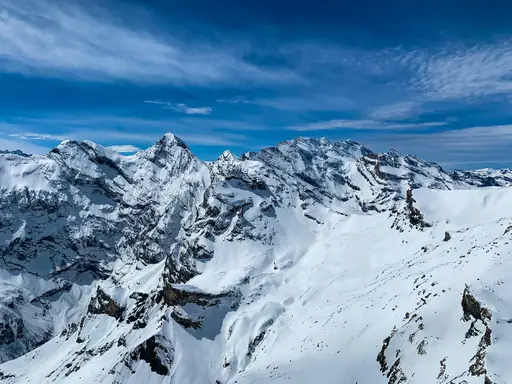
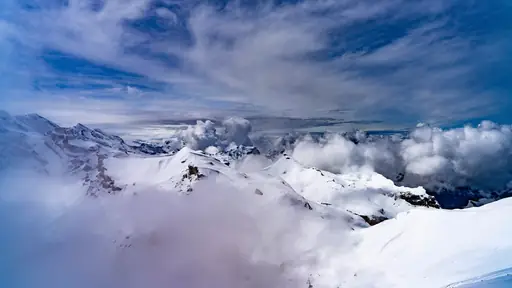
Cliffs lining the Lauterbrunnen valley host rock climbing and a busy base jumping scene above the floor. Waterfalls cascade down the same walls that climbers and jumpers use year round. Visitors can watch both sports from meadows below without needing gear. The valley also serves as a gateway towards routes higher in the Bernese Oberland.
National Park in United States
Zion National Park
Red rocks, epic hikes and nature's beauty
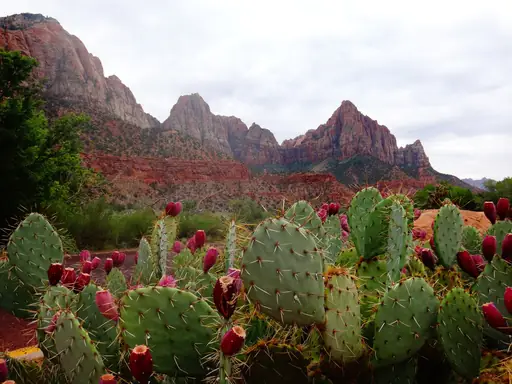
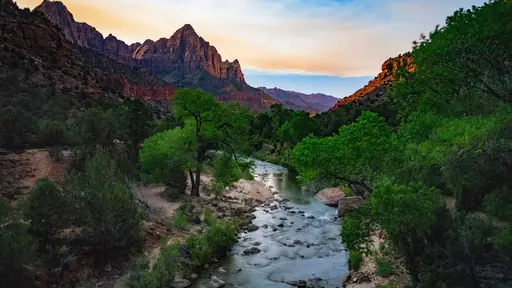
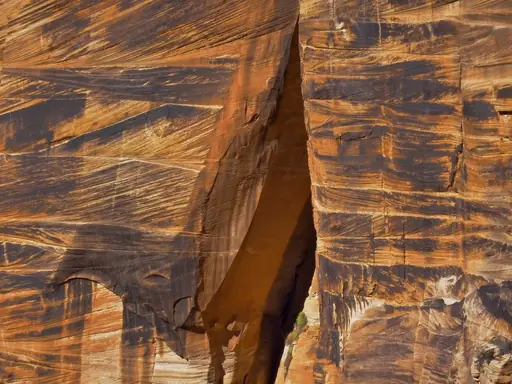
Sandstone walls throughout Zion National Park hold long, sustained big wall routes like Moonlight Buttress above the canyon. Climbers often spend days on these routes, hauling gear and sleeping on ledges partway up. Visitors can hike canyon trails below without attempting the routes above. Desert varnish streaks many cliffs with dark patterns climbers navigate around.
Town in Switzerland
Verbier
Alpine Paradise with Epic Views
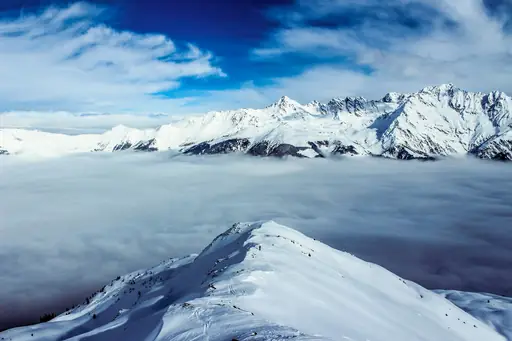
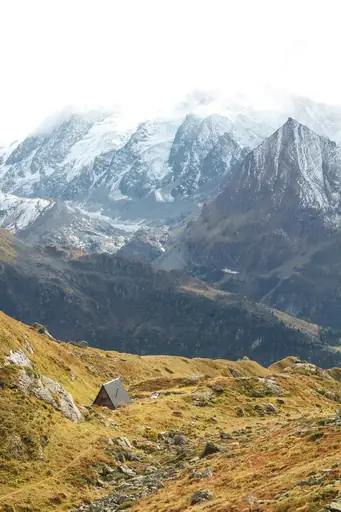
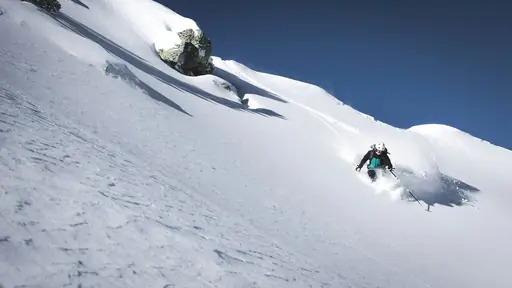
Verbier's ski slopes give way to granite peaks and alpine routes once the snow melts each summer. Val de Bagnes nearby holds multi-pitch rock climbs within reach of town. Visitors can hire guides for backcountry routes from moderate scrambles to technical alpine climbs. Cable cars used for skiing also shorten summer approaches to routes.
Mountain Range
Alps
Majestic peaks echoing alpine serenity
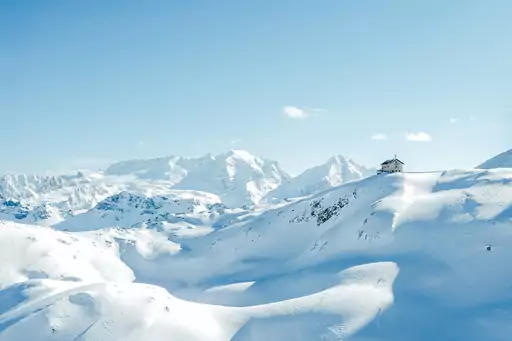
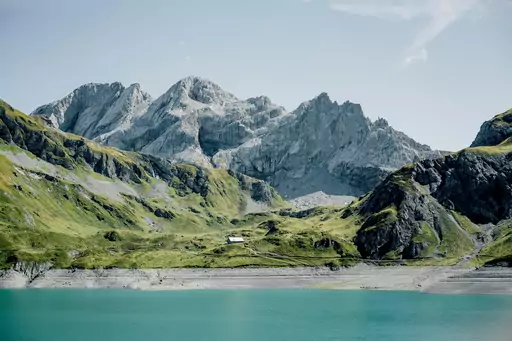
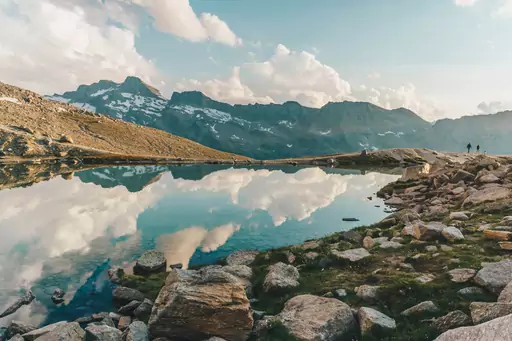
Mountaineering began as a sport with an 1786 ascent of Mont Blanc, sparking climbing across the Alps. Guides and huts built the following century opened routes to more climbers. Visitors can hire guides for routes from easy walks to technical rock and ice. Cable cars now reach trailheads that once took days to approach.
Village in Switzerland
Grindelwald
A Majestic Swiss Mountain Village
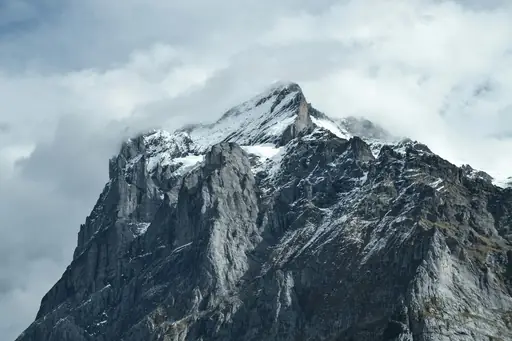
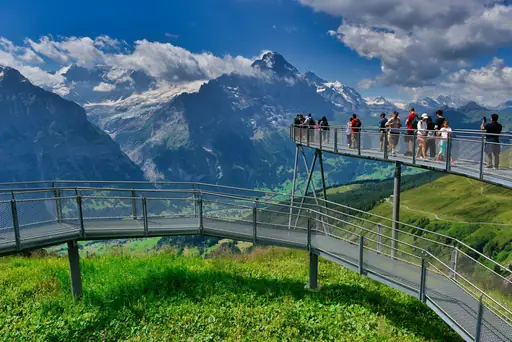
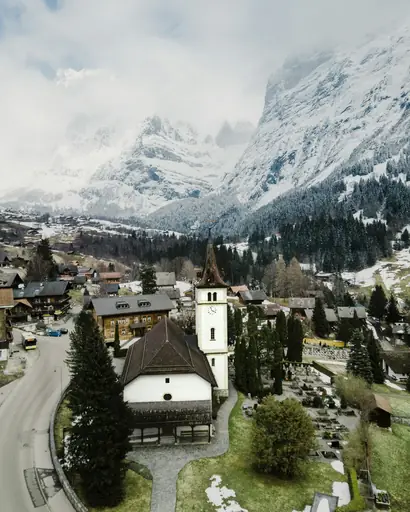
The Eiger's North Face towers above Grindelwald, known as one of the alpine world's most dangerous climbs. Climbers first summited the face in 1938 after earlier attempts ended in tragedy. Visitors can ride a train through tunnels inside the mountain for close views. The face still draws alpinists attempting one of climbing's classic tests.
Region in Nepal
Annapurna
Legendary Trekking in Himalayan Diversity
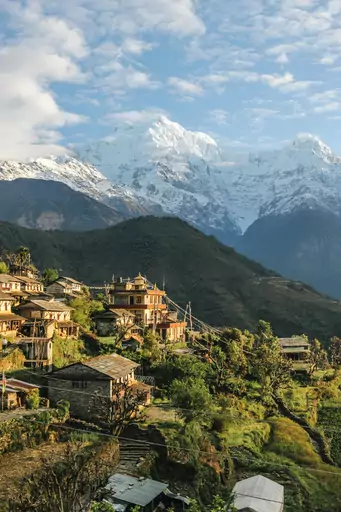
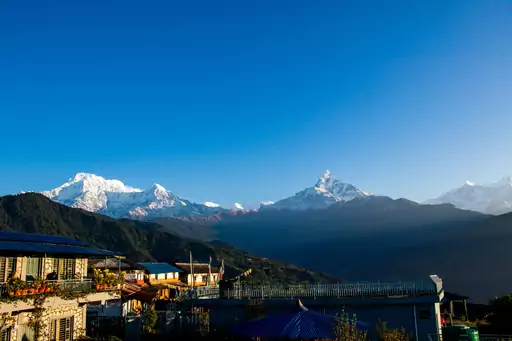
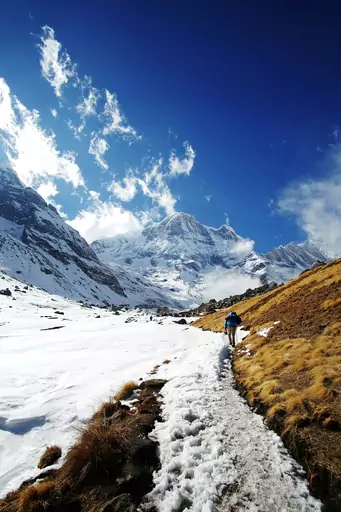
Annapurna was the earliest peak over 8,000 metres ever summited, reached by a French team in 1950. The mountain carries a reputation as one of the Himalayas' more dangerous peaks. Visitors can trek partway up the approach without attempting the technical summit routes. Weather and avalanche risk remain serious concerns on the upper mountain.
National Park in Canada
Jasper National Park
Untamed Wilderness and Starry Skies
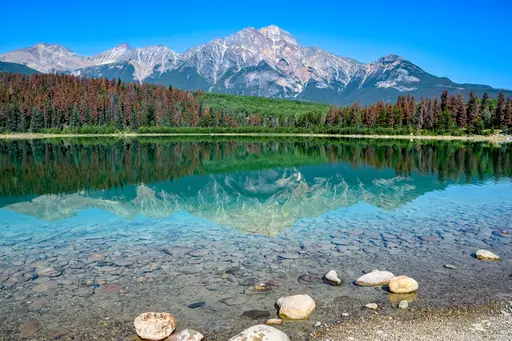
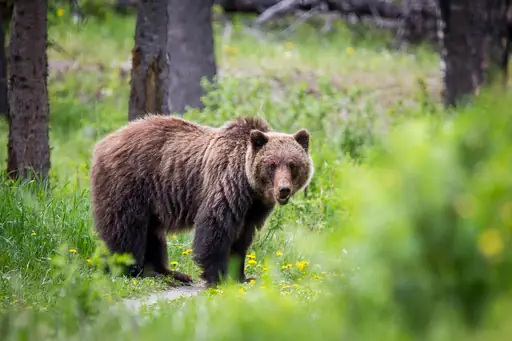
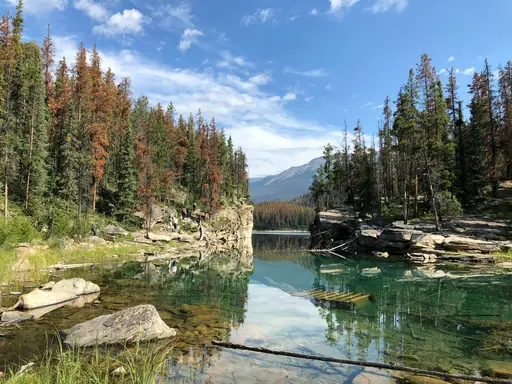
Mount Edith Cavell near Jasper offers alpine rock routes with fewer crowds than nearby Canadian Rockies destinations. Glaciers cling to the peak's north face, adding an icy backdrop to nearby climbs. Visitors can hike close to the mountain's base without attempting technical routes. Weather here shifts quickly, much like elsewhere in the Rockies.
National Park in United States
Yosemite National Park
Nature's Grand Cathedral
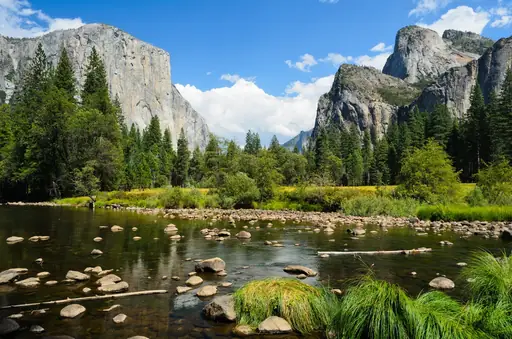
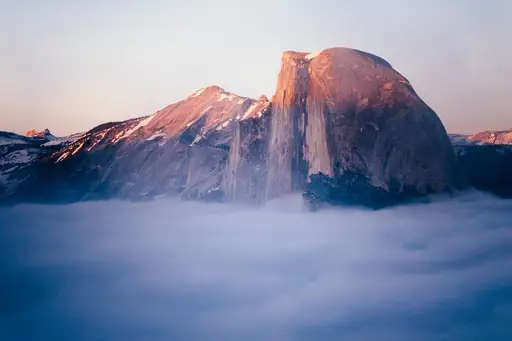
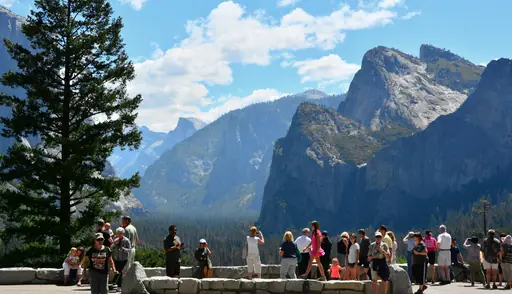
Yosemite Valley helped define modern big wall climbing, with climbers developing new techniques on granite walls. Camp 4, a simple campsite in the valley, became a legendary gathering spot for climbers testing gear. Visitors can walk through Camp 4's historic grounds even without climbing. The valley's walls remain a benchmark against which climbers measure skill.
Village in Norway
Reine
Lofoten’s Iconic Fjord Village
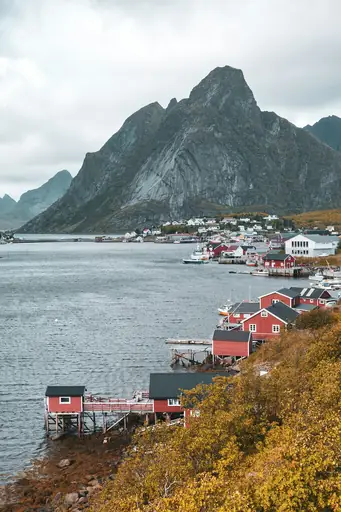
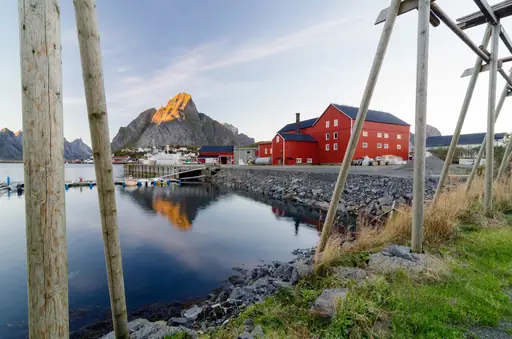
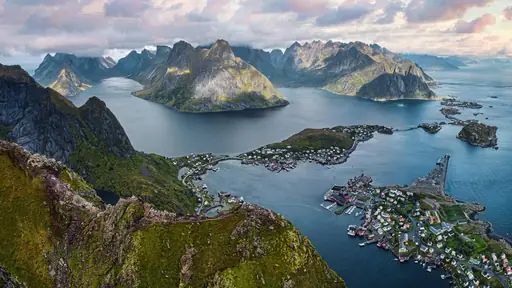
Reine sits beneath sheer granite peaks rising almost directly from the fishing village's waterfront. The Reinebringen trail climbs steeply to a viewpoint over the village and surrounding fjords. Visitors can hike the improved stone staircase built to manage foot traffic on the route. Technical climbers can find granite routes on peaks further into the archipelago.
Island in Spain
Mallorca
Mediterranean Magic: Beaches & Mountains
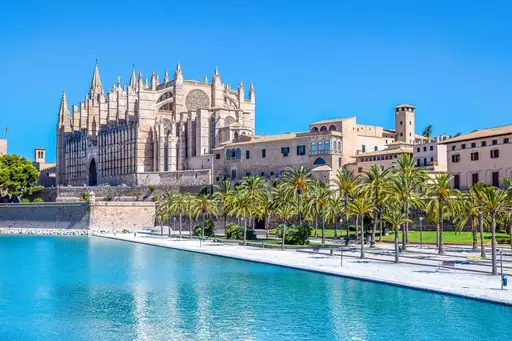
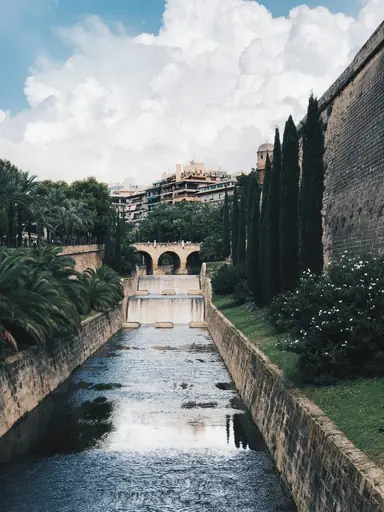
Mallorca helped popularise deep water soloing, climbing sea cliffs without ropes and falling into the Mediterranean below. Limestone formations along the coast create routes reachable only by boat or a swim from shore. Visitors can join guided soloing trips departing from coastal towns. The sport spread from Mallorca to similar coastlines worldwide since.


Town in France
Fontainebleau
Royal Château and Enchanting Forest
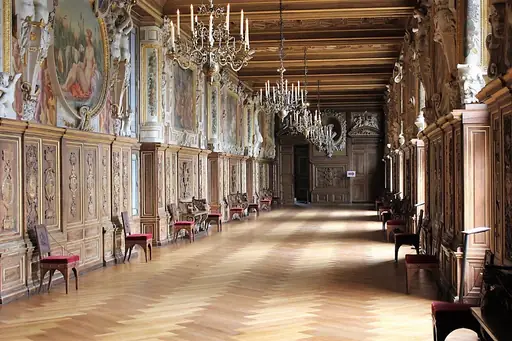
Fontainebleau's sandstone boulders scattered through forest outside Paris helped establish bouldering as its own climbing discipline. Climbers here developed the crash pad system now used at boulder fields worldwide. Visitors can follow marked circuits graded by difficulty through the forest. Sand brushed from shoes before climbing protects the rock.
Town in Switzerland
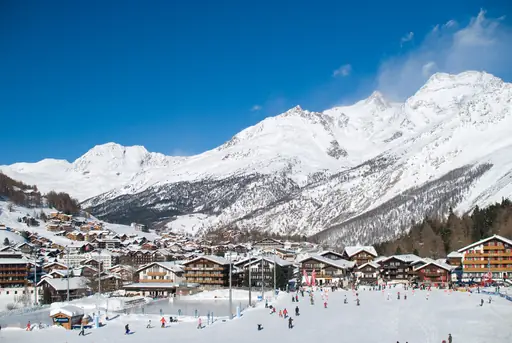
Saas-Fee
Glaciers, Peaks and Alpine Serenity
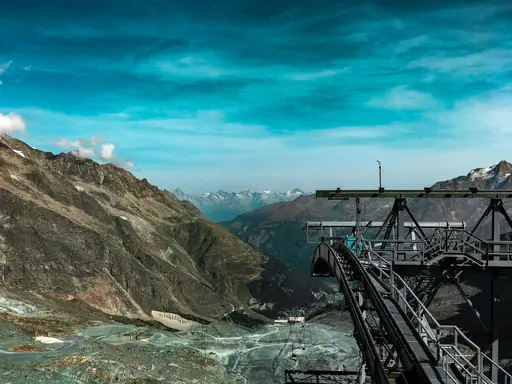
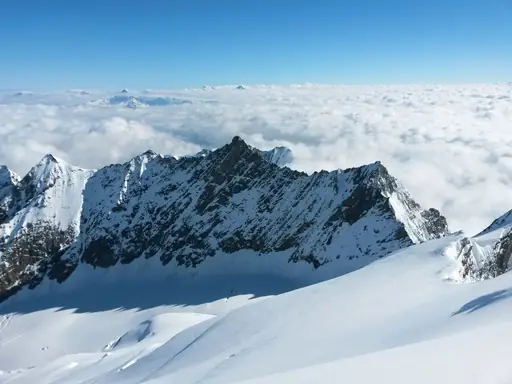
Saas-Fee sits beneath the Mischabel range, home to several peaks over 4,000 metres near town. Glaciers surrounding the village support both summer skiing and technical alpine climbing routes. Visitors can ride cable cars partway up before continuing on foot towards higher routes. Guides based in the village lead climbs across the surrounding peaks.
Region in India
Zanskar
Hidden Himalayan Buddhist wilderness frontier
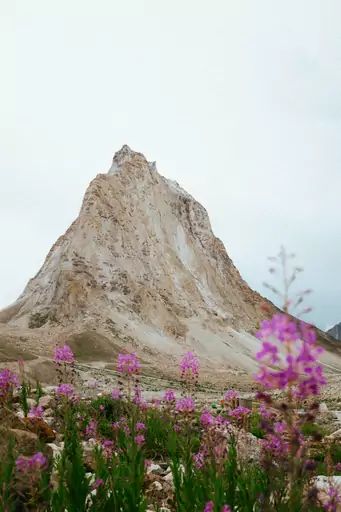
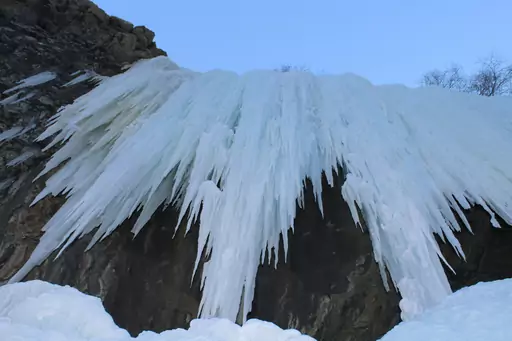
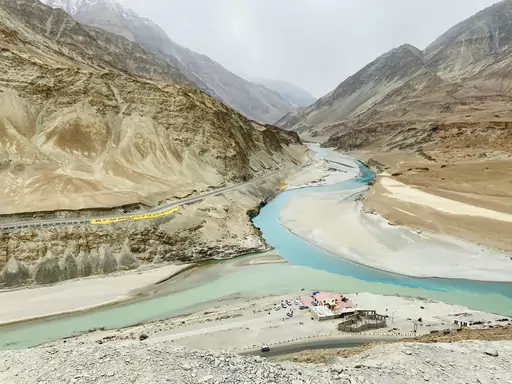
Zanskar's isolation has kept formal climbing infrastructure limited compared to more developed parts of the Himalayas. Local monasteries built into cliffsides hint at a long relationship with steep terrain. Visitors can trek through Zanskar's valleys, including a winter route across the frozen river. A small but growing number of climbers have begun exploring bouldering here.
National Park in Italy
Dolomites National Park
Towering peaks and pristine wilderness
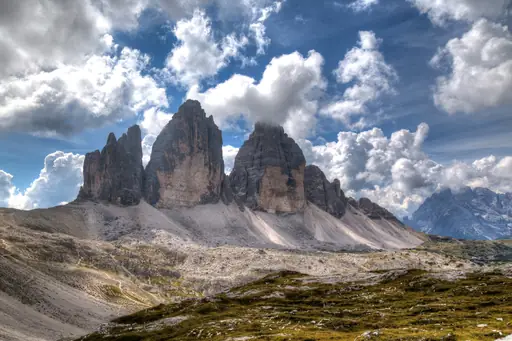
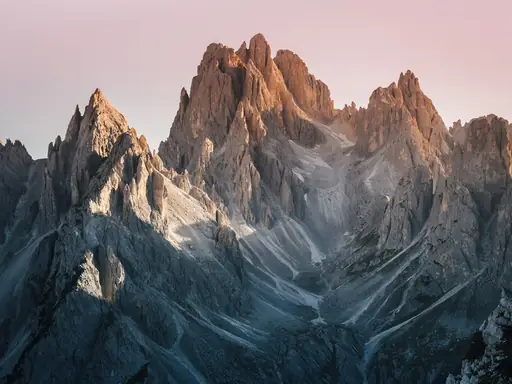
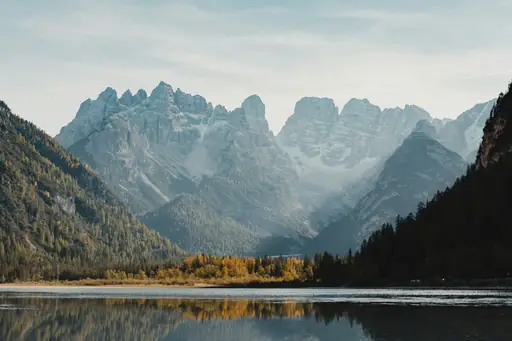
Tre Cime di Lavaredo anchors one of the most photographed corners of the Dolomites. Its three peaks rise sharply above surrounding meadows. A network of via ferrata routes lets hikers reach exposed terrain using protected steel cables. Visitors can walk a loop trail around the peaks without any climbing gear.
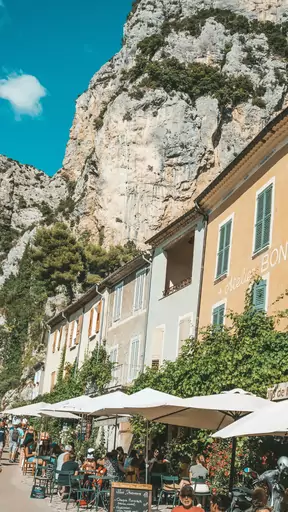
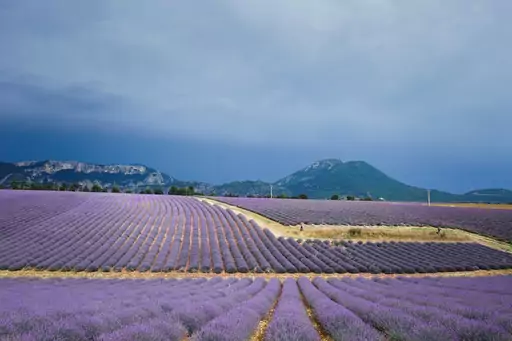
Village in France
Moustiers Sainte Marie
Gateway to the Verdon Gorge
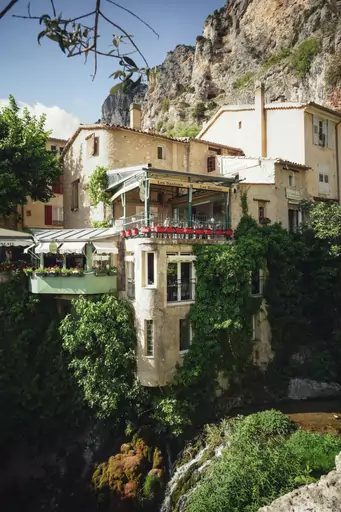
The Gorges du Verdon near Moustiers-Sainte-Marie cuts a limestone canyon deep enough to draw comparisons to the Grand Canyon. Climbers rappel into the gorge to reach multi-pitch routes on walls above the river. Visitors can also view the canyon from rim trails without climbing gear. The turquoise river adds contrast to the pale limestone walls.
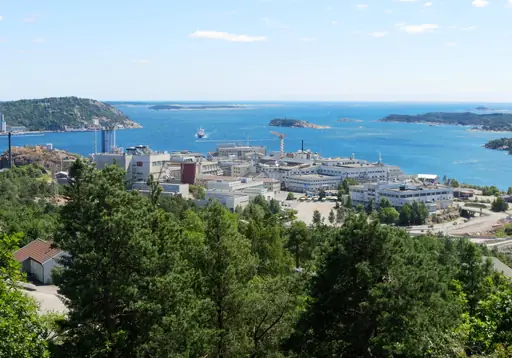
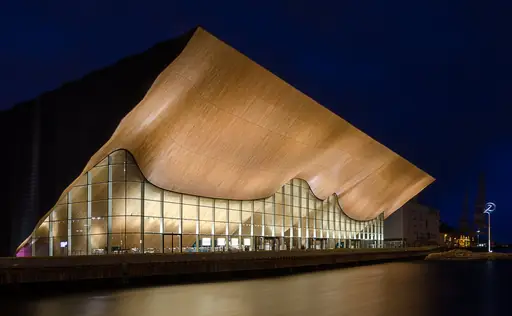

City in Norway
Kristiansand
Coastal charm meets vibrant cultural scene
Granite crags along the coast near Kristiansand offer traditional climbing routes above the Norwegian Sea. Cooler summer temperatures make the region a comfortable season for climbing compared to areas further south in Europe. Visitors can combine climbing with the area's beaches and forested coastline. Local clubs maintain many of the routes scattered around the city.
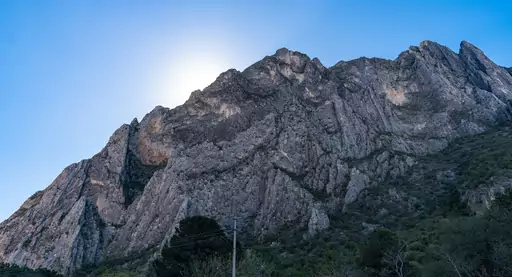
Park in Mexico
El Potrero Chico
Serene canyon trails and vibrant wildlife
El Potrero Chico's limestone walls hold some of the longest sport climbing routes in North America. Several routes stretch over twenty pitches from base to summit. Warm winter weather draws climbers escaping colder conditions further north. Visitors can choose from thousands of bolted routes scattered across the canyon.
Region in Germany
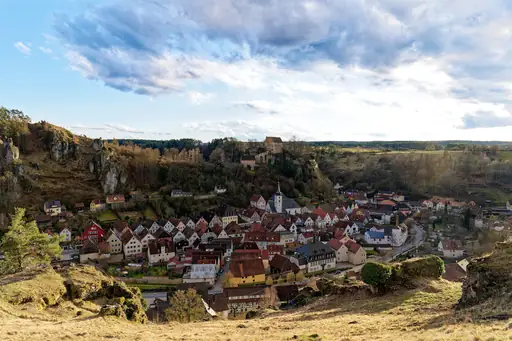
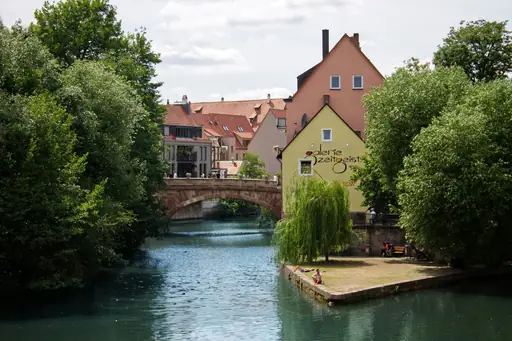
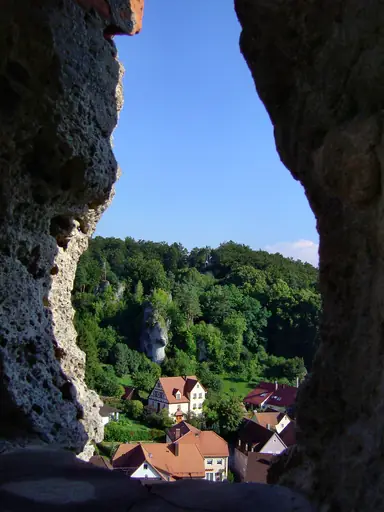
Frankenjura
Cliffs, caves, castles and small breweries
Frankenjura in Germany helped pioneer modern sport climbing after local climbers developed the practice of redpointing routes. Thousands of limestone routes fill the region's forested valleys, many bolted decades ago. Visitors can climb routes suited to nearly any skill level across the area's crags. Climbing here remains tied to the sport's technical history.
Peak in South Africa
Rocklands
Vibrant desert landscapes, unforgettable sunsets
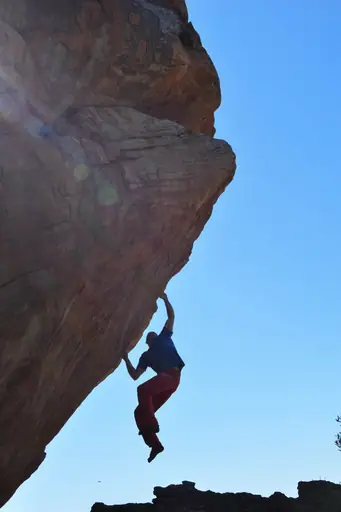
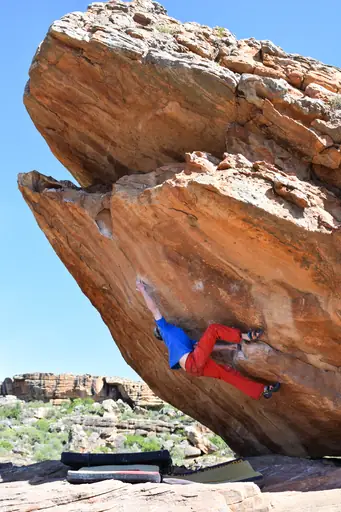
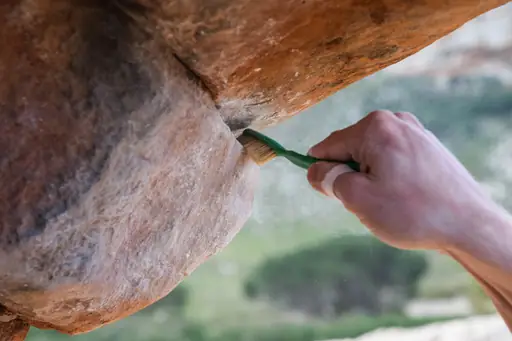
Rocklands in South Africa's Cederberg region holds sandstone boulders considered among the finest bouldering terrain on the continent. Climbers travel from overseas to attempt problems set among the distinctive rock formations. Visitors can camp near the boulders or stay at nearby farms during the season. The short winter season draws a concentrated rush of visitors.
Region in Austria
Tyrol
Alpine paradise in all seasons
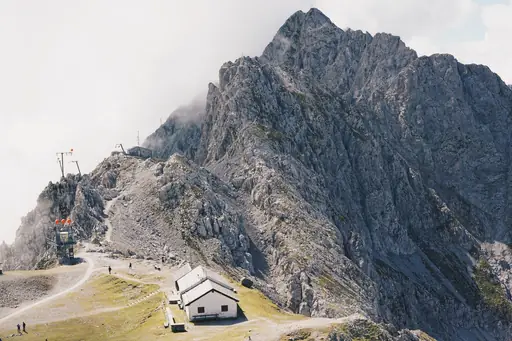
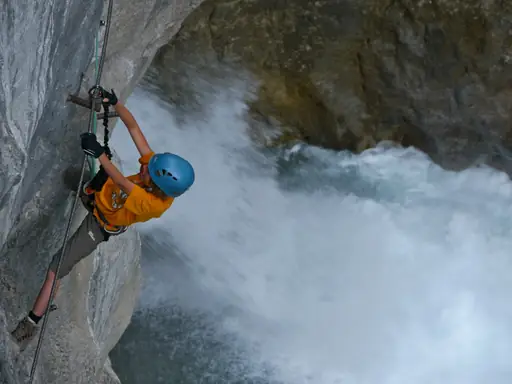
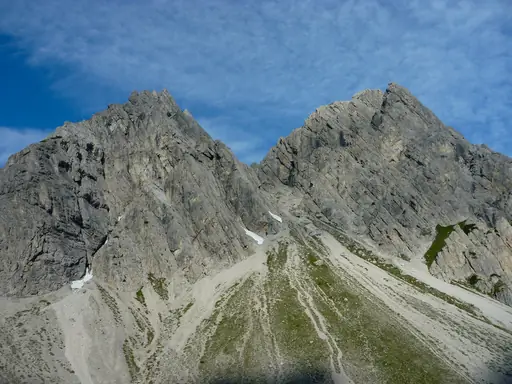
The Nordkette range rises directly above Innsbruck in Tyrol, reachable by cable car from downtown. A via ferrata route lets less experienced climbers clip into cables along an exposed ridge. Visitors can ride the cable car partway up for views or attempt the via ferrata. The Zillertal Alps further east offer more alpine climbing routes.
State/Prefecture in United States
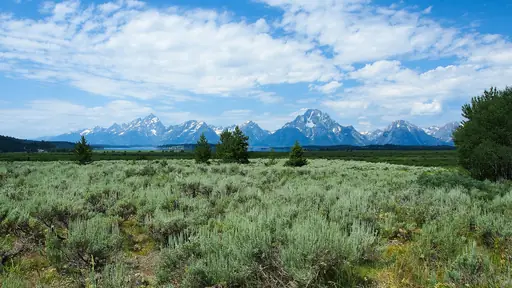
Wyoming
Wild West landscapes and natural wonders
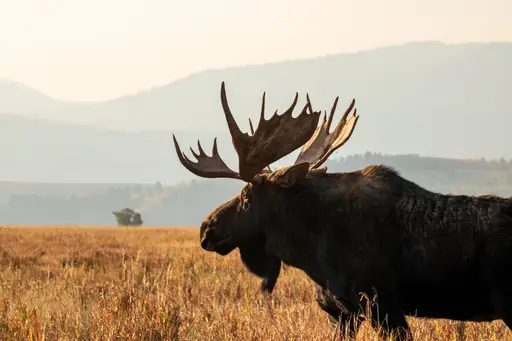
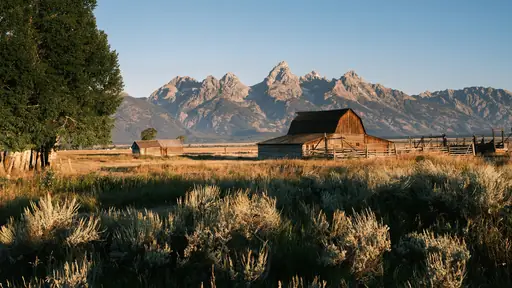
Devils Tower rises abruptly from the Wyoming plains as a volcanic column climbers first summited in 1893. Its columnar basalt structure creates parallel cracks that climbers follow up established routes. Visitors can view the tower from trails circling its base without attempting the climb. The site became the country's first national monument in 1906.

National Park in United States
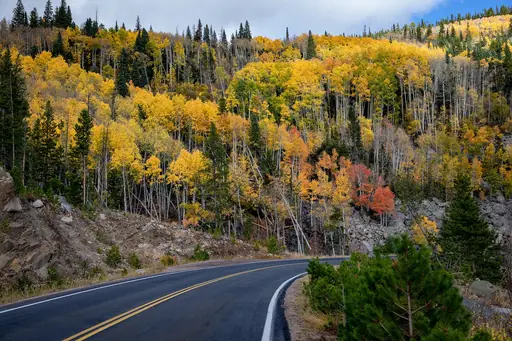
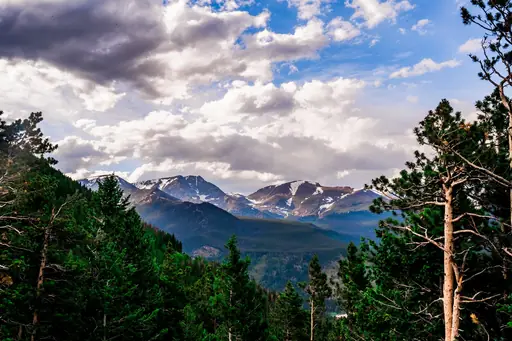
Rocky Mountain National Park
Majestic Peaks and Untamed Wilderness
The Diamond face on Longs Peak ranks among Colorado's classic high altitude big wall climbs. Climbers start before dawn to avoid the frequent afternoon thunderstorms at this elevation. Visitors can hike to the base of the face without attempting the routes above. The approach alone gains thousands of feet before climbing begins.
Town in Italy
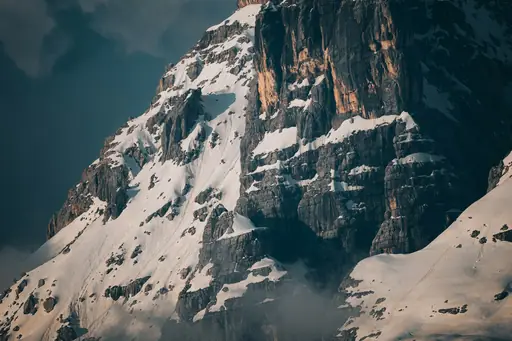
Cortina d'Ampezzo
Dolomite Peaks, Alpine Glamour, Adventure
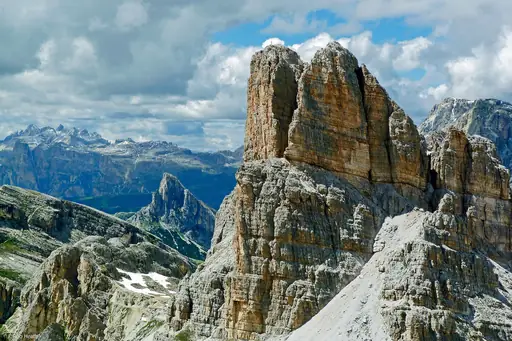
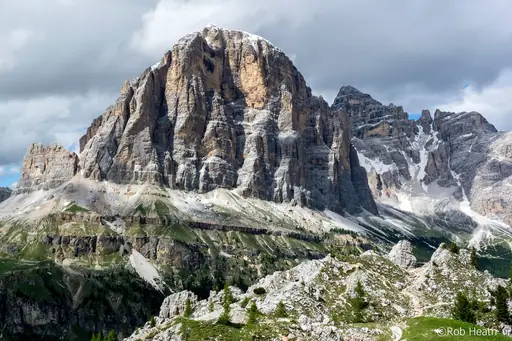
Cortina d'Ampezzo sits among the Dolomites' pale limestone towers. The Cinque Torri offers some of the range's most accessible multi-pitch routes. Soldiers built via ferrata routes into the cliffs during World War I. Visitors can climb traditional rock or clip into steel cables on a via ferrata instead.
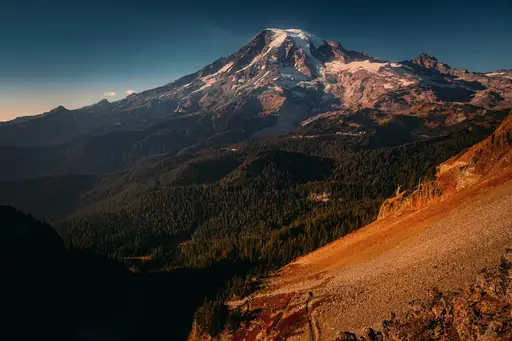
National Park in United States
Mount Rainier National Park
A Majestic Volcano and Wild Beauty
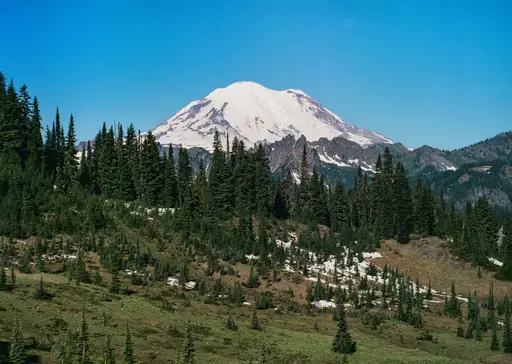
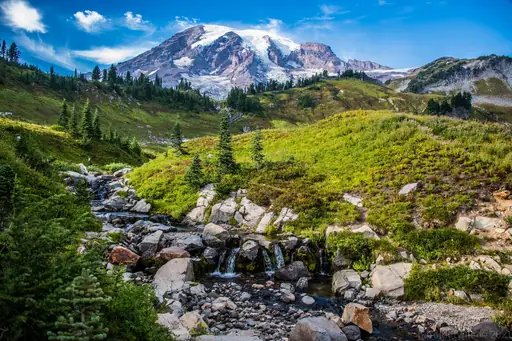
Mount Rainier's heavily glaciated slopes serve as a training ground for climbers preparing for higher peaks. Crevasses and shifting ice demand rope teams and glacier skills even on standard routes. Visitors can hire guides for a summit attempt or shorter mountaineering courses on lower glaciers. The volcano's elevation gain mirrors sections of larger expedition peaks.
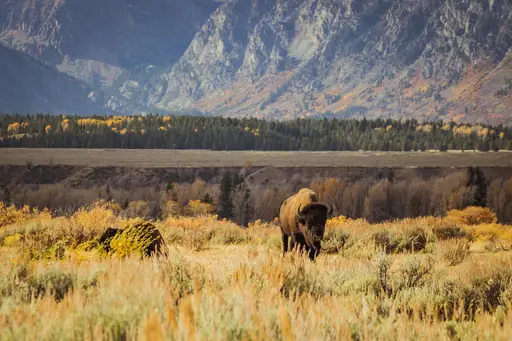
National Park in United States
Grand Teton National Park
Stunning Peaks and Wildlife Wonders
Grand Teton's Exum Ridge offers a classic alpine route to one of the range's most striking summits. Climbers typically camp partway up before pushing for the summit early the next morning. Visitors can hire guides for the standard route or attempt harder lines with experience. The jagged Teton skyline rises abruptly from the valley floor.
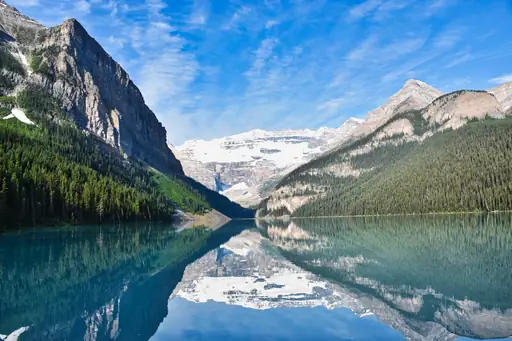
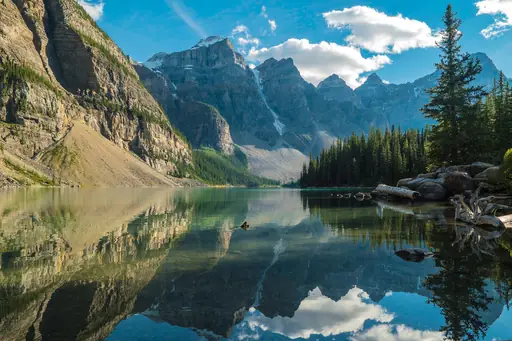
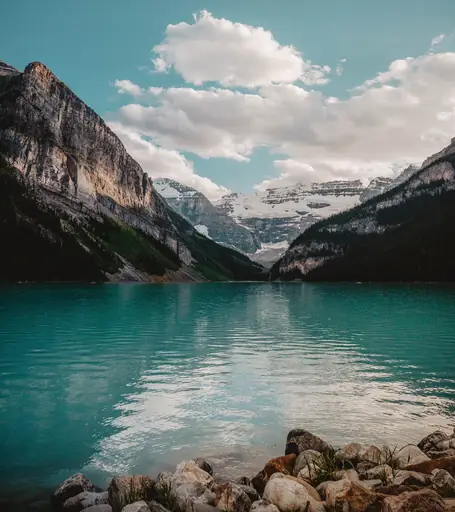
Lake in Canada
Lake Louise
Turquoise Gem of the Canadian Rockies
Frozen waterfalls near Lake Louise turn into vertical ice climbing routes each winter, drawing climbers who brave the cold. Ice axes and crampons replace the gear used on the area's summer rock routes. Visitors can join guided ice climbing trips without prior experience. The turquoise lake below stays frozen through much of the season.
National Park in Argentina
Los Glaciares National Park
Where glaciers meet towering peaks
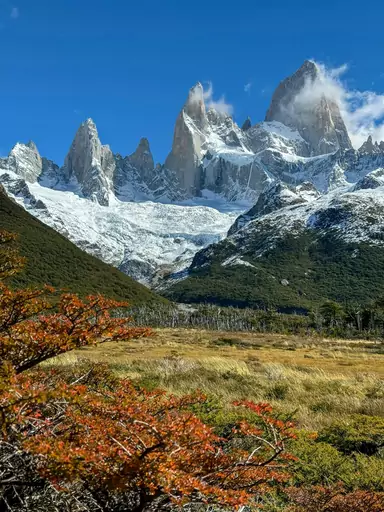
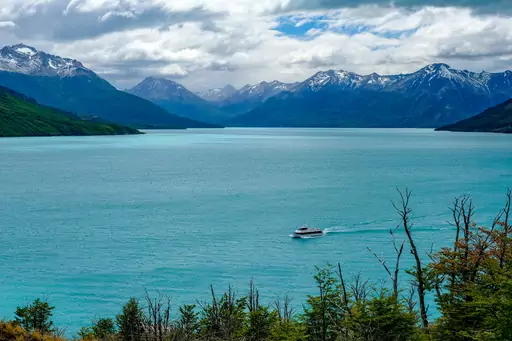
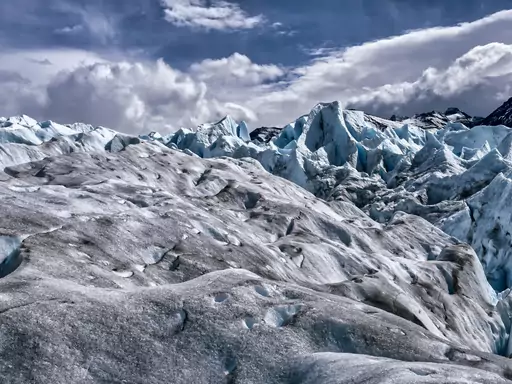
Los Glaciares National Park holds both the granite spires above El Chalten and the Perito Moreno Glacier further south. Ice climbers can practice on stable glacier ice under guide supervision. Visitors can walk boardwalks near Perito Moreno without any climbing experience. The park's spires draw technical climbers during the short summer season.
Mountain
Pyrenees
Where France meets Spain majestically
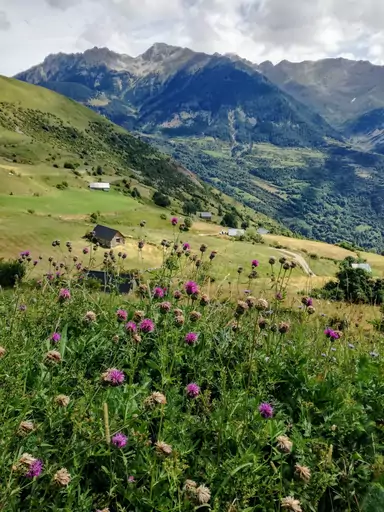
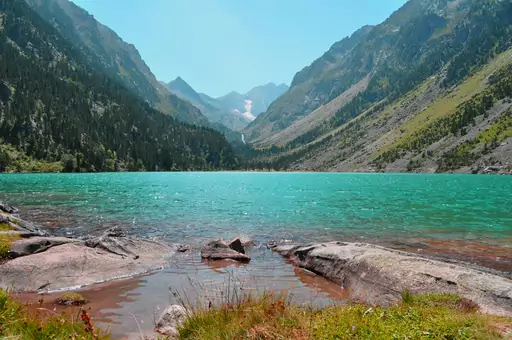
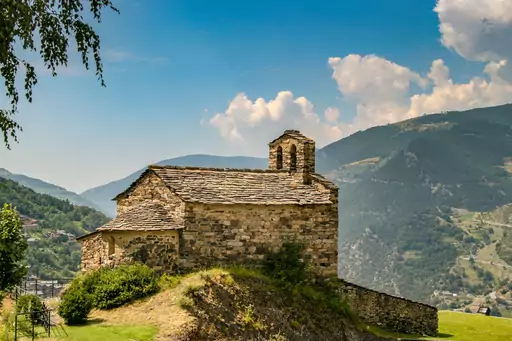
The Pyrenees straddle France and Spain, offering alpine routes with fewer crowds than the Alps. Vignemale and other peaks hold both technical rock routes and glacier travel. Visitors can hike towards high refuges before attempting harder routes with a guide. Weather here tends to be less predictable than in the central Alps.
National Park in United States
Denali National Park
Wild Alaska’s peaks and wildlife
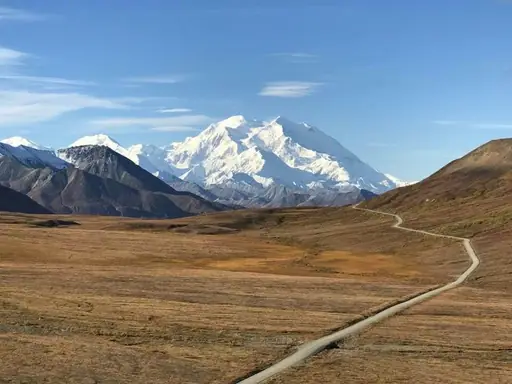
Denali rises as North America's tallest peak, its West Buttress the standard route for most expeditions. Climbers typically spend two to three weeks on the mountain, hauling supplies through extreme cold. Visitors can view the peak from park roads without attempting the climb. Weather windows for a summit attempt can close with little warning.

Park in United States
Hueco Tanks
Ancient rock art meets desert adventure
Hueco Tanks in Texas holds sandstone boulders covered in ancient rock art. The park also ranks among the country's most famous bouldering areas. Park rules require visitors to join a guided tour or obtain a permit for some sections. Rangers help protect nearby pictographs while climbers boulder established problems.
National Park in Tanzania
Kilimanjaro National Park
Africa's Rooftop Adventure
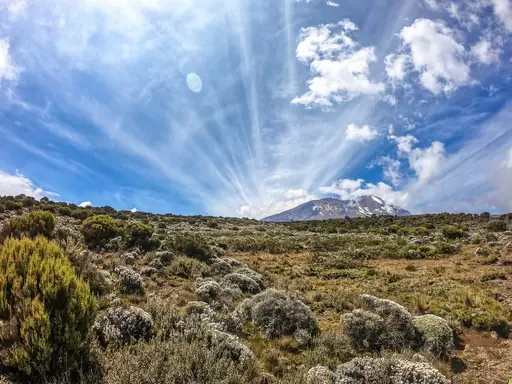
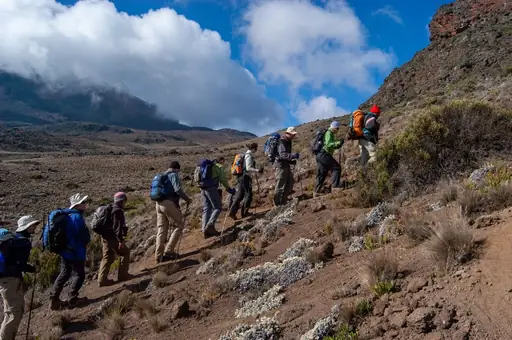
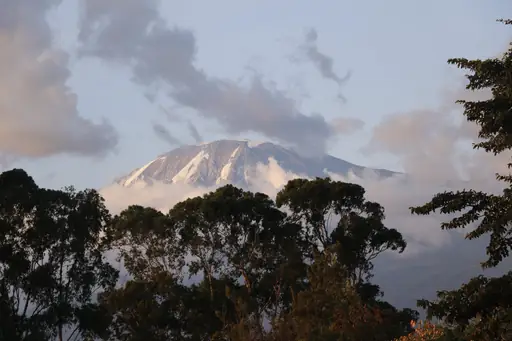
Kilimanjaro National Park protects several distinct routes up the mountain. Each passes through different ecological zones on the way to the summit. Rangers require climbers to register and travel with licensed guides throughout the park. Visitors can choose routes that vary in length, difficulty and scenery.
Mountain in Kenya
Mount Kenya
Majestic peaks echo ancient African horizons
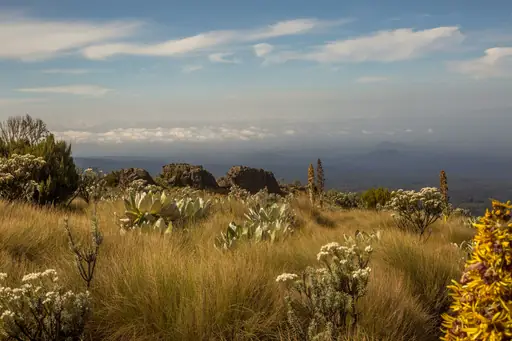
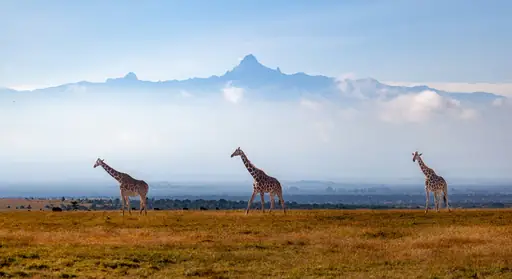
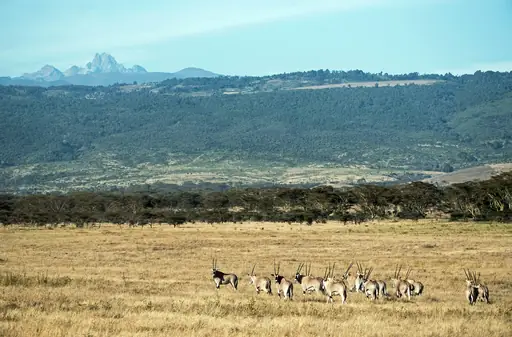
Batian, the true summit of Mount Kenya, requires technical rock climbing unlike nearby slopes. Climbers typically spend several days acclimatising on the lower slopes before attempting the summit. Visitors can trek to a lower, non-technical peak on the same mountain without gear. Equatorial glaciers near the summit have shrunk significantly in recent decades.
National Park in Australia
Blue Mountains National Park
Majestic Views and Untamed Nature
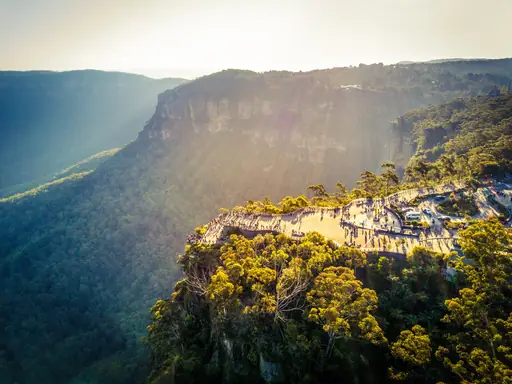
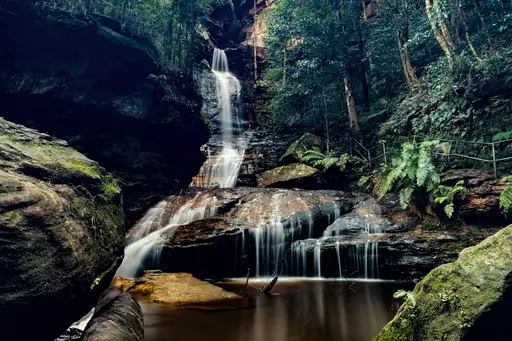
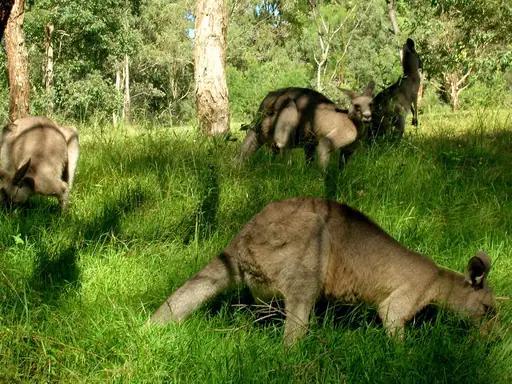
Sandstone cliffs throughout the Blue Mountains give Sydney climbers easy access to hundreds of established routes. The Three Sisters rock formation anchors one of the area's most photographed climbing zones. Visitors can join guided climbs or abseiling trips without prior experience. Routes range from short single pitch climbs to longer multi-pitch lines on taller cliffs.
Country
Greenland
Arctic wilderness with ice landscapes
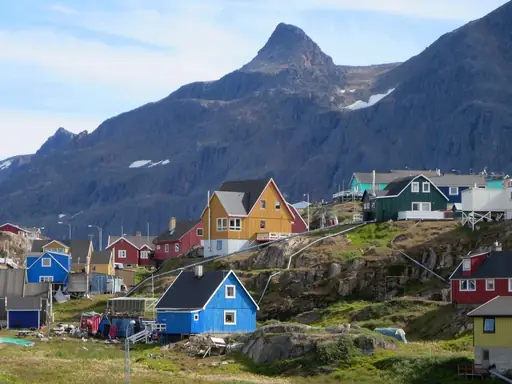
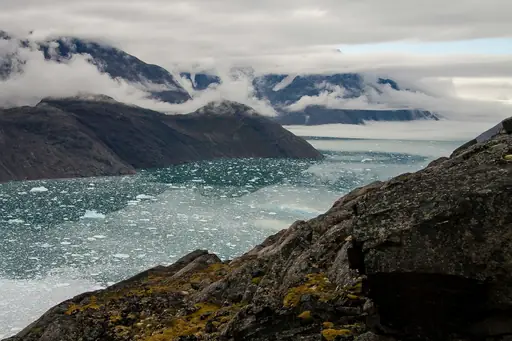
Granite walls rising directly from Greenland's fjords offer some of the most remote big wall climbing on Earth. Expeditions typically arrive by boat, since no roads reach the base of most objectives. Visitors can charter boat trips just to view the fjords and walls. Midnight sun in summer allows climbing at almost any hour.
Region in India
Ladakh
Himalayan Cold Desert of Contrasts
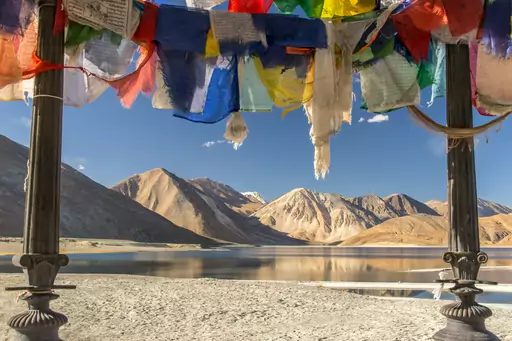
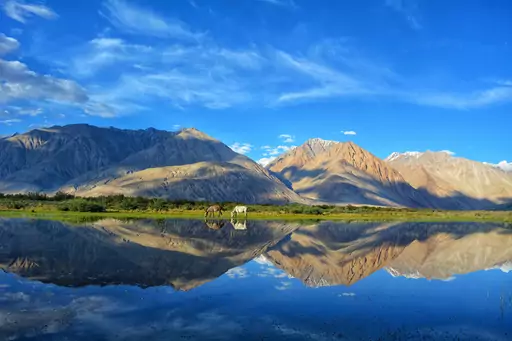
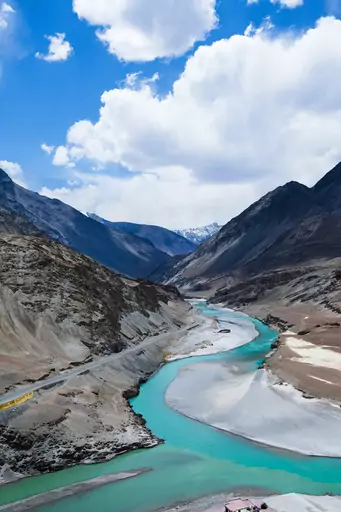
High altitude bouldering has grown around Ladakh's villages, where climbers scramble on granite boulders beneath snow capped peaks. Buddhist monasteries perched on nearby cliffs add a striking backdrop to climbing sessions. Visitors can acclimatise in Leh before attempting strenuous climbing given the thin air. The short summer season limits when conditions stay favourable.
Peak in United States
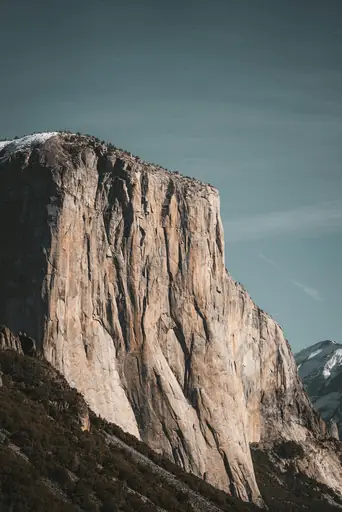
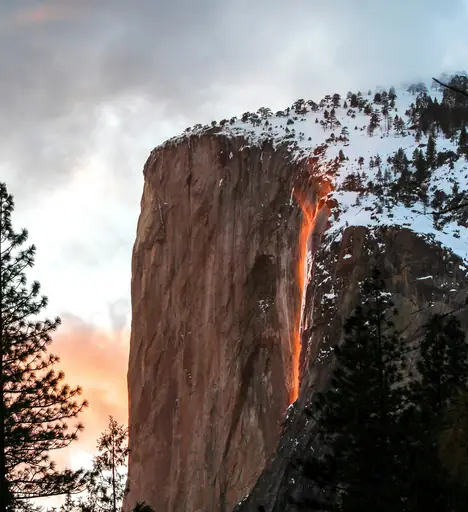
El Capitan
Yosemite's Iconic Vertical Giant
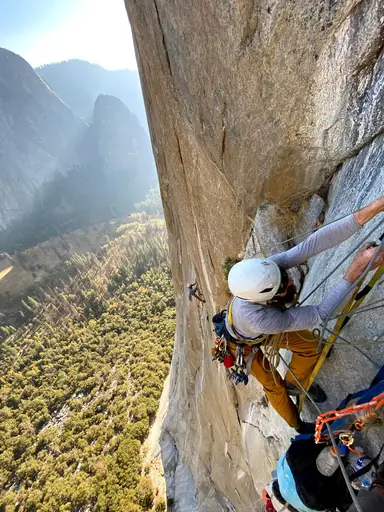
El Capitan's sheer granite face in Yosemite rises nearly 3,000 feet, drawing climbers to routes like The Nose. Alex Honnold free soloed the wall without ropes in 2017, stunning the climbing world. Visitors can watch climbers through binoculars from meadows below. Speed climbers now race up some routes in under two hours.

Country
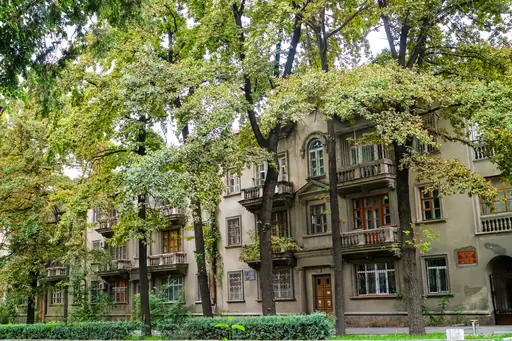
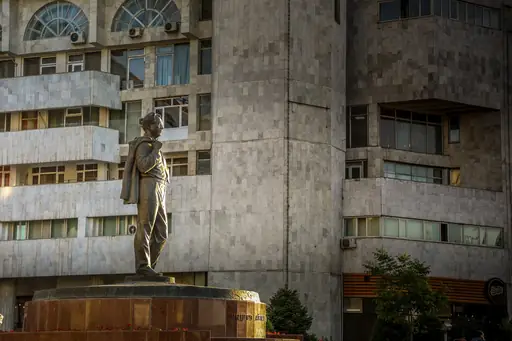
Kyrgyzstan
Untouched mountain wilderness awaits explorers
The Karavshin valley in Kyrgyzstan holds granite walls thousands of feet tall. Climbers often compare its scale and remoteness to Patagonia. Expeditions typically approach by helicopter or a multi-day trek through the mountains. Visitors can attempt long free climbing routes rarely visited outside the short summer season, when conditions allow safe access.
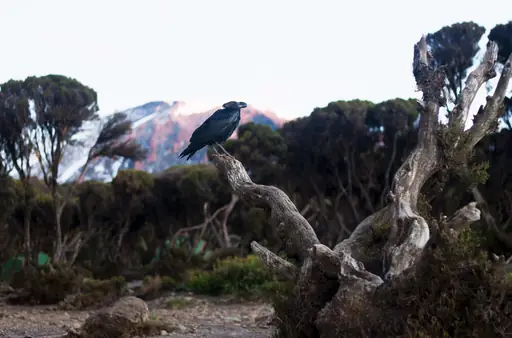
Mountain in Tanzania
Mount Kilimanjaro
Africa's Roof, World's Highest Freestanding Volcano
Kilimanjaro's standard routes require no technical gear, making it an approachable peak given its height. Climbers pass through several climate zones, from rainforest to alpine desert, over a few days. Visitors can reach the summit with a licensed guide and porters carrying most gear. Altitude sickness remains the main obstacle rather than difficulty.
Mountain
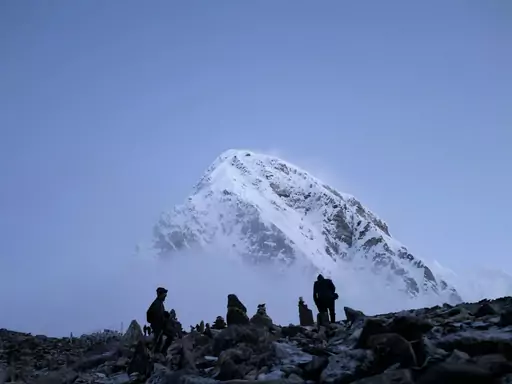
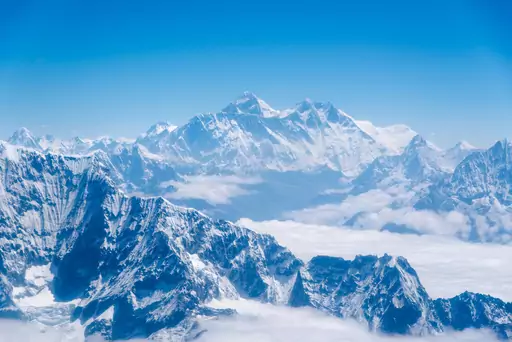
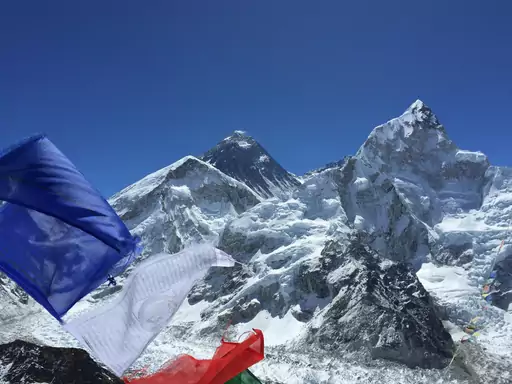
Mount Everest
World's highest peak, ultimate challenge
Tenzing Norgay and Edmund Hillary reached Everest's summit in 1953, opening an era of expeditions. Modern climbers pass through the dangerous, shifting ice of the Khumbu Icefall on the way up. Visitors can trek to base camp without attempting the technical climb. Commercial guiding has made the attempt more accessible, though still demanding.
City in United States
Indio
Desert oasis buzzing with music festivals
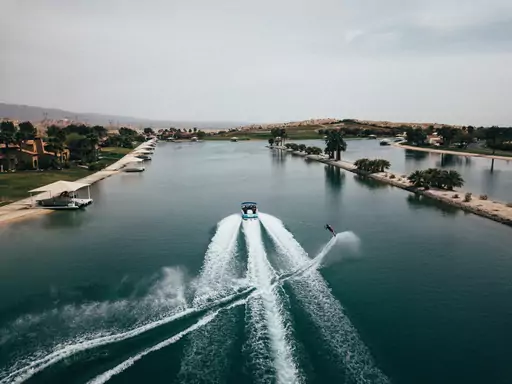
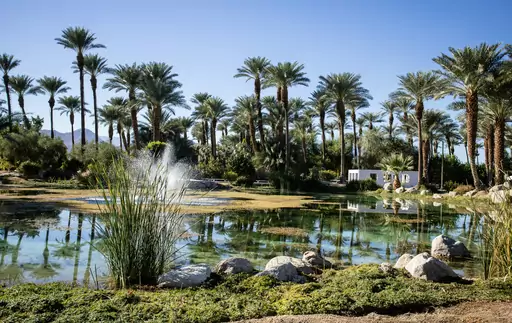
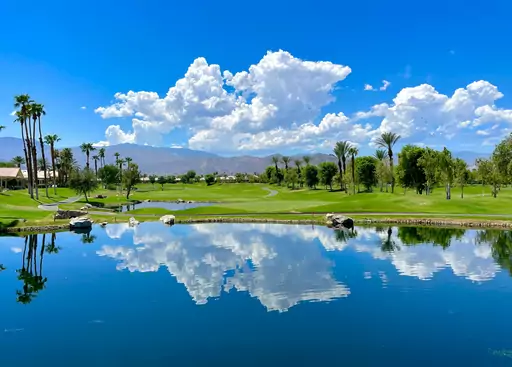
Indio serves as a gateway to nearby Joshua Tree National Park, whose granite formations draw climbers year round. Warm winter temperatures here make the season more comfortable than the surrounding summer heat. Visitors can base in Indio and drive out to climb for the day. The park's granite formations rise abruptly from the desert floor.
Peak in United States
Half Dome
Iconic Granite Challenge Peak
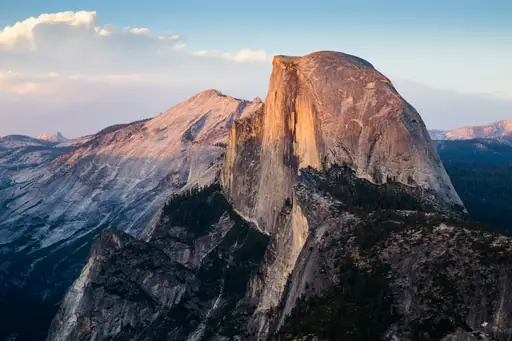
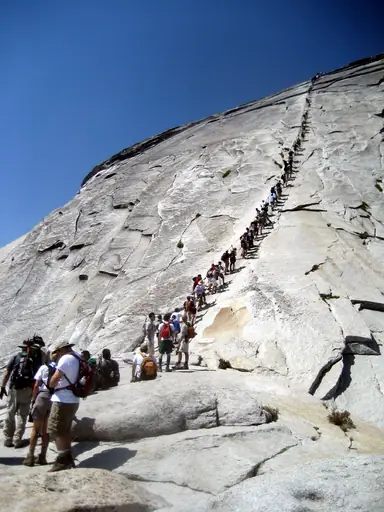
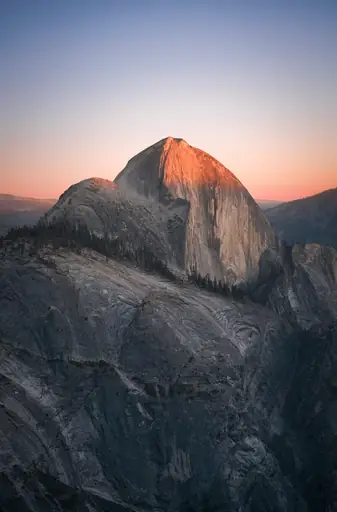
Half Dome's granite face offers the multi-pitch Snake Dike route, a classic introduction to big wall climbing. Climbers share the summit with hikers who reach it via steel cables on the easier side. Visitors can watch climbers work their way up from Glacier Point across the valley. The dome's rounded shape formed through glacial erosion.
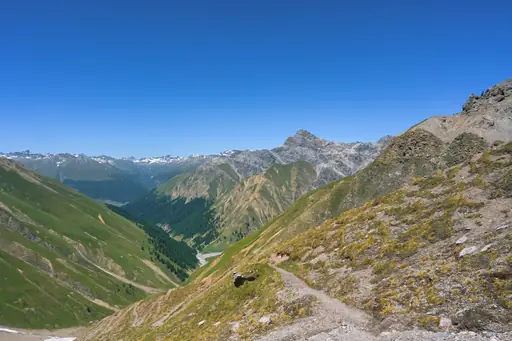
National Park in Switzerland
Swiss National Park
Majestic alpine wilderness, untouched and serene
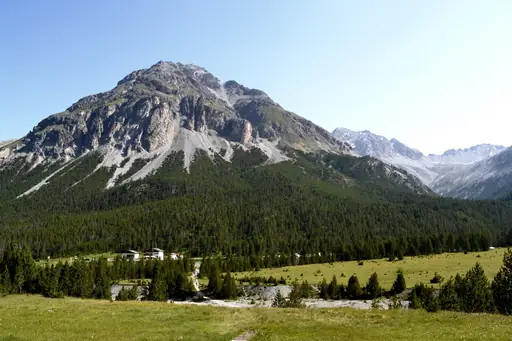
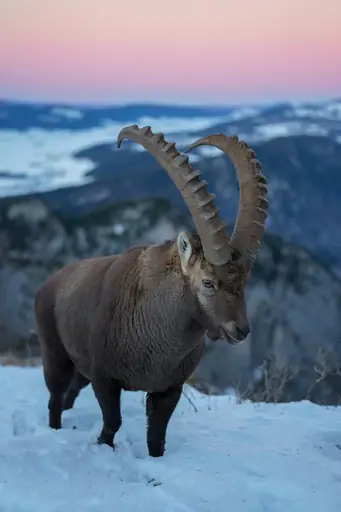
Switzerland's oldest national park bans climbing and off-trail travel to protect its wildlife and terrain. Visitors must stay on marked paths, a stricter rule than most protected Alpine areas. Hikers can still view dramatic peaks and wildlife from established trails within the park. Climbers looking for technical routes typically head to nearby Graubunden instead.
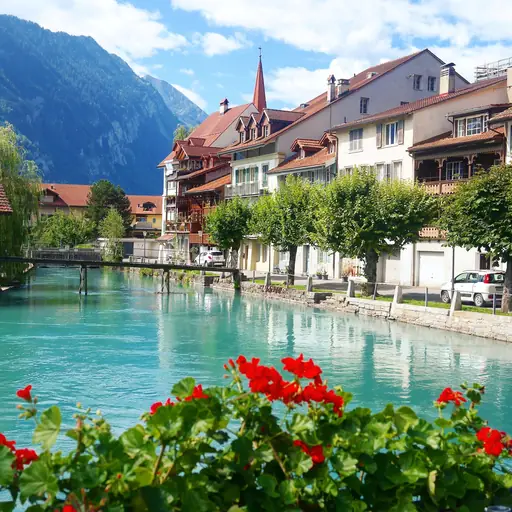
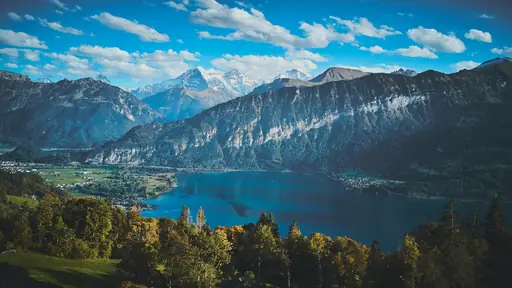
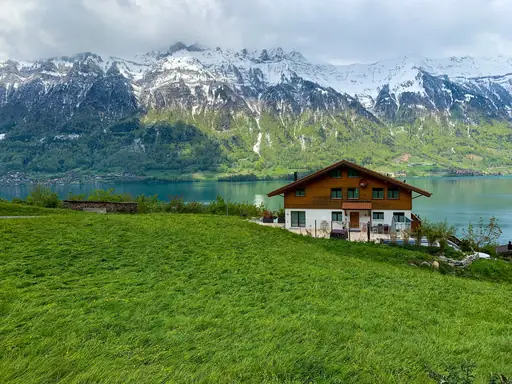
Town in Switzerland
Interlaken
Adventure, Lakes and Alpine Magic
Interlaken sits between two lakes at the base of the Bernese Oberland. Cable cars and trains from town reach trailheads towards the Eiger, Monch and Jungfrau. Visitors can book guided climbs or try a via ferrata suited to beginners. The town itself sits at a relatively low, accessible elevation.
Park in United States
Smith Rock
Majestic granite cliffs echo ancient wilderness
Smith Rock in Oregon helped establish American sport climbing after locals began bolting routes in the 1980s. One route there ranked among the earliest in the country at the hardest tier. Visitors can hike trails through the canyon without climbing, taking in views of the volcanic rock. Climbers still travel here to attempt historic routes.
Other lists you may like
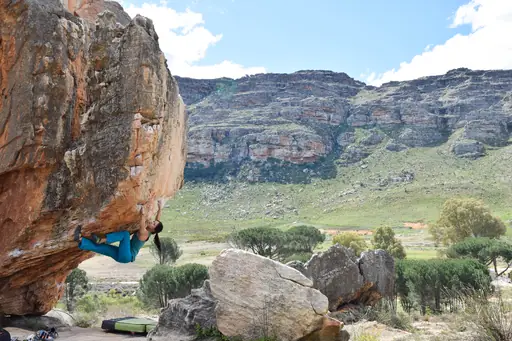
Discover
Best climbing destinations in Africa
Africa is one of the most underrated continents for climbing, offering everything from striking granite peaks to sun-baked sandstone that is well worth seeking out. The range…
Read more
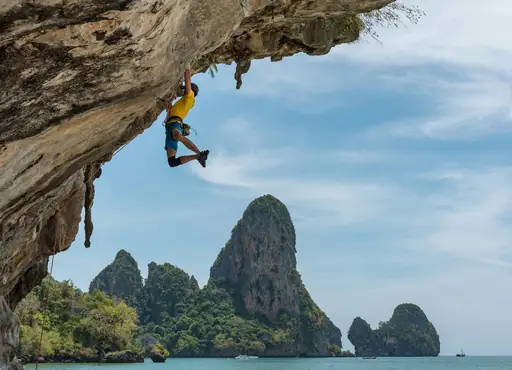
Discover
Best climbing destinations in Asia
Asia has some of the most varied climbing on the planet, from towering limestone cliffs above turquoise water to high mountain routes that push climbers to their limits. The…
Read more
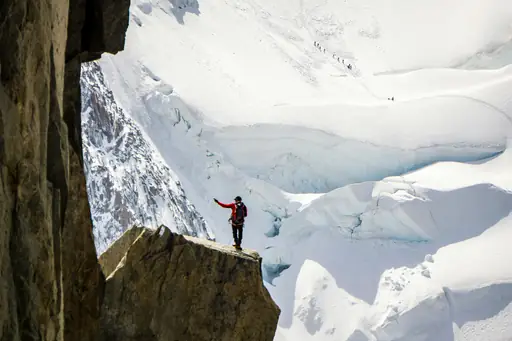
Discover
Best climbing destinations in Europe
Europe has been shaping the sport of climbing for over a century, and it still offers some of the richest variety anywhere, from sunny limestone crags to serious alpine terrain.…
Read more
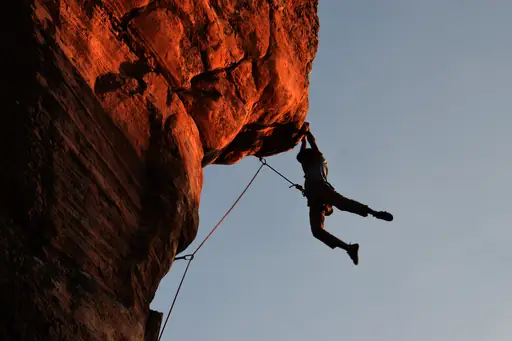
Discover
Best climbing destinations in North America
North America is where modern climbing really came into its own, and the continent still offers an enormous range, from desert towers to alpine granite that draws climbers from all…
Read more
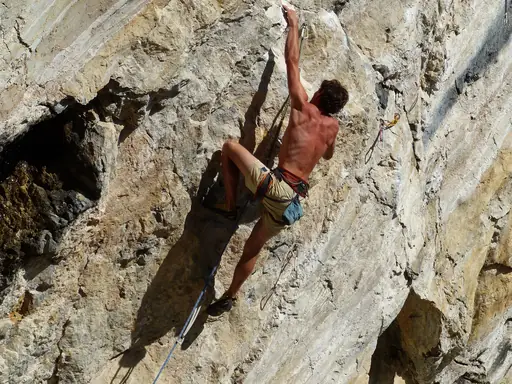
Discover
Best climbing destinations in Oceania
Oceania rarely comes up first in a conversation about climbing, which is exactly what makes it worth a second look. Between volcanic rock, coastal crags, and long stretches of…
Read more
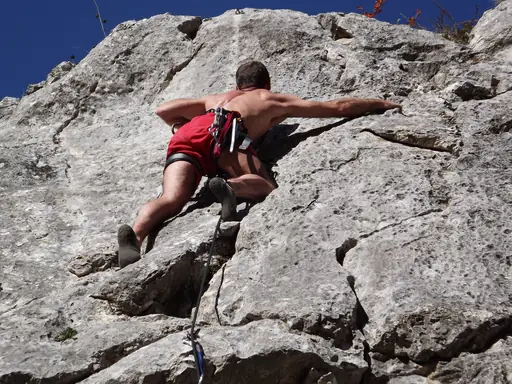
Discover
Best climbing destinations in South America
South America pairs some of the most striking mountain scenery on earth with a climbing scene that still feels wonderfully undiscovered compared to other continents. The range…
Read more
What other users say about travelfilters
“travelfilters made it easy for me to find ski areas and compare what else they offer, so that I could find the best place for my personal travel style.”

Chris
Snowboarding & Onsen trip to Japan
“I love how transparent the data feels. There is no pushy upsell, just honest information and settings I can tune to my own travel style.”

Maria
After booking her 2027 winter escape
“The level of detail for each destination and how well those are displayed, make planning feel confident instead of overwhelming.”

Mina
Planned a week in New York City
“We used travelfilters for our planning from start to end. The trip turned out even better than expected, thanks to all their tools and customisation options.”

Allan & Etienne
Trip to Japan to see autumn foliage
“Thanks to travelfilters, I found some hidden gems to see. Being able to filter for exactly your interests is a game changer for my travel planning.”

Michael
Tour through the old cities of Northern Italy
“The customizable filters helped me find a quiet beach town with good wifi and low season crowds in under five minutes.”

Diego
Weekend Escape to Llanes, Spain
“The airport connection map saved me hours by showing good flight options from my home airport to lesser-known cities.”

Nguyen
Planning a 2027 trip to France
“The website is clean, fast and focused on the search itself, which makes travelfilters feel more like a professional tool than an ad-heavy booking site.”

Hassan
Christmas Market trip, Germany
