






Was this page helpful?

| Public website: | ntb.gov.np |
|---|
The best times to travel section shows how the months compare for a visit, so you can find the time of year that fits what you want to do.
Background colours of the months:
The colour shows the typical temperature: yellow (hot), green (mild) and blue (cold). How strong the colour is shows the travel season: full colour means high season, soft colour means shoulder season and soft-striped means off season.
Weather symbols:
Each month has one symbol showing what the weather is typically like, such as hot and sunny, freezing or a rainy or snowy season. Use them to quickly spot months that match the weather you want, or to avoid the ones that don't.
Crowdedness:
The people icon shows how busy the place usually is. The more people, the more crowded it gets.
Additional notes:
The grey info boxes point out special things worth knowing, like recurring weather issues or seasonal events.
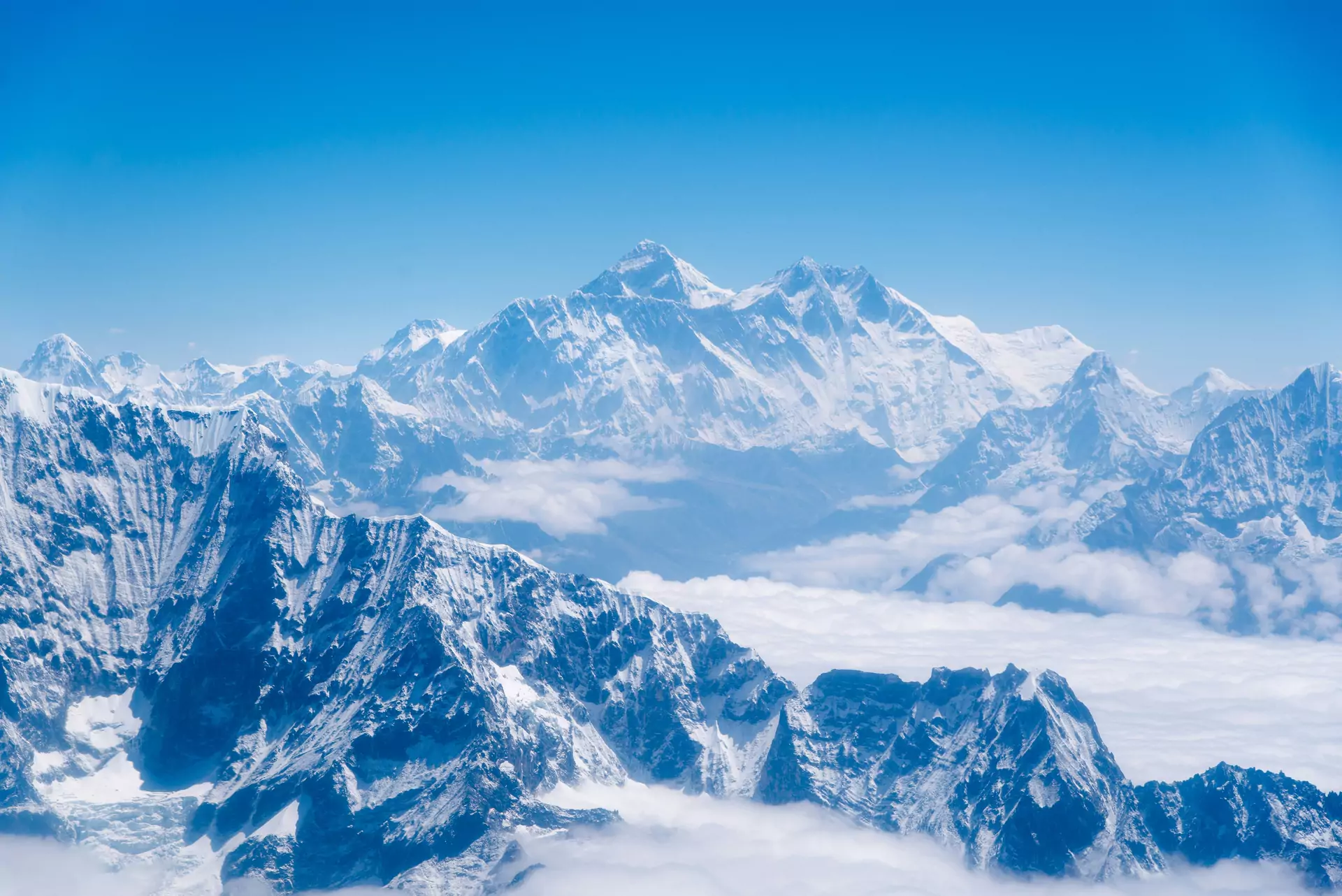
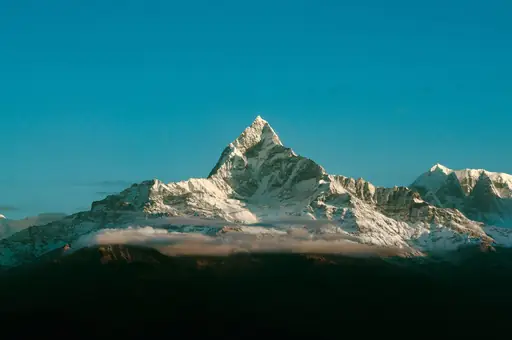
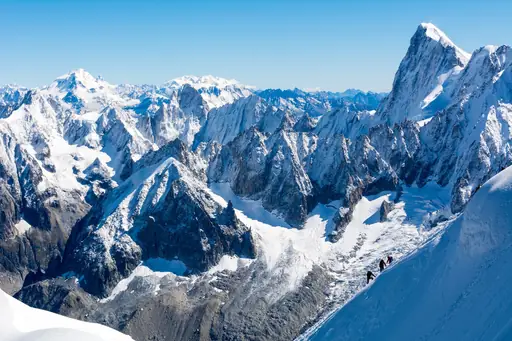
Mount Everest represents the ultimate mountaineering challenge, drawing adventurers and dreamers from around the world to test their limits against its extreme conditions. Since Sir Edmund Hillary and Tenzing Norgay first conquered its summit in 1953, thousands have attempted to follow in their footsteps, with over 6,000 successful summits to date. However, more than 300 climbers have perished in the attempt, a stark reminder of the mountain's deadly power. The standard climbing routes include the South Col route from Nepal and the North Ridge route from Tibet, with the Nepalese side being more popular due to its somewhat less technical nature and more developed infrastructure.
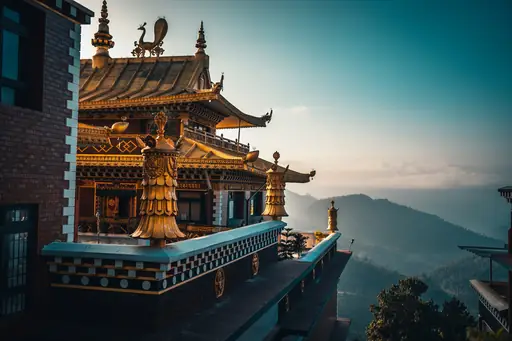
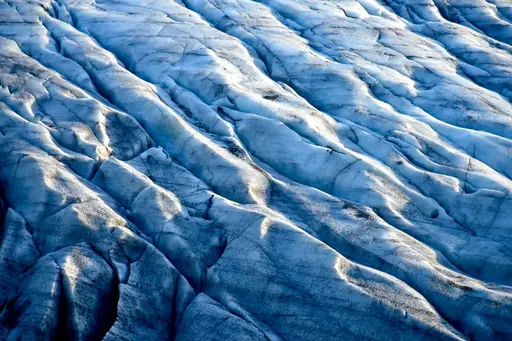
The journey to Everest is as remarkable as the mountain itself. The trek through the Khumbu region offers immersion in Sherpa culture, with opportunities to visit ancient monasteries like Tengboche and experience the warm hospitality of mountain villages. The landscape transforms dramatically as you ascend, from lush forests at lower elevations to the stark, otherworldly beauty of the alpine zone above 5,000 meters. The Khumbu Glacier, Earth's highest glacier at 4,900 meters, creates a surreal landscape of ice formations that climbers must navigate through the treacherous Khumbu Icefall to reach higher camps.
Climate change is rapidly altering Everest's environment, with the Khumbu Glacier thinning and destabilizing at an alarming rate. This has led Nepalese authorities to consider relocating the traditional Base Camp to a lower, safer location as early as 2024. The mountain's extreme climate means temperatures at the summit average well below freezing year-round, plummeting to as low as -36°C in winter. Most expeditions start in April with summit attempts in May, just before the monsoon season, taking advantage of a brief window of relatively stable weather. Even then, sudden storms can develop with little warning, trapping climbers in life-threatening conditions.
The commercialization of Everest has brought both opportunities and challenges. The influx of climbers has created economic benefits for local communities but also led to overcrowding during peak season, with infamous "traffic jams" on the route to the summit that increase danger for all climbers. The high cost of expeditions – typically $45,000 to $75,000 per person – has not deterred the crowds and concerns about inexperienced climbers attempting the mountain with inadequate preparation continue to grow. Environmental impacts are also significant, with waste management remaining a persistent issue despite cleanup efforts. For those not aiming to summit, the trek to Everest Base Camp offers a more accessible but still challenging adventure, providing breathtaking views of the world's highest peak without the extreme risks of high-altitude climbing.
The journey to Mount Everest typically begins with a flight to Kathmandu, Nepal's capital, which has international connections to major Asian cities and beyond. From Kathmandu, most trekkers and climbers take a dramatic 30-minute flight to Lukla (2,860m), a small Sherpa town with a precarious mountain airstrip that serves as the gateway to the Everest region. This flight is weather-dependent and delays are common, so building flexibility into your schedule is essential. Alternatively, for those seeking a more gradual acclimatization or when flights to Lukla are unavailable, you can take a bus to Jiri and trek for about 10 additional days to reach Namche Bazaar. On the Tibetan (northern) side, travelers usually fly to Lhasa and then drive for several days via Shigatse to reach the Everest Base Camp, which requires permits arranged through Chinese authorities.
Accommodation on Mount Everest itself is limited to tents at various camps for those attempting the summit. For trekkers, the journey to Everest Base Camp offers a range of teahouses and lodges in villages along the route, from basic rooms with shared facilities to more comfortable options in larger settlements like Namche Bazaar. During the climbing season, Everest Base Camp transforms into a temporary tent city for expeditions. On the Tibet side, options include the Rongbuk Monastery Guesthouse or tent accommodations. Advance booking is essential during peak season (April-May and October-November).
Log in to add this place to a travel list and get a summary of all recommended items for your whole trip.
We calculate the average costs when travelling to destinations and compare those with the living costs at your home. With this you can get an estimate of how expensive or cheap the destination is for you.
To customise this, you can set up which location and price level are used for the calculations in your account settings.
