
Last update: 26 Oct 2026
* We earn a commission from some links on this page.
Nepal Summary
These place ratings give you a quick overview of how well a destination matches different types of trips.
‘Best for’ scores:
The specific interest scores show where this place really shines – whether it's ideal for hiking, food & drink experiences, museums or other activities. These highlights help you understand what makes the destination special at a glance.
‘Your personal’ scores:
This reflects how well a place matches your personal preferences. You can adjust the importances of travel topics or other personal requirements categories in your account settings.
‘Suited for’ badges:
These give you a quick overview of how well a destination suits specific types of travellers, to help you find the places that match your lifestyle, preferences or travel situation.
Suited for
Nepal – Quick facts
| Power Grid: |
230 V, 50 Hz Plug: Type C , Type D
Type C:
  Read about power adapters |
|---|---|
| Currency: |
Nepalese Rupee (NPR) £1 ≈ NPR 202.52 |
| Cashless info: |
Rating 3/5
Cashless payments are becoming more common in Nepal, particularly in Kathmandu and Pokhara. Credit cards are accepted in many larger establishments.
Save with a travel credit card |
| eSIM providers: |
Best value: Saily Flexibility: Airalo Read our in-depth comparison |
| Tipping: | Tipping is common in Nepal, with 10% being the usual amount in restaurants. Taxis and hotel staff appreciate small tips. |
|---|---|
| Public drinking: | Public drinking is not generally allowed in Nepal, and alcohol should be consumed in licensed venues. |
| Public smoking: | Smoking is allowed in designated areas, though many places have non-smoking zones. |
| Dashain (September-October) |
The biggest Hindu festival in Nepal |
|---|---|
| Tihar (October-November) |
A celebration of lights, similar to Diwali |
| Emergency contact: | Emergency Number: 100 (Police), 102 (Ambulance) |
|---|---|
| Taxi apps: | Pathao |
| Other: | Nepal is famous for its cultural heritage and natural beauty, including the Himalayas and UNESCO World Heritage sites. |
Best times to travel
The best times to travel section shows how the months compare for a visit, so you can find the time of year that fits what you want to do.
Background colours of the months:
The colour shows the typical temperature: yellow (hot), green (mild) and blue (cold). How strong the colour is shows the travel season: full colour means high season, soft colour means shoulder season and soft-striped means off season.
Weather symbols:
Each month has one symbol showing what the weather is typically like, such as hot and sunny, freezing or a rainy or snowy season. Use them to quickly spot months that match the weather you want, or to avoid the ones that don't.
Crowdedness:
The people icon shows how busy the place usually is. The more people, the more crowded it gets.
Additional notes:
The grey info boxes point out special things worth knowing, like recurring weather issues or seasonal events.
for Nepal, Nepal
Climate and season vary by region: Himalayan trekking best March to May and October to November, Kathmandu Valley good for sightseeing October to April, Chitwan and Terai best for wildlife November to March
Monsoon June to September: landslides can block roads, flights to Lukla and Jomsom often delayed or cancelled
Dashain (late September to mid October) and Tihar (October to November): many shops closed, transport crowded with domestic travellers
Don't miss
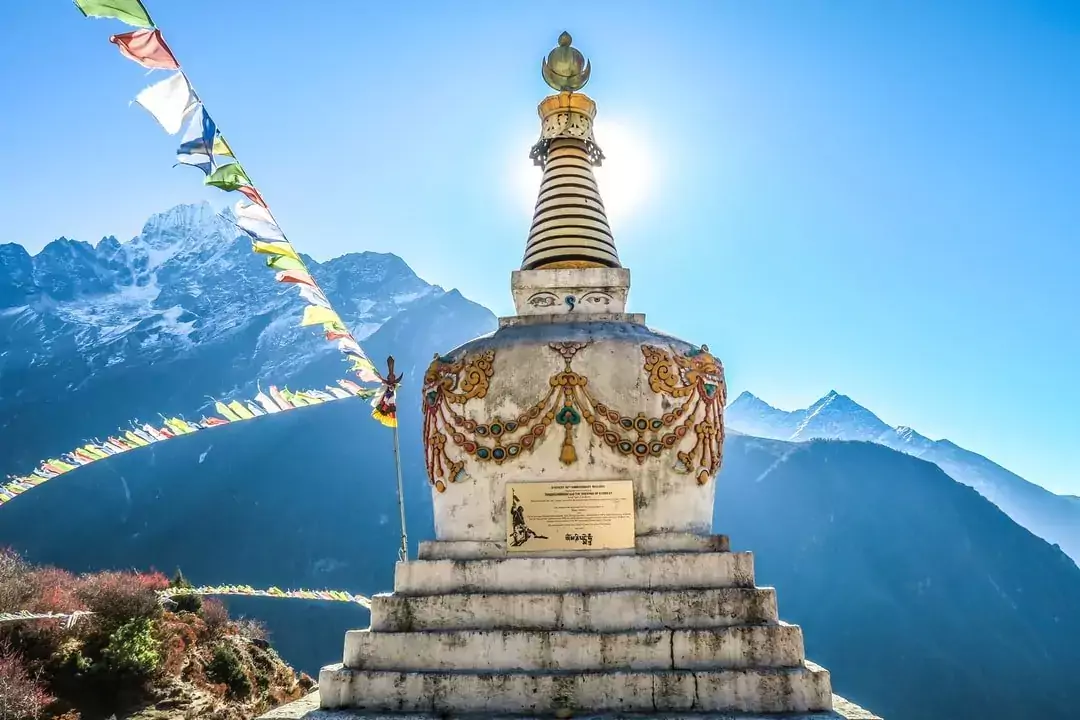
- 🏔️ Hike to Everest Base Camp and witness majestic peaks
- 🛩️ Take a scenic flight over Mount Everest
- 🕍 Explore the ancient temples and squares of Kathmandu Valley
- 🥾 Trek through the lush trails of Annapurna Circuit
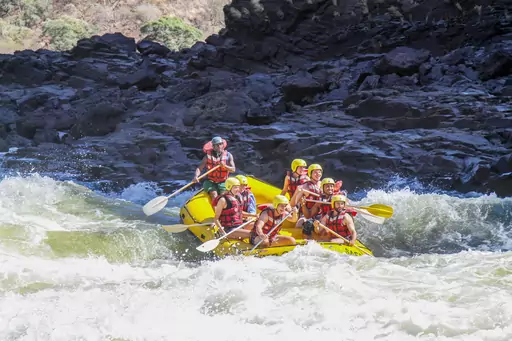
- 🌊 Go white-water rafting on the Trishuli River
- 🪷 Join a meditation retreat at a Himalayan monastery
You've been here?
Log in to manage your own bucket list! Why travel to Nepal?
Nepal's appeal lies in its remarkable diversity packed into a relatively small country. It boasts eight of the world's fourteen highest peaks, including Mount Everest, alongside pristine trekking routes that range from easy walks to challenging expeditions. Beyond the mountains, you'll find a rich tapestry of cultures, ancient temples and wildlife sanctuaries. The cultural experience is enhanced by warm hospitality, delicious cuisine and fascinating religious traditions that blend Hinduism and Buddhism. However, travelers should be prepared for certain challenges. The monsoon season (June-September) brings heavy rainfall that can cause flooding and landslides, making some areas inaccessible. While major tourist areas have improved infrastructure in recent years, facilities in remote regions can be basic. Altitude sickness is a real concern for those trekking in higher elevations and proper acclimatization is essential. Despite these considerations, Nepal's natural beauty, cultural richness and relatively low cost make it a rewarding destination for adventurous travelers.
🏙️Cities & Regions
-
1
Kathmandu
Capital city perched on the edge of the Himalayas, offering a mix of ancient temples, bustling markets and modern amenities. Visitors can explore UNESCO‑listed Durbar Square, hike nearby trails or experience vibrant street food culture. -
2
Pokhara
This Himalayan gateway offers Annapurna views and Phewa Lake, rivaling Kathmandu's intensity without its chaos. Visitors should arrive early to beat crowds at Davis Falls before heading toward quieter lakeside trails for a balanced trekking experience. -
3
Chitwan National Park
This UNESCO World Heritage site in Nepal's Terai lowlands offers lush forests, diverse wildlife including rhinos and elephants and serene riverside landscapes perfect for safaris and cultural exploration. -
4
Annapurna
This mountainous region in Nepal features the dramatic Annapurna circuit, lush terraced farms and high-altitude peaks. The landscape shifts from green valleys to rugged Himalayan ridges, offering trekkers diverse trails through villages and forests.
🏯Places worth seeing
-
1
Lumbini
The birthplace of Buddha, this sacred site in Nepal features ancient monasteries and meditation halls. Pilgrims visit to honor his legacy amidst serene gardens and historic stupas that glow softly at dusk. -
2
Boudhanāth Stupa
-
3
Basantapur Durbar Square
-
4
Bhaktapur Durbar Square
-
5
Patan Durbar Square
-
6
Swayambhunath
-
7
Pashupatinath Temple
-
8
Everest Base Camp
-
9
Forest Way
-
10
Lumbini Resort
🎡Places for activities
🏞️Natural landmarks
-
1
Mount Everest
The world's highest peak rises above the Himalayas in Nepal, offering trekkers and climbers a challenging journey through rugged terrain, ancient villages and breathtaking mountain vistas that define this iconic destination. -
2
Langtang National Park
-
3
Phewa Lake
-
4
great view of the Annapurna range
-
5
Sagarmatha National Park
-
6
Mount Everest
-
7
Tilicho Lake Viewpoint
-
8
Rara Lake
-
9
Phoksundo Lake
🛍️Shopping
🎈Events
-
Dashain Festival
-
Tihar (Festival of Lights)
-
Holi
-
Buddha Jayanti
-
Indra Jatra
-
Mani Rimdu
-
Losar (Tibetan New Year)
-
Teej Festival
-
Bisket Jatra
-
Gai Jatra
Knowledge before you go
- Get visa on arrival. Passport needs six months validity minimum.
- Altitude sickness risk high above 2500m. Acclimatize gradually with rest days during treks.
- Monsoon June-September disrupts trails. Best trekking seasons are March-May and September-November.
- Hire local guide mandatory for Everest, Annapurna treks. Supports communities and ensures safer navigation.
How to travel to Nepal
Most international visitors arrive in Nepal through Tribhuvan International Airport in Kathmandu, which connects to major Asian hubs and some European cities. Land entry is possible from India via multiple border crossings, with Sunauli-Bhairahawa being the most popular. Entry from China/Tibet is limited to the Kodari and Rasuwagadhi crossings. As of March 2025, most nationalities require a visa, which can be obtained on arrival at the airport or at land borders. When planning your trip, consider that the best times to visit are during spring (March-May) and autumn (September-November) when weather conditions are most favorable.
Access summary
- Kathmandu: Fly to Tribhuvan International Airport (KTM) from major Asian hubs.
- From India/China: Enter overland via designated border crossings, then buses to Kathmandu.
- Nepal Airlines based in Kathmandu; small flag carrier, no major alliance.
Check your route from anywhere
Where to stay in Nepal
Nebal offers accommodations for every budget, from luxury hotels in Kathmandu and Pokhara to basic teahouses along trekking routes. In major cities, you'll find international hotel chains alongside boutique hotels in historic buildings. For trekking regions, teahouses provide simple rooms and meals, though facilities become more basic the higher you go. Budget travelers can find affordable hostels in tourist areas, while homestays in rural villages offer authentic cultural experiences. During peak trekking seasons (October-November and March-April), accommodations along popular routes can fill up quickly.
Hotel recommendations
*by rating and popularity. Commissions have no influence on the rankings.


How to get around Nepal
Getting around Nepal varies by region. In cities like Kathmandu and Pokhara, taxis, rickshaws and local buses are common. For intercity travel, tourist buses connect major destinations, while domestic flights save time when traveling between distant locations. In mountain regions, trekking on foot is often the only option, with porters and guides available for hire. The country's challenging topography means travel times can be long despite relatively short distances and road conditions can be poor, especially during and after the monsoon season.
Budget snapshot
Costs compared to home
We calculate the average costs when travelling to destinations and compare those with the living costs at your home. With this you can get an estimate of how expensive or cheap the destination is for you.
To customise this, you can set up which location and price level are used for the calculations in your account settings.
Daily expenses in Nepal are around 72% lower than the average across United States. That means you'll spend a lot less on meals and getting around.
Exchange rate trend
The exchange rate price factor shows how expensive or cheap a currency currently is compared to its historical average. It's a quick way to see if a country is currently more or less affordable due to exchange rate changes.
Your exchange rate (GBP to NPR) is 20% better than in recent years. That means travelling now is considerably cheaper compared to the past.
Travel costs
To help you plan your trip, we provide estimated daily costs per person (when travelling as a pair) for different travel styles. These numbers give you an idea of what you might spend each day at this destination, including accommodation, food, transport and activities.
Additionally, we also provide average hotel costs for different travel styles to give you an estimate for the accommodation only.
Please note that these are only estimates. The real costs depend on booking times, season and other factors.
Daily cost summary
Travel style categories explained:
Backpacker:
Staying in hostels or budget hotels, cooking your own meals or eating cheap and choosing low-cost activities.
Mid-range:
Staying in mid-range hotels, eating at a mix of restaurants and casual spots and enjoying a variety of activities.
Luxury:
Staying in luxury hotels, dining out at high-end restaurants and enjoying premium experiences without worrying about the price.
| Backpacker | Mid-range | Luxury | |
|---|---|---|---|
| 💵 Total costs per day, including accommodation | |||
| 🏨 Accommodation per night, per person | |||
| 🍝 Food per day | |||
| 🚕 Transportation per day |
Food & Drink
| 🍽️ Restaurant Dinner, per person | |
|---|---|
| 🍛 Lunch Set, per person | |
| 🍟 Fast food combo | |
| 🍝 Preparing your own food, per day | |
| ☕ Cappuccino | |
| 🍺 Beer in a restaurant, 0.5 l |
Transportation
| 🚌 Public transport ticket | |
|---|---|
| 🚕 Taxi Ride, 10 km / 6 mi | |
| ⛽ Petrol, 1 l |
Other
| 🎞️ Cinema ticket | |
|---|---|
| 👩⚕️ Doctor's consult | |
| 🤧 Cold medication | |
| 💇 Basic haircut |
Safety information overview
General safety
Nepal is generally safe for tourists, though petty theft can occur in crowded areas. Exercise caution during political demonstrations. Natural hazards like landslides during monsoon season and earthquakes pose greater risks than crime. Always trek with a guide in mountain regions.
Health & Medical
Medical facilities are limited outside major cities. Comprehensive travel insurance including helicopter evacuation is essential for trekkers. Altitude sickness is a serious risk in mountain regions. Stomach issues are common, so be cautious with food and water hygiene.
Accessibility
Accessibility is challenging throughout Nepal. Historical sites, temples and especially trekking areas present significant difficulties for mobility-impaired travelers. Cities have uneven surfaces, limited sidewalks and few accommodations for wheelchairs. Major hotels in Kathmandu offer some accessibility features.
Tap water
Tap water is not safe for drinking throughout Nepal. Rely on bottled water with sealed caps, boiled water or use water purification tablets/filters. Most hotels provide bottled water, but availability may be limited in remote trekking areas.
Packing recommendations for Nepal
Log in to add this place to a travel list and get a summary of all recommended items for your whole trip.
🥾
Walking boots
📷
Camera
👟
Comfortable walking shoes
🌞
Sun cream
hat, sunglasses, sun cream
🧥
Waterproof jacket
🕶️
Sunglasses
hat, sunglasses, sun cream
🔦
Torch
🔋
Power bank
🩹
Basic first aid kit
👒
Sun hat
hat, sunglasses, sun cream
💊
Altitude sickness medication
📃
Travel insurance
🚰
Water bottle with filter
🪪
Copies of passport and important documents
💤
Sleeping bag
🧥
Fleece mid-layer
for variable temperatures
📱
Travel eSIM
🔌
Universal travel adaptor
🩺
Prescription medicines
💳
Credit card with no foreign transaction fees
🛂
Passport
Related articles & guides for Nepal




Looking for inspiration?

Discover
Top hiking destinations and famous trails
Hiking at its best is one of the most direct ways to engage with a landscape. The pace forces a relationship with terrain, weather and distance that faster forms of travel rarely…
Read more
Discover
Top glacier destinations and polar landscapes
Glacier travel offers access to landscapes of extraordinary scale and geological significance, with the world's most significant ice fields, tidewater glaciers and high-altitude…
Read more

Discover
Best couple holiday destinations
Travelling as a couple sounds simple enough, yet the best couple holiday destinations mean something different to almost every pair. What feels romantic to one couple can feel like…
Read more

Discover
Best destinations for first-time travellers
A first trip abroad works best somewhere that eases you in, rather than throwing every possible culture shock and logistical headache at you at once. Some first-time travellers…
Read more
Discover
Top adventure destinations and outdoor activities
Adventure travel covers an enormous range of activities and risk tolerances, from multi-day wilderness trekking and white water rafting to technical climbing, polar expeditions and…
Read more

Discover
Best destinations to visit in October in Asia
October counts among the best months of the year across much of Asia, as the wet season eases and clearer skies take over. India's monsoon has typically fully retreated by…
Read more

Discover
Best glacier destinations in Asia
The Himalayas hold more glacial ice than anywhere outside the polar regions, often called the Third Pole, feeding rivers that millions of people across Asia depend on. Central…
Read more
Discover
Top rural retreat destinations and countryside getaways
Rural retreat travel is defined by the deliberate removal from urban pace and density, with landscape immersion, slower rhythms and direct engagement with food, nature and local…
Read more
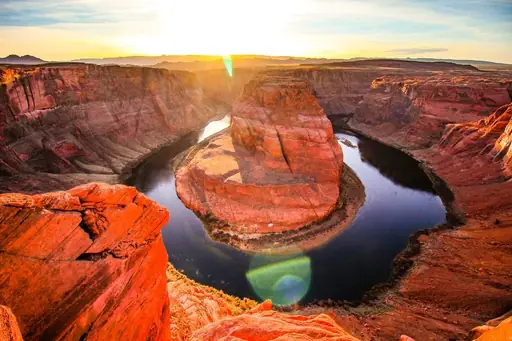
Discover
Extraordinary natural wonders and scenic landscapes
Natural wonders occupy a different category from other travel destinations. They are places where the scale, the geology, the light or the sheer improbability of what exists there…
Read more
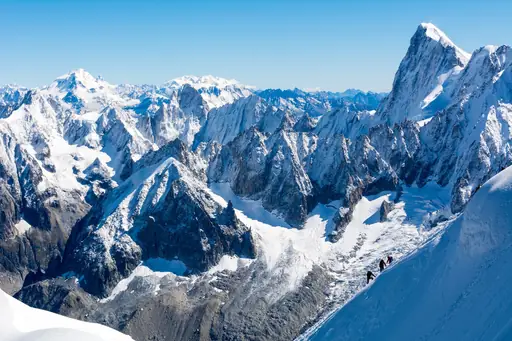
Discover
Top mountain destinations and famous peaks
Mountain travel spans an enormous range of experience, from high-altitude expeditions and multi-day trekking circuits to accessible alpine day walks and scenic drives through…
Read more
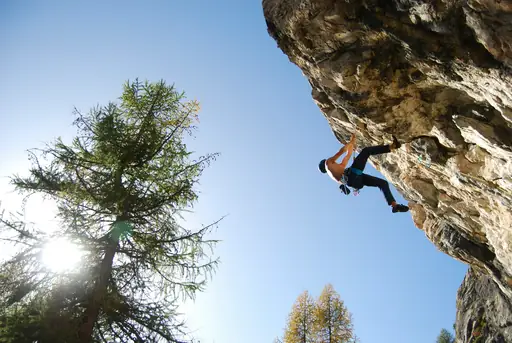
Discover
Top rock climbing destinations and bouldering spots
Climbing means something different to almost everyone who does it and the best climbing destinations reflect that, since no single place suits every style or skill level. Some…
Read more
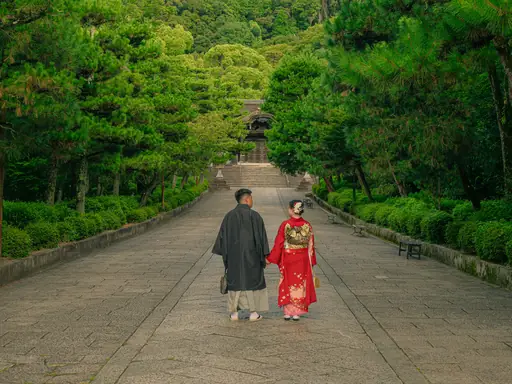
Discover
Best couple vacation destinations in Asia
Asia is perfect for couples who want their holiday to feel like a shared adventure rather than just a change of scenery. Few continents offer so many ways to be amazed together.…
Read more
Discover
Top autumn foliage destinations and colours
Few natural spectacles are as season-specific and location-dependent as autumn foliage, where the combination of tree species composition, temperature drop and daylight reduction…
Read more
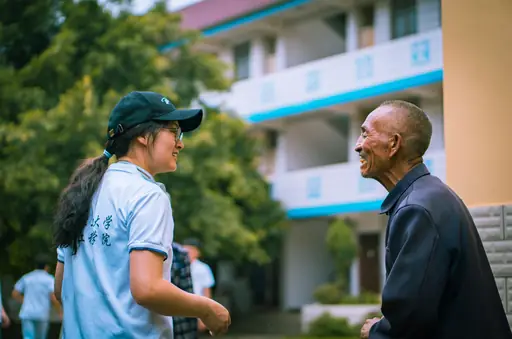
Discover
Top volunteering destinations and ethical travel programmes
The best volunteer travel destinations are the ones where the programme actually meets a need the community has identified, rather than one built mainly around the experience for…
Read more
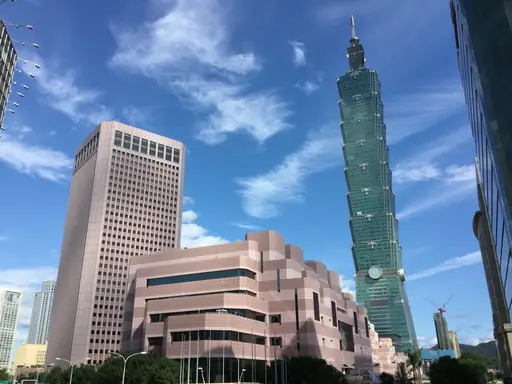
Discover
Best destinations for first-time travelers in Asia
Asia has one of the best established beginner travel routes anywhere, largely because so many first time travelers have worn the path before you. Southeast Asia in particular…
Read more
What other users say about travelfilters
“travelfilters made it easy for me to find ski areas and compare what else they offer, so that I could find the best place for my personal travel style.”

Chris
Snowboarding & Onsen trip to Japan
“I love how transparent the data feels. There is no pushy upsell, just honest information and settings I can tune to my own travel style.”

Maria
After booking her 2027 winter escape
“The level of detail for each destination and how well those are displayed, make planning feel confident instead of overwhelming.”

Mina
Planned a week in New York City
“We used travelfilters for our planning from start to end. The trip turned out even better than expected, thanks to all their tools and customisation options.”

Allan & Etienne
Trip to Japan to see autumn foliage
“Thanks to travelfilters, I found some hidden gems to see. Being able to filter for exactly your interests is a game changer for my travel planning.”

Michael
Tour through the old cities of Northern Italy
“The customizable filters helped me find a quiet beach town with good wifi and low season crowds in under five minutes.”

Diego
Weekend Escape to Llanes, Spain
“The airport connection map saved me hours by showing good flight options from my home airport to lesser-known cities.”

Nguyen
Planning a 2027 trip to France
“The website is clean, fast and focused on the search itself, which makes travelfilters feel more like a professional tool than an ad-heavy booking site.”

Hassan
Christmas Market trip, Germany
