
Last update: 20 Oct 2026
* We earn a commission from some links on this page.
Bangladesh Summary
These place ratings give you a quick overview of how well a destination matches different types of trips.
‘Best for’ scores:
The specific interest scores show where this place really shines – whether it's ideal for hiking, food & drink experiences, museums or other activities. These highlights help you understand what makes the destination special at a glance.
‘Your personal’ scores:
This reflects how well a place matches your personal preferences. You can adjust the importances of travel topics or other personal requirements categories in your account settings.
‘Suited for’ badges:
These give you a quick overview of how well a destination suits specific types of travellers, to help you find the places that match your lifestyle, preferences or travel situation.
Suited for
Bangladesh – Quick facts
| Power Grid: |
220 V, 50 Hz Plug: Type C , Type D
Type C:
  Read about power adapters |
|---|---|
| Currency: |
Bangladeshi Taka (BDT) £1 ≈ BDT 165.01 |
| Cashless info: |
Rating 3/5
Cashless payments are becoming more common in major cities like Dhaka, but cash is still widely used, especially in rural areas.
Save with a travel credit card |
| eSIM providers: |
Best value: Saily Flexibility: Airalo Read our in-depth comparison |
| Tipping: | Tipping is not compulsory in Bangladesh but is appreciated, with 10% being a standard amount in restaurants. Tipping hotel staff is also common. |
|---|---|
| Public drinking: | Public drinking is prohibited in Bangladesh, and alcohol is only available in certain licensed venues. |
| Public smoking: | Smoking is prohibited in public indoor areas, including restaurants and shops, but is allowed in designated outdoor spaces. |
| Pohela Boishakh (April) |
Expect traditional celebrations with crowds and local festivities. |
|---|---|
| Eid al-Fitr (Varies) |
Expect religious celebrations, family gatherings, and business closures. |
| Emergency contact: | Emergency Number: 999 |
|---|---|
| Taxi apps: | Uber, Pathao, Ride |
| Other: | Bangladesh is known for its rich culture, vibrant festivals, and beautiful landscapes like the Sundarbans and Cox's Bazar beaches. |
Best times to travel
The best times to travel section shows how the months compare for a visit, so you can find the time of year that fits what you want to do.
Background colours of the months:
The colour shows the typical temperature: yellow (hot), green (mild) and blue (cold). How strong the colour is shows the travel season: full colour means high season, soft colour means shoulder season and soft-striped means off season.
Weather symbols:
Each month has one symbol showing what the weather is typically like, such as hot and sunny, freezing or a rainy or snowy season. Use them to quickly spot months that match the weather you want, or to avoid the ones that don't.
Crowdedness:
The people icon shows how busy the place usually is. The more people, the more crowded it gets.
Additional notes:
The grey info boxes point out special things worth knowing, like recurring weather issues or seasonal events.
for Bangladesh, Bangladesh
Climate and season vary by region: Dhaka, the Sundarbans and Sylhet are best November to February, Cox's Bazar beach season is November to March, while the monsoon June to September brings heavy rain and flooding everywhere
Cyclone season April to May and October to November on the coast and in the Sundarbans; boat trips and beaches may be closed
Pohela Boishakh (Bengali New Year), April 14: street festivals and parades, especially in Dhaka
Don't miss
- 🚤 Cruise through the serene backwaters of the Sundarbans mangrove forest
- 🏛️ Visit the ancient terracotta Kantaji Temple in Dinajpur
- 🚶🏻 Stroll through Dhaka’s chaotic and colorful Sadarghat river port
- 🏖️ Relax on the sandy shores of Cox’s Bazar Beach
- 🏰 Explore the historic ruins of Mahasthangarh fortress
- 🍛 Taste traditional biryani and sweets in Old Dhaka
You've been here?
Log in to manage your own bucket list! Why travel to Bangladesh?
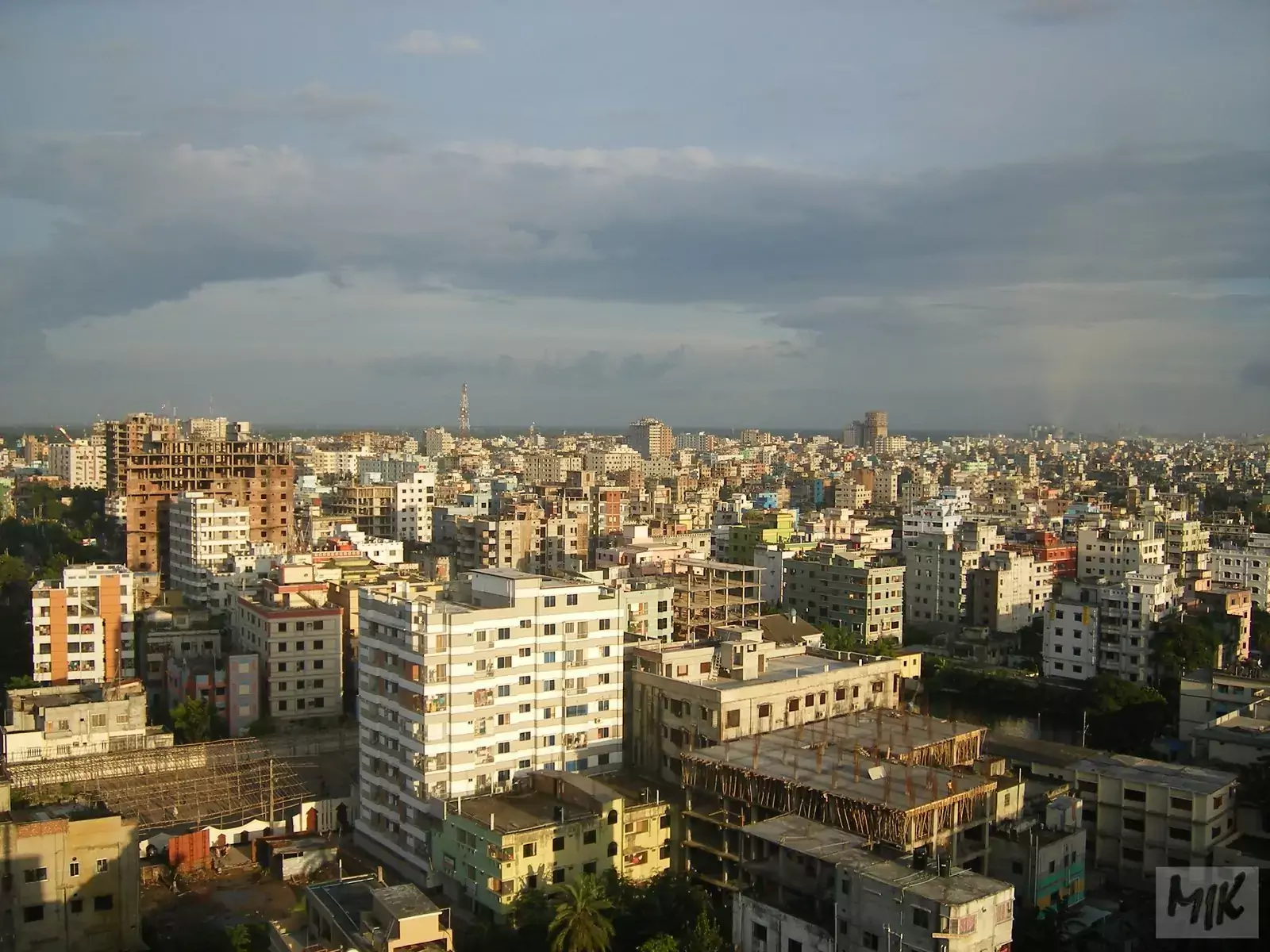
The Sundarbans, shared with India, is the largest mangrove forest in the world and a refuge for the Bengal tiger. Visits are by boat through tidal channels and you're more likely to see deer, monkeys, crocodiles and birds than a tiger. Cox's Bazar has a beach of about 120 km, one of the longest unbroken sandy shores anywhere. Domestic tourists fill it in the cooler months. Three places are on the UNESCO World Heritage List. These are the Sundarbans, the Historic Mosque City of Bagerhat with its brick domes from the 15th century and the ruins of the Buddhist monastery at Paharpur. In the northeast the Sylhet region and Srimangal have tea gardens, rainforest reserves and hill scenery. Dhaka has Old Dhaka with Lalbagh Fort and the Ahsan Manzil palace, the river port at Sadarghat and the Parliament complex designed by Louis Kahn. Bangladesh isn't an easy country. Roads are slow and cities are crowded but the people are welcoming and few foreigners visit. A week covers Dhaka and one or two regions. Ten days or more lets you add the Sundarbans or the northeast. The cooler dry months from about November to February are the most comfortable for travel.
🏙️Cities & Regions
-
1
Sundarbans National Park
This vast mangrove forest in Bangladesh and India is home to the endangered Bengal tiger. The park features winding waterways, dense vegetation and diverse wildlife including crocodiles and migratory birds.
🏯Places worth seeing
🎡Places for activities
-
1
Sundarbans
A vast mangrove ecosystem in Bangladesh and India, Sundarbans National Park is home to Bengal tigers, spotted deer and diverse bird species. The park’s tidal channels offer unique wildlife viewing opportunities. -
2
Bandarban Hill District
-
3
Chattogram
-
4
Cox's Bazar District
-
5
Sylhet
-
6
Udaipur
-
7
Kuakata
-
8
St. Martin's Island
🏞️Natural landmarks
🛍️Shopping
🎈Events
-
Pohela Boishakh (Bengali New Year)
-
Eid-ul-Fitr
-
Eid-ul-Adha
-
Durga Puja
-
Ekushey Book Fair
-
International Folk Festival
-
Buddha Purnima
-
Shakrain Festival (Kite Festival)
-
Lalon Festival
-
Dhaka Lit Fest
Knowledge before you go
- Arrange your visa before you fly since visa on arrival isn't guaranteed.
- Agree the fare before you get in any rickshaw or taxi because meters are rarely used.
- Cover shoulders and knees in public and carry copies of your passport and visa pages.
- Take a short wooden boat ride across the Buriganga River from Sadarghat to watch Dhaka's busy river port.
How to travel to Bangladesh
Most visitors arrive by air at Hazrat Shahjalal International Airport (DAC), about 18 km north of central Dhaka. It has flights from Gulf hubs such as Dubai and Doha, from Istanbul, Southeast Asian cities, India and London. The drive to central Dhaka takes around 50 minutes and much longer in heavy traffic. A taxi desk operates in the international arrivals area and Uber and Pathao pick up at the airport. A railway station is across the highway and car hire desks have cars with drivers. Chattogram and Sylhet also have international airports with flights mainly from Gulf cities. By land, crossings with India include Benapole near Jessore, Akhaura near Agartala and Tamabil near Dawki. Bus and rail links with Kolkata have operated on and off, so check before planning an overland route. The border with Myanmar isn't open to visitors. Most nationalities need a visa before travel and visa on arrival at Dhaka is limited and not guaranteed. Passports should be valid for at least six months.
Access summary
- Dhaka: Fly into Hazrat Shahjalal International Airport (DAC) from major hubs.
- Cox’s Bazar beaches: Connect via domestic or new international flights to CXB.
- Biman Bangladesh Airlines based in Dhaka; independent flag carrier, no alliance.
Check your route from anywhere
Where to stay in Bangladesh
Dhaka has the widest choice and works as a base for most trips. The Gulshan and Banani districts have the largest hotels along with restaurants and shops and are quieter than the old centre. Dhanmondi has mid-range hotels and guesthouses. Hotels near the airport suit early or late flights. Old Dhaka has little tourist accommodation so most visitors stay elsewhere and visit for the day. Cox's Bazar has hotels and resorts along the main beach, from simple rooms to large resorts with sea views. These are busiest in the cooler months and during holidays, so book ahead. In the northeast, Srimangal and Sylhet have tea estate bungalows and eco resorts among the gardens. For the Sundarbans most visitors sleep on a tour boat or in a lodge arranged by an operator from Khulna. Some budget hotels aren't licensed to host foreigners, so confirm this before you book. Prices are low by international standards and credit cards are accepted mainly at larger hotels.
Hotel recommendations
*by rating and popularity. Commissions have no influence on the rankings.


How to get around Bangladesh
Getting around Bangladesh takes time because roads are crowded and rivers cut the country into sections. Dhaka is the hub for flights, trains and buses to the rest of the country. Flights save the most time on longer routes.
In Dhaka:
Cycle rickshaws are the classic way to cover short distances and ride-hailing apps such as Uber and Pathao are widely used. A metro line runs from Uttara through the city to Motijheel and helps avoid the worst traffic.
Flights:
Domestic flights run from Dhaka to Chattogram, Cox's Bazar, Sylhet, Jessore, Rajshahi and Barisal and save many hours compared with the road.
Trains and buses:
Trains connect Dhaka with Chattogram, Sylhet and other cities and are cheaper than flying. Air-conditioned long-distance buses leave from several terminals but signs are rarely in English.
River launches:
River launches run from Dhaka's Sadarghat terminal to southern towns. They're slow but a scenic way to travel, though overcrowding is a risk.
Car:
Driving yourself isn't recommended since traffic is chaotic and keeps to the left. A hire car with a driver is a good option for day trips and for reaching sites like Bagerhat or the tea estates.
Food in Bangladesh
Bengali food is built around rice, fish and lentils, with mustard, chilli and coconut as common flavours. Food is halal and alcohol is strictly regulated, available only in some licensed hotels and bars. Eat freshly cooked food and avoid ice and raw salads to lower the risk of stomach problems.
Hilsa:
Hilsa, a rich river fish, is the national favourite. It's served fried or in mustard sauce.
Kacchi biryani:
Dhaka-style kacchi biryani is a spiced rice and mutton dish that many people eat on special days.
Khichuri and bhorta:
Bhuna khichuri is a rice and lentil dish cooked with spices and often eaten on rainy days. Bhorta are mashed vegetables or fish with chilli and mustard oil.
Street snacks:
Fuchka are crisp shells filled with spiced chickpeas and tamarind. Jhalmuri is a mix of puffed rice and spices.
Sweets and tea:
Sweets such as mishti doi (a sweet yoghurt) and rasgulla are everywhere. Rice cakes called pitha appear in winter. Tea is served everywhere and Srimangal is the centre of the tea region.
Budget snapshot
Costs compared to home
We calculate the average costs when travelling to destinations and compare those with the living costs at your home. With this you can get an estimate of how expensive or cheap the destination is for you.
To customise this, you can set up which location and price level are used for the calculations in your account settings.
Daily expenses in Bangladesh are around 66% lower than the average across United States. That means you'll spend a lot less on meals and getting around.
Exchange rate trend
The exchange rate price factor shows how expensive or cheap a currency currently is compared to its historical average. It's a quick way to see if a country is currently more or less affordable due to exchange rate changes.
Your exchange rate (GBP to BDT) is 23% better than in recent years. That means travelling now is considerably cheaper compared to the past.
Travel costs
To help you plan your trip, we provide estimated daily costs per person (when travelling as a pair) for different travel styles. These numbers give you an idea of what you might spend each day at this destination, including accommodation, food, transport and activities.
Additionally, we also provide average hotel costs for different travel styles to give you an estimate for the accommodation only.
Please note that these are only estimates. The real costs depend on booking times, season and other factors.
Daily cost summary
Travel style categories explained:
Backpacker:
Staying in hostels or budget hotels, cooking your own meals or eating cheap and choosing low-cost activities.
Mid-range:
Staying in mid-range hotels, eating at a mix of restaurants and casual spots and enjoying a variety of activities.
Luxury:
Staying in luxury hotels, dining out at high-end restaurants and enjoying premium experiences without worrying about the price.
| Backpacker | Mid-range | Luxury | |
|---|---|---|---|
| 💵 Total costs per day, including accommodation | |||
| 🏨 Accommodation per night, per person | |||
| 🍝 Food per day | |||
| 🚕 Transportation per day |
Food & Drink
| 🍽️ Restaurant Dinner, per person | |
|---|---|
| 🍛 Lunch Set, per person | |
| 🍟 Fast food combo | |
| 🍝 Preparing your own food, per day | |
| ☕ Cappuccino | |
| 🍺 Beer in a restaurant, 0.5 l |
Transportation
| 🚌 Public transport ticket | |
|---|---|
| 🚕 Taxi Ride, 10 km / 6 mi | |
| ⛽ Petrol, 1 l |
Other
| 🎞️ Cinema ticket | |
|---|---|
| 👩⚕️ Doctor's consult | |
| 🤧 Cold medication | |
| 💇 Basic haircut |
Safety information overview
General safety
Bangladesh is welcoming but needs care. Political rallies and strikes can turn violent, phone snatching occurs in crowded cities and road accidents are common. Women should take extra care at night. Government advice warns against all but essential travel to the Chittagong Hill Tracts.
Health & Medical
Medical care is basic outside a few private hospitals in Dhaka and Chattogram. Dengue is widespread in the rainy season and air pollution is severe from about November to March. Hepatitis A and typhoid vaccines are advised and insurance with evacuation cover is essential.
Accessibility
Accessibility is poor. Pavements are broken or crowded and public buses and trains have high steps and few lifts. Sights such as Lalbagh Fort and Bagerhat have uneven ground. A private car with a driver is the practical choice for older or disabled travellers.
Tap water
Tap water isn't safe to drink, even in Dhaka. Use sealed bottled water or boil or filter it. Avoid ice and unwashed salads outside good hotels. Bottled water is cheap and sold everywhere including small towns.
Packing recommendations for Bangladesh
Log in to add this place to a travel list and get a summary of all recommended items for your whole trip.
📷
Camera
👟
Comfortable walking shoes
🌞
Sun cream
hat, sunglasses, sun cream
👕
Light, breathable clothing
🧥
Waterproof jacket
🕶️
Sunglasses
hat, sunglasses, sun cream
☂️
Folding umbrella
🪰
Insect repellent
🧼
Hand sanitiser
🧕
Modest clothing covering shoulders and knees
especially for women
🔋
Power bank
🩹
Basic first aid kit
👒
Sun hat
hat, sunglasses, sun cream
📃
Travel insurance
🚰
Water bottle with filter
🪪
Copies of passport and important documents
🧻
Wet wipes
📱
Travel eSIM
🔌
Universal travel adaptor
🩺
Prescription medicines
💳
Credit card with no foreign transaction fees
🛂
Passport
Related articles & guides for Bangladesh




Looking for inspiration?

Discover
Best value travel destinations
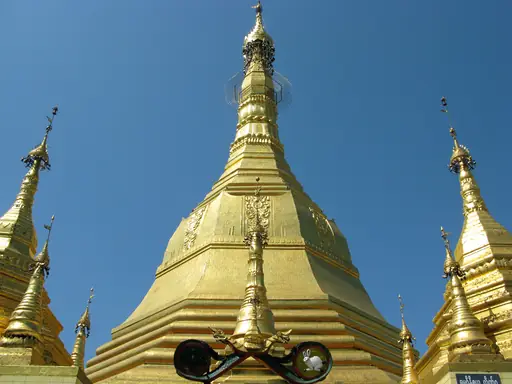
The best value destinations aren't necessarily the cheapest: they're the ones where money goes furthest relative to what's actually on offer, whether that's food, accommodation or…
Read more

Discover
Top budget destinations and affordable travel hubs
The most rewarding budget travel destinations are rarely the cheapest in absolute terms but those where the gap between cost and experience is widest. Affordable accommodation,…
Read more
Discover
Best market destinations and street shopping
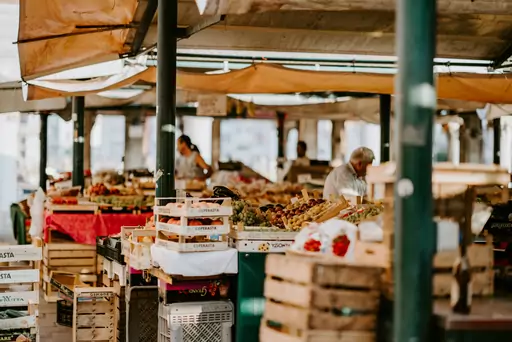
Markets are one of the most direct ways into the everyday life of a place. Where supermarkets and shopping centres smooth over local difference, a good market reflects the climate,…
Read more
Discover
Top forest destinations and woodland landscapes
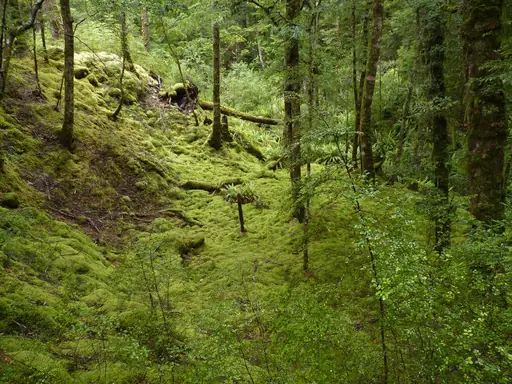
Forest travel encompasses some of the world's most biodiverse and ecologically significant environments, with the great tropical rainforests, temperate old growth systems and…
Read more

Discover
Top ecotourism destinations and sustainable travel hubs
Travel and conservation do not always go hand in hand, but eco tourism is built on the idea that a trip can truly support the places it visits rather than just pass through them.…
Read more
Discover
Best forest destinations in Asia
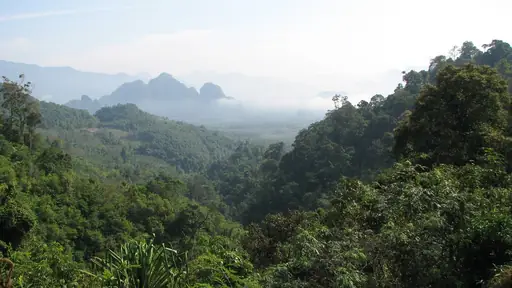
Asia's forest environments range from the ancient temperate rainforests of the far north and the cedar and beech forests of the eastern mountain zones to the cloud forests of the…
Read more
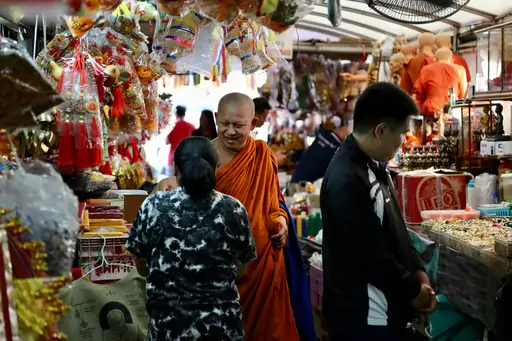
Discover
Markets and street shopping in Asia
Asia has some of the most extraordinary market cultures on earth, shaped by thousands of years of trade and an extraordinary diversity of produce, cuisine, and craft traditions.…
Read more
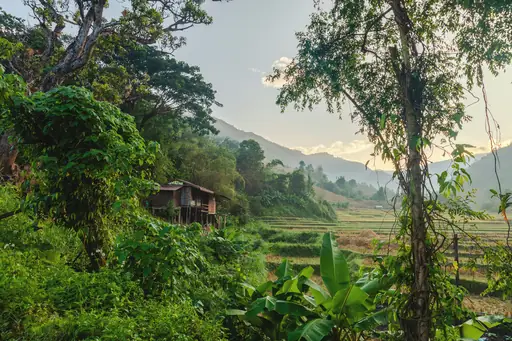
Discover
Best eco-tourism destinations in Asia
One Himalayan kingdom's deliberately restrictive, high-value tourism policy funds conservation and limits environmental impact by design, a model considerably different from…
Read more
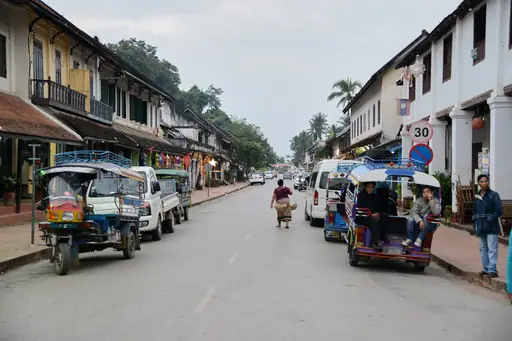
Discover
Best places for budget travelers in Asia
Southeast Asia remains one of the most consistently affordable regions in the world to travel, with several countries offering genuinely low prices across food, accommodation and…
Read more

Discover
Most beautiful beaches and coastal escapes
For a lot of people, a beach is the whole point of a holiday, but what makes a beach day perfect really depends on personal taste. Some travellers want isolation and the feeling…
Read more

Discover
Stunning national parks and wilderness areas
National parks exist because someone decided that certain landscapes were too important to lose. The best of them protect ecosystems, wildlife and natural processes that would…
Read more

Discover
Intimate escapes and romantic getaways
The most memorable trips for couples tend to have less to do with luxury and more to do with the quality of shared experience. A place that slows you down, removes the usual…
Read more
What other users say about travelfilters
“travelfilters made it easy for me to find ski areas and compare what else they offer, so that I could find the best place for my personal travel style.”

Chris
Snowboarding & Onsen trip to Japan
“I love how transparent the data feels. There is no pushy upsell, just honest information and settings I can tune to my own travel style.”

Maria
After booking her 2027 winter escape
“The level of detail for each destination and how well those are displayed, make planning feel confident instead of overwhelming.”

Mina
Planned a week in New York City
“We used travelfilters for our planning from start to end. The trip turned out even better than expected, thanks to all their tools and customisation options.”

Allan & Etienne
Trip to Japan to see autumn foliage
“Thanks to travelfilters, I found some hidden gems to see. Being able to filter for exactly your interests is a game changer for my travel planning.”

Michael
Tour through the old cities of Northern Italy
“The customizable filters helped me find a quiet beach town with good wifi and low season crowds in under five minutes.”

Diego
Weekend Escape to Llanes, Spain
“The airport connection map saved me hours by showing good flight options from my home airport to lesser-known cities.”

Nguyen
Planning a 2027 trip to France
“The website is clean, fast and focused on the search itself, which makes travelfilters feel more like a professional tool than an ad-heavy booking site.”

Hassan
Christmas Market trip, Germany
