
Best forest destinations in Asia
Best forest destinations in Asia
Subtropical bamboo groves and dense mountain woodlands across Asia
Asia's forest environments range from the ancient temperate rainforests of the far north and the cedar and beech forests of the eastern mountain zones to the cloud forests of the Himalayan foothills and the tropical rainforests of Southeast Asia, which represent some of the most biodiverse terrestrial ecosystems on earth. The continent's tropical forests support extraordinary concentrations of endemic species across several of the world's most significant biodiversity hotspots.
Southeast Asia's forest visitor infrastructure ranges from well-developed national park networks with guided trekking, canopy walkways and wildlife watching programmes to remote wilderness areas where specialist operators and local guides are essential. East Asian forest culture has produced distinct traditions of woodland immersion and forest bathing with accessible trail networks and overnight infrastructure across extensively forested mountain interiors.
Heat, humidity and monsoon seasons affect access and comfort considerably across tropical zones and seasonal timing is an important planning factor. Deforestation has significantly reduced primary forest cover across parts of the region and researching the ecological status of specific destinations before travel ensures visits support rather than undermine conservation efforts.
Lists by region


National Park in Thailand
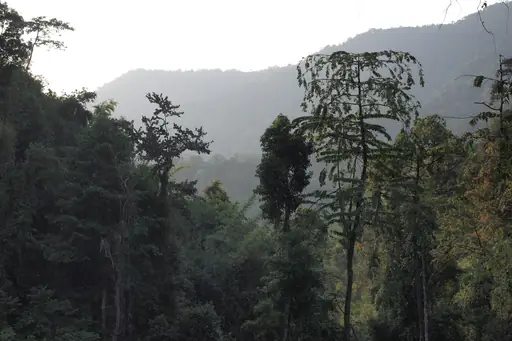
Khao Sok National Park
Ancient Jungle and Emerald Lake Paradise
Many visitors in this park sleep in floating bungalows on Cheow Lan Lake, surrounded by limestone cliffs and forest. A dam created the lake in 1982 and long tail boats now carry guests across it. The rainforest has hiking trails, waterfalls and caves with guided tours. Rafflesia flowers can bloom from November to January.
National Park in Japan
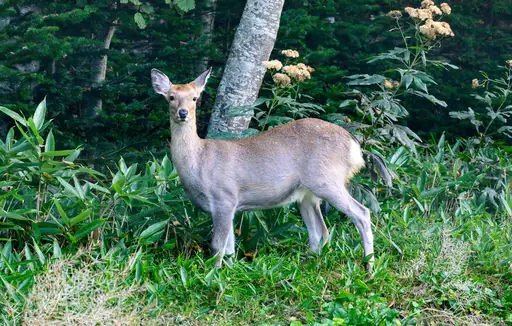
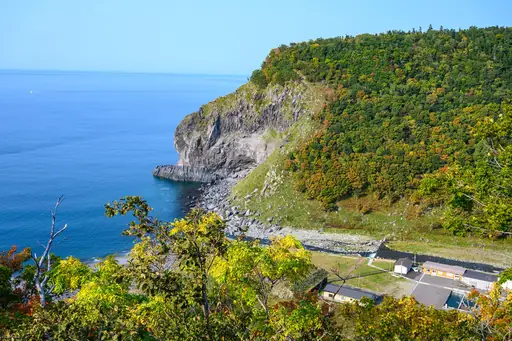
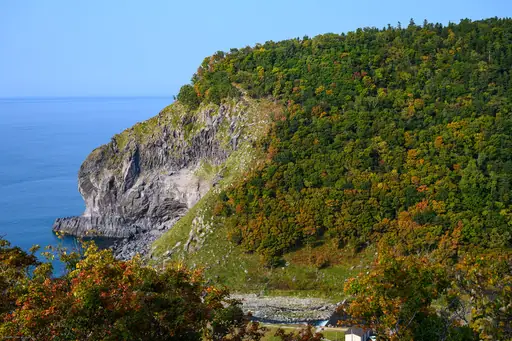
Shiretoko National Park
Brown bears and drift ice in Hokkaido
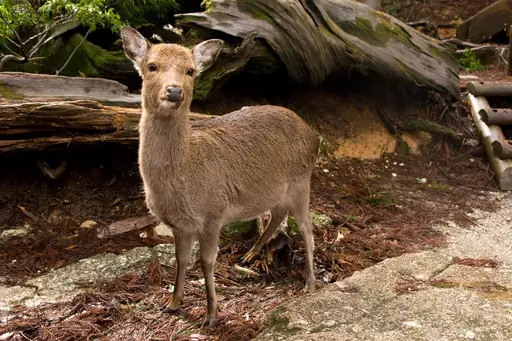
Unlike most Japanese forests, this peninsula has a large brown bear population and a wild, remote coastline. It is a World Heritage site because forest and sea ecosystems are closely linked. Drift ice floats off the coast in winter and attracts sea eagles. Visits to the Five Lakes have bear safety rules.
Island in Japan
Yakushima
Ancient cedars, mossy forest and waterfalls
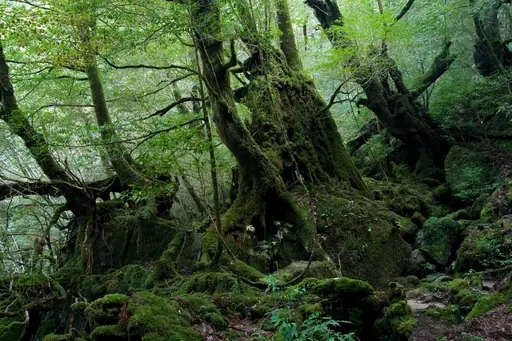
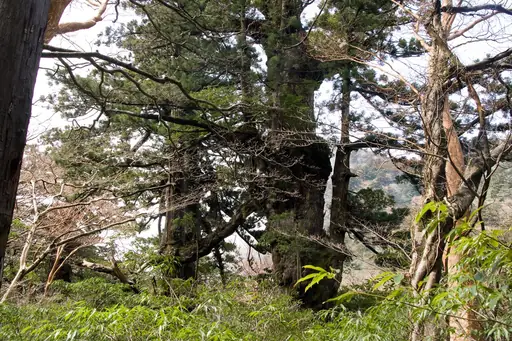
The Jomon Sugi cedar has stood on this island for at least 2,000 years. Trees older than 1,000 years are called yakusugi and many were logged in the Edo period. The island became a World Heritage site in 1993 for its ancient forest. Shiratani Unsuikyo is a mossy forest valley with walking trails.

National Park in Indonesia
Tanjung Puting National Park
Orangutan paradise in Borneo jungle
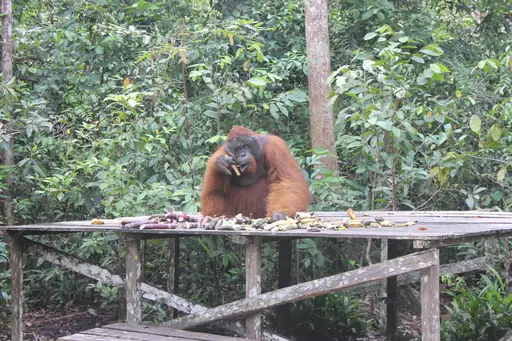
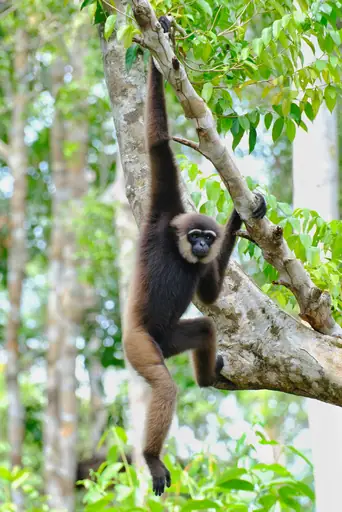
Covering about 4,000 square kilometres of swamp and rainforest in Central Kalimantan, this park is a major orangutan reserve. Visitors travel upriver on klotok, small wooden houseboats with beds and a cook. Camp Leakey, founded in 1971, is a research station and feeding site for orangutans. Proboscis monkeys are often seen from the river.
National Park in Indonesia
Gunung Leuser National Park
Breathtaking peaks and ancient rainforests
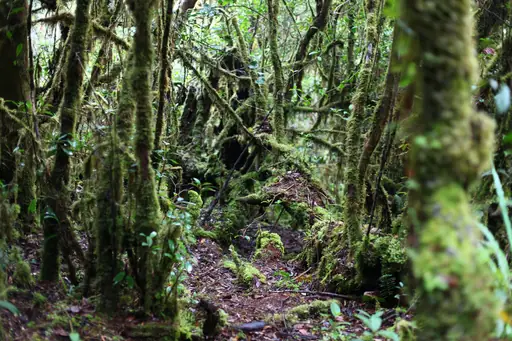
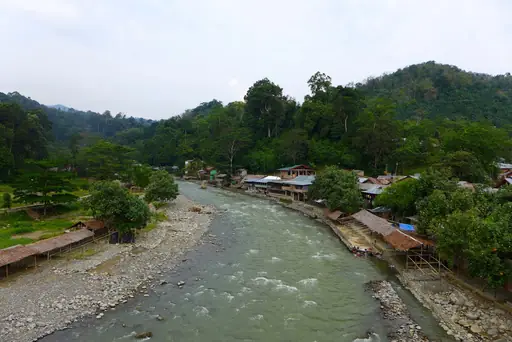
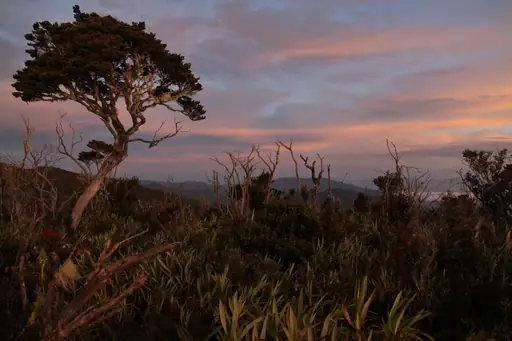
Covering about 7,900 square kilometres in northern Sumatra, this national park is part of a World Heritage rainforest area. Sumatran orangutans, tigers, elephants and rhinos all live in the forest. Bukit Lawang is a popular base for guided jungle treks to see orangutans. Guides are required for all treks.
National Park in India
Sundarbans National Park
Whispers of mangrove giants and elusive tigers
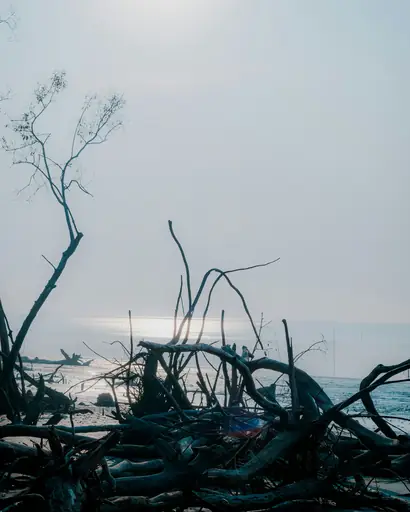
Set where rivers meet the Bay of Bengal, this park is part of a vast mangrove forest shared with Bangladesh. The Indian side is a national park and a World Heritage site. Boat trips along narrow tidal channels are the main way to see the forest. Royal Bengal tigers live here and swim between islands.

State/Prefecture in Japan
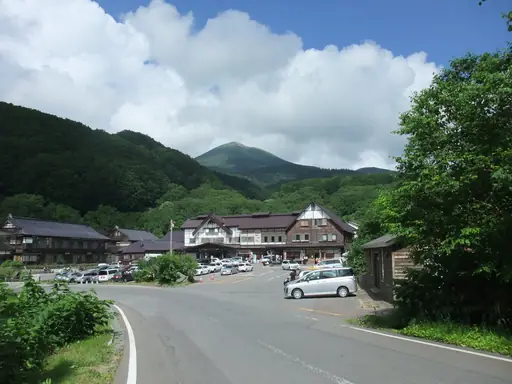
Aomori
Apples, giant lantern floats and beech forests
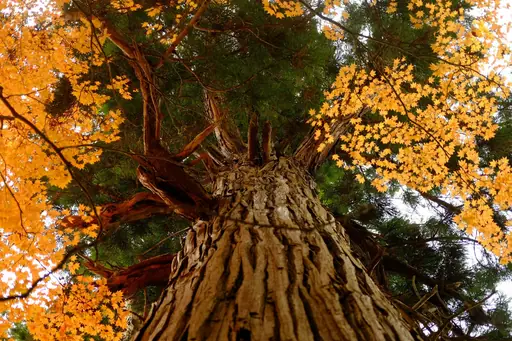
Located at the northern end of Honshu, this prefecture has the Shirakami Sanchi beech forest, a World Heritage site. It was listed in 1993 for its large area of untouched beech forest. Oirase Gorge has a 14 kilometre walking trail beside a clear stream with moss covered rocks. Autumn leaves are colourful in October.

National Park in Malaysia
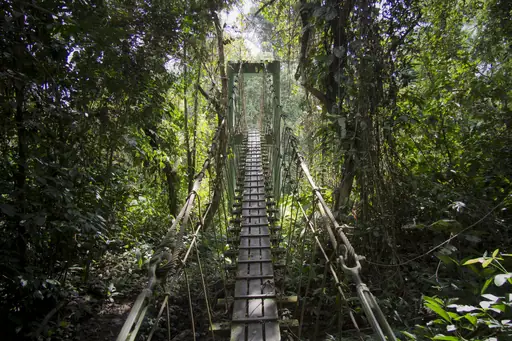
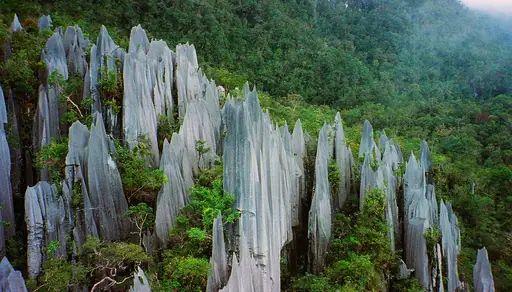
Mulu National Park
Lush limestone canyons echo ancient wildlife
Local guides from Penan and Berawan communities lead many treks in this park. The park is a World Heritage site known for caves, limestone pinnacles and rainforest. Millions of bats fly out of Deer Cave at dusk in a daily spiral. Sarawak Chamber is one of the largest cave chambers in the world.
National Park in India
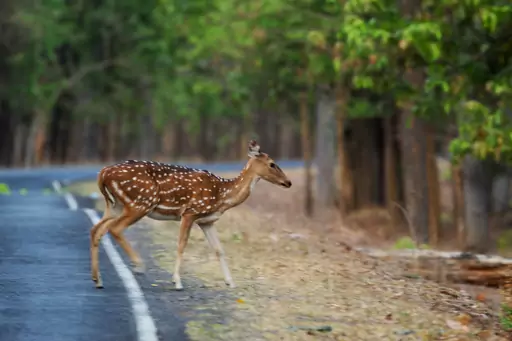
Kanha National Park
Tiger paradise in magical wilderness
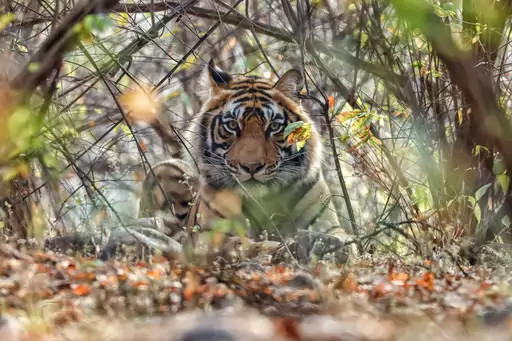
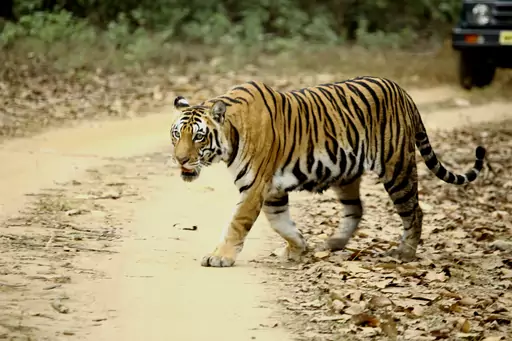
The park is closed from July to September because of monsoon rain. Winter mornings are cold from November to February, so bring warm layers for open jeep safaris. Summer from April to June is hot but animals are easier to find at waterholes. Tigers and barasingha, a rare swamp deer, are the main species seen.


Island
Borneo
Wild rainforests meet unique wildlife
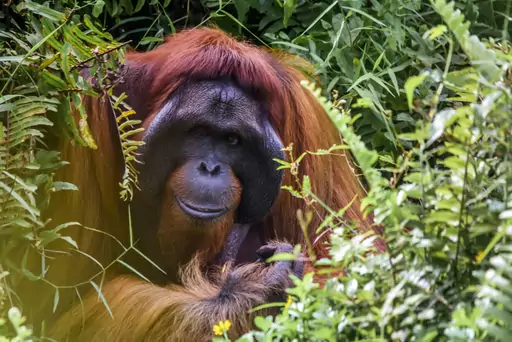
The rainforest on this island is about 130 million years old and among the oldest in the world. Dayak communities have lived in the forest for centuries and many still live in traditional longhouses. The island is shared by Indonesia, Malaysia and Brunei. Orangutans, proboscis monkeys and hornbills live in its forests.

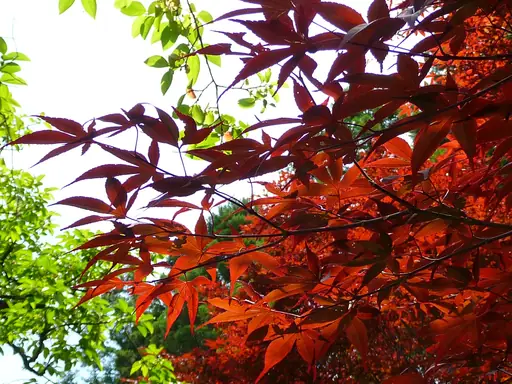
National Park in Japan
Fuji-Hakone-Izu National Park
Fuji, Hakone, Izu and volcanic islands
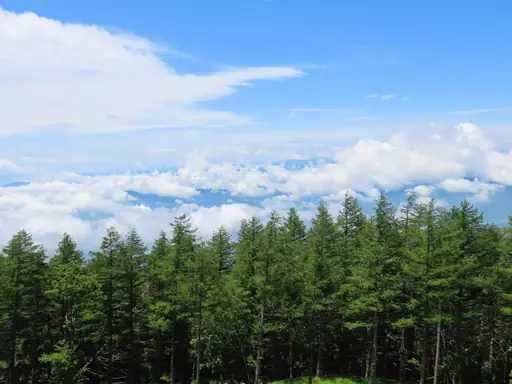
Calm and green, this national park has cedar, beech and pine forests around Mount Fuji. Old cedar trees stand beside part of the historic Tokaido road near Hakone. Forest trails near the Fuji Five Lakes pass lava caves and quiet lakes. The Amagi mountains on the Izu Peninsula have evergreen forests and waterfalls.
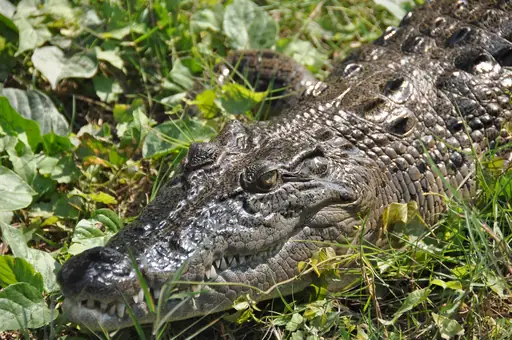
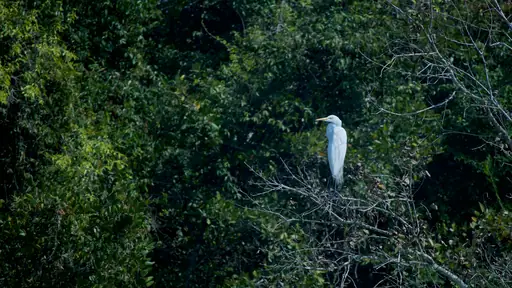

Forest in Bangladesh
Sundarbans
Whispers of mangrove giants and hidden wildlife
Winter from November to February is dry and pleasant in this forest, with highs near 26 degrees Celsius. Heavy monsoon rain falls from June to September, when channels are high and travel is harder. Cyclone risk is higher in spring and autumn, so check forecasts before booking. Permits and a guide are required.
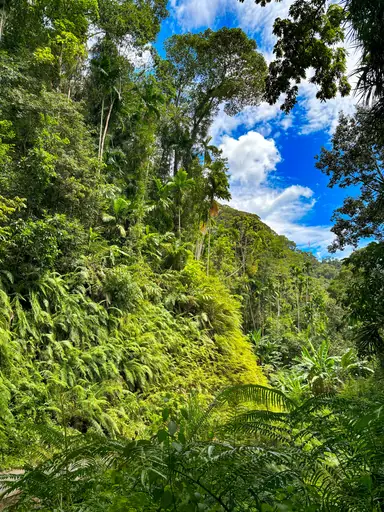
Forest in Sri Lanka
Sinharaja Forest Reserve
Ancient rainforest teeming with elusive wildlife
Damp and dense, this rainforest in southwest Sri Lanka is a World Heritage site with many species found nowhere else. Many of Sri Lanka's endemic birds, such as the Sri Lanka blue magpie, live here. Rain falls in all seasons, so waterproof gear and leech socks are useful. Local guides are required for all walks.
Other lists you may like
Discover
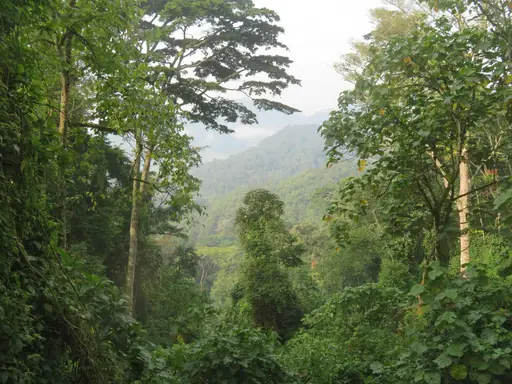
Best forest destinations in Africa
Africa's forests are less extensive than those of other major forested regions but include ecosystems of extraordinary ecological significance, from the ancient montane forests of…
Read more
Discover
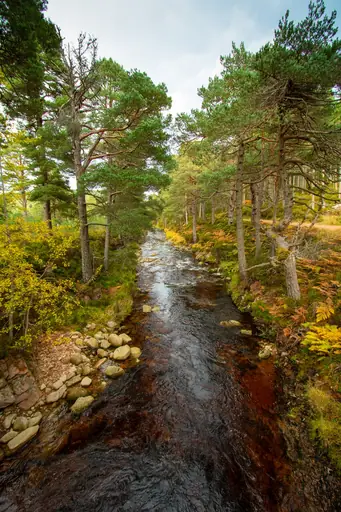
Best forest destinations in Europe
Europe's forests are more fragmented than those of other major forested regions but include ancient woodland remnants, boreal wilderness zones and temperate rainforest pockets of…
Read more
Discover
Best forest destinations in North America
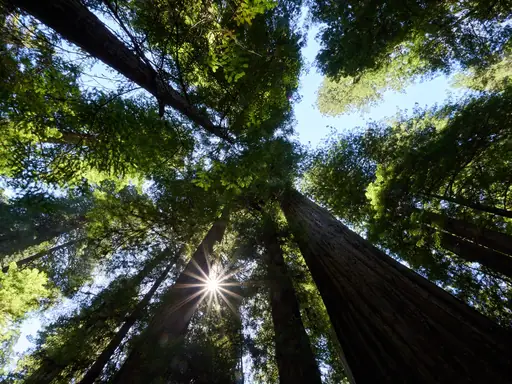
North America's forests span an extraordinary range of types and scales, from the ancient temperate rainforests of the Pacific coast and the vast boreal wilderness of the far north…
Read more
Discover
Best forest destinations in Oceania
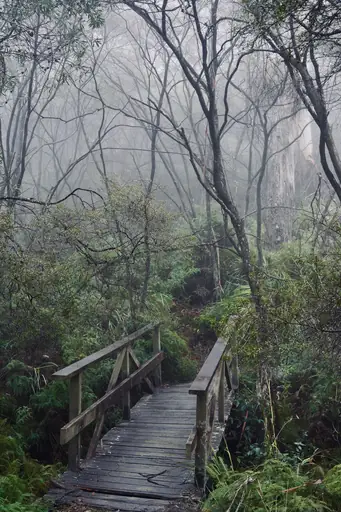
Oceania's forests range from the ancient podocarp and kauri forests of the northern island groups and the beech-dominated mountain forests of the south to the tropical rainforests…
Read more
Discover
Best forest destinations in South America
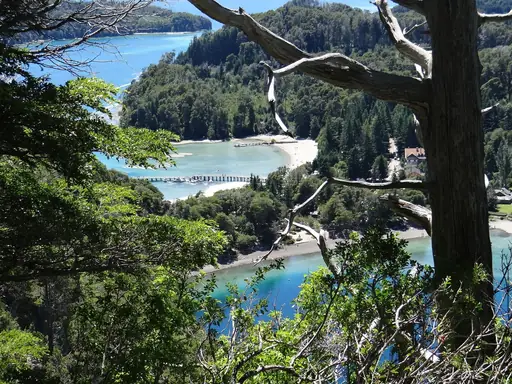
South America's forests are dominated by the Amazon basin, the largest tropical rainforest on earth, alongside the Atlantic forest of the eastern seaboard, the cloud forests of the…
Read more
Discover
Top forest destinations and woodland landscapes
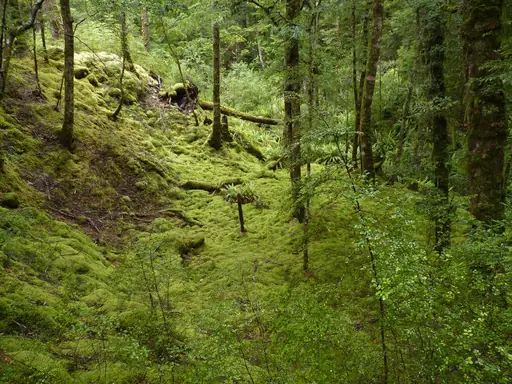
Forest travel encompasses some of the world's most biodiverse and ecologically significant environments, with the great tropical rainforests, temperate old growth systems and…
Read more
What other users say about travelfilters
“travelfilters made it easy for me to find ski areas and compare what else they offer, so that I could find the best place for my personal travel style.”

Chris
Snowboarding & Onsen trip to Japan
“I love how transparent the data feels. There is no pushy upsell, just honest information and settings I can tune to my own travel style.”

Maria
After booking her 2027 winter escape
“The level of detail for each destination and how well those are displayed, make planning feel confident instead of overwhelming.”

Mina
Planned a week in New York City
“We used travelfilters for our planning from start to end. The trip turned out even better than expected, thanks to all their tools and customisation options.”

Allan & Etienne
Trip to Japan to see autumn foliage
“Thanks to travelfilters, I found some hidden gems to see. Being able to filter for exactly your interests is a game changer for my travel planning.”

Michael
Tour through the old cities of Northern Italy
“The customizable filters helped me find a quiet beach town with good wifi and low season crowds in under five minutes.”

Diego
Weekend Escape to Llanes, Spain
“The airport connection map saved me hours by showing good flight options from my home airport to lesser-known cities.”

Nguyen
Planning a 2027 trip to France
“The website is clean, fast and focused on the search itself, which makes travelfilters feel more like a professional tool than an ad-heavy booking site.”

Hassan
Christmas Market trip, Germany
