
Best forest destinations in North America
Best forest destinations in North America
Immense temperate redwood valleys and protected pine territories in North America
North America's forests span an extraordinary range of types and scales, from the ancient temperate rainforests of the Pacific coast and the vast boreal wilderness of the far north to the deciduous hardwood forests of the east and the cloud forests of the subtropical south. The continent's old growth forests are among the most ecologically significant on earth, with cathedral groves of towering conifers producing an experience of scale and atmosphere unlike anything in younger or more managed woodland.
The national parks system protects many of the most significant forest environments, with well-marked trail networks, ranger programmes and visitor infrastructure supporting accessible exploration across a wide range of forest types and fitness levels. Beyond the parks, vast areas of national forest and wilderness designation offer more remote experiences with considerably less visitor management and infrastructure.
Wildfire risk has increased significantly across western forest zones and checking current conditions and closures before travel is essential during fire season. Wildlife awareness including bear safety protocols is non-negotiable in most of the continent's significant forest wilderness areas. Seasonal timing affects the experience considerably with spring wildflower seasons and autumn colour among the most rewarding periods across different forest types.
Lists by region
Park in Canada
Algonquin Provincial Park
Lakes, forests and wildlife in serene wilderness
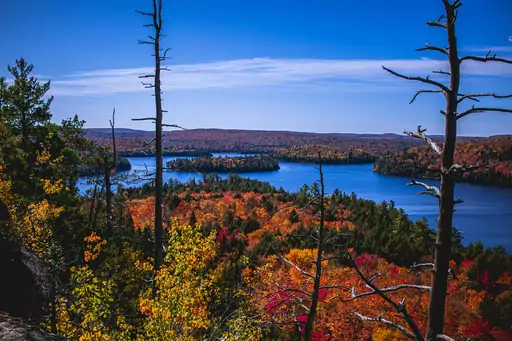
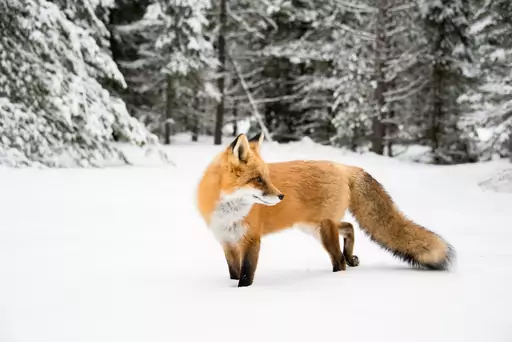
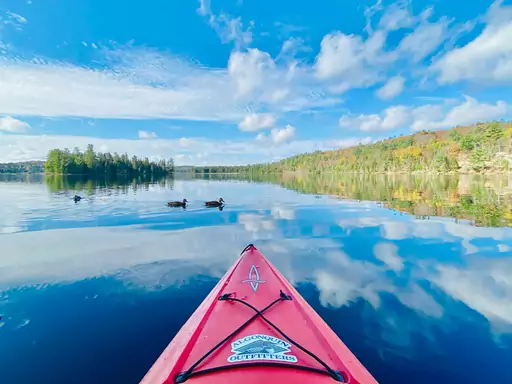
The Highway 60 corridor has short lookout trails with views over maple, birch and pine forest that turns red and gold in late September. Paddlers on the park's many lakes often hear loons at dusk while moose feed in roadside ponds in early summer and wolves can be heard howling on August nights.

City in United States
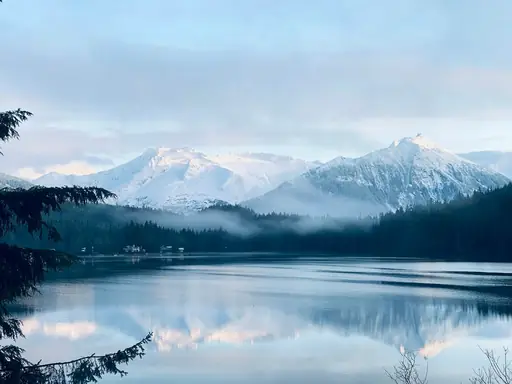
Juneau
Glaciers, whales and wild Alaska
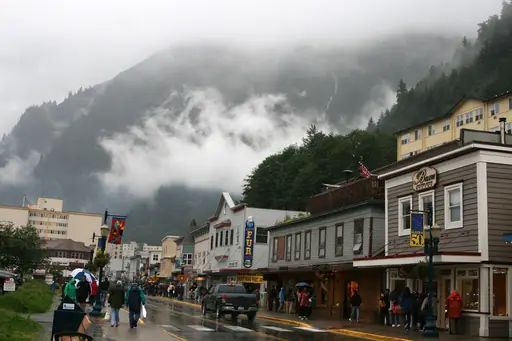
Locals treat the Tongass National Forest as a backyard, hiking mossy spruce and hemlock trails right from town and picking blueberries in late summer when the days are still long. The Tongass is the largest national forest in the United States while Mendenhall Glacier is a short drive away.
Town in Canada
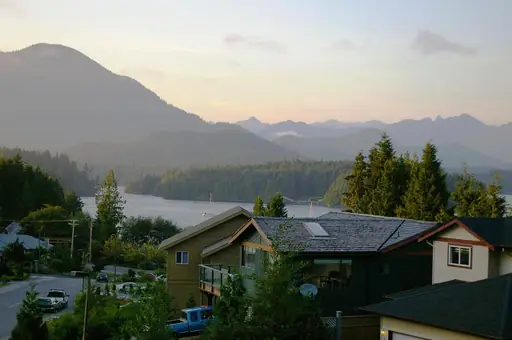
Tofino
Wild Pacific, Rainforest, Endless Waves
Compared with a typical beach town, this one has huge old cedars and hemlocks growing almost to the sand, so surfers paddle out in front of dark green rain forest. Walks in Pacific Rim National Park, like the Rainforest Trail boardwalk, pass trees hundreds of years old.
National Park in Costa Rica
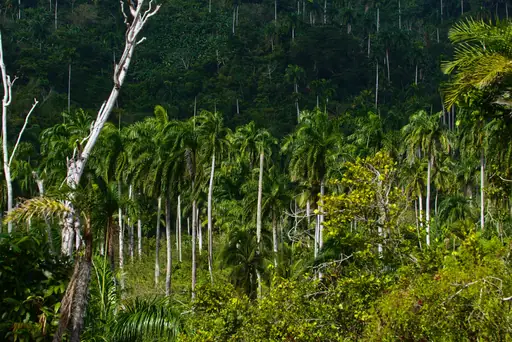
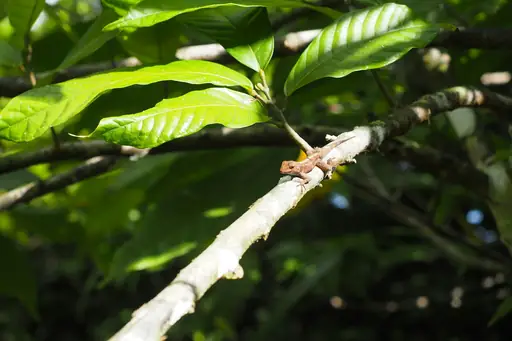
El Yunque National Forest
Tropical rainforest paradise in Caribbean
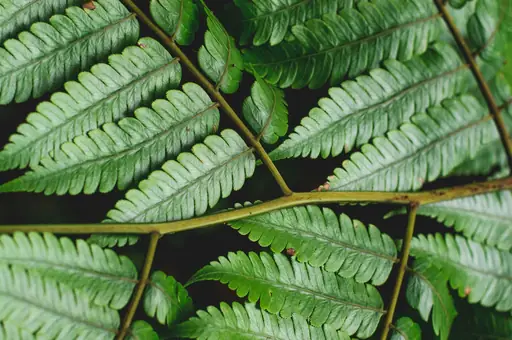
In the Luquillo Mountains of northeastern Puerto Rico, this is the one tropical rainforest inside the United States national forest system. Trails lead past waterfalls such as La Mina and through cool green shade under tall palms and giant ferns, while the tiny coquí tree frog sings loudly after dark.
Nature Reserve in Costa Rica
Monteverde and Santa Elena Cloud Forest Reserves
Mist, Wildlife and Cloudy Magic
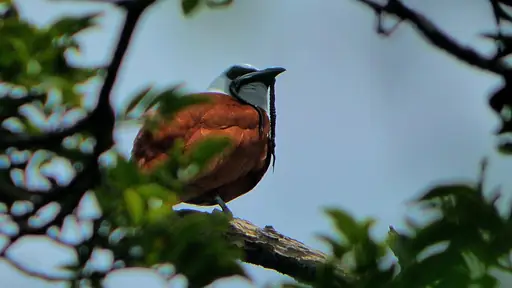
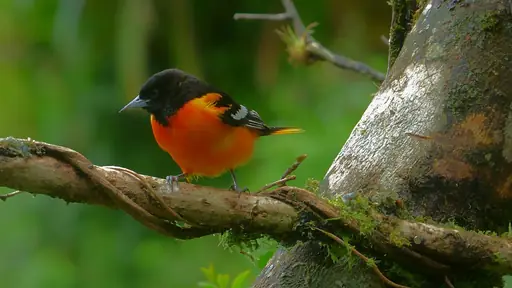
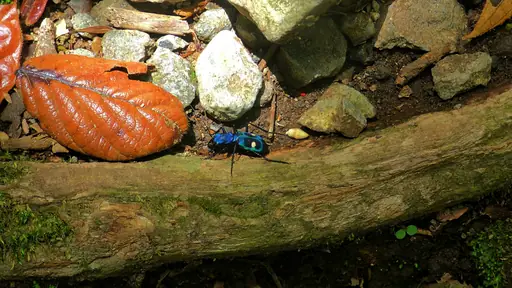
Hanging bridges in the Santa Elena and Monteverde reserves cross high above the cloud forest, a forest that is wrapped in mist most of the year and covered in moss, ferns and orchids. The resplendent quetzal, a bird with long green tail feathers, is often seen between January and April.
National Park in Costa Rica
Corcovado National Park
Costa Rica’s Wildest Rainforest Frontier
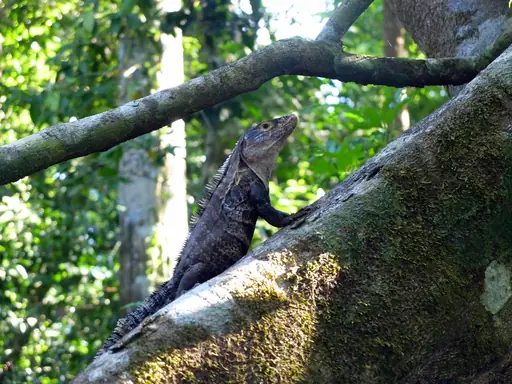
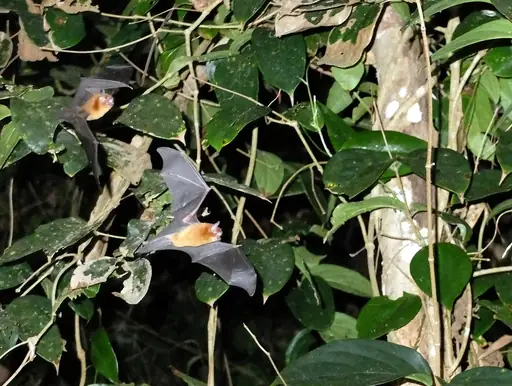
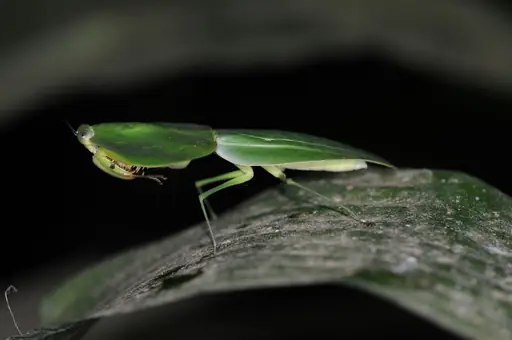
Howler monkeys roar at dawn from the tall trees, scarlet macaws call from the beach almond trees and the air under the canopy is thick and wet with the smell of leaves and rain. The park on the Osa Peninsula is a wild lowland rainforest where tapirs, jaguars and four kinds of monkeys live.
Nature Reserve in United States
Boundary Waters Canoe Area Wilderness
Pristine lakes, untouched wilderness paradise
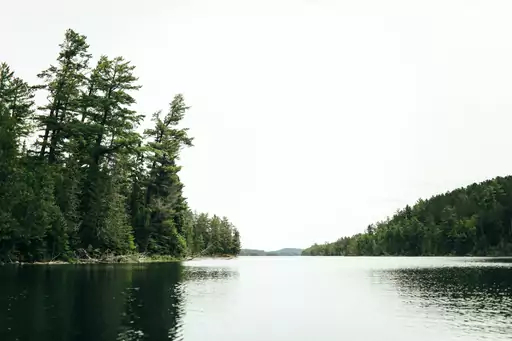
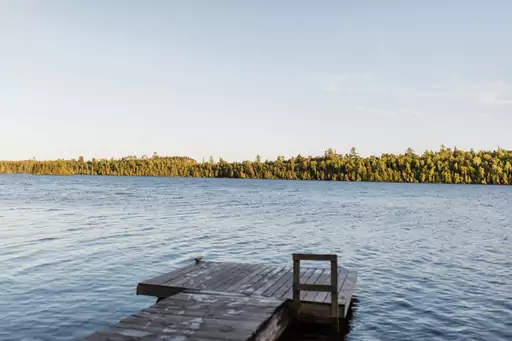
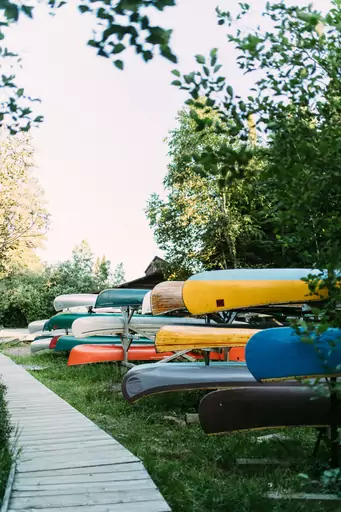
French Canadian fur traders called voyageurs paddled these lakes in birch bark canoes in the 1700s. Canoeists now follow the same water routes through pine and spruce forest, camping on rocky shores where motors are banned on most lakes and the night sky is dark.

National Park in Costa Rica
Tortuguero National Park
Wildlife and Waterways Adventure
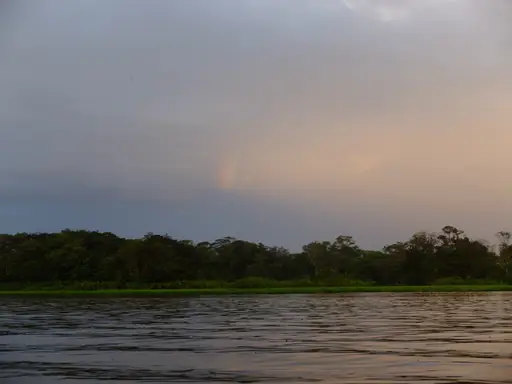
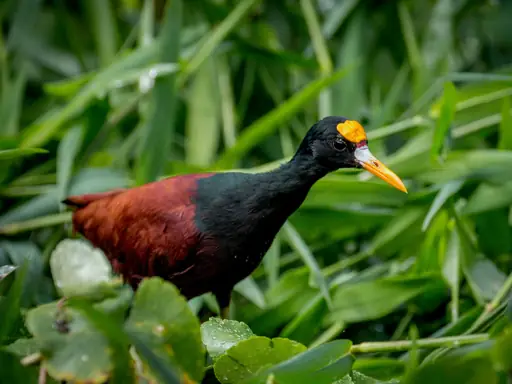
From July to October green sea turtles come ashore at night to lay eggs on the long beach of this park. Only licensed guides lead visitors to watch the nesting, a rule that keeps the nests safe. Behind the sand there is wet lowland forest where jaguars, tapirs and sloths live.
National Park in United States
Yosemite National Park
Nature's Grand Cathedral
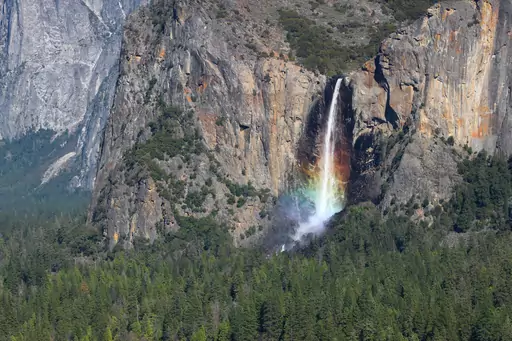
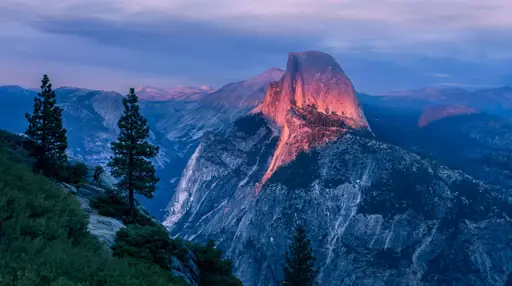
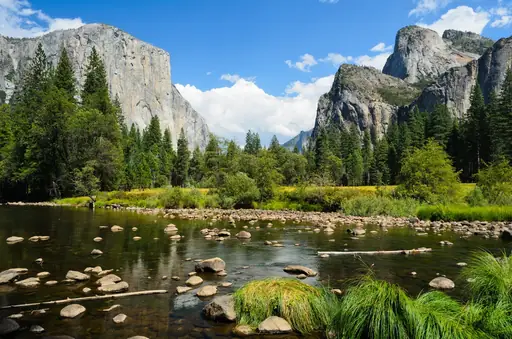
In the Mariposa Grove, the red bark of giant sequoias glows in morning light while birdsong and wind high in the branches are the sounds you hear. The Grizzly Giant is thought to be about 2,000 years old. Yosemite Valley's waterfalls and pine forests are about an hour's drive north.
National Park in United States
Redwood National Park
Home of the World’s Tallest Trees
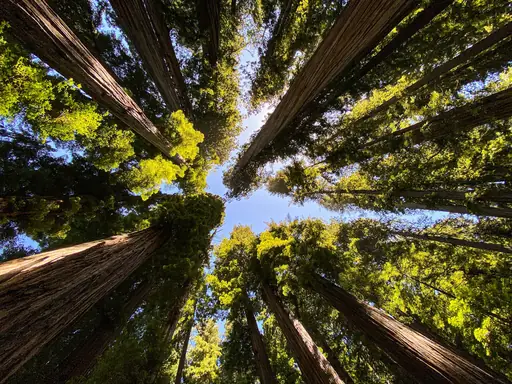
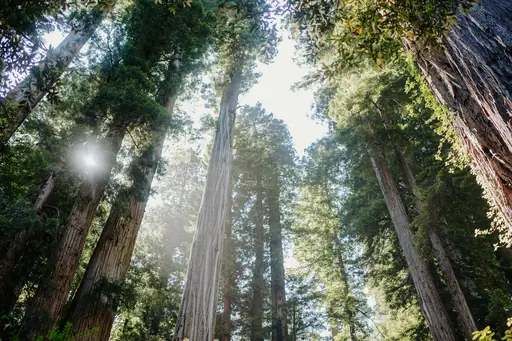
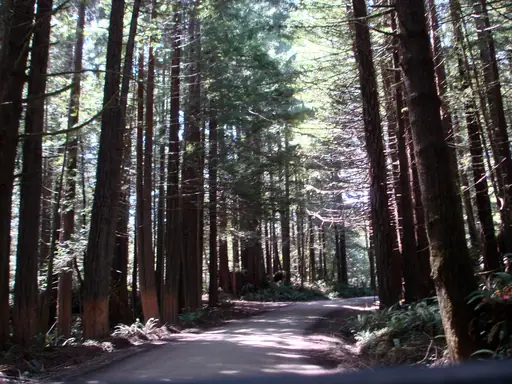
Along the foggy coast of far northern California, the park has coast redwoods that rise more than 350 feet, among the tallest trees on earth. Fern Canyon, a narrow gorge with walls covered in ferns, is a short walk from the beach where elk graze.
Island in Canada
Vancouver Island
Untamed Beauty and Coastal Charm
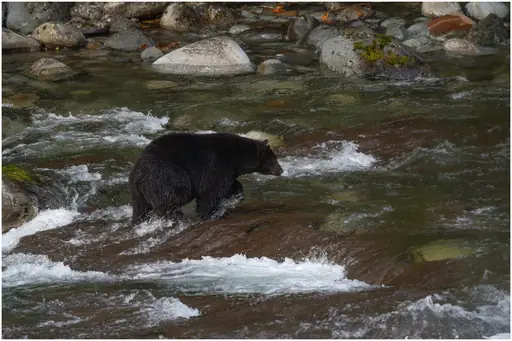
Logging cut much of the island's old forest over the last century, but groves like Cathedral Grove in MacMillan Provincial Park still have Douglas firs that are more than 800 years old. Farther west, wide valleys of cedar and hemlock lead down to quiet coves where black bears search the shore.
Nature Reserve in Mexico
Calakmul Biosphere Reserve
Ancient Maya Ruins in Pristine Jungle
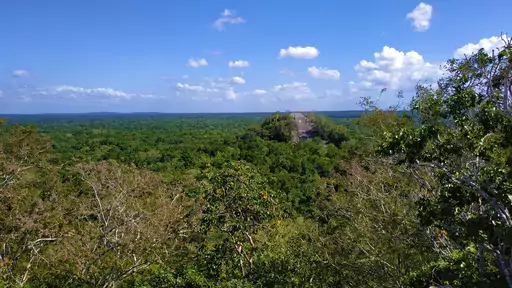
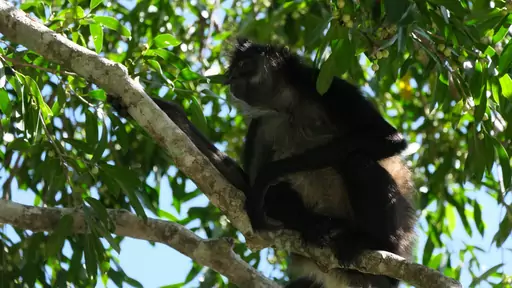
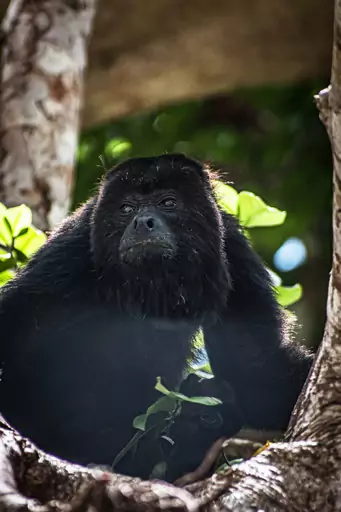
Early mornings are when spider monkeys, toucans and howler monkeys are most active in this huge tropical forest, which is among the largest protected areas of its kind in Mexico. The dry months from December to April are easier for climbing the Maya pyramids that rise above the treetops.
National Park in Dominica
Morne Trois Pitons National Park
Volcanic wonders in pristine rainforest
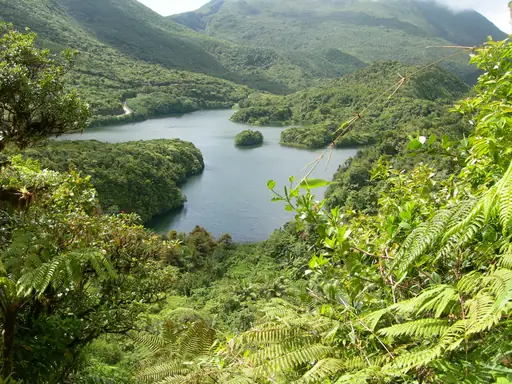
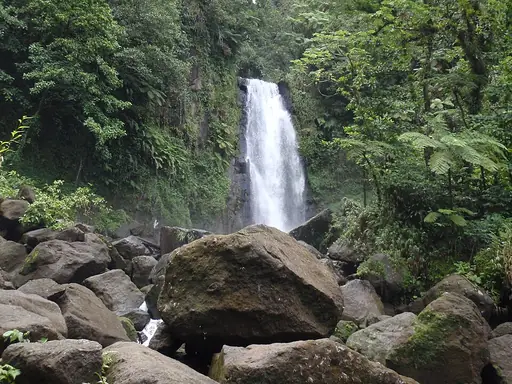
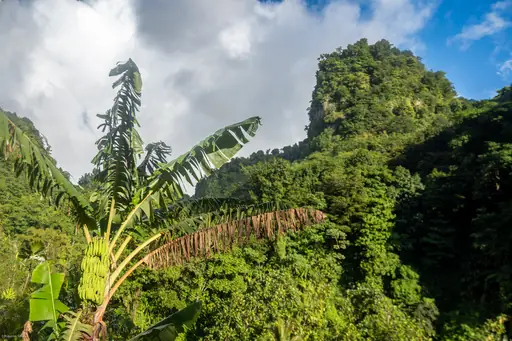
On the volcanic island of Dominica in the eastern Caribbean, this World Heritage park has green rain forest on steep peaks, hot springs and the Boiling Lake. Hikers need a full day for the trail to the lake, which passes steam vents and rivers, while the Emerald Pool is a short walk away.
National Park in Guatemala
Tikal National Park
Lost Mayan City in the Jungle
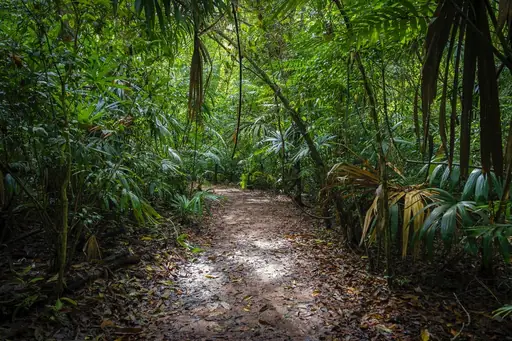
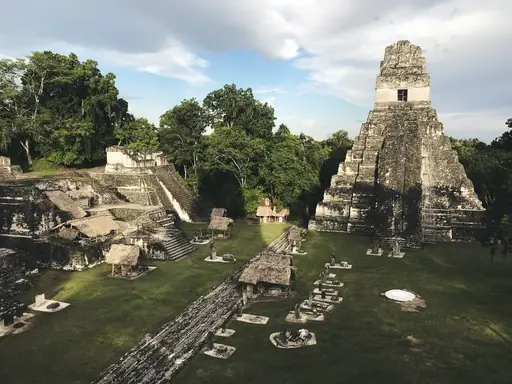
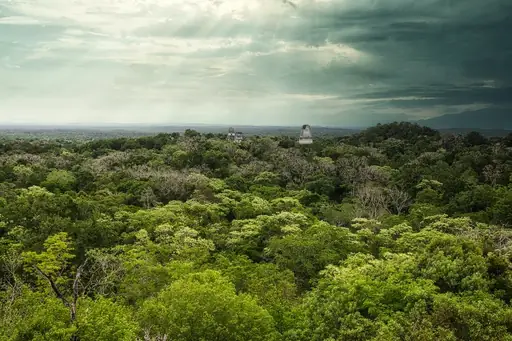
Unlike many Maya sites set in open fields, the temples here rise out of dense jungle, with Temple IV standing more than 200 feet high above the treetops. Howler monkeys, toucans and coatis move through the forest around the plazas while visitors who climb Temple IV at dawn watch mist rise from the canopy.
National Park in United States
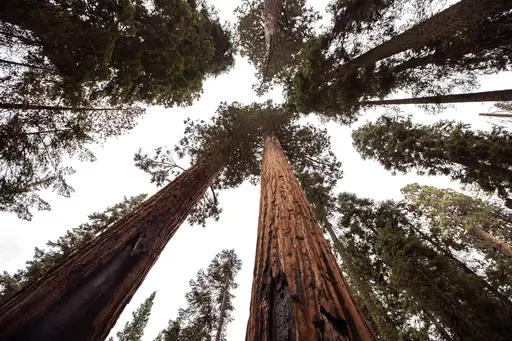
Sequoia and Kings Canyon National Parks
Home of the Giant Sequoias
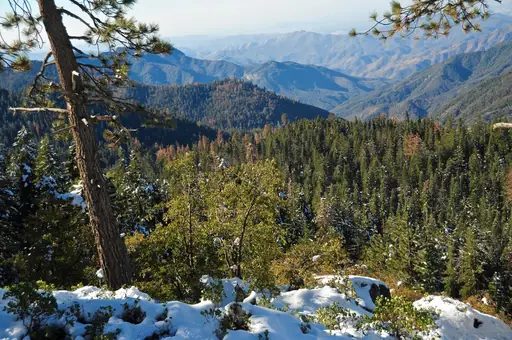
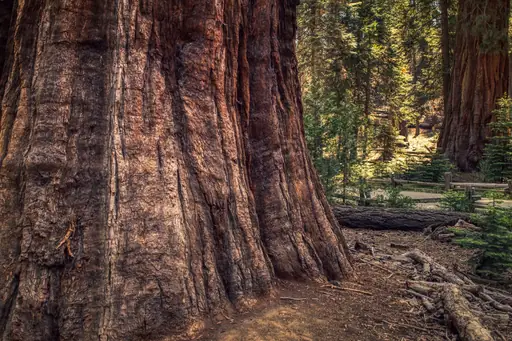
Rangers ask walkers to stay on the paths because giant sequoia roots are shallow and easy to damage. Visitors follow the Congress Trail past the General Sherman Tree, the largest living tree on earth by volume. Nearby Kings Canyon has the General Grant Tree and a deep canyon with granite walls.
National Park in United States
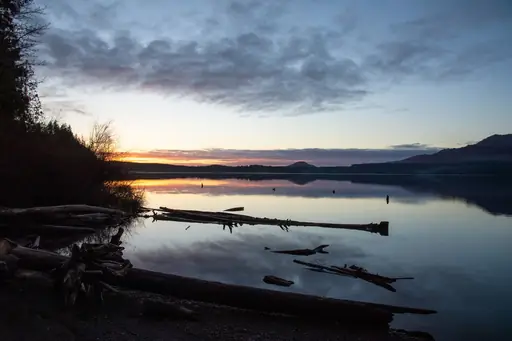
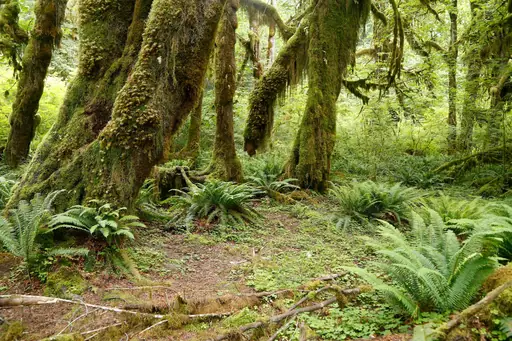
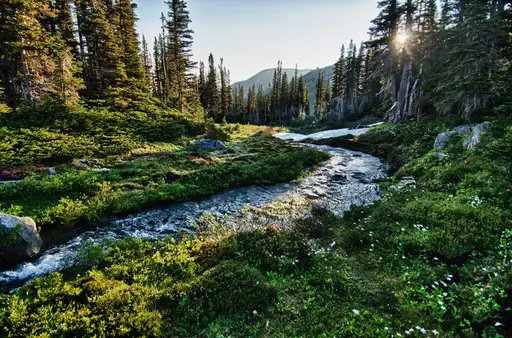
Olympic National Park
Untamed Wilderness, All in One
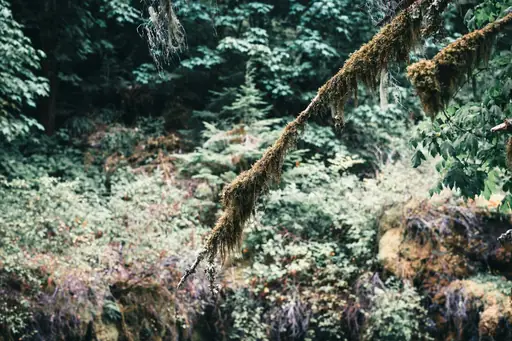
Moss hangs from the maples in the Hoh Rain Forest, where the air smells of wet cedar and the loudest sound is dripping water. This is a rare temperate rain forest, which means heavy rain and cool air, while Roosevelt elk often rest in the ferns.
National Park in United States
Mount Rainier National Park
A Majestic Volcano and Wild Beauty
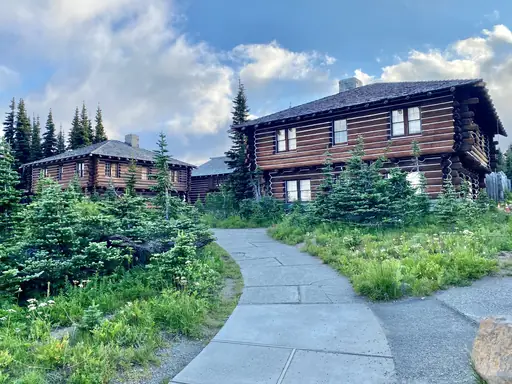
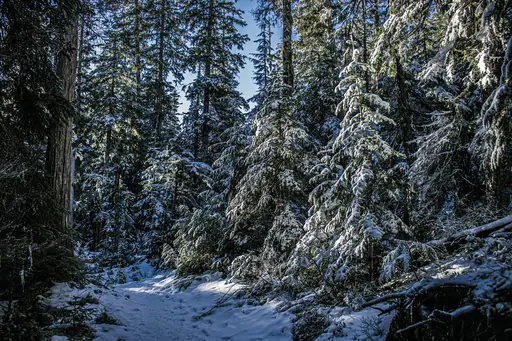
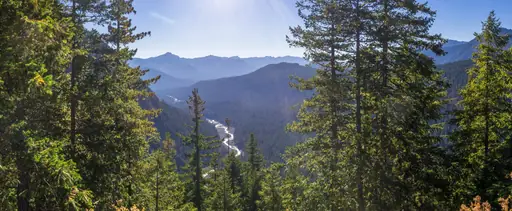
The mountain became a national park in 1899 and its lower slopes still have old growth forest, with Douglas fir, western hemlock and red cedar trees hundreds of years old. The Grove of the Patriarchs is a short walk among giant cedars on an island in a river.
National Park in Costa Rica
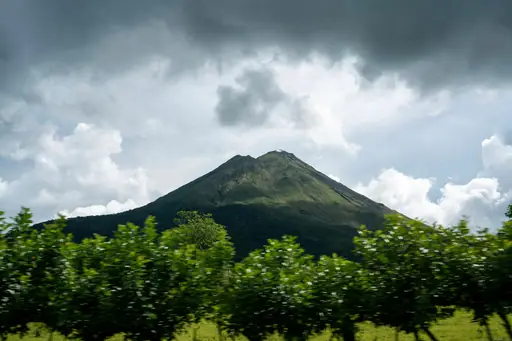
Arenal Volcano National Park
Lava Trails, Rainforest and Epic Views
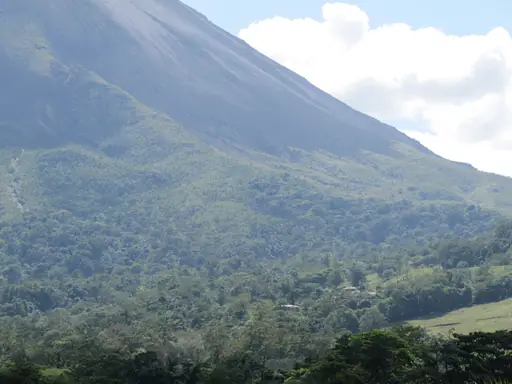
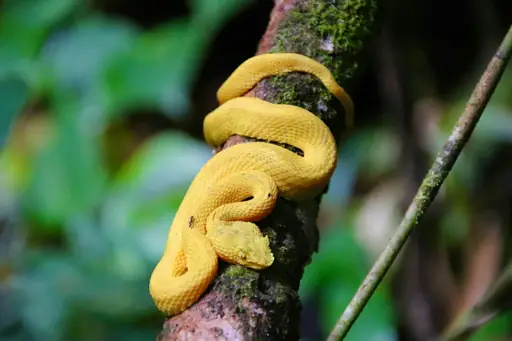
After a day of hiking through rain forest at the foot of the Arenal Volcano, it is a local habit to soak in hot springs warmed by the volcano. Trails cross old lava fields where toucans, coatis and howler monkeys live. The cone rests quietly today after an eruption period that ended in 2010.
State/Prefecture in United States
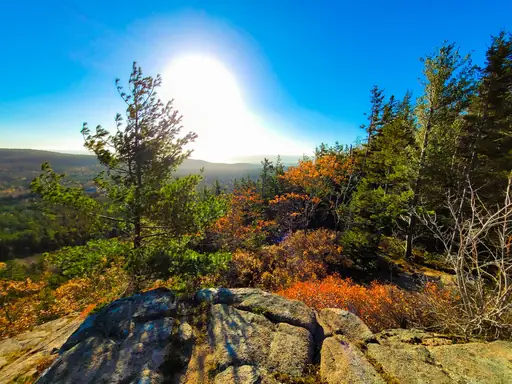
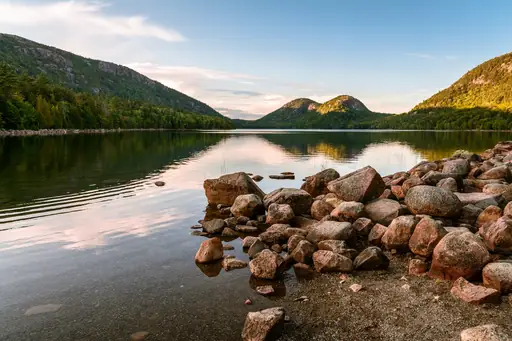
Maine
Lobsters, Lighthouses and Lush Landscapes
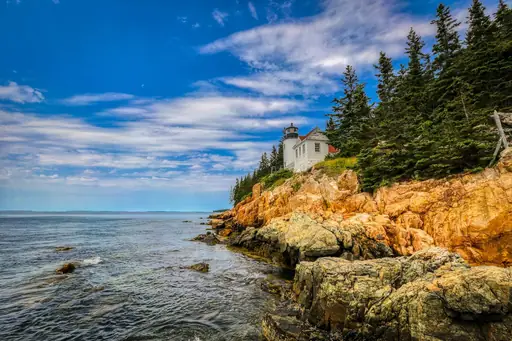
Unlike the dry mountain forests of the West, Maine has damp mixed woods of spruce, fir, maple and birch. They cover roughly 90 percent of the state, which makes it the most forested state. Moose wade in lakes near Moosehead Lake while hikers climb Mount Katahdin, the end of the Appalachian Trail.
National Park in United States
Glacier Bay National Park
Majestic glaciers and pristine wilderness
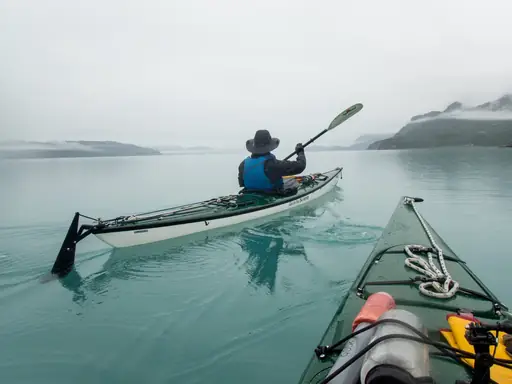
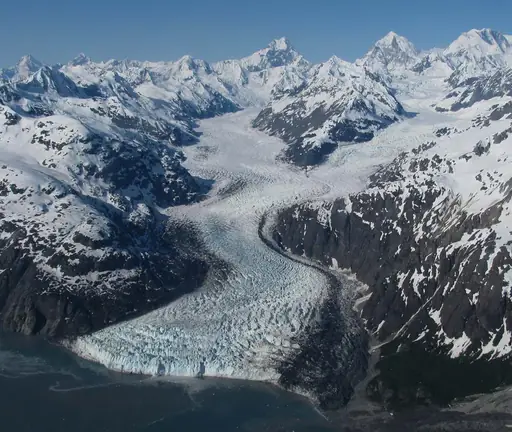
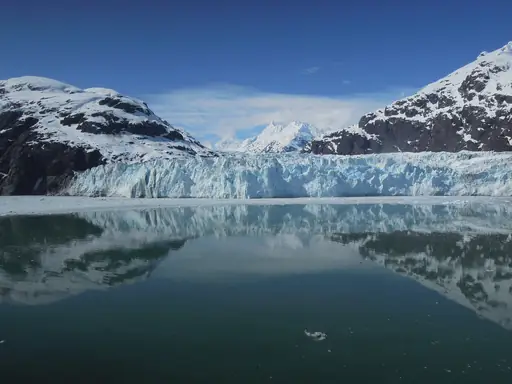
Summer, from June to August, has the longest days for boat trips up the bays. Glaciers have been shrinking here for about 250 years while willow, alder and young spruce and hemlock forest grow on the bare ground. Humpback whales and brown bears are often seen along the shore.
Forest in Canada
Great Bear Rainforest
Whispers of ancient pines and mist
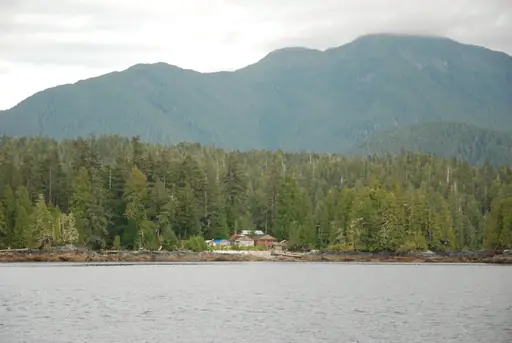
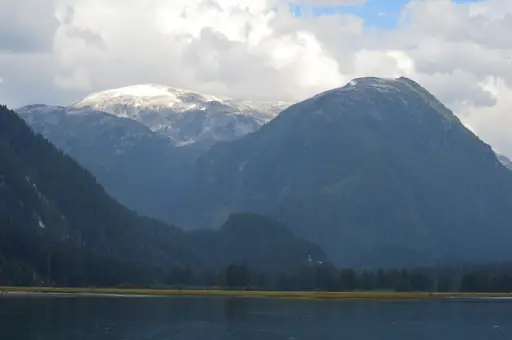
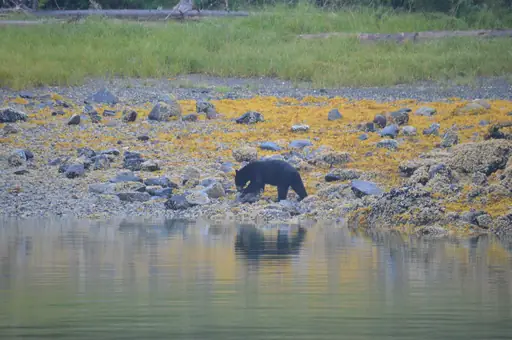
About one in ten Kermode bear cubs here is born with a white coat. Western red cedars about 1,000 years old and Sitka spruces about 90 metres tall grow in the forest. A 2016 agreement protects 85 percent of the old growth from industrial logging. Wolves, grizzlies and salmon also live in the area.
Other lists you may like
Discover
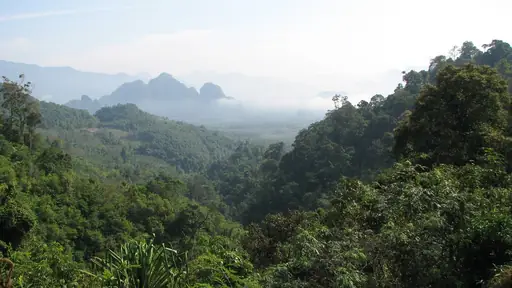
Best forest destinations in Africa
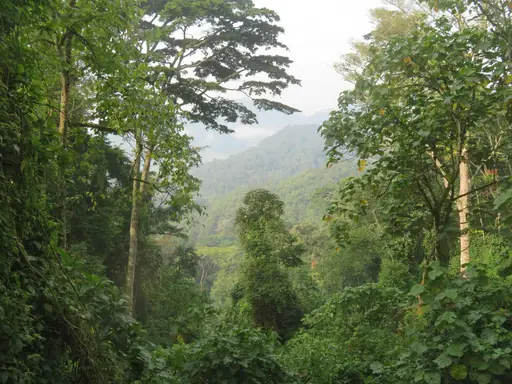
Africa's forests are less extensive than those of other major forested regions but include ecosystems of extraordinary ecological significance, from the ancient montane forests of…
Read more
Discover
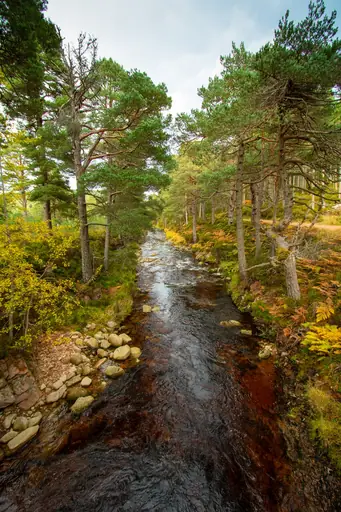
Best forest destinations in Asia
Asia's forest environments range from the ancient temperate rainforests of the far north and the cedar and beech forests of the eastern mountain zones to the cloud forests of the…
Read more
Discover
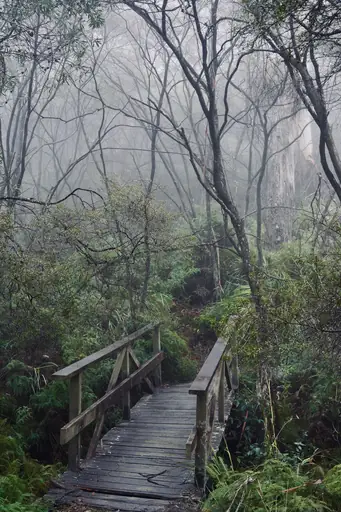
Best forest destinations in Europe
Europe's forests are more fragmented than those of other major forested regions but include ancient woodland remnants, boreal wilderness zones and temperate rainforest pockets of…
Read more
Discover
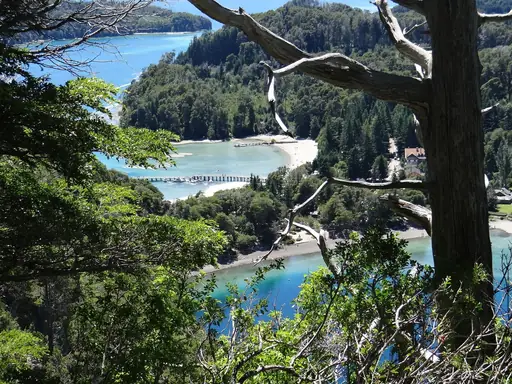
Best forest destinations in Oceania
Oceania's forests range from the ancient podocarp and kauri forests of the northern island groups and the beech-dominated mountain forests of the south to the tropical rainforests…
Read more
Discover
Best forest destinations in South America
South America's forests are dominated by the Amazon basin, the largest tropical rainforest on earth, alongside the Atlantic forest of the eastern seaboard, the cloud forests of the…
Read more
Discover
Top forest destinations and woodland landscapes
Forest travel encompasses some of the world's most biodiverse and ecologically significant environments, with the great tropical rainforests, temperate old growth systems and…
Read more
What other users say about travelfilters
“travelfilters made it easy for me to find ski areas and compare what else they offer, so that I could find the best place for my personal travel style.”

Chris
Snowboarding & Onsen trip to Japan
“I love how transparent the data feels. There is no pushy upsell, just honest information and settings I can tune to my own travel style.”

Maria
After booking her 2027 winter escape
“The level of detail for each destination and how well those are displayed, make planning feel confident instead of overwhelming.”

Mina
Planned a week in New York City
“We used travelfilters for our planning from start to end. The trip turned out even better than expected, thanks to all their tools and customisation options.”

Allan & Etienne
Trip to Japan to see autumn foliage
“Thanks to travelfilters, I found some hidden gems to see. Being able to filter for exactly your interests is a game changer for my travel planning.”

Michael
Tour through the old cities of Northern Italy
“The customizable filters helped me find a quiet beach town with good wifi and low season crowds in under five minutes.”

Diego
Weekend Escape to Llanes, Spain
“The airport connection map saved me hours by showing good flight options from my home airport to lesser-known cities.”

Nguyen
Planning a 2027 trip to France
“The website is clean, fast and focused on the search itself, which makes travelfilters feel more like a professional tool than an ad-heavy booking site.”

Hassan
Christmas Market trip, Germany
