




North America › United States › Minnesota › Boundary Waters Canoe Area Wilderness

Boundary Waters Canoe Area Wilderness

Scroll
Pristine lakes, untouched wilderness paradise

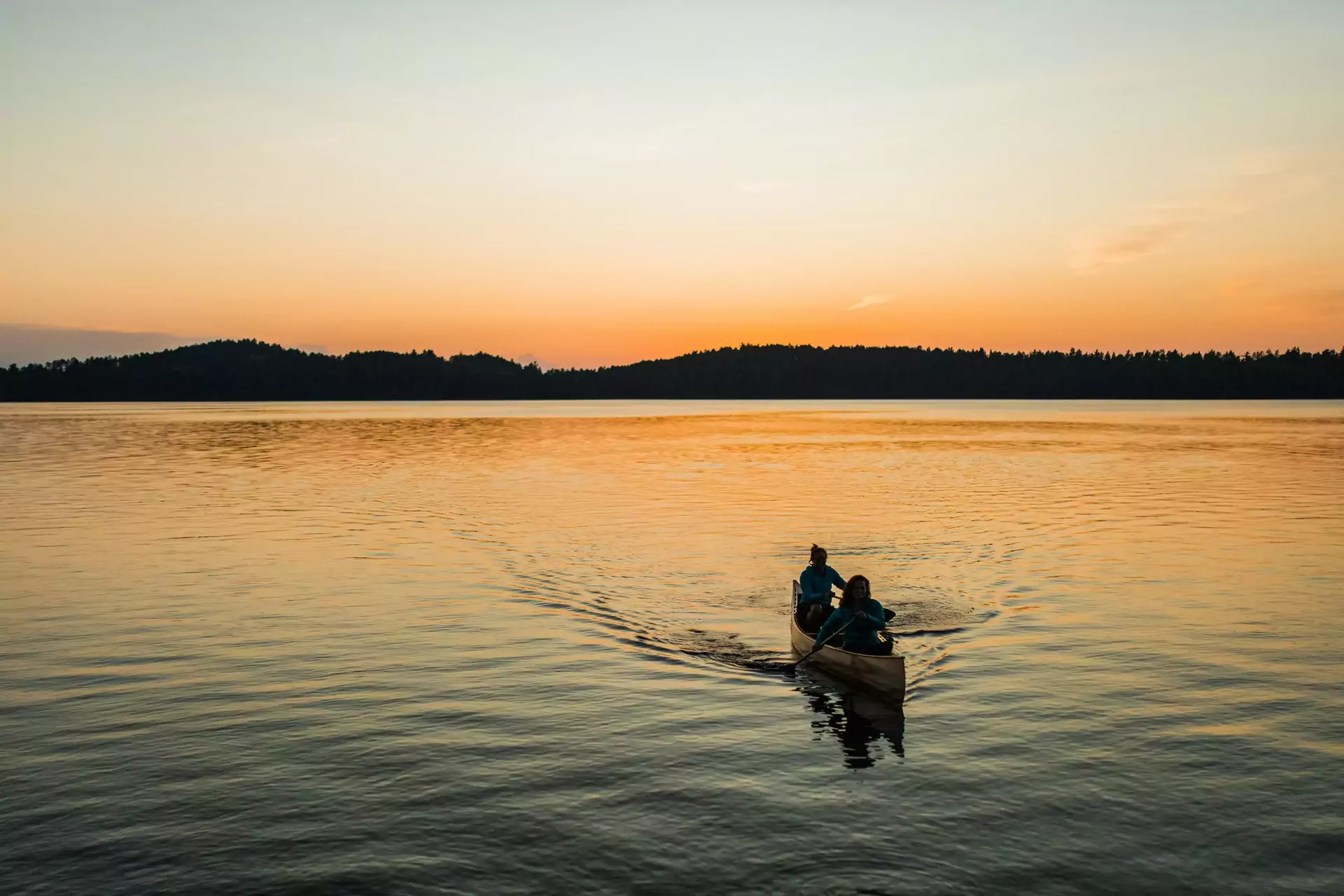
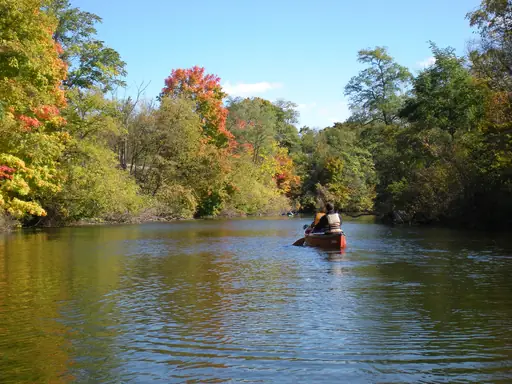
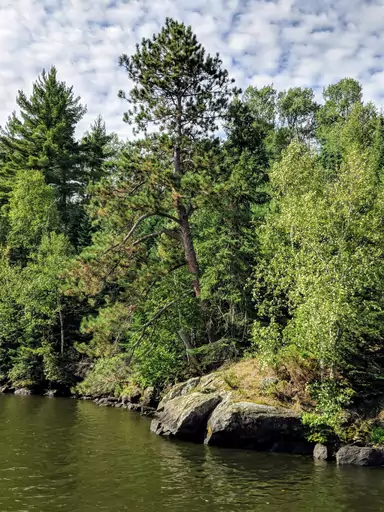
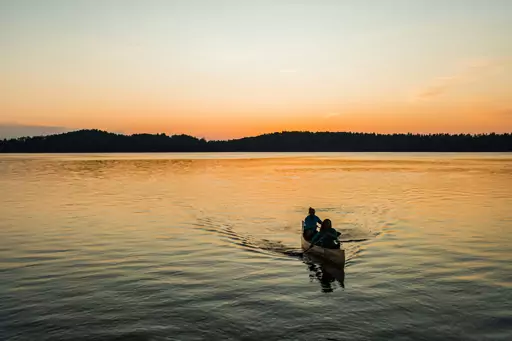
The Boundary Waters Canoe Area Wilderness in Minnesota spans over a million acres of lakes, forests and wetlands. This protected area is known for its clear waters and abundant wildlife including moose, loons and bald eagles. Visitors can explore by canoe or kayak along quiet waterways surrounded by dense pine and birch trees. The region has deep cultural roots with Indigenous communities who have traveled these waters for generations. It remains a popular destination for those seeking solitude in an untouched natural setting.

Nature Reserve in United States
Climate zone: Warm continental

Warm continental: Humid continental climates with warm summers, cold winters and evenly distributed precipitation, typical of northern interior mid-latitudes.

See climate table
Price level: $$$
$Cheap
$$Medium
$$$Expensive, upscale
$$$+Very expensive, luxury
See price details
Safety: 5.8
General Safety:7
Health & medical:3
Accessibility:2
Tap water:9
Read details
Tourist English: 5/5
English is the primary language spoken throughout the region. All ranger stations, outfitters, and local businesses communicate fluently in English, making navigation and planning straightforward for English-speaking visitors.
Last update: 12 Oct 2026
* We earn a commission from some links on this page.
Boundary Waters Canoe Area Wilderness Summary

These place ratings give you a quick overview of how well a destination matches different types of trips.

‘Best for’ scores:
The specific interest scores show where this place really shines – whether it's ideal for hiking, food & drink experiences, museums or other activities. These highlights help you understand what makes the destination special at a glance.

‘Your personal’ scores:
This reflects how well a place matches your personal preferences. You can adjust the importances of travel topics or other personal requirements categories in your account settings.

‘Suited for’ badges:
These give you a quick overview of how well a destination suits specific types of travellers, to help you find the places that match your lifestyle, preferences or travel situation.

Read how our scores work
Outstanding for canoeing and wilderness camping. Paddle between quiet lakes, camp on forest islands, fish remote waters and watch wildlife in untouched nature.
Place score
8.4
Best at:
Lakes
10
Secluded
10
Natural sites
10
Kayak & SUP
10
Camping
10
Personal score
?
Log in to see how this place matches your personal travel interests.
Suited for
👶 4
Families
🧓 2
Seniors
♻️ 9
Sustainability
❤️ 7
Couples
United States – Quick facts
Power Grid: 120 V, 60 Hz
Plug: Type A , Type B
Type A:
Diagram of a Type A power plug
Type B:
Diagram of a Type B power plug

Read about power adapters
Currency: US Dollar (USD)
£1 ≈ US$1.33
Cashless info: Rating 5/5
The U.S. is highly cashless, with credit and debit cards accepted almost everywhere. Mobile payment options like Apple Pay and Google Pay are widely used.

Save with a travel credit card
eSIM providers: Best value: Saily
Flexibility: Airalo
Read our in-depth comparison
Tipping: Tipping is customary and expected in the U.S. In restaurants, 15-20% is standard. Taxi drivers, hotel staff, and tour guides also expect tips, usually around 10-20% depending on the service.
Public drinking: Public drinking laws vary by state, but it is generally prohibited in public spaces without a permit.
Public smoking: Smoking is restricted in most indoor public spaces and some outdoor areas. Local laws vary.
Etiquette: Greet with a firm handshake, maintain eye contact, respect personal space, and avoid discussing politics or income unless invited to share opinions. Politeness and friendliness are appreciated.
Thanksgiving
(November)
A major holiday with closures and domestic travel surges.
Independence Day
(July)
Expect parades, fireworks, and celebrations nationwide.
Christmas
(December)
Markets, festive events, and crowded tourist spots.
Emergency contact: Emergency Number: 911 (Police, Fire, Ambulance)
Taxi apps: Uber, Lyft, Bolt
Helpful links: Wikipedia
Visa regulations
Customs & border control
Travel with medicine
Other: The U.S. is known for its diverse landscapes, cultural experiences, and regional cuisines. Public transport is efficient in cities but less so in rural areas. Renting a car is recommended for exploring national parks.
Best times to travel

The best times to travel section shows how the months compare for a visit, so you can find the time of year that fits what you want to do.

Background colours of the months:
The colour shows the typical temperature: yellow (hot), green (mild) and blue (cold). How strong the colour is shows the travel season: full colour means high season, soft colour means shoulder season and soft-striped means off season.

Weather symbols:
Each month has one symbol showing what the weather is typically like, such as hot and sunny, freezing or a rainy or snowy season. Use them to quickly spot months that match the weather you want, or to avoid the ones that don't.

Crowdedness:
The people icon shows how busy the place usually is. The more people, the more crowded it gets.

Additional notes:
The grey info boxes point out special things worth knowing, like recurring weather issues or seasonal events.

for Boundary Waters Canoe Area Wilderness, United States
🌨️
Jan
🌨️
Feb
🌨️
Mar
🌨️
Apr
🌤️
May
🌤️
Jun
🌤️
Jul
🌤️
Aug
🌤️
Sep
🌥️
Oct
🌨️
Nov
🌨️
Dec
High season: June - Sep.
Shoulder season: May
Crowdedness: 3 (Few tourists)
Tap on a month for more info Hover over a month for more info
Overnight permits required May to September with strict daily quotas, reservations open in late January and popular entry points fill fast
Canoe season runs roughly mid May to late September, lakes are frozen from November to April
Mosquitoes and black flies peak June to early July, headnets and repellent essential

Why travel to Boundary Waters Canoe Area Wilderness?

Traveling to the Boundary Waters offers an increasingly rare opportunity to experience true wilderness in today's connected world. Here, you can paddle for days through interconnected waterways, camp on remote islands and experience a profound silence interrupted only by loon calls and wind through the pines. The BWCAW's unique lake-land wilderness system allows for extended journeys through pristine nature – something nearly impossible to find elsewhere in the continental United States. What makes the Boundary Waters truly special is its accessibility despite its remoteness. With over 2,000 designated campsites and various entry points, visitors of different experience levels can tailor their adventure. Whether you're seeking challenging multi-week expeditions or shorter family-friendly trips, the wilderness accommodates all while maintaining its untamed character. The area also offers spectacular stargazing as a designated Dark Sky Sanctuary and potential northern lights viewing, along with opportunities to connect with the land's rich natural and cultural history.

🏯Places worth seeing
  • 1 Grand Marais
  • 2 Gunflint Trail
  • 3 Kelso Lake
  • 4 Lujenida Lake
  • 5 Quetico Provincial Park
🎡Places for activities
  • 1 Border Route Trail
  • 2 Brule Lake
  • 3 Eagle Mountain Trail
  • 4 Kekekabic Trail
  • 5 Sioux Hustler Trail
  • 6 Snowbank Trail
🏞️Natural landmarks
  • 1 Alton Lake
  • 2 Eagle Mountain
  • 3 Kelso River
  • 4 Sawbill Lake
  • 5 Kawishiwi Ranger Station-Superior National Forest
  • 6 Zenith Lake
🛍️Shopping
  • 1 Voyageur Canoe Outfitters
  • 2 Sawbill Canoe Outfitters, Inc.
  • 3 Trail Center Lodge
🎈Events
  • Winter Camping Symposium
  • Boundary Waters Expo
  • Gunflint Trail Canoe Races
  • Grand Marais Art Festival
  • Fisherman's Picnic
  • Blueberry Arts Festival
  • Boundary Waters Blues Festival
  • Moose Madness Family Festival
  • Gunflint Mail Run Sled Dog Race
  • Winter Tracks Festival

Knowledge before you go

  • Reserve permits early. Quota system books months ahead.
  • Rent canoes and gear locally; pack lightweight food and bear-proof storage for backcountry sites.
  • Practice portaging before trip; groups limited to 9 people and 4 watercraft maximum.
  • Launch midweek from less popular entry points like Sawbill for quieter lakes and fewer crowds.

How to travel to Boundary Waters Canoe Area Wilderness

The most common access to the Boundary Waters is through entry points along the Gunflint Trail (County Road 12) north of Grand Marais or from the town of Ely. Duluth is the nearest major city, about 110 miles from Ely or 120 miles from Grand Marais. Minneapolis-St. Paul International Airport is approximately 250 miles from the wilderness area. From these cities, visitors must drive to outfitters or ranger stations near their chosen entry points. Many visitors use outfitting services that provide transportation to and from entry points.

Access summary

  • From Duluth International Airport (DLH): Rent car to Ely or Gunflint, about 2–3 hours.
  • From Minneapolis–Saint Paul: Drive north toward Ely or North Shore, typically 4–5 hours.
  • From Chicago: Long road trip via Minneapolis into northern Minnesota, usually 9–10 hours.

Where to stay in Boundary Waters Canoe Area Wilderness

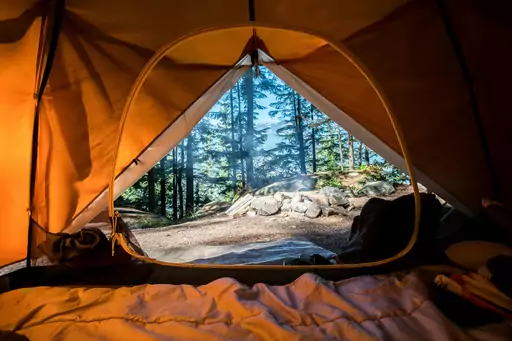
Within the Boundary Waters itself, camping is the only accommodation option, with over 2,000 designated backcountry campsites that operate on a first-come, first-served basis. Each site includes a fire grate and wilderness latrine. Outside the wilderness boundary, the gateway communities of Ely, Grand Marais and smaller settlements along the Gunflint Trail offer lodges, cabins, campgrounds and a limited number of hotels that cater to wilderness travelers before and after their expeditions.

How to get around Boundary Waters Canoe Area Wilderness

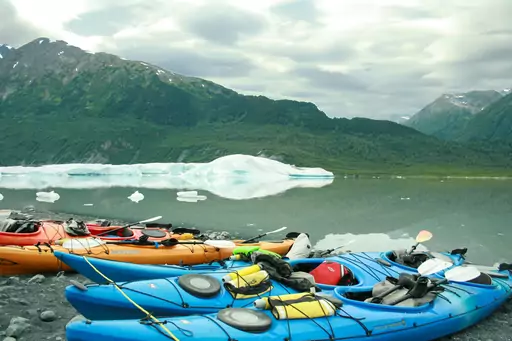
The Boundary Waters is primarily navigated by canoe, with over 1,200 miles of water routes connecting the wilderness. Portage trails (ranging from a few rods to over a mile) connect lakes and bypass rapids. There are no roads within the wilderness itself. For land travel, the area contains approximately 160 miles of hiking trails of varying difficulty, including the Border Route Trail and Kekekabic Trail which together span over 100 miles through the wilderness.
Budget snapshot
Costs compared to home

We calculate the average costs when travelling to destinations and compare those with the living costs at your home. With this you can get an estimate of how expensive or cheap the destination is for you.

To customise this, you can set up which location and price level are used for the calculations in your account settings.

-7 %
Daily expenses in the region are around 7% lower than the average across United States. That means you'll spend less on meals and getting around.
Exchange rate trend

The exchange rate price factor shows how expensive or cheap a currency currently is compared to its historical average. It's a quick way to see if a country is currently more or less affordable due to exchange rate changes.

-4 %
Your exchange rate (GBP to USD) is 4% better than in recent years. That means travelling now costs around the same compared to the past.

Travel costs (Data for Duluth, United States - 150 km away)

To help you plan your trip, we provide estimated daily costs per person (when travelling as a pair) for different travel styles. These numbers give you an idea of what you might spend each day at this destination, including accommodation, food, transport and activities.

Additionally, we also provide average hotel costs for different travel styles to give you an estimate for the accommodation only.

Please note that these are only estimates. The real costs depend on booking times, season and other factors.

Daily cost summary

Travel style categories explained:

Backpacker:
Staying in hostels or budget hotels, cooking your own meals or eating cheap and choosing low-cost activities.

Mid-range:
Staying in mid-range hotels, eating at a mix of restaurants and casual spots and enjoying a variety of activities.

Luxury:
Staying in luxury hotels, dining out at high-end restaurants and enjoying premium experiences without worrying about the price.

Backpacker Mid-range Luxury
💵 Total costs per day, including accommodation
£56
£116
£311
🏨 Accommodation per night, per person
£19
£41
£90
🍝 Food per day
£30
£68
£195
🚕 Transportation per day
£7
£7
£26
Food & Drink
🍽️ Restaurant Dinner, per person
£25
🍛 Lunch Set, per person
£15
🍟 Fast food combo
£7.50
🍝 Preparing your own food, per day
£11
☕ Cappuccino
£4.20
🍺 Beer in a restaurant, 0.5 l
£4.50
Transportation
🚌 Public transport ticket
£1.70
🚕 Taxi Ride, 10 km / 6 mi
£15
⛽ Petrol, 1 l
£0.60
Other
🎞️ Cinema ticket
£11
👩‍⚕️ Doctor's consult
£90
🤧 Cold medication
£6
💇 Basic haircut
£12

Safety information overview

General safety
7
The Boundary Waters is remote wilderness with inherent risks including severe weather, isolation and limited communication. Self-reliance is essential as rescue operations may be difficult or impossible. Visitors must have wilderness navigation skills and be prepared for emergencies without external assistance.
Health & Medical
3
Medical facilities are non-existent within the wilderness. The nearest hospitals are in Ely, Grand Marais or Duluth, potentially hours or days away depending on your location. Visitors should be physically fit, bring necessary medications and have wilderness first aid knowledge.
Accessi­bility
2
The Boundary Waters presents significant challenges for those with mobility limitations. Portage trails are often rocky, muddy and uneven. Some outfitters offer adaptive equipment and programs, but the wilderness experience inherently involves physical challenges including carrying gear and navigating difficult terrain.
Tap water
9
No treated water is available in the wilderness. All water from lakes and streams must be purified by filtering, boiling or chemical treatment before consumption. Visitors must bring appropriate water purification systems and containers for collecting and carrying water.

Looking for inspiration?

Discover
Stunning national parks and wilderness areas
National parks exist because someone decided that certain landscapes were too important to lose. The best of them protect ecosystems, wildlife and natural processes that would…
Read more
Discover
Best birdwatching destinations in North America
North America has one of the most developed birdwatching cultures in the world, and the continent's birdlife justifies it. With over 900 species recorded in the United States and…
Read more
Discover
Top adventure destinations and outdoor activities
Adventure travel covers an enormous range of activities and risk tolerances, from multi-day wilderness trekking and white water rafting to technical climbing, polar expeditions and…
Read more
Discover
Best couple vacation destinations in North America
North America might not trade on romance the way some continents do, but couples who look past the clichés will find an almost unfair amount of variety waiting for them here.…
Read more
Discover
Top camping destinations and outdoor escapes
Camping travel spans an enormous range of experiences from wild backcountry camping in remote wilderness to well-serviced campsite networks with full amenity infrastructure that…
Read more
Discover
Best boating destinations in North America
North America's boating offer spans an enormous geographic range, from the canal and river systems of the interior and the Great Lakes cruising grounds to the coastal motor…
Read more
Discover
Best adventure destinations in North America
North America's adventure offer is anchored by the scale and variety of its wilderness environments, with vast national park backcountry, whitewater river systems, desert canyons…
Read more
Discover
Best kayak and SUP destinations in North America
North America's kayaking and SUP offer spans an extraordinary range of environments, from the glacier-fronted fjords and wilderness coastlines of the Pacific northwest and Alaska…
Read more
Discover
Top boating destinations and cruising waters
Boating travel encompasses an enormous range of experiences from river cruising and canal boating to motor yacht charter, liveaboard diving and the growing circuit of destinations…
Read more
Discover
Best fishing destinations in North America
North America's fishing destinations are among the most celebrated in the world, with the continent's fly fishing rivers, great lake systems and deep sea game fishing grounds…
Read more
Discover
Best lake destinations in North America
North America's lake destinations range from the vast inland seas of the Great Lakes system and the glacier-fed mountain lakes of the Rockies and Pacific northwest to the…
Read more
Discover
Top forest destinations and woodland landscapes
Forest travel encompasses some of the world's most biodiverse and ecologically significant environments, with the great tropical rainforests, temperate old growth systems and…
Read more
Discover
Best forest destinations in North America
North America's forests span an extraordinary range of types and scales, from the ancient temperate rainforests of the Pacific coast and the vast boreal wilderness of the far north…
Read more
Discover
Top fishing destinations and angling hotspots
Fishing travel has developed a dedicated circuit built around the world's most significant game fishing destinations, fly fishing rivers and deep sea charter operations that draw…
Read more
Discover
Top kayak and SUP destinations worldwide
Kayaking and stand-up paddleboarding have developed from niche pursuits into mainstream water activities with accessible rental infrastructure, guided tour programmes and dedicated…
Read more
Was this page helpful?
Feedback