







Was this page helpful?

| Power Grid: |
120 V, 60 Hz Plug: Type A , Type B
Type A:
  Read about power adapters |
|---|---|
| Currency: |
Canadian Dollar (CAD) £1 ≈ CA$1.87 |
| Cashless info: |
Rating 5/5
Cashless payments are widely accepted, especially in urban areas. Most businesses accept credit and debit cards, and mobile payment options like Apple Pay are popular.
Save with a travel credit card |
| eSIM providers: |
Best value: Saily Flexibility: Airalo Read our in-depth comparison |
| Tipping: | Tipping is customary in Canada, with a typical tip of 10-20% in restaurants. Tipping is also expected in taxis and for hotel staff, usually 1-2 CAD for bellhops and housekeepers. |
|---|---|
| Public drinking: | Public drinking laws vary by province, but it's often allowed in designated areas such as festivals or certain parks. |
| Public smoking: | Smoking is prohibited indoors in public spaces and in most outdoor spaces in urban areas. Some provinces have stricter laws than others. |
| Canada Day (July) |
The country celebrates with fireworks and festivals. Expect crowded tourist spots and high demand for accommodations. |
|---|---|
| Thanksgiving (October) |
A major family holiday with many businesses closed, especially in rural areas. |
| Christmas (December) |
Festive markets and winter activities are popular, but expect higher accommodation prices and busy cities. |
| Emergency contact: | Emergency Number: 911 (Police, Fire, Ambulance) |
|---|---|
| Taxi apps: | Uber, Lyft, Bolt |
| Other: | Canada is vast, so be prepared for long distances between cities and varying weather conditions depending on the region. |
The best times to travel section shows how the months compare for a visit, so you can find the time of year that fits what you want to do.
Background colours of the months:
The colour shows the typical temperature: yellow (hot), green (mild) and blue (cold). How strong the colour is shows the travel season: full colour means high season, soft colour means shoulder season and soft-striped means off season.
Weather symbols:
Each month has one symbol showing what the weather is typically like, such as hot and sunny, freezing or a rainy or snowy season. Use them to quickly spot months that match the weather you want, or to avoid the ones that don't.
Crowdedness:
The people icon shows how busy the place usually is. The more people, the more crowded it gets.
Additional notes:
The grey info boxes point out special things worth knowing, like recurring weather issues or seasonal events.
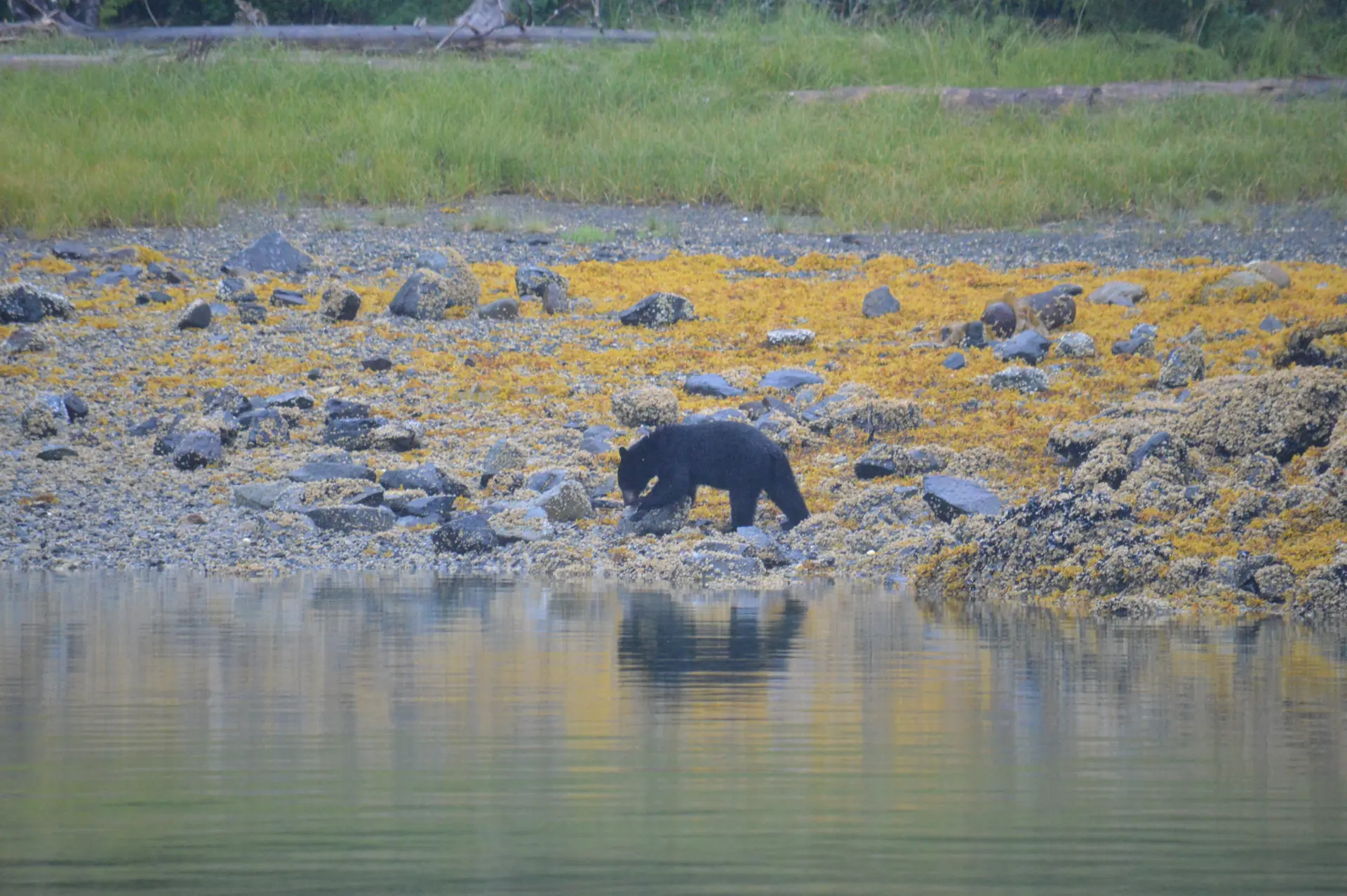
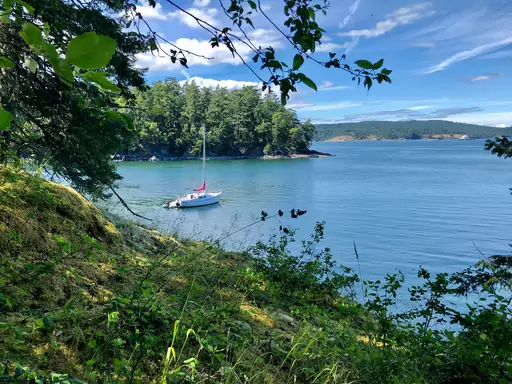
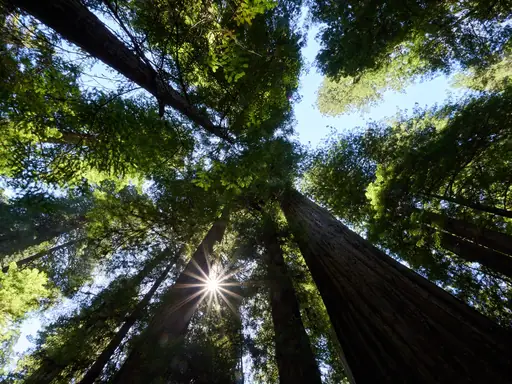
The Great Bear Rainforest stretches along Canada’s western coast in British Columbia. This area covers thousands of square kilometers of dense trees and rich ecosystems. The forest is home to towering cedar and spruce trees that have stood for centuries. Rivers wind through valleys carrying water from melting snow and rain. Many animal species rely on this habitat including bears black and grizzly roaming the undergrowth.
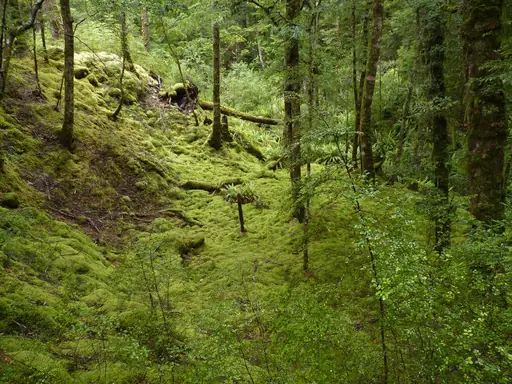
One key feature of this region is its unique wildlife. The coastal environment supports a variety of birds fish and mammals. Salmon swim upstream to spawn each year feeding bears and other predators. Eagles soar above scanning for food while smaller creatures like raccoons and otters live near streams. The forest floor hosts mosses ferns and lichens creating layers of green growth.
Human communities have lived here for generations. Indigenous peoples have managed the land using traditional knowledge passed down over time. Today conservation efforts aim to protect old-growth trees while supporting sustainable jobs like eco-tourism or fishing. Visitors can join guided hikes kayak tours or wildlife watching trips. These activities let people experience the forest without harming its balance.
Climate plays a major role shaping conditions year-round. Mild wet winters allow plants to thrive while cool summers slow growth. Rain falls regularly keeping soil damp and vegetation lush. Seasonal changes bring different colors to leaves and clearer skies for stargazing at night. The combination of water air and earth makes this forest both resilient and delicate requiring careful care.
The Great Bear Rainforest, located along Canada’s northern coast in British Columbia, is accessible primarily by air or sea due to its remote and rugged terrain. The nearest major airports are in Prince Rupert and Vancouver, from which travelers can connect via small regional aircraft, ferry services or guided tours. Some areas require a floatplane for landing on lakes or rivers within the rainforest. Road access is limited; most regions are not connected by standard highways. Visitors often join guided eco-tours to explore trails, observe wildlife and experience Indigenous cultural sites safely while minimizing environmental impact.
The Great Bear Rainforest offers a range of lodging that blends rustic charm with eco‑responsiveness. Visitors can stay in lodge‑style cabins built from reclaimed timber, often featuring panoramic views of the temperate rainforest and access to guided wildlife tours. Several eco‑resorts provide solar‑powered, low‑impact accommodations, complete with composting toilets and locally sourced meals. For those seeking a more intimate experience, small family‑run inns offer handcrafted furnishings and personalized storytelling sessions about indigenous history. Backpackers can find hostels or community campsites along the coast, equipped with shared kitchens and communal fire pits. The region is renowned for its commitment to sustainable tourism, ensuring that every stay supports conservation efforts while delivering comfort in harmony with nature.


Log in to add this place to a travel list and get a summary of all recommended items for your whole trip.
We calculate the average costs when travelling to destinations and compare those with the living costs at your home. With this you can get an estimate of how expensive or cheap the destination is for you.
To customise this, you can set up which location and price level are used for the calculations in your account settings.
The exchange rate price factor shows how expensive or cheap a currency currently is compared to its historical average. It's a quick way to see if a country is currently more or less affordable due to exchange rate changes.
