







Was this page helpful?

These place ratings give you a quick overview of how well a destination matches different types of trips.
‘Best for’ scores:
The specific interest scores show where this place really shines – whether it's ideal for hiking, food & drink experiences, museums or other activities. These highlights help you understand what makes the destination special at a glance.
‘Your personal’ scores:
This reflects how well a place matches your personal preferences. You can adjust the importances of travel topics or other personal requirements categories in your account settings.
‘Suited for’ badges:
These give you a quick overview of how well a destination suits specific types of travellers, to help you find the places that match your lifestyle, preferences or travel situation.
| Power Grid: |
120 V, 60 Hz Plug: Type A , Type B
Type A:
  Read about power adapters |
|---|---|
| Currency: |
Costa Rican Colón (CRC) £1 ≈ CRC 605.44 |
| Cashless info: |
Rating 4/5
Costa Rica has a well-developed cashless payment system, and credit and debit cards are widely accepted in urban areas. However, it is still useful to carry cash in rural areas.
Save with a travel credit card |
| eSIM providers: |
Best value: Saily Flexibility: Airalo Read our in-depth comparison |
| Tipping: | Tipping is appreciated but not obligatory. In restaurants, a 10% service charge is often included, but it is common to leave an additional tip of 5-10%. |
|---|---|
| Public drinking: | Public drinking is not commonly allowed in Costa Rica. Alcohol consumption is generally confined to licensed venues such as bars, restaurants, and resorts. |
| Public smoking: | Smoking is prohibited in indoor public spaces and enclosed areas, including restaurants and public transport. |
| Independence Day (15 September) |
National holiday with celebrations and parades |
|---|---|
| Christmas (25 December) |
Family-centred celebration |
| Emergency contact: | Emergency Number: 911 |
|---|---|
| Taxi apps: | Uber |
| Other: | Costa Rica is famous for its biodiversity, eco-tourism, and commitment to environmental conservation. It is a popular destination for nature lovers and adventure travellers. |
The best times to travel section shows how the months compare for a visit, so you can find the time of year that fits what you want to do.
Background colours of the months:
The colour shows the typical temperature: yellow (hot), green (mild) and blue (cold). How strong the colour is shows the travel season: full colour means high season, soft colour means shoulder season and soft-striped means off season.
Weather symbols:
Each month has one symbol showing what the weather is typically like, such as hot and sunny, freezing or a rainy or snowy season. Use them to quickly spot months that match the weather you want, or to avoid the ones that don't.
Crowdedness:
The people icon shows how busy the place usually is. The more people, the more crowded it gets.
Additional notes:
The grey info boxes point out special things worth knowing, like recurring weather issues or seasonal events.
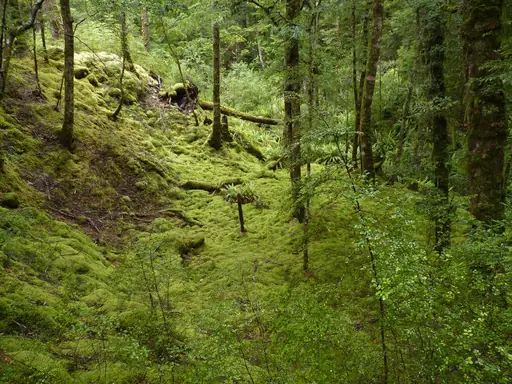
El Yunque captivates visitors with its extraordinary biodiversity packed into a relatively compact area. The forest's varying elevations create distinct ecological zones, each with unique plant and animal communities that you can experience on a single day trip. What makes El Yunque truly special is how accessible this pristine rainforest is – well-maintained trails lead to refreshing natural pools beneath waterfalls like La Mina and Juan Diego, while the Yokahú Observation Tower offers panoramic views of the forest canopy extending to the Atlantic Ocean. Beyond the natural beauty, El Yunque holds cultural significance as a place revered by the indigenous Taíno people, who believed it to be the throne of their chief deity Yukiyú. This spiritual connection adds depth to your experience as you explore ancient petroglyphs alongside natural wonders. Just be aware that the forest's popularity can lead to crowding, especially during peak tourist season and weekends. Additionally, weather conditions can change rapidly, with afternoon rain showers being common and some trails may close temporarily after heavy rainfall for safety reasons.
El Yunque is located approximately 40 kilometers (25 miles) east of San Juan, Puerto Rico's capital. Most visitors arrive via Luis Muñoz Marín International Airport (SJU) in San Juan, then rent a car for the 45-minute drive to the forest. Public transportation options are limited, but tour companies offer day trips from San Juan and nearby resort areas. If driving yourself, take Highway 3 east from San Juan, then turn onto Road 191 South, which leads directly into the forest.
While there are no accommodations within El Yunque National Forest itself, numerous options are available in nearby towns like Río Grande, Luquillo and Fajardo. These range from luxury resorts to budget‑friendly guesthouses and vacation rentals. For a more immersive experience, consider staying at eco‑lodges or small inns on the forest's periphery, which offer the sounds of the rainforest at night. Camping is not permitted within the national forest boundaries.
We calculate the average costs when travelling to destinations and compare those with the living costs at your home. With this you can get an estimate of how expensive or cheap the destination is for you.
To customise this, you can set up which location and price level are used for the calculations in your account settings.
The exchange rate price factor shows how expensive or cheap a currency currently is compared to its historical average. It's a quick way to see if a country is currently more or less affordable due to exchange rate changes.
To help you plan your trip, we provide estimated daily costs per person (when travelling as a pair) for different travel styles. These numbers give you an idea of what you might spend each day at this destination, including accommodation, food, transport and activities.
Additionally, we also provide average hotel costs for different travel styles to give you an estimate for the accommodation only.
Please note that these are only estimates. The real costs depend on booking times, season and other factors.
Travel style categories explained:
Backpacker:
Staying in hostels or budget hotels, cooking your own meals or eating cheap and choosing low-cost activities.
Mid-range:
Staying in mid-range hotels, eating at a mix of restaurants and casual spots and enjoying a variety of activities.
Luxury:
Staying in luxury hotels, dining out at high-end restaurants and enjoying premium experiences without worrying about the price.
| Backpacker | Mid-range | Luxury | |
|---|---|---|---|
| 💵 Total costs per day, including accommodation | |||
| 🏨 Accommodation per night, per person | |||
| 🍝 Food per day | |||
| 🚕 Transportation per day |
| 🍽️ Restaurant Dinner, per person | |
|---|---|
| 🍛 Lunch Set, per person | |
| 🍟 Fast food combo | |
| 🍝 Preparing your own food, per day | |
| ☕ Cappuccino | |
| 🍺 Beer in a restaurant, 0.5 l |
| 🚌 Public transport ticket | |
|---|---|
| 🚕 Taxi Ride, 10 km / 6 mi | |
| ⛽ Petrol, 1 l |
| 🎞️ Cinema ticket | |
|---|---|
| 👩⚕️ Doctor's consult | |
| 🤧 Cold medication | |
| 💇 Basic haircut |
Log in to add this place to a travel list and get a summary of all recommended items for your whole trip.
