
Best eco-tourism destinations in North America
Best eco-tourism destinations in North America
Immense national park territories and ancient old-growth forests in North America
One Central American country remains one of the world's most cited ecotourism success stories, having reversed significant deforestation through tourism revenue tied directly to forest protection. Protected wilderness areas further north offer a different, larger-scale model.
The destinations on this list range from rainforest lodges funding conservation directly through visitor fees to vast protected wilderness areas managed at a national park scale. Both require genuine planning to visit responsibly rather than simply passing through.
Choosing lodges with transparent conservation reporting tends to be the clearest way to confirm a genuine ecotourism operation. Both require advance booking during busier months. Packing light, breathable clothing also tends to make the humidity considerably more manageable. Most lodges operate on a seasonal calendar. Both reward staying more than one night.
Lists by region
Worldwide (162)
Africa (15)
Asia (24)
Europe (36)
North America (34)
Oceania (14)
South America (10)
Nature Reserve in United States
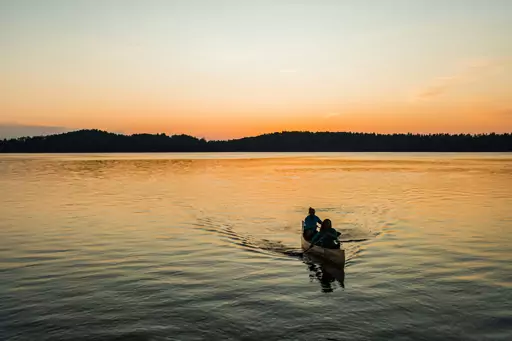
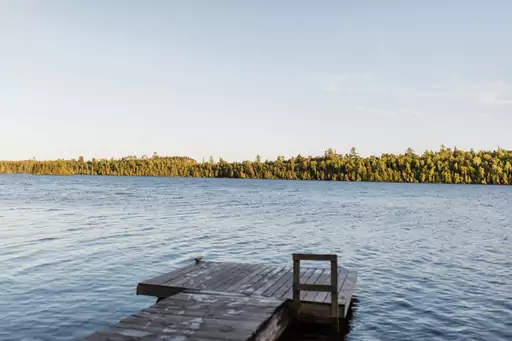
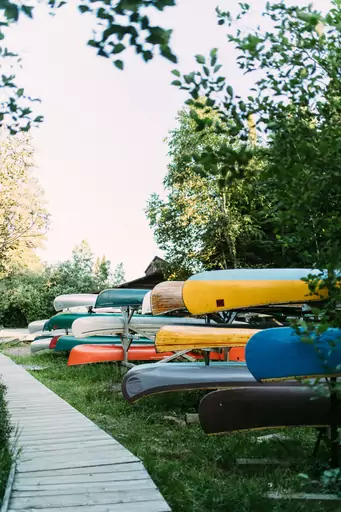
Boundary Waters Canoe Area Wilderness
Pristine lakes, untouched wilderness paradise
Permits limit how many groups can enter each day, so the lakes stay quiet. Motors are banned on most of them. Paddle past loons and moose and camp on rocky islands between portages. The wilderness covers more than a million acres of forest and water.
Nature Reserve in Costa Rica
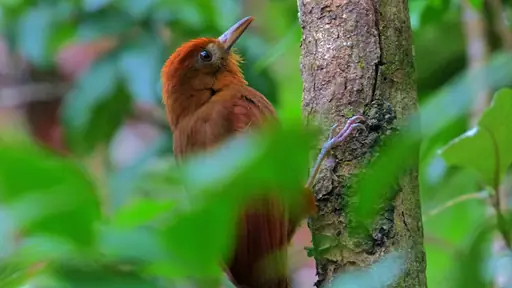
Monteverde and Santa Elena Cloud Forest Reserves
Mist, Wildlife and Cloudy Magic
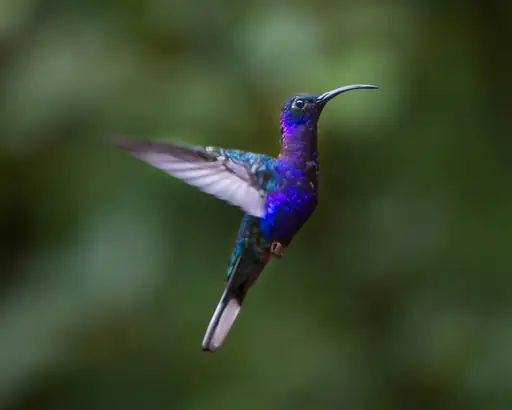
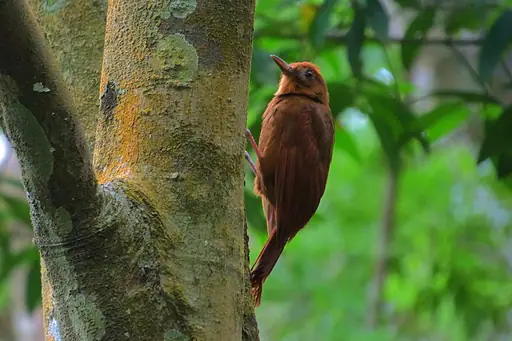
Quaker families from Alabama settled here in 1951 and set aside forest to protect their water. Today the Monteverde Cloud Forest Reserve protects hundreds of bird species and thousands of plants. Walk misty trails and look for resplendent quetzals, bright green birds with long tail feathers.

National Park in United States
Yellowstone National Park
Geysers, wildlife and untamed wilderness
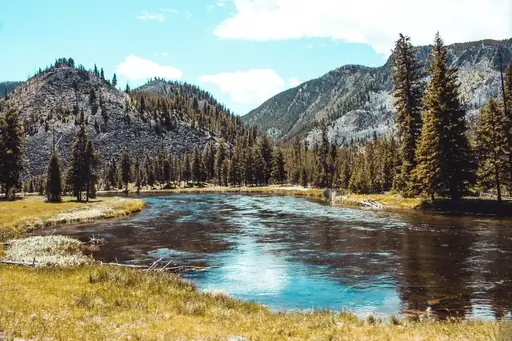
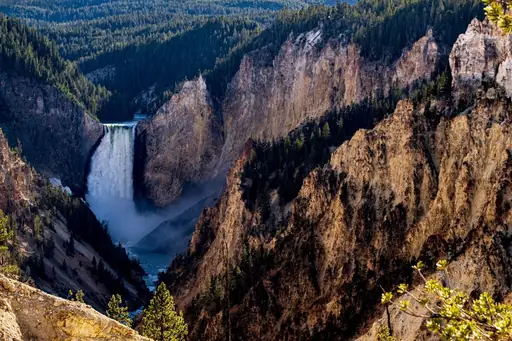
Wolves were returned to the park in 1995 after being killed off decades earlier. Watch them at dawn in the Lamar Valley with a spotting scope. Bison herds cross the roads and stop traffic. Rangers ask visitors to stay on boardwalks near geysers like Old Faithful.
National Park in United States
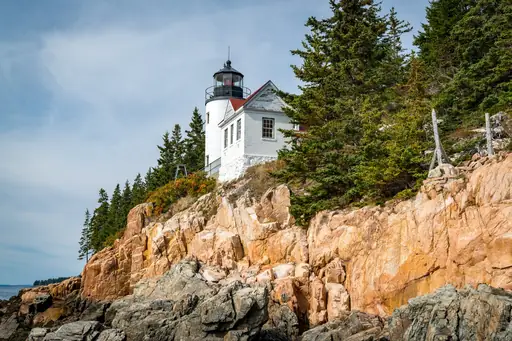
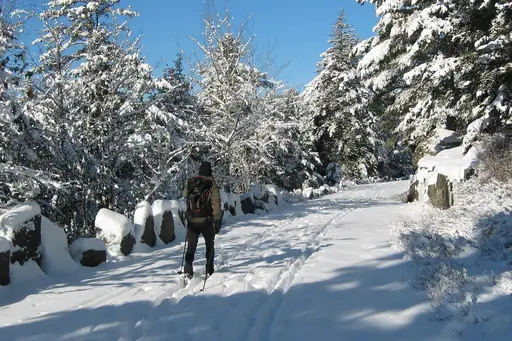
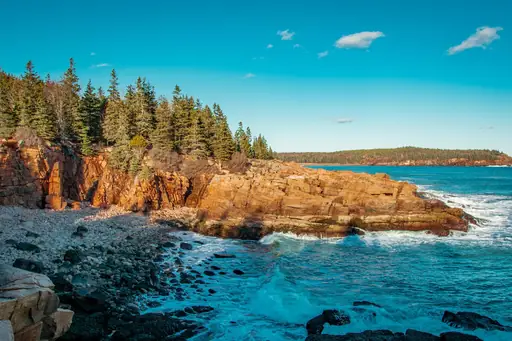
Acadia National Park
Rugged Shores, Sunrise Peaks, Wild Beauty
Stone bridges carry 45 miles of car free carriage roads through the forest. John D. Rockefeller Jr. paid for them in the early 1900s. Bike or walk past lakes and granite hills. Free shuttle buses link trails and villages, so you can leave the car parked.
National Park in United States
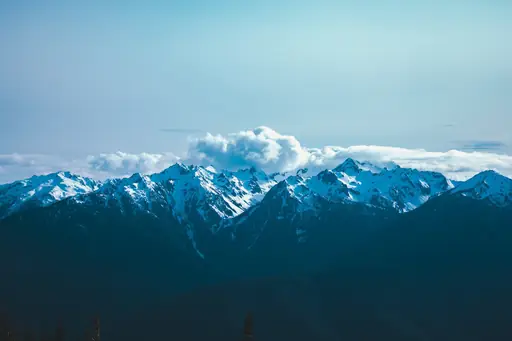
Olympic National Park
Untamed Wilderness, All in One
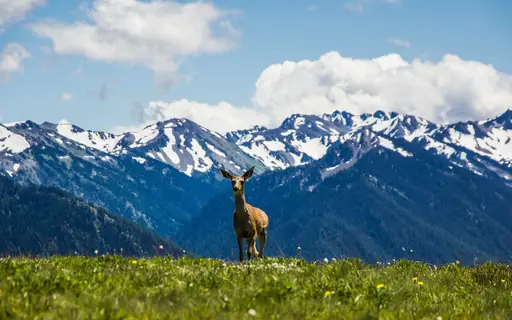
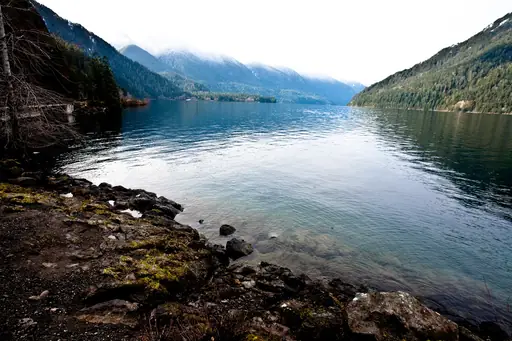
Few parks pack a glacier topped mountain range, rain forest and wild coast into one place. Olympic marmots, found nowhere else, whistle from the alpine meadows. UNESCO has named the park both a World Heritage Site and a Biosphere Reserve. Walk the Hoh Rain Forest and then explore tide pools.
National Park in United States
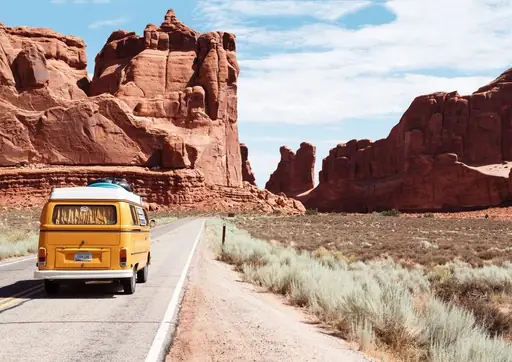
Arches National Park
A Desert Wonderland of Stone Arches
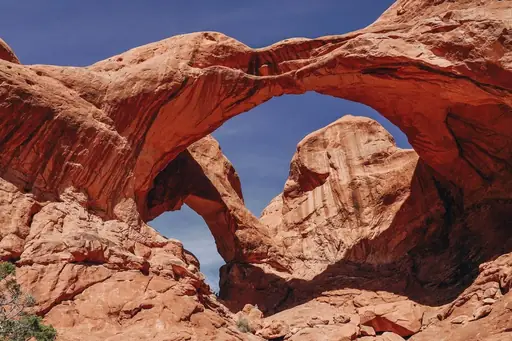
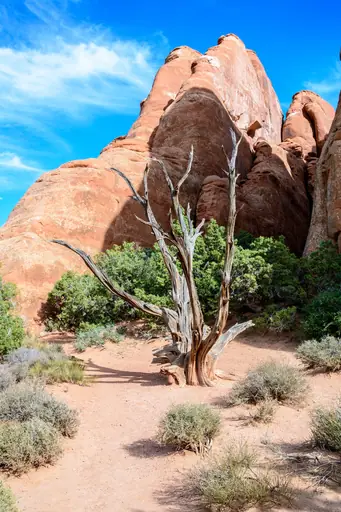
A thin black crust on the desert sand is alive. Called cryptobiotic soil, it holds the ground together and takes decades to heal after one footstep. Rangers ask visitors to stay on trails. A hike to Delicate Arch is still worth it, with more than 2,000 arches in the park.
National Park in Costa Rica
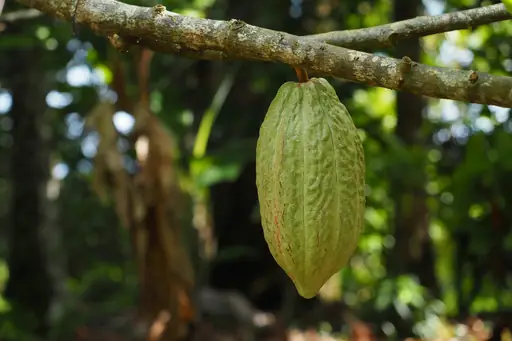
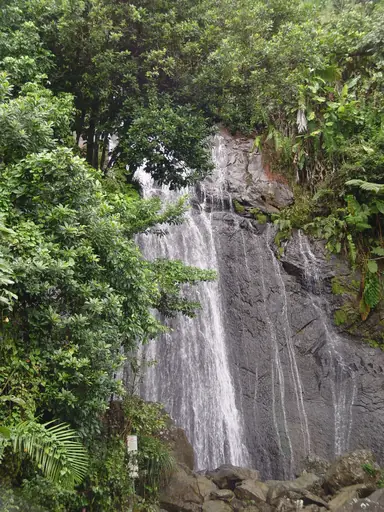
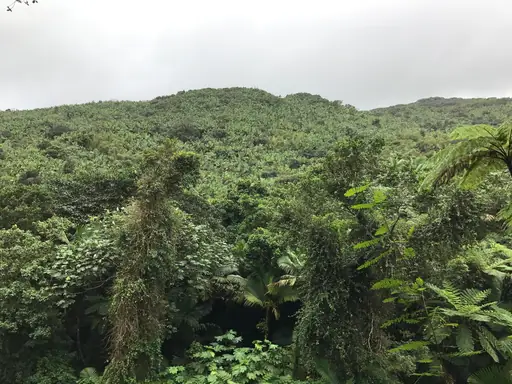
El Yunque National Forest
Tropical rainforest paradise in Caribbean
This is the only tropical rain forest in the U.S. national forest system. Tiny coquí frogs, native to Puerto Rico, sing loudly after dark. The Puerto Rican parrot is one of the rarest birds in the world and lives in these hills. Trails lead to waterfalls and cool pools.

State/Prefecture in United States
Vermont
Green Mountains, Maple Syrup, Pure Charm
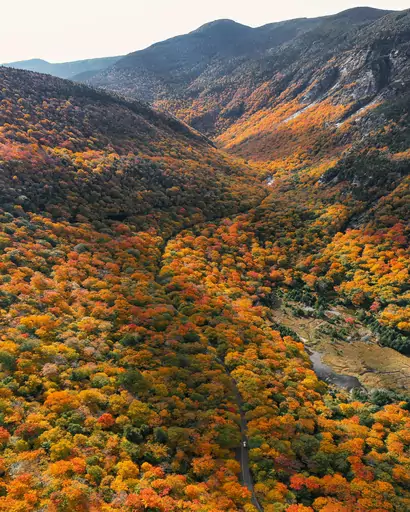
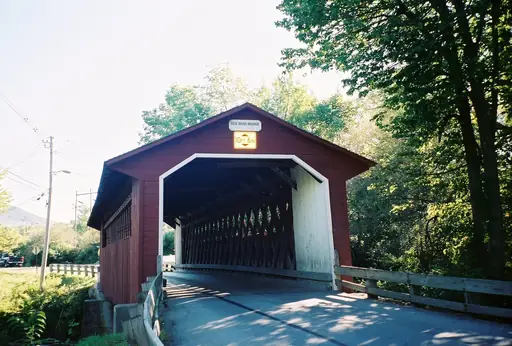
The Long Trail is the oldest long distance hiking trail in the United States. It runs 272 miles along the spine of the Green Mountains. Hike a short section or visit a maple sugarhouse in March to watch sap boil into syrup. Small farm stays and inns line the valleys.

National Park in United States
Redwood National Park
Home of the World’s Tallest Trees
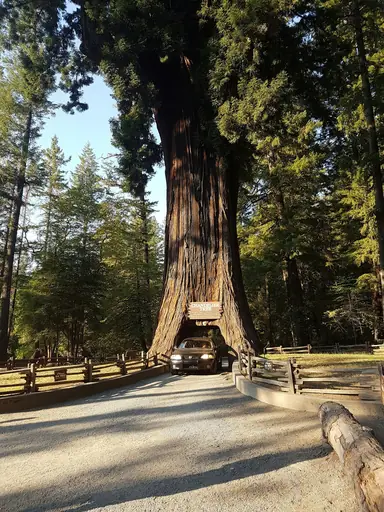
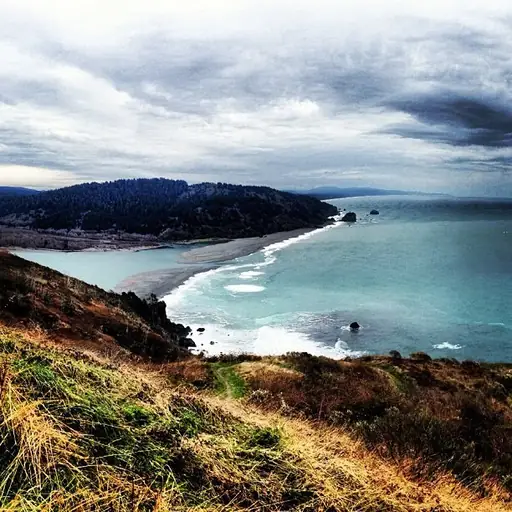
About 45 percent of the old growth coast redwoods left on Earth stand in these parks. Some trees are more than 2,000 years old. Hike through Fern Canyon, where green fern walls rise about 50 feet on both sides. Roosevelt elk graze in the meadows near Prairie Creek.

National Park in United States
Glacier National Park
Crown of the Continent
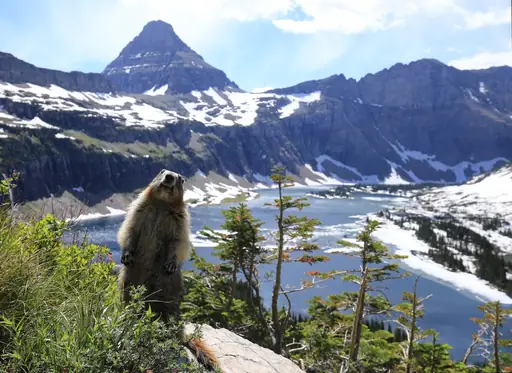
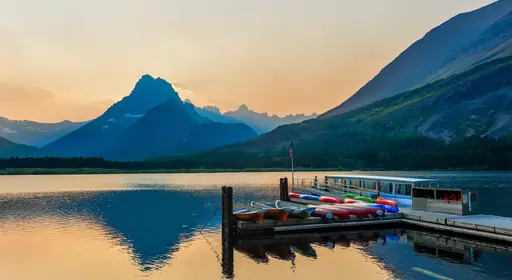
Scientists count fewer than 30 glaciers here, down from about 150 in 1850. Hike to Grinnell Glacier, a long day trip with lake and waterfall views. Free shuttles run along the Going to the Sun Road in summer. Mountain goats and bighorn sheep graze on the slopes.
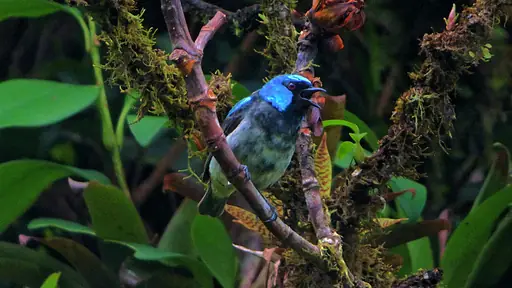
Nature Reserve in Costa Rica
Monteverde
Verdant cloud forests whisper ancient secrets
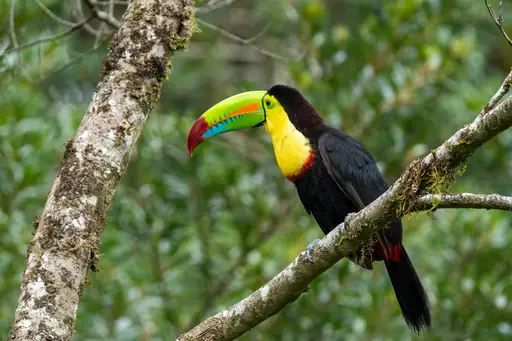
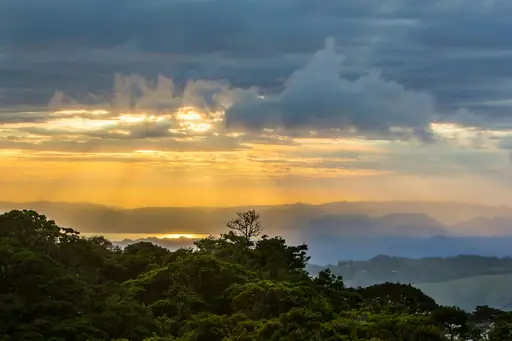
Mist rolls over the hills by afternoon, so bring a rain jacket. Small farms near town grow coffee in the shade of tall trees. Join a tour, walk the rows and taste fresh roasted beans. The nearby Santa Elena reserve is run by the local high school.
National Park in United States
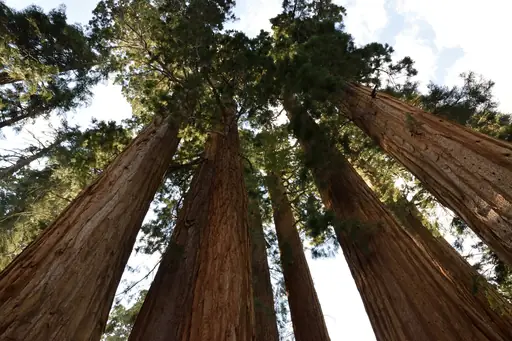
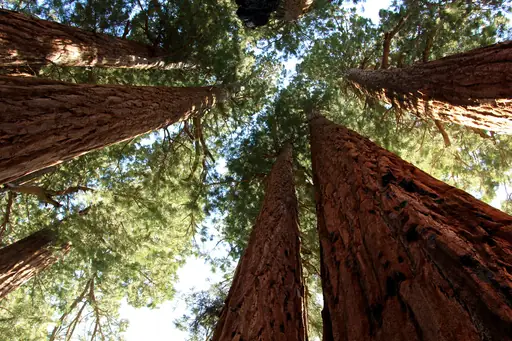
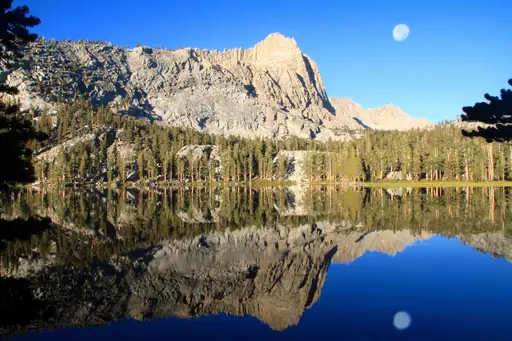
Sequoia and Kings Canyon National Parks
Home of the Giant Sequoias
Fire helps giant sequoias grow. Heat opens their cones and clears space for seedlings, so rangers set controlled burns in the groves. Walk among trees over 250 feet tall in Giant Forest. A free shuttle runs there in summer, so the car can stay parked.
National Park in Dominica
Morne Trois Pitons National Park
Volcanic wonders in pristine rainforest
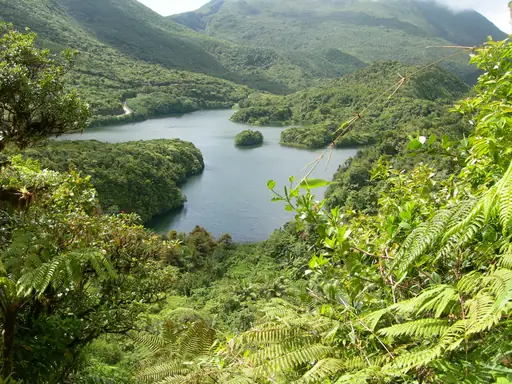
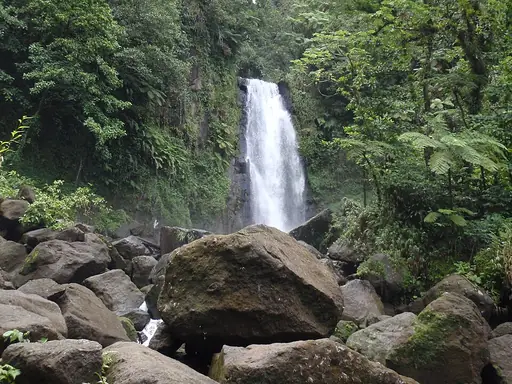
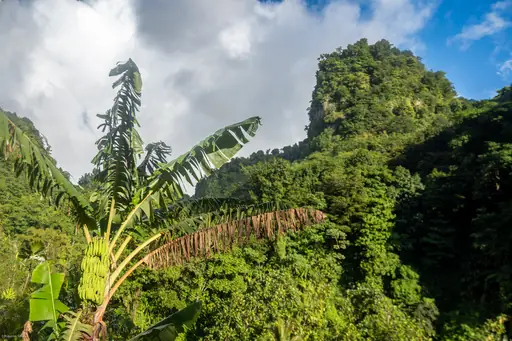
Titou Gorge is a narrow canyon where swimmers glide between mossy walls to a small waterfall. A hot spring mixes with cool river water at the start. The park is a UNESCO World Heritage Site with rain forest, volcanoes and crater lakes. Dominica calls itself the Nature Island.
National Park in United States
Zion National Park
Red rocks, epic hikes and nature's beauty
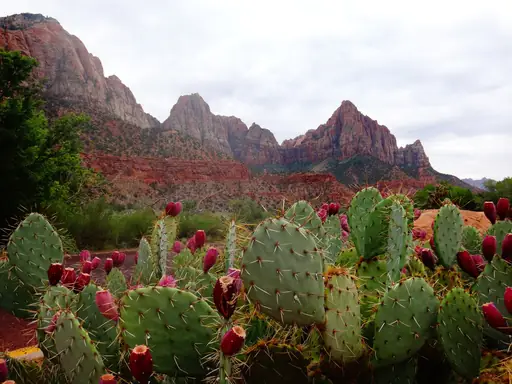
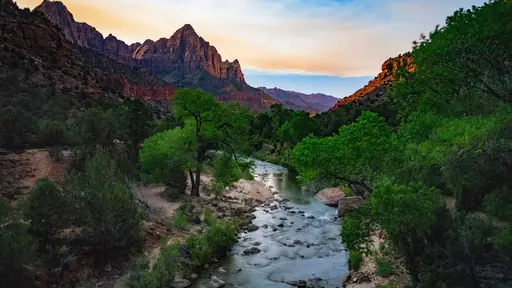
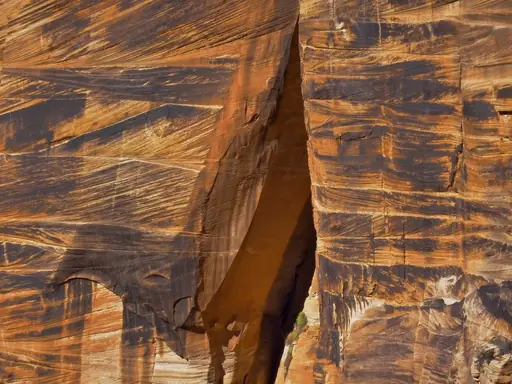
Private cars cannot drive Zion Canyon Scenic Drive for most of the year. Quiet shuttle buses carry hikers to trailheads instead. Walk the Riverside Walk to the start of the Narrows. There the Virgin River runs between tall canyon walls. Desert bighorn sheep often stand on the cliffs.

Island in Canada
Vancouver Island
Untamed Beauty and Coastal Charm
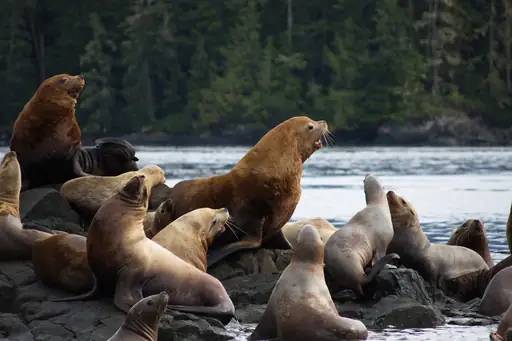
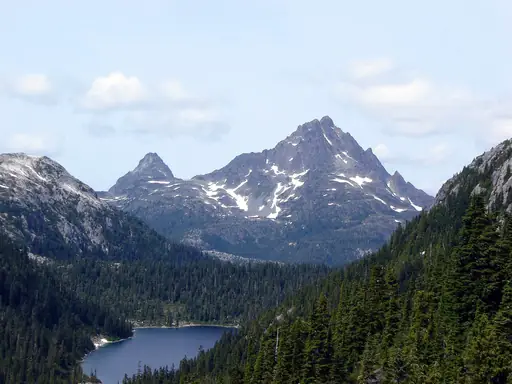
Clayoquot Sound is a UNESCO Biosphere Reserve with ancient cedars and wild beaches. Join a small boat trip from Tofino. Humpback whales, sea otters and black bears often feed along the shore. The 47 mile West Coast Trail challenges serious backpackers on the southern end.
Nature Reserve in United States
Big Cypress National Preserve
Florida's wild swamp wilderness experience
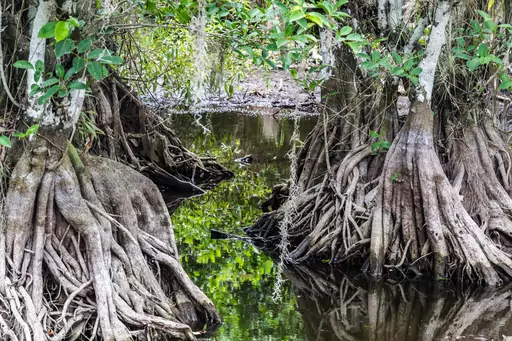
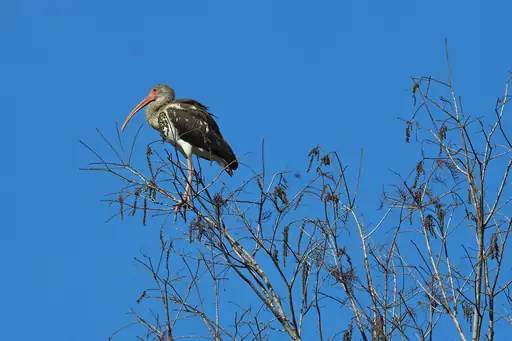
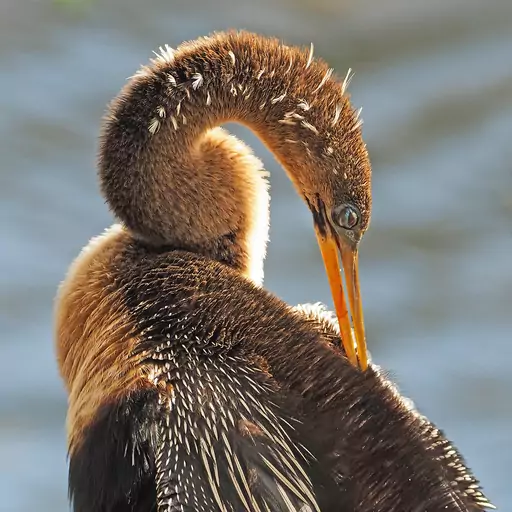
Tunnels under Interstate 75, called Alligator Alley, help Florida panthers cross the road. Only about 200 of these big cats remain in the wild. Paddle a canoe through cypress swamp on the Turner River. Alligators and wading birds are easy to spot from the water.
National Park in United States
Mesa Verde National Park
Ancient Cliff Dwellings and Rich History
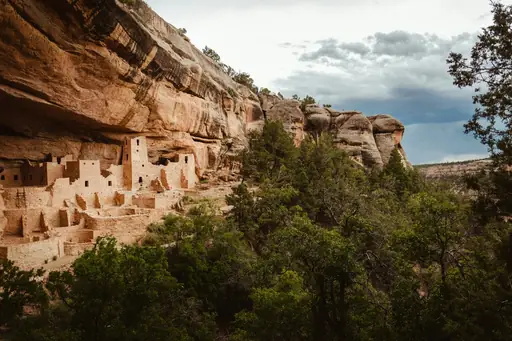
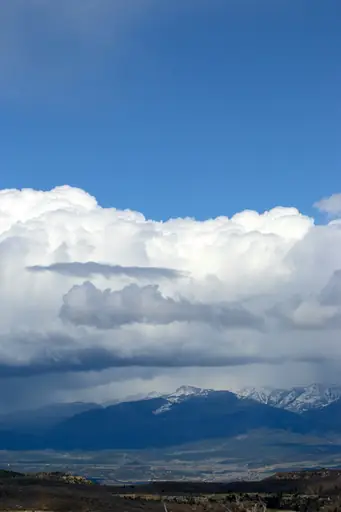
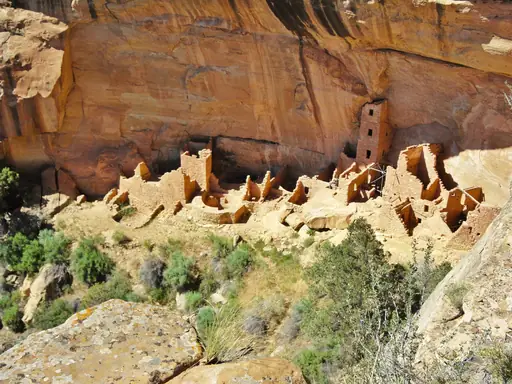
After dark the cliff dwellings stand under one of the clearest night skies in the Southwest. The park is an International Dark Sky Park. Rangers lead stargazing nights in summer. By day, tour Cliff Palace and walk quiet mesa trails past juniper and pinyon trees.
Town in Canada
Jasper
Raw Wilderness and Starry Skies
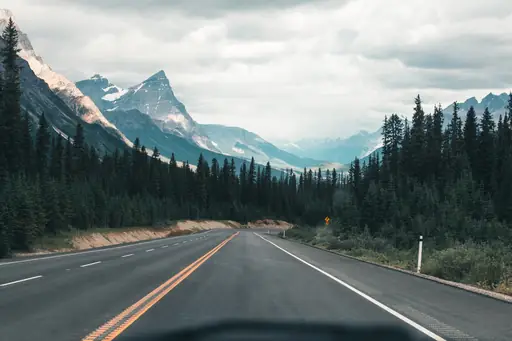
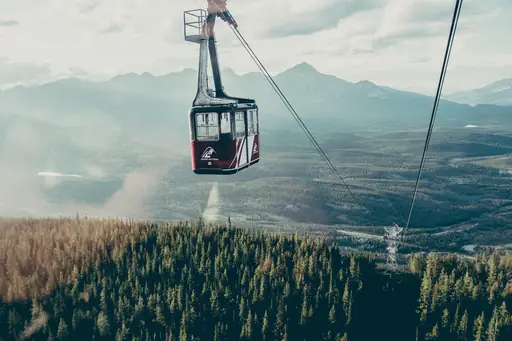
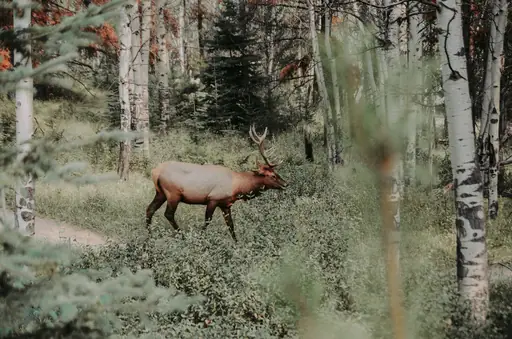
Each October the Jasper Dark Sky Festival fills town with star parties and talks. The town is inside one of the largest accessible Dark Sky Preserves, so streetlights are kept low. Elk wander the streets at dusk. A tram called the Jasper SkyTram climbs above the tree line.

Region in Canada
Bay of Fundy
Home to world's highest tides
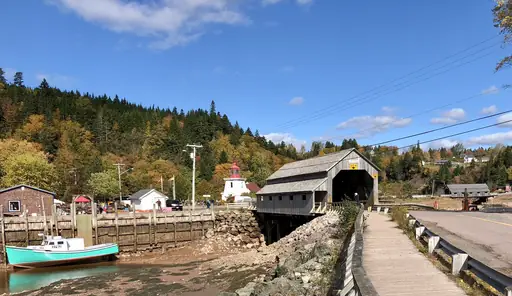
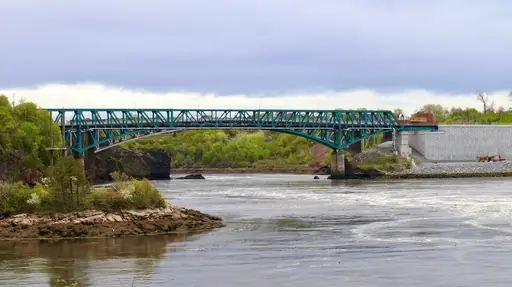
At Burntcoat Head the tide can rise more than 50 feet, the highest in the world. At low tide, walk across the ocean floor among red mud and stone. Hours later the sea covers it again. Boat trips here also go out to watch humpback whales.

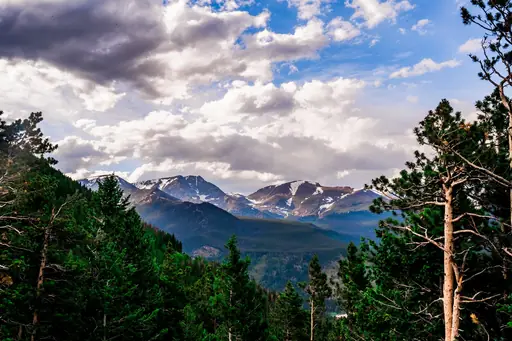
National Park in United States
Rocky Mountain National Park
Majestic Peaks and Untamed Wilderness
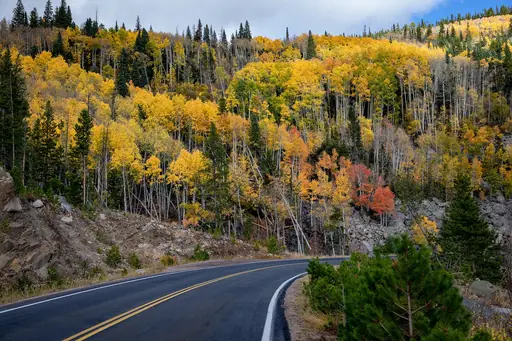
Summer shuttle buses run to Bear Lake and Moraine Park without charge. Trail Ridge Road crosses open tundra above 12,000 feet where marmots whistle from the rocks. Rangers ask visitors to stay on trails because tundra plants take decades to grow back after being stepped on.
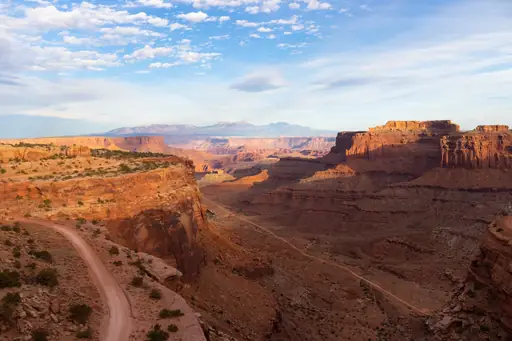
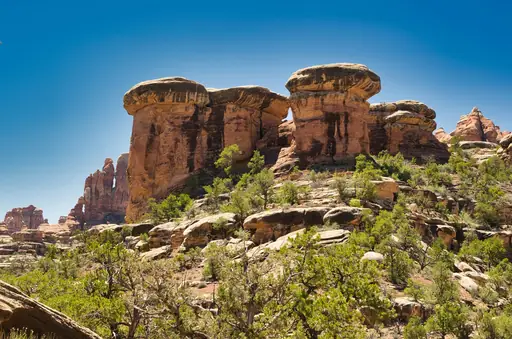
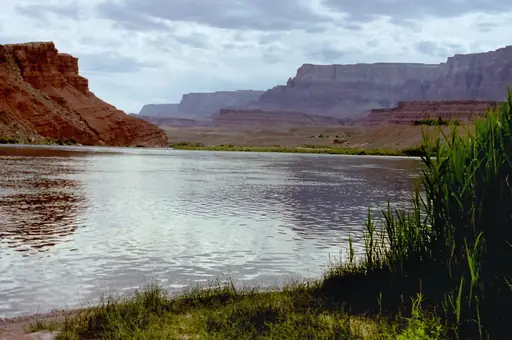
National Park in United States
Canyonlands National Park
Epic Canyons and Untamed Wilderness
The Green and Colorado rivers carve this park into three districts. Island in the Sky has cliff top views. The Needles have stone spires and long backpacking trails. Few roads and few people keep the park quiet. It is an International Dark Sky Park, so the Milky Way shows clearly.
National Park in United States
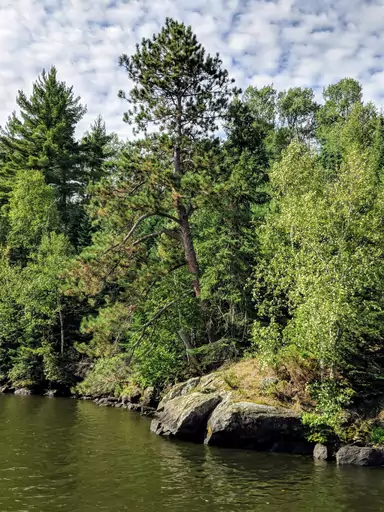
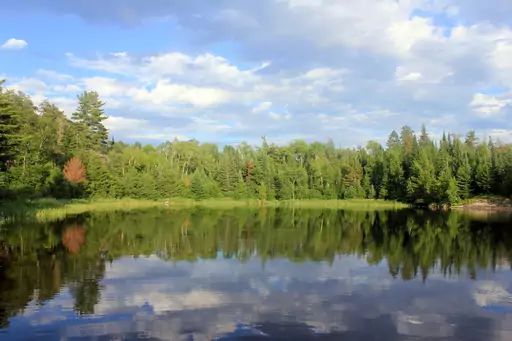
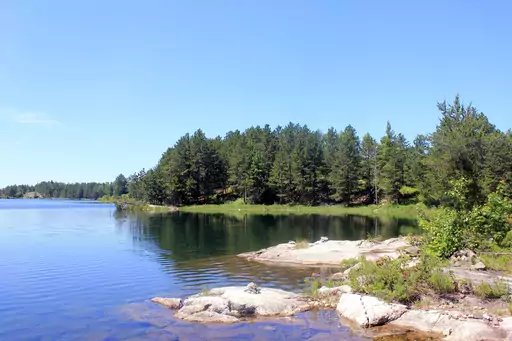
Voyageurs National Park
Watery wilderness of northern Minnesota
Loon calls carry across still water at dusk. The park is an International Dark Sky Park, so stars and the northern lights show clearly. Paddle a canoe to a remote campsite or rent a houseboat. Most of the park can only be reached by water.

National Park in United States
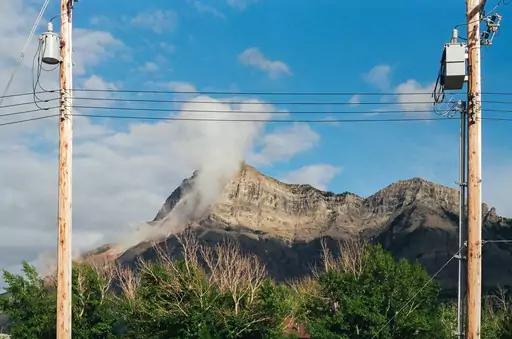
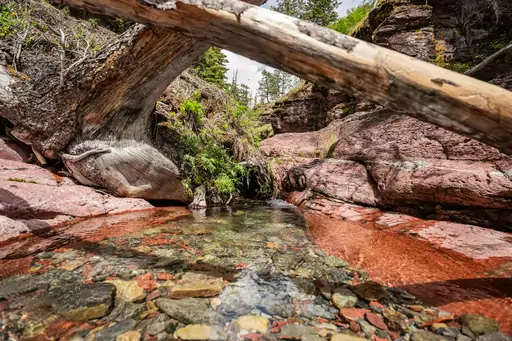
Waterton Glacier International Peace Park
Where two nations preserve wilderness
Waterton-Glacier was the first International Peace Park in the world. Grizzlies and wolves roam freely across a border that has no fence. Hike the Crypt Lake trail. It starts with a boat ride and passes through a tunnel cut in the rock. UNESCO also names the park a World Heritage Site.
National Park in United States
Katmai National Park
Bears, salmon and volcanic wonders
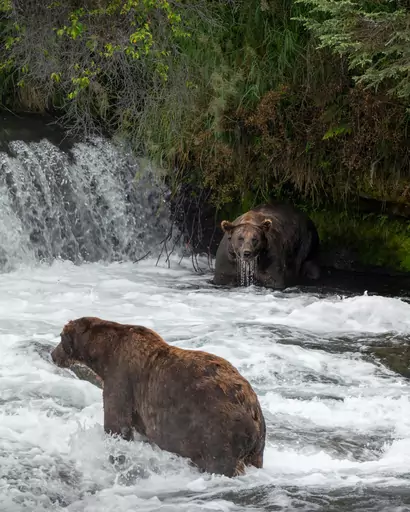
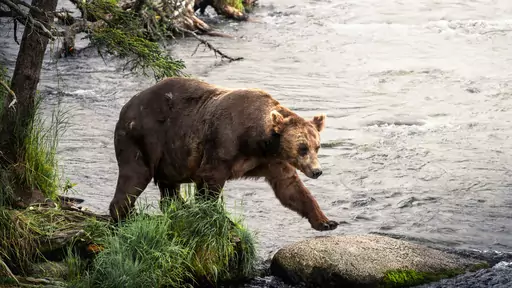
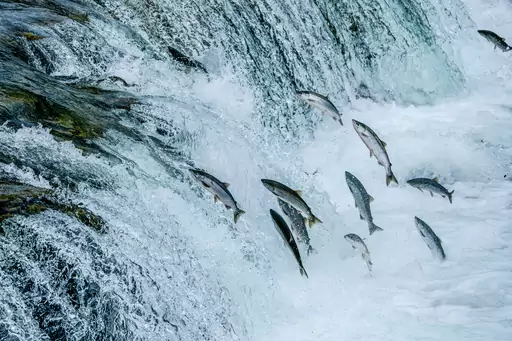
Brown bears stand at the lip of Brooks Falls each July to catch jumping sockeye salmon. Rangers limit how many people can stand on the viewing platforms. No roads reach the park. Most visitors arrive by floatplane from King Salmon, so the bears see few people.
National Park in Costa Rica
Corcovado National Park
Costa Rica’s Wildest Rainforest Frontier
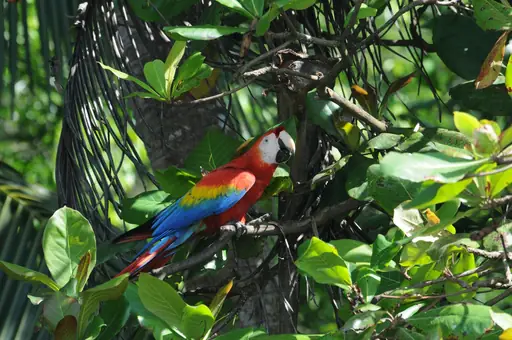
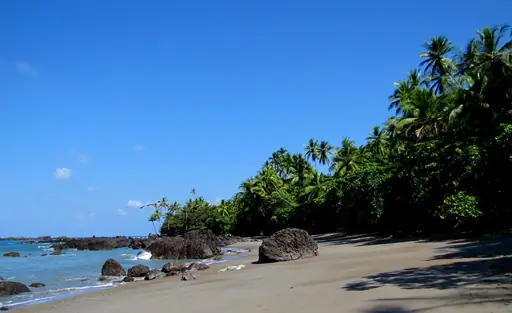
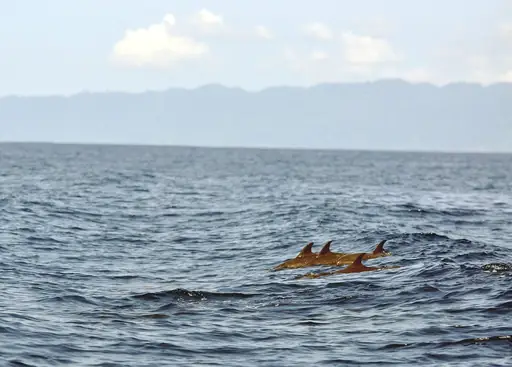
Only licensed guides may lead hikers into this park, so numbers stay small. Scarlet macaws, tapirs and four kinds of monkeys live in the jungle. Hikers follow beach trails to the Sirena ranger station and sleep in a simple bunk. Jaguars live here too but rarely show themselves.
National Park in United States
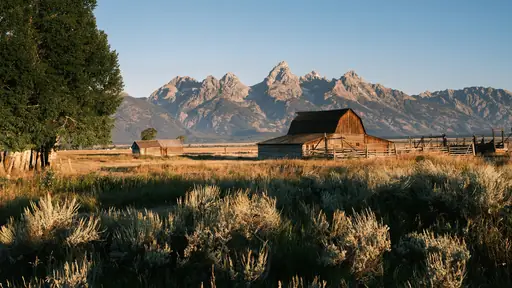
Grand Teton National Park
Stunning Peaks and Wildlife Wonders
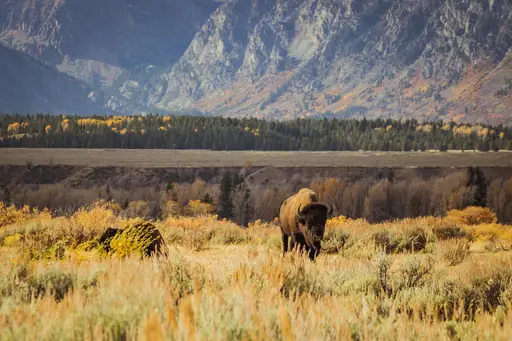
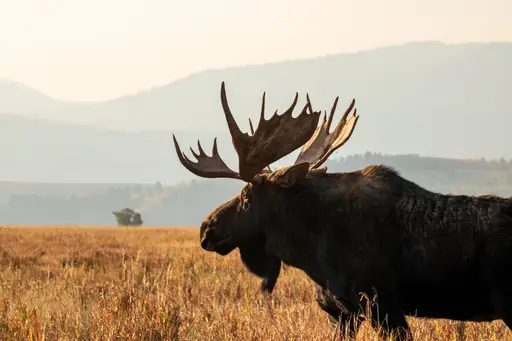
A paved pathway runs from Jackson towards Jenny Lake, with the Tetons ahead of every biker. Moose wade in the Snake River and elk graze in the meadows. Rangers ask visitors to stay 25 yards from most animals and 100 yards from bears and wolves.
National Park in Costa Rica
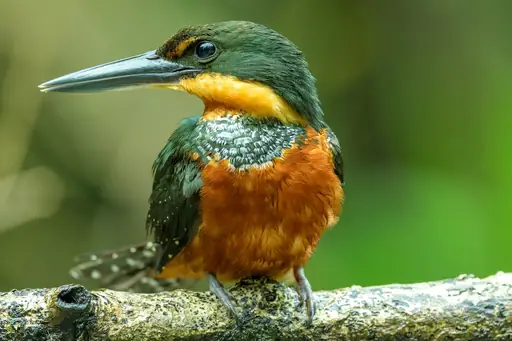
Tortuguero National Park
Wildlife and Waterways Adventure
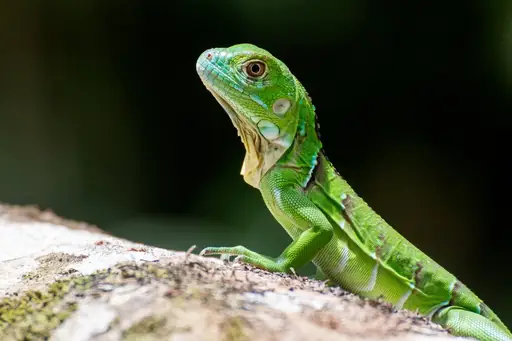
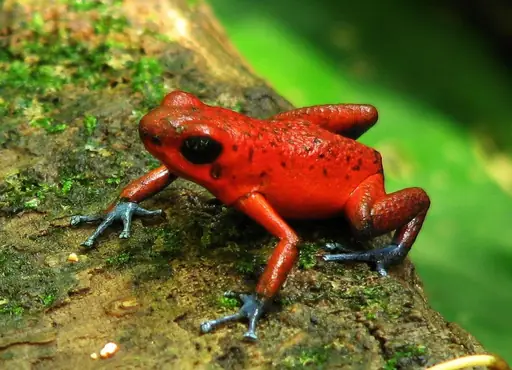
Biologist Archie Carr began studying nesting green turtles here in the 1950s. A research station and small museum now sit near the village. Join a guided night walk on the beach in season to watch a turtle lay her eggs. Nesting runs from July to October.
National Park in United States
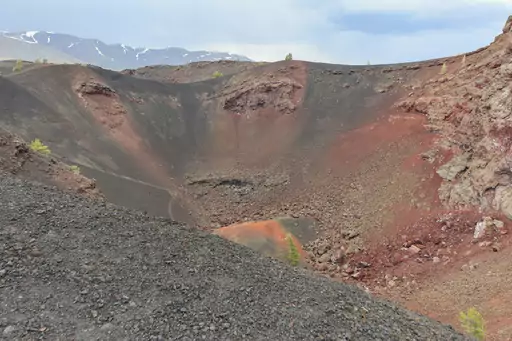
Craters of the Moon National Monument
Otherworldly volcanic landscape on Earth
A free permit is needed to enter the lava tube caves. The rule helps protect bats from a deadly disease. Aboveground, tiny pink buckwheat flowers bloom among the black cinders in early summer. Hike a cinder cone and look out over lava fields that reach the horizon.
National Park in United States
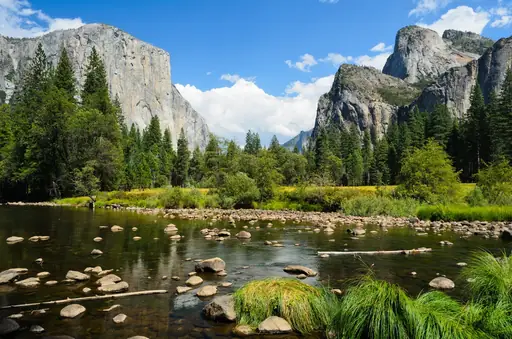
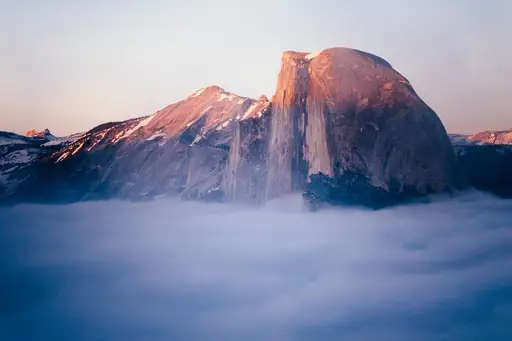
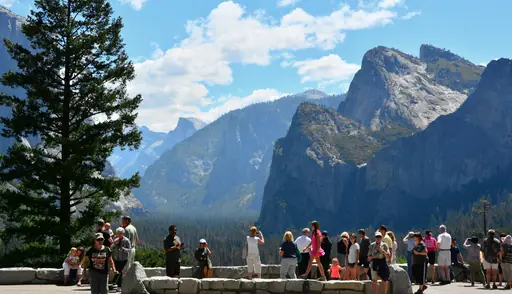
Yosemite National Park
Nature's Grand Cathedral
Free shuttle buses loop through Yosemite Valley past waterfalls, meadows and trailheads. Bike flat paths beside the Merced River. Granite cliffs like El Capitan rise 3,000 feet overhead. Visitors store food in metal bear boxes so the park's black bears do not learn to seek human food.


National Park in Costa Rica
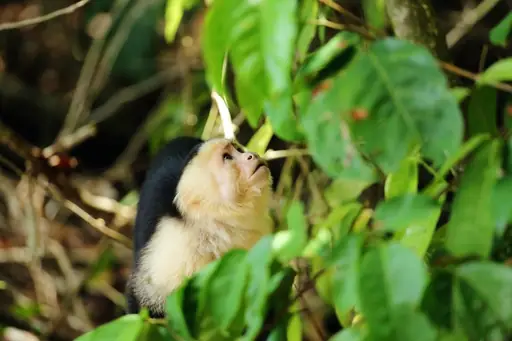
Manuel Antonio National Park
Jungle, Wildlife and Stunning Beaches
The park limits daily visitors and closes one day each week to give wildlife a rest. Three toed sloths, white faced capuchin monkeys and tiny squirrel monkeys live in the trees. Short rain forest trails lead to white sand beaches with calm water for swimming.
National Park in United States
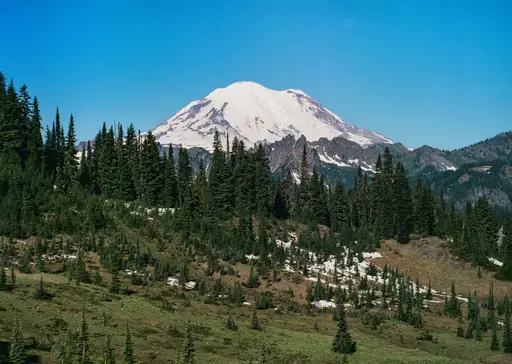
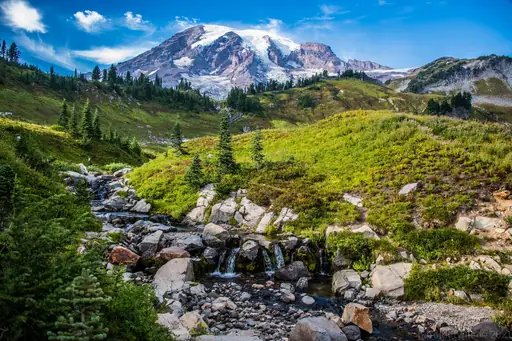
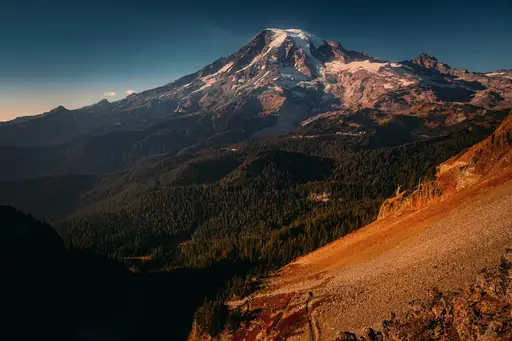
Mount Rainier National Park
A Majestic Volcano and Wild Beauty
The Wonderland Trail circles the volcano for 93 miles through forest and meadows. Backpackers need a permit and must camp at set sites, which keeps the trail from wearing down. Wildflowers fill the meadows at Paradise in late July. Marmots whistle from the rocks and deer graze nearby.
National Park in Canada
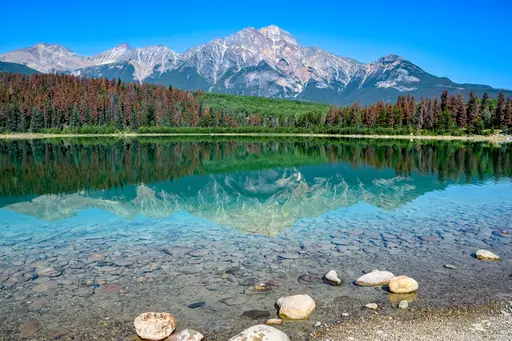
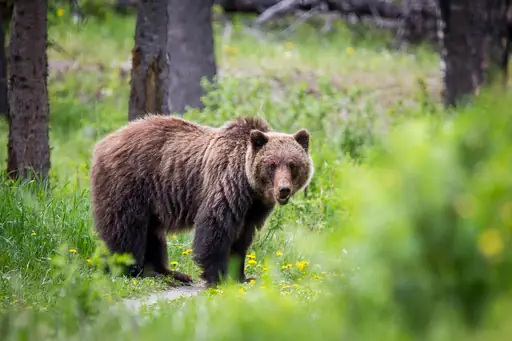
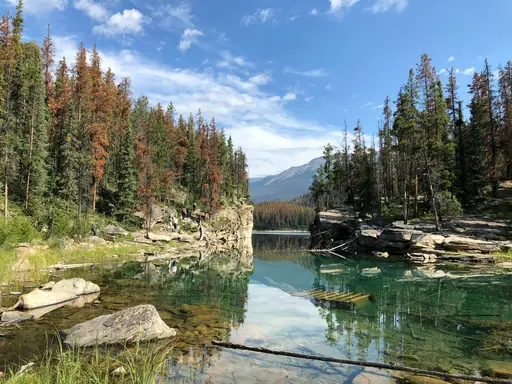
Jasper National Park
Untamed Wilderness and Starry Skies
The Icefields Parkway runs about 140 miles between Banff and Jasper past glaciers, lakes and wildlife. Black bears, elk and mountain goats often appear near the road. Join a guided walk onto the Athabasca Glacier. Drivers slow down here to protect animals crossing the road.
National Park in United States
Bryce Canyon National Park
Hoodoo Wonderland and Starry Nights
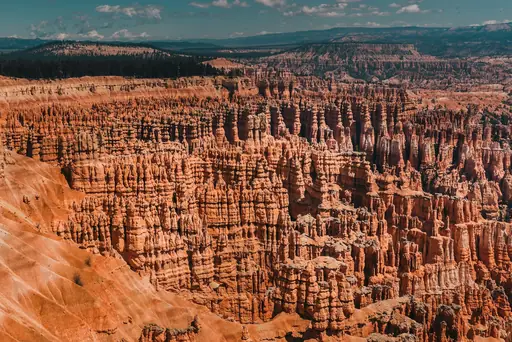
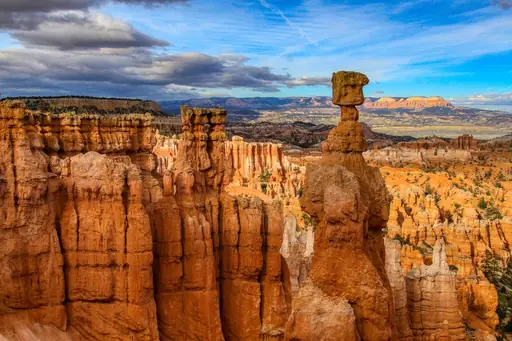
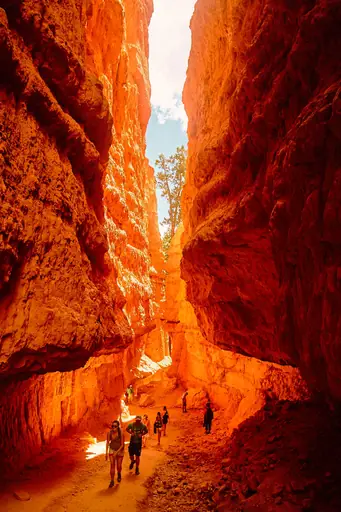
Few places have skies as dark as this park. Rangers lead full moon hikes and star talks in summer. An astronomy festival also fills the park each June. Tall stone spires called hoodoos glow orange by day. Free shuttle buses cut down traffic along the rim.
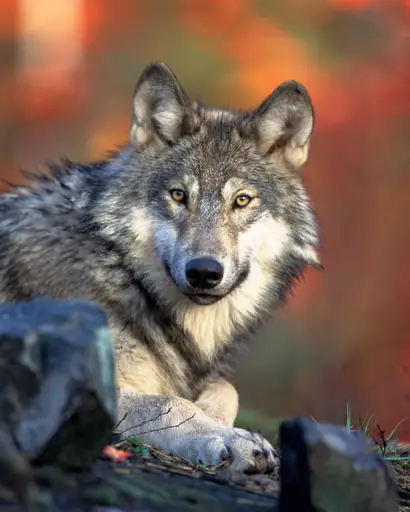
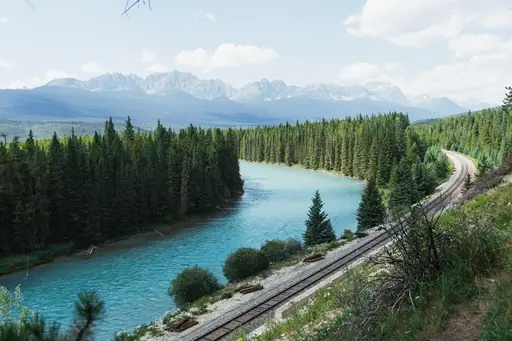
National Park in Canada
Banff National Park
Majestic Peaks and Turquoise Lakes
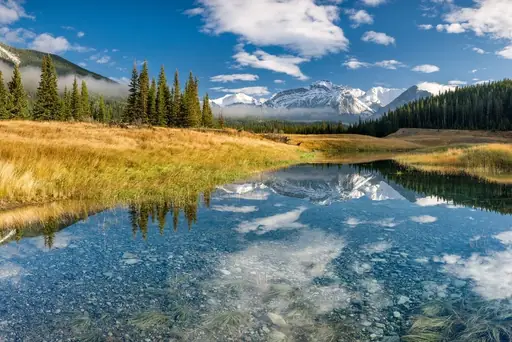
Grass covered bridges arch over the Trans-Canada Highway so animals can cross safely. Elk, bears and wolves also use dozens of tunnels under the road. Wildlife experts from around the world study this system. The Roam public bus reaches trailheads and lakes, so you do not need a car.
Other lists you may like

Discover
Top ecotourism destinations and sustainable travel hubs
Travel and conservation do not always go hand in hand, but eco tourism is built on the idea that a trip can truly support the places it visits rather than just pass through them.…
Read more
Discover
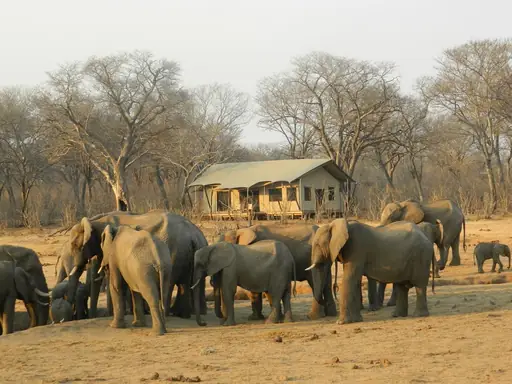
Best eco-tourism destinations in Africa
High-fee, deliberately low-volume conservation programmes in East Africa fund protection directly through visitor fees, a model credited with helping endangered species populations…
Read more
Discover
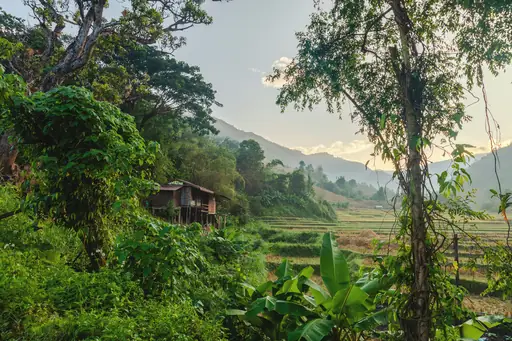
Best eco-tourism destinations in Asia
One Himalayan kingdom's deliberately restrictive, high-value tourism policy funds conservation and limits environmental impact by design, a model considerably different from…
Read more
Discover
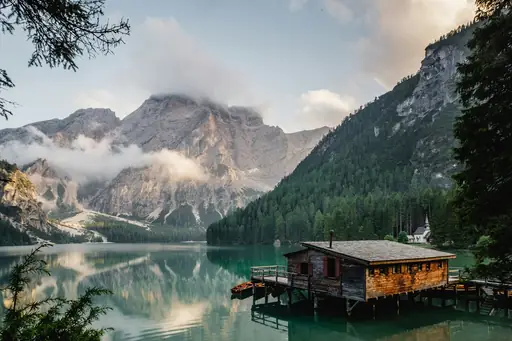
Best eco-tourism destinations in Europe
One Central European country has built a national reputation around sustainable, low-impact tourism, with strict protections across much of its forest and lake landscape. Rewilding…
Read more
Discover
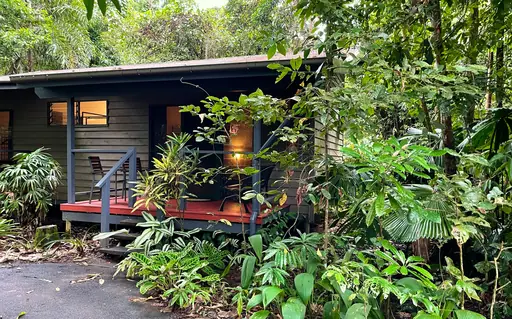
Best eco-tourism destinations in Oceania
A national conservation agency manages an extensive network of huts and trails funded partly through tourism, built around genuine habitat and species protection rather than…
Read more
Discover
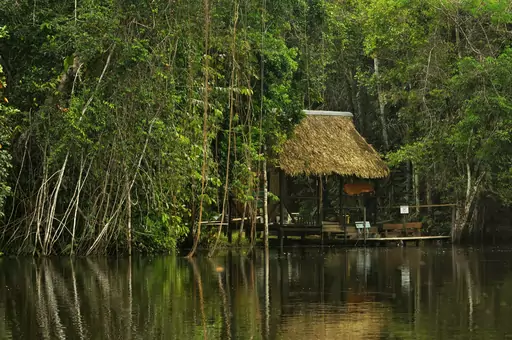
Best eco-tourism destinations in South America
One remote island archipelago operates under some of the strictest visitor regulations anywhere in the world, deliberately limiting tourism to protect endemic species found nowhere…
Read more
What other users say about travelfilters
“travelfilters made it easy for me to find ski areas and compare what else they offer, so that I could find the best place for my personal travel style.”

Chris
Snowboarding & Onsen trip to Japan
“I love how transparent the data feels. There is no pushy upsell, just honest information and settings I can tune to my own travel style.”

Maria
After booking her 2027 winter escape
“The level of detail for each destination and how well those are displayed, make planning feel confident instead of overwhelming.”

Mina
Planned a week in New York City
“We used travelfilters for our planning from start to end. The trip turned out even better than expected, thanks to all their tools and customisation options.”

Allan & Etienne
Trip to Japan to see autumn foliage
“Thanks to travelfilters, I found some hidden gems to see. Being able to filter for exactly your interests is a game changer for my travel planning.”

Michael
Tour through the old cities of Northern Italy
“The customizable filters helped me find a quiet beach town with good wifi and low season crowds in under five minutes.”

Diego
Weekend Escape to Llanes, Spain
“The airport connection map saved me hours by showing good flight options from my home airport to lesser-known cities.”

Nguyen
Planning a 2027 trip to France
“The website is clean, fast and focused on the search itself, which makes travelfilters feel more like a professional tool than an ad-heavy booking site.”

Hassan
Christmas Market trip, Germany
