
Best eco-tourism destinations in Asia
Best eco-tourism destinations in Asia
High-altitude nature preserves and protected mangrove zones across Asia
One Himalayan kingdom's deliberately restrictive, high-value tourism policy funds conservation and limits environmental impact by design, a model considerably different from neighbouring countries. Island reserves elsewhere offer a different, species-specific approach to the same underlying principle.
The destinations on this list range from nationally regulated, high-value tourism models built around environmental protection to specific wildlife reserves funded directly through visitor fees and research partnerships. Both prioritise impact over visitor volume.
Checking required permits and minimum spending requirements matters considerably for destinations with nationally regulated tourism, where policy is structured very differently from most of the region. Independent certification schemes can help confirm genuine environmental credentials. Packing layers also matters considerably given the temperature swings at higher elevation. Most permits require booking well in advance.
Lists by region
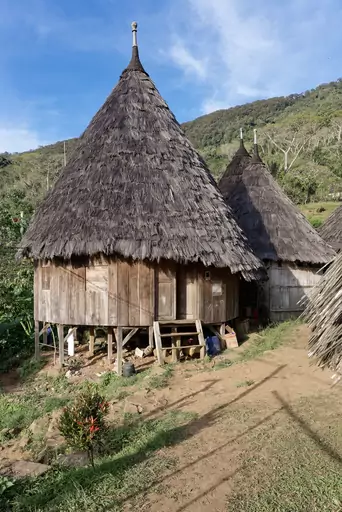
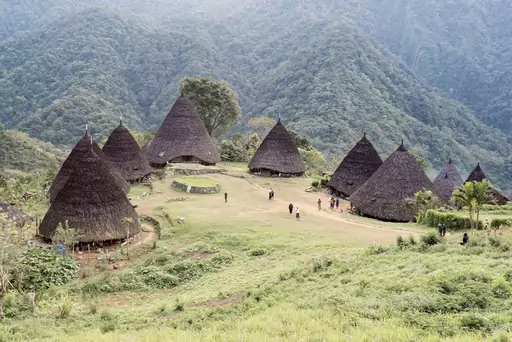

Village in Indonesia
Wae Rebo
Ancient village in the clouds
Like a village from another century, Wae Rebo has seven tall cone shaped houses called mbaru niang with roofs of palm leaves that go almost to the ground. Guests hike about three hours uphill from the village of Denge and sleep on woven mats while villagers serve coffee grown on the slopes.

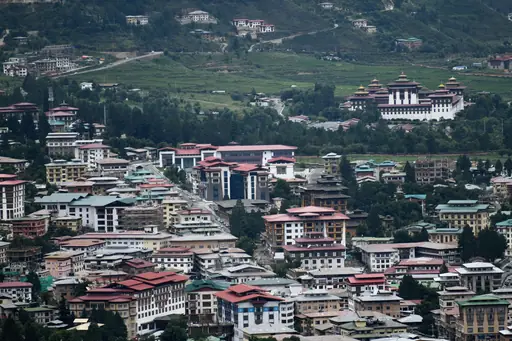
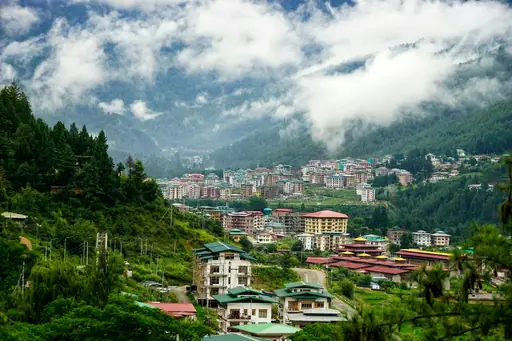
Country
Bhutan
Himalayan monasteries, dzongs and trekking trails
Since the 1970s the kingdom has measured progress by Gross National Happiness, an idea from its fourth king, while its constitution says at least 60 percent of the land must stay forest. Hikers on the Druk Path trail cross high ridges and alpine lakes with prayer flags and few other travellers.

National Park in Indonesia
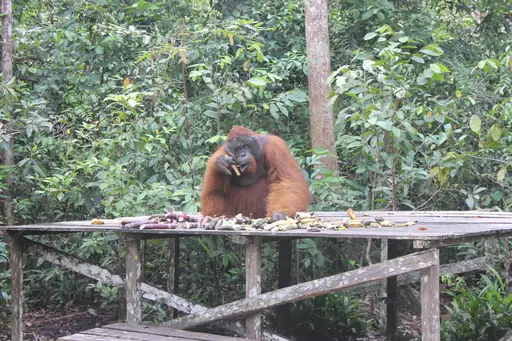
Tanjung Puting National Park
Orangutan paradise in Borneo jungle
Feedings at Camp Leakey happen in the afternoon, when wild orangutans swing down from the trees to eat bananas at wooden platforms. Guests sleep on klotok, small wooden river boats with mattresses on the deck, that glide up the Sekonyer River through mangroves and peat swamp forest.
National Park in Japan
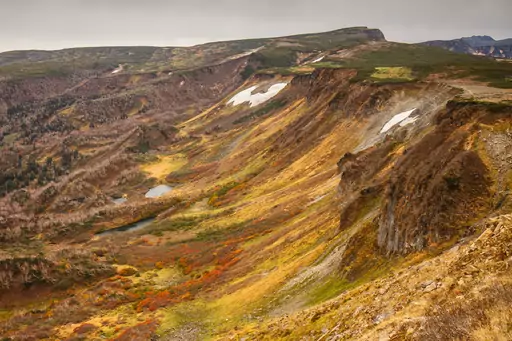
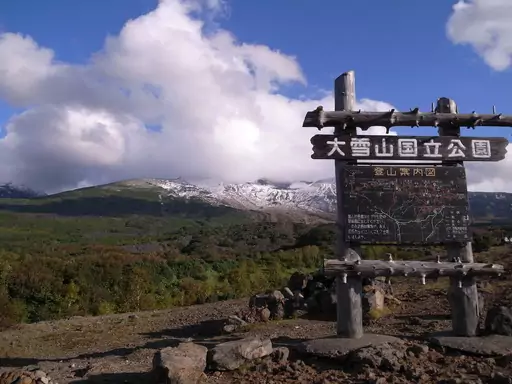
Daisetsuzan National Park
Japan's largest national park, in Hokkaido
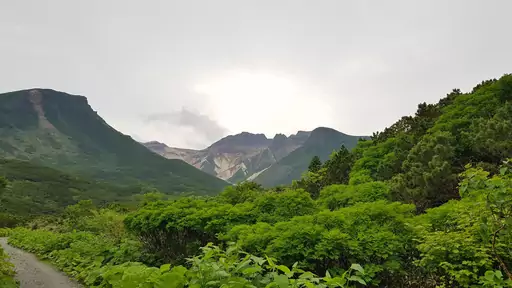
In the centre of Hokkaido, the largest national park in Japan has volcanic peaks, alpine meadows and hot spring valleys that the Ainu people called the playground of the gods. Hikers climb Asahidake, 7,516 feet, on trails past steaming vents while brown bears roam the forest below.
National Park in Nepal
Chitwan National Park
Wild Rhinos and Jungle Adventures
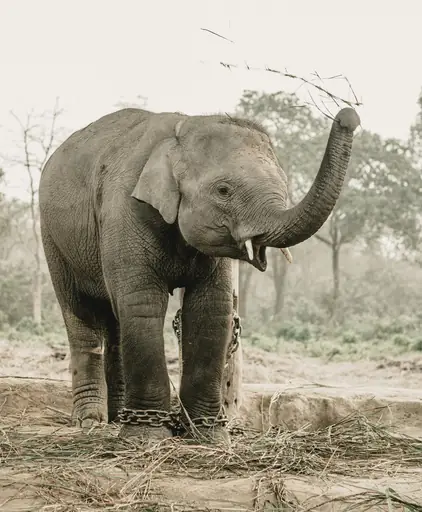
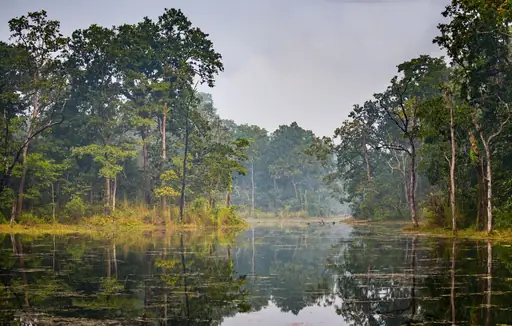
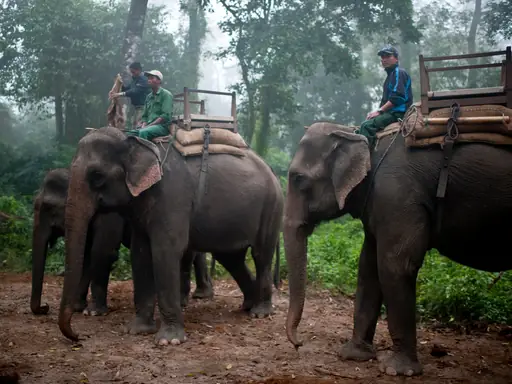
Like a wildlife park in the lowlands below the Himalayas, the national park has one horned rhinos, Bengal tigers and gharial crocodiles along the Rapti River. Guides lead walks and canoe trips through tall grass while Tharu villages nearby run homestays and dance shows in the evening.
National Park in India
Kanha National Park
Tiger paradise in magical wilderness
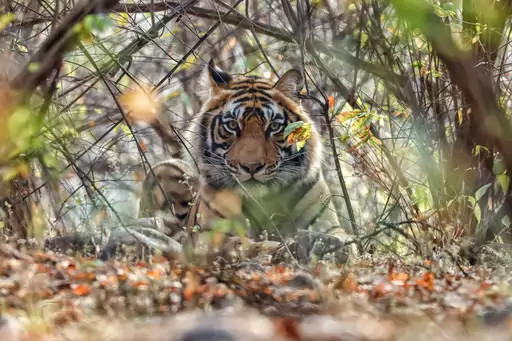
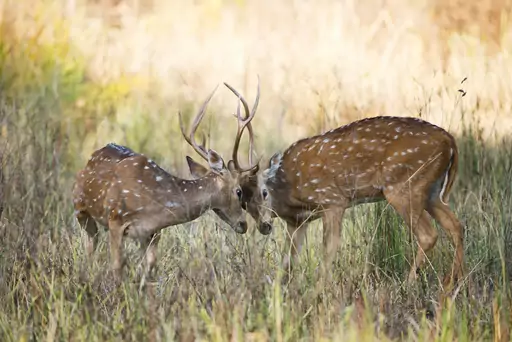
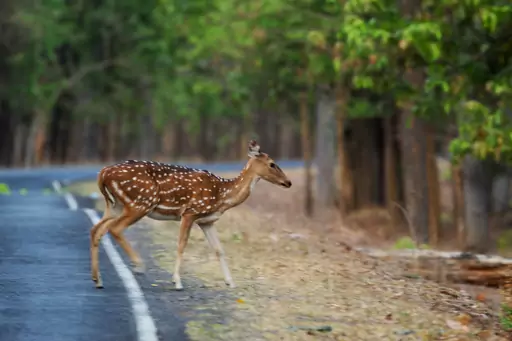
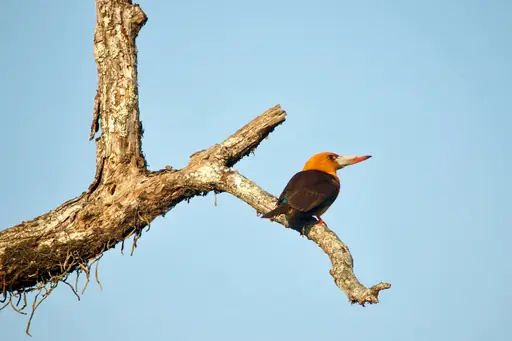
Jeeps carry small groups through sal forest and open grassland called maidans, where Bengal tigers rest in the shade of tall trees. The hard ground barasingha, a deer with many pointed antlers, was brought back from near extinction here while sightings are best at dawn.
National Park in India
Sundarbans National Park
Whispers of mangrove giants and elusive tigers
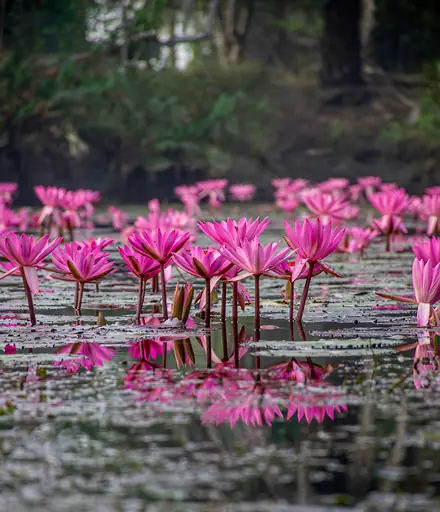
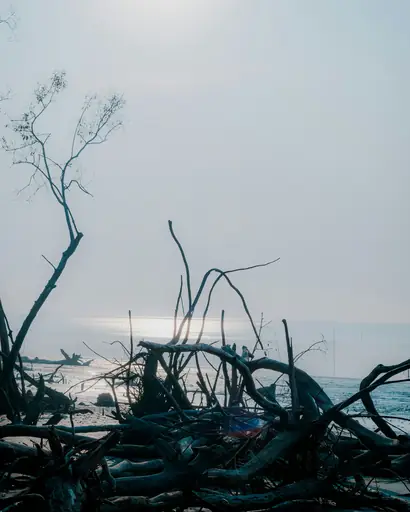
The smell of mud and salt water is strong in the tidal creeks of the park in West Bengal, where mangrove roots poke up from the mud and Bengal tigers swim between islands. Guides on slow boats watch the banks for tigers, crocodiles and spotted deer from a quiet distance.
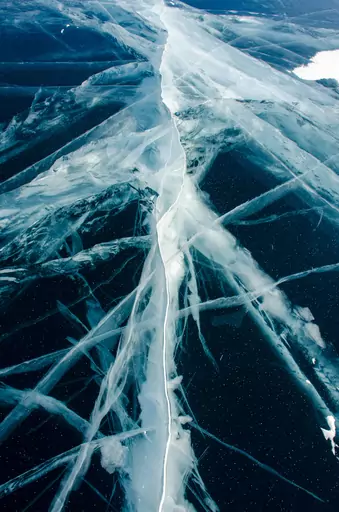
Lake in Russia
Lake Baikal
World's deepest lake, Siberia's jewel
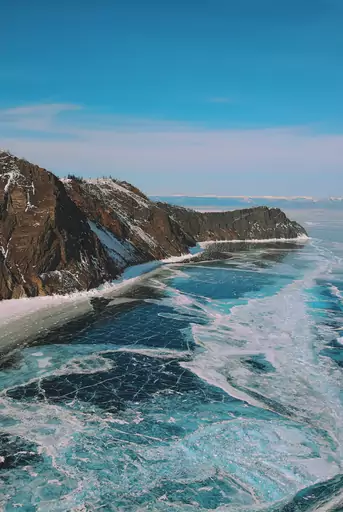
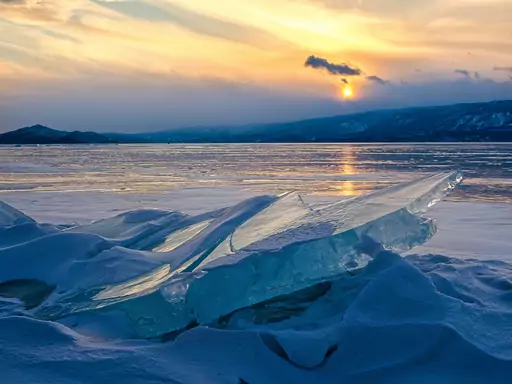
In southern Siberia the lake is 5,387 feet deep, the deepest in the world, with about a fifth of the planet's unfrozen fresh water. Hikers follow the Great Baikal Trail, built by volunteers, past pine forest and quiet bays while Baikal seals, found nowhere else, rest on the rocks.
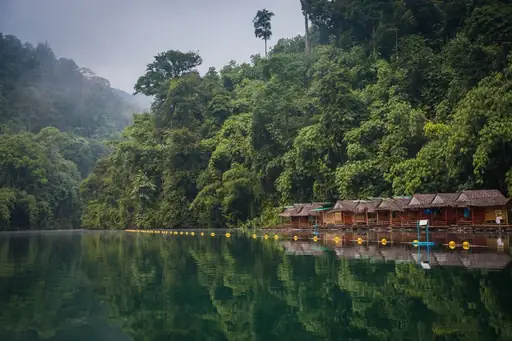
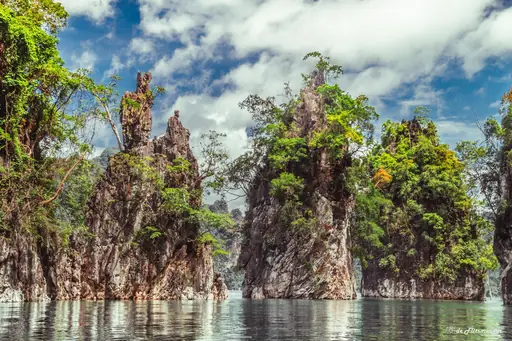
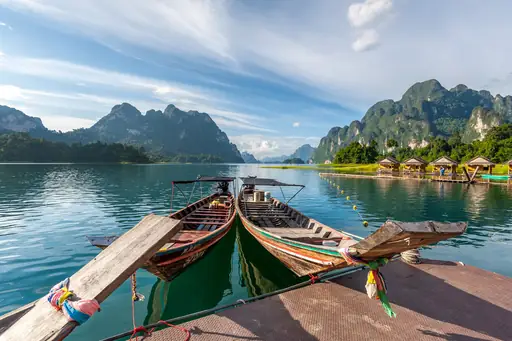
National Park in Thailand
Khao Sok National Park
Ancient Jungle and Emerald Lake Paradise
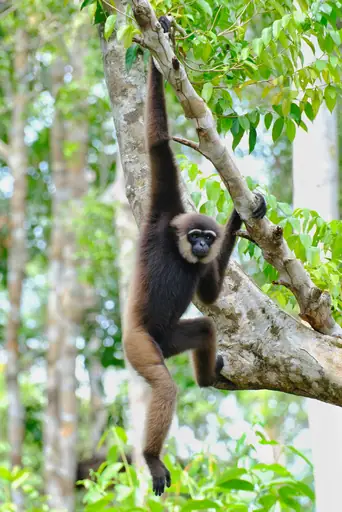
A dam built in the 1980s created Cheow Lan Lake, where limestone cliffs rise from green water and guests sleep in floating bungalows. Guides lead small groups through the forest to see gibbons and hornbills, while from December to March the giant Rafflesia flower is in bloom.
Nature Reserve in China
Jiuzhaigou Nature Reserve
Colorful lakes in Tibetan mountains
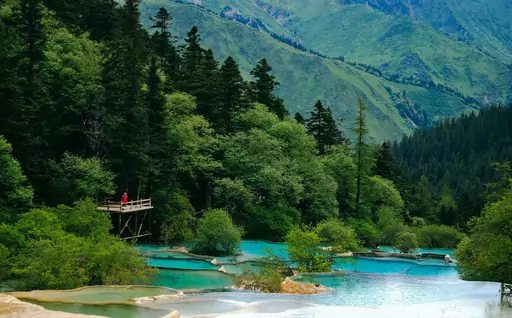
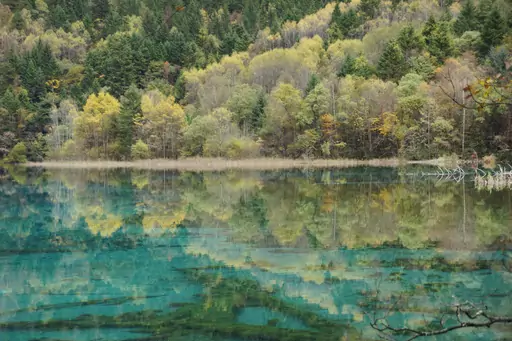
Tibetan families hang prayer flags beside the clear lakes of the valley, which is named for the nine villages nearby. Visitors ride shuttle buses and walk wooden boardwalks past Five Flower Lake and Nuorilang Waterfall, so the turquoise water stays clean and the forest paths stay quiet.
Archipelago in Indonesia
Raja Ampat
Vibrant coral reefs and lush tropical islands
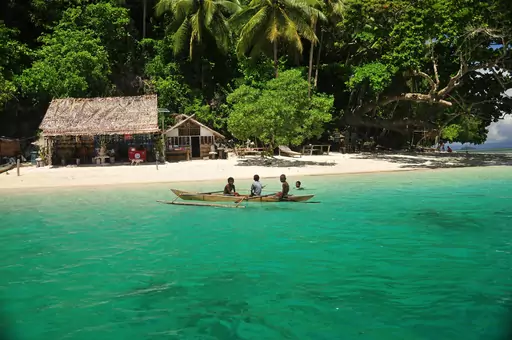
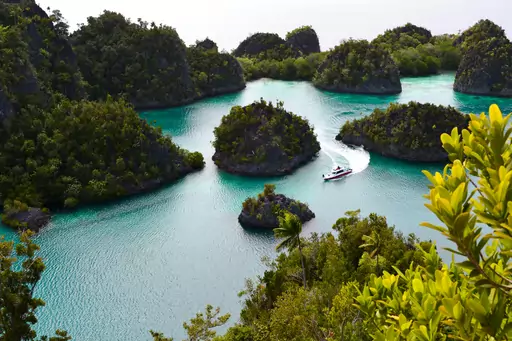
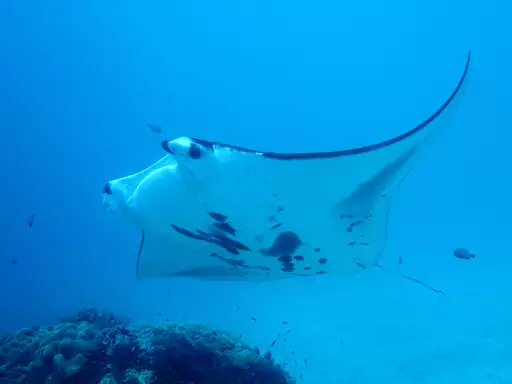
Villagers follow sasi, an old custom that closes a reef to fishing for a season so fish can recover. Many local families run small homestays on stilts over the clear water while snorkellers swim above reefs with more than 1,400 kinds of fish, including manta rays and wobbegong sharks.
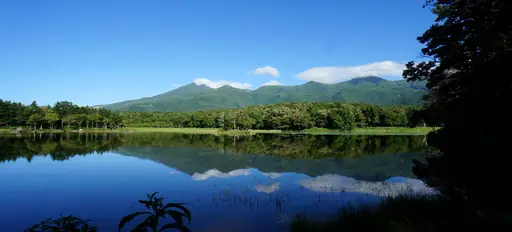
National Park in Japan
Shiretoko National Park
Brown bears and drift ice in Hokkaido
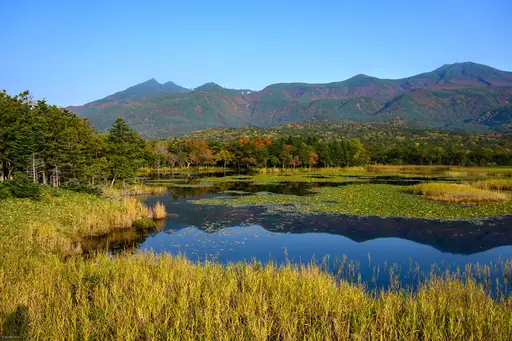
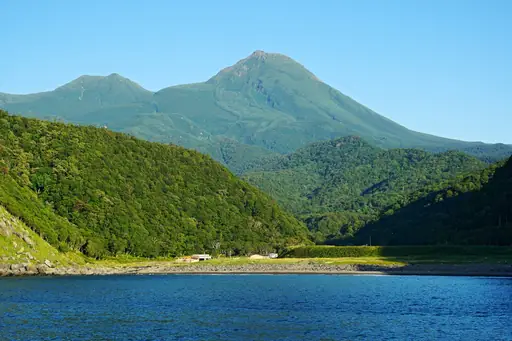
The Shiretoko Five Lakes trail has a raised wooden walkway across ground where brown bears feed, with views of five lakes below the mountains. In February drift ice from the Sea of Okhotsk floats off the coast while people in dry suits walk on the ice.
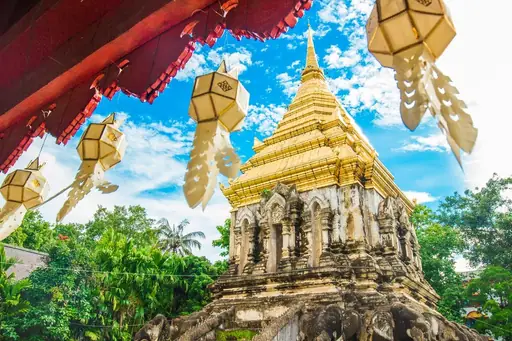
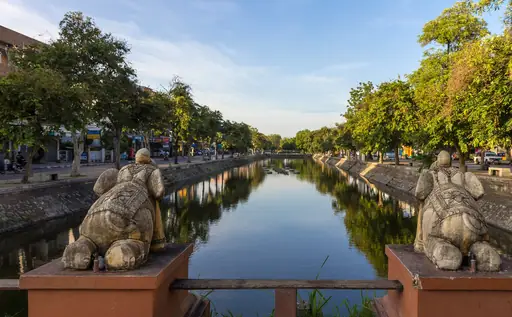
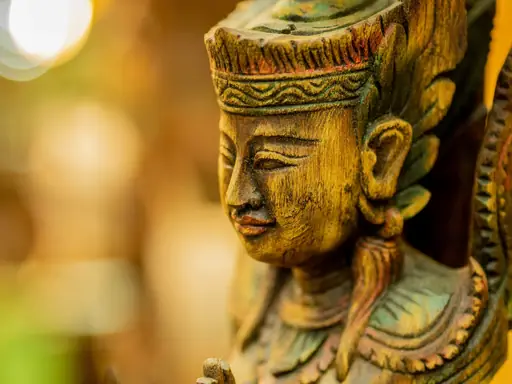
City in Thailand
Chiang Mai
Ancient temples and mountain escapes
Elephant Nature Park opened in 1998 about 60 kilometres from this city. By 2005 it had stopped elephant performances and shifted to visitors helping with care. Doi Inthanon National Park, known as the roof of Thailand, reaches 2,565 metres. It has cloud forest and 383 bird species.
National Park in China
Huanglong National Park
China's Colorful Terraced Wonderland
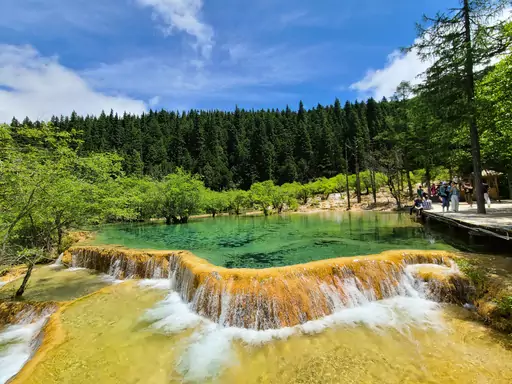
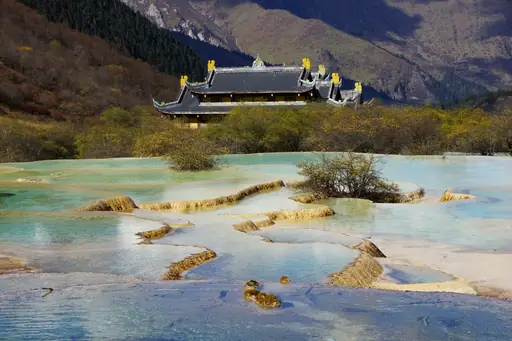
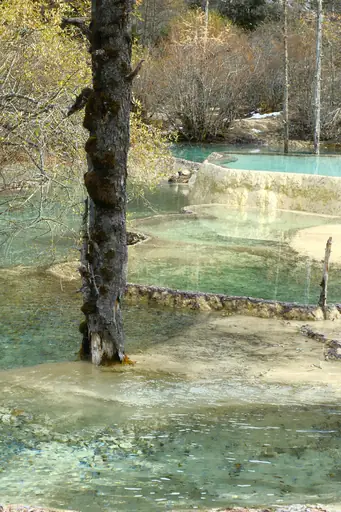
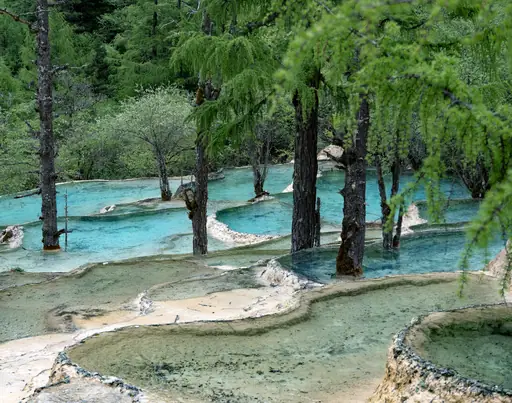
From April to October the pools of Huanglong are free of snow while a wooden boardwalk climbs through terraces of golden calcite and turquoise water to Five Color Pond at about 11,500 feet. Walkers must stay on the boardwalk, which protects the fragile limestone terraces that grow slowly.
Island in Yemen
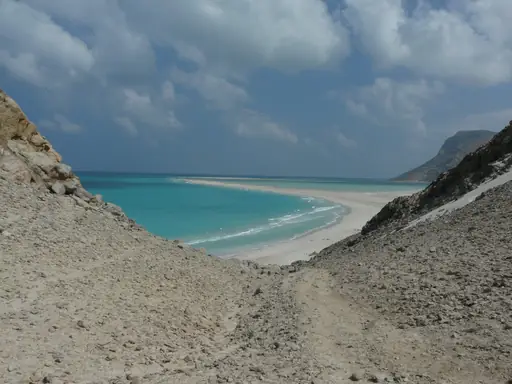
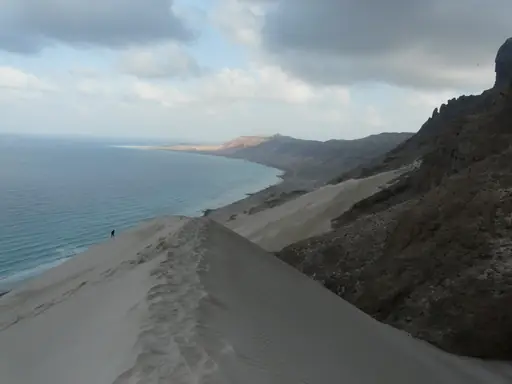
Socotra
Alien Landscapes, Untouched Adventure
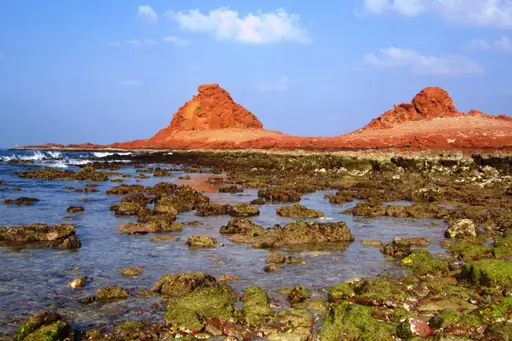
The island separated from the African mainland millions of years ago so about a third of its plants grow nowhere else, including dragon's blood trees with umbrella shaped crowns and red sap. Travellers camp on white sand dunes at Qalansiyah and swim in the Detwah Lagoon.
National Park in Indonesia
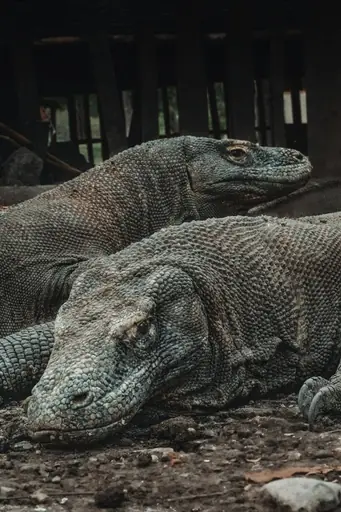
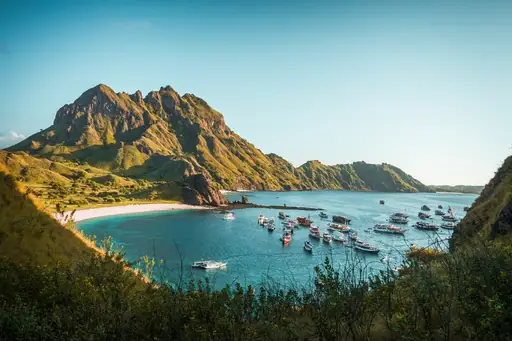
Komodo National Park
Dragons, Pristine Reefs and Wild Beauty
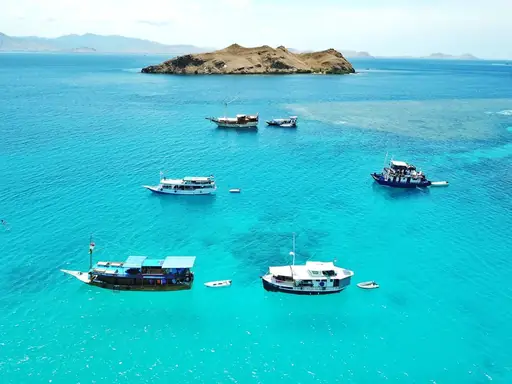
Dry grass rustles as Komodo dragons, lizards up to 10 feet long, move across Rinca and Komodo islands, where rangers with forked sticks lead small groups on set trails. Pink Beach has sand coloured by red coral and manta rays feed in the water offshore.
Island in Japan
Yakushima
Ancient cedars, mossy forest and waterfalls
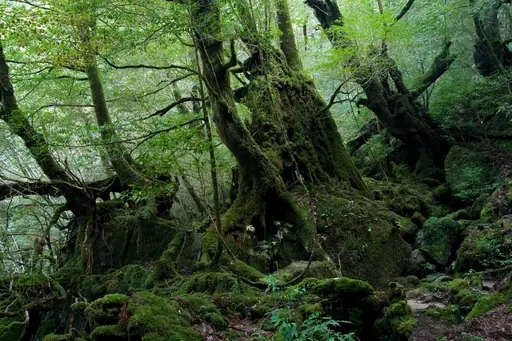
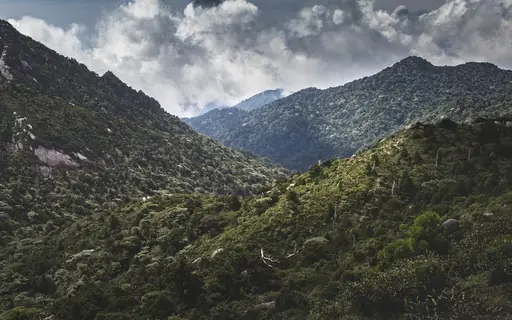
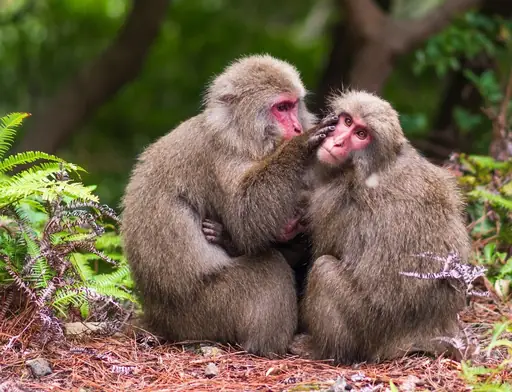
About 40 miles off the southern tip of Kyushu, the round island has mossy forests of yakusugi, cedar trees more than 1,000 years old, while rain falls often. Hikers follow an old logging railway track to Jomon Sugi, a cedar at least 2,000 years old.


Island in India
Lakshadweep
Pristine coral paradise off India
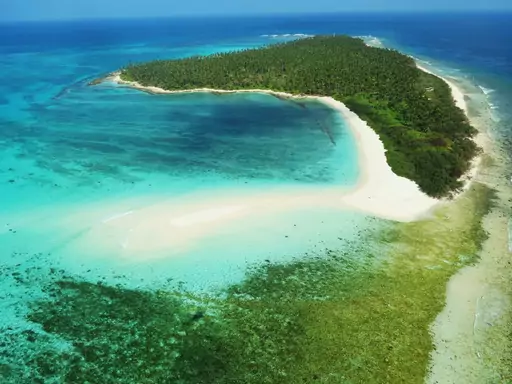
October to May has calm seas and clear water around the coral atolls, so snorkellers and divers explore reefs with turtles and reef fish. Only a few of the 36 islands are open to tourists and travellers need a permit, so visitor numbers stay low.
National Park in Japan
Kamikochi
Clear river valley beneath the Hotaka Range
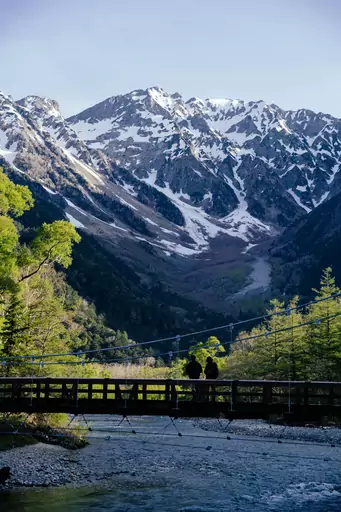
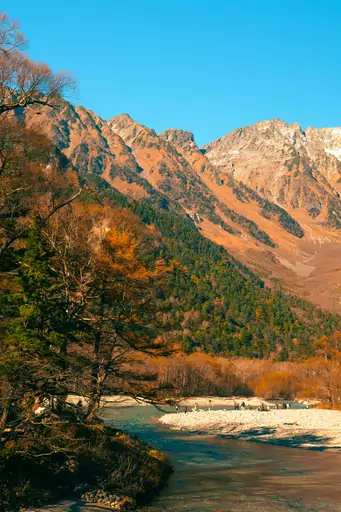
Like a small corner of the Alps, the valley has the clear Azusa River and Taisho Pond, where dead trees stand in the water. Kappa Bridge is a wooden footbridge with views of the Hotaka peaks while private cars are not allowed so hikers arrive by bus and the valley stays quiet.
Mountain in Malaysia
Mount Kinabalu
Majestic peaks echo ancient jungle whispers
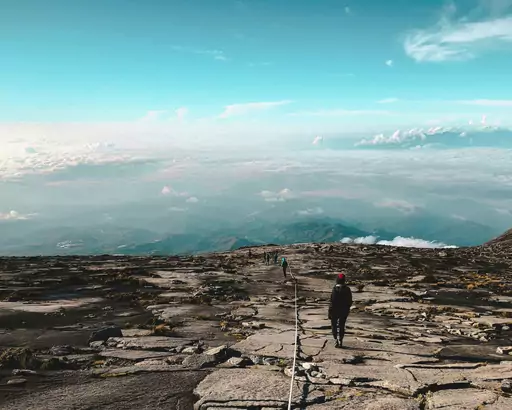
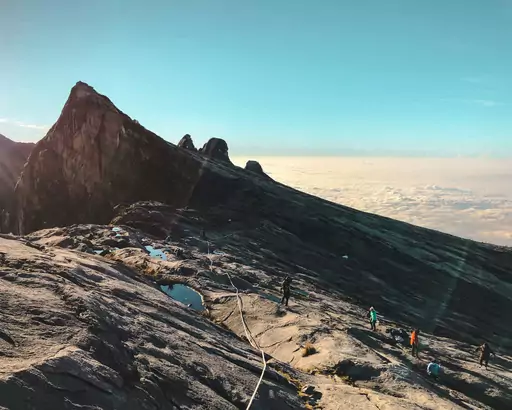
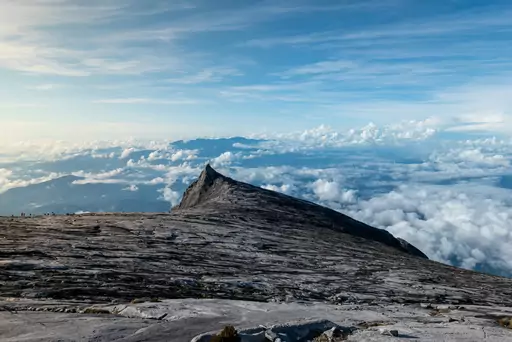
Climbers must hire a licensed local guide and sleep at the Laban Rata hut, then start in the dark at about 2 am to reach Low's Peak, 13,435 feet, by sunrise. The park is a World Heritage site with giant pitcher plants and the huge Rafflesia flower.
Region in Malaysia
Danum Valley
Untamed rainforest, rare wildlife sanctuary
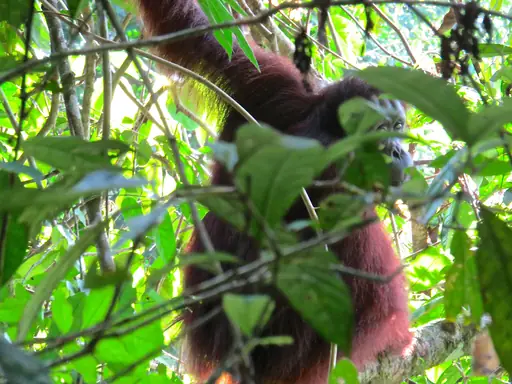
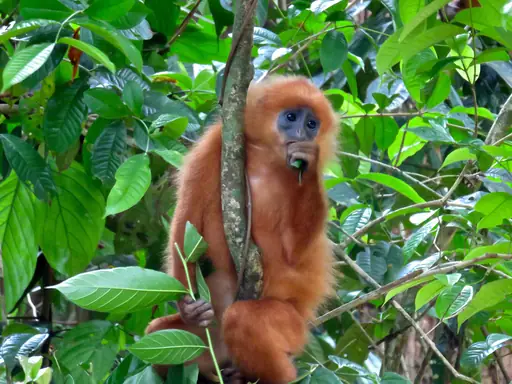
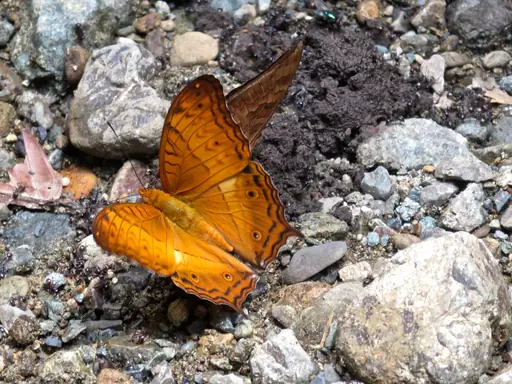
A canopy walkway of hanging bridges rises about 90 feet above the forest floor in Danum Valley, a protected area of old growth lowland rain forest in Sabah on Borneo. Guides lead night walks to spot slow lorises, flying squirrels and sometimes orangutans nesting in the treetops.
National Park in Japan
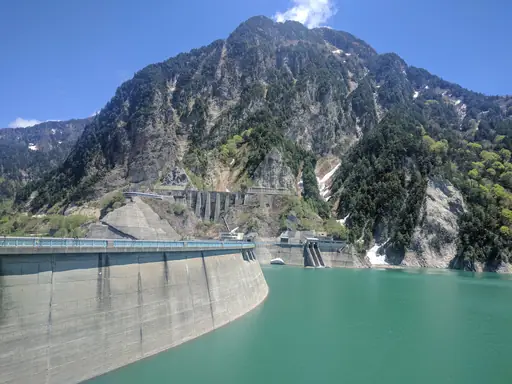
Chūbu-Sangaku National Park
Northern Alps peaks, snow walls and onsen
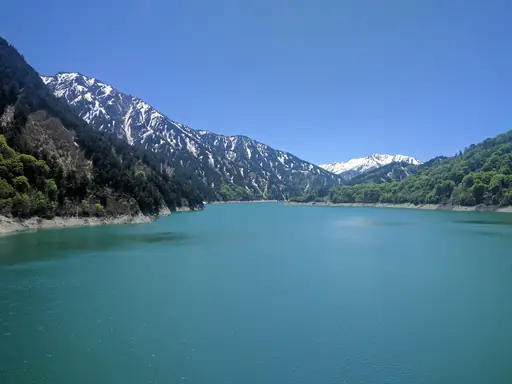
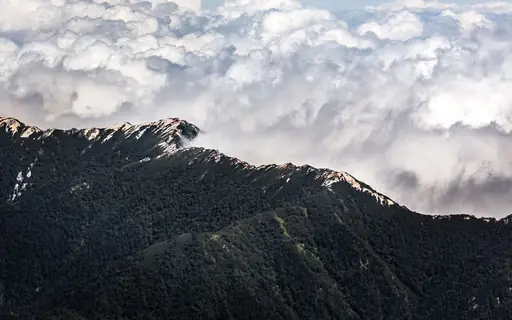
An English missionary named Walter Weston climbed these peaks in the 1890s and helped make the name Japanese Alps and the sport of mountain hiking popular. Today hikers sleep in huts along high ridge trails while in spring the Tateyama road in Toyama is cut between snow walls up to 60 feet high.

Forest in Bangladesh
Sundarbans
Whispers of mangrove giants and hidden wildlife
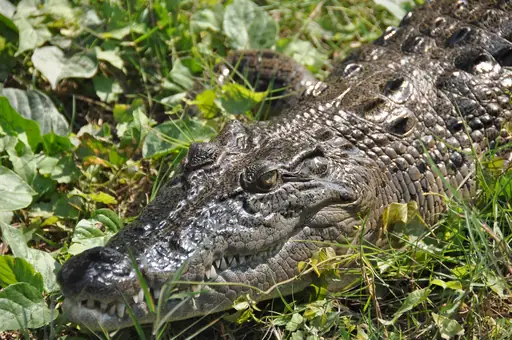
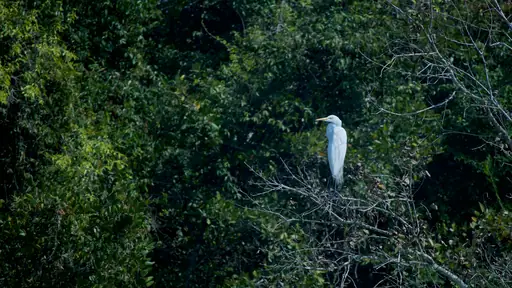
Calls of kingfishers and the plop of mudskippers, fish that walk on mud, come from the largest mangrove forest in the world, which stretches across the Ganges delta. On the Bangladesh side boats from Mongla take small groups to Hiron Point, where spotted deer graze and guides watch for tigers.
Cave in Vietnam
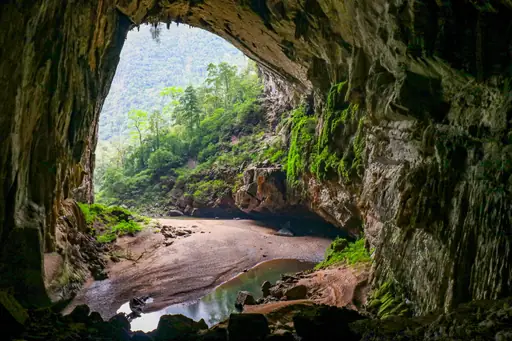
Phong Nha cave
Majestic Underground Wonder
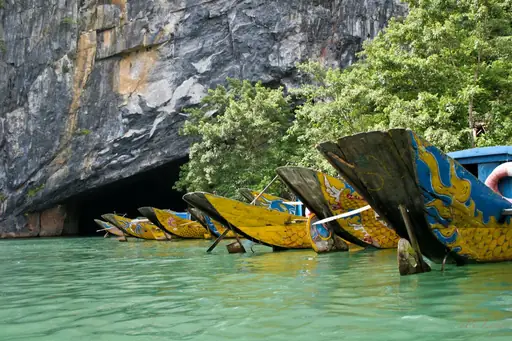
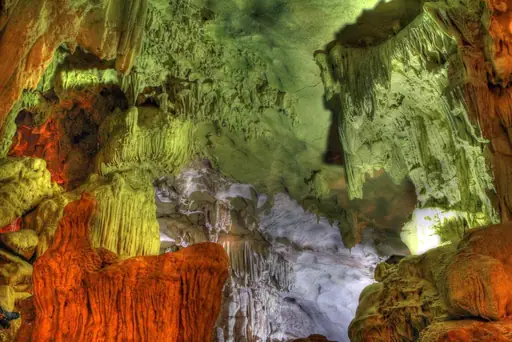
Boats carry passengers up the Son River into Phong Nha Cave, where huge chambers have stalactites and a pale underground river. Nearby Son Doong Cave, with a jungle inside a collapsed ceiling, is visited by only a small number of trekkers each year, which protects the cave from damage.
Other lists you may like

Discover
Top ecotourism destinations and sustainable travel hubs
Travel and conservation do not always go hand in hand, but eco tourism is built on the idea that a trip can truly support the places it visits rather than just pass through them.…
Read more
Discover
Best eco-tourism destinations in Africa
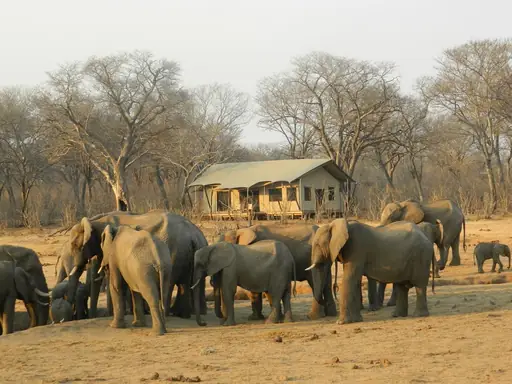
High-fee, deliberately low-volume conservation programmes in East Africa fund protection directly through visitor fees, a model credited with helping endangered species populations…
Read more
Discover
Best eco-tourism destinations in Europe
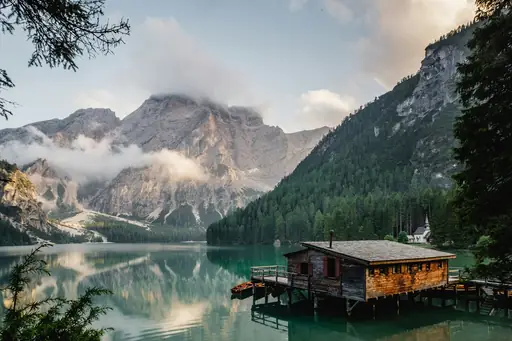
One Central European country has built a national reputation around sustainable, low-impact tourism, with strict protections across much of its forest and lake landscape. Rewilding…
Read more
Discover
Best eco-tourism destinations in North America
One Central American country remains one of the world's most cited ecotourism success stories, having reversed significant deforestation through tourism revenue tied directly to…
Read more
Discover
Best eco-tourism destinations in Oceania
A national conservation agency manages an extensive network of huts and trails funded partly through tourism, built around genuine habitat and species protection rather than…
Read more
Discover
Best eco-tourism destinations in South America
One remote island archipelago operates under some of the strictest visitor regulations anywhere in the world, deliberately limiting tourism to protect endemic species found nowhere…
Read more
What other users say about travelfilters
“travelfilters made it easy for me to find ski areas and compare what else they offer, so that I could find the best place for my personal travel style.”

Chris
Snowboarding & Onsen trip to Japan
“I love how transparent the data feels. There is no pushy upsell, just honest information and settings I can tune to my own travel style.”

Maria
After booking her 2027 winter escape
“The level of detail for each destination and how well those are displayed, make planning feel confident instead of overwhelming.”

Mina
Planned a week in New York City
“We used travelfilters for our planning from start to end. The trip turned out even better than expected, thanks to all their tools and customisation options.”

Allan & Etienne
Trip to Japan to see autumn foliage
“Thanks to travelfilters, I found some hidden gems to see. Being able to filter for exactly your interests is a game changer for my travel planning.”

Michael
Tour through the old cities of Northern Italy
“The customizable filters helped me find a quiet beach town with good wifi and low season crowds in under five minutes.”

Diego
Weekend Escape to Llanes, Spain
“The airport connection map saved me hours by showing good flight options from my home airport to lesser-known cities.”

Nguyen
Planning a 2027 trip to France
“The website is clean, fast and focused on the search itself, which makes travelfilters feel more like a professional tool than an ad-heavy booking site.”

Hassan
Christmas Market trip, Germany
