

Asia › Russia › Siberia › Lake Baikal

Lake Baikal

Scroll
World's deepest lake, Siberia's jewel

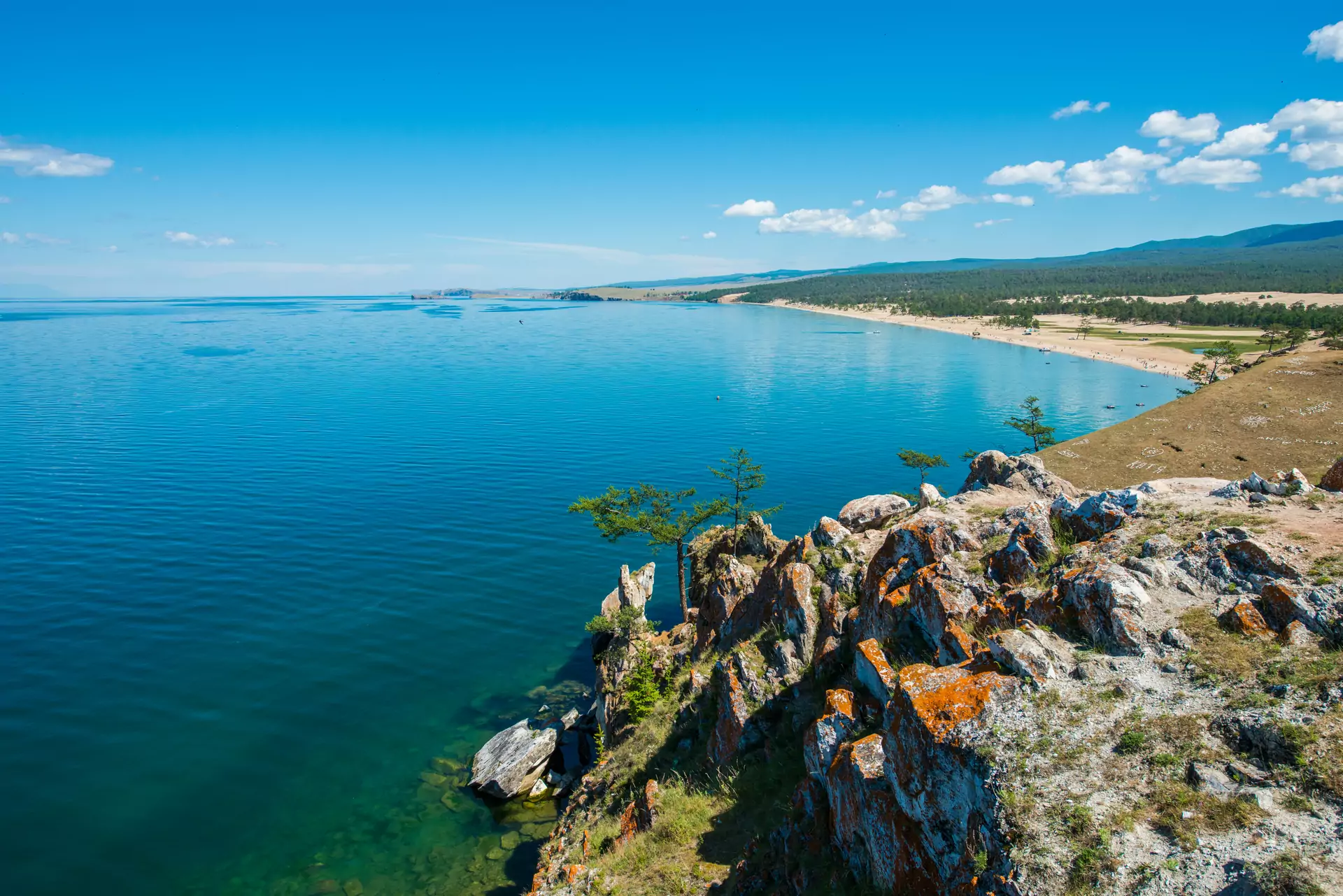
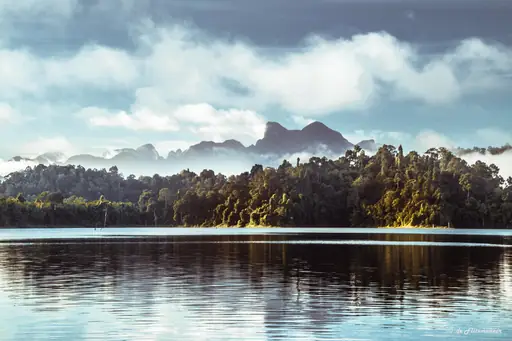
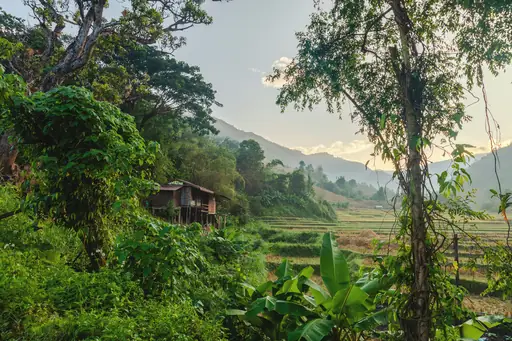
Lake Baikal in Siberia stands as one of Earth’s oldest and deepest freshwater lakes. Formed over millions of years, it holds more water than all the world’s rivers combined. The lake freezes each winter, creating a flat white surface that stretches for miles. In summer, forests surround its shores, attracting hikers and photographers. Local communities rely on fishing and traditional crafts. Winter activities like ice skating and dog sledding draw visitors seeking quiet natural beauty far from crowded cities.

Lake in Russia
Climate zone: Warm continental

Warm continental: Humid continental climates with warm summers, cold winters and evenly distributed precipitation, typical of northern interior mid-latitudes.

See climate table
Price level: $$$
$Cheap
$$Medium
$$$Expensive, upscale
$$$+Very expensive, luxury
See price details
Safety: 6.3
General Safety:7
Health & medical:5
Accessibility:5
Tap water:7
Read details
Tourist English: 2/5
English proficiency is limited around Lake Baikal, especially in smaller villages. Tourist-facing staff in Listvyanka and Olkhon may speak basic English, but elsewhere communication can be challenging. Having a translation app or basic Russian phrases is
There is a travel warning issued for this country. Please check the website of your country's foreign office for the latest information.
Last update: 12 Oct 2026
* We earn a commission from some links on this page.
Lake Baikal Summary

These place ratings give you a quick overview of how well a destination matches different types of trips.

‘Best for’ scores:
The specific interest scores show where this place really shines – whether it's ideal for hiking, food & drink experiences, museums or other activities. These highlights help you understand what makes the destination special at a glance.

‘Your personal’ scores:
This reflects how well a place matches your personal preferences. You can adjust the importances of travel topics or other personal requirements categories in your account settings.

‘Suited for’ badges:
These give you a quick overview of how well a destination suits specific types of travellers, to help you find the places that match your lifestyle, preferences or travel situation.

Read how our scores work
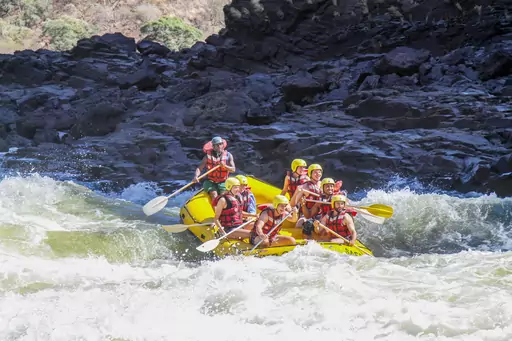
World-class for freshwater lake scenery and nature. Walk frozen winter surfaces, kayak clear summer waters, hike forest trails and watch unique wildlife.
Place score
7.9
Best at:
Lakes
10
Natural sites
10
Hiking
9
Wildlife
9
Guided tours
8
Personal score
?
Log in to see how this place matches your personal travel interests.
Suited for
👶 7
Families
🧓 6
Seniors
♻️ 9
Sustainability
❤️ 8
Couples
Russia – Quick facts
Power Grid: 220 V, 50 Hz
Plug: Type C , Type F
Type C:
Diagram of a Type C power plug
Type F:
Diagram of a Type F power plug

Read about power adapters
Currency: Russian Rouble (RUB)
£1 ≈ RUB 96.93
Cashless info: Rating 4/5
Cashless payments are widely accepted in Russia, especially in cities like Moscow and St. Petersburg.

Save with a travel credit card
eSIM providers: We cannot recommend an eSIM provider for this country. We advise getting a local SIM card.
Tipping: Tipping is not mandatory in Russia, but a 10% tip is appreciated in restaurants. Small tips for taxi drivers and hotel staff are also common.
Public drinking: Public drinking is prohibited in many areas, particularly in public transport and on streets in larger cities.
Public smoking: Smoking is prohibited in indoor public spaces, including restaurants and public transport.
Emergency contact: Emergency Number: 112 (Police, Fire, Ambulance)
Taxi apps: Yandex Taxi, Uber
Other: Russia offers a wide range of experiences, from its rich cultural history to diverse landscapes, including the Kremlin and Siberian wilderness.
Best times to travel

The best times to travel section shows how the months compare for a visit, so you can find the time of year that fits what you want to do.

Background colours of the months:
The colour shows the typical temperature: yellow (hot), green (mild) and blue (cold). How strong the colour is shows the travel season: full colour means high season, soft colour means shoulder season and soft-striped means off season.

Weather symbols:
Each month has one symbol showing what the weather is typically like, such as hot and sunny, freezing or a rainy or snowy season. Use them to quickly spot months that match the weather you want, or to avoid the ones that don't.

Crowdedness:
The people icon shows how busy the place usually is. The more people, the more crowded it gets.

Additional notes:
The grey info boxes point out special things worth knowing, like recurring weather issues or seasonal events.

for Lake Baikal, Russia
❄️
Jan
❄️
Feb
❄️
Mar
❄️
Apr
☀️
May
☀️
Jun
☀️
Jul
☀️
Aug
☀️
Sep
❄️
Oct
❄️
Nov
❄️
Dec
High season: Feb. - March, July - Aug.
Shoulder season: Jan., June, Sep., Dec.
Crowdedness: 4 (Moderate tourist numbers)
Tap on a month for more info Hover over a month for more info
Lake is frozen from about January to April; safe ice for driving and walking mainly February to March
Many tourist camps, ferries and hotels on the shores and Olkhon Island close from October to December and in April and May
Swimming is only really bearable in late July and August, when surface water is warmest

Why travel to Lake Baikal?

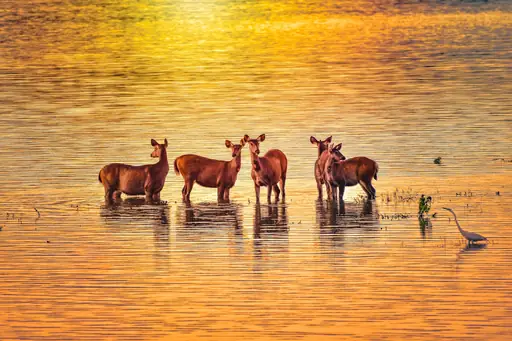
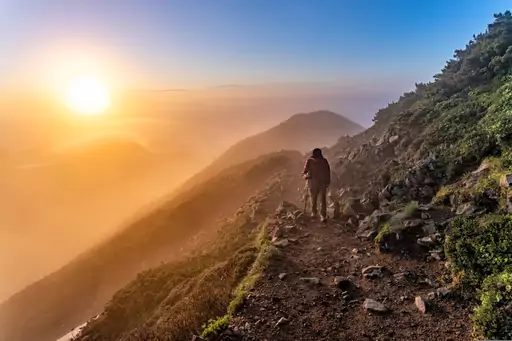
Lake Baikal offers two completely different but equally mesmerizing experiences depending on when you visit. In summer (May through October), you can explore pristine beaches, hike along spectacular shoreline trails and witness the lake's legendary clarity that allows you to see up to 40 meters deep in some areas. The surrounding mountains and forests create perfect conditions for wildlife enthusiasts, with opportunities to spot the endemic nerpa (Baikal seal) – the world's only exclusively freshwater seal – along with brown bears, reindeer and hundreds of bird species. Winter transforms Baikal into an otherworldly ice kingdom from January through April, when the lake freezes to depths of up to 1.4 meters, creating a natural highway across its surface. The ice itself is a phenomenon – crystal clear in many places, allowing you to gaze into the abyss below, while elsewhere it forms into fantastic shapes and caves along the shoreline, particularly around Olkhon Island. This ice season offers unique activities like ice-walking, skating and even driving across the frozen surface. However, travelers should be aware of safety concerns, especially toward the end of the ice season when melting creates dangerous conditions. Additionally, while Baikal's climate is milder than the surrounding Siberian territory, winter temperatures still average around -21°C, requiring serious cold-weather preparation.

🏯Places worth seeing
  • 1 Listvyanka
  • 2 Ivolginsky datsan "Khambyn Sume"
  • 3 cape Burkhan
  • 4 Svyatoy Nos Peninsula
  • 5 Barguzin Bay
🎡Places for activities
  • 1 Olkhon Island
  • 2 Khuzhir
  • 3 Listvyanka - Bolshie Koty (Great Baikal Trail)
  • 4 Sludianskie lakes - Baikalskoe village (Great Baikal Trail)
🏞️Natural landmarks
  • 1 cape Burkhan
🛍️Shopping
  • 1 Central Market
  • 2 Mini Market Breeze
🎈Events
  • Baikal Ice Marathon (March)
  • Winter Fishing Festival
  • Baikal Crossing Tour (Winter)
  • Baikal Seal Day
  • Summer Hiking Festival
  • Olkhon Island Cultural Festivals
  • Ice Road Opening Ceremony
  • Baikal-Energy Regatta
  • Shamanism Ceremonies
  • Buryat New Year (Sagaalgan)

Knowledge before you go

  • Russian visa required. Book Irkutsk flights early.
  • Listvyanka village best base; ferries reach Olkhon Island in summer only.
  • Layer clothing always; temperatures swing from -30°C winter to 25°C summer highs.
  • Winter ice road to Olkhon forms January-March; check thickness before driving across.

How to travel to Lake Baikal

The main gateway to Lake Baikal is through Irkutsk, a major city in Eastern Siberia with an international airport and railway station on the Trans‑Siberian Railroad. From Irkutsk, the closest access point to Lake Baikal is Listvyanka village, about 70 km away (1–2 hours by bus or taxi). For those wanting to visit Olkhon Island, the largest island in Lake Baikal, minibuses run from Irkutsk to Khuzhir village (about 6 hours). The eastern shore can be accessed via Ulan‑Ude, another stop on the Trans‑Siberian Railway. Most visitors combine Lake Baikal with a longer Trans‑Siberian journey, as the railway runs along the southern shore of the lake.

Access summary

  • From Irkutsk Airport (IKT): Taxi or bus to Listvyanka, about 1.5 hours.
  • From Irkutsk city: Bus or minivan to Listvyanka, roughly 1.5 hours.
  • From Ulan-Ude: Train or bus to eastern Baikal shore, typically 3–5 hours.

Where to stay in Lake Baikal

Accommodation around Lake Baikal varies widely depending on location and season. Listvyanka offers the most developed tourist infrastructure with hotels and guesthouses of varying quality. Olkhon Island's main village, Khuzhir, has a growing number of small hotels and homestays, though facilities can be basic. During peak seasons (summer and winter ice season), booking well in advance is essential. For a more authentic experience, homestays in local villages provide insights into local life, while some tour operators offer unique seasonal options like yurt camping on the ice during winter. Expect more rustic conditions the further you get from major tourist centers.

Hotel recommendations

*by rating and popularity. Commissions have no influence on the rankings.
We couldn't find any nearby hotels for now.

How to get around Lake Baikal

Getting around Lake Baikal requires some planning as the lake is enormous (636km long). The main tourist route connects Listvyanka, Olkhon Island, Holy Nose Peninsula and Sandy Bay. In summer, boats are the primary transportation method between lakeside villages, with regular services from Irkutsk to Listvyanka and other popular destinations. Hiking trails, including the Great Baikal Trail, connect some villages. In winter (January-April), ice roads form across the lake, allowing vehicles to drive directly across the frozen surface - a unique experience, though safety concerns exist, especially toward the end of the season when the ice begins to melt.
Budget snapshot
Costs compared to home

We calculate the average costs when travelling to destinations and compare those with the living costs at your home. With this you can get an estimate of how expensive or cheap the destination is for you.

To customise this, you can set up which location and price level are used for the calculations in your account settings.

-64 %
Daily expenses in the region are around 64% lower than the average across United States. That means you'll spend a lot less on meals and getting around.
Exchange rate trend

The exchange rate price factor shows how expensive or cheap a currency currently is compared to its historical average. It's a quick way to see if a country is currently more or less affordable due to exchange rate changes.

+5 %
Your exchange rate (GBP to RUB) is 5% worse than in recent years. That means travelling now costs around the same compared to the past.

Travel costs

To help you plan your trip, we provide estimated daily costs per person (when travelling as a pair) for different travel styles. These numbers give you an idea of what you might spend each day at this destination, including accommodation, food, transport and activities.

Additionally, we also provide average hotel costs for different travel styles to give you an estimate for the accommodation only.

Please note that these are only estimates. The real costs depend on booking times, season and other factors.

Daily cost summary

Travel style categories explained:

Backpacker:
Staying in hostels or budget hotels, cooking your own meals or eating cheap and choosing low-cost activities.

Mid-range:
Staying in mid-range hotels, eating at a mix of restaurants and casual spots and enjoying a variety of activities.

Luxury:
Staying in luxury hotels, dining out at high-end restaurants and enjoying premium experiences without worrying about the price.

Backpacker Mid-range Luxury
💵 Total costs per day, including accommodation
£28
£62
£170
🏨 Accommodation per night, per person
£11
£30
£90
🍝 Food per day
£15
£29
£74
🚕 Transportation per day
£2
£2
£5
Food & Drink
🍽️ Restaurant Dinner, per person
£12.50
🍛 Lunch Set, per person
£7
🍟 Fast food combo
£4.80
🍝 Preparing your own food, per day
£5
☕ Cappuccino
£2
🍺 Beer in a restaurant, 0.5 l
£0.80
Transportation
🚌 Public transport ticket
£0.38
🚕 Taxi Ride, 10 km / 6 mi
£3.10
⛽ Petrol, 1 l
£0.60
Other
🎞️ Cinema ticket
£5
👩‍⚕️ Doctor's consult
£15
🤧 Cold medication
£4.10
💇 Basic haircut
£3.20

Safety information overview

General safety
7
Lake Baikal is generally safe regarding crime, but natural hazards require caution. In winter, ice conditions can be dangerous, especially in late season (April) when melting occurs. Several deaths occur annually from falling through ice. In summer, the water remains extremely cold even in warm weather.
Health & Medical
5
Medical facilities around Lake Baikal are limited, with better services in Irkutsk and Ulan-Ude. Remote areas have minimal healthcare access. Travel insurance with evacuation coverage is essential. The extreme cold in winter poses risks of frostbite and hypothermia if unprepared.
Accessi­bility
5
Lake Baikal presents significant accessibility challenges. Rough terrain, limited infrastructure and extreme weather conditions make most areas difficult for those with mobility issues. Major towns like Listvyanka offer better accessibility, but wilderness areas and smaller villages have few accommodations for disabled travelers.
Tap water
7
While Lake Baikal contains some of the purest water on Earth, tap water in surrounding settlements varies in quality. In tourist areas, bottled water is widely available. The lake water itself is remarkably clean but should be treated before drinking directly.

Looking for inspiration?

Discover
Best stargazing destinations in Asia
Asia's dark sky options range from high-altitude Himalayan plateaus and cold desert regions of the interior to remote island locations scattered across the Pacific and Indian…
Read more
Discover
Top adventure destinations and outdoor activities
Adventure travel covers an enormous range of activities and risk tolerances, from multi-day wilderness trekking and white water rafting to technical climbing, polar expeditions and…
Read more
Discover
Best lake destinations in Asia
Asia's lake destinations span an extraordinary range of scale, altitude and character, from the vast high-altitude lakes of the Tibetan plateau and the Himalayas and the crater…
Read more
Discover
Best kayak and SUP destinations in Asia
Asia's kayaking and SUP offer spans an extraordinary range of environments, from the sheltered limestone karst bays and mangrove coastlines of Southeast Asia and the high-altitude…
Read more
Discover
Best couple vacation destinations in Asia
Asia is perfect for couples who want their holiday to feel like a shared adventure rather than just a change of scenery. Few continents offer so many ways to be amazed together.…
Read more
Discover
Best natural wonder destinations in Asia
Asia contains some of the most extraordinary natural wonders on earth, shaped by the collision of tectonic plates, vast river systems, volcanic activity and climatic extremes that…
Read more
Discover
Top photography destinations and scenic landscapes
A genuinely photogenic destination offers more than one good shot: it has the light, the composition and enough variety of conditions to reward repeat visits at different times of…
Read more
Discover
Best photography destinations in Asia
High-altitude desert landscapes in northern South Asia sit under some of the clearest skies on the continent, while terraced rice fields elsewhere create an entirely different,…
Read more
Discover
Top hiking destinations and famous trails
Hiking at its best is one of the most direct ways to engage with a landscape. The pace forces a relationship with terrain, weather and distance that faster forms of travel rarely…
Read more
Discover
Best rural retreat destinations in Asia
Rural retreat travel is defined by the deliberate removal from urban pace and density, with landscape immersion, slower rhythms and direct engagement with food, nature and local…
Read more
Discover
Top kayak and SUP destinations worldwide
Kayaking and stand-up paddleboarding have developed from niche pursuits into mainstream water activities with accessible rental infrastructure, guided tour programmes and dedicated…
Read more
Discover
Best couple holiday destinations
Travelling as a couple sounds simple enough, yet the best couple holiday destinations mean something different to almost every pair. What feels romantic to one couple can feel like…
Read more
Discover
Best eco-tourism destinations in Asia
One Himalayan kingdom's deliberately restrictive, high-value tourism policy funds conservation and limits environmental impact by design, a model considerably different from…
Read more
Discover
Best wildlife destinations in Asia
Asia holds some of the most extraordinary wildlife on earth, from the great apes of equatorial rainforest to marine ecosystems of exceptional richness, endemic island species found…
Read more
Discover
Best hiking destinations in Asia
Asia offers some of the most varied and rewarding hiking terrain on earth, ranging from high altitude Himalayan trails and volcanic crater routes to ancient pilgrimage paths,…
Read more
Was this page helpful?
Feedback

