


Óðinn, CC BY-SA 2.5 CA, via Wikimedia Commons
Asia › Russia › Siberia

Siberia

Scroll
Endless horizons from steppes to tundra

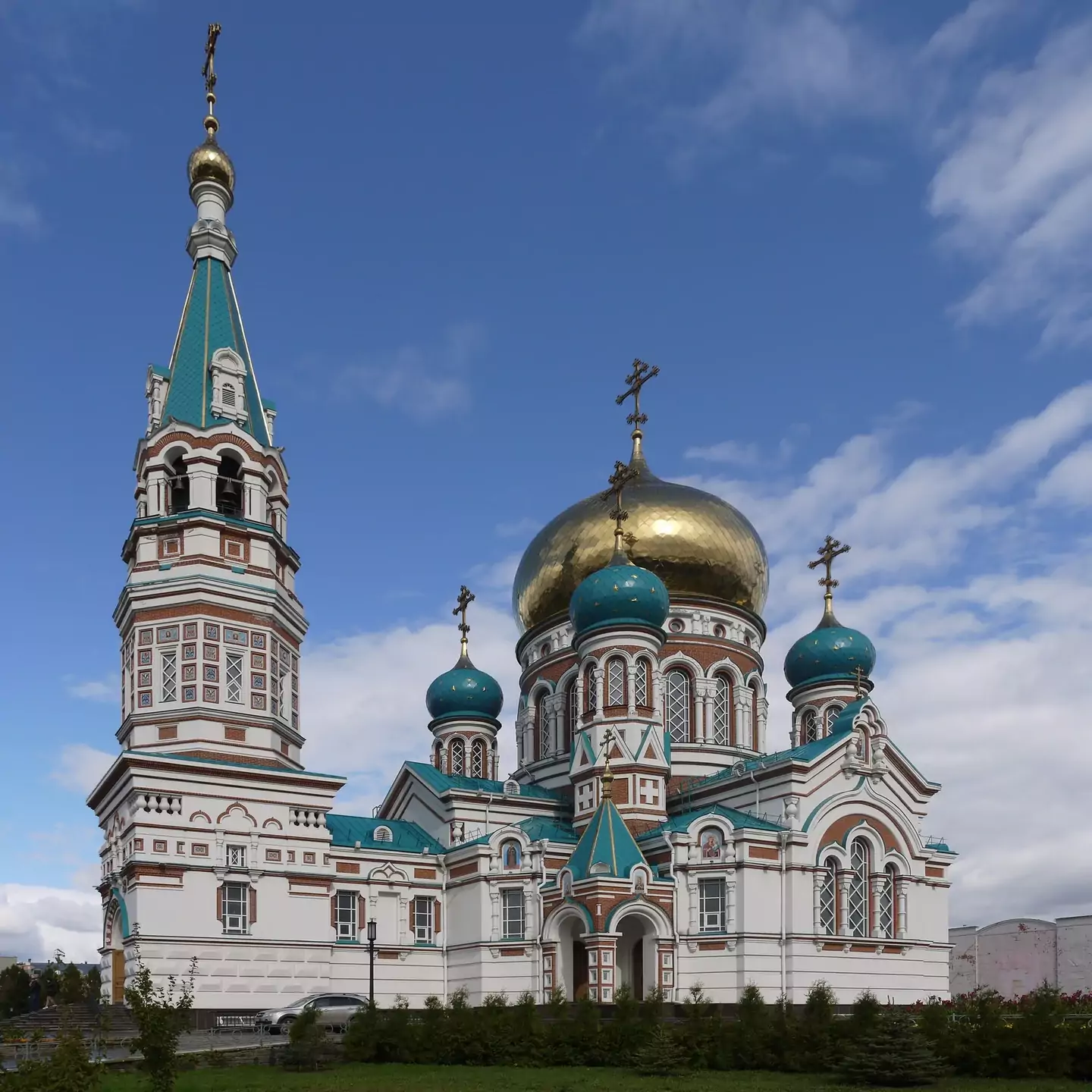
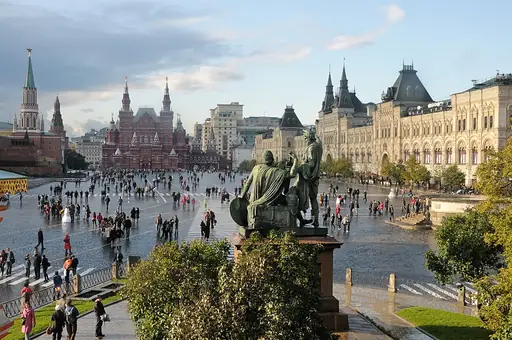
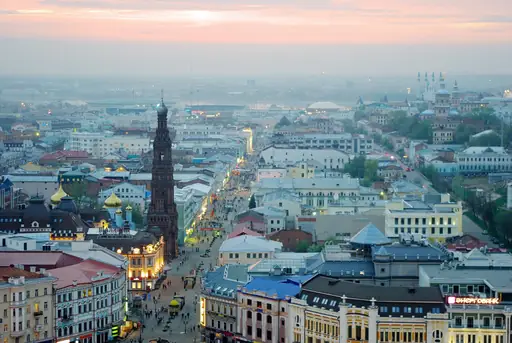
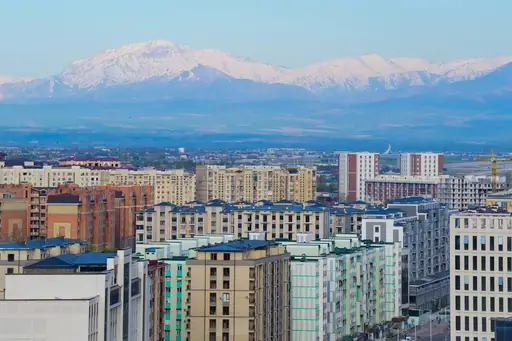
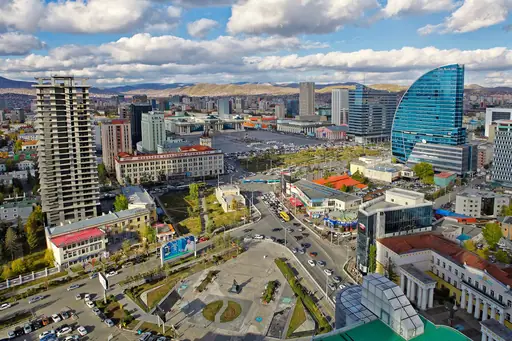
Asia, Europe, Russia and Siberia form a vast area where mountains rise alongside rivers that flow into frozen seas. The land spans from high plateaus to low valleys, with forests giving way to tundra in the north. People live across cities and small villages, each shaped by local traditions and changing climates. Trade routes have connected distant towns for centuries, moving goods and ideas between continents. This region’s mix of cultures, languages and landscapes makes it a place where history and daily life unfold together under wide-open skies.

Region in Russia
Climate zone: Boreal

Boreal: Cool-summer subarctic climates with brief mild seasons, long cold winters and coniferous forests adapted to low temperatures.

See climate table
Price level: $$$
$Cheap
$$Medium
$$$Expensive, upscale
$$$+Very expensive, luxury
See price details
Safety: 5.1
General Safety:5
Health & medical:6
Accessibility:4
Tap water:4
Read details
Tourist English: 1/5
In Asia, Europe, Russia and Siberia, English proficiency varies widely; major cities and tourist hubs offer decent communication, while rural areas may pose challenges and locals often appreciate any effort.
There is a travel warning issued for this country. Please check the website of your country's foreign office for the latest information.
Last update: 12 Oct 2026
* We earn a commission from some links on this page.
Siberia Summary

These place ratings give you a quick overview of how well a destination matches different types of trips.

‘Best for’ scores:
The specific interest scores show where this place really shines – whether it's ideal for hiking, food & drink experiences, museums or other activities. These highlights help you understand what makes the destination special at a glance.

‘Your personal’ scores:
This reflects how well a place matches your personal preferences. You can adjust the importances of travel topics or other personal requirements categories in your account settings.

‘Suited for’ badges:
These give you a quick overview of how well a destination suits specific types of travellers, to help you find the places that match your lifestyle, preferences or travel situation.

Read how our scores work
Known for vast wilderness and extreme nature. Ride the Trans-Siberian Railway, explore remote forests, experience frozen winter landscapes and visit traditional villages.
Place score
7.8
Best at:
Forests
9
Mountains
9
Snow
9
Rivers
9
Less touristy
9
Personal score
?
Log in to see how this place matches your personal travel interests.
Suited for
👶 5
Families
🧓 6
Seniors
💻 7
Digital Nomads
👩 6
Solo
Russia – Quick facts
Power Grid: 220 V, 50 Hz
Plug: Type C , Type F
Type C:
Diagram of a Type C power plug
Type F:
Diagram of a Type F power plug

Read about power adapters
Currency: Russian Rouble (RUB)
£1 ≈ RUB 96.93
Cashless info: Rating 4/5
Cashless payments are widely accepted in Russia, especially in cities like Moscow and St. Petersburg.

Save with a travel credit card
eSIM providers: We cannot recommend an eSIM provider for this country. We advise getting a local SIM card.
Tipping: Tipping is not mandatory in Russia, but a 10% tip is appreciated in restaurants. Small tips for taxi drivers and hotel staff are also common.
Public drinking: Public drinking is prohibited in many areas, particularly in public transport and on streets in larger cities.
Public smoking: Smoking is prohibited in indoor public spaces, including restaurants and public transport.
Emergency contact: Emergency Number: 112 (Police, Fire, Ambulance)
Taxi apps: Yandex Taxi, Uber
Other: Russia offers a wide range of experiences, from its rich cultural history to diverse landscapes, including the Kremlin and Siberian wilderness.
Best times to travel

The best times to travel section shows how the months compare for a visit, so you can find the time of year that fits what you want to do.

Background colours of the months:
The colour shows the typical temperature: yellow (hot), green (mild) and blue (cold). How strong the colour is shows the travel season: full colour means high season, soft colour means shoulder season and soft-striped means off season.

Weather symbols:
Each month has one symbol showing what the weather is typically like, such as hot and sunny, freezing or a rainy or snowy season. Use them to quickly spot months that match the weather you want, or to avoid the ones that don't.

Crowdedness:
The people icon shows how busy the place usually is. The more people, the more crowded it gets.

Additional notes:
The grey info boxes point out special things worth knowing, like recurring weather issues or seasonal events.

for Siberia, Russia
🌨️
Jan
❄️
Feb
❄️
Mar
❄️
Apr
🌤️
May
🌤️
Jun
🌤️
Jul
🌤️
Aug
🌥️
Sep
❄️
Oct
🌨️
Nov
🌨️
Dec
High season: Feb. - March, July - Aug.
Shoulder season: Jan., June, Sep.
Crowdedness: 1 (Very few tourists)
Tap on a month for more info Hover over a month for more info
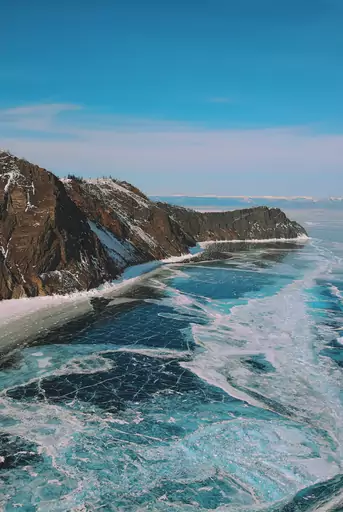
Climate and season vary by area: Lake Baikal and the Altai are best July to August for hiking, Baikal's frozen surface is best February to March, and the cities and Trans-Siberian Railway are best in summer
Lake Baikal ice is thick enough for tours and driving February to March, unsafe from April to early May

Why travel to Siberia?

Siberia offers a unique blend of natural beauty and cultural depth that appeals to travelers seeking authenticity over spectacle. The vast taiga forests, expansive steppe plains and the dramatic Altai Mountains provide ample opportunities for hiking, wildlife observation and photography in settings largely untouched by mass tourism. Visitors can experience the seasonal rhythms of the region: from the golden birch groves of late summer to the pristine snowfields that attract winter sports enthusiasts. The region’s history is reflected in its small towns and historic sites. The Trans‑Siberian Railway passes through cities such as Irkutsk, where Russian architecture meets local Siberian traditions. Museums in Novosibirsk showcase indigenous cultures and Soviet-era industrial heritage, offering insight into the area’s complex past. Local cuisine – root vegetables, smoked fish and hearty stews – provides a taste of regional flavors that differ markedly from Western European fare. Siberia also hosts several UNESCO World Heritage sites, including Lake Baikal, the world’s deepest freshwater lake, which offers unique ecological experiences and opportunities for kayaking or guided tours. For those interested in astronomy, the remote skies provide excellent conditions for stargazing, free from light pollution. Overall, Siberia rewards travelers who appreciate expansive landscapes, cultural authenticity and a slower pace of life, making it an intriguing destination for thoughtful exploration.

🏙️Cities & Regions
  • 1 Lake Baikal
    The world's deepest freshwater lake sits in Siberia, surrounded by dramatic mountains and endless taiga forests. Its crystal-clear waters reflect ancient traditions, while vast steppe plains stretch toward distant horizons under a clear sky.
🏯Places worth seeing
  • 1 Eiffel Tower
🎡Places for activities
  • 1 Eiffel Tower
🛍️Shopping
  • 1 Arbat
  • 2 Oxford Street

Knowledge before you go

  • Pack a universal power adapter; many Asian countries use Type A, B, C and G plugs.
  • Learn basic local phrases in the dominant language to ease navigation and show respect for cultural norms.
  • Check visa requirements well ahead of time, as some Asian nations impose strict entry conditions or require e-visas.
  • Explore lesser-known markets during early morning hours; vendors offer fresh produce and authentic street food before crowds arrive.

How to travel to Siberia

Accessing Siberia involves a combination of transportation modes due to its vast and remote nature. The region is connected by road networks such as the Trans-Siberian Highway, though many routes require 4x4 vehicles or guided tours due to harsh conditions. Rail travel via the iconic Trans-Siberian Railway offers extensive coverage from Moscow to Vladivostok. Air travel connects major cities like Novosibirsk and Irkutsk through domestic flights. River transport is limited but available on major waterways like the Ob and Yenisei rivers during summer months. Winter access relies heavily on snowmobiles or specialized vehicles, as many areas become unreachable due to extreme cold and snow cover.

Access summary

  • From Sheremetyevo (SVO): Aeroflot flight to Irkutsk, 4–5 hours.
  • From Moscow (MOW): Trans-Siberian Railway to Novosibirsk, 30–35 hours.
  • By boat: Vladivostok to Hokkaido ferry, 12–14 hours.

Where to stay in Siberia

Siberia offers a spectrum of accommodations ranging from modest guesthouses to luxurious resorts perched on the banks of the Ob and Yenisei rivers. In major cities like Novosibirsk and Krasnoyarsk, you’ll find well-appointed boutique hotels that blend modern amenities with traditional Russian décor, while smaller towns offer cozy homestays where guests can experience local hospitality firsthand. The region is renowned for its eco-lodges nestled in the taiga, providing sustainable stays with panoramic views of untouched wilderness. For those seeking adventure, yurts and tented campsites are plentiful along popular trekking routes, offering a rustic yet comfortable base to explore Siberia’s vast landscapes.

Hotel recommendations

*by rating and popularity. Commissions have no influence on the rankings.
We couldn't find any nearby hotels for now.

How to get around Siberia

Traveling across Asia, Europe and Russia’s Siberia requires diverse transportation options due to vast distances and varied terrain. In major cities like Moscow or Beijing, metro systems and ride-hailing apps offer efficient urban mobility. For intercity travel in Russia, trains are reliable – especially the Trans-Siberian Railway, which spans thousands of kilometers through scenic landscapes. In remote Siberian regions, buses connect towns where rail access is limited. Domestic flights link major hubs like Novosibirsk or Irkutsk to global destinations. Renting a car suits those exploring rural areas, though winter conditions demand experience with icy roads. Ferries and riverboats serve eastern Siberia’s waterways. Always plan ahead for seasonal schedules and weather impacts on routes.
Budget snapshot
Costs compared to home

We calculate the average costs when travelling to destinations and compare those with the living costs at your home. With this you can get an estimate of how expensive or cheap the destination is for you.

To customise this, you can set up which location and price level are used for the calculations in your account settings.

---
We can't detect your current location. Please log in and set your current location in the account settings to see a cost comparison.
Exchange rate trend

The exchange rate price factor shows how expensive or cheap a currency currently is compared to its historical average. It's a quick way to see if a country is currently more or less affordable due to exchange rate changes.

+5 %
Your exchange rate (GBP to RUB) is 5% worse than in recent years. That means travelling now costs around the same compared to the past.

Safety information overview

General safety
5
Europe generally offers high safety for travelers, with low crime rates in most major cities and reliable public transport. Tourists should remain vigilant against pickpocketing in crowded areas, avoid isolated neighborhoods at night and respect local customs to ensure a smooth visit.
Health & Medical
6
Asia offers high‑quality medical care in major cities, with world‑class hospitals and affordable treatments. Travelers should be aware of regional health risks such as dengue, malaria and air pollution; vaccinations for Hepatitis A/B and typhoid are recommended.
Accessi­bility
4
Asia and Europe offer mixed accessibility: major cities boast wheelchair‑friendly public transport and accessible museums, yet rural areas often lack ramps or signage. In Russia and Siberia, infrastructure lags behind, with many historic sites inaccessible; travelers should plan ahead for mobility needs.
Tap water
4
In Asia and Europe, tap water quality varies widely. Western Europe offers consistently safe, great-tasting water, while many Asian cities provide potable tap supplies after filtration. In Russia and Siberia, municipal systems are improving, but travelers often prefer bottled or filtered options.

Looking for inspiration?

Discover
Top traditional destinations and cultural heritage sites
Traditional destinations are those where cultural practices, craftsmanship, ceremony and ways of life that predate industrialisation and mass tourism remain visible and active…
Read more
Discover
Top digital nomad destinations and remote work hubs in 2026
Working from anywhere in the world sounds simple until you actually try it and the best digital nomad destinations look different depending on what kind of remote worker you are.…
Read more
Discover
Top digital nomad destinations and remote work hubs in Asia
Asia has quietly become one of the most popular continents for remote work, and it is easy to see why once you look past the obvious hubs. Some remote workers gravitate toward…
Read more
Discover
Best traditional destinations in Asia
Asia contains the world's greatest concentration of living traditional cultures, craft traditions and ceremonial practices, with communities across the continent maintaining ways…
Read more
Discover
Most beautiful beaches and coastal escapes
For a lot of people, a beach is the whole point of a holiday, but what makes a beach day perfect really depends on personal taste. Some travellers want isolation and the feeling…
Read more
Discover
Stunning national parks and wilderness areas
National parks exist because someone decided that certain landscapes were too important to lose. The best of them protect ecosystems, wildlife and natural processes that would…
Read more
Discover
Intimate escapes and romantic getaways
The most memorable trips for couples tend to have less to do with luxury and more to do with the quality of shared experience. A place that slows you down, removes the usual…
Read more
Was this page helpful?
Feedback