








Was this page helpful?

These place ratings give you a quick overview of how well a destination matches different types of trips.
‘Best for’ scores:
The specific interest scores show where this place really shines – whether it's ideal for hiking, food & drink experiences, museums or other activities. These highlights help you understand what makes the destination special at a glance.
‘Your personal’ scores:
This reflects how well a place matches your personal preferences. You can adjust the importances of travel topics or other personal requirements categories in your account settings.
‘Suited for’ badges:
These give you a quick overview of how well a destination suits specific types of travellers, to help you find the places that match your lifestyle, preferences or travel situation.
| Power Grid: |
220 V, 50 Hz Plug: Type C , Type E
Type C:
  Read about power adapters |
|---|---|
| Currency: |
Mongolian Tögrög (MNT) £1 ≈ MNT 4,794.15 |
| Cashless info: |
Rating 3/5
Cashless payments are becoming more common in Ulaanbaatar, the capital, but cash is still widely used. Credit cards are accepted in larger establishments, and mobile payments are increasingly available in urban areas.
Save with a travel credit card |
| eSIM providers: |
Best value: Saily Flexibility: Airalo Read our in-depth comparison |
| Tipping: | Tipping is appreciated in Mongolia, but not obligatory. A tip of 5-10% in restaurants is customary. Taxi drivers may expect small tips, and hotel staff also appreciate small gratuities. |
|---|---|
| Public drinking: | Public drinking is not generally allowed in Mongolia, and it is advisable to consume alcohol in licensed establishments or private spaces. |
| Public smoking: | Smoking is allowed in designated areas in public spaces. Many indoor venues, such as restaurants and bars, have non-smoking sections. |
| Naadam Festival (11–15 July) |
The biggest holiday in Mongolia, celebrating the nation’s cultural heritage with sports and parades |
|---|---|
| Tsagaan Sar (February/March) |
Celebrated in February or March with family gatherings and feasts |
| Emergency contact: | Emergency Numbers: 102 (Police), 103 (Ambulance), 101 (Fire) |
|---|---|
| Taxi apps: | Bolt, Yandex Go |
| Other: | Mongolia offers a unique travel experience with vast landscapes, including deserts, steppes, and mountains. Travellers should take precautions against the harsh environment and be prepared for basic infrastructure, particularly outside major cities. |
The best times to travel section shows how the months compare for a visit, so you can find the time of year that fits what you want to do.
Background colours of the months:
The colour shows the typical temperature: yellow (hot), green (mild) and blue (cold). How strong the colour is shows the travel season: full colour means high season, soft colour means shoulder season and soft-striped means off season.
Weather symbols:
Each month has one symbol showing what the weather is typically like, such as hot and sunny, freezing or a rainy or snowy season. Use them to quickly spot months that match the weather you want, or to avoid the ones that don't.
Crowdedness:
The people icon shows how busy the place usually is. The more people, the more crowded it gets.
Additional notes:
The grey info boxes point out special things worth knowing, like recurring weather issues or seasonal events.
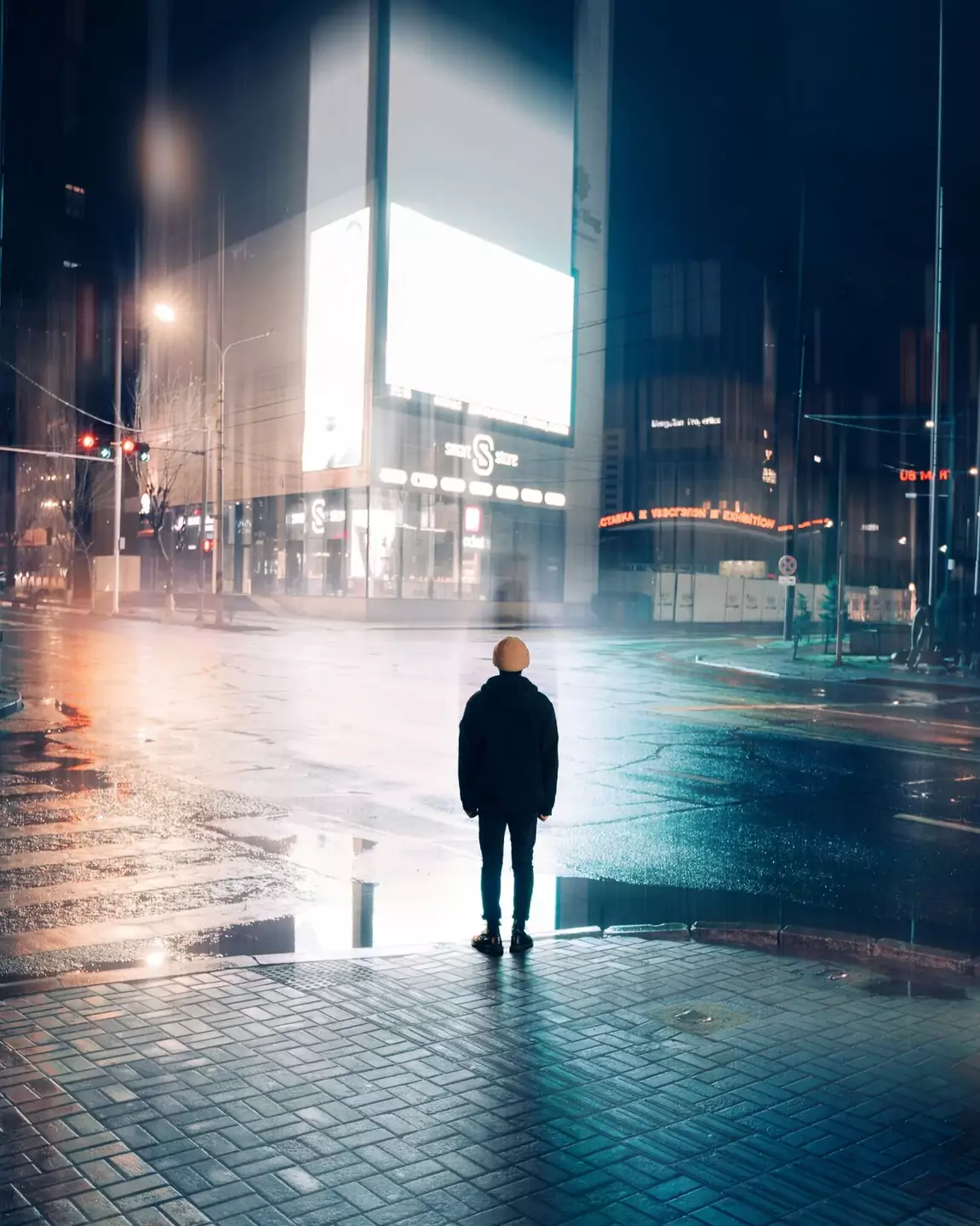
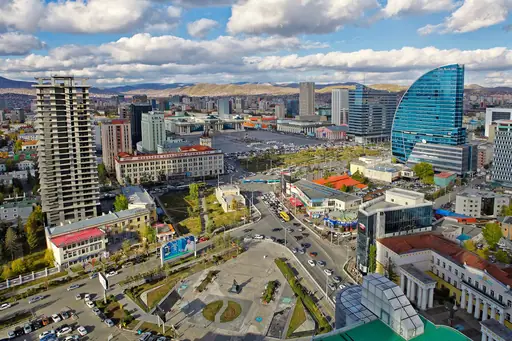
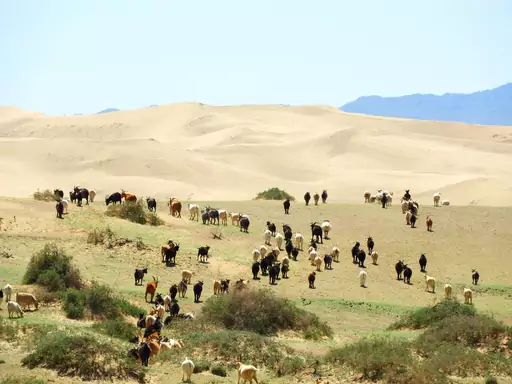
Ulaan Baatar, the capital of Mongolia, offers a distinctive blend of modernity and tradition that appeals to travelers seeking an authentic experience in Central Asia. The city sits at an altitude of about 1,350 meters on the Gobi Plateau, providing clear skies and a climate that ranges from cold winters to warm summers – ideal for those who enjoy seasonal contrasts. A visit to the historic Sukhbaatar Square reveals the heart of the city: the statue of the national hero Damdin Sükhbaatar, surrounded by government buildings and cafés. Nearby, the Gandan Monastery showcases Buddhist architecture and hosts daily prayer rituals that give insight into local spiritual life. For a taste of contemporary culture, the National Museum of Mongolia presents artifacts from the Bronze Age to the present, while the art galleries in the city’s cultural district display works by both Mongolian and international artists. The culinary scene reflects Ulaanbaatar’s nomadic heritage; try khuushuur (fried meat pies) or buuz (steamed dumplings) at street stalls. The city also serves as a gateway to outdoor adventures: short drives lead to the Khustai National Park, where one can observe Przewalski’s horses in their natural habitat. Overall, Ulaanbaatar provides an accessible entry point into Mongolia’s vast landscapes and offers visitors a balanced mix of history, culture and modern conveniences.
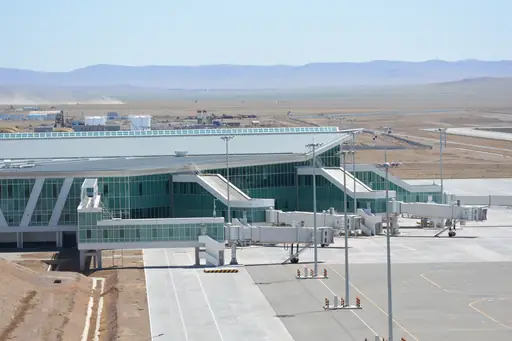
Ulaanbaatar, the capital of Mongolia, is accessible via Chinggis Khaan International Airport (ULN), located approximately 53 kilometers northeast of the city center. The airport offers domestic and international flights connecting to major Asian cities such as Seoul, Tokyo, Beijing and Istanbul. Ground transportation includes taxis, ride-hailing services like Ulaanbaatar Taxi and organized transfers through hotels or travel agencies. Public transport options include buses serving key routes within the city, though private vehicles are often preferred for flexibility. The city’s rail network links it to regional hubs, while seasonal road conditions may affect travel during winter months due to snowfall.
Ulaanbaatar offers a mix of modern and traditional lodging that caters to every budget. In the city center, boutique guesthouses and serviced apartments provide contemporary comforts with local décor, while larger chain hotels offer standardized amenities such as fitness centers and business lounges. For travelers seeking authentic experiences, ger camps in nearby suburbs allow stays in Mongolian yurts, complete with hot showers and communal dining. Mid‑range options include family‑run inns featuring traditional music and hearty meals. Luxury seekers can find upscale resorts on the outskirts, offering spa services and panoramic views of the surrounding steppe. Prices vary from modest MNT 30 (£0.01) per night for a basic room to over MNT 200 (£0.04) for premium suites, ensuring flexibility across all travel styles.
We calculate the average costs when travelling to destinations and compare those with the living costs at your home. With this you can get an estimate of how expensive or cheap the destination is for you.
To customise this, you can set up which location and price level are used for the calculations in your account settings.
The exchange rate price factor shows how expensive or cheap a currency currently is compared to its historical average. It's a quick way to see if a country is currently more or less affordable due to exchange rate changes.
To help you plan your trip, we provide estimated daily costs per person (when travelling as a pair) for different travel styles. These numbers give you an idea of what you might spend each day at this destination, including accommodation, food, transport and activities.
Additionally, we also provide average hotel costs for different travel styles to give you an estimate for the accommodation only.
Please note that these are only estimates. The real costs depend on booking times, season and other factors.
Travel style categories explained:
Backpacker:
Staying in hostels or budget hotels, cooking your own meals or eating cheap and choosing low-cost activities.
Mid-range:
Staying in mid-range hotels, eating at a mix of restaurants and casual spots and enjoying a variety of activities.
Luxury:
Staying in luxury hotels, dining out at high-end restaurants and enjoying premium experiences without worrying about the price.
| Backpacker | Mid-range | Luxury | |
|---|---|---|---|
| 💵 Total costs per day, including accommodation | |||
| 🏨 Accommodation per night, per person | |||
| 🍝 Food per day | |||
| 🚕 Transportation per day |
| 🍽️ Restaurant Dinner, per person | |
|---|---|
| 🍛 Lunch Set, per person | |
| 🍟 Fast food combo | |
| 🍝 Preparing your own food, per day | |
| ☕ Cappuccino | |
| 🍺 Beer in a restaurant, 0.5 l |
| 🚌 Public transport ticket | |
|---|---|
| 🚕 Taxi Ride, 10 km / 6 mi | |
| ⛽ Petrol, 1 l |
| 🎞️ Cinema ticket | |
|---|---|
| 👩⚕️ Doctor's consult | |
| 🤧 Cold medication | |
| 💇 Basic haircut |
Log in to add this place to a travel list and get a summary of all recommended items for your whole trip.
