
Top up-and-coming destinations and trending hotspots
Top up-and-coming destinations and trending hotspots
Trending hotspots and up-and-coming destinations
The most interesting up and coming destinations are typically those where a combination of improved access, growing regional tourism infrastructure and word-of-mouth reputation has begun attracting independent travellers ahead of mainstream recognition. The window between discovery and overcrowding varies considerably, but the most appealing emerging destinations tend to share a quality of genuine local life not yet reorganised around visitor expectations, alongside enough practical infrastructure to make a trip viable without specialist logistics.
Political and economic change frequently opens destinations that were previously inaccessible or unappealing and some of the most compelling emerging options are countries where recent stability has allowed tourism infrastructure to develop from a low base. Improving air connections are often the most reliable signal that a destination is entering a growth phase, as new routes both reflect and accelerate visitor interest.
Travelling to emerging destinations requires more flexible planning than established circuits, with accommodation options, transport reliability and visitor information all less developed than in mature markets. The practical challenges are usually offset by lower costs, more authentic interactions and the particular satisfaction of visiting somewhere before infrastructure has smoothed away the edges. Current traveller forums and recent trip reports are more reliable guides than published sources that may already be out of date.
Lists by region
Country
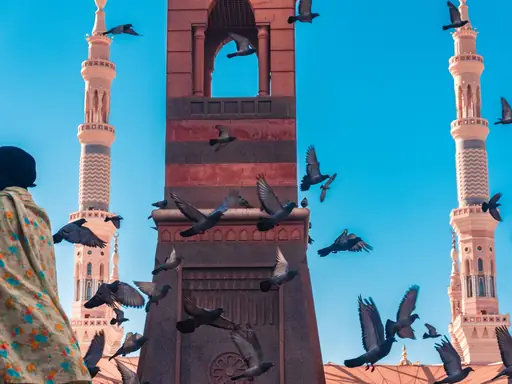
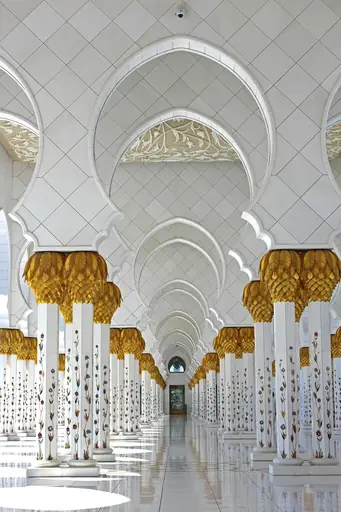
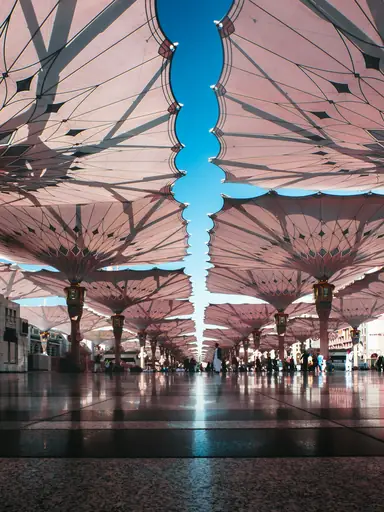
Saudi Arabia
Desert kingdom of ancient traditions
This country has opened to international tourism only in recent years, drawing growing attention after decades of restricted access. AlUla's ancient Nabataean tombs, carved into sandstone cliffs, rank among the region's most significant archaeological sites. Riyadh's rapidly growing skyline reflects a broader push towards economic diversification beyond oil.

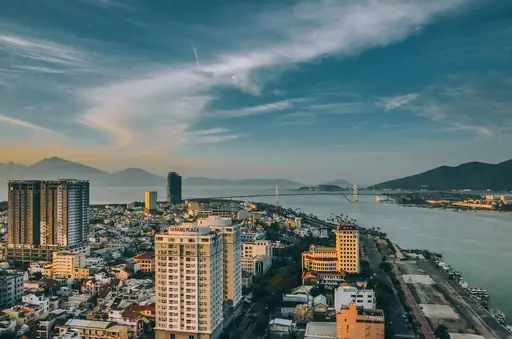
City in Vietnam
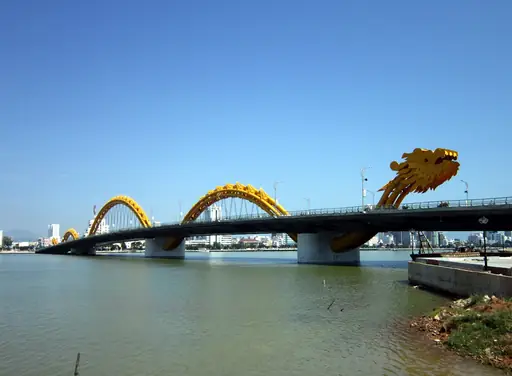
Da Nang
Beaches, Mountains and City Vibes
This Vietnamese coastal city has grown rapidly as a beach destination. Travellers once bypassed it for Hanoi or Ho Chi Minh City. The Golden Bridge, held up by giant stone hands, draws crowds to a mountain resort just outside town. Marble Mountains nearby hold caves and pagodas carved into limestone peaks.

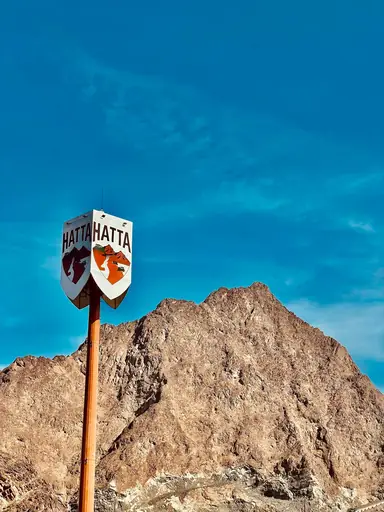
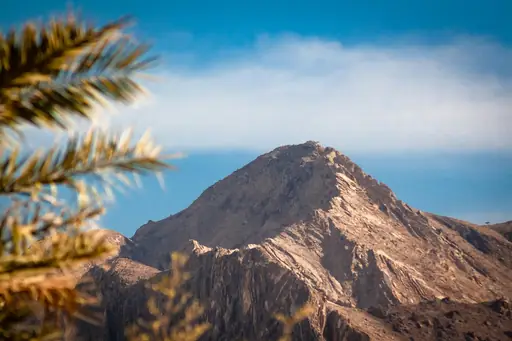
Country
Oman
Ancient heritage meets natural wonders
This Gulf nation has drawn growing attention as a quieter, more rugged alternative to its more developed neighbours. Wadis, dramatic desert canyons filled with pools, offer swimming and hiking within a short drive of major cities. Nizwa Fort and other historic sites reflect a history less transformed by rapid modern development.
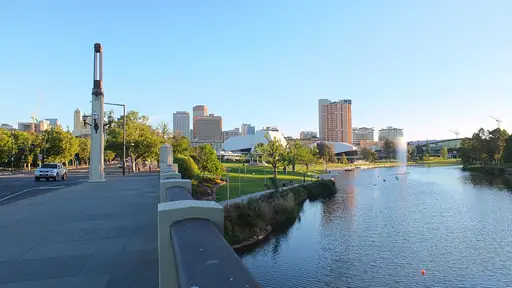
City in Australia
Adelaide
Festivals, wine and laid-back charm
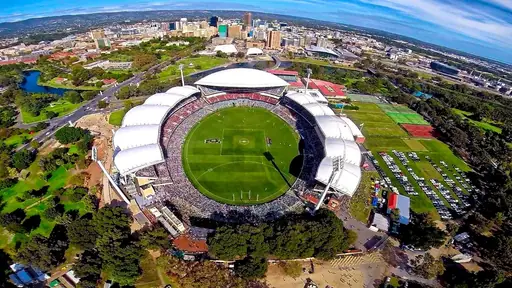
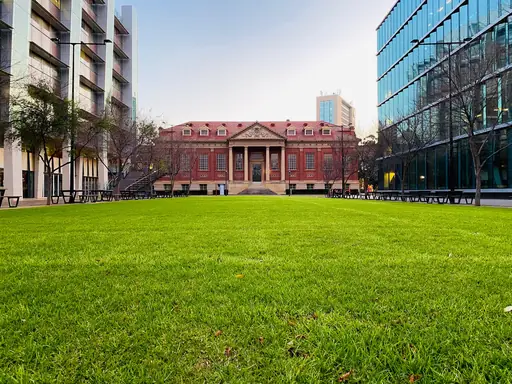
This South Australian capital has gained attention for its food and wine scene, anchored by nearby regions like the Barossa. A compact city centre makes it easy to explore on foot, ringed by parkland on all sides. Festivals throughout the year, including a major fringe arts event, draw growing crowds.
City in Panama
Panama City
Where History Meets Modern Skylines
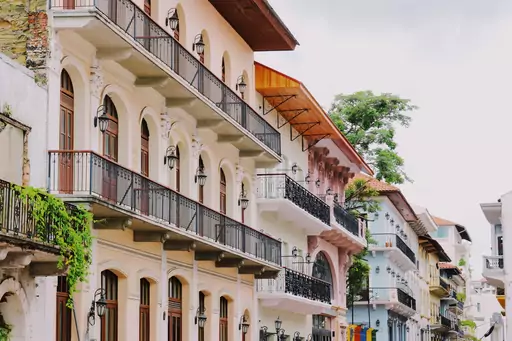
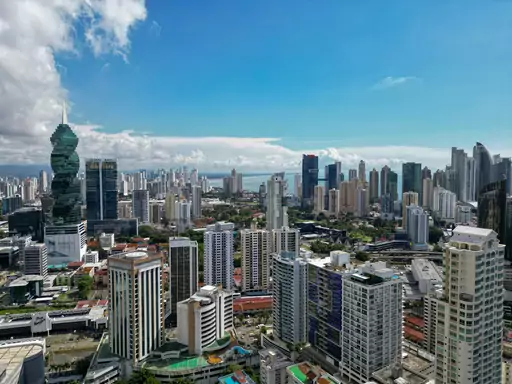
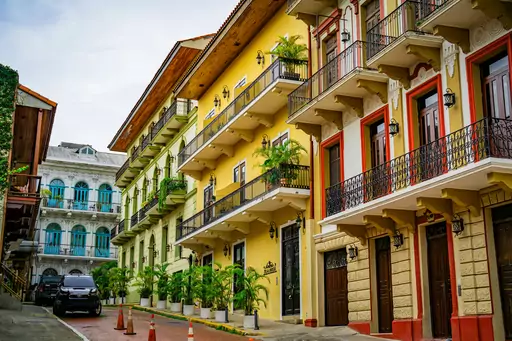
This Central American capital has drawn growing attention as a base for both rainforest trips and a distinct modern skyline. The Panama Canal, one of the world's most significant engineering projects, remains visible from several city viewpoints. Casco Viejo, a restored colonial quarter, holds restaurants and boutique hotels near the waterfront.
City in Uzbekistan
Tashkent
Silk Road crossroads with modern flair
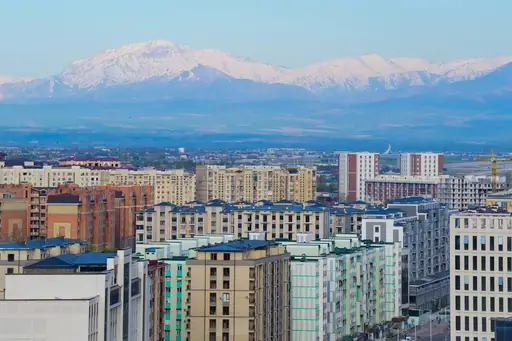
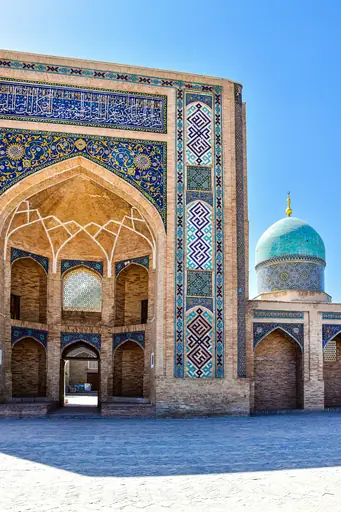
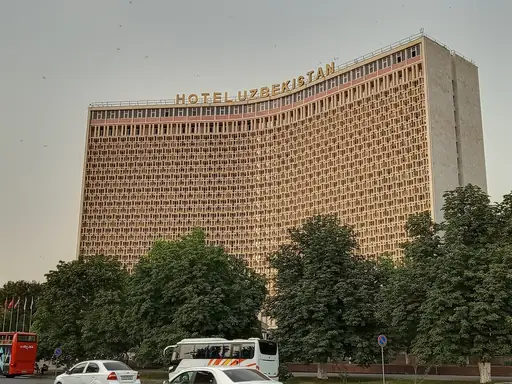
This Uzbek capital blends Soviet-era architecture with a growing number of modern towers and renovated public spaces. Chorsu Bazaar, housed under a distinctive blue dome, sells produce and goods much as it has for generations. A ornate metro system doubles as an attraction, with several stations decorated in elaborate mosaics.
City in Kenya
Nairobi
Where urban life meets wild adventures
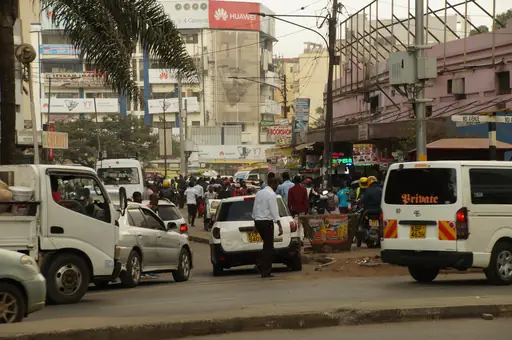
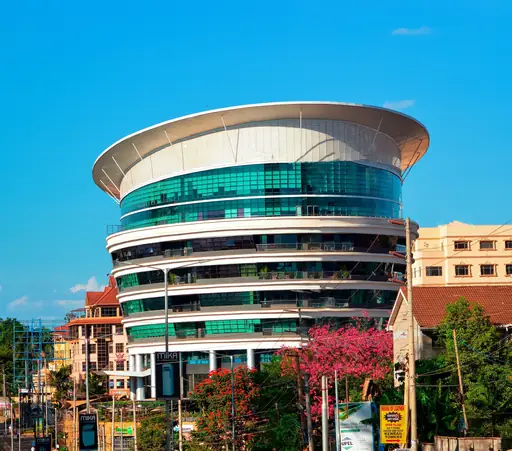
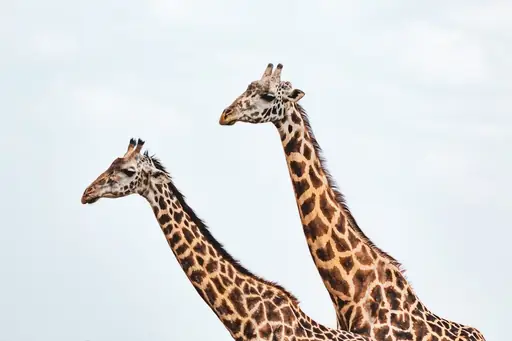
This Kenyan capital has drawn growing attention as a safari base. A national park sits unusually close to downtown. Wildlife including lions and giraffes can be seen with the city skyline visible in the background. A growing tech scene has earned the city a nickname as Silicon Savannah.
City in Vietnam
Hue
Imperial Vietnam on the Perfume River
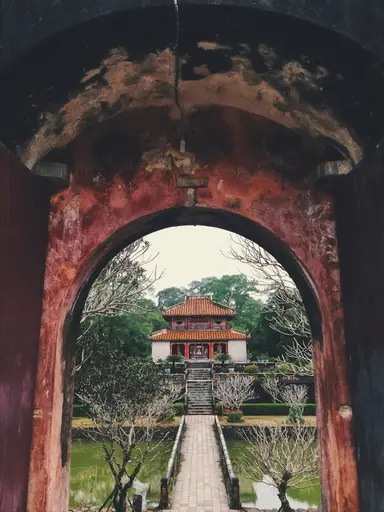
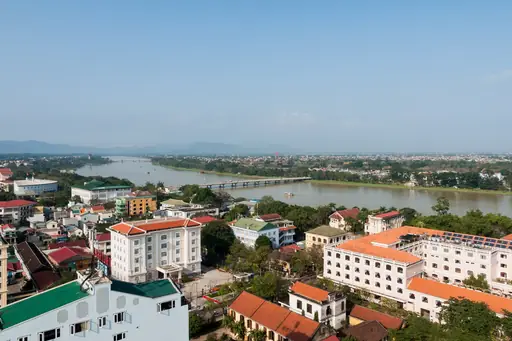
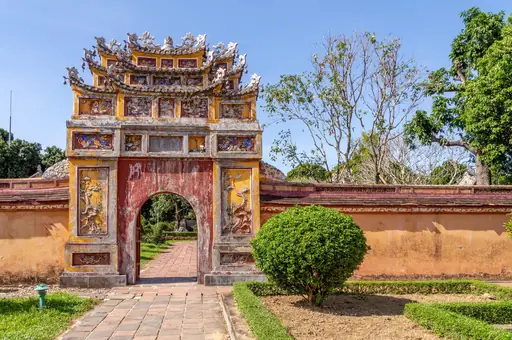
This Vietnamese city once served as the imperial capital. Its citadel and royal tombs now draw growing numbers of history-focused travellers. The Perfume River runs through the city, with boat tours passing several of the old royal tombs along its banks. Vietnamese imperial cuisine, once reserved for royalty, remains a local speciality.

City in Colombia
Bogotá
Vibrant Culture in the Andean Highlands
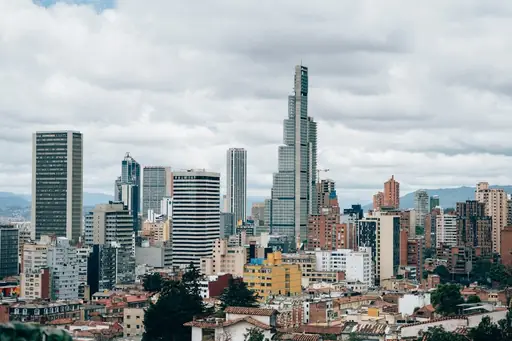
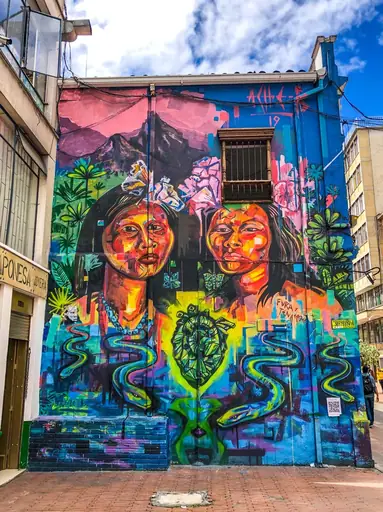
This Colombian capital has shed some of its earlier reputation. Growing numbers of visitors now come for its street art and food scene. La Candelaria's colourful colonial streets hold museums, cafes and graffiti-covered walls. A cable car up Monserrate mountain offers views across the sprawling city below.
City in Georgia
Batumi
Black Sea Vibes, Gardens and Art
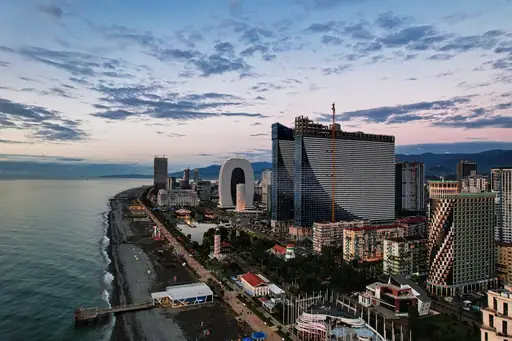
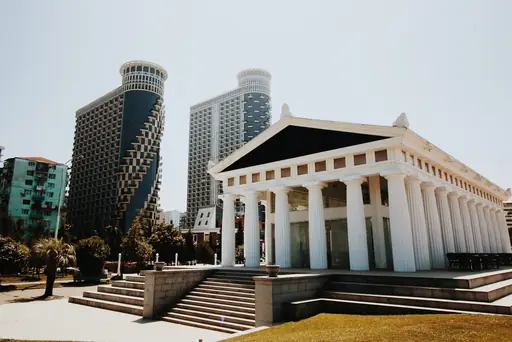
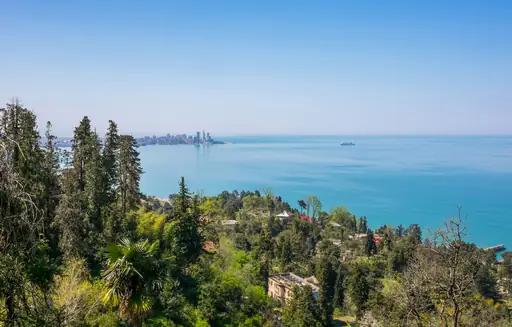
This Georgian coastal city has grown rapidly along the Black Sea, adding modern towers alongside its older seaside promenade. A growing casino and nightlife scene has drawn comparisons to smaller versions of Las Vegas. Botanical gardens on the outskirts hold plant collections gathered from across the world.
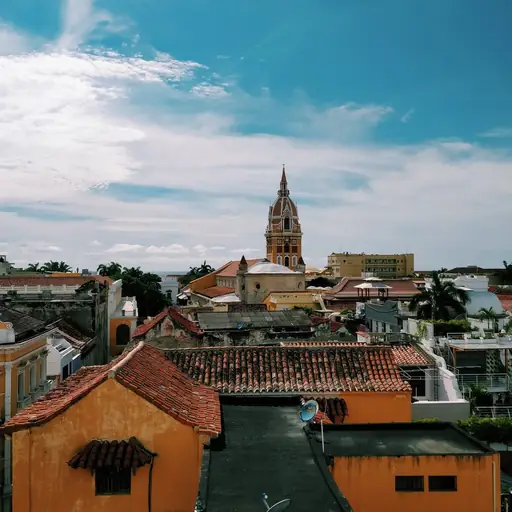
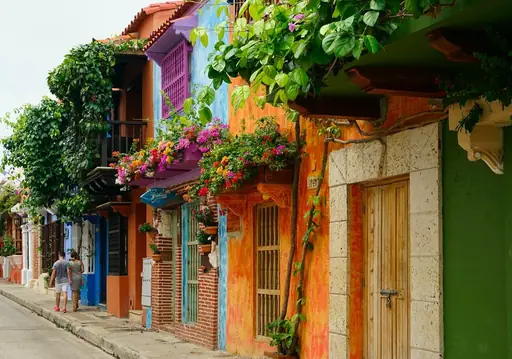
City in Colombia
Cartagena
Walled city of Caribbean color
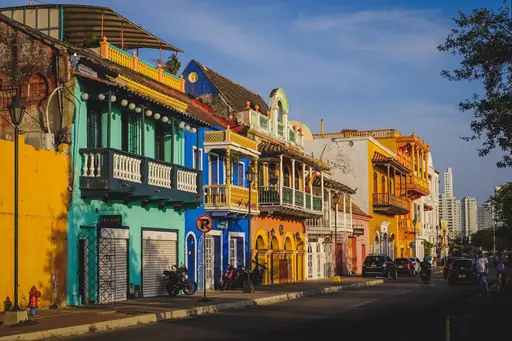
This Colombian coastal city has drawn growing international attention for its colourful colonial architecture within centuries-old stone walls. Getsemani, once a working-class neighbourhood, has transformed into a hub for street art and nightlife. Horse-drawn carriages still carry visitors through the historic centre most evenings, past balconies draped in bougainvillea.
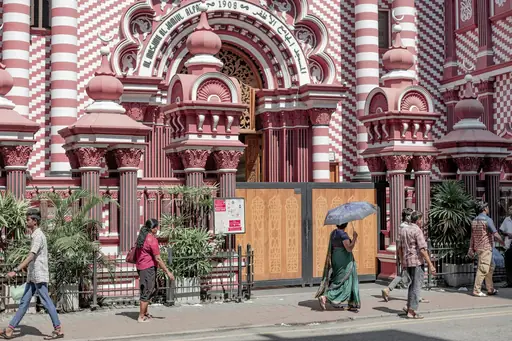
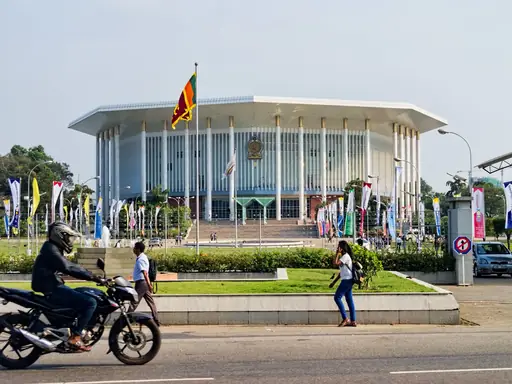
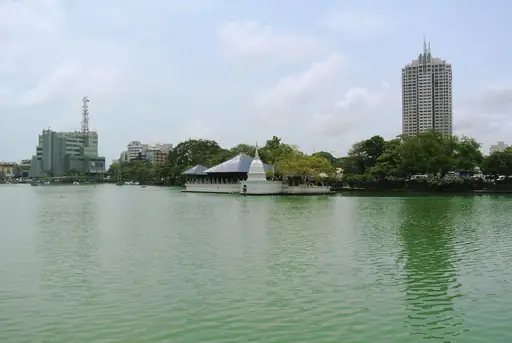
City in Sri Lanka
Colombo
A Colorful Blend of Old and New
This Sri Lankan capital has drawn more travellers extending stays beyond quick layovers between beach and hill country trips. Colonial-era buildings throughout the Fort district have been restored into hotels, cafes and galleries. Galle Face Green, a seaside promenade, fills with food vendors and kite flyers each evening.
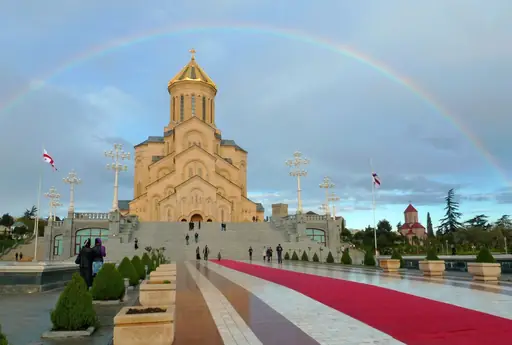
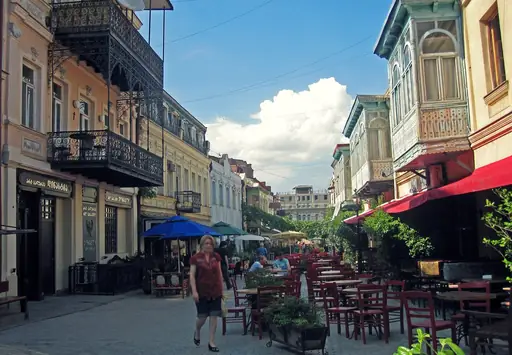
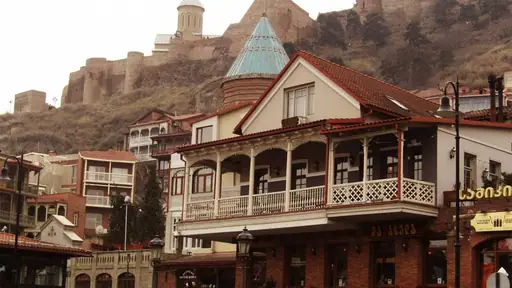
City in Georgia
Tbilisi
A blend of old-world charm and energy
This Georgian capital has drawn growing attention for its mix of Soviet-era buildings, Art Nouveau balconies and modern architecture. Sulphur bath houses in the old town have operated for centuries, still drawing both locals and visitors. A growing wine and food scene reflects the country's status as one of the world's oldest winemaking regions.
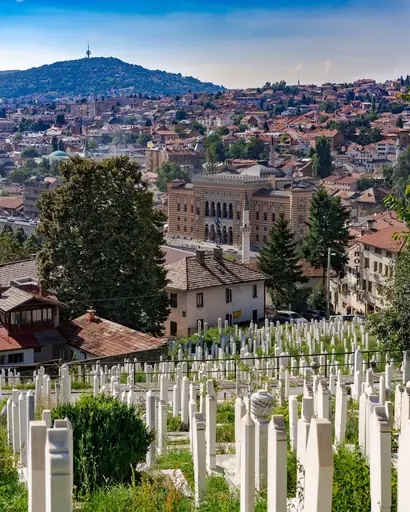
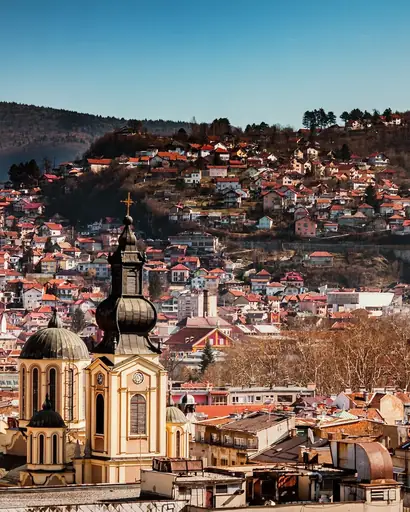
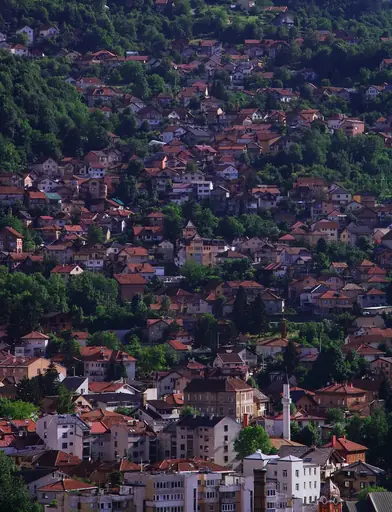
City in Bosnia and Herzegovina
Sarajevo
Where East meets West in the Balkans
This Bosnian capital has drawn growing attention as travellers look past its wartime history towards its layered cultural heritage. Ottoman-era Bascarsija holds coppersmith workshops and cafes serving traditional Bosnian coffee. Sites tied to the 1990s siege remain visible throughout the city, offering context for recent history. Mosques, churches and synagogues sit within close walking distance.

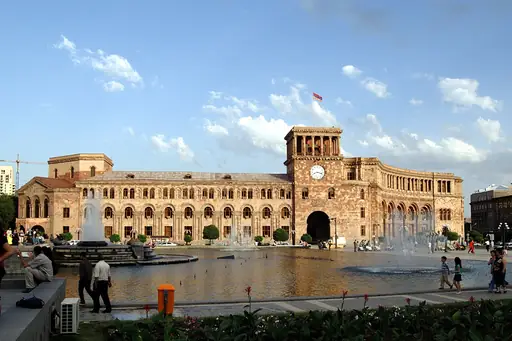
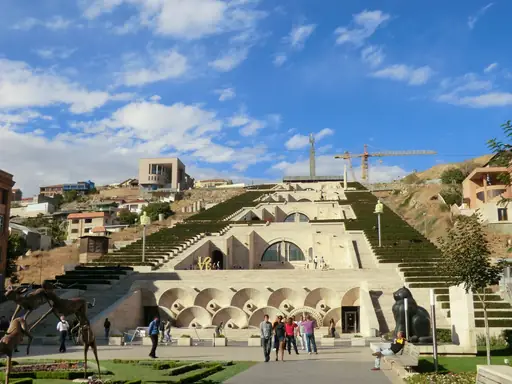
City in Armenia
Yerevan
Soviet Grandeur, Pink Stone, Lively Soul
This Armenian capital sits within view of Mount Ararat, a peak significant to Armenian identity. It lies just across the border in Turkey. Cascade Complex, a giant stone staircase, doubles as an outdoor art gallery and viewpoint over the city. Brandy production runs deep here, with distilleries offering tours and tastings.
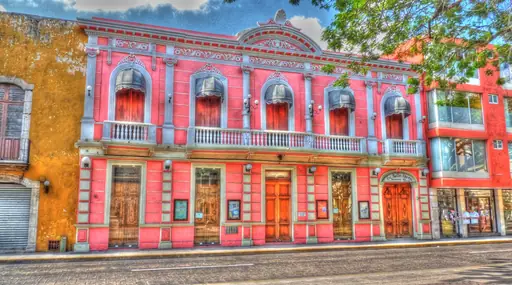
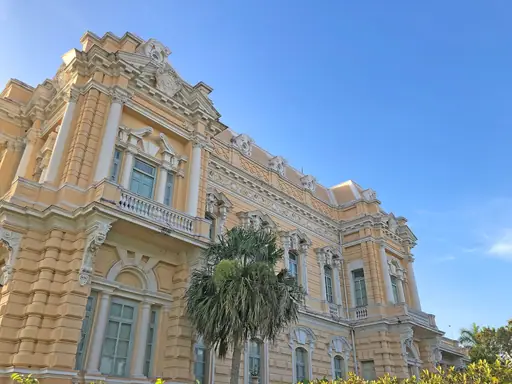

City in Mexico
Mérida
Colonial charm and Yucatán culture
This Mexican city has drawn growing attention as a safer, quieter alternative to more crowded parts of the Yucatan Peninsula. Colonial mansions line wide boulevards, many restored into boutique hotels and restaurants in recent years. Nearby cenotes, natural sinkholes filled with clear water, offer swimming within a short drive.
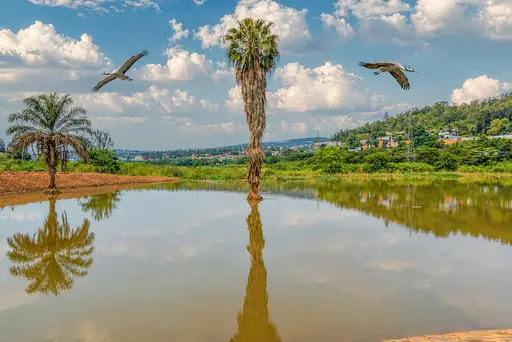
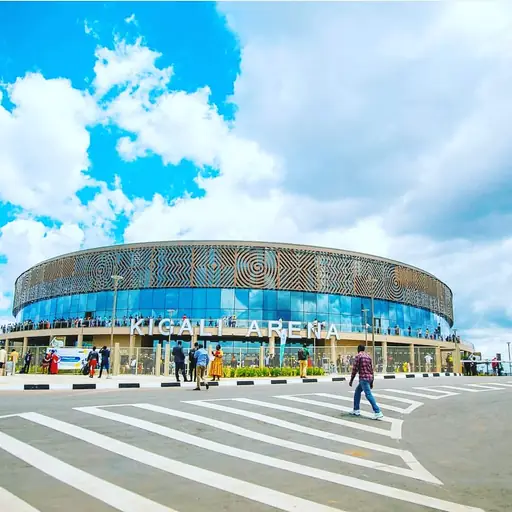
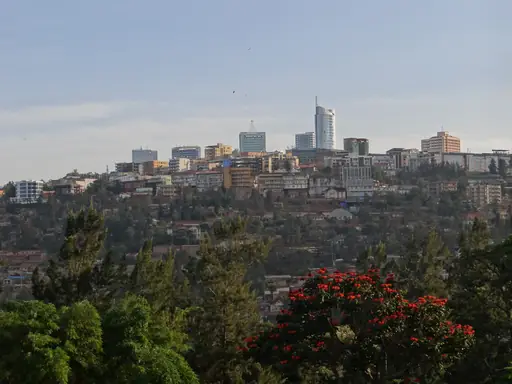
City in Rwanda
Kigali
Vibrant capital blending tradition and modernity
This Rwandan capital has drawn growing attention for its cleanliness and safety, unusual traits often highlighted by visiting travellers. A monthly community cleanup day, known locally as Umuganda, involves most residents and has helped shape the city's tidy reputation. Gorilla trekking permits, sold nearby, draw many visitors through the capital before heading to the mountains.
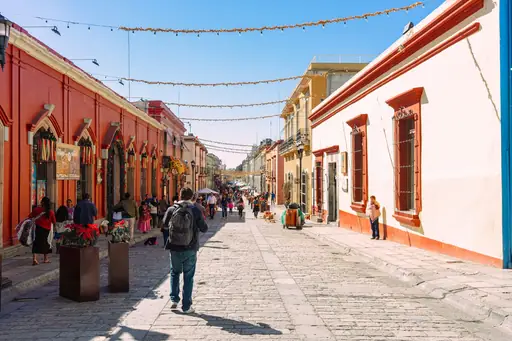
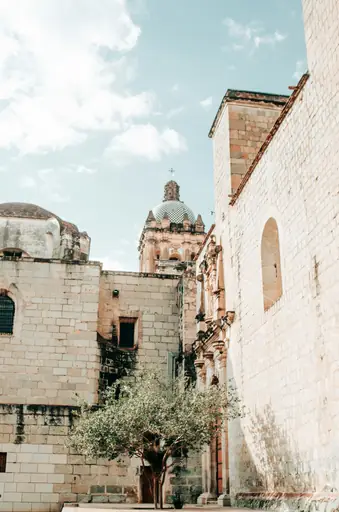
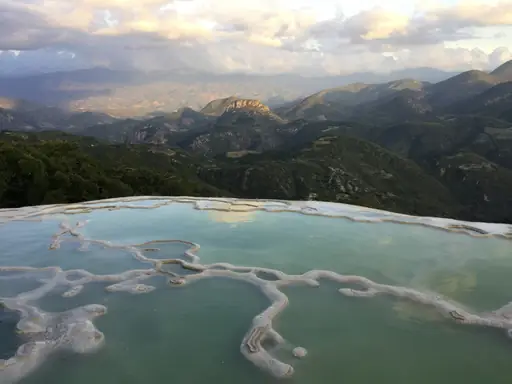
City in Mexico
Oaxaca
Colonial Charm and Rich Traditions
This city has drawn growing culinary attention, often cited among Mexico's best destinations for regional cuisine. Mezcal production runs deep in the surrounding valleys, with small distilleries open for tastings and tours. Monte Alban, an ancient Zapotec ruin, sits on a hilltop just outside the city centre.
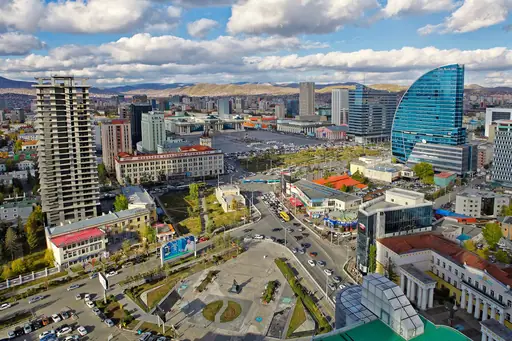
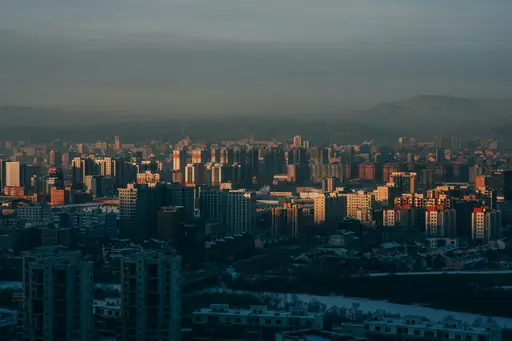
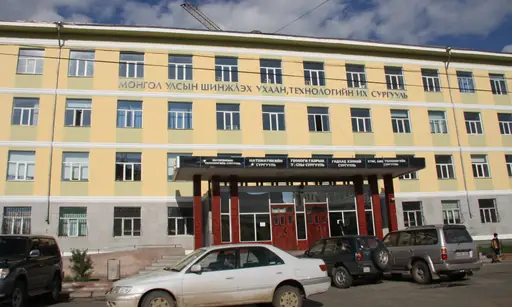
City in Mongolia
Ulaanbaatar
Vibrant capital where steppes meet skyscrapers
This Mongolian capital has drawn growing attention as a starting point for trips into the surrounding steppe and Gobi Desert. Traditional ger camps outside the city offer visitors a chance to experience nomadic herding culture firsthand. Sukhbaatar Square anchors the city centre, framed by government buildings and a statue of Genghis Khan.
City in Australia
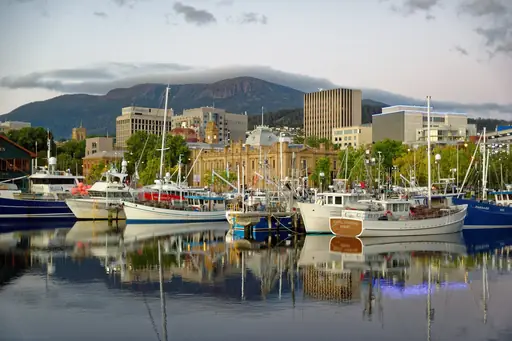
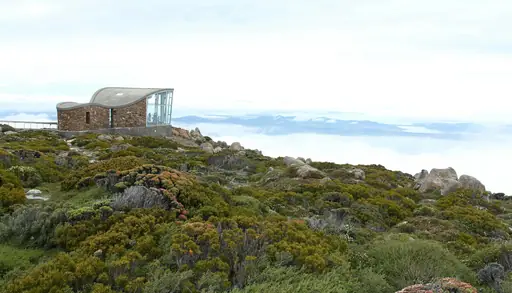
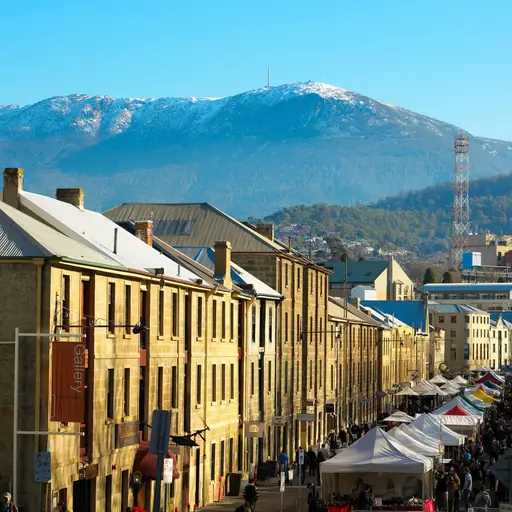
Hobart
Coastal charm meets historic streets
This Tasmanian capital has drawn growing attention since MONA opened, a museum known for its unconventional and provocative art. Salamanca Market fills a historic waterfront district each Saturday with local produce and crafts. Mount Wellington rises directly behind the city, offering hiking and panoramic views within a short drive.
City in Brazil
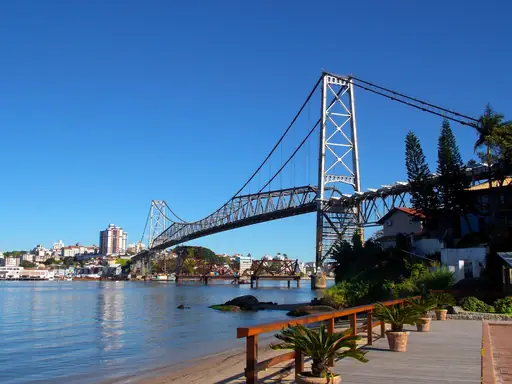
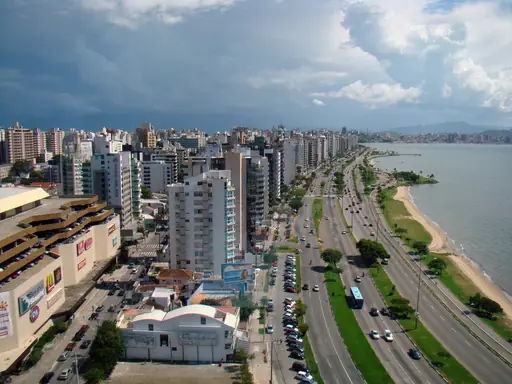
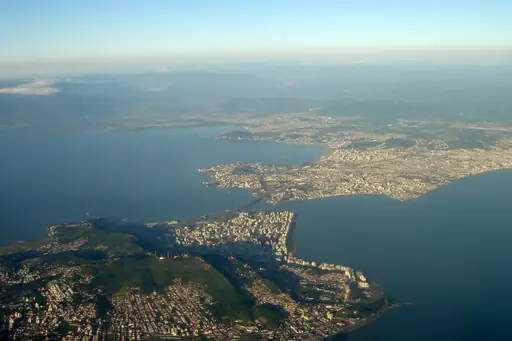
Florianopolis
Beaches, lagoons and island adventure
This Brazilian island city has drawn growing attention from surfers and digital nomads for its mix of beaches and lagoons. Over 40 beaches ring the island, ranging from calm swimming spots to serious surf breaks. A growing tech and startup scene has earned it a nickname as Brazil's Silicon Island.
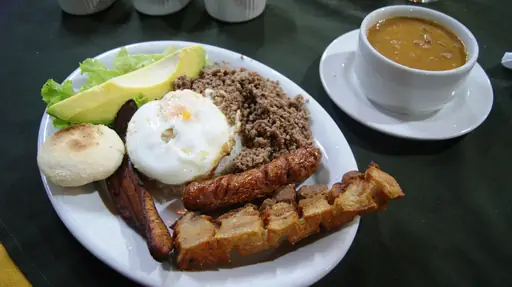
City in Colombia
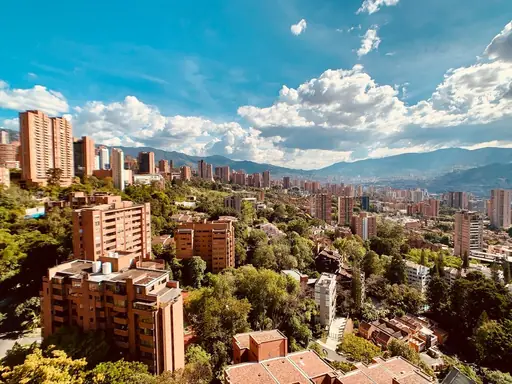
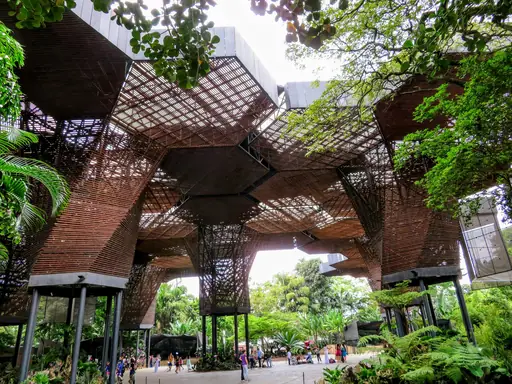
Medellín
The City of Eternal Spring
This Colombian city has transformed its reputation over recent decades, drawing growing numbers of digital nomads and long-term visitors. Cable cars, originally built to connect hillside neighbourhoods, now double as scenic rides with views across the valley. Comuna 13, once one of the city's most dangerous areas, now draws visitors for its street art.
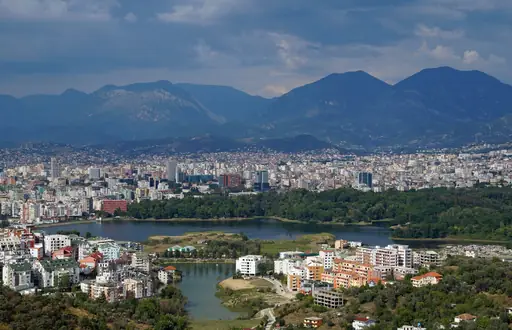
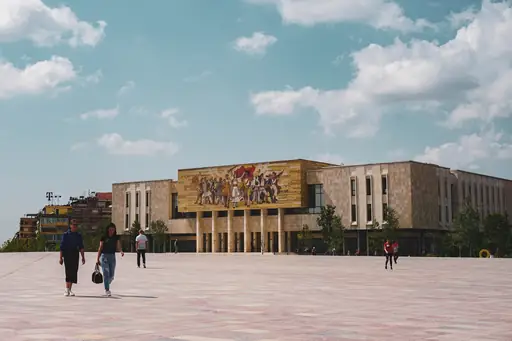
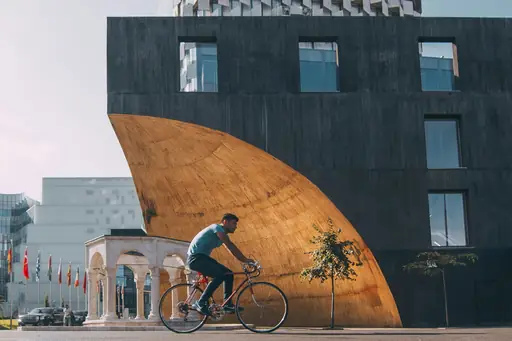
City in Albania
Tirana
Colorful energy in the Balkans
This Albanian capital has transformed rapidly in recent decades, with colourful building facades replacing the city's once-drab communist-era look. Bunk'Art, a former underground bunker, now operates as a museum documenting the country's isolated communist past. A growing cafe culture fills the city's pedestrian streets with outdoor seating each warmer month.
City in Azerbaijan
Baku
Where modernity meets ancient charm
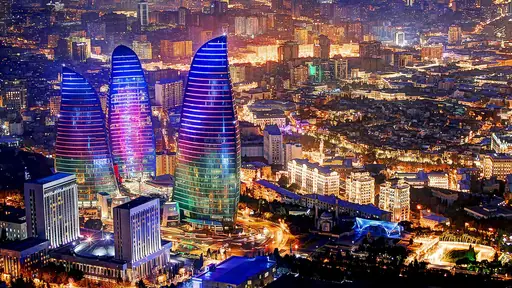
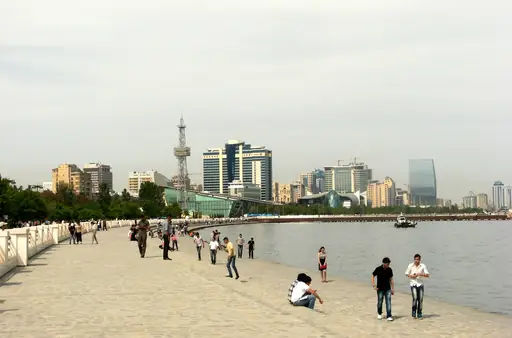
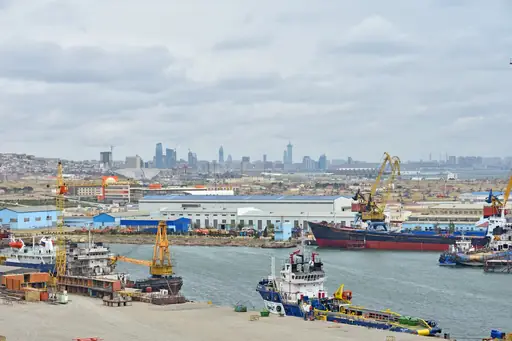
Flame-shaped skyscrapers dominate this Azerbaijani capital's skyline, illuminated in changing colours each night along the Caspian Sea. A walled old town, recognised by UNESCO, sits just steps from the modern waterfront district. Formula One races have brought increased international attention to the city in recent years.
City in Kazakhstan
Almaty
Mountains, markets and modern spirit
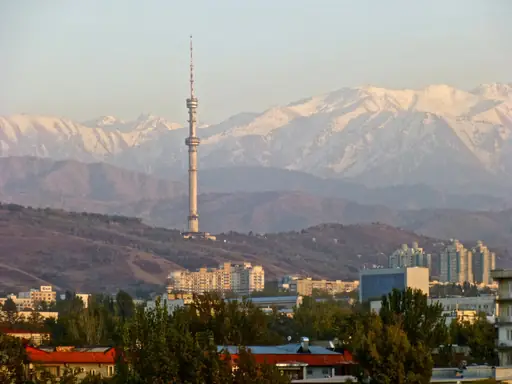
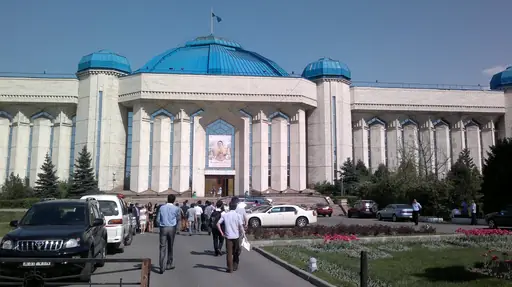
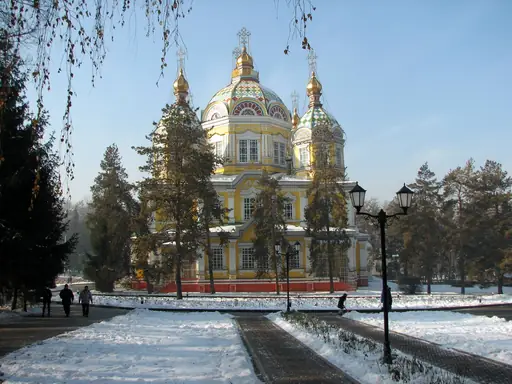
This Kazakh city sits at the base of the Tian Shan mountains. Hiking and skiing both lie within easy reach of downtown. A growing cafe and craft beer scene has taken hold here in recent years. Soviet-era architecture mixes with newer development throughout the city centre.

City in Montenegro
Kotor
Medieval magic on a fjord-like bay
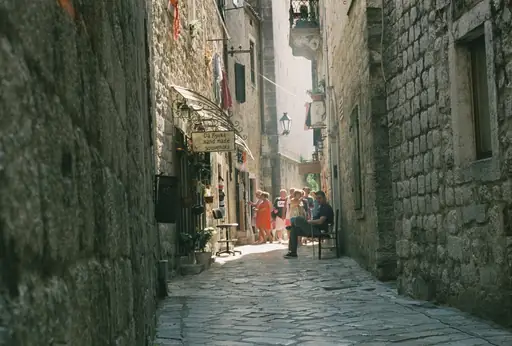
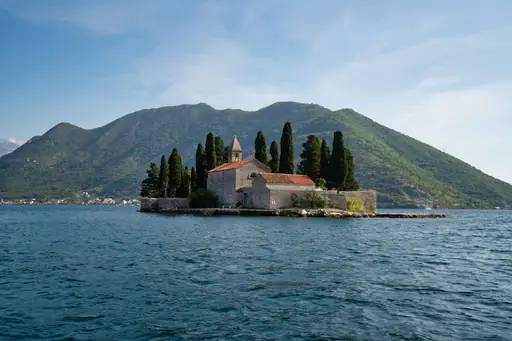
This Montenegrin town sits within a dramatic bay often compared to a fjord, ringed by steep mountains on all sides. Medieval walls climb the hillside above the old town, reachable by a steep, winding staircase. Cruise ships have increasingly added Kotor to Adriatic itineraries in recent years.
City in Mexico
San Miguel de Allende
Colonial Charm with Artistic Soul
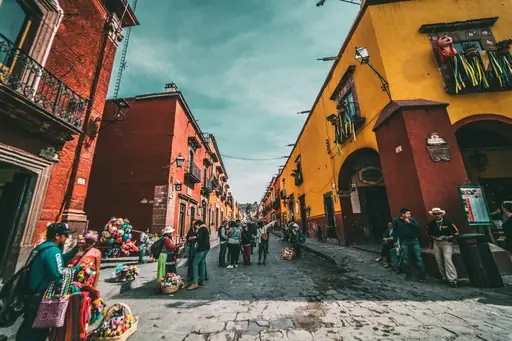
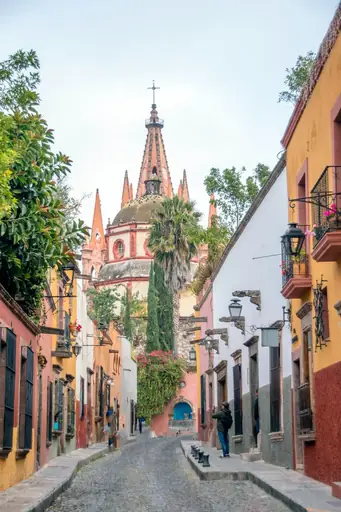
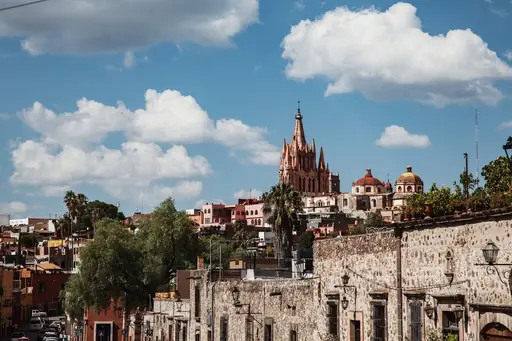
This Mexican town has drawn growing numbers of expats and retirees, alongside travellers visiting for its colonial architecture. A pink stone parish church anchors the central square, illuminated dramatically each evening. Art schools throughout the town have drawn creative residents for decades, shaping a distinct cultural scene.

Country
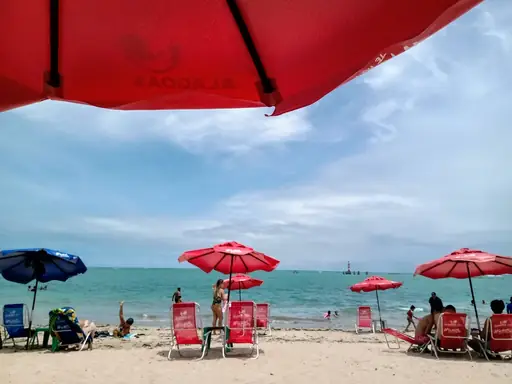
Cape Verde
Islands of eternal summer
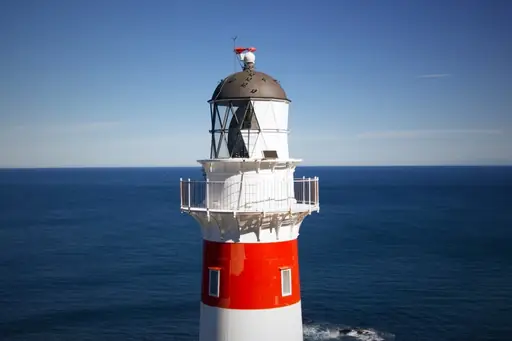
This West African island nation has drawn growing numbers of surfers and windsurfers to its consistent Atlantic swells. Portuguese colonial architecture remains visible throughout several of the islands' older towns. Morna, a melancholic musical style, holds deep cultural roots across the archipelago. Volcanic peaks on Fogo island offer hiking within an active caldera.

City in Ghana
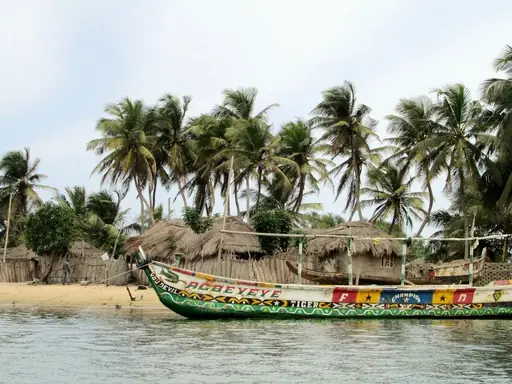
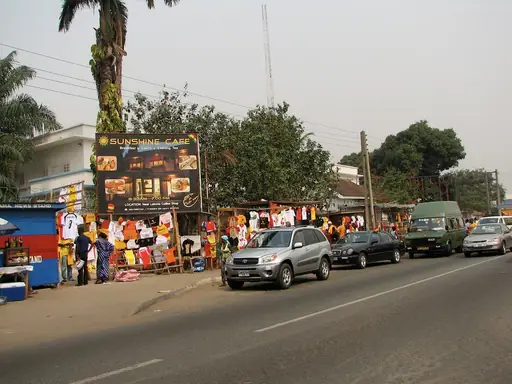
Accra
Vibrant Culture and Coastal Charm
This Ghanaian capital drew renewed attention through a campaign called the Year of Return. That marked 400 years since the transatlantic slave trade began. Cape Coast Castle nearby preserves a sombre history tied to that period. A growing arts and music scene has put the city on more travellers' radars in recent years.
City in Bulgaria
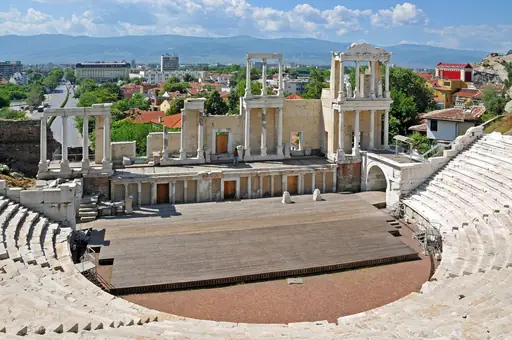
Plovdiv
Europe’s Oldest City, Alive with Art
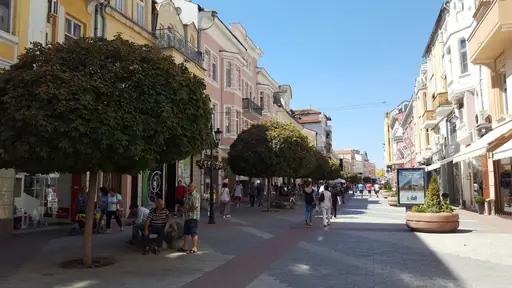
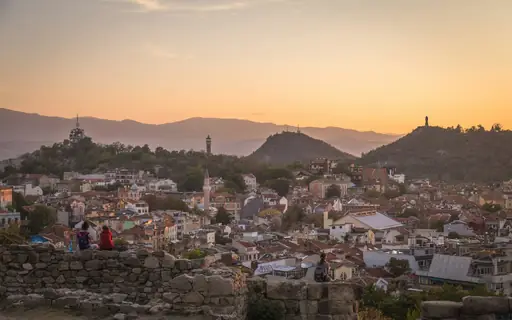
This Bulgarian city ranks among the oldest continuously inhabited cities in Europe, with a Roman theatre still hosting performances. Its old town holds colourful 19th-century houses along cobbled streets built atop earlier Ottoman and Roman layers. A growing arts scene has added galleries since the city served as a European Capital of Culture.
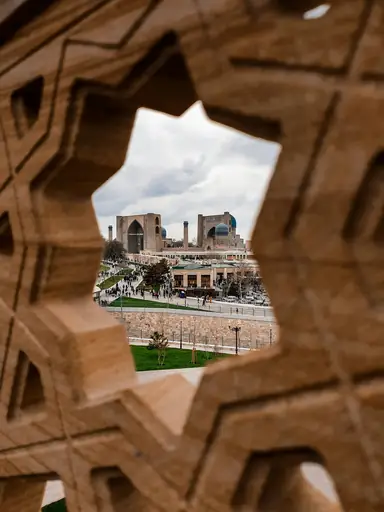
City in Uzbekistan
Samarkand
The Silk Road’s Shimmering Gem
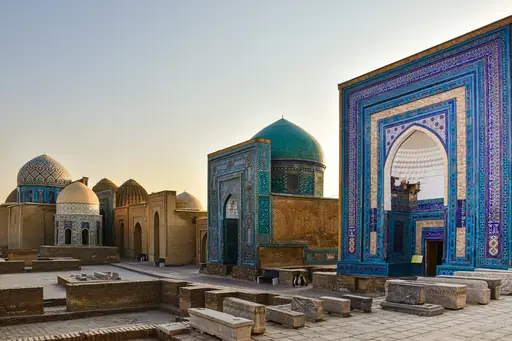
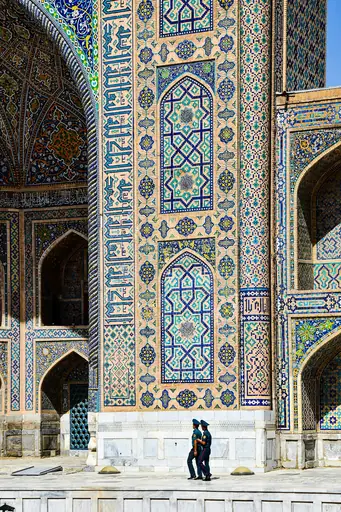
This Uzbek city once served as a major stop along the Silk Road. Its turquoise-domed mosques and madrasas still draw growing crowds. Registan Square, a complex of three monumental buildings, ranks among Central Asia's most photographed sites. Bibi-Khanym Mosque nearby was once among the largest mosques anywhere in the Islamic world.
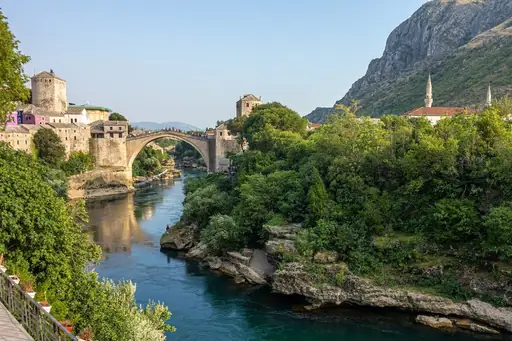
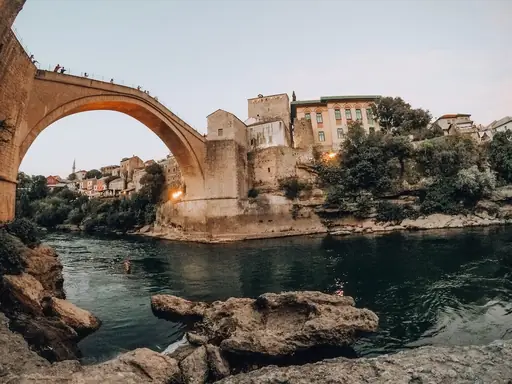
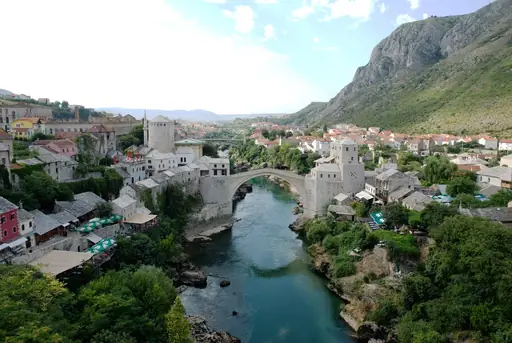
City in Bosnia and Herzegovina
Mostar
Stone bridges and Balkan magic
This Bosnian city's rebuilt Ottoman-era bridge, Stari Most, draws growing crowds. Local divers still leap from its arch into the river below. War damage from the 1990s remains visible on some buildings, a stark contrast to the restored old town nearby. Cobbled streets lined with shops sell copperware and other traditional crafts.

City in Serbia
Novi Sad
Festivals, fortress views, Danube vibes
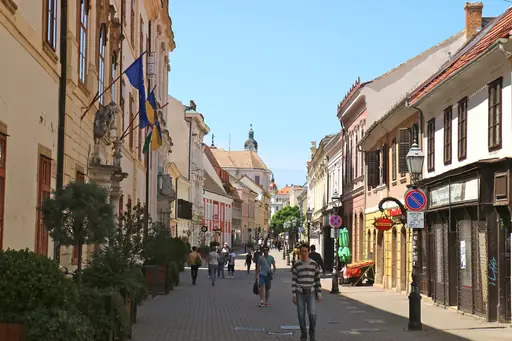
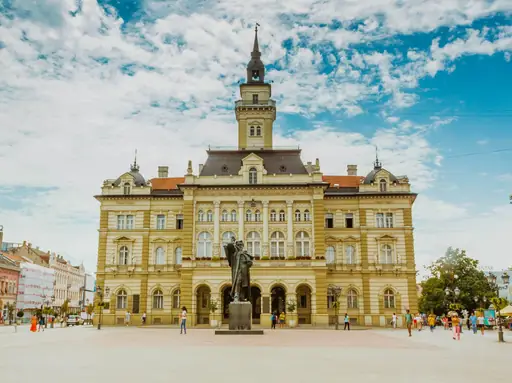
This Serbian city has drawn growing attention since hosting a major European music festival at its hilltop fortress each summer. Petrovaradin Fortress overlooks the Danube River, its tunnels and ramparts open for exploration beyond festival season. A compact old town holds Austro-Hungarian architecture largely spared from recent conflicts.
Town in North Macedonia
Ohrid
Ancient Lakeside Bliss and History
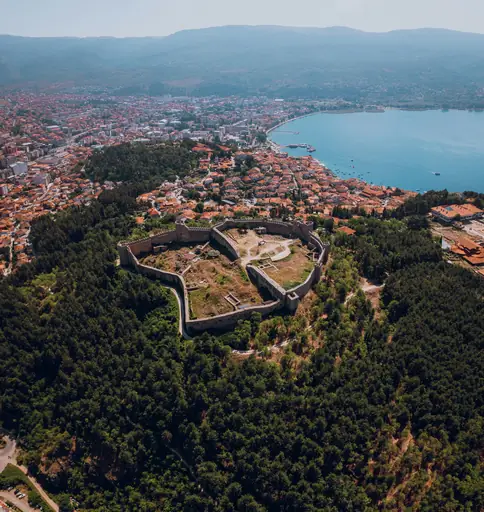
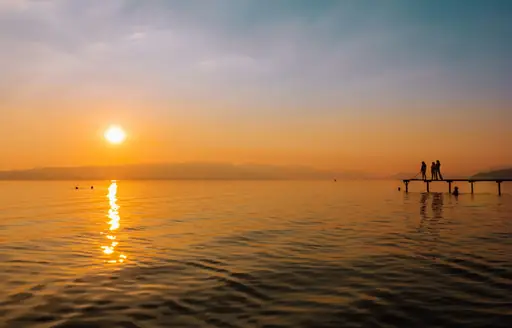
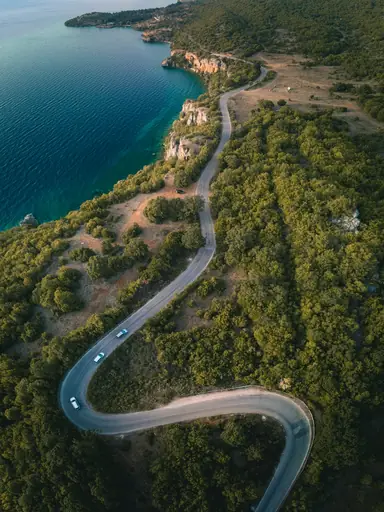
This North Macedonian lakeside town has drawn growing attention for its combination of Byzantine churches and clear mountain lake. UNESCO recognised both the town and Lake Ohrid together, citing their combined cultural and natural significance. A hilltop fortress overlooks the old town's red-roofed houses stacked along the hillside.
Town in Australia
Broome
Pearl Coast Sunsets and Red Earth
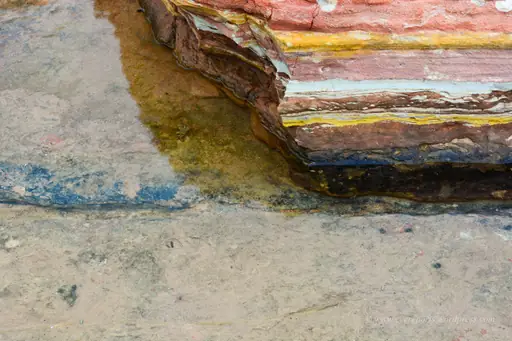
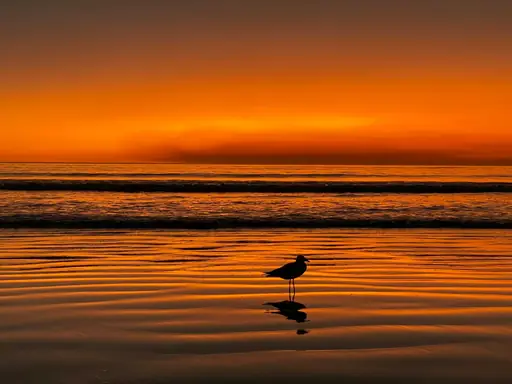
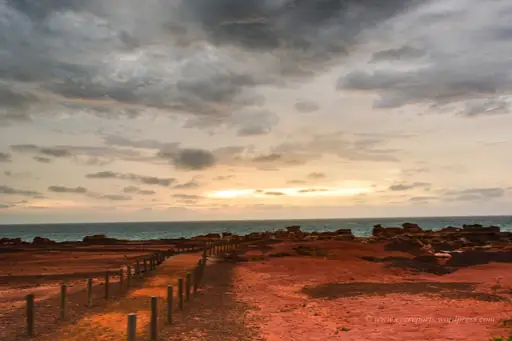
This remote Western Australian town sits where red desert meets turquoise ocean, drawing growing numbers of visitors each dry season. Cable Beach stretches for miles, known for camel rides along the sand at sunset. Pearling history runs deep here, once a major hub for the global pearl trade.
Country
Guyana
South America's pristine rainforest gem
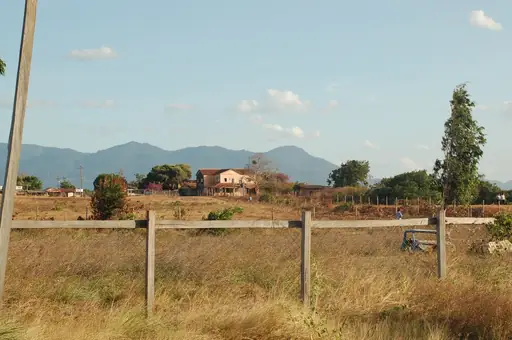
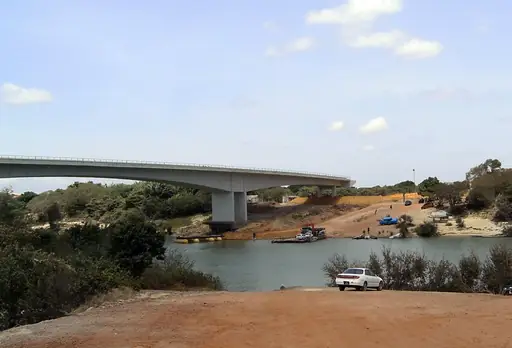
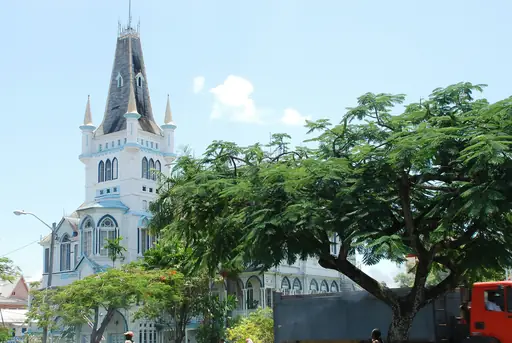
This South American country has drawn growing interest for its largely untouched rainforest, home to jaguars and giant otters. Kaieteur Falls, one of the world's most powerful waterfalls, remains reachable mainly by small plane. English serves as the official language, unusual among its Spanish and Portuguese-speaking neighbours.

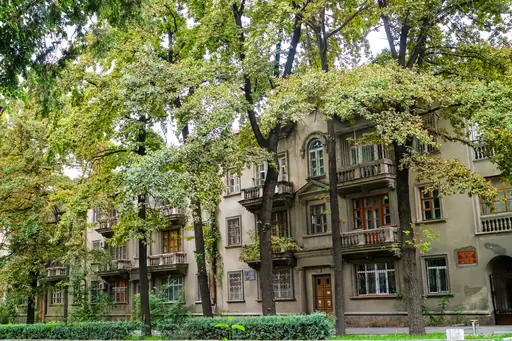
City in Kyrgyzstan
Bishkek
Soviet Squares, Mountain Backdrops, Bazaars
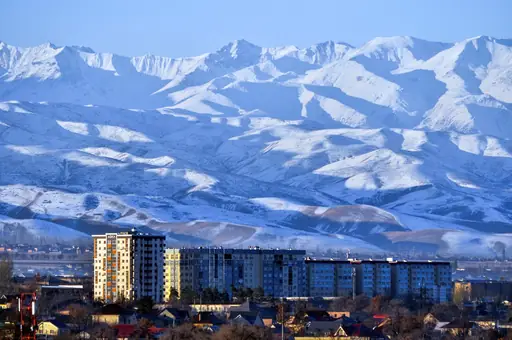
This Kyrgyz capital sits within reach of dramatic mountain scenery, drawing growing numbers of trekkers each year. Soviet-era architecture and wide boulevards give the city centre a distinct, orderly layout. A growing number of hostels and guesthouses cater to backpackers passing through Central Asia. Osh Bazaar remains a lively spot for produce and local goods.
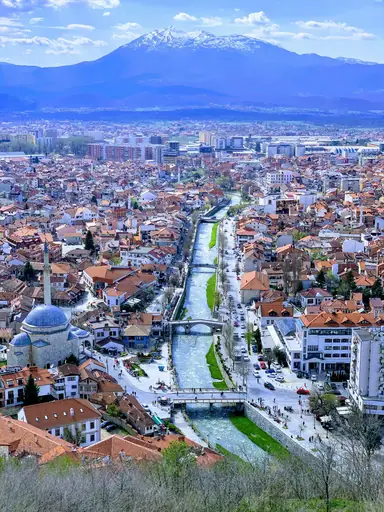
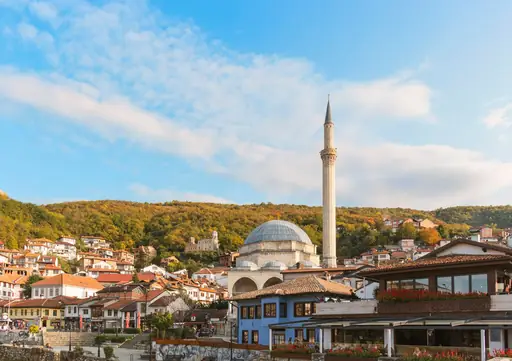
Country
Kosovo
Balkan gem with diverse landscapes
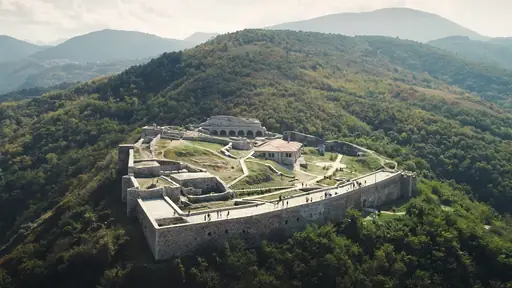
This young Balkan nation has drawn growing interest from travellers seeking destinations still largely off the well-worn European trail. Pristina, the capital, holds a mix of Ottoman-era mosques and newer, boldly designed public buildings. Prizren, a smaller city, preserves cobbled streets and a hilltop fortress overlooking the valley.
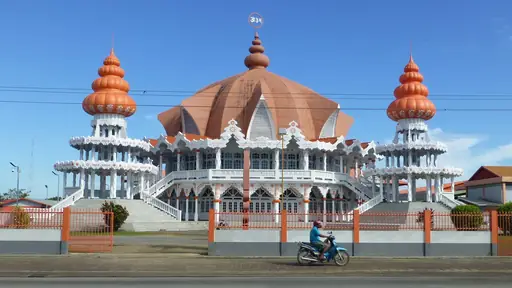
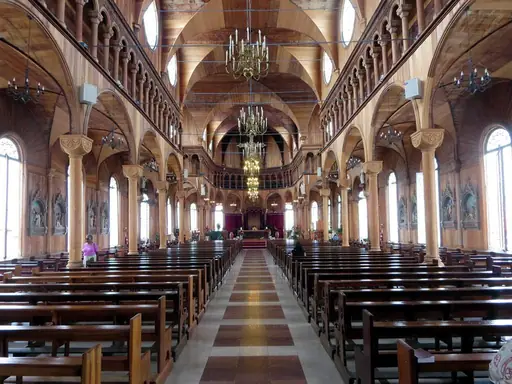
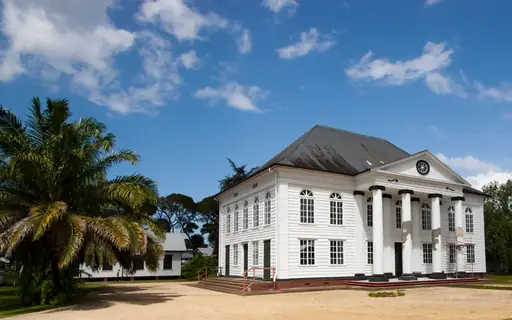
Country
Suriname
Pristine rainforests meet colonial charm
This small South American country has drawn growing interest for its mix of Dutch colonial history and dense Amazon rainforest. Paramaribo's wooden colonial buildings, recognised by UNESCO, reflect a distinct blend of Dutch and Caribbean influences. Central Suriname Nature Reserve protects one of the largest tracts of untouched rainforest anywhere in South America.
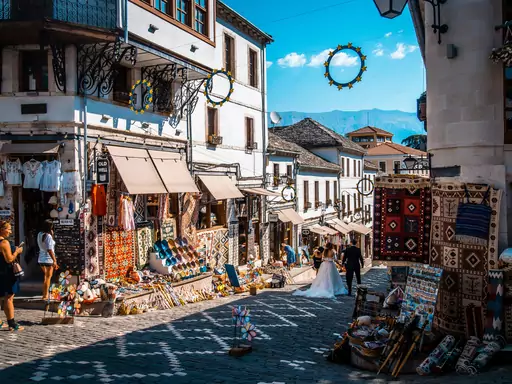
Town in Albania
Gjirokastër
Ancient stone streets echo timeless heritage
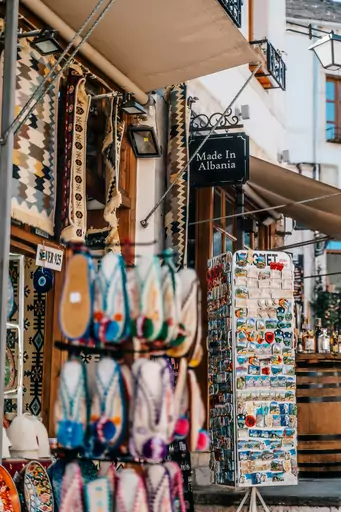
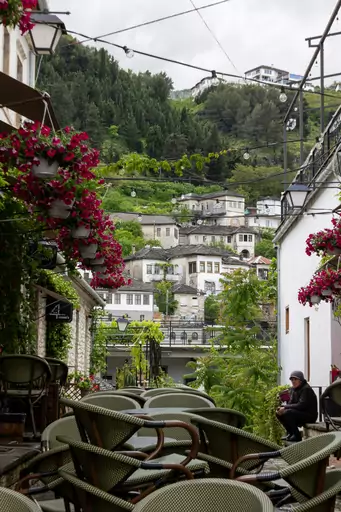
This Albanian hill town has drawn growing attention for its stone houses and Ottoman-era architecture, recognised by UNESCO. A hilltop castle overlooks the old town, once used as a prison during the country's communist era. Cobbled streets wind steeply between traditional stone houses with distinctive slate roofs.
Country
Samoa
Tropical paradise with volcanic mountains
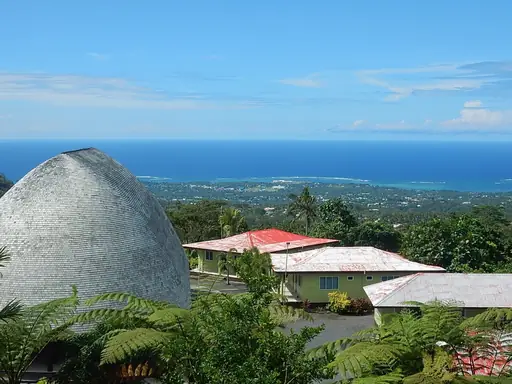
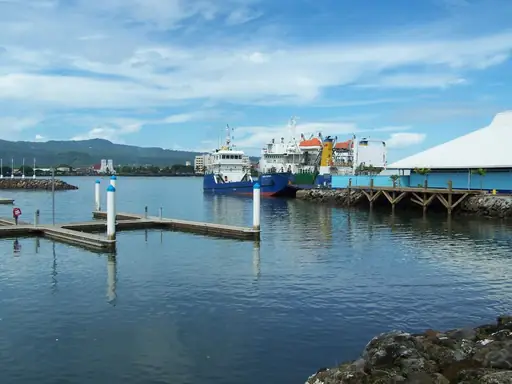
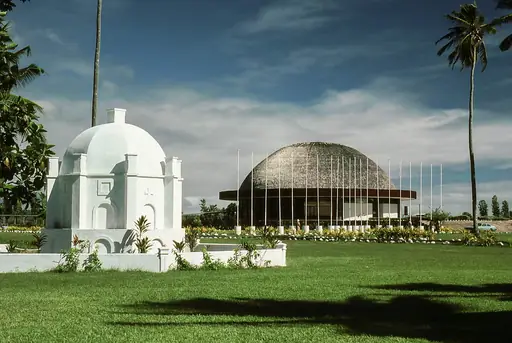
This Pacific island nation has drawn growing interest for its blend of traditional Polynesian culture and dramatic volcanic scenery. To Sua Ocean Trench, a giant swimming hole surrounded by cliffs, ranks among the country's most photographed sites. Traditional fale houses, open-sided and thatched, remain common throughout many villages.
City in Albania
Shkodër
Gateway to the Albanian Alps
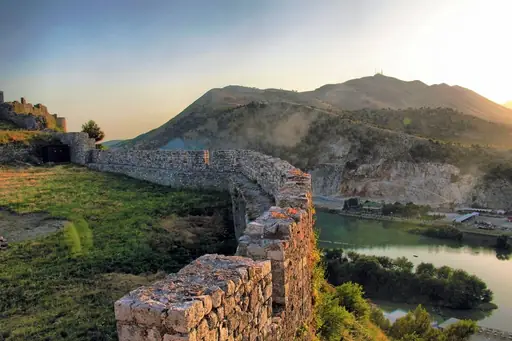
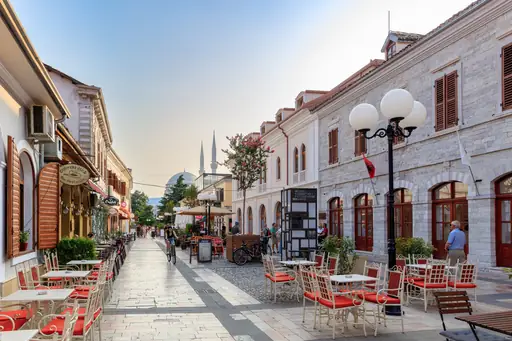
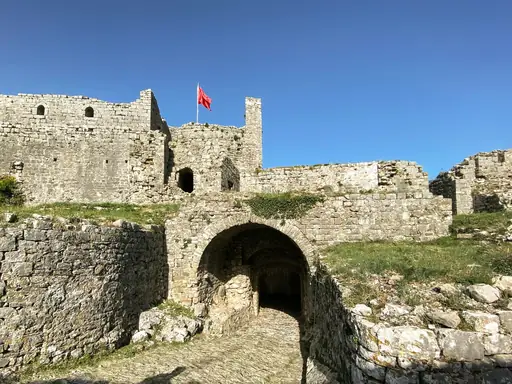
This Albanian city sits near a large lake shared with neighbouring Montenegro, drawing growing numbers of cyclists and birdwatchers. A hilltop fortress overlooks the city and surrounding wetlands, among the region's most significant historic sites. Bicycle culture runs deep here, with locals using bikes as a primary form of transport.
Country
Faroe Islands
Dramatic cliffs meet misty landscapes
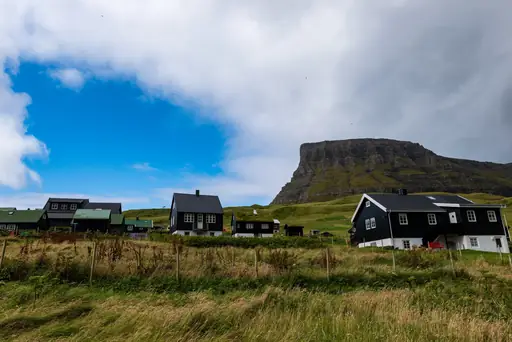
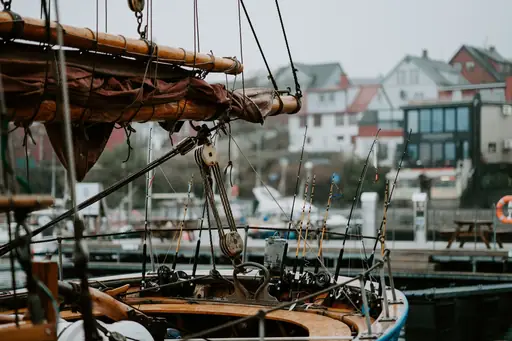
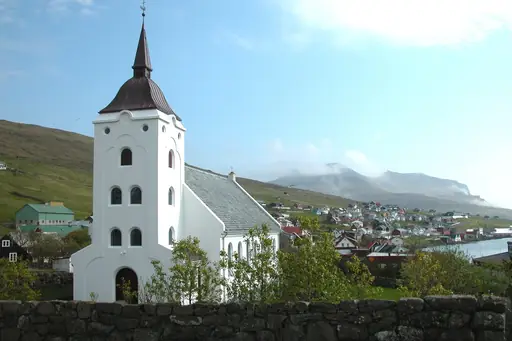
This remote Danish archipelago has drawn growing attention from photographers for its dramatic cliffs, waterfalls and grass-roofed houses. Sheep outnumber people here, grazing on steep hillsides across the islands' rugged terrain. Weather changes quickly, with fog, rain and sun sometimes passing through within the same hour.
Country
Vanuatu
Tropical paradise with cultural diversity
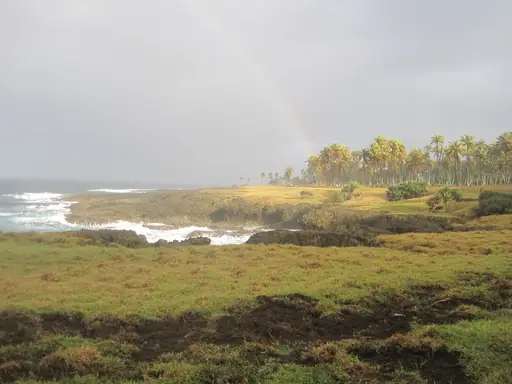
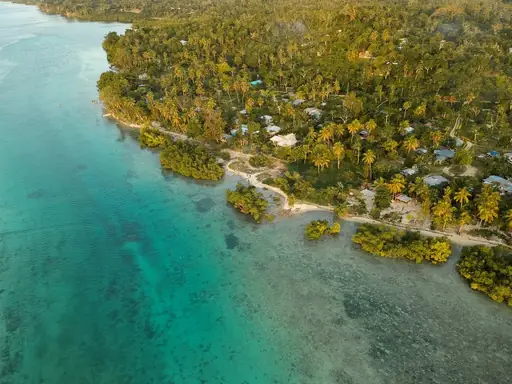
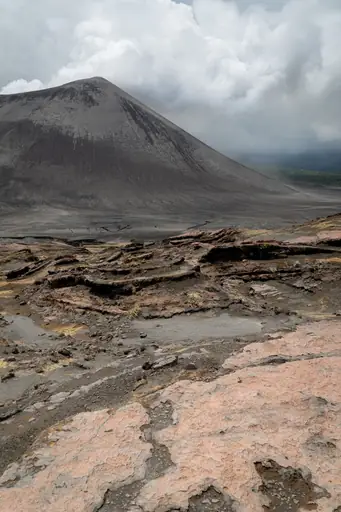
This island nation has drawn growing interest for its accessible active volcanoes. One even lets visitors peer into its lava lake. Traditional land diving on Pentecost Island, using vines rather than modern bungee cords, predates similar extreme sports found elsewhere. World War Two wrecks off several islands draw divers exploring both ships and planes.
Country
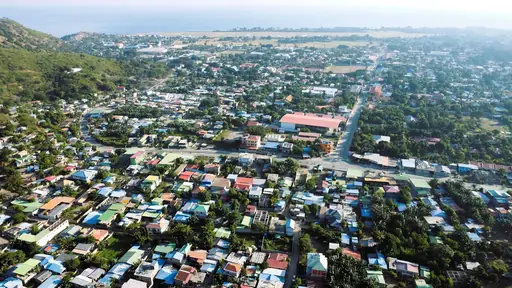
East Timor
Coral reefs, mountain trails and quiet beaches
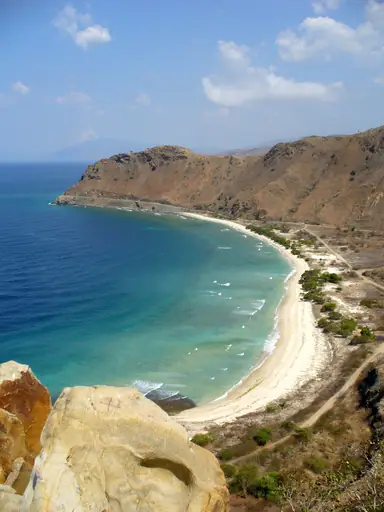
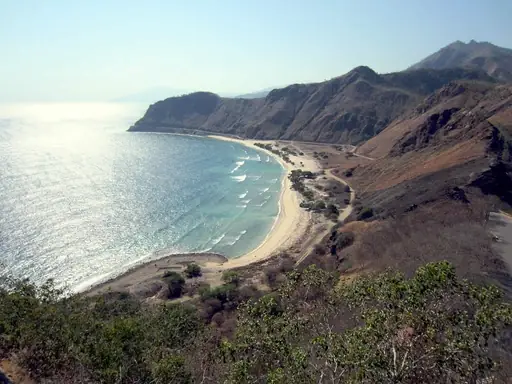
This young nation has drawn growing interest from divers for its largely untouched coral reefs and marine life. Atauro Island, a short boat ride from the capital, holds some of the most biodiverse reef systems recorded anywhere. Portuguese colonial architecture remains visible throughout parts of the capital, Dili.
Country
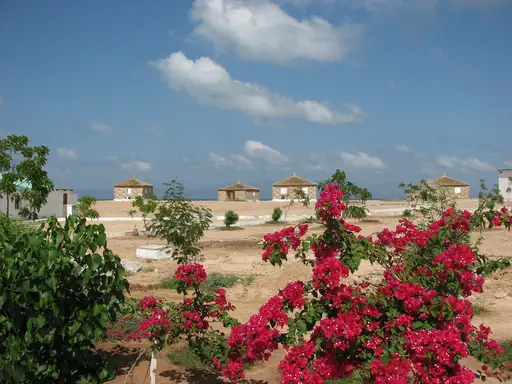
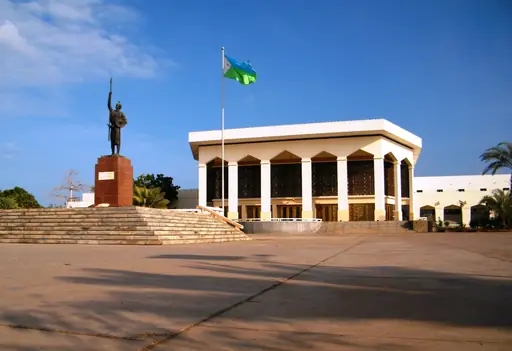
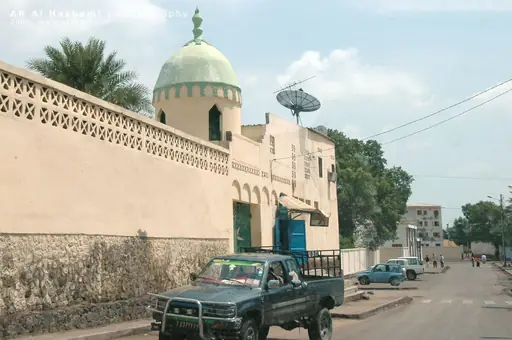
Djibouti
Desert landscapes with coastal charm
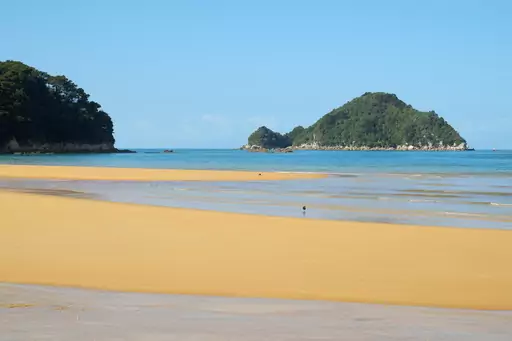
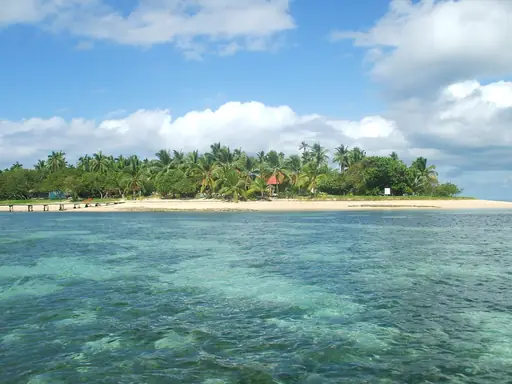
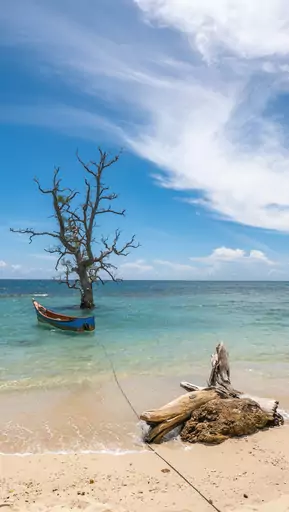
This small country at the mouth of the Red Sea has drawn interest for its stark desert and volcanic landscapes. Lake Assal, one of the saltiest bodies of water anywhere, sits below sea level in a barren crater. Whale sharks gather seasonally in the Gulf of Tadjoura, drawing a small but growing number of divers.
Country
Tonga
Tropical paradise with volcanic islands
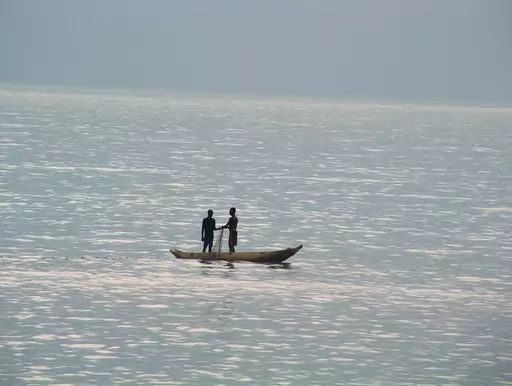
This Pacific kingdom has drawn growing interest for its seasonal humpback whale migration, with swimming tours offered during winter months. Ancient stone trilithons on the main island predate similar structures found elsewhere in Polynesia. Traditional Tongan culture remains closely tied to the country's monarchy, the last in the Pacific.

Country
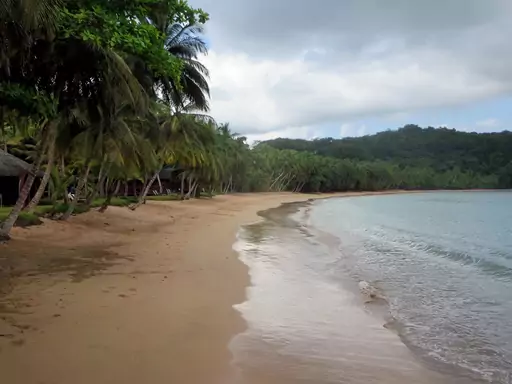
São Tomé and Príncipe
Equatorial paradise with volcanic landscapes
This small African island nation has drawn growing interest from travellers seeking remote, largely undeveloped destinations. Cocoa plantations from the colonial era still operate across the islands, some now offering tours and tastings. Dense rainforest covers much of the interior, home to bird species found nowhere else.

Country
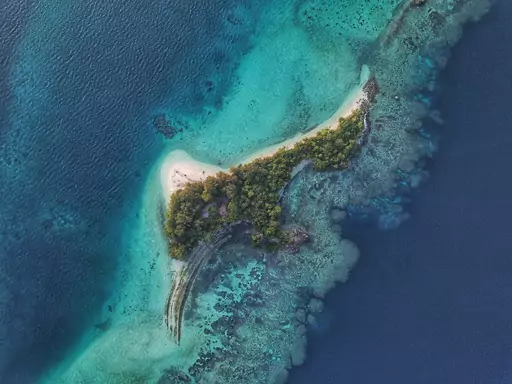
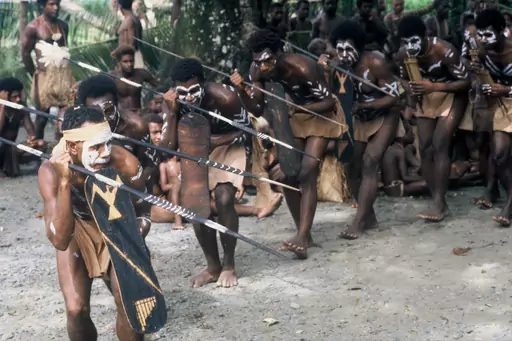
Solomon Islands
Tropical paradise with pristine waters
This Pacific archipelago has drawn growing interest from divers for its World War Two shipwrecks and largely untouched coral reefs. Guadalcanal, site of a major wartime battle, still holds rusted relics scattered across its jungles and coastlines. Traditional village life continues across many of the outer islands, largely unaffected by tourism.
Other lists you may like
Discover
Best up-and-coming destinations in Africa
Africa's emerging destinations are often countries and regions that sit outside the continent's established east and southern African safari circuits, where improving stability,…
Read more
Discover
Best up-and-coming destinations in Asia
Asia's emerging destinations are often overlooked neighbours of the continent's most visited countries, where improving infrastructure and easing visa conditions have begun making…
Read more
Discover
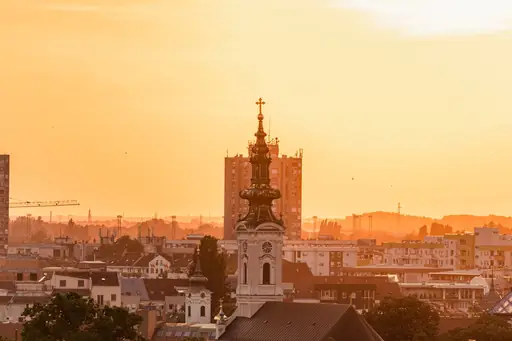
Best up-and-coming destinations in Europe
Europe's emerging destinations are typically smaller countries and regions that sit outside the continent's most established tourism circuits, where improving transport links and…
Read more
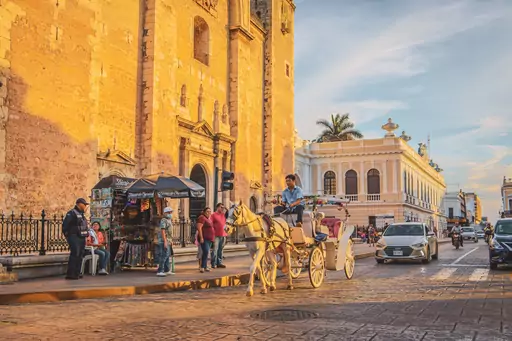
Discover
Best up-and-coming destinations in North America
North America's emerging destinations are often secondary cities and rural regions that sit in the shadow of the continent's most visited urban centres, where growing food and…
Read more
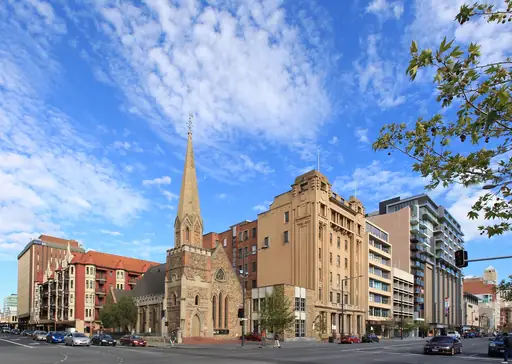
Discover
Best up-and-coming destinations in Oceania
Oceania's emerging destinations are mostly found beyond the well-established circuits of Australia and New Zealand, where smaller Pacific island nations and remote island groups…
Read more
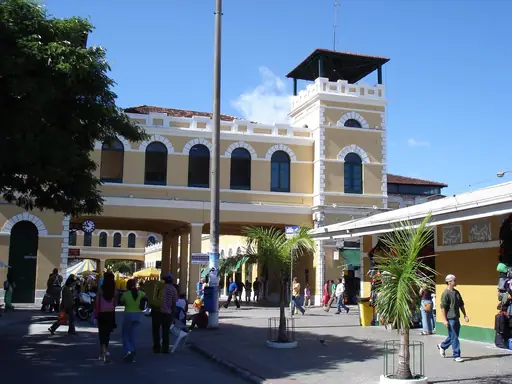
Discover
Best up-and-coming destinations in South America
South America's emerging destinations are frequently overlooked countries and regions that sit outside the continent's most established traveller circuits, where improving air…
Read more
What other users say about travelfilters
“travelfilters made it easy for me to find ski areas and compare what else they offer, so that I could find the best place for my personal travel style.”

Chris
Snowboarding & Onsen trip to Japan
“I love how transparent the data feels. There is no pushy upsell, just honest information and settings I can tune to my own travel style.”

Maria
After booking her 2027 winter escape
“The level of detail for each destination and how well those are displayed, make planning feel confident instead of overwhelming.”

Mina
Planned a week in New York City
“We used travelfilters for our planning from start to end. The trip turned out even better than expected, thanks to all their tools and customisation options.”

Allan & Etienne
Trip to Japan to see autumn foliage
“Thanks to travelfilters, I found some hidden gems to see. Being able to filter for exactly your interests is a game changer for my travel planning.”

Michael
Tour through the old cities of Northern Italy
“The customizable filters helped me find a quiet beach town with good wifi and low season crowds in under five minutes.”

Diego
Weekend Escape to Llanes, Spain
“The airport connection map saved me hours by showing good flight options from my home airport to lesser-known cities.”

Nguyen
Planning a 2027 trip to France
“The website is clean, fast and focused on the search itself, which makes travelfilters feel more like a professional tool than an ad-heavy booking site.”

Hassan
Christmas Market trip, Germany
