






Was this page helpful?

These place ratings give you a quick overview of how well a destination matches different types of trips.
‘Best for’ scores:
The specific interest scores show where this place really shines – whether it's ideal for hiking, food & drink experiences, museums or other activities. These highlights help you understand what makes the destination special at a glance.
‘Your personal’ scores:
This reflects how well a place matches your personal preferences. You can adjust the importances of travel topics or other personal requirements categories in your account settings.
‘Suited for’ badges:
These give you a quick overview of how well a destination suits specific types of travellers, to help you find the places that match your lifestyle, preferences or travel situation.
| Power Grid: |
220 V, 50 Hz Plug: Type C , Type E
Type C:
  Read about power adapters |
|---|---|
| Currency: |
Mongolian Tögrög (MNT) £1 ≈ MNT 4,794.15 |
| Cashless info: |
Rating 3/5
Cashless payments are becoming more common in Ulaanbaatar, the capital, but cash is still widely used. Credit cards are accepted in larger establishments, and mobile payments are increasingly available in urban areas.
Save with a travel credit card |
| eSIM providers: |
Best value: Saily Flexibility: Airalo Read our in-depth comparison |
| Tipping: | Tipping is appreciated in Mongolia, but not obligatory. A tip of 5-10% in restaurants is customary. Taxi drivers may expect small tips, and hotel staff also appreciate small gratuities. |
|---|---|
| Public drinking: | Public drinking is not generally allowed in Mongolia, and it is advisable to consume alcohol in licensed establishments or private spaces. |
| Public smoking: | Smoking is allowed in designated areas in public spaces. Many indoor venues, such as restaurants and bars, have non-smoking sections. |
| Naadam Festival (11–15 July) |
The biggest holiday in Mongolia, celebrating the nation’s cultural heritage with sports and parades |
|---|---|
| Tsagaan Sar (February/March) |
Celebrated in February or March with family gatherings and feasts |
| Emergency contact: | Emergency Numbers: 102 (Police), 103 (Ambulance), 101 (Fire) |
|---|---|
| Taxi apps: | Bolt, Yandex Go |
| Other: | Mongolia offers a unique travel experience with vast landscapes, including deserts, steppes, and mountains. Travellers should take precautions against the harsh environment and be prepared for basic infrastructure, particularly outside major cities. |
The best times to travel section shows how the months compare for a visit, so you can find the time of year that fits what you want to do.
Background colours of the months:
The colour shows the typical temperature: yellow (hot), green (mild) and blue (cold). How strong the colour is shows the travel season: full colour means high season, soft colour means shoulder season and soft-striped means off season.
Weather symbols:
Each month has one symbol showing what the weather is typically like, such as hot and sunny, freezing or a rainy or snowy season. Use them to quickly spot months that match the weather you want, or to avoid the ones that don't.
Crowdedness:
The people icon shows how busy the place usually is. The more people, the more crowded it gets.
Additional notes:
The grey info boxes point out special things worth knowing, like recurring weather issues or seasonal events.
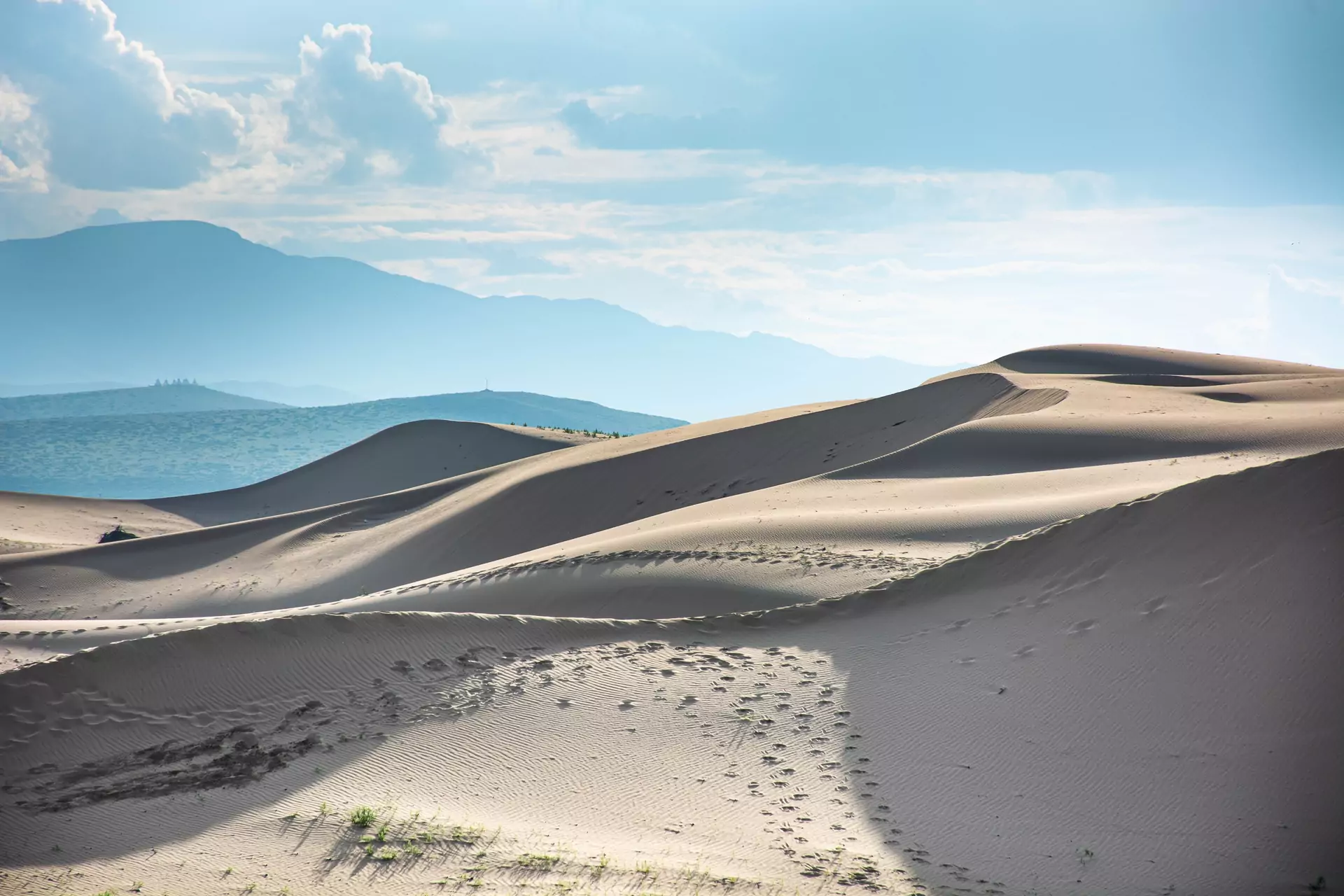
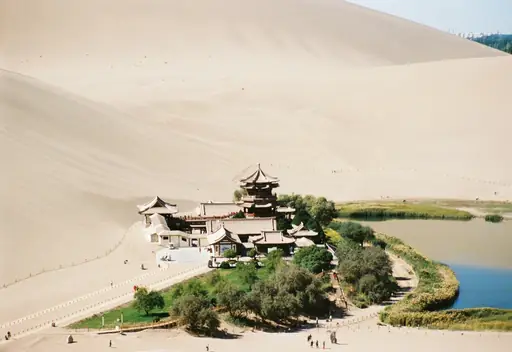
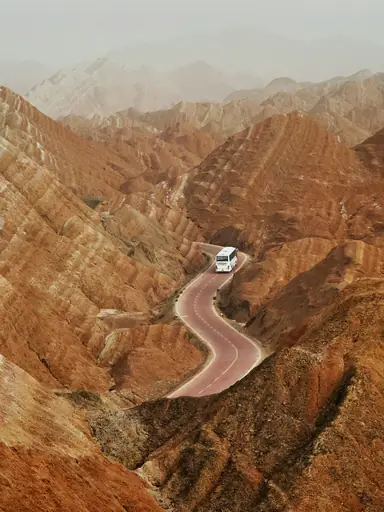
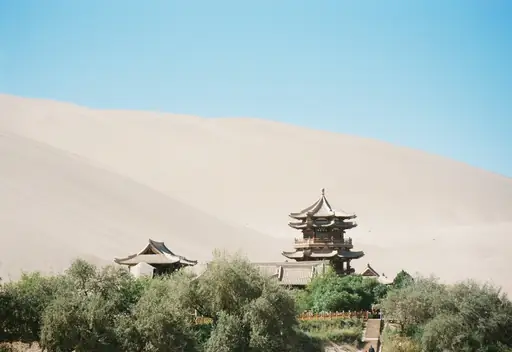
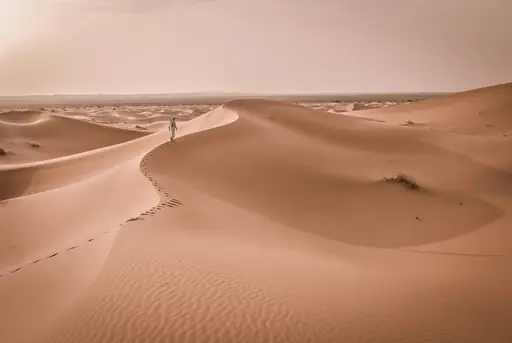
The Gobi Desert, spanning northern China and southern Mongolia, offers a unique blend of stark landscapes and cultural depth that appeals to travelers seeking both adventure and reflection. Its vast dunes, rocky plateaus and seasonal wetlands create dramatic scenery that changes with the light, providing excellent opportunities for photography and stargazing in its clear night skies. The desert’s relatively low visitor numbers mean you can explore remote sites such as the Flaming Cliffs or the ancient city of Khongoryn Els without crowds. Beyond the natural beauty, the Gobi is home to nomadic communities whose traditions have endured for centuries. Visiting a ger camp allows guests to experience local hospitality, sample traditional Mongolian dishes like buuz and airag and learn about pastoral lifestyles that rely on herding yaks and goats across these arid plains. Guided tours often include visits to Buddhist monasteries perched on cliffs, offering insight into the region’s spiritual heritage. For those interested in geology, the Gobi hosts significant fossil sites, including dinosaur tracks and early mammal remains, making it a fascinating destination for paleontology enthusiasts. Whether you’re trekking across dunes, riding camels or simply watching the sunrise over endless horizons, the Gobi Desert provides an authentic experience that balances natural wonder with cultural immersion.
The Gobi Desert is accessible primarily by road from major Mongolian cities such as Ulaanbaatar, which connects to key desert regions via paved and unpaved routes. Travelers may use 4x4 vehicles or guided tours for overland access due to the vast, arid terrain. Air travel options include charter flights to remote airstrips near popular sites like Khongoryn Els dunes. Limited rail connections exist but require transfers to local transport. Seasonal road conditions vary; summer months offer better accessibility, while winter brings snow-covered paths and potential closures. Camel treks are common for immersive exploration, though these rely on prearranged logistics with local operators. Border crossings from China’s Inner Mongolia region provide alternative entry points via truck or bus.
In the Gobi Desert, lodging ranges from modest yurts to luxury desert camps, catering to both budget travelers and those seeking opulence. Traditional ger accommodations offer a rustic experience with basic amenities such as shared bathrooms and communal kitchens, ideal for backpackers and cultural enthusiasts. Mid‑range options include eco‑lodges built from local materials, featuring solar power, Wi‑Fi and private rooms that blend comfort with sustainability. High‑end desert resorts provide spacious suites, indoor pools, spa services and panoramic views of the dunes, often including guided tours and camel rides. The region is renowned for its nomadic-style tents, which combine authenticity with modern conveniences, making the Gobi a versatile destination for all types of travelers.
We calculate the average costs when travelling to destinations and compare those with the living costs at your home. With this you can get an estimate of how expensive or cheap the destination is for you.
To customise this, you can set up which location and price level are used for the calculations in your account settings.
The exchange rate price factor shows how expensive or cheap a currency currently is compared to its historical average. It's a quick way to see if a country is currently more or less affordable due to exchange rate changes.
Log in to add this place to a travel list and get a summary of all recommended items for your whole trip.
