
Best destinations to visit in September in Asia
Best destinations to visit in September in Asia
September brings a slow transition across Asia, with the wet season easing in some regions while others stay firmly within it.
India's monsoon typically begins retreating in September, though rain can still linger into the first half of the month depending on the region. Mainland Southeast Asia stays wet too, with its wet season not fully ending until October or November in most places. East Asia deals with the tail end of typhoon season, particularly across Japan, Taiwan and the Philippines, though conditions generally start improving as the month goes on. Mountain regions across the continent remain a reliable, drier option throughout September, a good alternative to the lingering rain still affecting the lowlands in several countries this time of year.
The destinations on our list for Asia lean into that drier side of the split, from mountain regions to areas where the rains have already eased.
Lists by region
City in Indonesia
Yogyakarta
Java’s soul: temples, art, street eats
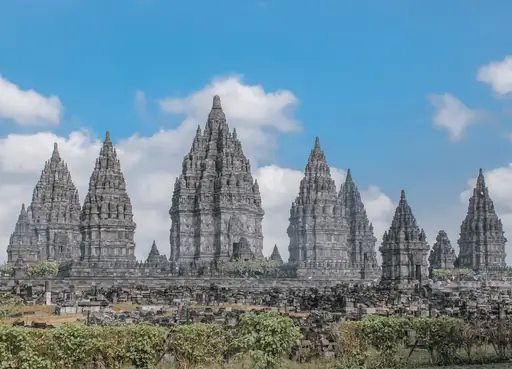
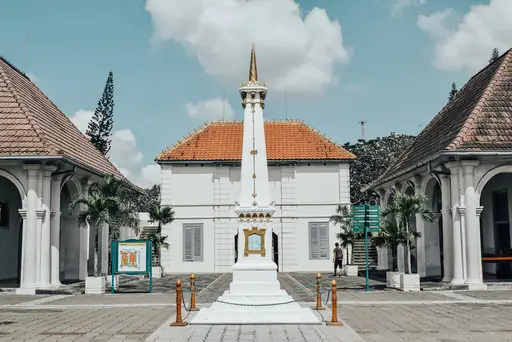
Unlike the busy cities of Java, Yogyakarta has a sultan's palace that is still in use. In the dry season dancers perform the Ramayana story on an open air stage beside Prambanan, a Hindu temple from the 9th century. Borobudur, a Buddhist temple from the same century, is a short drive away for sunrise.

State/Prefecture in China
Hong Kong
Where East Meets West
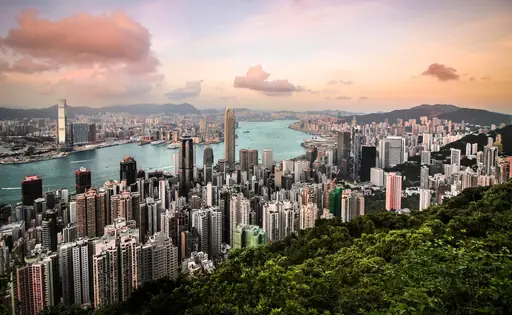
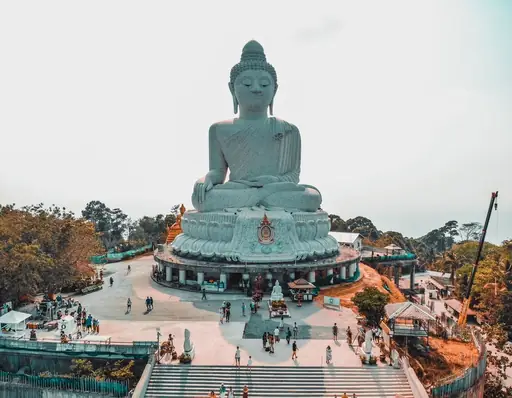
Each Mid-Autumn Festival a long dragon covered in glowing incense sticks winds through Tai Hang. Dancers carry it through the streets for three nights. Lantern displays fill Victoria Park. The weather is hot and humid. Check typhoon forecasts before booking outdoor plans for each day.
Region in China
Yunnan
Vibrant landscapes and ancient cultural crossroads
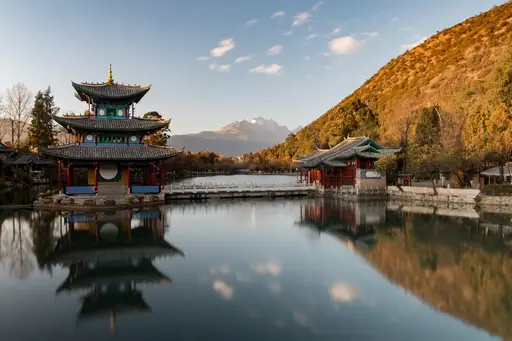
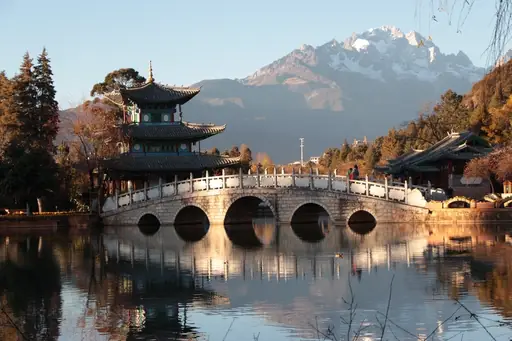
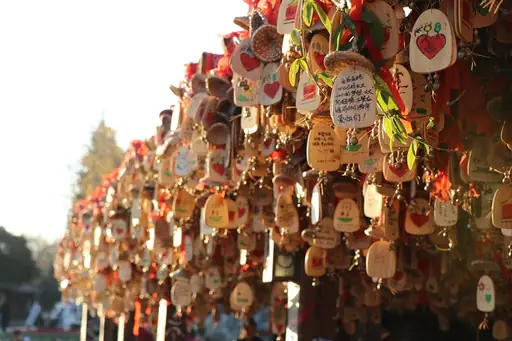
The rice terraces at Yuanyang, carved into mountainsides by Hani farmers over more than 1,000 years, turn gold in September as the harvest begins. Elsewhere in the province mild sunny days are good for walking the old town lanes of Lijiang and Dali, where markets sell mushrooms and rose petal cakes.

Country
Singapore
Tropical city-state of hawker food and gardens
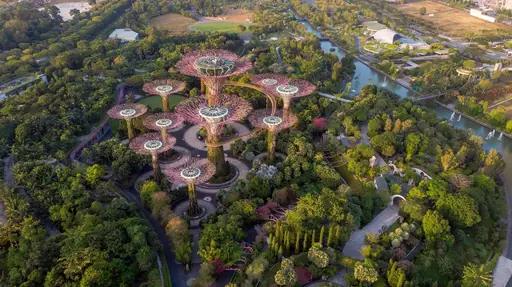
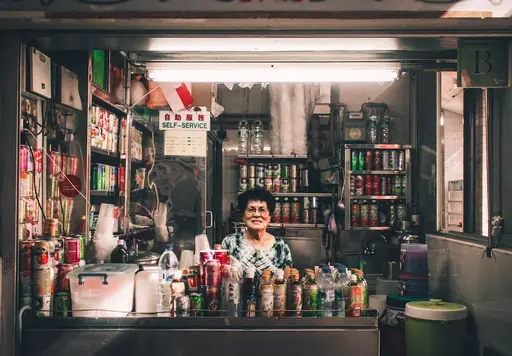
Giant lanterns shaped like animals and flowers light Chinatown and Gardens by the Bay for the Mid-Autumn Festival. Mooncakes sell in hotels and bakeries. Weather is hot and humid with short showers. Haze from Indonesian fires can appear, so check the air quality before you head out.
Island in South Korea
Jeju Island
Nature's Island Paradise
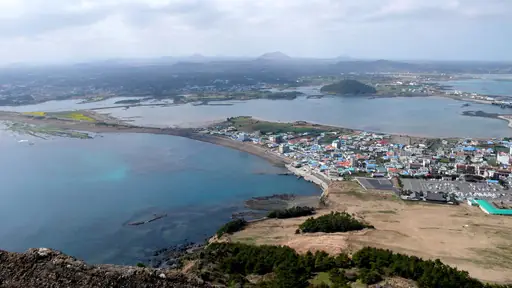
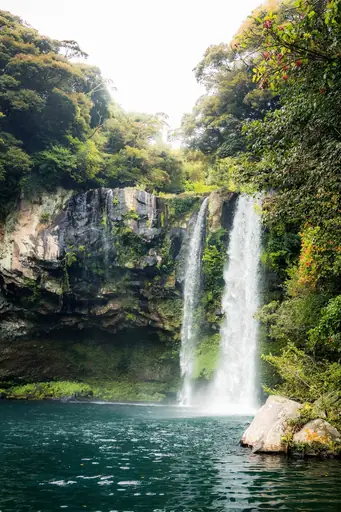
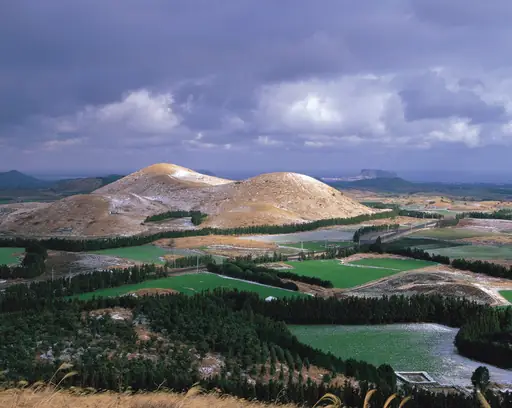
On Chuseok, Korea's harvest holiday, families gather and share songpyeon, half moon shaped rice cakes. It falls in September or early October. Heat fades on Jeju but the sea stays warm. Hike Hallasan on the Seongpanak trail under clearer skies. Silver grass begins to wave on the volcanic hills.

City in South Korea
Seoul
Where Tradition Meets High-Tech Marvels
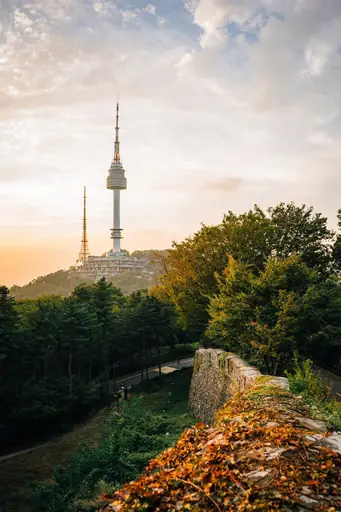
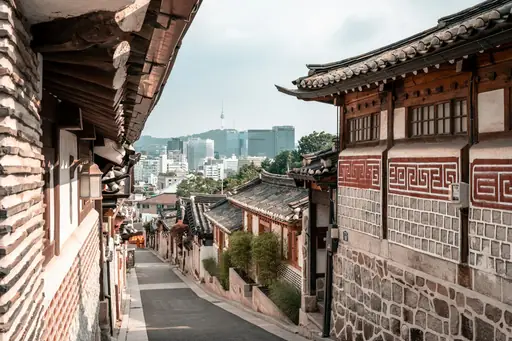
The Moonlight Rainbow Fountain at Banpo Bridge shoots coloured water jets into the Han River each evening through October. Highs ease from the low 80s to the 70s over September. Evenings are cooler for picnics by the river. Changdeokgung Palace has a quiet secret garden.


City in Japan
Kyoto
Temples, geisha districts and kaiseki dining
Boats carrying guests float on Osawa Pond at Daikakuji temple for a moon viewing festival in September or October. Red spider lilies bloom around Arashiyama in late September. Heat fades by the end of the month. Crowds stay small before autumn leaf season arrives in November.
Country
Georgia
Wine country, mountain villages and old Tbilisi
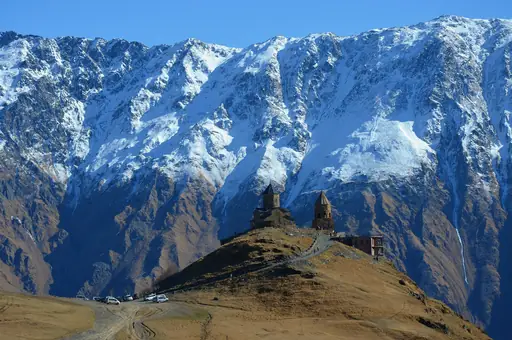
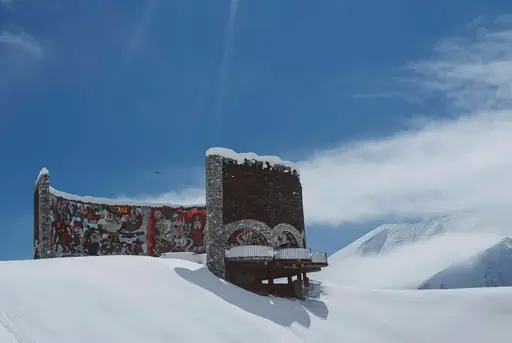
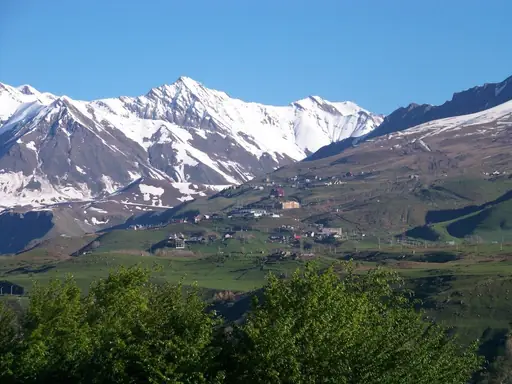
Families in Kakheti pick grapes by hand during the harvest festival called rtveli. Wine is made in clay jars called qvevri, a method UNESCO lists as cultural heritage. Hot days and cool nights in September make the vineyards comfortable. Village feasts end with toasts and songs.

Region in Indonesia
Bali
Tropical beaches, vibrant culture and adventure
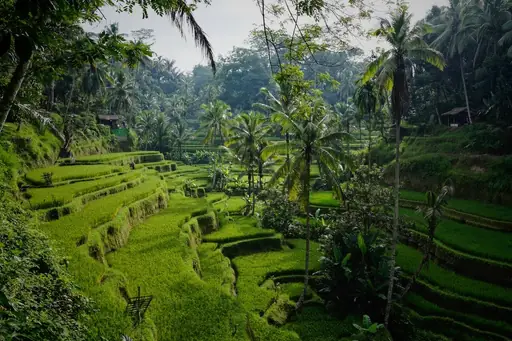
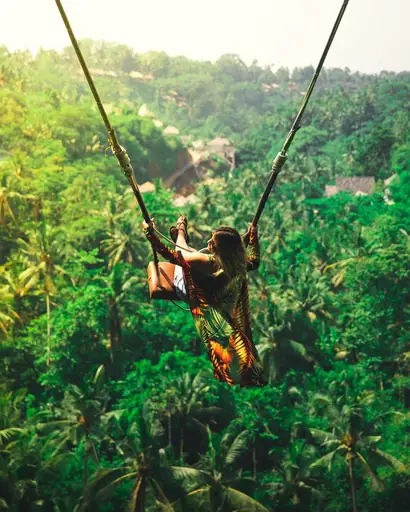
Uluwatu Temple stands on a sea cliff about 230 feet high. Dancers perform the kecak fire dance there at sunset. September is dry and sunny, so the show is rarely rained out. Beaches are lively before the busy holiday season starts. Warm water and light winds suit surf lessons at Kuta.
City in Uzbekistan
Bukhara
Ancient Silk Road Splendor
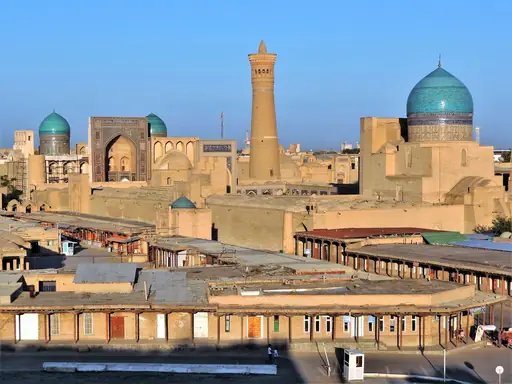
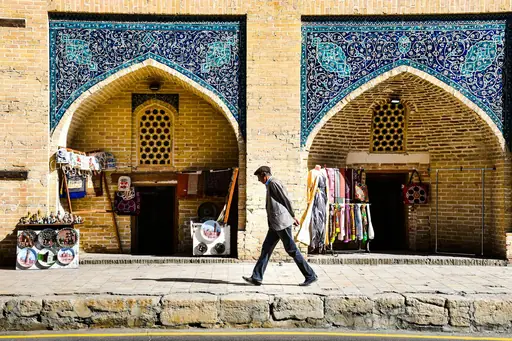
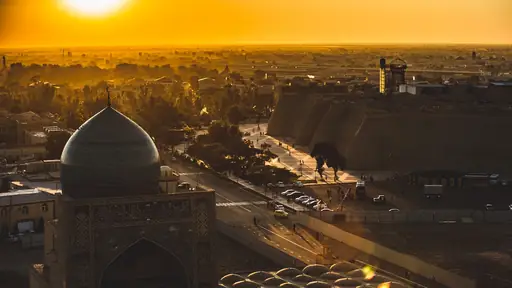
Bread bakes in clay ovens and backgammon pieces click around the Lyabi Hauz pond, a plaza where mulberry trees shade old madrasas, which are Islamic schools. September days are warm but no longer scorching, so walkers pass the Kalyan Minaret, a brick tower 154 feet tall built in 1127, while covered bazaars are cool inside.
Region in Turkey
Cappadocia
A surreal land of fairy chimneys
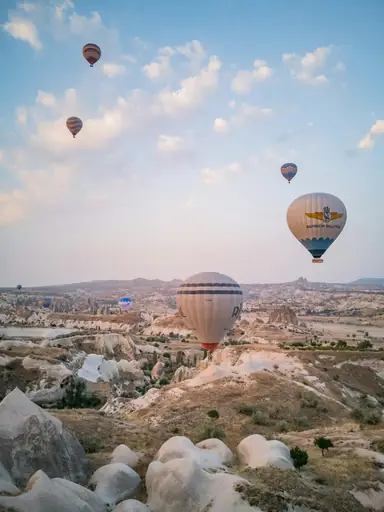
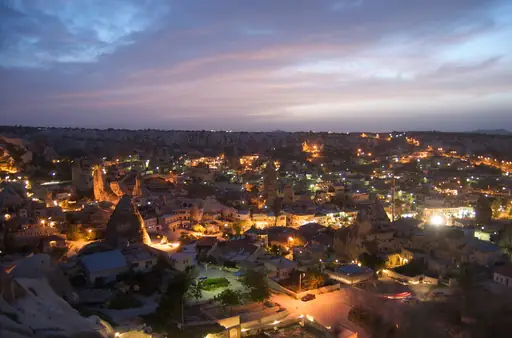
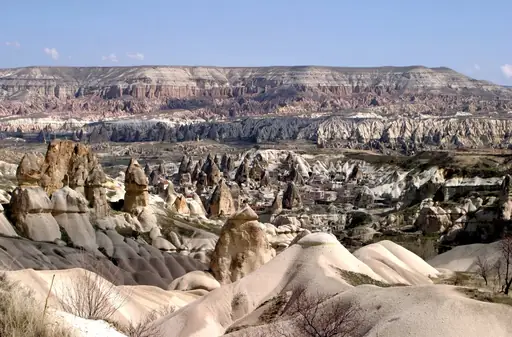
Valley grapes are harvested in September and boiled into pekmez, a thick sweet syrup. Hot air balloons rise at dawn in calm air. Rock cut churches at Goreme Open Air Museum have faded frescoes. Days reach the 80s with cool nights. Walk Rose Valley at sunset when the rocks turn pink.

Country
Oman
Ancient heritage meets natural wonders
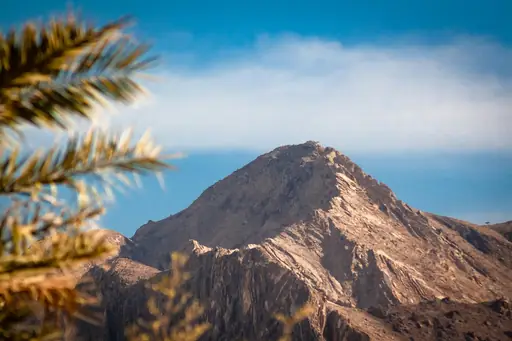
Compared with the dry brown hills of northern Oman, Salalah in the south has a monsoon season called khareef that ends in mid September, so the hills are green. Wadi Darbat has a waterfall and lake while at Ras al Jinz green turtles come ashore to lay eggs and rangers lead night walks.

City in China
Beijing
Ancient history meets modern dynamism
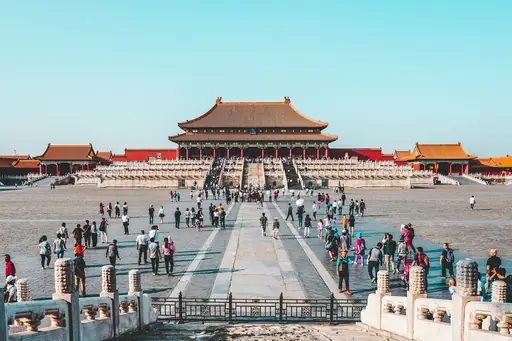
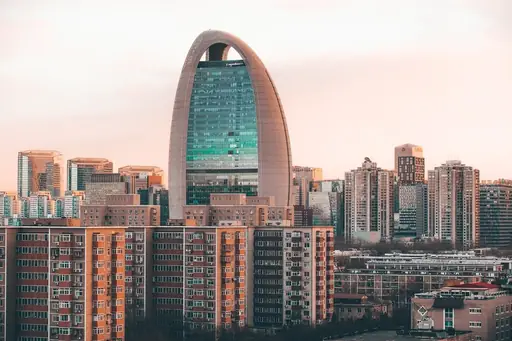
Mooncakes, round pastries filled with lotus paste or egg yolk, fill the shops for the Mid-Autumn Festival. The holiday falls in September or early October. Air is clearer and highs are in the 70s. Walk the Great Wall of China at Jinshanling before the Golden Week crowds.
City in Vietnam
Nha Trang
Vietnam’s Beachfront Playground & Reefs
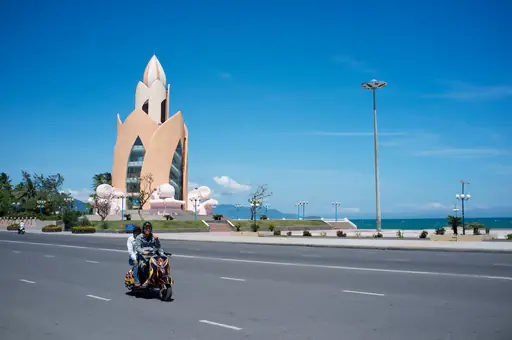
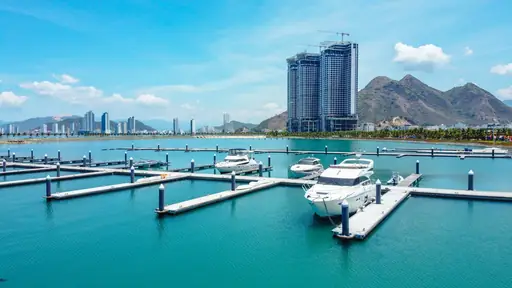
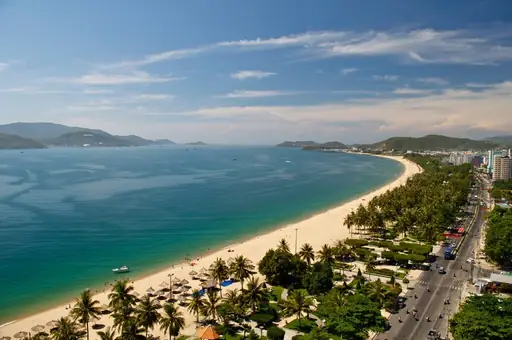
Locals light incense at the Po Nagar Cham Towers, brick temples built from the 7th century to honour the goddess Thien Y A Na. September has hot sunny days and calm water for boat trips to the Hon Mun marine reserve, before the heavy rains of October.
State/Prefecture in Japan
Hokkaido
Volcanoes, powder snow and fresh seafood
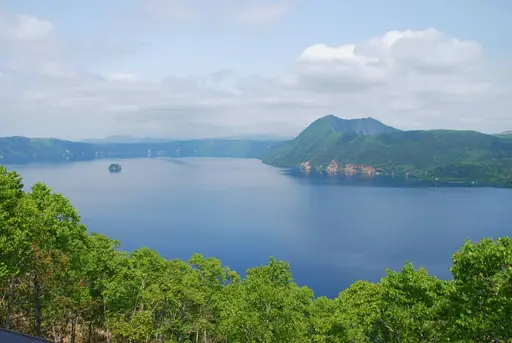
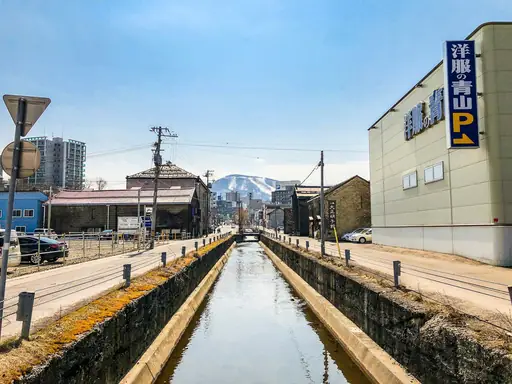
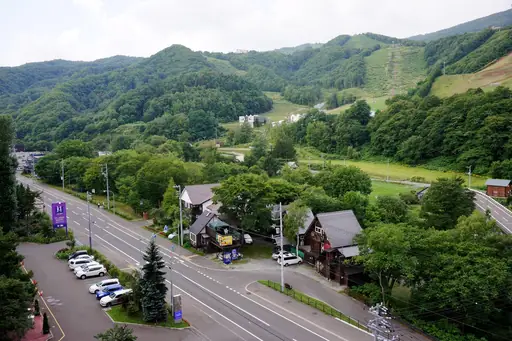
Autumn colour starts early in Daisetsuzan National Park, where red and gold leaves appear on the high slopes in early September. Hikers climb Asahidake, 7,516 feet, in cool clear air with crisp mornings while farm stands in Furano sell melons and sweet corn at the end of summer.
Nature Reserve in China
Jiuzhaigou Nature Reserve
Colorful lakes in Tibetan mountains
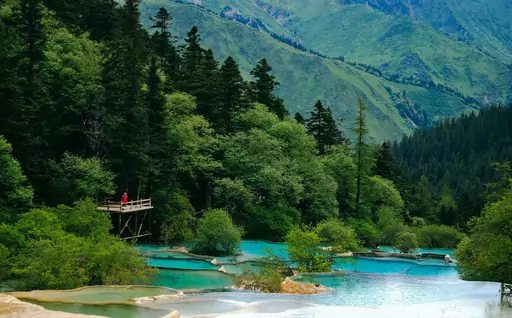
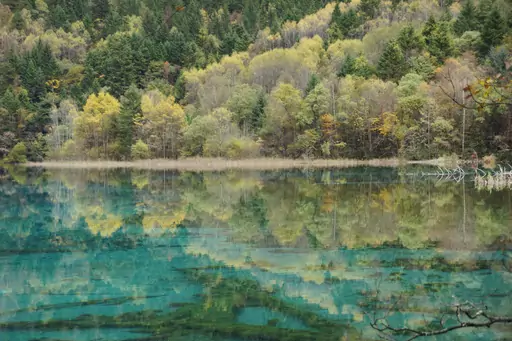
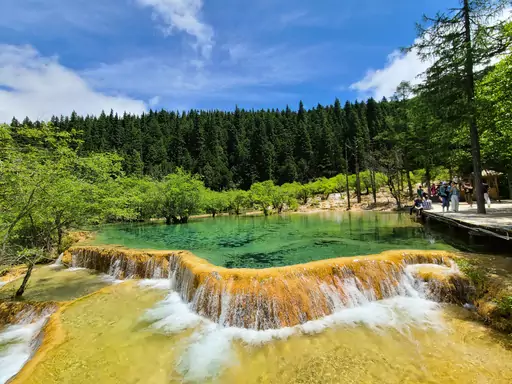
Nuorilang Falls is about 1,000 feet wide. September water is clear and full after summer rains. Leaves have just started to turn on high slopes. Crowds are smaller than in October. Boardwalks and shuttle buses link the lakes. Quiet paths feel peaceful at dawn and dusk.
Island in Thailand
Ko Samui
Tropical Vibes and Relaxed Luxury
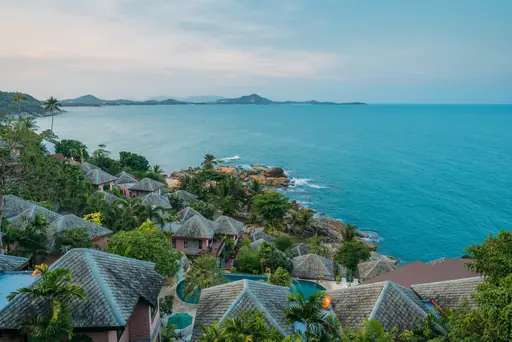
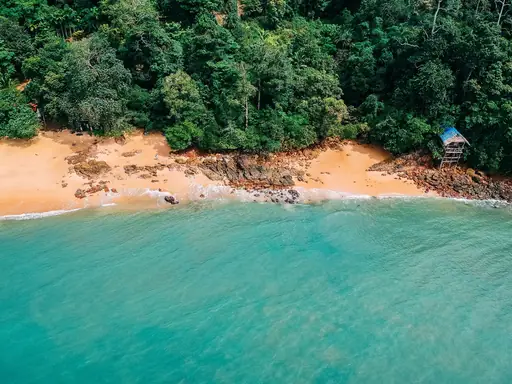
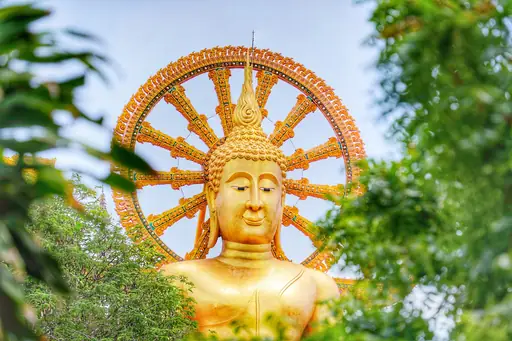
Sea breezes and the smell of grilled fish are part of the Friday night walking street at Fisherman's Village in Bophut. September has warm sea and rain showers between sunny spells, so hotel rates are lower while boat trips go to Ang Thong Marine Park, a group of limestone islands.

Town in Indonesia
Ubud
Bali's Cultural and Spiritual Heart
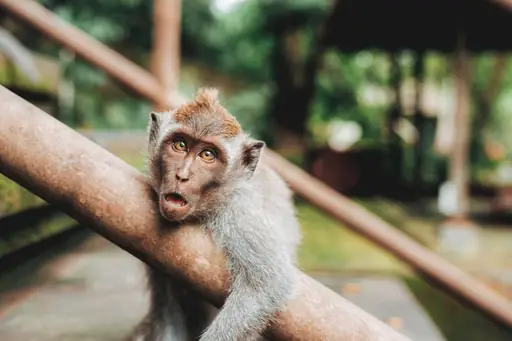
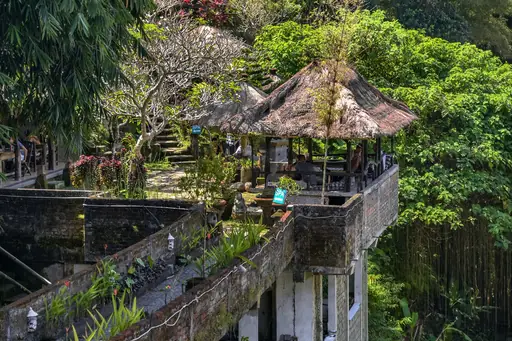
Rain is rare in September so walkers cross the Campuhan Ridge at sunrise in warm sunny weather and see the terraced rice fields at Tegalalang. Monkeys swing through the Sacred Monkey Forest Sanctuary while families set out offerings of flowers and rice at small shrines every morning.
National Park in Taiwan
Taroko National Park
Majestic marble cliffs echo ancient legends
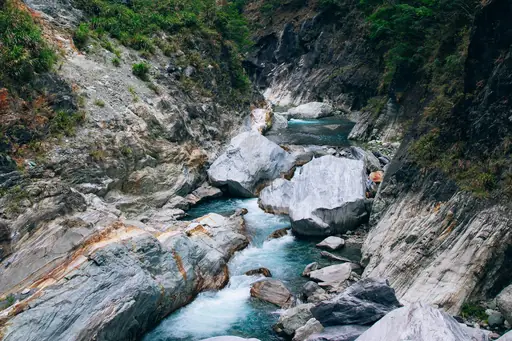
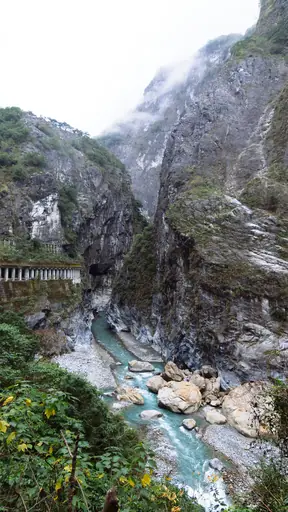
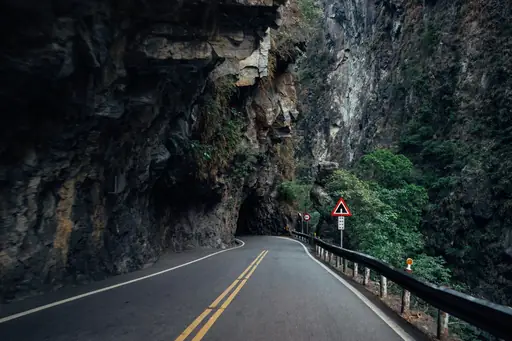
Taroko Gorge is one of only three river carved gorges in the world cut entirely through pure marble. Highway 8 climbs through the park from subtropical forest to high mountain pine and cedar forest. Twenty-seven peaks rise above 3,000 metres. The park is named for the Truku people, who still live there.
City in Japan
Takayama
Old town, morning markets and Hida beef
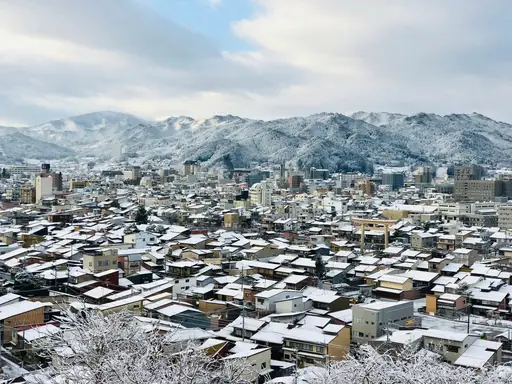
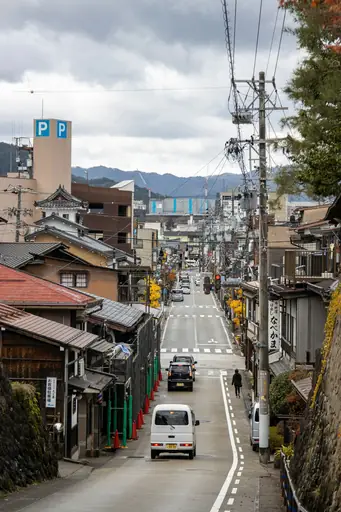
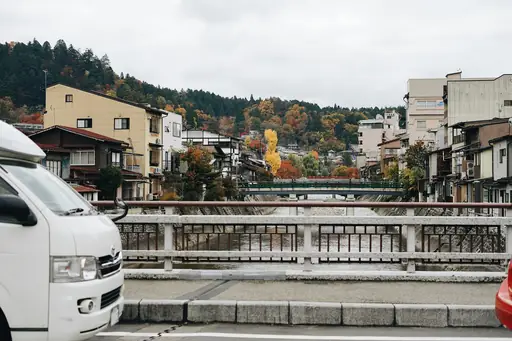
Like a small version of old Kyoto in the mountains, Takayama has Sanmachi Suji, lanes of dark wooden merchant houses and sake breweries marked by cedar balls hung from the eaves. September days are warm but cooler than on the plains, so pushchairs browse the morning market along the Miyagawa River.
City in Kazakhstan
Almaty
Mountains, markets and modern spirit
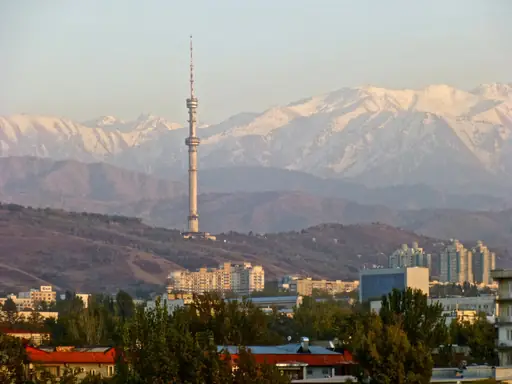
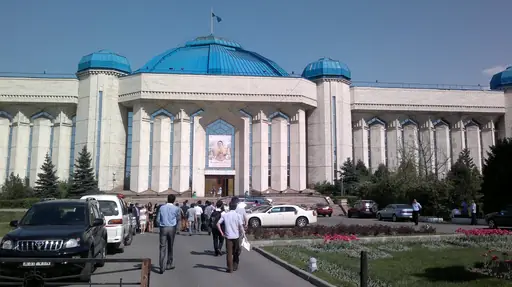
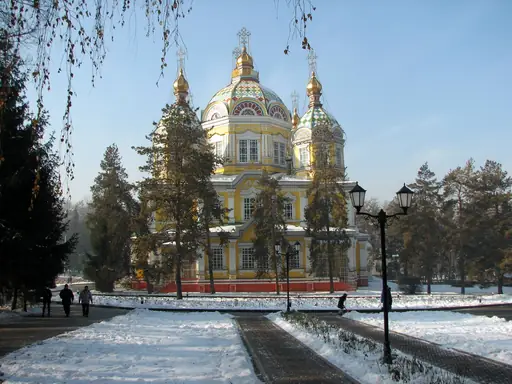
Big Almaty Lake, a turquoise mountain lake at about 8,000 feet, is ringed by spruce forest and snowy peaks that look sharp in September air. Days in the city are warm and sunny while stalls at the Green Bazaar are piled with local apples, since the name Almaty is translated as full of apples.
Island in Indonesia
Lombok
Untamed Beaches and Majestic Mountains
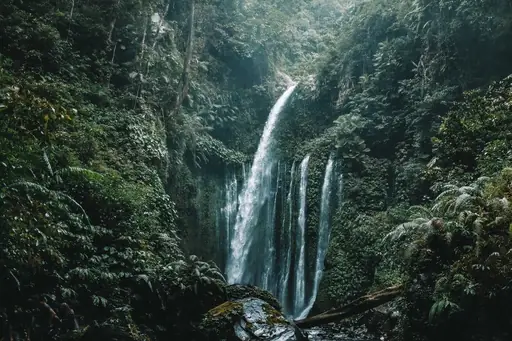
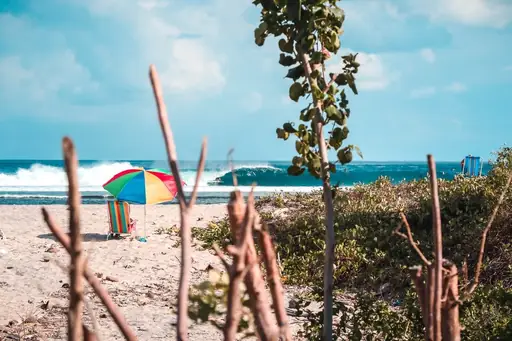
Hikers on Mount Rinjani, a volcano 12,224 feet high, find firm trails in the September dry season and camp on the crater rim. Bathers soak in hot springs beside the lake called Segara Anak while surfers ride long waves at Desert Point on the southwest coast.
Historic Site in Jordan
Petra
Ancient city carved into rose-red stone
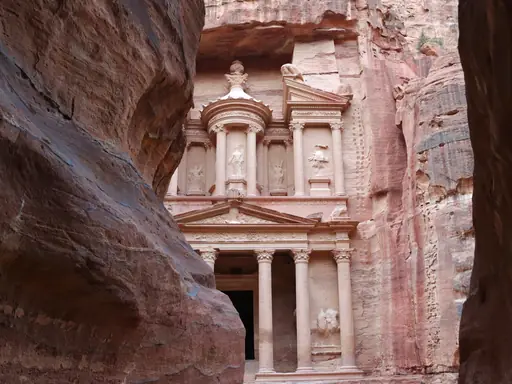
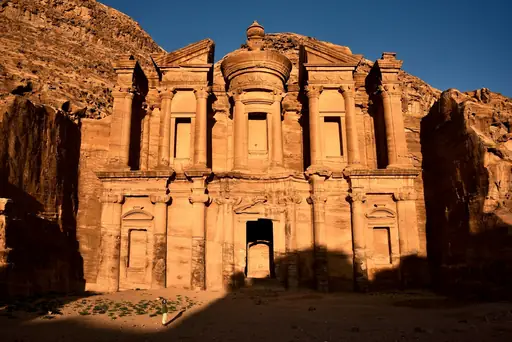
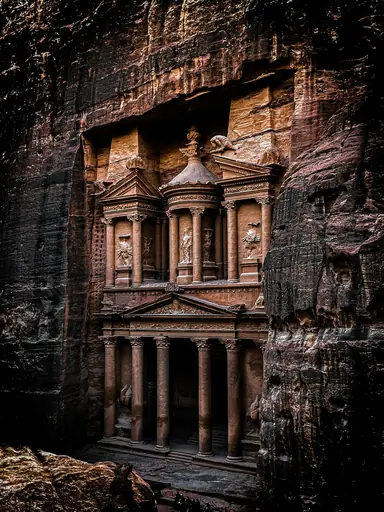
The Treasury, a temple front carved into rose red sandstone about 2,000 years ago, appears at the end of the narrow Siq canyon. September days are hot and dry, so hikers start at dawn to reach the Monastery, up about 800 rock cut steps, before the midday heat.
Island in Indonesia
Gili Trawangan
Island Vibes and Crystal Waters
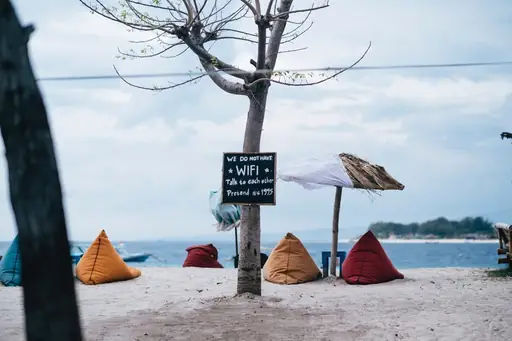
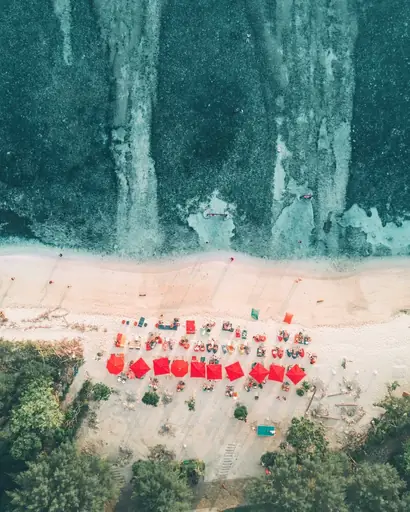
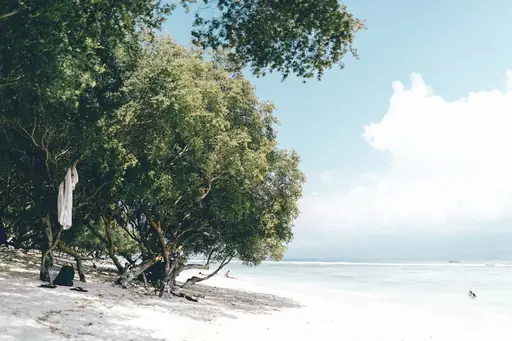
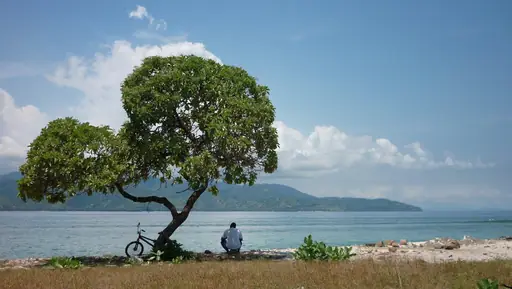
September is in the dry season with hot sunny days and calm seas, so divers and snorkellers visit the turtle sites off the east coast. Horse carts called cidomo carry guests along sandy lanes because cars are banned, while people watch the sun set behind Bali's Mount Agung from beach swings.
City in Uzbekistan
Samarkand
The Silk Road’s Shimmering Gem
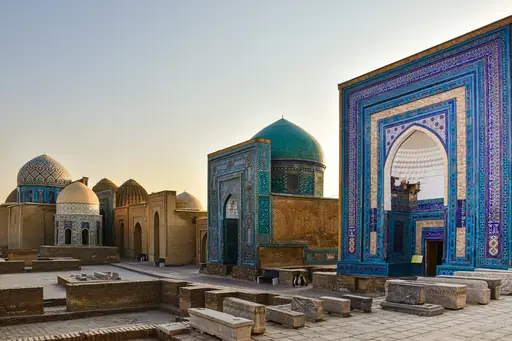
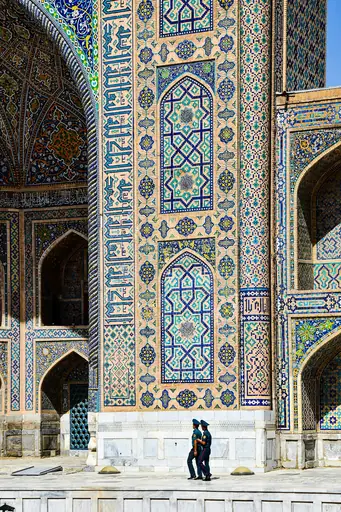
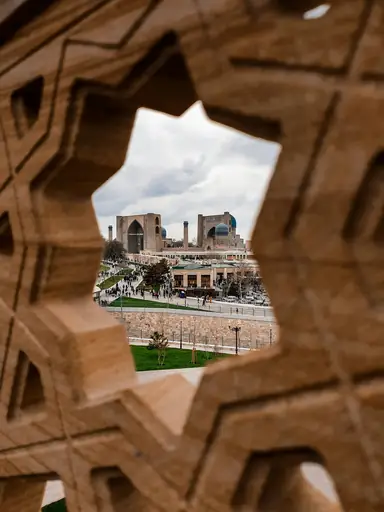
Timur made Samarkand his capital in the 1370s and filled it with blue tiled domes that still shine over the Registan, a square of three Islamic schools built between the 1400s and 1600s. In September grapes and melons are heaped at Siab Bazaar while days are warm and dry.
Region in India
Ladakh
Himalayan Cold Desert of Contrasts
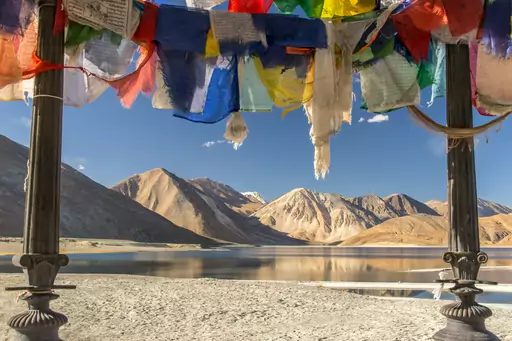
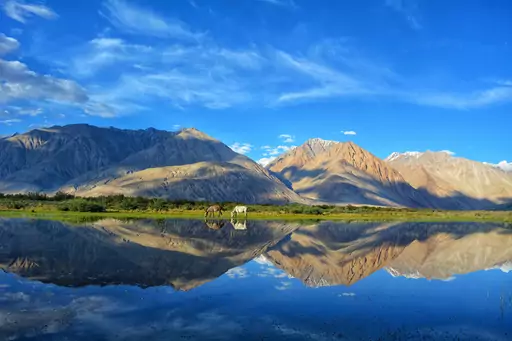
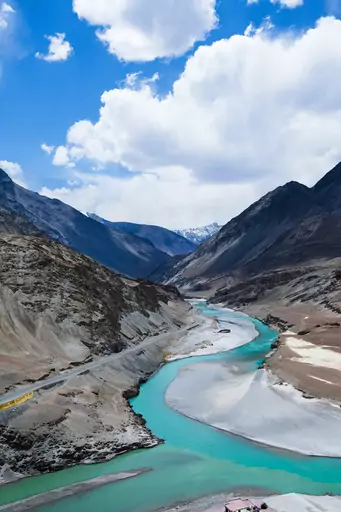
High on the Tibetan plateau at about 11,500 feet, Leh is the base for Ladakh, where September has clear blue skies and mild sunny days. The Ladakh Festival is usually held in early September with monastery dances and archery, while Pangong Lake changes from green to deep blue in the thin air.
Nature Reserve in Jordan
Wadi Rum
Valley of the moon's timeless magic
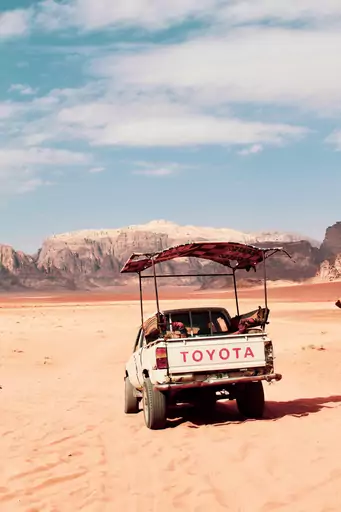
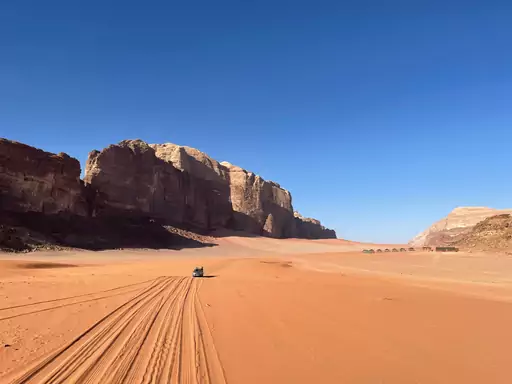
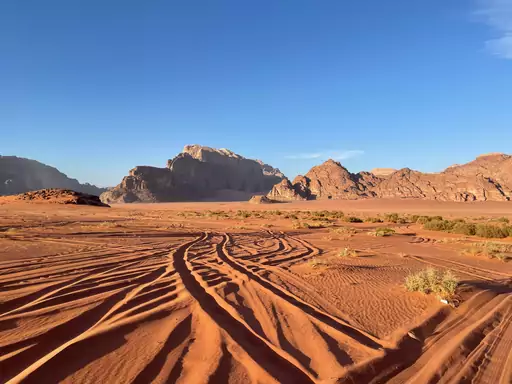
Bedouin hosts cook zarb, lamb and vegetables buried in a hot sand pit, then serve sweet sage tea by the campfire. September days are hot and give way to cool clear nights, so guests jeep between rock arches at sunset and sleep under bright stars in desert camps.
Archaeological Site in Sri Lanka
Sigiriya
Majestic rock fortress echoes ancient glory
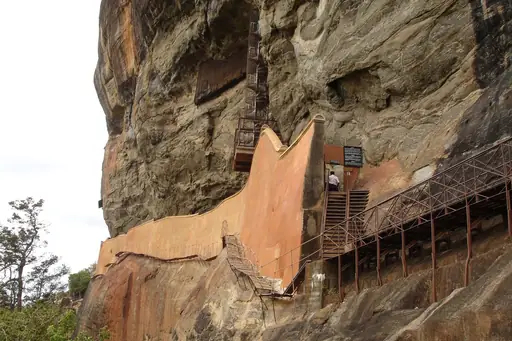
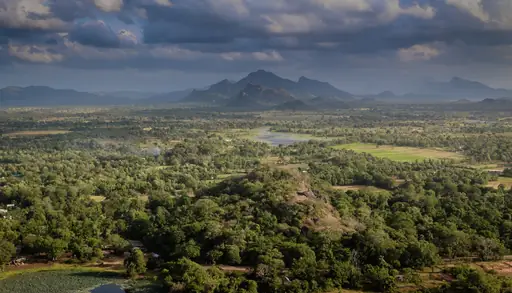
Wind and the cries of macaques are part of the climb up 1,200 steps to Sigiriya Rock, a 660 foot granite column where King Kashyapa built a palace in the 5th century. September is dry in the cultural triangle so elephants gather on the grass at Minneriya National Park, a short drive away.
National Park in Indonesia
Komodo National Park
Dragons, Pristine Reefs and Wild Beauty
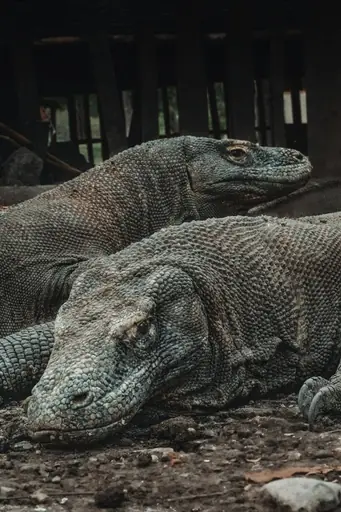
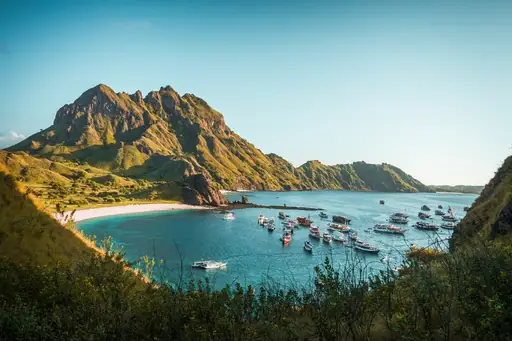
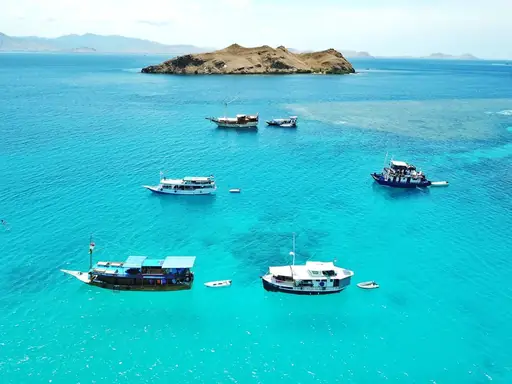
Komodo dragons were reported to Western scientists in 1910, when a Dutch army officer visited the island after hearing stories of land crocodiles. September has dry sunny weather and calm seas, so rangers lead walks on Rinca while boats take snorkellers to Pink Beach and the manta rays at Karang Makassar.
Region in Nepal
Annapurna
Legendary Trekking in Himalayan Diversity
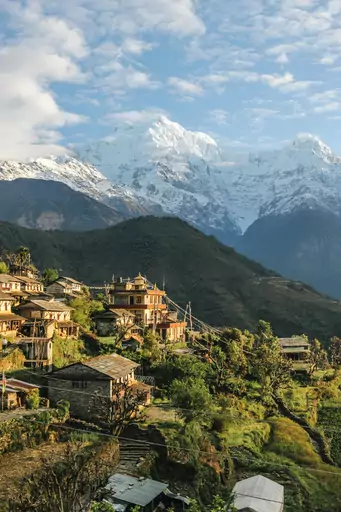
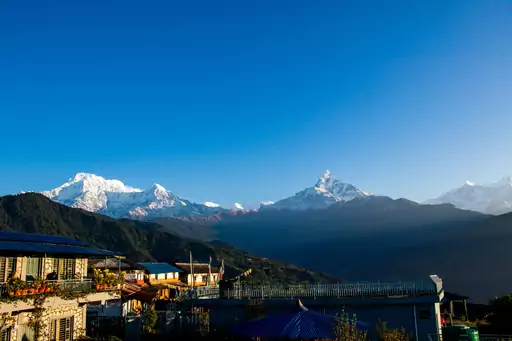
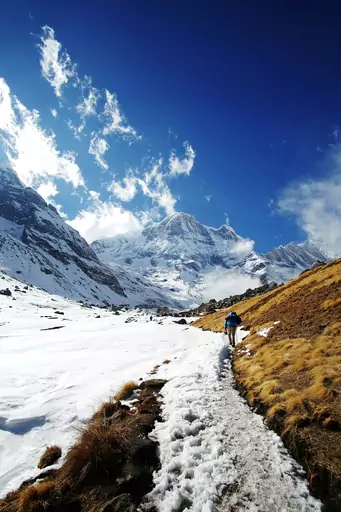
Trekkers have followed the Annapurna Circuit since Nepal opened the route to foreigners in 1977, crossing Thorong La pass at 17,769 feet. The monsoon fades by late September so the rice terraces are still green, clouds begin to clear from the peaks and the trails have fewer hikers than in October.
Town in Sri Lanka
Arugam Bay
Sri Lanka’s Surf and Sunrise Haven
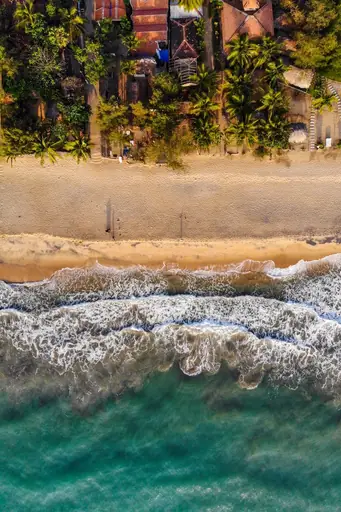
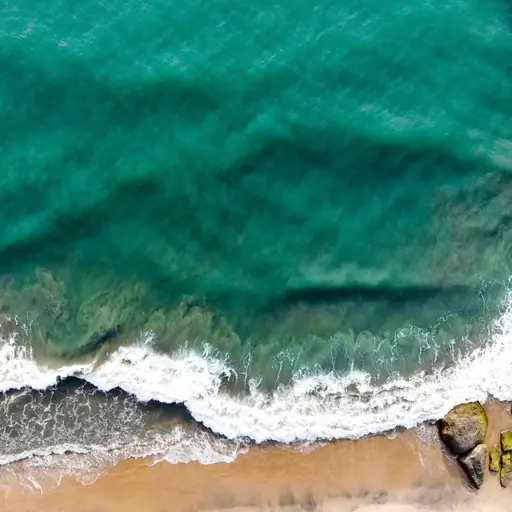
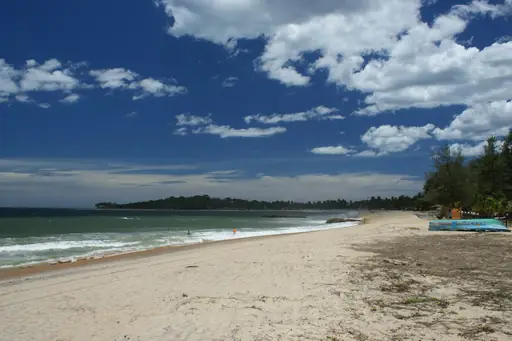
Main Point is a long right hand wave that draws surfers from around the world. The surf season runs through September with warm water and dry weather. The village is small and relaxed, with beachfront cafes. Pelicans and painted storks nest at Kumana National Park nearby.

Country
Bhutan
Himalayan monasteries, dzongs and trekking trails
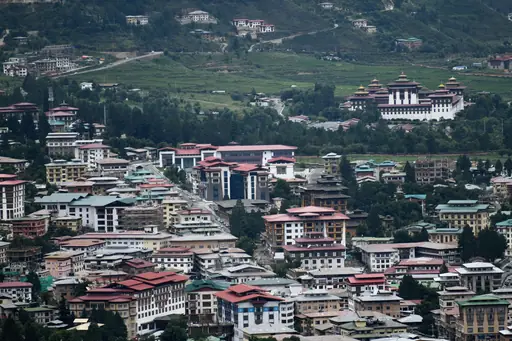
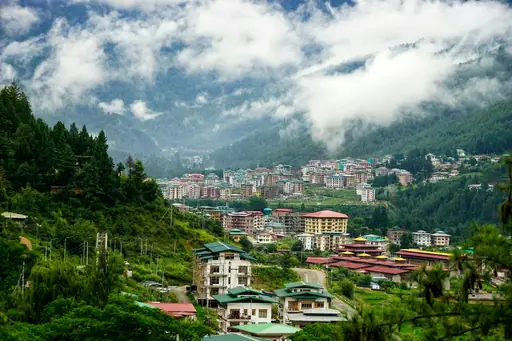
Monsoon rains fade in September and the valleys turn deep green. Dzongs, hilltop fortress monasteries, glow white and red against clearing skies. Autumn festivals called tshechus begin in some districts with masked dances. Tourist numbers are low, so trails to Tiger's Nest Monastery are quiet.

Island in Indonesia
Gili Meno
Crystal turquoise waters and secluded coves
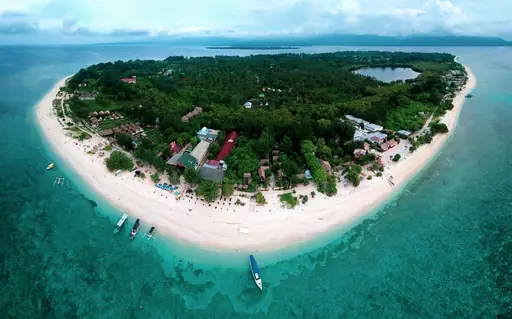
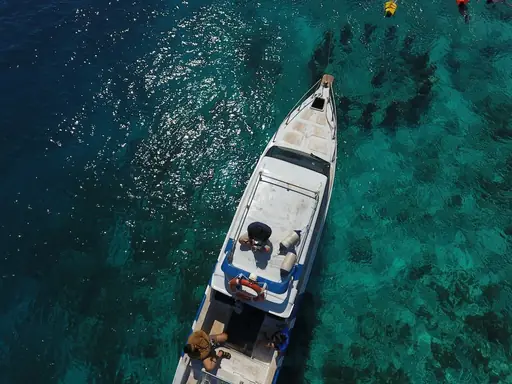
The smallest and quietest of three islands off northwest Lombok has no motor vehicles and a small salt lake in its centre. September is in the dry season with calm clear water, so snorkellers swim with green sea turtles near the Turtle Sanctuary while the beaches are less crowded than in August.
Desert in Mongolia
Gobi Desert
Endless dunes under starlit desert skies
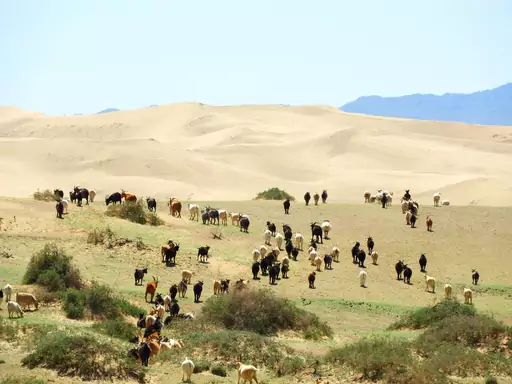
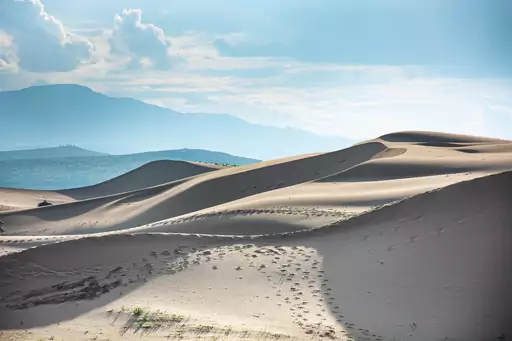
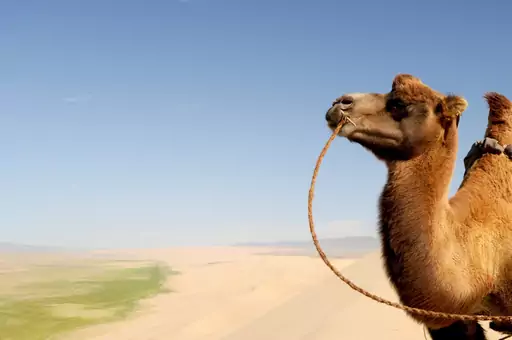
Herder families in the Gobi live in felt tents called gers and offer visitors salty milk tea as a custom of welcome. September has mild sunny days and cool nights so travellers climb the Khongoryn Els dunes, up to 980 feet high, while others visit the Flaming Cliffs, where dinosaur eggs were found in 1923.
Other lists you may like

Discover
Best winter sports destinations in Europe
Europe is the heartland of alpine skiing culture, with a resort infrastructure and mountain tradition that has been developing for well over a century. The best destinations…
Read more
Discover
Best street art destinations in Africa
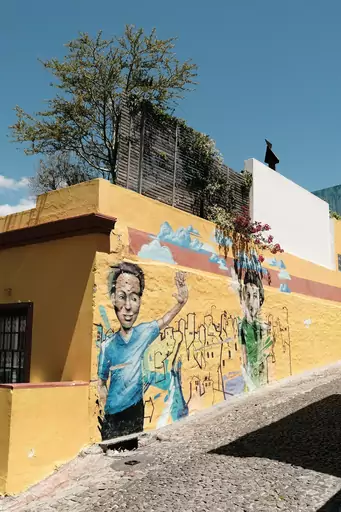
Africa's street art scenes have emerged rapidly, with several cities developing mural cultures of genuine international standing that sit at the intersection of local artistic…
Read more
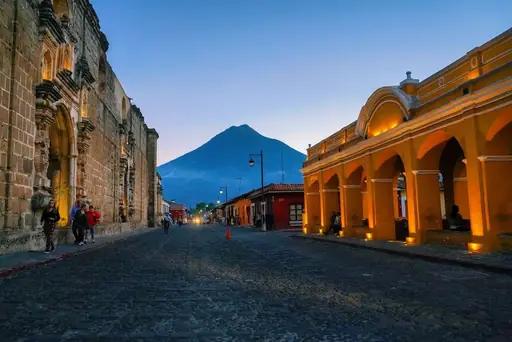
Discover
Best slow travel destinations in North America
Rural New England and a culinary region in Mexico offer two very different versions of slow travel, one built around small-town routine, the other around centuries-old culinary and…
Read more

Discover
Best cherry blossom destinations in Africa
Cherry blossoms are a rarity across Africa, limited to a small handful of regions in South Africa, Algeria and Morocco rather than any continent wide tradition. Jacaranda trees are…
Read more

Discover
Most beautiful beaches and coastal escapes
For a lot of people, a beach is the whole point of a holiday, but what makes a beach day perfect really depends on personal taste. Some travellers want isolation and the feeling…
Read more
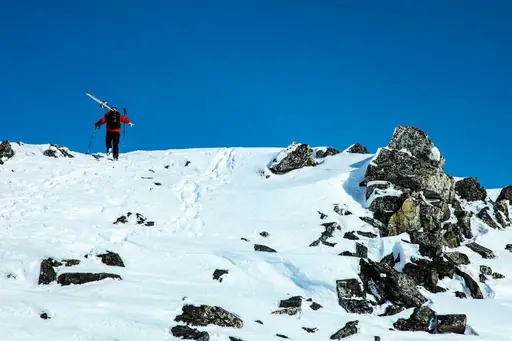
Discover
Best winter sports destinations in North America
North America has some of the most varied and celebrated winter sports terrain on earth, with resort cultures on both the east and west coasts that have developed distinct…
Read more
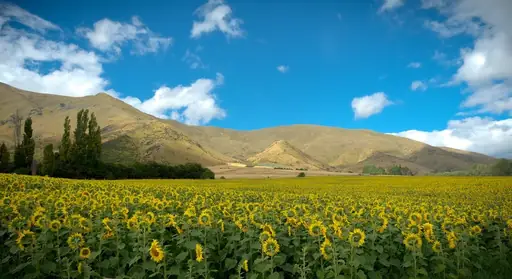
Discover
Best slow travel destinations in Oceania
New Zealand's southern regions and the wider Pacific Islands both reward a slower pace, shaped as much by geography and limited transport links as by deliberate choice, with…
Read more
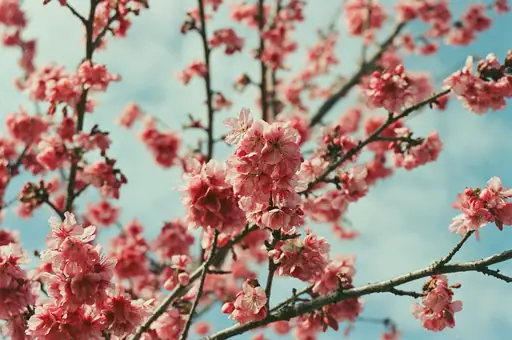
Discover
Best cherry blossom destinations in South America
Cherry blossoms are not native to South America, but Japanese immigrant communities have successfully planted Yoshino and other cherry varieties throughout the continent since the…
Read more
What other users say about travelfilters
“travelfilters made it easy for me to find ski areas and compare what else they offer, so that I could find the best place for my personal travel style.”

Chris
Snowboarding & Onsen trip to Japan
“I love how transparent the data feels. There is no pushy upsell, just honest information and settings I can tune to my own travel style.”

Maria
After booking her 2027 winter escape
“The level of detail for each destination and how well those are displayed, make planning feel confident instead of overwhelming.”

Mina
Planned a week in New York City
“We used travelfilters for our planning from start to end. The trip turned out even better than expected, thanks to all their tools and customisation options.”

Allan & Etienne
Trip to Japan to see autumn foliage
“Thanks to travelfilters, I found some hidden gems to see. Being able to filter for exactly your interests is a game changer for my travel planning.”

Michael
Tour through the old cities of Northern Italy
“The customizable filters helped me find a quiet beach town with good wifi and low season crowds in under five minutes.”

Diego
Weekend Escape to Llanes, Spain
“The airport connection map saved me hours by showing good flight options from my home airport to lesser-known cities.”

Nguyen
Planning a 2027 trip to France
“The website is clean, fast and focused on the search itself, which makes travelfilters feel more like a professional tool than an ad-heavy booking site.”

Hassan
Christmas Market trip, Germany
