








Was this page helpful?

These place ratings give you a quick overview of how well a destination matches different types of trips.
‘Best for’ scores:
The specific interest scores show where this place really shines – whether it's ideal for hiking, food & drink experiences, museums or other activities. These highlights help you understand what makes the destination special at a glance.
‘Your personal’ scores:
This reflects how well a place matches your personal preferences. You can adjust the importances of travel topics or other personal requirements categories in your account settings.
‘Suited for’ badges:
These give you a quick overview of how well a destination suits specific types of travellers, to help you find the places that match your lifestyle, preferences or travel situation.
| Power Grid: |
230 V, 50 Hz Plug: Type C , Type D , Type M
Type C:
   Read about power adapters |
|---|---|
| Currency: |
Indian Rupee (INR) £1 ≈ ₹126.72 |
| Cashless info: |
Rating 4/5
Cashless payments are becoming more common in India, especially in urban areas. Credit cards and mobile payment apps like Google Pay, Paytm, and PhonePe are widely accepted in cities.
Save with a travel credit card |
| eSIM providers: |
Best value: Saily Flexibility: Airalo Read our in-depth comparison |
| Tipping: | Tipping is appreciated in India but not mandatory. A 10% tip in restaurants is common. Tipping taxi drivers and hotel staff is also customary, typically 10-15% for good service. |
|---|---|
| Public drinking: | Public drinking is not commonly seen in India. Alcohol is typically consumed in licensed bars, restaurants, and hotels. |
| Public smoking: | Smoking is prohibited in many indoor public spaces, including restaurants, bars, and public transport stations. |
| Independence Day (15 August) |
A national holiday celebrated with flag hoisting and parades |
|---|---|
| Diwali (October-November) |
The Festival of Lights, celebrated with fireworks and festivities |
| Emergency contact: | Emergency Number: 112 |
|---|---|
| Taxi apps: | Ola, Uber |
| Other: | India is a vast and diverse country with a rich cultural heritage, offering a wide range of experiences from ancient temples to modern cities. Prepare for varying infrastructure and safety conditions depending on the region. |
The best times to travel section shows how the months compare for a visit, so you can find the time of year that fits what you want to do.
Background colours of the months:
The colour shows the typical temperature: yellow (hot), green (mild) and blue (cold). How strong the colour is shows the travel season: full colour means high season, soft colour means shoulder season and soft-striped means off season.
Weather symbols:
Each month has one symbol showing what the weather is typically like, such as hot and sunny, freezing or a rainy or snowy season. Use them to quickly spot months that match the weather you want, or to avoid the ones that don't.
Crowdedness:
The people icon shows how busy the place usually is. The more people, the more crowded it gets.
Additional notes:
The grey info boxes point out special things worth knowing, like recurring weather issues or seasonal events.
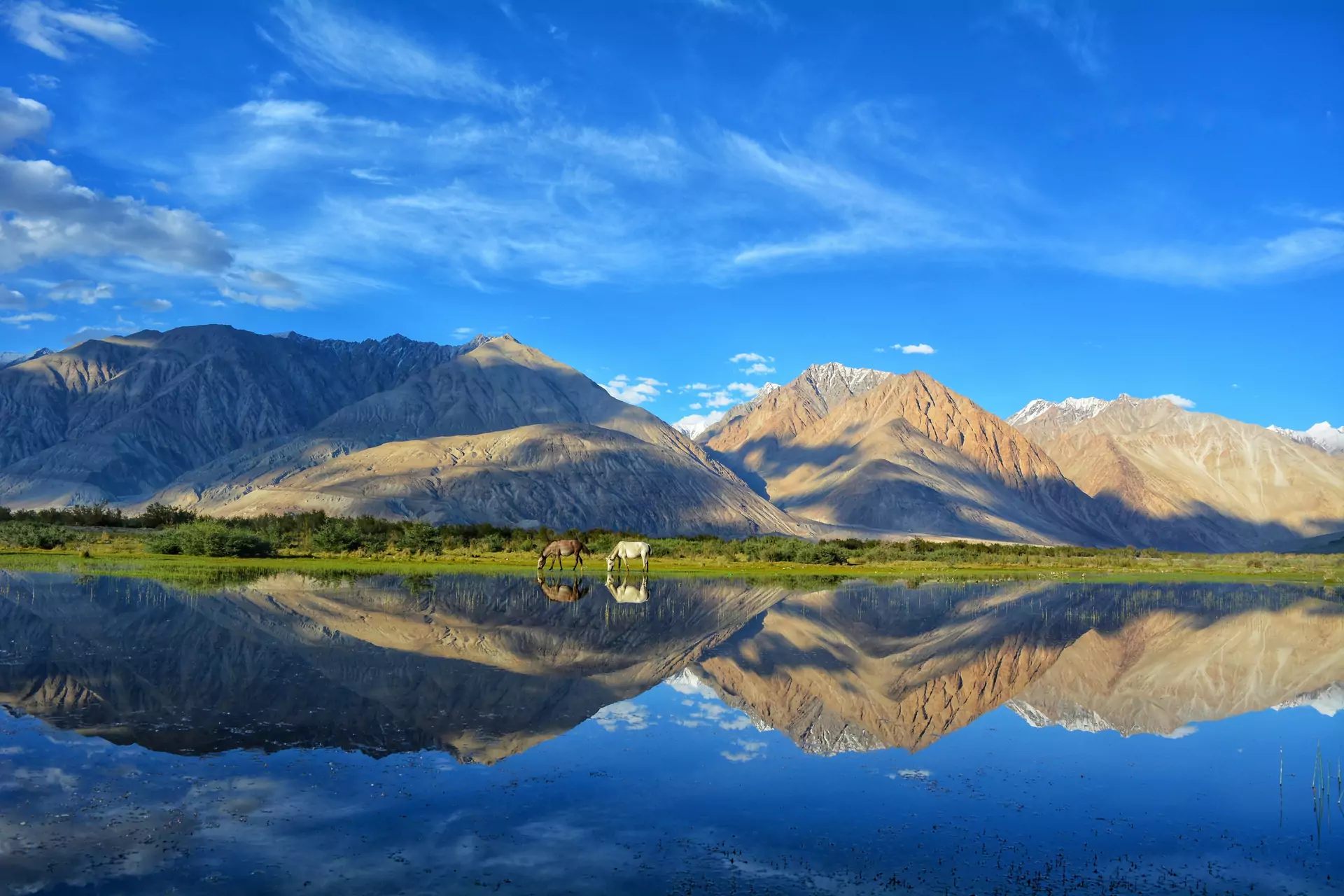
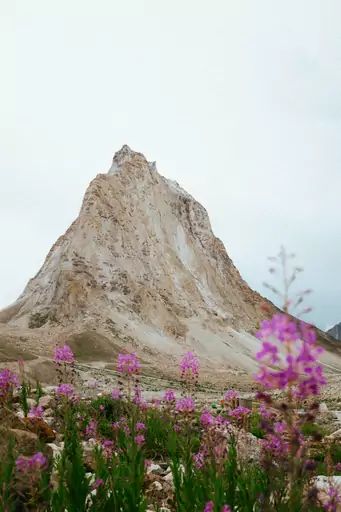
Ladakh offers an experience that feels both timeless and transformative, perfect for travelers seeking something beyond conventional tourist destinations. The region's dramatic landscapes are simply unforgettable – from the turquoise waters of Pangong and Tso Moriri lakes to the sand dunes of Nubra Valley with its double-humped Bactrian camels. Centuries-old monasteries like Hemis and Thiksey cling to mountainsides, prayer flags flutter in the wind and the silence of the mountains creates a profound sense of peace. For adventure seekers, high mountain passes like Khardung La (often claimed to be the world's highest motorable road) provide thrilling journeys with breathtaking vistas. However, Ladakh's remote beauty comes with challenges that travelers should be prepared for. The high altitude (Leh sits at 3,500 meters) can cause altitude sickness, requiring proper acclimatization. Weather conditions are extreme – winters see temperatures plummeting to -48°C in some areas, while summers can be surprisingly hot during the day with cold nights. Infrastructure is developing but still basic in many areas, with occasional power outages and limited internet connectivity. The tourism season is short (primarily June to September) and reaching the region requires either a challenging road journey or flights that can be affected by weather conditions. Despite these challenges, the region's unspoiled beauty, warm hospitality and focus on sustainable tourism make it an increasingly popular destination for those seeking meaningful travel experiences.
Ladakh is accessible by air and road, though both have limitations. Flying is the quickest option, with regular flights connecting Leh to major Indian cities like Delhi. The road route offers two main options: the Manali-Leh Highway (open roughly June-October) and the Srinagar-Leh Highway (open slightly longer). Both road journeys are long (2 days minimum) but spectacularly beautiful, crossing high mountain passes. However, they can be challenging due to road conditions and altitude, with proper acclimatization essential to avoid altitude sickness.
Ladakh offers accommodations ranging from luxury hotels in Leh to simple guesthouses and authentic homestays in villages. In Leh, you'll find the widest selection of places to stay, from budget hostels to mid-range hotels with modern amenities. For a more immersive experience, homestays in villages like Turtuk, Alchi or Hemis provide insights into local life. At popular tourist spots like Pangong Lake and Nubra Valley, options are more limited and basic. During peak season (June-September), advance booking is recommended, especially in Leh.
We calculate the average costs when travelling to destinations and compare those with the living costs at your home. With this you can get an estimate of how expensive or cheap the destination is for you.
To customise this, you can set up which location and price level are used for the calculations in your account settings.
The exchange rate price factor shows how expensive or cheap a currency currently is compared to its historical average. It's a quick way to see if a country is currently more or less affordable due to exchange rate changes.
Log in to add this place to a travel list and get a summary of all recommended items for your whole trip.
