






Was this page helpful?

These place ratings give you a quick overview of how well a destination matches different types of trips.
‘Best for’ scores:
The specific interest scores show where this place really shines – whether it's ideal for hiking, food & drink experiences, museums or other activities. These highlights help you understand what makes the destination special at a glance.
‘Your personal’ scores:
This reflects how well a place matches your personal preferences. You can adjust the importances of travel topics or other personal requirements categories in your account settings.
‘Suited for’ badges:
These give you a quick overview of how well a destination suits specific types of travellers, to help you find the places that match your lifestyle, preferences or travel situation.
| Power Grid: |
230 V, 50 Hz Plug: Type C , Type D , Type M
Type C:
   Read about power adapters |
|---|---|
| Currency: |
Indian Rupee (INR) £1 ≈ ₹126.52 |
| Cashless info: |
Rating 4/5
Cashless payments are becoming more common in India, especially in urban areas. Credit cards and mobile payment apps like Google Pay, Paytm, and PhonePe are widely accepted in cities.
Save with a travel credit card |
| eSIM providers: |
Best value: Saily Flexibility: Airalo Read our in-depth comparison |
| Tipping: | Tipping is appreciated in India but not mandatory. A 10% tip in restaurants is common. Tipping taxi drivers and hotel staff is also customary, typically 10-15% for good service. |
|---|---|
| Public drinking: | Public drinking is not commonly seen in India. Alcohol is typically consumed in licensed bars, restaurants, and hotels. |
| Public smoking: | Smoking is prohibited in many indoor public spaces, including restaurants, bars, and public transport stations. |
| Independence Day (15 August) |
A national holiday celebrated with flag hoisting and parades |
|---|---|
| Diwali (October-November) |
The Festival of Lights, celebrated with fireworks and festivities |
| Emergency contact: | Emergency Number: 112 |
|---|---|
| Taxi apps: | Ola, Uber |
| Other: | India is a vast and diverse country with a rich cultural heritage, offering a wide range of experiences from ancient temples to modern cities. Prepare for varying infrastructure and safety conditions depending on the region. |
The best times to travel section shows how the months compare for a visit, so you can find the time of year that fits what you want to do.
Background colours of the months:
The colour shows the typical temperature: yellow (hot), green (mild) and blue (cold). How strong the colour is shows the travel season: full colour means high season, soft colour means shoulder season and soft-striped means off season.
Weather symbols:
Each month has one symbol showing what the weather is typically like, such as hot and sunny, freezing or a rainy or snowy season. Use them to quickly spot months that match the weather you want, or to avoid the ones that don't.
Crowdedness:
The people icon shows how busy the place usually is. The more people, the more crowded it gets.
Additional notes:
The grey info boxes point out special things worth knowing, like recurring weather issues or seasonal events.
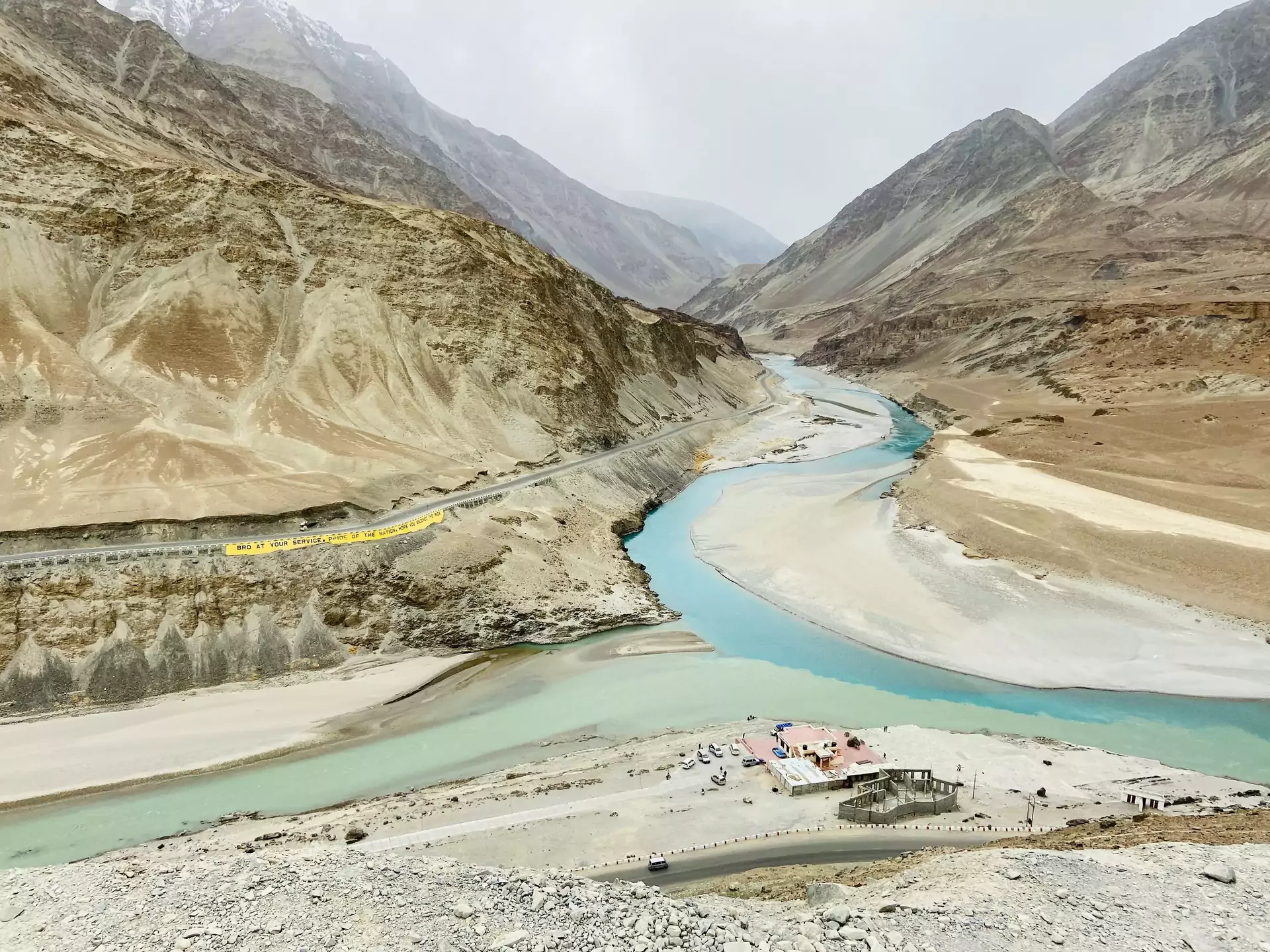
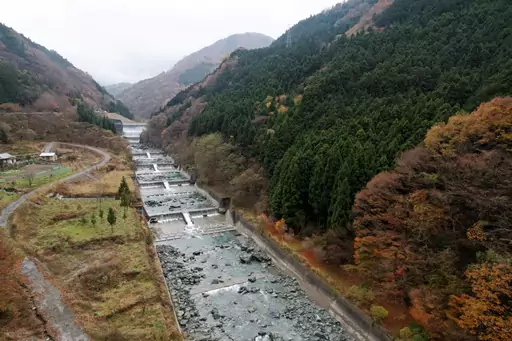
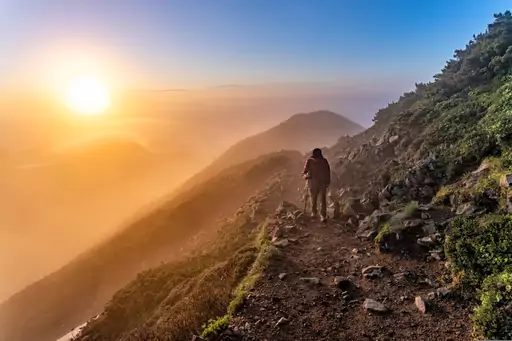
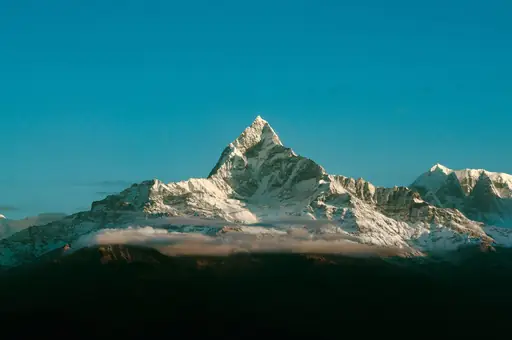
Traveling to Zanskar offers a rare glimpse into one of the last frontiers of authentic Himalayan culture and wilderness. This isolated region, accessible only for a few months each year, rewards adventurous travelers with stunning landscapes that transform dramatically with the seasons - from lush green valleys in summer to the surreal frozen river trek (Chadar) in winter. The ancient Buddhist monasteries perched dramatically on hillsides, some dating back over a thousand years, provide spiritual and cultural dimensions that complement the natural beauty. What makes Zanskar truly special is the profound sense of remoteness and the warm hospitality of its people. Staying in traditional Zanskari homestays offers an intimate window into a way of life that has remained largely unchanged for centuries. Whether you're trekking across high mountain passes, visiting monasteries filled with chanting monks or simply soaking in the panoramic views of the towering Himalayan peaks, Zanskar offers experiences that feel increasingly rare in our interconnected world. However, this remoteness comes with challenges - the harsh climate, basic infrastructure and limited medical facilities require thorough preparation and respect for the environment.
Reaching Zanskar requires determination and planning. The most common route is via Kargil in Ladakh, which is accessible from Srinagar or Leh. From Kargil, a challenging 14-hour drive along the Suru River leads to Padum, the administrative center of Zanskar. Alternative routes include the Darcha-Shingo La-Padum path or the Leh-Nimoo-Chilling-Padum route along the Zanskar River. The region is only accessible by road from approximately July to October, as heavy snowfall closes passes during winter months. The nearest airports are in Leh and Srinagar.
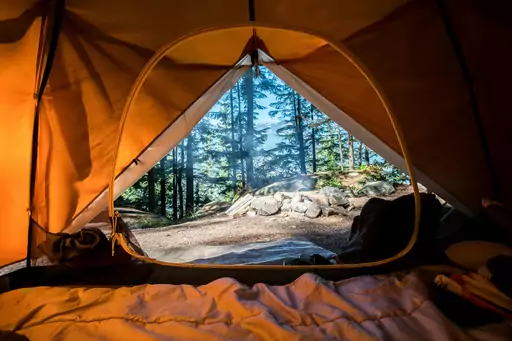
Accommodation in Zanskar is basic and limited, reflecting its remote character. Padum offers a few budget hotels, guesthouses and camping options. Traditional homestays in villages like Karsha and Tungri provide authentic cultural experiences with local families, though amenities are simple. The Karsha Monastery also occasionally offers basic lodging for travelers. JKTDC alpine huts provide another option in certain locations. During peak season (July-August), accommodations fill quickly, so advance arrangements are recommended, especially for longer stays.
We calculate the average costs when travelling to destinations and compare those with the living costs at your home. With this you can get an estimate of how expensive or cheap the destination is for you.
To customise this, you can set up which location and price level are used for the calculations in your account settings.
The exchange rate price factor shows how expensive or cheap a currency currently is compared to its historical average. It's a quick way to see if a country is currently more or less affordable due to exchange rate changes.
To help you plan your trip, we provide estimated daily costs per person (when travelling as a pair) for different travel styles. These numbers give you an idea of what you might spend each day at this destination, including accommodation, food, transport and activities.
Additionally, we also provide average hotel costs for different travel styles to give you an estimate for the accommodation only.
Please note that these are only estimates. The real costs depend on booking times, season and other factors.
Travel style categories explained:
Backpacker:
Staying in hostels or budget hotels, cooking your own meals or eating cheap and choosing low-cost activities.
Mid-range:
Staying in mid-range hotels, eating at a mix of restaurants and casual spots and enjoying a variety of activities.
Luxury:
Staying in luxury hotels, dining out at high-end restaurants and enjoying premium experiences without worrying about the price.
| Backpacker | Mid-range | Luxury | |
|---|---|---|---|
| 💵 Total costs per day, including accommodation | |||
| 🏨 Accommodation per night, per person | |||
| 🍝 Food per day | |||
| 🚕 Transportation per day |
| 🍽️ Restaurant Dinner, per person | |
|---|---|
| 🍛 Lunch Set, per person | |
| 🍟 Fast food combo | |
| 🍝 Preparing your own food, per day | |
| ☕ Cappuccino | |
| 🍺 Beer in a restaurant, 0.5 l |
| 🚌 Public transport ticket | |
|---|---|
| 🚕 Taxi Ride, 10 km / 6 mi | |
| ⛽ Petrol, 1 l |
| 🎞️ Cinema ticket | |
|---|---|
| 👩⚕️ Doctor's consult | |
| 🤧 Cold medication | |
| 💇 Basic haircut |
Log in to add this place to a travel list and get a summary of all recommended items for your whole trip.
