
Best winter sports destinations in Europe
Best winter sports destinations in Europe
Famous alpine ski resorts and winter sports venues in Europe
Europe is the heartland of alpine skiing culture, with a resort infrastructure and mountain tradition that has been developing for well over a century. The best destinations combine extensive lift systems, well-groomed pistes and serious off-piste terrain with village character and food cultures that make the overall experience worth the trip in its own right.
The range is considerable, from iconic high altitude resorts with glacier skiing and long season windows to smaller, less visited alternatives that offer genuine character and comparable terrain at a fraction of the cost. Interconnected ski areas allow experienced skiers to cover serious mileage across multiple resorts, while quieter destinations suit those for whom the mountain experience matters more than the infrastructure around it.
Snow reliability, altitude and timing are the key practical factors. Lower altitude resorts have become increasingly vulnerable to variable snow conditions and choosing destinations above a certain elevation reduces that risk considerably. Peak holiday periods fill up fast and prices reflect it. Travelling mid-season or mid-week tends to deliver better conditions, fewer crowds and more reasonable costs.
Lists by region
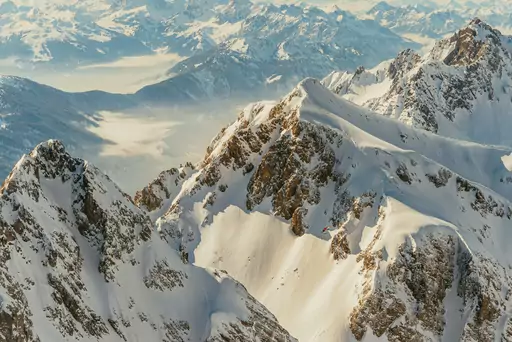
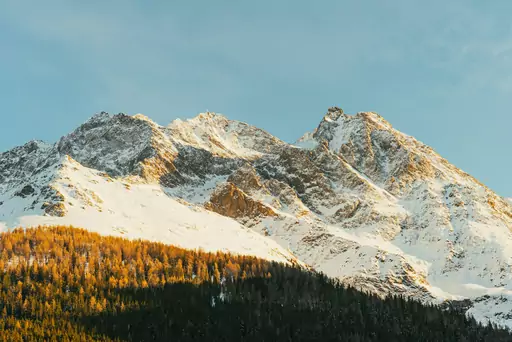
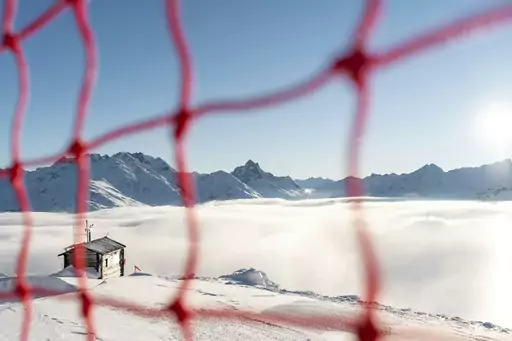
Village in Austria
St. Anton am Arlberg
Cradle of alpine skiing paradise
St. Anton became a hub of alpine ski instruction after Hannes Schneider founded a ski school there in 1921. His method spread across Europe and beyond from that village. A railway tunnel completed in 1884 had already opened the valley to outside visitors. St. Anton's steep runs later earned it a reputation among expert skiers.
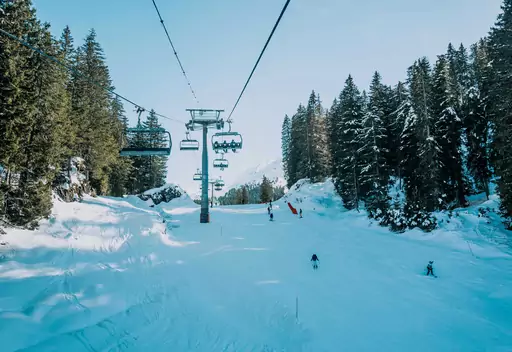
Town in France
Morzine
Alpine charm meets year-round adventure
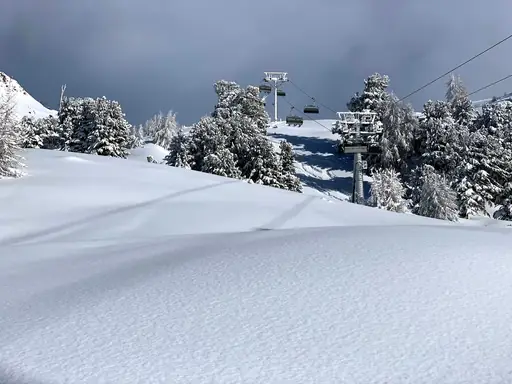
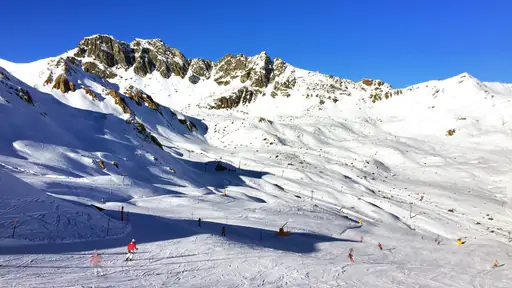
Morzine developed as a farming and cheese-making village before skiing arrived in the 1930s. Its slopes now link into the Portes du Soleil, a large connected ski area. A cable car built during the 1950s opened up higher terrain above the village. Morzine's town centre still keeps much of its traditional Savoyard architecture.

Region in Austria
Tyrol
Alpine paradise in all seasons
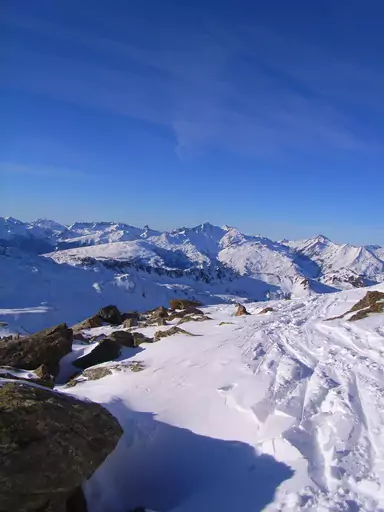
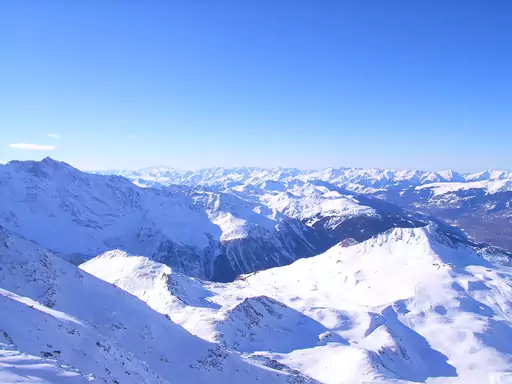
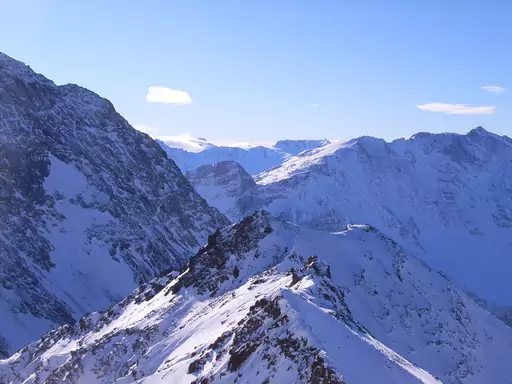
Tyrol's mountain villages have relied on Alpine passes for trade and travel since Roman times. Skiing spread through the region after early instructors opened ski schools in the early 1900s. Habsburg rulers once governed Tyrol from Innsbruck, its historic capital. Dozens of resorts across the region now trace their roots to those early ski schools.
Region in France
Les Arcs
Alpine skiing paradise with views
Planners built Les Arcs from scratch starting in 1968 as a purpose-designed ski resort. Architect Charlotte Perriand shaped much of its modernist, angular building style. A funicular built decades later linked the resort directly to the valley town of Bourg-Saint-Maurice. Les Arcs now connects by cable car to the neighbouring resort of La Plagne.
Town in France
Alpe d'Huez
Legendary Cycling and Alpine Skiing Paradise
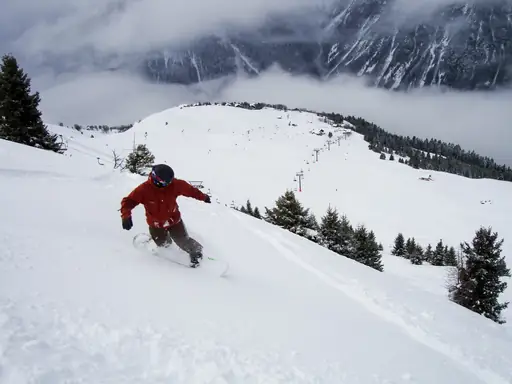
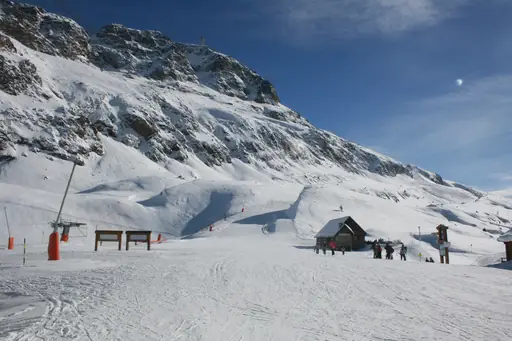
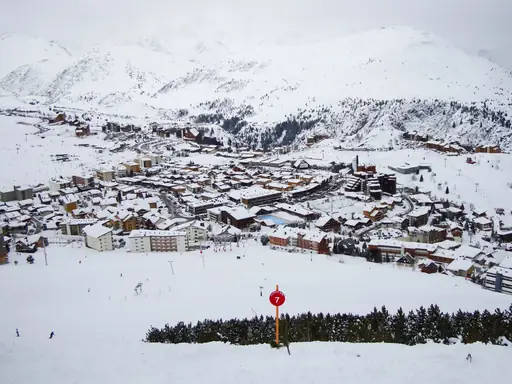
Alpe d'Huez grew from a small farming hamlet into a resort after a ski lift opened there in 1936. The Tour de France has climbed its 21 hairpin bends many times since 1952. Wide, sunny slopes earned it the nickname 'Island in the Sun.' Marked pistes now spread across its high alpine bowl.
Village in Switzerland
Grindelwald
A Majestic Swiss Mountain Village
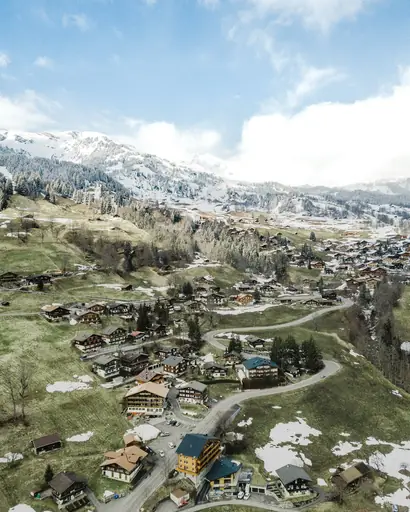
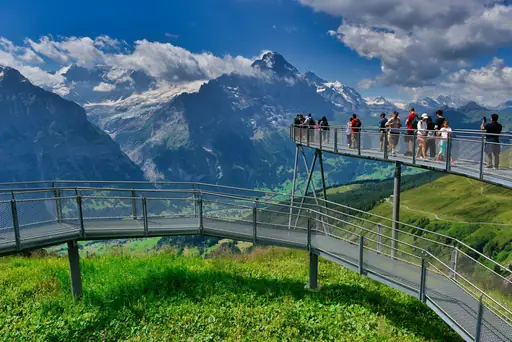
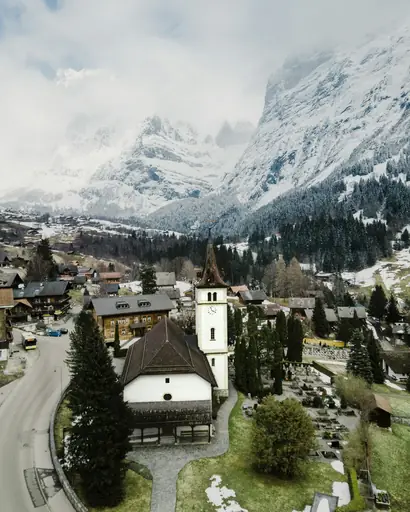
Grindelwald sits beneath the Eiger's north face, a wall long feared by mountaineers. Climbers began attempting the face's notorious route in the 1930s, with several early deaths. A cog railway built in 1912 connected the village more easily to the wider region. Grindelwald's slopes now link by gondola directly to neighbouring Wengen and Murren.
Region in Switzerland
Graubünden
Alpine wonderland with pristine lakes and trails
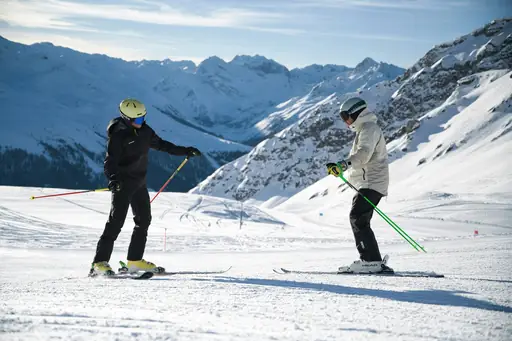
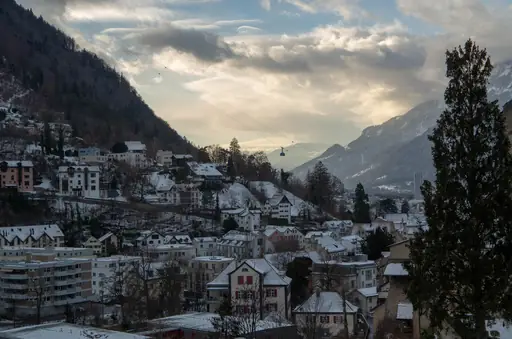
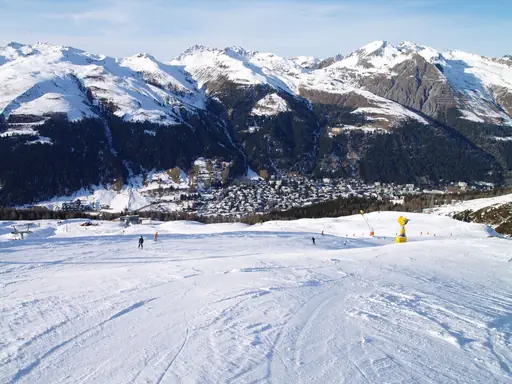
Graubunden's mountain resorts trace their roots to 19th-century health tourism drawn by its alpine air. British visitors popularised winter sports here after trying tobogganing in the 1860s. The canton's many valleys now host dozens of interconnected ski areas. Romansh-speaking villages throughout the region still preserve traditions predating the ski industry.
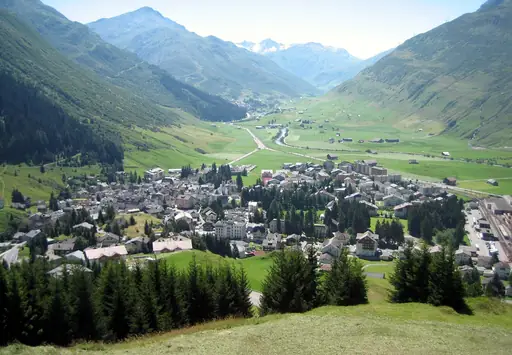
Village in Switzerland
Andermatt
Alpine Adventure Awaits You
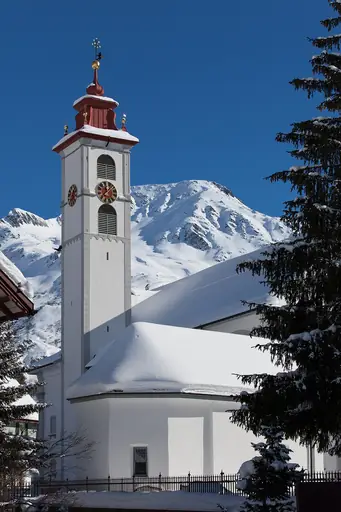
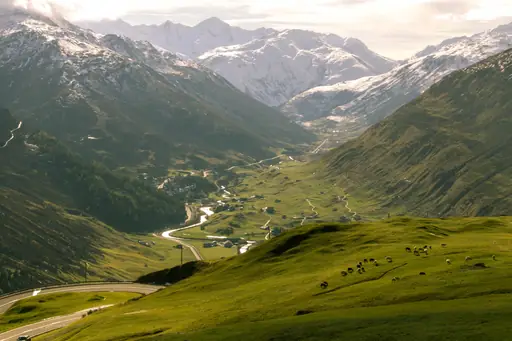
Andermatt guarded a key Alpine pass long before skiing arrived, sitting along the historic Gotthard route. Swiss military barracks once dominated the valley, limiting development for decades. A large resort investment beginning in 2005 transformed the once-sleepy village. Its slopes now connect to nearby Sedrun across a shared lift network.
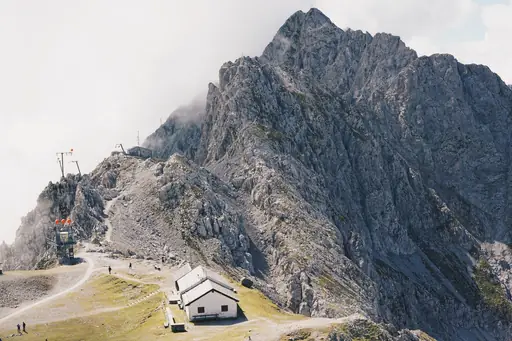
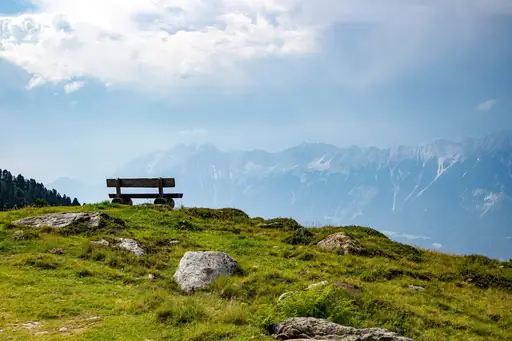
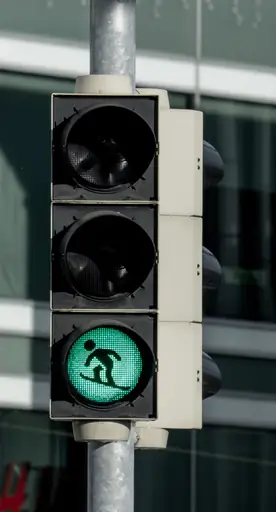
City in Austria
Innsbruck
Alpine Peaks and Imperial Streets
Innsbruck hosted the Winter Olympics twice, in 1964 and again in 1976. Habsburg emperors once ruled the Tyrolean capital from a palace still standing downtown. Ski jump towers built for the games still rise above the city's rooftops. Surrounding mountains put several ski areas within a short tram ride of downtown.
Valley in Austria
Ötztal
Majestic alpine valley with crystal lakes
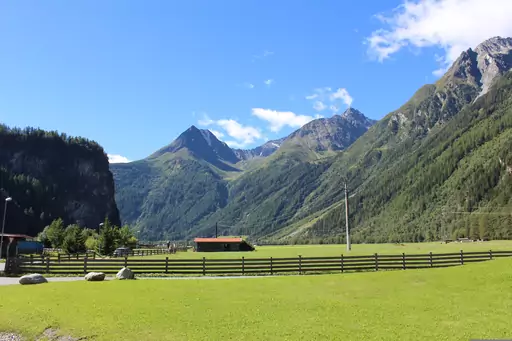
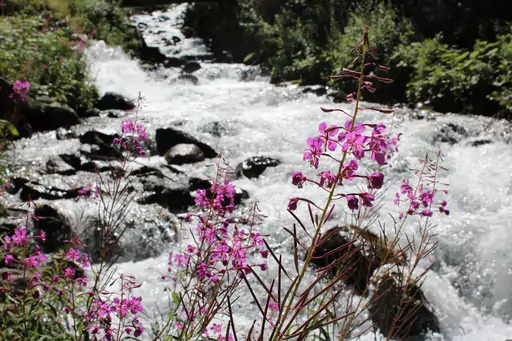
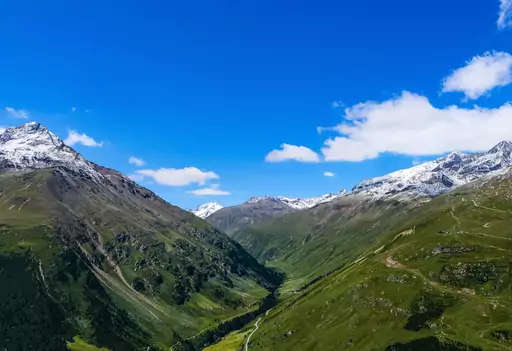
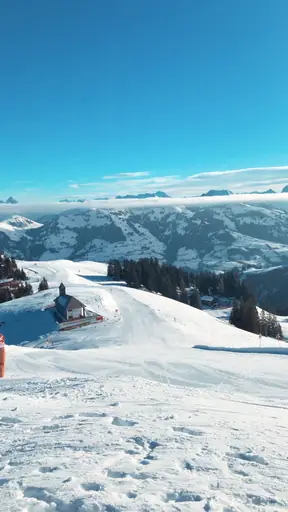
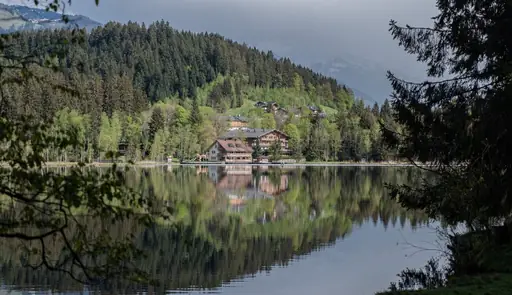
Otzi the Iceman, a mummified body over 5,000 years old, was found near the Otztal valley in 1991. Farmers and traders crossed the valley's high passes for millennia before skiing arrived. Glacier skiing at Solden extends the resort's season well into autumn. Otztal's ski history began in earnest once lifts were built during the mid-1900s.
Town in Austria
Kitzbühel
Alpine Elegance Meets Outdoor Adventure
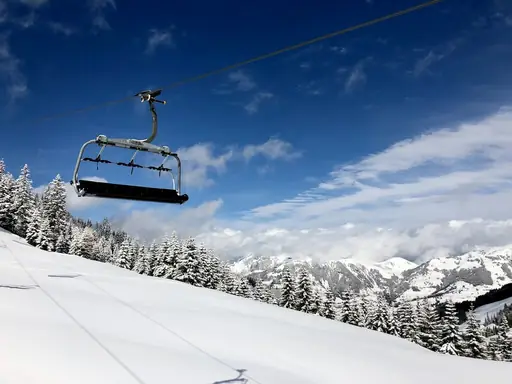
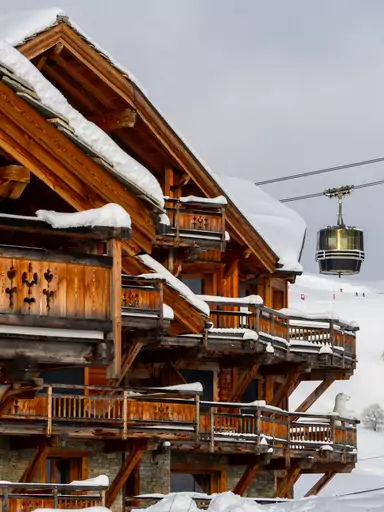
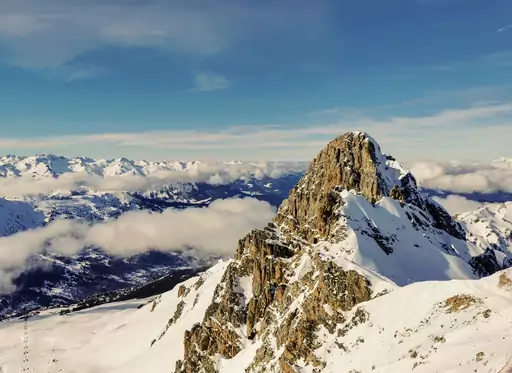
Kitzbuhel's Hahnenkamm downhill race has run since 1931, among the most demanding events on the World Cup circuit. Miners once worked silver and copper deposits in the surrounding mountains centuries earlier. The old town's painted facades predate skiing by hundreds of years. Kitzbuhel's ski history traces to an early Austrian ski club, founded in 1893.
Town in France
Courchevel
Luxury alpine paradise year-round
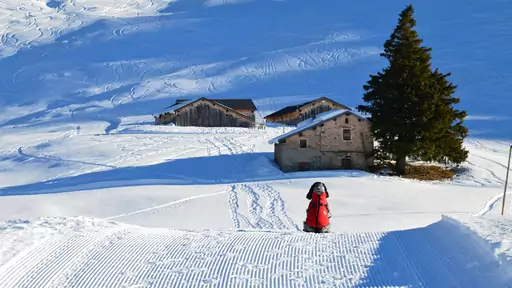
French planners built Courchevel as one of the earliest purpose-designed ski resorts, starting in 1946. Its short, tilted airstrip is used mainly by small planes and helicopters. The resort forms part of the Three Valleys, a large linked ski area. Courchevel's four villages sit at staggered altitudes up the same mountainside.
Village in Switzerland
Wengen
Car-Free Alpine Bliss and Epic Views
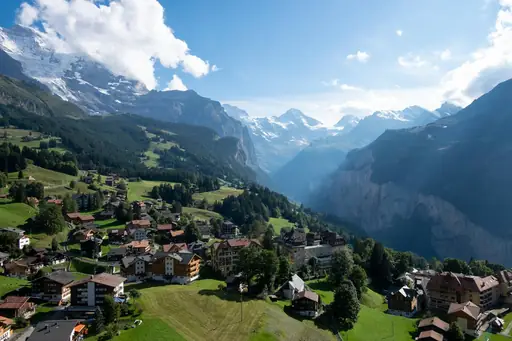
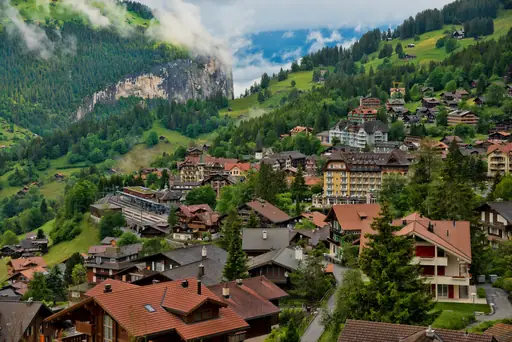
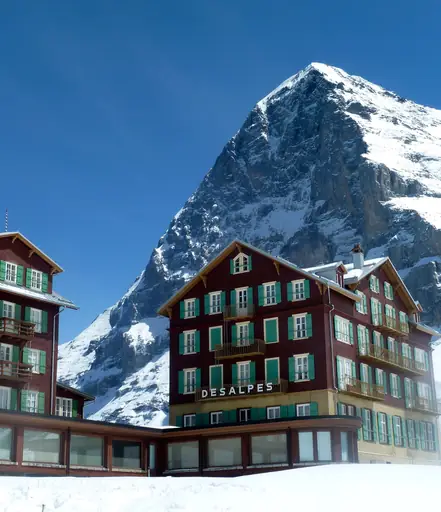
Wengen sits reachable only by cog railway, with cars barred from the village entirely. The Lauberhorn downhill race has run on its slopes since 1930, among ski racing's longest-running events. Farmers grazed cattle on the same slopes for centuries before skiing arrived. The village looks directly across the valley towards the Eiger and Jungfrau.
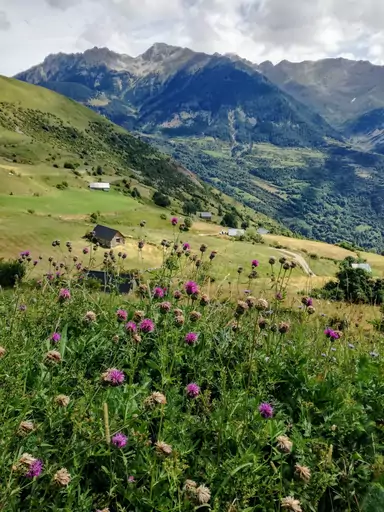
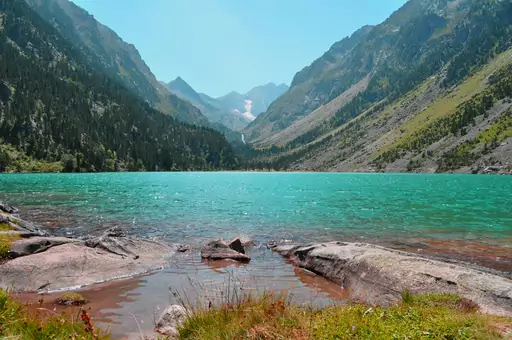
Mountain
Pyrenees
Where France meets Spain majestically
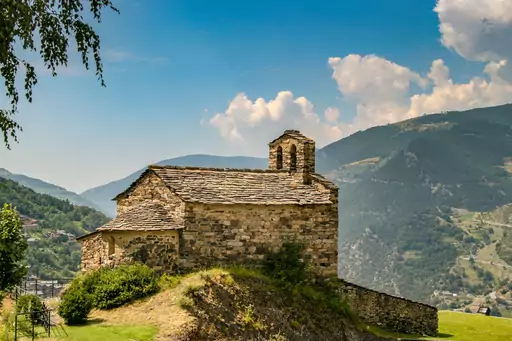
Ski resorts in the Spanish Pyrenees developed later than their Alpine counterparts, mostly after the 1960s. Villages there relied on shepherding and trade for centuries before tourism arrived. Baqueira Beret, opened in 1964, grew into one of the region's largest ski areas. Romanesque churches scattered through the valleys predate the ski industry by centuries.
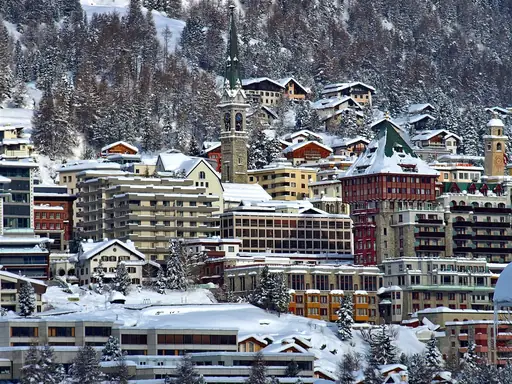
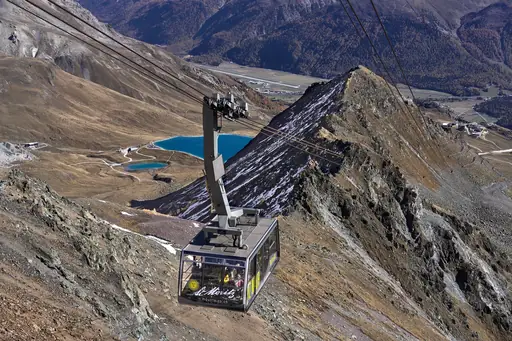
City in Switzerland
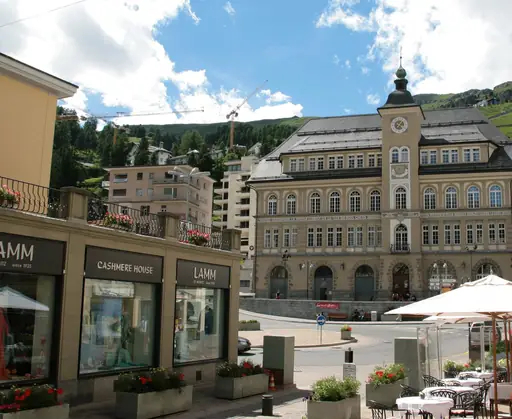
St. Moritz
Alpine Glamour and Winter Magic
St. Moritz hosted the Winter Olympics twice, in 1928 and again in 1948. British tourists popularised winter sports here after trying tobogganing on a hotel wager in 1864. The Cresta Run, a natural ice toboggan track, has operated since 1884. St. Moritz later became known for polo matches played directly on its frozen lake.
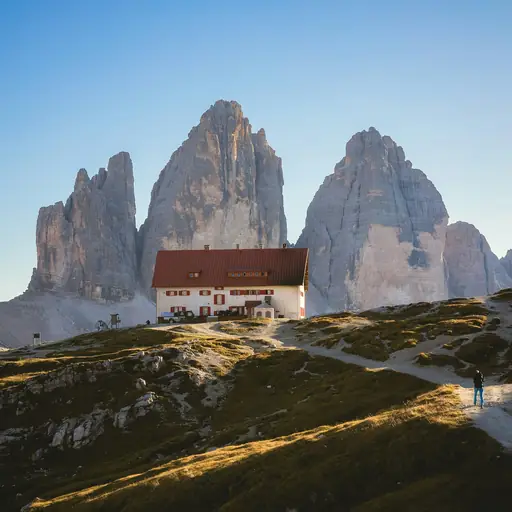
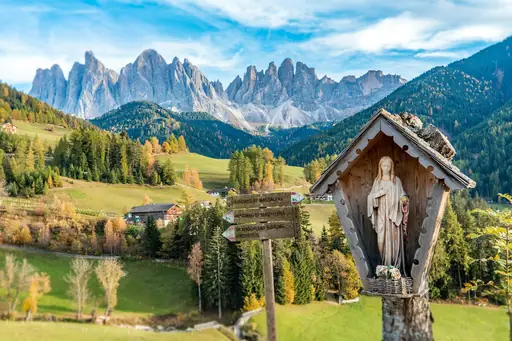
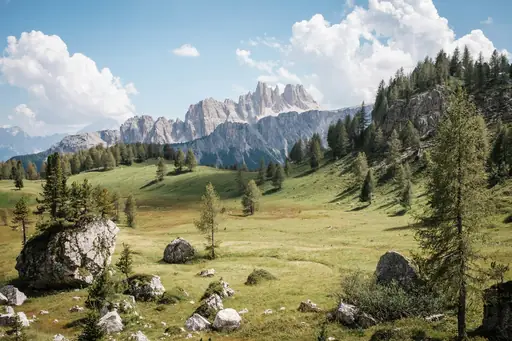
National Park in Italy
Dolomites National Park
Towering peaks and pristine wilderness
Dolomite peaks within the park formed from ancient coral reefs, thrust upward over millions of years. Farming and shepherding communities used these valleys long before skiing or climbing tourism arrived. Reinhold Messner and others built early reputations on the park's sheer limestone walls. Trenches dug during World War I still wind through mountain passes here.
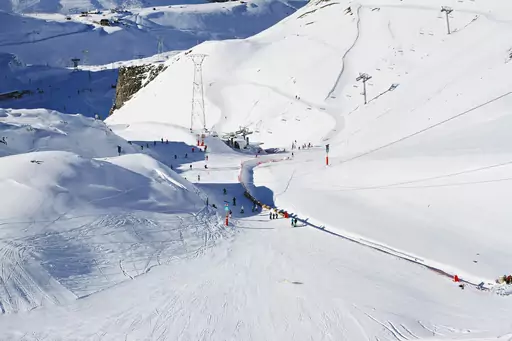
Town in France
Les Deux Alpes
Year-Round Glacier Skiing and Adventure
Les Deux Alpes formed when two neighbouring villages merged their ski operations in the 1930s. Its glacier terrain has kept the resort open for summer skiing since the 1950s. A single long piste connects the resort's upper glacier down to the valley village. Nearby, the Meije massif has drawn mountaineers since the 1800s.
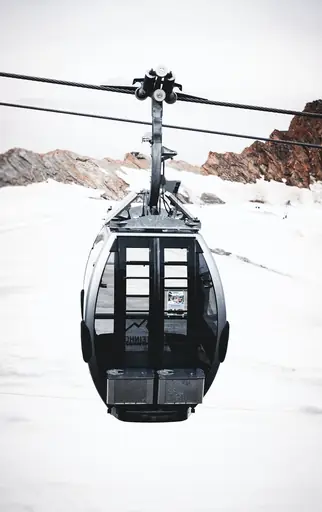
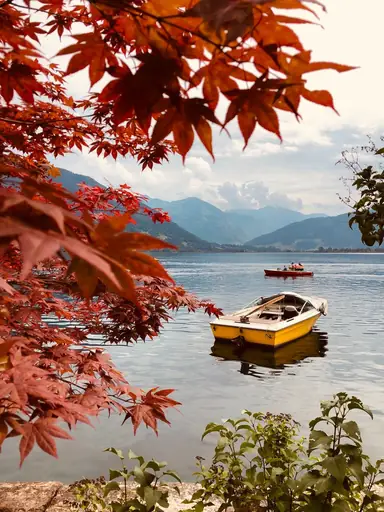
Town in Austria
Zell am See
Lakes, Mountains and Alpine Charm
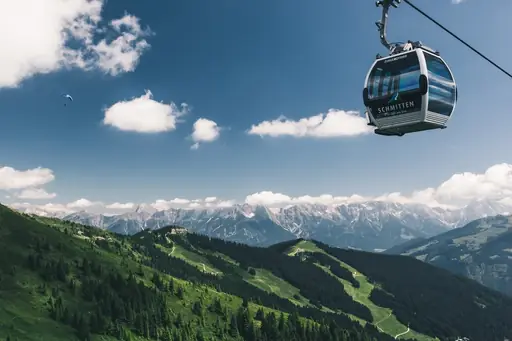
Zell am See developed around a lakeside town founded during the medieval period. Skiing arrived on the nearby Schmittenhohe mountain after a cable car opened in 1927. Glacier skiing on the Kitzsteinhorn nearby extends the season into summer months. The town's medieval core still stands just steps from its ski lift base stations.
Village in France
Méribel
Heart of Three Valleys ski paradise
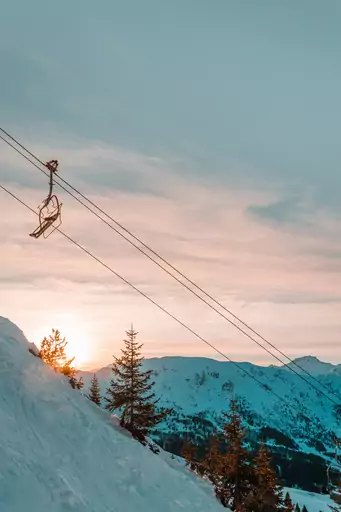
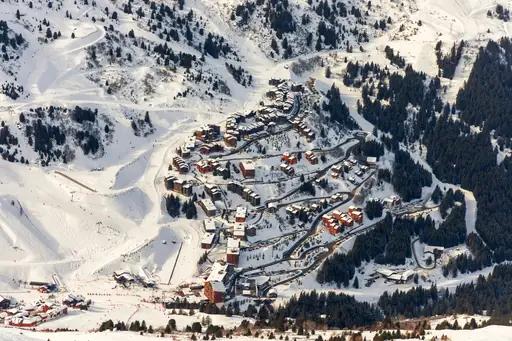
British aristocrat Peter Lindsay founded Meribel in 1938 after searching the Alps for a suitable valley. He wanted a resort built with traditional chalet-style architecture rather than modern towers. Meribel became one of the founding resorts within the Three Valleys ski area. Wooden chalets throughout the village still follow that original architectural rule.

Village in France
Val Thorens
Europe's highest alpine ski paradise
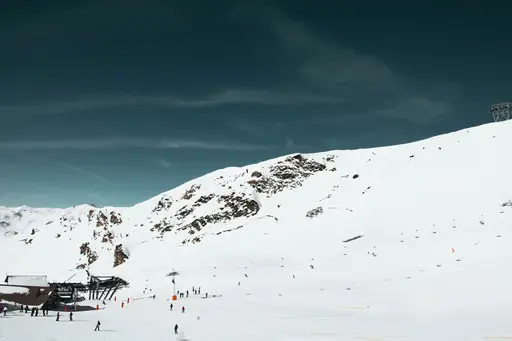
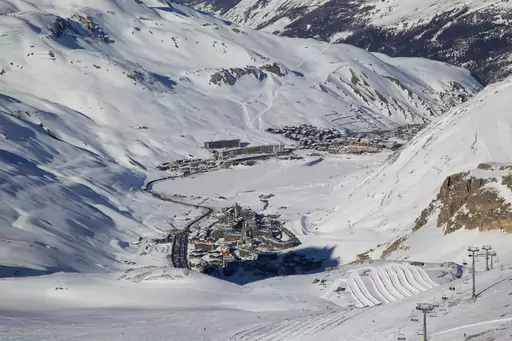
Val Thorens opened in 1971 as the highest resort within the Three Valleys ski area. Builders chose a site above the treeline to guarantee reliable snow each season. Modern apartment blocks replaced any earlier village, since none previously existed there. Glacier access above the resort extends the ski season into early summer.
Village in France
Tignes
Year-Round Glacier Skiing Paradise
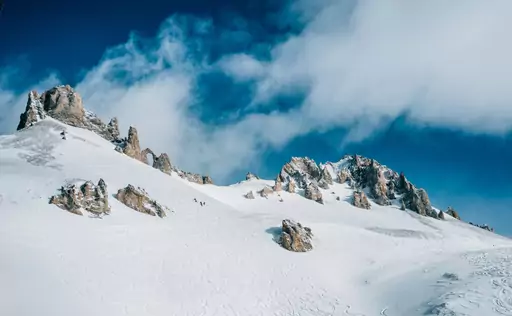
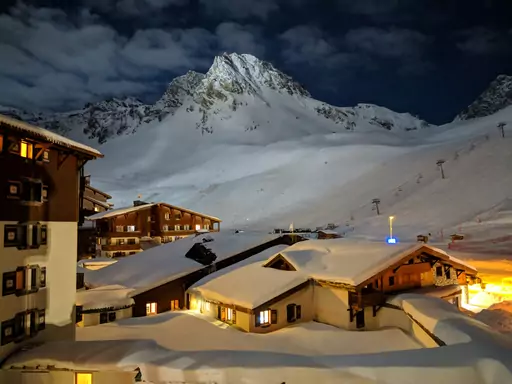
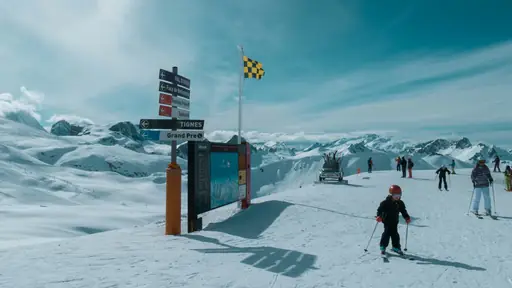
Tignes was rebuilt on higher ground after its original village was flooded for a dam in 1952. The resort's glacier terrain has kept it open for skiing during parts of summer. Tignes forms one half of the Espace Killy, named for skier Jean-Claude Killy. A chapel from the flooded village was rebuilt above the town.
Town in Switzerland
Saas-Fee
Glaciers, Peaks and Alpine Serenity
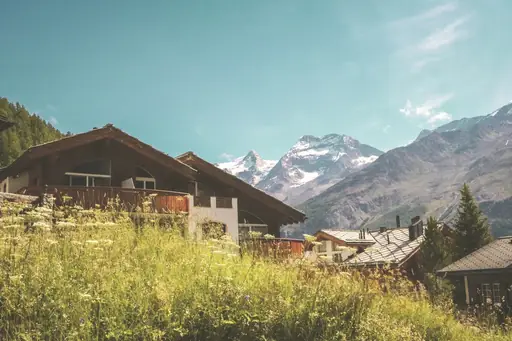
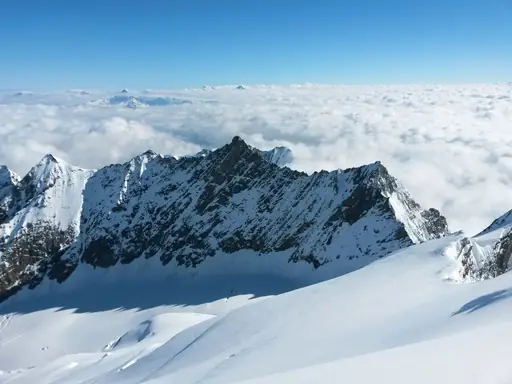
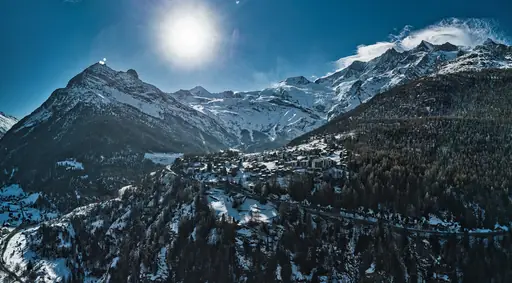
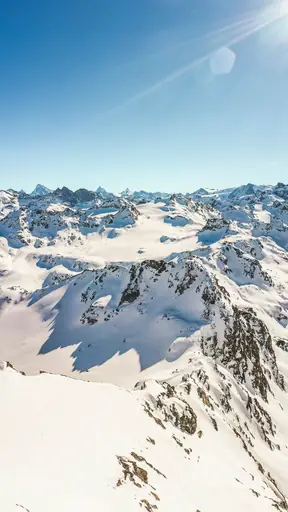
Saas-Fee sits ringed by thirteen peaks over 4,000 metres, earning it a nickname as the Pearl of the Alps. Mountaineers based glacier expeditions here well before skiing arrived. A funicular built into the mountain gave the resort a station inside the ice. The village has kept cars out of its centre since tourism began.
Town in Switzerland
Verbier
Alpine Paradise with Epic Views
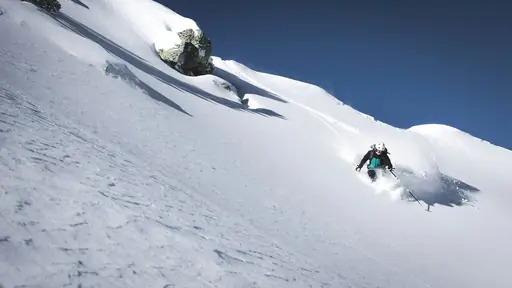
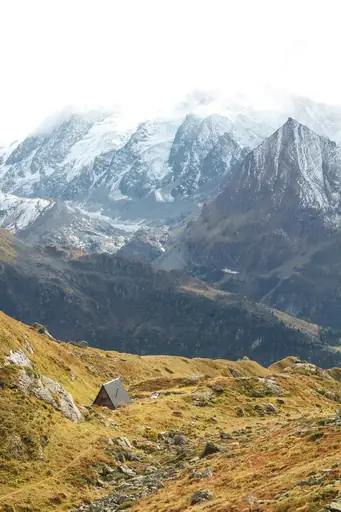
Verbier grew from a scattering of mountain farms into a resort after a lift opened there in 1950. Steep off-piste terrain later drew freeride skiers from across Europe. The resort became a fixture on the Freeride World Tour circuit decades later. Chalets in the village sit alongside older farm buildings from before the ski era.
Region in Italy
South Tyrol
Alpine culture where worlds collide
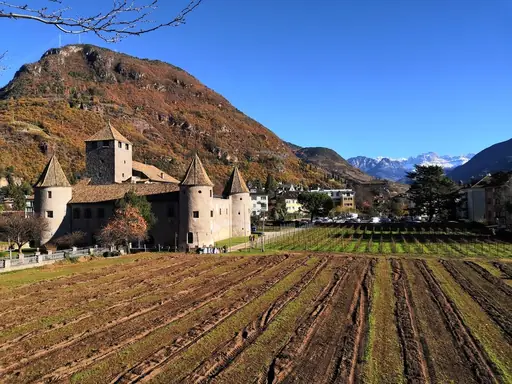
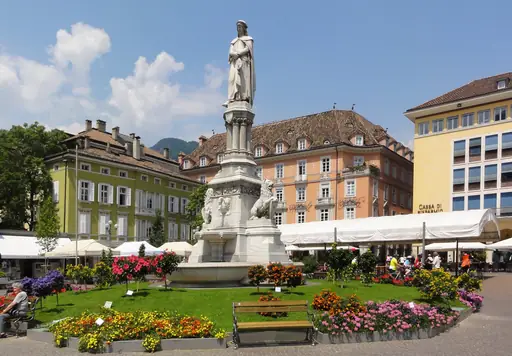
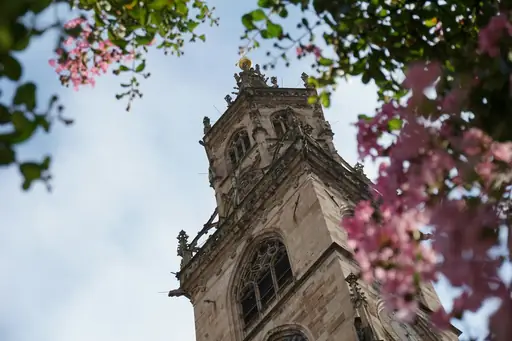
South Tyrol passed from Austrian to Italian rule after World War I, shaping its bilingual culture today. German and Italian place names still appear side by side across the region. Dolomite peaks towering above its valleys have long drawn climbers and skiers alike. Farming traditions predating the ski industry remain visible in many mountain villages.
Town in Austria
Ischgl
Alpine Thrills and Après-Ski Legends
Ischgl developed as a farming village before its earliest cable car opened in 1963. Slopes here connect across the border into Samnaun in neighbouring Switzerland. The resort became known for large concerts staged at the close of each season. Ischgl's runs sit largely above 2,000 metres, keeping snow reliable into spring.
Town in Sweden
Åre
Sweden’s Alpine Playground, Year-Round
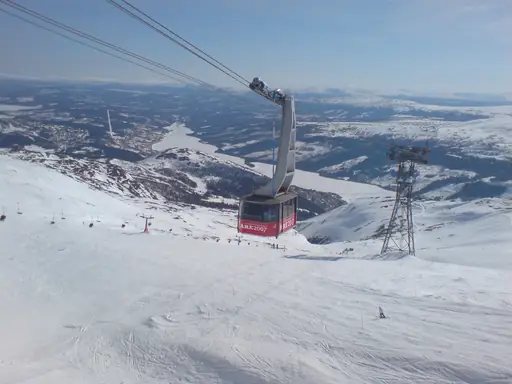
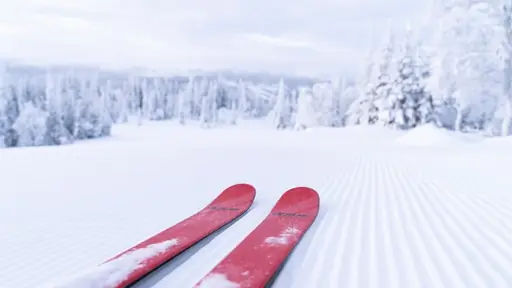
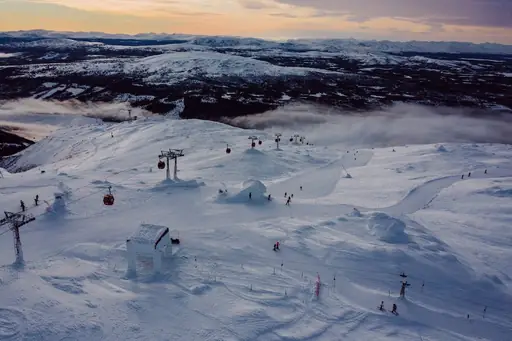
Are grew into one of Sweden's earliest purpose-built ski resorts after lifts opened there in the 1940s. A former mining and farming village, it later expanded around a scenic lake and mountain. Are hosted the Alpine World Ski Championships in 2007 and 2019. Its slopes now rank among the most extensive in Scandinavia.
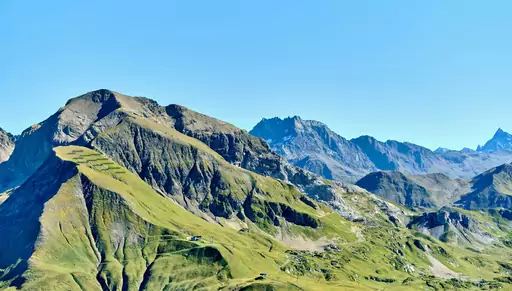
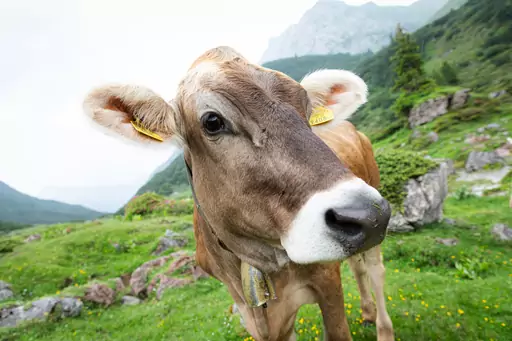
Village in Austria
Lech and Zürs am Arlberg
Alpine luxury meets skiing heritage
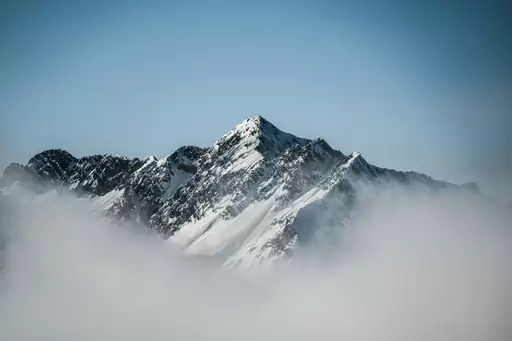
Lech and Zurs both trace their ski history to Arlberg ski schools founded in the early 1900s. Hannes Schneider, a pioneering instructor, developed influential techniques taught throughout the region. Farming villages here grew slowly into resorts through the following decades. Lech later became a favourite winter retreat of European royalty.
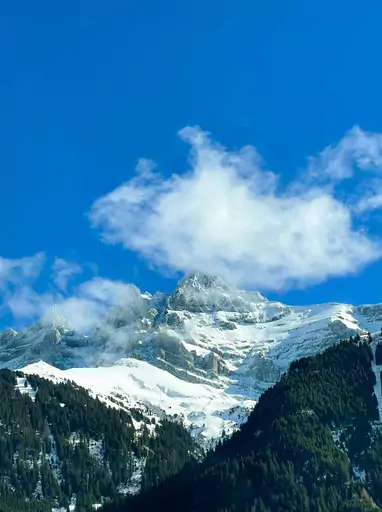
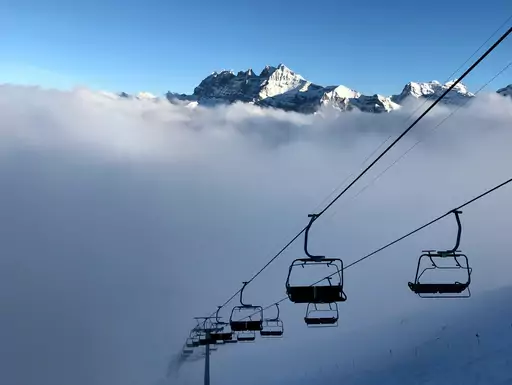
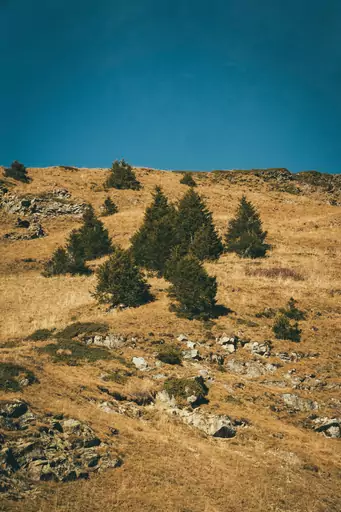
Ski Resort in Switzerland
Portes du Soleil
Snow‑kissed peaks and alpine charm
Ski clubs from French and Swiss villages agreed in the 1960s to link their slopes into one network. Twelve resorts now share lifts and trails across the France-Switzerland border. Farmers once grazed cattle on the same pastures skiers now cross each winter. Chapels and farmhouses from that era still dot several of the linked villages.
Town in Italy
Cortina d'Ampezzo
Dolomite Peaks, Alpine Glamour, Adventure
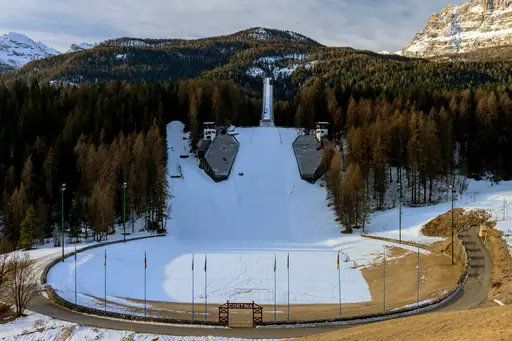
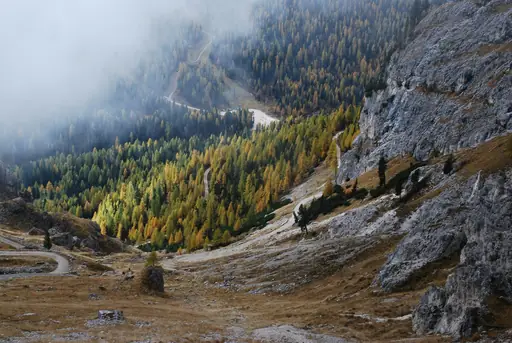
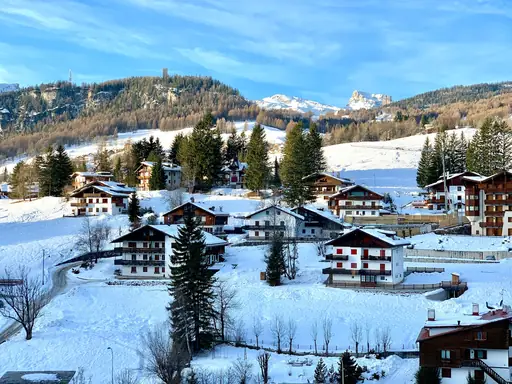
Cortina d'Ampezzo hosted the 1956 Winter Olympics, drawing international attention to the Dolomites. Its pastel-coloured buildings reflect a history shaped by both Austrian and Italian rule. The town will co-host the 2026 Winter Olympics alongside Milan. Pale rock spires surrounding the valley give the resort its dramatic alpine backdrop.
Town in Switzerland
Zermatt
Alpine Magic and the Matterhorn
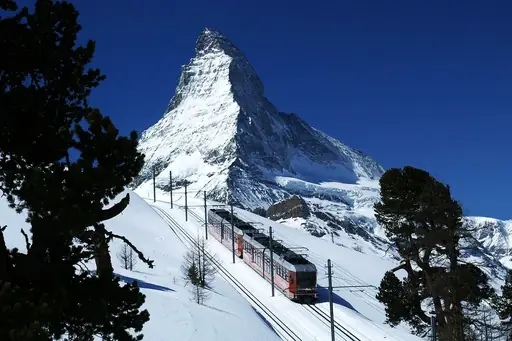
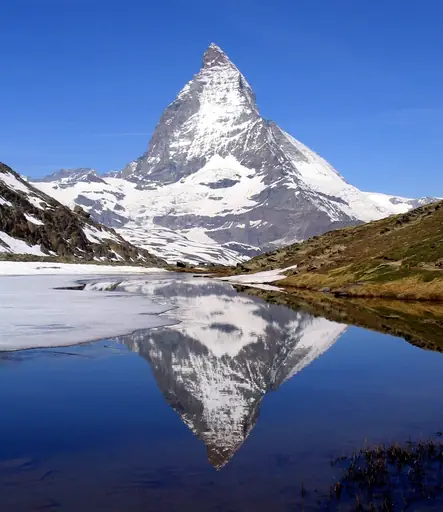
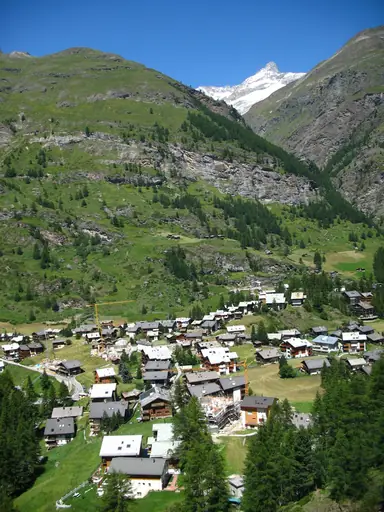
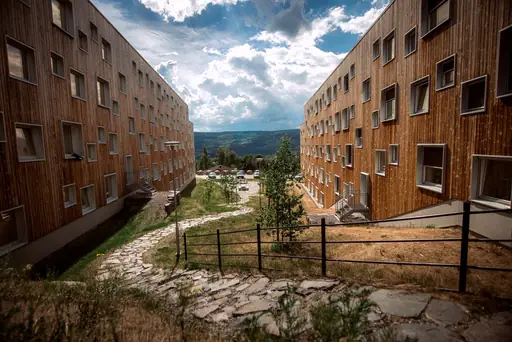
Zermatt grew from a farming village into a mountaineering hub after climbers attempted the Matterhorn in the 1800s. Edward Whymper's party reached the summit in 1865, though four died on the descent. The village banned combustion-engine cars early on, relying instead on electric vehicles. Zermatt's slopes now offer glacier skiing through much of the year.
City in Norway
Lillehammer
Olympic legacy meets alpine serenity
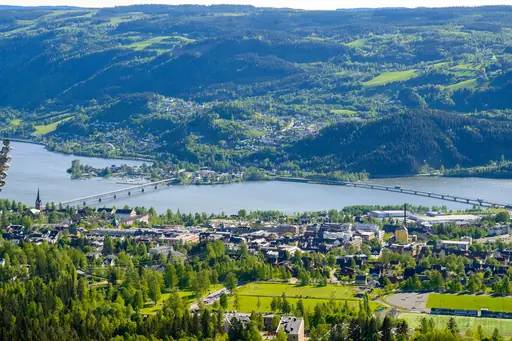
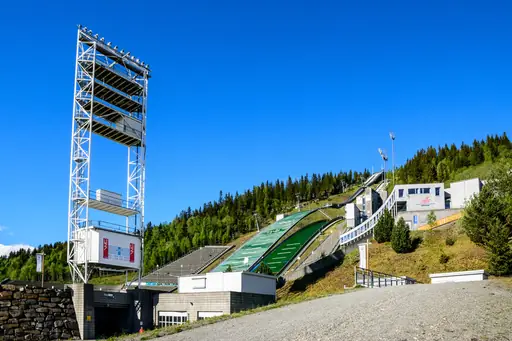
Lillehammer hosted the 1994 Winter Olympics, a games still praised for its compact venues. Ski jumping and Nordic events have deep roots in the surrounding Norwegian valleys. Olympic ski jump towers built for the games remain a landmark above the town. Lillehammer later hosted the inaugural Winter Youth Olympics in 2016.
Village in France
Val-d'Isère
Legendary Alpine Skiing with Village Charm
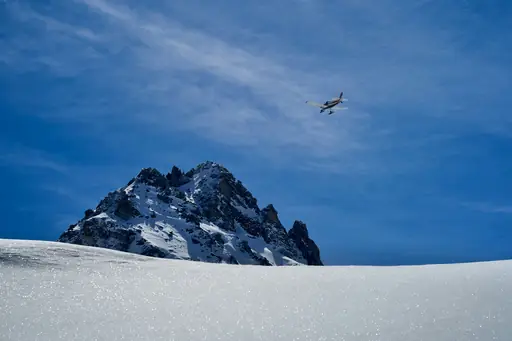
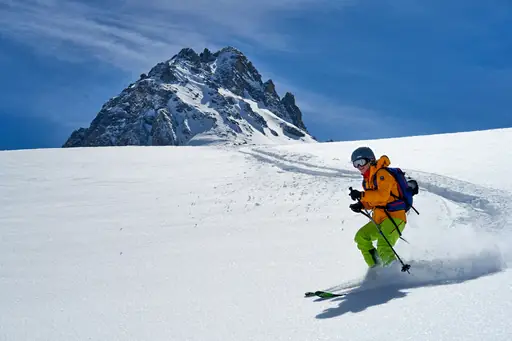
Val d'Isere grew from a farming hamlet into a resort after French troops trained there during World War II. That training infrastructure later formed the basis of the civilian resort. Jean-Claude Killy trained on its slopes before winning three golds at the 1968 Olympics. Val d'Isere now links with Tignes to form the Espace Killy.
City in France
Chamonix-Mont-Blanc
Alpine thrills beneath Mont Blanc
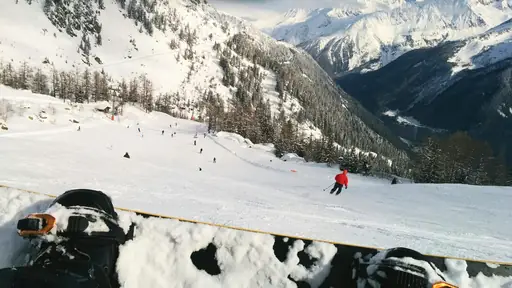
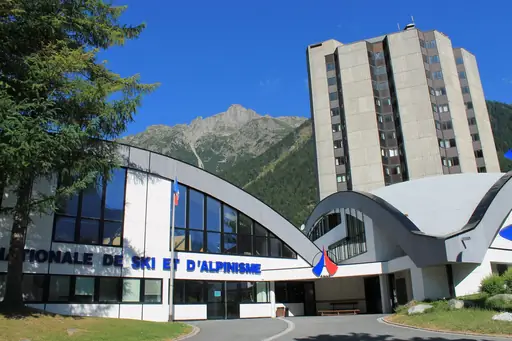
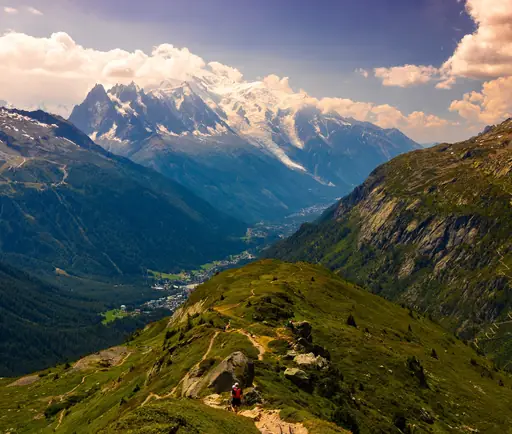
Chamonix hosted the inaugural Winter Olympics in 1924, beneath the slopes of Mont Blanc. Mountaineers have used the town as a base for Alpine climbing since the 1700s. A cable car built in stages last century still climbs to the Aiguille du Midi. Glaciers and steep couloirs above the valley have long drawn extreme skiers.
Mountain in Bern
Schilthorn
Epic views in Bond country
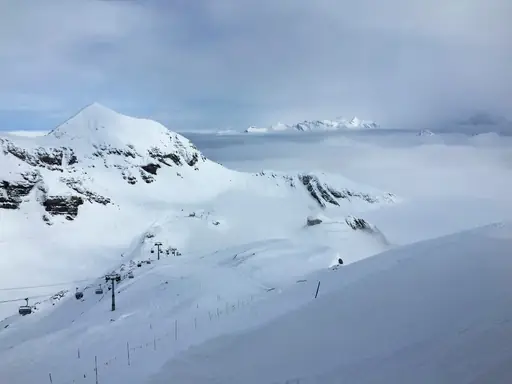
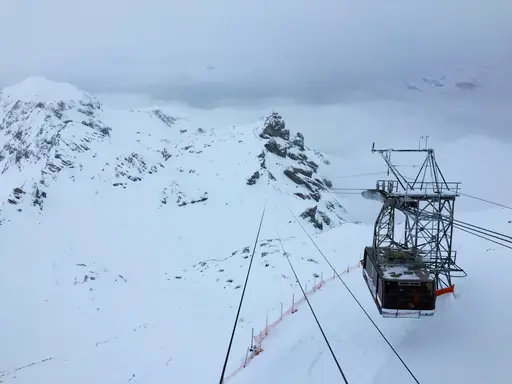
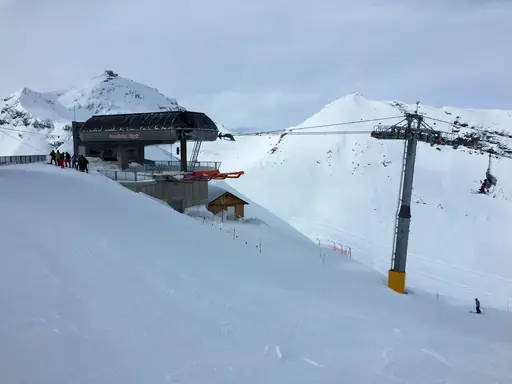
A revolving restaurant atop the Schilthorn opened in 1967, later featured in a James Bond film. Cable cars built in stages during the 1960s replaced what had been a lengthy hike. The summit offers views stretching across nearly 200 peaks on clear days. Murren, the village below, has stayed closed to cars since tourism began.
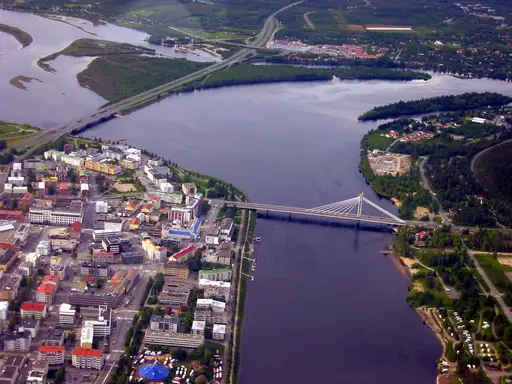
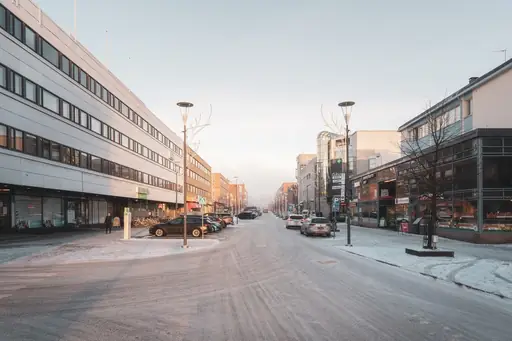
Region in Finland
Lapland
Northern lights and midnight sun
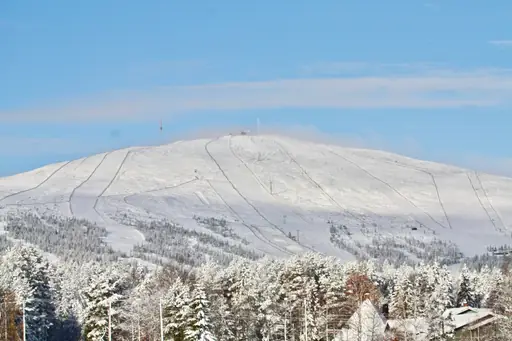
Sami herders have followed reindeer across Lapland's snowy landscape for thousands of years. Skiing developed early here out of necessity for winter travel and hunting. Modern resorts now share the region with traditional Sami villages and herding routes. Polar night and the aurora borealis both shape Lapland's distinctive winter season.
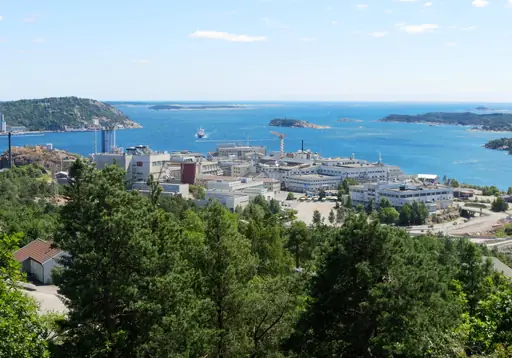
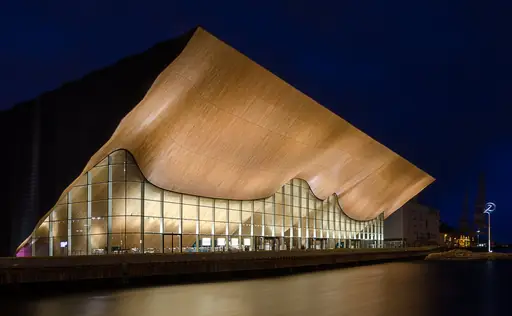

City in Norway
Kristiansand
Coastal charm meets vibrant cultural scene
Kristiansand serves as a gateway to Hovden, a ski resort developed in southern Norway's mountains. Farmers and hunters used the surrounding highlands on skis long before recreational tourism arrived. Norwegian ski traditions here date back centuries, tied closely to everyday winter transport. Cross-country trails through the region now trace many of those older routes.
Saddle in Bern
Jungfraujoch
Top of Europe Alpine Adventure
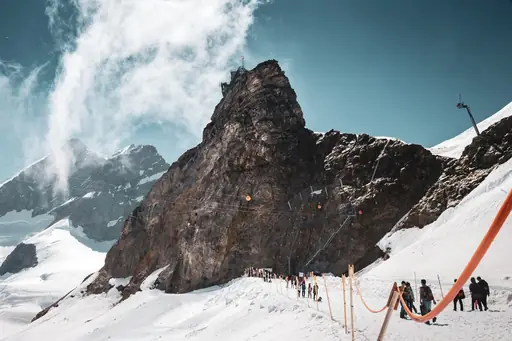
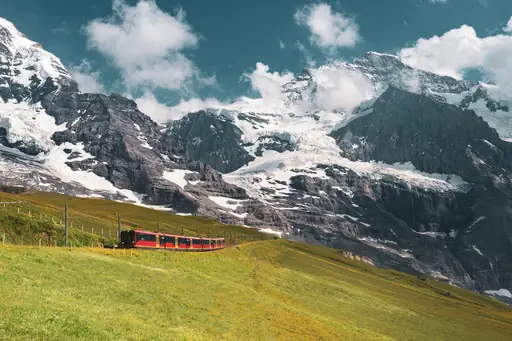
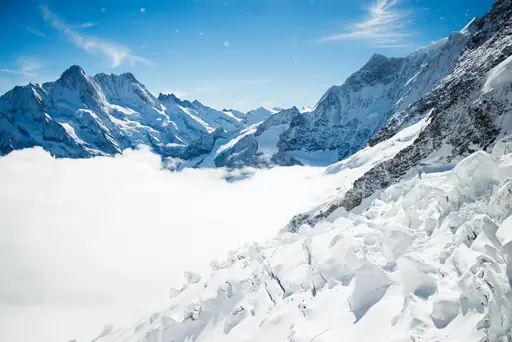
Engineers spent 16 years carving a railway tunnel to Jungfraujoch, opening the line in 1912. The station sits at 3,454 metres, among the highest railway stations in Europe. Sphinx Observatory near the summit has studied weather and glaciers since the 1930s. Skiers and hikers reach the surrounding glacier fields directly from the station platform.
City in Norway
Tromsø
Arctic Lights, Culture and Wild Beauty
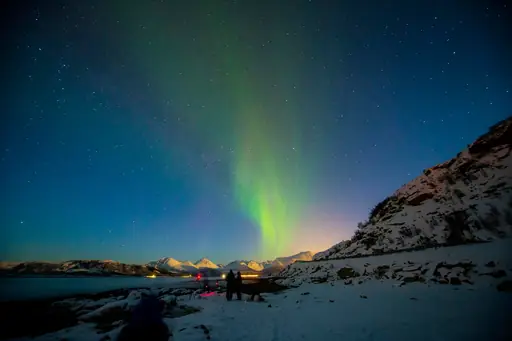
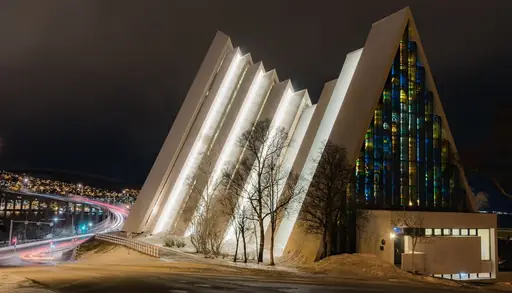
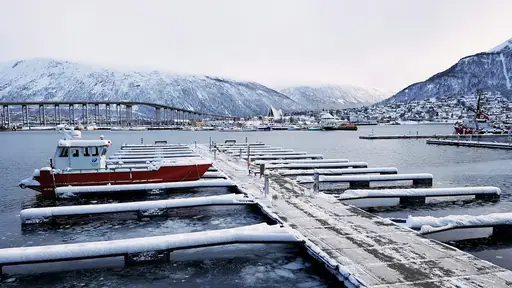
Tromso sits above the Arctic Circle, drawing polar explorers who once departed from its harbour. Roald Amundsen and other expeditions used the town as a staging point for northern journeys. Winter darkness and the aurora borealis both shape the region's ski season. Nearby mountains now offer backcountry skiing alongside the town's older polar history.
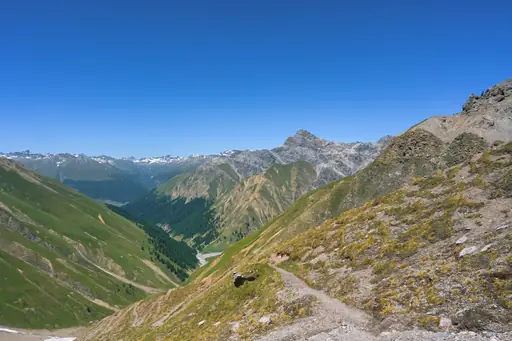
National Park in Switzerland
Swiss National Park
Majestic alpine wilderness, untouched and serene
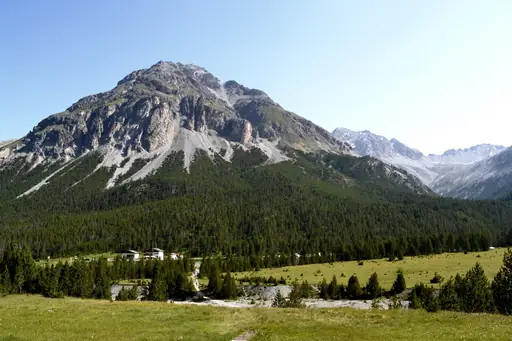
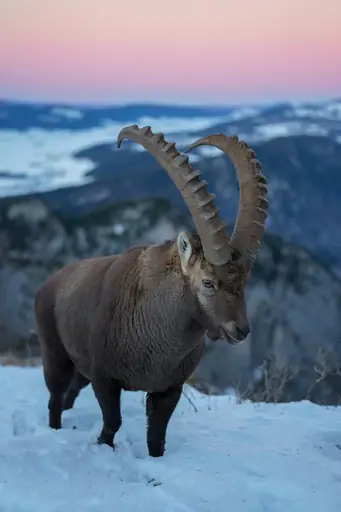
Switzerland established this park in 1914, among the earliest protected wilderness areas in the Alps. Strict rules ban hunting, foraging and off-trail hiking across its entire territory. Nearby valleys have supported skiing and mountain travel for centuries outside the park's boundaries. Ibex and chamois populations here have recovered significantly since protection began.
Other lists you may like
Discover
Best winter sports destinations in North America
North America has some of the most varied and celebrated winter sports terrain on earth, with resort cultures on both the east and west coasts that have developed distinct…
Read more
Discover
Best winter sports destinations in Oceania
Oceania's winter sports scene is compact but genuine, with a skiing culture that has developed steadily over decades and resorts that offer a quality of experience above what their…
Read more
Discover
Best winter sports destinations in South America
Argentina and Chile's Andean resorts anchor South America's winter sports scene, drawing skiers for a Southern Hemisphere season that runs opposite to North America and Europe's.…
Read more
Discover
Top winter sports destinations and ski resorts
Winter sports travel is as much about the overall experience as the skiing or riding itself. The best destinations combine reliable snow conditions with well-designed…
Read more

Discover
Best winter sports destinations in Africa
Winter sports are a genuine rarity across Africa, but mountain ranges in the north hold a small, functioning ski resort, while southern highlands host one of the only winter sports…
Read more
Discover
Best winter sports destinations in Asia
Asia's winter sports destinations are less well known than their European or North American counterparts but offer experiences that are genuinely compelling, particularly for those…
Read more
What other users say about travelfilters
“travelfilters made it easy for me to find ski areas and compare what else they offer, so that I could find the best place for my personal travel style.”

Chris
Snowboarding & Onsen trip to Japan
“I love how transparent the data feels. There is no pushy upsell, just honest information and settings I can tune to my own travel style.”

Maria
After booking her 2027 winter escape
“The level of detail for each destination and how well those are displayed, make planning feel confident instead of overwhelming.”

Mina
Planned a week in New York City
“We used travelfilters for our planning from start to end. The trip turned out even better than expected, thanks to all their tools and customisation options.”

Allan & Etienne
Trip to Japan to see autumn foliage
“Thanks to travelfilters, I found some hidden gems to see. Being able to filter for exactly your interests is a game changer for my travel planning.”

Michael
Tour through the old cities of Northern Italy
“The customizable filters helped me find a quiet beach town with good wifi and low season crowds in under five minutes.”

Diego
Weekend Escape to Llanes, Spain
“The airport connection map saved me hours by showing good flight options from my home airport to lesser-known cities.”

Nguyen
Planning a 2027 trip to France
“The website is clean, fast and focused on the search itself, which makes travelfilters feel more like a professional tool than an ad-heavy booking site.”

Hassan
Christmas Market trip, Germany
