

Europe › Finland › Lapland

Lapland

Scroll
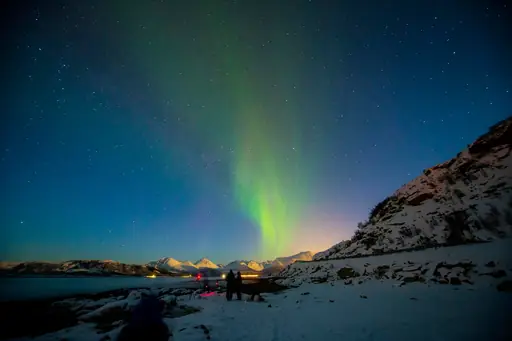
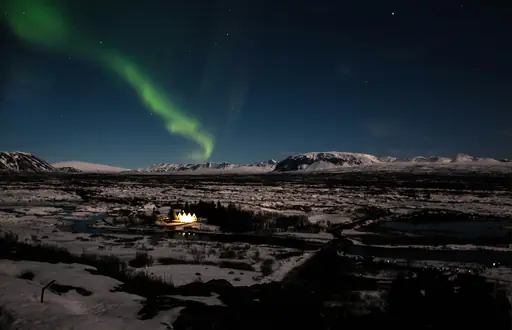
Northern lights and midnight sun

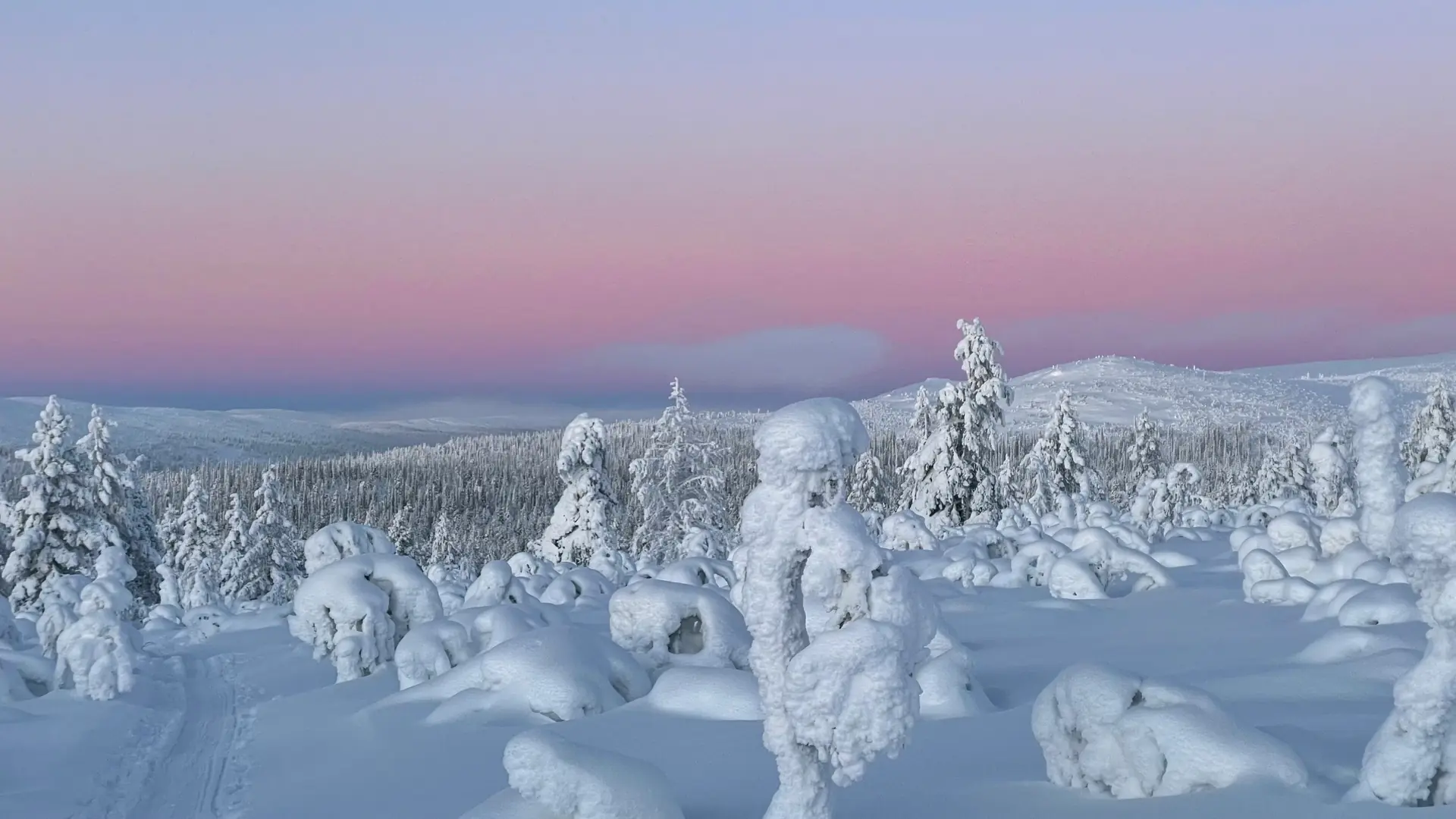
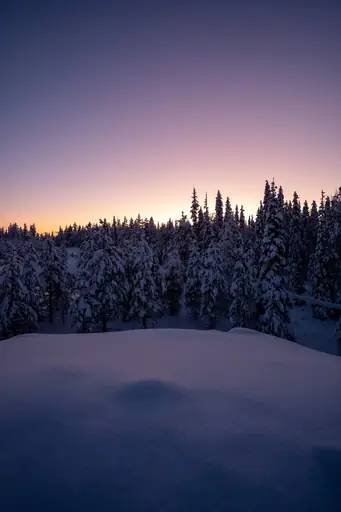
Finland’s Lapland spans northern forests, frozen lakes and open tundra. The region experiences long winters with short days and midnight sun in summer. Reindeer roam across snowy plains while Sami communities preserve traditions through music and crafts. Visitors can explore Arctic Circle landmarks or join guided tours to see the Northern Lights dance overhead. Summer brings endless daylight for hiking, fishing and wildlife spotting. Winter offers skiing, dog sledding and cozy cabins with views of star-filled skies. The landscape remains quiet yet vibrant throughout the year.

Region in Finland
Climate zone: Boreal

Boreal: Cool-summer subarctic climates with brief mild seasons, long cold winters and coniferous forests adapted to low temperatures.

See climate table
Price level: $$$
$Cheap
$$Medium
$$$Expensive, upscale
$$$+Very expensive, luxury
See price details
Safety: 8.7
General Safety:9
Health & medical:8
Accessibility:7
Tap water:10
Read details
Tourist English: 4/5
English is widely spoken throughout Lapland, especially in tourism-related businesses, hotels, and restaurants. Most Finns learn English from an early age, so communication is rarely a problem even in more remote areas. Sámi is also spoken in northern reg
Last update: 12 Oct 2026
* We earn a commission from some links on this page.
Lapland Summary

These place ratings give you a quick overview of how well a destination matches different types of trips.

‘Best for’ scores:
The specific interest scores show where this place really shines – whether it's ideal for hiking, food & drink experiences, museums or other activities. These highlights help you understand what makes the destination special at a glance.

‘Your personal’ scores:
This reflects how well a place matches your personal preferences. You can adjust the importances of travel topics or other personal requirements categories in your account settings.

‘Suited for’ badges:
These give you a quick overview of how well a destination suits specific types of travellers, to help you find the places that match your lifestyle, preferences or travel situation.

Read how our scores work
World-class for winter wilderness and northern lights. Ride dog sleds, snowmobile through forests, watch auroras and enjoy snowy Arctic landscapes.
Place score
8.9
Best at:
Snow
10
Winter activities
10
Forests
9
Spotless
9
Natural sites
9
Personal score
?
Log in to see how this place matches your personal travel interests.
Suited for
👶 9
Families
🧓 6
Seniors
🌈 9
LGBTQ+
🥜 9
With food allergies
Finland – Quick facts
Power Grid: 230 V, 50 Hz
Plug: Type C , Type F
Type C:
Diagram of a Type C power plug
Type F:
Diagram of a Type F power plug

Read about power adapters
Currency: Euro (EUR)
£1 ≈ €1.19
Cashless info: Rating 5/5
Cashless payments are very common, and even small transactions are typically cashless.

Save with a travel credit card
eSIM providers: Best value: Saily
Flexibility: Airalo
Read our in-depth comparison
Tipping: Tipping is not customary, but rounding up the bill or leaving a small amount is appreciated.
Public drinking: Public drinking is regulated and often prohibited outside designated areas.
Public smoking: Smoking is restricted in public spaces and near entrances.
Midsummer
(June)
Public celebrations occur nationwide.
Independence Day
(December)
Cultural events and commemorations happen.
Christmas
(December)
Festive markets and closures.
Emergency contact: Emergency Number: 112 (Police, Fire, Ambulance)
Taxi apps: Uber, Bolt
Other: Saunas are an essential part of Finnish culture. Winter can be extreme, so pack accordingly.
Best times to travel

The best times to travel section shows how the months compare for a visit, so you can find the time of year that fits what you want to do.

Background colours of the months:
The colour shows the typical temperature: yellow (hot), green (mild) and blue (cold). How strong the colour is shows the travel season: full colour means high season, soft colour means shoulder season and soft-striped means off season.

Weather symbols:
Each month has one symbol showing what the weather is typically like, such as hot and sunny, freezing or a rainy or snowy season. Use them to quickly spot months that match the weather you want, or to avoid the ones that don't.

Crowdedness:
The people icon shows how busy the place usually is. The more people, the more crowded it gets.

Additional notes:
The grey info boxes point out special things worth knowing, like recurring weather issues or seasonal events.

for Lapland, Finland
🌨️
Jan
🌨️
Feb
🌨️
Mar
🌨️
Apr
☁️
May
🌥️
Jun
🌤️
Jul
🌤️
Aug
☁️
Sep
❄️
Oct
🌨️
Nov
🌨️
Dec
High season: Jan. - March, June - Aug., Dec.
Shoulder season: April, Sep. - Nov.
Crowdedness: 6 (Many tourists)
Tap on a month for more info Hover over a month for more info
Aurora season runs roughly late August to early April, best chances on clear nights from September to March
Midnight sun lasts roughly late May to mid July in the far north, polar night (kaamos) roughly late November to mid January
Christmas and New Year in Rovaniemi and ski resorts book out many months ahead and prices peak

Why travel to Lapland?

What makes Lapland truly special is its offering of natural phenomena and experiences that seem almost otherworldly. In winter, the polar night creates perfect conditions for witnessing the mesmerizing Northern Lights, while summer brings the surreal experience of 24-hour daylight during the midnight sun period. These unique light conditions create a magical atmosphere that transforms everything from snowshoeing through silent forests to midnight hiking on fells bathed in golden light. Beyond the celestial shows, Lapland offers adventures that can't be replicated elsewhere. Where else can you mush a team of huskies across frozen lakes, sleep in a glass igloo while stargazing or visit Santa Claus in his official hometown of Rovaniemi? The region boasts some of the world's cleanest air and five national parks where you can experience profound silence and untouched wilderness. While summer offers excellent hiking and wildlife watching, winter transforms the landscape into a snow-covered playground perfect for everything from ice fishing to snowmobiling through frost-covered forests.

🏙️Cities & Regions
  • 1 Rovaniemi
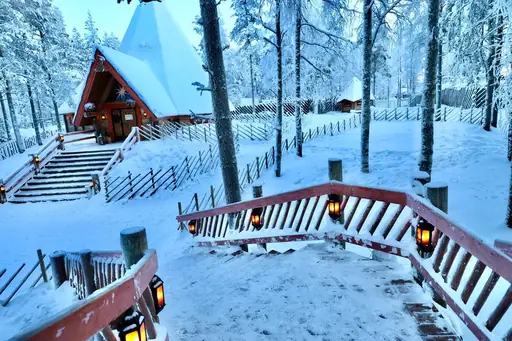
    Winter wonderland where auroras dance over snow‑covered forests and frozen lakes. Rovaniemi offers husky sledding, reindeer encounters and the Santa Claus Village, while summer brings midnight sun and opportunities for Arctic hiking in the north.
  • 2 Kittilä
    Gateway to Finnish Lapland, Kittilä offers snowmobile trails and ski resorts near the Arctic Circle. The town features cozy wooden cabins, ice hotels and serves as a hub for aurora viewing and winter adventures in the north.
🏯Places worth seeing
  • 1 Lampivaara Amethyst Mine
  • 2 Korundi - House of Culture
  • 3 Arktikum
  • 4 Mountainbike Center
🎡Places for activities
  • 1 Luosto
  • 2 Pyhätunturi
🏞️Natural landmarks
  • 1 Pyhä-Luosto National Park
  • 2 Polcirkeln;Nuortta Gievle;Arctic Circle
  • 3 Chapel of the Northern Lights
  • 4 Midnight Sun Admire
🎈Events
  • Northern Lights Season (September-March)
  • Midnight Sun Period (May-July)
  • Autumn Colors Season (September)
  • Winter Snow Activities (December-April)
  • Sámi National Day (February)
  • Christmas Season in Rovaniemi
  • Reindeer Racing Championships
  • Arctic Lapland Rally
  • Midsummer Celebrations
  • Ice Fishing Competitions

Knowledge before you go

  • Book winter activities early; peak weeks sell out fast.
  • Dress for Arctic conditions: base layers, windproof shell and insulated boots with grip.
  • Aurora viewing needs darkness and clear skies; stay flexible and escape town light pollution.
  • In deep winter, keep spare batteries warm inside clothing; cold drains phones and cameras quickly.

How to travel to Lapland

Lapland is surprisingly accessible despite its remote northern location. The region is served by five airports (Rovaniemi being the largest), with direct flights from Helsinki and seasonal international connections from European cities, especially during winter. Flight time from Helsinki is approximately 1-1.5 hours. Alternatively, overnight trains run from southern Finland to Lapland, offering sleeper cabins for a comfortable journey. The train journey from Helsinki to Rovaniemi takes about 12 hours. Long-distance buses also connect Lapland with southern Finland and neighboring countries, though these journeys are considerably longer. For a unique approach, some visitors arrive via cruise ships that dock at ports along the Bothnian Bay during summer months.

Access summary

  • From Rovaniemi Airport (RVN): Shuttle, bus or rental car, about 15–30 minutes.
  • From Helsinki: Direct flight to Rovaniemi/Kittilä/Ivalo about 1–1.5 hours.
  • From Rovaniemi city: Trains, buses or tours further into Lapland, 1–4 hours.

Where to stay in Lapland

Lapland offers diverse accommodation options that are often attractions in themselves. Glass igloos and ice hotels provide unforgettable Northern Lights viewing experiences in winter, while traditional wooden cottages offer cozy retreats year-round. Larger towns like Rovaniemi have conventional hotels ranging from budget to luxury, while wilderness areas feature unique options like traditional Sámi 'kammi' huts or snow igloos for the adventurous. During peak seasons (December-February for winter activities and June-August for midnight sun), accommodations fill quickly and prices increase significantly, so booking well in advance is essential.

How to get around Lapland

Getting around Lapland requires some planning due to the vast distances between destinations. The region has an extensive road network that's well-maintained even in winter, making car rental a popular option for flexibility. During winter months, winter driving skills are essential as roads can be icy and daylight hours limited. For those preferring not to drive, there are two railway lines connecting major towns and bus services link smaller communities. Many activities and attractions offer shuttle services from major towns. For remote wilderness experiences, guided tours often include transportation, which is recommended for those unfamiliar with Arctic conditions.
Budget snapshot
Costs compared to home

We calculate the average costs when travelling to destinations and compare those with the living costs at your home. With this you can get an estimate of how expensive or cheap the destination is for you.

To customise this, you can set up which location and price level are used for the calculations in your account settings.

+19 %
Daily expenses in the region are around 19% higher than the average across United States. That means you'll spend considerably more on meals and getting around.
Exchange rate trend

The exchange rate price factor shows how expensive or cheap a currency currently is compared to its historical average. It's a quick way to see if a country is currently more or less affordable due to exchange rate changes.

-3 %
Your exchange rate (GBP to EUR) is 3% better than in recent years. That means travelling now costs around the same compared to the past.

Travel costs

To help you plan your trip, we provide estimated daily costs per person (when travelling as a pair) for different travel styles. These numbers give you an idea of what you might spend each day at this destination, including accommodation, food, transport and activities.

Additionally, we also provide average hotel costs for different travel styles to give you an estimate for the accommodation only.

Please note that these are only estimates. The real costs depend on booking times, season and other factors.

Daily cost summary

Travel style categories explained:

Backpacker:
Staying in hostels or budget hotels, cooking your own meals or eating cheap and choosing low-cost activities.

Mid-range:
Staying in mid-range hotels, eating at a mix of restaurants and casual spots and enjoying a variety of activities.

Luxury:
Staying in luxury hotels, dining out at high-end restaurants and enjoying premium experiences without worrying about the price.

Backpacker Mid-range Luxury
💵 Total costs per day, including accommodation
£74
£171
£447
🏨 Accommodation per night, per person
£32
£76
£156
🍝 Food per day
£30
£83
£254
🚕 Transportation per day
£12
£12
£36
Notable additional fees: Adult day pass about €58 (£48.55) at Levi, Lapland's biggest area, with Yllas and Ruka similar. Ski, boot and pole hire runs roughly €30 – 40 (£25.11 – 33.48) a day.
Food & Drink
🍽️ Restaurant Dinner, per person
£38
🍛 Lunch Set, per person
£12
🍟 Fast food combo
£9
🍝 Preparing your own food, per day
£10
☕ Cappuccino
£3.60
🍺 Beer in a restaurant, 0.5 l
£6
Transportation
🚌 Public transport ticket
£2.90
🚕 Taxi Ride, 10 km / 6 mi
£20
⛽ Petrol, 1 l
£1.50
Other
🎞️ Cinema ticket
£10.50
👩‍⚕️ Doctor's consult
£90
🤧 Cold medication
£10
💇 Basic haircut
£19

Safety information overview

General safety
9
Lapland is extremely safe with very low crime rates. The main safety concerns relate to winter conditions - extreme cold, snow and ice require proper preparation. When participating in wilderness activities, always follow guide instructions and inform someone of your plans if exploring independently.
Health & Medical
8
Healthcare in Lapland is high-quality but facilities can be far apart. Major towns have hospitals, while remote areas may have limited services. Travel insurance covering emergency evacuation is recommended. The extreme cold in winter can cause frostbite and hypothermia if unprepared, while summer brings mosquitoes that can be intense.
Accessi­bility
7
Accessibility varies across Lapland. Major attractions and towns have improved accessibility features, but wilderness areas present challenges for those with mobility issues. Winter conditions with snow and ice create additional barriers. Many tour operators can accommodate special needs with advance notice, especially in popular destinations like Rovaniemi.
Tap water
10
Lapland's tap water is exceptionally clean and safe to drink - among the purest in the world. Bringing a reusable water bottle is recommended as public drinking fountains are limited. In remote wilderness areas, natural spring water is often safe but check with local guides first.

Looking for inspiration?

Discover
Intimate escapes and romantic getaways
The most memorable trips for couples tend to have less to do with luxury and more to do with the quality of shared experience. A place that slows you down, removes the usual…
Read more
Discover
Top adventure destinations and outdoor activities
Adventure travel covers an enormous range of activities and risk tolerances, from multi-day wilderness trekking and white water rafting to technical climbing, polar expeditions and…
Read more
Discover
Best travel destinations for food allergies in Europe
Europe is one of the more manageable continents for allergy conscious travelers, thanks to strict food labeling rules that apply across the entire European Union. Restaurants…
Read more
Discover
Top cosy towns and quaint villages
Some towns have an atmosphere that's hard to manufacture deliberately: scale, architecture and a pace of life that makes a short visit feel unusually restorative. The best of them…
Read more
Discover
Best hiking destinations in Europe
Europe has one of the most developed long distance hiking cultures in the world, with a network of waymarked trails covering everything from high alpine routes and coastal paths to…
Read more
Discover
Best travel destinations for food allergies
Travelling with a food allergy adds a layer of planning most people never have to think about and the right destination can make that planning a lot easier. Some travellers…
Read more
Discover
Top camping destinations and outdoor escapes
Camping travel spans an enormous range of experiences from wild backcountry camping in remote wilderness to well-serviced campsite networks with full amenity infrastructure that…
Read more
Discover
Best stargazing destinations in Europe
Europe's dark sky locations are harder won than in less densely populated parts of the world, but genuinely dark sites exist in the continent's more remote corners. Atlantic island…
Read more
Discover
Top autumn foliage destinations and colours
Few natural spectacles are as season-specific and location-dependent as autumn foliage, where the combination of tree species composition, temperature drop and daylight reduction…
Read more
Discover
Best adventure destinations in Europe
Europe's adventure offer is built around the accessibility of its mountain ranges, white water rivers and coastal environments, with a well-regulated outdoor industry and dense…
Read more
Discover
Best destinations to visit in February in Europe
Europe stays firmly in winter through February, though the month also brings its own set of traditions that set it apart from January. Alpine regions remain deep into ski…
Read more
Discover
Top digital nomad destinations and remote work hubs in Europe
Europe offers remote workers a level of infrastructure that is hard to beat, along with enough cultural variety to keep even a long stay interesting. City based nomads can hop…
Read more
Discover
Best birdwatching destinations in Europe
Europe may not have the sheer species numbers of the tropics, but it offers far more than most visitors expect as a birdwatching destination. The continent sits at the intersection…
Read more
Discover
Best destinations to visit in January in Europe
Europe settles into full winter by January, and the destinations that stand out this month tend to lean into the cold rather than avoid it. Alpine regions hit their stride for…
Read more
Discover
Top hiking destinations and famous trails
Hiking at its best is one of the most direct ways to engage with a landscape. The pace forces a relationship with terrain, weather and distance that faster forms of travel rarely…
Read more
Was this page helpful?
Feedback

