
Best stargazing destinations in Europe
Best stargazing destinations in Europe
Astro-tourism destinations and certified dark sky communities in Europe
Europe's dark sky locations are harder won than in less densely populated parts of the world, but genuinely dark sites exist in the continent's more remote corners. Atlantic island groups, Scandinavian wilderness zones, rural Mediterranean fringes and mountain regions away from resort development all offer viable conditions. A growing network of officially designated dark sky parks makes identifying quality sites more straightforward.
The continent's compact geography means light pollution gradients are steep and small distances make a significant difference to sky quality. Several designated sites have built astrotourism infrastructure around their status, with observatories, guided programmes and accommodation oriented around night sky access. Scandinavian destinations offer the additional draw of aurora activity in winter, though cloud cover in the far north is a persistent challenge.
Weather reliability varies by region and season and Atlantic-facing locations can experience long cloudy spells requiring flexible itineraries. Summer brings extended daylight at northern latitudes that shortens observation windows significantly, making autumn and winter the preferred seasons for serious observers. Good transport infrastructure means most designated sites are reachable without specialist logistics, keeping the barrier to entry low.
Lists by region
Island in Spain
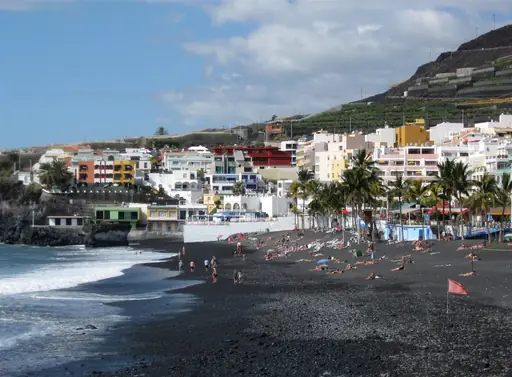
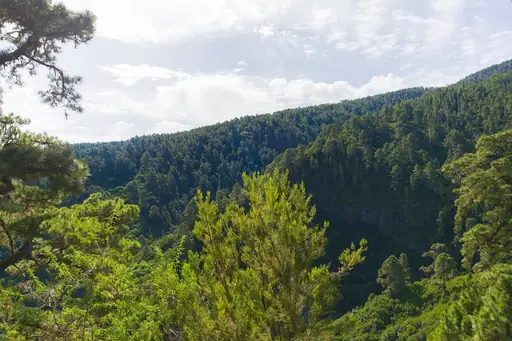
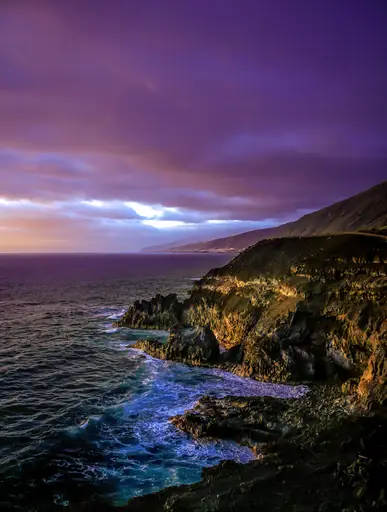
La Palma
Volcanic beauty under starry skies
Roque de los Muchachos Observatory on La Palma stands at 2,426 metres above sea level. The Gran Telescopio Canarias has a mirror 10.4 metres wide. Guided tours explain the stars and the science to visitors. The island's clean air also holds a Starlight Reserve status.
National Park in Iceland
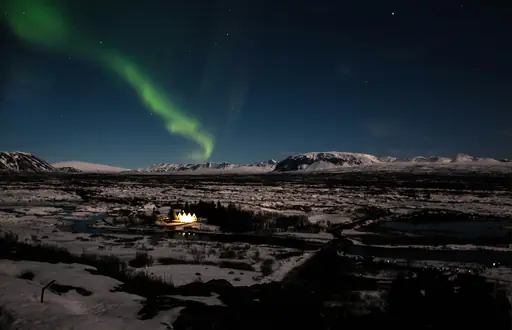
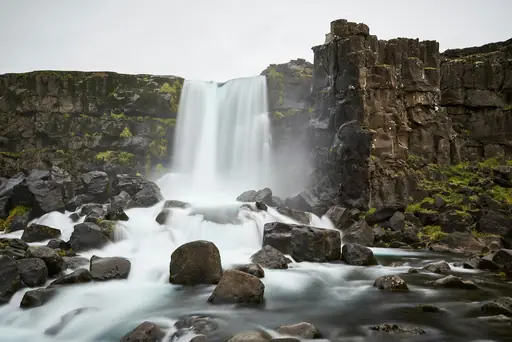
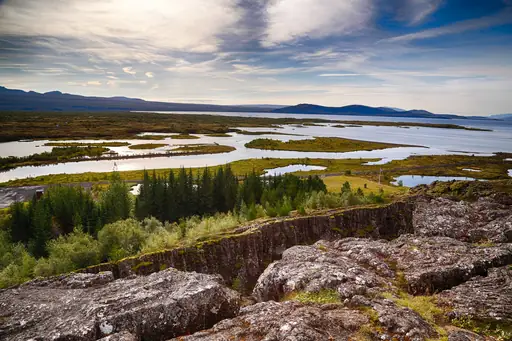
Þingvellir National Park
Where History Meets Nature’s Power
Thingvellir National Park sits in a rift valley where two tectonic plates pull apart in Iceland. The park lies about 45 minutes from Reykjavik and away from city lights. Northern lights often dance above the lake and the cliffs from September to April. Winter nights are long and dark.
Island in Spain
Canary Islands
Spain's volcanic paradise year-round
The Canary Islands protect their night sky with a law passed in 1988 that limits light pollution. Two major observatories stand on Tenerife and La Palma. Clear air and high mountains give steady views of stars. Hotels and lodges across the islands host public stargazing nights.
National Park in Spain
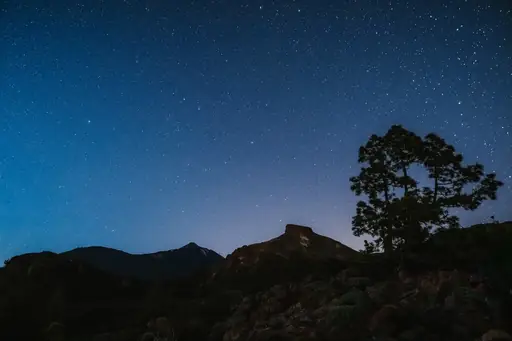
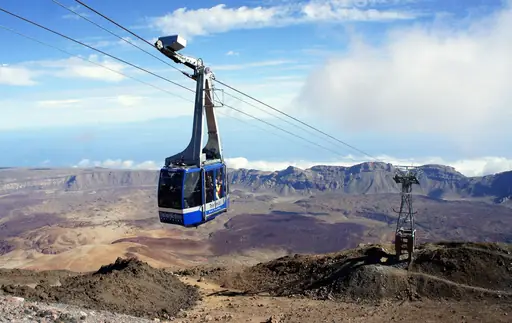
Teide National Park
Mars-Like Landscapes and Epic Views
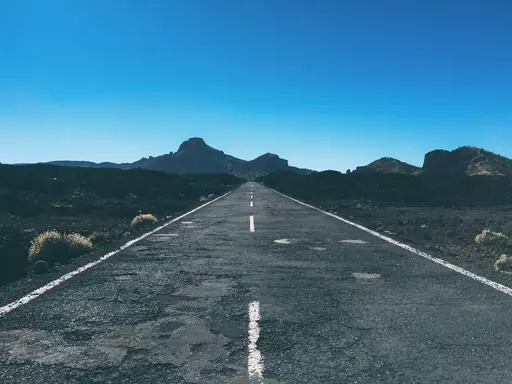
Teide National Park lies on a volcanic plateau above 2,000 metres on Tenerife. The air is dry and often above the cloud layer. Guides lead night tours with telescopes beside black lava fields in summer. The huge cone of Teide stands dark against the stars.
Town in Norway
Longyearbyen
The Edge of the Arctic Wild
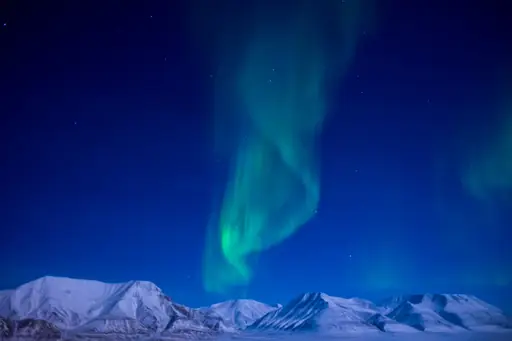
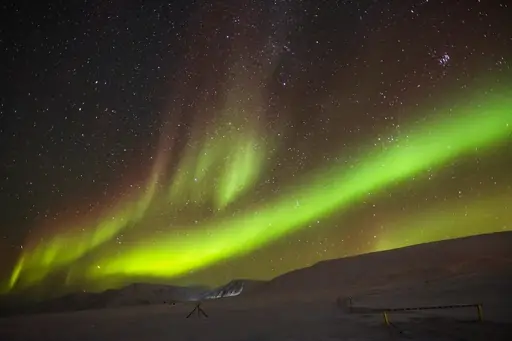
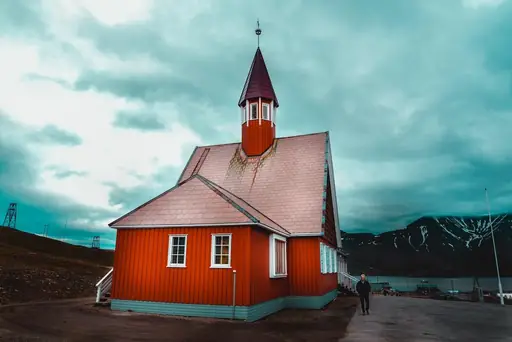
Longyearbyen has a polar night that lasts from late October to mid February each year. The sun stays below the horizon for about four months. Aurora hunters join snowmobile and dog sled tours into the dark. Tours pass frozen valleys under bright stars and moonlight across the snow.
Island in United Kingdom
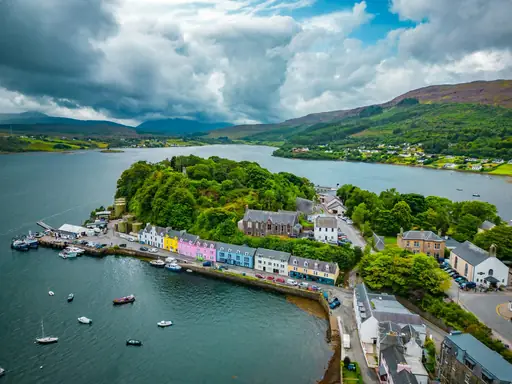
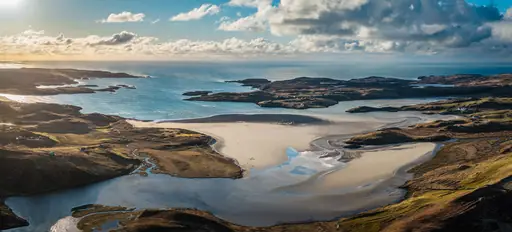
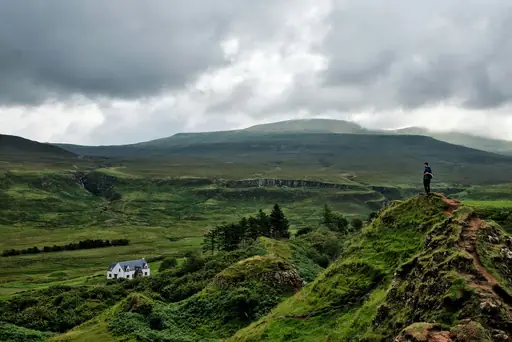
Isle of Skye
Dramatic Landscapes and Ancient Legends
Above the sea lochs of Skye the sky stays dark and few large towns lie nearby. Photographers set up beside the Quiraing and the Old Man of Storr under the Milky Way. Northern lights sometimes appear on winter nights. Quiet lanes make it easy to find a dark spot.
Outer Territory in Norway
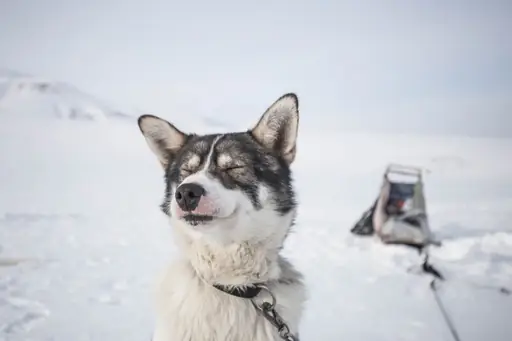
Svalbard
Arctic wilderness at Earth's edge
The Kjell Henriksen Observatory near Longyearbyen studies the northern lights from Svalbard. The archipelago lies about 1,300 kilometres from the North Pole. Winter nights last for months in the far north of Norway. Snowmobile tours take visitors to dark valleys for viewing the aurora in comfort.
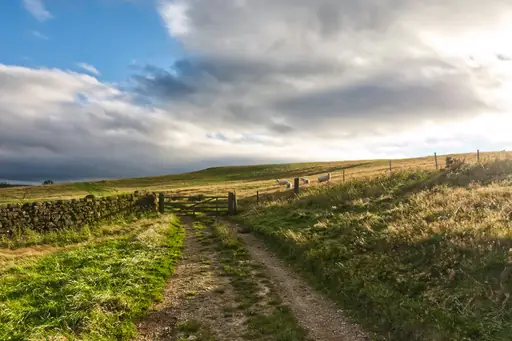
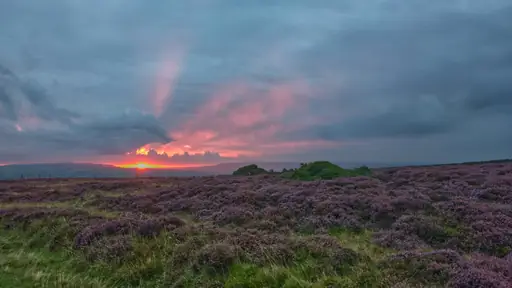
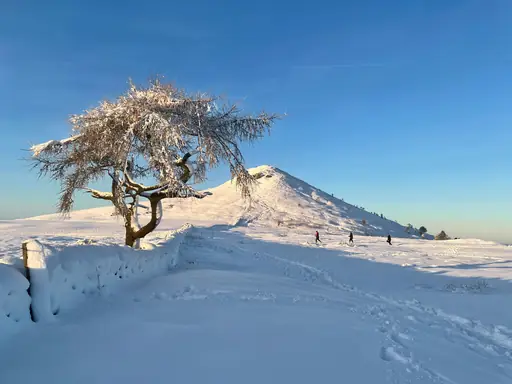
National Park in United Kingdom
North York Moors
Heather moorlands meet rugged coastline
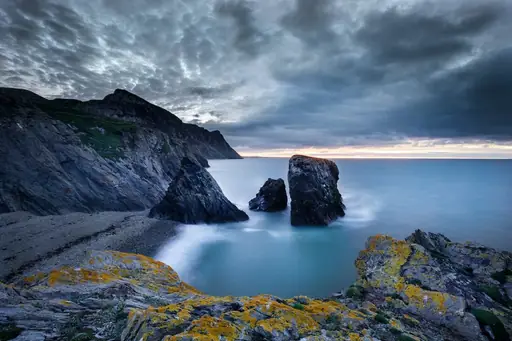
The North York Moors became an International Dark Sky Reserve in 2020. Its wide moorland gives open views of the sky. Dalby Forest has an observatory and public stargazing events. Visitors can spot the Milky Way and bright planets on clear nights from the moors.
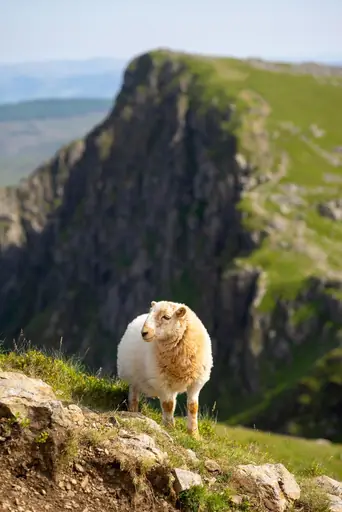
National Park in United Kingdom
Snowdonia National Park
Mythic Peaks and Wild Welsh Beauty
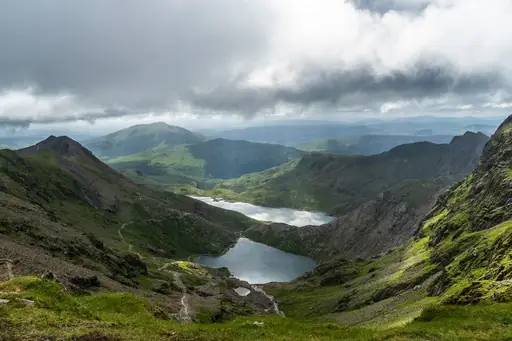
Snowdonia became an International Dark Sky Reserve in 2015 and now protects the night sky over Eryri. Mountains and lakes lie far from city glow. Visitors can join guided night walks and watch the Milky Way. Winter offers the longest nights and frosty clear skies.
Region in United Kingdom
Scotland
Mystic Highlands and Historic Castles
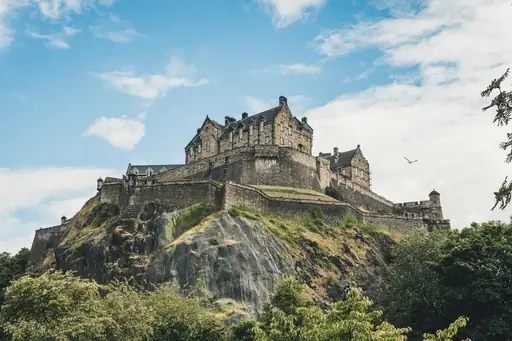
Galloway Forest Park in southwest Scotland was named the UK's first Dark Sky Park in 2009. Its hills and lochs lie far from big towns. Visitors can see thousands of stars and often the Milky Way. An observatory and viewing sites help visitors spot planets.

Nature Reserve in Ireland
Kerry International Dark Sky Reserve
Starlit horizons over Ireland’s rugged coast
Kerry International Dark Sky Reserve was awarded Gold Tier status in 2014 and is on Ireland's southwest coast. The reserve lies around Iveragh Peninsula and the Skellig islands. Very little light reaches the mountains and bays. Visitors can see thousands of stars from many beaches.

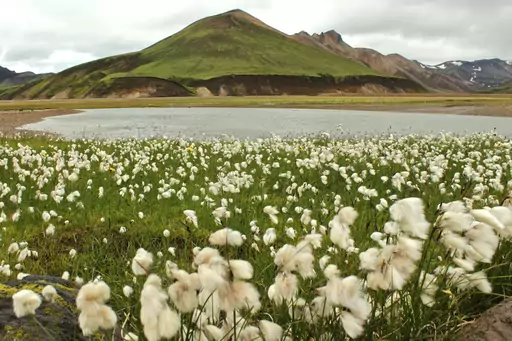
Region in Iceland
Landmannalaugar
Colorful mountains and natural pools
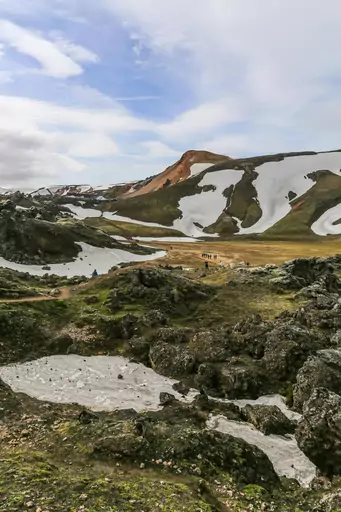
Landmannalaugar lies in the Icelandic highlands and has no permanent residents. Mountain huts and campsites sit far from towns and lights. Visitors can soak in a warm stream under bright stars after a day of hiking. Northern lights glow above the coloured rhyolite mountains in autumn and winter.
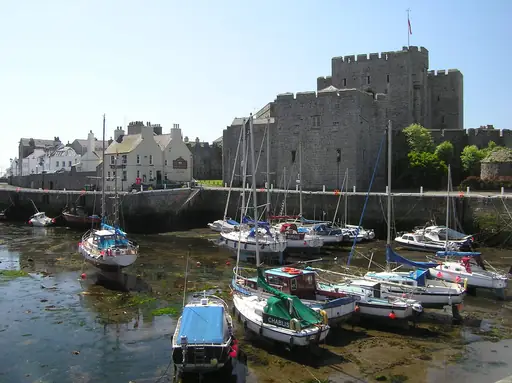
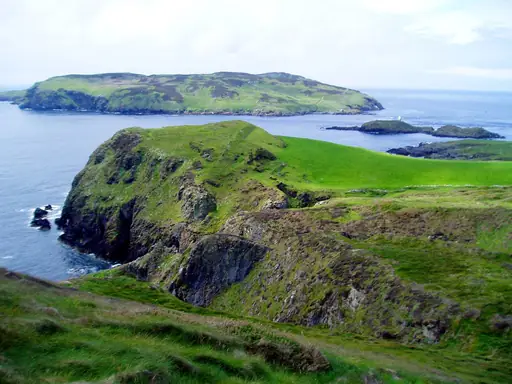
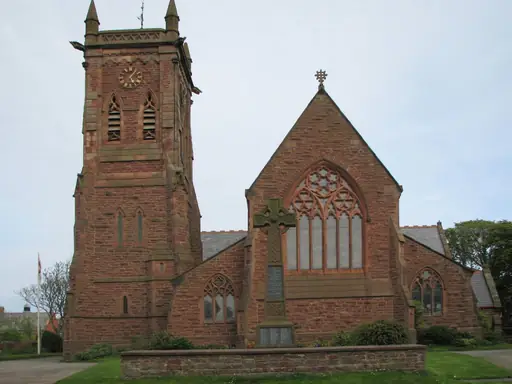
Country
Isle of Man
Temperate island with varied landscapes
The Isle of Man was named a Dark Sky Nation in 2016 because of its low light pollution. Rural areas and hills have wide open skies. The Milky Way is easy to see from many beaches and moors. Northern lights are occasionally visible from the north coast.
Island in Spain
Tenerife
Volcanoes, Beaches and Endless Sun
Teide Observatory on Tenerife sits at about 2,400 metres above a sea of clouds. Solar and night telescopes study the sky here. Public tours visit the observatory and explain the stars to small groups. Clear mountain air makes the Milky Way sharp above the volcanic landscape.
National Park in United Kingdom
Cairngorms National Park
Scotland’s Wild Heart of Adventure
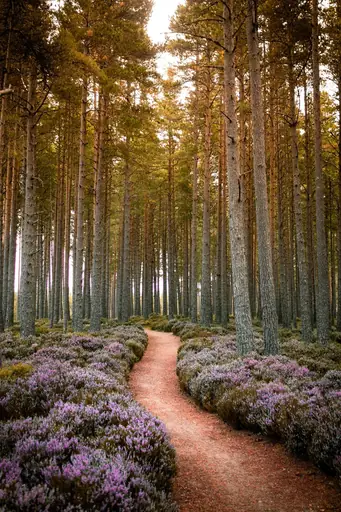
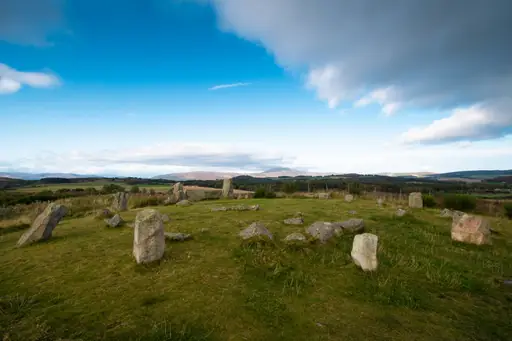
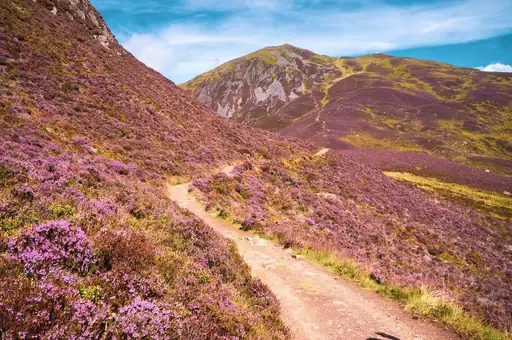
Cairngorms National Park was designated an International Dark Sky Park in 2018. The Glenlivet Estate and Tomintoul offer some of the darkest spots. Visitors can see the Milky Way above heather covered hills on clear nights. The Northern Lights sometimes glow above the mountains in winter months.
Region in Finland
Lapland
Northern lights and midnight sun
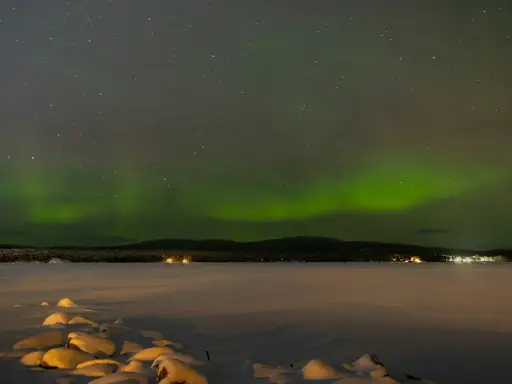
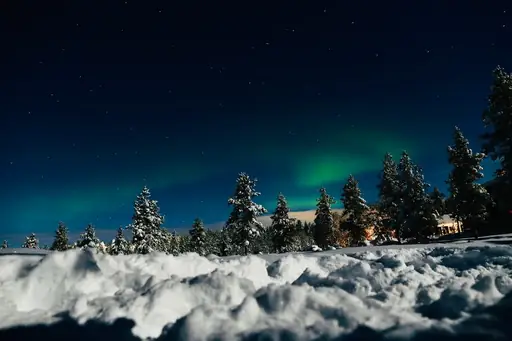
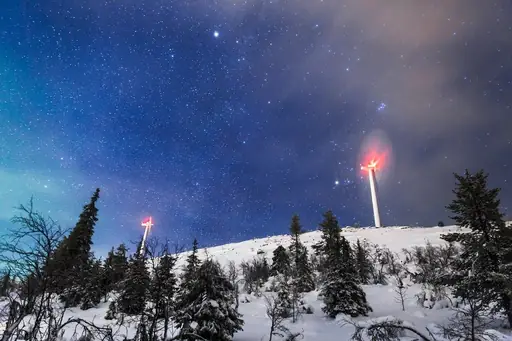
Finnish Lapland has glass igloos near Saariselkä where guests can watch the sky from bed. The area lies far north of the Arctic Circle in cold clear air. Northern lights appear on many nights between August and April. Forests and frozen lakes surround the igloos in deep silence.
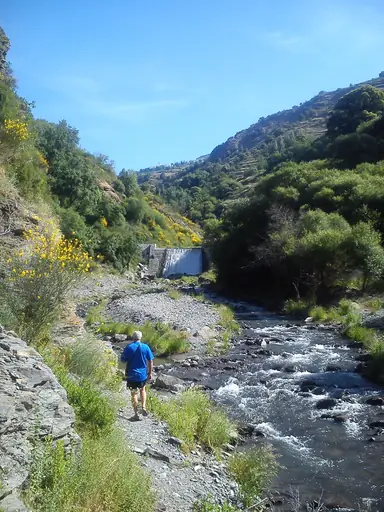
National Park in Spain
Sierra Nevada National Park
Spain’s Rooftop of Sun and Snow
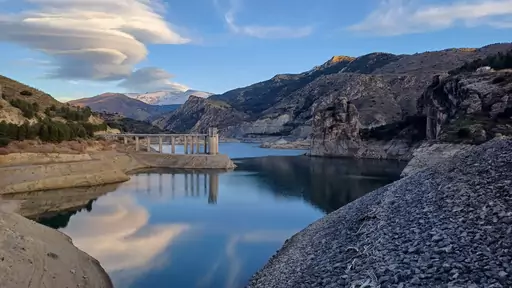
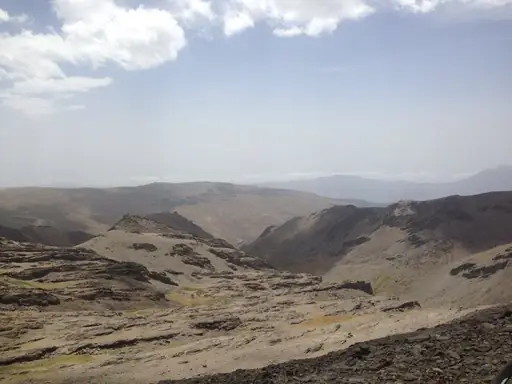
Sierra Nevada National Park rises above 3,000 metres in southern Spain and has clear mountain air. The Sierra Nevada Observatory stands at about 2,900 metres. Trekkers and campers watch the Milky Way from high slopes. Snow covers the high peaks in winter and the skies stay very clear.
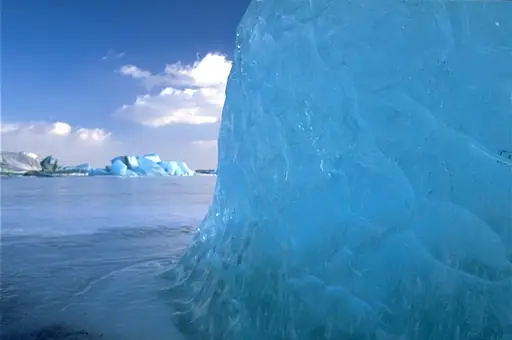
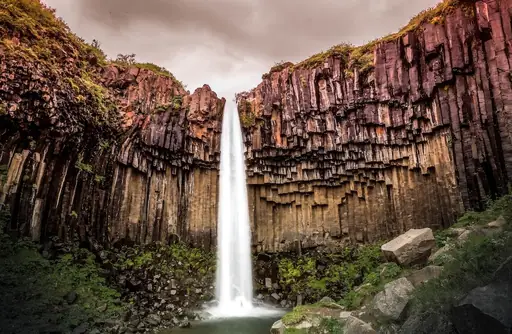
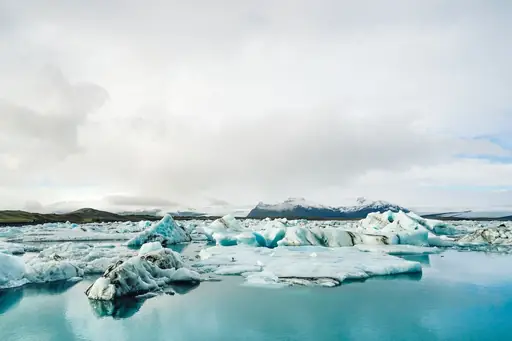
National Park in Iceland
Vatnajökull National Park
Glaciers, Volcanoes and Ice Caves
Vatnajokull National Park covers Europe's largest glacier by volume. Jokulsarlon lagoon holds floating icebergs that reflect the aurora. Skaftafell has quiet campsites far from big towns and street lights. Long winter nights give visitors plenty of time to watch the northern lights from the beach.
Peak in France
Pic du Midi
Sunlit vineyards and historic hilltop charm
Pic du Midi de Bigorre in the French Pyrenees has an observatory at 2,877 metres. The surrounding area was designated an International Dark Sky Reserve in 2013. Visitors can ride a cable car and stay the night at the summit. Telescopes reveal planets and star clusters.
Other lists you may like
Discover
Best stargazing destinations in Africa
Africa's dark sky destinations benefit from vast uninhabited regions, minimal industrial development and some of the lowest light pollution densities of any inhabited continent.…
Read more
Discover
Best stargazing destinations in Asia
Asia's dark sky options range from high-altitude Himalayan plateaus and cold desert regions of the interior to remote island locations scattered across the Pacific and Indian…
Read more
Discover
Best stargazing destinations in North America
North America's dark sky destinations are concentrated in the desert southwest, remote Great Plains and the vast uninhabited wilderness zones of Canada and Alaska. The continent's…
Read more
Discover
Best stargazing destinations in Oceania
Oceania's dark sky options span an extraordinary range of settings, from the remote desert interior of Australia and its southern coastal ranges to the mountain zones of New…
Read more
Discover
Top stargazing destinations and dark sky reserves
The best dark sky destinations are found far from urban light pollution, typically in high-altitude deserts, remote island locations and vast uninhabited interior regions.…
Read more
Discover
Best stargazing destinations in South America
South America's dark sky destinations are among the finest in the world, with high-altitude Andean deserts producing atmospheric conditions that have attracted major international…
Read more
What other users say about travelfilters
“travelfilters made it easy for me to find ski areas and compare what else they offer, so that I could find the best place for my personal travel style.”

Chris
Snowboarding & Onsen trip to Japan
“I love how transparent the data feels. There is no pushy upsell, just honest information and settings I can tune to my own travel style.”

Maria
After booking her 2027 winter escape
“The level of detail for each destination and how well those are displayed, make planning feel confident instead of overwhelming.”

Mina
Planned a week in New York City
“We used travelfilters for our planning from start to end. The trip turned out even better than expected, thanks to all their tools and customisation options.”

Allan & Etienne
Trip to Japan to see autumn foliage
“Thanks to travelfilters, I found some hidden gems to see. Being able to filter for exactly your interests is a game changer for my travel planning.”

Michael
Tour through the old cities of Northern Italy
“The customizable filters helped me find a quiet beach town with good wifi and low season crowds in under five minutes.”

Diego
Weekend Escape to Llanes, Spain
“The airport connection map saved me hours by showing good flight options from my home airport to lesser-known cities.”

Nguyen
Planning a 2027 trip to France
“The website is clean, fast and focused on the search itself, which makes travelfilters feel more like a professional tool than an ad-heavy booking site.”

Hassan
Christmas Market trip, Germany
