





Europe › Spain › Canary Islands

Canary Islands

Scroll
Spain's volcanic paradise year-round

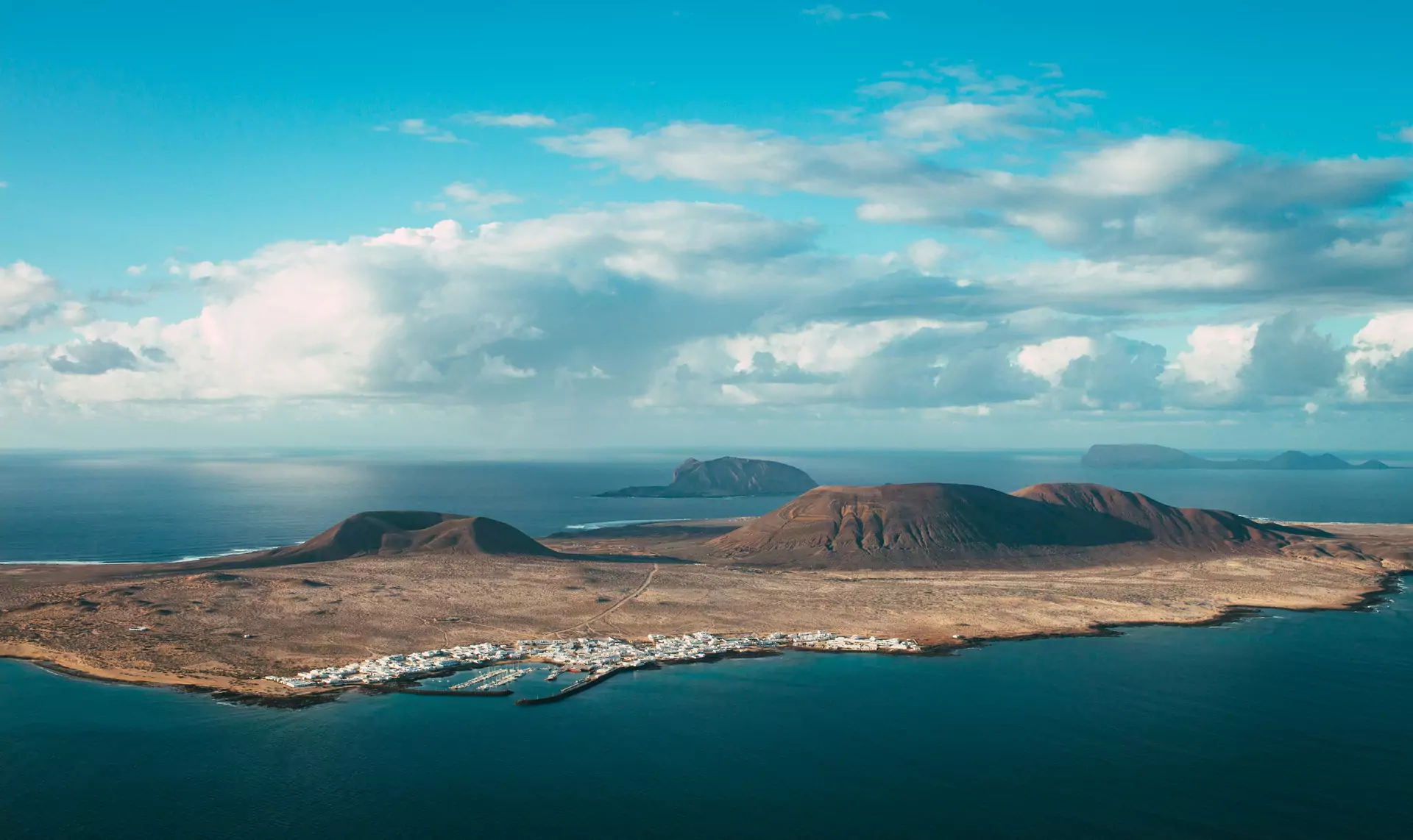
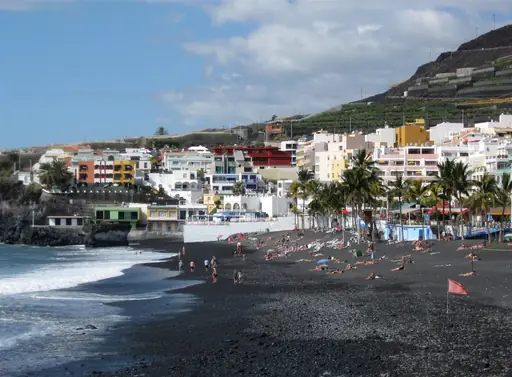
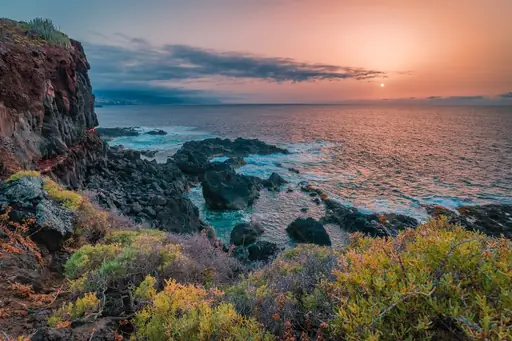
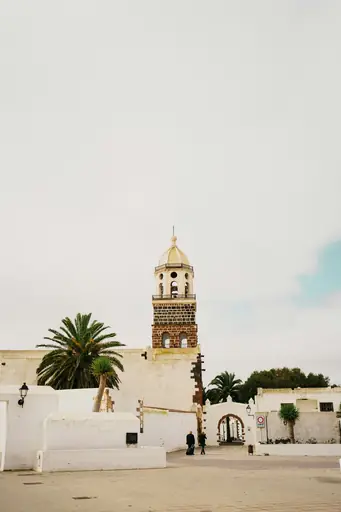
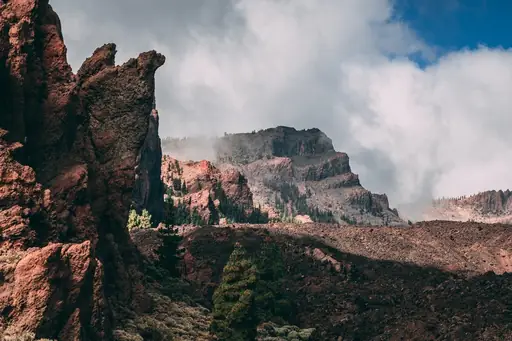
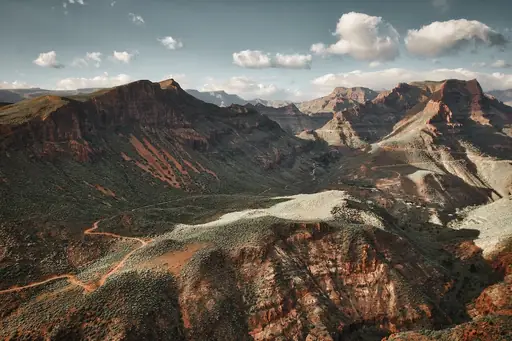
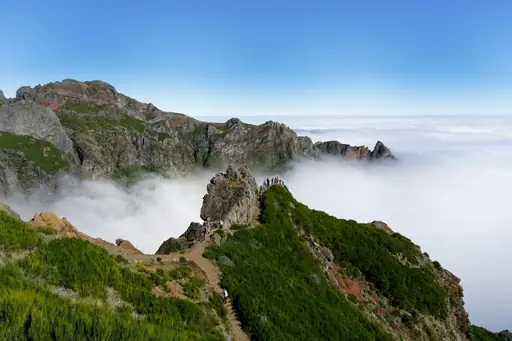
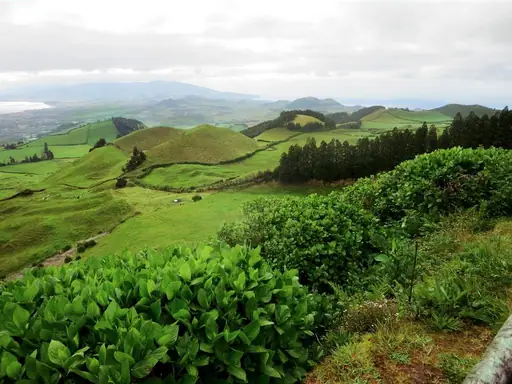
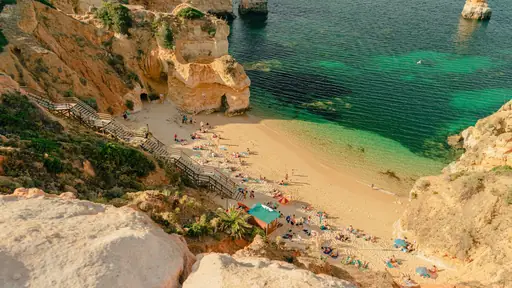
The Canary Islands sit off Spain’s western coast in the Atlantic Ocean. These volcanic islands feature mild weather year-round with warm summers and gentle winters. Each island has unique landscapes from black sand beaches to green highlands filled with forests. Visitors can hike volcanic craters, swim in natural pools or explore charming towns known for local food and music. The mix of ocean views, outdoor activities and cultural experiences makes the Canary Islands a practical choice for travelers seeking relaxed exploration without long flights.

Island in Spain
Climate zone: Hot desert

Hot desert: Extremely arid climates with very high temperatures, minimal rainfall, strong evaporation and sparse vegetation, typical of subtropical deserts.

See climate table
Price level: $$$
$Cheap
$$Medium
$$$Expensive, upscale
$$$+Very expensive, luxury
See price details
Safety: 8.2
General Safety:9
Health & medical:8
Accessibility:6
Tap water:5
Read details
Tourist English: 3/5
English is widely spoken in tourist areas, hotels, restaurants, and attractions across the islands. In more remote or rural areas, English proficiency decreases. German is also commonly spoken in many tourist zones due to the large number of German visito
Last update: 12 Oct 2026
* We earn a commission from some links on this page.
Canary Islands Summary

These place ratings give you a quick overview of how well a destination matches different types of trips.

‘Best for’ scores:
The specific interest scores show where this place really shines – whether it's ideal for hiking, food & drink experiences, museums or other activities. These highlights help you understand what makes the destination special at a glance.

‘Your personal’ scores:
This reflects how well a place matches your personal preferences. You can adjust the importances of travel topics or other personal requirements categories in your account settings.

‘Suited for’ badges:
These give you a quick overview of how well a destination suits specific types of travellers, to help you find the places that match your lifestyle, preferences or travel situation.

Read how our scores work
Excellent for volcanic landscapes and year-round beaches. Hike volcano trails, relax on sunny beaches, surf Atlantic waves and explore scenic island villages.
Place score
9.0
Best at:
Islands
10
Volcanoes
10
Stargazing
10
Sea
9
Natural sites
9
Personal score
?
Log in to see how this place matches your personal travel interests.
Suited for
👶 8
Families
🧓 8
Seniors
🛡️ 8
Travel Beginners
🌈 8
LGBTQ+
Spain – Quick facts
Power Grid: 230 V, 50 Hz
Plug: Type C , Type F
Type C:
Diagram of a Type C power plug
Type F:
Diagram of a Type F power plug

Read about power adapters
Currency: Euro (EUR)
£1 ≈ €1.19
Cashless info: Rating 5/5
Cashless payment is widely accepted in Spain, particularly in urban areas and tourist destinations. Credit and debit cards are commonly used, and mobile payment options are available in many establishments.

Save with a travel credit card
eSIM providers: Best value: Saily
Flexibility: Airalo
Read our in-depth comparison
Tipping: Tipping is not mandatory in Spain but appreciated for good service. In restaurants, rounding up the bill or leaving 5-10% is customary. Taxi drivers and hotel staff may also be tipped, though it is less common.
Public drinking: Public drinking is restricted in some regions, particularly in tourist-heavy cities. Local laws may vary.
Public smoking: Smoking is banned indoors in public places but allowed in designated outdoor areas.
La Tomatina
(August)
A famous tomato-throwing festival, expect large crowds in Buñol.
Semana Santa
(March/April)
Religious parades and events make this a busy time in major cities.
Christmas
(December)
Markets and festive celebrations, with tourist areas becoming busier.
Emergency contact: Emergency Number: 112 (Police, Fire, Ambulance)
Taxi apps: Cabify, Bolt, Uber
Other: Spain is known for its diverse culture, stunning architecture, and vibrant festivals. Public transport is reliable and efficient, making it easy to explore.
Best times to travel

The best times to travel section shows how the months compare for a visit, so you can find the time of year that fits what you want to do.

Background colours of the months:
The colour shows the typical temperature: yellow (hot), green (mild) and blue (cold). How strong the colour is shows the travel season: full colour means high season, soft colour means shoulder season and soft-striped means off season.

Weather symbols:
Each month has one symbol showing what the weather is typically like, such as hot and sunny, freezing or a rainy or snowy season. Use them to quickly spot months that match the weather you want, or to avoid the ones that don't.

Crowdedness:
The people icon shows how busy the place usually is. The more people, the more crowded it gets.

Additional notes:
The grey info boxes point out special things worth knowing, like recurring weather issues or seasonal events.

for Canary Islands, Spain
🌤️
Jan
🌤️
Feb
☀️
Mar
☀️
Apr
☀️
May
☀️
Jun
☀️
Jul
☀️
Aug
☀️
Sep
☀️
Oct
☀️
Nov
🌤️
Dec
High season: Jan. - April, July - Dec.
Shoulder season: May - June
Crowdedness: 7 (Many tourists)
Tap on a month for more info Hover over a month for more info
Climate and season vary by island and coast: the south of Tenerife, Gran Canaria and Fuerteventura is sunniest and best for beaches year-round, the north is greener, cloudier and best for hiking April to October
Carnival, from late January to early March, is the biggest event, with Santa Cruz de Tenerife and Las Palmas busiest
Calima (hot dusty Saharan wind) can bring haze and heat any time, most often from autumn to spring

Why travel to Canary Islands?

The Canary Islands offer that rare combination of reliable sunshine throughout the year and incredibly diverse experiences across relatively small distances. Where else in Europe can you climb Spain's highest mountain in the morning, relax on golden beaches in the afternoon and stargaze under pristine dark skies at night? Each island has its own distinct personality - Tenerife with its vibrant mix of beaches and mountains, Gran Canaria's miniature continent of landscapes, Lanzarote's artistic volcanic scenery, Fuerteventura's windswept beaches perfect for surfing and the lush hiking paradises of the smaller islands. What makes the Canaries truly special is how they cater to almost any travel style. Adventure seekers can hike volcanic trails, surf world-class waves or dive in crystal-clear waters. Nature lovers can explore four national parks and seven UNESCO Biosphere Reserves. Culture enthusiasts will appreciate the blend of Spanish traditions with unique Canarian elements, while those simply seeking relaxation can enjoy some of Europe's best beaches. Add to this the archipelago's fascinating volcanic history (with La Palma's Cumbre Vieja erupting as recently as 2021), excellent local wines and a laid-back island atmosphere and you have a destination that keeps drawing visitors back year after year.

🏙️Cities & Regions
  • 1 Tenerife
    Known for its volcanic landscapes and year‑round mild climate, this island offers dramatic cliffs, lush forests and black‑sand beaches. Visitors can explore historic towns, enjoy local cuisine and hike the trails of Mount Teide National Park.
  • 2 Las Palmas
    A volcanic island in the Atlantic, Las Palmas offers year‑round sunshine, sandy beaches and a historic quarter with colonial architecture. The capital’s marina hosts sailing events, while nearby dunes and cliffs provide hiking and windsurfing opportunities.
  • 3 Lanzarote
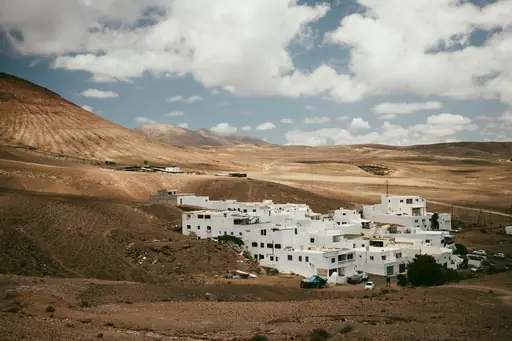
    Known for volcanic landscapes and unique architecture, Lanzarote offers year‑round sunshine, black‑sand beaches and the Timanfaya National Park where geothermal activity shapes the terrain. Visitors can explore art installations, traditional villages and world‑class wineries for.
  • 4 Gran Canaria
    This Spanish archipelago's volcanic peaks and golden beaches rival mainland resorts yet offer distinct Atlantic isolation. While Las Palmas bustles, venture inland to Teide National Park for dramatic landscapes away from tourist crowds.
  • 5 Santa Cruz de Tenerife
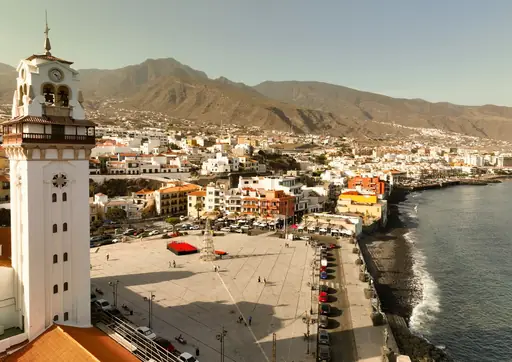
    Capital of Tenerife offers a blend of historic architecture and modern amenities. The city hosts vibrant markets, museums and coastal promenades, while nearby beaches provide sun and sea. Its mild climate supports year‑round outdoor activities.
  • 6 Teide National Park
    Mountains rise above volcanic plains, offering panoramic views and unique flora. The park hosts Spain's highest peak, Pico del Teide, a UNESCO World Heritage site. Trails range from easy walks to challenging climbs, attracting hikers and stargazers alike.
  • 7 La Palma
    The island offers dramatic volcanic landscapes, lush greenery and sunny beaches. La Palma features charming towns, active geology and a cool climate perfect for hiking and exploring unique natural attractions year-round.
  • 8 Maspalomas
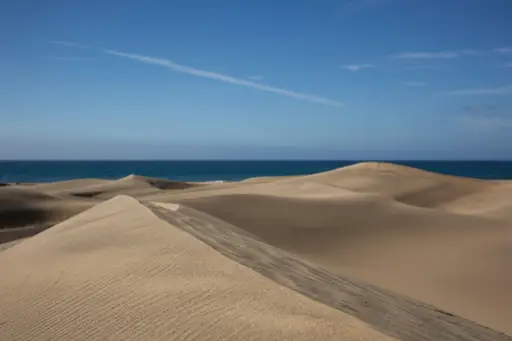
    This western Canary Island features dunes bordering Las Palmas and volcanic peaks rising from the Atlantic. The landscape feels more arid than tropical, yet visitors should head inland to escape the coastal crowds and discover quieter fishing villages.
🏯Places worth seeing
  • 1 Loro Parque
    A world‑class zoo and marine park in Tenerife, featuring giant pandas, killer whales and a diverse collection of parrots. Interactive shows, conservation projects and lush botanical gardens attract visitors year round.
  • 2 Timanfaya National Park
  • 3 Caldera de Taburiente National Park
  • 4 Calle Roque de Los Muchachos
  • 5 Jardín de Cactus y Suculentas
  • 6 Calle San Cristobal de la Laguna
  • 7 Cave Village
🎡Places for activities
  • 1 Garajonay National Park
  • 2 Playa de Las Canteras
  • 3 Corralejo
  • 4 El Médano
  • 5 Hijos de Francisco Lopez Santa Cruz SA
  • 6 Calle La Orotava
  • 7 Playa del Inglés
🏞️Natural landmarks
  • 1 Roque Nublo
  • 2 Maspalomas Dunes
  • 3 Tajogaite Volcano;Eruption of the Tajogaite Volcano / Cumbre Vieja / La Palma volcano
  • 4 Calle Caldera de Taburiente
  • 5 Península de Jandía
🛍️Shopping
  • 1 Calle Mayor de Triana
🎈Events
  • Carnival (February/March - all islands, largest in Tenerife)
  • Corpus Christi Flower Carpets (June)
  • Bajada de la Virgen (La Palma - every 5 years)
  • Fiesta de la Rama (Gran Canaria - August)
  • Romería de San Roque (Garachico, Tenerife - August)
  • Fiesta del Charco (Gran Canaria - September)
  • Fiesta de la Vendimia (Lanzarote - August/September)
  • Fiestas del Cristo (La Laguna, Tenerife - September)
  • Dia de Canarias (May 30th - all islands)
  • Silbo Gomero Demonstrations (La Gomera - year-round)

Knowledge before you go

  • EU citizens travel freely; others need valid passport.
  • Book flights and ferries early for multi-island hopping between Tenerife, Gran Canaria and Lanzarote.
  • Respect protected natural parks; strong winds and currents make some beaches unsafe for swimming.
  • Visit off-peak shoulder months like May or October for fewer crowds, mild weather and local festivals.

How to travel to Canary Islands

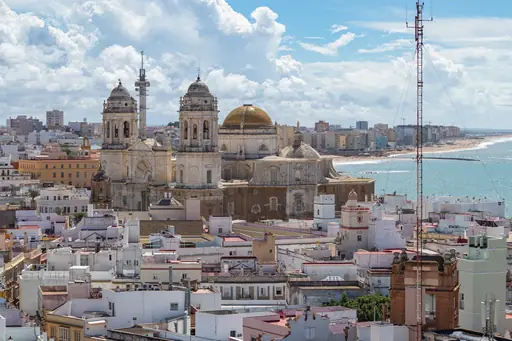
The Canary Islands are accessible primarily by air, with international airports on Tenerife (two airports: North and South), Gran Canaria, Lanzarote, Fuerteventura and La Palma receiving direct flights from major European cities. Tenerife South and Gran Canaria handle the most international traffic. Ferry connections from mainland Spain (primarily from Cadiz) are available but take 1-2 days. Once in the archipelago, inter-island travel is convenient via domestic flights or ferry services, with companies like Binter Canarias, Naviera Armas and Fred Olsen offering regular connections.

Access summary

  • From main island airports (e.g., LPA/TFS): Shuttle or taxi, 20–40 minutes.
  • From Madrid or Barcelona: Direct flights to major islands, around 3 hours.
  • Inter-island ferries and short domestic flights commonly link the individual islands.

Where to stay in Canary Islands

The Canary Islands offer accommodation options for every budget and preference, from luxury resorts in tourist zones like southern Tenerife and Gran Canaria to boutique hotels in historic towns and rural cottages in mountainous areas. The southern parts of the larger islands tend to have more developed tourist infrastructure with all-inclusive resorts, while northern areas often feature more authentic, smaller establishments. Prices vary seasonally, with December-April and summer holidays being peak periods. For a more authentic experience, consider rural tourism options (casas rurales) in the interior regions of the islands.

How to get around Canary Islands

Getting around the Canary Islands varies by island. On the larger islands like Tenerife and Gran Canaria, public bus networks (called 'guaguas') are extensive and affordable. Renting a car is highly recommended for exploring diverse landscapes and reaching secluded beaches, especially on the more rugged islands. For island hopping, regular ferry services connect the main islands, with more frequent connections between neighboring islands. Inter-island flights are also available and can save significant time when traveling between more distant islands like Tenerife and Lanzarote.
Budget snapshot
Costs compared to home

We calculate the average costs when travelling to destinations and compare those with the living costs at your home. With this you can get an estimate of how expensive or cheap the destination is for you.

To customise this, you can set up which location and price level are used for the calculations in your account settings.

-28 %
Daily expenses in the region are around 28% lower than the average across United States. That means you'll spend considerably less on meals and getting around.
Exchange rate trend

The exchange rate price factor shows how expensive or cheap a currency currently is compared to its historical average. It's a quick way to see if a country is currently more or less affordable due to exchange rate changes.

-3 %
Your exchange rate (GBP to EUR) is 3% better than in recent years. That means travelling now costs around the same compared to the past.

Travel costs

To help you plan your trip, we provide estimated daily costs per person (when travelling as a pair) for different travel styles. These numbers give you an idea of what you might spend each day at this destination, including accommodation, food, transport and activities.

Additionally, we also provide average hotel costs for different travel styles to give you an estimate for the accommodation only.

Please note that these are only estimates. The real costs depend on booking times, season and other factors.

Daily cost summary

Travel style categories explained:

Backpacker:
Staying in hostels or budget hotels, cooking your own meals or eating cheap and choosing low-cost activities.

Mid-range:
Staying in mid-range hotels, eating at a mix of restaurants and casual spots and enjoying a variety of activities.

Luxury:
Staying in luxury hotels, dining out at high-end restaurants and enjoying premium experiences without worrying about the price.

Backpacker Mid-range Luxury
💵 Total costs per day, including accommodation
£45
£104
£283
🏨 Accommodation per night, per person
£15
£45
£113
🍝 Food per day
£23
£50
£139
🚕 Transportation per day
£7
£8
£31
Food & Drink
🍽️ Restaurant Dinner, per person
£21
🍛 Lunch Set, per person
£10
🍟 Fast food combo
£8.50
🍝 Preparing your own food, per day
£8
☕ Cappuccino
£2.20
🍺 Beer in a restaurant, 0.5 l
£2.70
Transportation
🚌 Public transport ticket
£1.60
🚕 Taxi Ride, 10 km / 6 mi
£19
⛽ Petrol, 1 l
£1.10
Other
🎞️ Cinema ticket
£7
👩‍⚕️ Doctor's consult
£60
🤧 Cold medication
£6
💇 Basic haircut
£10

Safety information overview

General safety
9
The Canary Islands are generally very safe for tourists with low crime rates. Exercise normal precautions in crowded areas and tourist spots. Be careful when swimming and only use beaches with lifeguards when possible. Pay attention to flag warnings at beaches as ocean currents can be strong.
Health & Medical
8
Healthcare standards are high with good public and private facilities on the larger islands. Smaller islands have basic services but may require transfer to larger islands for specialized care. European visitors should carry EHIC/GHIC cards. Sun protection is essential as UV radiation is particularly strong.
Accessi­bility
6
Accessibility varies widely across the islands. Major tourist areas and newer developments are generally well-equipped for visitors with mobility challenges. However, many natural attractions, volcanic sites and historic towns with cobblestone streets present difficulties. Some beaches have accessibility facilities and ramps.
Tap water
5
Tap water is safe to drink but has a mineral taste that many visitors find unpleasant. Bottled water is widely available and reasonably priced. Stay well-hydrated, especially when hiking or spending time at the beach, as the climate can be deceptively dehydrating.

Popular districts of Canary Islands

Looking for inspiration?

Discover
Most beautiful beaches and coastal escapes
For a lot of people, a beach is the whole point of a holiday, but what makes a beach day perfect really depends on personal taste. Some travellers want isolation and the feeling…
Read more
Discover
Best travel destinations for food allergies in Europe
Europe is one of the more manageable continents for allergy conscious travelers, thanks to strict food labeling rules that apply across the entire European Union. Restaurants…
Read more
Discover
Best family friendly destinations in Europe
Europe might be the easiest continent for family travel, with strong infrastructure, dependable healthcare and safe food and water almost everywhere you go. There is enough variety…
Read more
Discover
Best island getaway destinations in Europe
Europe's island destinations range from the sun-drenched Mediterranean archipelagos and the dramatic volcanic landscapes of the Atlantic to the remote northern island groups where…
Read more
Discover
Best cycling destinations in Europe
Europe is one of the world's great cycling continents, with a infrastructure and culture around the activity that few regions can match. From Alpine climbs that have defined…
Read more
Discover
Best hiking destinations in Europe
Europe has one of the most developed long distance hiking cultures in the world, with a network of waymarked trails covering everything from high alpine routes and coastal paths to…
Read more
Discover
Best travel destinations for food allergies
Travelling with a food allergy adds a layer of planning most people never have to think about and the right destination can make that planning a lot easier. Some travellers…
Read more
Discover
Volcano destinations and volcanic landscapes
Volcanic destinations offer a category of landscape experience unavailable anywhere else, with the combination of raw geological drama, active crater environments and the…
Read more
Discover
Best destinations to visit in August
August closes out peak summer across the Northern Hemisphere, often bringing the hottest weather of the year to many regions. Parts of Europe slow down noticeably this month,…
Read more
Discover
Best theme park destinations in Europe
Europe's theme parks range from century old amusement grounds to some of the most visited franchise parks on the planet, often within a short drive of each other. Western Europe…
Read more
Discover
Best stargazing destinations in Europe
Europe's dark sky locations are harder won than in less densely populated parts of the world, but genuinely dark sites exist in the continent's more remote corners. Atlantic island…
Read more
Discover
Best cruise destinations in Europe
Europe's cruise offer is the most developed in the world, with Mediterranean, Baltic and Norwegian fjord itineraries forming the backbone of the global cruise industry and…
Read more
Discover
Top cruise destinations and major routes
Cruise travel has evolved considerably beyond its traditional demographic and now encompasses everything from large resort ships carrying thousands of passengers to small…
Read more
Discover
Top island destinations and tropical getaways
Island travel offers a self-contained quality that few other destination types match, with defined geography, distinct local culture and the particular atmosphere that comes from…
Read more
Discover
Best destinations to visit in February in Europe
Europe stays firmly in winter through February, though the month also brings its own set of traditions that set it apart from January. Alpine regions remain deep into ski…
Read more
Was this page helpful?
Feedback

