



Europe › Portugal › Algarve

Algarve

Scroll
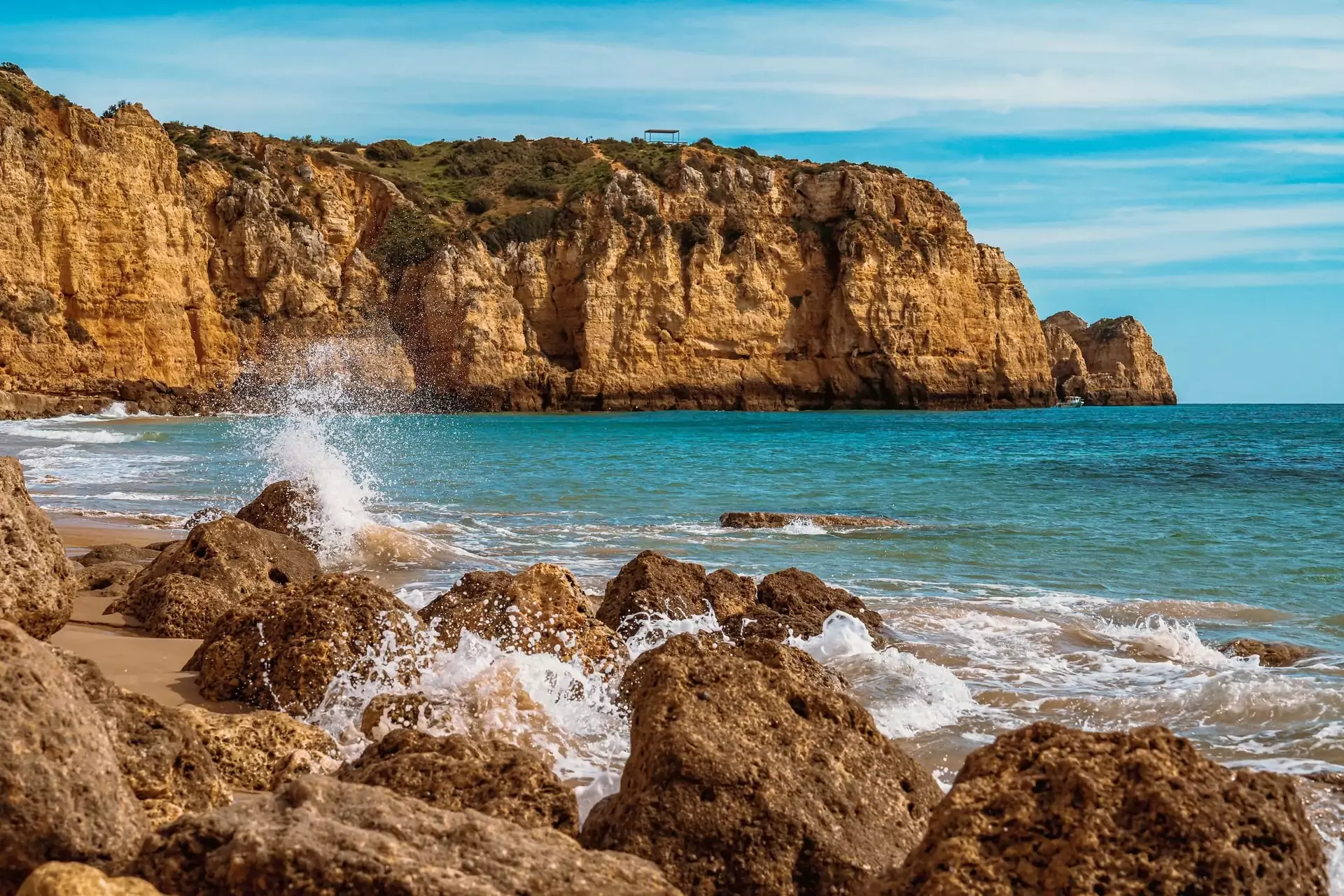
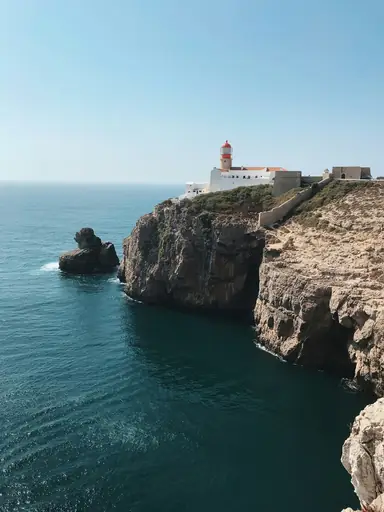
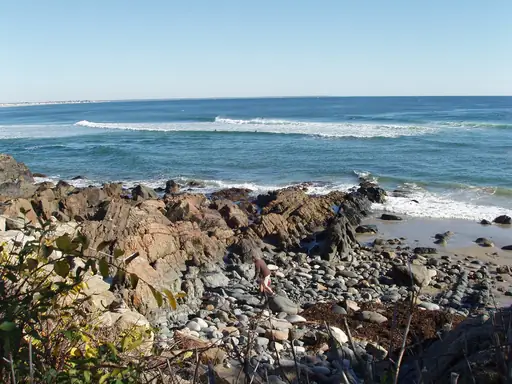
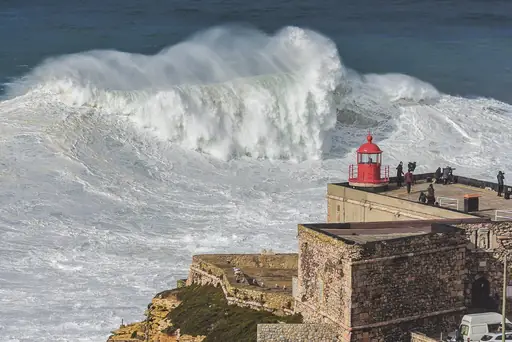
Golden cliffs and azure waters

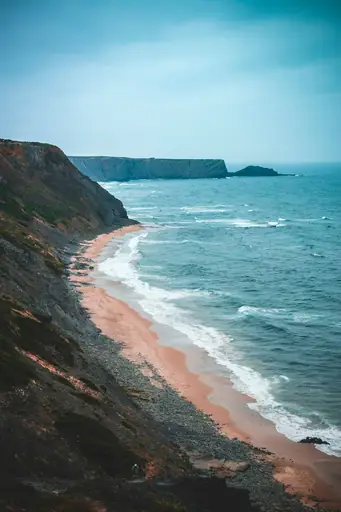
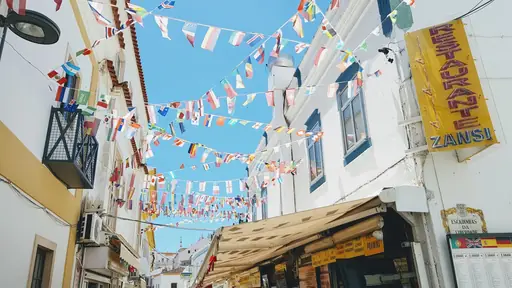
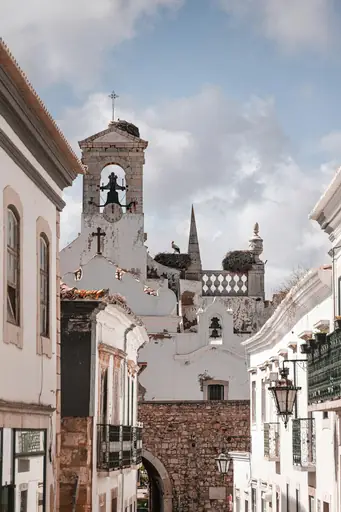
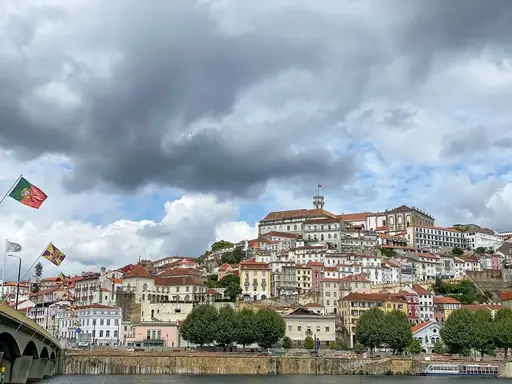
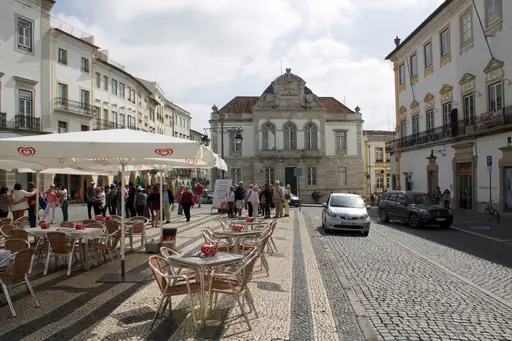
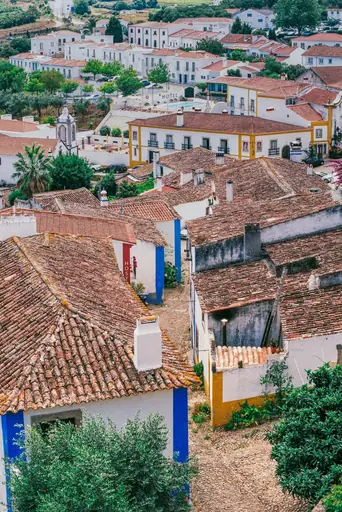
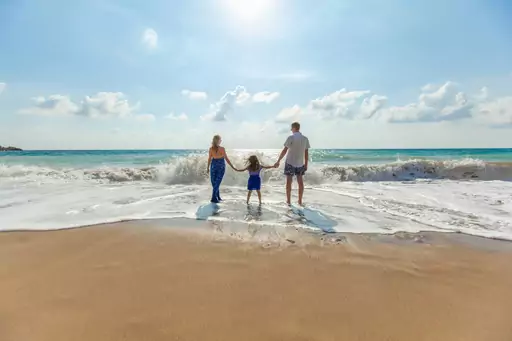
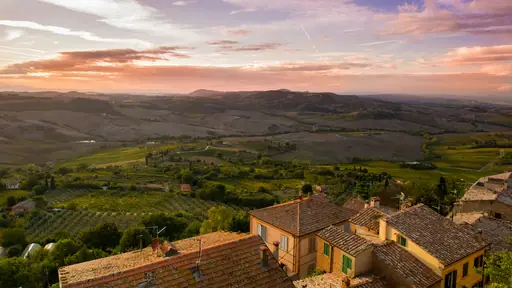
The Algarve region in Portugal stretches along a rugged coastline where golden beaches meet limestone cliffs shaped by centuries of wind and waves. Inland, rolling hills host vineyards, olive groves and small fishing villages with whitewashed houses and colorful shutters. The area is known for its mild climate, fresh seafood and traditional festivals that celebrate local culture. Historic towns like Lagos and Faro preserve medieval streets while welcoming visitors seeking both relaxation and exploration of natural parks along the southern shore.

Region in Portugal
Climate zone: Mediterranean

Mediterranean: Mid-latitude climates with hot, dry summers and mild, wet winters, typical of coastal regions around the Mediterranean Basin.

See climate table
Price level: $$$
$Cheap
$$Medium
$$$Expensive, upscale
$$$+Very expensive, luxury
See price details
Safety: 9.1
General Safety:10
Health & medical:8
Accessibility:7
Tap water:8
Read details
Tourist English: 4/5
English is widely spoken throughout the Algarve, especially in tourist areas, hotels, restaurants, and attractions. Most locals working in tourism speak good English, though in remote villages and among older residents, communication might require more pa
Last update: 12 Oct 2026
* We earn a commission from some links on this page.
Algarve Summary

These place ratings give you a quick overview of how well a destination matches different types of trips.

‘Best for’ scores:
The specific interest scores show where this place really shines – whether it's ideal for hiking, food & drink experiences, museums or other activities. These highlights help you understand what makes the destination special at a glance.

‘Your personal’ scores:
This reflects how well a place matches your personal preferences. You can adjust the importances of travel topics or other personal requirements categories in your account settings.

‘Suited for’ badges:
These give you a quick overview of how well a destination suits specific types of travellers, to help you find the places that match your lifestyle, preferences or travel situation.

Read how our scores work
World-class for coastal scenery and beaches. Swim beneath golden cliffs, kayak sea caves, surf Atlantic waves and enjoy sunny seaside towns.
Place score
8.5
Best at:
Beaches
10
Sea
9
Golf
9
Guided tours
8
Surfing
8
Personal score
?
Log in to see how this place matches your personal travel interests.
Suited for
👶 9
Families
🧓 9
Seniors
🛡️ 9
Travel Beginners
👩 9
Solo
Portugal – Quick facts
Power Grid: 230 V, 50 Hz
Plug: Type C , Type F
Type C:
Diagram of a Type C power plug
Type F:
Diagram of a Type F power plug

Read about power adapters
Currency: Euro (EUR)
£1 ≈ €1.19
Cashless info: Rating 4/5
Portugal has widespread acceptance of cashless payments, particularly in urban areas and larger businesses. Cards are commonly used, and mobile payment options are increasingly available.

Save with a travel credit card
eSIM providers: Best value: Saily
Flexibility: Airalo
Read our in-depth comparison
Tipping: Tipping is customary but not mandatory in Portugal. In restaurants, leaving a 5-10% tip is common, especially if the service is exceptional. Taxi drivers usually expect a small tip of around 5-10%, and hotel staff appreciate tips for their services.
Public drinking: Public drinking is generally accepted in most public spaces, such as parks and beaches. However, certain municipalities may enforce restrictions in specific areas.
Public smoking: Smoking is prohibited indoors in public places like restaurants and bars. Designated smoking areas are available in many public spaces.
Portuguese Republic Day
(October)
National holiday with public celebrations and some closures, particularly in Lisbon.
Christmas
(December)
Holiday celebrations and increased tourism, expect crowded areas and higher accommodation prices.
Carnival
(February)
Festive celebrations with parades and events, especially in Lisbon and Madeira. Expect lively crowds.
Emergency contact: Emergency Number: 112 (Police, Fire, Ambulance)
Taxi apps: Bolt, Uber
Other: Portugal boasts rich cultural heritage, beautiful beaches, and historic landmarks. Public transport is reliable, and the country is known for its mild climate, especially in the southern regions.
Best times to travel

The best times to travel section shows how the months compare for a visit, so you can find the time of year that fits what you want to do.

Background colours of the months:
The colour shows the typical temperature: yellow (hot), green (mild) and blue (cold). How strong the colour is shows the travel season: full colour means high season, soft colour means shoulder season and soft-striped means off season.

Weather symbols:
Each month has one symbol showing what the weather is typically like, such as hot and sunny, freezing or a rainy or snowy season. Use them to quickly spot months that match the weather you want, or to avoid the ones that don't.

Crowdedness:
The people icon shows how busy the place usually is. The more people, the more crowded it gets.

Additional notes:
The grey info boxes point out special things worth knowing, like recurring weather issues or seasonal events.

for Algarve, Portugal
🌤️
Jan
☀️
Feb
☀️
Mar
☀️
Apr
☀️
May
☀️
Jun
☀️
Jul
☀️
Aug
☀️
Sep
☀️
Oct
☀️
Nov
🌦️
Dec
High season: June - Sep.
Shoulder season: March - May, Oct.
Crowdedness: 7 (Many tourists)
Tap on a month for more info Hover over a month for more info
Beach season June to September, Atlantic water stays cool, around 18 to 22°C even in summer
November to February: many beach restaurants, boat tours and some hotels close
Golf and hiking best October to April, Rota Vicentina and coastal trails too hot in summer

Why travel to Algarve?

The Algarve fascinates with its remarkable diversity packed into a relatively compact region. You can spend your morning exploring medieval streets in Silves with its Arab-influenced architecture, then cool off in the afternoon at one of the countless golden beaches framed by those iconic ochre cliffs. The region strikes a beautiful balance between developed tourist areas and untouched natural wonders - from the cosmopolitan energy of Albufeira to the refreshingly undeveloped west coast that's a paradise for surfers. What makes the Algarve truly special is how it caters to almost any travel style. Nature lovers can hike the Algarve Way inland or the Vicentine Route along one of Europe's best-preserved coastlines. History buffs can discover traces of the region's pivotal role in Portugal's 15th-century Age of Discovery. Foodies can indulge in fresh seafood at simple beach terraces or Michelin-starred restaurants. Just be aware that the region gets extremely crowded during peak summer months and the sun can be intensely strong - always apply plenty of sunscreen, wear protective clothing and seek shade when possible.

🏙️Cities & Regions
  • 1 Faro
    This southern Portuguese region features dramatic cliffs and the historic Faro Cathedral. While crowded in summer, visitors should explore quiet coastal villages to escape the crowds and enjoy authentic local cuisine away from the main tourist hubs.
  • 2 Lagos
    A rugged, Atlantic coastline in southern Portugal features dramatic cliffs and golden beaches. The historic town of Lagos offers charming streets, vibrant markets and a relaxed atmosphere perfect for exploring the Algarve's natural beauty.
  • 3 Albufeira
    This sun-drenched Algarve coast features golden beaches, charming white-washed villages and vibrant nightlife in Albufeira. The region offers dramatic cliffs, historic castles and crystal-clear waters perfect for swimming and sailing year-round.
  • 4 Vilamoura
    A coastal resort town on Portugal's southern Algarve coast, Vilamoura offers a marina, golf courses and luxury hotels. Its beaches feature clear waters, while nearby towns provide historic charm and a lively nightlife.
  • 5 Sagres
    The rugged coastline of Sagres features dramatic cliffs and wild beaches, while the historic fortress offers panoramic views of the Atlantic Ocean. This remote Algarve destination combines natural beauty with rich maritime history for travelers seeking solitude and scenic landscapes.
  • 6 Tavira
    The Algarve's historic charm unfolds along Portugal's southern coast, where ancient walled towns meet dramatic cliffs and golden beaches. Tavira offers quiet streets, while Faro provides easy access to this sun-drenched region's rich heritage and stunning Atlantic views.
  • 7 Aljezur
    This sun-drenched region in southern Portugal features dramatic cliffs, golden beaches and charming white villages. The Aljezur municipality offers pristine nature reserves, rugged coastlines perfect for surfing and a tranquil atmosphere away from tourist crowds.
🏯Places worth seeing
  • 1 Igreja do Carmo
🎡Places for activities
  • 1 Alvor
  • 2 Carvoeiro
  • 3 Monchique
  • 4 Bordeira
🏞️Natural landmarks
  • 1 Ria Formosa Nature Park
  • 2 Paisagem Protegida Local da Fonte Benémola
🛍️Shopping
  • 1 Forum Algarve
  • 2 Mar Shopping Algarve
🎈Events
  • Carnival (February/March)
  • Algarve International Film Festival
  • Silves Medieval Fair
  • Sardine Festival (Portimão)
  • Seafood Festival (Olhão)
  • Algarve Rally
  • Festival MED (Loulé)
  • Faro Motorcycle Rally
  • Algarve Wine Festival
  • New Year's Eve celebrations

Knowledge before you go

  • Visit May-June or September. Best weather, fewer crowds than peak summer.
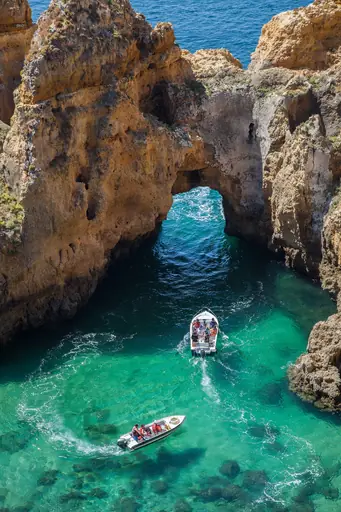
  • Book Benagil Cave boat tours early; small boats access hidden sea arch best at low tide.
  • Drive N125 coastal road west to east; stops reveal cliff beaches and fishing villages.
  • Explore eastern Algarve's Tavira and Ria Formosa islands for authentic seafood and tranquility.

How to travel to Algarve

Faro International Airport is the main gateway to the Algarve, with numerous flights from European cities, especially during summer. From the airport, you can take a shuttle, taxi or rental car to your destination. Alternatively, you can reach the Algarve by train from Lisbon (about 3 hours to Faro) or by long-distance bus services like Rede Expressos. If driving from Spain, the A22 highway (Via do Infante) provides easy access across the region, though be aware it has toll charges.

Access summary

  • From Faro Airport (FAO): Taxi, shuttle or bus into Algarve towns, about 20–60 minutes.
  • From Lisbon: Direct trains or coaches to Faro/Albufeira/Lagos, usually 3–4 hours.
  • From Seville (Spain): Cross-border buses or self-drive to Algarve, roughly 2.5–4 hours.

Where to stay in Algarve

The Algarve offers accommodation options to suit every budget and preference, from luxury resorts with world-class golf courses to charming boutique hotels in historic towns and affordable guesthouses. The central Algarve (Albufeira, Vilamoura) tends to be more developed and lively, while the western Algarve (Lagos, Sagres) offers a more laid-back atmosphere. The eastern Algarve (Tavira, Olhão) provides a more authentic Portuguese experience. During peak season (July-August), prices surge and advance booking is essential, while shoulder seasons offer better value.

How to get around Algarve

Exploring the Algarve is most convenient with a rental car, especially if you want to discover the charming inland villages and less accessible beaches. The region has a decent bus network connecting major towns, with Eva Bus being the main operator, but schedules can be limited, particularly to smaller villages. Trains run along the coast from Lagos to Vila Real de Santo António, offering a scenic but limited route. For eco-friendly exploration, consider cycling the Ecovia do Litoral coastal route or hiking trails like the Algarve Way.
Budget snapshot
Costs compared to home

We calculate the average costs when travelling to destinations and compare those with the living costs at your home. With this you can get an estimate of how expensive or cheap the destination is for you.

To customise this, you can set up which location and price level are used for the calculations in your account settings.

-34 %
Daily expenses in the region are around 34% lower than the average across United States. That means you'll spend considerably less on meals and getting around.
Exchange rate trend

The exchange rate price factor shows how expensive or cheap a currency currently is compared to its historical average. It's a quick way to see if a country is currently more or less affordable due to exchange rate changes.

-3 %
Your exchange rate (GBP to EUR) is 3% better than in recent years. That means travelling now costs around the same compared to the past.

Travel costs

To help you plan your trip, we provide estimated daily costs per person (when travelling as a pair) for different travel styles. These numbers give you an idea of what you might spend each day at this destination, including accommodation, food, transport and activities.

Additionally, we also provide average hotel costs for different travel styles to give you an estimate for the accommodation only.

Please note that these are only estimates. The real costs depend on booking times, season and other factors.

Daily cost summary

Travel style categories explained:

Backpacker:
Staying in hostels or budget hotels, cooking your own meals or eating cheap and choosing low-cost activities.

Mid-range:
Staying in mid-range hotels, eating at a mix of restaurants and casual spots and enjoying a variety of activities.

Luxury:
Staying in luxury hotels, dining out at high-end restaurants and enjoying premium experiences without worrying about the price.

Backpacker Mid-range Luxury
💵 Total costs per day, including accommodation
£46
£97
£247
🏨 Accommodation per night, per person
£15
£41
£98
🍝 Food per day
£22
£46
£125
🚕 Transportation per day
£10
£10
£24
Food & Drink
🍽️ Restaurant Dinner, per person
£19
🍛 Lunch Set, per person
£10
🍟 Fast food combo
£8
🍝 Preparing your own food, per day
£7.50
☕ Cappuccino
£1.70
🍺 Beer in a restaurant, 0.5 l
£2.30
Transportation
🚌 Public transport ticket
£2.30
🚕 Taxi Ride, 10 km / 6 mi
£13
⛽ Petrol, 1 l
£1.60
Other
🎞️ Cinema ticket
£7
👩‍⚕️ Doctor's consult
£55
🤧 Cold medication
£3.90
💇 Basic haircut
£8.50

Safety information overview

General safety
10
The Algarve is generally very safe for tourists with low crime rates. Exercise normal precautions regarding valuables, especially at beaches. The main safety concerns relate to sun exposure, strong ocean currents at some beaches and cliff edges that may lack proper barriers.
Health & Medical
8
Healthcare in the Algarve is good with both public and private hospitals available. Major towns have medical facilities, though rural areas have limited services. European visitors should bring their EHIC/GHIC cards. Heat-related issues are common in summer, so stay hydrated and limit sun exposure.
Accessi­bility
7
Accessibility varies throughout the Algarve. Newer resorts and major attractions often have good accessibility features, but historic towns with cobblestone streets and older buildings present challenges. Many beaches have accessible boardwalks, though reaching some of the most scenic beaches requires navigating steep steps or paths.
Tap water
8
Tap water in the Algarve is safe to drink but has a distinct taste that some visitors find unpleasant. Bottled water is widely available and reasonably priced. During summer, staying hydrated is crucial due to the heat, so carry water when exploring.

Packing recommendations for Algarve

Log in to add this place to a travel list and get a summary of all recommended items for your whole trip.

Popular districts of Algarve

Looking for inspiration?

Discover
Most beautiful beaches and coastal escapes
For a lot of people, a beach is the whole point of a holiday, but what makes a beach day perfect really depends on personal taste. Some travellers want isolation and the feeling…
Read more
Discover
Best travel destinations for food allergies in Europe
Europe is one of the more manageable continents for allergy conscious travelers, thanks to strict food labeling rules that apply across the entire European Union. Restaurants…
Read more
Discover
Best family friendly destinations in Europe
Europe might be the easiest continent for family travel, with strong infrastructure, dependable healthcare and safe food and water almost everywhere you go. There is enough variety…
Read more
Discover
Top motorcycling destinations and scenic routes
A great motorcycle route asks for more than scenery: it needs road surface, corner sequencing and enough remoteness to make the ride itself the point rather than simply transport…
Read more
Discover
Best travel destinations for food allergies
Travelling with a food allergy adds a layer of planning most people never have to think about and the right destination can make that planning a lot easier. Some travellers…
Read more
Discover
Best destinations to visit in September in Europe
September is widely considered one of Europe's best travel months, holding onto summer warmth while losing most of the peak season crowds. Southern Europe stays warm enough for…
Read more
Discover
Best destinations to visit in July in Europe
July is peak season almost everywhere in Europe, with warm weather, long days and the year's biggest crowds all arriving at once. Southern Europe hits its hottest stretch of the…
Read more
Discover
Best van travel destinations
Van travel rewards destinations with genuinely good road networks, scenic variety within reasonable driving distance and enough infrastructure, such as campsites, fuel and…
Read more
Discover
Best destinations to visit in February in Europe
Europe stays firmly in winter through February, though the month also brings its own set of traditions that set it apart from January. Alpine regions remain deep into ski…
Read more
Discover
Best van travel destinations in Europe
The classic campervan culture that shaped much of Europe's road-trip identity is still very much alive, particularly along coastal loop routes in the north and fjord roads further…
Read more
Discover
Top digital nomad destinations and remote work hubs in Europe
Europe offers remote workers a level of infrastructure that is hard to beat, along with enough cultural variety to keep even a long stay interesting. City based nomads can hop…
Read more
Discover
Best surfing destinations in Europe
Western Europe's Atlantic coastline has become synonymous with some of the biggest waves ever surfed, drawing big-wave specialists each winter, while other coastlines offer a more…
Read more
Discover
Best destinations to visit in January in Europe
Europe settles into full winter by January, and the destinations that stand out this month tend to lean into the cold rather than avoid it. Alpine regions hit their stride for…
Read more
Discover
Best destinations to visit in May
May often gets called one of the best months to travel, sitting in that comfortable window before summer crowds and heat take over in the north. Europe and much of North America…
Read more
Discover
Best destinations to visit in November in Europe
November marks the start of Europe's quiet season, as autumn fades into early winter across most of the continent. Days grow noticeably shorter, especially further north, and…
Read more
Was this page helpful?
Feedback

