
Best destinations to visit in January in Europe
Best destinations to visit in January in Europe
Europe settles into full winter by January, and the destinations that stand out this month tend to lean into the cold rather than avoid it.
Alpine regions hit their stride for skiing and snowboarding, with reliable snow cover through most of the month. Northern Europe offers some of the best chances all year to see the northern lights, thanks to the long dark nights. Southern Europe stays milder by comparison, and its cities see far fewer visitors than during peak summer, which makes sightseeing easier without the usual lines. Daylight hours are short across most of the continent, so plans built around fewer, well chosen stops tend to work best. A handful of cities also mark the new year with local festivals and traditions that run into the first weeks of January.
The destinations on our list for Europe reflect that same split between snowy adventure and quieter winter city breaks.
Lists by region
Island in Spain
Tenerife
Volcanoes, Beaches and Endless Sun
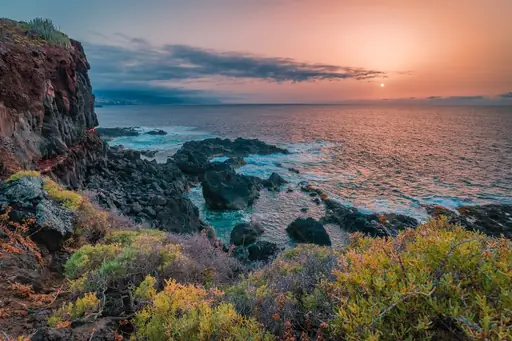
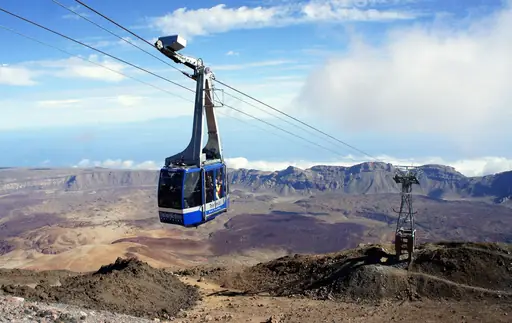
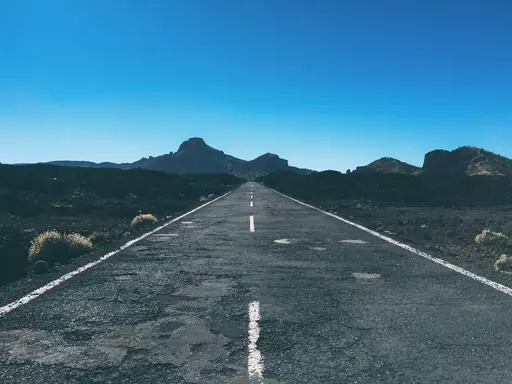
In the middle of the island the volcano Teide is the highest peak in Spain with a cable car that climbs close to the summit. In January the top is often snowy while the beaches of the south, like Los Cristianos, are warm and sunny, with boats heading out daily to see pilot whales.
City in Spain
Granada
Where Moorish Palaces Meet Flamenco Beats
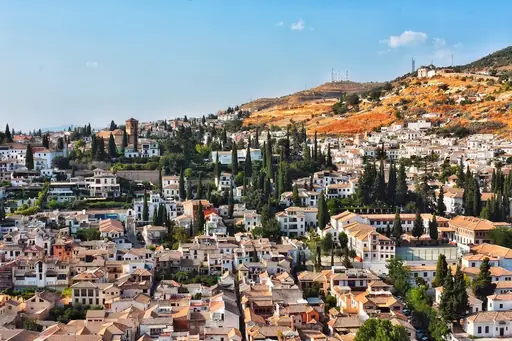
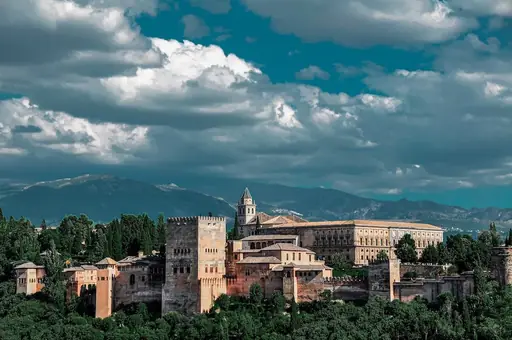
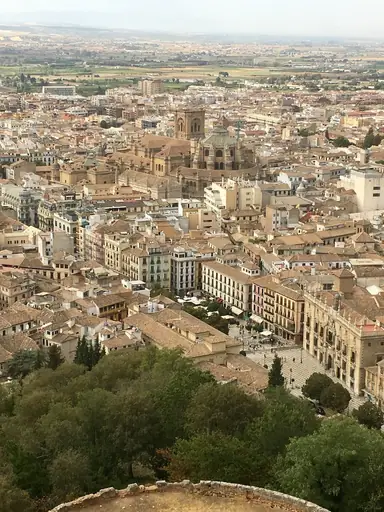
Water trickles through the courtyards and fountains of the Alhambra, a Moorish palace on a hill, with crowds smaller in January so the sound is easy to hear. The white Sierra Nevada rises behind the city while a free small plate comes with every drink in the tapas bars.
Island in Spain
Gran Canaria
Dunes, Volcanoes, Beaches and Culture
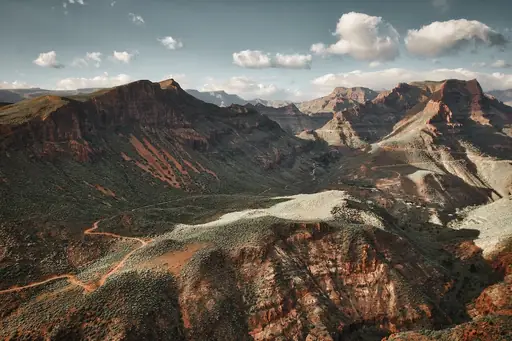
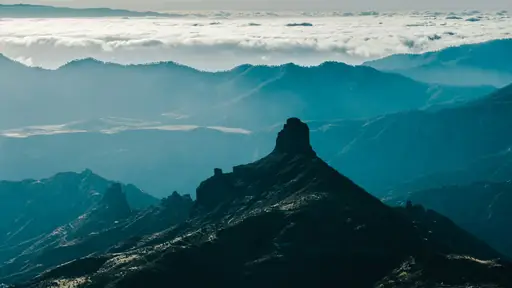
Off the coast of Africa, this round island has golden dunes at Maspalomas in the south and pine forests around Roque Nublo, a tall volcanic rock, in the centre. January has warm sunny beach days on the coast while hikers in the hills need a light jacket.
Region in Portugal
Algarve
Golden cliffs and azure waters
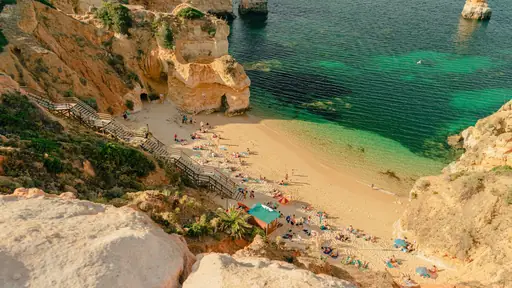
The Ponta da Piedade cliffs near Lagos have golden sea stacks and caves that kayakers paddle through on calm winter mornings. January is quiet along this coast, with mild sunny days and empty beaches, so hikers on the Seven Hanging Valleys trail often have the clifftop path to themselves.
Country
Cyprus
Mediterranean gem with diverse climates
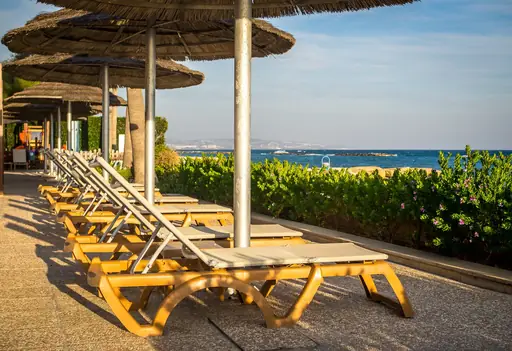
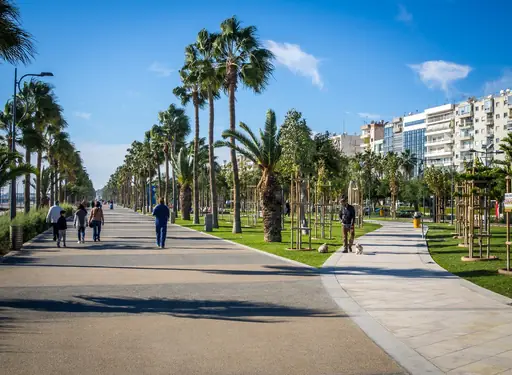
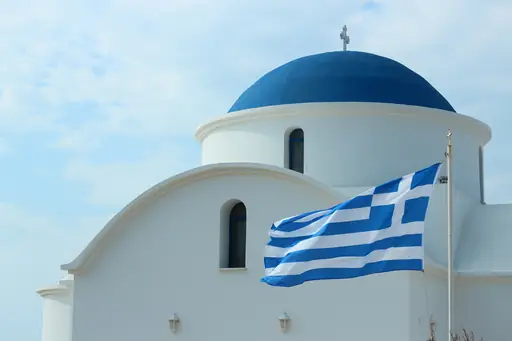
Every 6 January Cypriots mark Epiphany when a priest throws a cross into the sea and swimmers race to bring it back from harbours like Limassol and Larnaca. The island has mild sunny days for hiking and a chance of snow on Mount Olympus in the Troodos Mountains, where small ski lifts open.
City in Spain
Seville
Andalusia's Heartbeat of History
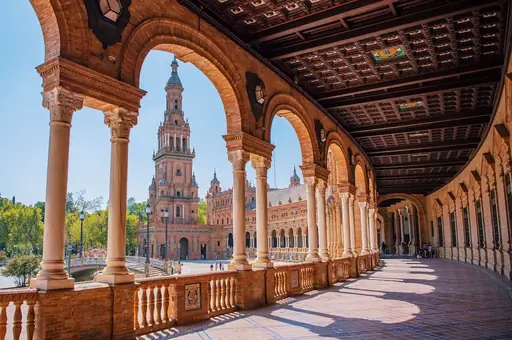
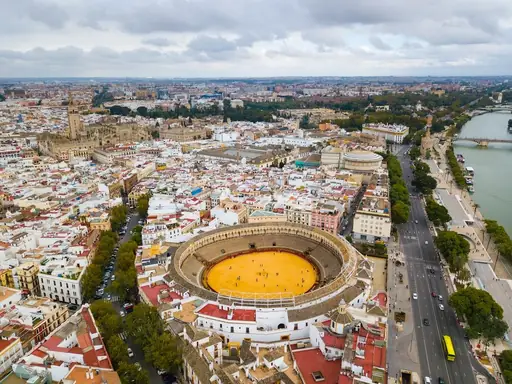
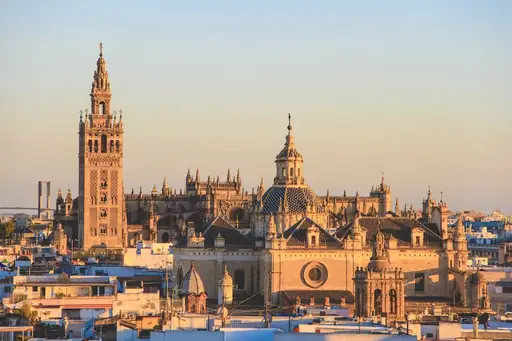
On the evening of 5 January the Three Kings parade moves through the streets with floats and thousands of sweets thrown to the crowds. Orange trees are full of fruit along the avenues and daytime highs are around 60 degrees Fahrenheit, which is good weather for long walks to the Alcázar and the cathedral.
Country
Malta
History, beaches and Mediterranean charm
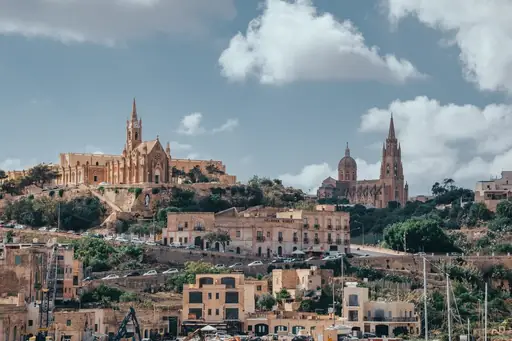
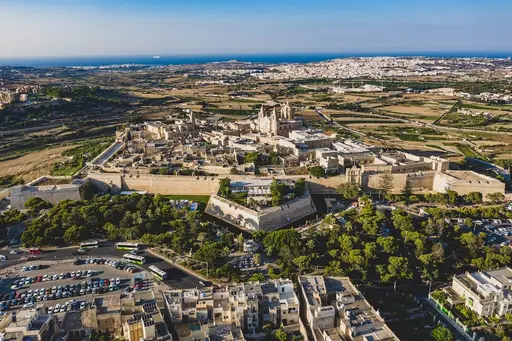
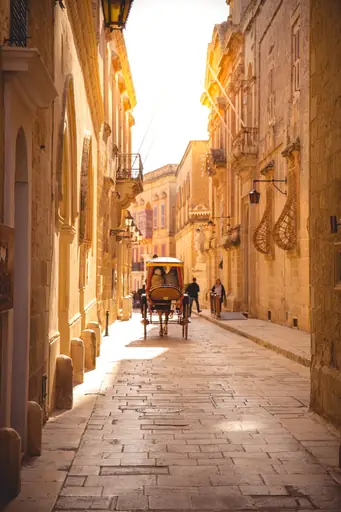
After surviving the Great Siege of 1565, the Knights of St John built Valletta, a walled city of honey coloured stone with forts and churches around the Grand Harbour. January has cool showery spells and bright sunny days, so streets are quiet and Christmas cribs are still on display in churches.
Town in Portugal
Sintra
Fairytale Palaces in Misty Hills
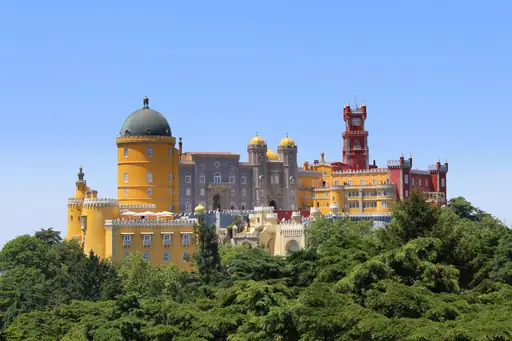
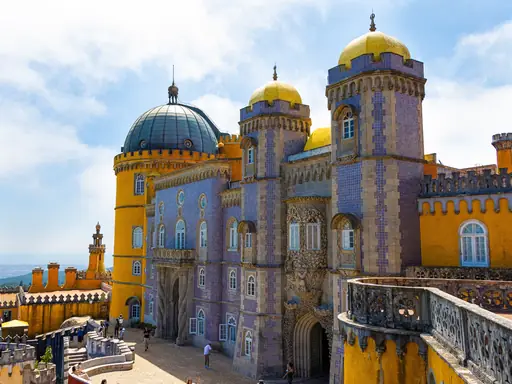
Winter mist drifts through the forested hills, so the yellow and red towers of Pena Palace seem to float above the trees and the smell of wet pine and moss is everywhere. The Moorish Castle walls and the Quinta da Regaleira well, a spiral stair into the ground, are quieter in January.
Town in France
Annecy
Fairytale town by a crystal lake
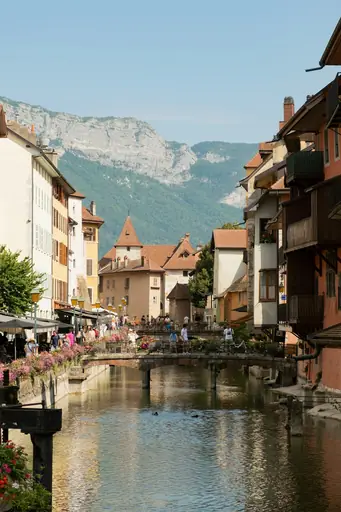
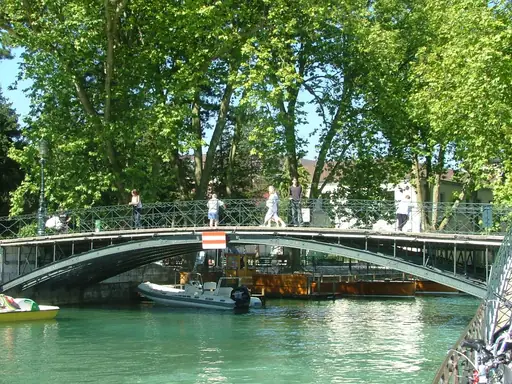
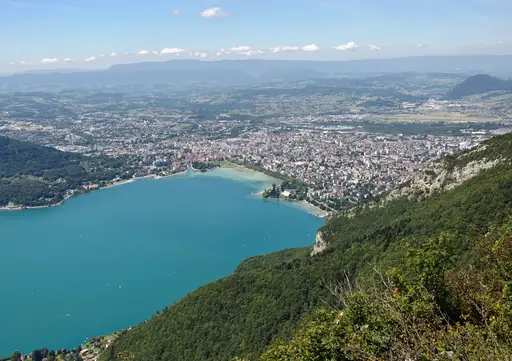
The old town grew around the Palais de l'Isle, a twelfth century prison that sits on a small island in the canal and now looks like a stone ship. In January the lake is calm and the Alps behind it are white while cafes serve tartiflette, a hot dish of potatoes and cheese.
City in France
Chamonix-Mont-Blanc
Alpine thrills beneath Mont Blanc
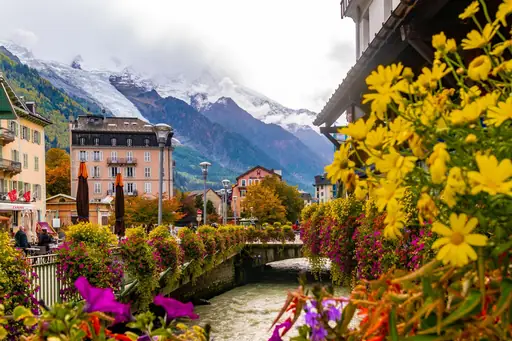
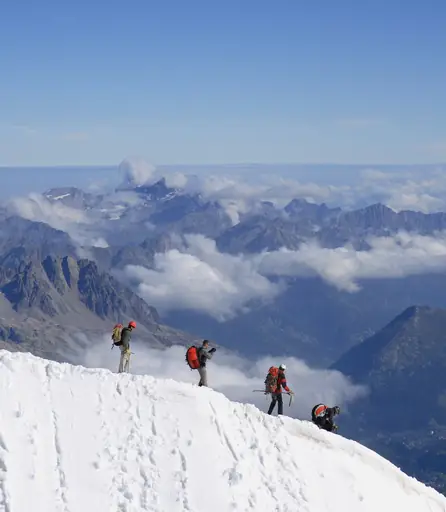
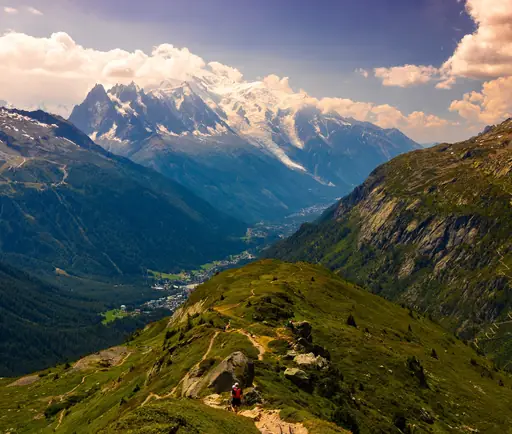
At the foot of Mont Blanc, the highest peak in the Alps, a cable car rises to the Aiguille du Midi, where there is a viewing platform above glaciers and granite needles. Skiers and snowboarders arrive in January for steep runs and off piste routes high above the valley.
City in Iceland
Reykjavík
Vibrant city amidst stunning nature
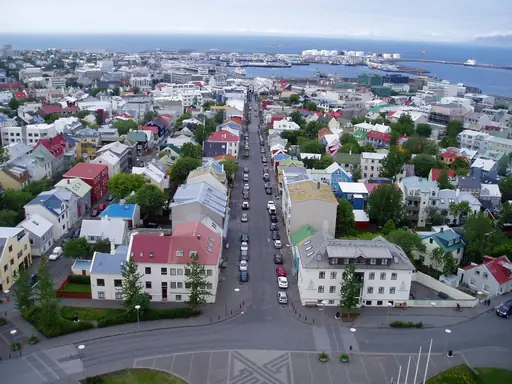
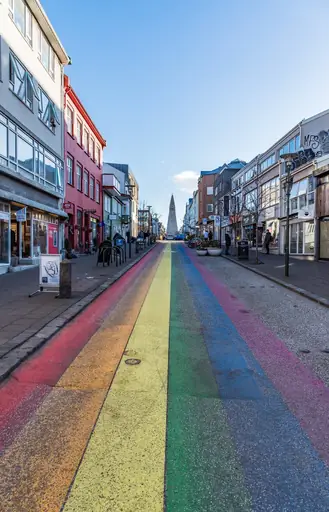
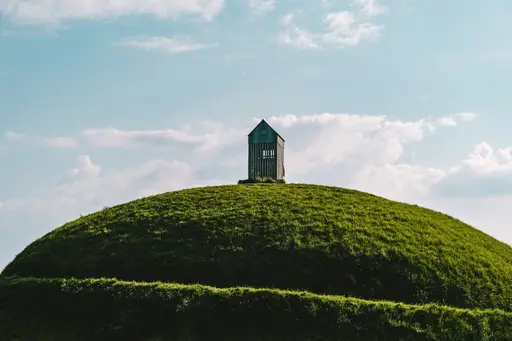
Iceland's capital is at 64 degrees north so January has only about four to six hours of daylight and long dark nights for watching the northern lights. Between outings people warm up in the geothermal pools found in nearly every neighbourhood, where the water stays hot even in freezing air.
City in Italy
Bologna
Medieval charm and culinary excellence
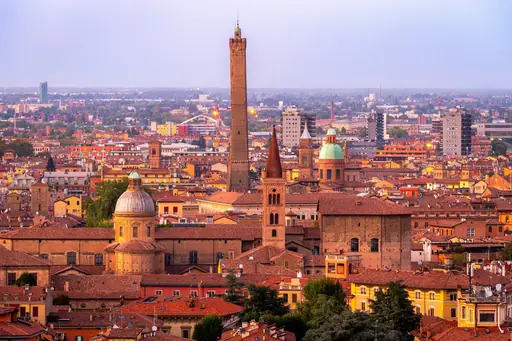
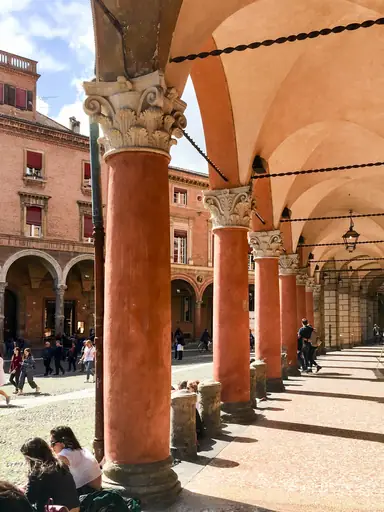
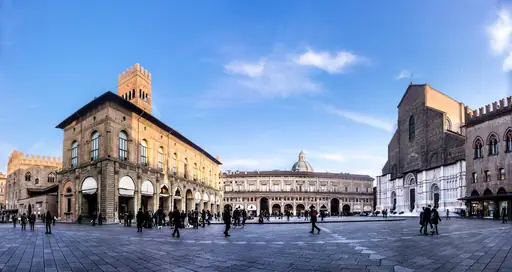
The smell of ragù, a slow cooked meat sauce, drifts through the covered arcades called porticoes, where walkers stay dry in winter rain. A bowl of tortellini in broth is the classic January lunch while old trattorias have free tables because few tourists visit in winter.

Island in Portugal
Madeira
Dramatic Cliffs and Eternal Spring
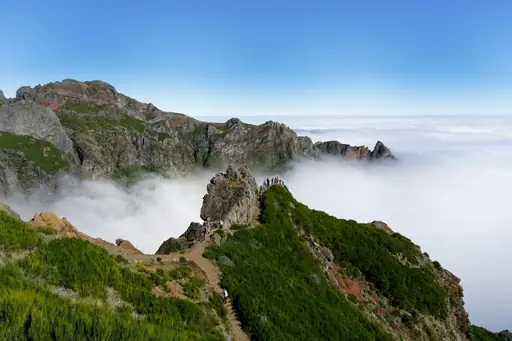
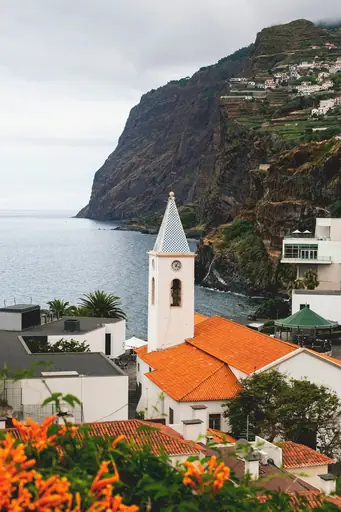
Unlike the flat beach islands farther south, this island is steep and green while its levadas, which are stone water channels with walking paths beside them, run through laurel forest to waterfalls. In January the paths are quiet, the hills are often misty and the sea below the Cabo Girão cliff is deep blue.
Town in Portugal
Funchal
Island Charm with Lush Landscapes
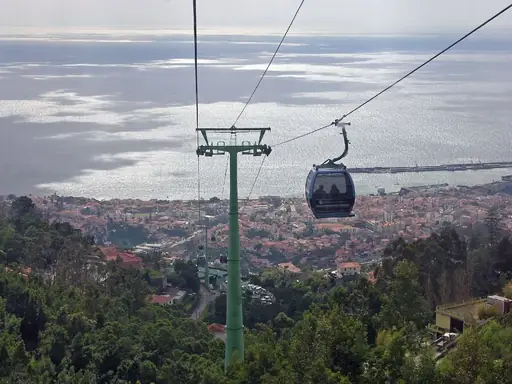
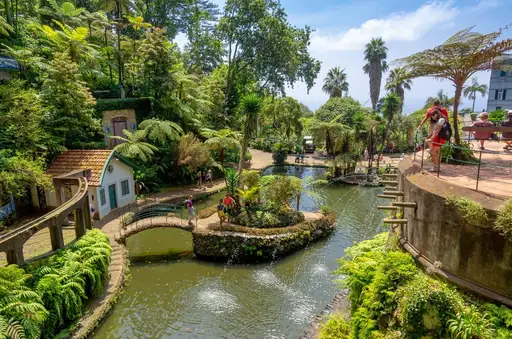
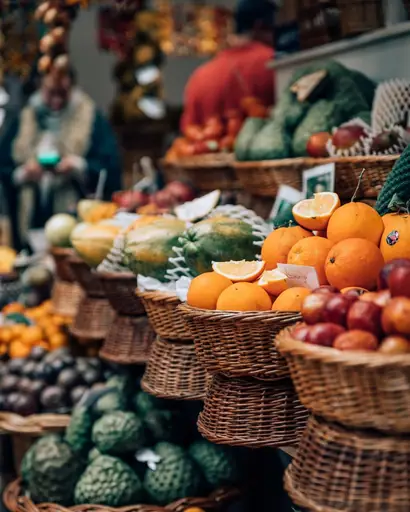
While much of Europe is cold and bare in January, Funchal has green hillsides and gardens in flower, plus bars that serve poncha, a local drink of sugarcane spirit and honey. Wicker toboggans slide down steep streets from Monte hill while sellers at the Mercado dos Lavradores stack tropical fruit.
City in Austria
Innsbruck
Alpine Peaks and Imperial Streets
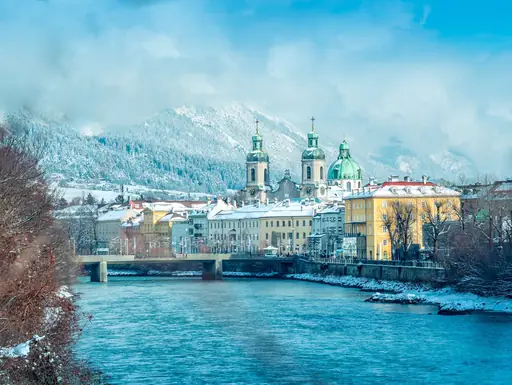
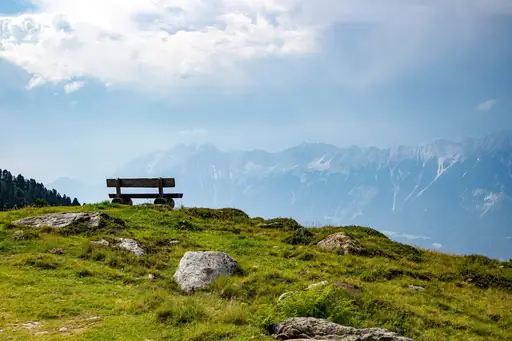
In January skiers ride the Nordkette cable cars from the old town up to snowy peaks in about twenty minutes. Back in town, the Golden Roof is a balcony covered in gilded copper tiles from around 1500, with cafes on the lanes below where skiers warm up after the slopes.
City in Spain
Málaga
Sun, Art and Andalusian Spirit
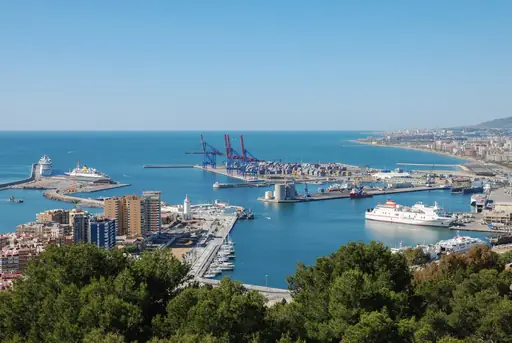
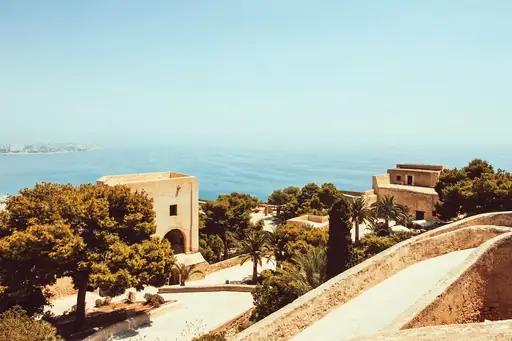
The Alcazaba, a Moorish fortress from the eleventh century, stands above the port with a Roman theatre at its foot and Gibralfaro castle higher on the hill. January days are often mild and sunny enough for lunch outside, with a plate of fried fish and a glass of sweet Malaga wine.
Town in Switzerland
Zermatt
Alpine Magic and the Matterhorn
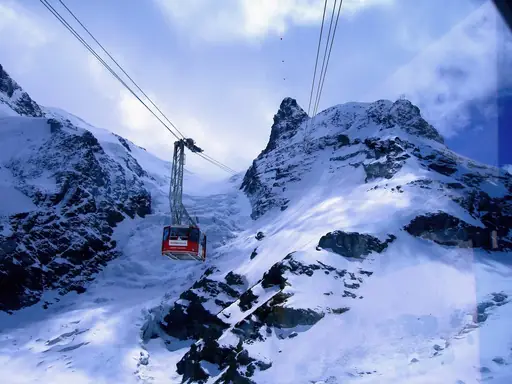
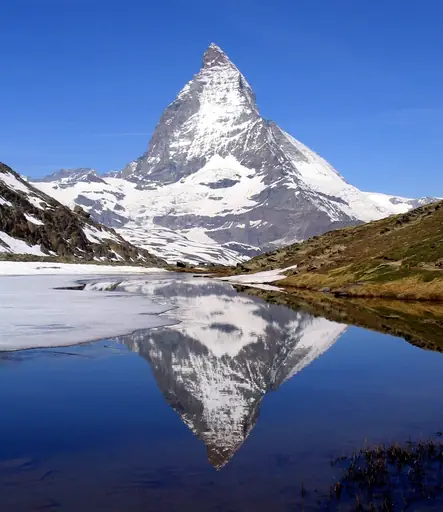
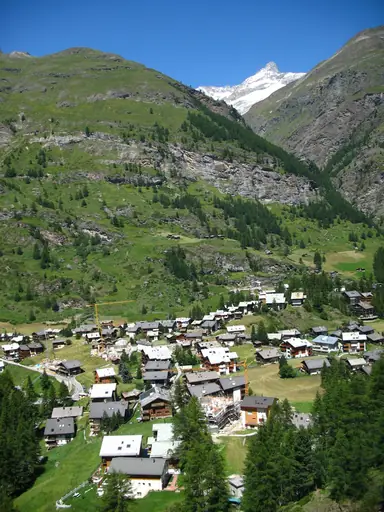
Gas cars are not allowed in the village, so people walk or ride small electric taxis and horse drawn sleighs past wooden chalets, with the pointed Matterhorn rising above the roofs. Skiers use the high lifts to Klein Matterhorn, where the snow is dependable and the air is crisp and dry in January.
City in Switzerland
Lugano
Mediterranean flair on Swiss lakeshore
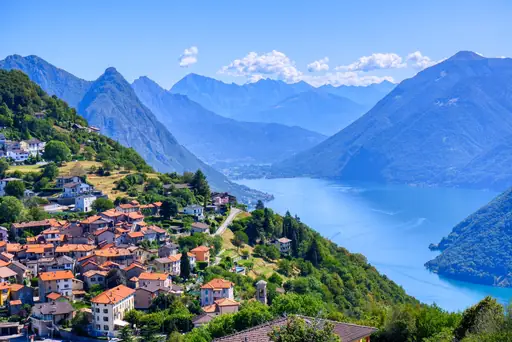
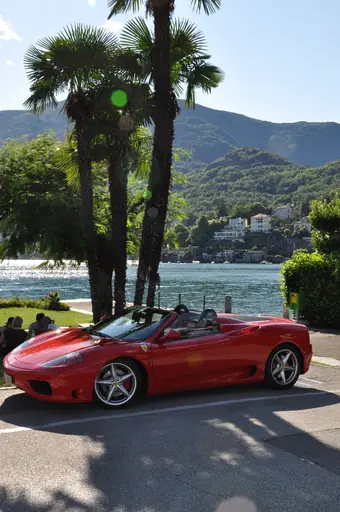
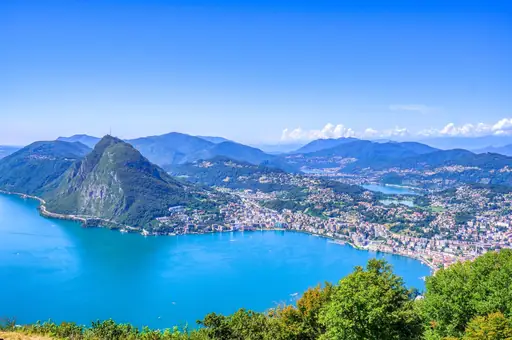
In Italian speaking Ticino, locals end the work day with an aperitivo, a drink and small snacks, in the cafes around Piazza della Riforma. January is calm on the lake, with palms along the shore and white peaks above, while a funicular climbs Monte San Salvatore for a view over the water.
Town in Austria
Zell am See
Lakes, Mountains and Alpine Charm
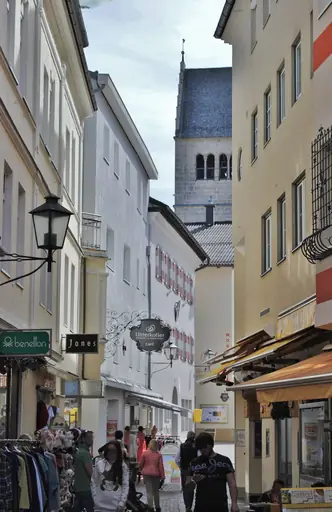
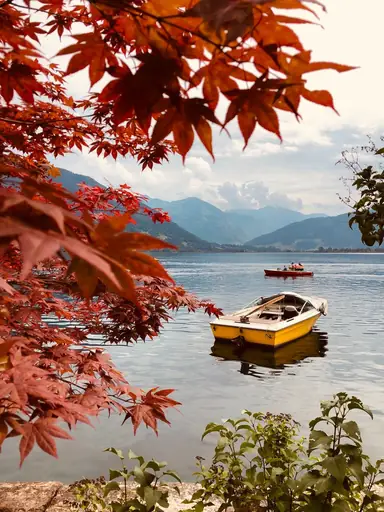
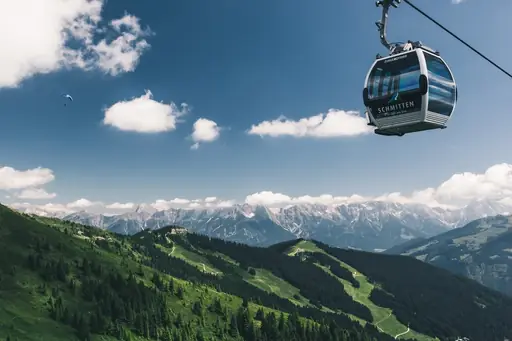
January is peak ski season with the Schmittenhöhe mountain above the lake and the Kitzsteinhorn glacier nearby, where snow is almost always sure. In the evening the lakeside old town has cosy inns with Kaiserschmarrn, a torn up sweet pancake with raisins that skiers eat after a day on the slopes.
City in Cyprus
Pafos
Myth, Mosaics and Mediterranean Sun
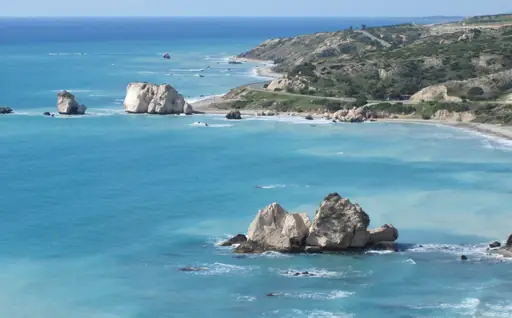
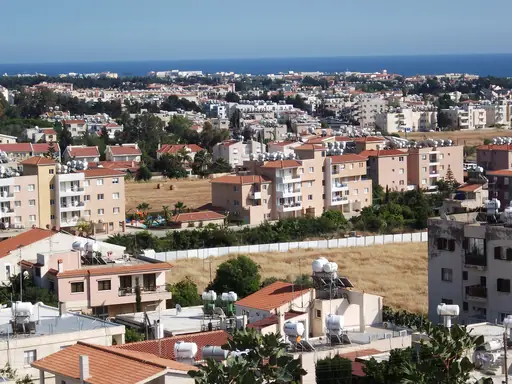
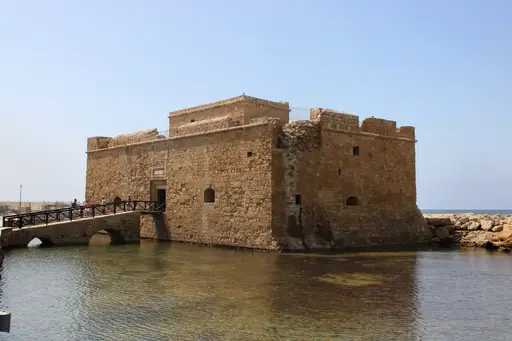
Compared with the resort towns farther east on the island, Pafos is calm in January, with orange trees in fruit and mild sunny days. Visitors walk among Roman floor mosaics in the Archaeological Park while east of town Aphrodite's Rock is where legend says the goddess rose from the sea foam.
City in Spain
Girona
Medieval Walls, Colorful Rivers, Catalan Soul
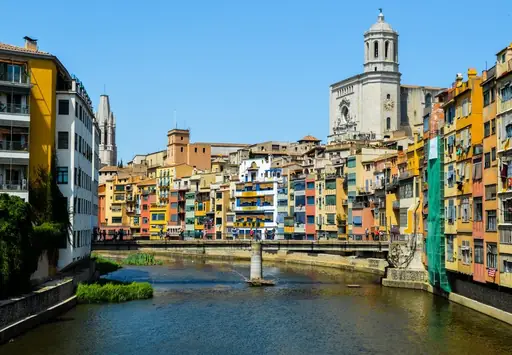
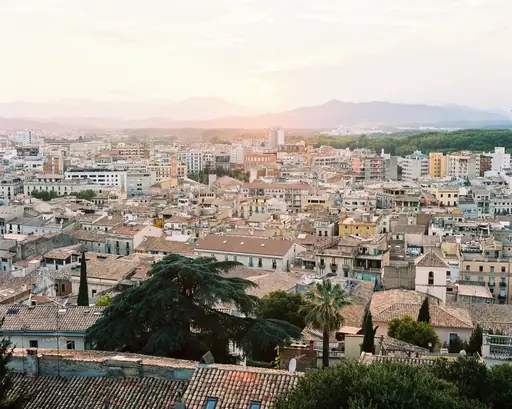
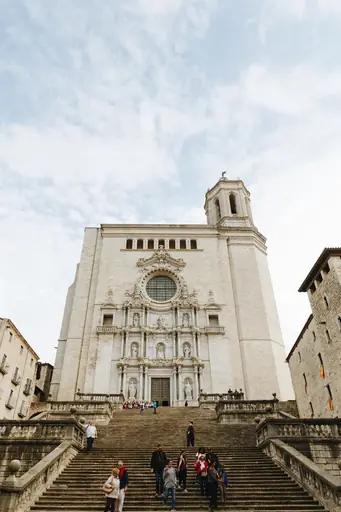
A Jewish community lived for centuries in the Call, the old quarter whose stone lanes still climb towards the cathedral and its baroque staircase of ninety steps. In January few tourists are around, so walkers on the old walls have views of red tiled roofs and the Pyrenees almost to themselves.
Town in Italy
Cortina d'Ampezzo
Dolomite Peaks, Alpine Glamour, Adventure
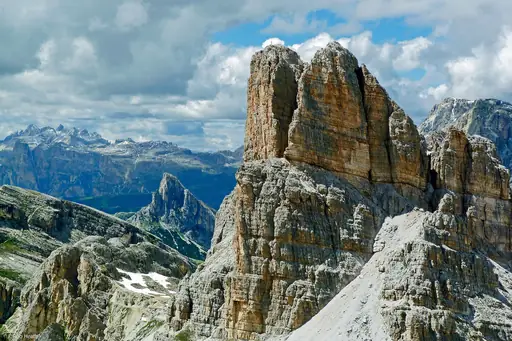
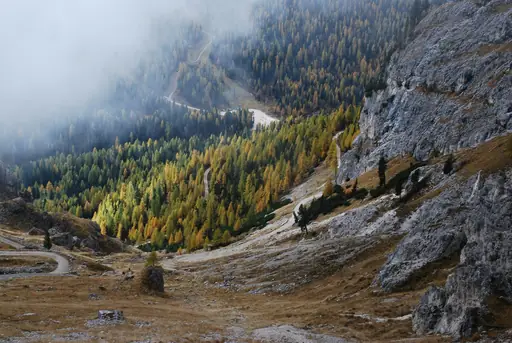
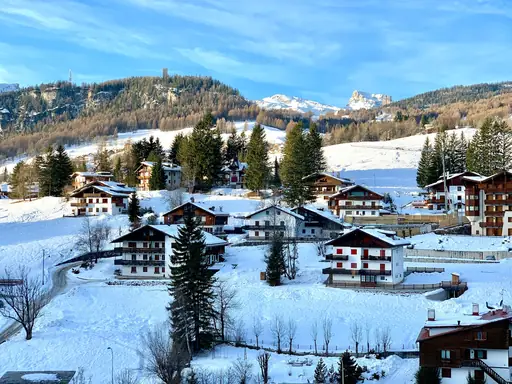
January is when the Dolomites are whitest, with pink light on the peaks at sunset above the slopes of Cortina d'Ampezzo, a town that held the 1956 Winter Olympics and hosted events again in 2026. Skiers glide down the Olympia delle Tofane run by day and stroll along Corso Italia in the evening.
Region in Finland
Lapland
Northern lights and midnight sun
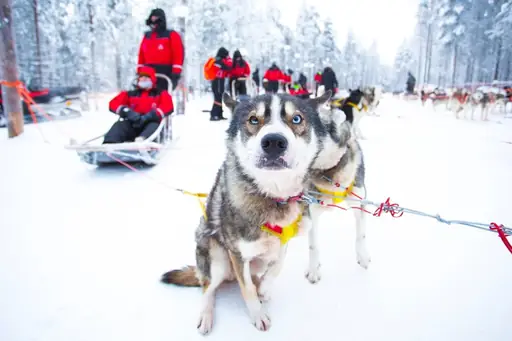
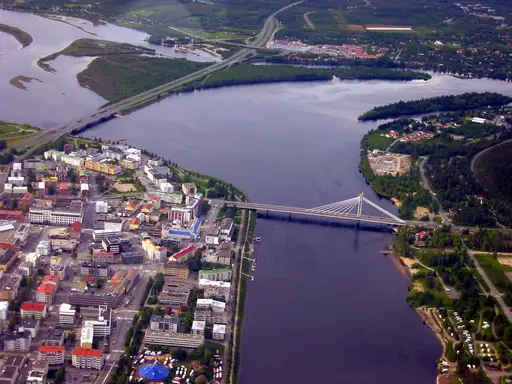
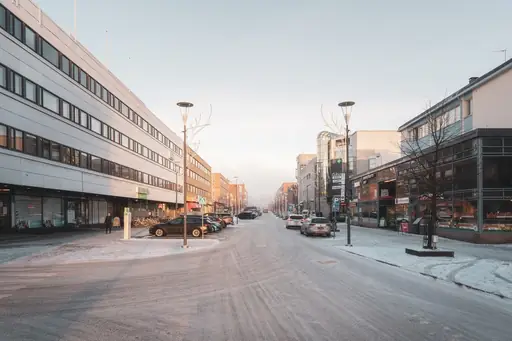
Like a real life snow globe, Finnish Lapland has frozen lakes, snow loaded pine trees and reindeer sleds, with the northern lights often visible on clear January nights. Huskies pull sleds across the snow while guests in glass roofed cabins watch the sky from bed on clear nights.
City in Norway
Tromsø
Arctic Lights, Culture and Wild Beauty
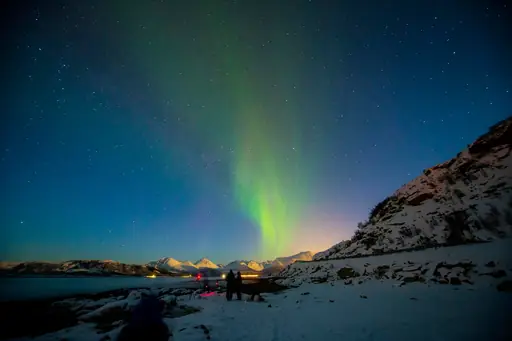
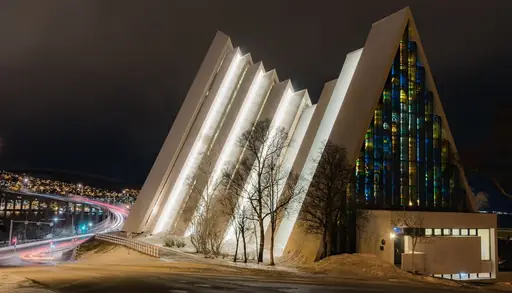
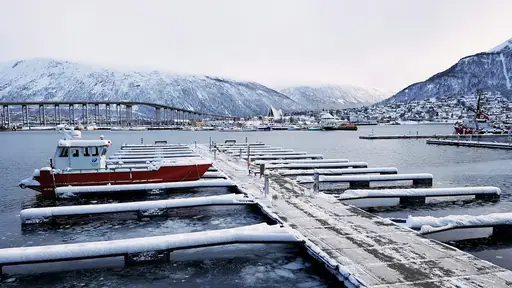
The Arctic Cathedral, a white church with a tall glass front, is across the bridge from the city centre and has concerts in the evening. The sun stays below the horizon until about 21 January so the northern lights are visible for many hours on tours that go in search of clear skies.
Town in Germany
Garmisch-Partenkirchen
Alpine town below Germany's highest peak
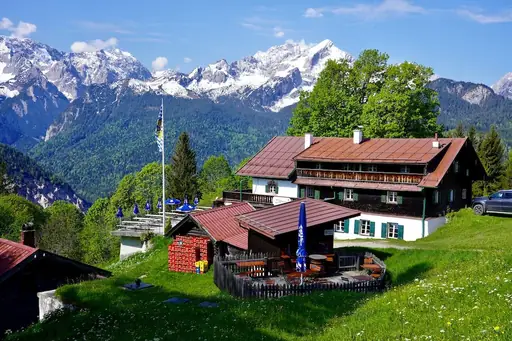
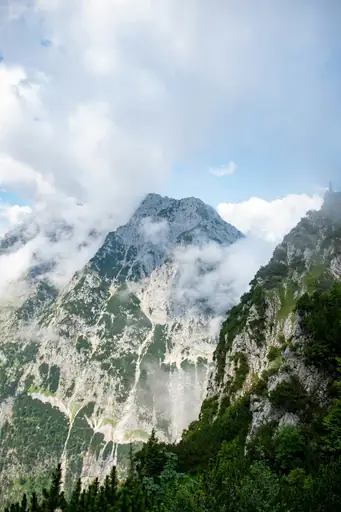
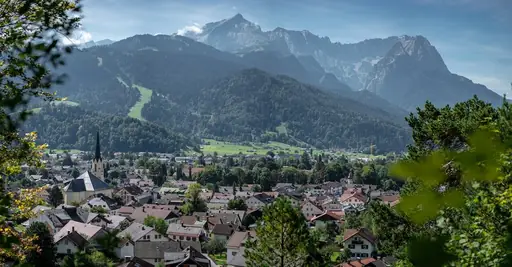
A cogwheel train and a cable car climb from the town to the Zugspitze, Germany's highest mountain, where a glacier ski area has snow through the winter. Back in the valley, the Partnach Gorge has walls of ice that hikers walk past on a rocky path.
Other lists you may like
Discover
Best winter sports destinations in Europe
Europe is the heartland of alpine skiing culture, with a resort infrastructure and mountain tradition that has been developing for well over a century. The best destinations…
Read more
Discover
Best street art destinations in Africa
Africa's street art scenes have emerged rapidly, with several cities developing mural cultures of genuine international standing that sit at the intersection of local artistic…
Read more
Discover
Best slow travel destinations in North America
Rural New England and a culinary region in Mexico offer two very different versions of slow travel, one built around small-town routine, the other around centuries-old culinary and…
Read more

Discover
Best cherry blossom destinations in Africa
Cherry blossoms are a rarity across Africa, limited to a small handful of regions in South Africa, Algeria and Morocco rather than any continent wide tradition. Jacaranda trees are…
Read more

Discover
Most beautiful beaches and coastal escapes
For a lot of people, a beach is the whole point of a holiday, but what makes a beach day perfect really depends on personal taste. Some travellers want isolation and the feeling…
Read more
Discover
Best winter sports destinations in North America
North America has some of the most varied and celebrated winter sports terrain on earth, with resort cultures on both the east and west coasts that have developed distinct…
Read more
Discover
Best slow travel destinations in Oceania
New Zealand's southern regions and the wider Pacific Islands both reward a slower pace, shaped as much by geography and limited transport links as by deliberate choice, with…
Read more
Discover
Best cherry blossom destinations in South America
Cherry blossoms are not native to South America, but Japanese immigrant communities have successfully planted Yoshino and other cherry varieties throughout the continent since the…
Read more
What other users say about travelfilters
“travelfilters made it easy for me to find ski areas and compare what else they offer, so that I could find the best place for my personal travel style.”

Chris
Snowboarding & Onsen trip to Japan
“I love how transparent the data feels. There is no pushy upsell, just honest information and settings I can tune to my own travel style.”

Maria
After booking her 2027 winter escape
“The level of detail for each destination and how well those are displayed, make planning feel confident instead of overwhelming.”

Mina
Planned a week in New York City
“We used travelfilters for our planning from start to end. The trip turned out even better than expected, thanks to all their tools and customisation options.”

Allan & Etienne
Trip to Japan to see autumn foliage
“Thanks to travelfilters, I found some hidden gems to see. Being able to filter for exactly your interests is a game changer for my travel planning.”

Michael
Tour through the old cities of Northern Italy
“The customizable filters helped me find a quiet beach town with good wifi and low season crowds in under five minutes.”

Diego
Weekend Escape to Llanes, Spain
“The airport connection map saved me hours by showing good flight options from my home airport to lesser-known cities.”

Nguyen
Planning a 2027 trip to France
“The website is clean, fast and focused on the search itself, which makes travelfilters feel more like a professional tool than an ad-heavy booking site.”

Hassan
Christmas Market trip, Germany
