
Best destinations to visit in September in Europe
Best destinations to visit in September in Europe
September is widely considered one of Europe's best travel months, holding onto summer warmth while losing most of the peak season crowds.
Southern Europe stays warm enough for beach days well into the month, without the intense heat of July and August. Munich's Oktoberfest begins in September too, filling the city with visitors weeks before the festival's name would suggest. Wine regions across the continent enter harvest season, drawing visitors to the countryside for a firsthand look at the process. Northern Europe cools down a little, with crisp, comfortable days that suit long walks through quieter cities. Museums and major sights also feel noticeably calmer once school terms restart across much of the continent, easing the crowds of the summer months just before.
The destinations on our list for Europe reflect that same shift, from warm southern beaches to the first signs of autumn further north.
Lists by region

City in United Kingdom
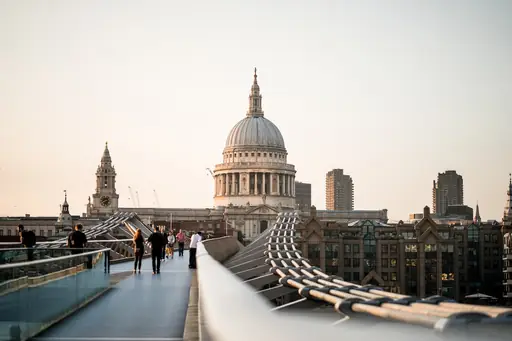
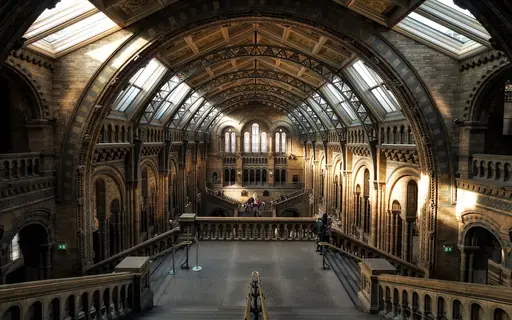
London
A Tapestry of History and Modernity
With about nine million people, this huge capital has more museums, parks and theatres than any trip can cover. September days reach about 20 degrees Celsius and Open House London opens hundreds of private buildings for free. Major museums such as the British Museum and Tate Modern have free entry.
City in Turkey
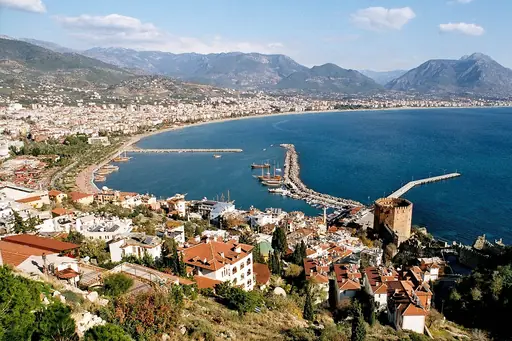
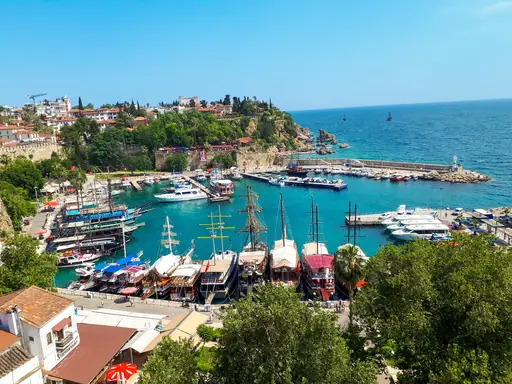
Antalya
Turquoise Coast and Ancient Wonders
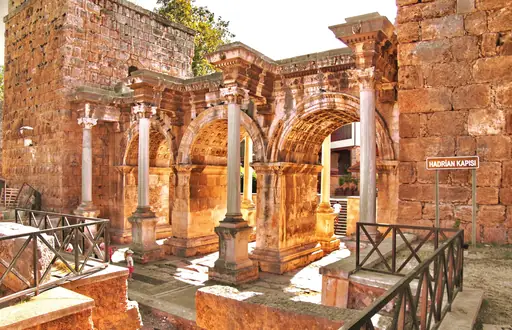
Founded in the second century BC, this Mediterranean port has an old town called Kaleici with a Roman gate. September water stays near 27 degrees Celsius and days reach about 33 degrees but crowds thin after August. Duden Waterfalls drop towards the sea and the Taurus Mountains rise behind the coast.
Island in Italy
Sicily
Sun, Sea and Ancient Secrets
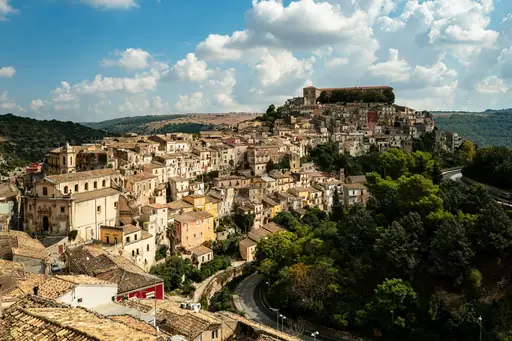
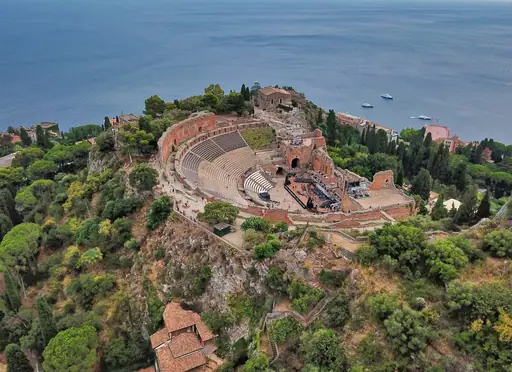
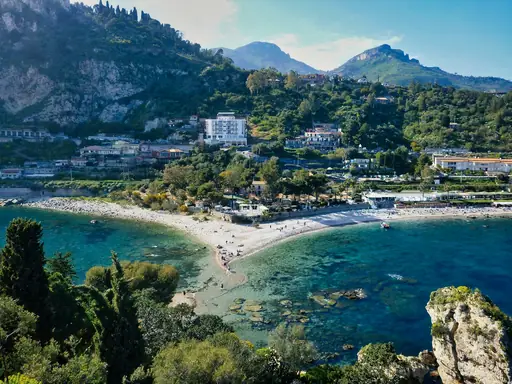
September brings the grape harvest to the slopes of Mount Etna. Prickly pears ripen along roadsides. Beaches near Cefalu and San Vito lo Capo stay warm and less crowded. The Valley of the Temples at Agrigento is comfortable to walk at about 29 degrees Celsius.
Region in Italy
Tuscany
Rolling Hills, Wine and Renaissance Charm
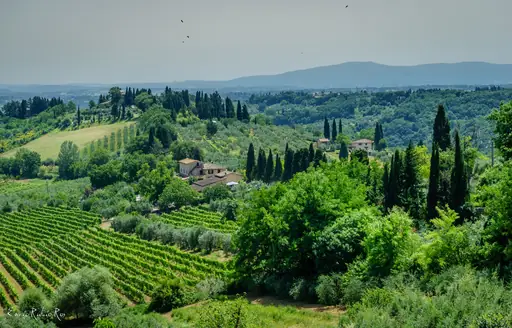
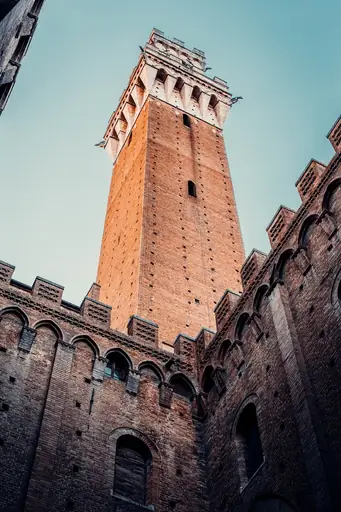
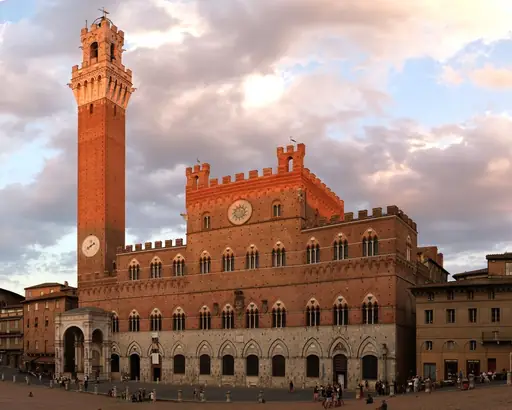
In September, families pick grapes for Chianti and hill towns hold sagre, local food festivals. Menus feature porcini mushrooms and fresh figs. Cypress lined roads run through golden fields. Days are warm and evenings turn cool enough for a light jacket. Wineries stay busy with the harvest.
City in Denmark
Copenhagen
Scandi-cool vibes and world-class food
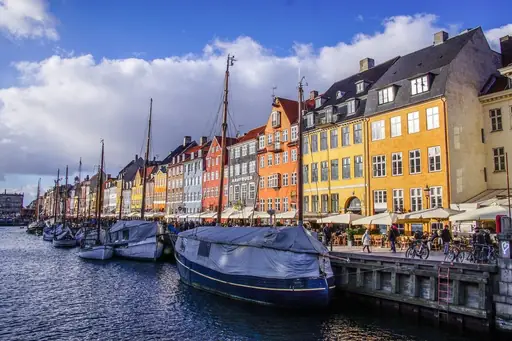
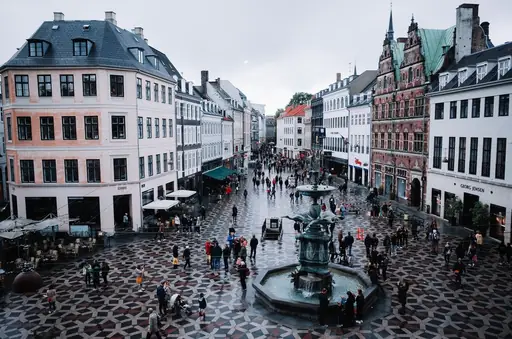
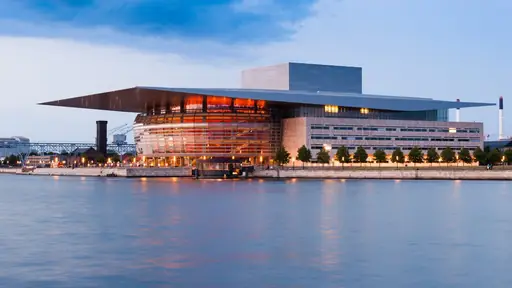
Denmark's capital has about 650,000 people yet feels small, with a compact centre that is easy to cross by bike. September days reach about 18 degrees Celsius with bright light and fewer visitors than in July. Nyhavn has colourful 17th century houses and Tivoli Gardens is still open with lights at night.
Country
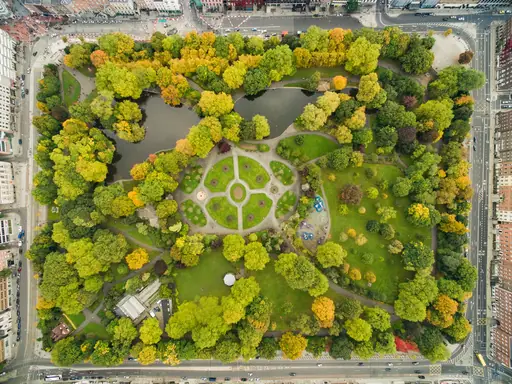
Ireland
Emerald Isle of timeless charm
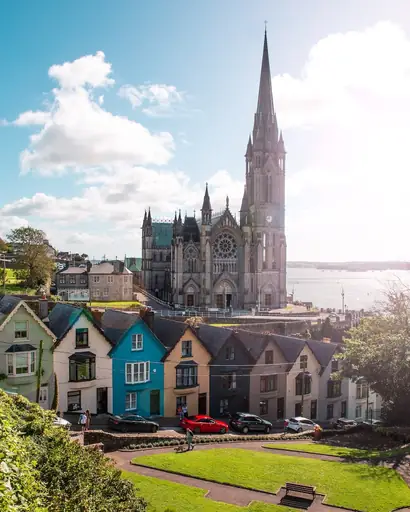
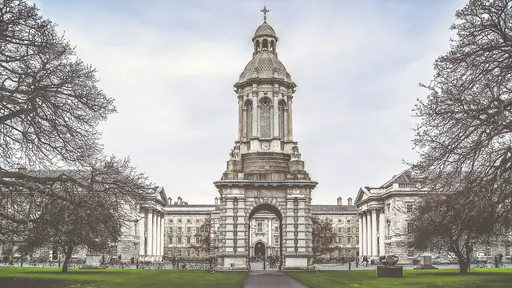
Summer crowds leave by early September, yet days are still long enough for the Ring of Kerry. Hedgerows glow with blackberries. Galway holds an oyster and seafood festival in late September. Pubs serve fresh oysters with stout. Showers pass quickly and the light turns golden over green fields.
Region in France
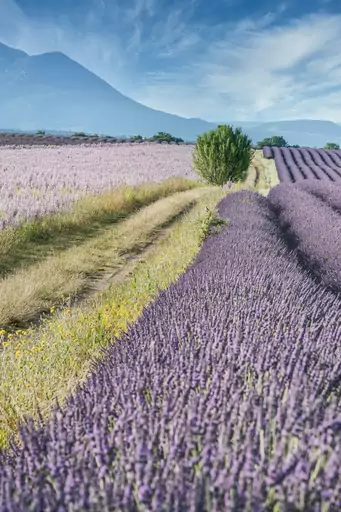
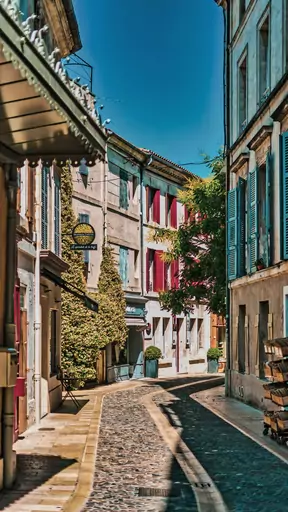
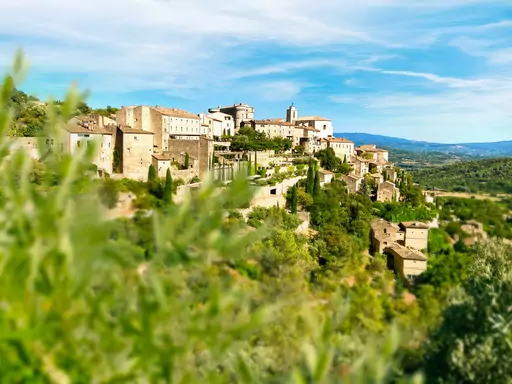
Provence
Sunlit lavender fields and historic villages
A large region in southeast France, this area runs from the Rhone River to the Alps and the sea. September is grape harvest season and village markets sell figs, olives and fresh goat cheese. Days reach about 26 degrees Celsius and the Roman Pont du Gard bridge is less crowded than in July.
Mountain
Pyrenees
Where France meets Spain majestically
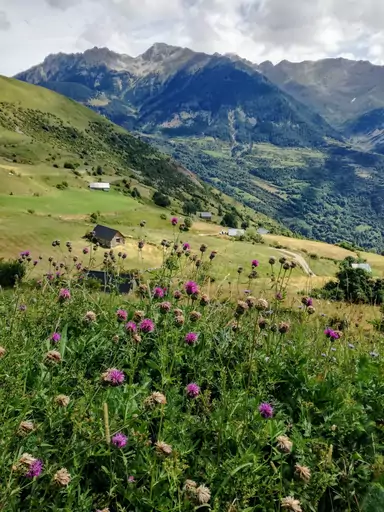
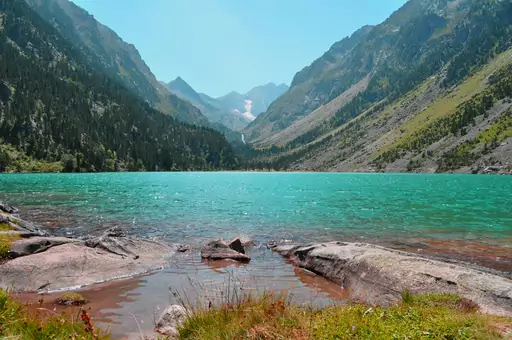
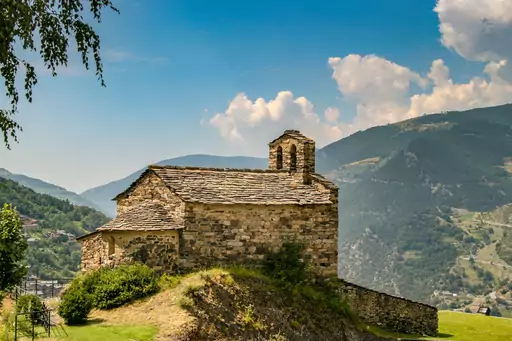
Forming a natural border between Spain and France, this range stretches about 430 kilometres from the Atlantic to the Mediterranean. September days are mild and dry in the valleys with fewer hikers in Ordesa and Aiguestortes national parks. Stone villages in the Vall de Boi have Romanesque churches from the 11th and 12th centuries.
City in Germany
Munich
Bavarian Tradition Meets Modern Flair
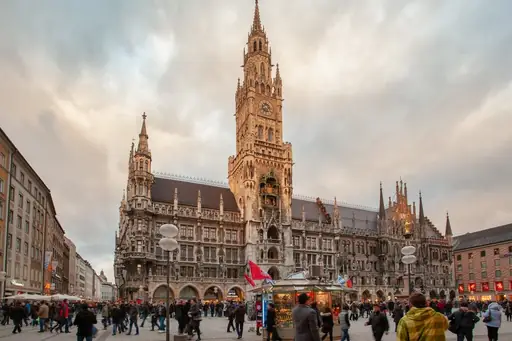
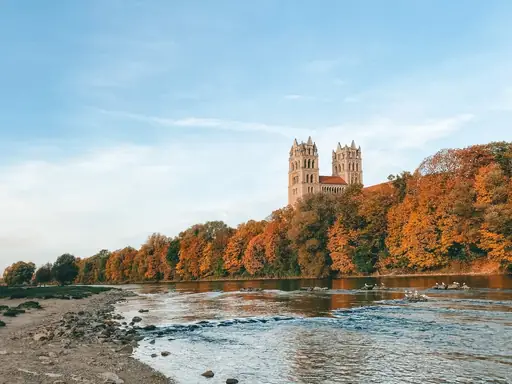
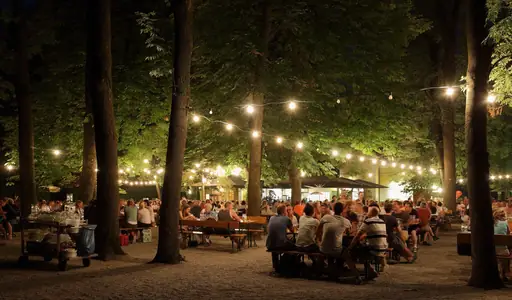
Oktoberfest begins in mid September and runs to early October. Tents seat thousands and waiters carry giant steins of beer called Mass. Away from the fairground, the Englischer Garten has beer gardens under chestnut trees. Days are mild and often sunny, which suits long afternoons outdoors.
City in Greece
Athens
Where ancient ruins meet urban energy
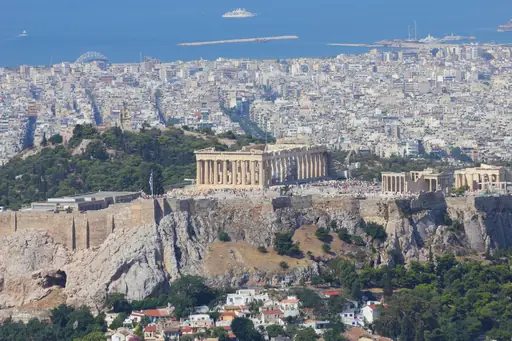
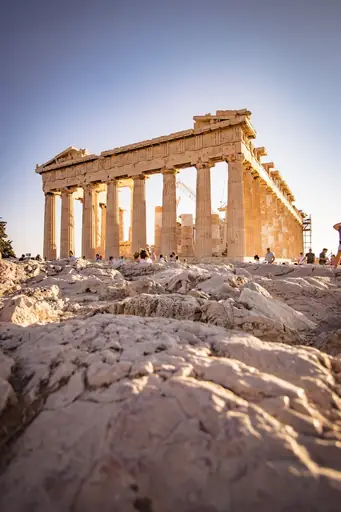
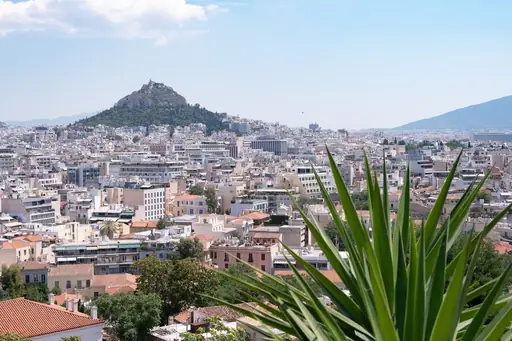
Loud, sunny and layered with ruins, this capital mixes ancient marble with busy modern streets. September days reach about 29 degrees Celsius, which makes the climb up the Acropolis more comfortable than in July. Rooftop bars near Monastiraki Square look up at the lit Parthenon after dark.
City in France
Bordeaux
Wine, elegance and riverside charm
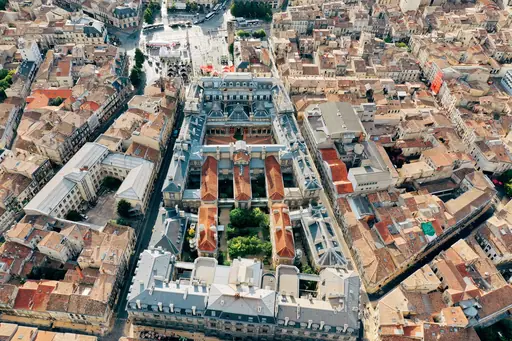
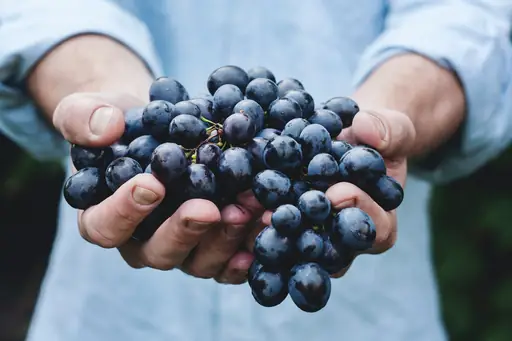
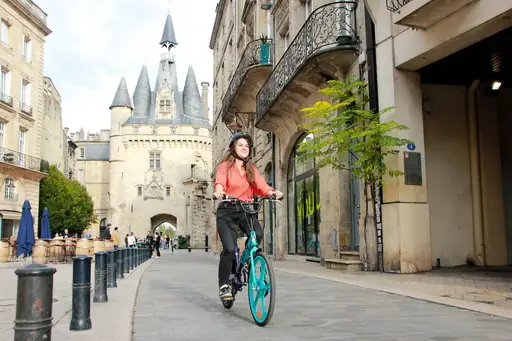
The Cite du Vin, a wine museum shaped like a swirling decanter, opened in 2016 beside the Garonne River. In September harvest crews pick grapes at nearby Medoc and Saint-Emilion estates. Cellar doors open for tastings. Days stay warm at about 24 degrees Celsius and evenings are mild.


City in Czech Republic
Prague
A fairy-tale city with rich history
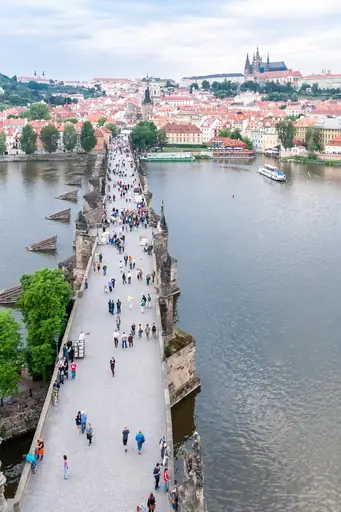
Unlike many European capitals, this city escaped heavy bombing in World War Two, so its medieval centre is well preserved. Charles Bridge, begun in 1357, crosses the Vltava River below the castle. September days reach about 20 degrees Celsius and the beer garden at Letna Park stays open with river views.
Island in Greece
Crete
A Journey Through History and Nature
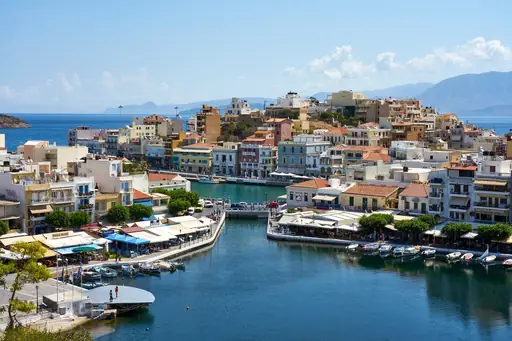
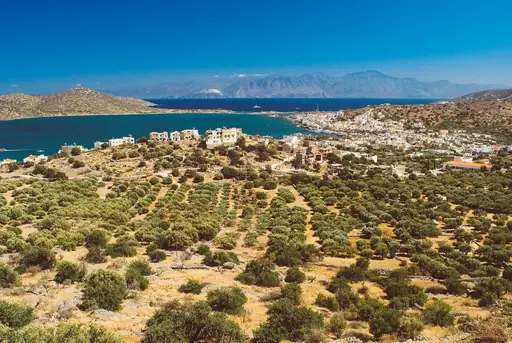
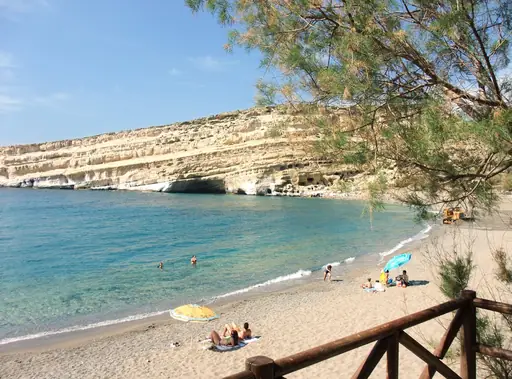
Bigger than every other Greek island, this one has high mountains, deep gorges and long beaches. September water reaches about 24 degrees Celsius and days are hot but less extreme than July. Samaria Gorge is 16 kilometres long and Knossos has a Minoan palace from about 1900 BC.
City in Portugal
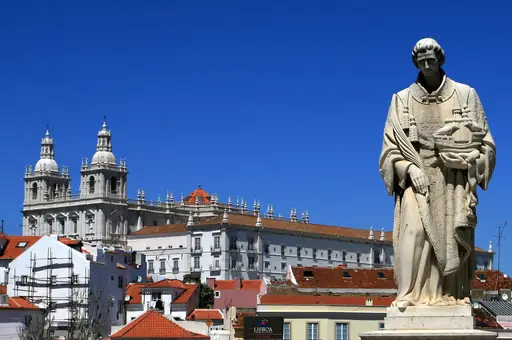
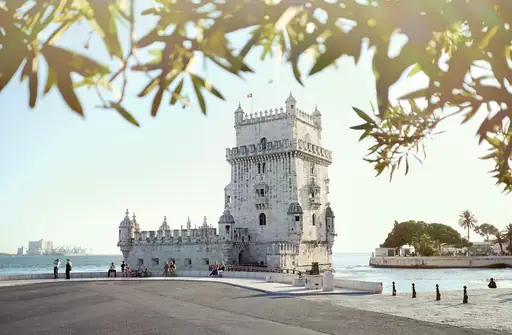
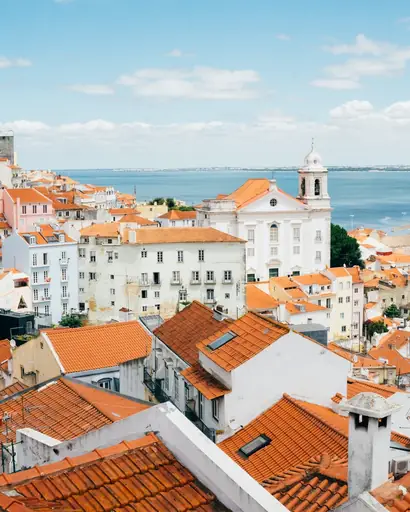
Lisbon
Sun-soaked streets and rich history
An earthquake in 1755 flattened much of the old city. A new grid of streets rose afterwards. Today yellow trams climb the hills of Alfama. September days reach about 28 degrees Celsius. Beaches at nearby Cascais stay warm and the miradouros, hilltop viewpoints, glow at sunset.
Region in Portugal
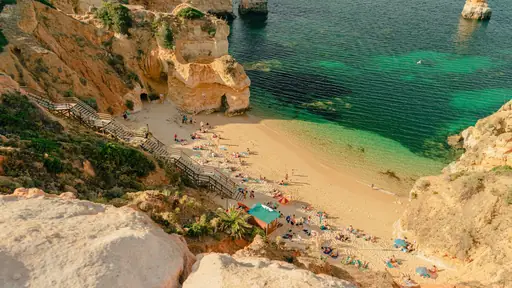
Algarve
Golden cliffs and azure waters
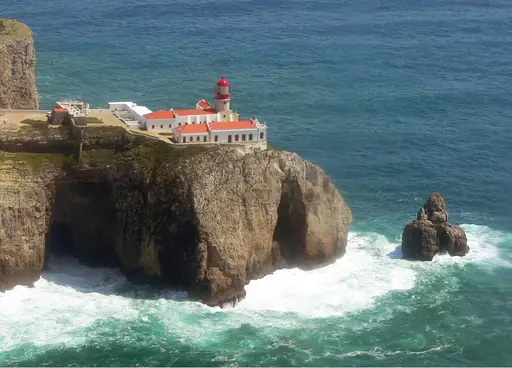
Along the southern coast of Portugal, golden cliffs shelter sea caves and long sandy beaches that face the Atlantic. September sea water reaches about 21 degrees Celsius and days stay near 28 degrees, with fewer crowds than in August. Boats and kayaks reach Benagil Cave and the Ponta da Piedade rock arches near Lagos.
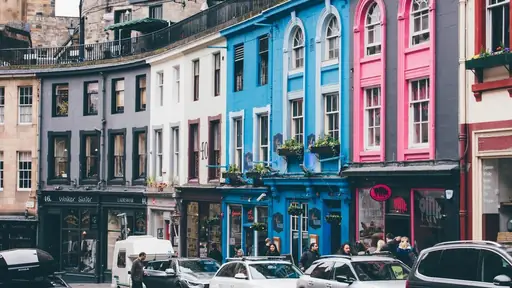
City in United Kingdom
Edinburgh
History, Culture and Festival Fever
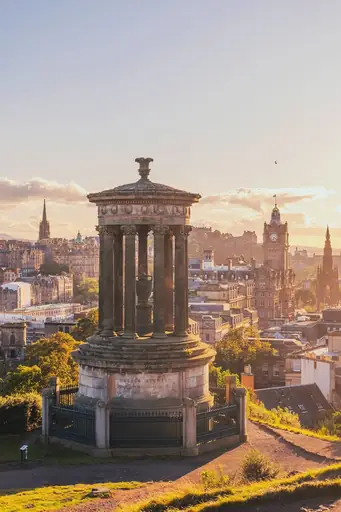
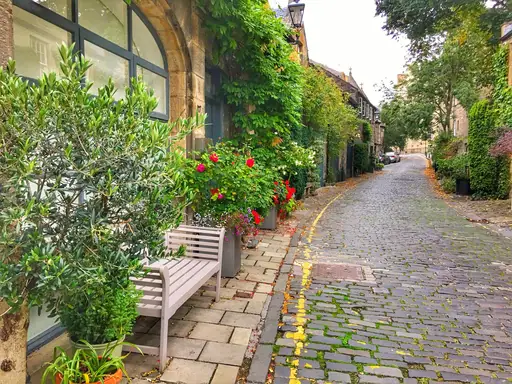
Built along a ridge of rock left by old volcanoes, this city has a castle high above the Old Town. September days reach about 16 degrees Celsius after the August festival crowds have gone. Arthur's Seat takes about 45 minutes to climb and the Royal Mile links the castle and Holyroodhouse.
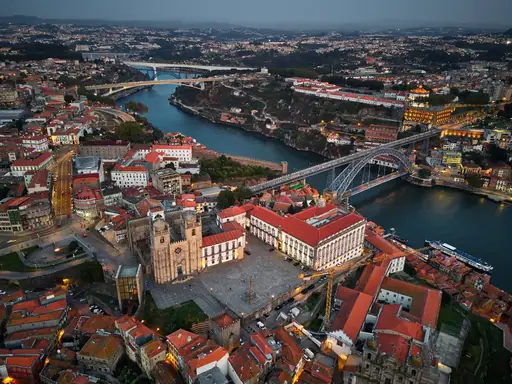
City in Portugal
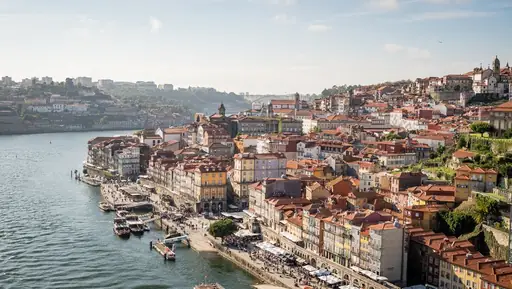
Porto
Wine, Coast and Old-World Charm
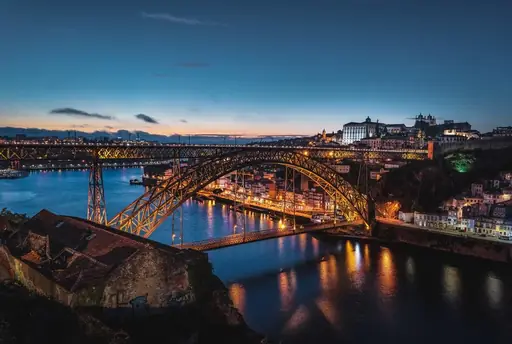
Like Lisbon, Porto has steep hills, blue tiles and old trams. Here port wine cellars line the river in Vila Nova de Gaia. September is the grape harvest upriver in the Douro. Warm evenings suit a sunset walk across the Dom Luis I bridge over the river.
Region in United Kingdom
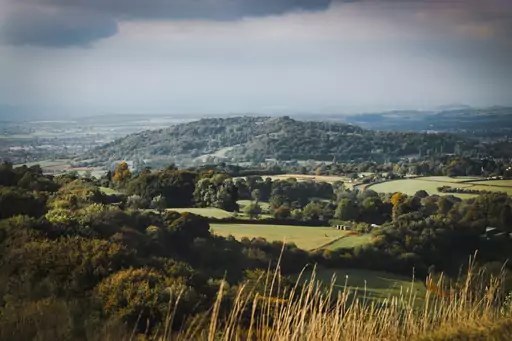
Cotswolds National Landscape
Honey-Colored Villages and Rolling Hills
Villages here follow an old custom of building with local honey coloured limestone, which glows golden in autumn light. Walkers follow footpaths between villages such as Bibury and Chipping Campden that grew rich on the wool trade. September days reach about 18 degrees Celsius and pubs serve local ale after a day on the paths.
Country
Malta
History, beaches and Mediterranean charm
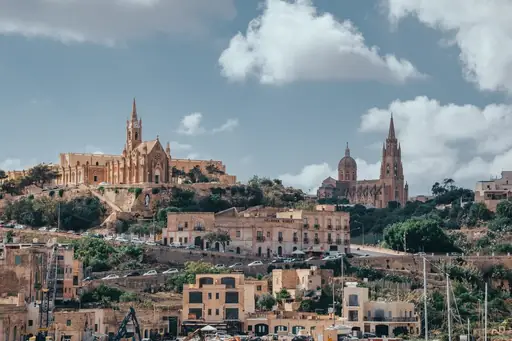
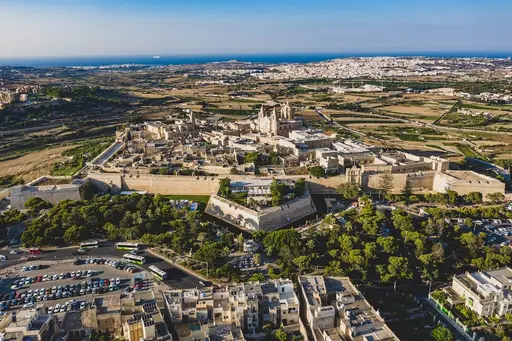
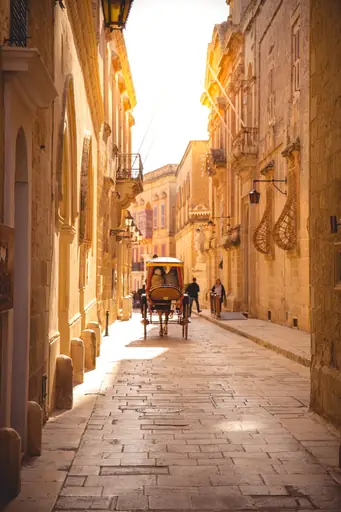
September sea temperatures reach about 26 degrees Celsius and days stay sunny near 29 degrees Celsius. Valletta's golden limestone streets and the Blue Lagoon on Comino are calmer after August. Mdina, a walled medieval city, is called the Silent City and the Hagar Qim temples are over 5,000 years old.
Country
Iceland
Land of fire and ice
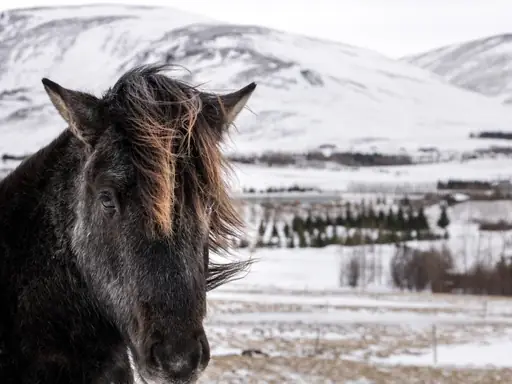
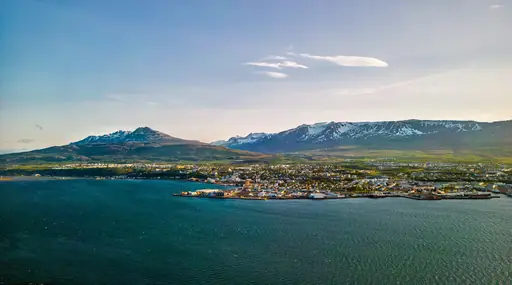
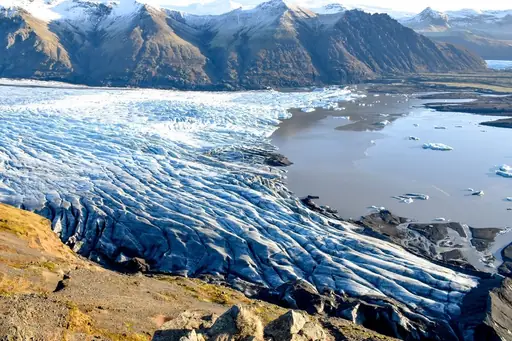
Just below the Arctic Circle, Iceland has about twelve hours of daylight in September. Northern lights return on clear dark nights. Waterfalls and hot springs see fewer visitors than in July. Highland roads begin to close, so most trips follow the Ring Road around the coast.
Island in Greece
Santorini
Breathtaking Views and Blue Domes
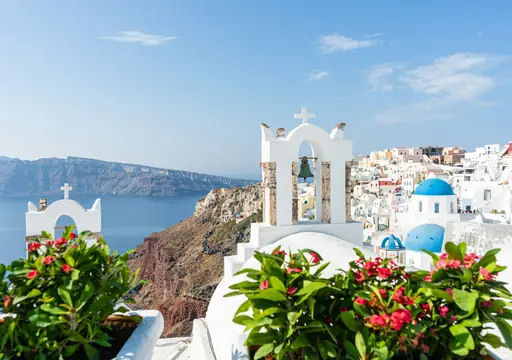
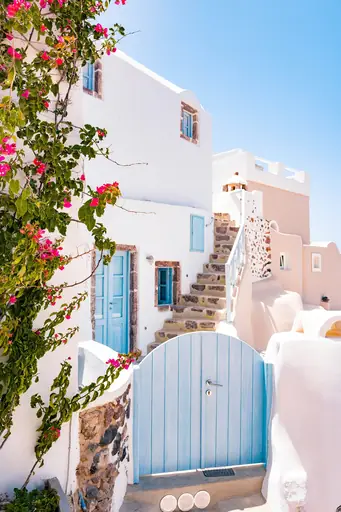
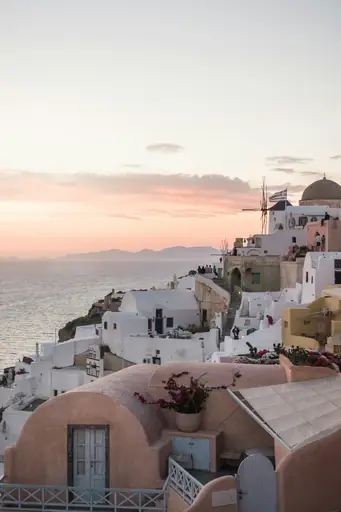
Near the centre of the Aegean, this volcanic island is still hot in September. The sea is about 24 degrees Celsius. Crowds are smaller than in July and August. The Assyrtiko grape harvest runs into the month. Sunsets over the caldera in Oia come around seven.
Region in Portugal
Douro Valley
World's oldest wine wonderland
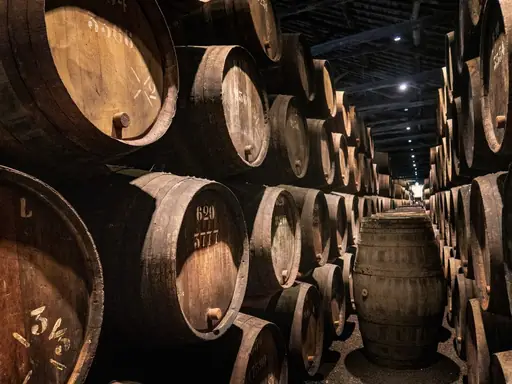
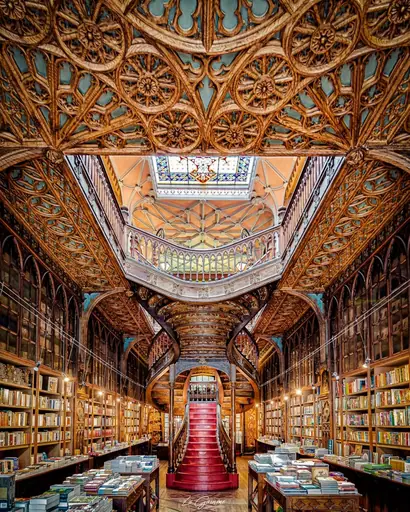
Terraced vineyards step down to the Douro River. UNESCO lists the valley as a world heritage site. September is harvest time. At quintas, which are wine estates, visitors join the grape pick. Some watch workers tread grapes by foot in stone tanks. Days are warm and dry.
Region in Croatia
Istria
Heart-shaped peninsula of cultural fusion
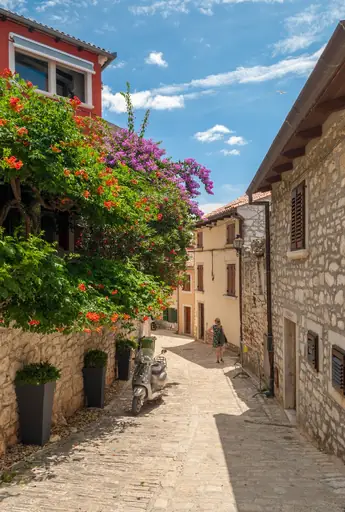
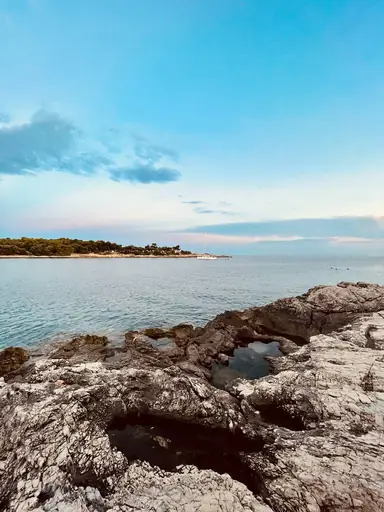
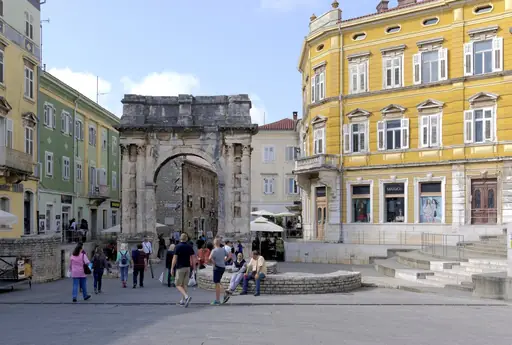
Ruled in turn by Romans, Venetians and Austrians, this Croatian peninsula has a Roman arena and hilltop towns. The arena in Pula, built by the Romans, still hosts concerts and the sea stays near 23 degrees Celsius. Autumn brings truffle hunts near Motovun and wine and olive oil tastings in stone villages.

City in Spain
San Sebastián
Basque charm with beach vibes
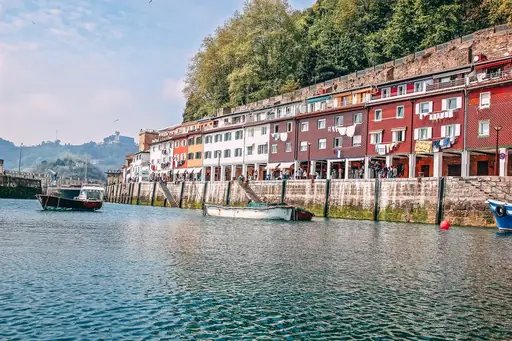
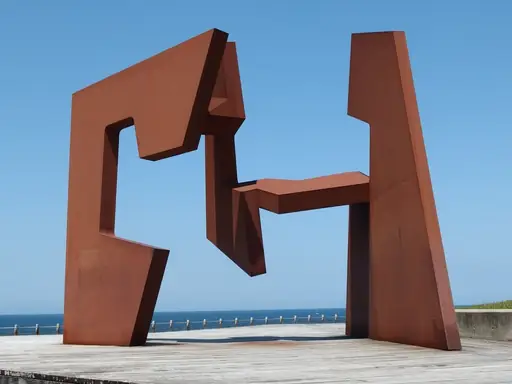
Once a fishing town, this Basque city became a royal summer resort in the 1840s. La Concha beach curves around the bay with calm water near 21 degrees Celsius in September. The Film Festival runs in late September and pintxo bars in the old town serve small snacks on bread.
City in Croatia
Dubrovnik
The Pearl of the Adriatic
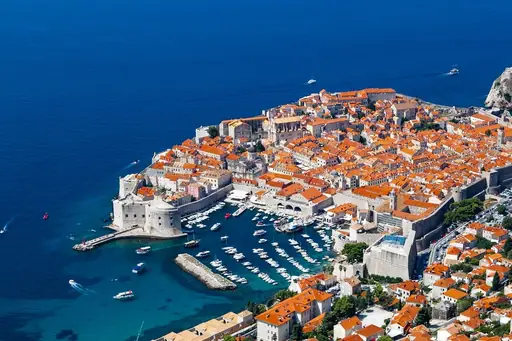
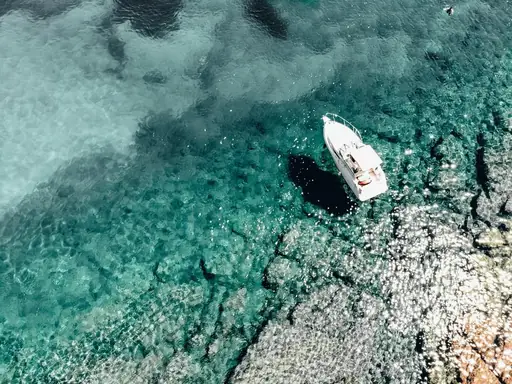
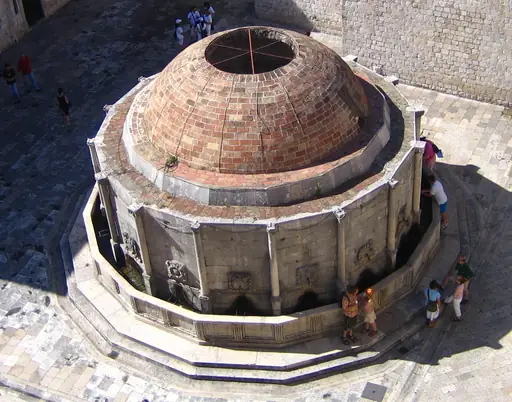
Dubrovnik was an independent sea republic for centuries and built walls up to 25 metres high. Walk the two kilometre wall circuit in morning light. By September the cruise crowds thin and the Adriatic is still warm. Boats run to nearby Lokrum Island for a quiet swim.
Town in Switzerland
Zermatt
Alpine Magic and the Matterhorn
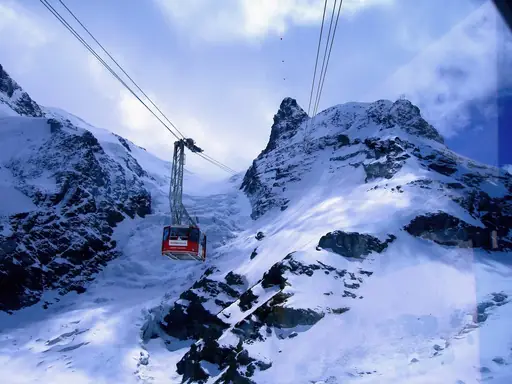
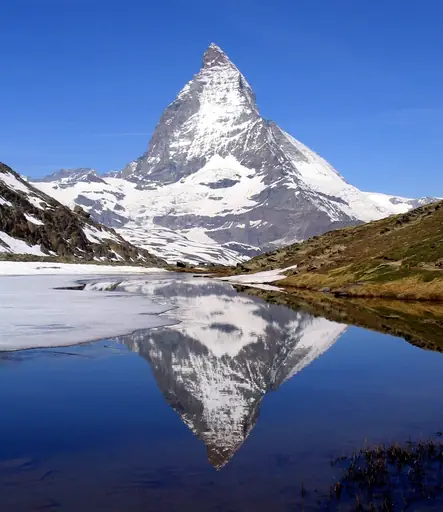
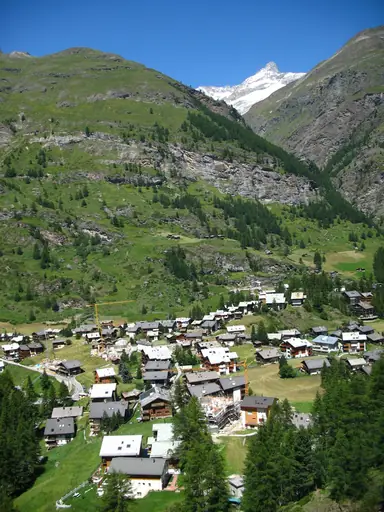
With no petrol cars allowed and the Matterhorn above, this alpine village feels quiet and clear. September days are cool and sunny with highs near 15 degrees Celsius and hiking trails are open before snow arrives. The Gornergrat railway, opened in 1898, climbs to 3,089 metres for views of the Matterhorn.
Region in Spain
La Rioja
Wine, history and mountain views
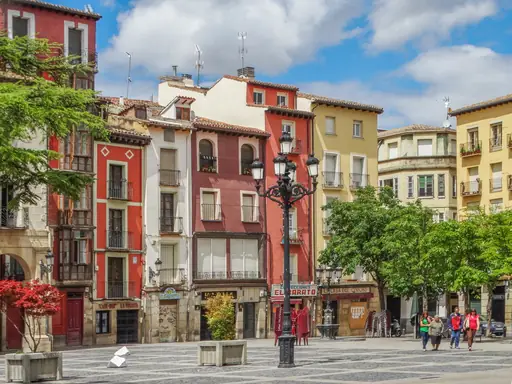
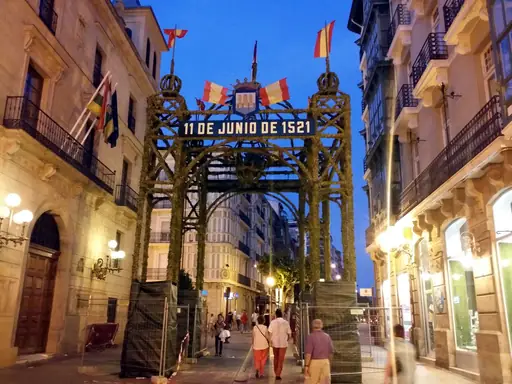
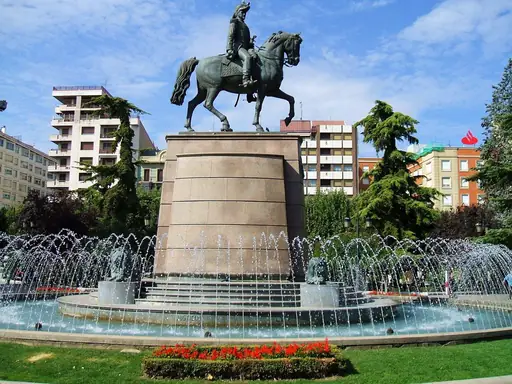
Like Bordeaux in France, this region is built around wine. The harvest, called vendimia, runs through September. In Logrono the San Mateo festival late in the month includes a ceremony where grapes are trodden in the street. Bodegas open their cellars for tours and tastings.
District in Switzerland
Lavaux-Oron
UNESCO terraced vineyards above Lake Geneva
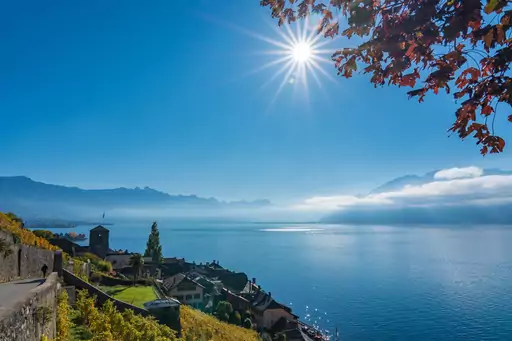
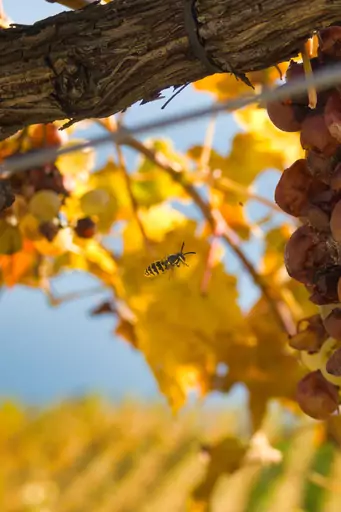
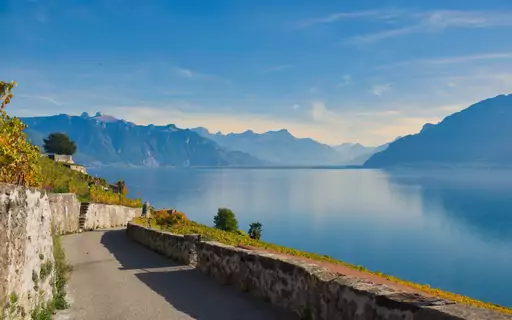
Steep terraced vineyards step down to Lake Geneva, giving this slope a calm painted look. The terraces, first built by monks in the 11th century, are a World Heritage Site. The grape harvest begins in late September and walkers follow marked paths between Cully and Saint Saphorin.
City in Slovenia
Piran
Venetian Alleys, Adriatic Sunsets, Charm
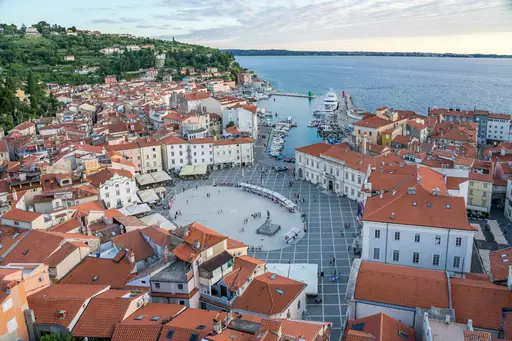
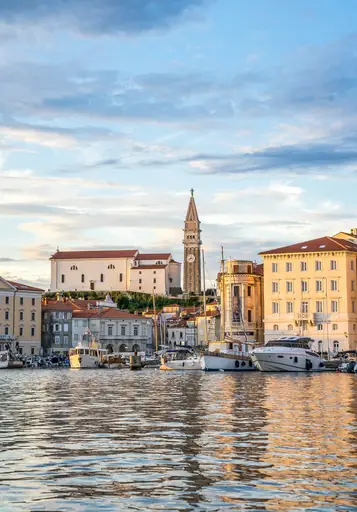
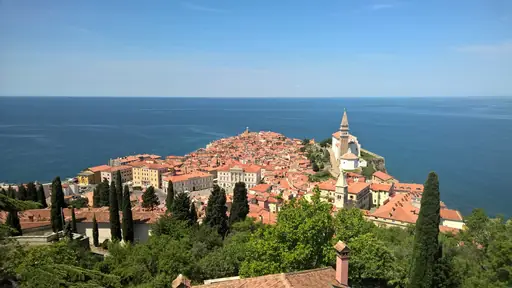
Locals gather on Tartini Square each evening for coffee and conversation beside a statue of the violinist Giuseppe Tartini. Venetian style houses fill a narrow peninsula on the Adriatic and a bell tower copies the one in Venice. September sea temperatures near 23 degrees Celsius suit swimming from the rocky shore promenade.
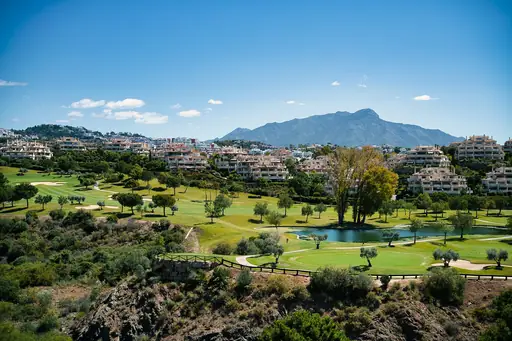
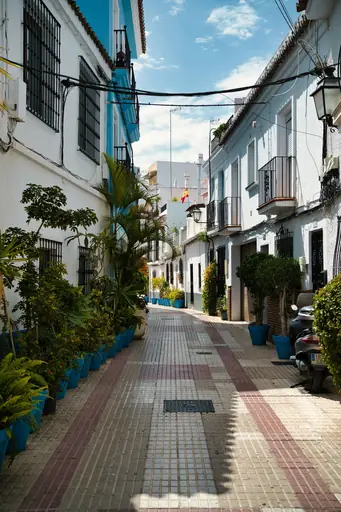
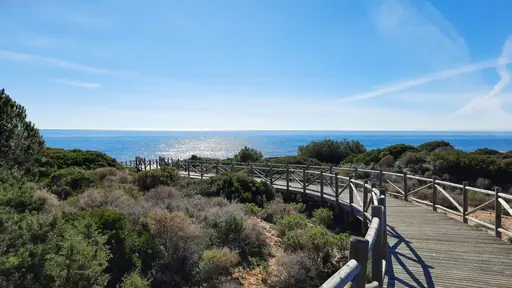
Region in Spain
Costa del Sol
Sun‑soaked beaches and vibrant coastal culture
September sea water reaches about 22 degrees Celsius and crowds fall after the busy August holidays. Days stay sunny near 29 degrees Celsius and the coast gets about 300 sunny days a year. Marbella's old town has whitewashed lanes and Nerja has the Balcon de Europa viewpoint over the sea.
Other lists you may like

Discover
Best winter sports destinations in Europe
Europe is the heartland of alpine skiing culture, with a resort infrastructure and mountain tradition that has been developing for well over a century. The best destinations…
Read more

Discover
Best street art destinations in Africa
Africa's street art scenes have emerged rapidly, with several cities developing mural cultures of genuine international standing that sit at the intersection of local artistic…
Read more
Discover
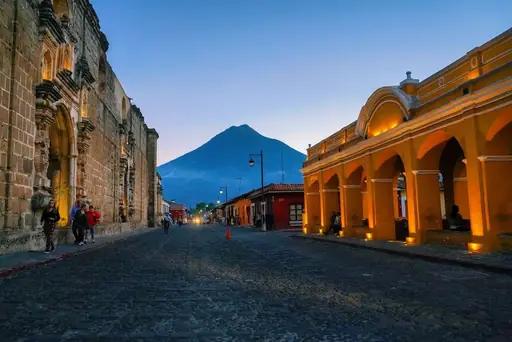
Best slow travel destinations in North America
Rural New England and a culinary region in Mexico offer two very different versions of slow travel, one built around small-town routine, the other around centuries-old culinary and…
Read more

Discover
Best cherry blossom destinations in Africa
Cherry blossoms are a rarity across Africa, limited to a small handful of regions in South Africa, Algeria and Morocco rather than any continent wide tradition. Jacaranda trees are…
Read more

Discover
Most beautiful beaches and coastal escapes
For a lot of people, a beach is the whole point of a holiday, but what makes a beach day perfect really depends on personal taste. Some travellers want isolation and the feeling…
Read more
Discover
Best winter sports destinations in North America
North America has some of the most varied and celebrated winter sports terrain on earth, with resort cultures on both the east and west coasts that have developed distinct…
Read more
Discover
Best slow travel destinations in Oceania
New Zealand's southern regions and the wider Pacific Islands both reward a slower pace, shaped as much by geography and limited transport links as by deliberate choice, with…
Read more
Discover
Best cherry blossom destinations in South America
Cherry blossoms are not native to South America, but Japanese immigrant communities have successfully planted Yoshino and other cherry varieties throughout the continent since the…
Read more
What other users say about travelfilters
“travelfilters made it easy for me to find ski areas and compare what else they offer, so that I could find the best place for my personal travel style.”

Chris
Snowboarding & Onsen trip to Japan
“I love how transparent the data feels. There is no pushy upsell, just honest information and settings I can tune to my own travel style.”

Maria
After booking her 2027 winter escape
“The level of detail for each destination and how well those are displayed, make planning feel confident instead of overwhelming.”

Mina
Planned a week in New York City
“We used travelfilters for our planning from start to end. The trip turned out even better than expected, thanks to all their tools and customisation options.”

Allan & Etienne
Trip to Japan to see autumn foliage
“Thanks to travelfilters, I found some hidden gems to see. Being able to filter for exactly your interests is a game changer for my travel planning.”

Michael
Tour through the old cities of Northern Italy
“The customizable filters helped me find a quiet beach town with good wifi and low season crowds in under five minutes.”

Diego
Weekend Escape to Llanes, Spain
“The airport connection map saved me hours by showing good flight options from my home airport to lesser-known cities.”

Nguyen
Planning a 2027 trip to France
“The website is clean, fast and focused on the search itself, which makes travelfilters feel more like a professional tool than an ad-heavy booking site.”

Hassan
Christmas Market trip, Germany
