



Europe › Greece › Crete

Crete

Scroll
A Journey Through History and Nature

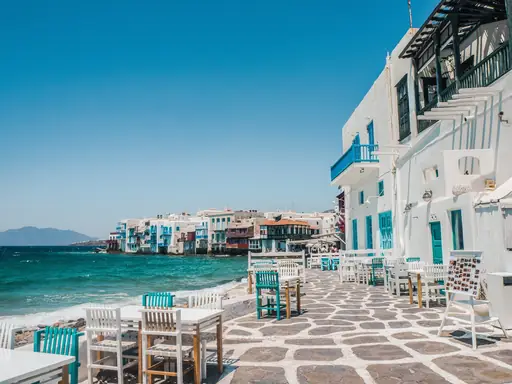
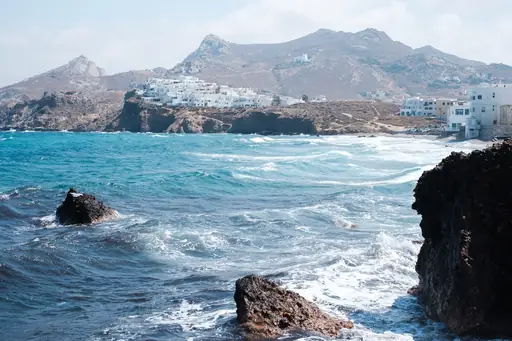
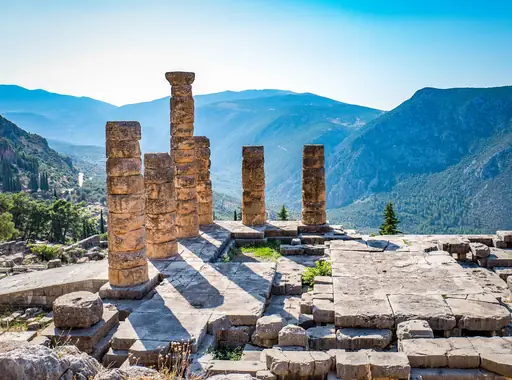
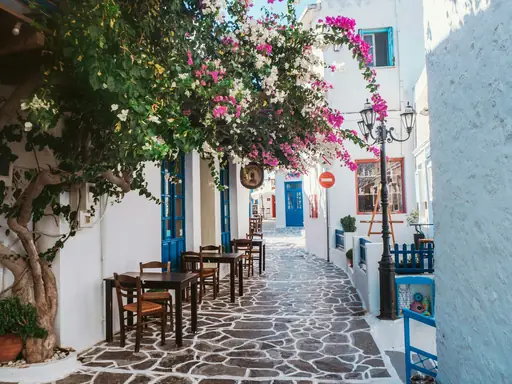
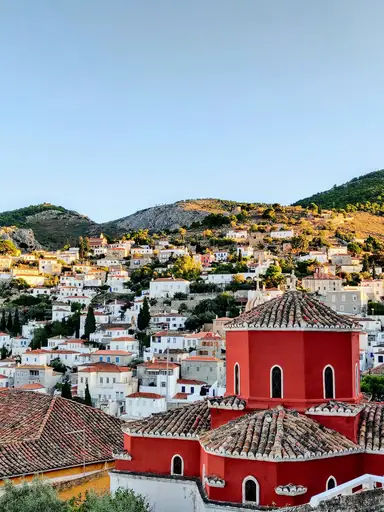
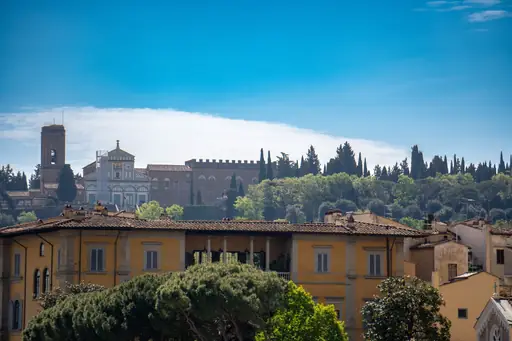
Crete is Greece’s largest island in the Mediterranean Sea. Known for its long sandy beaches and clear blue waters, it has a varied landscape that includes mountains, valleys and traditional villages. The island has a rich history dating back thousands of years with ancient ruins such as Knossos Palace nearby. Cretan culture values hospitality and local food, featuring fresh seafood, olives and herbs. Many travelers visit for its mix of relaxed coastal towns and historic sites connected by winding roads through scenic countryside.

Island in Greece
Climate zone: Mediterranean

Mediterranean: Mid-latitude climates with hot, dry summers and mild, wet winters, typical of coastal regions around the Mediterranean Basin.

See climate table
Price level: $$$
$Cheap
$$Medium
$$$Expensive, upscale
$$$+Very expensive, luxury
See price details
Safety: 7.6
General Safety:8
Health & medical:7
Accessibility:6
Tap water:8
Read details
Tourist English: 4/5
Many locals in tourist areas speak English, especially in hotels and restaurants. However, in more remote areas, communication may be limited, so learning a few Greek phrases can be helpful.
Last update: 12 Oct 2026
* We earn a commission from some links on this page.
Crete Summary

These place ratings give you a quick overview of how well a destination matches different types of trips.

‘Best for’ scores:
The specific interest scores show where this place really shines – whether it's ideal for hiking, food & drink experiences, museums or other activities. These highlights help you understand what makes the destination special at a glance.

‘Your personal’ scores:
This reflects how well a place matches your personal preferences. You can adjust the importances of travel topics or other personal requirements categories in your account settings.

‘Suited for’ badges:
These give you a quick overview of how well a destination suits specific types of travellers, to help you find the places that match your lifestyle, preferences or travel situation.

Read how our scores work
Excellent for beaches and ancient history. Swim in clear Mediterranean waters, explore archaeological sites, hike scenic gorges and enjoy traditional Greek food.
Place score
8.1
Best at:
Beaches
9
Local cuisine
9
Historic sites
9
Sea
8
Guided tours
8
Personal score
?
Log in to see how this place matches your personal travel interests.
Suited for
👶 8
Families
🧓 7
Seniors
🛡️ 9
Travel Beginners
❤️ 9
Couples
Greece – Quick facts
Power Grid: 230 V, 50 Hz
Plug: Type C , Type F
Type C:
Diagram of a Type C power plug
Type F:
Diagram of a Type F power plug

Read about power adapters
Currency: Euro (EUR)
£1 ≈ €1.19
Cashless info: Rating 3/5
Cashless payments are becoming more common, especially in urban areas. However, many small shops and rural locations still prefer cash payments.

Save with a travel credit card
eSIM providers: Best value: Saily
Flexibility: Airalo
Read our in-depth comparison
Tipping: Tipping is customary in Greece. In restaurants, 5-10% is typical, though rounding up is also common. Tipping taxi drivers is customary, and small tips for hotel staff are appreciated.
Public drinking: Public drinking is generally allowed in Greece, especially in designated areas or during festivals. However, it’s prohibited in some areas like public transport or near schools.
Public smoking: Smoking is prohibited in indoor public places. There are designated outdoor smoking areas in most restaurants and public buildings.
Easter
(March/April)
Easter is a significant religious holiday, and many businesses close. Popular for family gatherings and church services.
Assumption of Mary
(August)
A national holiday with parades and festivities. Expect crowded tourist areas and higher accommodation prices.
Christmas
(December)
Christmas celebrations take place in many towns and cities, with lively events, though many businesses close for the holiday.
Emergency contact: Emergency Number: 112 (Police, Fire, Ambulance)
Taxi apps: Beat, TaxiBeat, Uber
Other: Greece is a popular tourist destination, particularly in summer, so be prepared for high demand for accommodation and services during peak months.
Best times to travel

The best times to travel section shows how the months compare for a visit, so you can find the time of year that fits what you want to do.

Background colours of the months:
The colour shows the typical temperature: yellow (hot), green (mild) and blue (cold). How strong the colour is shows the travel season: full colour means high season, soft colour means shoulder season and soft-striped means off season.

Weather symbols:
Each month has one symbol showing what the weather is typically like, such as hot and sunny, freezing or a rainy or snowy season. Use them to quickly spot months that match the weather you want, or to avoid the ones that don't.

Crowdedness:
The people icon shows how busy the place usually is. The more people, the more crowded it gets.

Additional notes:
The grey info boxes point out special things worth knowing, like recurring weather issues or seasonal events.

for Crete, Greece
☀️
Jan
☀️
Feb
☀️
Mar
☀️
Apr
☀️
May
☀️
Jun
☀️
Jul
☀️
Aug
☀️
Sep
☀️
Oct
☀️
Nov
☀️
Dec
High season: June - Sep.
Shoulder season: April - May, Oct.
Crowdedness: 7 (Many tourists)
Tap on a month for more info Hover over a month for more info
Most hotels, restaurants and tourist services close November to March, main season April to October
Samaria Gorge usually open only May to mid October, closed when rain or wildfire risk is high
Climate varies by area: south coast warmest and best for beaches May to October, mountains best for hiking April to June and September to October, cities good for sightseeing spring and autumn

Why travel to Crete?

Crete is a stunning mix of natural beauty and rich history, making it a must-visit destination. The island offers a balance of quiet villages, bustling towns and ancient archaeological sites. Although the island is generally safe and welcoming, summer months can get crowded in tourist-heavy spots, so plan ahead if you're looking for a more peaceful experience.

🏙️Cities & Regions
  • 1 Heraklion
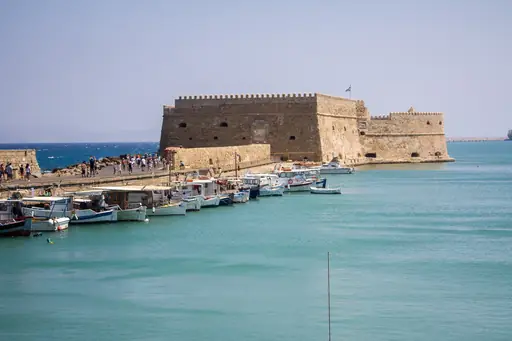
    Explore Heraklion’s mix of ancient heritage and contemporary culture. Visit Knossos’ Minoan ruins, wander lively markets, savor Mediterranean dishes by the harbor and use the city’s coastal position as a gateway to nearby beaches and historic sites.
  • 2 Chania
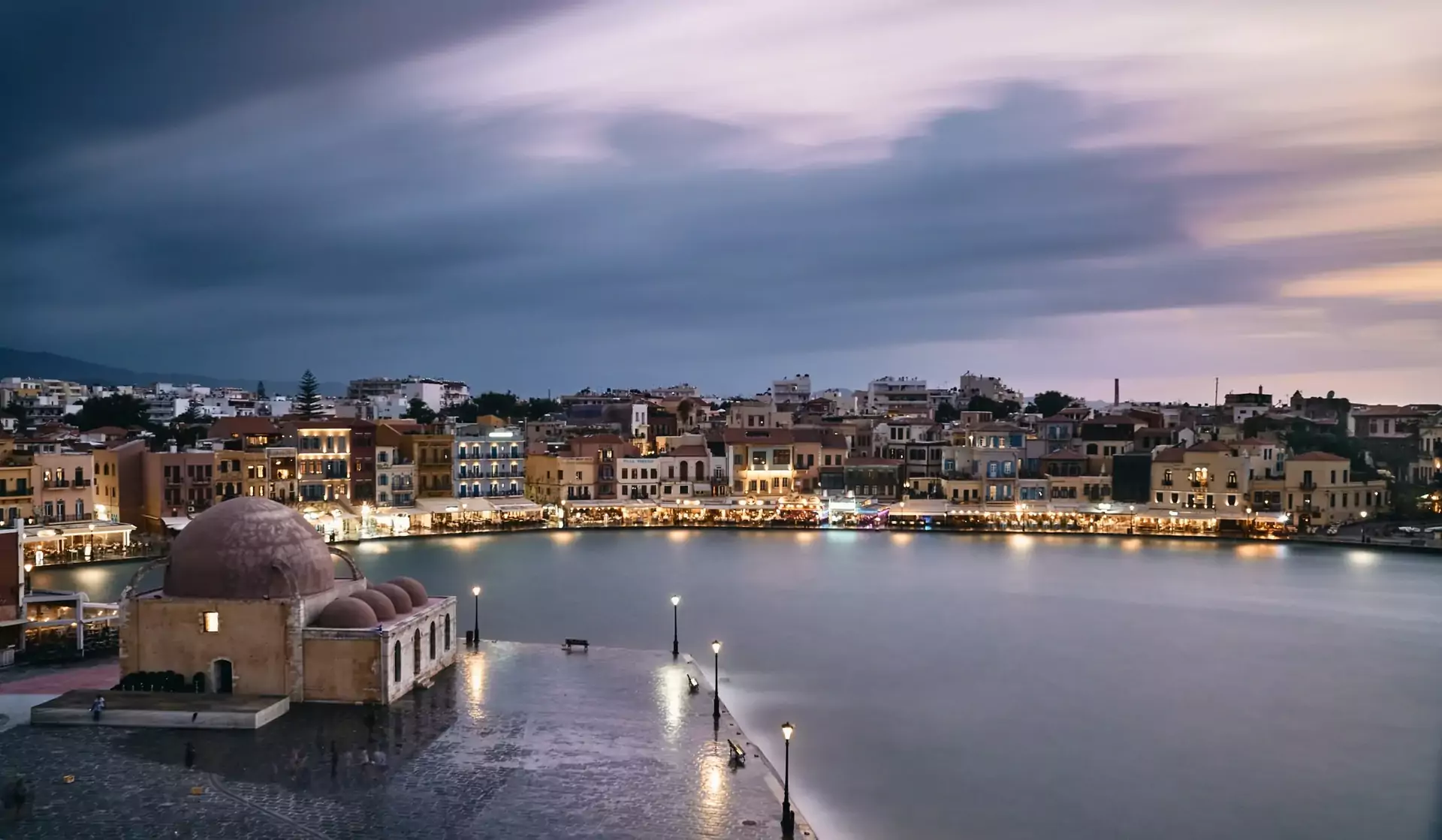
    A vibrant port town on Crete’s western coast offers a mix of historic architecture and lively waterfront cafés. The harbor hosts regular ferry connections to the island’s interior, while nearby beaches provide clear waters and ample sun for visitors.
  • 3 Rethymno
    This Cretan hub offers direct access to ancient grottoes and the Matala beach club scene. While Rethymno's old town draws crowds, venture inland for authentic villages or head south to avoid the peak-season congestion entirely.
🏯Places worth seeing
  • 1 Knossos Palace
    The ancient Minoan palace spans over 20,000 square meters, featuring complex architecture, frescoes and a central tholos. Excavations reveal advanced engineering, trade networks and the legendary Labyrinth myth in ancient culture.
  • 2 Heraklion Archaeological Museum
  • 3 Agios Nikolaos
  • 4 Monastery of Arkadi
  • 5 Old Town
  • 6 Spinalonga Peninsula
🏞️Natural landmarks
  • 1 Elafonisi
  • 2 Seitan Limania Beach
  • 3 Samaria Gorge
🛍️Shopping
  • 1 Super Mamma's Market
  • 2 Chania Market
  • 3 Cretaquarium
🎈Events
  • Heraklion Wine Festival
  • Rethymnon Carnival
  • Chania Rock Festival
  • Crete Film Festival
  • Cretaquarium Summer Concerts

Knowledge before you go

  • Rent a car to explore beyond tourist beaches.
  • Hike Samaria Gorge early May-June before summer crowds and heat arrive.
  • Visit Knossos Palace first thing morning to avoid tour groups and midday sun.
  • Split stay between Chania and Heraklion for west-east coverage without long drives.

How to travel to Crete

You can fly into Heraklion or Chania International Airport from major European cities or Athens. Ferries are also available from Athens and other Greek islands, making it accessible by sea.

Access summary

  • From Heraklion/Chania Airports: Short taxi or bus rides to nearby resorts, 15–40 minutes.
  • From Athens: Overnight ferries Piraeus–Heraklion/Chania, usually about 6–9 hours.
  • From Cyclades (e.g., Santorini): High-speed ferries to Crete, typically 2–4 hours.

Where to stay in Crete

Crete offers a variety of accommodations from luxury resorts along its coastline to charming boutique hotels in old towns and rural areas. Whether you’re seeking a quiet retreat or a lively resort, there’s something for every budget and preference.

How to get around Crete

Crete is best explored by car, as the island’s public transport system is limited outside major towns. Renting a car allows access to hidden gems like secluded beaches and mountain villages. Taxis and buses are available in larger cities.
Budget snapshot
Costs compared to home

We calculate the average costs when travelling to destinations and compare those with the living costs at your home. With this you can get an estimate of how expensive or cheap the destination is for you.

To customise this, you can set up which location and price level are used for the calculations in your account settings.

-20 %
Daily expenses in Crete are around 20% lower than the average across United States. That means you'll spend considerably less on meals and getting around.
Exchange rate trend

The exchange rate price factor shows how expensive or cheap a currency currently is compared to its historical average. It's a quick way to see if a country is currently more or less affordable due to exchange rate changes.

-3 %
Your exchange rate (GBP to EUR) is 3% better than in recent years. That means travelling now costs around the same compared to the past.

Travel costs

To help you plan your trip, we provide estimated daily costs per person (when travelling as a pair) for different travel styles. These numbers give you an idea of what you might spend each day at this destination, including accommodation, food, transport and activities.

Additionally, we also provide average hotel costs for different travel styles to give you an estimate for the accommodation only.

Please note that these are only estimates. The real costs depend on booking times, season and other factors.

Daily cost summary

Travel style categories explained:

Backpacker:
Staying in hostels or budget hotels, cooking your own meals or eating cheap and choosing low-cost activities.

Mid-range:
Staying in mid-range hotels, eating at a mix of restaurants and casual spots and enjoying a variety of activities.

Luxury:
Staying in luxury hotels, dining out at high-end restaurants and enjoying premium experiences without worrying about the price.

Backpacker Mid-range Luxury
💵 Total costs per day, including accommodation
£57
£126
£341
🏨 Accommodation per night, per person
£26
£60
£150
🍝 Food per day
£25
£58
£168
🚕 Transportation per day
£6
£8
£22
Food & Drink
🍽️ Restaurant Dinner, per person
£22
🍛 Lunch Set, per person
£12
🍟 Fast food combo
£8
🍝 Preparing your own food, per day
£8
☕ Cappuccino
£3
🍺 Beer in a restaurant, 0.5 l
£4.20
Transportation
🚌 Public transport ticket
£1.25
🚕 Taxi Ride, 10 km / 6 mi
£13
⛽ Petrol, 1 l
£1.60
Other
🎞️ Cinema ticket
£7
👩‍⚕️ Doctor's consult
£30
🤧 Cold medication
£4.40
💇 Basic haircut
£8.50

Safety information overview

General safety
8
Crete is a very safe destination, with low crime rates and a welcoming atmosphere. Petty theft can occur in crowded tourist spots, so always stay vigilant. It's also a good idea to be cautious of strong winds at sea during some seasons.
Health & Medical
7
Crete has excellent medical facilities in major towns and cities. There are also pharmacies available across the island. Health care is generally reliable, but in more rural areas, services may be more limited.
Accessi­bility
6
While many tourist areas are accessible, some of Crete’s more rugged landscapes, such as hiking trails and beaches, might be challenging for people with mobility issues. It’s recommended to check ahead before visiting these sites.
Tap water
8
Tap water in Crete is generally safe to drink in most areas, especially in the larger cities. However, in some rural areas, bottled water may be preferred or available. Always double-check with locals if unsure.

Popular districts of Crete

Looking for inspiration?

Discover
Most beautiful beaches and coastal escapes
For a lot of people, a beach is the whole point of a holiday, but what makes a beach day perfect really depends on personal taste. Some travellers want isolation and the feeling…
Read more
Discover
Best travel destinations for food allergies in Europe
Europe is one of the more manageable continents for allergy conscious travelers, thanks to strict food labeling rules that apply across the entire European Union. Restaurants…
Read more
Discover
Best travel destinations for food allergies
Travelling with a food allergy adds a layer of planning most people never have to think about and the right destination can make that planning a lot easier. Some travellers…
Read more
Discover
Best destinations to visit in October in Europe
October brings full autumn to Europe, with cooler air and changing leaves replacing the last of summer's warmth. Fall foliage peaks across much of Central and Northern Europe…
Read more
Discover
Best destinations to visit in September in Europe
September is widely considered one of Europe's best travel months, holding onto summer warmth while losing most of the peak season crowds. Southern Europe stays warm enough for…
Read more
Discover
Best yoga destinations in Europe
Southern Europe's islands and Atlantic coastlines have both built strong yoga retreat scenes around Mediterranean light, often pairing practice with locally grown food and a…
Read more
Discover
Top digital nomad destinations and remote work hubs in Europe
Europe offers remote workers a level of infrastructure that is hard to beat, along with enough cultural variety to keep even a long stay interesting. City based nomads can hop…
Read more
Discover
Top traditional destinations and cultural heritage sites
Traditional destinations are those where cultural practices, craftsmanship, ceremony and ways of life that predate industrialisation and mass tourism remain visible and active…
Read more
Discover
Best destinations to visit in November in Europe
November marks the start of Europe's quiet season, as autumn fades into early winter across most of the continent. Days grow noticeably shorter, especially further north, and…
Read more
Discover
Top kayak and SUP destinations worldwide
Kayaking and stand-up paddleboarding have developed from niche pursuits into mainstream water activities with accessible rental infrastructure, guided tour programmes and dedicated…
Read more
Discover
Top ancient ruins destinations and archaeological sites
The world's most significant ancient ruin destinations range from the ceremonial complexes of early river civilisations and the monumental remains of classical empires to the less…
Read more
Discover
Best destinations to visit in May in Europe
May is widely considered one of Europe's best travel months, with mild weather and blooming gardens well before the summer rush arrives. Southern Europe warms up nicely without…
Read more
Discover
Top digital nomad destinations and remote work hubs in 2026
Working from anywhere in the world sounds simple until you actually try it and the best digital nomad destinations look different depending on what kind of remote worker you are.…
Read more
Discover
Best couple holiday destinations
Travelling as a couple sounds simple enough, yet the best couple holiday destinations mean something different to almost every pair. What feels romantic to one couple can feel like…
Read more
Discover
Best couple vacation destinations in Europe
Europe has been the backdrop for love stories for centuries, and for couples it remains one of the easiest continents to feel romantic in without even trying. The choice of…
Read more
Was this page helpful?
Feedback

