
Top digital nomad destinations and remote work hubs in Europe
Top digital nomad destinations and remote work hubs in Europe
Europe offers remote workers a level of infrastructure that is hard to beat, along with enough cultural variety to keep even a long stay interesting.
City based nomads can hop between countries in a matter of hours, working from a different coworking space every few weeks if they choose. Others prefer to settle into one place for months at a time, learning the local language and building a routine instead of constantly moving. Costs vary widely, from budget friendly spots in the east to some of the priciest cities in the world further west. A number of countries now offer dedicated visas for remote workers, which has made longer stays far easier to plan.
The destinations on our list for Europe mix major nomad hubs with quieter towns that offer a similar setup at a much lower cost. Fast internet is rarely an issue anywhere on this list.
Lists by region
Island in Spain
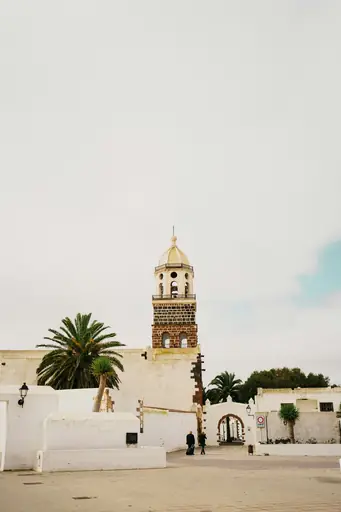
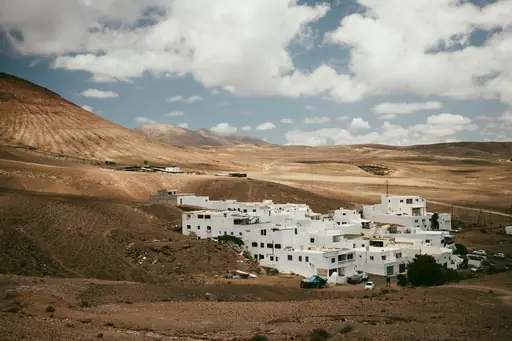
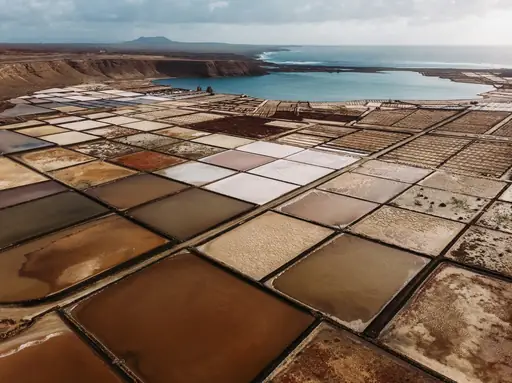
Lanzarote
Volcanic Landscapes and Sunny Shores
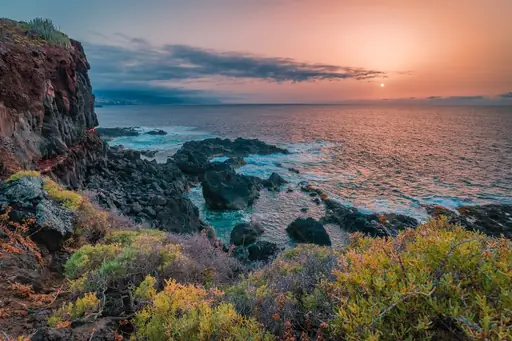
Smaller and calmer than Tenerife or Gran Canaria, this island suits focused work. Low white houses on black lava follow building rules shaped by artist César Manrique. Surfers paddle out at Famara after work. Spain's nomad visa covers the Canaries too. Winter highs stay above 20°C.
City in Greece
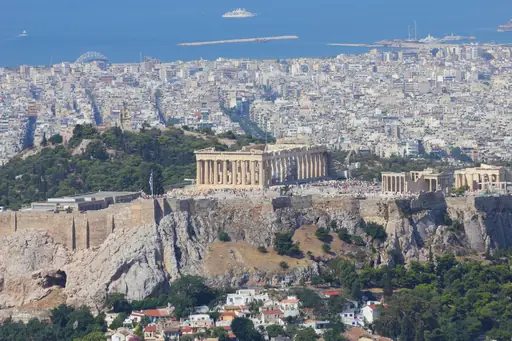
Athens
Where ancient ruins meet urban energy
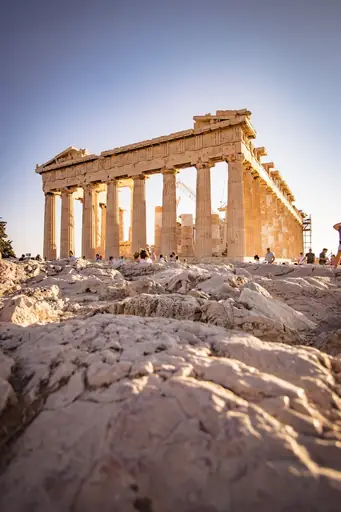
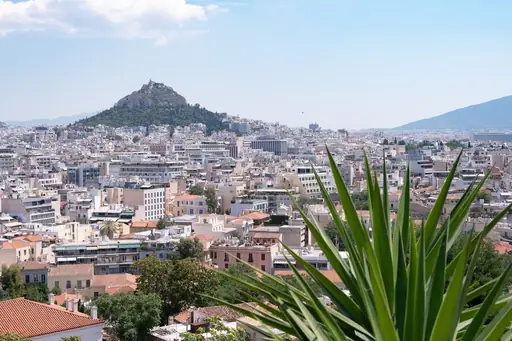
Koukaki is a quiet neighbourhood just below the Acropolis. Its cafés fill with laptops on weekday mornings. Greece offers a digital nomad visa for remote workers with foreign employers or clients. Rents are lower than in most Western European capitals. Weekend ferries from Piraeus reach the islands in a few hours.
City in Estonia
Tallinn
Medieval charm meets modern innovation
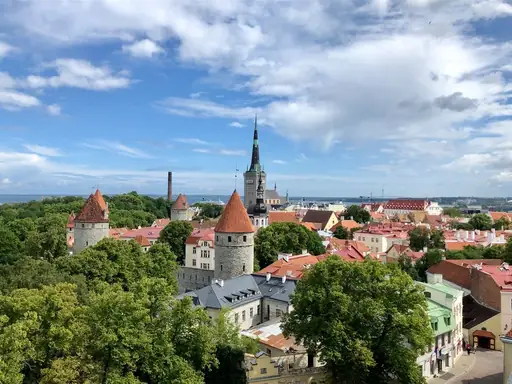
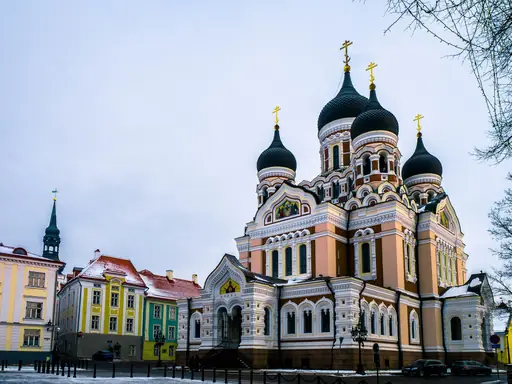
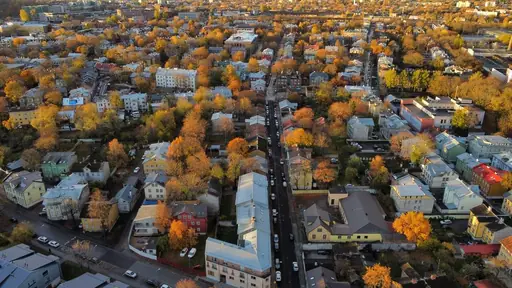
Telliskivi Creative City is a former factory complex full of startups and cafés. Estonia launched a digital nomad visa back in 2020. Its e-Residency programme lets foreigners run an EU company online. Public Wi Fi is common across the city. The medieval Old Town is a short walk away.
Town in Portugal
Ericeira
Europe’s Surf Sanctuary by the Sea
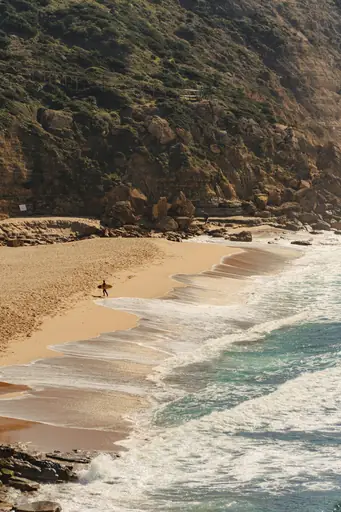
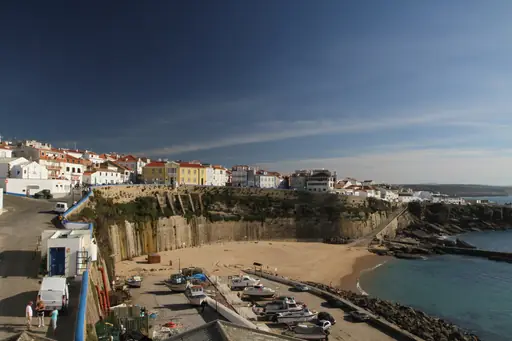
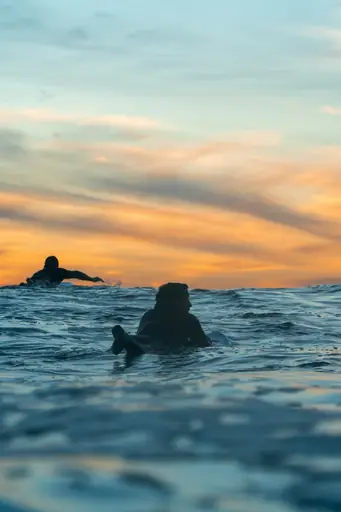
Autumn and winter bring the biggest swells to Ribeira d'Ilhas and Coxos. In 2011 this coast became Europe's first World Surfing Reserve. Surf camps double as coliving houses with desks and fast internet. Lisbon is about 50 minutes away by car or bus. Seafood restaurants line the white and blue old town.
Island in Spain
Tenerife
Volcanoes, Beaches and Endless Sun
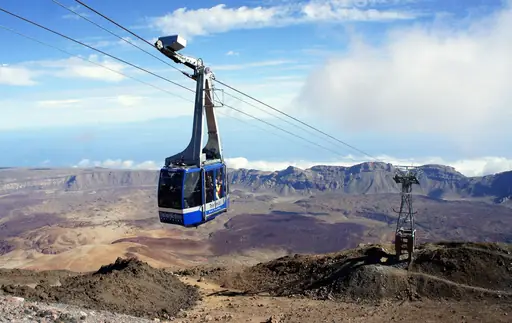
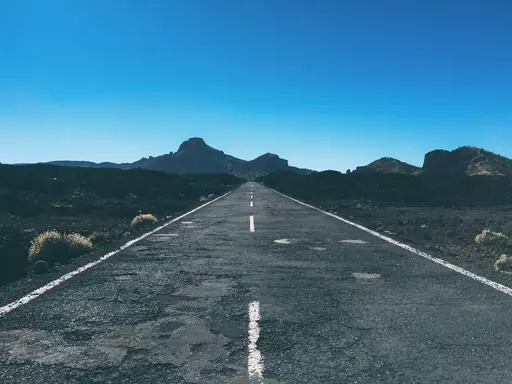
Volcanic eruptions built this island around Mount Teide, the highest peak in Spain. Today the south has sunny towns like El Médano, a windsurf spot full of remote workers. Coliving houses there offer desks and fast internet. Temperatures stay spring like all year. Stargazing tours climb Teide at night.
City in Hungary
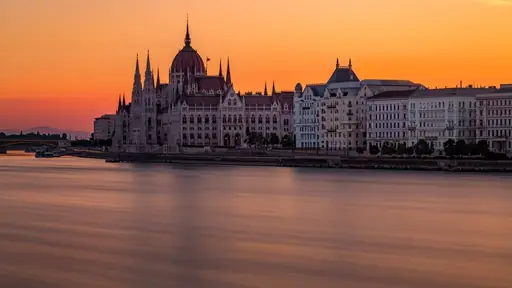
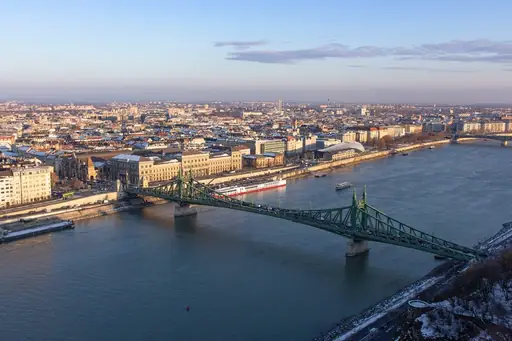
Budapest
A stunning mix of history and nightlife
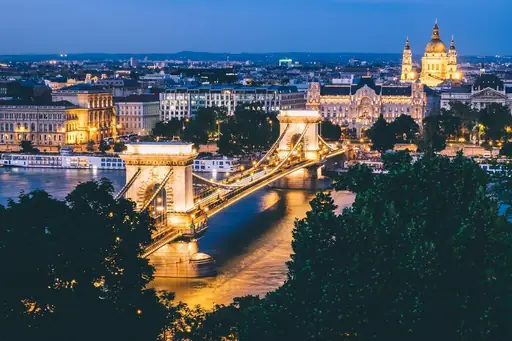
From October to March, thermal baths make the cold months easy to enjoy. Hungary's White Card lets remote workers stay for a year with one renewal. Rents and meals cost less than in Vienna or Prague. Coworking spaces cluster in District VII near the ruin bars. Tram 6 runs all night.
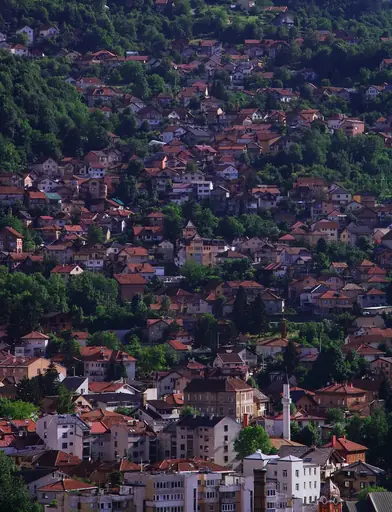
City in Bosnia and Herzegovina
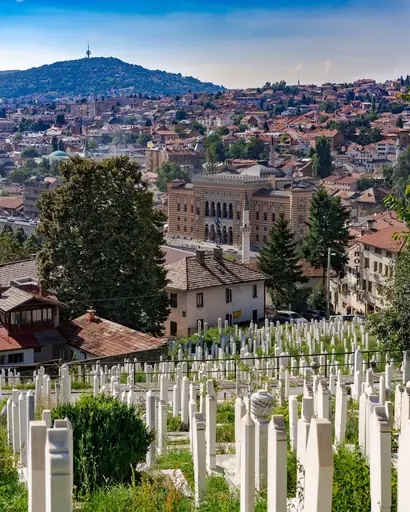
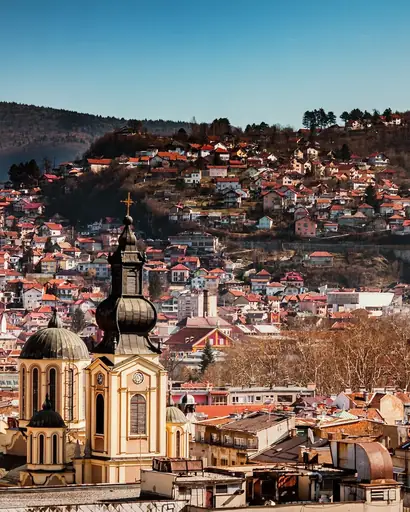
Sarajevo
Where East meets West in the Balkans
Bosnians linger for hours over coffee served in a small copper pot called a džezva. That slow café culture suits long work sessions. Living costs are much lower than in the EU. Ćevapi, grilled meat in flatbread, cost a few euros. The mountains of the 1984 Winter Olympics rise just outside the city.
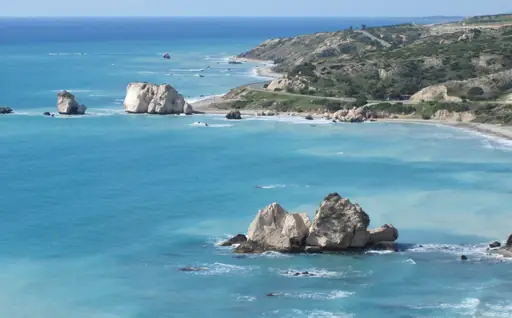
Country
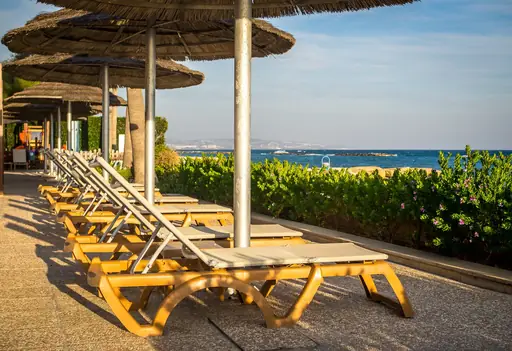
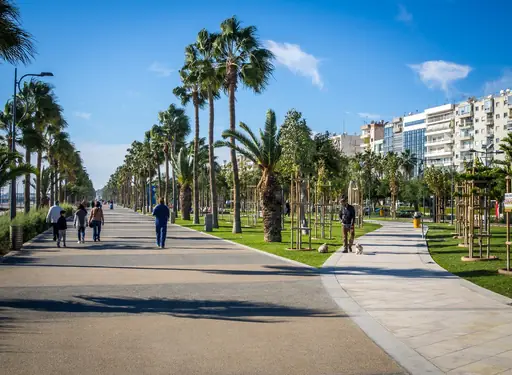
Cyprus
Mediterranean gem with diverse climates
British rule lasted until 1960, so English is still widely spoken across the island. A digital nomad visa allows a one year stay with a possible two year extension. Limassol has a big tech and fintech crowd. The sea stays warm enough for swimming into November.
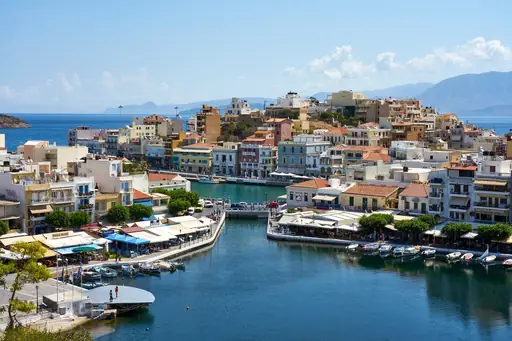
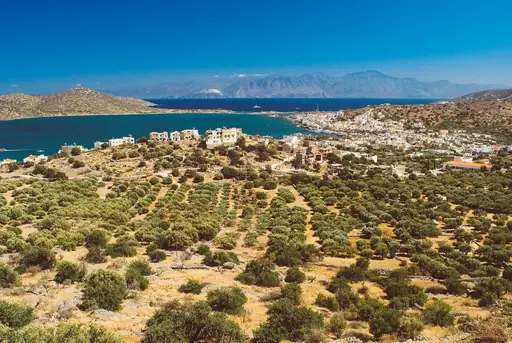
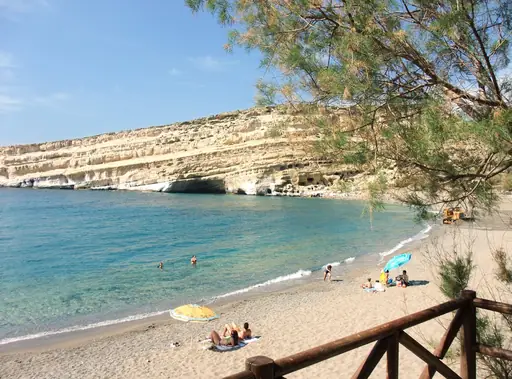
Island in Greece
Crete
A Journey Through History and Nature
Chania's Venetian harbour is lined with cafés where remote workers settle in for the morning. Winter highs near 16°C keep beach walks possible all year. A small nomad community meets for hikes and dinners. Weekend trips lead into gorges in the White Mountains. Rents drop sharply outside summer.
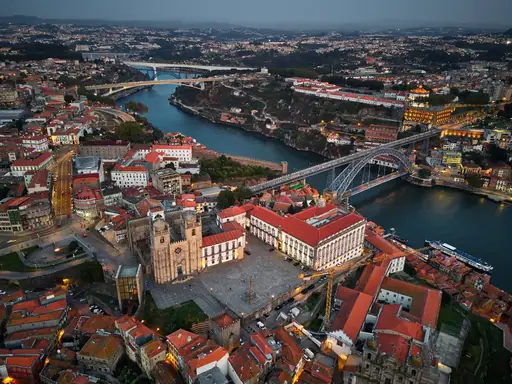
City in Portugal
Porto
Wine, Coast and Old-World Charm
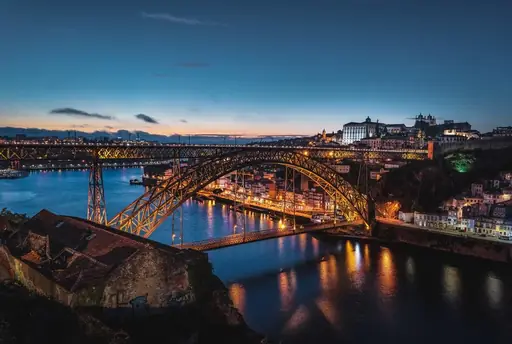
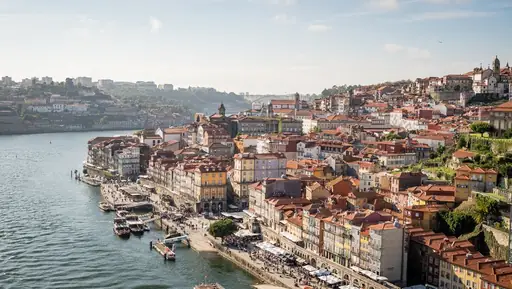
Set on steep hills above the Douro River, the city is a short ride from Atlantic beaches. Rents and meals cost less than in Lisbon. Coworking spaces fill old buildings near Bolhão Market. The airport has direct flights across Europe. Surf at Matosinhos after work, then eat grilled fish in the harbour.


City in Czech Republic
Prague
A fairy-tale city with rich history
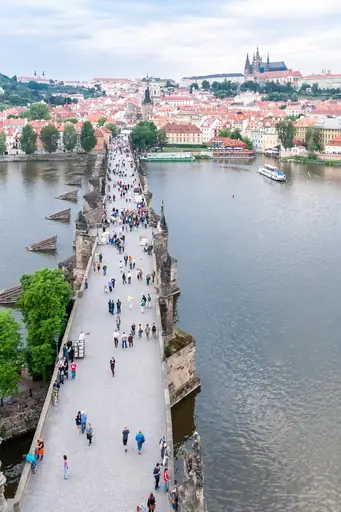
Spring and autumn bring mild days for work in leafy beer gardens like Letná. Freelancers often apply for a trade license, called a živnostenský list, to stay long term. Vienna and Berlin are about four hours away by train. Monthly transit passes are cheap and cover trams all night.
City in Italy
Catania
Baroque Splendor at Etna’s Foot
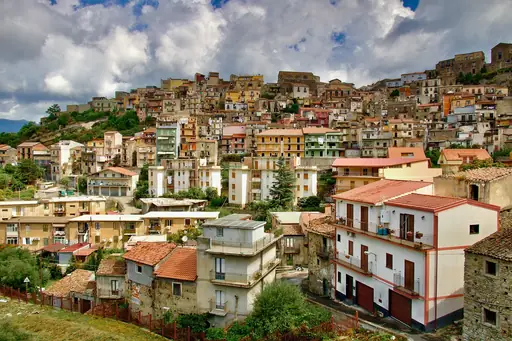
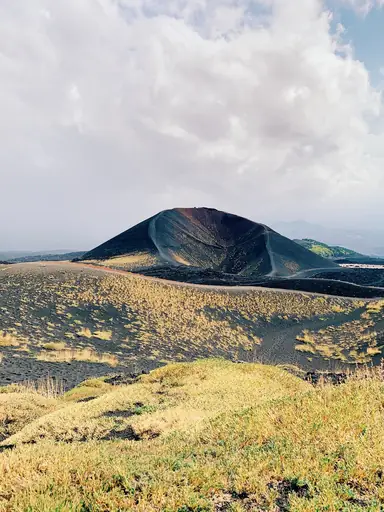
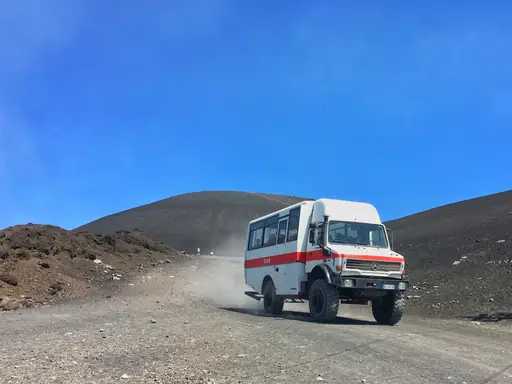
Cheaper than Milan or Rome, this Sicilian city has rents that stretch a remote salary. Italy launched a digital nomad visa in 2024. The fish market, La Pescheria, buzzes every morning behind the cathedral. At weekends, drive up Mount Etna or take a train to Taormina. Street food like arancini costs a few euros.
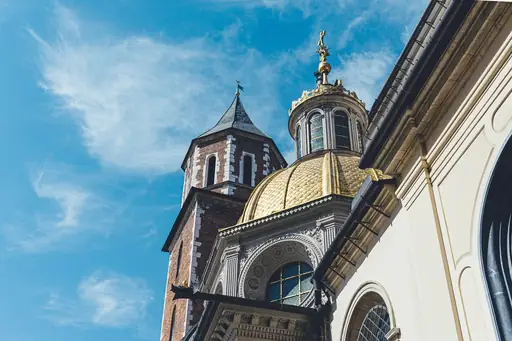
City in Poland
Kraków
Timeless Charm and Rich History
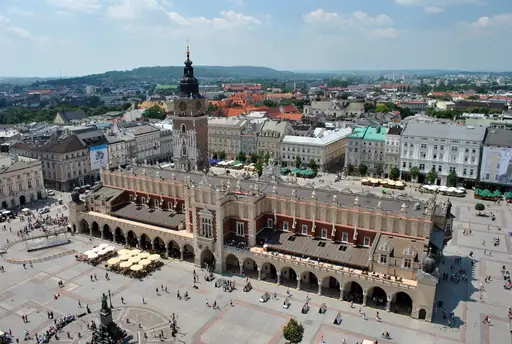
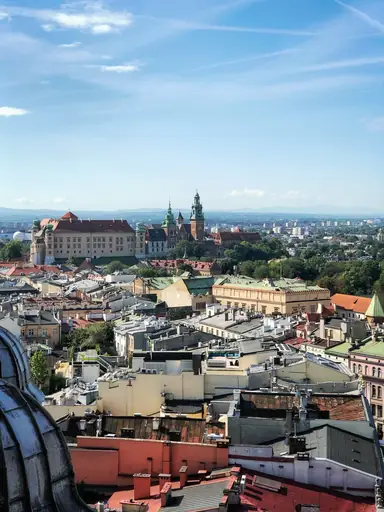
Locals eat cheap lunches at milk bars, simple canteens that thrived in communist times. A bowl of pierogi there costs only a few euros. Big tech firms have offices here, so fast fibre internet is common. Coworking spaces fill old buildings in Kazimierz. Trains reach Warsaw in under three hours.
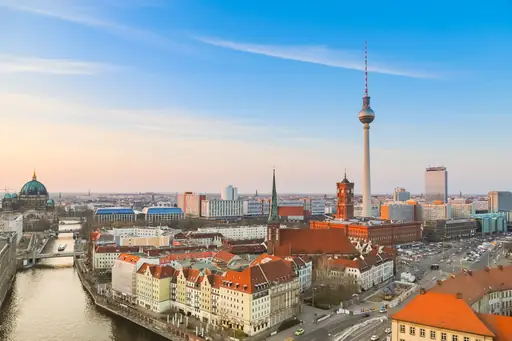
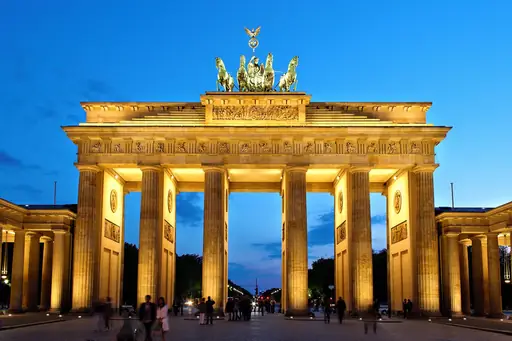
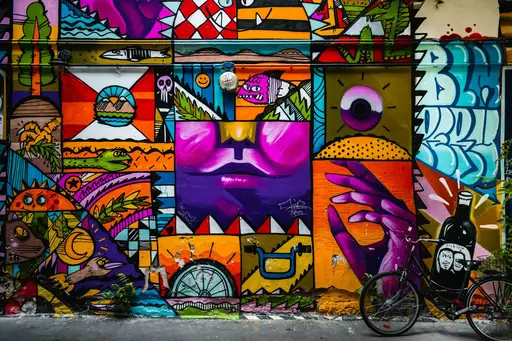
City in Germany
Berlin
Wall history, Museum Island and all-night clubs
Espresso machines hiss in Neukölln cafés where freelancers work for hours over one coffee. Germany offers a residence permit for self employed freelancers in fields like tech and the arts. The startup scene runs hundreds of meetups each month. Tempelhof, an old airport, is now a huge park for evening bike rides.

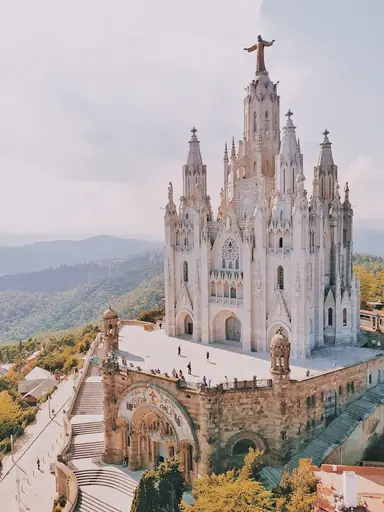
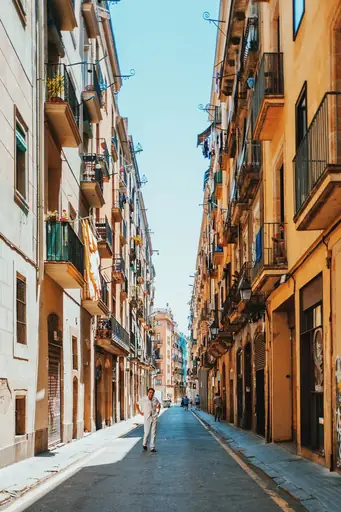
City in Spain
Barcelona
Vibrant City of Art and Beaches
Old textile factories in Poblenou became the 22@ tech district in the early 2000s. Startups and coworking spaces now fill the brick lofts. Spain's digital nomad visa can be renewed for up to five years. After work, Bogatell Beach is a short bike ride away. Meetups for remote workers happen most weeks.
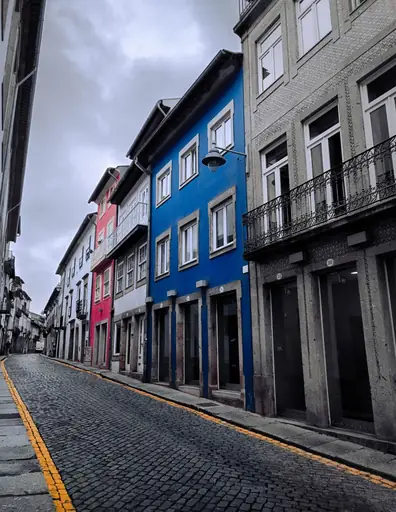
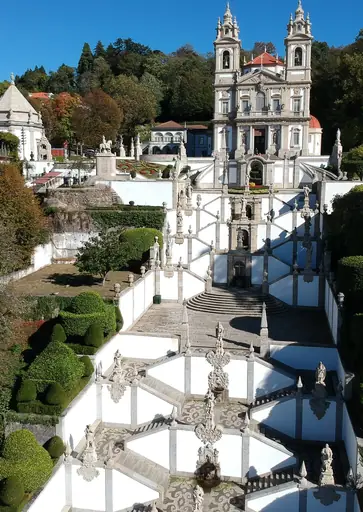
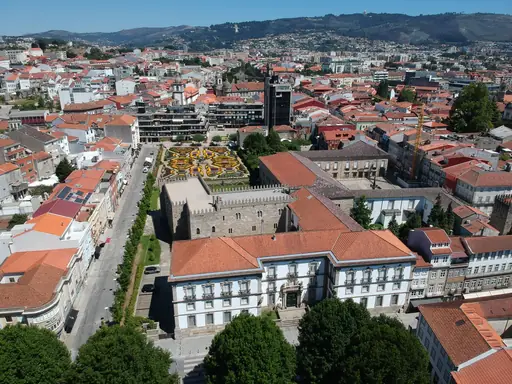
City in Portugal
Braga
Baroque Churches, Roman Roots, Youthful Buzz
About an hour by train north of Porto, this is a lively university town. Rents are lower than in Lisbon or Porto. Portugal's D8 visa covers remote workers with a steady foreign income. Climb the zigzag Bom Jesus stairway after work or ride its water powered funicular from 1882.
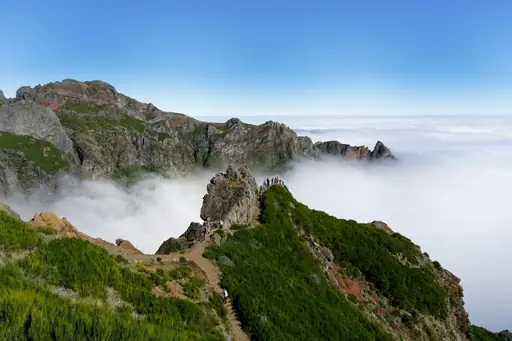

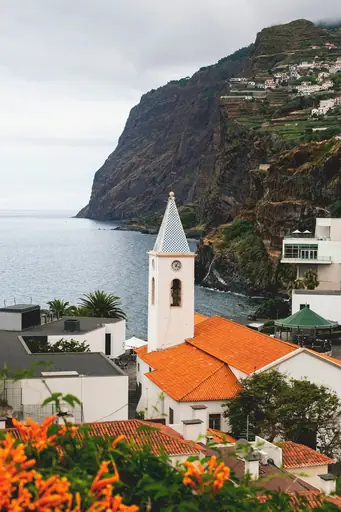
Island in Portugal
Madeira
Dramatic Cliffs and Eternal Spring
Waves wash the pebble beach at Ponta do Sol, a small village on the sunny south coast. In 2021 it launched a digital nomad village with free coworking space. The idea drew remote workers from around the world. Laurel forest trails follow water channels called levadas. Weather stays mild in every month.
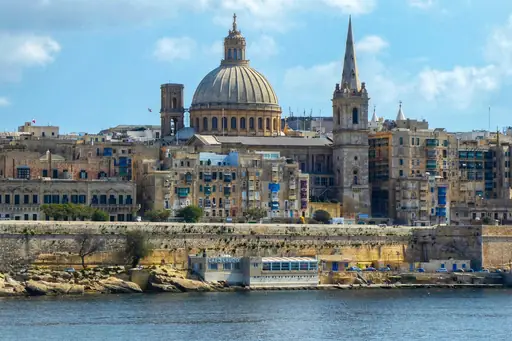
City in Malta
Valletta
A historic gem by the sea
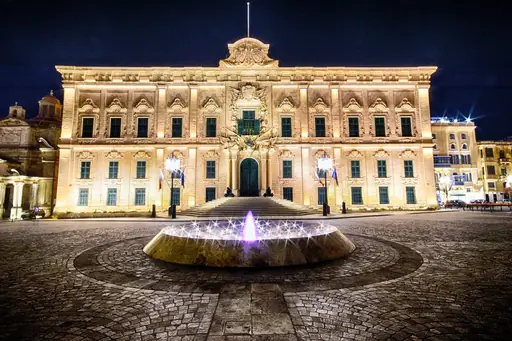
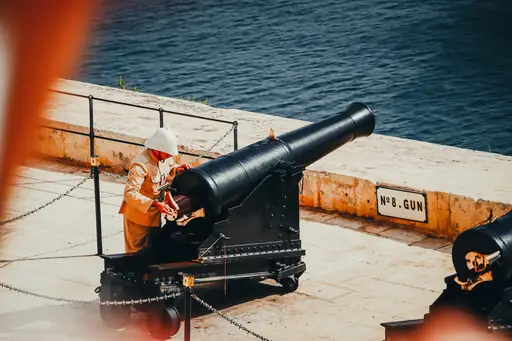
Between Sicily and North Africa, this compact capital has honey coloured stone streets. English is an official language, which makes daily life simple. The Nomad Residence Permit lets remote workers stay a year and renew. Ferries cross to Sliema, where many coworking spaces are. Gozo is a quiet weekend escape.
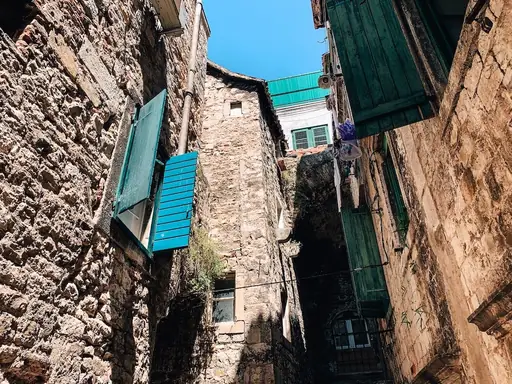
City in Croatia
Split
Roman Ruins, Adriatic Vibes, Beaches
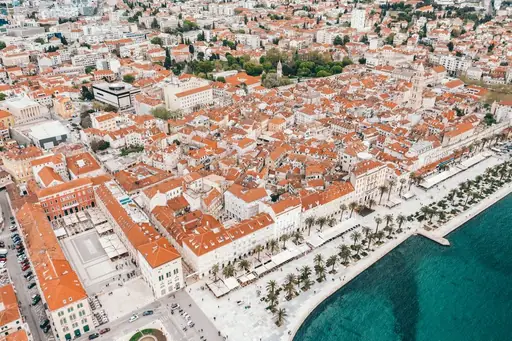
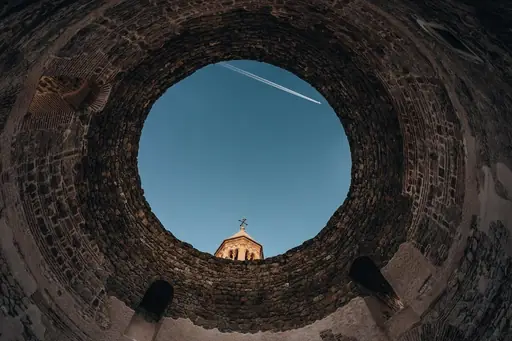
Unlike many beach towns, the city stays lively in winter with a large local population. Croatia's digital nomad permit now allows stays of up to 18 months. Remote workers rent apartments inside and around Diocletian's Palace. Ferries reach islands like Brač and Hvar in about an hour. Winters are mild by the sea.

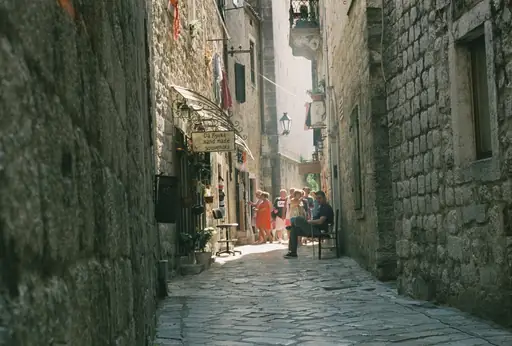
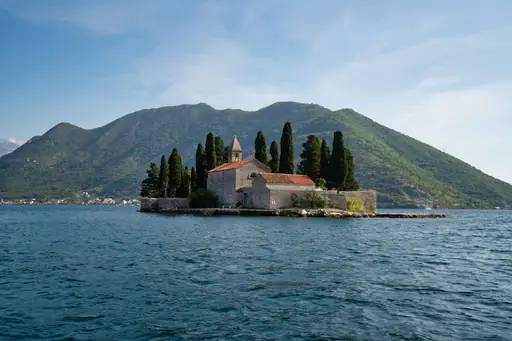
City in Montenegro
Kotor
Medieval magic on a fjord-like bay
Once the summer cruise season ends, the crowds vanish and rents fall sharply. The walled old town stays calm for focused work. Montenegro uses the euro despite not being in the EU. Many nomads base themselves in nearby Dobrota along the bay. Climb to the fortress above town on a lunch break.
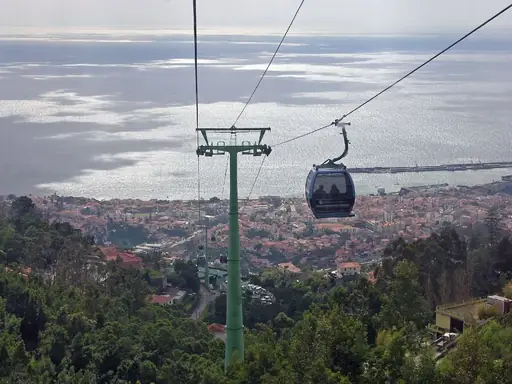
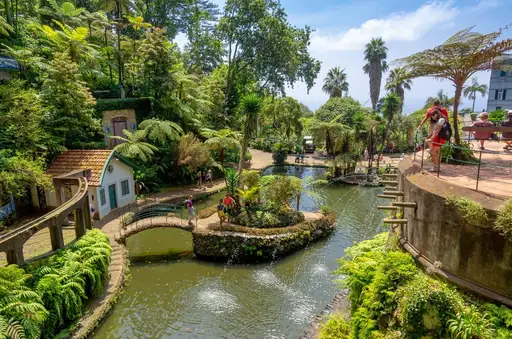

Town in Portugal
Funchal
Island Charm with Lush Landscapes
Far out in the Atlantic, this harbour city has mild spring weather all year. Coworking spaces cluster in the old town near the waterfront. Remote workers gather for weekly hikes on levada trails. Direct flights connect to most European capitals. A cable car climbs from the seafront to Monte for lunch with a view.
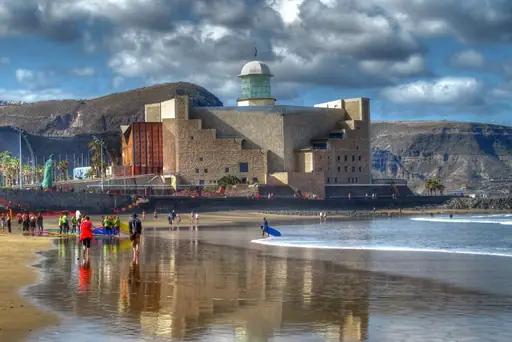
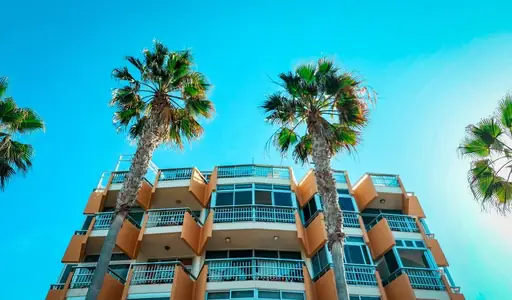
City in Spain
Las Palmas
Sun, surf and historic streets
Las Canteras Beach runs about 3 km along the city, with a reef that keeps the water calm. Remote workers swim before work and surf in the afternoon. Coworking spaces and coliving houses line the nearby streets. Temperatures stay between about 20 and 26°C all year. A large nomad community holds meetups most weeks.
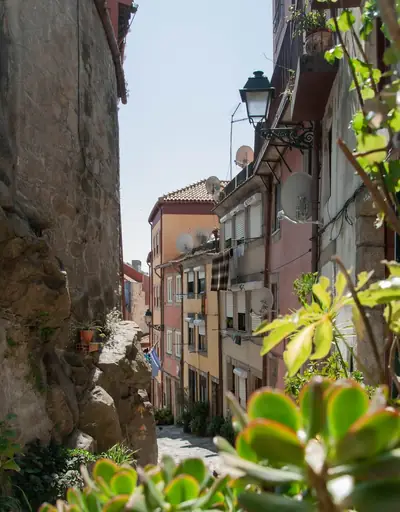
Town in Portugal
Cascais
Portuguese Riviera’s Seaside Gem
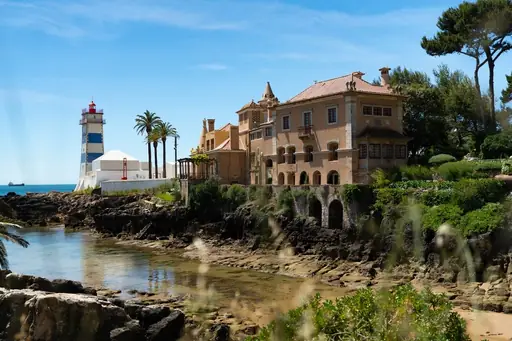
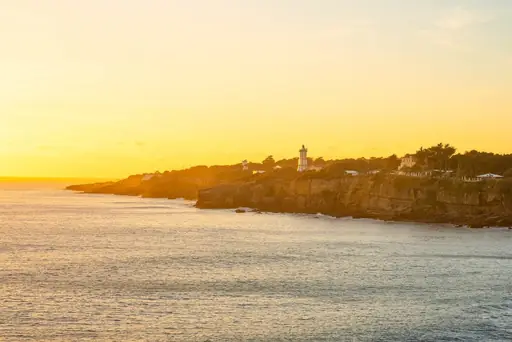
Locals squeeze in a surf session at Carcavelos before logging on. The coastal train reaches central Lisbon in about 40 minutes. A seaside bike path runs to the cliffs at Boca do Inferno. Expat families have long settled here, so English is widely spoken. Sunny cafés line the old fishing harbour.
City in Portugal
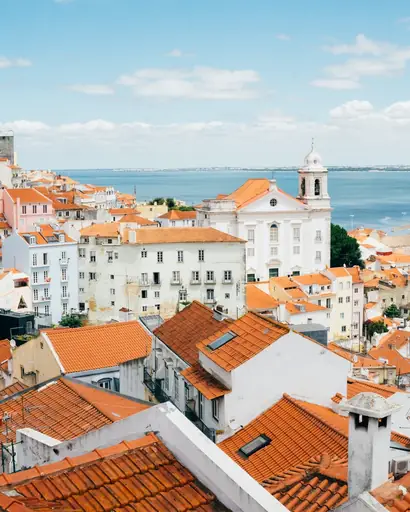
Lisbon
Sun-soaked streets and rich history
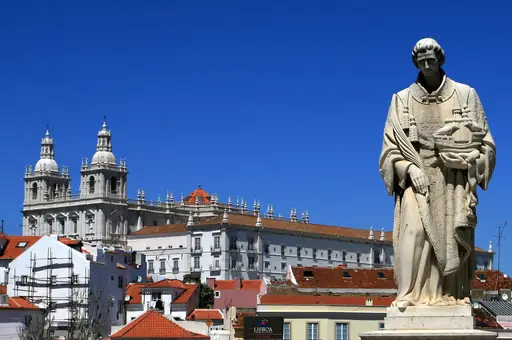
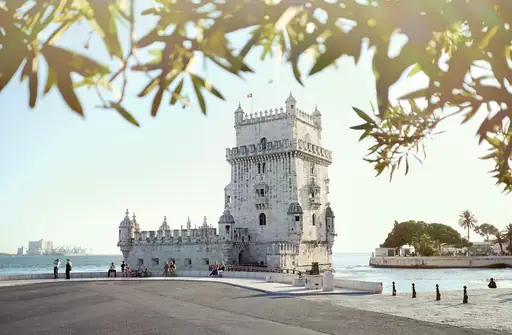
Web Summit, a huge tech conference, moved here from Dublin in 2016. It helped turn the city into a startup hub. Portugal's D8 visa, launched in 2022, targets remote workers. Coworking spaces fill old warehouses in Marvila and Beato. The Hub Criativo do Beato fills an old army food factory.
City in Spain
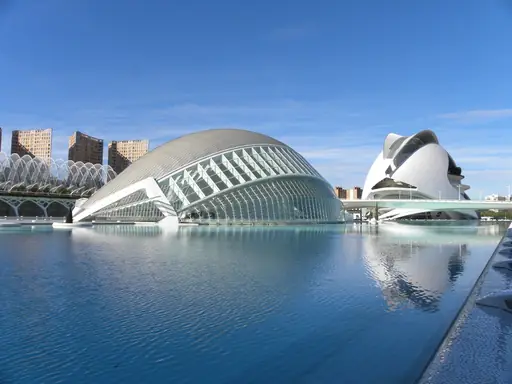
Valencia
Sunlit Shores and Rich Culture
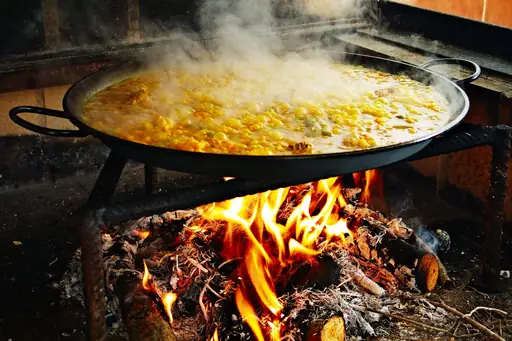
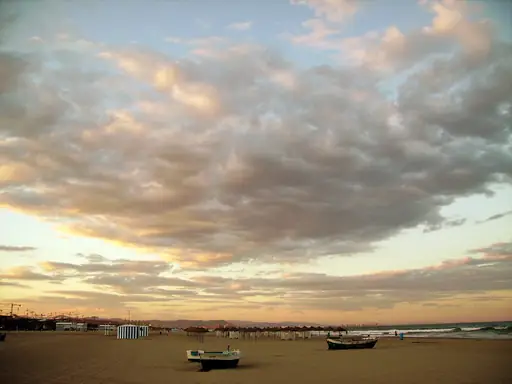
Paella sizzles in wide pans at restaurants along Malvarrosa Beach. The dish was born in the rice fields just south of town. Rents run lower than in Madrid or Barcelona. The Turia Gardens, a 9 km park in an old riverbed, make bike commutes easy. The city gets about 300 sunny days a year.
City in Italy
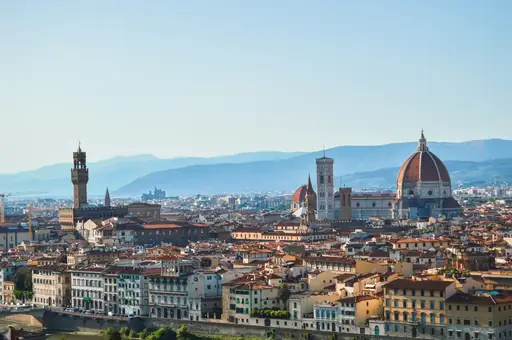
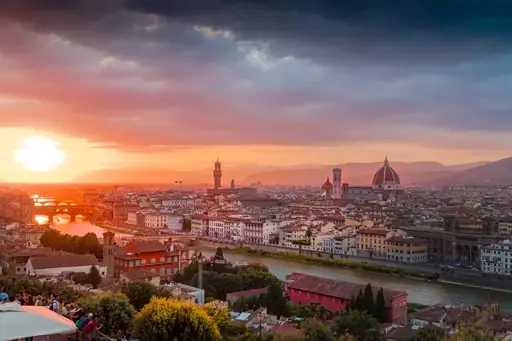
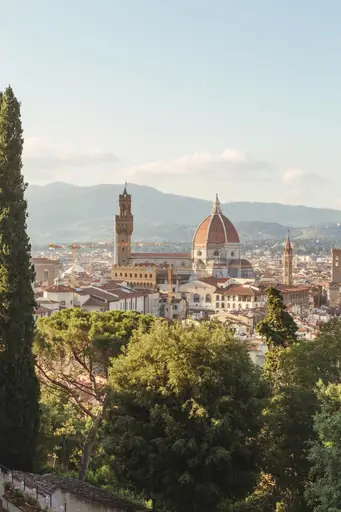
Florence
The cradle of the Renaissance
Church bells ring over the terracotta roofs around Piazza Santo Spirito. Its cafés and wine bars draw students and freelancers alike. The compact centre is easy to cross on foot. High speed trains reach Rome in about 90 minutes. Weekend trips lead to Chianti vineyards and the Tuscan coast.
Other lists you may like

Discover
Top digital nomad destinations and remote work hubs in 2026
Working from anywhere in the world sounds simple until you actually try it and the best digital nomad destinations look different depending on what kind of remote worker you are.…
Read more

Discover
Top digital nomad destinations and remote work hubs in Africa
Africa is not always the first continent people think of for remote work, but a growing number of cities are proving that it deserves a place on the list. Coastal towns with a…
Read more
Discover
Top digital nomad destinations and remote work hubs in Asia
Asia has quietly become one of the most popular continents for remote work, and it is easy to see why once you look past the obvious hubs. Some remote workers gravitate toward…
Read more

Discover
Top digital nomad destinations and remote work hubs in North America
North America gives remote workers a strong mix of reliable infrastructure and genuine variety, from busy coastal cities to small mountain towns. Some remote workers want a big…
Read more

Discover
Top digital nomad destinations and remote work hubs in Oceania
Oceania asks remote workers to plan around long flights and tricky time zones, but for many the lifestyle on offer makes it worth the extra effort. Some nomads are drawn to laid…
Read more

Discover
Top digital nomad destinations and remote work hubs in South America
South America has become a real draw for remote workers looking for lower costs without giving up city comforts or a strong sense of community. Some nomads head straight for the…
Read more
What other users say about travelfilters
“travelfilters made it easy for me to find ski areas and compare what else they offer, so that I could find the best place for my personal travel style.”

Chris
Snowboarding & Onsen trip to Japan
“I love how transparent the data feels. There is no pushy upsell, just honest information and settings I can tune to my own travel style.”

Maria
After booking her 2027 winter escape
“The level of detail for each destination and how well those are displayed, make planning feel confident instead of overwhelming.”

Mina
Planned a week in New York City
“We used travelfilters for our planning from start to end. The trip turned out even better than expected, thanks to all their tools and customisation options.”

Allan & Etienne
Trip to Japan to see autumn foliage
“Thanks to travelfilters, I found some hidden gems to see. Being able to filter for exactly your interests is a game changer for my travel planning.”

Michael
Tour through the old cities of Northern Italy
“The customizable filters helped me find a quiet beach town with good wifi and low season crowds in under five minutes.”

Diego
Weekend Escape to Llanes, Spain
“The airport connection map saved me hours by showing good flight options from my home airport to lesser-known cities.”

Nguyen
Planning a 2027 trip to France
“The website is clean, fast and focused on the search itself, which makes travelfilters feel more like a professional tool than an ad-heavy booking site.”

Hassan
Christmas Market trip, Germany
