
Best destinations to visit in September in Africa
Best destinations to visit in September in Africa
September remains a strong month for East African safaris, while other parts of the continent shift from winter into spring.
The wildebeest migration is often still crossing the Mara River early in the month, giving wildlife watchers one more good window before the herds move on. Southern safari regions stay in their dry season too, with strong wildlife viewing as the season nears its end. South Africa's Namaqualand region also bursts into wildflower bloom around this time, drawing visitors for a display that only lasts a few weeks each year. Cape Town and the wider Cape region move out of their rainy winter, with conditions improving steadily through the month. North Africa also becomes noticeably more comfortable, as temperatures ease from the peak of summer.
The destinations on our list for Africa reflect that same shift, from a strong final stretch of safari season to spring's first wildflowers.
Lists by region
Road in South Africa
Garden Route
Scenic vineyards and coastal cliffs
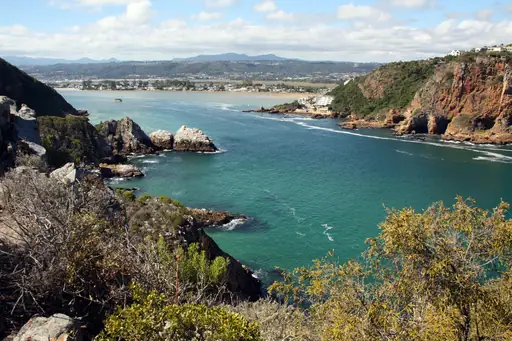
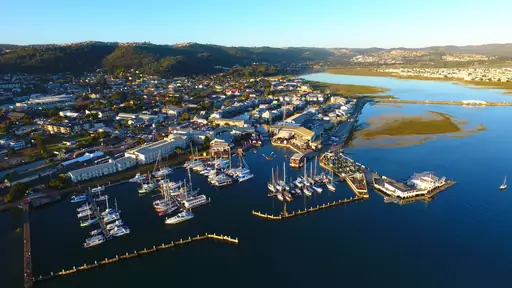
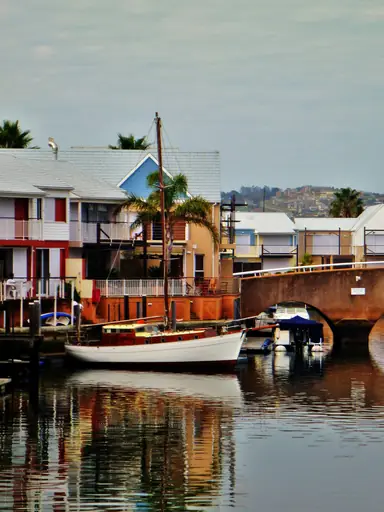
Green, coastal and relaxed, this stretch of South Africa feels like a classic road trip. September is early spring with whales close to shore at Plettenberg Bay and mild days near 20 degrees Celsius. Forest walks in Tsitsikamma and cruises on Knysna lagoon are quiet before summer crowds.

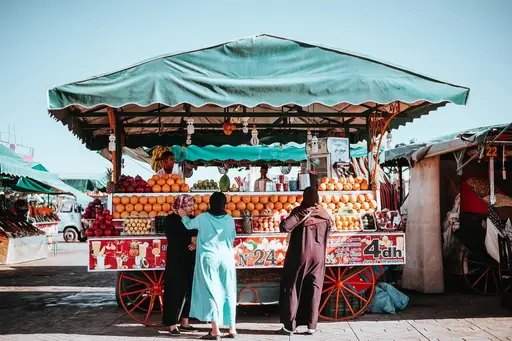
City in Morocco
Marrakech
A vibrant maze of colors and spices
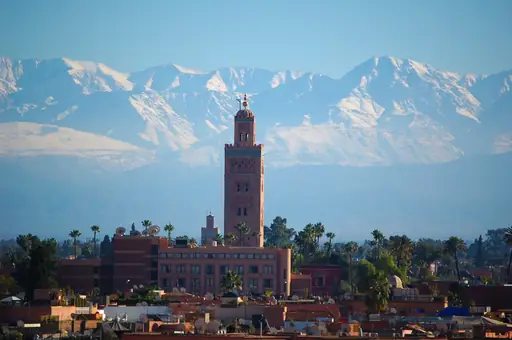
By September the worst of the heat is over, with highs easing from the low 90s Fahrenheit towards the high 80s, so shaded alleys are more bearable. In the evening Jemaa el-Fna square is full of food stalls, musicians and storytellers while rooftop terraces have views of the Koutoubia minaret at sunset.

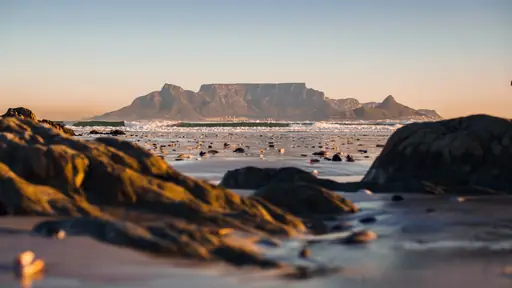
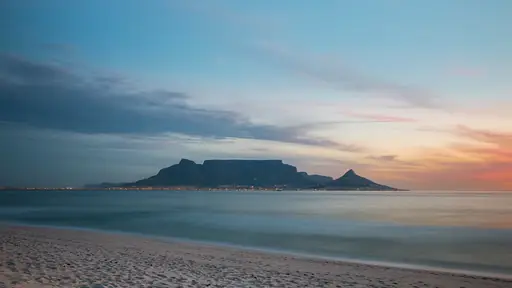
City in South Africa
Cape Town
Mountains, Beaches and a Vibrant Culture
Dutch traders founded the city in 1652 as a supply stop for ships sailing to Asia, with flat topped Table Mountain rising behind the harbour. September is early spring so the hiking trails up Table Mountain are cool while wildflowers bloom at Kirstenbosch Botanical Garden and southern right whales swim close to shore.
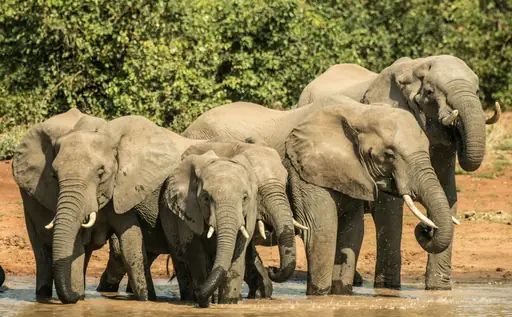
National Park in South Africa
Kruger National Park
Where Africa's Big Five Roam Free
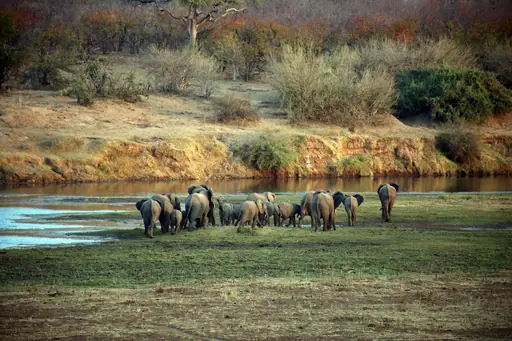
Gates open at dawn and close at dusk so visitors start early and rest at camp at midday. September is dry and warm, with thin bush and animals gathering at rivers and waterholes. Lions, leopards, rhinos, elephants and buffalo all live in the park, which is almost as big as Wales.
National Park in Kenya
Lake Nakuru National Park
Vibrant wildlife and crater lake horizons
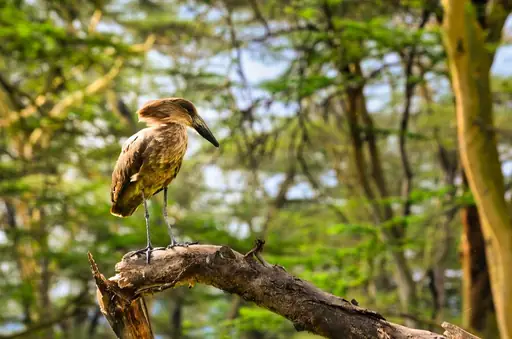
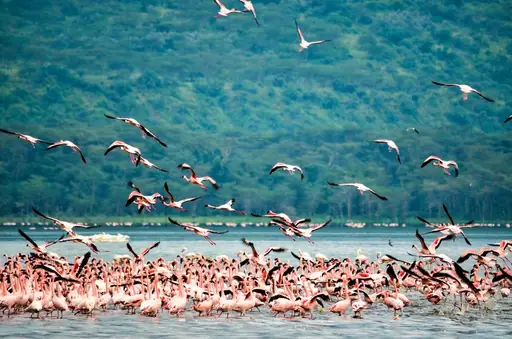
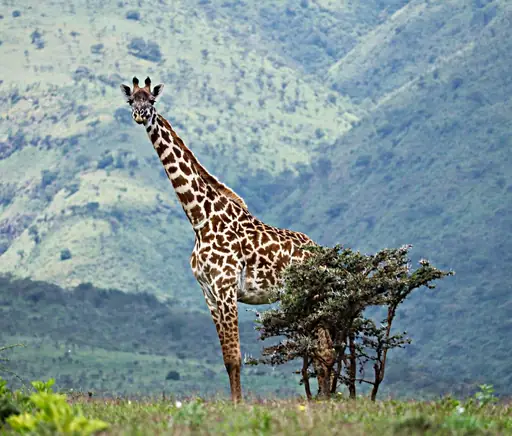
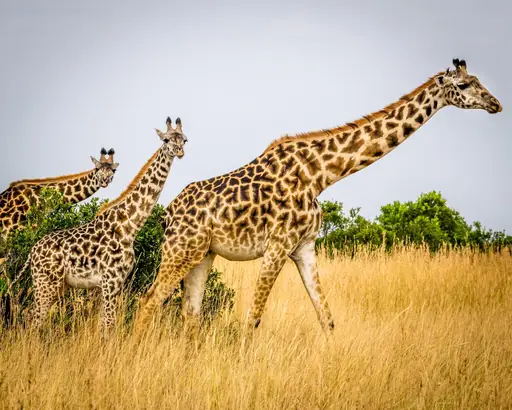
Smaller than the Mara and Serengeti, this park is easy to cover in a day around a shallow lake. September is dry and flamingos crowd the shore in pink groups though numbers change with the water level. The park is also a rhino sanctuary with white rhinos, black rhinos and Rothschild's giraffes.

Country
Mauritius
Tropical Bliss in the Indian Ocean
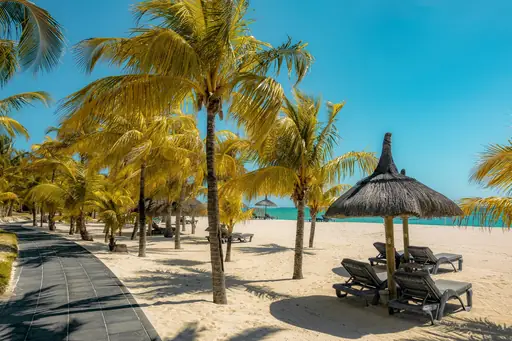
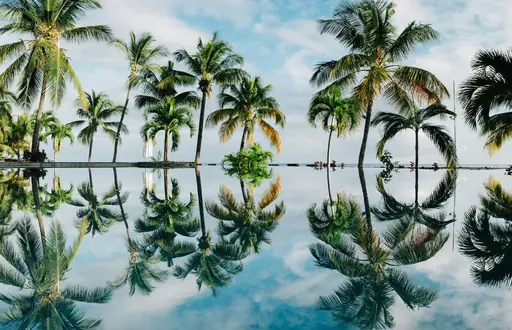
Sitting in the Indian Ocean east of Madagascar, this volcanic island is ringed by coral reef and calm lagoons. September is dry and mild at about 25 degrees Celsius with clear water for snorkelling. Le Morne Brabant rises 556 metres above the lagoon and Black River Gorges National Park has waterfalls.
Nature Reserve in Tanzania
Ngorongoro Conservation Area
Nature's Untamed Sanctuary
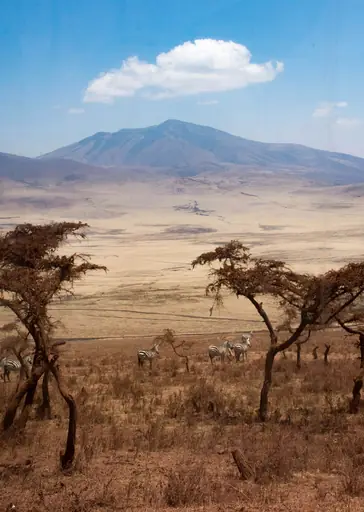
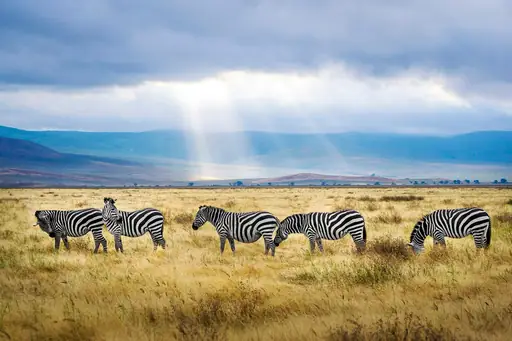
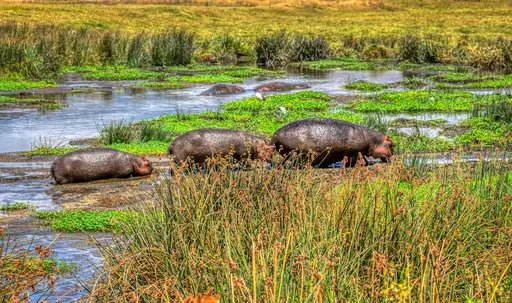
A volcano collapsed here about two to three million years ago and left a crater 600 metres deep. September is dry so hyenas, lions and black rhinos are easy to spot on the open crater floor. Olduvai Gorge nearby is where early human fossils were found.
National Park in Namibia
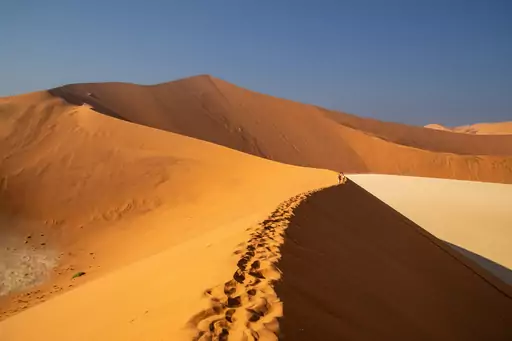
Sossusvlei
Towering red dunes meet white clay
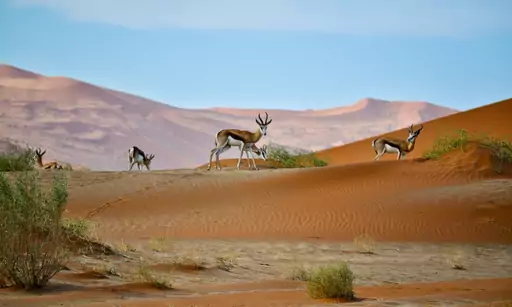
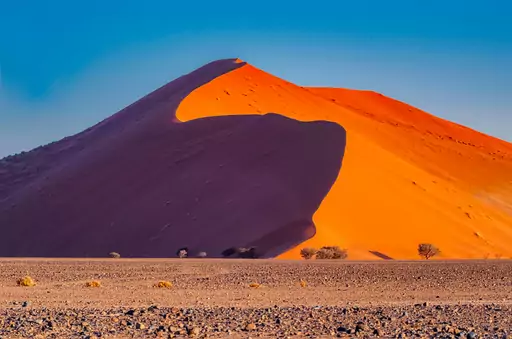
September days reach about 30 degrees Celsius with cool mornings that suit sunrise dune climbs. Dune 45 and Big Daddy are among the tallest dunes here and the red sand glows at first light. Deadvlei is a white clay pan with dead camel thorn trees about 900 years old.
Region in Morocco
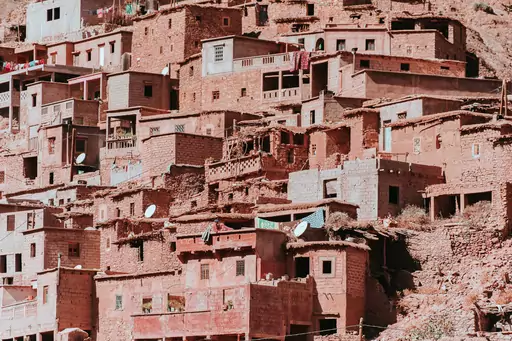
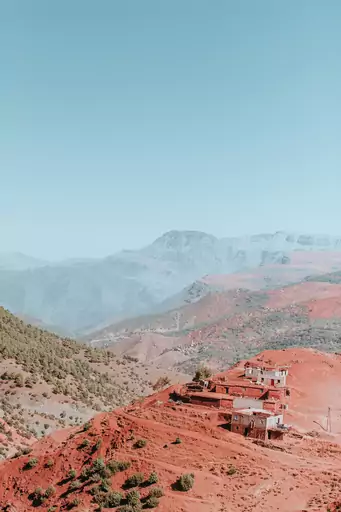
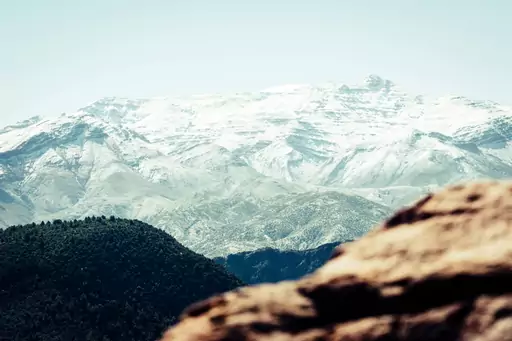
Atlas Mountains
Majestic peaks echo ancient desert horizons
Berber communities have lived in these mountains for centuries, building villages of mud brick and stone. September days are warm and dry in the valleys and cooler near Mount Toubkal, which rises 4,167 metres. Trails from Imlil village lead to walnut groves and guesthouses where hosts serve tagine and mint tea.
National Park in Tanzania
Serengeti National Park
The Ultimate Safari Adventure
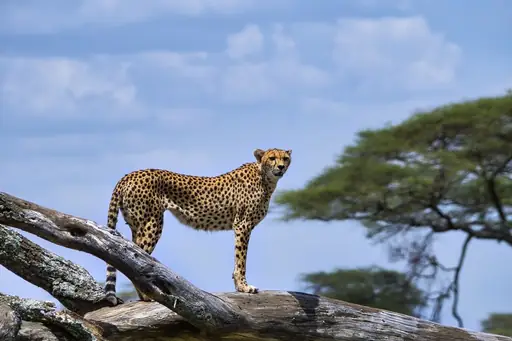
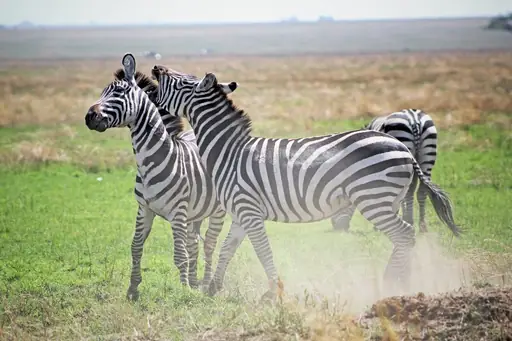
Vast, golden and open, this park has plains that stretch to the horizon under huge skies and dramatic clouds. In September wildebeest herds gather in the north of the park where they cross the Mara River. Lions, cheetahs and leopards follow the herds across more than 14,000 square kilometres.
Country
Seychelles
Tropical paradise with pristine beaches
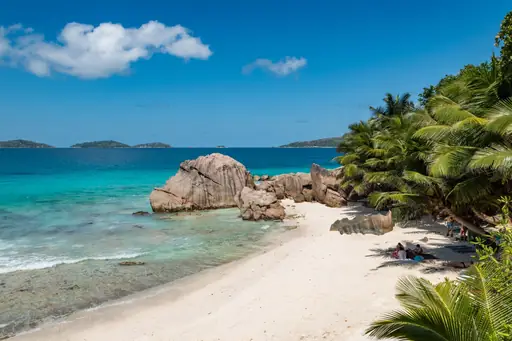
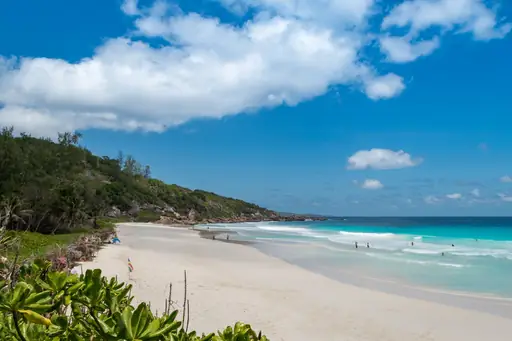
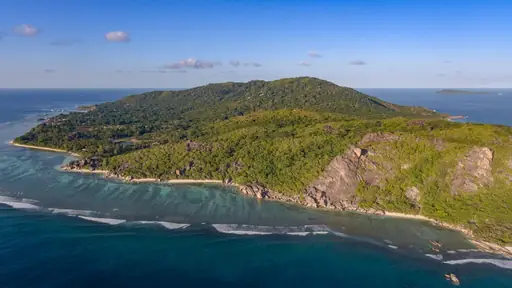
A scattered group of 115 islands in the Indian Ocean, this small country has granite boulders and white beaches. September is dry with steady breezes and sea temperatures near 27 degrees Celsius for easy snorkelling. Ferries link Mahe, Praslin and La Digue, where bicycles replace most cars and beaches stay quiet.
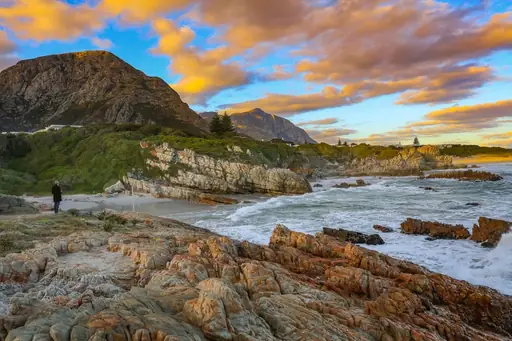
Town in South Africa
Hermanus
Whale Watching and Coastal Wonders
A small seaside town in the Western Cape, this is a top spot for watching whales from land. Southern right whales reach peak numbers in September and the cliff path runs about 12 kilometres along the shore. The Whale Crier blows a kelp horn to show where whales are swimming.
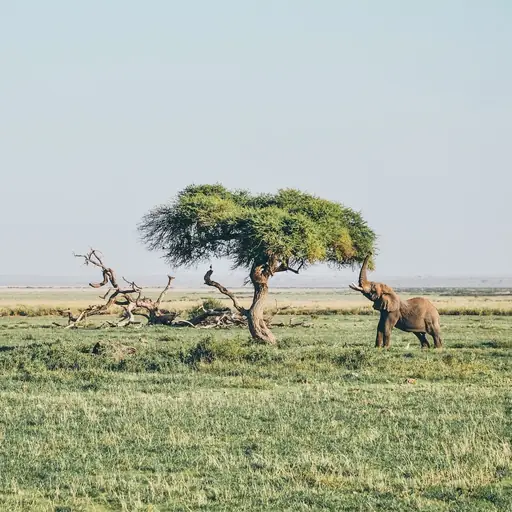
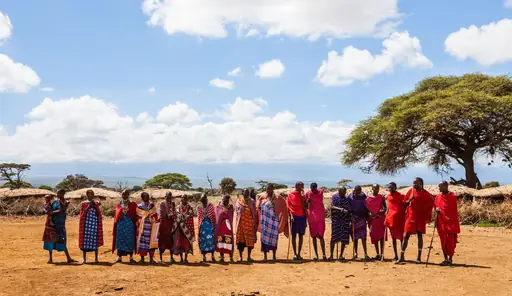
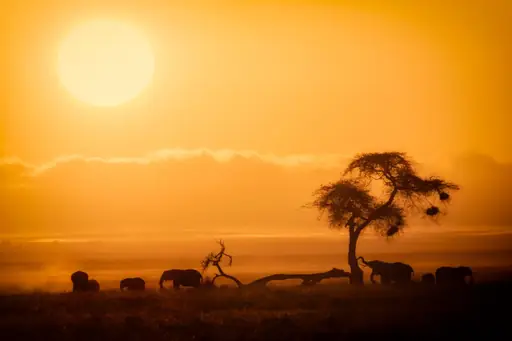
National Park in Kenya
Amboseli National Park
Elephants Against Kilimanjaro's Backdrop
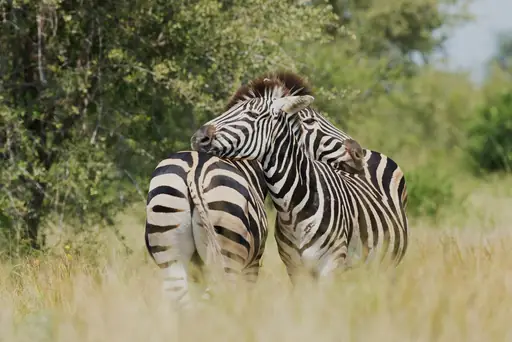
Lying on a dry plain north of Mount Kilimanjaro, this park has swamps fed by water from the mountain. September is dry so elephants, buffalo and zebras gather at the green swamps in large numbers. Observation Hill gives wide views over the swamps with Kilimanjaro behind at dawn.
Nature Reserve in Kenya
Maasai Mara National Reserve
Witness the Great Migration
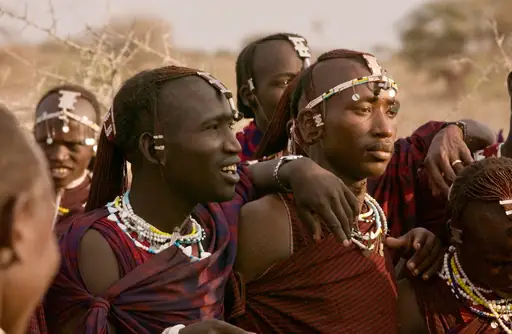
Dust, grunting wildebeest and the thud of hooves are part of the Great Migration, when more than a million wildebeest and zebra are in the Mara from July to October. Crocodiles wait in the Mara River while the herds gather on the bank before a crossing, which can happen at any time of day.
Country
Madagascar
Unique biodiversity meets diverse landscapes
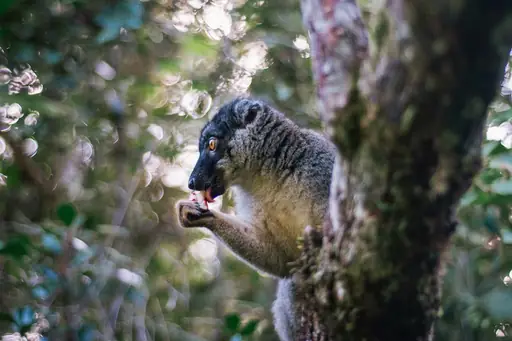
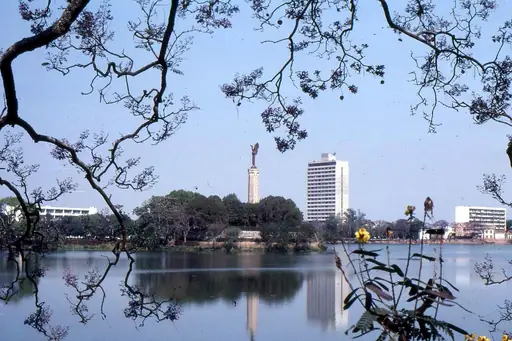
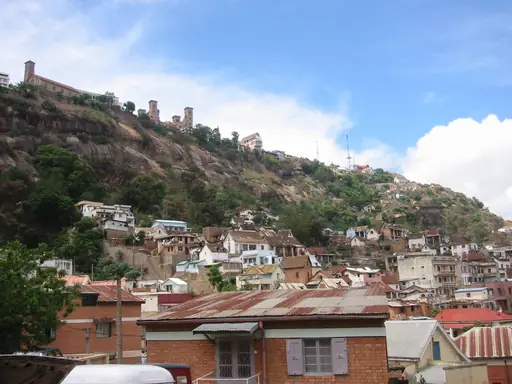
About 250 miles off the coast of Mozambique, the island has been separated from Africa for millions of years, so most of its lemurs, chameleons and baobab trees are found nowhere else. In September walkers in Andasibe see indri lemurs, the largest lemurs, while boats off Sainte Marie Island go out to see humpback whales.
Region in South Africa
Namaqualand
Vibrant desert landscapes and wildlife wonders
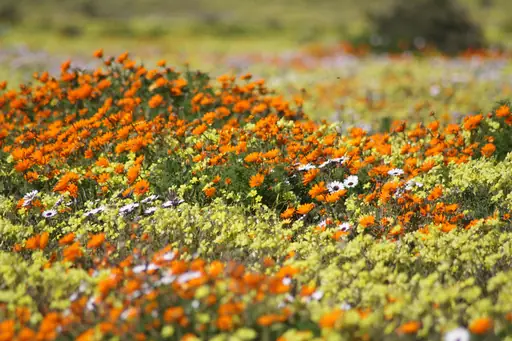
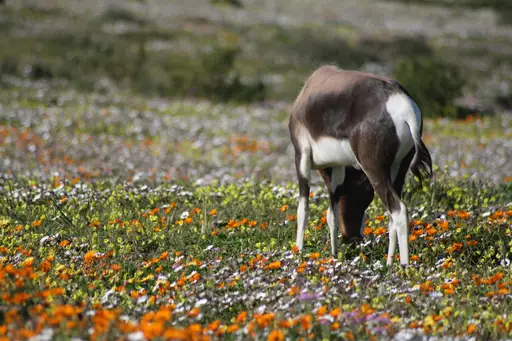
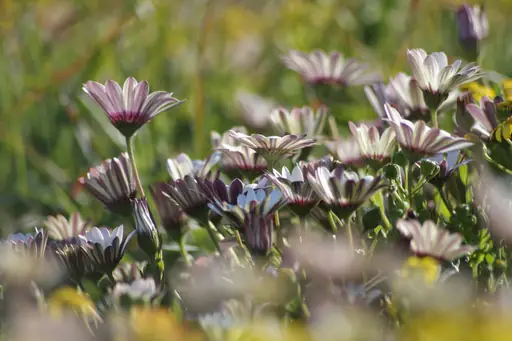
A vast dry region along South Africa's west coast, this area turns into a carpet of flowers each spring. September is the peak month, when millions of daisies open in sunshine and close again in cloud or late afternoon. Namaqua National Park has gravel roads and short trails through fields of orange daisies.
National Park in Tanzania
Tarangire National Park
Elephant Paradise with Baobab Backdrops
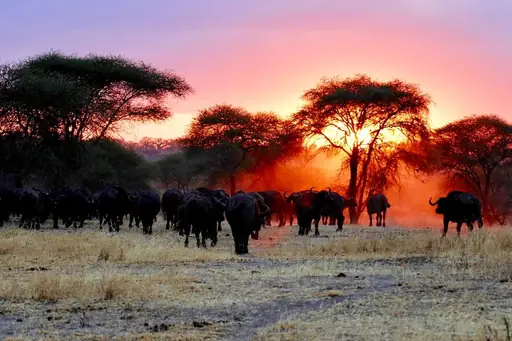
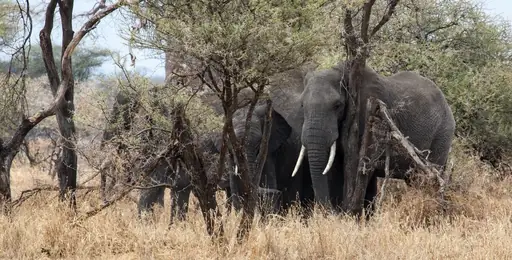
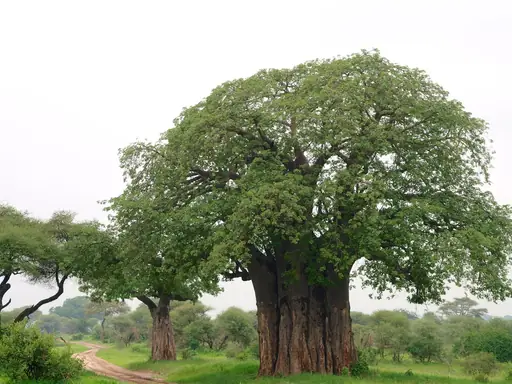
Less visited than the Serengeti, this park is known for huge baobab trees and large elephant herds. In September the Tarangire River is the main water source so elephants, zebras and wildebeest crowd its banks. Termite mounds, baobab groves and more than 500 bird species add variety to game drives.
National Park in Namibia
Etosha National Park
Namibia's Wildlife Sanctuary
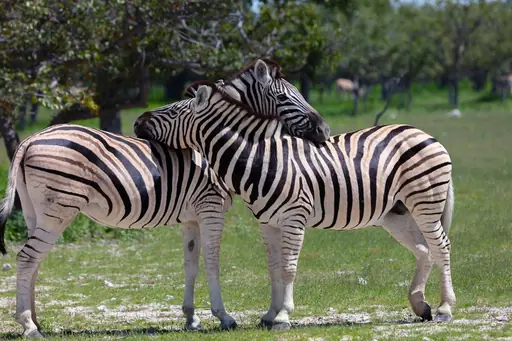
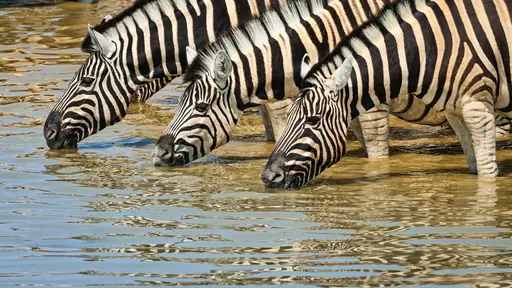
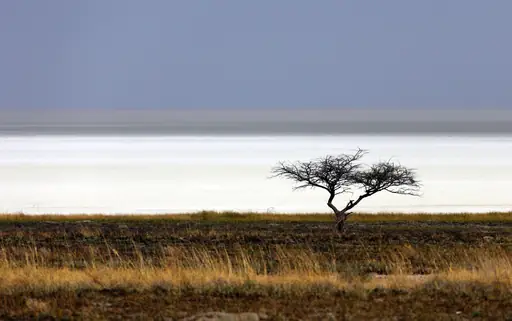
A huge white salt pan, wide enough to be seen from space, is in northern Namibia where animals gather at the waterholes around it in the dry season. At Okaukuejo camp visitors sit on a low wall at a floodlit waterhole to watch black rhinos, lions and elephants drink after dark.
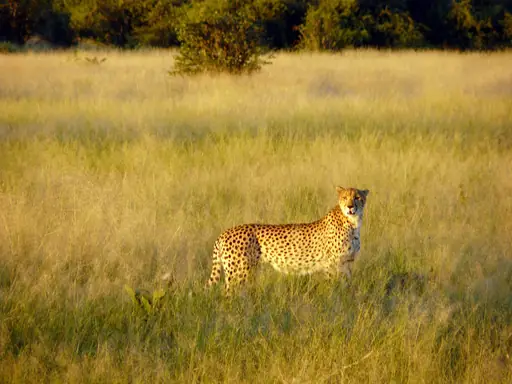
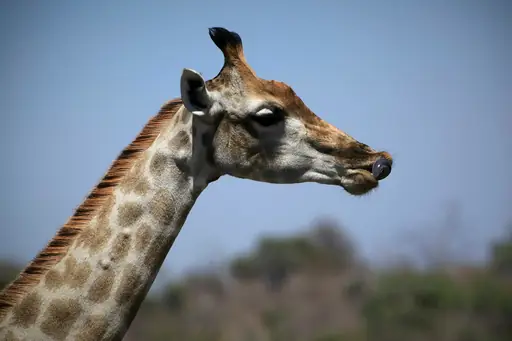
National Park in Botswana
Chobe National Park
Elephant Haven in Botswana
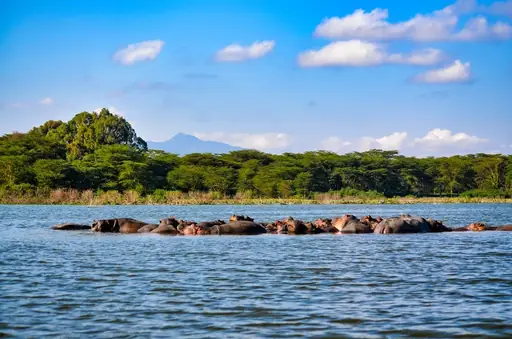
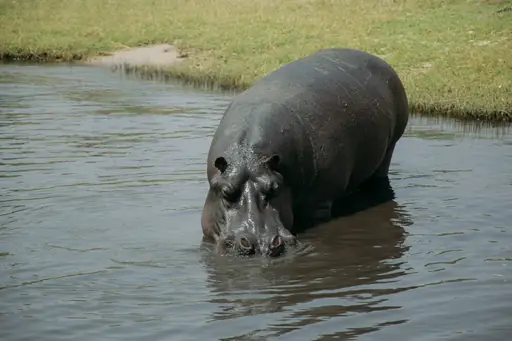
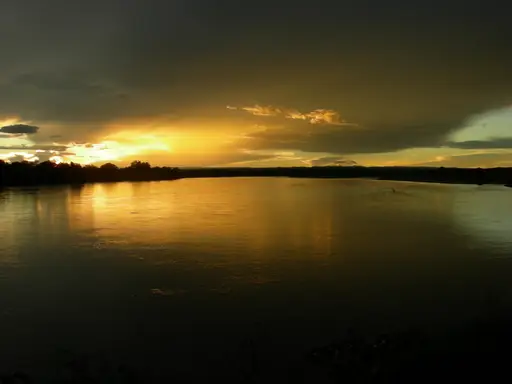
Set up in 1967 along the Chobe River, this park now has one of the largest elephant herds in Africa. September is late in the dry season so elephants and buffalo come to drink at the river each afternoon. Sunset boat trips pass hippos and crocodiles while the light turns the water gold.
National Park in Zimbabwe
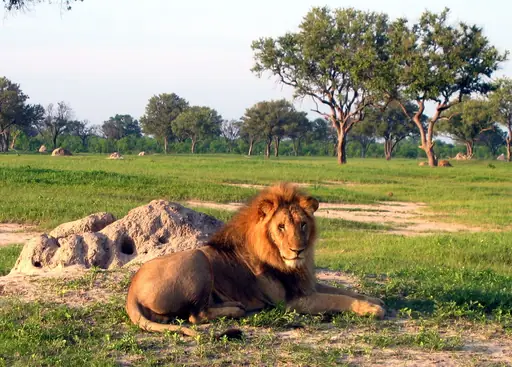
Hwange National Park
Elephant Herds and Wild Horizons
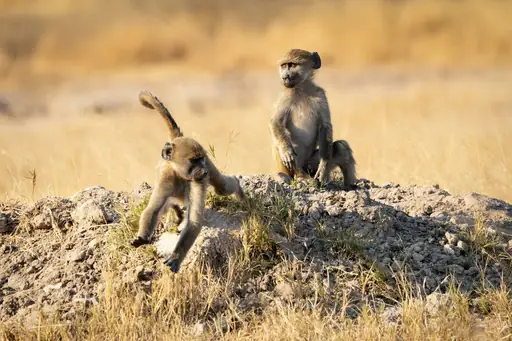
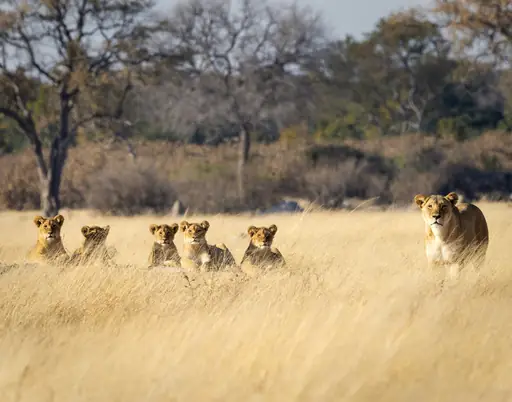
Wild, dry and open, this park in western Zimbabwe feels like classic elephant country with wide grass plains. More than 40,000 elephants live here and September is dry so they gather at pumped waterholes. Viewing platforms at Nyamandlovu Pan and Masuma Dam give close views of buffalo, giraffes and sable antelope.
Nature Reserve in Botswana
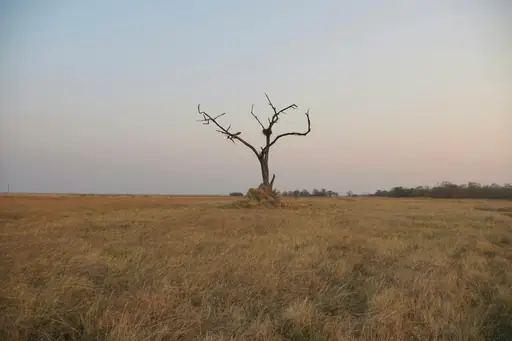
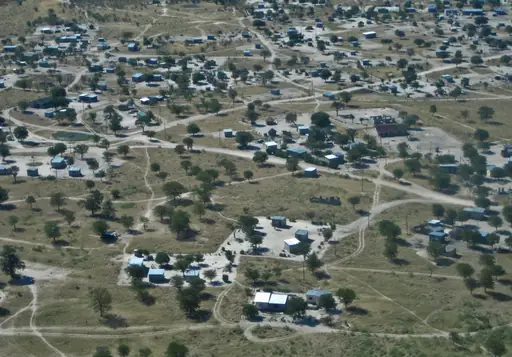
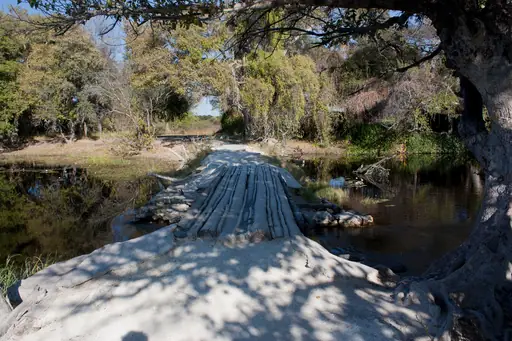
Okavango Delta
Africa’s Uncharted Water Wilderness
Guides pole mokoros, narrow dugout canoes, through papyrus lined channels where hippos, elephants and tiny reed frogs share the water. Floodwater from rain that fell in Angola months earlier is still high in September, so islands are ringed by clear water while elephants wade across the shallows.
National Park in Zambia
South Luangwa National Park
Walking Safaris and Wild Encounters
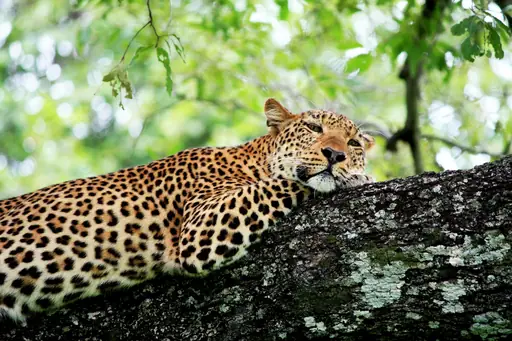
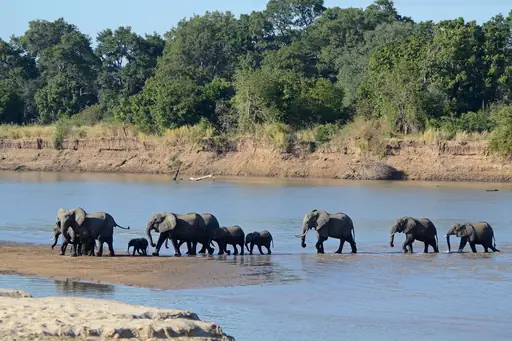
Walking safaris led by a guide and an armed scout are a local tradition in this park. September is hot and dry so hippos, elephants and crocodiles crowd the shrinking river and lagoons. Night drives often find leopards and hyenas while bush camps sit beside the Luangwa River.
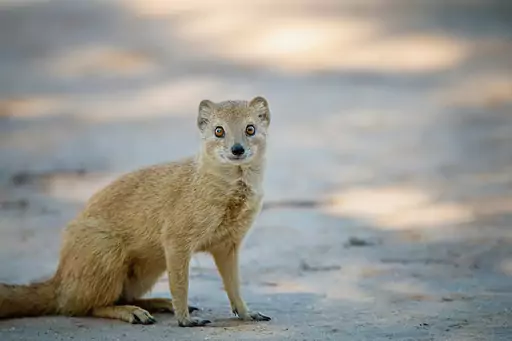
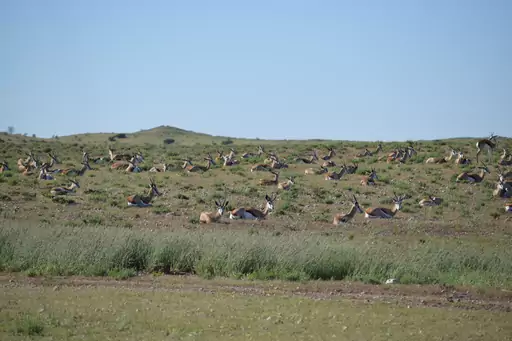
National Park
Kgalagadi Transfrontier Park
Where predators rule the Kalahari
September is near the end of the dry season, when animals gather along the dry riverbeds and waterholes. Black maned Kalahari lions, cheetahs and leopards hunt gemsbok and springbok across red dunes. The park crosses the border of South Africa and Botswana and has remote camps under starry skies.
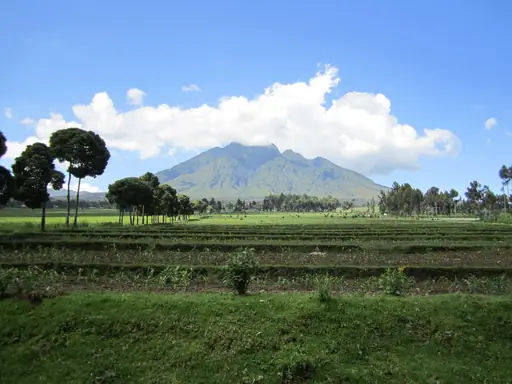
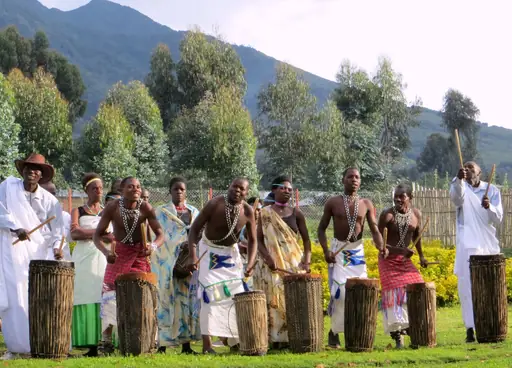
National Park in Rwanda
Volcanoes National Park
Majestic volcanoes rise over misty valleys
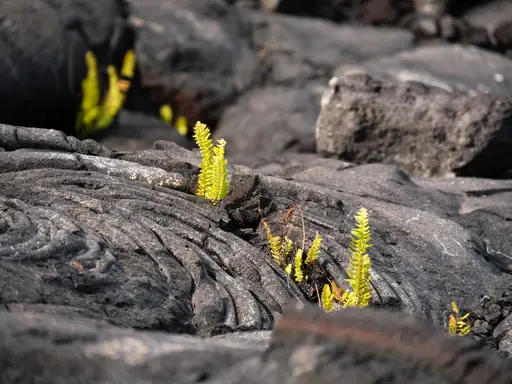
Set high in the Virunga mountains of northwest Rwanda, this park has misty forest, bamboo and five volcanoes. Small groups of up to eight visitors spend one hour with a family of mountain gorillas. September is in the dry season so trails are less muddy and views of the volcanoes are clearer.
Other lists you may like
Discover
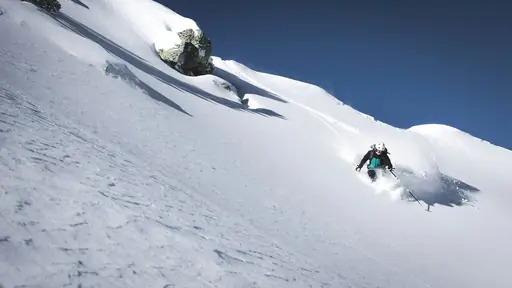
Best winter sports destinations in Europe
Europe is the heartland of alpine skiing culture, with a resort infrastructure and mountain tradition that has been developing for well over a century. The best destinations…
Read more

Discover
Best street art destinations in Africa
Africa's street art scenes have emerged rapidly, with several cities developing mural cultures of genuine international standing that sit at the intersection of local artistic…
Read more
Discover
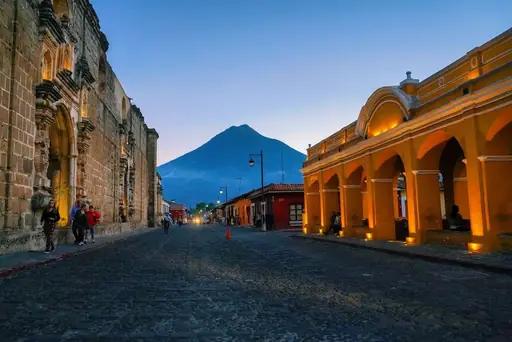
Best slow travel destinations in North America
Rural New England and a culinary region in Mexico offer two very different versions of slow travel, one built around small-town routine, the other around centuries-old culinary and…
Read more

Discover
Best cherry blossom destinations in Africa
Cherry blossoms are a rarity across Africa, limited to a small handful of regions in South Africa, Algeria and Morocco rather than any continent wide tradition. Jacaranda trees are…
Read more

Discover
Most beautiful beaches and coastal escapes
For a lot of people, a beach is the whole point of a holiday, but what makes a beach day perfect really depends on personal taste. Some travellers want isolation and the feeling…
Read more
Discover
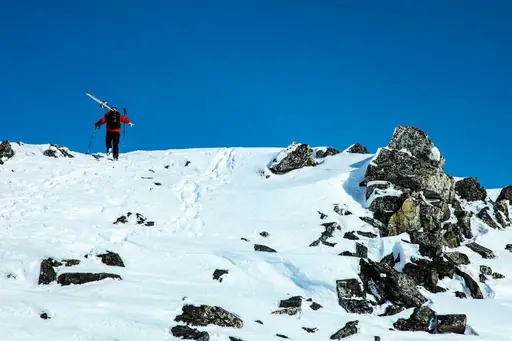
Best winter sports destinations in North America
North America has some of the most varied and celebrated winter sports terrain on earth, with resort cultures on both the east and west coasts that have developed distinct…
Read more
Discover
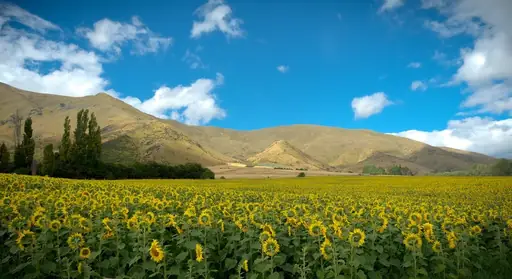
Best slow travel destinations in Oceania
New Zealand's southern regions and the wider Pacific Islands both reward a slower pace, shaped as much by geography and limited transport links as by deliberate choice, with…
Read more
Discover
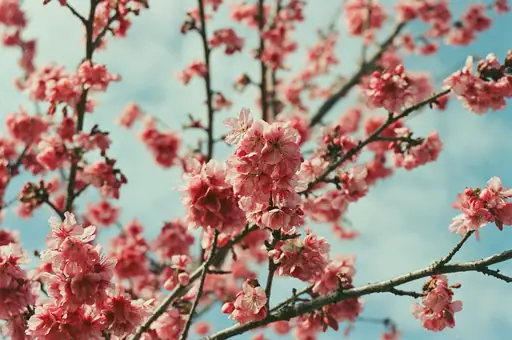
Best cherry blossom destinations in South America
Cherry blossoms are not native to South America, but Japanese immigrant communities have successfully planted Yoshino and other cherry varieties throughout the continent since the…
Read more
What other users say about travelfilters
“travelfilters made it easy for me to find ski areas and compare what else they offer, so that I could find the best place for my personal travel style.”

Chris
Snowboarding & Onsen trip to Japan
“I love how transparent the data feels. There is no pushy upsell, just honest information and settings I can tune to my own travel style.”

Maria
After booking her 2027 winter escape
“The level of detail for each destination and how well those are displayed, make planning feel confident instead of overwhelming.”

Mina
Planned a week in New York City
“We used travelfilters for our planning from start to end. The trip turned out even better than expected, thanks to all their tools and customisation options.”

Allan & Etienne
Trip to Japan to see autumn foliage
“Thanks to travelfilters, I found some hidden gems to see. Being able to filter for exactly your interests is a game changer for my travel planning.”

Michael
Tour through the old cities of Northern Italy
“The customizable filters helped me find a quiet beach town with good wifi and low season crowds in under five minutes.”

Diego
Weekend Escape to Llanes, Spain
“The airport connection map saved me hours by showing good flight options from my home airport to lesser-known cities.”

Nguyen
Planning a 2027 trip to France
“The website is clean, fast and focused on the search itself, which makes travelfilters feel more like a professional tool than an ad-heavy booking site.”

Hassan
Christmas Market trip, Germany
