






Was this page helpful?

These place ratings give you a quick overview of how well a destination matches different types of trips.
‘Best for’ scores:
The specific interest scores show where this place really shines – whether it's ideal for hiking, food & drink experiences, museums or other activities. These highlights help you understand what makes the destination special at a glance.
‘Your personal’ scores:
This reflects how well a place matches your personal preferences. You can adjust the importances of travel topics or other personal requirements categories in your account settings.
‘Suited for’ badges:
These give you a quick overview of how well a destination suits specific types of travellers, to help you find the places that match your lifestyle, preferences or travel situation.
| Power Grid: |
220 V, 50 Hz Plug: Type C , Type E
Type C:
  Read about power adapters |
|---|---|
| Currency: |
Moroccan Dirham (MAD) £1 ≈ MAD 13.11 |
| Cashless info: |
Rating 3/5
Cashless payments are increasingly accepted in Morocco, especially in urban areas and tourist destinations. However, cash is still widely used, particularly in rural areas.
Save with a travel credit card |
| eSIM providers: |
Best value: Saily Flexibility: Airalo Read our in-depth comparison |
| Tipping: | Tipping is customary in Morocco, with a standard of 10-15% in restaurants. Taxi drivers expect small tips, and hotel staff appreciate a few dirhams for their service. |
|---|---|
| Public drinking: | Public drinking is prohibited in Morocco, and it is advisable to consume alcohol in licensed venues such as bars and hotels. |
| Public smoking: | Smoking is allowed in many public areas, including outdoor cafes and restaurants, but may be restricted in some indoor public places. |
| Eid al-Fitr (dates vary) |
A religious celebration marking the end of Ramadan |
|---|---|
| Throne Day (30 July) |
Celebrating the King’s ascension to the throne |
| Emergency contact: | Emergency Numbers: 19 (Police), 177 (Gendarmerie), 15 (Fire, Ambulance) |
|---|---|
| Taxi apps: | Uber, Lyft, Careem |
| Other: | Morocco offers an exciting mix of cultural experiences, historic sites, and natural beauty. Visitors should prepare for heat and the possibility of basic infrastructure outside major cities. |
The best times to travel section shows how the months compare for a visit, so you can find the time of year that fits what you want to do.
Background colours of the months:
The colour shows the typical temperature: yellow (hot), green (mild) and blue (cold). How strong the colour is shows the travel season: full colour means high season, soft colour means shoulder season and soft-striped means off season.
Weather symbols:
Each month has one symbol showing what the weather is typically like, such as hot and sunny, freezing or a rainy or snowy season. Use them to quickly spot months that match the weather you want, or to avoid the ones that don't.
Crowdedness:
The people icon shows how busy the place usually is. The more people, the more crowded it gets.
Additional notes:
The grey info boxes point out special things worth knowing, like recurring weather issues or seasonal events.
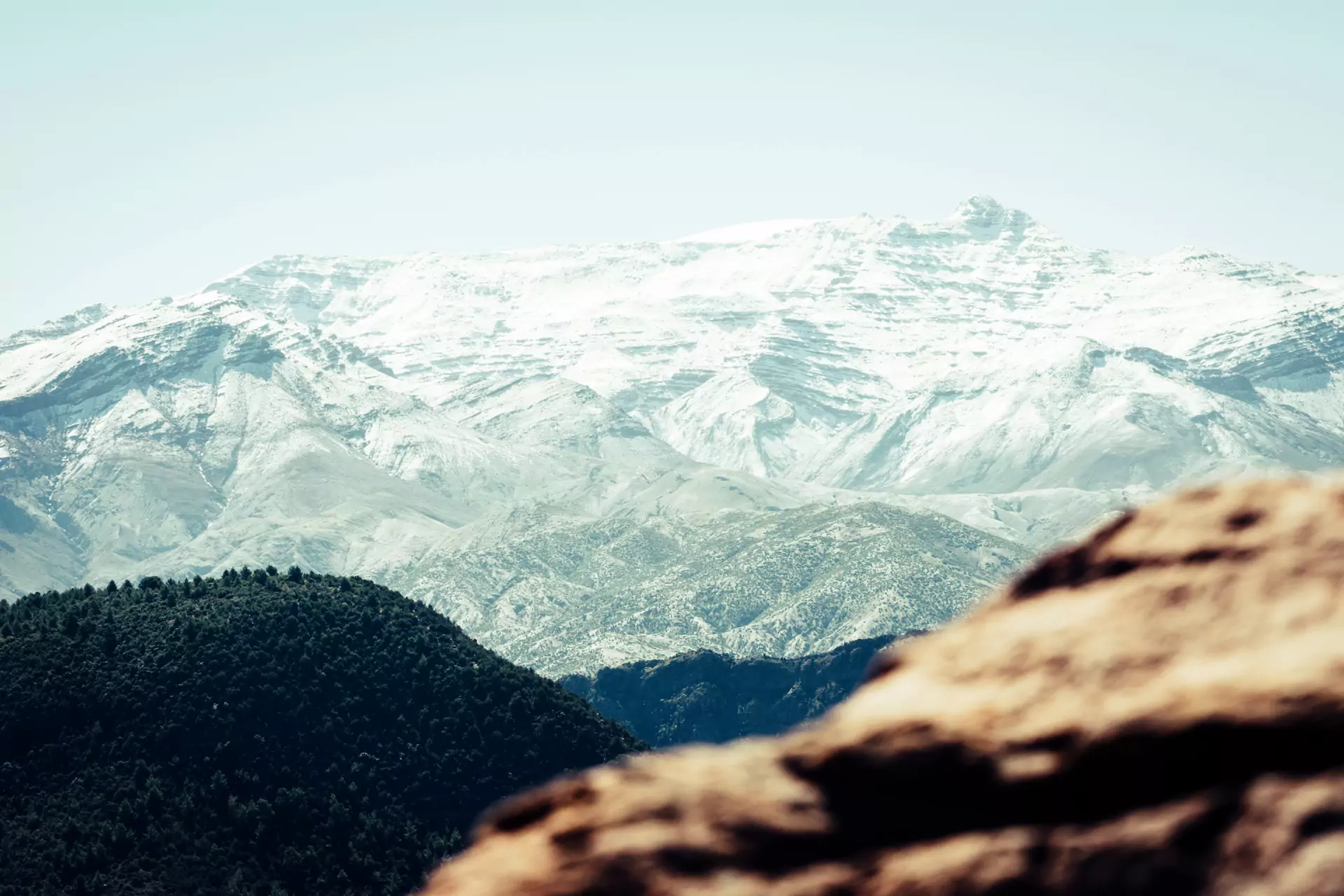
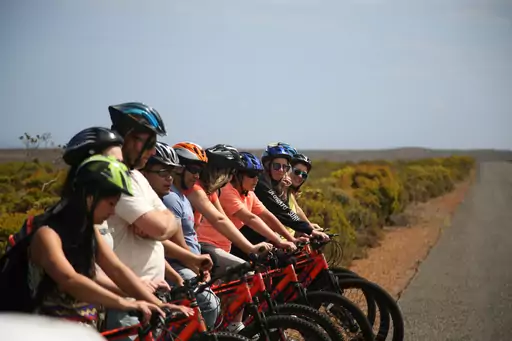
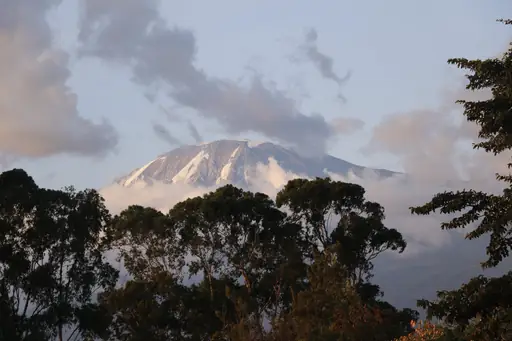
The Atlas Mountains offer a quiet, immersive experience that showcases Morocco’s natural beauty and cultural diversity without the crowds of more commercial destinations. Stretching across the western part of the country, this range provides varied landscapes – from rugged granite peaks to gentle foothills dotted with terraced farms. Visitors can explore traditional Berber villages where local artisans still weave rugs and craft pottery by hand, giving insight into centuries-old customs. Hiking routes are accessible for all skill levels. A moderate trek from Imlil to the summit of Jebel Toubkal, Africa’s highest peak, rewards hikers with panoramic views of the surrounding valleys and a sense of accomplishment that is hard to find in more tourist‑heavy areas. For those preferring gentler walks, the cedar forests near Ouirgane offer shaded paths through ancient trees and opportunities to spot local wildlife such as Barbary macaques. The region’s climate varies by altitude, allowing travelers to experience cool mountain air even during Morocco’s hot summer months. Local hospitality is warm; many guesthouses welcome visitors with homemade couscous and mint tea, providing a taste of authentic Moroccan cuisine in a relaxed setting. Whether you’re seeking solitude, adventure or cultural enrichment, the Atlas Mountains deliver an understated yet memorable journey through one of North Africa’s most compelling landscapes.
The Atlas Mountains in Morocco are accessible via several routes depending on entry point and mode of travel. The primary access is through Marrakech, which connects to mountain roads leading into the High Atlas range. Travelers can reach Marrakech by train from Casablanca or Rabat or by bus from major cities. From Marrakech, a drive or guided tour takes approximately 2–3 hours to reach key towns like Imlil and Oukaïmeden. For those entering via Agadir, routes lead south through Tizi n’Tichka Pass, offering scenic drives into the mountains. Smaller airports in Casablanca and Rabat allow flights to regional hubs such as Marrakech or Ouarzazate, from where car rentals or local transport facilitate mountain access.
The Atlas Mountains offer a spectrum of lodging that ranges from modest guesthouses to luxurious eco‑resorts. Traditional riads and kasbahs provide authentic Moroccan charm, often featuring hand‑woven textiles and courtyard gardens, while newer boutique hotels emphasize modern amenities such as rooftop terraces overlooking the high peaks. For budget travelers, hostels and family-run lodges offer clean rooms at reasonable rates, typically around US$20 – 40 (£14.95 – 29.91) per night. Mid‑range accommodations blend comfort with local décor, offering free Wi‑Fi and communal kitchens. High‑end resorts cater to those seeking spa services, guided treks and panoramic views, with prices starting near US$150 (£112.16) per night. The region is renowned for its rustic mountain stays that combine cultural immersion with scenic tranquility.
We calculate the average costs when travelling to destinations and compare those with the living costs at your home. With this you can get an estimate of how expensive or cheap the destination is for you.
To customise this, you can set up which location and price level are used for the calculations in your account settings.
The exchange rate price factor shows how expensive or cheap a currency currently is compared to its historical average. It's a quick way to see if a country is currently more or less affordable due to exchange rate changes.
Log in to add this place to a travel list and get a summary of all recommended items for your whole trip.
