












Was this page helpful?

These place ratings give you a quick overview of how well a destination matches different types of trips.
‘Best for’ scores:
The specific interest scores show where this place really shines – whether it's ideal for hiking, food & drink experiences, museums or other activities. These highlights help you understand what makes the destination special at a glance.
‘Your personal’ scores:
This reflects how well a place matches your personal preferences. You can adjust the importances of travel topics or other personal requirements categories in your account settings.
‘Suited for’ badges:
These give you a quick overview of how well a destination suits specific types of travellers, to help you find the places that match your lifestyle, preferences or travel situation.
| Power Grid: |
230 V, 50 Hz Plug: Type M
Type M:
 Read about power adapters |
|---|---|
| Currency: |
South African Rand (ZAR) £1 ≈ ZAR 22.10 |
| Cashless info: |
Rating 5/5
Cashless payments are widely accepted in South Africa, and credit cards are commonly used in most establishments.
Save with a travel credit card |
| eSIM providers: |
Best value: Saily Flexibility: Airalo Read our in-depth comparison |
| Tipping: | Tipping is customary in South Africa, with 10-15% being the standard in restaurants. Small tips for taxis and hotel staff are also appreciated. |
|---|---|
| Public drinking: | Public drinking is allowed in designated areas, including parks and beaches. However, it is generally prohibited in public spaces like streets. |
| Public smoking: | Smoking is prohibited in indoor public spaces and some outdoor areas. Designated smoking zones are available in certain locations. |
| Freedom Day (27 April) |
Celebrates South Africa's first democratic elections |
|---|---|
| Christmas (25 December) |
A major festive holiday in the country |
| Emergency contact: | Emergency Numbers: 10111 (Police), 10177 (Ambulance), 112 (from mobile phones) |
|---|---|
| Taxi apps: | Bolt, Uber |
| Other: | South Africa is famous for its wildlife, beautiful landscapes, and rich cultural diversity. It offers a wide range of travel experiences from safaris to coastal adventures. |
The best times to travel section shows how the months compare for a visit, so you can find the time of year that fits what you want to do.
Background colours of the months:
The colour shows the typical temperature: yellow (hot), green (mild) and blue (cold). How strong the colour is shows the travel season: full colour means high season, soft colour means shoulder season and soft-striped means off season.
Weather symbols:
Each month has one symbol showing what the weather is typically like, such as hot and sunny, freezing or a rainy or snowy season. Use them to quickly spot months that match the weather you want, or to avoid the ones that don't.
Crowdedness:
The people icon shows how busy the place usually is. The more people, the more crowded it gets.
Additional notes:
The grey info boxes point out special things worth knowing, like recurring weather issues or seasonal events.
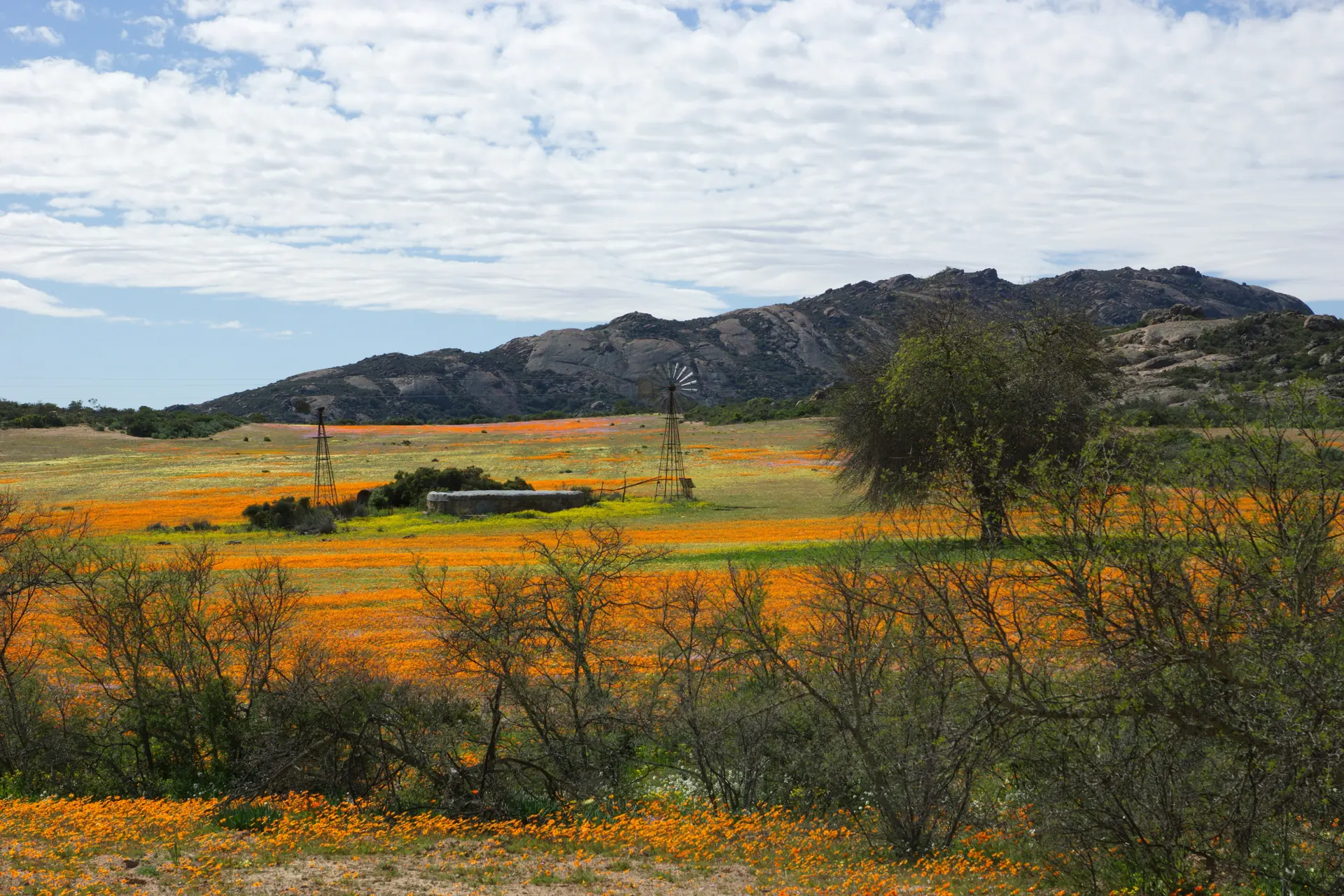
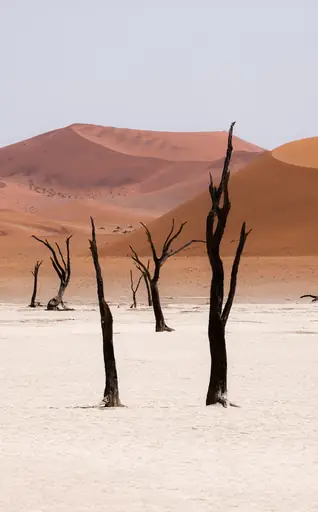
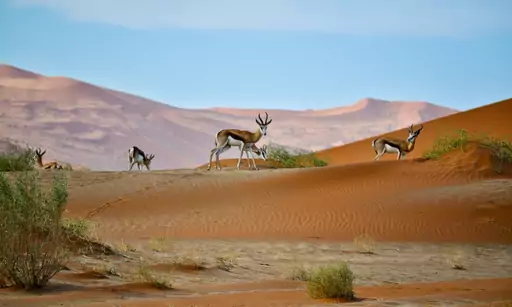
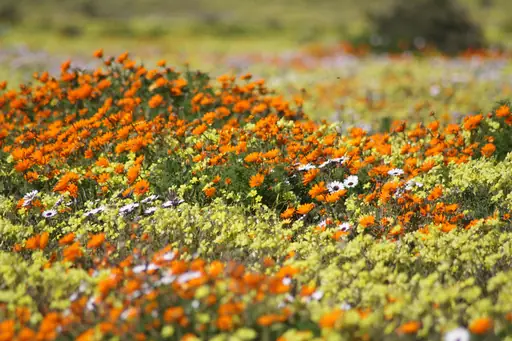
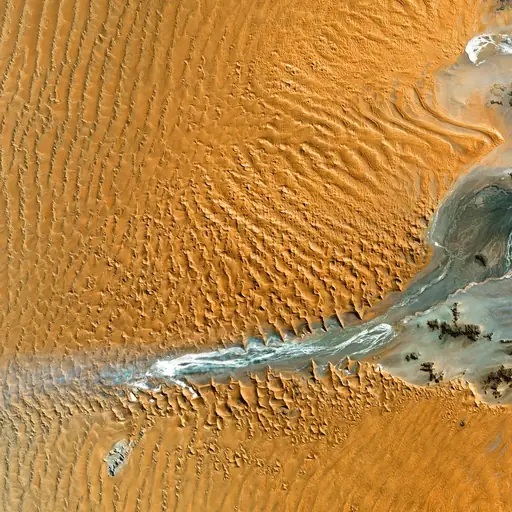
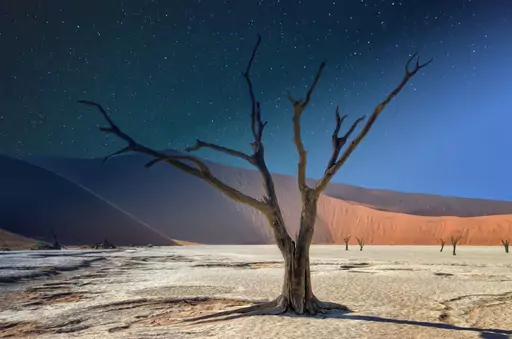
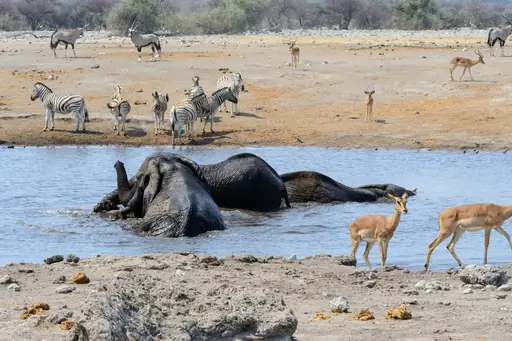
Namaqualand, located in the northwestern part of Namibia, offers a unique blend of natural beauty and cultural heritage that appeals to travelers seeking an authentic experience. The region is best known for its spectacular wildflower displays that bloom after the rainy season, painting the desert landscape with vibrant hues of purple, yellow and white. Visitors can witness this phenomenon from late August through October, when the arid plains transform into a living canvas. Beyond the flowers, Namaqualand’s rugged terrain provides excellent opportunities for outdoor activities such as hiking, birdwatching and photography. The area is home to diverse wildlife, including springbok, ostriches and various antelope species, which can be observed in their natural habitat without the crowds found in more popular national parks. The local Nama people have a rich cultural tradition that visitors can explore through community tours, craft markets and storytelling sessions. These interactions offer insight into traditional practices, music and cuisine, allowing travelers to connect with the region’s heritage on a personal level. For those interested in sustainable tourism, many accommodations in Namaqualand are operated by local families or eco-friendly lodges that prioritize conservation and community development. This ensures that your visit contributes positively to both the environment and the livelihoods of residents.
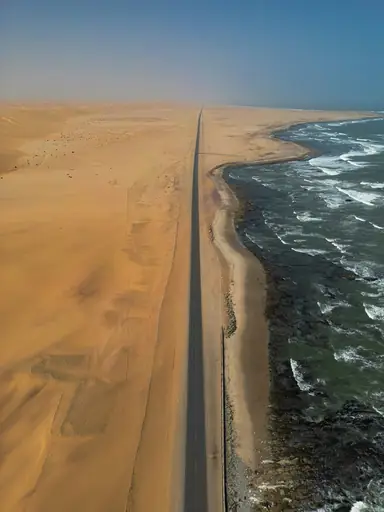
Namibia’s Namaqualand region is accessible primarily by road, with well-maintained highways connecting major towns like Upington and Keetmanshoop to the broader national network. The nearest international gateway is Upington Airport (UPG), located about 100 km north of Namaqualand, offering domestic flights from Windhoek or Johannesburg. For travelers driving, the region is reachable via the N7 highway from the north or the C2 road from the west. Public transport options include shared shuttles and buses operating between Windhoek and Keetmanshoop, with limited services directly into remote areas of Namaqualand. The rugged terrain requires a 4x4 vehicle for certain routes, particularly during the dry season when unpaved roads may be challenging.
Namaqualand offers a mix of rustic farm stays and boutique eco‑lodges that cater to both budget travelers and those seeking luxury. Many guesthouses are family‑run, featuring traditional Cape Dutch architecture with comfortable rooms and homemade meals. The region’s remote desert landscapes attract high‑end safari camps offering private tents, plunge pools and stargazing experiences. For a more affordable option, hostels and self‑contained cabins near the towns of Springbok or Gamsberg provide basic amenities while still allowing easy access to wildflower viewing trails. Seasonal festivals often bring pop‑up accommodations such as canvas yurts and glamping pods, showcasing the area’s reputation for innovative, nature‑centric lodging.
We calculate the average costs when travelling to destinations and compare those with the living costs at your home. With this you can get an estimate of how expensive or cheap the destination is for you.
To customise this, you can set up which location and price level are used for the calculations in your account settings.
The exchange rate price factor shows how expensive or cheap a currency currently is compared to its historical average. It's a quick way to see if a country is currently more or less affordable due to exchange rate changes.
Log in to add this place to a travel list and get a summary of all recommended items for your whole trip.
