



Europe › France › Provence

Provence

Scroll
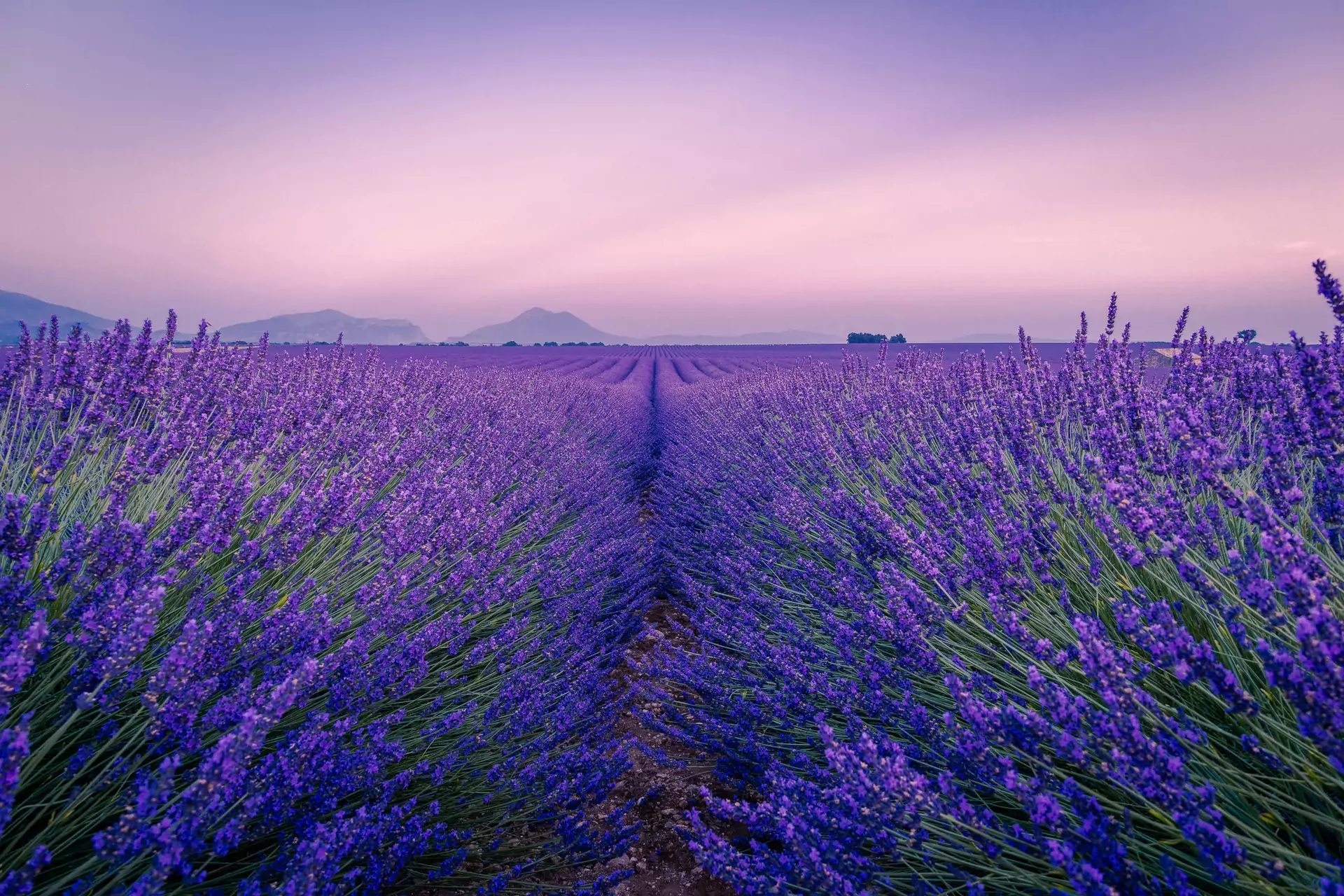
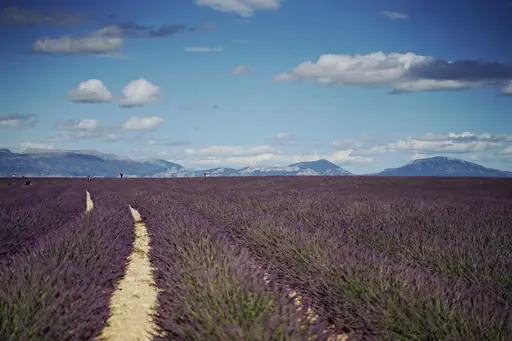
Sunlit lavender fields and historic villages

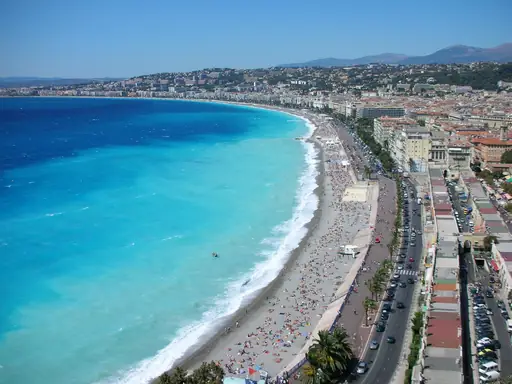
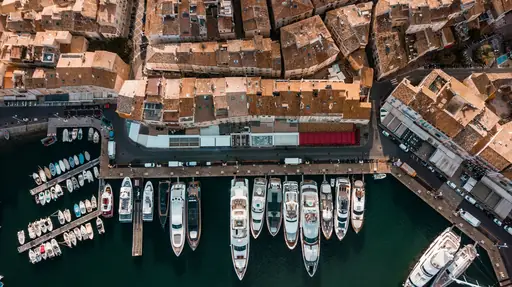
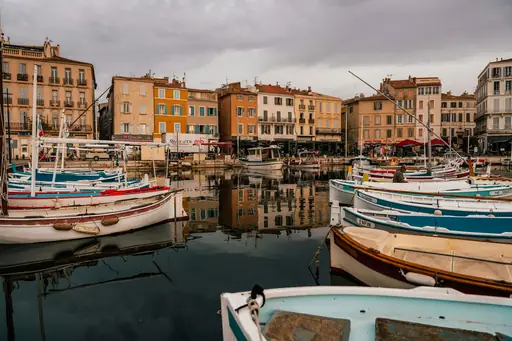
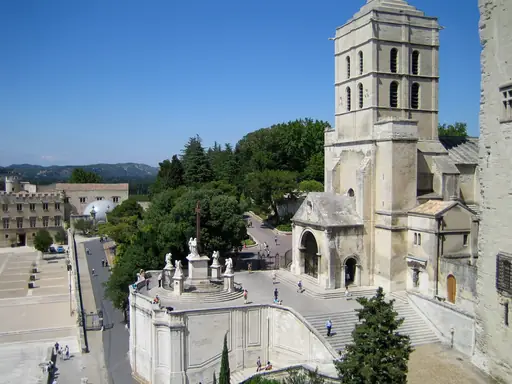
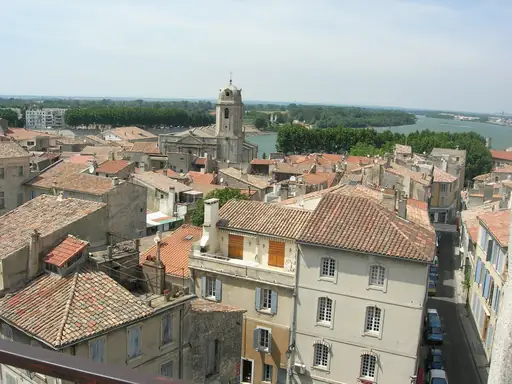
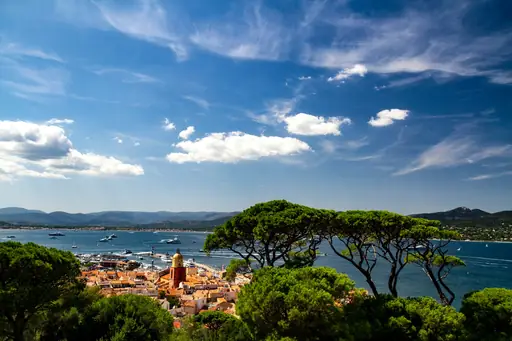
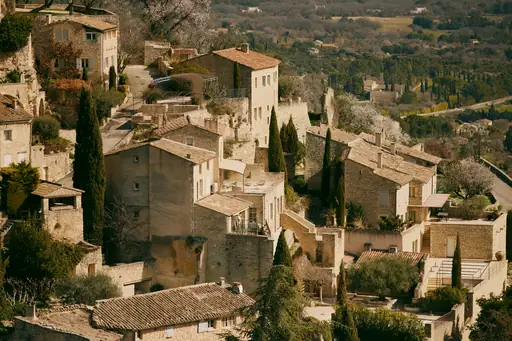
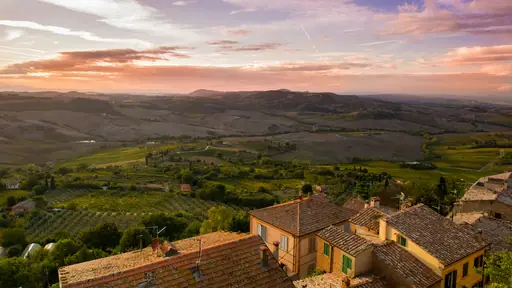
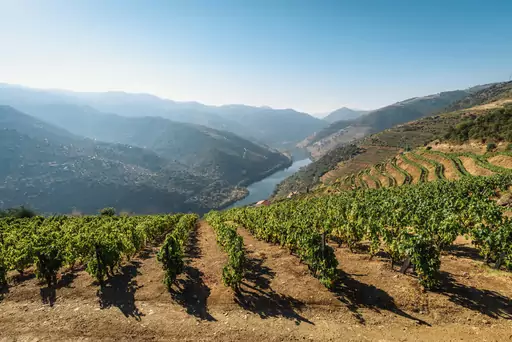
Provence in France is a region of rolling lavender fields and sunlit villages along the Mediterranean coast. The landscape features rugged hills, vineyards and olive groves that stretch toward small towns with stone houses and colorful markets. Local cuisine highlights fresh herbs, ripe tomatoes, olives and regional cheeses. History echoes through ancient Roman ruins and medieval churches. Markets in Avignon or Arles showcase seasonal produce alongside handmade crafts. The area balances quiet countryside life with vibrant cultural events throughout the year.

Region in France
Climate zone: Mediterranean

Mediterranean: Mid-latitude climates with hot, dry summers and mild, wet winters, typical of coastal regions around the Mediterranean Basin.

See climate table
Price level: $$$
$Cheap
$$Medium
$$$Expensive, upscale
$$$+Very expensive, luxury
See price details
Safety: 7.9
General Safety:8
Health & medical:8
Accessibility:6
Tap water:9
Read details
Tourist English: 3/5
In Provence, most locals speak basic English, especially in towns and tourist spots. However, outside major cities, communication improves with simple phrases; learning a few French greetings helps greatly.
Last update: 12 Oct 2026
* We earn a commission from some links on this page.
Provence Summary

These place ratings give you a quick overview of how well a destination matches different types of trips.

‘Best for’ scores:
The specific interest scores show where this place really shines – whether it's ideal for hiking, food & drink experiences, museums or other activities. These highlights help you understand what makes the destination special at a glance.

‘Your personal’ scores:
This reflects how well a place matches your personal preferences. You can adjust the importances of travel topics or other personal requirements categories in your account settings.

‘Suited for’ badges:
These give you a quick overview of how well a destination suits specific types of travellers, to help you find the places that match your lifestyle, preferences or travel situation.

Read how our scores work
World-class for countryside landscapes and food culture. Drive through lavender fields, visit hilltop villages, explore local markets and enjoy wine and regional cuisine.
Place score
8.6
Best at:
Cosy towns
9
Historic sites
9
Natural sites
9
Flowers
9
Cycling
9
Personal score
?
Log in to see how this place matches your personal travel interests.
Suited for
👶 8
Families
🧓 7
Seniors
❤️ 9
Couples
🛡️ 7
Travel Beginners
France – Quick facts
Power Grid: 230 V, 50 Hz
Plug: Type C , Type E
Type C:
Diagram of a Type C power plug
Type E:
Diagram of a Type E power plug

Read about power adapters
Currency: Euro (EUR)
£1 ≈ €1.19
Cashless info: Rating 5/5
Cashless payments are widely accepted, especially in cities and tourist areas.

Save with a travel credit card
eSIM providers: Best value: Saily
Flexibility: Airalo
Read our in-depth comparison
Tipping: Tipping is optional but appreciated in restaurants (5-10%) and for exceptional service.
Public drinking: Public drinking is allowed in designated areas, but restrictions apply in some cities.
Public smoking: Smoking is banned in indoor public spaces but common in outdoor cafes.
Bastille Day
(July)
Parades and fireworks occur nationwide.
Easter
(March/April)
Cultural celebrations and closures.
Christmas
(December)
Markets and festive events.
Emergency contact: Emergency Numbers: 112 (EU emergency), 15 (Ambulance), 17 (Police), 18 (Fire)
Taxi apps: Uber, Bolt, Heetch
Other: France offers diverse experiences, from art and culture to nature and cuisine. Be cautious in crowded areas.
Best times to travel

The best times to travel section shows how the months compare for a visit, so you can find the time of year that fits what you want to do.

Background colours of the months:
The colour shows the typical temperature: yellow (hot), green (mild) and blue (cold). How strong the colour is shows the travel season: full colour means high season, soft colour means shoulder season and soft-striped means off season.

Weather symbols:
Each month has one symbol showing what the weather is typically like, such as hot and sunny, freezing or a rainy or snowy season. Use them to quickly spot months that match the weather you want, or to avoid the ones that don't.

Crowdedness:
The people icon shows how busy the place usually is. The more people, the more crowded it gets.

Additional notes:
The grey info boxes point out special things worth knowing, like recurring weather issues or seasonal events.

for Provence, France
☁️
Jan
🌥️
Feb
🌤️
Mar
🌤️
Apr
🌦️
May
🌦️
Jun
🌤️
Jul
☀️
Aug
☀️
Sep
🌤️
Oct
🌥️
Nov
🌥️
Dec
High season: May - Sep.
Shoulder season: April, Oct.
Crowdedness: 7 (Many tourists)
Tap on a month for more info Hover over a month for more info
Lavender blooms late June to late July, peak around early July, harvest mostly done by early August
Many hotels, restaurants and attractions in villages and on the coast close November to March
Strong mistral winds can blow any time of year, especially winter and spring, clear skies but cold and gusty

Why travel to Provence?

Provence offers a balanced blend of natural beauty, cultural heritage and culinary delight that appeals to travelers seeking both relaxation and enrichment. The region’s rolling hills, lavender fields and vineyards provide picturesque landscapes without the crowds found in more famous European destinations. Small villages such as Gordes and Roussillon showcase traditional stone architecture and narrow streets, inviting leisurely exploration. History is woven into everyday life: Roman ruins at Arles, medieval churches in Avignon and the Palais des Papes remain accessible to visitors who prefer a quiet pace over grandiose tours. Local markets – like those in Aix-en‑Marseille or the weekly stalls in Uzès – offer fresh produce, cheeses and regional specialties such as bouillabaisse and tapenade, allowing guests to taste Provence’s culinary traditions firsthand. Outdoor activities are plentiful yet approachable: cycling along the Rhône Valley, hiking in the Luberon hills or strolling through the vineyards of Châteauneuf-du-Pape. The Mediterranean coast, with its calm waters and sandy beaches, provides a contrasting setting for those who wish to combine inland charm with seaside relaxation. Overall, Provence’s combination of modest tourist infrastructure, authentic local experiences and varied landscapes makes it an inviting destination for travelers looking to immerse themselves in the everyday rhythms of southern France.

Knowledge before you go

  • Arrive early for lavender fields; crowds peak around noon.
  • Rent a bike to explore villages, but be prepared for narrow, cobblestone streets and occasional steep climbs.
  • Use local markets on Wednesdays and Saturdays for fresh produce, but avoid the Sunday rush when stalls close early.
  • Learn basic French phrases; locals appreciate effort and it enhances interactions at small cafés and artisan shops.

How to travel to Provence

Travel to Provence, France, can be achieved via several regional airports, including Marseille Provence Airport and Nice Côte d’Azur Airport, both offering domestic and international flights. High-speed trains connect major cities like Paris, Lyon and Avignon to Aix-en-Provence or Avignon TGV stations, with journey times ranging from 2.5 to 3 hours. The French rail network (SNCF) provides frequent regional services to smaller towns in Provence. For road access, highways such as the A51 link Paris to Marseille, while the A9 connects to the Spanish border via Montpellier. Buses operated by companies like Flixbus serve urban and rural areas across the region.

Access summary

  • From Marseille Provence Airport (MRS): Train to Aix-en-Provence (30–45 min).
  • From Nice Côte d'Azur Airport (NCE): Bus to Avignon (2–3 hours).
  • By train from Lyon Part-Dieu: 1.5–2 hours to Arles.

Where to stay in Provence

Provence offers a spectrum of lodging that ranges from rustic farm stays to luxury châteaux. Rural gîtes and agritourism farms provide authentic countryside experiences with local produce and spacious terraces overlooking lavender fields or vineyards. In towns like Avignon and Aix‑en‑Provence, boutique hotels blend historic architecture with modern amenities, often featuring rooftop terraces and spa services. The region’s famed “château” accommodations offer grand rooms, private gardens and sometimes wine cellars for tasting. For budget travelers, well-appointed hostels and self-catering apartments in smaller villages provide comfortable stays at reasonable rates. Seasonal demand spikes during the summer and festival periods, so early booking is advisable to secure preferred options.

How to get around Provence

To explore Provence, France, by land, the most efficient method is via train or rental car. The TGV (high-speed train) connects major cities like Marseille, Avignon and Aix-en-Provence to Paris in under 3 hours, offering comfort and speed. Regional trains (TER) cover smaller towns and villages, ideal for scenic routes through lavender fields and vineyards. For flexibility, renting a car allows access to rural areas such as the Luberon or Alpilles, where narrow roads and picturesque hamlets are best experienced up close. Bus networks exist but are less frequent; consider them for short urban hops. Parking is available in most towns, though city centers may have restrictions – plan accordingly.
Budget snapshot
Costs compared to home

We calculate the average costs when travelling to destinations and compare those with the living costs at your home. With this you can get an estimate of how expensive or cheap the destination is for you.

To customise this, you can set up which location and price level are used for the calculations in your account settings.

+2 %
Daily expenses in the region are around 2% higher than the average across United States. That means you'll spend around the same on meals and getting around.
Exchange rate trend

The exchange rate price factor shows how expensive or cheap a currency currently is compared to its historical average. It's a quick way to see if a country is currently more or less affordable due to exchange rate changes.

-3 %
Your exchange rate (GBP to EUR) is 3% better than in recent years. That means travelling now costs around the same compared to the past.

Travel costs

To help you plan your trip, we provide estimated daily costs per person (when travelling as a pair) for different travel styles. These numbers give you an idea of what you might spend each day at this destination, including accommodation, food, transport and activities.

Additionally, we also provide average hotel costs for different travel styles to give you an estimate for the accommodation only.

Please note that these are only estimates. The real costs depend on booking times, season and other factors.

Daily cost summary

Travel style categories explained:

Backpacker:
Staying in hostels or budget hotels, cooking your own meals or eating cheap and choosing low-cost activities.

Mid-range:
Staying in mid-range hotels, eating at a mix of restaurants and casual spots and enjoying a variety of activities.

Luxury:
Staying in luxury hotels, dining out at high-end restaurants and enjoying premium experiences without worrying about the price.

Backpacker Mid-range Luxury
💵 Total costs per day, including accommodation
£63
£131
£370
🏨 Accommodation per night, per person
£26
£53
£120
🍝 Food per day
£32
£69
£208
🚕 Transportation per day
£6
£9
£42
Food & Drink
🍽️ Restaurant Dinner, per person
£23
🍛 Lunch Set, per person
£14
🍟 Fast food combo
£9
🍝 Preparing your own food, per day
£11
☕ Cappuccino
£2.90
🍺 Beer in a restaurant, 0.5 l
£6.50
Transportation
🚌 Public transport ticket
£1.15
🚕 Taxi Ride, 10 km / 6 mi
£26
⛽ Petrol, 1 l
£1.60
Other
🎞️ Cinema ticket
£11.50
👩‍⚕️ Doctor's consult
£21
🤧 Cold medication
£6
💇 Basic haircut
£14

Safety information overview

General safety
8
Provence remains one of France’s safest regions, with low crime rates and a strong police presence in towns and tourist spots. Travelers should stay vigilant against pickpocketing in crowded markets, avoid isolated rural roads at night and follow local advisories for peace of mind.
Health & Medical
8
Provence offers top‑tier medical care with world‑class hospitals and specialists throughout the region. Clean air, Mediterranean diet and low pollution enhance recovery. Travelers should stay hydrated, use sunscreen and be aware of limited emergency services in remote villages.
Accessi­bility
6
Provence offers mixed accessibility: many historic towns have uneven cobblestones, but newer hotels and train stations are generally wheelchair‑friendly with ramps and elevators. Public transport is reliable, yet some rural villages lack accessible signage or lifts – plan ahead.
Tap water
9
Tap water in Provence is consistently safe, clean and well‑regulated, meeting EU standards with a pleasant mineral profile. Public fountains and refill stations are plentiful in towns and villages, making hydration convenient for travelers and locals alike.

Packing recommendations for Provence

Log in to add this place to a travel list and get a summary of all recommended items for your whole trip.

Looking for inspiration?

Discover
Intimate escapes and romantic getaways
The most memorable trips for couples tend to have less to do with luxury and more to do with the quality of shared experience. A place that slows you down, removes the usual…
Read more
Discover
Best castle destinations in Europe
Europe contains the world's greatest concentration of castle and fortress architecture, with surviving structures ranging from the Norman tower keeps and Crusader citadels of the…
Read more
Discover
Best travel destinations for food allergies in Europe
Europe is one of the more manageable continents for allergy conscious travelers, thanks to strict food labeling rules that apply across the entire European Union. Restaurants…
Read more
Discover
Top cosy towns and quaint villages
Some towns have an atmosphere that's hard to manufacture deliberately: scale, architecture and a pace of life that makes a short visit feel unusually restorative. The best of them…
Read more
Discover
Best travel destinations for food allergies
Travelling with a food allergy adds a layer of planning most people never have to think about and the right destination can make that planning a lot easier. Some travellers…
Read more
Discover
Best destinations to visit in September in Europe
September is widely considered one of Europe's best travel months, holding onto summer warmth while losing most of the peak season crowds. Southern Europe stays warm enough for…
Read more
Discover
Best wine destinations in Europe
Europe contains the world's most established wine producing regions, with centuries of accumulated knowledge about which varieties, soils and microclimates produce the most…
Read more
Discover
Best van travel destinations
Van travel rewards destinations with genuinely good road networks, scenic variety within reasonable driving distance and enough infrastructure, such as campsites, fuel and…
Read more
Discover
Best van travel destinations in Europe
The classic campervan culture that shaped much of Europe's road-trip identity is still very much alive, particularly along coastal loop routes in the north and fjord roads further…
Read more
Discover
Top digital nomad destinations and remote work hubs in Europe
Europe offers remote workers a level of infrastructure that is hard to beat, along with enough cultural variety to keep even a long stay interesting. City based nomads can hop…
Read more
Discover
Top castle destinations and historic fortresses
Castle travel spans an enormous range of surviving structures, from the intact hilltop fortresses and walled palace complexes that have been continuously inhabited or maintained to…
Read more
Discover
Top digital nomad destinations and remote work hubs in 2026
Working from anywhere in the world sounds simple until you actually try it and the best digital nomad destinations look different depending on what kind of remote worker you are.…
Read more
Discover
Best couple holiday destinations
Travelling as a couple sounds simple enough, yet the best couple holiday destinations mean something different to almost every pair. What feels romantic to one couple can feel like…
Read more
Discover
Best couple vacation destinations in Europe
Europe has been the backdrop for love stories for centuries, and for couples it remains one of the easiest continents to feel romantic in without even trying. The choice of…
Read more
Discover
Top historical destinations and historic sites
The most compelling history destinations are places where the past is still physically present and legible in the landscape, the architecture and the daily life of the people who…
Read more
Was this page helpful?
Feedback