
Best wine destinations in Europe
Best wine destinations in Europe
Famous old-world wine regions and historic estates in Europe
Europe contains the world's most established wine producing regions, with centuries of accumulated knowledge about which varieties, soils and microclimates produce the most distinctive results embedded in a complex landscape of appellations and classifications. The continent's wine tourism infrastructure is the most developed anywhere, with cellar door visits, harvest experiences and dedicated wine routes built into the travel offer across dozens of distinct regions.
The classic regions of western Europe attract the largest volumes of visitors and offer the most structured experience, with accommodation, restaurants and guided programmes at every price point. Lesser-known regions across central and eastern Europe offer comparable quality with considerably more space and direct access to producers who receive a fraction of the visitors their western counterparts do.
Harvest season is the most atmospheric time to visit but brings the highest prices and most competition for accommodation, and spring visits offer good access with significantly less pressure. Driving between producers is standard across most regions but creates an obvious tension with tasting and organised tours are widely available as a practical alternative. Entry-level cellar door visits are often free or modestly priced across most regions.
Lists by region
Region in France
Champagne
Where bubbly dreams come alive
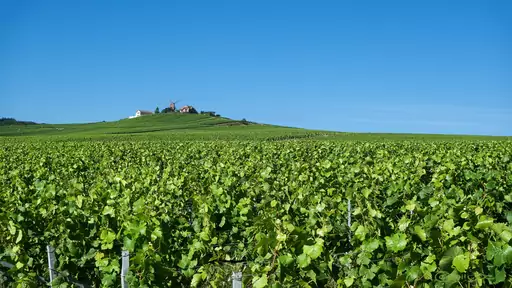
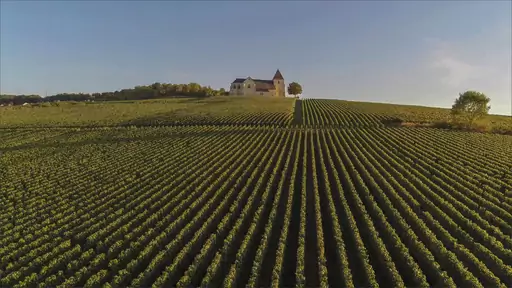
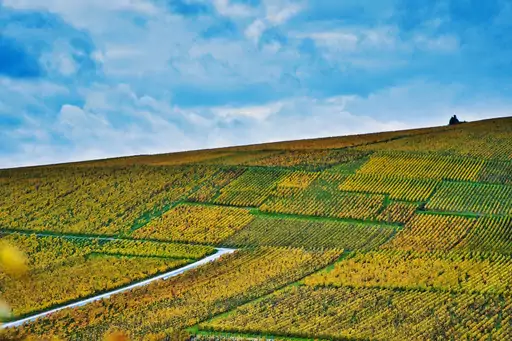
Champagne has hundreds of kilometres of chalk cellars that keep sparkling wine cool underground. The Avenue de Champagne in Epernay is lined with famous wine houses. Vineyards, houses and cellars are listed by UNESCO. Visitors can descend into the cellars for tastings of fine bubbles and vintage cuvees.
Region in Italy
Langhe
Rolling hills of wine paradise
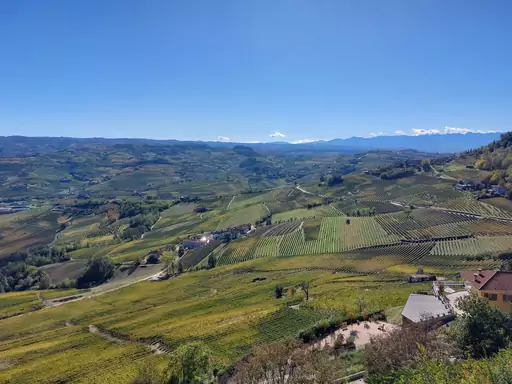
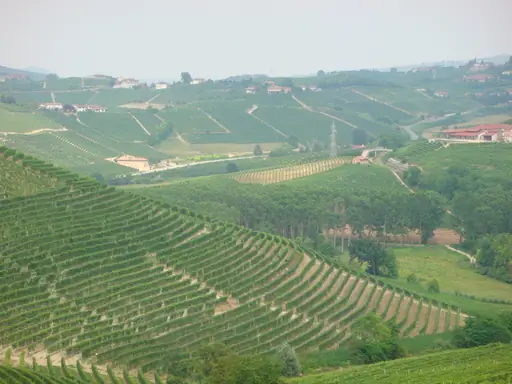
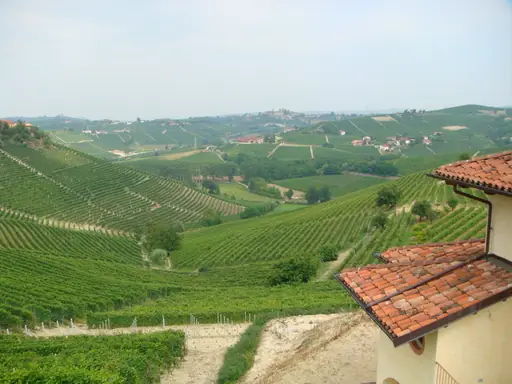
The vineyard landscape of the Langhe in Piedmont is a UNESCO World Heritage site since 2014. Rolling hills carry rows of Nebbiolo and Barbera vines. Castles and hazelnut groves rise on the ridges. Autumn brings fog and golden leaves and the harvest of truffles each year.
Region in Italy
Piedmont
Truffles, Wine and Alpine Grandeur
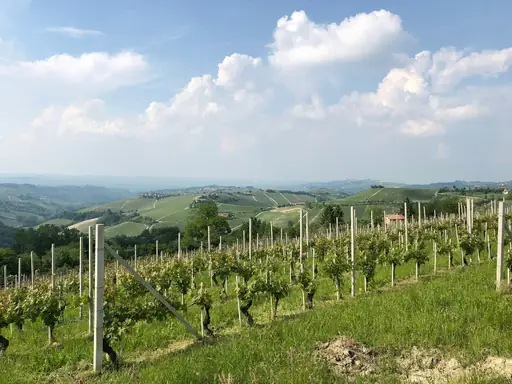
Piedmont is the home of Moscato d'Asti, a lightly sparkling sweet white wine. The grapes grow on steep hills around the town of Asti. The wine is low in alcohol and tastes of peach and flowers. Visitors can taste it with hazelnut cakes at small family cellars.
Valley in Italy
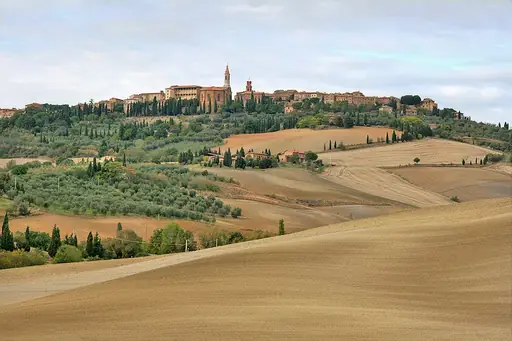
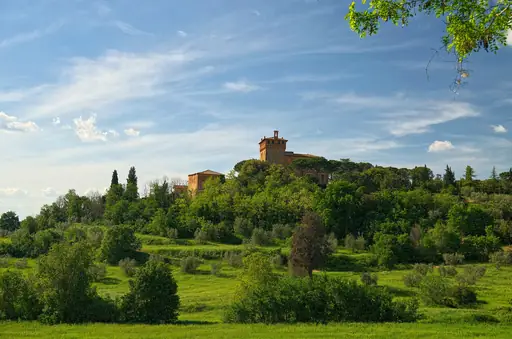
Val d'Orcia
Rolling vineyards cradle historic hilltop charm
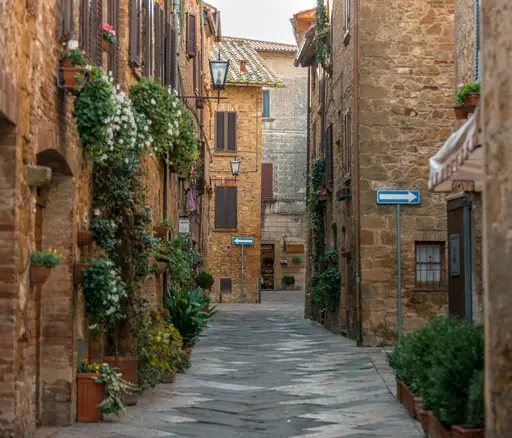
Val d'Orcia in Tuscany is a UNESCO landscape of rolling hills and cypress lined roads. The hill town of Montalcino makes Brunello, a powerful red wine from Sangiovese. Montepulciano makes Vino Nobile from the same grape. Visitors can taste wines among vineyards and stone farmhouses.
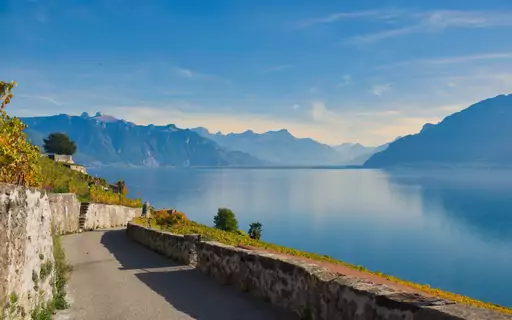
District in Switzerland
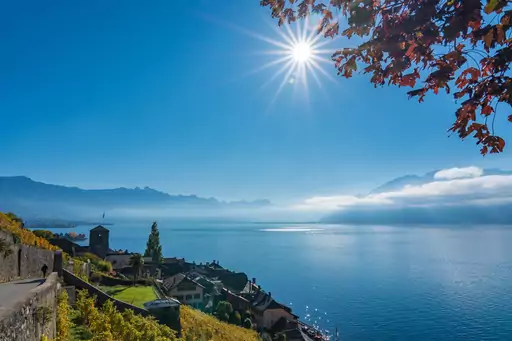
Lavaux-Oron
UNESCO terraced vineyards above Lake Geneva
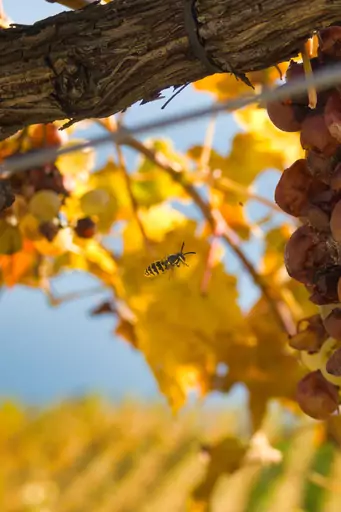
Lavaux is a terraced vineyard landscape on the northern shore of Lake Geneva. Monks began planting vines here about 800 years ago. UNESCO listed the site in 2007. Walking trails climb past stone walls and Chasselas vines with views of the lake and the Alps.
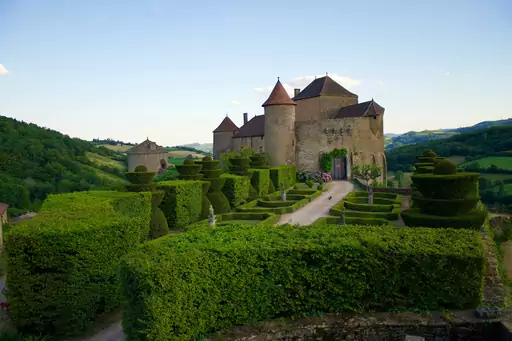
Region in France
Bourgogne
Crimson vineyards and historic châteaus
Burgundy has tiny vineyards such as Romanee Conti which covers only about 1.8 hectares. The plots are called climats and each has its own character. The region produces Pinot Noir and Chardonnay. Visitors can walk among the stone walls and taste wines in village cellars nearby.
Village in France
Châteauneuf-du-Pape
Sun‑kissed vineyards, historic hilltop charm
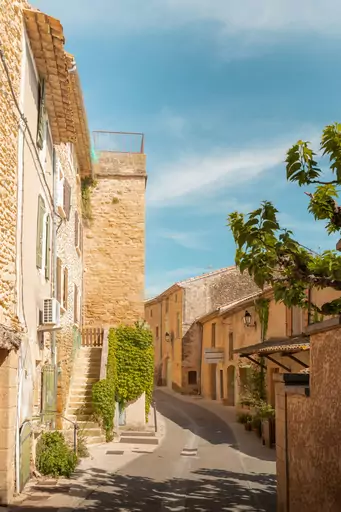
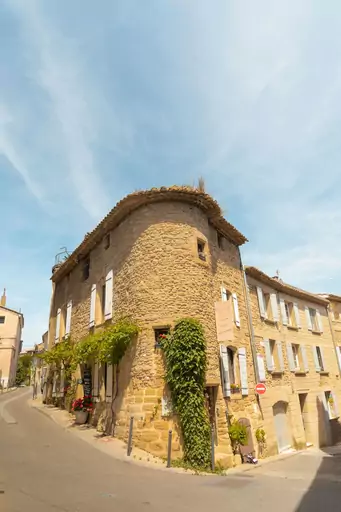
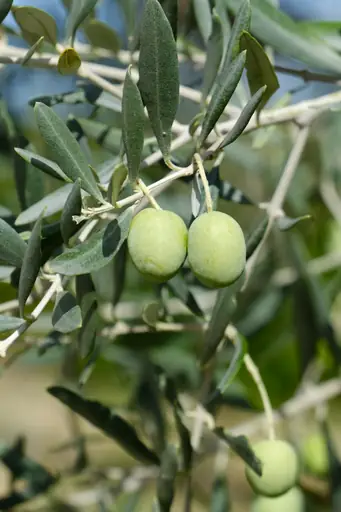
Chateauneuf du Pape allows thirteen grape varieties in its red and white wines. The ruined castle on the hill was a summer home of the popes in the 14th century. Winemakers blend Grenache with Syrah and Mourvedre. Visitors can taste wines in cellars in the village and enjoy views of the Rhone valley.
City in France
Reims
Champagne, Cathedrals and French Flair
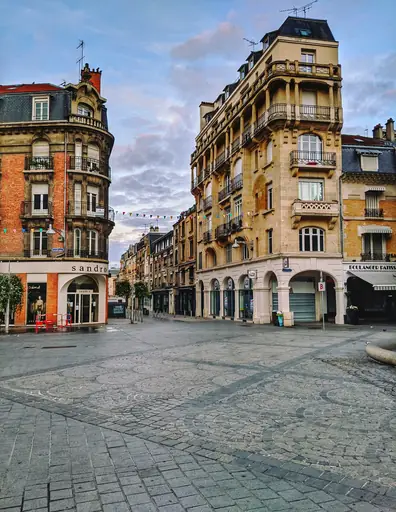
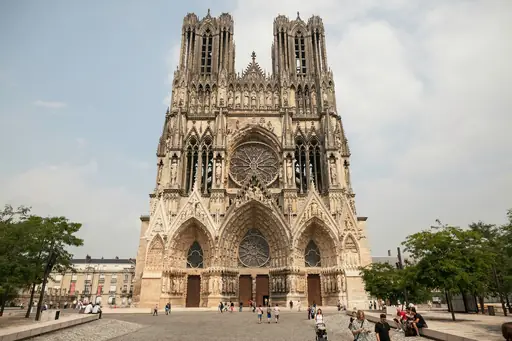
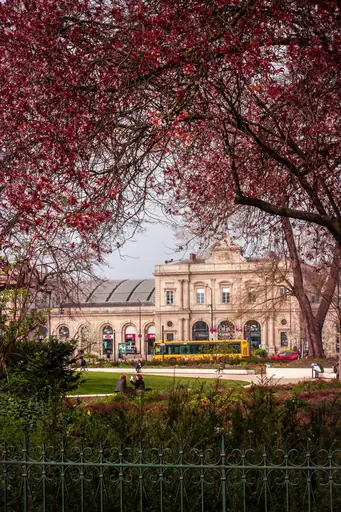
Reims is the coronation city of French kings and holds champagne cellars dug in Roman chalk pits. Taittinger's cellars lie in old chalk quarries beneath a medieval abbey. Cool tunnels store millions of bottles. Visitors can taste bubbly after seeing the Gothic cathedral where kings were crowned.
Region in Germany
Pfalz
Wine villages and a vast sandstone forest
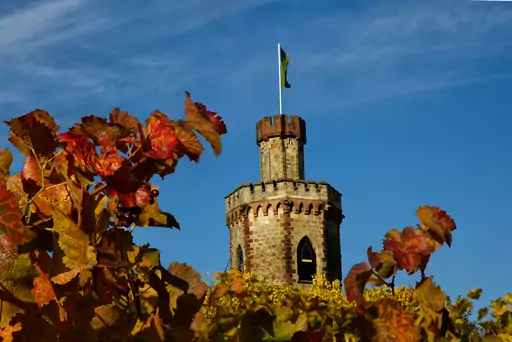
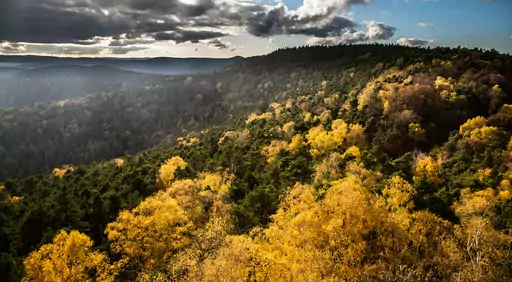
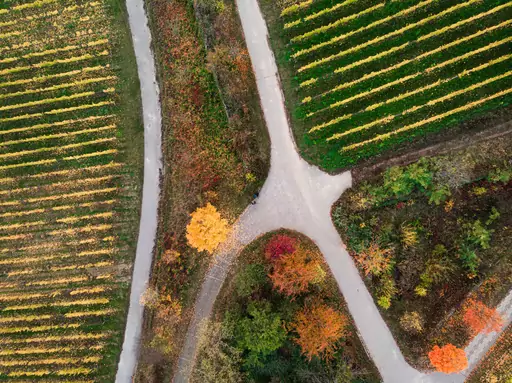
The Pfalz in Germany has a wine road about 85 kilometres long. It starts at a stone gate near the French border. The Durkheim Giant Barrel is a huge wooden barrel that holds a restaurant. Riesling and Pinot Noir grow on the sunny plain and almond trees bloom in spring.
City in Italy
Verona
Romantic Charm and Ancient History
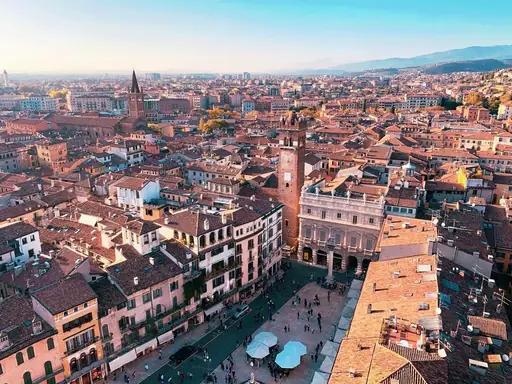
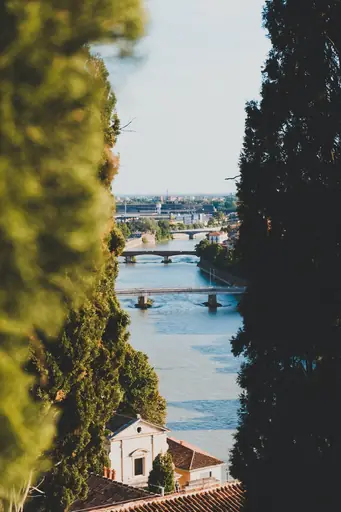
Verona is close to Valpolicella where growers dry grapes for months to make rich Amarone wine. The wine has flavours of dried cherry and spice. Visitors can taste it in hilltop villages with stone farmhouses. In the evening they can watch opera in the Roman Arena in Verona.

Region in Italy
Campania
Ancient ruins meet coastal paradise
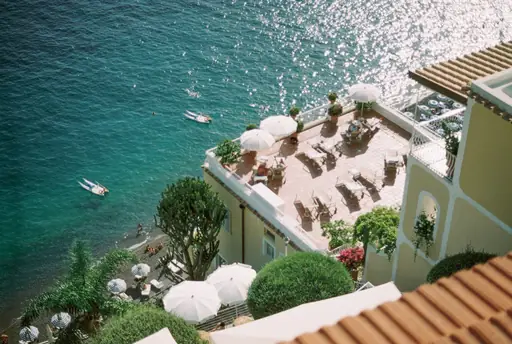
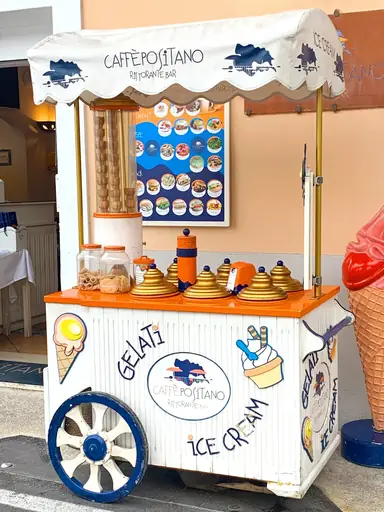
Campania has ancient grape varieties such as Aglianico, Fiano and Greco. Vineyards climb volcanic hills near Naples and Mount Vesuvius. Some vines grow on their own roots in ash soils. Visitors can taste Lacryma Christi wine while looking over the Bay of Naples from a terrace.
Town in Italy
Orvieto
Umbrian hilltop gem
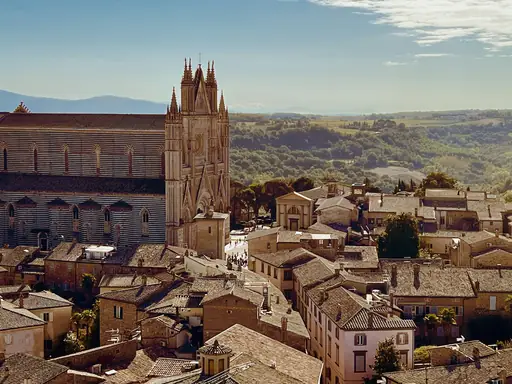
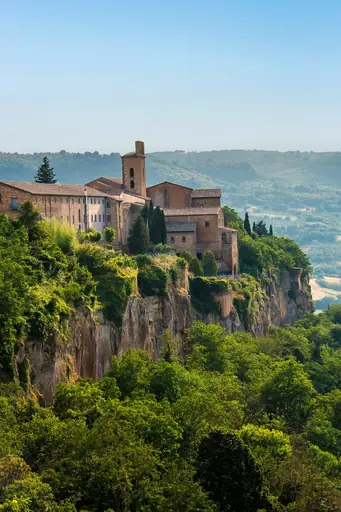
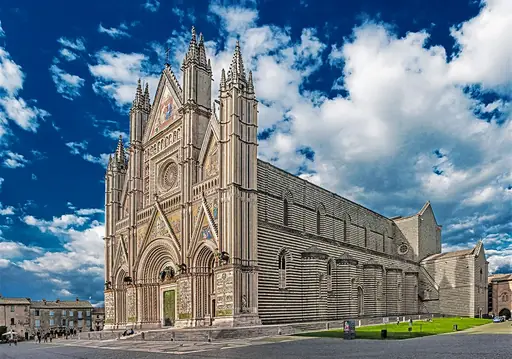
Orvieto in Umbria is famous for crisp white wine made from Grechetto and Trebbiano. The city stands on a volcanic rock and has cellars cut into the soft tuff. Vineyards spread across the surrounding hills. Visitors can taste wines in caves beneath the streets and see the striped cathedral.

Island in Portugal
Madeira
Dramatic Cliffs and Eternal Spring
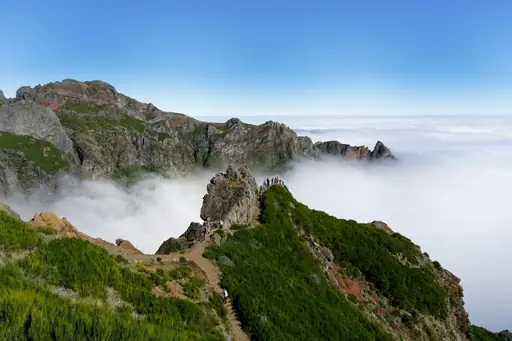
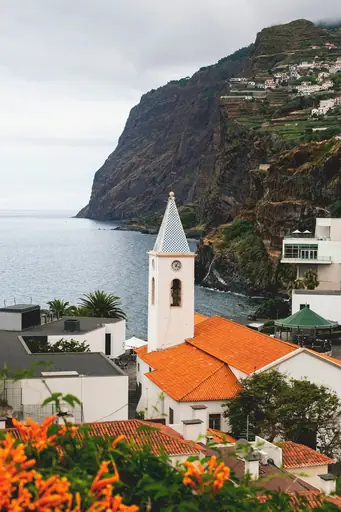
Madeira is known for fortified wine that is heated during ageing and can last for centuries. Vineyards climb steep terraces above the Atlantic. Grape varieties include Sercial, Verdelho, Bual and Malmsey. Visitors can taste old vintages in cellars in Funchal beside the sea and the harbour.
Region in Spain
Andalusia
Flamenco, Moorish Palaces and Sun
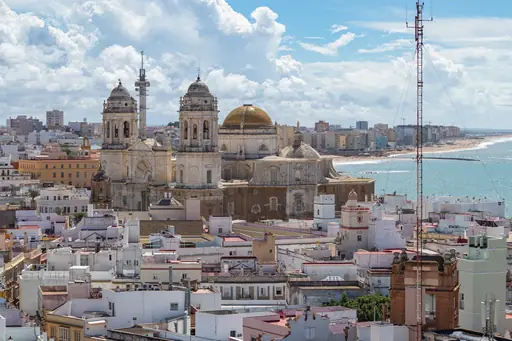
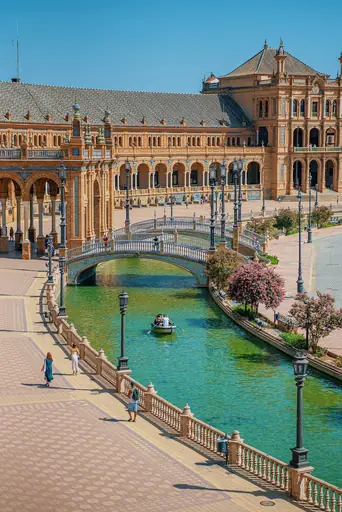
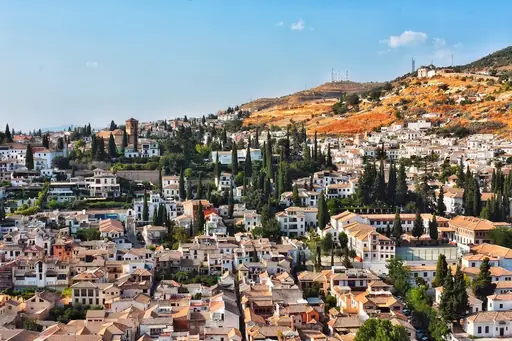
The Montilla Moriles region near Cordoba in Andalusia makes wines from Pedro Ximenez grapes. Producers dry the grapes in the sun to concentrate the sugar. Chalky white soil holds water through hot summers. Visitors can taste dark sweet wines and dry fino in old whitewashed bodegas.
City in France
Lyon
A Culinary and Cultural Gem
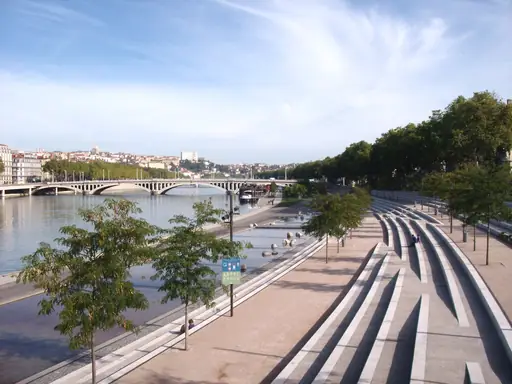
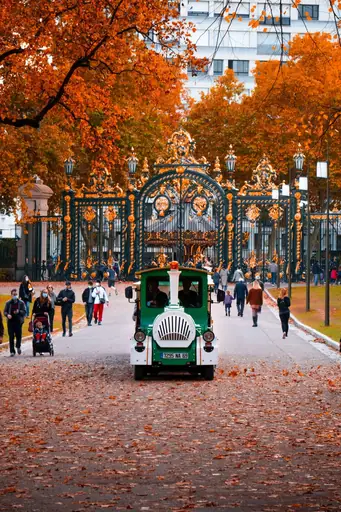
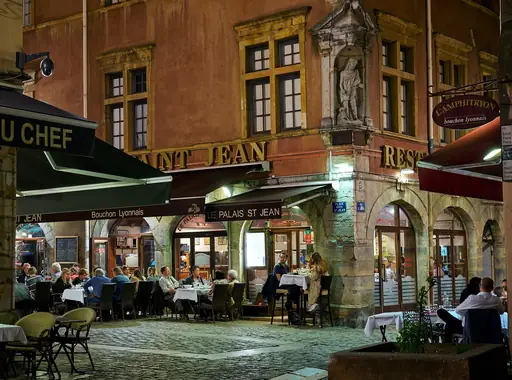
Lyon lies close to Beaujolais where Gamay grapes make fresh fruity red wine. Traditional bouchon restaurants serve it in thick bottles called pots. Vineyards spread across hills to the north of the city. Visitors can also try Cotes du Rhone wines from the south of the city.
Region in Croatia
Dalmatia
Adriatic Coastline of Ancient Wonders
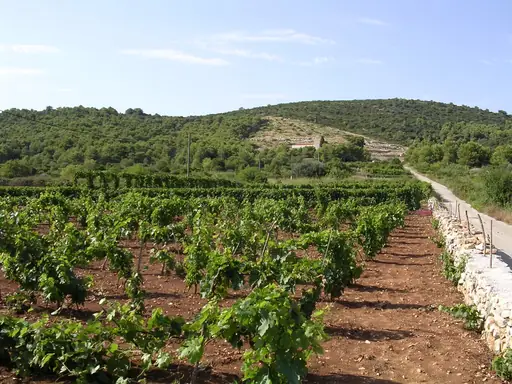
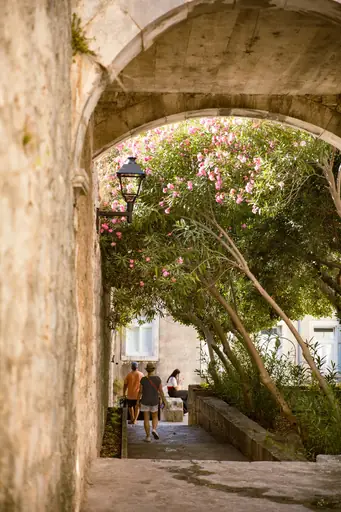
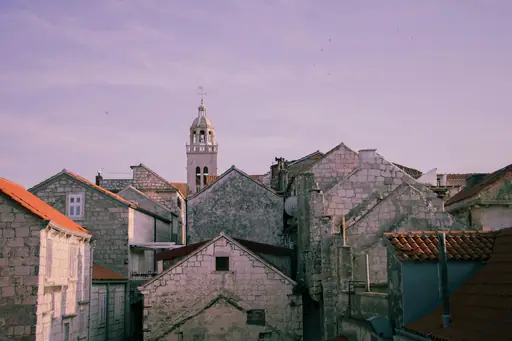
Dalmatia on Croatia's coast is known for Plavac Mali, a bold red grape. The famous vineyards of Dingac cling to steep slopes on the Peljesac peninsula. Sunlight reflects off the sea and warms the vines from below. Visitors can taste wines in small cellars beside the Adriatic.
Region in Germany
Rheingau-Taunus-Kreis
Riesling slopes and Taunus woods
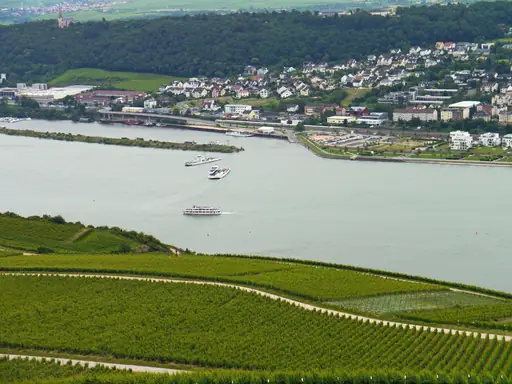
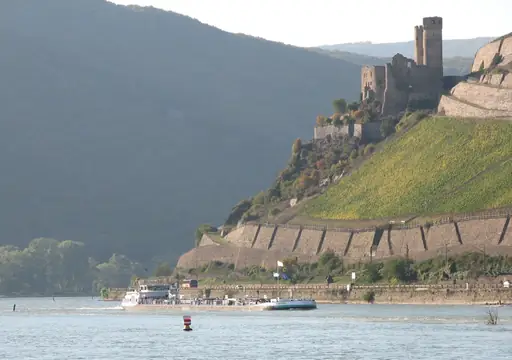
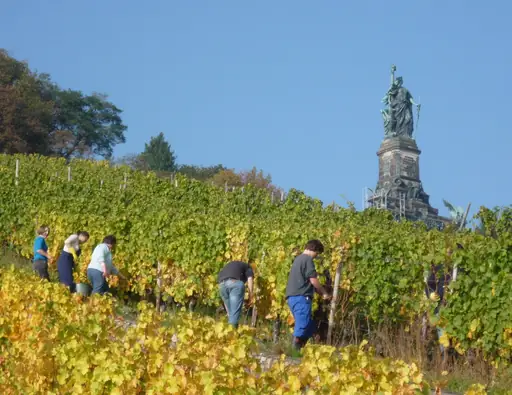
The Rheingau in Germany has grown Riesling since the Middle Ages. Kloster Eberbach is a Cistercian abbey with a huge medieval wine cellar. The vineyards face south along the Rhine River. Visitors can taste wines in Eltville and Rudesheim and walk between vines beside the river.
City in Portugal
Porto
Wine, Coast and Old-World Charm
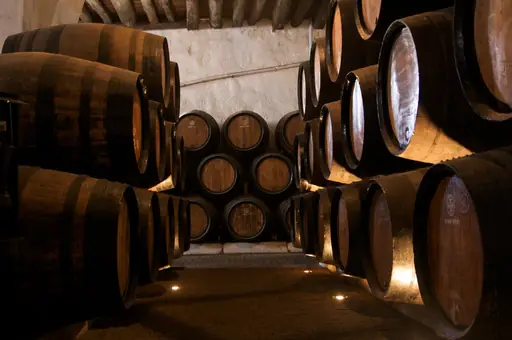
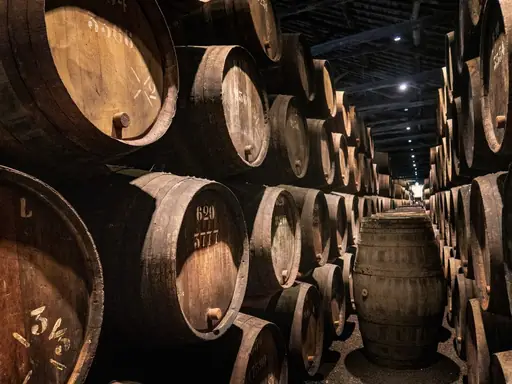
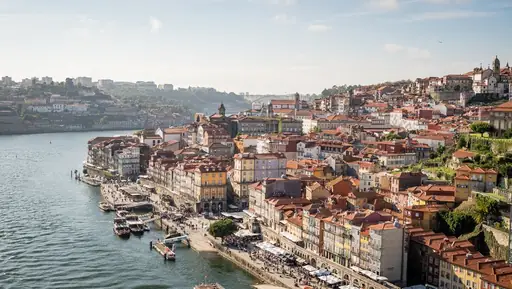
Port lodges line the river at Vila Nova de Gaia across from Porto. Cellars hold thousands of barrels of ruby and tawny port ageing in the dark. Old rabelo boats once carried the barrels down the Douro. Visitors can tour the cellars and taste port on riverside terraces.
Region in Germany
Moselle Valley
Steep vineyards and riverside wine towns
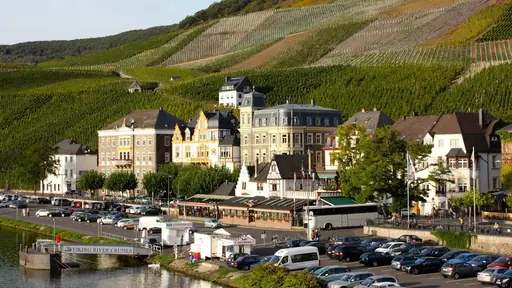
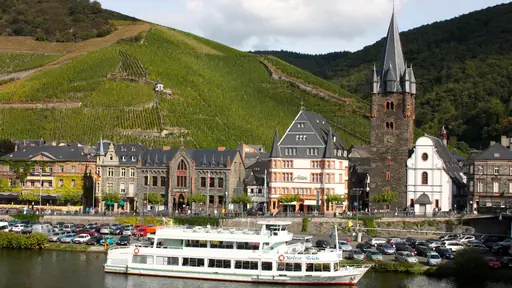
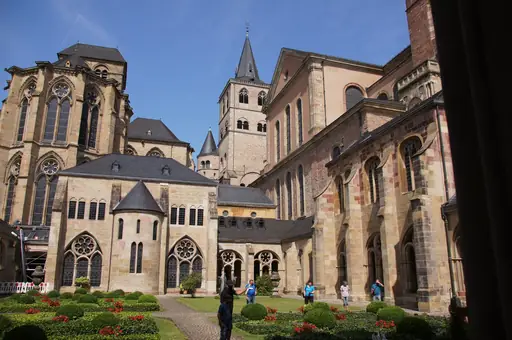
Moselle Valley in Germany has some of the steepest vineyards in the world. The Calmont slope rises at up to 65 degrees above the river. Riesling grows on slate soil that warms in the sun. Visitors can taste wines at family estates and walk narrow paths between the vines.
Town in France
Beaune
Wine heritage and medieval charm
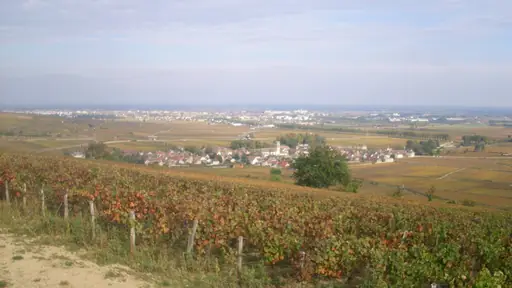
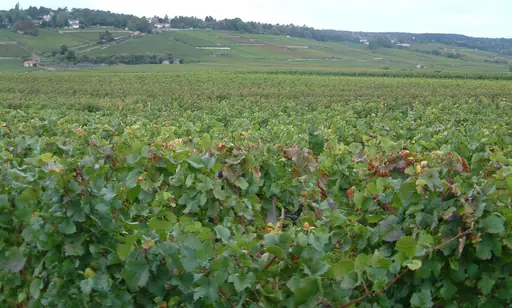
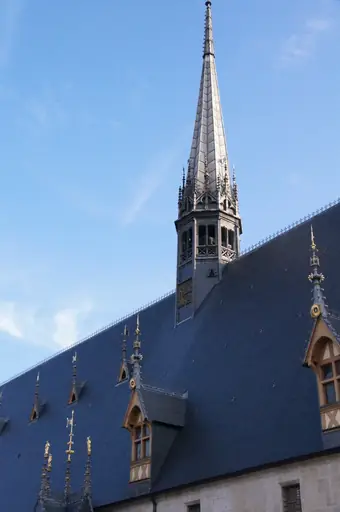
Beaune in Burgundy hosts a famous charity wine auction every November at the Hospices de Beaune. The medieval hospital has a roof of coloured glazed tiles. Vineyards of Pinot Noir and Chardonnay stretch along the Cote d'Or. Visitors can taste wines in old stone cellars beneath the town.
Region in Austria
Wachau
UNESCO Heritage along the Danube
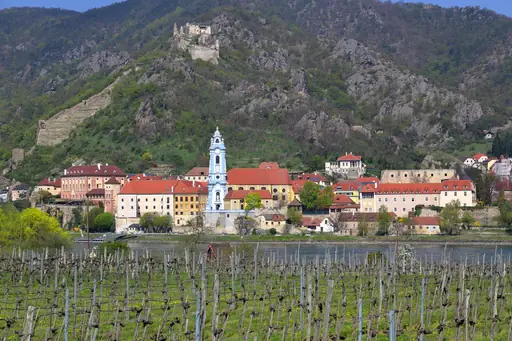
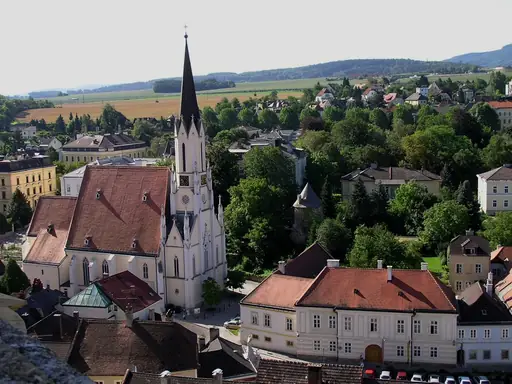
The Wachau in Austria has terraced vineyards of Gruner Veltliner and Riesling above the Danube. The top wines carry the name Smaragd after emerald green lizards that bask on the stone walls. Apricot orchards bloom in spring and the fruit is made into brandy. UNESCO listed the valley in 2000.
Region in Italy
Umbria
Italy's mystical green heart
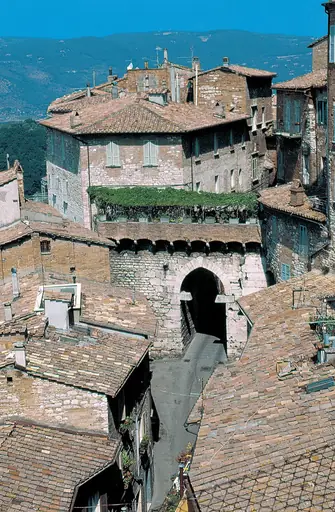
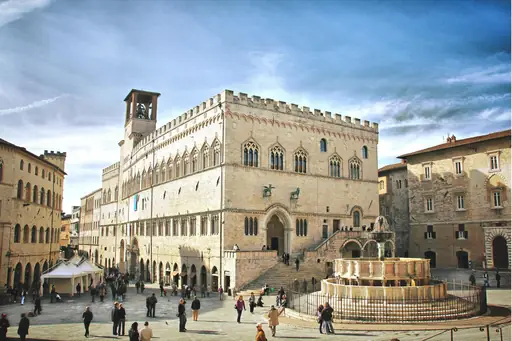
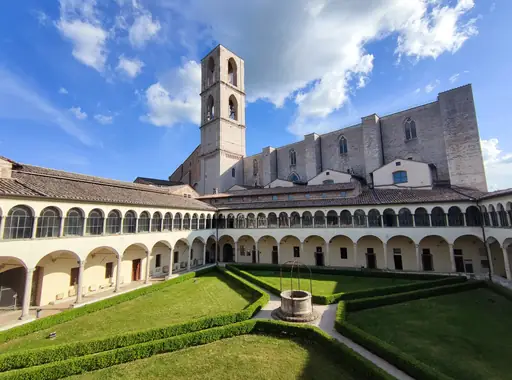
Montefalco in Umbria is known for Sagrantino, a deep red grape with strong tannins. The hill town has a ring of old walls and a Renaissance church with frescoes. Vineyards and olive groves cover the slopes. Visitors can taste bold wines in small family cellars.
Region in Spain
Ribera del Duero
Savoring vineyards along historic riverbanks
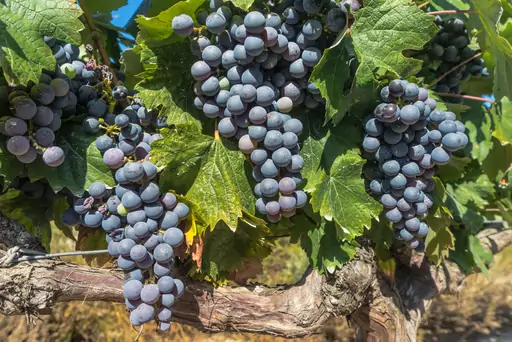
Ribera del Duero in Spain has high vineyards at about 800 metres where nights are cold and days are hot. Tempranillo grapes make dark structured red wines. Vega Sicilia was founded here in 1864. Visitors can taste wines in cellars cut into hillsides and visit the castle at Penafiel.
City in France
Bordeaux
Wine, elegance and riverside charm
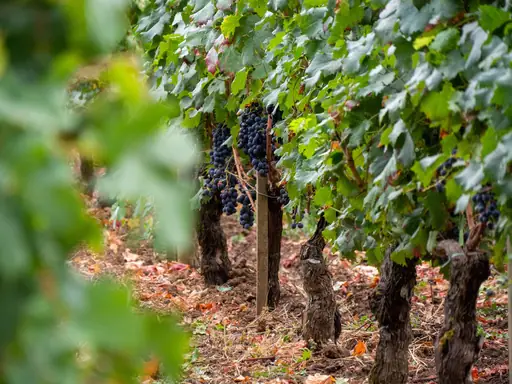
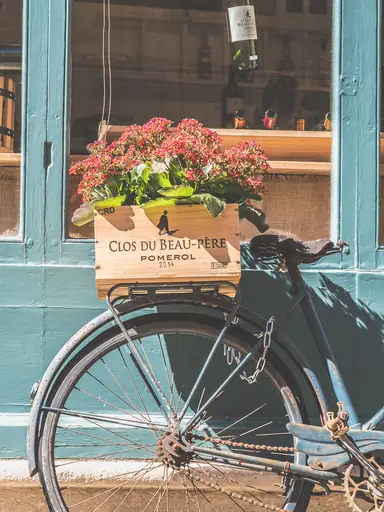
Bordeaux has famous chateaux such as Margaux and Latour in the Medoc. A classification of top estates was made in 1855. The Cite du Vin museum in the city looks like a swirling decanter. Visitors can take a short tasting course and then tour estates by car.
Region in Italy
Veneto
Venice, Mountains and Renaissance Splendor
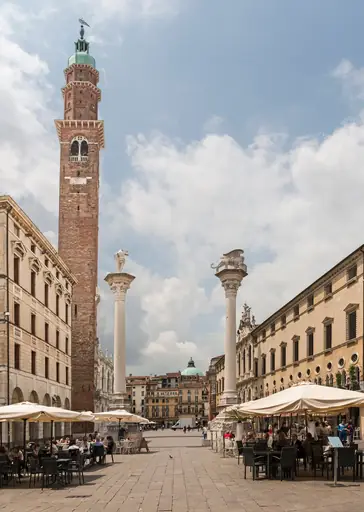
The Prosecco hills between Conegliano and Valdobbiadene became a UNESCO site in 2019. Steep vineyards form a patchwork of green ridges. Growers work the slopes by hand because the terraces are too steep for machines. Visitors can taste sparkling wine in family cellars and walk among terraces and old stone farmhouses.
Region in Italy
South Tyrol
Alpine culture where worlds collide
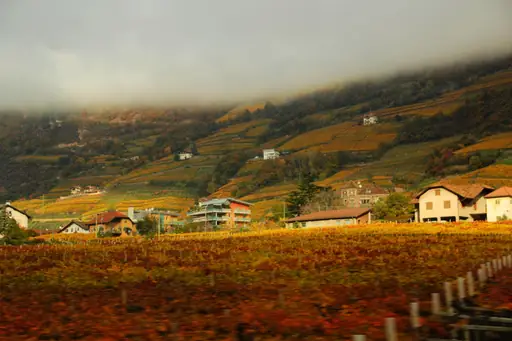
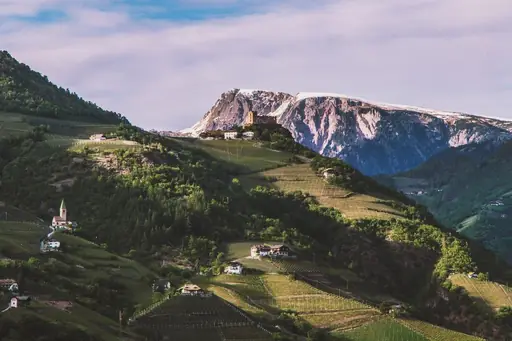
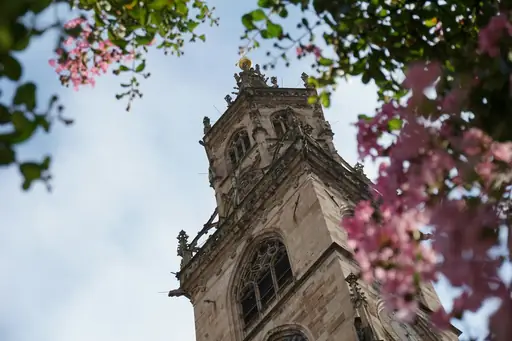
South Tyrol makes Gewurztraminer and the grape may take its name from the village of Tramin. Vineyards climb steep slopes beneath the Dolomites. Pergola trained vines shade the grapes in the warm days. Visitors can taste crisp white wines in family cellars and mountain inns.
City in France
Dijon
Burgundy’s Medieval and Culinary Gem
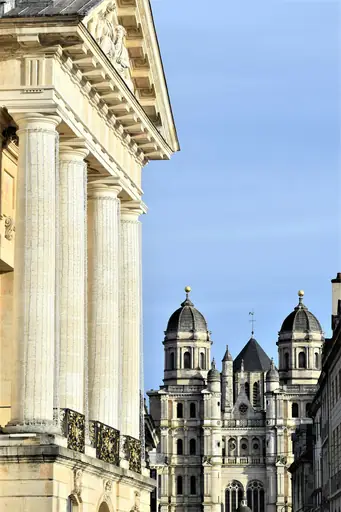
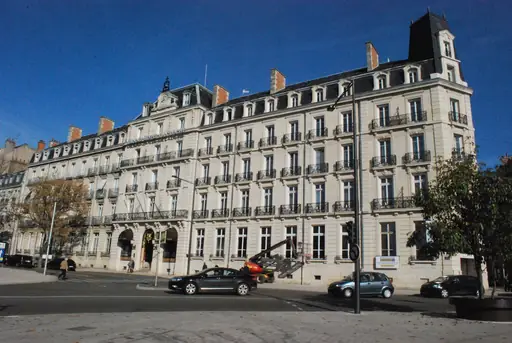
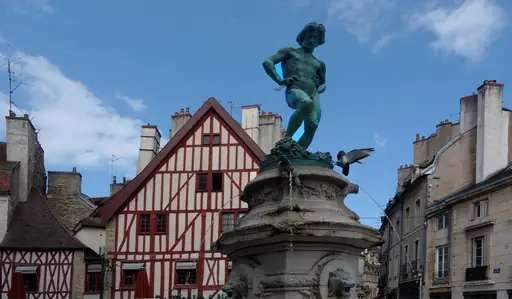
Dijon is the historic capital of Burgundy and the start of the Route des Grands Crus. The road runs south through vineyards of Pinot Noir and Chardonnay. UNESCO lists the Climats or small plots of the Burgundy vineyards. Visitors can taste wines in stone villages and also try local mustard.
City in Slovenia
Maribor
Vineyards, River Views, Alpine Energy
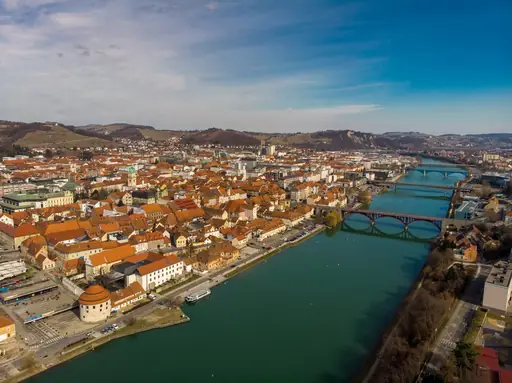
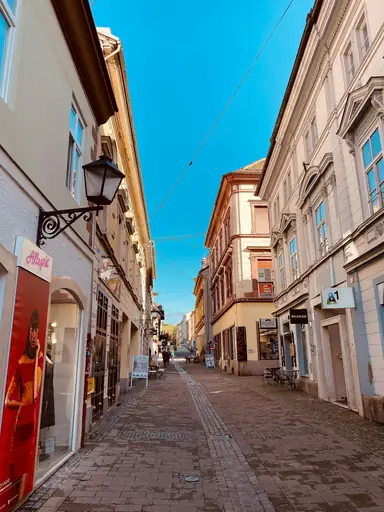
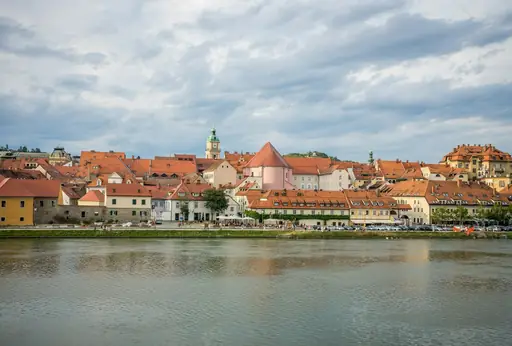
Maribor in Slovenia has a grapevine that is more than 400 years old and still grows on a house wall. It is recognised as the oldest vine in the world. The town sits on the edge of the Drava wine road. Visitors can taste local Welschriesling and Sipon in cellars.
Region in Spain
La Rioja
Wine, history and mountain views
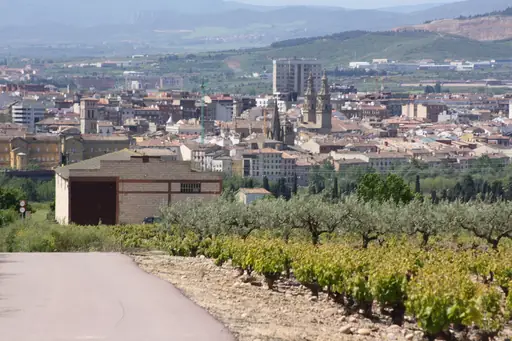
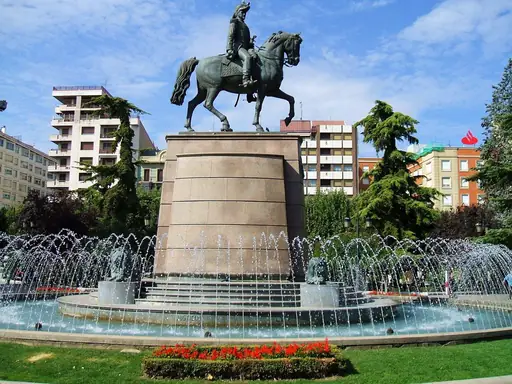
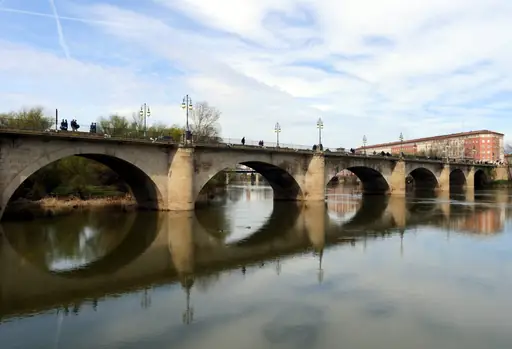
La Rioja in Spain is known for Tempranillo red wines aged in oak. The Barrio de la Estacion in Haro has historic bodegas clustered beside the old railway station. Many wineries have offered tours since the 19th century. Visitors can taste and then eat tapas in the streets of the old town.

Region in Spain
Basque Country
Where tradition meets avant-garde beauty
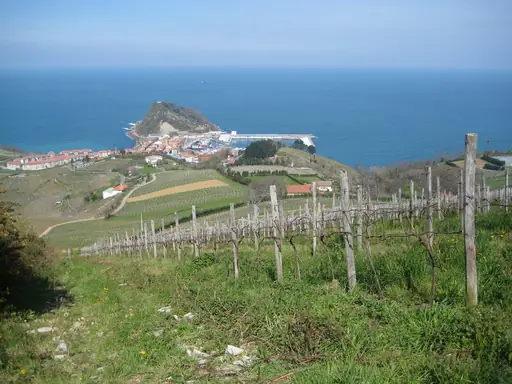
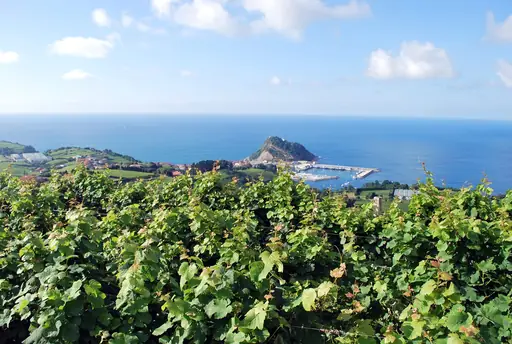
The Basque Country is known for Txakoli, a light and slightly sparkling white wine poured from a height. Vines grow on steep slopes above the Bay of Biscay near Getaria. The wine is crisp and salty and pairs well with grilled fish. Bars in San Sebastian serve it with pintxos.
Town in France
Avignon
A Medieval Heartbeat in Provence
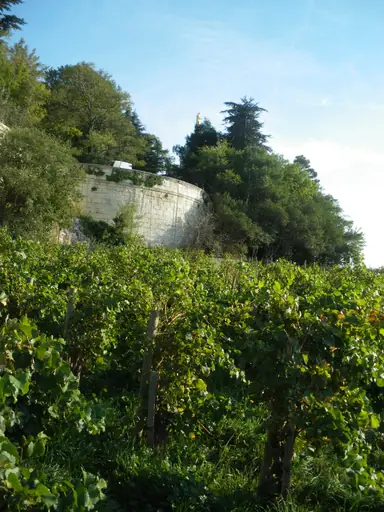
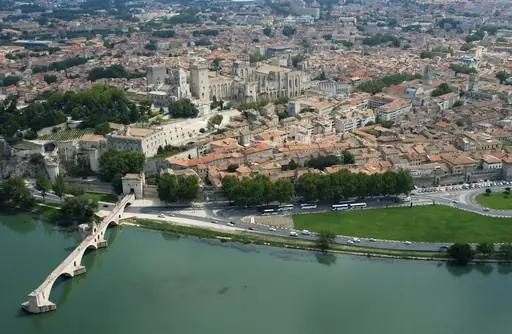
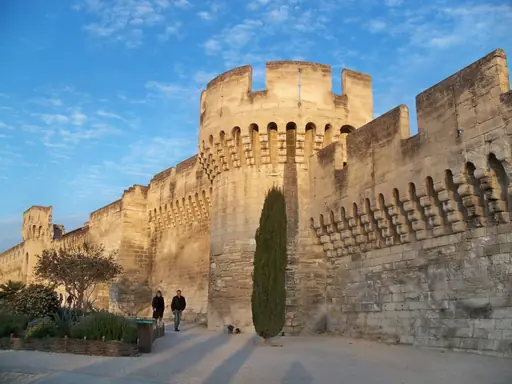
Avignon lies close to Chateauneuf du Pape where popes of the 14th century planted vineyards. Grenache and Syrah grow on stony ground covered in large round pebbles. The pebbles hold heat and ripen the grapes at night. Visitors can taste wines in small villages after seeing the Palace of the Popes.
City in France
Aix-en-Provence
Fountains, Markets and Provençal Charm
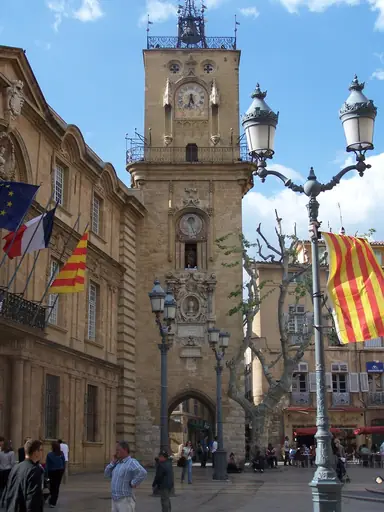
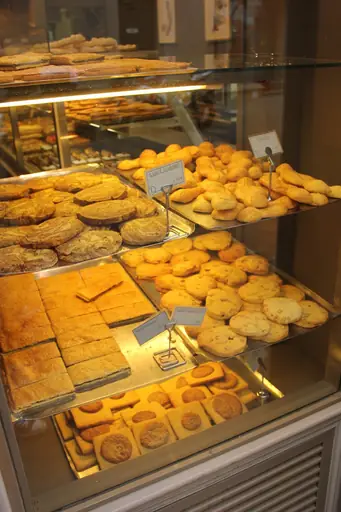
Aix en Provence sits among vineyards that make dry Provence rose in a pale pink shade. The Coteaux d'Aix en Provence appellation lies around Mount Sainte Victoire. Paul Cezanne painted this limestone peak many times. Visitors can taste wine at estates and then stroll fountain lined streets in the old town.
Region in Spain
Penedès
Coastal charm meets historic villages
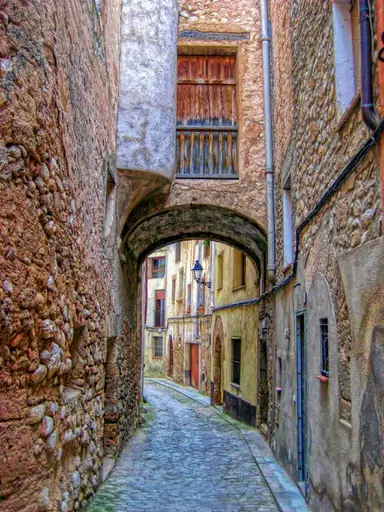
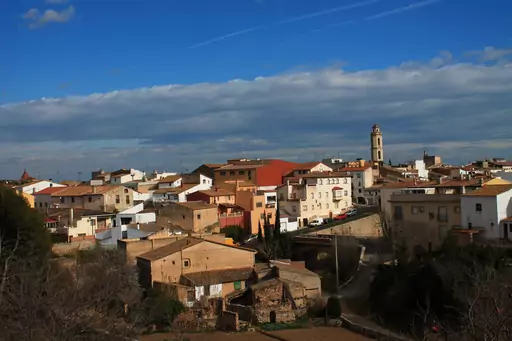
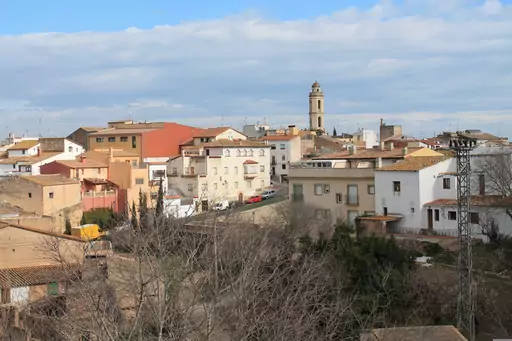
Penedes near Barcelona is the centre of Cava the sparkling wine of Catalonia. The town of Sant Sadurni d'Anoia holds huge cellars beneath its streets. The Codorniu winery has a modernist building by Puig i Cadafalch. Visitors can tour the cellars and taste cava with tapas.
Region in France
Provence-Alpes-Côte d'Azur
Lavender Fields to Azure Seas
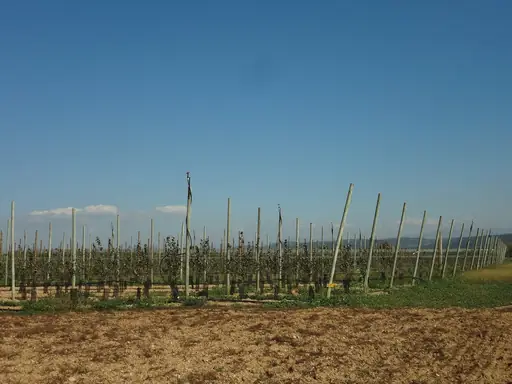
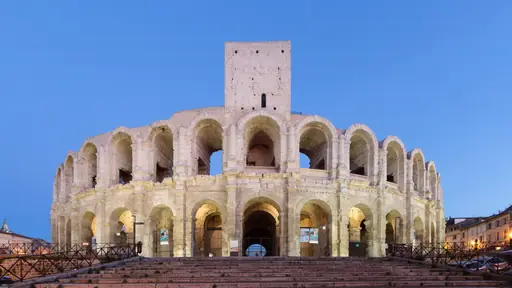
Bandol on the Provence coast makes rich red wines from Mourvedre grapes. Terraced vineyards face the sea in a natural amphitheatre. Stone walls hold the thin soil on the slopes. Visitors can taste wines in small family domaines and then swim at nearby beaches in summer.
City in Italy
Perugia
Medieval Charm and Chocolate Bliss
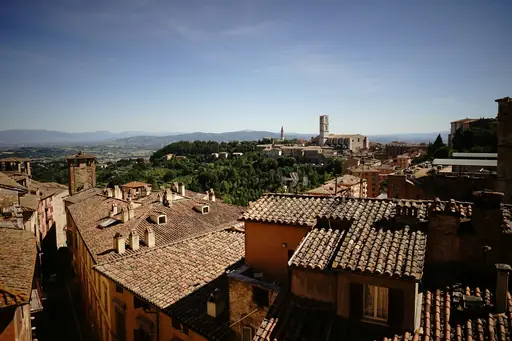
Torgiano near Perugia has the Lungarotti wine museum in an old stone palace. The collection shows ancient wine jars and tools from many centuries. Local vineyards make Rubesco red wine from Sangiovese grapes. Visitors can taste bottles and stay in a hilltop village surrounded by olive trees.

City in France
Colmar
A Fairytale Town in Alsace
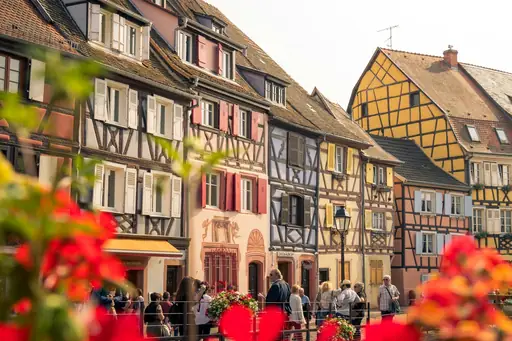
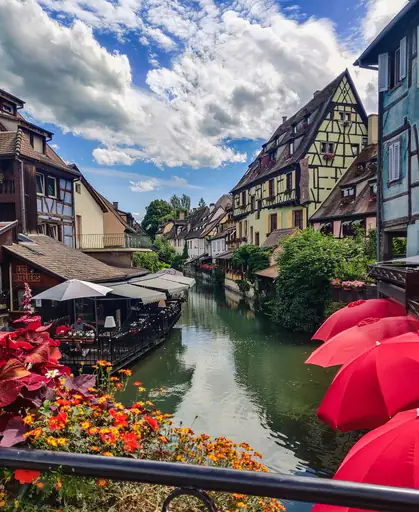
Colmar lies on the Alsace Wine Route with vineyards of Riesling and Gewurztraminer. Half timbered villages with flower filled window boxes dot the foothills of the Vosges. The dry climate suits aromatic whites. Wineries offer tastings in cellars and courtyards a short drive from town.


City in France
Paris
The city of love, art and history
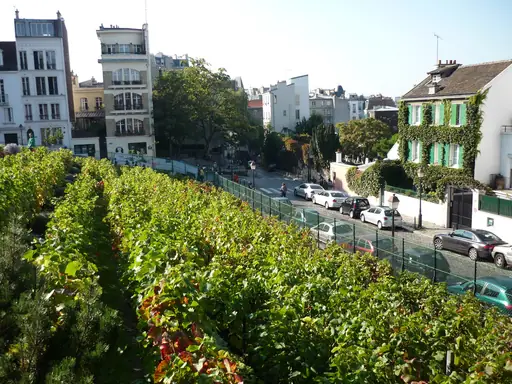
Clos Montmartre is a small vineyard in Paris planted in 1933 on a hill near Sacre Coeur. About 2,000 vines grow on a steep slope among the streets. Every October the neighbourhood celebrates the harvest with a parade. Wine bars across the city serve natural wines from small producers.

Valley in France
Rhône Valley
Lush vineyards and alpine vistas
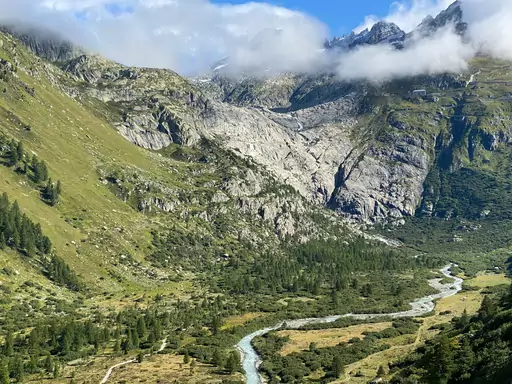
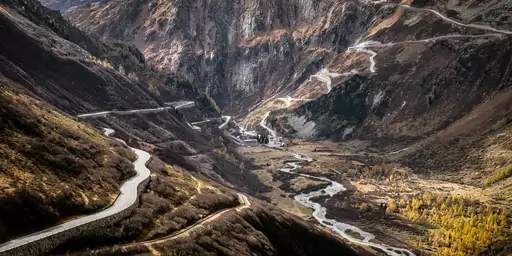
The Rhone Valley in Switzerland is the country's largest wine region with terraced vineyards along the river. Local grapes such as Petite Arvine and Cornalin grow on steep slopes. The valley is sunny and dry. Visitors can hike beside old irrigation channels and taste wines in stone cellars.
City in Italy
Turin
Baroque Grandeur, Chocolate and Alps
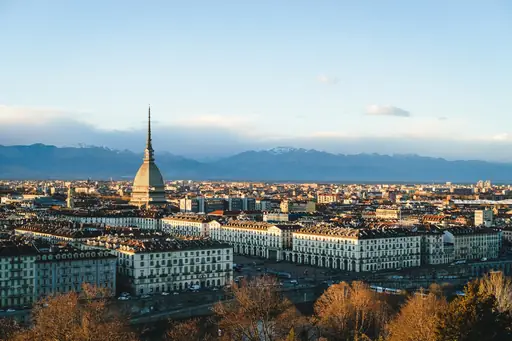
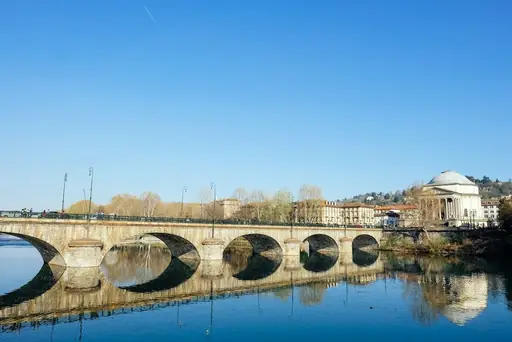
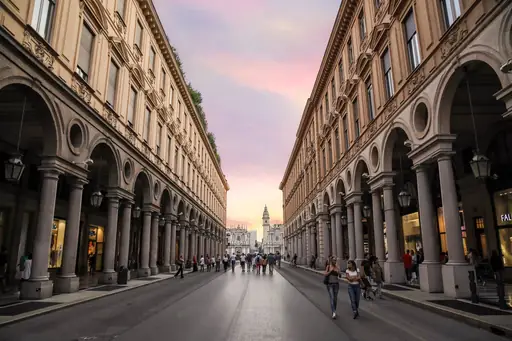
Vermouth was created in Turin in 1786 by Antonio Benedetto Carpano. The drink blends white wine with herbs and spices. Historic cafes still serve it with small snacks at aperitivo hour each evening. Wine bars in the city pour Barolo and Barbaresco from the nearby Piedmont hills.
Island in Italy
Sicily
Sun, Sea and Ancient Secrets
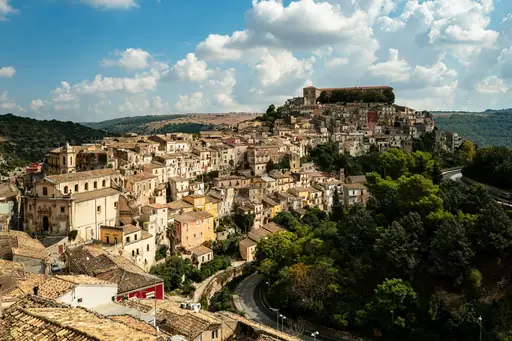
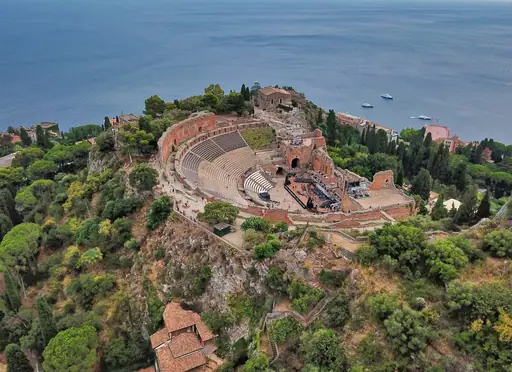
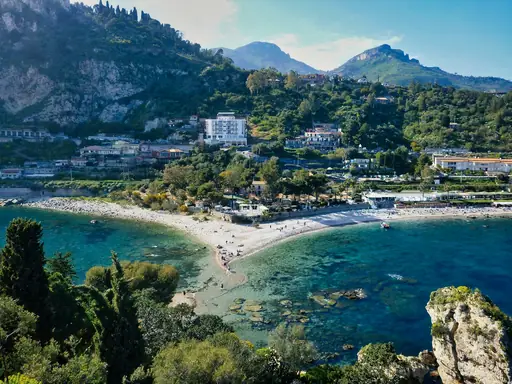
Marsala in western Sicily is known for fortified wine made since the English merchant John Woodhouse shipped it in 1773. The town sits beside salt pans and windmills near Trapani. Winemakers age the wine in oak casks for years. Visitors can taste dry and sweet styles in old seaside cellars.
Region in Portugal
Douro Valley
World's oldest wine wonderland
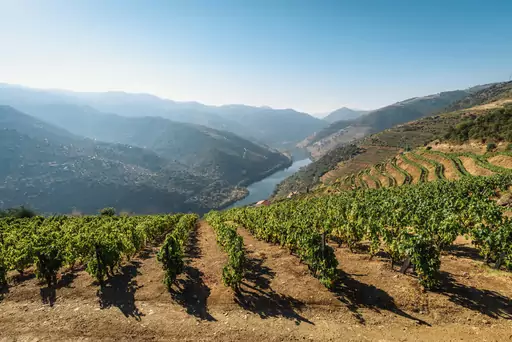
The Douro Valley in northern Portugal has steep terraced vineyards along the Douro River. Winemakers make port and dry table wines from local grapes. The region gained UNESCO status in 2001. Visitors can cruise on traditional boats and taste wines at family quintas on the hillsides.

City in Spain
Jerez de la Frontera
Sunlit vineyards and flamenco rhythms
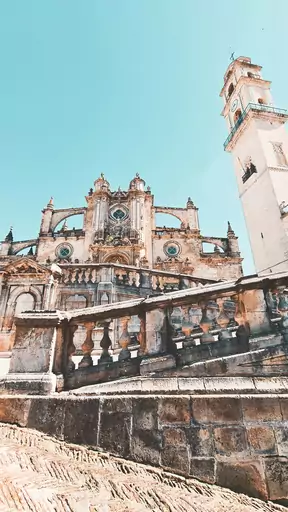
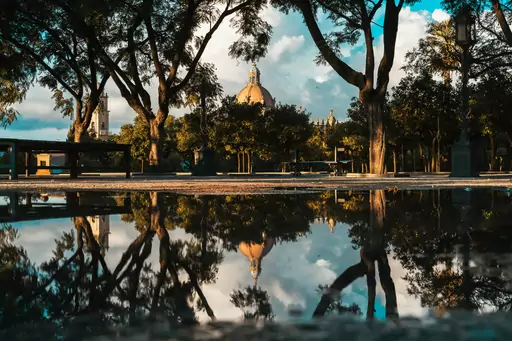
Jerez de la Frontera is the home of sherry and has old bodegas filled with rows of oak casks. Winemakers blend wines through a solera system of stacked barrels. Palomino grapes grow on chalky white soils called albariza. Visitors can taste dry fino and nutty amontillado in cathedral like cellars.
Region in Italy
Puglia
Sun‑kissed coastlines and ancient olive groves
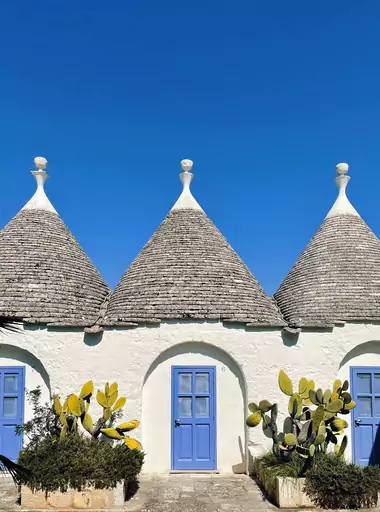
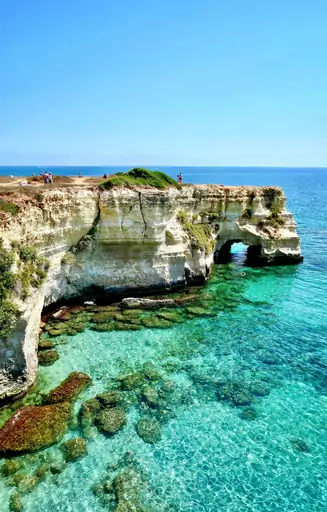
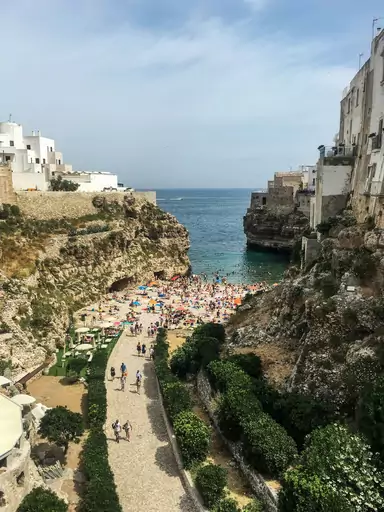
Puglia in southern Italy is known for Primitivo and Negroamaro grapes grown as low bush vines. Many old vines are trained in the alberello style and yield rich reds. Vineyards lie near the conical stone houses of Alberobello. Visitors can taste wines in whitewashed farm estates called masserie.
Region in France
Alsace
Coastal vineyards and timbered village charm
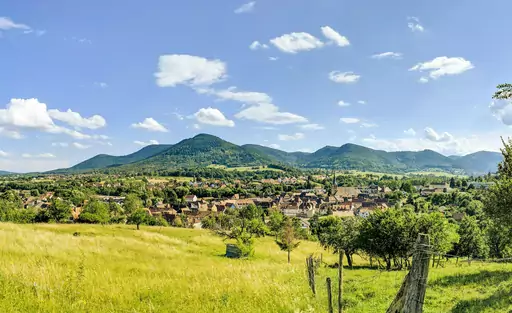
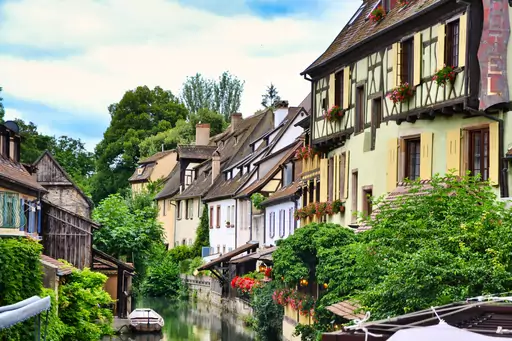
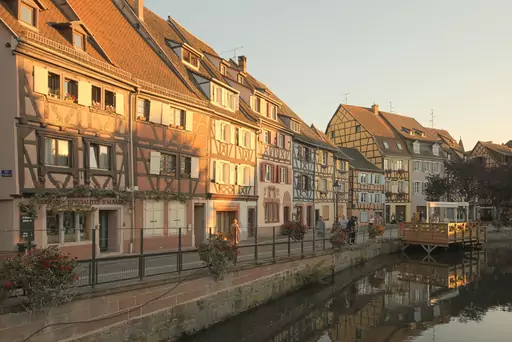
Alsace has a wine route about 170 kilometres long that links pretty villages at the foot of the Vosges Mountains. Riesling, Pinot Gris and Gewurztraminer grow on sunny slopes. Cremant d'Alsace is a local sparkling wine. Visitors can stop in cellars and taverns along the way.

City in France
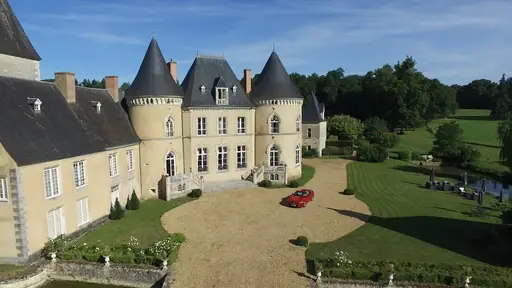
Le Mans
Historic racing capital with medieval charm
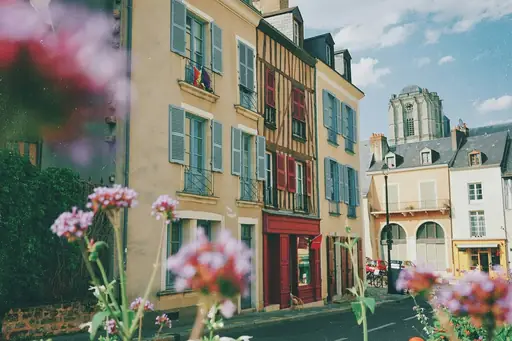
Le Mans lies near Jasnieres, a small appellation on the Loir River that makes dry Chenin Blanc. The wine is prized for its mineral edge and long life. Vineyards face south on chalky slopes. Visitors can taste it in small cellars after visiting the historic town and racing museum.
Village in France
Saint-Paul-de-Vence
Sunlit vineyards and historic hilltop charm
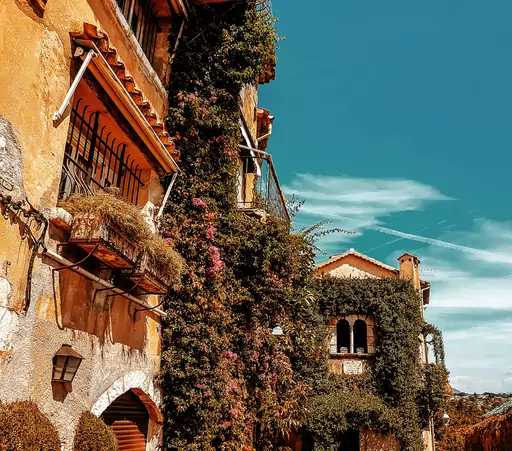
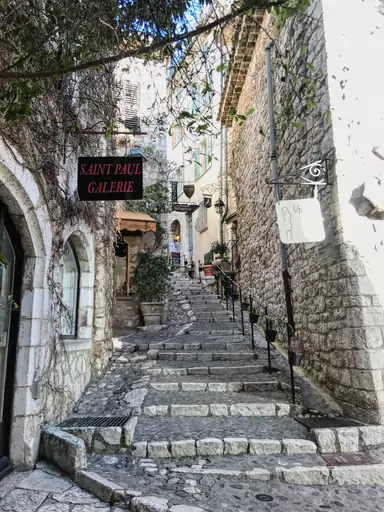
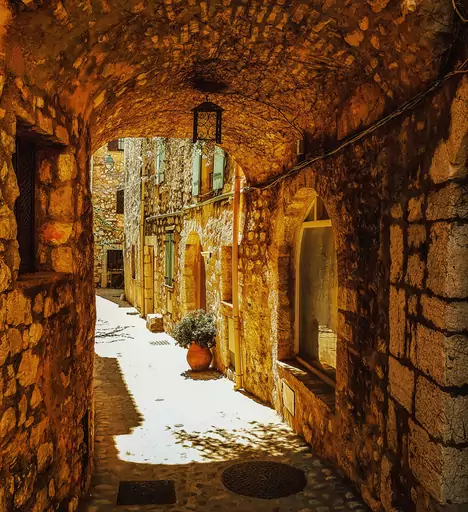
Saint Paul de Vence is a walled hilltop village near Nice with views of vineyards and the Mediterranean. Artists such as Chagall and Picasso once stayed here. The Maeght Foundation holds modern art beside a sculpture garden. Visitors can taste Provence rose and local Bellet wines in small cafes.
Region in France
Occitanie
Sunlit vineyards and historic hilltop villages
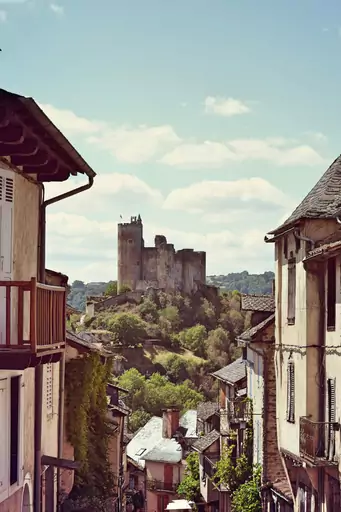
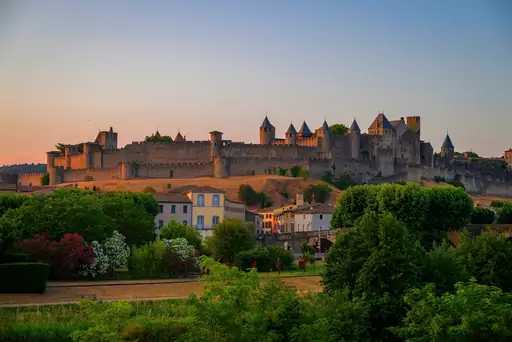
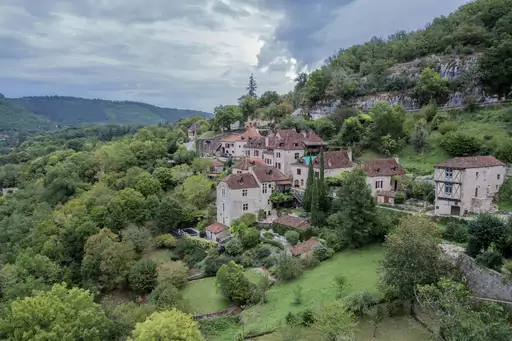
Occitanie has more vineyard land than any other region of France. Vines grow from the Mediterranean coast up to the foothills of the Pyrenees. The Canal du Midi and the walled city of Carcassonne lie in the region. Visitors can taste wines in sunny villages among stone cellars.
Region in Italy
Tuscany
Rolling Hills, Wine and Renaissance Charm
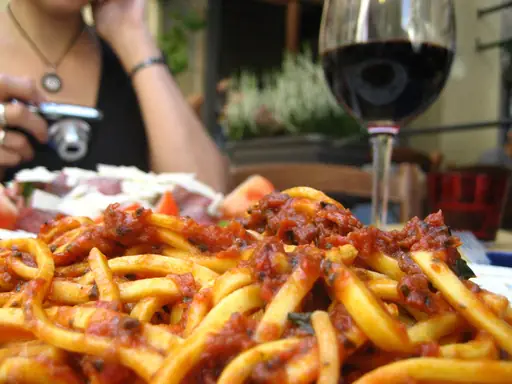
Bolgheri on the Tuscan coast is reached by a five kilometre avenue lined with tall cypress trees. Bordeaux style red wines known as Super Tuscans are made here from Cabernet and Merlot. Sassicaia is one of the most famous examples. Visitors can taste wines in cellars near the sea.

Archipelago in Italy
Aeolian Islands
Sunlit cliffs and volcanic horizons
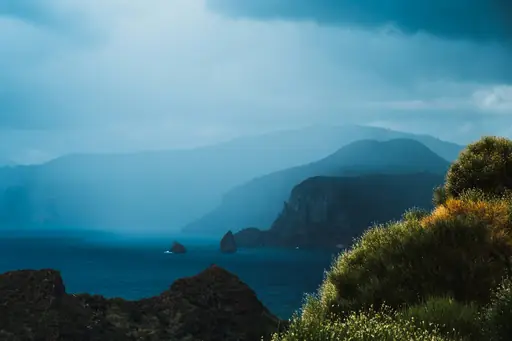
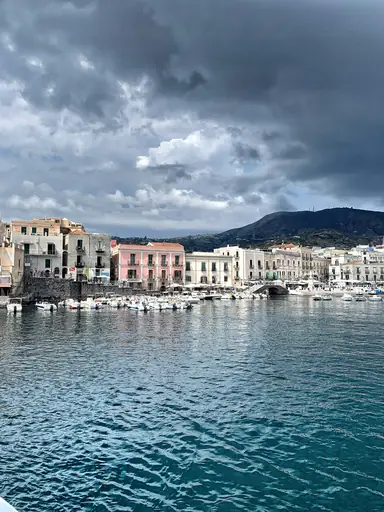
Salina in the Aeolian Islands is known for Malvasia delle Lipari, a golden sweet wine made from sun dried grapes. Vines grow on volcanic terraces above the sea. Caper bushes and lemon groves fill the hillsides nearby. Visitors can taste the wine with almond pastries at small family estates.
Region in France
Loire Valley
Châteaux, vineyards and riverside charm
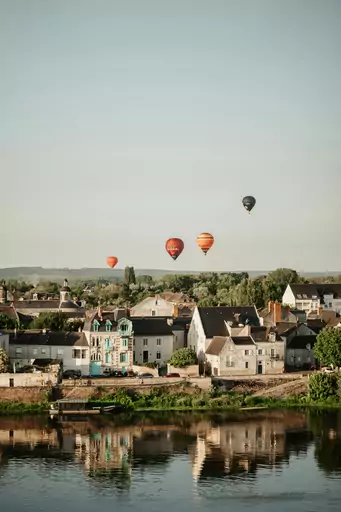
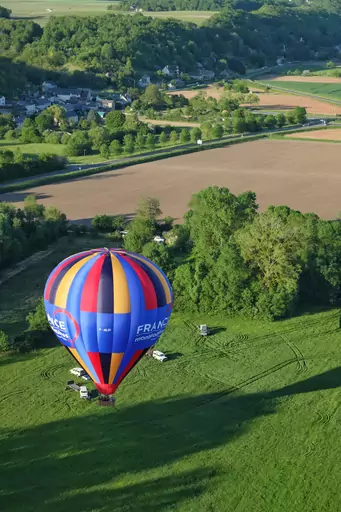
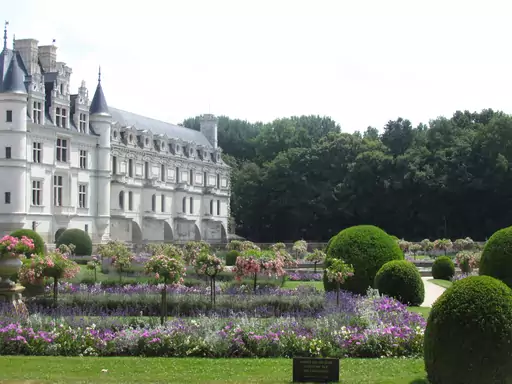
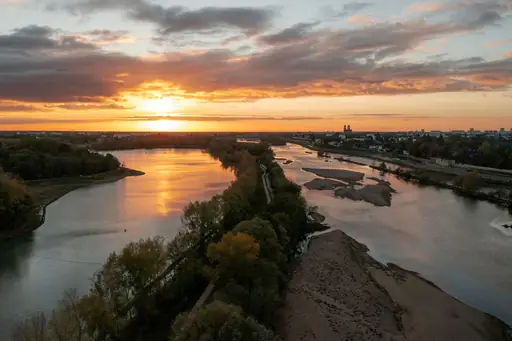
The Loire Valley in France has vineyards along the longest river in the country between grand chateaux. Chenin Blanc and Cabernet Franc grow here on chalky tuffeau soils. Vouvray makes sparkling and still wines aged in caves dug into cliffs. Visitors can taste wines in troglodyte cellars.
City in France
Orléans
Historic heart where river meets cathedral
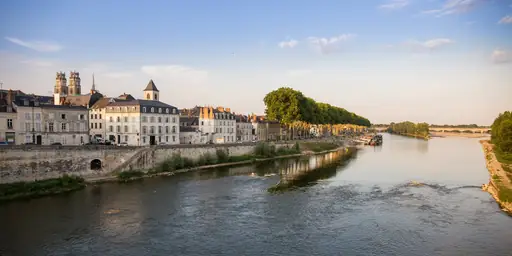
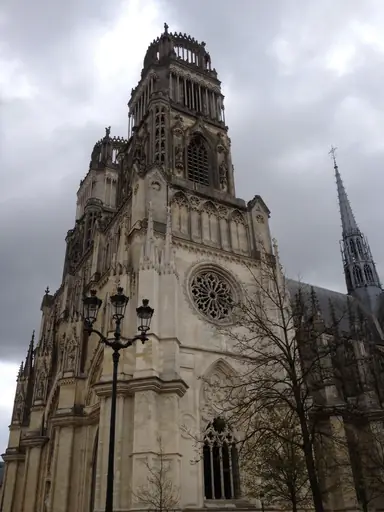
Orleans in the Loire Valley has its own small wine appellations that make light reds and whites. Joan of Arc freed the city in 1429 and it celebrates her each May. Pinot Meunier and Chardonnay grow on nearby slopes. Visitors can taste local wines in small cellars in the old town.
Region in France
Dordogne
Charming vineyards and medieval castles
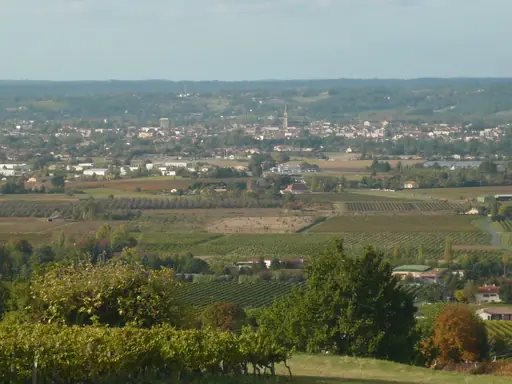
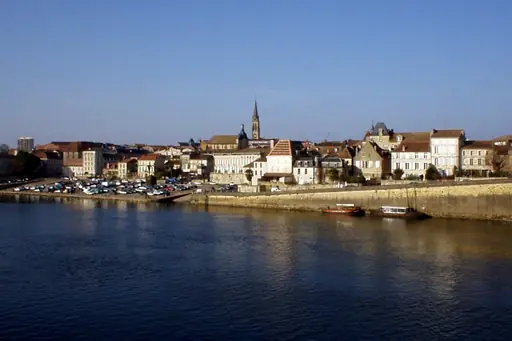
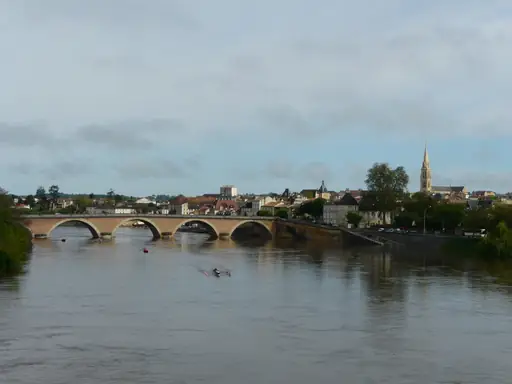
The Dordogne has vineyards around Bergerac and Monbazillac that make sweet golden wines. Morning mist and warm afternoons help noble rot form on the grapes. The wine pairs well with foie gras and walnut cake. Visitors can taste wines in stone castles above the river.
Region in Germany
Franconia
Beer cellars, vineyards and Baroque palaces
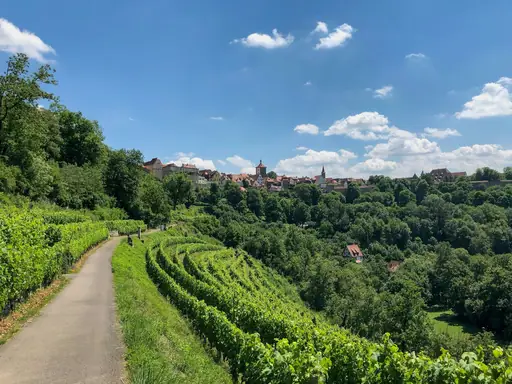
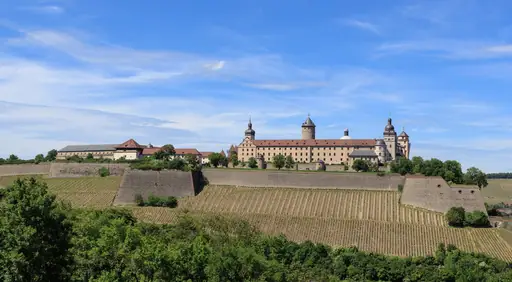
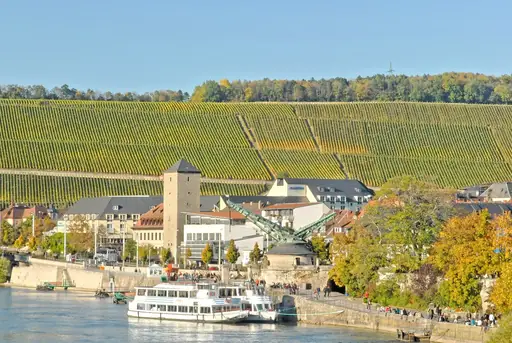
Franconia in Bavaria is known for dry Silvaner wine in flat green bottles called Bocksbeutel. Vineyards line the Main River near Wurzburg. The soil is rich in limestone and shell. Visitors can taste the wine in cellars beneath the baroque Residenz and in village taverns.

Region in Austria
Styria
Green Heart of Alpine Austria
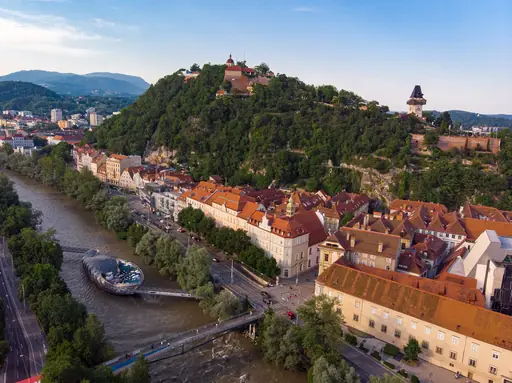
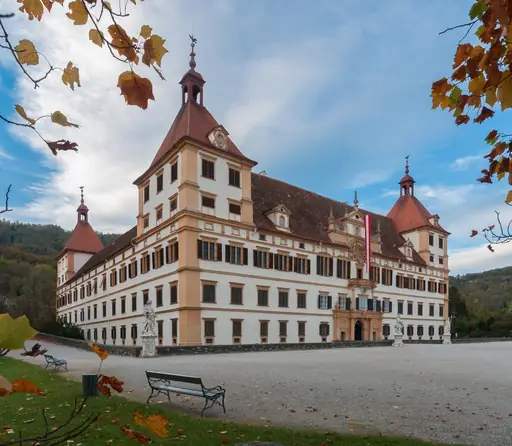
Southern Styria in Austria has steep hills covered in Sauvignon Blanc vines along a scenic wine road. Farms called Buschenschank serve wine with cold cuts and bread. The area is often compared to Tuscany because of its rolling slopes. Visitors also taste pumpkin seed oil and local cider.
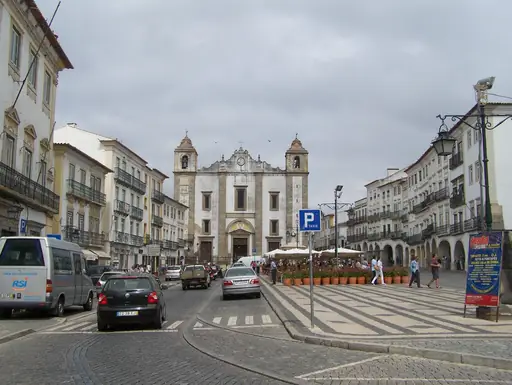
Region in Portugal
Alentejo
Rolling hills, historic villages, soulful cuisine
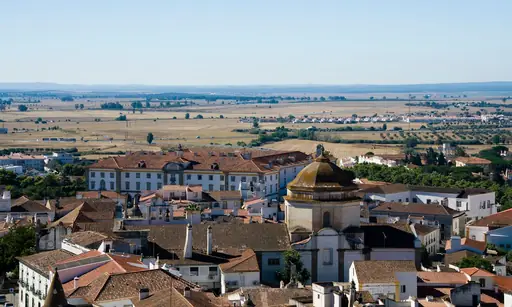
Alentejo in southern Portugal is a wide plain of cork oaks and large wine estates. Winemakers here still make talha wine in clay amphorae as the Romans did. Warm dry summers produce ripe red blends. Whitewashed villages and stone walled farms offer tastings and lunches.
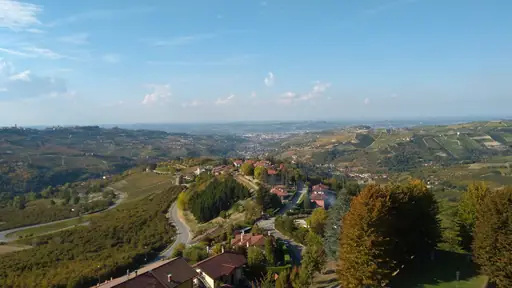
Town in Italy
Alba
Coastal charm meets vineyards in Alba
Alba hosts an International White Truffle Fair each autumn and is surrounded by vineyards. Nebbiolo grapes make Barbaresco wine on the nearby hills. Local shops sell truffles beside bottles of Dolcetto and Barbera. Fog drifts through the Langhe valleys in October and gives the hills a moody look.
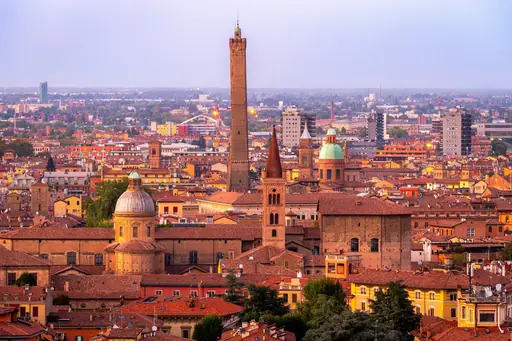
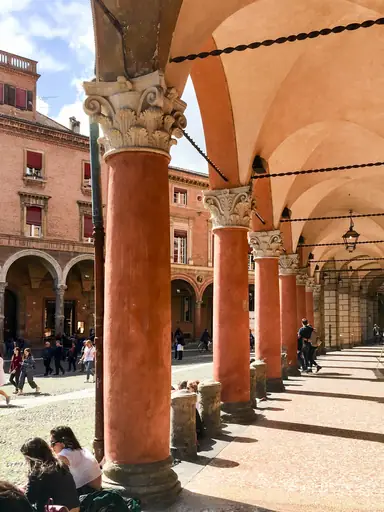
City in Italy
Bologna
Medieval charm and culinary excellence
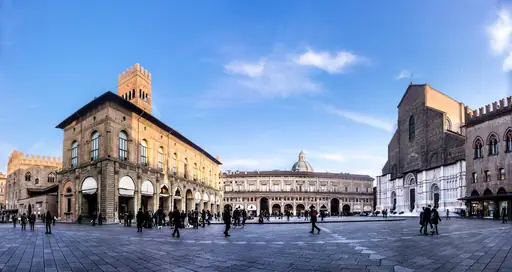
Bologna sits in Emilia Romagna where sparkling red Lambrusco is poured with rich local food. The hills south of the city grow Pignoletto and other local white grapes. Tortellini and mortadella pair well with the fizzy wines. Small family estates offer tastings and long lunches in the hills.
Mountain Range in Italy
Dolomites
Majestic peaks echoing alpine serenity
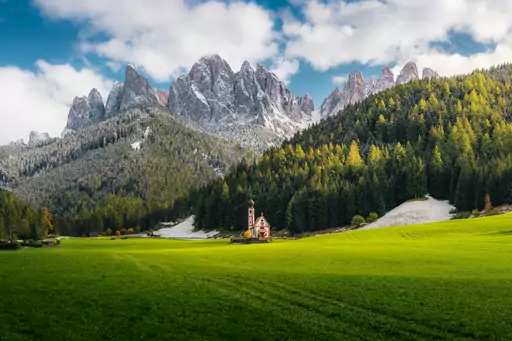
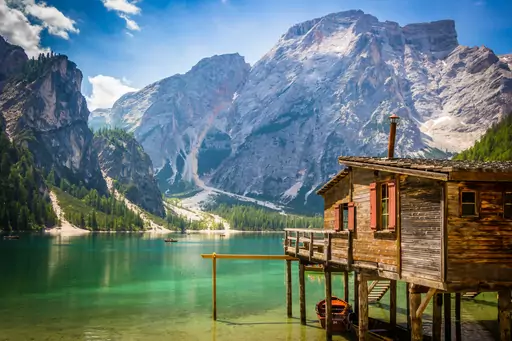
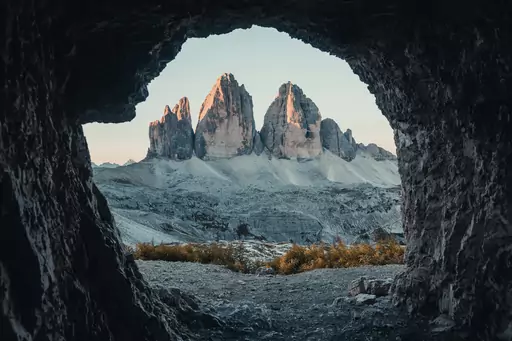
The Cembra Valley in Trentino lies near the Dolomites and has terraced vineyards held by dry stone walls. Vines of Muller Thurgau and Pinot Noir grow on the steep slopes. Cool air from the mountains helps keep the wines fresh. Visitors can taste wines in small villages and hike among the terraces.
Town in Austria
Neusiedl am See
Lakeside Charm and Panonnian Wines
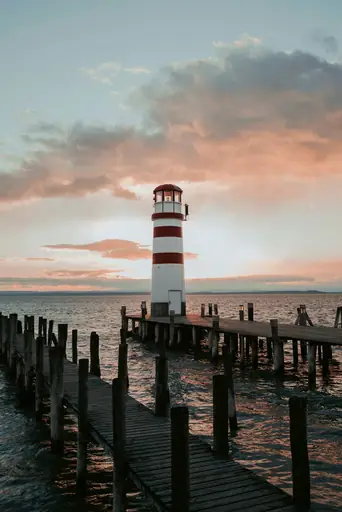
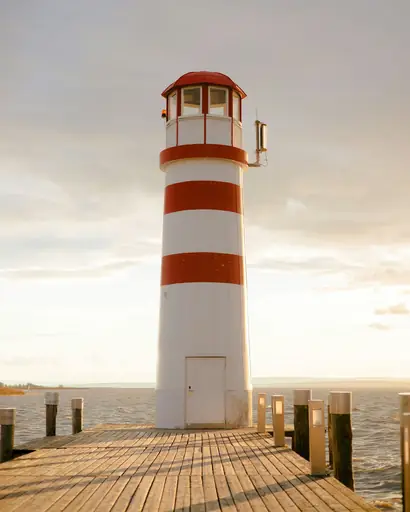
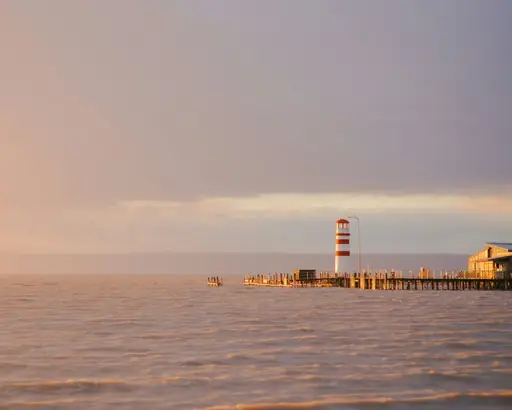
Lake Neusiedl in Burgenland is a shallow steppe lake that brings morning fog to the surrounding vineyards. The mist helps noble rot form on the grapes and gives rich sweet wines. Blaufrankisch and Zweigelt also grow here. Visitors can taste wines in villages with storks nesting on rooftops.
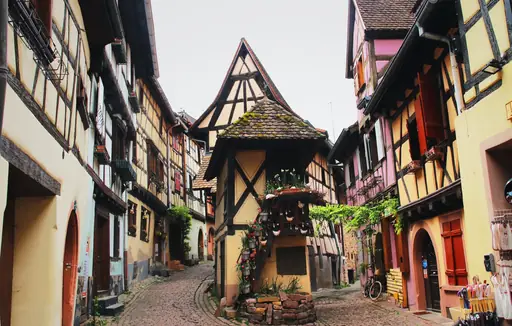

Village in France
Eguisheim
Timeless village where history greets you
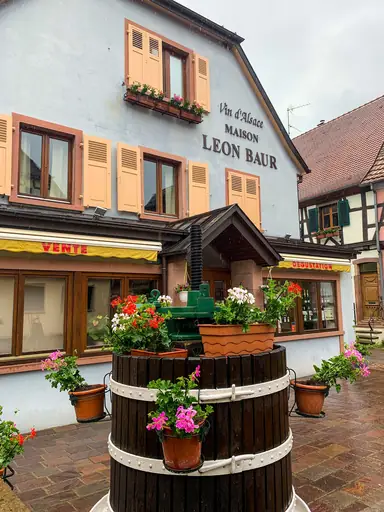
Eguisheim in Alsace is built in circles around a castle with narrow lanes that curve like a snail. Half timbered houses with flower boxes line the streets. The village has grown wine since the Middle Ages. Visitors can taste Riesling and Pinot Gris in family cellars in the old town.
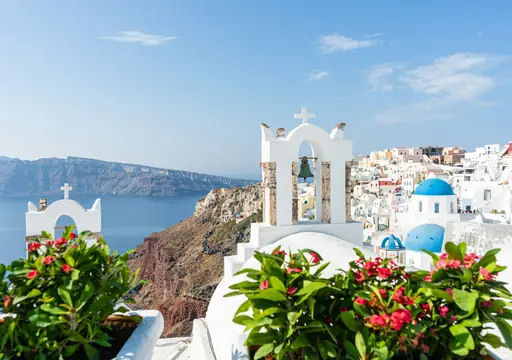
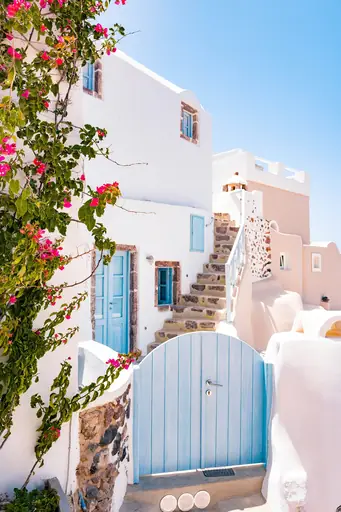
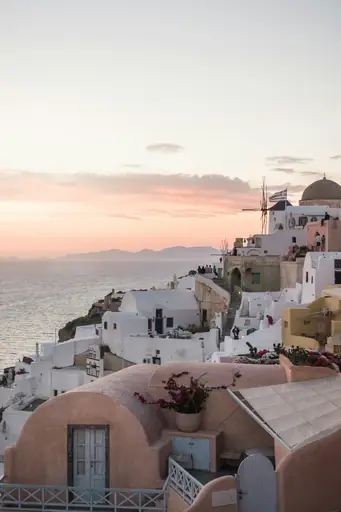
Island in Greece
Santorini
Breathtaking Views and Blue Domes
Santorini grows Assyrtiko grapes on volcanic ash soil in a windy climate. Growers twist the vines into basket shapes called kouloura to protect the fruit from the wind. Many vines are very old and grow on their own roots. Visitors can taste crisp white wines with views of the caldera.


Ski Resort in Switzerland
Portes du Soleil
Snow‑kissed peaks and alpine charm
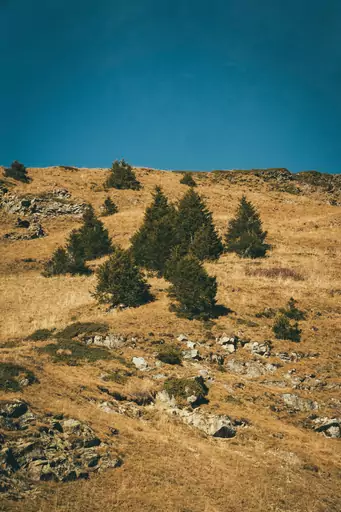
Chateau d'Aigle near the Swiss side of Portes du Soleil holds a wine and vine museum. Vineyards of Chasselas cover the slopes of Chablais above the Rhone plain. The white wines of Yvorne are known for their freshness. Visitors can taste wines with mountain views in the Alps.
Region in Croatia
Istria
Heart-shaped peninsula of cultural fusion
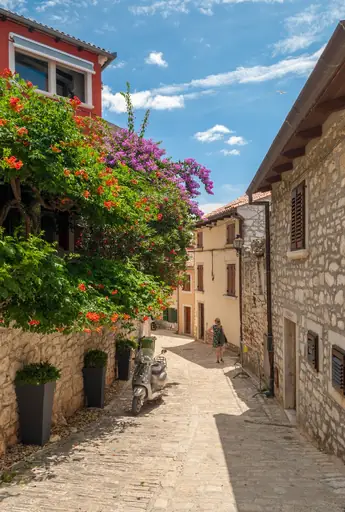
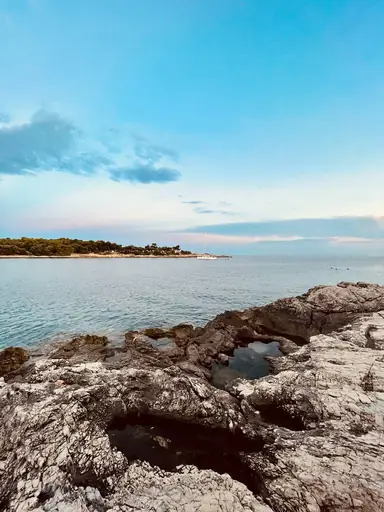
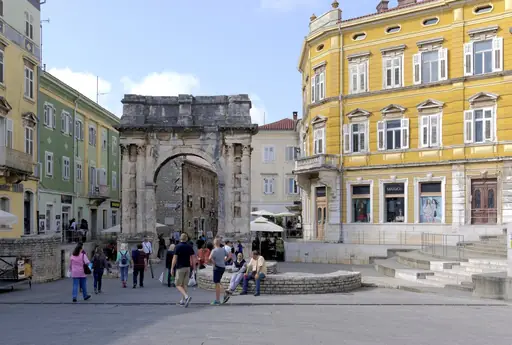
Istria in Croatia is known for fresh white Malvazija and dark red Teran. Hilltop villages such as Motovun overlook vineyards and oak forests. The region also has prized white truffles in autumn and fine olive oil. Small wineries offer tastings beside olive groves and old stone farmhouses.
Region in France
Provence
Sunlit lavender fields and historic villages
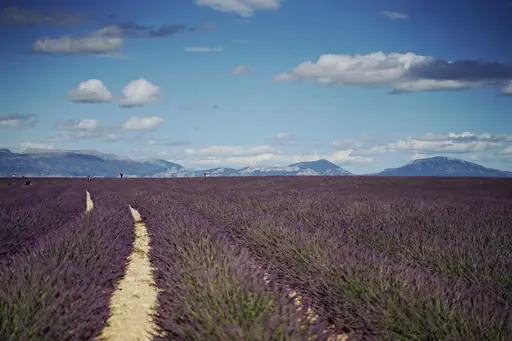
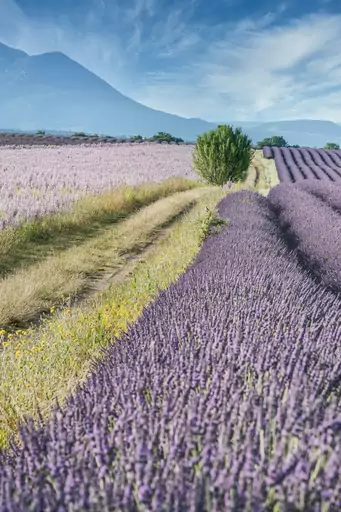
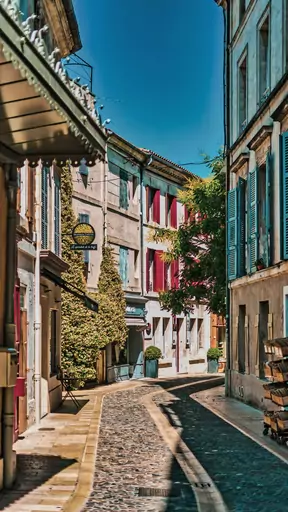
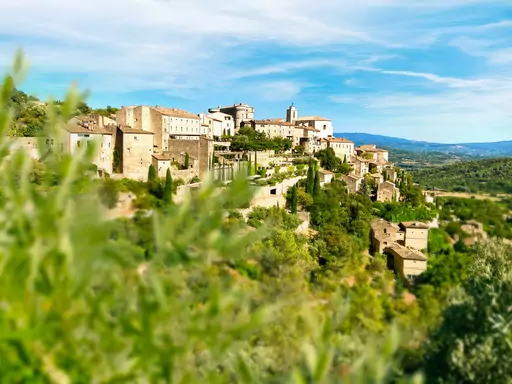
Rose makes up about nine tenths of the wine in Provence and is usually pale pink and dry. Vineyards lie between lavender fields and stone villages. The small harbour town of Cassis produces crisp white wines beside the limestone calanques. Visitors can taste wines at estates and then swim in turquoise coves.
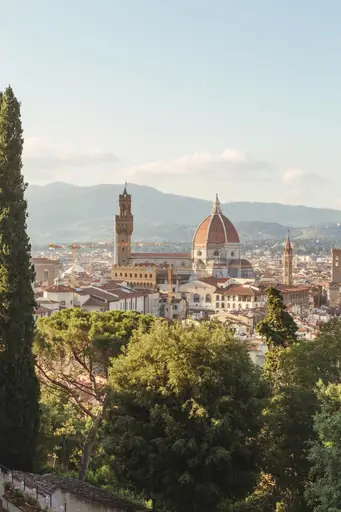
City in Italy
Florence
The cradle of the Renaissance
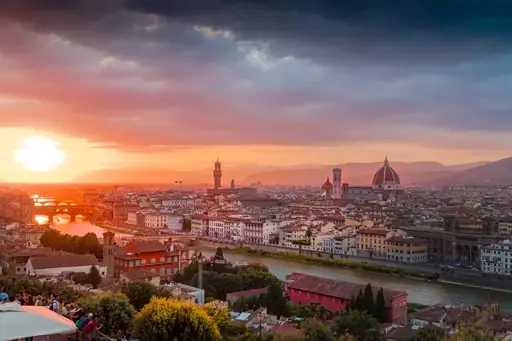
Florence lies near the Chianti Classico region where a black rooster marks the bottles. Sangiovese is the main grape and grows on hillsides between Florence and Siena. Stone farmhouses and cypress lined roads dot the landscape. Visitors can taste wines at castles and family estates a short drive away.
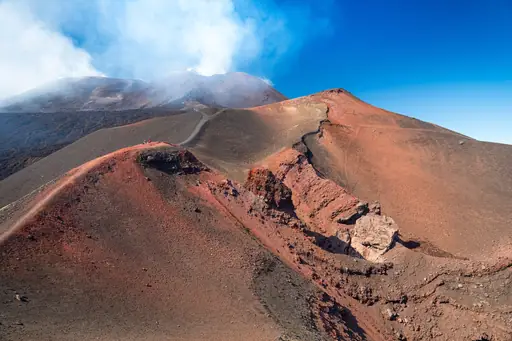
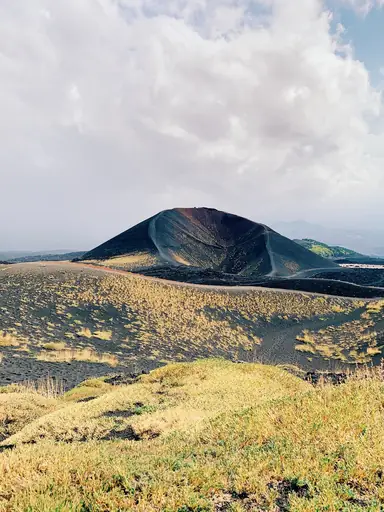

Mountain in Catania
Mount Etna
Europe’s Fiery Giant in Sicily
Mount Etna in Sicily has vineyards that grow on black lava soil at up to 1,000 metres. Nerello Mascalese makes elegant reds with a hint of smoke. Many vines are very old and grow on their own roots. Visitors can taste wines with a view of the smoking volcano.
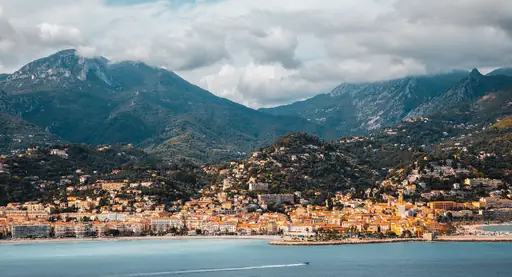

Town in France
Menton
Sunlit Riviera charm meets Mediterranean breeze
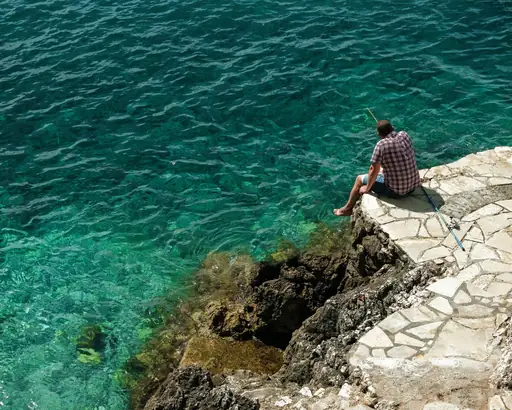
Menton on the French Riviera lies within reach of Bellet, a tiny appellation in the hills behind Nice. Winemakers grow Rolle and Braquet on stony terraces. The area produces only a small amount of wine. Visitors can taste rare bottles then walk in Menton's lemon groves.
City in Germany
Trier
Roman gates, baths and Moselle wine
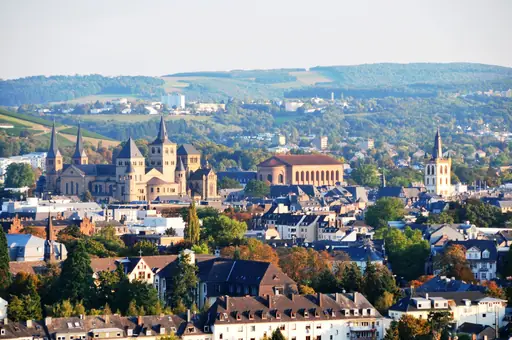
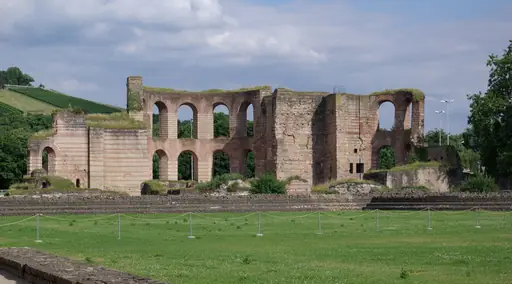
Trier is one of the oldest cities in Germany and has Roman wine ties. Nearby villages hold ancient stone wine presses from the 4th century. Riesling grows on steep slate slopes above the Moselle River. Visitors can taste wines in family estates after seeing the Roman Porta Nigra.
Town in Italy
Siena
Timeless Charm in Tuscany
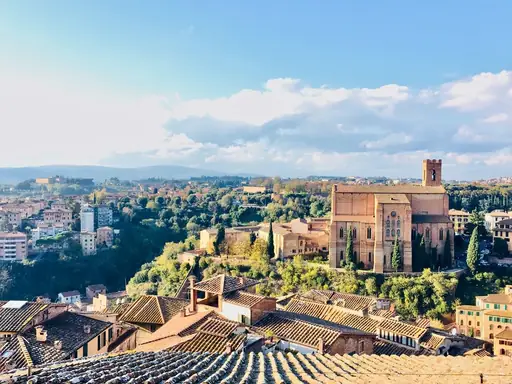
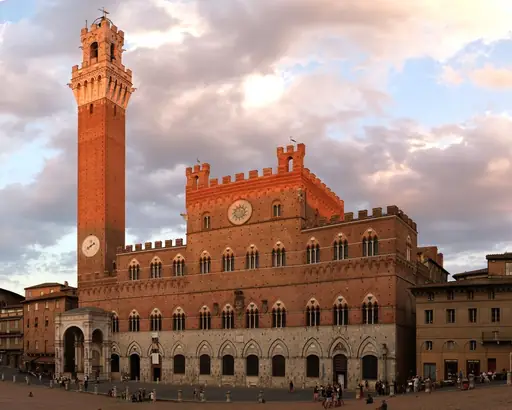
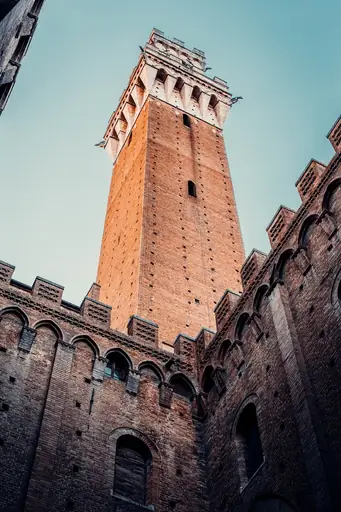
San Gimignano near Siena makes Vernaccia, a crisp white wine grown beneath medieval stone towers. Vines cover the slopes around the hill town. The wine pairs well with seafood and light dishes. Visitors can taste it in shops and cellars in the old walled town.
Town in Portugal
Évora
A Timeless Journey Through History
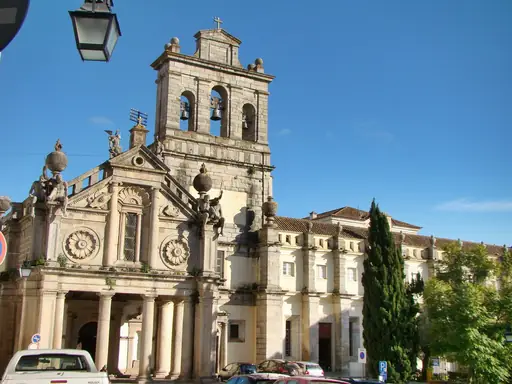
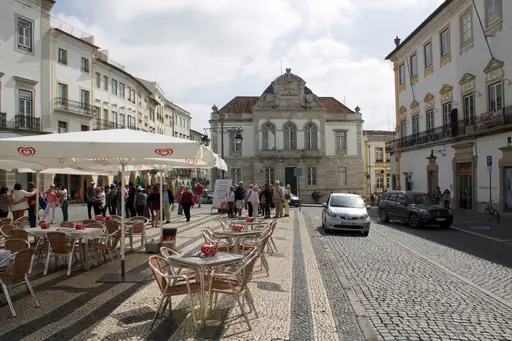
Evora in Alentejo has the Cartuxa winery and its famous Pera Manca wines. The estate was founded by the Eugenio de Almeida Foundation and sits beside a Carthusian monastery. Vines grow on plains dotted with cork oaks. Visitors can tour the cellars after seeing the Roman Temple of Diana.
Region in France
Brittany
Coastal charm meets historic Breton villages
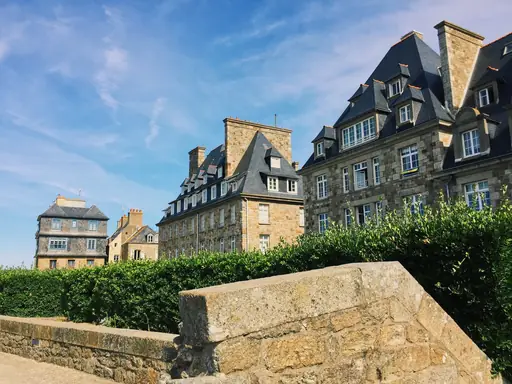
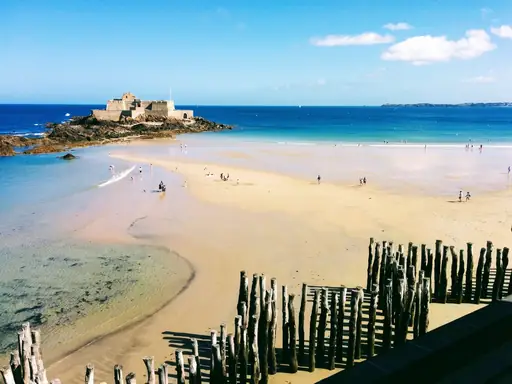
Brittany lies near the Muscadet vineyards around Nantes which make crisp dry white wine. Winemakers age the wine on its lees for extra texture. It pairs well with oysters and mussels from the Breton coast. Visitors can also try local cider in traditional creperies along the coast.
Other lists you may like
Discover
Top wine destinations and famous vineyards
Wine travel has developed a well-established infrastructure of its own, with dedicated tasting rooms, cellar door visits and harvest experiences now standard across most major…
Read more
Discover
Best wine destinations in Africa
Africa's wine production is concentrated in the far southwest of the continent, where a Mediterranean climate and diverse soil types across a compact geographic area have produced…
Read more
Discover
Best wine destinations in Asia
Asia's wine regions are younger than those of the western world but several have developed with striking speed, producing wines that have drawn serious international attention…
Read more
Discover
Best wine destinations in North America
North America's wine regions are concentrated along the Pacific coast and in a handful of inland areas where climate and soil conditions have proved favourable, with the most…
Read more
Discover
Best wine destinations in Oceania
Oceania's wine regions are concentrated in the temperate southern zones of Australia and New Zealand, where a range of distinct cool and warm climate appellations have developed…
Read more
Discover
Best wine destinations in South America
South America's wine regions are anchored by the long narrow corridor of Andean foothills running through the western side of the continent, where altitude, sunshine and diurnal…
Read more
What other users say about travelfilters
“travelfilters made it easy for me to find ski areas and compare what else they offer, so that I could find the best place for my personal travel style.”

Chris
Snowboarding & Onsen trip to Japan
“I love how transparent the data feels. There is no pushy upsell, just honest information and settings I can tune to my own travel style.”

Maria
After booking her 2027 winter escape
“The level of detail for each destination and how well those are displayed, make planning feel confident instead of overwhelming.”

Mina
Planned a week in New York City
“We used travelfilters for our planning from start to end. The trip turned out even better than expected, thanks to all their tools and customisation options.”

Allan & Etienne
Trip to Japan to see autumn foliage
“Thanks to travelfilters, I found some hidden gems to see. Being able to filter for exactly your interests is a game changer for my travel planning.”

Michael
Tour through the old cities of Northern Italy
“The customizable filters helped me find a quiet beach town with good wifi and low season crowds in under five minutes.”

Diego
Weekend Escape to Llanes, Spain
“The airport connection map saved me hours by showing good flight options from my home airport to lesser-known cities.”

Nguyen
Planning a 2027 trip to France
“The website is clean, fast and focused on the search itself, which makes travelfilters feel more like a professional tool than an ad-heavy booking site.”

Hassan
Christmas Market trip, Germany
