
Europe › France › Champagne

Champagne

Scroll
Where bubbly dreams come alive

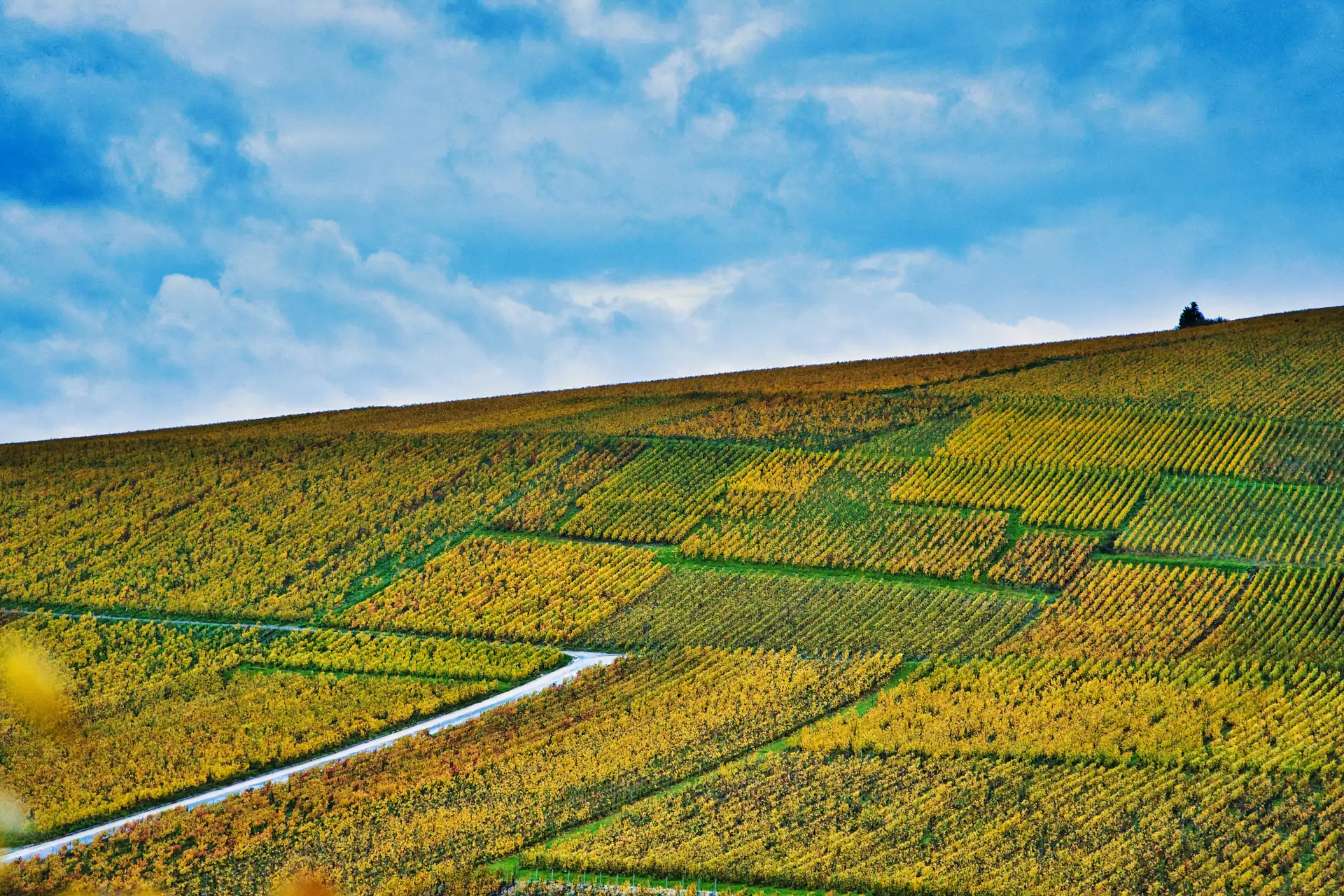
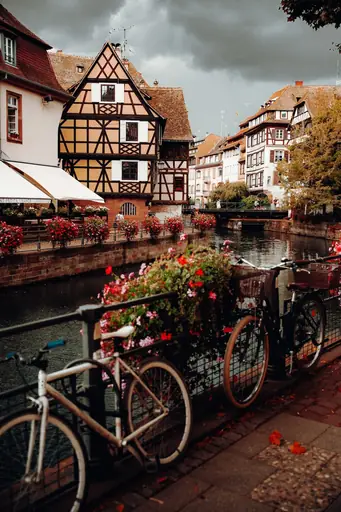
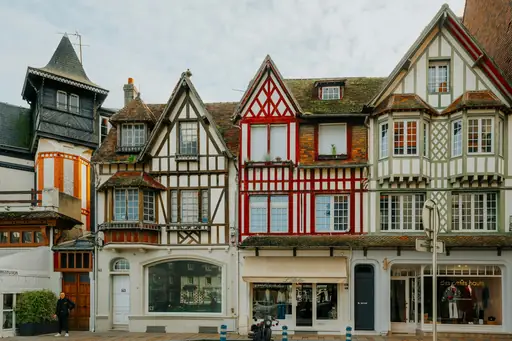
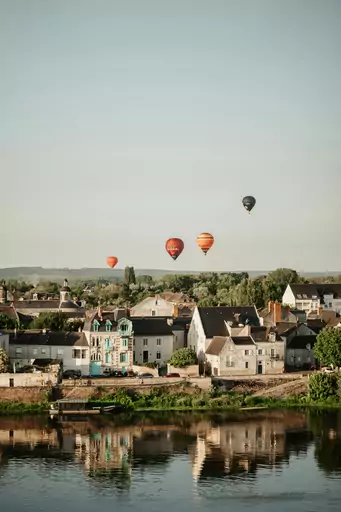
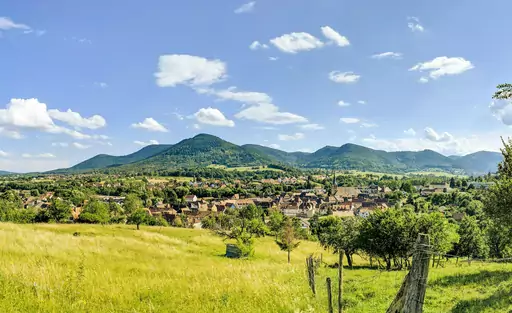
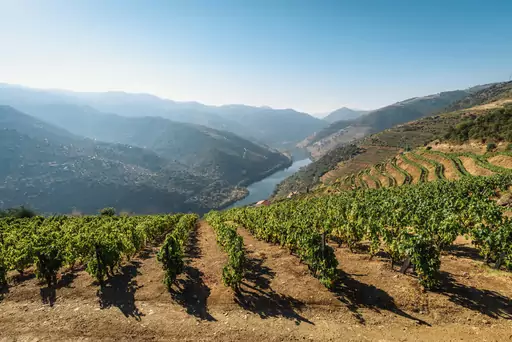
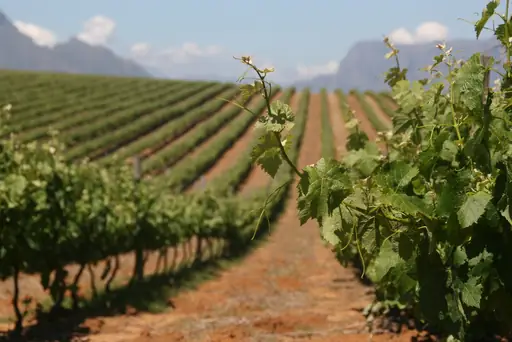
Champagne, located in northeastern France, is famous for its sparkling wine made from grapes grown in chalky soil. The region’s vineyards stretch across rolling hills where workers harvest grapes by hand each year. Traditional methods shape the bubbly drinks known worldwide. Towns like Reims and Épernay host historic cellars where barrels age bottles slowly under careful watch. Visitors explore medieval streets, sample local cheeses and learn about centuries-old production techniques that define this unique part of France’s cultural heritage.

Region in France
Climate zone: Mild oceanic

Mild oceanic: Marine-influenced climates with cool summers, mild winters and frequent precipitation year-round, typical of western coasts at mid-latitudes.

See climate table
Price level: $$$
$Cheap
$$Medium
$$$Expensive, upscale
$$$+Very expensive, luxury
See price details
Safety: 6.2
General Safety:5
Health & medical:8
Accessibility:7
Tap water:9
Read details
Tourist English: 3/5
English proficiency varies across Champagne. In tourist areas, hotels, and major champagne houses, English is widely spoken. In smaller villages and among older generations, communication might require patience and basic French phrases.
Last update: 12 Oct 2026
* We earn a commission from some links on this page.
Champagne Summary

These place ratings give you a quick overview of how well a destination matches different types of trips.

‘Best for’ scores:
The specific interest scores show where this place really shines – whether it's ideal for hiking, food & drink experiences, museums or other activities. These highlights help you understand what makes the destination special at a glance.

‘Your personal’ scores:
This reflects how well a place matches your personal preferences. You can adjust the importances of travel topics or other personal requirements categories in your account settings.

‘Suited for’ badges:
These give you a quick overview of how well a destination suits specific types of travellers, to help you find the places that match your lifestyle, preferences or travel situation.

Read how our scores work
Excellent for wine culture and countryside escapes. Tour historic champagne houses, enjoy vineyard tastings, cycle through rolling vineyards and relax in elegant villages.
Place score
7.2
Best at:
Wine
10
Spotless
8
Romantic
7
Cosy towns
6
Luxury
6
Personal score
?
Log in to see how this place matches your personal travel interests.
Suited for
👶 7
Families
🧓 8
Seniors
❤️ 9
Couples
🛡️ 8
Travel Beginners
France – Quick facts
Power Grid: 230 V, 50 Hz
Plug: Type C , Type E
Type C:
Diagram of a Type C power plug
Type E:
Diagram of a Type E power plug

Read about power adapters
Currency: Euro (EUR)
£1 ≈ €1.19
Cashless info: Rating 5/5
Cashless payments are widely accepted, especially in cities and tourist areas.

Save with a travel credit card
eSIM providers: Best value: Saily
Flexibility: Airalo
Read our in-depth comparison
Tipping: Tipping is optional but appreciated in restaurants (5-10%) and for exceptional service.
Public drinking: Public drinking is allowed in designated areas, but restrictions apply in some cities.
Public smoking: Smoking is banned in indoor public spaces but common in outdoor cafes.
Bastille Day
(July)
Parades and fireworks occur nationwide.
Easter
(March/April)
Cultural celebrations and closures.
Christmas
(December)
Markets and festive events.
Emergency contact: Emergency Numbers: 112 (EU emergency), 15 (Ambulance), 17 (Police), 18 (Fire)
Taxi apps: Uber, Bolt, Heetch
Other: France offers diverse experiences, from art and culture to nature and cuisine. Be cautious in crowded areas.
Best times to travel

The best times to travel section shows how the months compare for a visit, so you can find the time of year that fits what you want to do.

Background colours of the months:
The colour shows the typical temperature: yellow (hot), green (mild) and blue (cold). How strong the colour is shows the travel season: full colour means high season, soft colour means shoulder season and soft-striped means off season.

Weather symbols:
Each month has one symbol showing what the weather is typically like, such as hot and sunny, freezing or a rainy or snowy season. Use them to quickly spot months that match the weather you want, or to avoid the ones that don't.

Crowdedness:
The people icon shows how busy the place usually is. The more people, the more crowded it gets.

Additional notes:
The grey info boxes point out special things worth knowing, like recurring weather issues or seasonal events.

for Champagne, France
☁️
Jan
☁️
Feb
🌤️
Mar
🌤️
Apr
🌤️
May
🌤️
Jun
🌤️
Jul
🌤️
Aug
🌤️
Sep
🌤️
Oct
☁️
Nov
☁️
Dec
High season: June - Sep.
Shoulder season: April - May, Oct., Dec.
Crowdedness: 6 (Many tourists)
Tap on a month for more info Hover over a month for more info
Harvest (vendanges) runs from late August to late September; many cellars close to visitors or need advance booking
Many Champagne houses and small growers require reservations for tastings, especially at weekends and in harvest season
Many small producers, restaurants and shops close on Sundays, and some in August

Why travel to Champagne?

Traveling to Champagne means immersing yourself in a world where tradition and luxury intertwine seamlessly. The region's unique terroir - a magical combination of climate, limestone soil and sloping hillsides - creates not only the perfect conditions for champagne production but also breathtaking landscapes dotted with charming villages and grand champagne houses where centuries of winemaking expertise come alive through fascinating cellar tours and tastings. Beyond the effervescent allure of its namesake drink, Champagne captivates visitors with its rich historical tapestry, from magnificent Gothic cathedrals to medieval towns. The warm hospitality of locals, combined with exceptional gastronomy that perfectly complements the region's sparkling wines, creates an atmosphere that feels both sophisticated and genuinely welcoming. Whether you're a wine enthusiast, history buff or simply seeking a taste of authentic French countryside charm, Champagne offers a multifaceted experience that lingers in your memory long after the last bubble has popped.

🏯Places worth seeing
  • 1 Châlons-en-Champagne
  • 2 Palais du Tau
  • 3 Basilique Saint-Remi
  • 4 Château Perrier
🎡Places for activities
  • 1 Montagne de Reims
  • 2 Allée de la Côte des Blancs
🏞️Natural landmarks
  • 1 Vallee de la Marne
  • 2 Rue Marais de Saint-Gond
🎈Events
  • Route du Champagne en Fête (July)
  • Habits de Lumière in Épernay (December)
  • Reims Jazz Festival
  • Champagne Harvest Festival (September)
  • Foire de Châlons
  • Festival Le Dormantastique
  • Fasching Carnival
  • Maibaumaufstellen (Maypole Raising)
  • Reims Christmas Market
  • Champagne Marathon (May)

Knowledge before you go

  • Book champagne house tours in advance online.
  • Drive the Avenue de Champagne in Épernay to see grand maisons like Moët & Chandon.
  • Visit Reims Cathedral and Taittinger cellars for Gothic architecture and history.
  • Hike Montagne de Reims trails for panoramic vineyard views and twisted Faux de Verzy trees.

How to travel to Champagne

The most convenient gateway to Champagne is through Paris, which is just 45 minutes to Reims by high-speed TGV train from Paris Gare de l'Est. International visitors typically fly into Paris Charles de Gaulle Airport and then take the train. The region also has a small regional airport, Châlons Vatry Airport, though it offers limited connections. For those already in Europe, the extensive French train network makes reaching Champagne straightforward from major cities and the region is well-connected by highways if traveling by car.

Access summary

  • From Paris CDG Airport: TGV or TER via Reims/Épernay, about 1–2 hours.
  • From Paris city: Direct TGV/TER from Gare de l’Est to Reims, 45–80 minutes.
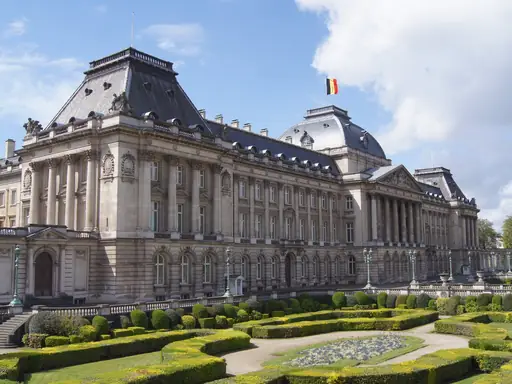
  • From Brussels: Intercity/TGV trains to Reims, usually around 2.5–3 hours.

Where to stay in Champagne

Champagne offers accommodations for every budget, from luxury hotels in historic buildings to charming family-run guesthouses in vineyard villages. Major cities like Reims and Épernay have the widest selection of hotels, while staying in smaller villages provides a more authentic experience. During harvest season (September) and major festivals, accommodations book up quickly and prices increase significantly, so advance reservations are essential. Some champagne houses and vineyards also offer unique on-site lodging experiences.

How to get around Champagne

Getting around Champagne is easiest with a car, especially if you want to explore smaller villages and remote vineyards. However, the region does have reliable public transportation connecting major towns. The TGV train network links larger cities like Reims and Épernay, while local buses serve smaller communities. For a unique experience, consider renting bicycles to explore the gentle vineyard slopes or booking organized tours that handle transportation between champagne houses.
Budget snapshot
Costs compared to home

We calculate the average costs when travelling to destinations and compare those with the living costs at your home. With this you can get an estimate of how expensive or cheap the destination is for you.

To customise this, you can set up which location and price level are used for the calculations in your account settings.

+12 %
Daily expenses in the region are around 12% higher than the average across United States. That means you'll spend more on meals and getting around.
Exchange rate trend

The exchange rate price factor shows how expensive or cheap a currency currently is compared to its historical average. It's a quick way to see if a country is currently more or less affordable due to exchange rate changes.

-3 %
Your exchange rate (GBP to EUR) is 3% better than in recent years. That means travelling now costs around the same compared to the past.

Travel costs

To help you plan your trip, we provide estimated daily costs per person (when travelling as a pair) for different travel styles. These numbers give you an idea of what you might spend each day at this destination, including accommodation, food, transport and activities.

Additionally, we also provide average hotel costs for different travel styles to give you an estimate for the accommodation only.

Please note that these are only estimates. The real costs depend on booking times, season and other factors.

Daily cost summary

Travel style categories explained:

Backpacker:
Staying in hostels or budget hotels, cooking your own meals or eating cheap and choosing low-cost activities.

Mid-range:
Staying in mid-range hotels, eating at a mix of restaurants and casual spots and enjoying a variety of activities.

Luxury:
Staying in luxury hotels, dining out at high-end restaurants and enjoying premium experiences without worrying about the price.

Backpacker Mid-range Luxury
💵 Total costs per day, including accommodation
£69
£152
£422
🏨 Accommodation per night, per person
£26
£64
£150
🍝 Food per day
£34
£78
£236
🚕 Transportation per day
£8
£10
£36
Food & Drink
🍽️ Restaurant Dinner, per person
£30
🍛 Lunch Set, per person
£13
🍟 Fast food combo
£11
🍝 Preparing your own food, per day
£11.50
☕ Cappuccino
£3.90
🍺 Beer in a restaurant, 0.5 l
£6
Transportation
🚌 Public transport ticket
£1.80
🚕 Taxi Ride, 10 km / 6 mi
£21
⛽ Petrol, 1 l
£1.60
Other
🎞️ Cinema ticket
£12.50
👩‍⚕️ Doctor's consult
£24
🤧 Cold medication
£11
💇 Basic haircut
£15

Safety information overview

General safety
5
Champagne is generally very safe for travelers with low crime rates. Exercise normal precautions in tourist areas and train stations. During large festivals, be aware of pickpocketing. The rural roads can be narrow and winding, so drive cautiously, especially after wine tastings.
Health & Medical
8
Healthcare in Champagne is excellent with modern facilities and well-trained medical professionals. Pharmacies are widely available in towns and cities. Travel insurance is recommended for non-EU visitors as medical costs can be high. No specific health concerns exist for the region.
Accessi­bility
7
Major towns and champagne houses are generally accessible, though historic sites and small villages may present challenges with cobblestone streets and older buildings. Many larger champagne houses have made efforts to accommodate visitors with mobility issues, but calling ahead is recommended.
Tap water
9
Tap water throughout Champagne is safe to drink and of excellent quality. In restaurants, asking for water typically results in bottled water with a charge rather than free tap water. Public drinking fountains are available in most towns and cities.

Packing recommendations for Champagne

Log in to add this place to a travel list and get a summary of all recommended items for your whole trip.

Looking for inspiration?

Discover
Intimate escapes and romantic getaways
The most memorable trips for couples tend to have less to do with luxury and more to do with the quality of shared experience. A place that slows you down, removes the usual…
Read more
Discover
Best travel destinations for food allergies in Europe
Europe is one of the more manageable continents for allergy conscious travelers, thanks to strict food labeling rules that apply across the entire European Union. Restaurants…
Read more
Discover
Best travel destinations for food allergies
Travelling with a food allergy adds a layer of planning most people never have to think about and the right destination can make that planning a lot easier. Some travellers…
Read more
Discover
Best wine destinations in Europe
Europe contains the world's most established wine producing regions, with centuries of accumulated knowledge about which varieties, soils and microclimates produce the most…
Read more
Discover
Best solo travel destinations in Europe
Europe is where most people start, and for good reason. The trains connect cities across borders, the hostels have been running for decades, and the distances between completely…
Read more
Discover
Top solo travel destinations and safe hubs
Travelling alone sounds like a bigger deal than it is. The first day feels strange – eating dinner by yourself, navigating without someone to double-check the map with, making…
Read more
Discover
Best couple holiday destinations
Travelling as a couple sounds simple enough, yet the best couple holiday destinations mean something different to almost every pair. What feels romantic to one couple can feel like…
Read more
Discover
Best couple vacation destinations in Europe
Europe has been the backdrop for love stories for centuries, and for couples it remains one of the easiest continents to feel romantic in without even trying. The choice of…
Read more
Discover
Best food destinations in Europe
Europe's food cultures span an extraordinary range of culinary traditions, with distinct regional cuisines, producer landscapes and restaurant scenes concentrated within a compact…
Read more
Discover
Best destinations for first-time travellers
A first trip abroad works best somewhere that eases you in, rather than throwing every possible culture shock and logistical headache at you at once. Some first-time travellers…
Read more
Discover
Top wine destinations and famous vineyards
Wine travel has developed a well-established infrastructure of its own, with dedicated tasting rooms, cellar door visits and harvest experiences now standard across most major…
Read more
Discover
Best romantic destinations in Europe
Europe has no shortage of romantic settings, and the continent's relatively compact geography means that extraordinary destinations are often within a few hours of each other.…
Read more
Discover
Best travel destinations for seniors in Europe
Europe remains one of the easiest continents for older travelers, thanks to excellent trains, reliable healthcare and cities built for walking rather than driving. River cruises…
Read more
Discover
Top food destinations and culinary hotspots
Food travel has matured into a sophisticated circuit built around the world's great culinary traditions, restaurant destinations and producer landscapes that offer experiences…
Read more
Discover
Best travel destinations for seniors
Senior travel covers a wide range, from slow, low effort trips built around comfort to more independent trips for travellers who still want to cover plenty of ground. Some…
Read more
Was this page helpful?
Feedback