
Best travel destinations for seniors in Europe
Best travel destinations for seniors in Europe
Europe remains one of the easiest continents for older travelers, thanks to excellent trains, reliable healthcare and cities built for walking rather than driving.
River cruises along the Rhine, Danube and other major rivers have become especially popular, offering comfortable cabins and a new city to explore most mornings without ever repacking a bag. Extensive rail networks make it easy to move between cities without renting a car or navigating an airport. Some historic centers do have cobblestone streets and limited elevator access, worth checking ahead if mobility is a concern. Guided tours and senior specific discounts are also widely available across most of the continent. Shorter distances between countries also make it easy to slow the pace down without losing much time to travel.
The destinations on our list for Europe reflect that same mix of easy transport, guided options and unforgettable river cruises.
Lists by region
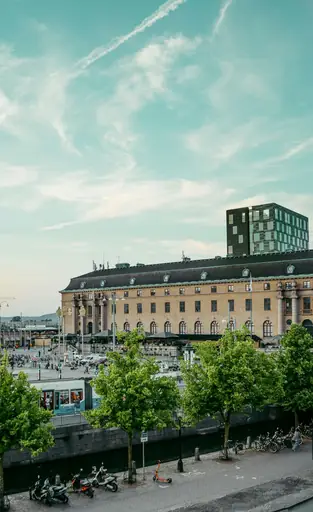
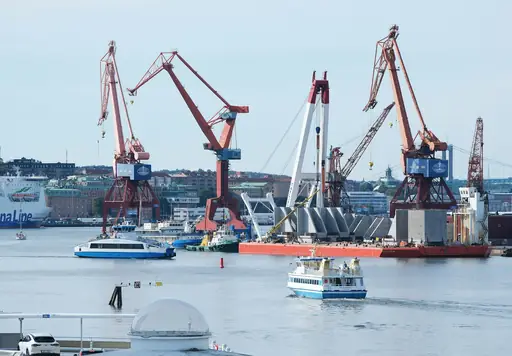
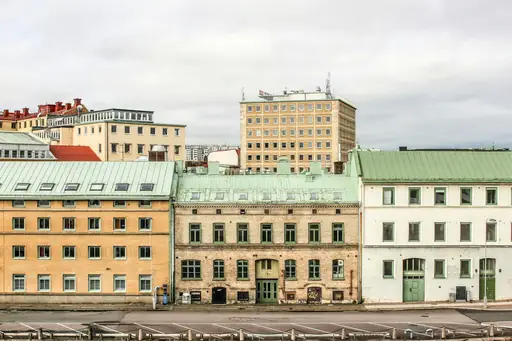
City in Sweden
Gothenburg
Where coastal charm meets cool culture
Fresh fish and sea air fill Feskekôrka, a market hall shaped like a church. Trams run through the centre and are easy to use. The Botanical Garden is large and calm. Take a ferry to the southern archipelago, a group of car free islands. Cafes serve fika, a coffee and cake break.
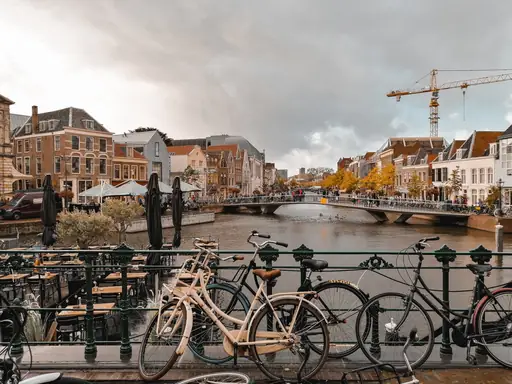
City in Netherlands
Leiden
Canals, courtyards and student spirit
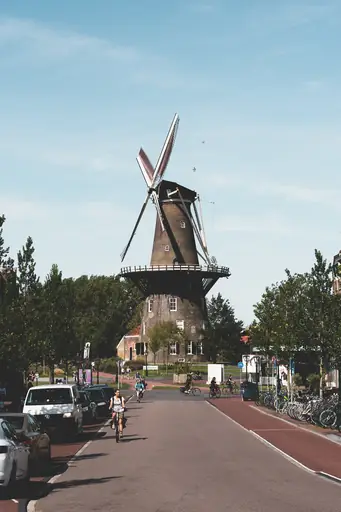
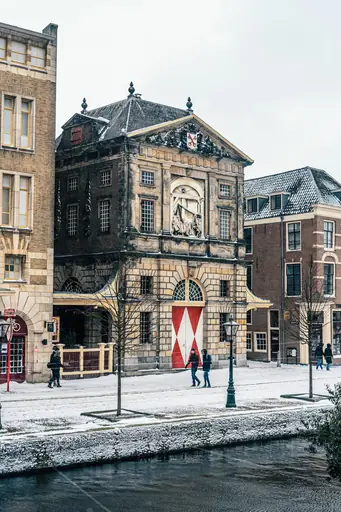
Church bells ring over quiet canals lined with brick houses. The Hortus Botanicus, founded in 1590, has flat paths and a tropical greenhouse. The city is flat and compact. An old windmill called De Valk is now a museum. Rembrandt was born here in 1606. Cafes line the Rapenburg canal.
Town in Croatia
Rovinj
Adriatic Charm, Art and Sunsets
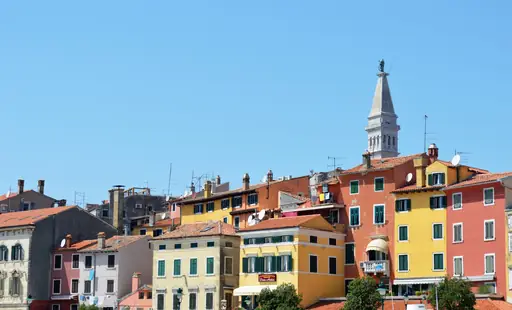
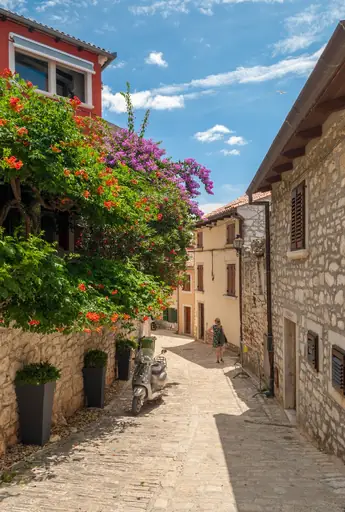
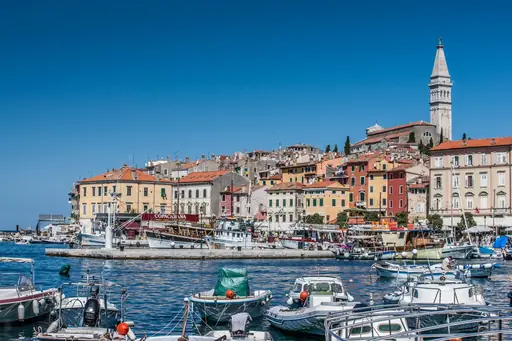
The church of Saint Euphemia stands on the highest point of the old town peninsula. Cobbled lanes rise to it, so take your time and rest at cafes. Down at the harbour the waterfront is flat and lined with restaurants. Boat trips visit nearby islands.
Town in Norway
Bergen
The gateway to the fjords
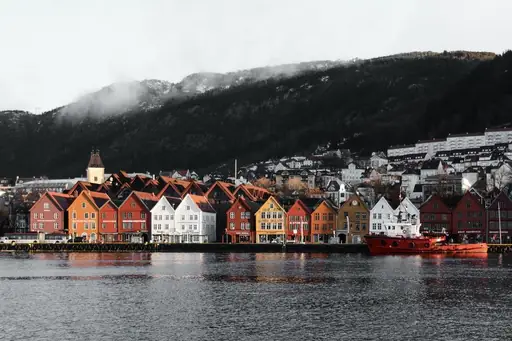
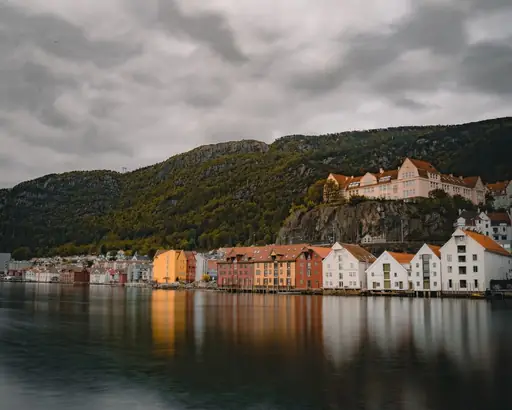
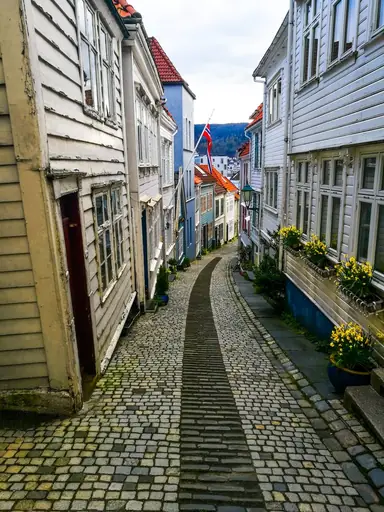
Mild weather arrives from May to September with long days. The Fløibanen funicular carries you up Mount Fløyen in a few minutes for views over the harbour. Bryggen, the old wharf, has colourful wooden houses. Rain is frequent, so bring a light raincoat. Fish soup is a local favourite.

Island in Portugal
Madeira
Dramatic Cliffs and Eternal Spring
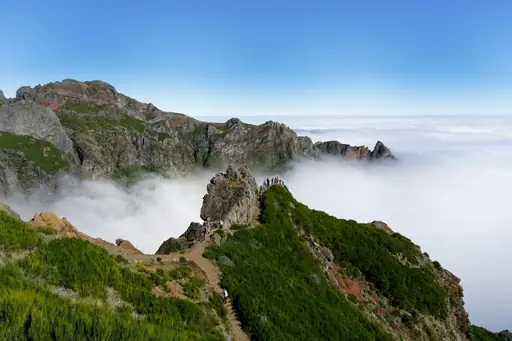
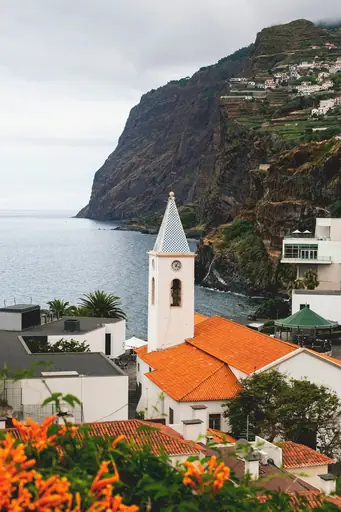
Spring is the time when the island hosts its Flower Festival and gardens bloom. Mild weather lasts all year. Cable cars rise from Funchal to Monte, where tropical gardens spread over the hillside. Some levada paths, which follow old water channels, are flat and easy. Funchal has a flat seaside promenade.
Island in Spain
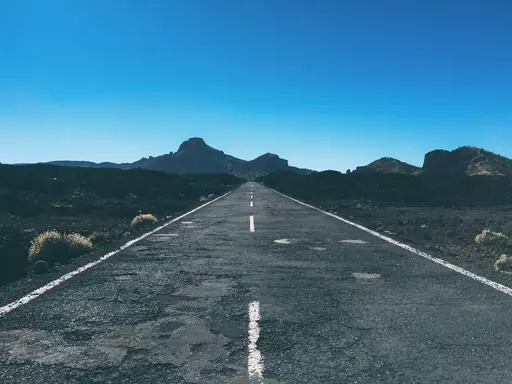
Canary Islands
Spain's volcanic paradise year-round
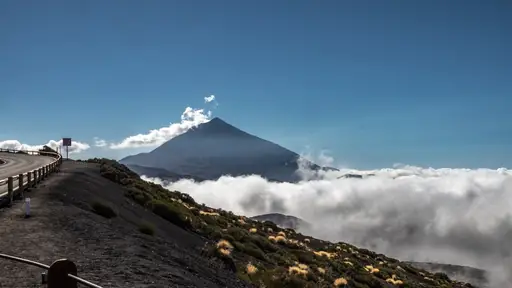
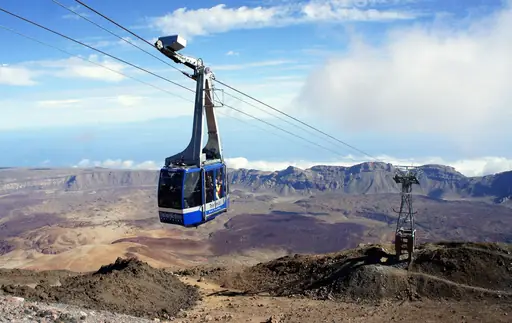
Warm sun and salty sea air greet visitors even in winter. Daytime highs often stay near 20 degrees Celsius. Flat seafront promenades run along beaches such as Las Canteras in Las Palmas. A cable car on Tenerife lifts you towards the top of Mount Teide in minutes.

City in Belgium
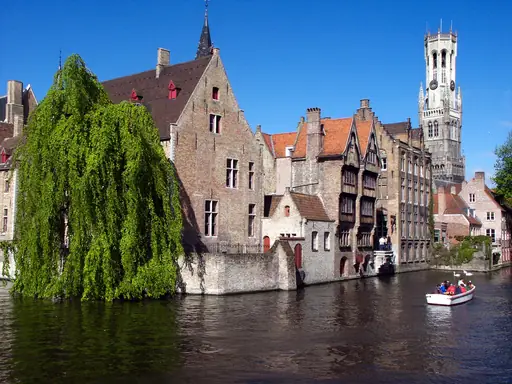
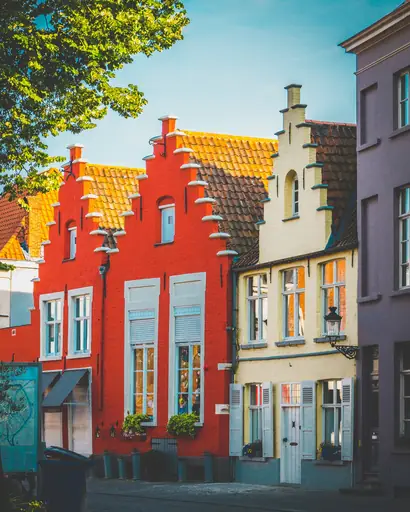
Bruges
Medieval Charm and Chocolate Bliss
It feels like an open air museum on almost completely flat ground. Canal boats glide past medieval houses on short tours every day. Horse drawn carriages wait on the Markt square. Cobblestones can be bumpy, so wear sturdy shoes. The Beguinage, a quiet courtyard of white houses, is a peaceful stop.
Town in Switzerland
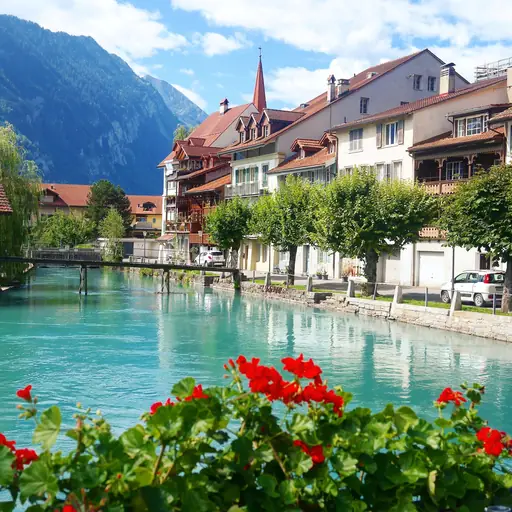
Interlaken
Adventure, Lakes and Alpine Magic
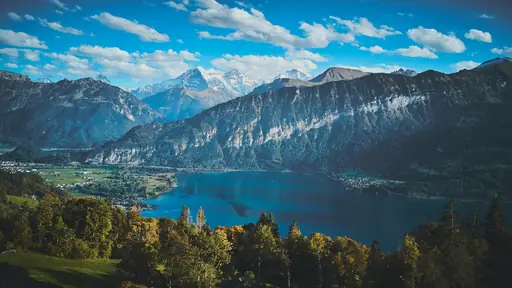
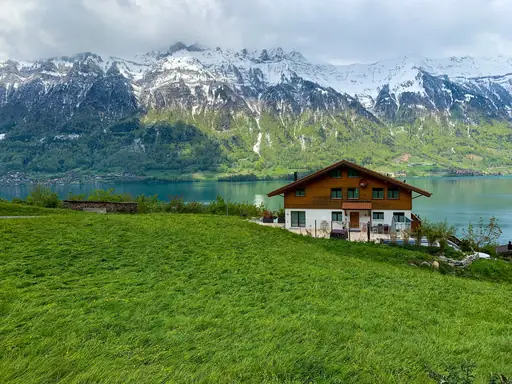
It works like a hub, with trains and boats that carry you into the mountains without hard walking. The Jungfrau railway climbs to 3,454 metres in a heated train. Boat rides on Lake Thun and Lake Brienz are relaxing. The town centre is flat. Benches face the Alps in the Höhematte park.
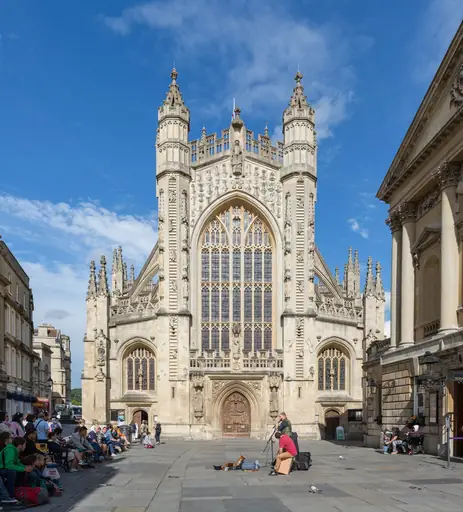
City in United Kingdom
Bath
Historic Charm and Natural Hot Springs
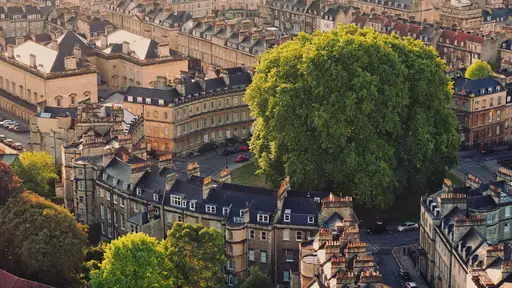
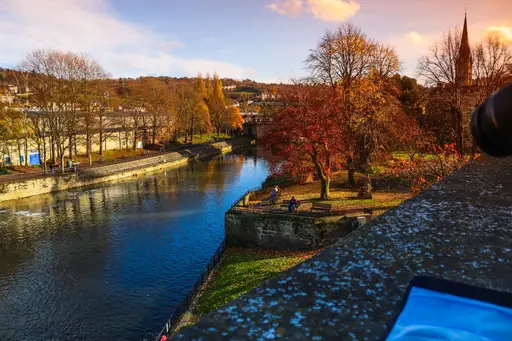
In a valley in southwest England, golden stone terraces climb the hills around a bend of the Avon river. The Roman Baths show hot springs the Romans used about 2,000 years ago. Thermae Bath Spa has a warm rooftop pool with city views. The centre is compact and mostly flat.
Region in United Kingdom
Cotswolds National Landscape
Honey-Colored Villages and Rolling Hills
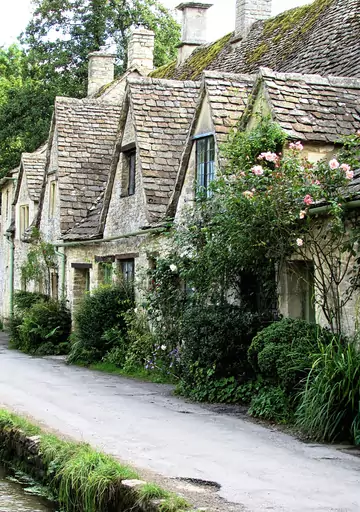
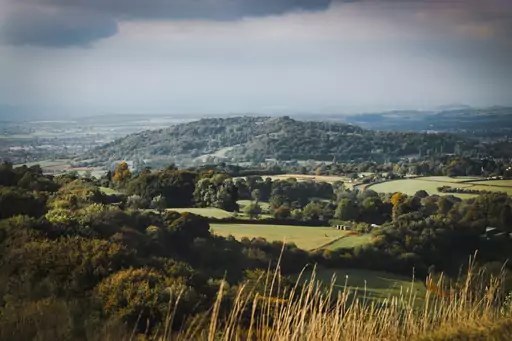
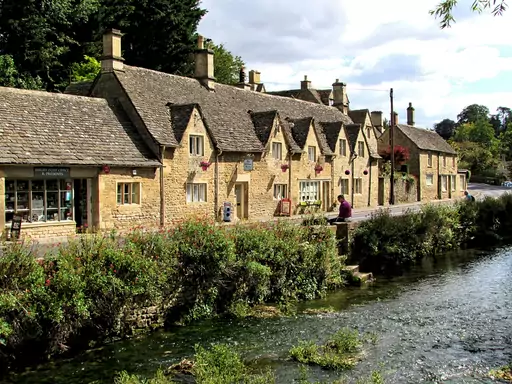
The villages look like pages from a picture book, with honey coloured stone cottages and flower filled gardens. Bourton on the Water has low bridges and a flat riverside path. The rolling hills are gentle. Many tearooms serve scones. A car or small tour makes it easy to reach several villages.
Town in Portugal
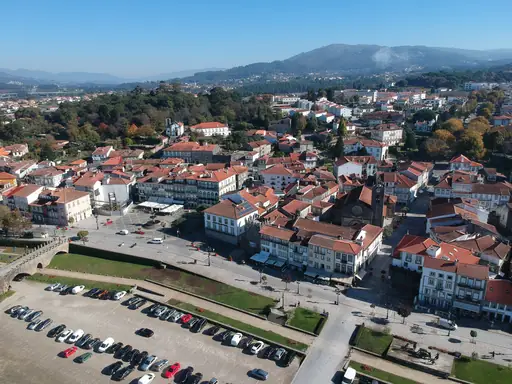
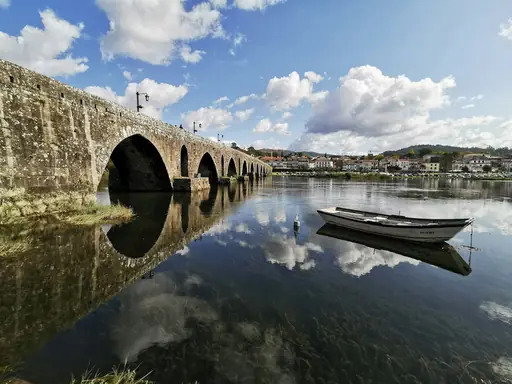
Ponte de Lima
Coastal charm with historic bridges and vineyards
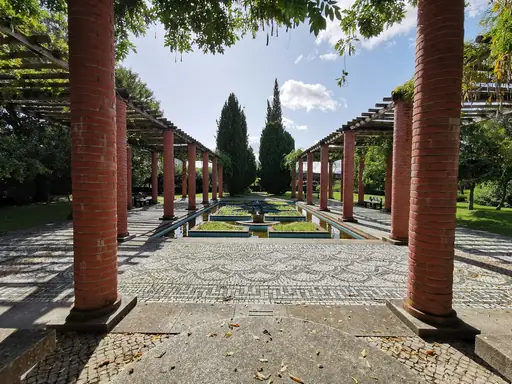
It is a quiet town with a medieval bridge, like a postcard of old Portugal. A flat riverside path runs for several kilometres. Gardens beside the Lima river host an international garden festival in summer. Try vinho verde, a light young wine, on a terrace.
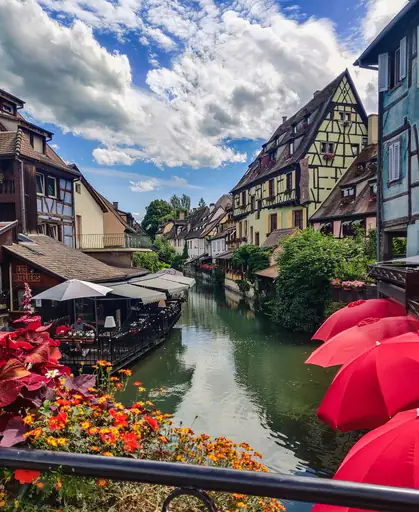
City in France
Colmar
A Fairytale Town in Alsace
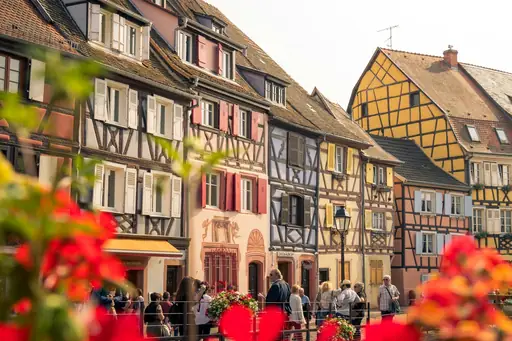
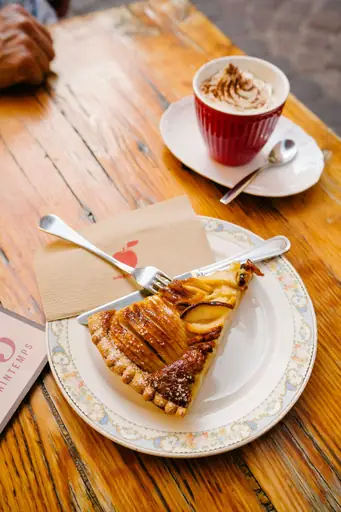
Shielded by the Vosges mountains, this Alsace town is one of the driest places in France. The old centre is small and mostly flat. Canal boats glide through Little Venice. Try kugelhopf, a ring shaped cake. Then taste Alsace wine at a cosy cellar. Benches sit beside the canals.
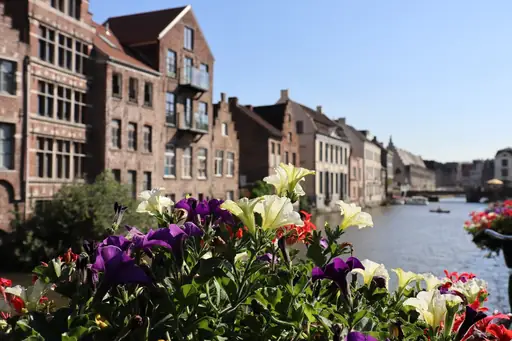
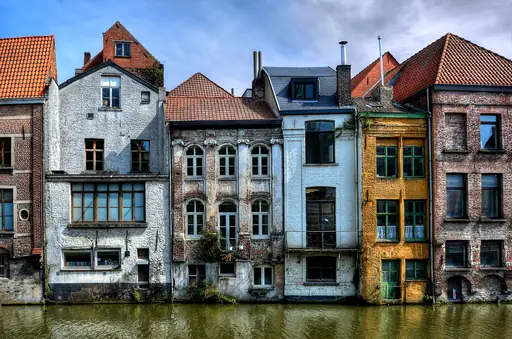
City in Belgium
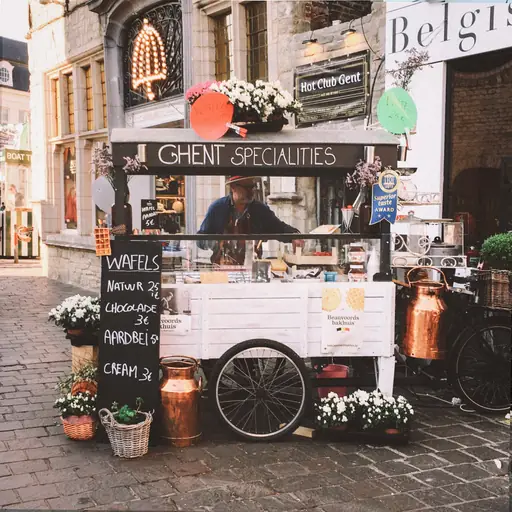
Ghent
Medieval Canals, Art and Hip Vibes
Cloth trade made Ghent rich in the Middle Ages. Three tall medieval towers stand in a row above the old centre. The Gravensteen castle dates to 1180. Canal boats offer a seated tour past guild houses. Many streets near the river are flat. The Graslei quay is lovely at sunset.
Region in Germany
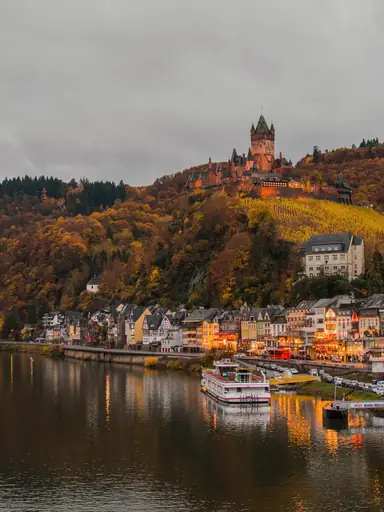
Moselle Valley
Steep vineyards and riverside wine towns
In western Germany steep vineyards line a winding river. A flat path runs beside the water for much of its length. Boat trips run between towns such as Cochem and Bernkastel-Kues. Taste Riesling in a family cellar and choose a seat in a wine garden.
City in Estonia
Tallinn
Medieval charm meets modern innovation
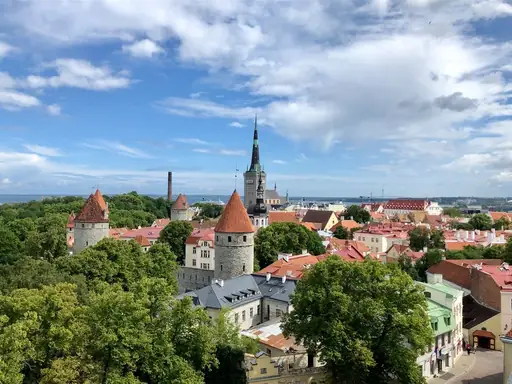
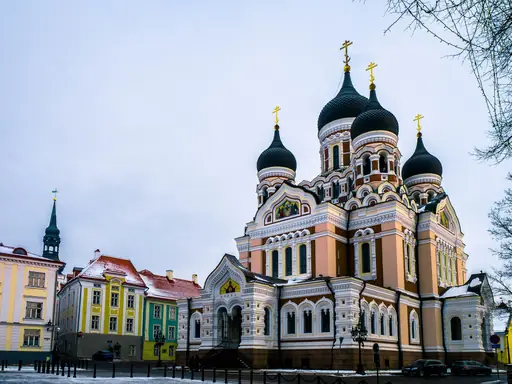
Estonians love a hot sauna and a long cafe stop. The Old Town is UNESCO listed, with cobbled lanes and some slopes, so take it slowly. Trams and trolley buses run in the centre. Kadriorg Park has flat paths, a palace and a pond. Sit with a coffee in Town Hall Square.
Region in Austria
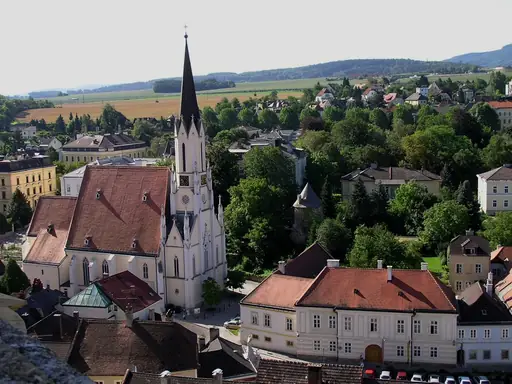
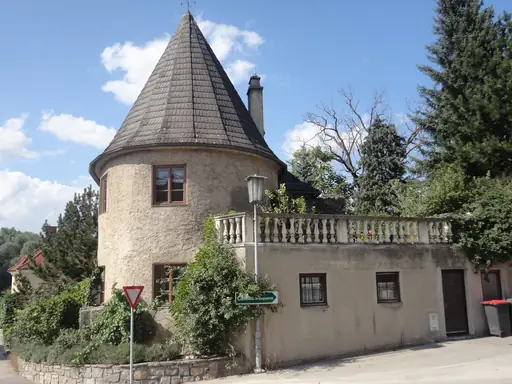
Wachau
UNESCO Heritage along the Danube
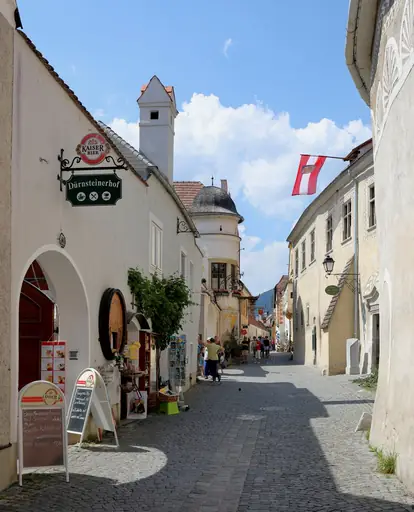
Benedictine monks have lived at Melk Abbey since 1089. A relaxed boat trip on the Danube from Melk to Krems passes castles and terraced vineyards. Apricot orchards bloom in spring. The region is known for apricot jam and brandy. Cycle paths along the river are flat.
Lake in Italy
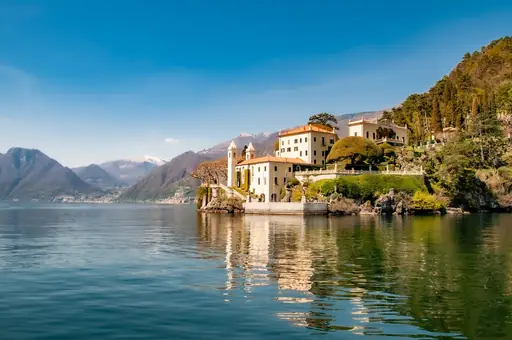
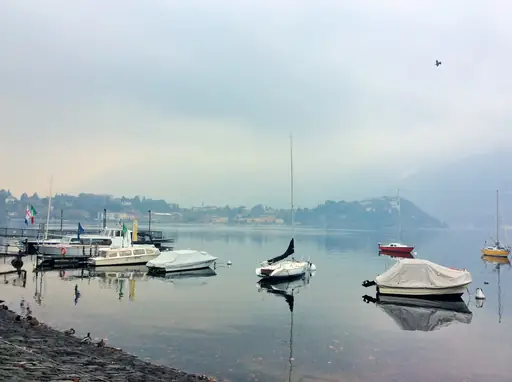
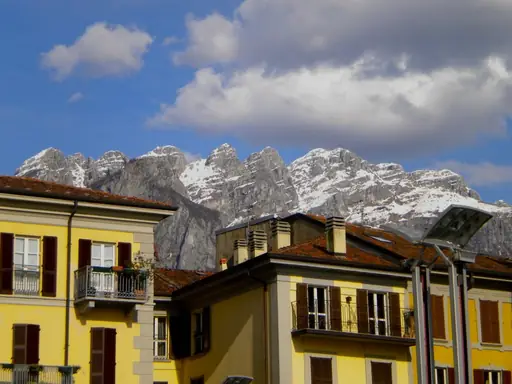
Lake Como
Alpine elegance meets Italian charm
Wealthy families have built villas on this lake since Roman times. Villa Carlotta in Tremezzo has terraced gardens with azaleas in spring. Ferries link the lake towns and are easy to board. Walk the flat lakefront promenades of Como and Menaggio. Bellagio, a village on the point, has stepped lanes and gift shops.
City in Norway
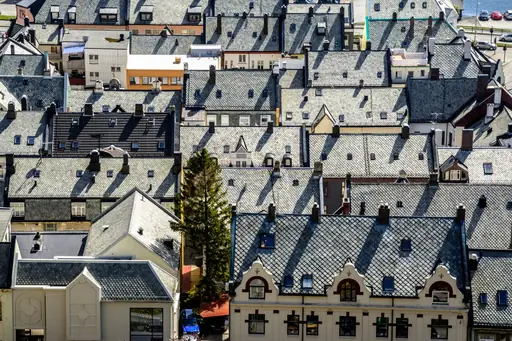
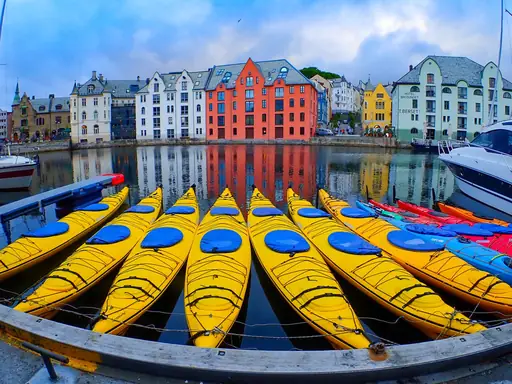
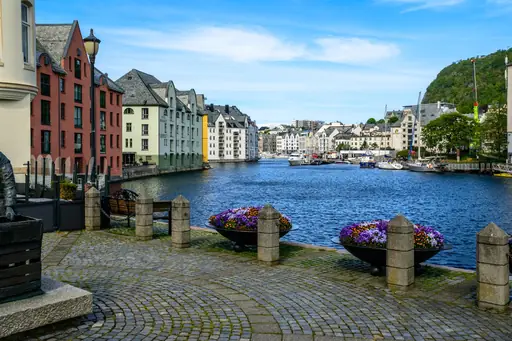
Ålesund
Art Nouveau Gem by the Fjords
The Fjellstua viewpoint can be reached by road or by 418 steps, so you choose. Below, a town of Art Nouveau buildings was rebuilt after a fire in 1904. The centre is compact and flat. Boat trips on the fjord leave from the harbour. Cafes by the harbour serve fresh cod dishes.
Town in United Kingdom
St Andrews
Golf, Ruins and Coastal Magic
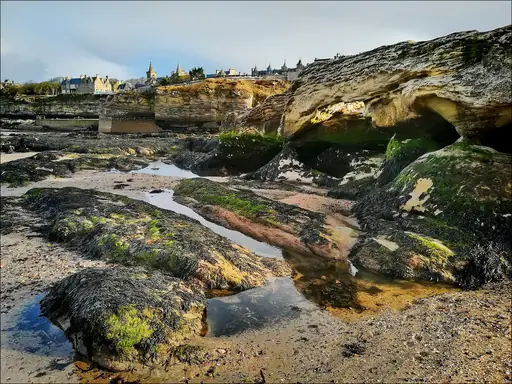
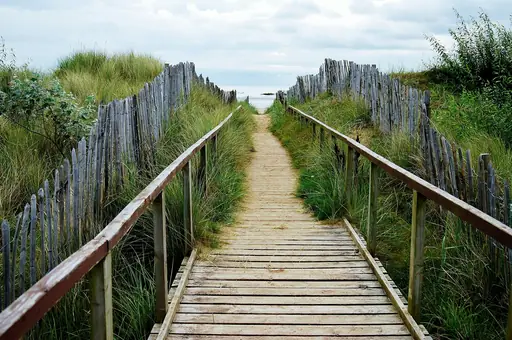
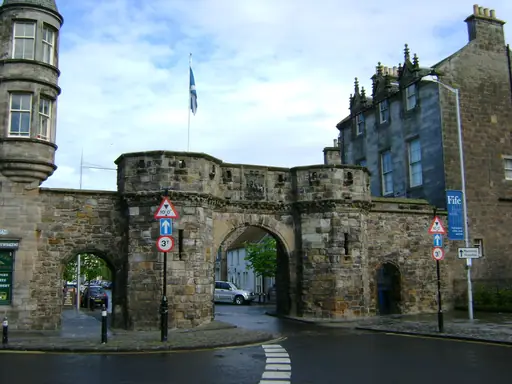
On the east coast of Scotland beside the North Sea, this small university town is easy to walk. On Sundays golf stops and walkers can stroll across the Old Course. The cathedral ruins sit above the sea. West Sands beach is wide and flat. Cafes and bookshops fill the main streets.
City in Norway
Tromsø
Arctic Lights, Culture and Wild Beauty
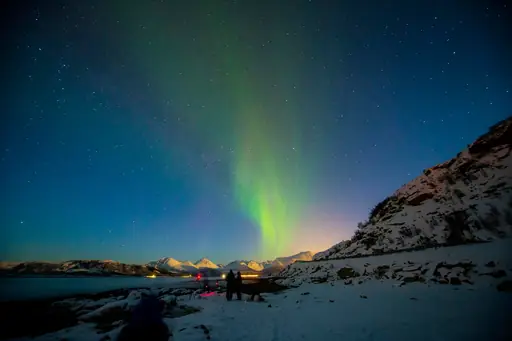
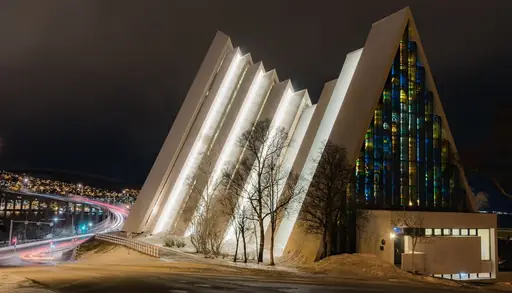
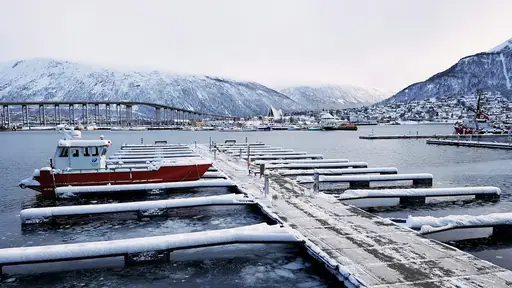
Think of a cosy base for Arctic adventures without much walking. Northern lights tours run by coach. Many companies hand out warm suits. The Fjellheisen cable car rises to a mountain viewpoint in minutes. The Arctic Cathedral has a glass front shaped like ice. The city has many cosy cafes.
City in Austria
Innsbruck
Alpine Peaks and Imperial Streets
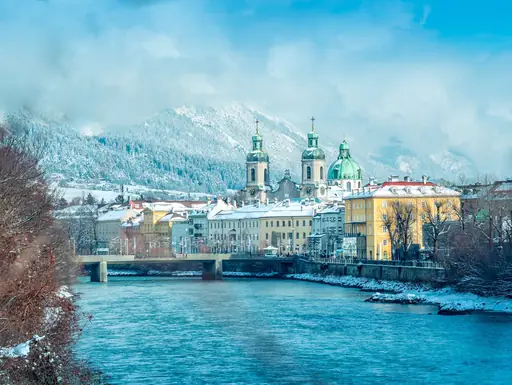
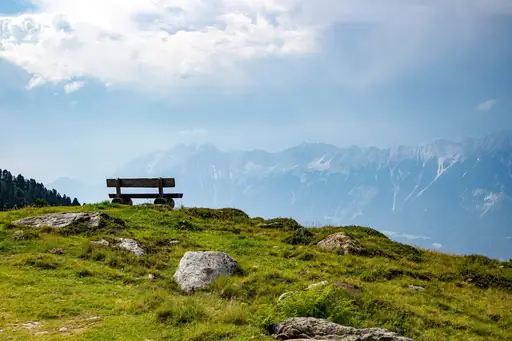
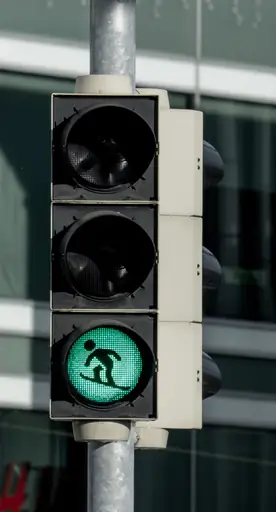
Locals can go from city streets to a mountain top in about 20 minutes on the Nordkette cable car. The old town has a flat pedestrian zone and the Golden Roof, a balcony with gilded tiles from about 1500. Warm up in a cafe with apple strudel.
City in Denmark
Aarhus
Scandi Cool Meets Viking Roots
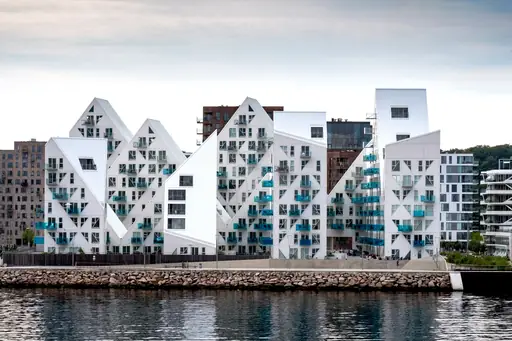
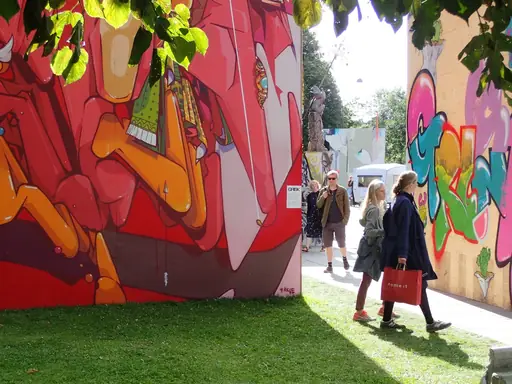
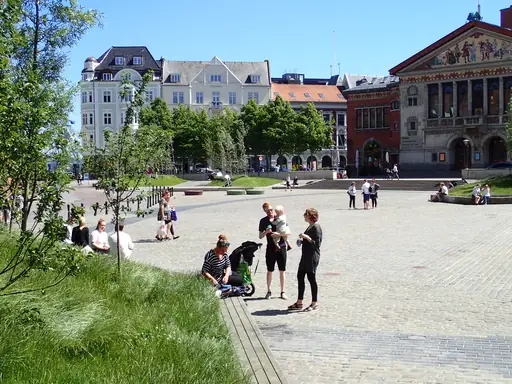
Den Gamle By is an open air museum of old Danish houses and shops with gentle paths. The ARoS art museum has a rooftop rainbow walkway reached by lift. The centre is compact and flat, so walking is easy. Cafes line the river and the harbour.
City in Lithuania
Vilnius
Medieval Charm Meets Modern Vibes
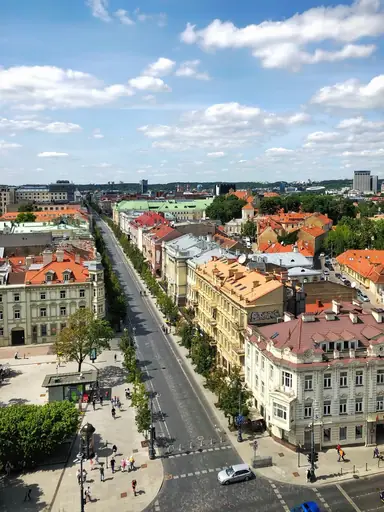
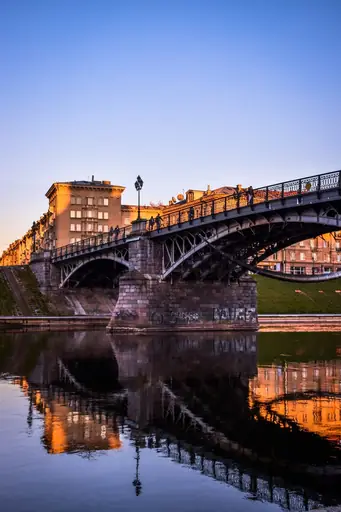
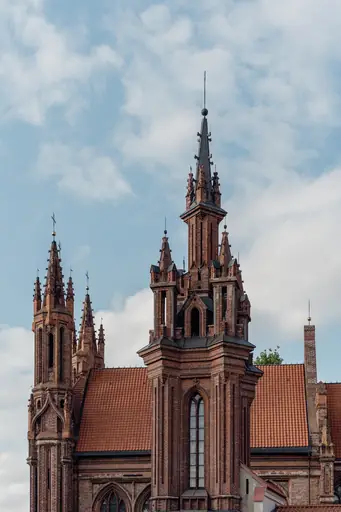
Cathedral Square is the heart of the old town, with a white cathedral and a tall bell tower. The UNESCO listed centre has many Baroque churches. Streets are mostly flat and easy to walk. Cafes serve cepelinai, potato dumplings stuffed with meat. Gediminas Tower gives a wide view over red roofs.
City in Germany
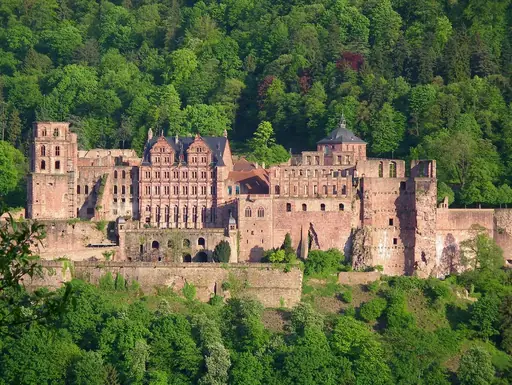
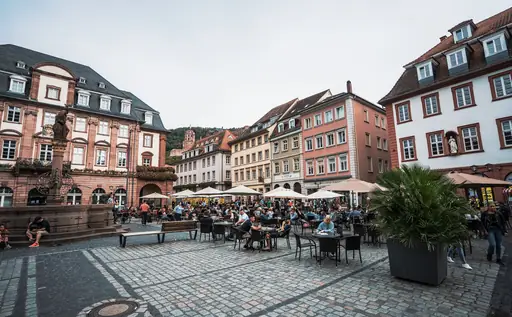
Heidelberg
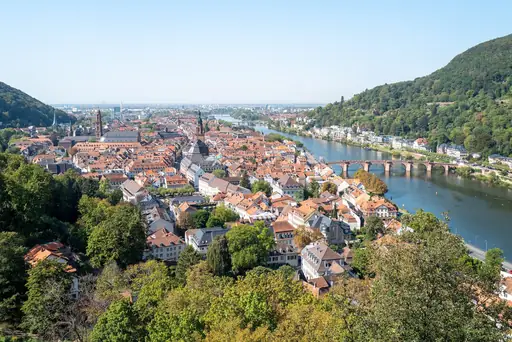
Castle ruin above the Neckar and old town
May and September bring mild weather. A funicular carries visitors up to the castle ruins above the old town. The long main street is a flat pedestrian zone with shops and cafes. Boat tours on the Neckar river offer a seated view of the castle.
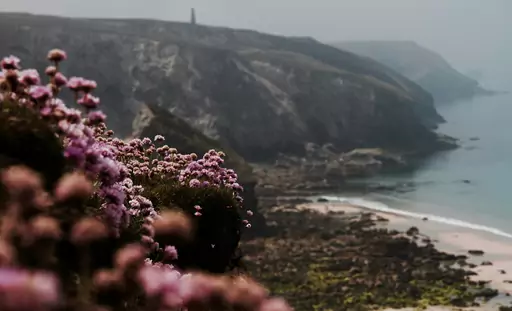
Region in United Kingdom
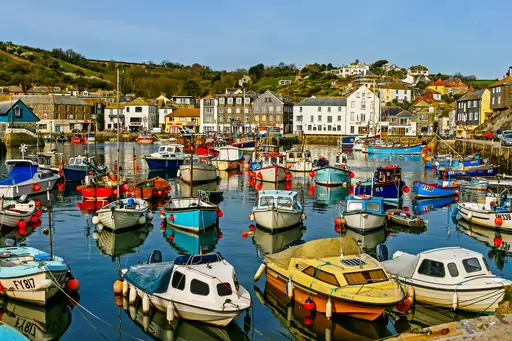
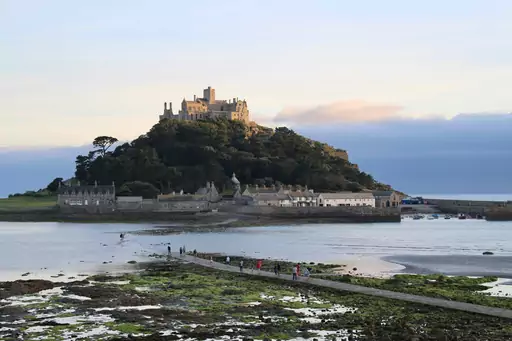
Cornwall
Coastal charm with rugged cliffs and golden sands
Spring and early autumn have mild weather and smaller crowds. The Eden Project has giant greenhouses with smooth paths. St Ives has a harbour with sandy beaches and art galleries. Cream teas, scones with jam and clotted cream, are a daily treat. Pasties, a baked pastry with meat and potato, are sold in every town.
Country
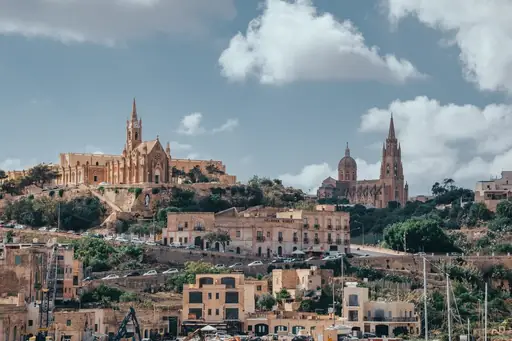
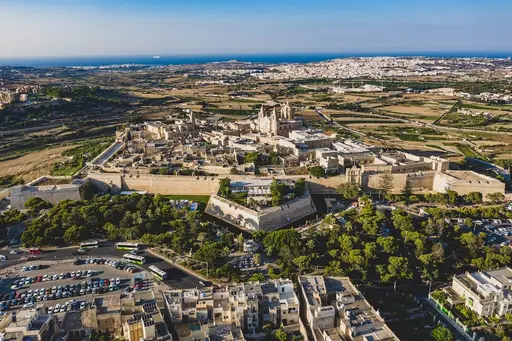
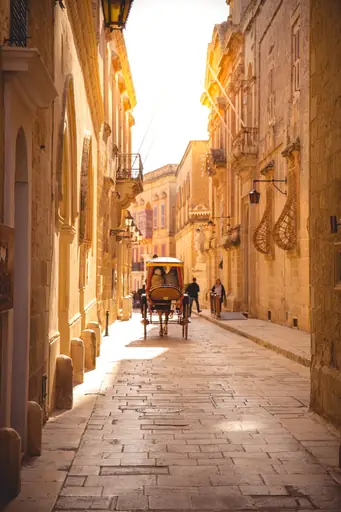
Malta
History, beaches and Mediterranean charm
Each day at noon and 4 pm, guns fire from the Saluting Battery in Valletta, a local tradition. Malta's mild climate keeps winters gentle. English is widely spoken, so getting around is easy. Ferries cross the harbour between Valletta and Sliema. The honey coloured stone buildings glow in the evening light.
Town in Slovenia
Bled
Fairytale Lake and Alpine Beauty
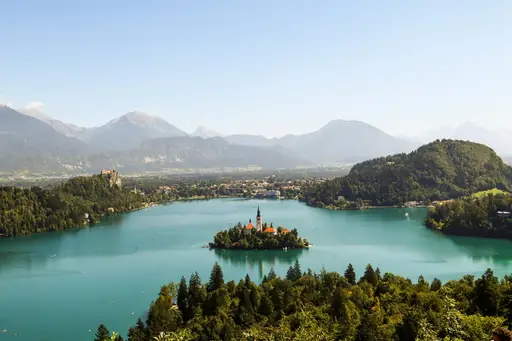
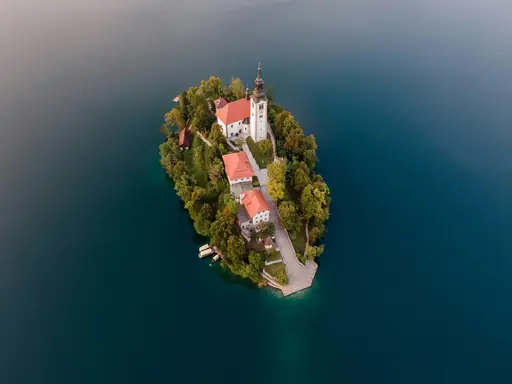
Visitors ride a pletna, a traditional rowing boat, to the island and ring the wishing bell in the church. The path around the lake is flat and about six kilometres long. Stop for kremšnita, a creamy vanilla cake, at a lakeside cafe. Benches line the shore, so you can rest and watch swans glide by.
Archipelago in Portugal
Azores
Volcanic Isles of Atlantic Wonders
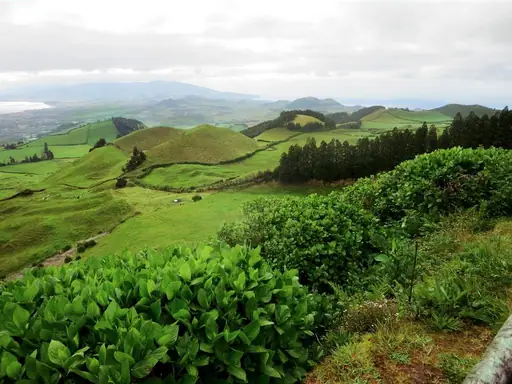
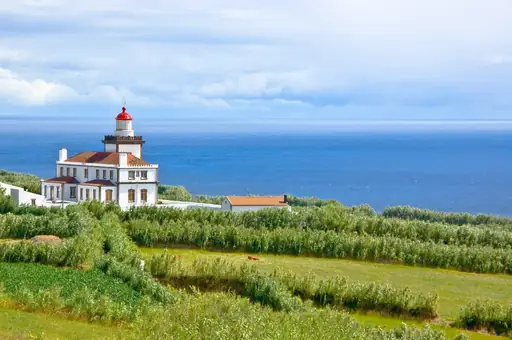
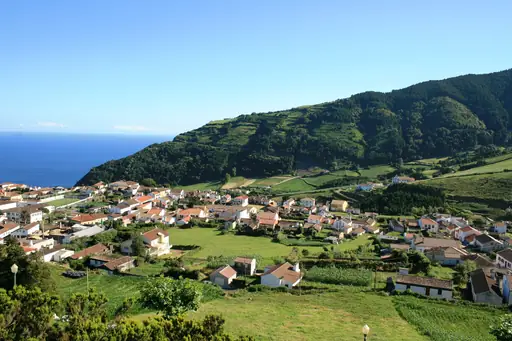
Warm steam rises from volcanic springs and the air smells of wet green leaves. At Terra Nostra Garden in Furnas you can soak in a warm, rust coloured thermal pool. Mild weather keeps the islands green with flowers in bloom most of the year. Whale watching boats leave from several islands.
Island in France
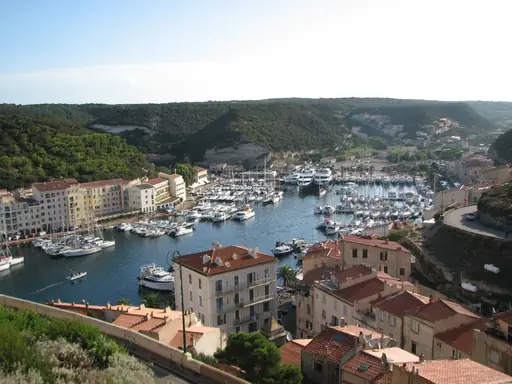
Corsica
Island of Beauty and Contrast
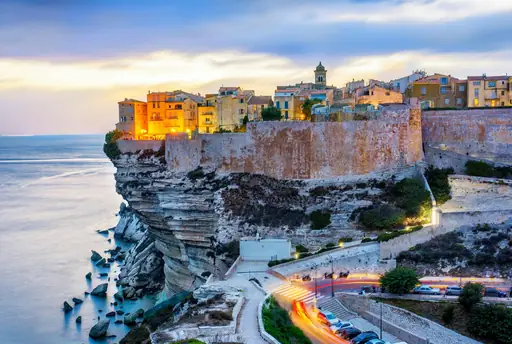
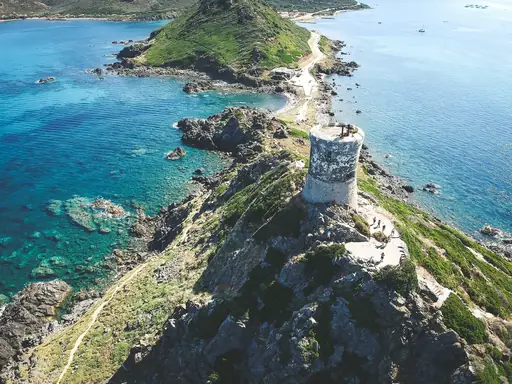
Corsican bakers use chestnut flour for cakes and breads, a local tradition. Ajaccio and Bastia have flat harbour walks and old town squares. Ajaccio is Napoleon's birthplace, with a museum in his family house. A small scenic train links Ajaccio, Corte and Bastia through the mountains.

Town in Ireland
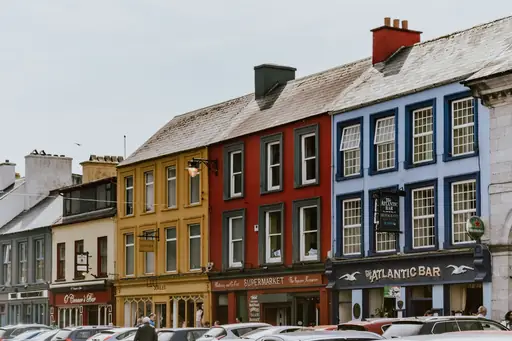
Dingle
Wild Atlantic Views, Music & Craic
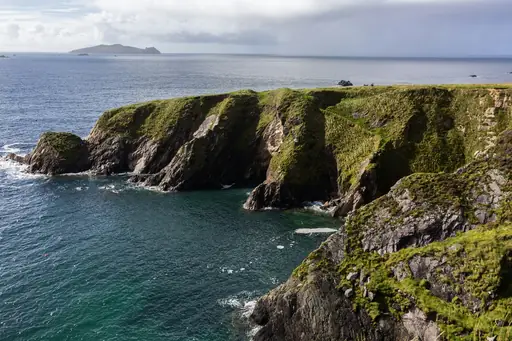
Late spring and summer bring daylight until late evening. A boat trip from the harbour lets you see the peninsula's cliffs and seabirds from a seat. The Slea Head loop can be done by car or small coach. Fish and chips by the water makes an easy dinner.
Town in Ireland
Killarney
Ireland’s Adventure Gateway Town
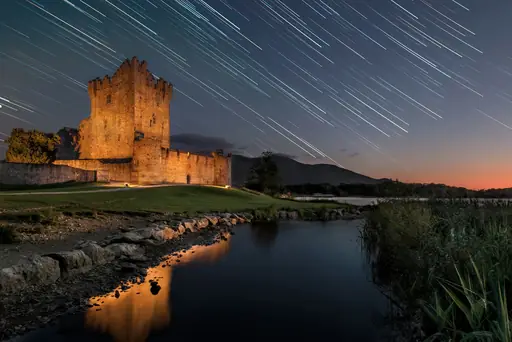
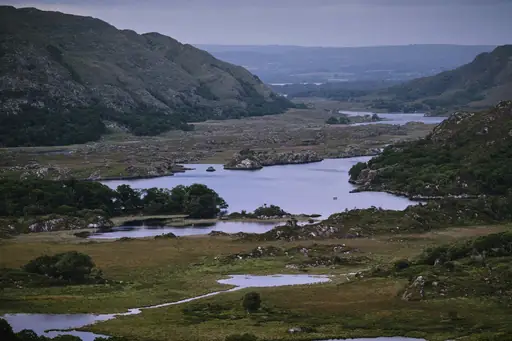
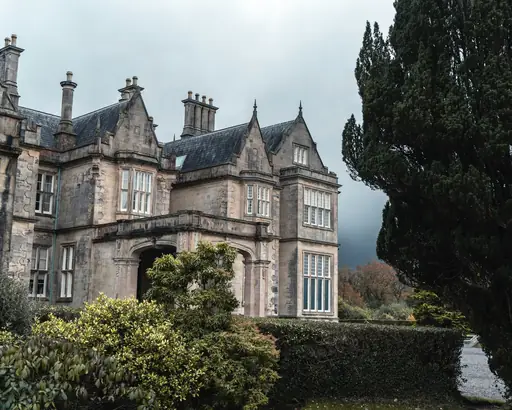
Muckross House and Gardens sit inside Killarney National Park beside a quiet lake. Jaunting cars, small horse drawn carriages, take visitors around the park at an easy pace. Paths near the house are flat and wide. Stop for tea and brown bread in town. Ross Castle sits at the edge of the lake.
Region in Germany
Eastern Friesland
Tea, tidal flats and car-free islands
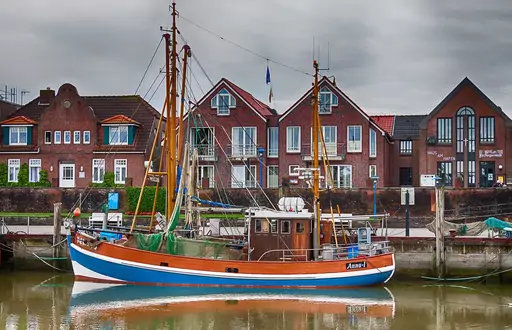
Locals pour tea over a lump of rock sugar called kluntje. A swirl of cream follows. They drink it several times a day. The coast is flat with long dikes to walk or cycle. Juist and Baltrum are car free islands reached by ferry. Seals rest on sandbanks in the nearby Wadden Sea.
Town in France
Annecy
Fairytale town by a crystal lake
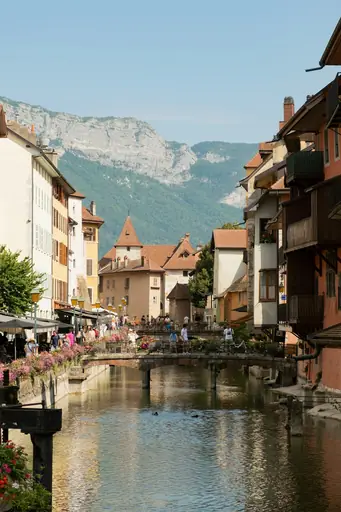
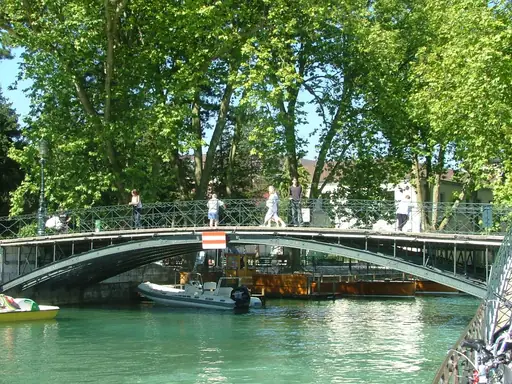
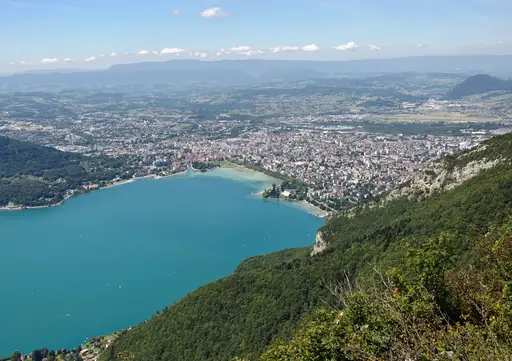
A castle and a network of canals shaped the old town in the Middle Ages. Flat lakeside paths run for kilometres with benches and views. Rent an electric bike or take a boat across the lake. Cafes along the canals serve tartiflette, a cheese and potato dish.
Town in Switzerland
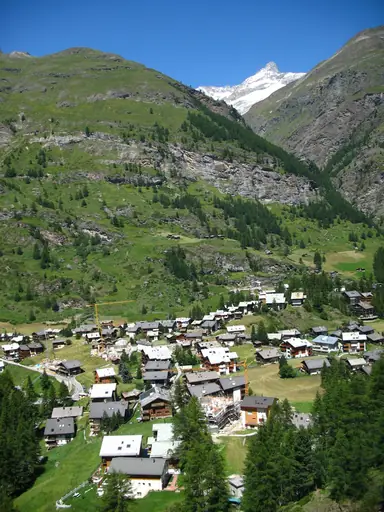
Zermatt
Alpine Magic and the Matterhorn
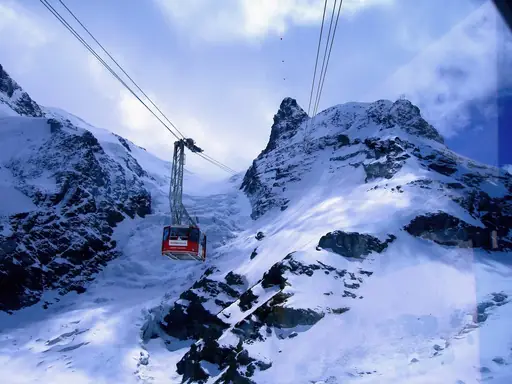
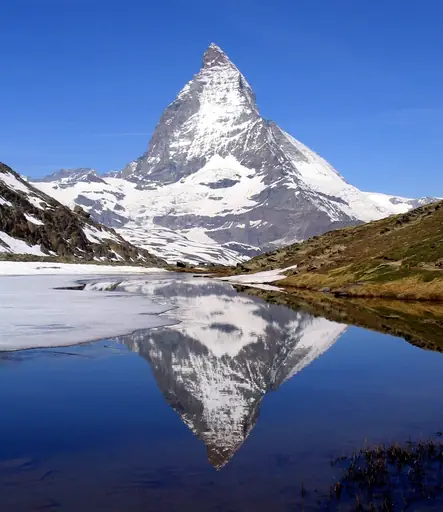
Clear mountain air and the hum of electric taxis fill the car free streets. The Gornergrat cog railway climbs to 3,089 metres with big windows facing the Matterhorn. The village is small, so most things are close. Warm up with hot chocolate at the top.
City in France
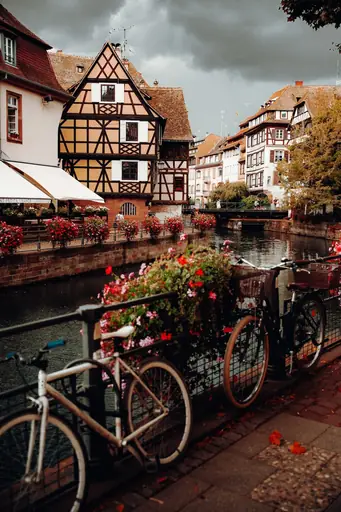
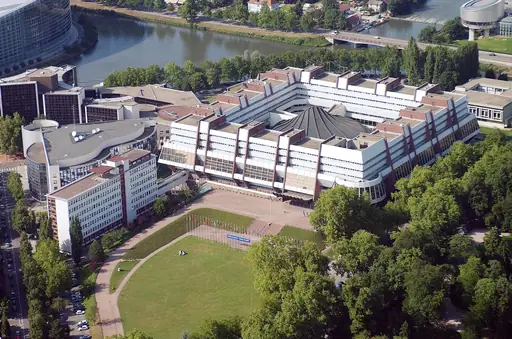
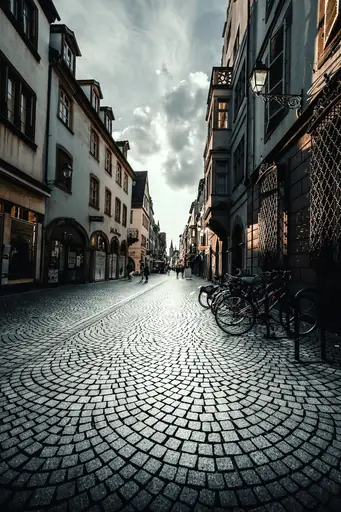
Strasbourg
Where France Meets Germany in Style
Come from late spring to early autumn, when canal side terraces are open. A boat tour on the Ill river gives a seated view of the old town. The pink sandstone tower of the cathedral can be seen from many streets. Trams make it easy to get around.
City in Austria
Graz
Courtyards, Culinary Delights, Creative Vibes
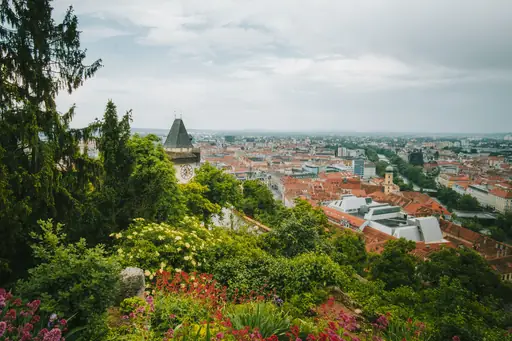
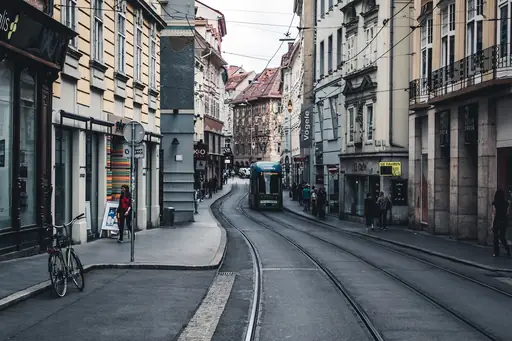
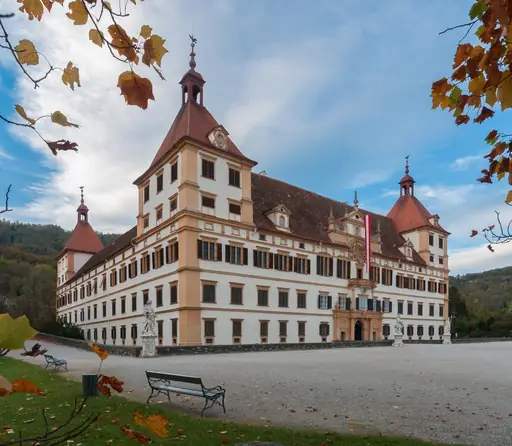
On the Mur river in southeast Austria, a clock tower stands on a hill above the old town. A funicular and a glass lift carry you up the Schlossberg. The old centre is UNESCO listed and mostly flat. Stop for pumpkin seed oil dishes and Styrian wine.

City in Spain
San Sebastián
Basque charm with beach vibes
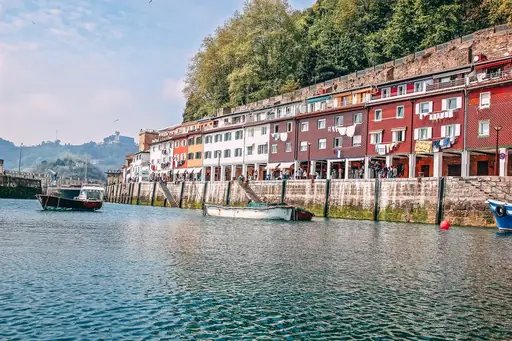
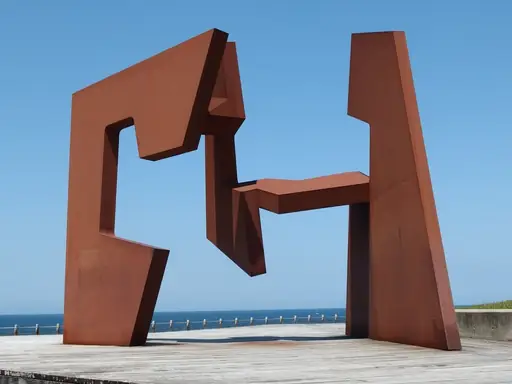
The smell of grilled fish and fresh bread drifts from old town bars. La Concha bay has a long flat seafront promenade. Pintxos, small snacks on bread, are served at the bar. A funicular climbs Mount Igueldo for views over the bay. The old town has benches and cafes where you can pause.
Town in Czech Republic
Český Krumlov
Fairytale Town with Rich History
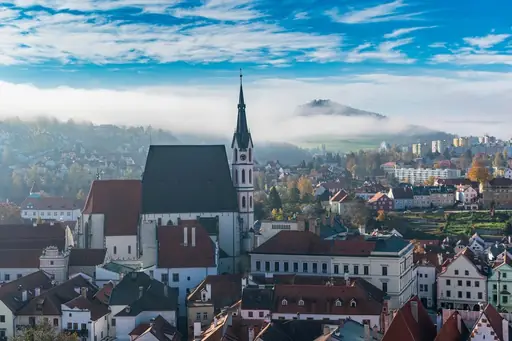
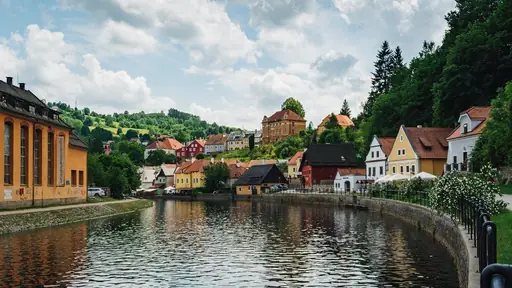
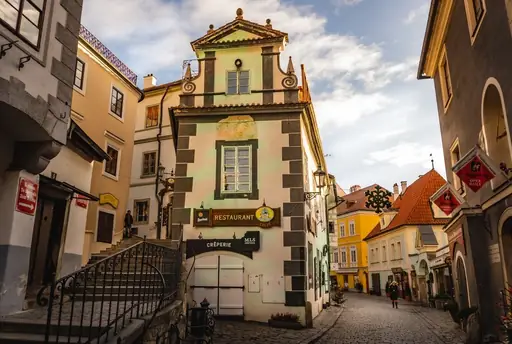
A castle begun in the 1200s towers over this small town. The old centre is compact but the lanes are cobbled and sloped, so wear sturdy shoes. Take a slow walk through the castle gardens. Cafes in the main square have terraces with views. The Vltava river loops around the old centre.

City in Switzerland
Lucerne
Alpine Beauty Meets Medieval Charm
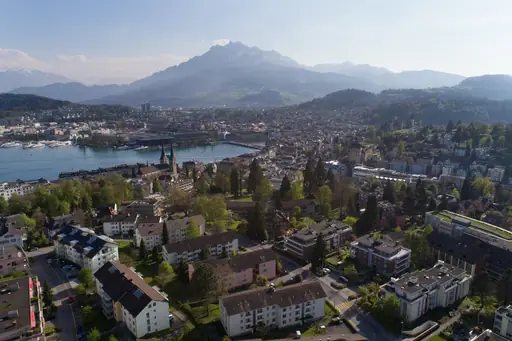
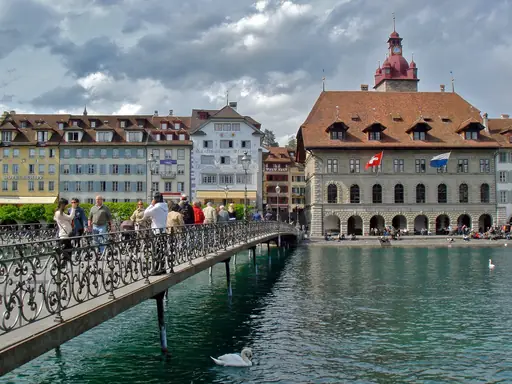
On Lake Lucerne in central Switzerland, a covered wooden bridge from the 1300s crosses the Reuss river. Historic paddle steamers cruise the lake. The old town is flat and walkable. Mount Pilatus has a cog railway and a cable car for easy views. Swans float near the bridge.
City in Austria
Salzburg
Baroque Beauty and Musical Magic
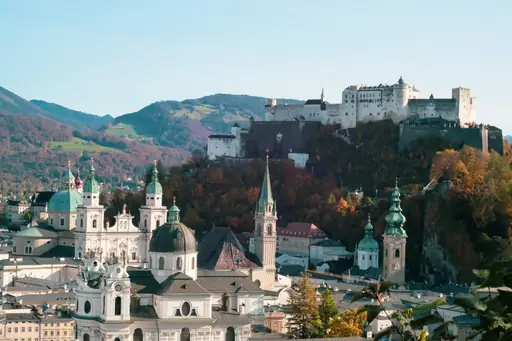
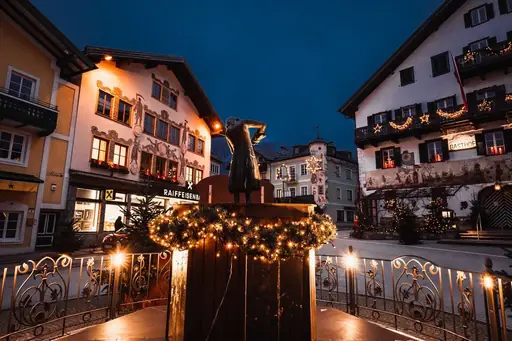
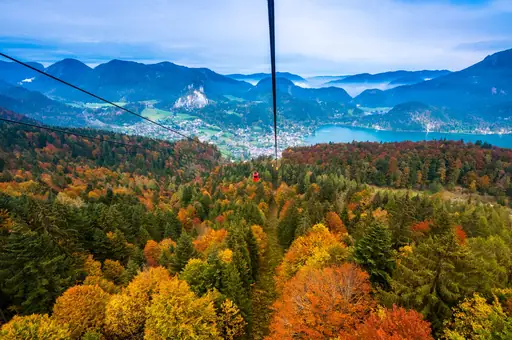
Mozart was born here in 1756 in a yellow house on Getreidegasse, now a museum. The old town is compact and largely flat. A funicular rises to Hohensalzburg Fortress. Concerts take place in palaces and churches, many in the evening. Cafes serve Salzburger Nockerl, a sweet baked souffle.
Town in Germany
Garmisch-Partenkirchen
Alpine town below Germany's highest peak
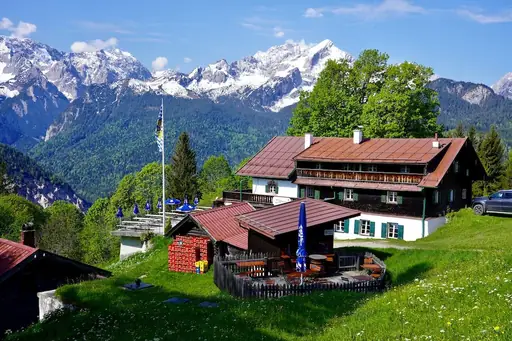
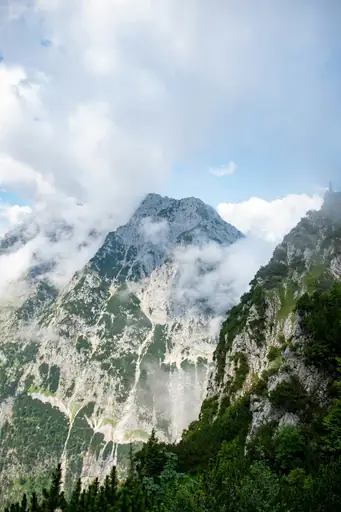
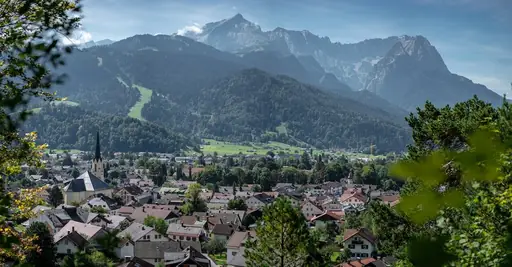
The Zugspitze is Germany's highest peak at 2,962 metres. A cog train and cable car lift you to the top without any climbing. Down in town, painted houses and wide pedestrian streets make for easy strolls. The Partnach Gorge has a path cut into the rock.
Other lists you may like
Discover
Best travel destinations for seniors in Africa
Africa has become steadily more accessible for older travelers, with more lodges and tour operators now set up to make a safari more comfortable than it used to be. Many safari…
Read more
Discover
Best travel destinations for seniors in Asia
Asia offers some of the most senior friendly infrastructure anywhere, alongside destinations that still call for a bit more independence and stamina. Japan in particular stands…
Read more
Discover
Best travel destinations for seniors in North America
North America offers older travelers a strong mix of accessible infrastructure and destinations built specifically with comfort in mind. National parks across the continent have…
Read more
Discover
Best travel destinations for seniors in Oceania
Oceania asks older travelers to commit to a long flight, but many find the comfortable infrastructure on the other end makes it worthwhile. Australia and New Zealand both offer…
Read more
Discover
Best travel destinations for seniors in South America
South America has real appeal for older travelers, though a bit more planning goes into some parts of the continent than others. Buenos Aires and Santiago offer walkable, well…
Read more

Discover
Best travel destinations for seniors
Senior travel covers a wide range, from slow, low effort trips built around comfort to more independent trips for travellers who still want to cover plenty of ground. Some…
Read more
What other users say about travelfilters
“travelfilters made it easy for me to find ski areas and compare what else they offer, so that I could find the best place for my personal travel style.”

Chris
Snowboarding & Onsen trip to Japan
“I love how transparent the data feels. There is no pushy upsell, just honest information and settings I can tune to my own travel style.”

Maria
After booking her 2027 winter escape
“The level of detail for each destination and how well those are displayed, make planning feel confident instead of overwhelming.”

Mina
Planned a week in New York City
“We used travelfilters for our planning from start to end. The trip turned out even better than expected, thanks to all their tools and customisation options.”

Allan & Etienne
Trip to Japan to see autumn foliage
“Thanks to travelfilters, I found some hidden gems to see. Being able to filter for exactly your interests is a game changer for my travel planning.”

Michael
Tour through the old cities of Northern Italy
“The customizable filters helped me find a quiet beach town with good wifi and low season crowds in under five minutes.”

Diego
Weekend Escape to Llanes, Spain
“The airport connection map saved me hours by showing good flight options from my home airport to lesser-known cities.”

Nguyen
Planning a 2027 trip to France
“The website is clean, fast and focused on the search itself, which makes travelfilters feel more like a professional tool than an ad-heavy booking site.”

Hassan
Christmas Market trip, Germany
