
Europe › Switzerland › Interlaken

Interlaken

Scroll
Adventure, Lakes and Alpine Magic

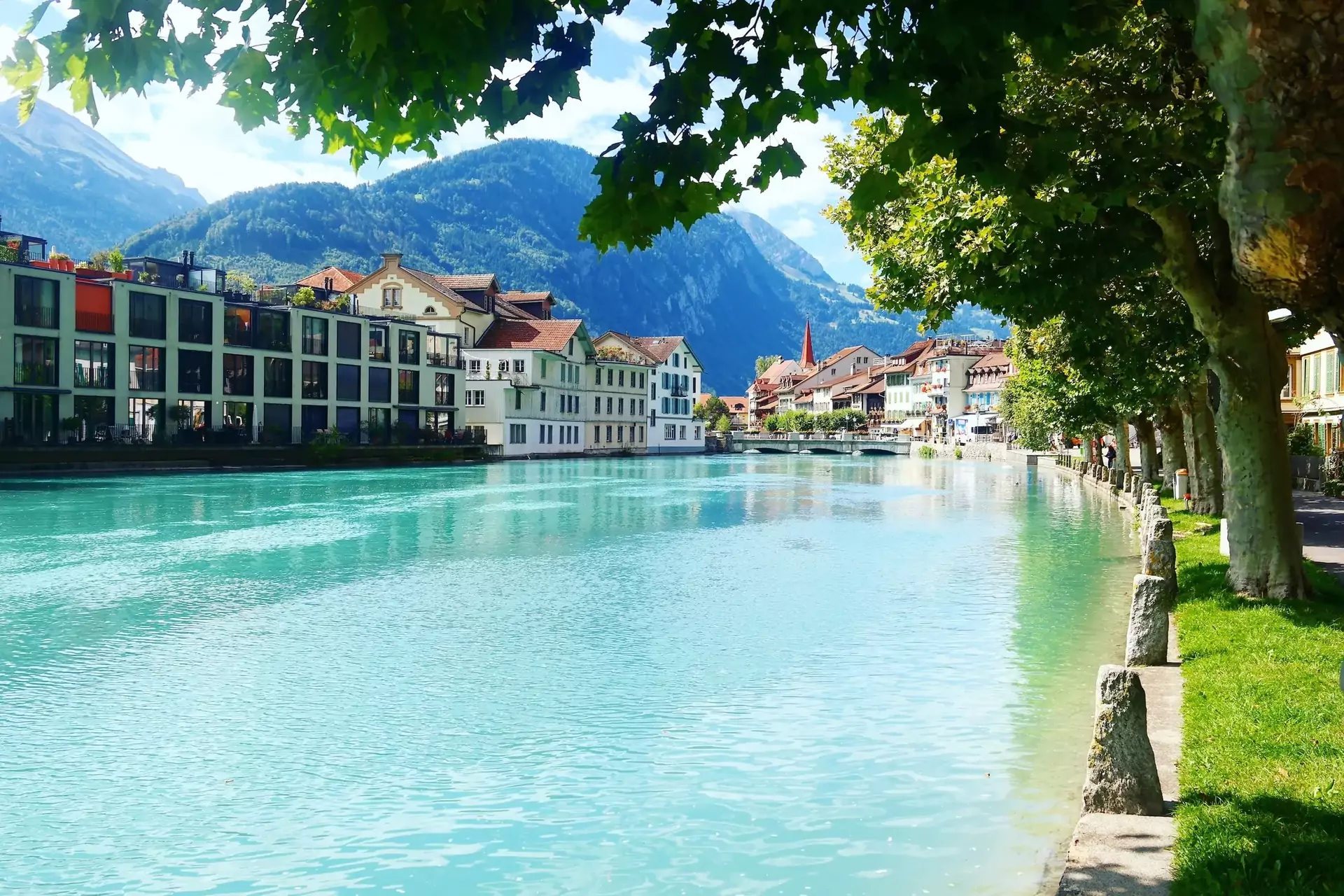
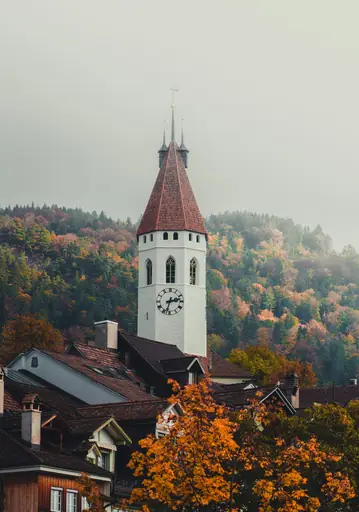
Bern stands as Switzerland’s capital with a compact historic core. The old town features sandstone buildings and wide streets lined with cafes. Public transport connects the city to nearby mountain towns like Interlaken, known for clear lakes and easy access to hiking trails. Bern’s train station provides quick routes to other Swiss cities. In Interlaken, outdoor activities include boat trips on Lake Thun or Lake Brienz, plus skiing in winter. Both areas maintain a calm pace with strong local culture and clean public spaces.

Town in Switzerland
Climate zone: Mild oceanic

Mild oceanic: Marine-influenced climates with cool summers, mild winters and frequent precipitation year-round, typical of western coasts at mid-latitudes.

See climate table
Price level: $$$+
$Cheap
$$Medium
$$$Expensive, upscale
$$$+Very expensive, luxury
See price details
Safety: 8.6
General Safety:9
Health & medical:8
Accessibility:6
Tap water:10
Read details
Tourist English: 4/5
English is widely spoken in hotels, restaurants, and tourist attractions. Most staff are used to international visitors, and signage is often in English. Communication is rarely a problem, but a few German phrases are always appreciated.
Last update: 12 Oct 2026
* We earn a commission from some links on this page.
Interlaken Summary

These place ratings give you a quick overview of how well a destination matches different types of trips.

‘Best for’ scores:
The specific interest scores show where this place really shines – whether it's ideal for hiking, food & drink experiences, museums or other activities. These highlights help you understand what makes the destination special at a glance.

‘Your personal’ scores:
This reflects how well a place matches your personal preferences. You can adjust the importances of travel topics or other personal requirements categories in your account settings.

‘Suited for’ badges:
These give you a quick overview of how well a destination suits specific types of travellers, to help you find the places that match your lifestyle, preferences or travel situation.

Read how our scores work
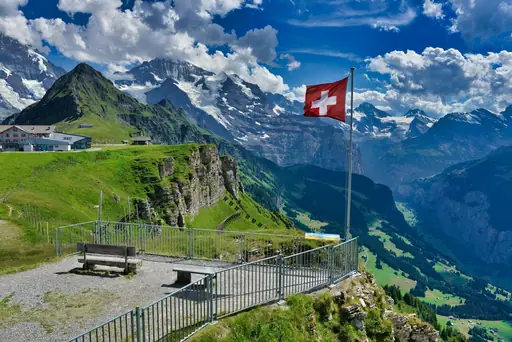
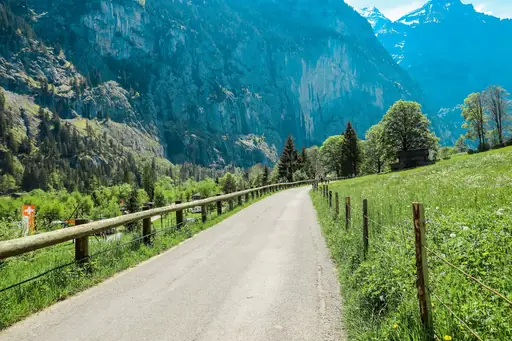
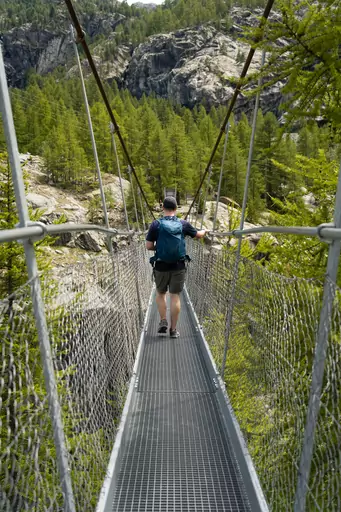
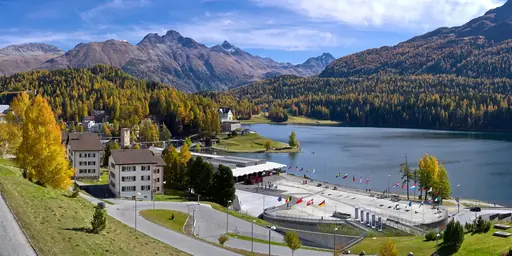
Great for adventure sports and alpine views. Go paragliding and skydiving, take boat trips on lakes and hike spectacular mountain trails.
Place score
9.1
Best at:
Mountains
9
Lakes
9
Spotless
9
Natural sites
9
Cosy towns
8
Personal score
?
Log in to see how this place matches your personal travel interests.
Suited for
👶 6
Families
🧓 6
Seniors
🛡️ 8
Travel Beginners
👩 8
Solo
Switzerland – Quick facts
Power Grid: 230 V, 50 Hz
Plug: Type C , Type J
Type C:
Diagram of a Type C power plug
Type J:
Diagram of a Type J power plug

Read about power adapters
Currency: Swiss Franc (CHF)
£1 ≈ CHF 1.10
Cashless info: Rating 5/5
Switzerland is very cashless-friendly, with credit and debit cards widely accepted. Mobile payments like Apple Pay and Google Pay are also increasingly common.

Save with a travel credit card
eSIM providers: Best value: Saily
Flexibility: Airalo
Read our in-depth comparison
Tipping: Tipping is appreciated but not mandatory in Switzerland. Most service charges are included in bills. In restaurants, rounding up to the nearest 5 CHF or leaving 5-10% is common. Taxi drivers and hotel staff appreciate small tips for exceptional service.
Public drinking: Public drinking is allowed and socially acceptable in Switzerland, but being disruptive is frowned upon. Alcohol can be consumed in parks, trains, and outdoor events.
Public smoking: Smoking is banned indoors in public places but allowed in designated areas. Outdoor smoking is common.
Swiss National Day
(August)
Expect celebrations, parades, and fireworks throughout the country.
Christmas
(December)
Markets and festive events are common, with tourist areas being busier than usual.
Easter
(March/April)
Many attractions are closed, but some areas offer special events and celebrations.
Emergency contact: Emergency Number: 112 (Police, Fire, Ambulance)
Taxi apps: Uber, Bolt
Other: Switzerland is famous for its natural beauty, well-organised transport, and multilingual culture. The Swiss Travel Pass is highly recommended for tourists.
Best times to travel

The best times to travel section shows how the months compare for a visit, so you can find the time of year that fits what you want to do.

Background colours of the months:
The colour shows the typical temperature: yellow (hot), green (mild) and blue (cold). How strong the colour is shows the travel season: full colour means high season, soft colour means shoulder season and soft-striped means off season.

Weather symbols:
Each month has one symbol showing what the weather is typically like, such as hot and sunny, freezing or a rainy or snowy season. Use them to quickly spot months that match the weather you want, or to avoid the ones that don't.

Crowdedness:
The people icon shows how busy the place usually is. The more people, the more crowded it gets.

Additional notes:
The grey info boxes point out special things worth knowing, like recurring weather issues or seasonal events.

for Interlaken, Switzerland
🌨️
Jan
🌨️
Feb
❄️
Mar
🌤️
Apr
🌧️
May
🌦️
Jun
🌦️
Jul
🌦️
Aug
🌤️
Sep
🌤️
Oct
❄️
Nov
❄️
Dec
High season: June - Sep.
Shoulder season: Jan. - Feb., May, Oct., Dec.
Crowdedness: 9 (Very crowded)
Tap on a month for more info Hover over a month for more info
Many mountain railways, cable cars and boats close for maintenance in parts of April, May and November
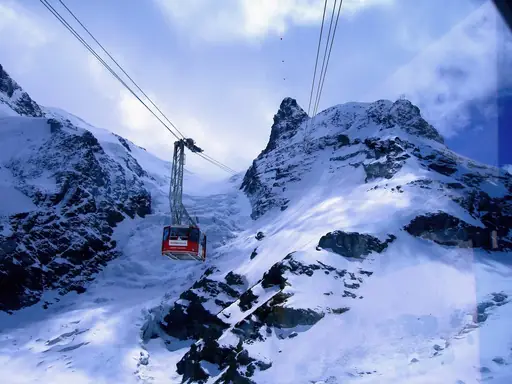
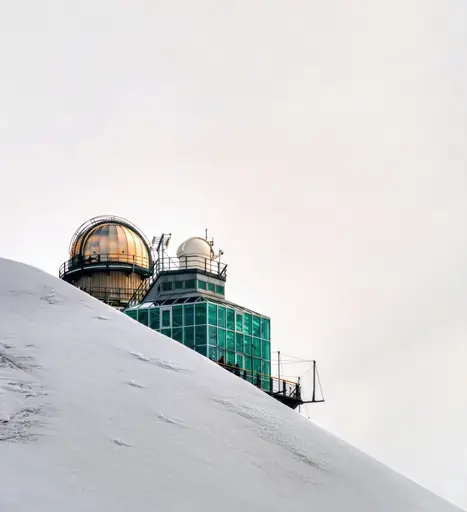
Ski season December to March in Grindelwald, Wengen and Mürren; Jungfraujoch open year-round
High hiking trails above 2,000 m usually snow-free late June to early October

Why travel to Interlaken?

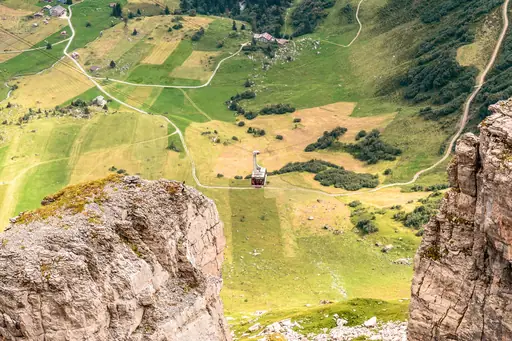
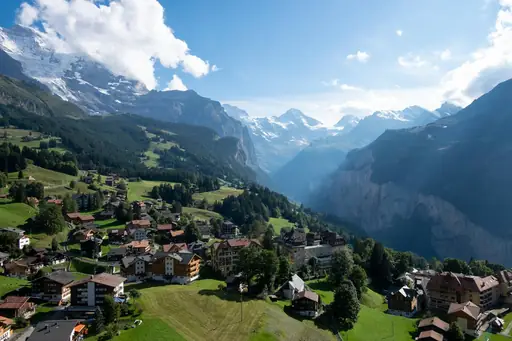
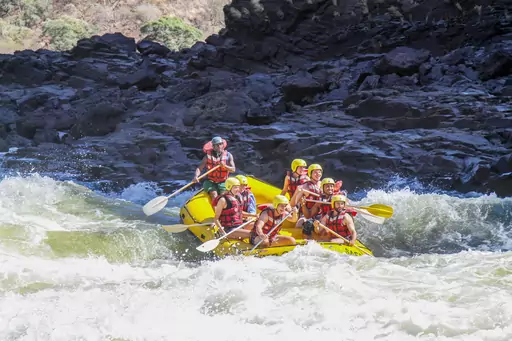
Interlaken is famous as Switzerland’s adventure capital, offering everything from paragliding and skydiving to canyoning, rafting and bungee jumping. But it’s not just about adrenaline: the area’s hiking trails, scenic train rides (like the legendary Jungfraujoch) and tranquil lakes make it perfect for all types of travelers. You can stroll past traditional Swiss chalets, enjoy local cheese fondue or simply relax and soak up the views. The town is also a gateway to charming alpine villages and iconic peaks like Eiger, Mönch and Jungfrau. It’s a year-round destination, with skiing and snow sports in winter and hiking, biking and water sports in summer. Just be prepared: the weather can change quickly and prices for food and activities are high by global standards. Some outdoor adventures require good fitness and caution, especially in unpredictable mountain weather.

🏯Places worth seeing
  • 1 Schilthorn
  • 2 Jungfraujoch
  • 3 Höhematte
  • 4 Harder Kulm
🎡Places for activities
  • 1 Schynige Platte
  • 2 Harder Kulm
  • 3 Funky Chocolate Club
  • 4 Kunsthaus
🏞️Natural landmarks
  • 1 Eiger
  • 2 Valley Hostel
  • 3 Schynige Platte
  • 4 Lake Brienz
  • 5 Lake Thun
🎈Events
  • Unspunnenfest (Swiss folklore festival)
  • Trucker & Country Festival
  • Greenfield Music Festival
  • Swiss Yodelling Festival
  • Interlaken Classics (music)
  • International Street Artists Festival
  • Christmas Markets
  • Swiss National Day (Aug 1)
  • Alpine cheese festivals
  • Winter Magic Interlaken

Knowledge before you go

  • Use a regional pass; mountain lifts quickly get expensive.
  • Stay flexible with weather; clouds can hide Jungfrau views and disrupt outdoor plans.
  • Pick bases wisely: Interlaken for transport links, Lauterbrunnen or Grindelwald for alpine atmosphere.
  • For a quick viewpoint without a full-day excursion, ride the Harder Kulm funicular near sunset.

How to travel to Interlaken

Interlaken is easily reached by train from major Swiss cities (Zurich, Bern, Lucerne, Geneva) with frequent connections. The nearest airports are Bern and Zurich; from there, direct trains take you to Interlaken in 1–2 hours. International travelers often arrive via Zurich or Geneva airports. Driving is possible, but not necessary unless you plan to explore remote valleys.

Access summary

  • From Zurich Airport (ZRH): Direct trains via Bern, roughly 2–2.5 h.
  • From Bern: Very frequent direct trains to Interlaken Ost/West, about 1 h.
  • Scenic GoldenPass trains from Lucerne or Montreux, around 2–5 h total.

Where to stay in Interlaken

Interlaken offers everything from luxury hotels and lakeside resorts to cozy guesthouses, hostels and campsites. Many accommodations are within walking distance of the station and main attractions. Book early in peak seasons (summer and winter) and consider staying in nearby villages for a quieter, more local experience.

How to get around Interlaken

Interlaken is compact and easy to explore on foot or by bike. Local buses and trains connect you to surrounding villages, lakes and mountain railways. The town has two main train stations (Ost and West) and boat services run on both lakes. For mountain excursions, the Swiss rail and cable car network is world-class. Parking is limited and expensive, so public transport is the best bet.
Budget snapshot
Costs compared to home

We calculate the average costs when travelling to destinations and compare those with the living costs at your home. With this you can get an estimate of how expensive or cheap the destination is for you.

To customise this, you can set up which location and price level are used for the calculations in your account settings.

+58 %
Daily expenses in Interlaken are around 58% higher than the average across United States. That means you'll spend a lot more on meals and getting around.
Exchange rate trend

The exchange rate price factor shows how expensive or cheap a currency currently is compared to its historical average. It's a quick way to see if a country is currently more or less affordable due to exchange rate changes.

+6 %
Your exchange rate (GBP to CHF) is 6% worse than in recent years. That means travelling now is more expensive compared to the past.

Travel costs

To help you plan your trip, we provide estimated daily costs per person (when travelling as a pair) for different travel styles. These numbers give you an idea of what you might spend each day at this destination, including accommodation, food, transport and activities.

Additionally, we also provide average hotel costs for different travel styles to give you an estimate for the accommodation only.

Please note that these are only estimates. The real costs depend on booking times, season and other factors.

Daily cost summary

Travel style categories explained:

Backpacker:
Staying in hostels or budget hotels, cooking your own meals or eating cheap and choosing low-cost activities.

Mid-range:
Staying in mid-range hotels, eating at a mix of restaurants and casual spots and enjoying a variety of activities.

Luxury:
Staying in luxury hotels, dining out at high-end restaurants and enjoying premium experiences without worrying about the price.

Backpacker Mid-range Luxury
💵 Total costs per day, including accommodation
£93
£219
£601
🏨 Accommodation per night, per person
£30
£90
£225
🍝 Food per day
£50
£113
£306
🚕 Transportation per day
£13
£16
£70
Food & Drink
🍽️ Restaurant Dinner, per person
£39
🍛 Lunch Set, per person
£31
🍟 Fast food combo
£14
🍝 Preparing your own food, per day
£17
☕ Cappuccino
£3.40
🍺 Beer in a restaurant, 0.5 l
£7
Transportation
🚌 Public transport ticket
£3.30
🚕 Taxi Ride, 10 km / 6 mi
£42
⛽ Petrol, 1 l
£1.70
Other
🎞️ Cinema ticket
£19
👩‍⚕️ Doctor's consult
£95
🤧 Cold medication
£13
💇 Basic haircut
£34

Safety information overview

General safety
9
Interlaken is very safe, with low crime rates. Usual precautions apply: keep valuables secure and follow safety advice for outdoor activities. Mountain weather can change rapidly — always check conditions before hiking or adventure sports.
Health & Medical
8
Medical care is excellent, with clinics and pharmacies in town. Bring any needed medication and consider travel insurance for adventure activities. Tap water is safe to drink. Altitude is moderate, but those with health issues should pace themselves.
Accessi­bility
6
Most main attractions, hotels and transport are accessible, but some mountain trails and cable cars may be challenging for those with limited mobility. Check accessibility before booking adventure tours or remote excursions.
Tap water
10
Tap water is safe, clean and delicious. Public fountains are common, so bring a refillable bottle. Bottled water is available but rarely needed.

Looking for inspiration?

Discover
Top adventure destinations and outdoor activities
Adventure travel covers an enormous range of activities and risk tolerances, from multi-day wilderness trekking and white water rafting to technical climbing, polar expeditions and…
Read more
Discover
Best travel destinations for food allergies in Europe
Europe is one of the more manageable continents for allergy conscious travelers, thanks to strict food labeling rules that apply across the entire European Union. Restaurants…
Read more
Discover
Best cycling destinations in Europe
Europe is one of the world's great cycling continents, with a infrastructure and culture around the activity that few regions can match. From Alpine climbs that have defined…
Read more
Discover
Best hiking destinations in Europe
Europe has one of the most developed long distance hiking cultures in the world, with a network of waymarked trails covering everything from high alpine routes and coastal paths to…
Read more
Discover
Best travel destinations for food allergies
Travelling with a food allergy adds a layer of planning most people never have to think about and the right destination can make that planning a lot easier. Some travellers…
Read more
Discover
Best destinations to visit in July in Europe
July is peak season almost everywhere in Europe, with warm weather, long days and the year's biggest crowds all arriving at once. Southern Europe hits its hottest stretch of the…
Read more
Discover
Best adventure destinations in Europe
Europe's adventure offer is built around the accessibility of its mountain ranges, white water rivers and coastal environments, with a well-regulated outdoor industry and dense…
Read more
Discover
Top digital nomad destinations and remote work hubs in Europe
Europe offers remote workers a level of infrastructure that is hard to beat, along with enough cultural variety to keep even a long stay interesting. City based nomads can hop…
Read more
Discover
Top hiking destinations and famous trails
Hiking at its best is one of the most direct ways to engage with a landscape. The pace forces a relationship with terrain, weather and distance that faster forms of travel rarely…
Read more
Discover
Best rural retreat destinations in Europe
Europe's rural landscapes offer some of the most accessible and varied retreat experiences in the world, with working agricultural regions, coastal hinterlands and forested uplands…
Read more
Discover
Best solo travel destinations in Europe
Europe is where most people start, and for good reason. The trains connect cities across borders, the hostels have been running for decades, and the distances between completely…
Read more
Discover
Top solo travel destinations and safe hubs
Travelling alone sounds like a bigger deal than it is. The first day feels strange – eating dinner by yourself, navigating without someone to double-check the map with, making…
Read more
Discover
Top digital nomad destinations and remote work hubs in 2026
Working from anywhere in the world sounds simple until you actually try it and the best digital nomad destinations look different depending on what kind of remote worker you are.…
Read more
Discover
Best couple holiday destinations
Travelling as a couple sounds simple enough, yet the best couple holiday destinations mean something different to almost every pair. What feels romantic to one couple can feel like…
Read more
Discover
Best couple vacation destinations in Europe
Europe has been the backdrop for love stories for centuries, and for couples it remains one of the easiest continents to feel romantic in without even trying. The choice of…
Read more
Was this page helpful?
Feedback